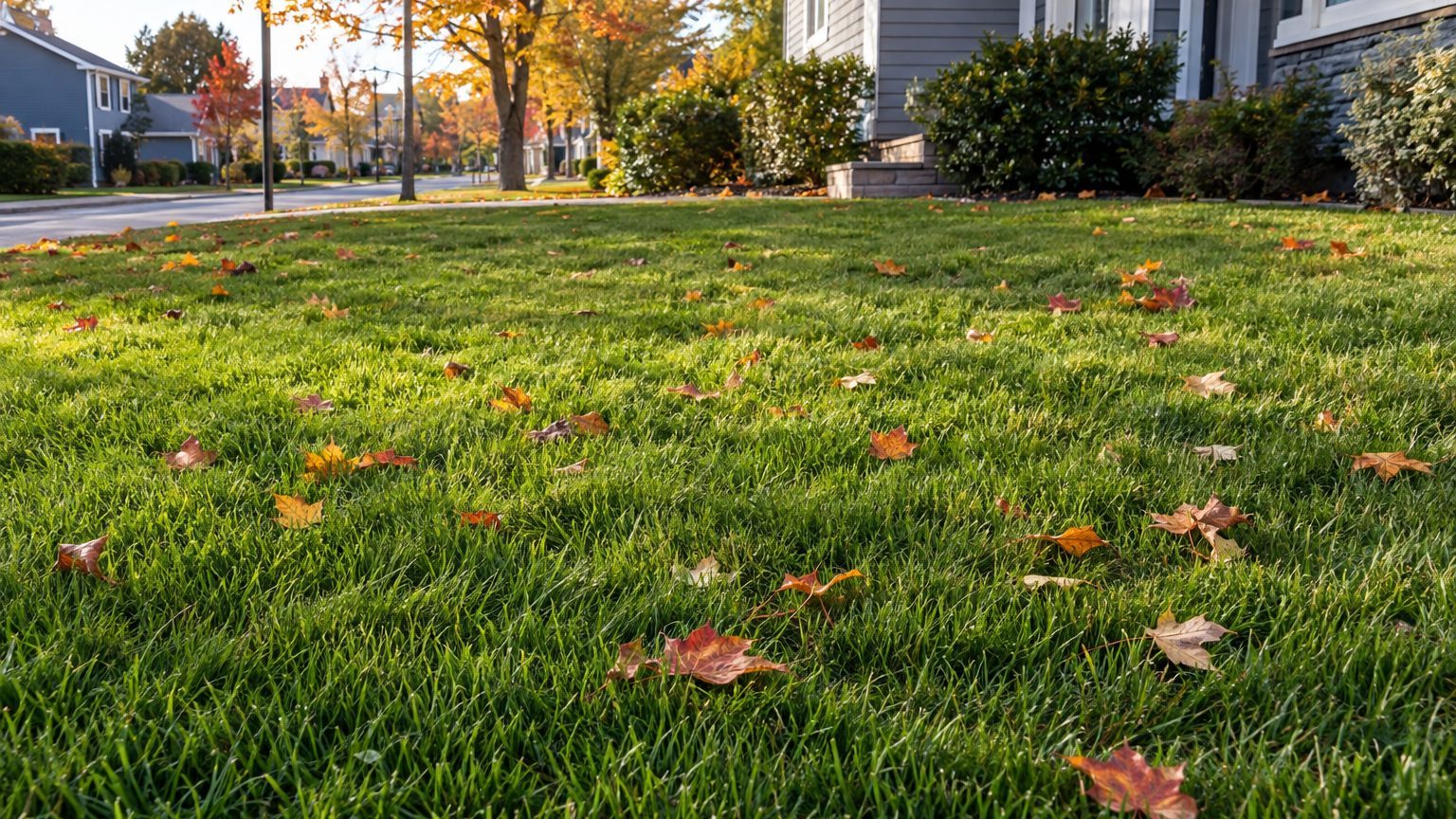
Mow in early summer, seed when the nights cool in late summer, and leave the lawn alone while snow covers it. That is the rhythm of a Newfoundland and Labrador yard, where the grass grows slowly through a cool, often foggy season and the best work lands in a few key months.
What to Do Each Month in a Newfoundland and Labrador Lawn
Most of the work gathers in late summer and early fall, when soil is warm and rain is reliable. Spring is for a light start and for stopping crabgrass before it sprouts.
| Month | In the lawn |
|---|---|
| January | Rest. The grass is dormant under snow, so keep traffic and heavy piles of plowed snow off it. |
| February | Rest. Nothing grows, and walking on frozen turf only crushes the crowns. |
| March | Rest. Watch for ice sheets and standing meltwater, which can smother grass if they linger. |
| April | Rake off debris once the ground firms up. A first light mow also works now if the grass has started to grow. |
| May | Put down crabgrass preventer before the weed seed sprouts. Mowing begins in earnest, and fertilizing, core aeration and seeding all work now too. |
| June | Mow regularly and start watering in dry spells, since shallow roots dry out fast. |
| July | Keep mowing and watering. Deep, infrequent soaking builds stronger roots than daily sprinkles. |
| August | Dethatch if the thatch layer is thick, then seed bare spots while the soil is still warm. Keep watering and mowing. |
| September | The main event. Core aerate, fertilize, seed and dethatch, all while the soil holds heat and the nights turn cool. |
| October | Keep mowing until growth stops. If you missed September, fertilizing still works now. |
| November | Make a final mow at the usual height if the grass is still growing. Seed sown on cold ground now will sit through winter and sprout in spring. |
| December | Rest. The lawn is dormant, and the only job is keeping salt and snow dumps away from the edges. |
If a task slips, check its timing before moving it to another month. Seeding in August or September gives young grass time to root before winter, and that matters most in a place with a short season.
Newfoundland and Labrador — the year and the numbers
- State
- Newfoundland and Labrador
- Hardiness zones
- 6a
- Last spring frost
- May 30
- First fall frost
- October 17
- Annual rain
- 60 in
- Lawn type
- cool-season
- Source
- Environment and Climate Change Canada — Canadian Climate Normals 1981-2010, station ST JOHN'S A · St. John's
When Does the Lawn Season Start and End in Newfoundland and Labrador?
Grass wakes up when the soil warms, not when the last frost passes. Cool-season lawn seed sprouts best when soil sits between 10 to 18 °C (50 to 65 °F), and in this province that usually means late spring, with growth peaking in the cool, damp stretch of summer and early fall.
Frost dates tell you about risk for tender new seedlings. In St. John’s, the last spring frost arrives on average around May 30, which means that in half of all years frost comes later. Treat it as the middle of a window, not a safe date.
In fall, the first frost averages around October 17 in St. John’s, again with a wide spread either side. Seed sown by September has time to knit together before then. Colder districts inland and farther north run weeks behind, so their season starts later and ends sooner.
How the Lawn Calendar Shifts Across Newfoundland and Labrador
The province is large and varied, and the calendar above is anchored to St. John’s, where the Canadian hardiness zone is 6a (a Canadian rating that does not convert to a USDA zone).
- St. John’s and the Avalon: The ocean keeps summers cool and springs slow and foggy, so lawns green up later than the calendar might suggest, but frost holds off into fall.
- Central Newfoundland: Inland spots like Gander swing hotter in summer and colder in winter. Spring work can come a little later, and fall deadlines for seeding arrive sooner.
- Corner Brook and the west coast: Deep snow and a somewhat milder pace shape the season, so wait for meltwater to clear before raking or mowing.
- Labrador: Short summers and late thaws delay spring work and compress the seeding window, so wait for the lawn to wake up in spring and seed early in the late-summer window.
Use the calendar as a starting point, then nudge each task earlier or later by watching when your own grass starts moving.
Lawn Care Timing Mistakes to Avoid in Newfoundland and Labrador
Seeding Too Late

Seed that goes down after September often sprouts too late to root before hard cold. The result is thin turf that heaves or dies over winter. Aim for August to September, and if that passes, dormant seeding in November is the fallback.
Fertilizing Too Early in Spring
A heavy feeding on cold, wet soil mostly washes away or pushes soft top growth that struggles in cool weather. Wait until May, and give your main feeding in September, when roots are building for winter.
Skipping Crabgrass Preventer Timing
Preventer works only before the weed seed sprouts, so applying it in June is wasted effort. Spread it in May, and check the product label before seeding because some crabgrass preventers also block grass seed.
Where to Get Lawn Advice in Newfoundland and Labrador
Canada has no county extension offices, so local help comes from the province, local gardeners and garden centers. Start with the Newfoundland and Labrador Department of Fisheries, Forestry and Agriculture for provincial guidance.
- Local master gardener groups and garden clubs can tell you how spring behaves in your own town, so ask before your first mow.
- Garden centers can help you match grass seed to your sun and soil before late-summer seeding.
Common Questions
What Grass Type Grows Best in Newfoundland and Labrador?
Cool-season grasses suit the climate, including fescues, perennial ryegrass and Kentucky bluegrass blends. Fine fescues handle shade and thin soil better than bluegrass, which is useful on shaded or rocky lots.
How Short Should You Mow a Lawn in Newfoundland and Labrador?
Keep the blade high, since taller grass shades the soil, holds moisture and resists weeds in a short season. Cut only a portion of the leaf at a time, and use a sharp blade for clean cuts.
Is It Too Late to Fix a Patchy Lawn in October?
Seeding is better done earlier, but October is still good for fertilizing. If seed is your only option, wait for November and let it sit through winter to sprout in spring.