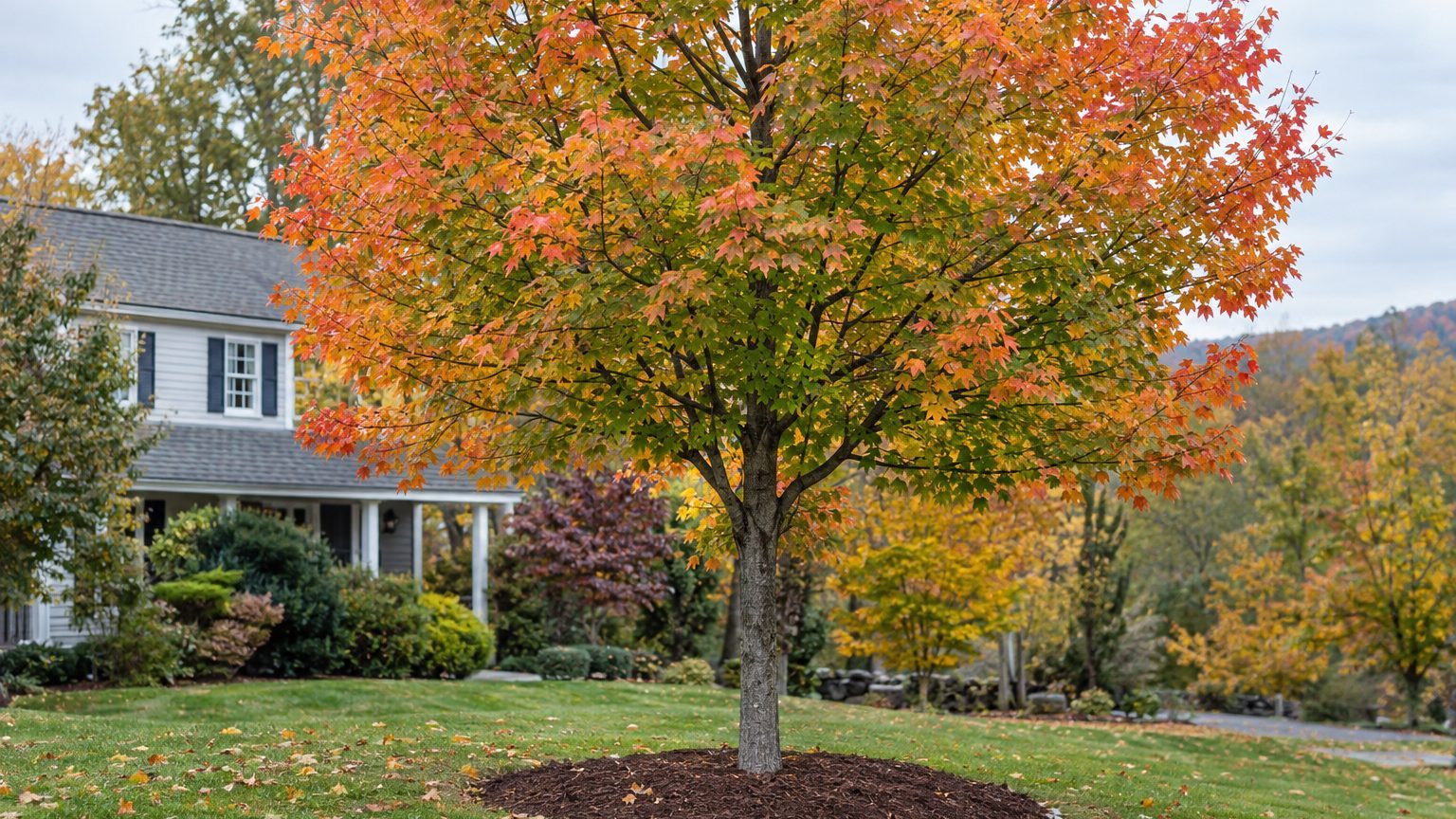
A maple that went in the ground in spring is usually leafing out by the time the last frost has passed. Vermont gives you two planting seasons for trees, a long one in spring and a shorter one in early fall, and fruit trees only get the first.
When Is the Best Time to Plant Trees in Vermont?

Spring is the season for shade and ornamental trees in Vermont, in April and May, with early fall as a fallback in September and October.
- In April, plant as soon as the frost is out of the ground and the soil can be worked, while the tree is still dormant.
- Through May, container and balled-and-burlapped trees go in easily, and planting can run into early June.
- In summer, hold off, because heat and dry soil stress new roots.
- In September and October, fall planting works if it is finished before the end of October, and the tree is watered until the ground freezes.
Roots grow best in soil that is warm but not hot, so watch the soil and plant when it has warmed. Container-grown trees can go in most of the year if you water them, but they settle best in the dormant season. Bare-root trees must be planted while dormant, before the buds open. Around Burlington, on Lake Champlain, the last spring frost falls between April 30 and May 10. The first fall frost comes between October 3 and October 13. The Green Mountains and the Northeast Kingdom run shorter, so expect later springs and earlier autumns there. Vermont spans USDA hardiness zones 3b to 5b, which affects how much winter cold a tree must take.
When to Plant Fruit Trees in Vermont
Fruit trees go in during April and May, in early spring as soon as the frost has left the ground. Bare-root trees are planted while dormant, in April or early May, before the buds open.
Fall planting is out for fruit trees here. The winters are too cold for a newly planted fruit tree to get established before freeze-up.
| Kind of fruit tree | When to plant in Vermont | Why then |
|---|---|---|
| Bare-root | April to early May | The tree is dormant and the buds have not opened |
| Container | April and May | The frost is out of the ground and roots can start growing |
Bare-root stock usually costs less than potted trees and grows well when it goes in on time. Apricots are hardy through midwinter but turn tender as late-winter temperatures climb. A plum-apricot hybrid called Spring Satin does not tolerate late-winter freeze-thaw cycles, so give both a protected spot.
Best Trees to Plant in Vermont
Trees that handle cold winters and sit well in your soil and light do best. Paper birch and aspen suit cool sites, red maple adapts to many soils, and some trees need protection from wind and ice.
| Tree | How it does in Vermont | Why |
|---|---|---|
| Paper birch | Does well on cool sites in full sun | Adapted to many soils, shade-intolerant |
| Aspen | Does well in full sun | Shade-intolerant, survives best with open light |
| Red maple | Adapts to a variety of soils | Often grows where shade-tolerant softwoods once stood |
| Eastern redbud | Works in a sheltered spot | Needs well-drained soil, sun to part shade, and protection from desiccating winds and ice |
| Sugar maple | Handsome but fussy near roads and in tight soil | Dislikes salt, compaction and heat |
Birch, red maple, magnolia, tuliptree, oak and ginkgo all do better planted in spring than in fall. Ask what each tree needs in your yard, in sun, wind exposure and drainage, before you buy.
When to Plant, Water and Prune Trees in Vermont
The yearly rhythm is simple: plant in spring, water a new tree until the ground freezes, and prune fruit trees while they sleep. Pruning in fall or early winter is avoided, because new growth may not harden before the cold.
| Task | Best timing in Vermont | Why then |
|---|---|---|
| Plant shade and ornamental trees | April and May, or September and October | Roots settle in soil that is workable and not stressed by summer heat |
| Plant fruit trees | April and May | The frost is out of the ground, and fall planting is too risky |
| Water a young tree | Regularly through the growing season, and in fall until the ground freezes | New roots need moisture before the soil locks up |
| Prune fruit trees | March and April | The tree is dormant and pruning least affects winter hardiness |
Peaches are pruned last, closest to bloom, because their flower buds are easily hurt by cold, while apples go first. Details are on the When to Prune Fruit Trees page for Vermont.
Where to Get Tree Advice in Vermont
A tree is a long commitment, and a quick question to local experts can save years. Soil, site and hardiness zone vary a lot between Lake Champlain and the hill towns.
- The University of Vermont Extension answers questions on choosing a tree and caring for it, and its staff can point you to the right office for your town.
- Your county extension office can arrange a soil test, so contact them and have results before the spring planting window opens.
Common Questions
Can You Plant a Tree in Vermont in Summer?
You can if the tree is container-grown, but heat and dry soil make the first season harder. Water deeply and often, or wait for the cooler days of September.
Should You Mulch a New Tree?
Yes, spread mulch in a wide ring on the soil and keep it back from the trunk. Mulch piled against the bark holds moisture where it does harm.
Is Burlap Left on a Balled-and-Burlapped Tree?
Remove it once the tree is in the hole. Material left on the root ball can hold the roots in and slow their spread into the surrounding soil.