Skip to content

Yukon

  1. Jan
  2. Feb
  3. Mar
  4. Apr
  5. May
  6. Jun
  7. Jul
  8. Aug
  9. Sep
  10. Oct
  11. Nov
  12. Dec
State
Yukon
Hardiness zones
1b
Last spring frost
June 5
First fall frost
August 25
Annual rain
10 in
Lawn zone
cool-season
Source
Environment and Climate Change Canada — Canadian Climate Normals 1981-2010, station WHITEHORSE A · Whitehorse

The year in Yukon, from the calendar

  1. Jan—
  2. Feb—
  3. MarPrune fruit trees
  4. AprPrune fruit trees
  5. MayFeed hydrangeas · Feed roses · Prune roses
  6. JunPlant hydrangeas · Prune bigleaf hydrangeas · Seed the lawn · Lilacs bloom · Prune lilacs
  7. JulFeed hydrangeas · Plant hydrangeas · Prune bigleaf hydrangeas · Prune lilacs · Peonies bloom
  8. AugPlant spring bulbs · Peonies bloom · Mow · Plant trees · Water
  9. SepPlant spring bulbs · Plant peonies · Plant trees · Mow
  10. Oct—
  11. Nov—
  12. Dec—

From the state frost facts and extension calendars: University of Alaska Fairbanks · Clemson HGIC factsheet — Hydrangea · NDSU Extension — Dakota Gardener (lawns) · University of Alaska Fairbanks Cooperative Extension.

Best Time to Plant Trees in Yukon

Best Time to Plant Trees in Yukon

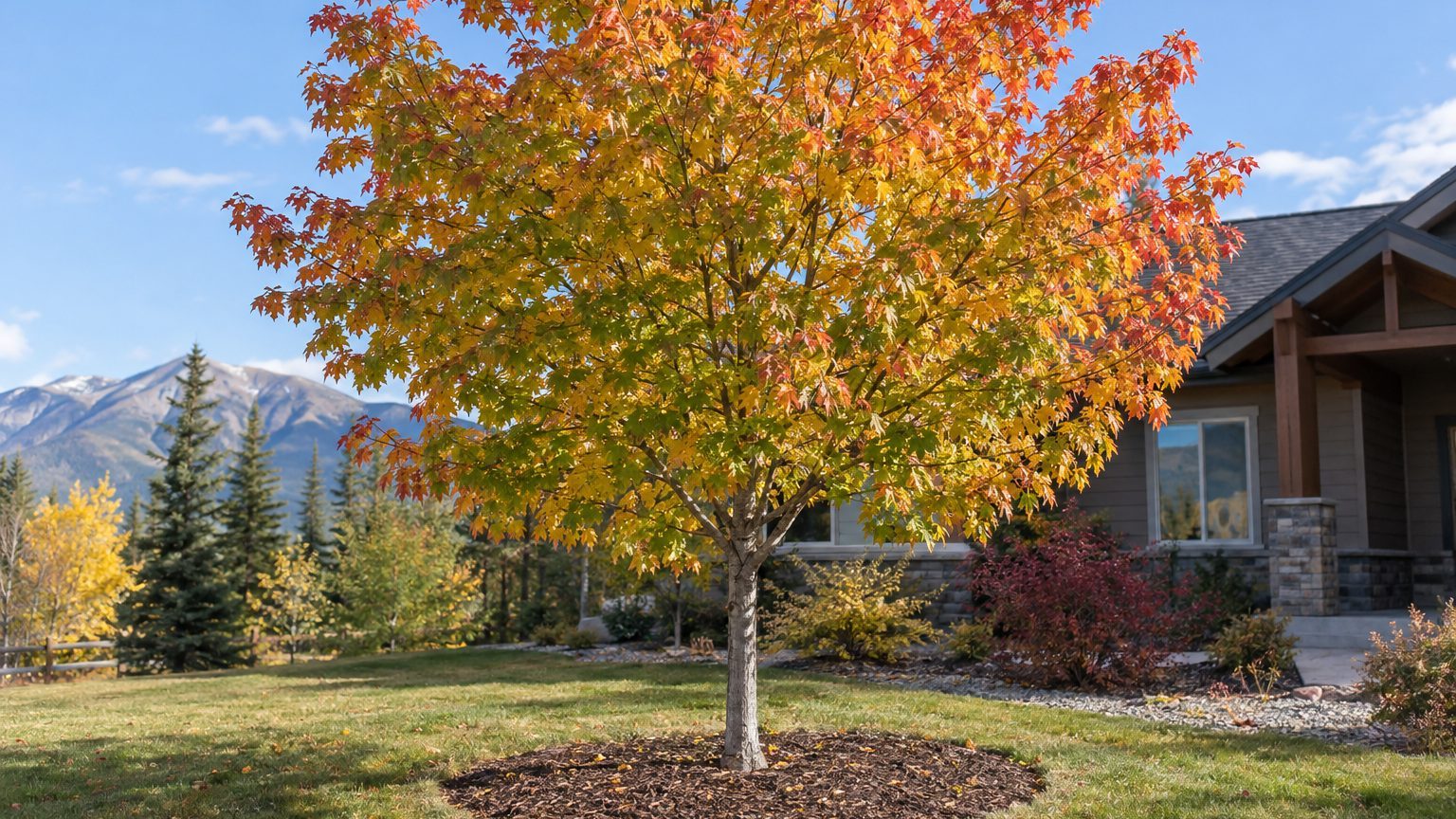
A young tree in a nursery pot looks ready to plant any day of the growing season, but Yukon summers are short and winters are hard. Planting shade, ornamental and fruit trees at the right moment gives roots time to settle before the cold returns. A few hardy trees do the best here.

When Is the Best Time to Plant Trees in Yukon?

A young shade tree newly planted in a home yard

Plant shade and ornamental trees in September, with May as a fallback, because a tree that is dormant can rebuild damaged roots without feeding leaves at the same time.

  • In early spring, a tree can be planted once the ground thaws enough to work, though buds often start to swell by then, which is why May works only as a fallback.
  • Through summer, planting is the hardest, since heat and dry soil stress new roots.
  • In September, container-grown and balled-and-burlapped trees go in while the tree is heading into dormancy, and the roots have a stretch of time to regrow and recover before the soil freezes.
  • After a fall planting, water the tree regularly until the ground freezes.
  • Bare-root trees are planted while dormant, before the buds open, and container trees can go in most of the year if watered but settle best in the dormant season.

In Whitehorse, the last spring frost falls on average around June 5, so in half of all years it comes later. The first fall frost arrives on average around August 25, and half of all years it comes earlier. Northern and upland districts run weeks behind these dates. Yukon sits in Canadian hardiness zone 1b, a rating that does not convert to a USDA zone.

Dates here follow the nearest comparable climate, so confirm local timing with a garden centre, a garden society or a territorial gardening group.

When to Plant Fruit Trees in Yukon

Plant a bare-root fruit tree as soon as the soil can be worked in spring, while the tree is still dormant and before the buds open. A container-grown fruit tree is more flexible, but it also settles best in the dormant season.

Fall planting works for fruit trees too, with the same watering until the ground freezes. Once buds open on a bare-root tree, the roots cannot keep up with the leaves.

Kind of fruit tree When to plant in Yukon Why then
Bare-root While dormant, before the buds open Roots establish before leaves ask for water
In a container Most of the year if watered, best in the dormant season The root ball is intact, but dormancy still helps it settle

Choice of tree matters as much as timing. Rescue and Norland apples, and tart cherries, have done well in cold climates like this one. The Manchurian plum and Manchurian apricot are winter-hardy there too, though they are grown from seed and vary in quality. Dwarfing rootstocks common in southern nurseries are not reliably winter-hardy.

Best Trees to Plant in Yukon

Crabapples are the proven shade and ornamental choice in cold climates like this one. Breeding has produced many hardy cultivars, and some survive extremely severe winter cold. Match any tree to your space, sun and hardiness zone.

Tree How it does in Yukon Why
Siberian crabapple Grows well in cold northern climates Bears edible fruit slightly larger than wild crabapples
Dolgo crabapple Grows well in cold northern climates Bears edible fruit slightly larger than wild crabapples
Hardy crabapple cultivars Some survive the deepest winter cold Bred and selected for extreme cold

Wild crabapples are native in parts of North America, so a crabapple suits a wide range of yards. Check the cultivar label for hardiness before buying.

When to Plant, Water and Prune Trees in Yukon

Planting, watering and pruning each have a window tied to dormancy, so most of the work happens when the tree is asleep. Pruning in fall or early winter is avoided because new growth may not harden before the cold.

Task Best timing in Yukon Why then
Plant a shade or ornamental tree September, or May as a fallback Dormant roots can regrow and recover before or after winter
Plant a bare-root fruit tree While dormant, before buds open Roots settle before leaves demand water
Water a young tree Regularly after planting, until the ground freezes New roots need moisture to establish before winter
Prune a fruit tree March to April, in late winter or very early spring The tree is still dormant and the buds have not swollen

Peaches are pruned last, closest to bloom, because their flower buds are easily hurt by cold, while apples go first. The page on when to prune fruit trees covers the details.

Where to Get Tree Advice in Yukon

Yukon has no county extension office, so tree and soil questions go to a few other places.

  • Agriculture and Agri-Food Canada, linked as Agriculture and Agri-Food Canada, is the federal department to check for general growing guidance in the winter planning months.
  • A local garden centre or a garden society can tell you which trees suit your district and soil, so ask before spring ordering.
  • Territorial gardening groups can confirm local timing, and a September visit lets you plant and water the new tree until the ground freezes.

Common Questions

Is a Canadian Hardiness Zone the Same as a USDA Zone?

No. The Canadian system uses seven climate variables, while the USDA system uses one, and there are no simple conversions between them. Yukon is in zone 1b by the Canadian system, so check a plant’s rating by that system.

Do Plums and Apricots Grow in a Cold Climate Like Yukon?

The Manchurian plum and Manchurian apricot are winter-hardy in a cold climate similar to Yukon’s. Both are grown from seed, so fruit quality varies from tree to tree.

Do Dwarfing Rootstocks from Southern Nurseries Survive?

Often not. The Malling, Merton Malling and EMLA dwarfing rootstocks common in southern nurseries are not reliably winter-hardy in a climate this cold, so ask a local garden centre which rootstock a tree is on before buying.
Best Peonies for Yukon

Best Peonies for Yukon

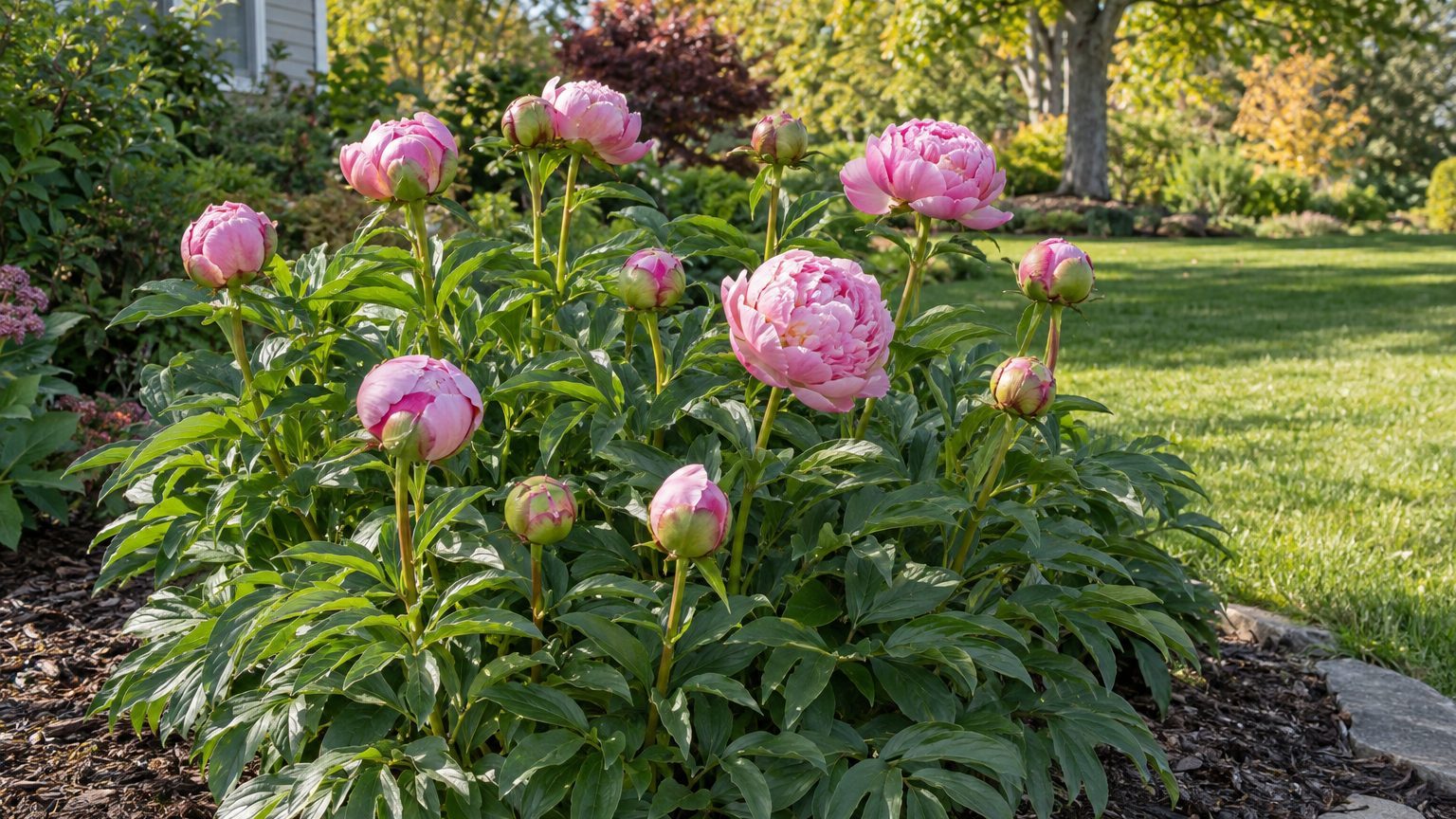
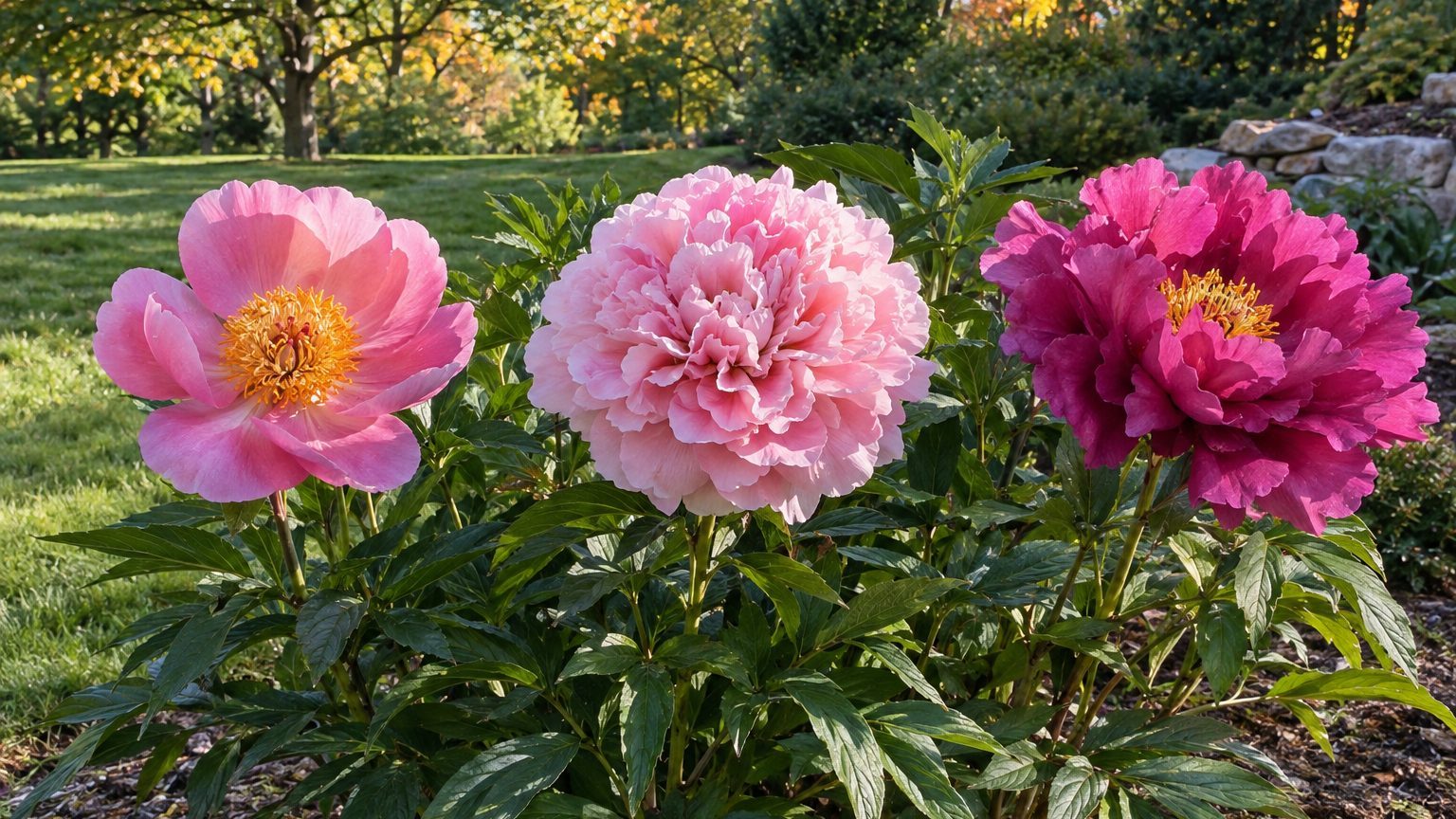
Peony shoots push up red through cold soil in spring, and the flowers open in Yukon well after peonies elsewhere have finished. Herbaceous peonies are a practical choice for a Yukon yard, while tree peonies keep exposed woody stems through winter. The cold that defines the territory is what makes them flower.

Best Peonies to Grow in Yukon

Best Peonies for Yukon

Herbaceous peonies fit Yukon because they need a cold winter rest to flower. Whitehorse sits in Canadian hardiness zone 1b, a rating that does not convert to a USDA zone. Peonies may flower poorly in mild-winter climates, while Yukon’s cold provides the winter rest they need.

Herbaceous Peonies

Herbaceous Peonies — Best Peonies for Yukon

This is the classic garden peony, and the type to start with. It dies back to the soil each year, so only the roots face the deep cold. The cold rest it needs for flower buds is built into a Yukon winter.

Give it a spot where the crown can sit with its eyes near the soil surface. A newly planted or transplanted peony may not bloom the first spring, which is normal.

Late-Blooming Cultivars

Late-Blooming Cultivars — Best Peonies for Yukon

Peonies in the far north bloom later than peonies elsewhere in North America. Your garden gets color when most of the continent has already finished, which is a real advantage if you like cut flowers late in the summer.

When you shop, ask a local garden centre which cultivars have done well in cold northern gardens.

Tree Peonies

A tree peony keeps its woody stems instead of dying back to the ground. That makes it a showier shrub, but it also leaves those stems standing in the open through a Yukon winter.

Treat it as a trial plant in a sheltered corner rather than the backbone of the bed. The exposed woody stems create winter risk, while an herbaceous peony dies back to the ground.

How to Choose a Peony for a Yukon Garden

For a Yukon garden, match the peony to your habits and the winter exposure of the bed. What remains is matching the plant to your habits, your patience and the kind of winter exposure your bed gets.

Think about how much you want to do each fall, and when you hope for flowers.

Your situation What suits it in Yukon Why
Long, very cold winter Herbaceous peony Only the roots stay in the ground through the cold, and the plant needs that cold rest to flower.
Flowers after most peonies are done Locally proven cultivar Peonies in the far north open later than elsewhere in North America.
Sheltered corner, woody winter structure Tree peony It keeps its woody stems instead of dying back each year.
New planting you want to see flower soon Plant in September and wait A newly planted or transplanted peony may not bloom the first spring.

Mild-winter peonies, bred for places where the ground barely chills, are the wrong direction for Yukon. Small-space gardens do well with an herbaceous plant, since it comes back from the roots each year and needs no support structure from the previous season.

Which Peonies Suit Different Parts of Yukon

Yukon is large, and a peony bed in town does not live the same season as one far away. Local winter exposure can change the choice, so ask nearby growers what has held up.

  • Whitehorse is the reference point for the frost date and hardiness zone. Herbaceous types are a practical starting point, while tree peonies keep their woody stems through winter.
  • Northern and upland districts: Seasons here run later than in Whitehorse, so ask local growers about proven cultivars and expect shoots to emerge later. Herbaceous peonies planted in a protected, sunny spot are the sound choice.

Wherever you garden, a sheltered, sunny bed can reduce exposure.

Peony Buying Mistakes to Avoid in Yukon

Planting Too Late in Fall

A peony set in after the ground has frozen has no time to root before winter. Plant or divide in September, so the roots can settle before the cold arrives. If you buy later, ask a local garden center how to care for the plant until it can go into the ground.

Planting Too Deep

A peony planted too deep may bloom poorly or not come up at all. Keep the eyes near the soil surface when you set the root in the hole, even if it feels shallow. A deep plant can look healthy without flowering, which makes the planting depth easy to overlook.

Cutting Back a Tree Peony

Herbaceous peonies get cut back after frost, but a tree peony keeps its woody stems and is never cut to the ground. Treating them alike removes the wood that carries future buds. Check the label before fall cleanup, especially if the tag has been lost.

Where to Get Peony Advice in Yukon

Yukon has no county extension office. Planting and bloom months follow the nearest comparable northern climate, so confirm local timing with a garden centre, a garden society or a territorial gardening group before you buy.

  • Agriculture and Agri-Food Canada, reached through Agriculture and Agri-Food Canada, offers general growing information you can read at any time of year.
  • A local garden centre can tell you which peony roots arrive for fall planting, so ask a little before September.
  • A garden society or gardening group can point you to neighbors whose peonies have come through your kind of winter.

Common Questions

When Do Peonies Bloom in Yukon?

July and August are the usual months, later than elsewhere in North America. Flowers can also open in June in some seasons.

Is June 5 a Safe Last Frost Date in Yukon?

No. At Whitehorse, June 5 is an average, so in one year out of two the last frost falls later. Treat it as the middle of a window, and expect northern and upland gardens to run later still.

Can You Divide Peonies in Yukon?

Yes. Dividing follows the same September window as planting, ahead of the ground freezing. Divided pieces may skip flowering the first spring while they settle.

When Do Peonies Bloom in Yukon?

When Do Peonies Bloom in Yukon?

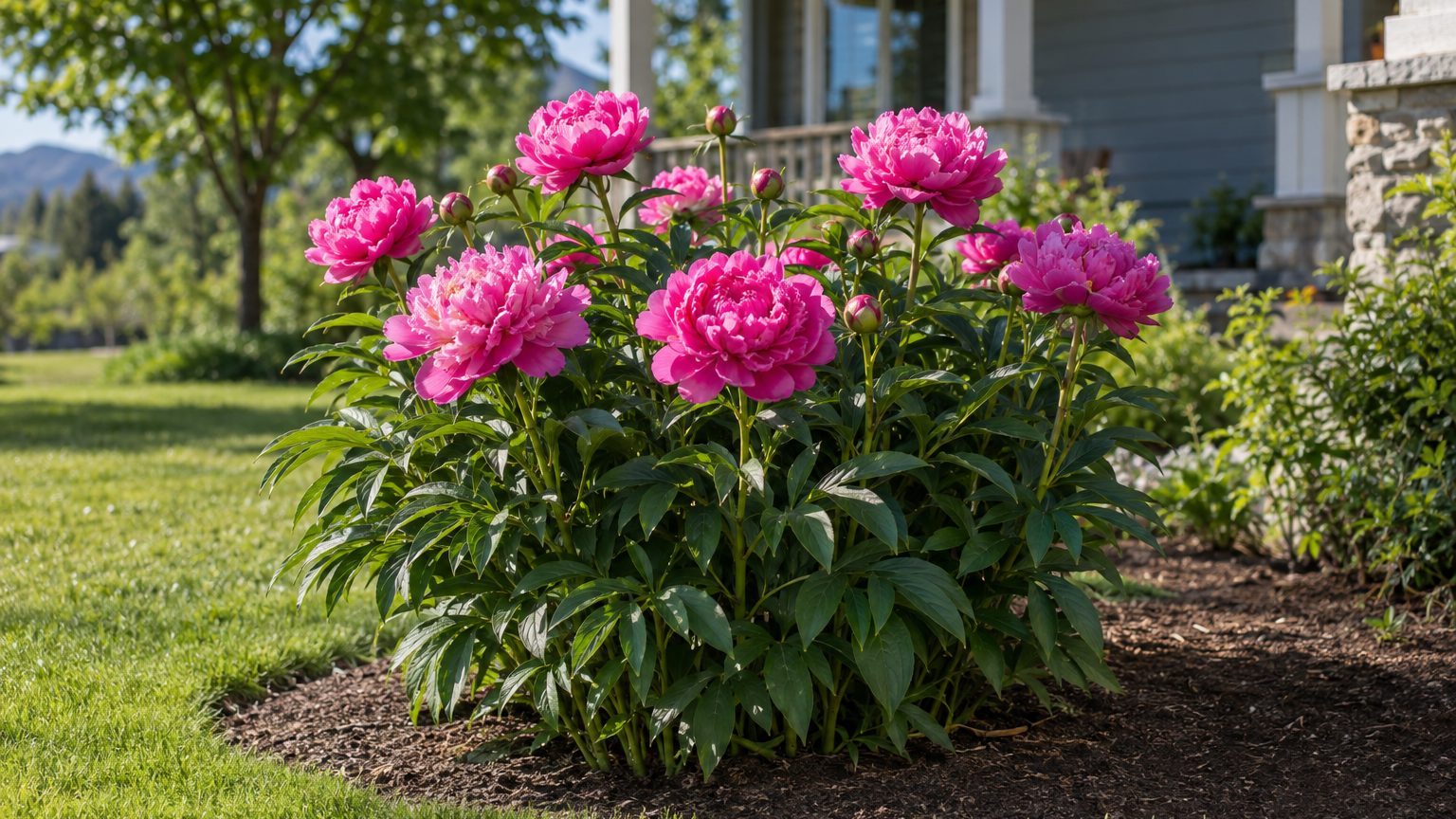
Peony shoots push through cold soil long after gardens farther south are in full flower. In Yukon, the flowers wait for midsummer. Your blooms will most likely open in July and August, which shapes when you watch for buds, when you cut the plants back and how you plan the garden around them.

When Do Peonies Bloom in Yukon?

When Do Peonies Bloom in Yukon?

Peonies bloom in July and August in Yukon, and the earliest flowers can open in June. That is later than elsewhere in North America. No local page covers peony timing for the territory, so these dates follow the nearest comparable northern climate. Confirm local timing with a garden centre, a garden society or a Yukon gardening group.

Type of peony When it blooms in Yukon What to know
Herbaceous peony July and August, and it can also open in June Dies back each year and is cut back after frost

Tree peonies keep their woody stems through winter, so they are never cut back. Ask a local grower about tree-peony bloom timing before relying on the herbaceous-peony window. Average last spring frost in Whitehorse is June 5, and in one year out of two it comes later, so treat that date as the middle of a window, never as a safe date. Planted too deep, a peony may bloom poorly or not come up at all, so keep the eyes near the soil surface.

How to Tell When Your Peonies Are About to Bloom

Because bloom time varies, the plant itself is a better clock than the calendar.

  • Red shoots poking through the soil in spring tell you the plant has woken, and a hard frost can still nip them, so keep a bucket or cloth handy for cold nights.
  • Shoots that turn green and open into divided leaves mean the stems are lengthening, which is the time to set a support ring around the clump.
  • Round buds the size of a pea show that flowers are on the way, so keep the soil evenly moist.
  • Buds that swell and turn from hard to slightly soft when you press them gently are close to opening.
  • Sticky droplets on the buds, often with ants wandering over them, are normal and need no treatment.
  • Petals showing color through a split in the bud mean the flower is about to open.

A clump that produces leaves but no buds is usually too young or planted too deeply.

When to Cut Back Peonies in Yukon

Cut herbaceous peonies back in fall, once a hard frost has blackened and flattened the foliage. Cutting earlier robs the roots of the energy the leaves are still sending down. In a cold territory like Yukon the frost comes early, so there is no need to hurry.

Cut the stems down near the soil line and clear the foliage away so old leaves are not left sitting on the crown. Put the cuttings in the trash or a yard-waste bin instead of a compost pile that may stay cool. Whitehorse sits in Canadian hardiness zone 1b (a Canadian rating, not a USDA zone), and herbaceous peonies are suited to that depth of winter cold, which they need to flower.

Tree peonies are different. Leave their woody stems in place, and remove only dead or broken wood.

How Peony Bloom Time Shifts Across Yukon

Yukon is a large territory, and a peony in your yard will not follow the same schedule as one in the capital.

  • Whitehorse is the reference for the frost date and hardiness zone, while bloom timing still varies by site.
  • Northern Yukon and higher ground around mountain settlements: cooler springs start growth later, so expect flowers to slide toward August.

A sheltered, south-facing wall can pull a plant a little ahead of an open yard just down the road.

Where to Get Peony Advice in Yukon

Canada has no county extension offices, so advice comes from different places. Agriculture and Agri-Food Canada offers general guidance, and local groups know which varieties survive winters in your valley.

  • Visit a Whitehorse garden centre in spring to ask which peony varieties they stock and which have performed well locally.
  • Contact a local garden society or gardening group before the growing season to compare bloom dates with neighbours.
  • Check with the territorial agriculture department in late summer if you plan a fall planting.

Common Questions

Will a Newly Planted Peony Bloom the First Spring?

Often not. A newly planted or transplanted peony may skip bloom its first spring while the roots settle. Be patient before judging its flowering.

When Should You Divide or Plant Peonies in Yukon?

September is the month, early enough that the roots can settle in before the ground freezes. Use the same depth rule as at the first planting, with the eyes near the surface.

Why Do Peonies Bloom Later in Yukon than Elsewhere?

Cold ground wakes slowly, so growth starts later, and the whole bloom window moves into July and August. The long winter rest is also why peonies do well here, since they need cold to flower and may bloom poorly in mild-winter climates.

When to Plant Peonies in Yukon: Dates and Care

When to Plant Peonies in Yukon: Dates and Care

When birch and aspen leaves turn yellow along the Yukon River, a peony clump is already dying back, and its roots are about to start settling in for winter. September is the month to plant or divide peonies in Yukon, while the soil can still be worked. The dates here follow gardens in a comparable northern climate, so confirm local timing with a garden centre, a garden society or one of the territory’s gardening groups.

When to Plant Peonies in Yukon

When to Plant Peonies in Yukon: Dates and Care

Plant or divide peonies in September, before the ground freezes. The rest of a peony’s year in Yukon follows from that fall planting, and the dates below speak of Whitehorse, in Canadian hardiness zone 1b (a Canadian rating that does not convert to a USDA zone).

  • In spring, the red shoots push up as the soil thaws, and the clump needs nothing more than a clear, unmulched crown so the eyes can break through.
  • In Whitehorse, around early June, the last spring frost arrives on average on June 5, which means that in about half of years frost comes later, so treat the date as the middle of a window and cover young shoots when a cold night is forecast.
  • In July and August, the buds open, later than peonies bloom elsewhere in North America, and some may begin in June.
  • In late summer in Whitehorse, the first fall frost falls on average around August 25, again the middle of a range, and northern or upland yards often see it sooner.
  • In September, the planting window opens, and roots set into cool soil have time to anchor before the ground locks up.
  • After the first hard frost, the leaves and stems of a herbaceous peony go limp and brown, and that is the signal to cut them back.

Because a newly planted peony is building roots, plan on patience for flowers. A young plant often skips bloom the first spring and then catches up.

Which Peonies Grow Best in Yukon?

Peonies suit Yukon well. They need a cold winter rest to set flower buds, and long, hard winters supply that without trouble. Spring frost can still damage young shoots, so protect them when a cold night is forecast.

Peony type How it does in Yukon Why
Herbaceous peony Grows well and blooms in July and August Dies to the ground each winter and needs the long cold rest to flower

Tree peonies and Itoh hybrids are also sold in garden centres, and they are worth trying in a sheltered spot, but a tree peony keeps its woody stems above ground all winter, so it is more exposed to a hard season. Start with herbaceous plants, and ask local growers which cultivars have held up in your neighborhood.

When to Plant, Cut Back and Feed Peonies in Yukon

Peony care follows the calendar and clear signs in the plant. When you plant, keep the eyes (the pink buds on the root) close to the soil surface, because a peony set too deep may bloom poorly or not come up at all.

Task Best timing in Yukon Why then
Plant or divide September Roots settle in before the ground freezes
Enjoy bloom July and August Northern peonies flower later than those farther south
Cut back herbaceous peonies After the first hard frost The foliage has died, and removing it clears a hiding place for disease

Tree peonies are never cut back, because they keep their woody stems. For feeding advice, ask a local garden center what suits your soil.

How Peony Planting Dates Change Across Yukon

Yukon stretches from broad valleys to high country, and a peony’s season shifts with where your yard sits.

  • Higher ground and cold hollows: A yard on a slope or in a low spot where cold air pools can see frost well outside the usual dates, so a sheltered, sunny site gains the plant extra growing time.

A warm, south-facing wall can move a peony’s year ahead a little, but local gardeners can help you fine-tune the September planting window.

Where to Get Peony Advice in Yukon

Canada has no county extension offices, so advice comes from the territory’s agriculture staff, local gardeners and garden centres. They know which cultivars have wintered in your area and can help with a soil question or a plant that will not bloom.

  • Agriculture and Agri-Food Canada publishes the federal department’s guidance at Agriculture and Agri-Food Canada, a place to start for soil and crop questions before you contact territorial staff.
  • A local garden society or master gardener group can tell you in spring which peonies came through the winter, and which came through poorly.
  • A garden center in Whitehorse can help you choose firm bare roots with healthy eyes for September planting.

Common Questions

Why Hasn’t a New Peony Bloomed in Yukon?

A newly planted peony may skip flowers while it builds roots, so healthy leaves without a first-spring bloom are not a reason to worry. If the foliage is vigorous but flowers stay missing, check the planting depth and the light, since buried eyes and shade are common causes.

Can You Buy and Plant Peonies in Spring in Yukon?

Ask local garden centers when potted and bare-root peonies are available. Plant or divide peonies in September, before the ground freezes.

Should You Water Peonies After Planting in September?

Yes, give the roots a deep soaking at planting and keep the soil lightly moist while it stays unfrozen. Moist soil helps the roots take hold before winter, and a layer of mulch added after the ground freezes helps hold the plant steady through the cold.

Best Lilacs for Yukon

Best Lilacs for Yukon

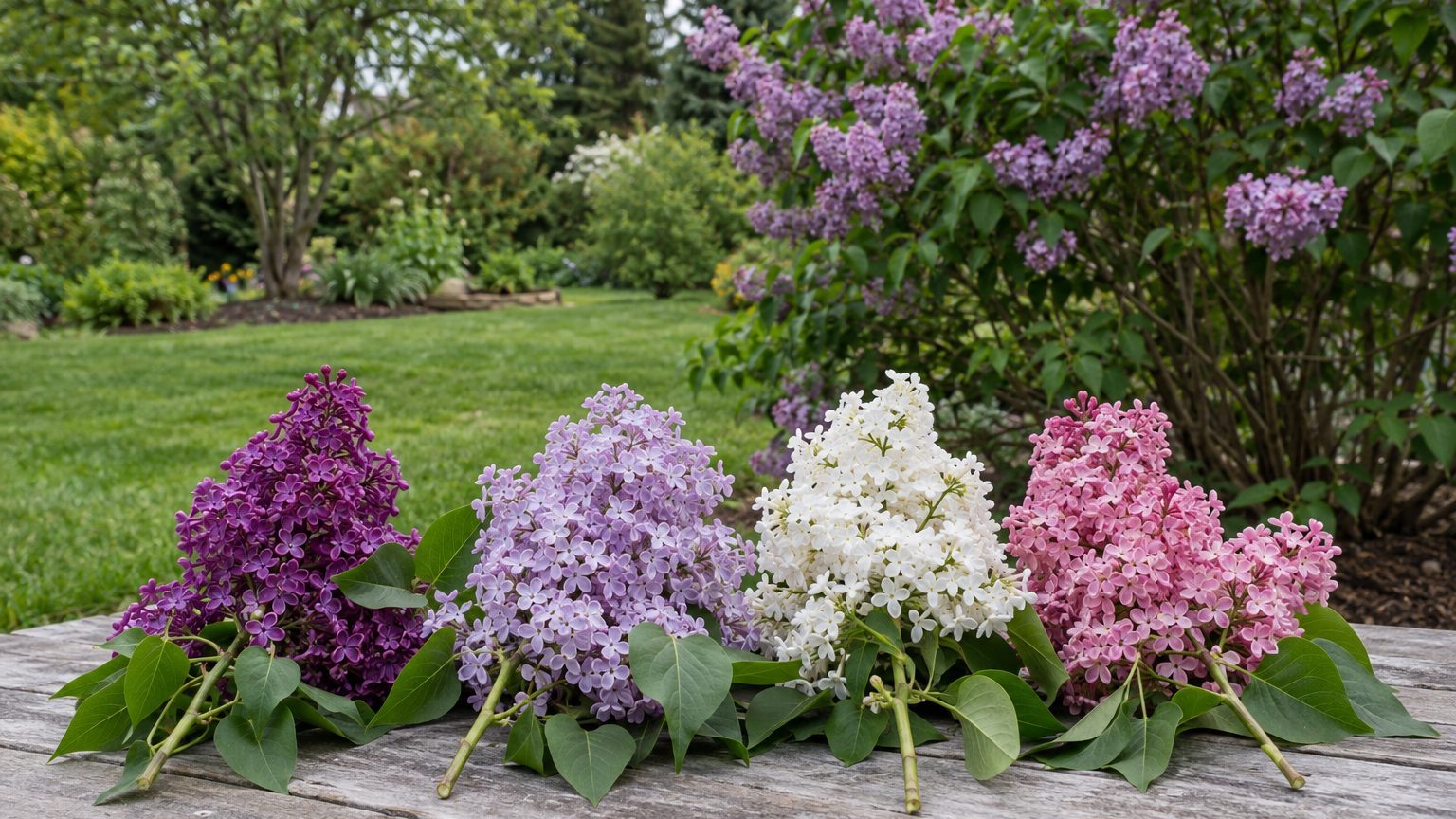
Lilacs sit in the yard all winter looking like bare sticks, then fill a Yukon June with fragrance. The cold is what they want, since they need a hard winter rest to set their buds. The real choice for a Yukon garden is which lilacs stay hardy enough and bloom at a good time.

Best Lilacs to Grow in Yukon

Best Lilacs for Yukon

Yukon’s cold winters suit lilacs, but every cultivar needs a hardiness check; late-blooming, winter-hardy choices are a sound fit. Whitehorse sits in Canadian hardiness zone 1b, a separate system that does not convert to a USDA zone. Plant labels with a zone number deserve a second look for that reason.

Common Lilac

Common Lilac — Best Lilacs for Yukon

French lilacs are the selections of common lilac, Syringa vulgaris, and they are the best known of the group. Hundreds of cultivars exist, in many colors and floret shapes, so you can choose by fragrance and flower color.

Cold winters ripen their flower buds, which is why they suit a territory like this one. Check each cultivar’s hardiness before buying.

Sensation

Sensation — Best Lilacs for Yukon

Sensation has purple flowers edged with white, and it is a striking one. Like most common lilac cultivars, it is rated winter hardy to Zone 3 and is not the pick for colder areas.

In Yukon, that rating is a warning. Ask a local garden centre whether Sensation has a reliable local track record before buying it.

Late-Blooming Lilacs

A lilac valued for winter hardiness and a late bloom is a sound fit here. Late cultivars flower after the common lilac, usually in the second or third week of June in far northern gardens.

That timing helps a Yukon garden stretch the lilac season. A later bloom can help the flowers avoid an earlier cold snap.

Dwarf Korean Lilac

Syringa meyeri, the dwarf Korean lilac, is also called the little-leaf lilac. It usually grows about 1.5 m (5 ft.) tall and just as wide, which keeps it manageable near a walkway.

It is a profuse bloomer with small, elegant violet flowers. Breeders use it often because it is reasonably small and compact, and some plants reach 2.4 m (8 ft.), so leave room.

How to Choose a Lilac for a Yukon Garden

Start with how cold your spot gets, then think about space and when you want flowers. Lilacs do best in cold-winter climates, so Yukon’s winter is working for you.

Be clear about the number on a plant tag. A USDA Zone 3 rating from a nursery is not the same thing as the Canadian zone 1b given for Whitehorse, and the two cannot be swapped.

Your situation What suits it in Yukon Why
Very cold winter spot A late-blooming, winter-hardy lilac Its USDA Zone 3 label does not establish hardiness in the Canadian system
Small space Dwarf Korean lilac Its compact size is useful, but its hardiness still needs local confirmation
Want flowers after the common lilac Late cultivars They bloom in the second or third week of June
Need a cold winter rest for buds French lilacs, common lilac selections Cold winters mature the flower buds

Short summers make bloom timing and local hardiness worth checking before you choose a cultivar.

Which Lilacs Suit Different Parts of Yukon

Yukon is large, and gardens differ from one district to the next. The main shift is toward hardier choices as you move into colder ground.

  • Whitehorse: The last spring frost falls on average around June 5, and in one year out of two it comes later. Treat that as the middle of a window, and plant lilacs that can take a late cold snap.
  • Dawson City and other northern or upland districts: Spring runs weeks behind Whitehorse here. Lean toward winter-hardy late bloomers and ask a local garden centre which cultivars have a proven local record.

In a sheltered Whitehorse yard you have more room to try cultivars. Farther north, hardiness decides first.

Lilac Buying Mistakes to Avoid in Yukon

Choosing a Fragile Cultivar

Sensation is the classic trap. It looks wonderful on the tag, but its Zone 3 rating cannot be compared directly with Whitehorse’s Canadian zone, so it does not prove local hardiness.

Pick a winter-hardy, late-blooming lilac for cold spots, and buy Sensation only if a local garden centre can confirm a reliable local track record.

Trusting the Wrong Zone Number

A nursery tag may carry a USDA zone, while Whitehorse is rated in the Canadian system as zone 1b. The two systems cannot be converted, because the Canadian one weighs seven climate variables.

Ask the seller which system the number belongs to, and favor plants known to do well in cold northern gardens.

Ignoring Adult Size

A lilac in a small pot looks harmless. Even the compact dwarf Korean lilac usually reaches 5 ft. tall and wide and sometimes 8 ft., so a plant set close to a window or a path soon crowds it.

Read the mature size before planting. An overgrown shrub can be cut back hard in late winter, but it will not flower for a few years afterward.

Where to Get Lilac Advice in Yukon

Yukon has no local guidance written on lilac timing, so the months here follow the nearest comparable climate, and local confirmation is worth having.

  • Agriculture and Agri-Food Canada, linked here as Agriculture and Agri-Food Canada, offers general plant and growing information from the federal level.
  • A local garden centre can tell you which lilacs have lived through recent Yukon winters, so ask before you buy.
  • A garden society or territorial gardening group can confirm local bloom and pruning timing, so reach out before you plant.

Common Questions

When Do Lilacs Bloom in Yukon?

Most flower in June. Some gardens see the first blooms in May, and late cultivars come after the common lilac.

When Should You Prune Lilacs in Yukon?

Prune in June or July, right after the flowers fade. Lilacs bloom on last year’s wood and set next year’s buds in summer, so pruning in late summer, fall or winter cuts off the next spring’s flowers.

Is the Last Spring Frost Date Safe for Planting Lilacs?

No. The June 5 average at Whitehorse is only the midpoint of a window. In one year out of two, frost arrives later, and northern or upland districts run weeks behind.

When to Prune Lilacs in Yukon

When to Prune Lilacs in Yukon

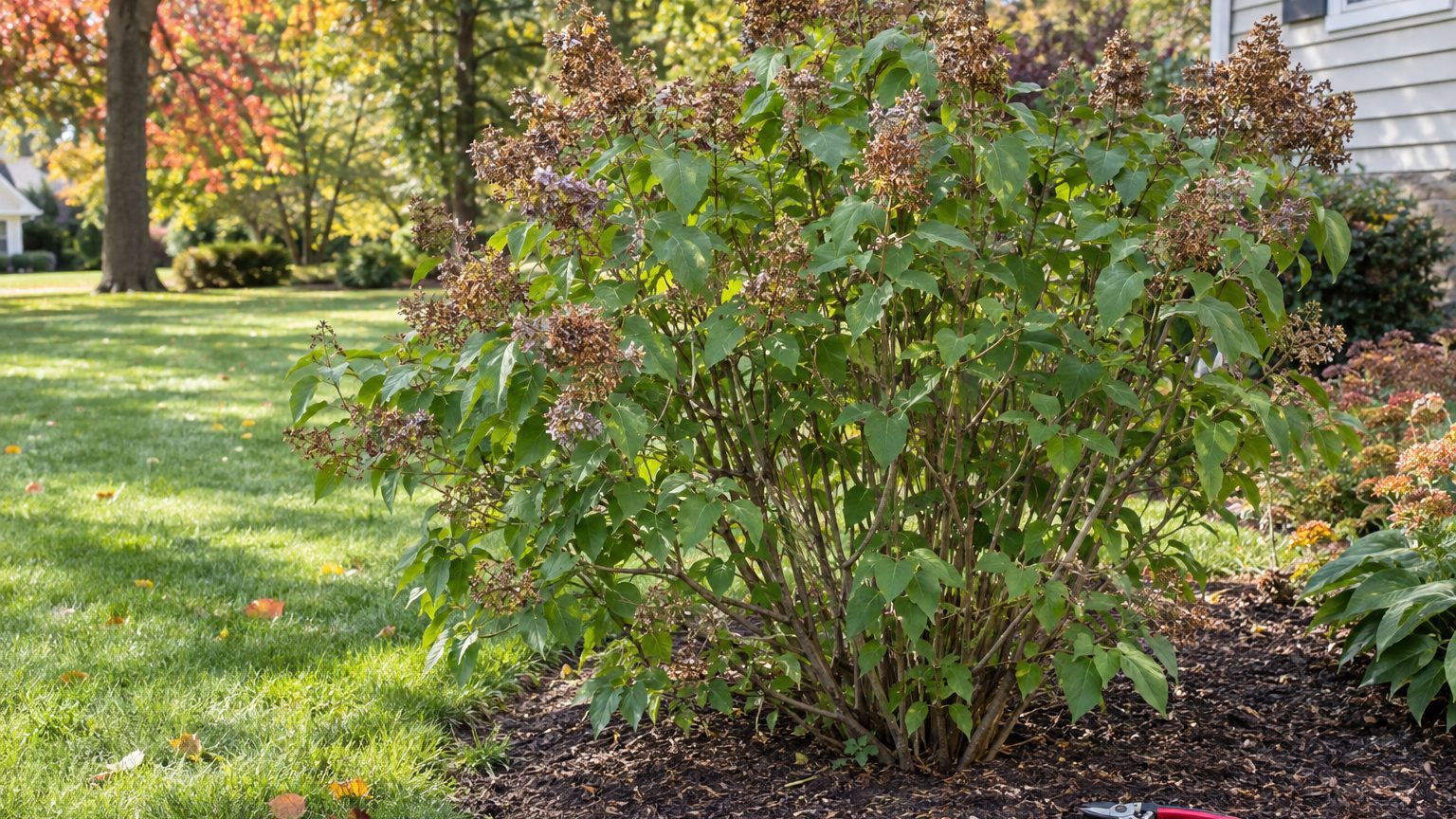
Lilac flowers turn brown and papery on the branch, and that is the cue to pick up the pruners. In Yukon the cutting happens in June and July, soon after the last clusters fade. The reason is timing inside the shrub, since next year’s flowers are already forming.

When to Prune Lilacs in Yukon

Lilac stems after flowering

Prune right after the flowers fade, which in Yukon means June into July. Lilacs open their blooms in June, and in a mild spring they can start in May. Yukon has no local lilac timing page of its own, so these months follow the nearest comparable northern climate. Confirm local timing with a garden centre, a garden society or a territorial gardening group.

Type of pruning When in Yukon Why
Routine upkeep: spent flowers, weak or crossing stems June to July, right after the flowers fade Next year’s flower buds form in June and July, so cutting early leaves them on the plant
Hard cutback of an old, overgrown lilac Late winter, while the shrub is dormant The shrub regrows strongly, but it will not flower for a few years afterward

Keep the cuts modest in a short northern summer, because the shrub needs its leaves to fuel those new buds.

How to Tell When Your Lilacs Are Ready to Prune

The shrub gives clear signals, and they matter more than any date on the calendar, especially in a cool year when bloom runs late.

  • Flower clusters turn brown and dry, which tells you the show is over and pruning can begin.
  • Petals drop and the stems at the tips look tired, so it is time to remove the spent cluster.
  • New leafy growth is pushing out below the old flowers, a sign the shrub has moved on to building next year’s buds.
  • Summer is advancing into July, and if the shrub bloomed late you still have time to prune, though the window is closing.
  • Stems are crowded, crossing or dead after winter, and they are easy to spot now that the shrub is fully leafed out.

Once the buds for next spring are set, any cut removes flowers, so work soon after the bloom ends and put the pruners away after July.

Should You Prune Lilacs in Fall or Winter in Yukon?

No, not for routine pruning. A lilac blooms on last year’s wood and sets its next flower buds in summer, so cutting in late summer, fall or winter removes the following spring’s flowers.

Late winter is reserved for the hard cutback of an old lilac that has grown tall, bare at the base and thick with stems. The shrub will respond with vigorous new growth, but it will not flower for a few years afterward.

Cold itself is not the concern. Lilacs need a cold winter rest to mature their flower buds, which suits a territory like Yukon well. The pruning calendar is what protects those buds.

How Lilac Pruning Time Shifts Across Yukon

Yukon is large, and local conditions move the bloom and the pruning window earlier or later from one yard to the next.

  • Whitehorse: The average last spring frost falls on June 5, which means that in one year out of two it comes later. Treat that date as the middle of a window and expect lilacs to flower on a cool, late schedule.
  • Dawson City: Farther north, spring arrives later than in Whitehorse, so lilacs flower and fade later and the pruning window sits at the end of the June to July range.
  • Higher ground and cold pockets: Yards on slopes or in frosty hollows run behind sheltered, south-facing sites, so wait for the flowers to fade rather than going by the month.

A sheltered wall or a south-facing slope can bring bloom forward in any part of the territory, so watch your own shrub.

Where to Get Lilac Advice in Yukon

Agriculture and Agri-Food Canada covers general horticulture, and local growers know which lilacs survive nearby winters.

  • Visit a garden centre in spring, when staff can tell you which hardy lilacs have done well locally and when local plants tend to bloom.
  • Join a garden society or territorial gardening group before the June bloom, and ask neighbors with established shrubs when theirs flower.
  • Check the federal agriculture department’s site for hardiness and general horticulture guidance before you plant a new shrub.

Common Questions

Can Lilacs Survive Winter in Yukon?

Yes, hardy types can. Whitehorse falls in Canadian hardiness zone 1b, a system built on several climate variables and not comparable to USDA zones. Choose a cold-hardy lilac, since some common cultivars struggle in the coldest northern yards.

Should You Remove Faded Lilac Flowers?

Yes. Snipping off spent clusters tidies the shrub and keeps it from putting energy into seed. Take care to leave the new buds untouched.

Can a Late Frost Hurt Lilacs in Yukon?

It can. In Whitehorse, the average last spring frost is June 5, and in one year out of two the final frost comes later. Early-opening lilacs can lose flowers to a late freeze, so a spot sheltered from cold air is worth choosing.

When Do Lilacs Bloom in Yukon? Dates and Care

When Do Lilacs Bloom in Yukon? Dates and Care

Lilac buds sit tight on bare stems through a long northern spring, then open fast once the days stretch. Lilacs in Yukon flower late in the northern spring, and the shrubs that thrive here are chosen for winter cold.

When Do Lilacs Bloom in Yukon?

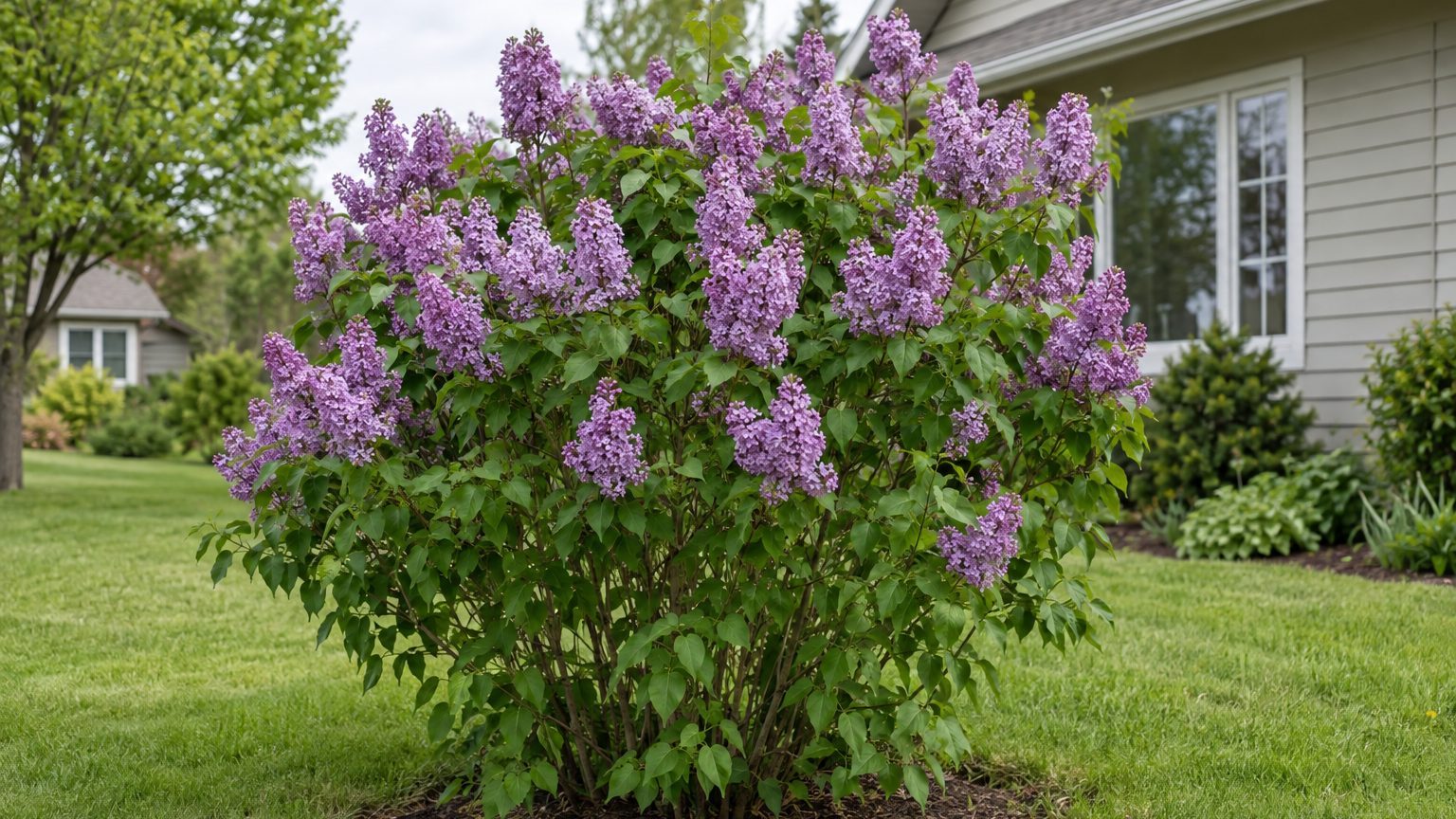
A lilac bush in bloom in a home garden

Lilacs in Yukon bloom in June, and shrubs in the mildest, most sheltered spots can open in May. The year runs on a short cycle:

  • In May, the earliest lilacs in warm, sheltered yards begin to open, while most shrubs are still leafing out.
  • Through June, the main bloom arrives, and late cultivars flower in the second or third week of the month.
  • As soon as the flowers fade in June, prune, and keep pruning through July if a shrub is slow to finish.
  • In June and July, next year’s flower buds form on the new growth, so a shrub left alone after bloom is already building its next show.
  • Through the cold months, the shrub rests, and that long winter chill is what ripens the buds for spring.

In Whitehorse, the average last spring frost falls on June 5, and in one year out of two it comes later. The first fall frost averages August 25. Whitehorse sits in Canadian hardiness zone 1b, a separate system from the USDA zones. Yukon has no local extension page on lilac timing, so these months follow the nearest comparable climate. Confirm local timing with a garden centre, a garden society or the territory’s gardening groups.

Which Lilacs Grow Best in Yukon?

Lilacs hold up well here because they need a cold winter rest to mature their flower buds. They struggle in hot, humid summers, which is not a worry in Yukon. The real question is how hardy a given lilac is.

Hardiness ratings written for other places do not convert to Yukon’s Canadian zone system, so treat them as a rough guide and lean toward hardy, late-blooming types.

Lilac type How it does in Yukon Why
Common lilac Grows and flowers in milder yards Blooms before the late cultivars, so it opens earlier in the season
Sensation (a common lilac cultivar) Better in sheltered sites than in colder districts Its rating comes from another hardiness system and does not convert directly to Yukon’s Canadian system
Late-blooming hardy lilac A dependable choice for cold gardens Stands out for winter hardiness and flowers in the second or third week of June

A late bloomer may avoid some early frosts, which can help protect the flowers. Where a yard is exposed or sits in a cold pocket, pick the hardier, later type over the common one.

When to Plant, Prune and Feed Lilacs in Yukon

The gestures worth timing are the ones tied to bloom. Pruning is the big one, because a lilac flowers on last year’s wood and sets next year’s buds in summer, soon after it flowers. Cut right after the flowers fade. Pruning in late summer, fall or winter removes the next spring’s flowers.

Task Best timing in Yukon Why then
Enjoy the bloom June, and May in the mildest spots Late cultivars flower after common lilac
Prune June and July, right after the flowers fade Buds for next year form in June and July

Planting and feeding follow the soil and the weather in your yard, so ask a local garden centre what suits your site. The full pruning routine lives on the page for when to prune lilacs in Yukon.

How Lilac Bloom Time Changes Across Yukon

Yukon covers a lot of ground, and bloom moves with the local climate. The frost dates here come from Whitehorse, and districts farther north or higher up run behind it.

  • Whitehorse: This is the reference point for the calendar, with bloom mostly in June and a few early shrubs opening in May.
  • Dawson City: Farther north, spring arrives later, so expect lilacs to open after the Whitehorse shrubs and to need the hardier, later types.

Within any town, a south-facing wall or a sheltered corner will run ahead of an open, exposed yard.

Where to Get Lilac Advice in Yukon

For local help, turn to garden centres, garden societies and territorial gardening groups. Each can help with a diagnosis or a question about your soil.

  • Agriculture and Agri-Food Canada at Agriculture and Agri-Food Canada has federal gardening and agriculture information, useful for general plant questions at any time of year.
  • A local garden centre or garden society can tell you which lilacs came through recent winters, so visit before you buy.
  • The territory’s agriculture branch and gardening groups can point you to a soil test, best arranged before you plant.

Common Questions

Can You Cut Back an Overgrown Lilac in Yukon?

Yes, an overgrown lilac can be cut back hard in late winter. It will not flower for a few years afterward, so expect leaves first and blooms later.

Why Is a Lilac Leafy but Not Flowering?

Look at the stems and at the shrub’s pruning history. If the plant is healthy and green but was trimmed in late summer, fall or winter, the flower buds were probably cut off with the stems.

Which Lilacs Flower Last in Yukon?

Late cultivars flower after common lilac, usually in the second or third week of June. That makes them a good pick when you want the bloom to stretch later into the season.

Best Roses for Yukon

Best Roses for Yukon

A rose that sulks in Yukon usually sulks after winter, with canes blackened to the snow line and nothing sprouting in May. Tough shrub roses come through that far better than the fussy ones sold in most catalogs.

Best Roses to Grow in Yukon

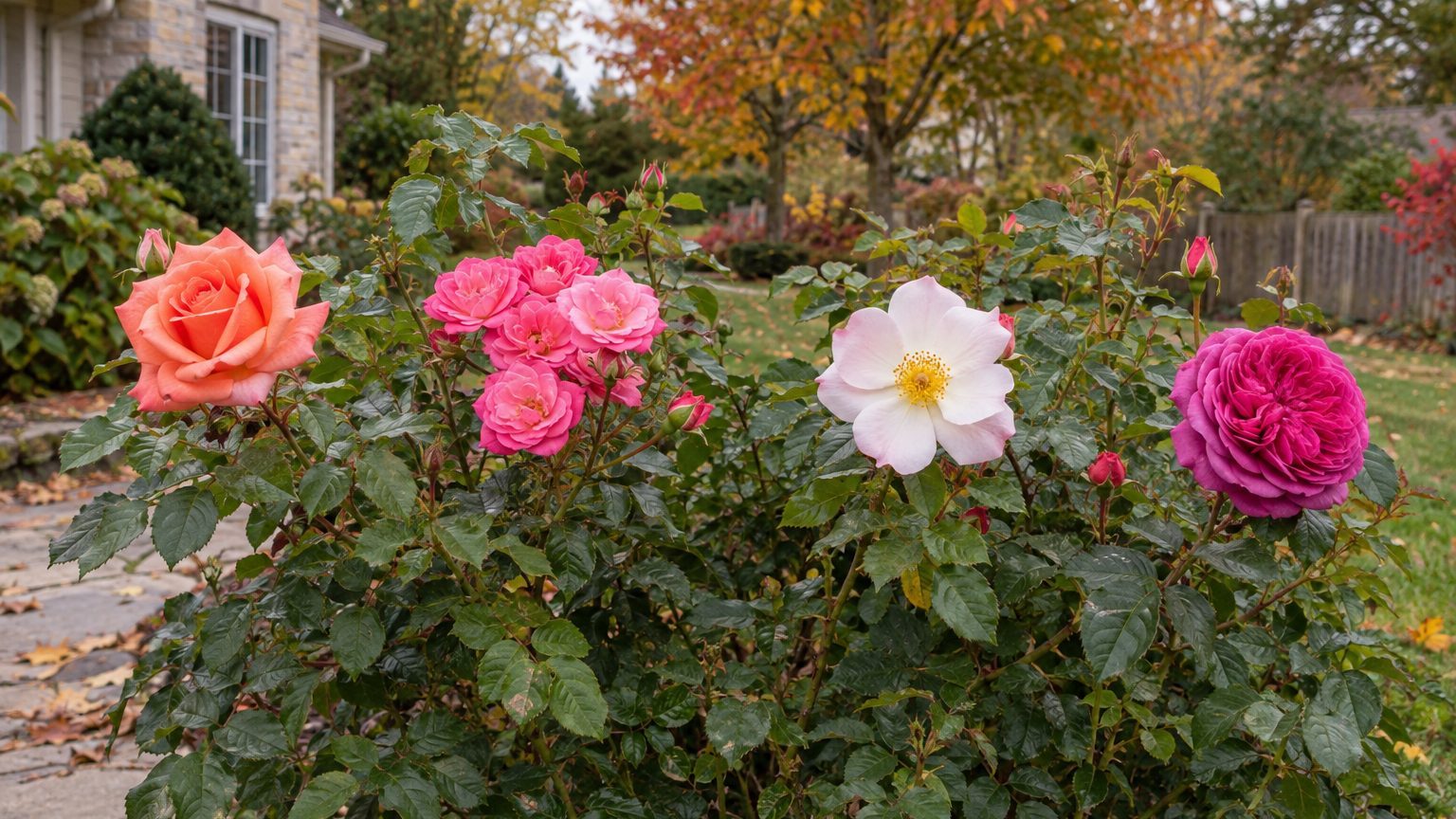
Healthy roses in bloom

Hardy shrub roses are the ones that hold here, because winter, not summer heat or damp, decides what survives. Whitehorse sits in Canadian hardiness zone 1b (a Canadian rating that does not match any USDA zone), so a rose has to shrug off deep cold with little help from you.

Rugosa Roses

Northern extension advice calls Rosa rugosa hardy in most locations, and that is the reason to start here. Rugosas tolerate cold that flattens other roses, so they suit a first rose bed in the territory.

Varieties still differ from one garden to the next. Plant a rugosa, watch it through a winter, and add others once you know your own spot.

Explorer Series Roses

Explorer roses are hardy shrub roses that perform well without extra winter protection. That saves the autumn chore of covering canes, which matters when the season turns quickly.

They repeat-bloom, so prune them in May once active growth is underway.

Knock Out Roses

Knock Out is another hardy shrub rose that does well without extra winter protection. It is a sensible pick if you want a tidy, low-fuss rose near the front walk.

Treat it like the Explorers: feed in May, June and July, then stop.

Hybrid Teas and Floribundas

Tender roses do not reliably overwinter in cold northern gardens. That list includes hybrid teas, grandifloras, floribundas and miniature roses.

They need winter protection in cold winters, and in Yukon even protection may not carry them through. Grow them as an experiment, not as the backbone of the bed.

How to Choose a Rose for a Yukon Garden

Start with the winter you can count on, not the flower you picture. Rugosas and hardy shrub roses answer the cold directly, and they ask the least of you once planted.

Planting time matters too. Bare-root roses go in during June, and potted roses can go in later.

Your situation What suits it in Yukon Why
Very cold winter Rugosa roses Rugosa is hardy in most locations across cold northern gardens
Little time for winter care Explorer series or Knock Out Hardy shrub roses perform well without extra protection
You love hybrid teas or floribundas Hybrid teas or floribundas, with winter protection Tender roses do not reliably overwinter, and cold winters call for protection
A late start in spring Potted roses They can go in after the June window for bare-root plants

Winter hardiness and low upkeep should guide the choice. For old garden roses, ramblers and many climbers, remember they bloom once a year on last year’s wood.

Which Roses Suit Different Parts of Yukon

Yukon is not one climate, and northern or upland districts can run colder and later than Whitehorse.

  • Whitehorse: The usual last spring frost averages June 5, which means frost comes later than that in one year out of two. Treat June 5 only as the middle of the local frost window, and wait until conditions have settled before planting.
  • Dawson City: Northern districts like this run weeks behind Whitehorse’s frost date. Lean on rugosas and other hardy shrub roses, and hold off planting until the weather has truly settled.

Because no local rose-timing page exists for the territory, the months here follow the nearest comparable climate. Confirm local timing with a garden centre, a rose society or a territorial gardening group.

Rose Buying Mistakes to Avoid in Yukon

Buying a Tender Rose Without a Plan

Hybrid teas, floribundas, grandifloras and miniatures may look appealing on the shelf, but they do not reliably overwinter in northern gardens. The result can be dead canes after a hard winter.

If you want one anyway, buy it knowing it needs protection, or pick a rugosa or Explorer instead.

Pruning Too Soon in Spring

Wait until active growth is underway in May before pruning repeat-blooming roses, because snow cover lasts into spring and buds are slow to show. Cutting early removes wood that may still be alive.

Once-blooming roses are different. They flower on last year’s wood, so prune them right after they bloom and never in early spring.

Feeding Past the Season

Feed in May, June and July, then stop by August 1. Late fertilizer pushes soft new growth that the first hard freeze will kill.

If fertilizer remains in August, store it for later use.

Where to Get Rose Advice in Yukon

Gardeners can combine general agriculture guidance with advice from local growers.

  • Agriculture and Agri-Food Canada offers general guidance on plants and growing conditions, so check it before you shop.
  • A local garden centre can tell you which hardy roses are in stock, and spring is the time to ask.
  • A rose society or territorial gardening group knows what has survived in nearby yards, so ask them to confirm local timing.

Common Questions

Can You Plant a Potted Rose Later than a Bare-Root Rose in Yukon?

Yes. Bare-root roses are best planted in June, while potted roses can go in later.

Is June 5 a Safe Date to Plant Roses in Whitehorse?

No. That date is an average, and in one year out of two the last frost falls later. Treat it as the middle of a window and watch the forecast.

Does Zone 1b Apply to All of Yukon?

No. Zone 1b is a Canadian rating for Whitehorse, the reference city, and it is not a USDA zone. Northern and upland districts can run colder and later, so test hardy roses in your own garden first.

When to Prune Roses in Yukon

When to Prune Roses in Yukon

Snow still lingers in the shade when the first rose canes in a Yukon yard start to show a hint of red at the buds. That is the cue to look at your pruners. In the territory, repeat-blooming roses get their main cut in May, and once-blooming roses wait until the flowers fade.

When to Prune Roses in Yukon

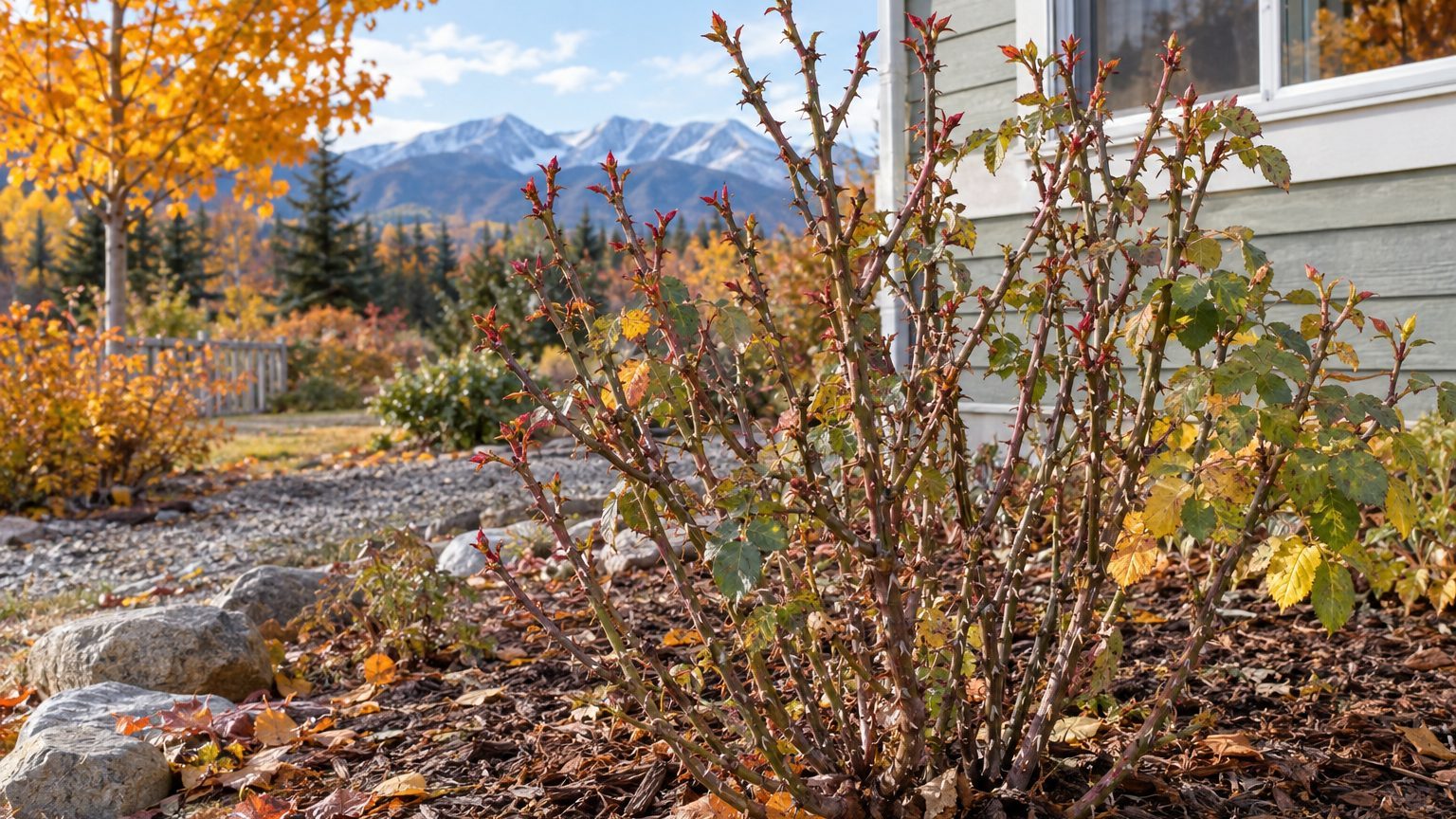
Rose canes at pruning time

May is the month for pruning repeat-blooming roses in Yukon. Dates for the territory follow the nearest comparable climate, since no local source publishes rose timing, so confirm yours with a local garden centre, a rose society or a territorial gardening group.

Snow cover lasts into spring here, and the rose should be growing before you cut.

Rose type When to prune in Yukon Why
Repeat-blooming roses (hybrid teas, floribundas, modern shrub roses) May, once growth is active They flower on new wood, so the spring cut shapes the season’s stems, and cutting too soon removes wood that frost has not yet sorted out.
Once-blooming roses (old garden roses, ramblers, many climbers) Right after they bloom, never in spring They flower once a year on last year’s wood, so a spring cut removes the buds.

Repeat-blooming climbers have no separate timing for Yukon, so ask a local rose grower how yours have behaved. Keep in mind that hybrid teas, grandifloras and floribundas need winter protection in cold winters, while hardy shrub roses such as Knock Out or the Explorer series do well without extra cover. In Yukon’s cold, tender types may show dead canes when growth starts in May.

How to Tell When Your Roses Are Ready to Prune

The roses themselves give a better signal than the calendar, especially in a territory where spring arrives late and unevenly.

  • Buds that swell and turn from tight and dark to plump and reddish show that the plant is waking up, but wait for active growth before cutting.
  • New shoots pushing from the canes show you which wood is alive, so cut back to a healthy bud above living tissue.
  • Snow gone from the base of the plant means the crown is no longer buried, and any winter mound can be pulled away to check the canes.
  • Canes that stay brown and brittle with no swelling buds are dead, and you can remove them down to green wood or to the base.
  • A frost forecast after the buds open is a warning to hold off or cover the plant, because the average last spring frost at Whitehorse is June 5, and in half of years it falls later.

Pruning too early makes it harder to see which wood survived winter, so wait for active growth.

Should You Prune Roses in Fall or Winter in Yukon?

No. Nothing in the calendar for the territory calls for fall or winter pruning, and a hard cut before the plant restarts in spring leaves open wounds in the cold. Leave the canes as they are through winter.

Tender roses need winter protection in cold winters, and that protection matters more than any autumn cut. Hardy shrub roses and rugosas usually cope without it. Repeat-blooming roses wait until May, while once-blooming roses wait until just after flowering.

How Rose Pruning Dates Shift Across Yukon

The territory is large, and the May window moves with where you garden.

  • Whitehorse is in Canadian hardiness zone 1b, which does not convert to a USDA zone. Watch the buds before cutting.
  • Dawson City and other northern communities: spring runs behind Whitehorse, so let active growth—not the calendar—tell you when to prune.

Higher or shadier spots in any yard thaw later than sunny ones, so different parts of the same garden can follow different timetables.

Where to Get Rose Advice in Yukon

Canada has no county extension offices, so rose questions go to the territory’s agriculture staff, local gardening groups and nurseries. Start with Yukon’s own gardeners, since they know which roses came through the last winter.

  • Agriculture and Agri-Food Canada, linked as Agriculture and Agri-Food Canada, offers federal gardening and plant information, and it is worth a visit before you buy roses in spring.
  • A local garden centre or rose society can tell you which varieties wintered well, and the weeks before the May cut are the time to ask.

Common Questions

When Should You Plant Roses in Yukon?

June is the month for bare-root roses, and potted roses can go in later. Let the soil warm and the worst frost pass before the bare roots go in the ground.

When Should You Feed Roses in Yukon?

Feed regularly from May through July, then stop by August 1. Late feeding pushes soft growth that cold will damage before it hardens.

Which Roses Grow Best in Yukon?

Rugosa roses are the hardy choice for cold northern gardens. Hybrid teas, grandifloras, floribundas and miniatures are tender and do not reliably overwinter, so give them protection or treat them as short-lived.

When to Plant Roses in Yukon: Dates and Varieties

When to Plant Roses in Yukon: Dates and Varieties

A rose in the Yukon spends the first warm weeks of summer waking up slowly, with canes still bare while the snow fades from the shady side of the house. Planting here follows a short season, and the choice of rose matters as much as the date.

When to Plant Roses in Yukon

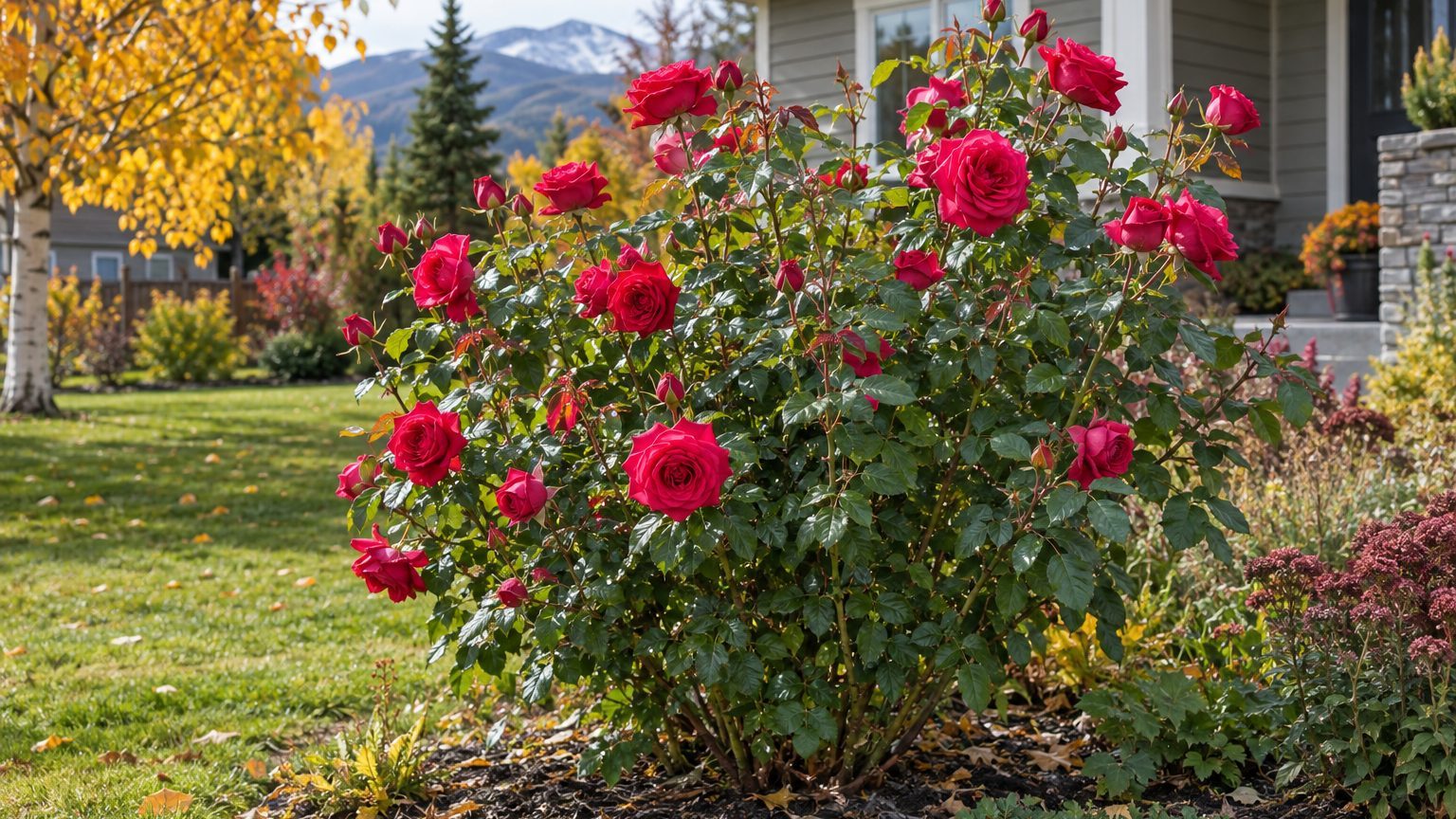
A rose bush in bloom in a home garden

Bare-root roses go in first, in June, while they are still dormant, and potted roses can follow later in the season. The dates here follow the nearest comparable climate, since no local rose timing exists for the territory, so confirm local timing with a garden centre, a rose society or a territorial gardening group.

  • In late winter and early spring, the canes stay under snow, and a young rose at this stage only needs to be left alone until growth shows.
  • In May, repeat-blooming roses are pruned once active growth starts, and feeding begins for roses already in the ground.
  • In June, bare-root roses are planted while still dormant, and in Whitehorse the last spring frost falls on average around June 5 (a midpoint, so in one year out of two the frost comes later).
  • From June into July, potted roses can go in, and feeding continues through July so new growth has time to firm up.
  • By August 1, feeding stops, because in Whitehorse the first fall frost arrives on average around August 25 (again a midpoint, with northern and upland spots running weeks behind) and soft new growth would not survive it.
  • In fall, after the first hard freezes, tender roses are covered for winter.

The territory sits in Canadian hardiness zone 1b at Whitehorse, a Canadian system that does not convert to a USDA zone. A growing season this short means a young rose can lose its first shoots to a late frost, so a cold night after planting calls for a cover. A bare-root rose planted dormant puts its energy into roots before leaves, which is why June suits it.

Which Roses Grow Best in Yukon?

Winter decides the answer. Tender roses need winter protection in Yukon’s cold winters; this group includes hybrid teas, grandifloras, floribundas and miniature roses. Hardy shrub roses and rugosas cope far better with long cold and a short summer.

Heat is rarely the problem here, so the choice comes down to cold tolerance and how much work you want in fall.

Rose type How it does in Yukon Why
Rugosa Cold-hardy, with local performance varying by variety Rosa rugosa takes cold well, though the best varieties differ from place to place
Hardy shrub (Explorer series) Performs well without extra protection Bred for cold winters
Hybrid tea Does not reliably overwinter Tender canes need winter protection
Floribunda and grandiflora Does not reliably overwinter Tender, and they need protection in cold winters

Miniature roses share the tender reputation. Once-blooming roses, including old garden roses, ramblers and many climbers, flower on last year’s wood, so prune them right after flowering, never in early spring.

When to Prune, Feed and Protect Roses in Yukon

Pruning in spring, feeding through early summer, and covering tender roses in fall set the rhythm of the year. Wait until active growth appears before pruning.

Task Best months in Yukon Why then
Pruning repeat-blooming roses May Active growth shows what is alive, and snow cover lasts into spring
Planting bare-root roses June Dormant roots settle in as the soil warms, and potted roses can go in later
Feeding roses May, June, July Feeding stops by August 1 so growth can harden before frost

Feed roses from May through July, then stop by August 1. Winter protection of tender roses comes after the first hard freezes, and the covering comes off in spring once the hardest cold has passed. Hybrid teas, floribundas and grandifloras need that cover, while hardy shrub roses usually do without. The details of pruning have their own page.

How Rose Care Dates Change Across Yukon

Timing varies with elevation and with distance from the warmer valley floors, so treat the dates above as a rough starting point.

  • Whitehorse: the dates here follow the Whitehorse area, where frost risk ends in early June and returns in late August.
  • Northern spots like this run later in spring and earlier in fall, so planting can slip later than the dates above.
  • Upland yards: higher ground around the territory stays colder, so frost lingers longer and a rose needs more cover.

Shelter from wind and a south-facing wall can create a warmer spot for a rose.

Where to Get Rose Advice in Yukon

Canada has no county extension offices, so advice comes from Agriculture and Agri-Food Canada, local garden centres and gardening groups across the territory.

  • Garden centres can tell you which hardy roses they stock and when bare-root plants arrive.
  • Rose societies and territorial gardening groups share what has survived local winters, and spring is the time to ask.

Common Questions

Can You Plant a Rose in July in Yukon?

A potted rose can go in after June, as long as it gets regular water. Bare-root roses are a June job, because they need to be planted dormant.

Do Roses Need Winter Protection in Yukon?

Tender roses do, and the covering goes on after the first hard freezes. Rugosas and hardy shrub roses generally manage without.

Why Is My Rose Cane Brown After Winter?

Check the color inside the cane and wait for new shoots to appear. Brown, dry wood with no buds swelling is dead, while green inside and buds breaking means it is still alive.

The almanac, state by state. Every date on this site comes from a state’s own frost facts and its extension service’s calendar — and says where it comes from.