Skip to content
  1. Jan
  2. Feb
  3. Mar
  4. Apr
  5. May
  6. Jun
  7. Jul
  8. Aug
  9. Sep
  10. Oct
  11. Nov
  12. Dec
State
Yukon
Hardiness zones
1b
Last spring frost
June 5
First fall frost
August 25
Annual rain
10 in
Lawn zone
cool-season
Source
Environment and Climate Change Canada — Canadian Climate Normals 1981-2010, station WHITEHORSE A · Whitehorse

The year in Yukon, from the calendar

  1. Jan—
  2. Feb—
  3. MarPrune fruit trees
  4. AprPrune fruit trees
  5. MayFeed hydrangeas · Feed roses · Prune roses
  6. JunPlant hydrangeas · Prune bigleaf hydrangeas · Seed the lawn · Lilacs bloom · Prune lilacs
  7. JulFeed hydrangeas · Plant hydrangeas · Prune bigleaf hydrangeas · Prune lilacs · Peonies bloom
  8. AugPlant spring bulbs · Peonies bloom · Mow · Plant trees · Water
  9. SepPlant spring bulbs · Plant peonies · Plant trees · Mow
  10. Oct—
  11. Nov—
  12. Dec—

From the state frost facts and extension calendars: University of Alaska Fairbanks · Clemson HGIC factsheet — Hydrangea · NDSU Extension — Dakota Gardener (lawns) · University of Alaska Fairbanks Cooperative Extension.

Best Spring Bulbs for Yukon

Best Spring Bulbs for Yukon

A bulb that comes back after a Yukon winter has to sit through long, hard cold and a late spring. Small, tough bulbs such as scilla, snowdrops and grape hyacinth are the ones to build around, with a showy allium for height. Tulips are worth a try, but they are a gamble here.

Best Spring Bulbs to Grow in Yukon

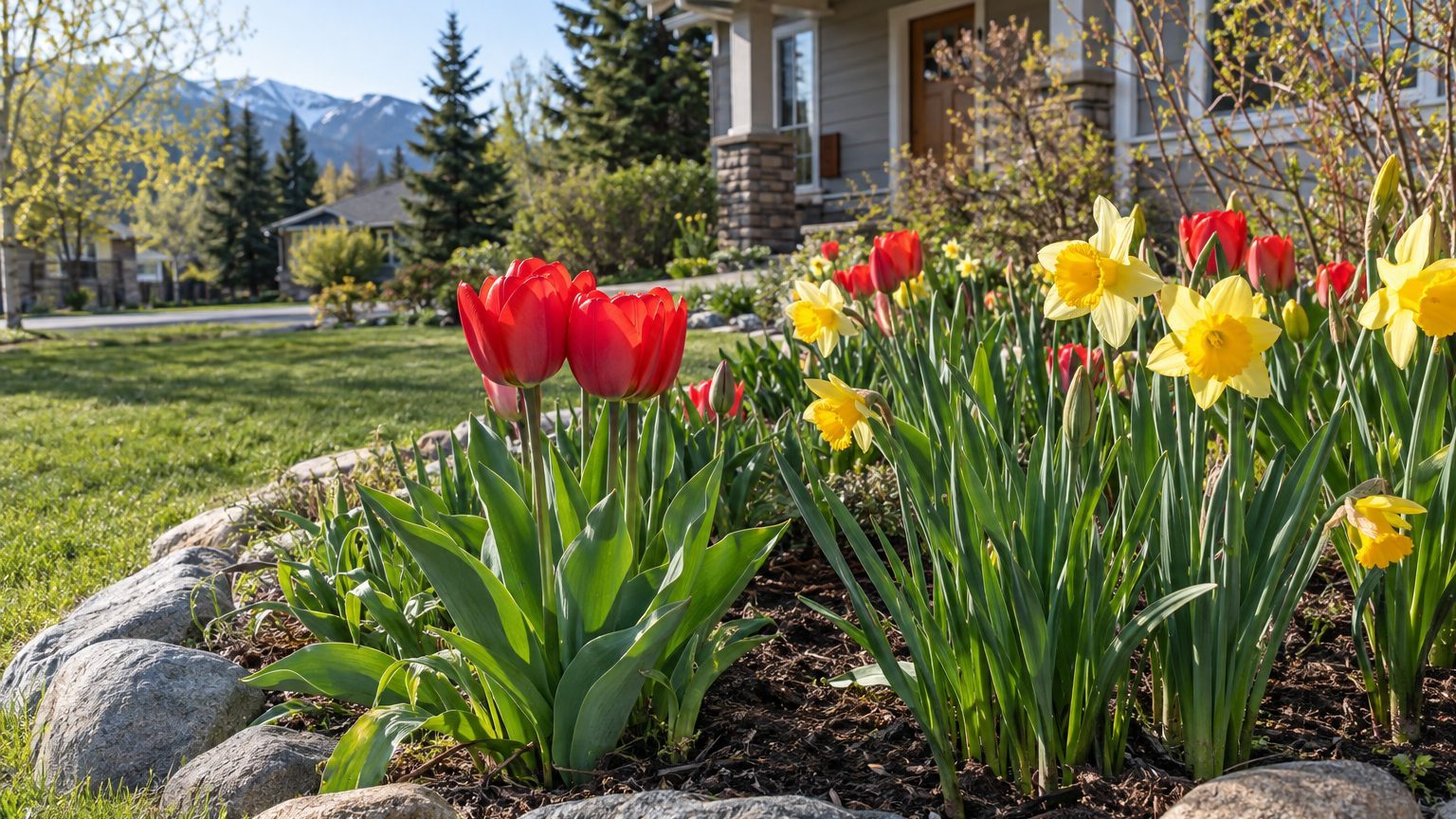
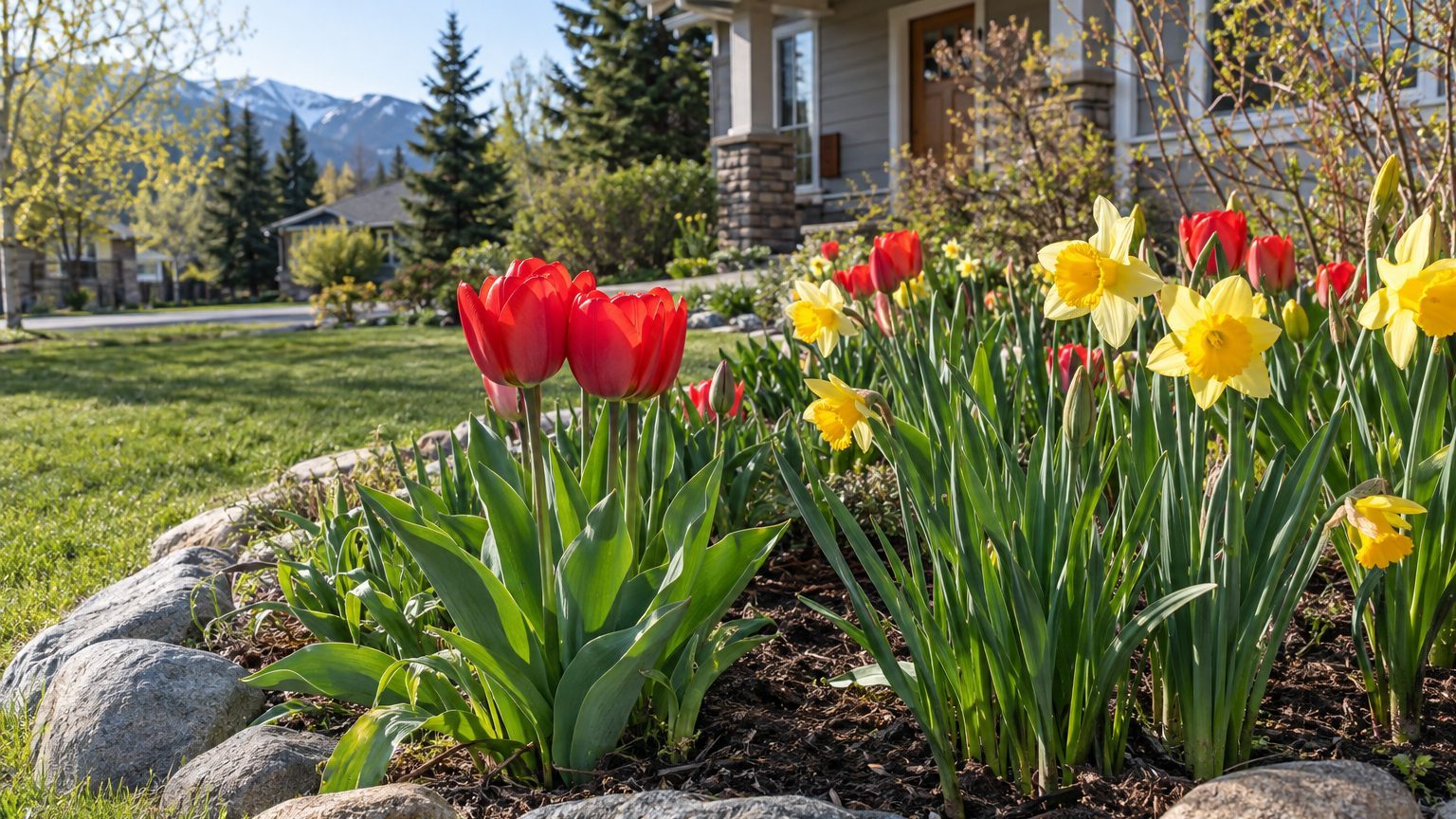
Healthy spring bulbs in bloom

Whitehorse sits in Canadian hardiness zone 1b, a rating built on seven climate variables and not comparable to a USDA zone. The bulbs that do well are the small, hardy ones. Cold is not the worry, since spring bulbs need it to flower. The worry is whether a bulb survives the freeze-thaw swings and a hard winter.

Scilla

Scilla tends to winter over well in a cold northern climate, which makes it the most dependable starting point. The small blue flowers come back from the same spot and spread slowly. Plant them in groups of a dozen or more so the show reads from the window.

Snowdrops

Snowdrops are hardy, and that is the whole case for them. They ask little of the site and handle the cold that stops fussier bulbs. Plant them where you will see them from the door, since the flowers are small.

Grape Hyacinth

Grape hyacinth sometimes winters over, so treat it as a good bet and not a sure one. Plant it with scilla and snowdrops, and any that return are a bonus. Putting it in a sheltered spot improves the odds.

Allium ‘Purple Sensation’

This showy allium is a bulb worth planting in the fall to add height and a round purple bloom. It brings a different shape to a bed of low, early flowers. Plant a few bulbs among perennials that will fill in around the stems.

Greigii Tulips

A Greigii tulip has come up the first spring after a mild winter, which shows tulips are possible but weather-dependent. Plant a small batch as an experiment and keep expectations modest. Do not build a whole bed around them.

How to Choose Spring Bulbs for Your Yukon Garden

Start with the winter. Cold gives most spring bulbs the 12 to 16 weeks of chill they need to flower, so chilling in the refrigerator is a job for milder places. Choose by how much risk you want to take, and plant in August to September.

Your situation What suits it in Yukon Why
Very cold winter, want bulbs that return Scilla and snowdrops Scilla tends to winter over well and snowdrops are hardy
Sheltered corner, willing to gamble a little Grape hyacinth It sometimes winters over, so it can pay off where conditions are kind
Want height and a bold flower Allium ‘Purple Sensation’ A showy allium recommended for fall planting
Want tulips anyway A Greigii tulip It came up after a mild winter, though it is a gamble

The soil needs to be cool when you plant, so wait until it drops below about 60°F. Hot, humid summers are not part of the picture in Yukon, so heat tolerance does not need to drive your choice.

Which Spring Bulbs Suit Different Parts of Yukon

Yukon is one large territory, and the main difference between its gardens is how late spring arrives, which changes how much risk a bulb can take.

  • Whitehorse: Hardiness here is zone 1b in the Canadian system, and the last spring frost falls on average June 5. That is a midpoint, so in one year out of two the frost comes later, and early shoots should be expected to take a knock now and then.
  • Dawson City and other northern districts: Spring runs weeks behind Whitehorse, so lean on the hardiest bulbs, scilla and snowdrops, and go by soil temperature rather than the calendar when planting.
  • Upland and high-elevation gardens: These run weeks behind as well, so keep tulips and grape hyacinth to a minimum and favor the tougher small bulbs.

Wherever you garden, a sheltered spot against a south-facing wall or fence gives the less certain bulbs their best chance.

Spring Bulb Buying Mistakes to Avoid in Yukon

Planting Tulips Everywhere

Tulips are often short-lived even in kind climates, and a Yukon winter shortens their run further. Tulips are often short-lived in the garden. Plant a trial group of Greigii tulips and put your main effort into scilla and snowdrops.

Storing Bulbs Over the Winter

A bulb left in the bag over the winter dries out and loses its chance to flower. Planting late beats storing, so put it in as long as the ground can be dug. The ideal window is late August to early September, or when soil temperatures are in the low to mid 50s °F, early enough for roots to form before the ground freezes.

Feeding the Wildlife

Voles, squirrels, rabbits and deer eat tulips and crocus, and the loss shows up in spring as bare patches. Daffodils are left alone. If animals visit your yard, put your effort into daffodils and the small hardy bulbs.

Where to Get Spring Bulb Advice in Yukon

The planting dates here follow the nearest comparable climate, so confirm local timing with a Whitehorse garden centre, a garden society or one of the territorial gardening groups. Agriculture and Agri-Food Canada covers the federal side.

  • A garden centre can tell you which bulbs it sells have been grown locally, so ask in late summer before stock runs low.
  • A garden society can share what has come back in neighbors’ yards, and its members are easiest to reach in spring when the results show.
  • Territorial gardening groups can tell you when the soil is cool enough, so check with them before you buy.

Common Questions

Should You Cut the Leaves After Spring Bulbs Bloom?

No. Leave the leaves on the plant until they turn brown, and remove only the faded flowers. The leaves feed the bulb for next year’s bloom.

Do Spring Bulbs Need a Cold Period to Bloom?

Most need about 12 to 16 weeks of cold, which a Yukon winter supplies without help. Alliums, like other spring-flowering bulbs, need the cold of winter to bloom.

Are Daffodils or Tulips the Better Perennial Bulb?

Daffodils last longer and are the more reliable perennial bulb, while tulips are often short-lived. Daffodils are also left alone by the animals that eat tulips.
When Do Tulips and Daffodils Bloom in Yukon?

When Do Tulips and Daffodils Bloom in Yukon?

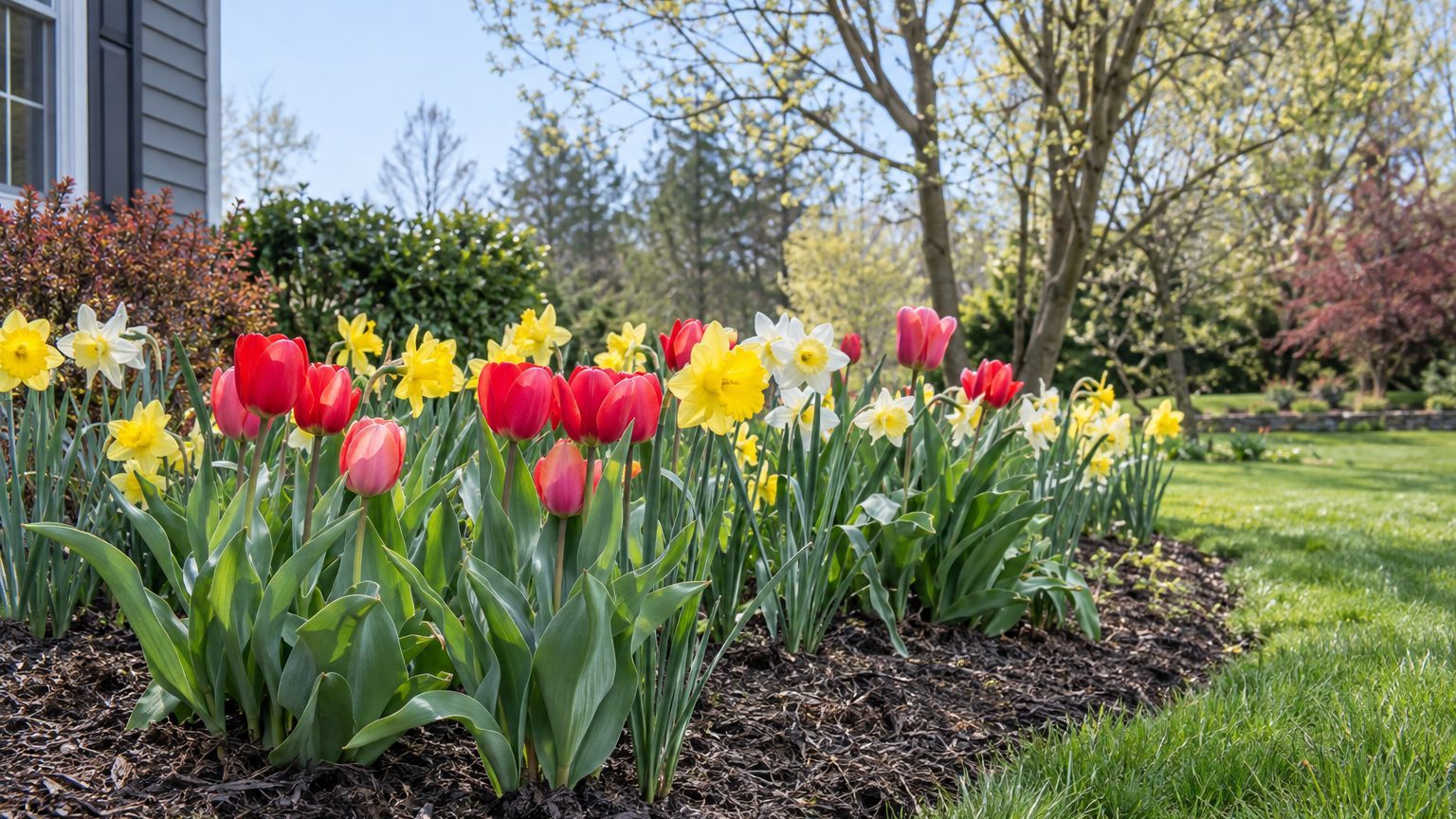
Green tips pushing through cold soil in spring are the first sign that the bulbs you planted the previous fall made it. In Yukon, tulips and daffodils flower once the spring warm-up has taken hold, which comes later than in the southern provinces and states. What follows covers timing, signs, aftercare and local differences.

When Do Tulips and Daffodils Bloom in Yukon?

When Do Tulips and Daffodils Bloom in Yukon?

Tulips and daffodils bloom when spring warmth arrives, and no set month applies across the territory. Yukon has no local bulb-timing guidance of its own, so the planting dates here are based on the local climate as best it can be judged. Confirm local timing with a garden centre or a garden society.

Bulb When it blooms in Yukon What sets the timing
Snowdrops Follows spring warming, at the start of the bulb season Hardy enough to winter over in the north
Daffodils Follows spring warming Long-lived and reliable as a perennial bulb
Greigii tulips Follows spring warming Came up the first spring after a mild winter in Yukon
Scilla and grape hyacinth Follows spring warming Scilla winters over well in Fairbanks, grape hyacinth sometimes does
Alliums Follows spring warming, at the end of the bulb season Needs the cold of winter to bloom

Frost is the other clock. In Whitehorse the average last spring frost is June 5, and in one year out of two it arrives later, so treat that date as the middle of a window and never as a safe one. Northern and upland yards run weeks behind. The reference city sits in Canadian hardiness zone 1b, which does not convert to a USDA zone. A tulip that needs 12 to 16 weeks of cold has no trouble getting it here.

How to Tell Your Bulbs Are About to Bloom

Bulbs announce themselves well before the first petal opens, and the signs are easy to read at ground level.

  • Green tips poking through the soil mean the roots set last fall survived the winter and the bulb has restarted.
  • Leaves that lengthen and open out mean the plant is now gathering energy, so protect them from trampling and from careless raking.
  • A flower bud rising from the center of the leaves means bloom is close, and a late cold snap is the one thing worth covering against.
  • A bud that shows colour at its tip, whether yellow on a daffodil or red on a tulip, means the flower will open soon.
  • Tall, narrow leaves on alliums followed by a round bud on a stiff stalk mean the end of the bulb season has come.

Growth that stalls in a cold spell usually resumes with the next warm spell, so a pause is no cause for alarm.

What to Do After Tulips and Daffodils Bloom in Yukon

Snip off the faded flowers and leave everything else. The leaves keep feeding the bulb for next year’s bloom, so they stay on the plant until they turn yellow or brown. Never cut them green, and do not tie them into neat knots, because a tied leaf gathers less light.

Expect tulips to fade after a few seasons, since they are often short-lived in the garden. Daffodils last longer and are the more dependable perennial bulb, which makes them the safer choice for a spot you would rather not replant.

Wildlife shapes what survives. Voles, squirrels, rabbits and deer eat tulips and crocus, while daffodils are left alone. If tulips keep vanishing from a bed, plant daffodils in that spot and keep tulips in a protected corner.

How Bloom Time Shifts Across Yukon

Yukon is large, and bloom follows local warming, so yards a few hundred miles apart can flower on quite different schedules.

  • Whitehorse: This is the reference point for the frost date above.
  • Dawson City: Northern districts such as this one run weeks behind Whitehorse, so the frost risk lingers longer.

Upland yards and cold hollows behave like the northern districts, so watch your own garden rather than the town’s reputation.

Where to Get Bulb Advice in Yukon

Canada has no county extension offices. Agriculture and Agri-Food Canada is the national starting point, and the territorial agriculture department and local gardeners fill in the details for Yukon.

  • Visit Agriculture and Agri-Food Canada for general guidance on growing and hardiness, and check it before choosing bulbs for a new bed.
  • Ask at a local garden centre or garden society in late summer, when bulbs arrive and planting advice is freshest.
  • Call the territorial agriculture department with questions about soil or pests when something goes wrong in spring.

Common Questions

When Should You Plant Tulips and Daffodils in Yukon?

August and September are the planting months, with late August to early September as the target. Planting then gives roots time to form before the ground freezes, without pushing the bulbs to sprout in fall.

Do You Need to Chill Bulbs Before Planting in Yukon?

No. Refrigerator chilling is meant for places with winters too mild to give bulbs enough cold, and Yukon winters supply plenty of it.

What If Bulbs Are Still in the Bag After Planting Time?

Plant them anyway, as long as the ground can be dug. A bulb planted late has a better chance than one stored over the winter.

When to Plant Tulips and Daffodils in Yukon

When to Plant Tulips and Daffodils in Yukon

A bag of bulbs from the garden centre is a late-summer sight in Yukon, and it is meant to be planted soon after. Tulips and daffodils go into the ground in the cool days of late summer and early autumn, then sleep under snow until the ground thaws.

When to Plant Tulips and Daffodils in Yukon

When to Plant Tulips and Daffodils in Yukon

Plant tulips and daffodils in Yukon from August through September, with late August to early September the sweet spot. A bulb’s year here runs like this.

  • In August, buy bulbs while the garden centre selection is full, and keep them somewhere cool and dry until planting day.
  • From late August to early September, plant once the soil has cooled to about 11 to 13°C (low to mid 50s °F), which gives roots time to form before the ground locks up.
  • Through the rest of September, keep planting if the bulbs are still waiting, because the soil is still workable and roots can still grow.
  • When the ground starts to freeze, spread a layer of mulch over the bed to keep it from heaving during freeze and thaw cycles.
  • In winter, the frozen ground does all the chilling the bulbs need, so there is no refrigerator step.
  • In spring, once the snow melts and the soil warms, the first green shoots push up through the mulch.

The cooling matters because soil that has dropped below about 16°C (60°F) keeps bulbs from sprouting too early in fall. At Whitehorse, the first fall frost arrives on average around August 25, and in half of years it comes later, so treat that date as the middle of a range and not a deadline. The hardiness zone for the territory is 1b in the Canadian system, which cannot be converted to a USDA zone.

Yukon has no local extension page on bulb timing, so these months follow the nearest comparable climate. Confirm the timing for your own yard with a local garden centre, a garden society or one of the territorial gardening groups.

Which Spring Bulbs Do Best in Yukon?

Daffodils and alliums are the safest picks for Yukon, with small hardy bulbs such as snowdrops and scilla close behind. Winters here deliver far more cold than any bulb needs, so chilling is never the problem. Soil, short seasons and hungry animals decide what lasts.

Tulips can still be grown, but they are asking for more attention than the others and often fade after a few seasons.

Bulb type How it does in Yukon Why
Daffodils Reliable year after year Animals leave them alone, and they last longer than tulips
Tulips Pretty but short-lived Voles, squirrels, rabbits and deer eat them
Alliums, such as ‘Purple Sensation’ A good choice for a showy flower They need the cold of winter to bloom
Scilla Tends to winter over well Hardy small bulb that suits cold soil
Snowdrops Hardy and dependable Tough enough for cold winters

Crocus are eaten by the same animals that go after tulips, so protect them or plant them where animals rarely wander. Grape hyacinth sometimes winters over in cold climates, though it is less certain than scilla. If voles or deer have been through the yard before, lean on daffodils and alliums for the bulk of your planting.

When to Plant, Chill and Care for Spring Bulbs in Yukon

The year’s work comes down to planting at the right moment and then leaving the foliage alone after bloom. Chilling is the one job you can skip, since Yukon winters supply all the cold the bulbs need and no refrigerator step is required.

Task Best timing in Yukon Why then
Plant bulbs August to September, ideally late August to early September Roots form before the ground freezes, and the bulbs stay asleep through fall
Check the soil When it has cooled below about 16°C (60°F) Cooler ground keeps bulbs from sprouting before winter
Leave the leaves As long as they stay green after bloom The foliage feeds the bulb for next year’s flowers
Remove faded flowers Right after bloom It keeps the bed tidy without harming the leaves

Take off only the spent blooms and let the leaves turn brown on their own before cutting them back. Mulch goes on once the ground begins to freeze, and a bulb that is still unplanted goes in as soon as you can dig.

How Bulb Planting Time Changes Across Yukon

Yukon covers a wide stretch of country, and local conditions shift the planting window earlier or later within the same months.

  • Whitehorse: The calendar here is the baseline, with planting from late August into September while the soil is still workable.
  • Dawson City: Farther north, cold arrives sooner in autumn, so aim for the early end of the window and do not let bulbs sit in the bag.
  • Haines Junction: Higher ground and the mountains nearby bring colder soil sooner, which favors planting at the start of the window.
  • Watson Lake: In the southeast, the soil may stay workable a little longer, so the later part of the window usually works.

Wherever you garden, the soil temperature is a better guide than the calendar when the two seem to disagree.

Where to Get Bulb Advice in Yukon

Yukon has no county extension offices, so advice comes from federal and territorial agriculture offices, garden clubs and local nurseries. Each can help with soil questions and with choosing bulbs that fit your site.

  • Agriculture and Agri-Food Canada offers general guidance on plants and soil, and a visit before planting season helps most.
  • A local garden centre can tell you which bulbs have done well in nearby yards, so ask in early August when stock is fresh.
  • A garden society can share local experience with voles, deer and soil, so join a meeting before you plant.

Common Questions

Can You Plant Bulbs That Are Still in the Bag After September?

Yes, as long as the ground can be dug. Planting late is better than storing bulbs over the winter, because a stored bulb dries out and loses vigor.

Do Tulips Come Back Every Year in Yukon?

Often they do not. Tulips tend to be short-lived in the garden, so many gardeners treat them as a few good seasons of color and rely on daffodils for the long haul.

Should You Wait for the First Frost Before Planting Bulbs?

No. Frost dates mark when frost risk begins, not when bulbs go in. Plant by the calendar and the soil temperature, which usually puts bulbs in the ground around the time frost starts to appear.

Best Grass Seed for Yukon

Best Grass Seed for Yukon

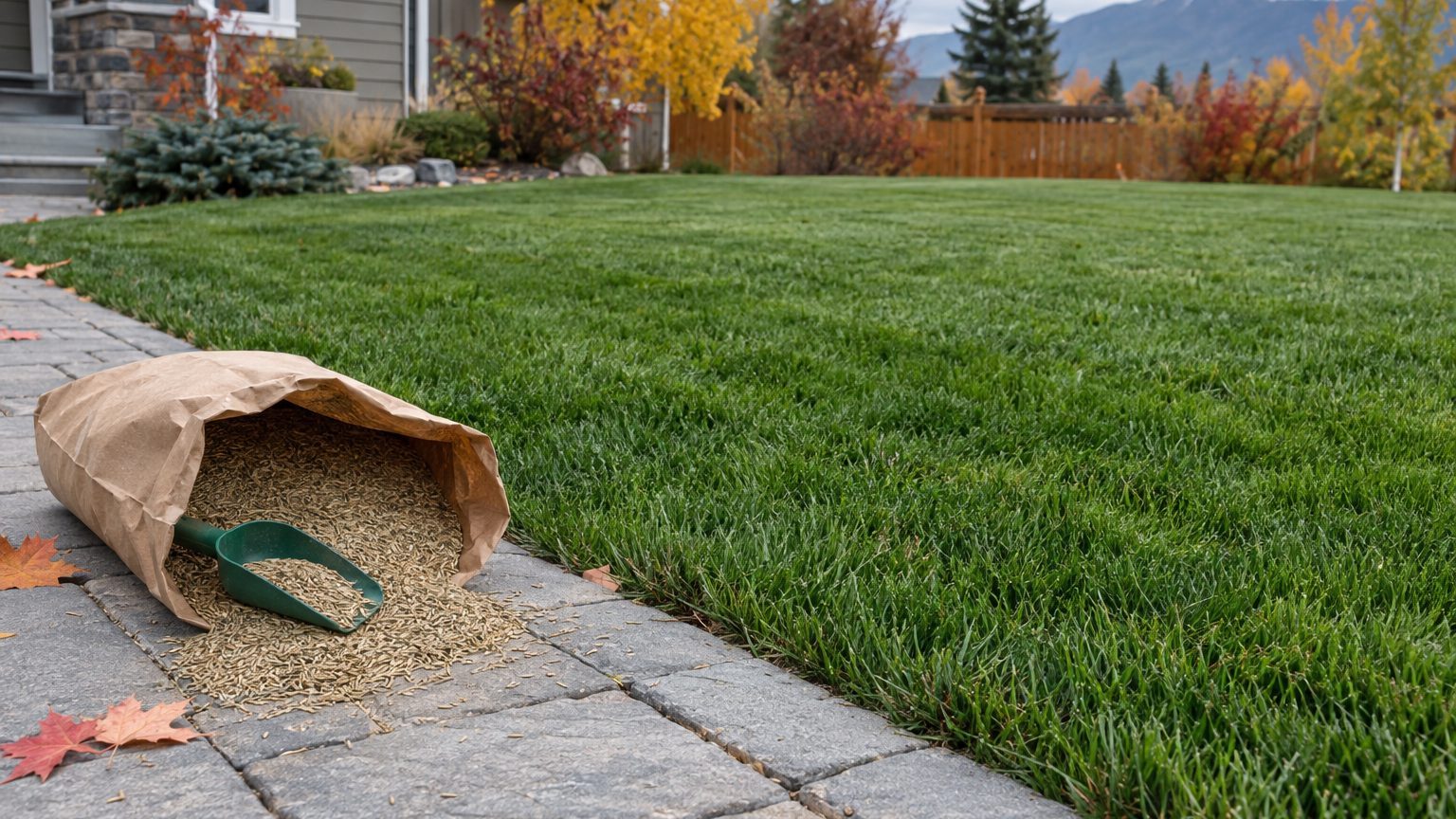
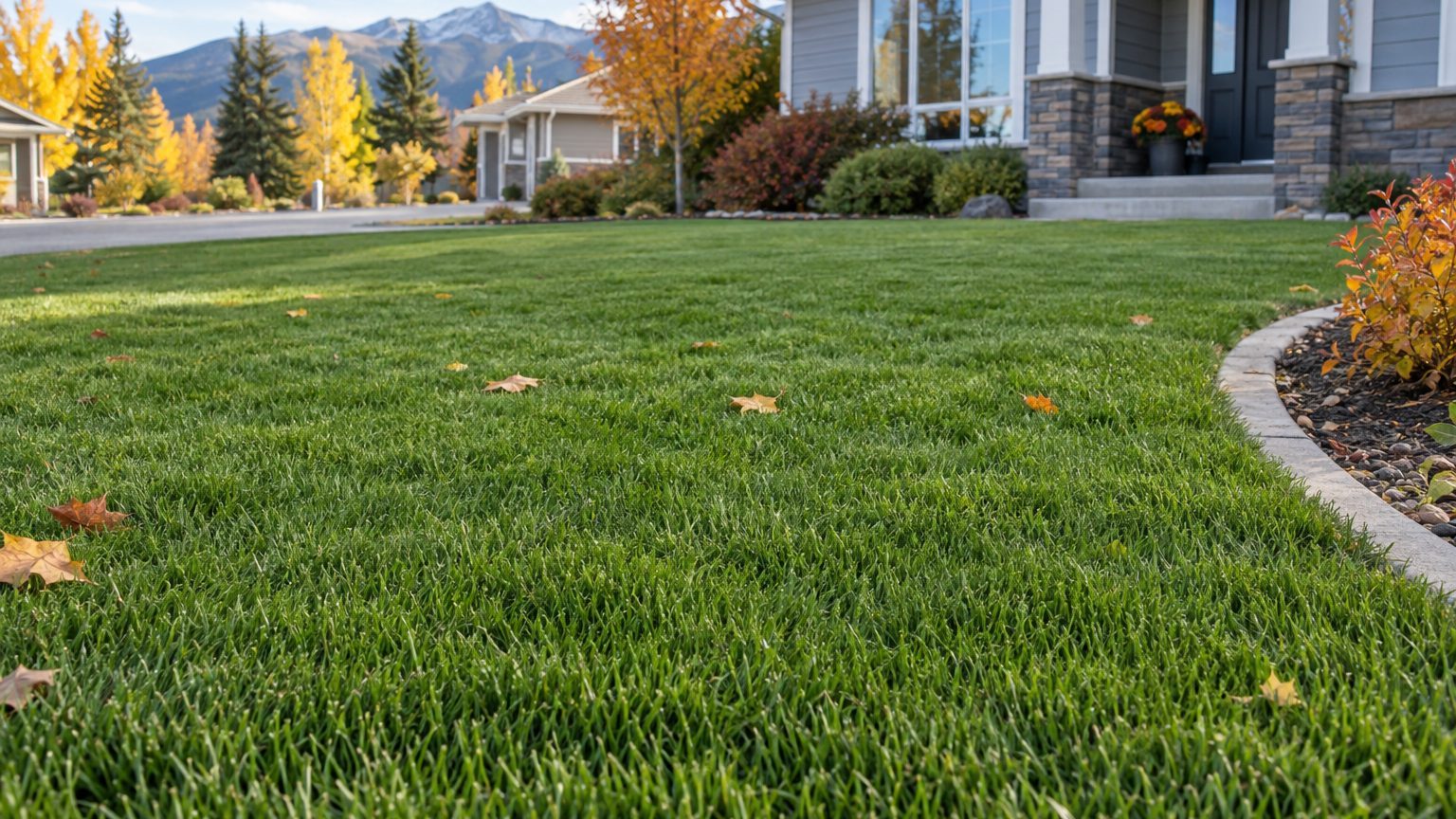
A good Yukon lawn starts with seed that was bred for cold winters and a short, bright summer. Kentucky bluegrass and fine fescues are the seeds that settle in around Whitehorse, Dawson City and Watson Lake, with perennial ryegrass as a minor partner. Sow them in June, once the ground has thawed.

Which Grass Grows Best in Yukon?

Cool-season grass is the only kind that makes sense here. Whitehorse sits in Canadian hardiness zone 1b (a Canadian rating, not a USDA zone), and warm-season grasses cannot survive winters that cold. Three cool-season species carry Yukon lawns, each with a different role.

Kentucky Bluegrass

Kentucky bluegrass is the backbone of cold-climate lawns across the northern continent, and Yukon is no exception. It tolerates hard winters and spreads by underground stems, so it slowly fills small bare spots without help.

The trade-off is patience. It germinates slowly, so a June seeding needs steady moisture to get through the long wait before green appears. It rewards that care with a dense, even turf in full sun.

Fine Fescues

Fine fescues (creeping red, chewings and hard) are the practical choice for yards that are not perfect. They put up with shade from spruce and birch, poor soil and low fertility better than bluegrass does.

They also stay fine-textured with less feeding and less water. If your lawn sits under trees or you would rather mow less, they deserve a large share of the seed mix. They blend well with bluegrass.

Perennial Ryegrass

Perennial Ryegrass — Best Grass Seed for Yukon

Perennial ryegrass sprouts fast, which makes it handy as a quick cover on a bare patch. The catch is that it is short-lived in the coldest winters, and a Yukon winter qualifies.

Treat it as a helper rather than the foundation. A small share in a mix gives early green while the slower grasses catch up. Expect it to thin out over time, then let the bluegrass and fescue take over.

How to Choose Grass Seed for a Yukon Yard

Your own yard decides the mix more than the territory does. Look at how much sun it gets, how many feet cross it, and how much time you want to spend with a hose and a mower.

Most Yukon lawns do well with a blend of bluegrass and fine fescue, tilted toward whichever suits the harder part of the yard. The table gives the lean for each situation.

Your yard Grass Why it fits
Open, sunny lawn Kentucky bluegrass Dense turf that recovers well from winter damage
Shade under spruce or birch Fine fescues Handles low light better than bluegrass
Little watering available Fine fescues Gets by with less water and feeding
Less mowing wanted Fine fescues Stays fine and slow-growing
Kids and dogs running across it Kentucky bluegrass Spreads to repair worn spots

For a bare patch that needs green fast, a little perennial ryegrass mixed in helps, with the understanding that it will not last through the hardest winters.

Which Grasses Grow Where in Yukon

The same three grasses work across the territory, but the length of the growing season and the winter lows shift the odds from place to place.

  • Whitehorse and the Southern Lakes: Bluegrass and fine fescue mixes suit lawns here. Bluegrass and fine fescue mixes grow well, and perennial ryegrass has a fair chance as a minor part of the blend.
  • Dawson City and the Klondike: Winters are colder and the season shorter, so lean on bluegrass and fine fescue and leave ryegrass out. Seed in June, once the ground has thawed.
  • Haines Junction and higher ground: Cooler soil warms later, so wait for a proper thaw before sowing. Hardy fescues are a safer bet than ryegrass.

Districts north and uphill of Whitehorse run weeks behind it, so give them extra time before you sow.

Grass Seed Mistakes to Avoid in Yukon

Buying the Wrong Mix

A bargain bag built for milder regions can include grasses that never survive a Yukon winter. Read the label and look for Kentucky bluegrass, fine fescues, and at most a modest share of perennial ryegrass.

If the bag relies on species other than Kentucky bluegrass, fine fescues, or perennial ryegrass, put it back. A local garden centre can point you to seed suited to the cold.

Seeding at the Wrong Time

Spring is the season for seed here, because the summer is too short for a fall seeding to root before freeze-up. June is the target, once the ground has thawed. If June slips away, July still works.

Whitehorse averages its last spring frost around June 5, and in one year out of two the frost comes later than that. Treat the date as the middle of a window, not a safe date. First frost arrives around August 25 on average, which is why a late sowing leaves little time to establish.

Burying or Skimping the Seed

Grass seed is tiny and needs light and contact with soil. Cover it with no more than 6 mm (0.25 inch) of soil, or just rake it in lightly. Deeper than that, and many seedlings never reach the surface.

Spreading too thinly leaves room for weeds, while piling it on makes seedlings crowd and weaken one another. Follow the rate printed on the bag and spread it evenly.

Where to Get Lawn Advice in Yukon

Canada has no county extension offices, so advice comes from the federal and territorial agriculture departments, local growers, and garden centres. Each can tell you what has worked in your own corner of the territory.

  • Agriculture and Agri-Food Canada publishes general guidance for cold-climate growing, and Yukon’s own agriculture branch can answer questions about local conditions before you buy seed in spring.
  • A local garden club or master gardener group knows which yards in your neighbourhood have held up, so ask them at the start of the season.
  • A garden centre in Whitehorse can show you seed mixes suited to the territory, so stop in before the June sowing window opens.

Common Questions

When Should You Fertilize a Yukon Lawn?

June is when the first feeding goes down, once the grass is actively growing. August also works for a second feeding. Skip fertilizer on frozen or barely thawed ground, since the grass cannot use it yet.

When Can You Start Mowing a New Lawn?

Mowing runs from June through September in Yukon. Wait until the new grass has clearly taken hold before mowing it, and keep the mower blade sharp so seedlings are cut rather than torn out.

How Long Should You Water Newly Seeded Grass?

Water from June through August, and keep the top layer of soil moist while the seed sprouts. Short, regular watering suits the shallow roots better than an occasional soaking. Ease off as the lawn thickens.

Lawn Problems and Solutions in Yukon

Lawn Problems and Solutions in Yukon

A lawn in the Yukon wakes up slowly, and the usual sight after the snow melts is matted, pale grass or a bare patch where something went wrong over winter. Most lawn trouble in the territory comes from the cold, the short season and the way the grass is cared for, not from insects.

Lawn Pests and Diseases in Yukon

Snow Mold After Melt

Snow Mold After Melt — Lawn Problems and Solutions in Yukon

Snow mold shows up as flattened, grayish or pinkish circles of matted grass right after the snow leaves. It forms under a long snow cover on turf that went into winter long and wet. The grass underneath is often still alive.

Rake the mats gently so air reaches the crowns and the surface dries. Most patches grow back on their own once the weather warms.

Winterkill Patches

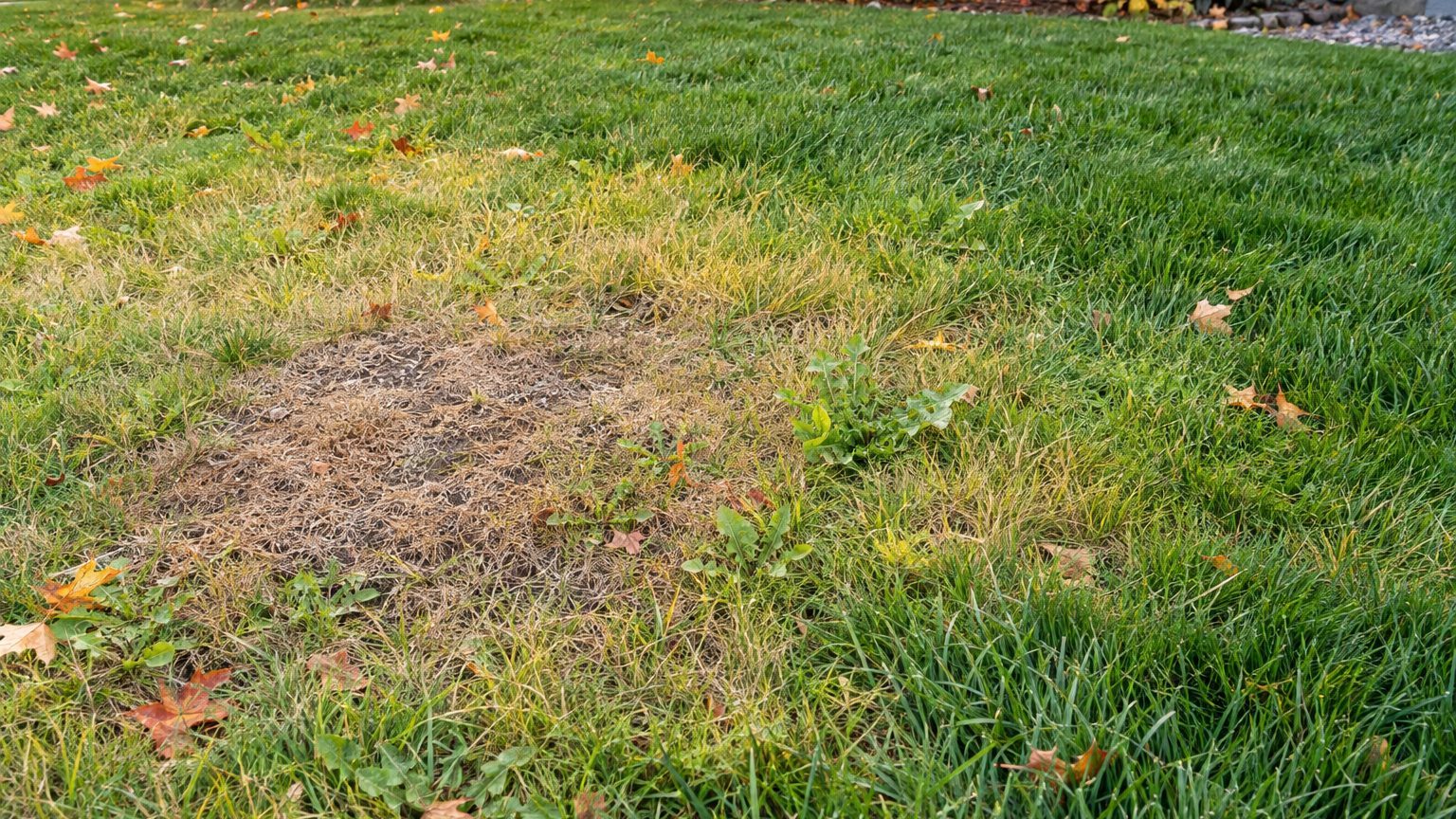
Winterkill leaves tan or brown ground where the grass never greens up, and the dead blades pull away with no resistance. It is common in exposed, windy spots, and Whitehorse’s Canadian hardiness zone of 1b shows how hard local winters can be.

Scratch the bare spots, loosen the surface and reseed in June once the soil has thawed. July still works. The season is too short for fall seeding.

Dandelions in Thin Turf

Dandelions arrive as flat rosettes of toothed leaves with a thick taproot, and they settle wherever the grass is thin. A thick lawn leaves them little light to sprout.

Pull them when the soil is damp so the whole root comes out. Fill the gap with seed so the spot does not reopen.

Moss in Damp Shade

Moss forms a soft green carpet where the grass has faded, usually under spruce or on the north side of a house, where the soil stays wet and cool. Scraping it off only helps briefly.

Let in more light by thinning low branches, loosen compacted ground and sow a shade-tolerant seed mix in the cleared patch.

Thatch Buildup

Thatch is the spongy brown layer of stems and roots between the green blades and the soil. Cool ground slows decay, so the layer can build up. Push a finger or a knife into the turf and measure it.

A layer up to 1.3 cm (1/2 inch) is healthy. Above that, dethatch or core aerate, ideally in June or July when the grass is growing strongly enough to recover.

How to Tell Which Lawn Problem You Have

A symptom rarely tells the whole story, so pair what you see with where and when it appears. A pale patch in spring means something different from the same patch in August.

Tug a handful of the damaged grass. Whether it pulls out easily or holds fast tells you a lot about the roots.

What you see When and where Points to
Gray or pink matted circles Just after snowmelt, where snow piled up Snow mold
Tan ground, grass pulls out easily Spring, in exposed or windy spots Winterkill
Flat rosettes with a deep root Summer, in thin or sparse turf Dandelions
Green carpet, soft underfoot Any time, in shade and wet soil Moss
Spongy turf, water runs off Summer, across the whole lawn Thatch buildup

Dog urine can also leave small dead spots ringed with dark green grass. Those sit along favorite paths and edges, and they do not match any of the patterns above.

Where Lawn Problems Are Worst in Yukon

The territory is large and its climate shifts a lot from one community to the next. Whitehorse sits at hardiness zone 1b in the Canadian system, and that is the reference point for what follows.

  • Whitehorse and the Southern Lakes: Dry air and wind favor winterkill on exposed lawns. Lakeside yards around Carcross and Marsh Lake stay a little milder.
  • Dawson City and the Klondike: Winters run colder and summers are short and warm, so recovery after winterkill is slower and reseeding must happen early.
  • Watson Lake and the southeast: Wetter ground and deeper snow make snow mold and moss more likely in shaded yards.

Higher or north-facing yards in any of these places warm up later, so give them extra time before you judge a patch dead.

Lawn Care Mistakes That Invite Problems in Yukon

Mowing Too Short

Scalped grass has little leaf to feed its roots, and the bare soil lets dandelions and moss in. Mow regularly from June through September and keep the blade high.

Leave the clippings in place, since they return nutrients to the soil.

Watering Lightly and Often

Shallow sprinkling keeps roots near the surface and the top damp, which suits moss. Water deeply and then let the surface dry between sessions, mainly from June through August.

In Whitehorse the last spring frost falls around June 5 on average, so half of all years bring frost later. Keep newly seeded soil evenly moist while it germinates, even when frost remains possible.

Feeding at the Wrong Time

Fertilizer applied before the grass is growing can run off or sit unused. Wait until June, when the grass is growing, for the first feeding. A second feeding in August also works.

Skip anything later. In Whitehorse the first fall frost arrives around August 25 on average, and soft new growth is easily damaged by it.

Where to Get Lawn Advice in Yukon

Canada has no county extension offices. Instead, turn to the territory’s agriculture staff, local gardening groups and nearby garden centers.

  • Agriculture and Agri-Food Canada, at its national site, offers general plant and soil information, making it a useful place to start in spring.
  • A local gardening group or master gardener club can look at your yard and its conditions, which is useful once the snow is gone.
  • A Whitehorse garden center can help choose a seed mix suited to your light, best done before you sow in June.

Common Questions

Why Does My Lawn Have Yellow Spots with Dark Green Rings?

Dog urine is the usual cause when the spots sit along paths and edges. Flush the area with water soon after and reseed any bare patches.

Should You Bag Clippings in Yukon?

Usually no. Short clippings break down on the lawn and return nutrients. Bag them only when the grass is very long or wet and would form clumps.

Does the Long Summer Daylight Change How You Mow?

Yes. Grass grows fast under long days, so mow regularly and avoid cutting too much at once.

Yukon Lawn Care Schedule, Month by Month

Yukon Lawn Care Schedule, Month by Month

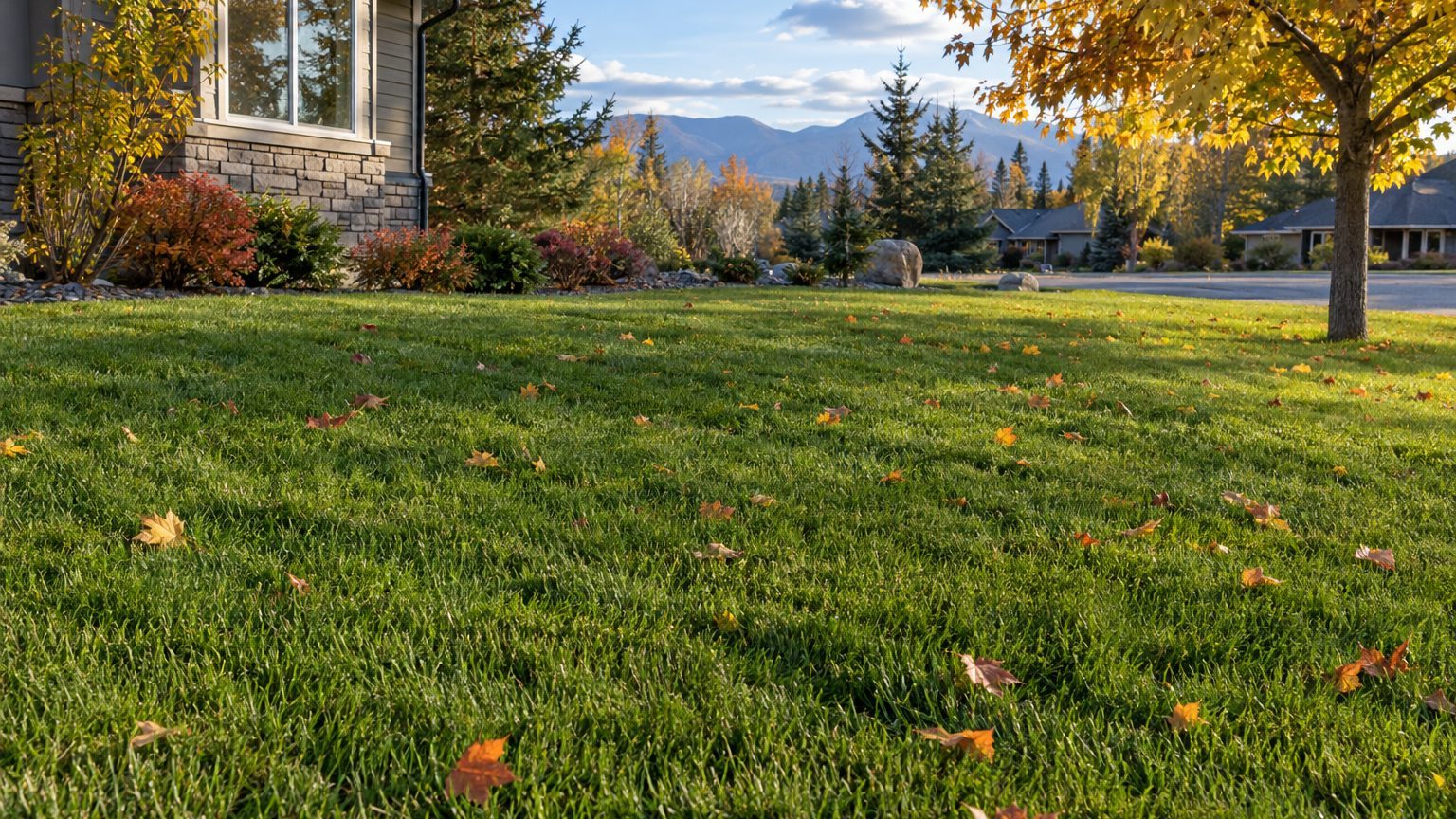
When the snow pulls back from a Yukon yard, it leaves flattened, straw-colored grass that looks beyond saving. It usually isn’t. The lawn year here is short and tightly packed into the warm months, so matching each task to the right month matters.

What to Do Each Month in a Yukon Lawn

Lawn in Yukon

Most of the work lands between June and September, while the cold months mainly call for leaving dormant turf undisturbed. Seeding, feeding, mowing and watering each have a narrow window, so the months below are worth keeping close.

Month In the lawn
January Rest. The grass is dormant under snow and frozen ground.
February Rest. Nothing is growing, so keep heavy traffic and piled snow off the turf.
March Rest. Snow still covers most lawns, and the grass has not stirred.
April Melt begins. Stay off soggy ground and watch for matted patches where snow lingered.
May The ground thaws and the grass slowly wakes. Hold off on seed and fertilizer, because the roots are not yet working.
June The busiest month. Seed bare spots now, give the first feeding once the grass is clearly growing, start mowing, and water as the soil dries.
July Mow and water through the long days. If you missed June, seeding still works in July.
August Keep mowing and watering. A late feeding also works this month, before growth slows.
September Mow as long as the grass keeps growing. Watering can ease off as the days cool.
October Rest. The grass is going dormant, so put the mower away.
November Rest. The lawn is dormant and frozen.
December Rest. Snow cover protects the crowns of the grass.

Seeding belongs to spring and early summer here. The season is too short for fall seeding, because seedlings need warm weeks to root before the ground freezes.

When Does the Lawn Season Start and End in Yukon?

Grass starts growing when the soil warms, not when the calendar says so. Most lawn seed wakes up when the soil reaches 10 to 18 °C (50 to 65 °F), and in Yukon that happens late. A sunny April afternoon feels like spring, but the ground underneath is still cold and often still frozen.

Frost dates tell you about risk to young seedlings, nothing more. In Whitehorse, the average date of the last spring frost is June 5, so in half of all years frost arrives later than that. Treat that date as the middle of a window, not a safe date, and expect colder or higher districts to run later still.

In Whitehorse, the average date of the first fall frost is August 25. That is early, and it explains why the growing season feels so compressed. Established grass shrugs off a light frost, but a seedling sown in July has less time to toughen up than you might hope. Mowing keeps going into September because frost-tolerant lawn grasses keep growing in cool weather.

How the Lawn Calendar Shifts Across Yukon

Yukon is a big territory with real differences in elevation and cold, so your own yard may run ahead of or behind the usual pattern.

  • Whitehorse: The Yukon River valley here is the reference for most timing advice, with a thaw that comes earlier than in the northern and upland communities.
  • Southern Lakes (Carcross and Marsh Lake): Large bodies of water slow the spring warm-up and soften the first autumn cold, so the lawn wakes a little later but may stay green a little longer.
  • Haines Junction: Closer to the St. Elias Mountains, with higher ground and cooler air, so seeding and the first feeding usually wait toward the end of the June window.
  • Dawson City: Farther north, with a deep winter and a late thaw, so everything shifts later and the season is shorter still.

If your yard sits on a slope facing south, it will thaw sooner than a shaded hollow just down the road, so trust what your own ground is doing.

Lawn Care Timing Mistakes to Avoid in Yukon

Seeding in the Fall

Fall seeding is routine in much of the contiguous United States, but it fails here. Seedlings that sprout in late summer have no time to root before the ground freezes, and the thin stand is lost over winter. Sow in June, with July as the fallback.

Feeding Before the Grass Grows

A spring feeding on thawed but cold soil mostly runs off or sits unused, because the grass is not drawing nutrients yet. It wastes fertilizer and money. Wait until June, when the lawn is clearly growing, and consider a late feeding in August.

Trusting the Frost Date

In Whitehorse, sowing seed on June 5 because it is the average last frost date is a gamble, since half of all years bring a frost after it. A frost after germination can set young grass back. Seed once the soil has truly warmed, and keep an eye on the forecast after germination.

Where to Get Lawn Advice in Yukon

Yukon has no county extension offices. Local growers and the federal agriculture department can fill that gap, and the best questions are about your own soil and slope.

  • Agriculture and Agri-Food Canada publishes general guidance on turf, soil and cold-climate growing, and is the place to start before spring.
  • Territorial agriculture staff can tell you what grows near your community, so ask them in late spring before you sow.
  • Local garden centres and master gardener groups know which seed mixes have worked nearby, so visit them before you buy seed for June.

Common Questions

Is Yukon in a USDA Hardiness Zone?

No. Canada uses its own system, and Whitehorse sits in Canadian zone 1b. That system uses seven climate variables, so it does not convert to a USDA zone.

What Should You Do About Matted Patches After the Snow Melts?

Look at the patch and test how the grass responds. Grayish, crusty patches that sit where snow lay longest are often snow mold, and flattened grass that springs back is simply pressed down. Rake gently once the ground is dry, and leave soggy areas alone until they firm up.

Can You Grow a Lawn in the North of the Territory?

Yes, though the season is shorter and the thaw later. Plan around the June window, protect young grass from late frost, and check with a local garden centre about what has done well in your community.

Yukon Lawn Care: What to Do and When

Yukon Lawn Care: What to Do and When

When the snow pulls back in spring, the grass underneath is flat, pale and matted, and it has a short, bright summer to recover. Lawns in Yukon run on that brief window, so a few well-timed summer jobs matter far more than a long list of chores.

Frost Dates and Growing Season in Yukon

The season opens and closes with frost risk, not a fixed date. In Whitehorse, the last spring frost falls on average June 5, so half of all years bring frost later than that. Treat it as the middle of a window, never as a safe day, and expect colder or higher districts to run later still.

  • In winter, the lawn lies dormant under snow, and nothing you do helps it until the ground thaws.
  • In spring, once the snow melts and the surface dries enough to walk on, rake lightly to lift matted blades and then wait, because the grass grows with soil warmth and a thin seedling can still be nipped by a late frost.
  • In June, the lawn wakes up properly, which is when the first mowing, the first watering and the first feeding happen, along with any seeding.
  • From July through August, the warm stretch carries the lawn, so mowing and watering settle into a regular rhythm and a second feeding in August is an option.
  • By late August, frost risk returns in Whitehorse, on average August 25, and a lawn that is still thin is the one that suffers.
  • In September, mowing continues while the grass is still growing, and then the snow takes over again.

Because growth follows soil warmth, a cold spring pushes every job later and a warm one lets you start sooner.

Cool-Season or Warm-Season Grass in Yukon?

Cool-season grass is the only kind that makes sense here. The winters are long and severe, and around Whitehorse the Canadian hardiness rating is zone 1b (a rating that does not convert to a USDA zone); warm-season grasses need heat that Yukon summers do not deliver.

The real question is which cool-season grasses cope with deep cold and a short season. Three types are used for lawns in the region.

Grass How it does in Yukon Why
Kentucky bluegrass Dependable base for a lawn Tolerates hard winters and spreads to fill gaps once it is established
Fine fescues (creeping red, chewings, hard) Good for lighter, poorer or shadier spots Needs less fertilizer and copes with lean soil better than bluegrass
Perennial ryegrass Useful, but may not last Short-lived in the coldest winters, so it can thin out after a harsh one

Many store-bought mixes blend these three, and a mix leaning on bluegrass and fine fescues suits the territory better than one built mostly on ryegrass. Warm-season grasses such as bermudagrass or zoysia are better left to warmer climates, and St. Augustinegrass is never sold as seed in any case.

When to Seed, Fertilize and Aerate a Lawn in Yukon

Seeding happens in spring here, once the ground has thawed, because the season is too short for fall seeding. A seedling sown late has no time to root before winter takes it.

Feeding waits until the grass is actually growing. June counts as late spring this far north, so it brings the first feeding.

Task Timing in Yukon Why then
Seeding June (it also works in July) The soil has thawed and warmed, and the seedlings get the whole summer to root
Fertilizing June, with August as an option June gives the first feeding once the grass is growing, and August tops it up before the season closes
Mowing June through September The grass only grows during these months
Watering June through August Summer is when the grass is working hardest and the soil dries fastest

Aerate only while the lawn is actively growing and the soil is moist rather than soggy. If you miss June for seeding, July still works.

Lawn Problems to Watch for in Yukon

Straw-Colored Patches After Snowmelt

Straw-Colored Patches After Snowmelt — Yukon Lawn Care: What to Do and When

Pale, matted patches that appear right where snow lay deepest or longest point to winter damage, and a gentle tug that shows the grass crowns are still firm usually means the lawn is alive. Rake lightly once the surface dries and give it time to green up on its own. Reseed only the spots that stay bare after the grass starts growing.

Slow, Thin Growth

A lawn that stays thin in a shady corner or in gravelly soil is telling you it is short on warmth, light or nutrients. The short season leaves little room to catch up, so match the remedy to the problem instead of assuming the lawn needs fertilizer. Fine fescues usually hold such spots better than bluegrass.

Dry Brown Turf in Summer

Grass that turns brown and crunchy underfoot in the sunniest, best-drained areas is drying out. Free-draining northern soils lose moisture fast in bright summer light. Water deeply when the soil starts to dry, and mow on the taller side so the grass shades its own roots.

How Lawn Care Dates Change Across Yukon

The territory is large, and elevation and latitude shift the season more than anything else.

  • Whitehorse and the Yukon River valley: this is the milder, more sheltered part of the territory, and the dates in this article fit it best.
  • Dawson City: farther north, where winters are colder and the lawn season starts later and ends sooner.
  • Haines Junction and the Kluane area: higher ground and mountain air mean spring comes later and frost returns earlier.
  • Carcross and the Southern Lakes: big lakes hold cold in spring, so the ground thaws later, but they can soften the first frosts of late summer.

If you live north of Whitehorse or at higher elevation, wait longer in spring before seeding and expect to finish your season sooner than the Whitehorse dates suggest.

Where to Get Lawn Advice in Yukon

In Yukon, local lawn help comes from several places. Start with the agriculture ministry, a local master gardener group or a garden centre.

  • Agriculture and Agri-Food Canada, through Agriculture and Agri-Food Canada, publishes federal guidance on soil and grass and points to territorial contacts.
  • A local garden centre or master gardener group can help diagnose a patch or advise on a soil test, and spring is the time to go.

Once the soil is workable, arrange a soil test before you seed or feed.

Common Questions

Should You Rake a Lawn After the Snow Melts in Yukon?

Yes, but lightly, and only once the surface is firm enough to walk on. Raking too early on soggy ground tears the grass crowns. A light pass lifts matted blades and lets air reach the soil.

Can You Use Any Lawn Seed Mix in Yukon?

Read the label first. A mix built on Kentucky bluegrass and fine fescues suits the cold, while one heavy in perennial ryegrass can thin out after a harsh winter.

How Tall Should You Let a Lawn Grow in Yukon?

On the taller side. Longer blades shade the soil, help it hold moisture in summer and give the grass more leaf to build strength during a short season.

Hydrangeas That Grow Well in Yukon

Hydrangeas That Grow Well in Yukon

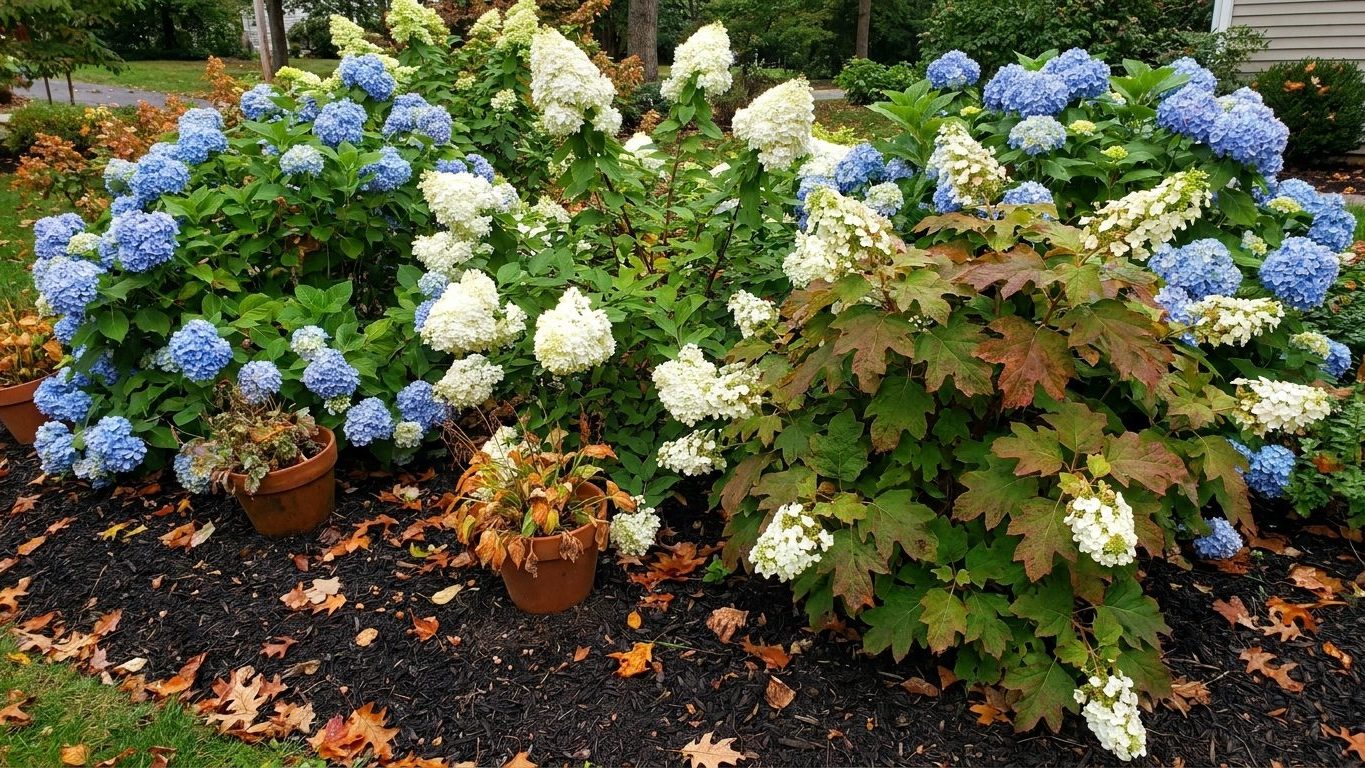
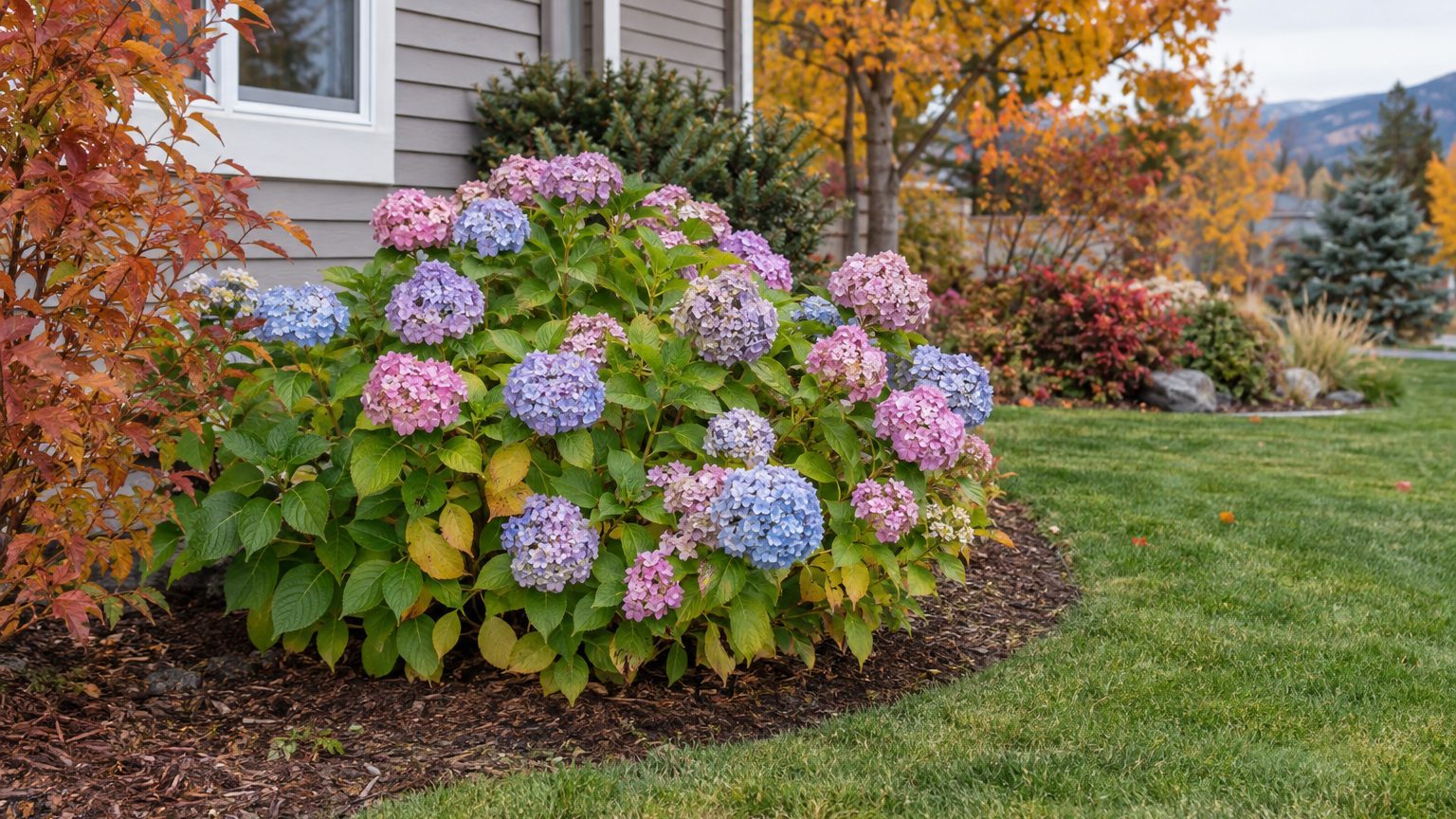
Only hydrangeas that flower on the current season’s growth are a fair bet in Whitehorse, where a winter can kill last year’s buds outright. Smooth and panicle types qualify. Bigleaf and oakleaf mostly do not.

Planting happens in a narrow slot too: June and July on the site’s calendar for Yukon. What follows sorts the names, shows the arithmetic behind the dates, and flags what this climate punishes.

Hydrangeas that grow well in Yukon: The Short Answer

Natural Resources Canada, Canada’s Plant Hardiness Site, puts Whitehorse at Canadian zone 1b, a separate system from USDA zones. There, smooth and panicle hydrangeas, which flower on new wood, do well, while bigleaf and oakleaf are gambles. The six below run from safest to riskiest.

Hydrangea arborescens ‘Annabelle’

Rounded shrub about 1–1.5 m tall and wide with thin upright stems and large, soft, medium-green oval leaves with toothed edges. Flowers are huge round

The safest choice, because smooth hydrangeas flower on new wood. A hard winter that kills the stems back to the ground costs little, since the flowers form on shoots that grow in June. Cut dead stems back once growth starts and let it rebuild.

Hydrangea paniculata ‘Limelight’

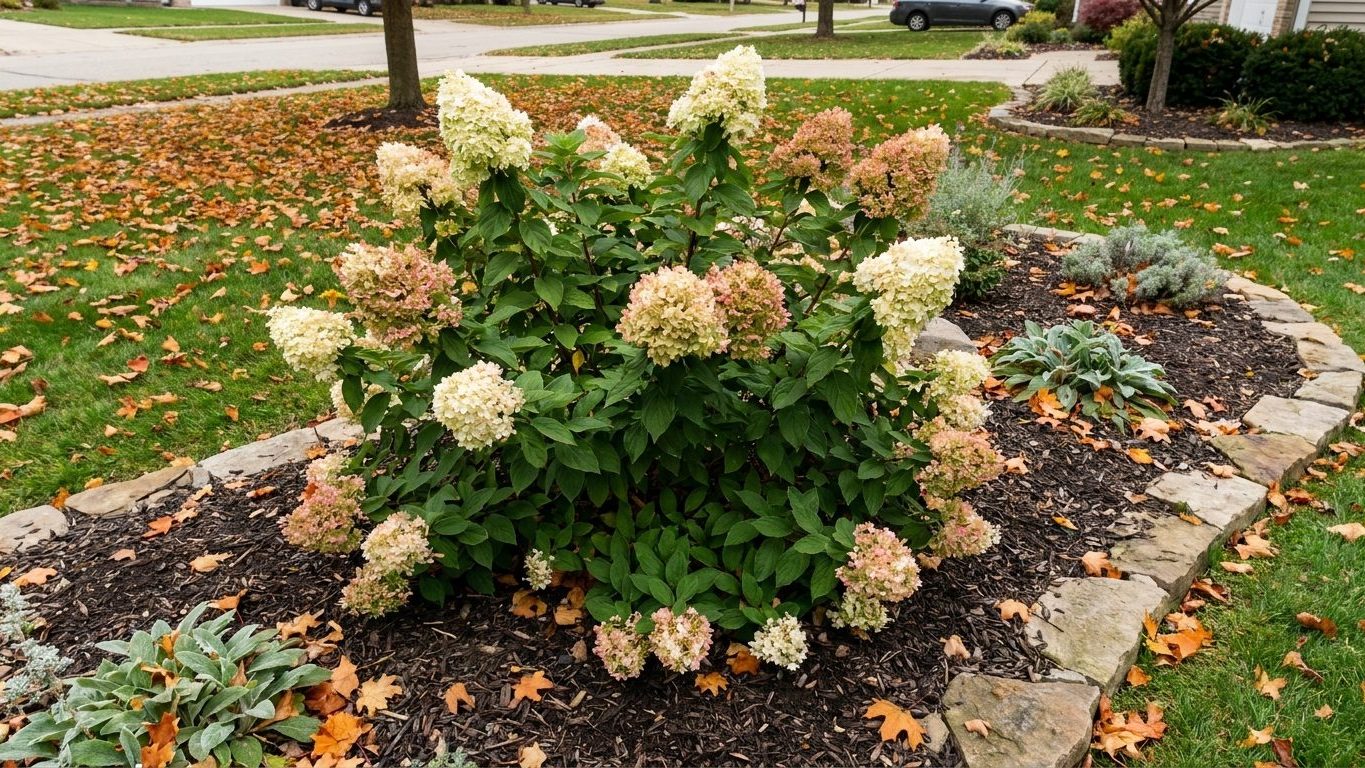
Panicle hydrangeas also bloom on new wood and rank among the hardiest of the woody kinds. Its lime-green cones age to pink. Plant it out of the wind, since wood that survives winter gives a bigger, earlier show.

Hydrangea paniculata ‘Quick Fire’

Bred to flower earlier than most panicles, which counts when the growing season is short. Plant it in the June to July window so roots settle first. Of the panicles, it has the best odds of finishing its bloom before fall frost.

Hydrangea paniculata ‘Bobo’

A dwarf panicle, and small size helps here: low stems sit under snow cover, and a sheltered corner is easy to find. Give it the same June to July planting window as the larger panicles.

Hydrangea macrophylla ‘Endless Summer’

A bigleaf that reblooms, so it can flower on new wood when old buds freeze. Still a gamble at Canadian zone 1b: expect dieback and late flowers, if any. Choose a sheltered spot and hold pruning to the June to July window, once live buds show.

Hydrangea quercifolia ‘Snow Queen’

Oakleaf hydrangea sets buds on old wood and is native to the American Southeast, so Yukon sits far outside its comfort. Try it only in a large pot moved to shelter for winter. Blackened or scorched leaves: see Hydrangea Pests and Diseases in Yukon.

How to Work Out the Dates for Your Own Yard

Environment and Climate Change Canada’s Canadian Climate Normals 1981-2010 give Whitehorse A an average last spring frost of June 5 and an average first fall frost of August 25, and both are midpoints, so each is the center of a window, not a safe date.

  1. Treat June 5 as the middle of a range: in one year out of two the last frost lands later, so the safe planting start sits past that date, not on it.
  2. Subtract weeks from August 25: a new shrub needs several weeks of root growth before fall frost, which puts the last planting stretch in July and explains why the planting window ends there.
  3. Plant in June, with July as the fallback: the calendar for Yukon lists June and July, and June gives roots the most weeks.
  4. Fertilize in May and July only: May feeds the first flush of growth, and July is the last feeding, so new shoots harden before frost.
  5. Prune bigleaf in June and July: wait for leaves so you cut back to live buds. The When to Plant and Prune Hydrangeas in Yukon page lays out the sequence.

Take two names through that test. Annabelle passes: if winter takes every stem down to the snow line, June growth still carries the flowers, so nothing is lost but height. Endless Summer’s old-wood buds sit above the snow and freeze, so its flowers wait on late new growth.

Yukon North to South: How the Dates Shift

Environment and Climate Change Canada’s Canadian Climate Normals 1981-2010 read June 5 for the last spring frost at the Whitehorse A station, and every other part of the territory moves from that anchor. Northern or upland districts run weeks behind it.

  • Whitehorse and the Southern Lakes (Whitehorse, Carcross, Marsh Lake): the June to July calendar fits best here, and lake edges or south-facing slopes can ease late spring frost a little.
  • Kluane and the high country (Haines Junction, Destruction Bay): higher ground and mountain air shorten the season at both ends, so stick to smooth and panicle types and plant late in the window.
  • Dawson City and the Klondike (Dawson City, Mayo): winters run harder and the season starts later, so snow cover is what protects the roots.
  • Watson Lake and the southeast (Watson Lake, the Liard country): cold air settles in low ground, so a gentle slope beats a hollow.

For the territory-wide picture, the Hydrangeas in Yukon guide is the place to start.

Mistakes Yukon Punishes

Planting on the average frost date

Environment and Climate Change Canada’s normals put the average last spring frost at Whitehorse A on June 5, and in one year out of two it falls later. Plant after that range passes, inside the June to July window. Details: When to Plant and Prune Hydrangeas in Yukon.

Building the border on bigleaf

Bigleaf buds ride through winter on old wood, and a Yukon winter often kills them. Anchor the border with smooth or panicle types instead, and give any bigleaf a sheltered corner. Prune it only in the June to July window, once live wood shows.

Feeding late in the season

Fertilizer after the July feeding pushes soft growth that fall frost, averaging August 25 at Whitehorse A, can blacken. Stop feeding after July. If leaves darken anyway, compare them with Hydrangea Pests and Diseases in Yukon.

Yukon Extension Offices and County Contacts

Yukon has no US-style county offices, so the Whitehorse numbers here are a starting point, not a ruling for your valley. A nursery near you and the federal agriculture department at agriculture.canada.ca/en hold the rest. Start with these pages:

  • Hydrangeas in Yukon: the territory-wide picture and the frost ranges where you live.
  • When to Plant and Prune Hydrangeas in Yukon: month-by-month gestures for planting, feeding and pruning.
  • Hydrangea Pests and Diseases in Yukon: what to check on a shrub that looks off, before you carry a photo of it to a grower.

Common questions

Is Canadian zone 1b the same as a USDA zone?

No. Natural Resources Canada, Canada’s Plant Hardiness Site, rates Whitehorse at Canadian zone 1b, and its system uses seven climate variables where USDA uses one. NRCan notes Canadian zone 4a overlaps nine USDA zones, from 3a to 7a, so never read 1b as a USDA number.

Can bigleaf hydrangeas grow in Yukon?

As a gamble only. Buds on old wood often freeze at zone 1b, so flowers are unreliable. A reblooming bigleaf in a sheltered spot can flower on new growth, but build the border on smooth and panicle types, and prune bigleaf in June or July.

When do I plant and feed?

Plant in June or July, once the spring frost range has passed. Fertilize in May and July. Late plantings need several weeks of root growth before fall frost, so June is the safer half of the planting window.

Hydrangea Pests and Diseases in Yukon

Hydrangea Pests and Diseases in Yukon

Yukon’s verified data names no single hydrangea pest or disease, and I won’t invent one. What it does show is a very short growing season, and in a season that short, frost and timing can produce much of what looks like an insect or fungus problem.

Below: the damage worth checking around Whitehorse, how to date it against the calendar, and where to take what you can’t identify.

Hydrangea pests and diseases Yukon: The Short Answer

Environment and Climate Change Canada’s Canadian Climate Normals for station WHITEHORSE A put the average last spring frost at June 5 and the average first fall frost at August 25. Treat both as midpoints of a window, because in one year out of two the spring frost lands later than June 5.

Stems bare into early June

Upright woody stems, grey-brown to tan, with papery peeling bark, about pencil-thick and 60–120 cm tall, and no leaves. Dormant buds along them look l

Stems that look dead in spring may only be slow after a cold winter. Scratch a thumbnail of bark near the base: green underneath means alive. Give the shrub until June before cutting anything, since bigleaf pruning here is listed for June and July.

Buds blackened after a late frost

A frost after the June 5 average catches soft new growth, and that happens in roughly half of years. Wait for June to plant, and keep a sheet or frost cloth ready for clear nights once leaves are out. The windows are on When to Plant and Prune Hydrangeas in Yukon.

Pale, slow growth by midsummer

A shrub never fed in May can stall before the short frost-free stretch is half over. Feed in the May window, then again in July, and water it in. Skipping May costs weeks you do not have in a season this short.

Holes or spots with no clear cause

The verified data lists no Yukon hydrangea pest or disease, so I won’t guess a name from a description. Photograph the damage up close, write down the date against the frost window, and take both to your local extension office.

Soft tips blackened in late summer

Feeding pushes soft growth, and the first fall frost, on average August 25, leaves little time to harden it. Stop feeding when July ends. For the wider picture of what this climate asks of the plant, read Hydrangeas in Yukon.

Blooms browned in late August

The average first fall frost is August 25, and in about half of years it arrives sooner. Watch the forecast through August and throw a sheet over the shrub on clear nights. For varieties that cope better, see Hydrangeas That Grow Well in Yukon.

How to Work Out the Dates for Your Own Yard

Environment and Climate Change Canada’s Canadian Climate Normals for station WHITEHORSE A give an average last spring frost of June 5 and an average first fall frost of August 25, so the work is counting outward from those two midpoints.

  1. Treat June 5 as the middle of a window: half of years bring the last frost later, so the risk runs past that date rather than stopping at it.
  2. Count the frost-free stretch: June 5 to August 25 is roughly eleven weeks, and a late spring or early fall shortens it further.
  3. Lay the calendar months on top: planting falls in June and July, feeding in May and July, and bigleaf pruning in June and July.
  4. Date the damage: blackening within a day or two of a cold night points to frost, while browning that follows no cold night deserves a closer look.
  5. Shift the chain for your district: northern and upland yards run weeks behind Whitehorse, so push spring dates later and pull fall dates earlier.

The fourth step sorts real problems from frost. If the date fits a cold night, it is frost. If it does not, photograph it for the local office instead of buying a spray on a guess.

Yukon North to South: How the Dates Shift

Natural Resources Canada, through Canada’s Plant Hardiness Site, puts Whitehorse in Canadian zone 1b, a system that does not convert to a USDA zone, and every other district moves from that starting point.

  • Whitehorse and the Southern Lakes (Whitehorse, Carcross, Marsh Lake): this is the reference city’s country, so the dates here fit best, and large lakes can soften the edges of the season.
  • Kluane and the western highway (Haines Junction, Destruction Bay, Burwash Landing): higher, more exposed ground runs behind Whitehorse, with spring arriving later and fall frost sooner.
  • Central Yukon (Carmacks, Pelly Crossing, Mayo): farther north again, so add weeks to the spring dates and expect the frost-free stretch to shrink.
  • Klondike and the far north (Dawson City, Old Crow): the shortest and coldest end of the range, where a hydrangea is a sheltered-spot experiment more than a sure thing.

For how these districts change the overall picture, start from Hydrangeas in Yukon.

Mistakes Yukon Punishes

Three habits cost more here than any insect the data can name.

Treating June 5 as a safe date

Environment and Climate Change Canada’s Canadian Climate Normals for station WHITEHORSE A give June 5 as the average last frost, which means frost still lands later in one year out of two. Plant later in June, and keep a sheet within reach for the first weeks.

Planting at the tail end of July

Planting is listed for June and July, but the average first fall frost is August 25. A shrub set out in late July has only weeks to root before that. Favor June. Full windows: When to Plant and Prune Hydrangeas in Yukon.

Using Whitehorse dates in the north

Every date here comes from the Whitehorse station, and northern or upland districts run weeks behind it. Add weeks to the spring dates and subtract them from the fall ones, then check with a local office before you buy plants or spray anything.

Yukon Extension Offices and County Contacts

The Whitehorse figures are a starting point. Your district, your slope and your soil have the rest, and the federal agriculture department at agriculture.canada.ca/en is the verified place to ask, since the provincial department’s own site refused our automated checks.

  • Hydrangeas in Yukon: the frost dates and growing conditions where you live.
  • Hydrangeas That Grow Well in Yukon: which ones hold up in a short season.
  • When to Plant and Prune Hydrangeas in Yukon: the month windows to print and carry, with your damage photos, to the office.

Common questions

Is there a specific hydrangea pest to watch for in Yukon?

The verified data for Yukon names none, so I would not treat for a pest you have not confirmed. Photograph the damage, note the date, and ask the local office or the federal agriculture department at agriculture.canada.ca/en.

Can frost damage look like a disease?

Often, yes. Blackened buds or tips right after a cold night usually point to frost rather than disease. Compare the date of the damage with the weather, since a spring frost can still land after the Whitehorse average.

When is it safe to plant hydrangeas around Whitehorse?

Planting is listed for June and July. Because the average last frost is only a midpoint, frost can still come after it, so keep a sheet ready and favor June over late July.

When to Prune Hydrangeas in Yukon

When to Prune Hydrangeas in Yukon

Plant in June or July, and prune bigleaf hydrangeas in those same two months. That is the calendar for Whitehorse, the reference city here, where a hydrangea gets a short frost-free stretch with a long winter on either side. Fertilizer has its own two months, May and July, and the rest of the year is mostly about leaving the shrub alone.

When to prune hydrangeas in Yukon: The Short Answer

Environment and Climate Change Canada’s Canadian Climate Normals 1981-2010 for station WHITEHORSE A give Whitehorse an average last spring frost of June 5 and an average first fall frost of August 25. Planting and bigleaf pruning both sit inside that stretch, one month at a time.

  • January: Leave the bed alone, many months ahead of the last spring frost. Snow packed over the crowns is free insulation, so keep the shovel off them.
  • February: Order plants now and book delivery for after the June 5 average last frost, not before. Nothing gets planted or pruned while the ground is frozen.
  • March: Hold every tool. Frost still runs the bed, and dead-looking stems may carry live buds you cannot judge yet.
  • April: Resist the urge to tidy up. Frost is still weeks from done, so old stems stay standing as protection.
  • May: Fertilize established shrubs this month, ahead of the June 5 average last frost. Water it in, and keep new plants in their pots.
  • June: Plant once the June 5 average has passed, and watch the forecast, since frost can still land later. Prune bigleaf now too, cutting only stems that stayed dead after buds broke.
  • July: This is the second planting window, and new plants still have weeks before the August 25 average first frost. Prune bigleaf and give the second feeding.
  • August: Stop planting and stop fertilizing. The August 25 average is a midpoint, so fall frost is as likely to arrive before it as after.
  • September: Water deeply while the ground stays open, and leave the shears in the shed. A cut now pushes soft growth that frost will burn.
  • October: Mound leaves or bark mulch over the crowns once frost has arrived. Keep the layer loose so meltwater can drain away.
  • November: Leave spent flower heads on the stems. They catch snow, and snow protects the buds below.
  • December: Nothing to do outdoors. Keep road salt and plowed snow off the bed.

Three windows, and two of them overlap in July, which makes July the busiest month. Both frost dates are midpoints, not safe dates. In one year out of two, spring frost lands later than June 5.

How to Work Out the Dates for Your Own Yard

The dates come from counting, and the count starts with two averages from Environment and Climate Change Canada’s Canadian Climate Normals 1981-2010 for station WHITEHORSE A: last spring frost on average June 5, first fall frost on average August 25.

  1. Treat June 5 as the middle: In half of years the last spring frost comes after it, so your safe day is a range with June 5 in the center, not a line.
  2. Count forward for the first window: Add a few weeks of buffer if your yard sits low or shaded, and planting moves toward the later part of June and into July.
  3. Count back from August 25: Subtract the weeks a root system needs to settle before frost, and the window closes in July. That is why August is not on the planting list.
  4. Fit the pruning inside the same window: Bigleaf pruning belongs to June and July, once buds have broken and you can see which stems survived winter.
  5. Adjust for your own ground: A cold hollow runs behind Whitehorse, and a sunny south wall runs ahead of it. Shift by observation, not by a number no source gives you.

Two things decide the result: the buffer you add in spring and the weeks you subtract in fall. Canadian normals use an older reference period than the US figures on this site, so never lay the two side by side.

Yukon North to South: How the Dates Shift

Natural Resources Canada, through Canada’s Plant Hardiness Site, puts Whitehorse in Canadian hardiness zone 1b. That is the Canadian system, not a USDA zone, and it describes one city rather than the territory.

  • Whitehorse and the Southern Lakes (Whitehorse, Carcross, Marsh Lake): The reference city sets the baseline, and big lakes tend to slow spring warming while easing fall cold near the shore.
  • Kluane and the upland west (Haines Junction, Destruction Bay): Higher ground means cooler nights and a later start, so shift the whole window later.
  • The Klondike and the north (Dawson City, Mayo, Old Crow): Seasons run weeks behind Whitehorse, so plant late in the window, protect hard, and treat any hydrangea as a gamble.
  • The southeast (Watson Lake, Upper Liard, Lower Post): The weather pattern differs from the Whitehorse valley, so start from these dates and confirm with local growers before you buy.

For the wider territory picture, Hydrangeas in Yukon is the place to start.

Mistakes Yukon Punishes

Planting on the first warm day

Environment and Climate Change Canada’s Canadian Climate Normals 1981-2010 for station WHITEHORSE A put the average last spring frost at June 5, so a warm May afternoon proves little. Wait for June, keep frost cloth ready, and read the Hydrangeas in Yukon page for the wider picture.

Feeding or planting into late summer

Fertilizer belongs to May and July, and planting to June and July, because the average first fall frost falls on August 25 and comes earlier in half of years. Soft late growth burns. Stop by August, and check the Hydrangea Pests and Diseases in Yukon page before blaming disease for blackened leaves.

Buying a shrub rated for warmer places

Catalog claims often come from milder regions, and a shrub that thrives elsewhere can die in its first Whitehorse winter. Match the plant to the cold before you match it to the color. Hydrangeas That Grow Well in Yukon sorts the safer choices from the gamble.

Yukon Extension Offices and County Contacts

The Whitehorse averages are a starting point. Yukon has no counties, so the next stop is local: the federal agriculture department’s site, plus nurseries and garden clubs near you. Confirm your dates there before you dig.

  • Hydrangeas in Yukon: the frost dates and the pruning window for the territory as a whole.
  • Hydrangeas That Grow Well in Yukon: which types survive the winter and which ones are a gamble.
  • Hydrangea Pests and Diseases in Yukon: what to look for on leaves and stems before you spray anything, then call a local grower with what you see.

Common questions

Can I plant a hydrangea in Whitehorse in May?

The planting window is June and July. May sits ahead of the average last spring frost, and in one year out of two that frost lands later still. Buy early if you like, but keep the plant in its pot and bring it indoors on cold nights.

When should I prune bigleaf hydrangeas in Yukon?

June and July. Wait for buds to break in June so you can see which stems are dead, then cut only those. Trimming later in the season removes next year’s flower buds and leaves fresh cuts for frost to damage.

Is Canadian zone 1b the same as a USDA zone?

No. Natural Resources Canada, through Canada’s Plant Hardiness Site, says there are no simple conversions between the two systems, because the Canadian one uses seven climate variables and the USDA one uses one. Whitehorse sits in Canadian zone 1b, so read plant tags with that in mind.

The almanac, state by state. Every date on this site comes from a state’s own frost facts and its extension service’s calendar — and says where it comes from.