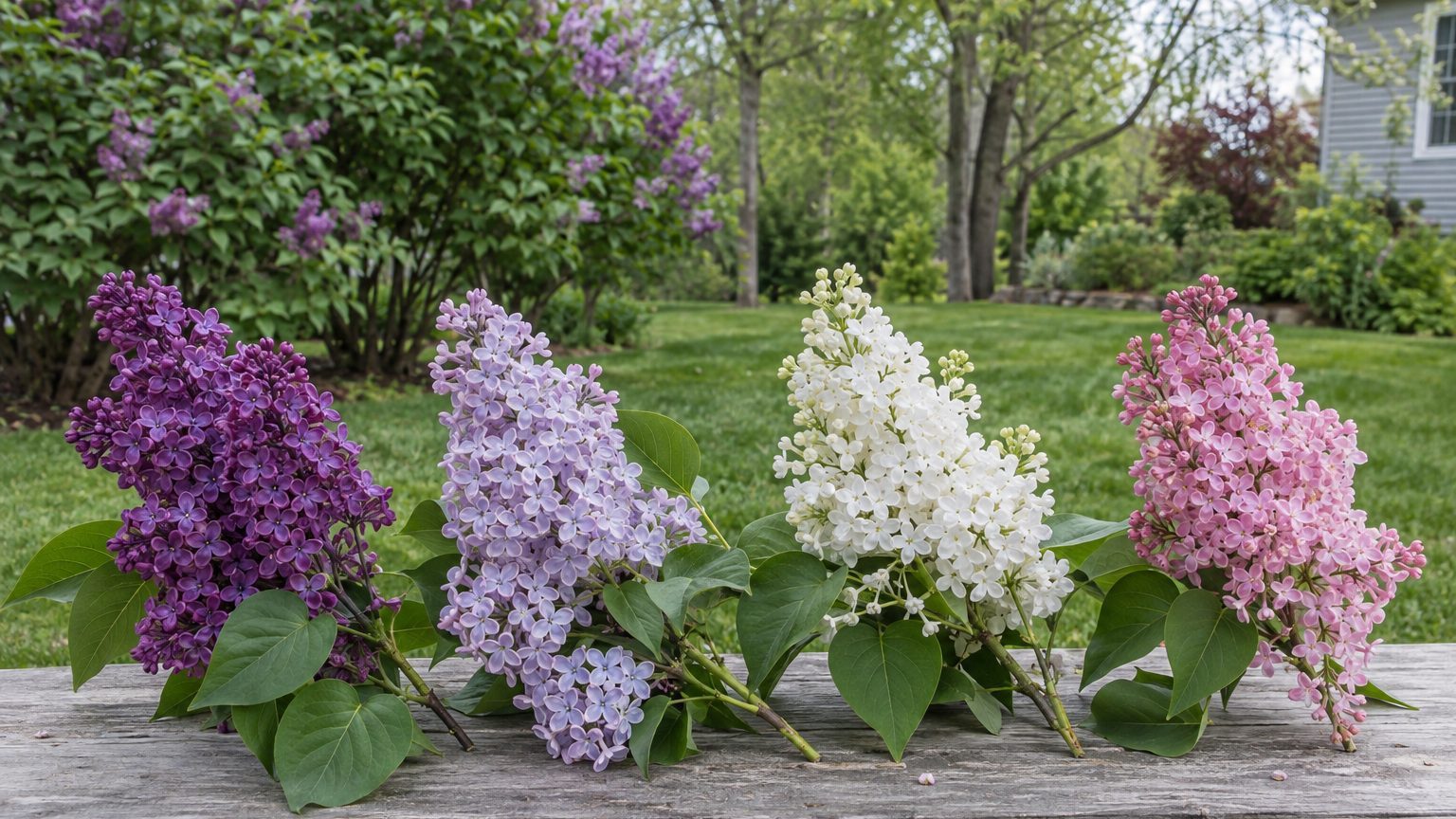
Where Texas winters stay mild, true lilacs bloom poorly or not at all because their buds need a cold rest. The common lilac wants a long cold winter, and Texas rarely delivers one. Gardeners here can get the look and color from Texas Lilac Vitex or from lilacs bred for warmer places.
Best Lilacs to Grow in Texas

Across much of Texas, winters are too mild and summers too hot and humid for the common lilac, so Texas Lilac Vitex is the statewide choice, with Southern and low-chill lilacs as true-lilac options to try. Lilacs need a cold winter rest to mature their flower buds, which is why warm-winter yards struggle.
Texas Lilac Vitex

Texas Lilac Vitex is the plant to pick if you want something that mimics the lilacs that grow up north. It is not a true lilac, but it does well in the South and grows in all areas of Texas.
Give it full sun and a spot that drains well. It does not tolerate wet feet.
Southern Lilacs

Look for early-blooming varieties labeled Southern lilacs, or lilacs for the South. They usually grow and bloom in warm regions, though they are not as fragrant as the lilacs you may remember from colder places.
Lilacs bloom on last year’s wood and set next year’s buds in summer, soon after flowering. Prune right after the flowers fade. Cutting in late summer, fall or winter removes the next spring’s flowers.
Descanso Hybrids
The Descanso hybrids were bred for mild-winter gardens, which makes them worth a try in warm parts of Texas. The named choices are the white Angel White, the blue Blue Boy and the pink California Rose.
Plant one as a trial rather than a hedge. Results vary with how much winter chill your yard gets.
Low-Chill Cultivars
Some low-chill cultivars have been developed to bloom with little winter cold. Even these perform best when they get an extended, cold winter rest, so they suit the cooler corners of the state more than the Gulf side.
Read the plant tag for the chill the variety expects, and compare it with your own winters before buying.
Common Lilac
Common lilac (Syringa vulgaris) is sold widely, and many cultivars claim heat tolerance. In warm, humid country they often do not thrive as they do in colder regions.
Long stretches of high heat and humidity invite powdery mildew, a white dusting on the leaves. That makes it a gamble in most Texas yards.
Texas — the year and the numbers
- State
- Texas
- USDA zones
- 6a-10a
- Last spring frost
- February 4 to March 1
- First fall frost
- December 1 to December 19
- Annual rain
- 52 in
- Lawn zone
- warm-season
- Source
- NOAA NCEI 1991-2020 Climate Normals, 32F freeze probabilities · Houston
How to Choose a Lilac for a Texas Garden
Texas covers USDA hardiness zones 6a to 10a, a system built on the average annual extreme minimum temperature. That spread means a Panhandle yard and a Gulf Coast yard need different answers.
Start from what your summers and winters do, then match the plant to that rather than to the picture on the tag.
| Your situation | What suits it in Texas | Why |
|---|---|---|
| Hot, humid summer | Texas Lilac Vitex | Grows in all areas of Texas, while common lilacs struggle in heat and humidity |
| Mild winter with little chill | Southern lilacs or Descanso hybrids | Early-blooming Southern types usually grow and bloom, and Descanso hybrids were bred for mild winters |
| Need for winter cold | Low-chill cultivars | They bloom with little chilling but do best with an extended cold rest |
| Sunny, well-drained site | Texas Lilac Vitex | Needs full sun and good drainage |
| Colder winter, milder summer | Common lilac, with caution | Needs a cold rest to mature its buds, but heat and mildew still count against it |
If your yard fits none of these rows neatly, Texas Lilac Vitex is the safer starting point, with a Southern lilac planted beside it as a trial.
Which Lilacs Suit Different Parts of Texas
Texas is large enough that winter cold, the thing lilacs want, changes sharply from one region to the next.
- Panhandle: Winters here are colder than elsewhere in the state, which gives lilac buds the rest they need. Southern lilacs and low-chill cultivars have the best footing here, and common lilac is a fair trial.
- North Texas: Winters are milder than in the Panhandle and summers turn hot and humid, so mildew becomes the worry. Southern lilacs are worth trying, with Texas Lilac Vitex as the dependable backup.
- Hill Country: Chill and heat both vary from yard to yard. Low-chill cultivars and Descanso hybrids can work, and Texas Lilac Vitex is the plant to count on.
- Gulf Coast: Winters are mild and summers hot and humid, so true lilacs bloom poorly or not at all. Texas Lilac Vitex is the choice that delivers.
Houston sits at the mild Gulf end, so a plan made there does not carry over to the Panhandle.
Lilac Buying Mistakes to Avoid in Texas
Buying a Northern Common Lilac
A common lilac chosen because of its fragrance often sulks in a hot, humid summer. It leafs out, may pick up powdery mildew, and flowers poorly without a cold winter rest.
Choose a Southern lilac, a low-chill cultivar or Texas Lilac Vitex instead, and treat a common lilac as a trial only in the colder north of the state.
Ignoring a Variety’s Chill Needs
A variety that expects more cold than your winter gives may grow leaves and skip the flowers, leaving you waiting in vain. Even low-chill cultivars do better with an extended cold rest.
Check the chill rating on the tag, and ask the county office what winters in your area actually deliver before you pay for the plant.
Planting Without Knowing the Adult Size
A shrub in a nursery pot tells you little about the plant it becomes. Planted too close to a wall, walk or window, a vigorous one ends up crowding it, and moving it later is hard work.
Look up the mature height and spread of the exact variety first, and mark that footprint on the ground before you dig.
Where to Get Lilac Advice in Texas
Local winters, soils and mildew pressure differ across the state, so advice from nearby gardeners beats any general rule. Local help is close at hand.
- Texas A&M AgriLife Extension publishes plant guides for Texas, and its pages on Texas Lilac Vitex are a good first read before you shop.
- Your county extension office can tell you which varieties have bloomed in local yards, so call before you buy.
- Master gardener volunteers at that office often answer questions on mildew and winter chill, and spring visits suit planning for the next season.
Common Questions
What Else Is Texas Lilac Vitex Called?
It goes by Mexican lavender, lilac chaste tree, hemp tree, sage tree, monk’s pepper, Indian spice or simply Vitex. Check the botanical name on a tag to be sure you are buying the right plant.
Can Texas Lilac Vitex Grow in Alkaline Soil?
Yes, it grows well in acid and alkaline soils, which suits the wide range of soils across Texas. Sun and drainage matter more than soil type.
Will a Southern Lilac Smell Like a Northern One?
Not quite. Southern lilacs usually grow and bloom, but they are not as fragrant as the lilacs grown in colder regions.