Skip to content
  1. Jan
  2. Feb
  3. Mar
  4. Apr
  5. May
  6. Jun
  7. Jul
  8. Aug
  9. Sep
  10. Oct
  11. Nov
  12. Dec
State
Texas
USDA zones
6a-10a
Last spring frost
February 4 to March 1
First fall frost
December 1 to December 19
Annual rain
52 in
Lawn zone
warm-season
Source
NOAA NCEI 1991-2020 Climate Normals, 32F freeze probabilities · Houston

The year in Texas, from the calendar

  1. JanPlant roses · Plant fruit trees · Prune fruit trees
  2. FebPlant hydrangeas · Plant roses · Prune roses · Plant fruit trees · Prune fruit trees
  3. MarFeed hydrangeas · Plant hydrangeas · Crabgrass preventer
  4. AprMow
  5. MayFeed hydrangeas · Seed the lawn · Dethatch · Fertilize the lawn · Mow
  6. JunPrune bigleaf hydrangeas · Dethatch · Fertilize the lawn · Mow · Water
  7. JulFeed hydrangeas · Prune bigleaf hydrangeas · Mow · Water
  8. AugMow · Water
  9. SepMow
  10. OctPlant hydrangeas · Mow · Plant trees
  11. NovPlant hydrangeas · Plant trees
  12. DecPlant spring bulbs · Plant trees · Plant fruit trees

From the state frost facts and extension calendars: Texas A&M AgriLife Today ; Texas A&M AgriLife Extension (Bexar County) · Clemson HGIC factsheet — Hydrangea · Texas A&M AgriLife Extension — Bermudagrass Home Lawn Management Calendar · Texas A&M AgriLife Extension (Travis County).

Best Spring Bulbs for Texas

Best Spring Bulbs for Texas

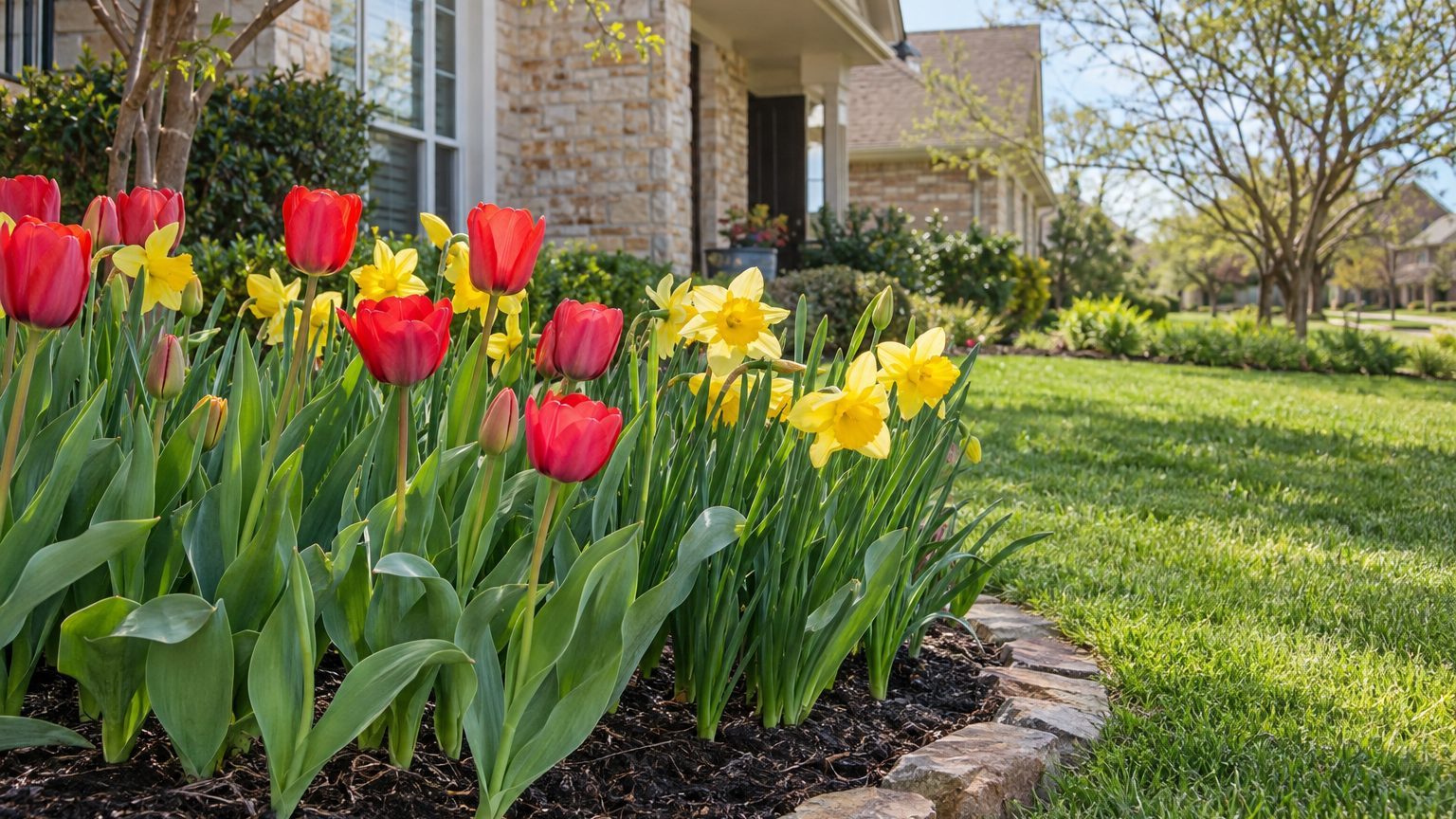
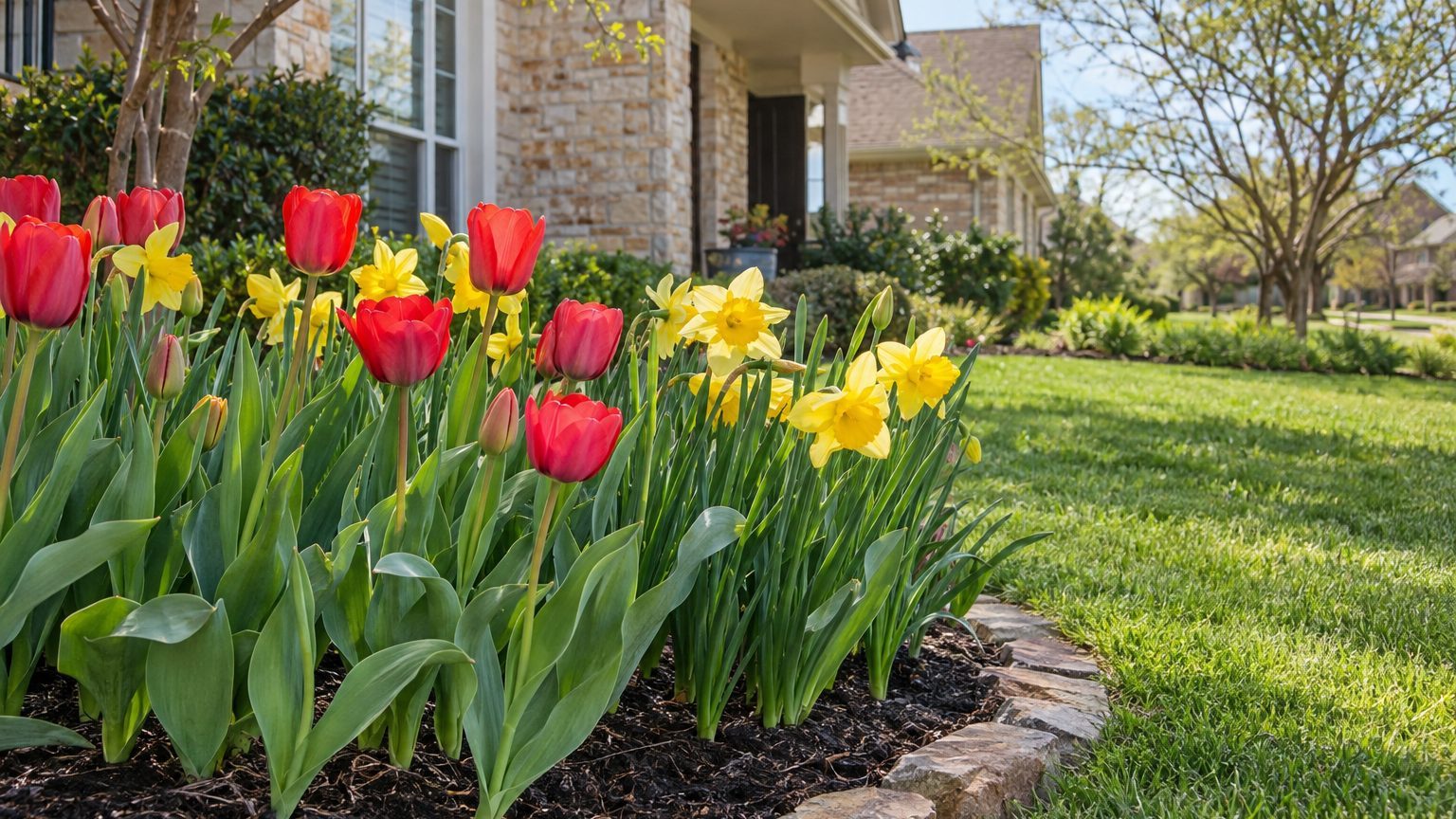
A drift of daffodils along a fence line is a sign that winter is loosening up, and in Texas the bulbs behind that show go into the ground in the cool of late fall. Daffodils and alliums are the easy yes in Texas. Tulips, hyacinths and crocus can flower too, but they need a stretch in the refrigerator first.

Best Spring Bulbs to Grow in Texas

Healthy spring bulbs in bloom

Daffodils settle in most easily across Texas, while alliums need the cold of winter to bloom, and tulips, crocus and Dutch hyacinths flower only if you supply the winter cold that the state’s mild winters leave out. The bulbs below are listed from the easiest to the ones that ask for extra work.

Daffodils

Daffodils are the more reliable perennial bulb, coming back year after year where tulips often fade after a season or two. Some narcissus do want chilling, so check the label, but the group as a whole is the safest place to start a Texas bulb bed.

Alliums

Alliums, the ornamental onions, like other spring-flowering bulbs, need the cold of winter to bloom. That makes them a good fit for a state where winter rarely delivers much cold. Buy them in early fall and plant them without any refrigerator step.

Tulips

Tulips need a period of cool dormancy, and Texas winters are too mild to give it. Plan on six to 10 weeks of chilling before planting, and treat them as a short-lived splash of color rather than a permanent planting.

Dutch Hyacinths

Dutch hyacinths follow the same rule as tulips. Buy the bulbs in early fall, chill them in the refrigerator, then plant. Done that way, they give the full fragrant spike that mild-winter gardeners often assume is out of reach.

Crocus

Crocus is another traditional bulb that wants chilling before it goes in the ground. The corms are small and easy to tuck into the refrigerator alongside tulips and hyacinths, so one chilling batch can cover all three.

How to Choose Spring Bulbs for Your Texas Garden

The choice comes down to how much effort you want to put in before planting. Bulbs that need no chilling can go straight into the soil, while the classics need a refrigerator stop first.

Your own yard narrows it further, because some bulbs are on the menu for wildlife and others are not.

Your situation What suits it in Texas Why
Mild winters and you want tulips or hyacinths Tulips and Dutch hyacinths, chilled first Texas winters are too warm to chill them in the ground, so the refrigerator does it
You want bulbs that return each year Daffodils They last longer than tulips
Voles, squirrels, rabbits or deer visit Daffodils These animals eat tulips and crocus but leave daffodils alone
You want crocus Crocus, chilled first Texas winters do not give them enough cold on their own

Narcissus varieties differ in how much chilling they want, so a quick look at the package helps when you pick daffodils.

Which Spring Bulbs Suit Different Parts of Texas

Texas covers USDA hardiness zones 6a to 10a, so the cold your bulbs receive depends heavily on where the yard sits.

  • The Panhandle: Winters here are colder and last longer than anywhere else in the state, so bulbs get more natural chilling in the soil. Tulips and hyacinths are the most likely to flower with less help from the refrigerator.
  • North Texas: Winters are colder than on the coast but milder than in the Panhandle. Daffodils are a dependable base, and chilled tulips and hyacinths fill in around them.
  • Hill Country and San Antonio: Winters are mild, so chilling tulips, hyacinths and crocus is part of the routine. Alliums and daffodils need less fuss.
  • Houston and the Gulf Coast: This is the mild end of the state. Chilling in the refrigerator matters most here, and daffodils give the least trouble, while alliums need the cold of winter to bloom.

Pick the bulbs for your own zone and county, because a few miles of elevation or distance from the coast can change what is easy.

Spring Bulb Buying Mistakes to Avoid in Texas

Tulips Straight from the Bag

Tulips planted without chilling often give weak flowers or none at all, because Texas winters are too mild to give them the cold they need. The fix is to buy early in fall and hold the bulbs in the refrigerator, then plant them in early to mid-December.

Planting While the Soil Is Warm

Bulbs put in too soon may sprout leaves in fall, then get caught by a cold snap. Wait until the soil has cooled below about 60°F. December is the best month, and October or November can work for bulbs that need no chilling.

Leaving Bulbs in the Bag

A bulb that stays in the bag over winter dries out and loses strength. Any bulb you still hold goes into the ground as soon as the soil can be dug. Planted late, it still has a good chance of flowering.

Where to Get Spring Bulb Advice in Texas

Local help is easy to reach, and it is tuned to the conditions your yard really has.

  • Texas A&M AgriLife Extension publishes bulb guidance written for Texas gardeners, which is most useful before you place an order.
  • Your county extension office can tell you which bulbs do well in your local soil and zone, so call or stop by before the bulbs go on sale.

Common Questions

Do You Cut Back Daffodil Leaves After They Bloom?

No. Remove only the faded flowers and leave the leaves on the plant until they turn brown. They feed the bulb for next year’s bloom.

When Should You Plant Tulip Bulbs That Have Been in the Refrigerator?

Keep them chilled until about the first part of December, then plant in early to mid-December. The cooler soil gives roots time to settle before spring.

When Is the Buying Season for Bulbs That Need No Chilling?

In San Antonio, late September through early December is the prime time to buy and plant fall bulbs for spring color. Alliums fit this window because they need the cold of winter to bloom and are planted in fall.
When Do Tulips and Daffodils Bloom in Texas?

When Do Tulips and Daffodils Bloom in Texas?

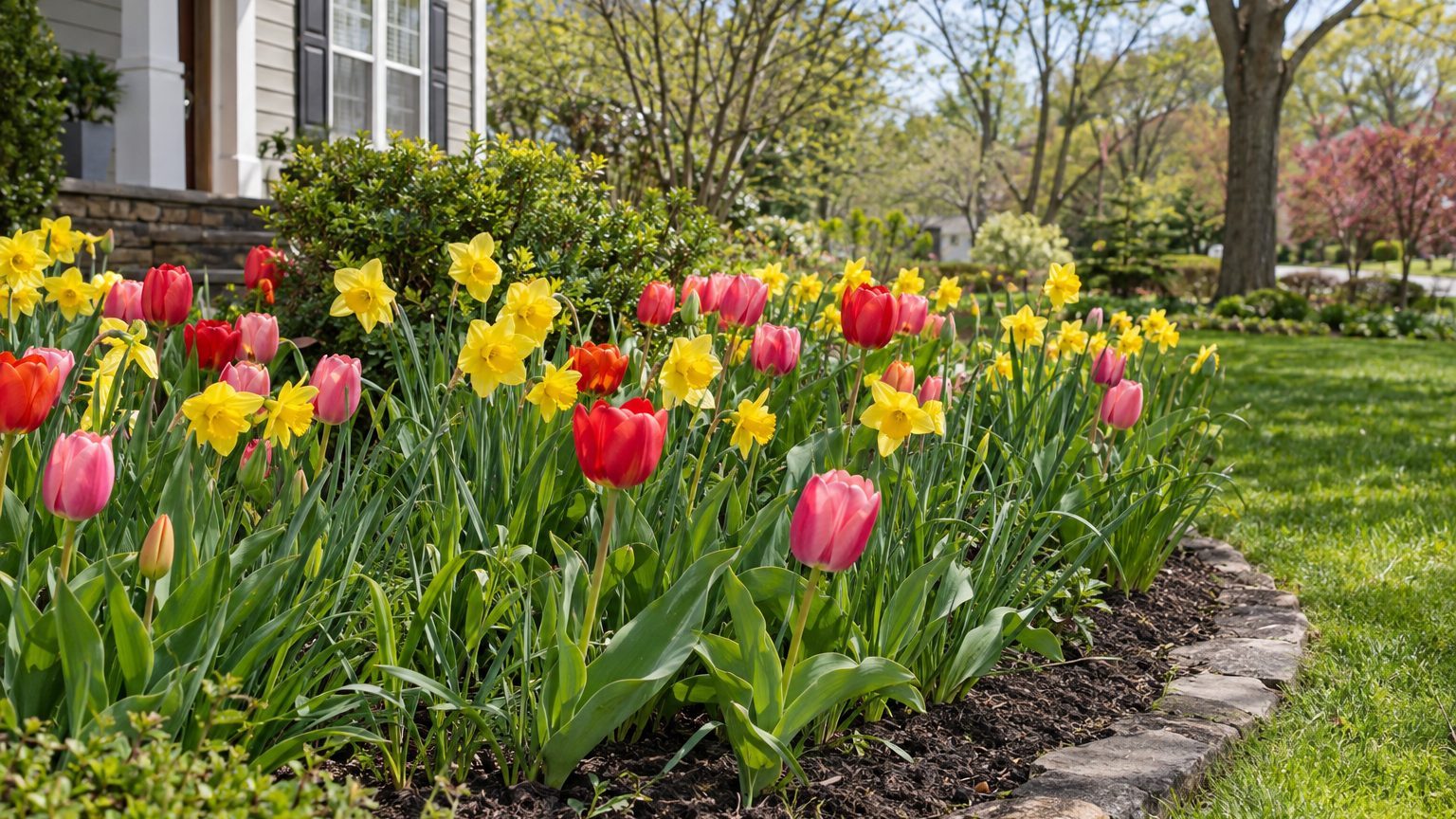
Daffodil leaves pushing through cold ground and tulip buds loosening on a sunny day tell you spring has arrived in a Texas yard. The timing depends on where you live, because Texas runs from Gulf Coast mildness to Panhandle cold.

When Do Tulips and Daffodils Bloom in Texas?

When Do Tulips and Daffodils Bloom in Texas?

Tulips and daffodils flower when spring warms the ground, and no fixed month applies to the whole state. A bulb planted in the fall opens as the weather turns, which comes sooner on the Gulf Coast and later toward the Panhandle.

Texas spans USDA hardiness zones 6a to 10a, while bloom time varies from one yard to the next. What changes with location is how much natural cold the bulbs receive. In mild-winter areas, chilling can decide whether a bulb flowers well.

Bulb When it blooms in Texas What sets the timing
Crocus Early spring, as the ground warms Needs 6 to 10 weeks of chilling before planting
Daffodils (narcissus) Spring, as the weather warms Some types need chilling and can return in a suitable spot
Tulips Spring, after the chilled bulbs settle in Need 6 to 10 weeks of chilling, given in the refrigerator
Hyacinths (Dutch) Spring, as the weather warms Need the same chilling as tulips
Alliums Spring, with the warming days Needs the cold of winter to bloom

Early, midseason and late tulips open in that order, each on its own schedule, so planting a mix stretches the show. According to Iowa State University Extension, alliums need the cold of winter to bloom.

How to Tell Your Bulbs Are About to Bloom

Because no single month fits every yard, the bulbs themselves provide useful clues. Watch for these changes.

  • Green tips poking through the soil mean roots are working and the bulb has woken, so keep mulch light and let them come.
  • As the leaves grow, watch the forecast for a late freeze.
  • A bud rising out of the leaves shows the flower is set, and a cold night can still nip it.
  • Buds that show color but have not opened will usually open within a spell of warm days.
  • Squirrel digging near tulips and crocus is a warning, because these animals go after those bulbs and leave daffodils alone.

A bud that colors up and then stalls may resume opening when the weather warms.

What to Do After Tulips and Daffodils Bloom in Texas

When the petals fade, snip off only the spent flowers. The leaves stay, because they feed the bulb for next year’s blooms. Let them turn yellow and then brown before you remove them, and do not tie or braid them, since that cuts down the surface that gathers light.

Expect different results from each bulb. Tulips are often short-lived in the garden. Daffodils last longer and are the more reliable perennial bulb, so they are the better choice for a bed you want to leave alone.

In mild-winter areas, fresh tulip bulbs may need refrigerator chilling before planting. Daffodils are more likely than tulips to return.

How Bloom Time Shifts Across Texas

Bloom follows the local warming, so the same bulb opens on different dates around the state.

  • Texas Panhandle: Winter cold lasts longer here and spring comes later, so bulbs open after those farther south.
  • North Texas: Winters are cold enough that bulbs get more natural chill, though spring still arrives later than near the coast.
  • Hill Country: Seasons fall between the cooler north and the Gulf side, and bloom follows the local warming.
  • Houston and the Gulf Coast: Winters are mild, so spring comes early. Tulips and hyacinths here depend on refrigerator chilling to flower at all.

Your own yard can differ again. A sheltered south wall warms sooner than an open lawn, and bulbs there open ahead of the same variety in a cold corner.

Where to Get Bulb Advice in Texas

Local people know the local chill and the local bloom dates. Reach them through the state extension service and your county office.

  • Texas A&M AgriLife Extension has gardening guides written for Texas conditions, and fall is the time to read them before you buy bulbs.
  • Your county extension office can tell you what has done well in nearby yards, so call in late summer, before bulb season starts.

Common Questions

When Should You Buy and Plant Spring Bulbs in Texas?

For bulbs that need no chilling, December is the main planting month, though October and November can work. Wait until the soil has cooled below about 60°F so the bulbs root without sprouting too soon. For tulips and hyacinths that need chilling, December is the month to plant, and October and November also work for bulbs that don’t need the refrigerator.

How Do You Chill Tulip Bulbs in a Refrigerator?

Store the bulbs in a refrigerator or other cool place until about the first part of December. Then plant them in the cooler soil of early to mid-December, so roots can establish before spring.

Do Daffodils Need Chilling in Texas?

Some narcissus do need chilling in Texas, while others need none. Check the label on the bulbs you buy, or ask your county extension office which types do well in your area.

When to Plant Tulips and Daffodils in Texas

When to Plant Tulips and Daffodils in Texas

Mesh bags of tulip and daffodil bulbs show up in garden centers while Texas still feels like summer, and the temptation is to plant them straight away. Texas winters run mild, so the calendar is different from what bulb packages assume. Here is when to plant tulips and daffodils in Texas, and how to give them the winter cold they need.

When to Plant Tulips and Daffodils in Texas

When to Plant Tulips and Daffodils in Texas

December is the month to plant spring bulbs in Texas, and October or November also works for bulbs that need no chilling. The year of a bulb here runs from the garden center shelf to the first spring leaves, and the order matters more than any single date.

  • In early fall, buy bulbs while selection is good, since the buying season for bulbs that need no chilling runs from late September to early December. Pick firm, heavy bulbs with no soft spots or mold.
  • Through autumn, tulips, hyacinths and crocus go into the refrigerator, because Texas winters are too mild to chill them in the ground. In Texas, these bulbs need six to 10 weeks of chilling before planting.
  • In October and November, daffodils and alliums can go into the ground, since neither depends on a refrigerator stay.
  • In early to mid-December, chilled tulips, hyacinths and crocus are planted, which gives their roots time to settle in the cooler soil before spring.
  • Right after planting, spread a thin layer of mulch over the bed to hold moisture and steady the soil temperature through winter.
  • By late winter, green tips push up through the mulch, and that is the cue to leave the bed alone and let the leaves grow.

For a sense of timing, the first fall frost around Houston arrives between December 1 and December 19, which is why December planting still beats the cold there. Texas spans USDA hardiness zones 6a to 10a, so other parts of the state differ from the Gulf Coast.

Which Spring Bulbs Do Best in Texas?

Daffodils and alliums are the easiest bulbs to grow in Texas, because neither needs a refrigerator stay before planting. Tulips, crocus and Dutch hyacinths can still bloom here, but they need artificial chilling first.

Most spring bulbs need about 12 to 16 weeks of cold to flower, and a Texas winter often falls short. That gap is why tulips are often short-lived in a Texas bed, while daffodils come back for years.

Bulb type How it does in Texas Why
Tulips Bloom well after refrigerator chilling, but often fade after a year or two Mild winters do not give the cool dormancy they need, and voles, squirrels, rabbits and deer eat them
Daffodils (narcissus) The more reliable perennial bulb, returning for years Animals leave them alone, though some narcissus still want a chill period
Crocus Flower after chilling They need cold before planting, and voles, squirrels, rabbits and deer eat them
Dutch hyacinths Succeed when chilled first Texas winters are too mild to chill them in the ground
Alliums Easy and dependable They need the cold of winter to bloom

In a yard with squirrels or deer, daffodils and alliums are the safer bet, and tulips are best treated as a seasonal treat rather than a permanent planting.

When to Plant, Chill and Care for Spring Bulbs in Texas

The bulb year in Texas revolves around three gestures: chilling the bulbs that need it, planting them in the cool soil of winter, and leaving the foliage alone after bloom. Timing each one right is what separates a full bed from a handful of leaves.

Task Best timing in Texas Why then
Buy bulbs Late September to early December Selection is full and the bulbs are fresh
Chill tulips, hyacinths and crocus In the refrigerator until the first part of December Texas winters are too mild to give them the cold they need
Plant bulbs that need no chilling October or November, or December Roots form in cool soil without top growth starting too soon
Plant chilled bulbs Early to mid-December The soil is cool enough to set roots before spring
Leave the foliage after bloom Until the leaves turn brown The leaves feed the bulb for next year

Soil temperature is the real signal, so wait until the soil has cooled below about 60°F before planting. A bulb still unplanted later in winter is better in the ground than stored away, so plant it as long as the soil can be dug. After bloom, remove only the faded flowers.

How Bulb Planting Time Changes Across Texas

Texas is large enough that the Panhandle and the Gulf Coast live in different climates, and planting time shifts with them. The December window holds as a guide, but where you live nudges it earlier or later.

  • Panhandle: Winter arrives sooner and stays harder, so the soil cools earlier than elsewhere in the state. Plant on the early side of the fall window, and expect that more winter cold reaches the bulbs.
  • North Texas: Winters are colder than on the coast, which helps tulips, though a refrigerator stay still gives a safer bloom. Plant a little earlier than you would near Houston.
  • Hill Country and San Antonio: Fall bulbs are bought and planted from early fall into early winter, and chilled bulbs go in during the cooler days of December.
  • Gulf Coast: The mildest winters in the state mean tulips, hyacinths and crocus depend entirely on the refrigerator, and planting leans toward December.

A bed on a south-facing wall or against pavement stays warmer than open lawn, so planting there can wait a little later.

Where to Get Bulb Advice in Texas

Local conditions vary so much across Texas that a nearby expert often settles questions faster than a general guide. Two sources stand ready for any gardener with a bed to plan.

  • Texas A&M AgriLife Extension publishes regional planting guidance for spring bulbs, and it is worth checking in early fall before you buy.
  • Your county extension office can test your soil and look at a struggling bulb bed, so visit when planting questions come up in fall.

Common Questions

Can You Still Plant Bulbs After December in Texas?

Yes. A bulb that is still unplanted does better in the ground than stored away, so plant it as long as the soil can be dug. Blooms may be a little smaller the first spring, but the bulb will settle in and recover.

Where Should You Chill Tulips in the Refrigerator?

Use the vegetable drawer or a shelf away from ripening fruit such as apples, because the gas they give off can harm the flower inside the bulb. Keep the bulbs in a paper or mesh bag so air can move around them.

How Do You Keep Squirrels from Digging Up Tulips?

Lay a sheet of wire mesh over the bed after planting and cover it with mulch, then remove it when the shoots start to push through. Daffodils and alliums sit beside tulips without much risk, because animals tend to leave them alone.

Best Grass Seed for Texas

Best Grass Seed for Texas

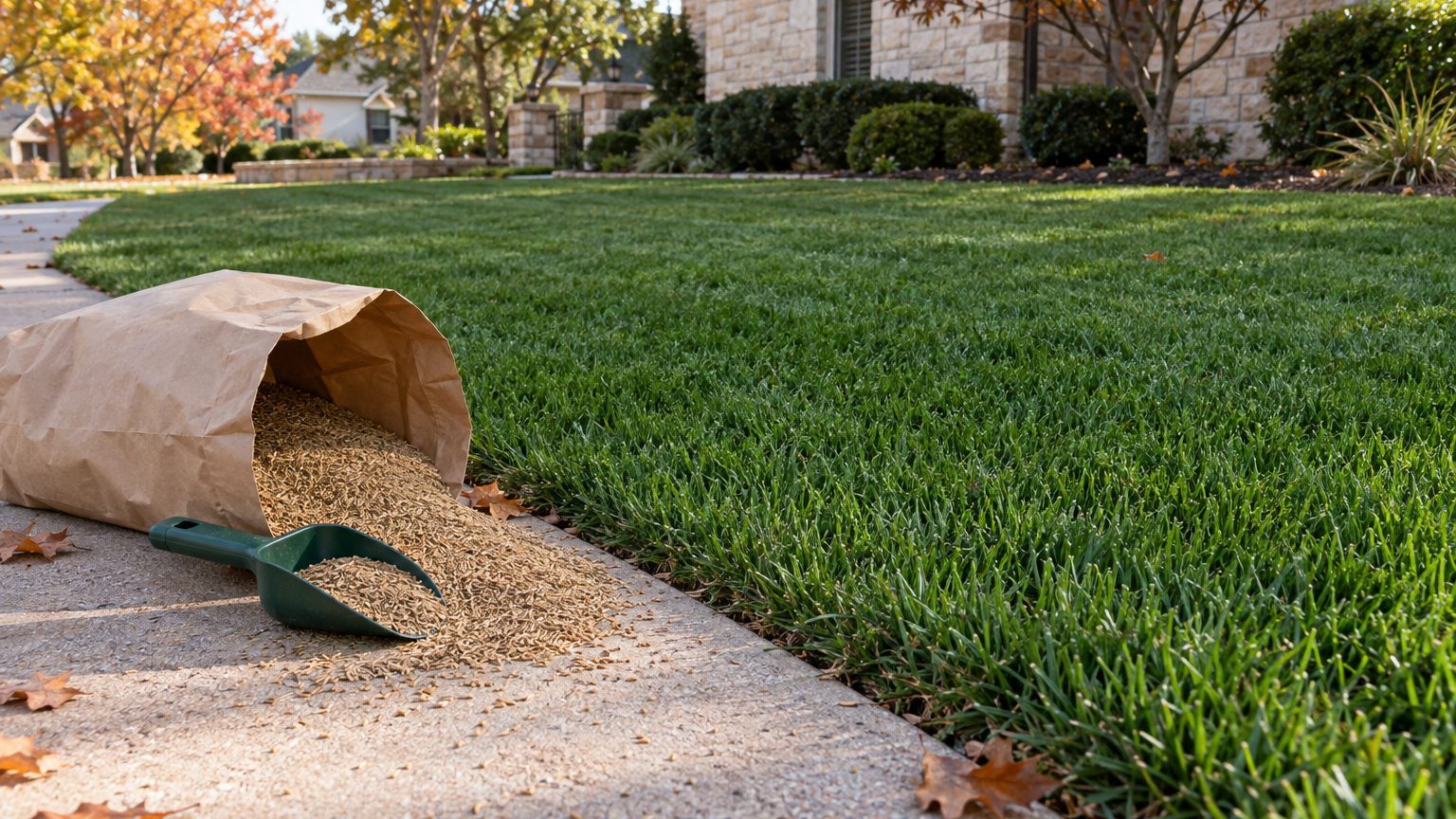
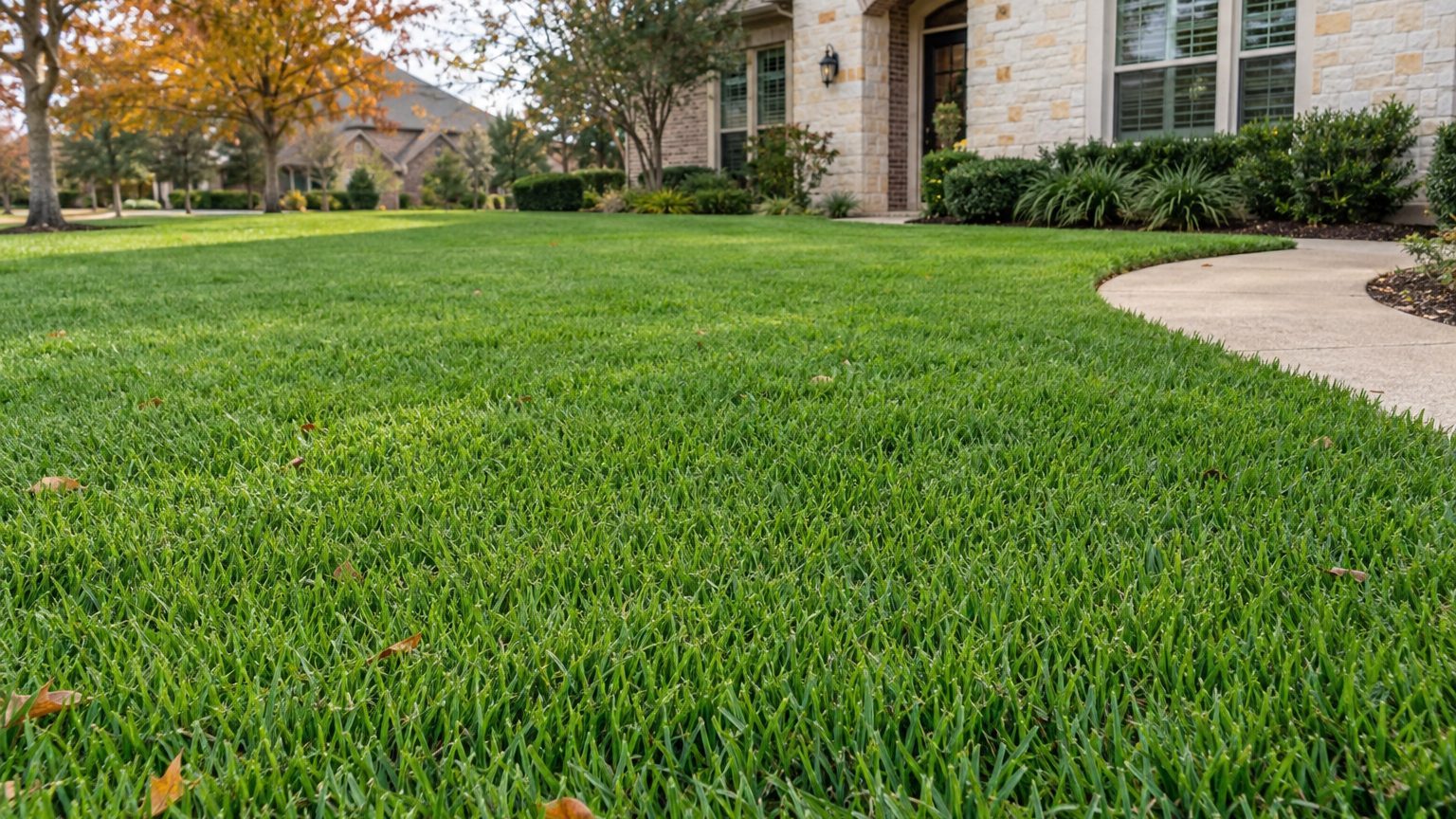
A Texas lawn in July tells you quickly which grass was the right call: the green stays thick where the species loves heat and fades where it does not. Warm-season grasses win in this state, and the best grass seed for Texas depends on which of them can actually be sown as seed.

Which Grass Grows Best in Texas?

Warm-season grasses grow best in Texas, because summers run long and hot while cool-season grasses stall and thin out under that stress. The lawn grasses covered here are bermudagrass, St. Augustinegrass, zoysiagrass and buffalograss.

Bermudagrass

Bermudagrass can be started from seed, and it thrives in full sun and summer heat. It spreads fast and recovers from wear. Sow it in May, when the soil has warmed enough for quick germination.

Zoysiagrass

Zoysiagrass forms a dense, soft turf that crowds out weeds and tolerates some shade, though it fills in slowly. It suits yards where you want a tidy look and will wait for it. Sod or plugs are the quicker route in most yards.

St. Augustinegrass

St. Augustinegrass is the classic shade-tolerant lawn across much of Texas, with wide blades and a lush look. It is never sold as seed, so you plant sod or plugs. Laying sod works best in May, and April or June also works.

Buffalograss

Buffalograss is a native that fits west and central Texas, where water is scarce and rainfall is thin. It needs little mowing and little irrigation once established. It struggles in heavy shade and in wetter, more humid parts of the state, so match it to dry, sunny ground.

How to Choose Grass Seed for a Texas Yard

Start with how much sun the yard gets, then think about foot traffic and how much water you can spare. Mowing habits matter too, since some grasses need frequent trimming to look their best and others are happy with less.

Keep in mind that only some of these species come as seed. If your best match is St. Augustinegrass, plan on sod or plugs rather than a seed bag.

Your yard Grass Why it fits
Full sun, heavy play Bermudagrass Grows from seed, tolerates heat and wear, recovers quickly
Partial shade St. Augustinegrass Handles shade better than bermudagrass, sod or plugs only
Sun to light shade, tidy look Zoysiagrass Dense turf that crowds weeds, slower to fill in
Dry west or central yard, low upkeep Buffalograss Native, needs little water and little mowing

If you want to water sparingly and mow less often, buffalograss is a good match in a dry region. If you want the lawn to bounce back from kids and dogs, bermudagrass earns its place. Seed in May, and if that month slips by, June still works.

Which Grasses Grow Where in Texas

Texas covers four USDA hardiness zones within the range of 6a-10a, so the right grass shifts as you travel across the state.

  • Panhandle: Winters are the coldest in the state, so bermudagrass and buffalograss are the dependable picks, and St. Augustinegrass is the weaker choice here.
  • Hill Country and central Texas: Dry, sunny ground suits buffalograss and bermudagrass, while zoysiagrass fits spots where you can water a little more.
  • North Texas: Winters bite harder than along the coast, which favors bermudagrass and zoysiagrass over St. Augustinegrass.
  • Houston and the Gulf Coast: Mild winters and humid air make St. Augustinegrass and bermudagrass the common lawns, and buffalograss is a poor fit in this wet climate.

Timing follows the same pattern, so a spring or fall frost date from one region says little about another. Check with your local office before copying a neighbor’s calendar from a different part of the state.

Grass Seed Mistakes to Avoid in Texas

Buying Cool-Season Seed

Fescue and ryegrass blends look appealing on the shelf, but they struggle through Texas summers and thin out in the heat. Choose a warm-season species instead, and look at the label to confirm the species before you buy.

Sowing at the Wrong Time

Warm-season seed needs warm soil to germinate, so sowing in cold weather wastes the bag. Seed in May, with June as the fallback, so the young grass can establish during the growing season. Water the new seedbed regularly, since watering matters most in June, July and August.

Burying or Smothering the Seed

Seed that is buried too deep never reaches the surface, and seed left on bare, hard soil never roots. Cover it with no more than 0.25 inch of soil and press it down firmly for good seed-to-soil contact. Spread the seed evenly rather than piling it on, since a heavy dose crowds seedlings and a thin one leaves gaps for weeds.

Where to Get Lawn Advice in Texas

Local conditions vary so much across Texas that a nearby expert saves guesswork. Local resources cover most questions about species, timing and problems.

  • Texas A&M AgriLife Extension publishes lawn care guides and a bermudagrass management calendar, so check it before you buy seed in spring.
  • Your county extension office can answer questions about your soil and local grass choices, so call before planting.

Common Questions

Can You Grow a Lawn from Seed in Texas?

Yes, with bermudagrass, which is the common seeded option. St. Augustinegrass is never sold as seed, and zoysiagrass and buffalograss are often started other ways, so check what a given product actually contains.

When Should You Fertilize a New Texas Lawn?

Fertilize in May or June, after the lawn has fully greened up. April and September also work, but avoid hot, dry late summer and late fall.

When Should You Put Down Crabgrass Preventer in Texas?

Apply it in February or March, before the weed seeds sprout. Skip it on areas you plan to seed, since a preventer can stop your new grass from coming up too.

Lawn Problems and Solutions in Texas

Lawn Problems and Solutions in Texas

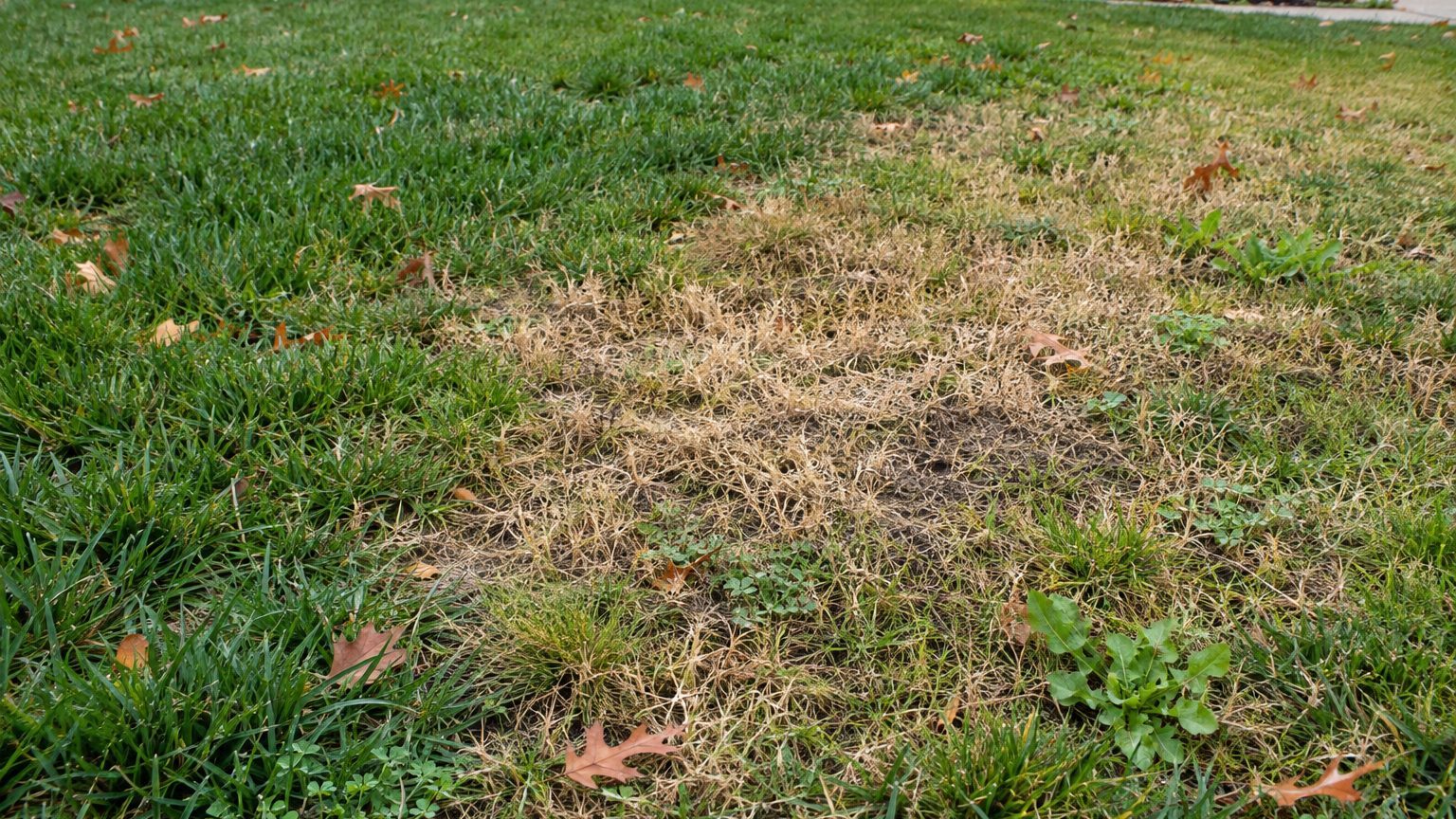
A Texas lawn usually tells you something is wrong with a patch that turns tan, thins out, or fills with coarse weeds. Common causes include crabgrass, thatch, chinch bugs, grubs, and fungi that thrive in cool, wet weather.

Lawn Pests and Diseases in Texas

Crabgrass

Crabgrass — Lawn Problems and Solutions in Texas

Crabgrass is a pale green, sprawling weed that forms flat rosettes with stems radiating outward. It sprouts as the soil warms, and it thrives where the turf is thin or scalped.

A pre-emergence preventer works only before the seedlings appear, so apply it in February or March. Once crabgrass is up, keep mowing steadily and improve turf density to reduce the open ground it can use.

Thatch Buildup

Thatch is the tan, spongy layer of stems and roots between the green blades and the soil. Bermudagrass and St. Augustine both build it, and a lawn that feels bouncy underfoot probably has too much.

A layer up to 1/2 inch thick is healthy. Above that, dethatch or core aerate, and May or June is the time to do it, while the grass is growing fast enough to recover.

Chinch Bugs

Chinch bugs are tiny insects that suck the sap from St. Augustine grass. They leave yellow, then straw-colored patches, usually along sunny edges of the lawn, next to driveways and sidewalks, where the heat is greatest.

Part the grass at the border of a damaged patch and look at the soil surface for small dark insects. Stressed, drought-weakened turf in full sun is especially vulnerable, so keep it watered through summer.

White Grubs

Grubs are fat, C-shaped, creamy larvae that chew grass roots in late summer. The turf above them goes limp and tan, and it lifts like a loose carpet because nothing anchors it.

Tug on a damaged patch. If it peels back easily, check for grubs near the soil surface before choosing a treatment. Skunks and armadillos digging up the lawn at night often point to grubs underneath.

Large Patch in Fall

Large patch is a fungus that attacks warm-season grasses, especially St. Augustine, when weather turns cool and damp. It makes rounded or irregular tan to orange patches with a brown edge.

It spreads where water sits and where lawns are overwatered or heavily fertilized late in the season. Water in the morning, ease up as the weather cools, and keep nitrogen off in late fall.

How to Tell Which Lawn Problem You Have

Do not diagnose a lawn problem from appearance alone. Pair what the patch looks like with where it sits, when it appeared, and what happens when you tug on it or dig a small plug.

A quick pull test, a look at the soil surface, and a note about sun or shade will narrow the list quickly.

What you see When and where Likely cause
Coarse, pale clumps spreading flat Summer, thin or sunny spots Crabgrass
Spongy turf, thick brown layer in a plug Growing season, anywhere Thatch
Yellow to straw patches, grass stays on Summer, hot sunny edges Chinch bugs
Tan turf that peels up like carpet Late summer, any exposure White grubs
Round tan to orange patches, brown rim Cool, wet spells, soggy spots Large patch

Thin grass beneath trees is a separate matter. Shade, tree roots, and heavy leaf litter starve turf of light and water, so the fix is usually more light or a shade-tolerant grass, not a treatment.

Where Lawn Problems Are Worst in Texas

Texas spans USDA hardiness zones 6a to 10a, so the same grass faces very different trouble from one region to the next.

  • Panhandle: Hard winters and dry air favor winter injury and drought stress in warm-season turf, while fungus is less of a worry.
  • North Texas: Hot summers and cool, wet spells bring both chinch bugs in sunny St. Augustine and large patch in fall and spring.
  • Hill Country: Thin soil over limestone dries quickly, so drought stress can leave the turf weak and thin.
  • Gulf Coast: Humidity keeps fungus active longer, and mild winters give thatch, weeds, and insects a longer season.

Local conditions matter as much as the region, since a shaded, poorly drained yard anywhere in Texas will see more disease.

Lawn Care Mistakes That Invite Problems in Texas

Scalping the Lawn

Cutting too low strips off the leaf surface the grass needs to feed itself, opens bare soil to crabgrass seed, and stresses turf heading into summer heat.

Raise the mower deck, cut often during the growing season, and remove only a little blade at a time. Mowing runs from April through October.

Shallow, Frequent Watering

Sprinkling a little each day keeps roots short and the surface wet, which favors fungus and leaves grass weak when real heat arrives.

Water deeply and less often, in the morning, with the heaviest demand in June, July, and August. Straight-sided containers set across the lawn can show whether the sprinkler is covering it evenly.

Feeding at the Wrong Time

Nitrogen in late fall or in hot, dry late summer pushes soft growth the grass cannot support, and it feeds large patch.

Fertilize in May or June, once the lawn has fully greened up. April and September also work, but skip the heat of late summer and the cool end of the year.

Where to Get Lawn Advice in Texas

Local help matches the diagnosis to your soil, your grass, and your part of the state, which a general guide cannot do.

  • Texas A&M AgriLife Extension publishes lawn management guidance for Texas grasses, and it is a good first stop when a patch first appears.
  • Your county extension office can identify insects or disease from a sample, so bring a cut section of turf from the edge of a damaged patch.
  • Call before you spend money on treatments, since the wrong one on the wrong problem costs more than a short wait.

Common Questions

Can You Seed a Lawn in Texas in Summer?

Seeding works best in May, and June is a fallback. After that, the heat and dry spells make it hard for seedlings to establish.

When Should You Lay Sod in Texas?

May is the strongest month for sod, and it also works in April or June. Water it carefully while the roots knit into the soil.

Do You Need to Mow During Winter?

Warm-season grass goes dormant in cold weather and barely grows, so there is little to cut. Mowing picks up again in April and continues through October.

Texas Lawn Care Schedule, Month by Month

Texas Lawn Care Schedule, Month by Month

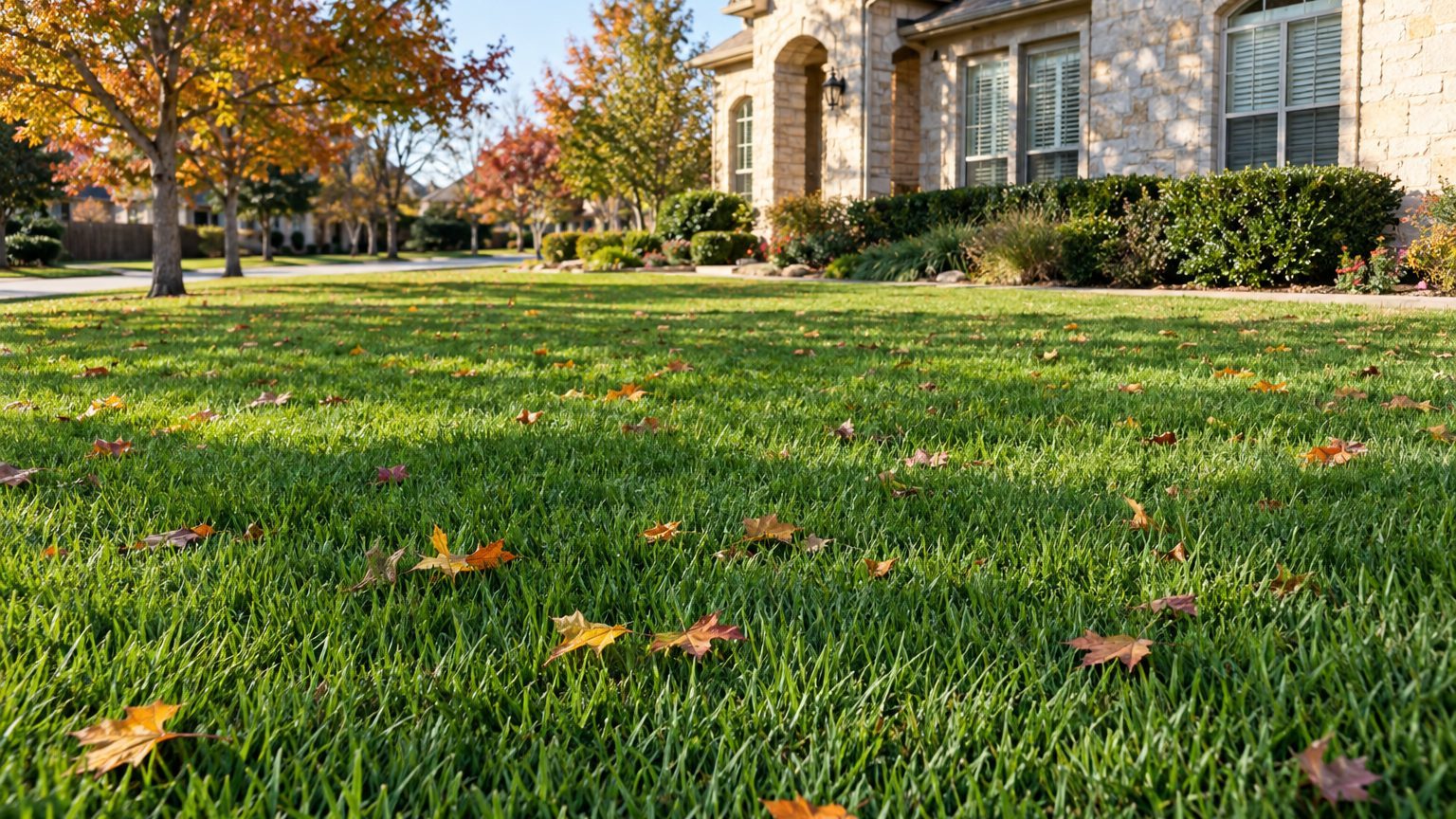
Warm-season grass in Texas wakes slowly in spring, grows hard through the heat, and slips into a tan dormancy after the first real freezes. The lawn year follows that rhythm: pre-emergent in late winter, feeding and sod work in late spring, steady mowing through fall, and rest when the grass stops growing.

What to Do Each Month in a Texas Lawn

Lawn in Texas

For warm-season grasses such as bermudagrass, the big jobs cluster in late spring when the soil is warm and the grass is growing fast. Here is how the year runs.

Month In the lawn
January Rest. The grass is dormant, so keep foot traffic light and pull winter weeds by hand.
February Apply crabgrass preventer before the soil warms, because it only works ahead of germination.
March Preventer still works this month if February slipped by. The grass is just starting to green, so hold off on feeding.
April Start mowing as growth picks up. Feeding is fine once the lawn is fully green, and sod laid now will root well.
May The busiest month. Seed, lay sod, dethatch and fertilize while warm soil gets roots moving fast.
June Dethatching and fertilizing still work, and seed or sod laid now will establish. Start watering deeply as heat builds.
July Mow regularly and water deeply. Skip fertilizer, since hot, dry weather stresses fed grass.
August Keep mowing and watering through the heat. Watch for brown patches that may come from drought, grubs, or another problem.
September Mowing continues. A light feeding works early in the month while the grass is still growing well.
October Mow as growth slows, then stop when the blades quit growing. Skip fertilizer, which would push tender growth before frost.
November Rest. The grass is heading into dormancy, so rake leaves off and leave the lawn alone.
December Rest. The lawn is dormant and tan, and needs nothing but a leaf rake.

Fertilizer timing is easy to get wrong. Feed only after the lawn has fully greened up, never in hot, dry late summer and never in late fall.

When Does the Lawn Season Start and End in Texas?

Growth starts when the soil warms, not when the last frost passes. Warm-season grasses take off once soil sits at 65 to 70 °F and keeps rising, which is why seed and sod go down in May rather than at the first mild week of spring.

Frost dates only tell you how risky a young planting is. Around Houston, the last spring freeze usually falls between February 4 and March 1, and the first fall freeze between December 1 and December 19. That is the mild Gulf end of the state, so do not borrow it for other regions.

The season ends when cooling soil slows the grass, usually well before a hard freeze. Mowing runs from April through October, then the lawn rests until spring warmth wakes it again.

How the Lawn Calendar Shifts Across Texas

Texas stretches across USDA hardiness zones 6a to 10a, so the same job lands on different weeks depending on where you live.

  • The Panhandle: Winters are colder and freezes come earlier in fall and linger later in spring. Wait longer in spring before seeding or laying sod, and expect a shorter growing season.
  • North Texas: Cold snaps can still hit after green-up begins, so be patient with feeding and new plantings until the lawn is clearly growing.
  • The Hill Country: Thin soils and hot, dry summers make deep, infrequent watering matter more, and the schedule runs a bit behind the coast in spring.
  • The Gulf Coast: Warmth arrives earliest and lingers latest, so green-up comes sooner and dormancy is shorter and milder.

Treat the monthly guide as a starting point and nudge each task earlier on the coast or later toward the north.

Lawn Care Timing Mistakes to Avoid in Texas

Fertilizing Too Early

A warm spell in March tempts many people to feed, but the grass is only waking up and its roots cannot use much yet. The nutrients wash away, and weeds benefit instead. Wait until the lawn is fully green, then feed in April through June.

Seeding at the Wrong Time

Seed scattered in fall or winter sits in cool soil and either rots or sprouts weakly. Warm-season grass needs heat to germinate. Plant in May, and June still works if spring gets away from you.

Skipping the Preventer Window

Crabgrass preventer applied after the weed has sprouted does almost nothing. It must be down before the soil warms. Put it out in February or March, and if you miss both, switch to pulling weeds by hand.

Where to Get Lawn Advice in Texas

Local conditions vary so much here that useful advice comes from people who know your soil and grass type. For local help, start here.

  • Texas A&M AgriLife Extension offers lawn calendars and grass guides, and is a good first stop before spring work begins.
  • Your county extension office can test your soil and identify problem weeds or pests, so call or visit when something looks off.

Common Questions

Can You Plant a Texas Lawn in Fall?

Warm-season grasses are best started in May, with June as a fallback. Fall soil is cooling, so seed and sod have little time to root before dormancy.

Why Is My Lawn Still Brown in Spring?

Brown grass in early spring is usually dormant, not dead. Pull gently on the grass, and if the blades resist and the roots look firm, the lawn will green up as the soil warms.

Is Dethatching Worth Doing Every Year?

Not always. Dethatch only when the spongy layer of old stems and roots has built up thick, and do it in May or June when the grass can recover quickly.

Texas Lawn Care: What to Do and When

Texas Lawn Care: What to Do and When

In Texas, the lawn that stays green through July is almost always a warm-season turf that wakes up when the soil warms in spring and goes tan after the first hard freeze. Bermudagrass, St. Augustinegrass, zoysiagrass and buffalograss carry most yards here.

Frost Dates and Growing Season in Texas

Texas spans USDA zones 6a to 10a, so no single frost date fits the whole state. The dates here speak of Houston, the mild Gulf end, where the last spring freeze usually lands between February 4 and March 1 and the first fall freeze between December 1 and December 19. Other regions differ, and the Panhandle freezes much earlier and later.

  • In late winter, the last freeze risk is ending, so a young planting could still be nipped, and this is the time for crabgrass preventer in February and March.
  • Once the soil warms in spring, warm-season grass greens up, and fertilizer waits until the lawn is fully green, with April as a fallback and May and June as the best months.
  • In May, seed and sod go down with the longest stretch of warm weather ahead, so roots have all summer to establish.
  • From June through August, heat and dry spells set the pace, and watering matters most in these months.
  • In autumn, mowing continues through October, and the first fall freeze, which comes in December on the Gulf side, sends the grass into dormancy.

Growth follows soil warmth, not the calendar date of a frost, so a warm February does not mean it is time to seed.

Cool-Season or Warm-Season Grass in Texas?

Warm-season grass is the safe choice across most of Texas. Summer heat and long dry spells wear out cool-season grasses, while warm-season types go dormant in winter and come back on their own in spring.

Four grasses cover most home lawns, and they differ in how you plant them and where they fit.

Grass How it does in Texas Why
Bermudagrass Common across the state, thrives in full sun Warm-season turf that handles heat and recovers well in spring
St. Augustinegrass Planted as sod or plugs only Warm-season turf, never sold as seed
Zoysiagrass Grown in home lawns statewide Warm-season turf that greens up with soil warmth
Buffalograss Suited to west and central Texas Warm-season native for drier regions

If you want seed, bermudagrass, zoysiagrass or buffalograss are the options, since St. Augustinegrass has to go in as sod or plugs.

When to Seed, Fertilize and Aerate a Lawn in Texas

Texas lawn jobs cluster around the warm months, because the grasses here grow when the soil is warm. Timing a job to that window gives the turf the energy to fill in quickly.

Dethatching follows the same rhythm. Crabgrass preventer is the one early job, going down before the weeds sprout.

Task Best months in Texas Why then
Crabgrass preventer February, March Goes down before weed seeds germinate in spring
Seeding May Warm soil helps seed sprout and root; June also works
Laying sod May Roots knit in warm weather; April and June also work
Dethatching May, June Grass is growing strongly and fills in quickly
Fertilizing May, June Fully green grass can use the nutrients; April and September also work
Mowing April through October The lawn is actively growing
Watering June, July, August Heat and dry spells put the most stress on turf

Fertilize only after full green-up, and skip hot, dry late summer and late fall. Aeration does not appear in this schedule, so a county office can advise on it for your soil.

Lawn Problems to Watch for in Texas

Winter-Killed Brown Grass

Winter-Killed Brown Grass — Texas Lawn Care: What to Do and When

A lawn that stays tan in spring may be dormant rather than dead. Warm-season grass turns brown after freezes and returns as the soil warms. Wait until it is warm, then check for green at the base of the plants before replanting anything.

Scorched Patches in Summer

Crispy, tan areas that appear in the hottest, driest months usually mean the turf is short of water. Watering matters most in June, July and August, so give the lawn a deep soaking when the grass starts to dull and fold, rather than frequent light sprinkles.

Thin Grass in Shade

Thinning turf under trees points to too little sun, especially if the bare area follows the shade line. Most Texas lawn grasses prefer full sun. Let the shaded spot be, or use mulch or a shade-tolerant ground cover instead of fighting for turf.

How Lawn Care Dates Change Across Texas

The dates lean toward the Gulf side, and the rest of the state shifts around them depending on how cold winters get and how dry the climate is.

  • Panhandle: Winters are harsher, so spring warmth arrives later and fall freezes come sooner. Wait longer before fertilizing, seeding or laying sod.
  • North Texas: Freezes come earlier in fall and last later in spring than on the coast, so the working season is shorter and cold snaps can catch young grass.
  • Hill Country and central Texas: Drier conditions favor tougher grasses such as buffalograss, and timing sits between the Gulf and the Panhandle.
  • Gulf Coast around Houston: Mild winters let the season start earliest and end latest, though conditions vary even within the city.

When in doubt, let the soil warmth and green-up in your own yard set the start date.

Where to Get Lawn Advice in Texas

Texas is large enough that local advice beats any statewide rule. Local help can narrow the dates and the grass choice for your yard.

  • Texas A&M AgriLife Extension publishes lawn care guides for each grass type, useful before you plan the year.
  • Your county extension office can run a soil test or help diagnose a patchy lawn, so visit before you spend on fertilizer or seed.

Common Questions

Is My Brown Lawn Dead or Dormant in Texas?

Check the grass closely. Dormant grass is uniformly tan after a freeze and has firm, pale crowns at the base, while dead grass pulls up easily and does not green as the soil warms.

Can You Plant St. Augustinegrass from Seed in Texas?

No. St. Augustinegrass is planted as sod or plugs only, so lay it in the spring and early summer window when roots can establish.

What Grass Works Best in West Texas?

Buffalograss suits west and central Texas, where drier conditions favor a tough native turf over thirstier grasses.

Hydrangeas That Grow Well in Texas

Hydrangeas That Grow Well in Texas

Oakleaf, bigleaf and panicle hydrangeas earn their space in Texas yards, with oakleaf the safest bet and smooth and climbing types the ones that sulk. Houston is the reference city for the dates below, and it sits at the mild Gulf end of a state that runs from piney woods to high plains. Afternoon shade matters as much as the name on the tag.

Hydrangeas that grow well in Texas: The Short Answer

In Houston, NOAA NCEI Climate Normals for the IAH station put the last spring freeze between February 4 and March 1 and the first fall freeze between December 1 and December 19. Winter rarely tests a hardy shrub here, so summer heat, soil and afternoon sun sort the six below, safest first.

Oakleaf hydrangea

Large deciduous shrub, 1.5–2.5 m; deeply lobed, oak-shaped leaves 15–20 cm long, dull green above and paler and downy beneath, turning burgundy, orang

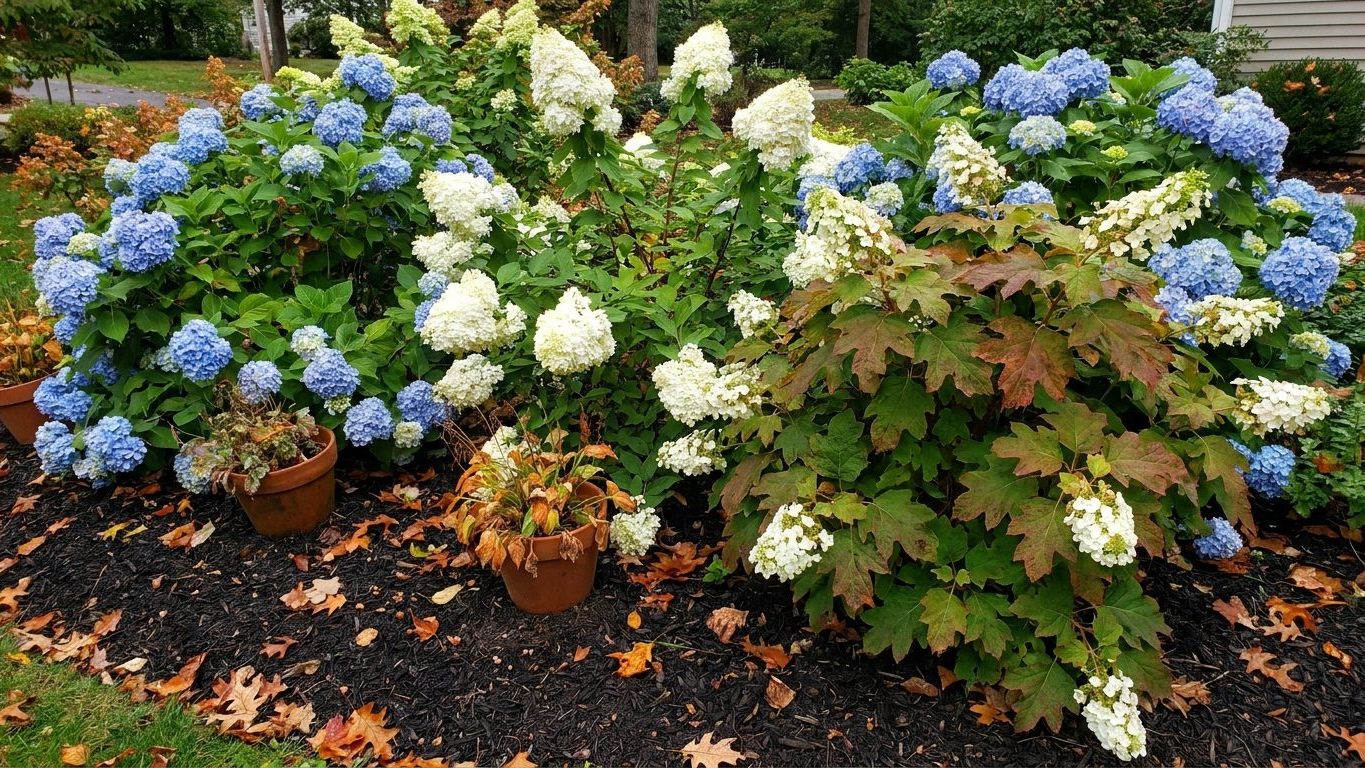
Hydrangea quercifolia comes from the Southeast and handles heat, humidity and a dry spell better than its showier cousins. The cone-shaped white blooms age to pink, and the lobed leaves turn burgundy in fall. Give it part shade and it is the safest pick for a Houston yard.

Bigleaf hydrangea

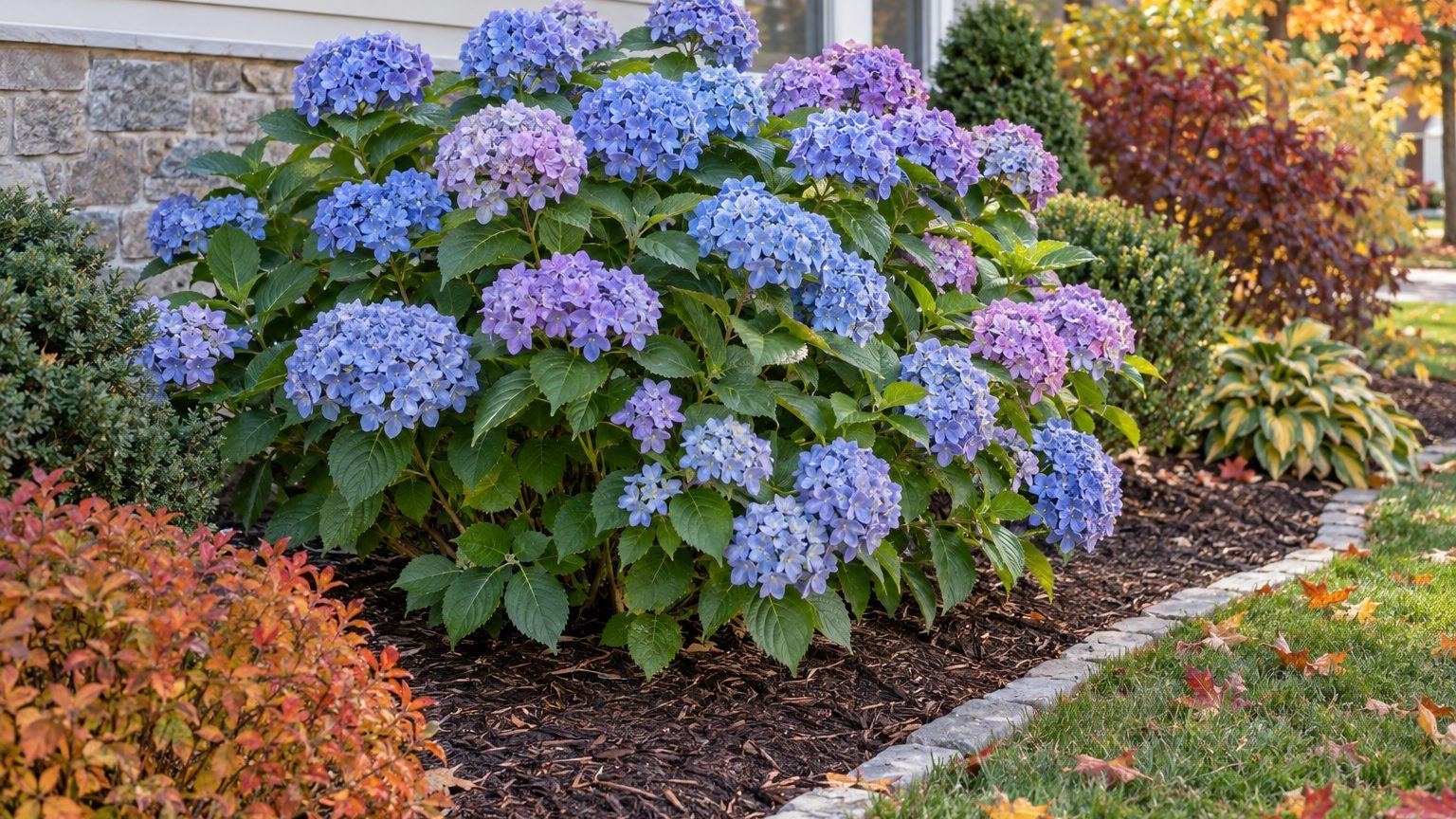
Hydrangea macrophylla is the classic mophead and lacecap. It wants morning sun and afternoon shade, because leaves scorch and flowers fade under a Texas afternoon. It prefers acidic, well-drained soil, and in alkaline ground the leaves can yellow between the veins.

Panicle hydrangea

Hydrangea paniculata takes more sun than any other species on this list and blooms on new wood, so a late freeze rarely costs you the flowers. Blooms open white and fade to pink. Expect it to sulk through July and August without regular watering.

Mountain hydrangea

Hydrangea serrata is a smaller, finer cousin of bigleaf, with lacecap flowers on compact plants. It copes better with cold than with Gulf heat. Reserve it for deep shade and reliable irrigation, and treat any bloom as a bonus.

Smooth hydrangea

Hydrangea arborescens, best known as ‘Annabelle’, produces big white snowballs but wilts hard in long Texas heat. It only makes sense with morning sun and soil that never dries out. In Houston I would treat it as a gamble.

Climbing hydrangea

Hydrangea anomala subsp. petiolaris is the riskiest on the list. It takes years to establish, likes cool roots and feels at home in northern gardens. In Texas it needs a shaded wall and a lot of patience.

How to Work Out the Dates for Your Own Yard

The Houston windows are a starting point, and the arithmetic behind them takes five steps you can repeat with your own county’s numbers.

  1. Write your frost window in words: for Houston, NOAA NCEI Climate Normals for the IAH station put the last spring freeze between February 4 and March 1 and the first fall freeze between December 1 and December 19. Ranges, never single dates.
  2. Count back from the first fall freeze: take a few weeks off the December 1 to December 19 window and you land in roughly late October to mid-November, which sits inside the October and November planting months.
  3. Count forward from the last spring freeze: add a couple of weeks of margin to February 4 to March 1 and you get mid-February to mid-March, matching the February and March planting months.
  4. Pick the name that survives your summer: oakleaf passes because it is a Southeast native that copes with heat and humidity, and winter never threatens it when the first freeze holds off until December. Smooth hydrangea fails the same test because it wilts in long Gulf heat.
  5. Date the pruning to the bloom: bigleaf gets its cut in June and July, right after flowering, so next season’s buds stay on the stem.

Hobby airport runs two weeks milder than IAH, so a yard near the Gulf can shift every range earlier by that much. Fertilizer follows the same logic: March, May and July. Inland, throw the Houston numbers out and start with When to Plant and Prune Hydrangeas in Texas.

Texas North to South: How the Dates Shift

The USDA Plant Hardiness Zone Map runs from 6a to 10a across Texas, and what moves your dates inside that spread is latitude, elevation and distance from the Gulf.

  • Gulf Coast (Houston, Galveston, Beaumont): the mildest freezes and the earliest planting window, but heat and humidity are the real test for bigleaf and smooth types.
  • East Texas Piney Woods (Tyler, Lufkin, Nacogdoches): acidic soil and more rain suit oakleaf and bigleaf, and freezes arrive somewhat earlier than on the coast.
  • Central Texas and Hill Country (Austin, Fredericksburg, Kerrville): higher ground brings cooler nights, but thin, limestone-based soil is alkaline and pushes bigleaf toward yellow leaves.
  • North Texas (Dallas, Fort Worth, Denton): colder winters and hard late freezes push planting later in spring and favor panicle and oakleaf.
  • Panhandle and High Plains (Amarillo, Lubbock): the earliest fall freezes, the latest spring ones and wind that dries leaves, so choose panicle and shelter everything else.

The full picture for your part of the state lives on Hydrangeas in Texas.

Mistakes Texas Punishes

Copying Houston dates statewide

NOAA NCEI Climate Normals for the IAH station put Houston’s last freeze between February 4 and March 1, the mild Gulf end of Texas. Panhandle yards freeze later in spring and earlier in fall. Build your range from your county, starting with When to Plant and Prune Hydrangeas in Texas.

Planting in summer heat

A hydrangea set out in June has to build roots while its leaves lose water faster than they can replace it. Plant in October or November, or in February or March, so roots settle before the next summer. If leaves already scorch, check Hydrangea Pests and Diseases in Texas.

Pruning bigleaf in fall or winter

Bigleaf sets next year’s flower buds soon after it finishes blooming, so a winter haircut removes them. Prune in June or July, right after flowers fade, and take only spent blooms and dead wood. The dated list sits on Hydrangeas in Texas.

Texas Extension Offices and County Contacts

Houston’s range is a starting point. Your county extension office knows your soil and freeze history, and AgriLife Extension at agrilifeextension.tamu.edu, also listed in the USDA NIFA Land-Grant University Extension directory, points you to it.

  • Hydrangeas in Texas: the state overview, with the frost dates and the pruning window in one place.
  • When to Plant and Prune Hydrangeas in Texas: the month-by-month order of planting, feeding and cutting.
  • Hydrangea Pests and Diseases in Texas: what goes wrong through the season, worth a read before the first spotted leaf shows.

Common questions

Which hydrangea is easiest to grow in Texas?

Oakleaf, because it tolerates heat, humidity and dry spells better than the others. Give it part shade and decent drainage. Bigleaf and panicle come next, with panicle the better choice where sun is strong or winters run cold.

Should I plant hydrangeas in spring or fall in Texas?

The planting months are February, March, October and November. Fall planting gives roots a full cool season before the first summer. Outside the Gulf area, check your county extension office before you dig, since freezes fall on different dates.

Will my bigleaf bloom blue in Texas?

Color follows soil chemistry. Acidic soil gives blue and alkaline soil gives pink. Much of Central and West Texas has alkaline ground, so expect pink unless you amend the bed, and amending is a repeating chore, not a one-time fix.

Hydrangea Pests and Diseases in Texas

Hydrangea Pests and Diseases in Texas

Houston hydrangeas fight humidity as much as heat, and the two together decide which problem shows up first. Powdery mildew, Cercospora leaf spot, aphids, spider mites, root rot in clay, and iron chlorosis from alkaline soil make up the state’s short list, and matching one to your yard starts with the calendar rather than the symptom.

Hydrangea pests and diseases Texas: The Short Answer

USDA places Houston, the Gulf Coast reference city for hydrangea care here, in zones 6a to 10a on the USDA Plant Hardiness Zone Map, and that long frost-free stretch from December through February pushes hydrangea foliage into six months of humid growth where fungal disease outruns almost everything else.

The short answer: aphids, powdery mildew, Cercospora leaf spot, spider mites, root rot in heavy clay, and iron chlorosis from alkaline soil are the six problems that show up on Texas hydrangeas, in that rough order across the growing season.

Aphids clustered on new growth

Small green or black insects cluster on tender stem tips and the undersides of new leaves, leaving a sticky residue that draws ants. A strong water spray knocks most of them off, and a weekly check during the February and March planting months catches an infestation before it spreads.

Powdery mildew on new leaves

White, dusty patches spread across leaves in spring when nights cool and days stay humid. It rarely kills the shrub but disfigures every leaf it touches. Water at the soil line instead of overhead, the same habit that keeps the June and July pruning cuts from picking up infection.

Cercospora leaf spot in early summer

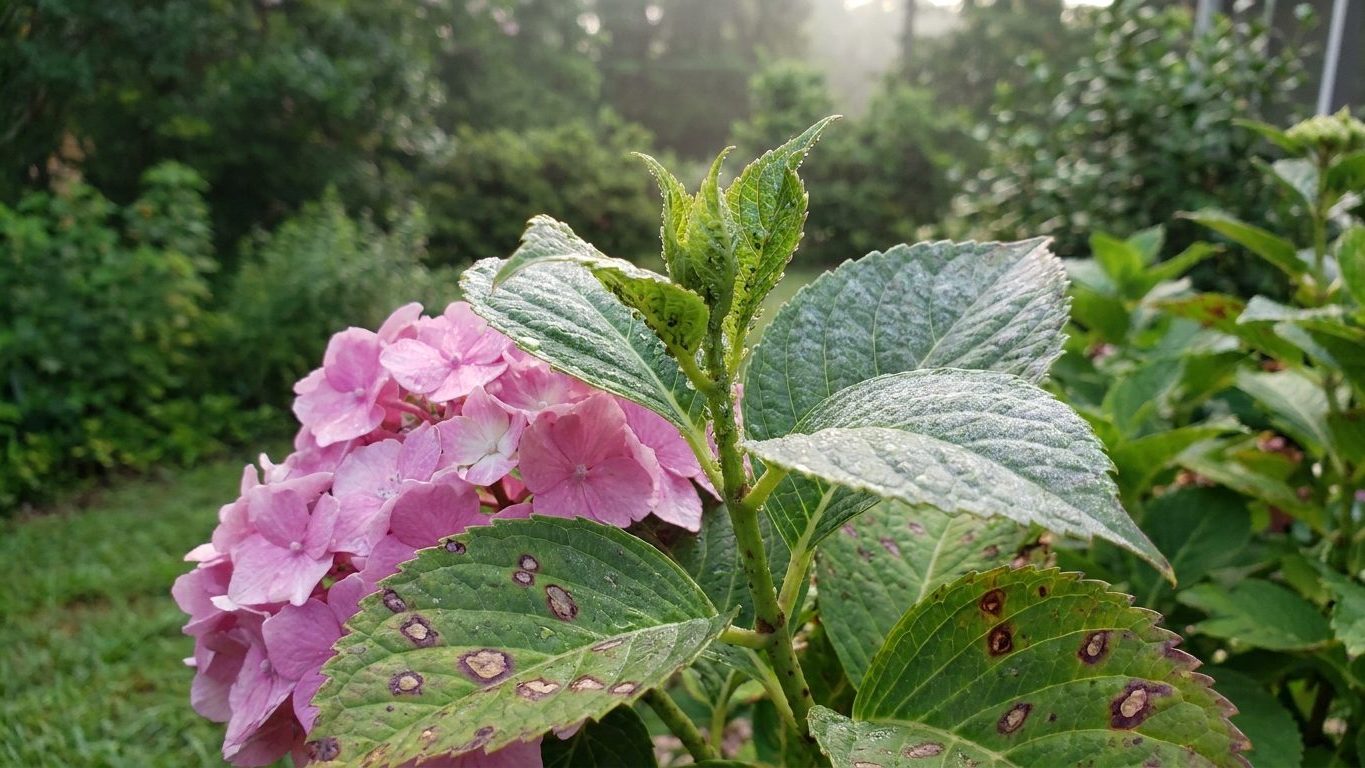
Brown spots ringed in purple or yellow appear on lower, older leaves first, then climb the plant as summer humidity builds. Left alone, it strips leaves by late summer. Remove and discard affected leaves rather than composting them, and fertilize on the March, May, July schedule so the plant can outgrow the damage.

Spider mites in dry summer heat

Spider mites in dry summer heat — Hydrangea Pests and Diseases in Texas

Leaves turn a dusty bronze and fine webbing shows up on the undersides once temperatures climb and rain slows. Mites thrive where dust collects on foliage, so a hard hose rinse every few days through the hottest stretch keeps populations from building past what a shrub can tolerate.

Root rot in heavy clay soil

Root rot in heavy clay soil — Hydrangea Pests and Diseases in Texas

Wilting despite wet soil, blackened roots, and a shrub that never quite recovers after a rainy stretch point to root rot rather than drought stress. Raised beds or amended planting holes drain the excess water that clay traps, and this is the one problem replanting in October or November helps most.

Iron chlorosis yellow leaves

Iron chlorosis yellow leaves — Hydrangea Pests and Diseases in Texas

Leaves turn yellow between dark green veins, usually on new growth first, when soil pH runs too high for the roots to pull iron. It is not a pest at all. A chelated iron drench or a shift to more acid-loving mulch corrects it faster than any spray on the leaves.

How to Work Out the Dates for Your Own Yard

Matching a pest or disease to the calendar starts with the same frost window that decides everything else in a Texas yard, and the countdown works backward from there.

  1. Mark the last spring frost: NOAA NCEI puts Houston’s window at February 4 to March 1, and that same stretch is when overwintering aphid eggs hatch on the first flush of tender new growth, so a pest check belongs on the same calendar page as the frost date.
  2. Plant inside the state’s windows: set new hydrangeas out in February, March, October, or November so roots establish in cool soil before either the humid disease season or a hard freeze tests a shallow root system.
  3. Fertilize on the March, May, July cycle: a plant fed on schedule pushes past Cercospora leaf spot faster than a hungry one, so skipping even one of these three dates leaves foliage exposed for weeks longer than it needs to be.
  4. Prune bigleaf types in June and July: this window sits right at the peak of powdery mildew season, so wipe shears with rubbing alcohol between cuts or the fungus travels from an infected branch to a healthy one on the same tool.
  5. Watch for the first fall frost: it lands December 1 to December 19 in Houston, and once that first hard freeze hits, aphid and mite populations collapse for the year, so late fall problems are almost always fungal, not insect.
  6. Recheck after heavy rain: saturated clay soil along the Gulf Coast is when root rot symptoms tend to appear, so a follow-up look after any storm catches it earlier than waiting for the next scheduled fertilizing date.

Run these same six checks against your own planting date, and within a season you will know whether a shrub is fighting mildew, mites, or a soil problem instead of guessing from one yellow leaf.

Texas North to South: How the Dates Shift

Texas stretches from the Panhandle down to the Rio Grande Valley, and that distance moves the pest and disease calendar in opposite directions from the Houston numbers used above.

  • Panhandle and North Texas (Amarillo, Lubbock, Dallas-Fort Worth): a harder, longer freeze cuts the fungal disease season short but adds real cold-damage risk to bigleaf flower buds that never see Houston’s mild winter.
  • Hill Country and Central Texas (Austin, San Antonio, Waco): drier air knocks back powdery mildew, but limestone-heavy alkaline soil makes iron chlorosis a bigger complaint here than fungal disease.
  • Gulf Coast (Houston, Galveston, Beaumont): the humid, nearly frost-free window described above makes this stretch the state’s fungal disease capital, mildew and leaf spot both.
  • South Texas and the Rio Grande Valley (Brownsville, McAllen, Laredo): frost is rare enough that foliage holds nearly all year, which stretches the aphid and spider mite season longer than anywhere else in the state.

Cross-check this pest list against the planting and pruning dates on the main Texas hydrangea guide before locking in a schedule for your own yard.

Mistakes Texas Punishes

Watering overhead in the evening

Wet leaves that stay wet overnight are exactly the humidity that powdery mildew and Cercospora leaf spot need to spread across a shrub. Switch to soaking the soil at the base in the morning instead, ideally on the same March, May, July schedule already set for fertilizing, so both chores happen together and leaves dry out before evening humidity returns.

Planting without amending alkaline soil

Skipping soil prep at planting time is the fastest route to iron chlorosis, since much of Texas soil runs too alkaline for roots to pull iron on their own. Work compost or elemental sulfur into the hole during the February, March, October, or November planting window rather than trying to treat yellow leaves after the shrub is already established.

Pruning bigleaf hydrangeas late

Cutting stems back after the June and July pruning window removes next year’s flower buds along with whatever fungal spores are already sitting on the plant, spreading both problems at once across the shrub. Hold pruning to that window and wipe shears with alcohol first, which handles the timing mistake and the disease risk in the same step.

Texas Extension Offices and County Contacts

The zone range and frost windows above are a starting point, not a diagnosis. The county office run by Texas A&M AgriLife Extension carries the rest, from a free soil pH test to identifying whatever is actually eating a leaf.

  • Your state page: the frost dates and the pruning window where you live.
  • Which ones hold up here: the bigleaf, panicle, oakleaf, and smooth varieties rated for Texas heat and soil.
  • Texas A&M AgriLife Extension: find the county office nearest you for a soil test or a pest sample drop-off.

Common questions

What is the most common hydrangea disease in Texas?

Powdery mildew and Cercospora leaf spot are the two fungal problems reported most often, both driven by the same humid stretch between the February planting window and the first fall frost in December.

Do Texas hydrangeas get spider mites?

Yes, especially in the driest, hottest weeks of summer when dust builds up on foliage. A hard rinse with the hose every few days through that stretch keeps populations down without reaching for a pesticide.

Why do my hydrangea leaves turn yellow in Texas?

Yellowing between the veins on new growth is almost always iron chlorosis from alkaline soil rather than a pest or fungus, and it responds faster to a chelated iron drench than to anything sprayed on the leaves themselves.

When to Prune Hydrangeas in Texas

When to Prune Hydrangeas in Texas

Houston sits at the mild end of Texas’s hydrangea calendar, with planting open in February, March, October, and November and bigleaf pruning held to June and July, right after bloom. Everywhere colder in the state shifts those same four planting months later in spring and earlier in fall.

When to prune hydrangeas in Texas: The Short Answer

NOAA NCEI 1991-2020 Climate Normals put Houston’s last spring frost at February 4 to March 1 and its first fall frost at December 1 to December 19, and the state calendar sets planting for February, March, October, and November, with bigleaf pruning held to June and July.

  • January: hydrangeas stay dormant well ahead of the spring frost window, so hold off on pruning and keep mulch stacked over the roots.
  • February: planting opens, though frost can still land as late as March 1, so gardeners near IAH lean toward the back half of the month.
  • March: planting continues and the year’s first fertilizer feeding lands here as new leaves push out.
  • April: no listed feeding or planting this month, just watch new growth and water deeply as roots establish.
  • May: the year’s second fertilizer feeding.
  • June: bigleaf pruning opens the moment the flowers fade.
  • July: pruning closes and the third fertilizer feeding of the year lands the same month.
  • August: no listed feeding, and Houston heat makes steady watering matter more than fertilizer.
  • September: a transition month, good for clearing spent blooms and planning the fall planting run.
  • October: fall planting opens, giving roots time to settle before the ground cools.
  • November: the last month to plant before the first frost arrives.
  • December: first frost lands between December 1 and December 19, and the shrub goes dormant for winter.

Every one of these dates slides earlier or later the farther a yard sits from the Gulf, which the regional breakdown below sorts out.

How to Work Out the Dates for Your Own Yard

Frost dates set the outer edges, and a few extra checks narrow them down to your actual property.

  1. Find your frost window: near Houston, NOAA NCEI 1991-2020 Climate Normals place the last spring frost between February 4 and March 1 and the first fall frost between December 1 and December 19.
  2. Check your USDA zone: the USDA Plant Hardiness Zone Map places Texas across 6a to 10a, so a Panhandle yard in the cold end needs hardier stock than a Houston yard near the warm end.
  3. Match the calendar to the zone: the state’s February, March, October, and November planting window works at the Gulf Coast end, but colder zones push spring planting later and fall planting earlier.
  4. Watch the soil, not just the sky: wait until night lows stop dipping toward freezing before digging, since ground cools and warms slower than air does.
  5. Confirm with the county office: Texas A&M AgriLife Extension keeps freeze records specific to each county, which settle any doubt the statewide range leaves open.

None of this replaces a local frost log. A neighbor’s hydrangea blooming three counties over doesn’t guarantee the same date on your side of the county line.

Texas North to South: How the Dates Shift

Texas stretches far enough north to south that no single planting date fits the whole state.

  • The Panhandle and North Texas (Amarillo, Lubbock, Dallas-Fort Worth): frost arrives weeks earlier in fall and lingers weeks longer in spring than it does near the Gulf, squeezing both planting windows toward the middle of the year.
  • Hill Country and Central Texas (Austin, San Antonio): elevation and distance from the coast split the difference, landing closer to the statewide February and March start than the coldest counties do.
  • Houston and the Gulf Coast (Houston, Galveston, Beaumont): the mildest frost window in the state lets planting start earliest in spring and stretch latest into fall.
  • South Texas and the Rio Grande Valley (Brownsville, McAllen, Laredo): frost is rare enough that some winters skip it, letting fall planting run later than anywhere else in the state.

Match your county to one of these anchor cities before locking in a date, and lean on your state guide for the finer local detail.

Mistakes Texas Punishes

No flowers on a healthy shrub

No flowers on a healthy shrub — When to Plant and Prune Hydrangeas in Texas

Pruning bigleaf hydrangeas outside the June and July window cuts off wood that already set next year’s buds. The shrub grows back green and leafy but skips bloom for a full season. Prune only right after the flowers fade, inside the state’s June to July stretch.

Leaves scorched by midafternoon

Full afternoon sun paired with Houston humidity turns hydrangea leaves brown at the edges by midsummer, even on shrubs planted at the right time of year. Morning sun with afternoon shade keeps the same variety green through the same season. Plant new shrubs on the east side of the house, not the west.

Treating the whole state like Houston

NOAA NCEI 1991-2020 Climate Normals put Houston’s last frost as late as March 1 and first frost as early as December 1, but the Panhandle freezes months earlier and later. Planting on Houston’s calendar in a colder county risks losing new growth to a frost the coast never sees.

Texas Extension Offices and County Contacts

Houston’s frost dates make a solid starting point, but Texas A&M AgriLife Extension holds the county-level freeze records and hydrangea guidance that settle the details a statewide range can’t.

  • Your state page: the frost dates and the pruning window where you live.
  • Your county’s AgriLife office: local soil, freeze history, and plant advice through Texas A&M AgriLife Extension.
  • Which ones hold up here: variety picks matched to Texas heat and cold.

Common questions

Can I plant hydrangeas in a Texas summer?

No. Summer heat stresses new roots before they establish. Stick to the state’s February, March, October, and November planting window instead.

When do I prune bigleaf hydrangeas in Texas?

June and July, right after bloom. Pruning outside that window removes the wood that already set next year’s flower buds.

Does the Houston frost date apply to all of Texas?

No. It only reflects the Gulf Coast end of the state’s 6a to 10a range. Colder counties inland and to the north freeze earlier in fall and later in spring.

The almanac, state by state. Every date on this site comes from a state’s own frost facts and its extension service’s calendar — and says where it comes from.