Skip to content

Montana

  1. Jan
  2. Feb
  3. Mar
  4. Apr
  5. May
  6. Jun
  7. Jul
  8. Aug
  9. Sep
  10. Oct
  11. Nov
  12. Dec
State
Montana
USDA zones
3a-6a
Last spring frost
April 29 to May 10
First fall frost
October 1 to October 14
Annual rain
14 in
Lawn zone
transition-season
Source
NOAA NCEI 1991-2020 Climate Normals, 32F freeze probabilities · Billings

The year in Montana, from the calendar

  1. Jan—
  2. FebPrune fruit trees
  3. MarFeed hydrangeas · Renew an overgrown lilac · Prune fruit trees
  4. AprPlant hydrangeas · Renew an overgrown lilac · Plant roses · Prune roses · Uncover roses in spring
  5. MayFeed hydrangeas · Plant hydrangeas · Lilacs bloom · Feed roses · Plant roses
  6. JunPrune bigleaf hydrangeas · Lilacs bloom · Prune lilacs · Peonies bloom · Feed roses
  7. JulFeed hydrangeas · Prune bigleaf hydrangeas · Feed roses · Mow · Water
  8. AugPlant hydrangeas · Seed the lawn · Dethatch · Mow · Plant trees
  9. SepPlant spring bulbs · Plant hydrangeas · Seed the lawn · Plant peonies · Aerate
  10. OctPlant spring bulbs · Cut back peonies · Plant peonies · Mow · Plant trees
  11. NovCut back peonies · Protect roses for winter · Fertilize the lawn · Mow
  12. Dec—

From the state frost facts and extension calendars: Colorado State University Extension · Clemson HGIC factsheet — Hydrangea · Purdue Extension — AY-13 Lawn Improvement Programs · Montana State University Extension ; Iowa State University Extension.

Best Time to Plant Trees in Montana

Best Time to Plant Trees in Montana

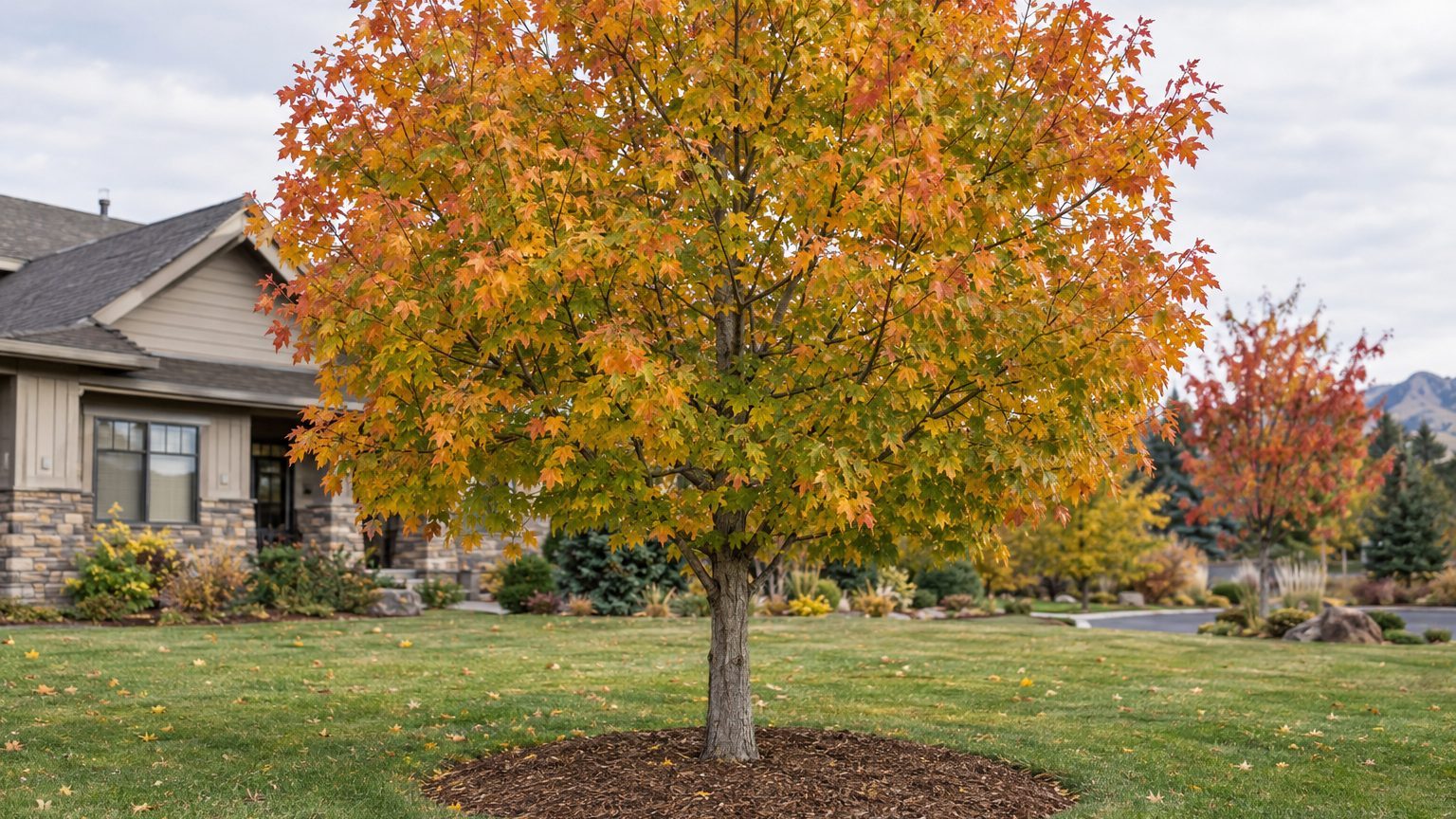
Buds still tight on a bare maple in early spring tell you the planting window has opened, and a cool fall day can open it again. In Montana, shade and ornamental trees go in during April and May, with September and October as a second window for trees sold in a pot or a burlap-wrapped ball.

When Is the Best Time to Plant Trees in Montana?

A young shade tree newly planted in a home yard

Spring is the main season for shade and ornamental trees here, and fall works for trees that come with their roots in soil. Billings, one of the milder valleys, serves as the reference point for the dates below.

  • In April, plant while the buds are still closed and the soil has thawed, since a dormant tree loses less water while its roots settle in.
  • In May, container and balled-and-burlapped trees can still go in, as long as you water them regularly once the leaves open.
  • Through the summer, hold off, because heat and dry soil stress new roots more than at any other time of year.
  • In September and October, container and balled-and-burlapped trees can be planted while the soil still holds some warmth, which keeps roots growing before winter.
  • After a fall planting, keep watering until the ground freezes.

Last spring frost in Billings falls between April 29 and May 10, and the first fall frost arrives between October 1 and October 14. Mountain valleys elsewhere in Montana can frost in any month, so a cold snap after planting is always possible. The USDA hardiness zone runs from 3a to 6a across the state, which is why a tree rated for your zone matters more than the date alone.

When to Plant Fruit Trees in Montana

April is the month for planting fruit trees in Montana, with March and May as fallback months when the weather or the ground says so. Bare-root trees go in only in spring, while they are still dormant and before the buds open.

Container-grown fruit trees are more forgiving. They can be planted most of the year if you keep them watered, though they settle best in the dormant season.

Kind of fruit tree When to plant in Montana Why then
Bare-root April, or March and May if needed The tree is dormant and the buds have not opened
Container April, or March and May if needed Roots settle best in the dormant season, and watering carries the tree through the rest

A bare-root tree that leafs out before it is planted starts with a handicap, so have the hole ready as soon as the soil can be worked.

Best Trees to Plant in Montana

Montana winters are cold and zones range from 3a to 6a, so check the hardiness rating on the tag against your own zone before you buy. Crabapples are a dependable ornamental choice where water is limited, and chinkapin oak is a long-lived shade tree for the milder zones.

Pears also have a track record in Montana trials, where Parker and Golden Spice performed best at the research sites.

Tree How it does in Montana Why
Crabapple Fairly drought tolerant once established Needs only a modest amount of moisture over the year, counting both precipitation and any watering
Chinkapin oak Suited to hardiness zones 4 to 7 Low maintenance, long-lived, with no serious pests
Parker pear Among the best performers in Montana research sites Held up in the trials alongside Golden Spice
Golden Spice pear Among the best performers in Montana research sites Held up in the trials alongside Parker

Crabapple varieties differ in disease resistance, and some are more susceptible than others, so look for a cultivar rated for resistance. Chinkapin oak is hardy in zones 4 to 7, so check your local conditions in the coldest valleys.

When to Plant, Water and Prune Trees in Montana

Planting, watering and pruning each have their own season, and they rarely overlap. Plant in spring or early fall, water through the first seasons, and prune fruit trees in late winter.

Peaches are pruned last, closest to bloom, because their flower buds are easily hurt by cold. Apples go first.

Task Best timing in Montana Why then
Plant shade and ornamental trees April and May, or September and October for container and balled-and-burlapped trees Dormant buds in spring, warm soil in fall, and no summer heat
Plant fruit trees April, or March and May Bare-root trees need to be dormant
Water a young tree Regularly after planting, and in fall until the ground freezes New roots dry out fast, and frozen ground ends their access to water
Prune fruit trees February and March, or April if needed After the worst cold and before bud swell

Avoid pruning fruit trees in fall or early winter, because new growth may not harden before the cold. The full pruning schedule is on the page When to Prune Fruit Trees in Montana.

Where to Get Tree Advice in Montana

Local conditions vary a lot from one Montana valley to the next, and a quick call can save a tree. Montana State University Extension and your county extension office can help with the choice of species and with soil questions.

  • Extension staff can recommend trees that suit your elevation and zone, so ask before you buy in spring.
  • A county office can explain how to take a soil sample and send it for analysis, best done before planting.

Common Questions

Can You Plant a Tree in Montana in Summer?

A container tree can survive summer planting if you water it faithfully, but the heat is hard on new roots. Waiting for spring or early fall gives the tree an easier start.

Should You Remove the Burlap from a Balled-and-Burlapped Tree?

Yes. Cut away the wire basket and peel back the burlap from the top of the ball once the tree sits in the hole, so roots can spread freely into the surrounding soil.

How Deep Should You Plant a Tree?

Dig the hole as deep as the root ball and wider than it. Set the tree so it sits at the same level it grew in the nursery, and keep mulch back from the trunk.
Best Peonies for Montana

Best Peonies for Montana

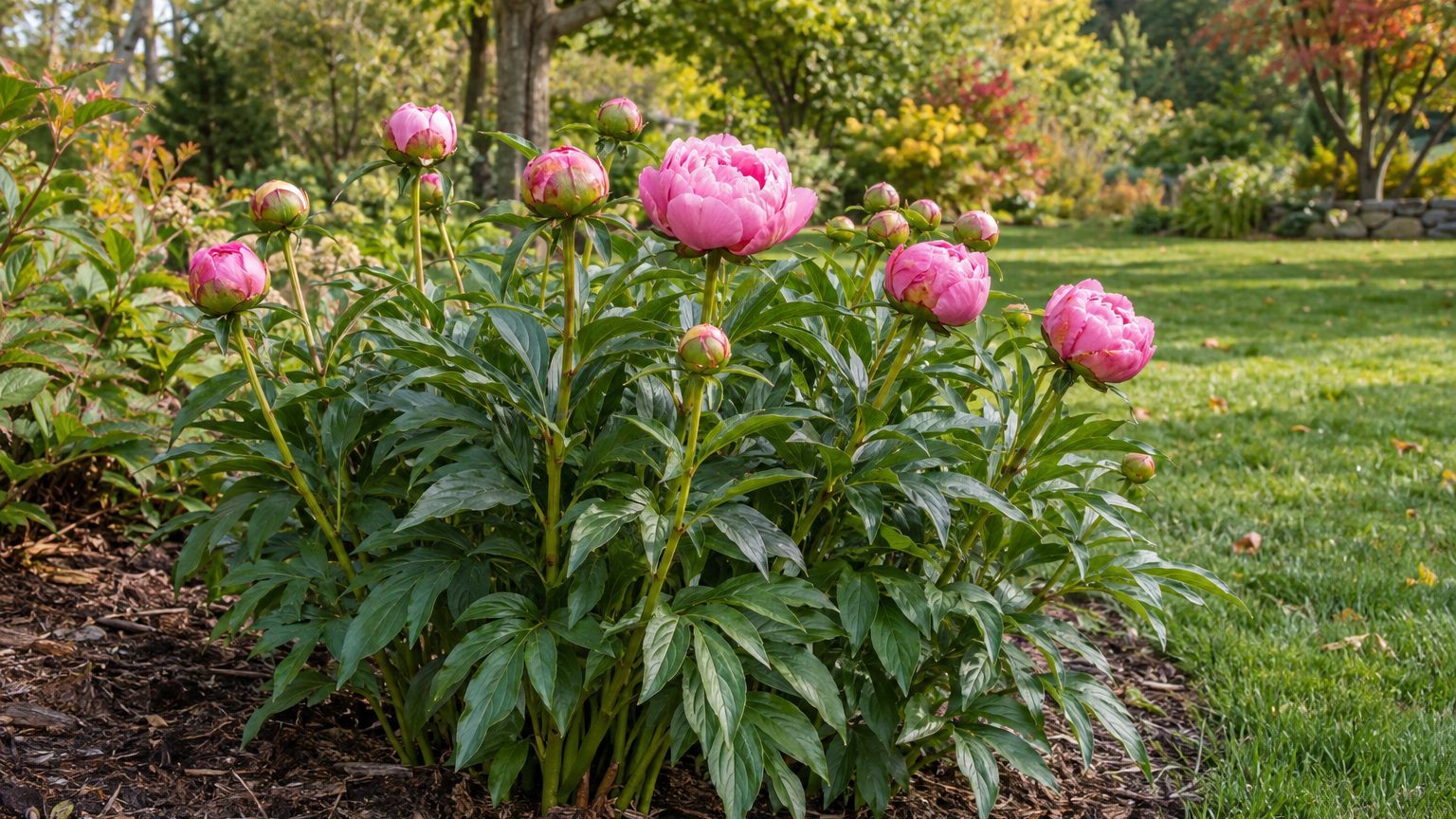
Red shoots pushing up through cold spring soil make a vivid start to the peony season. Peonies need a long cold rest before they will flower, which works in the state’s favor. Herbaceous peonies and tree peonies can suit Montana, with a wide range of flower forms to choose from.

Best Peonies to Grow in Montana

Best Peonies for Montana

Herbaceous peonies and tree peonies suit Montana yards because peonies need a cold winter rest to flower. Peonies tend to flower poorly in mild-winter climates. Cold is an advantage in Montana, so the real choice is the shape, size and site you want.

Herbaceous Peonies

Herbaceous Peonies — Best Peonies for Montana

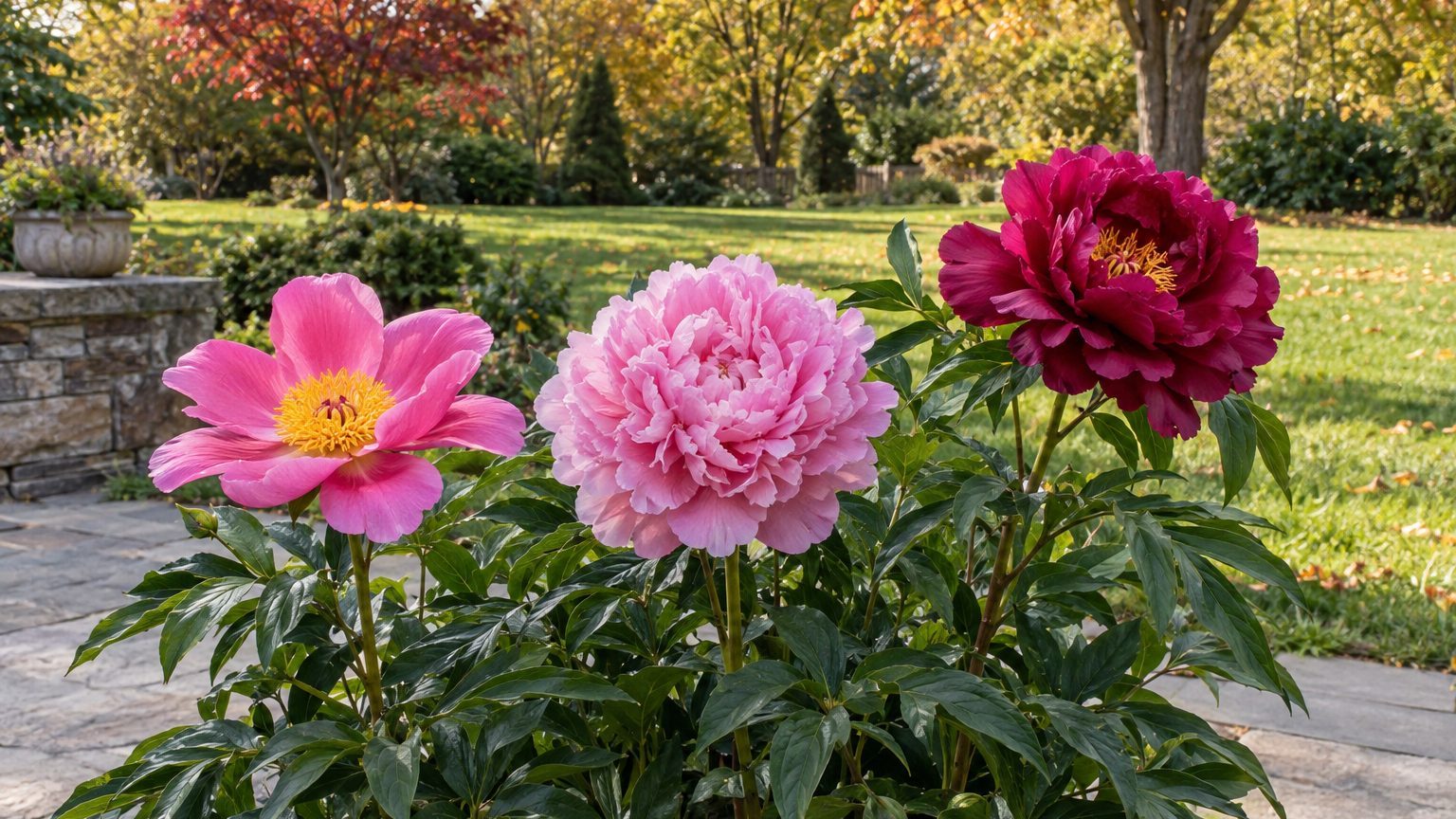
These are the classic garden peonies. They die back to the ground each year and return in spring with attractive foliage and showy blooms in pink, purple, red and white.

Herbaceous peonies grow better in full sun, so give them an open, bright bed rather than a shady corner.

Tree Peonies

Tree Peonies — Best Peonies for Montana

Despite the name, a tree peony is a deciduous shrub with woody stems that stay put through winter. It tends to bloom earlier than herbaceous peonies, with larger flowers.

Mature tree peonies usually need no staking because their woody branches support the flowers. Choose light shade and a protected location for them.

Single and Double Forms

There are literally hundreds of varieties, and the flower forms run from single and double to bomb and anemone. Colors cover whites, pinks, reds, corals and yellows.

Some are fragrant and some are not, so check the flowers’ scent before you commit to a whole bed.

Early, Mid and Late Bloomers

Varieties differ in blooming date, and that is useful. Varieties differ in bloom timing, with early, mid and late choices.

How to Choose a Peony for a Montana Garden

Start with the spot you have, then match the plant to it. Montana’s cold is not a problem for peonies, so the useful questions are about light, space and how much work you want to do.

Herbaceous peonies are cut back after frost, while tree peonies keep their woody stems.

Your situation What suits it in Montana Why
Very cold winter Herbaceous peony It dies back each year and rests, and the winter chill is what makes it flower
Little time for fall chores Tree peony It keeps its woody stems and is never cut back
Small bed Herbaceous hybrid Plants stay compact
Room for a shrub Tree peony It reaches 3 to 5 feet and needs no staking once mature
Full sun Herbaceous peony It grows better in full sun
Light shade or a sheltered corner Tree peony It prefers light shade and a protected location
Bouquets for the house Varieties recommended for cut flowers Early, mid and late types stretch the harvest

Whichever you pick, expect blooms in June, and blooms can also open in May.

Which Peonies Suit Different Parts of Montana

Montana’s valleys do not all behave alike, and the difference shows up in timing and in how much shelter a plant needs.

  • Billings: One of the milder valleys, with the last spring frost falling between April 29 and May 10. Herbaceous peonies bloom in June and can also bloom in May.
  • Mountain valleys can frost in any month. Tree peonies prefer light shade and a protected location.

Wherever you garden, peonies need a cold winter rest to flower.

Peony Buying Mistakes to Avoid in Montana

Tree Peony in an Open Spot

A tree peony in an exposed bed misses the protected location it prefers. It prefers light shade and a protected location.

Pick a sheltered corner before you buy, not after the shrub is in a pot on the patio.

Landscape Variety for Cut Flowers

Plants sold for general landscaping are not always good for bouquets. If you want stems for vases, look for varieties recommended for cut flower production.

Pot Plant with Unknown Size

A small potted peony hides its adult size. Check the mature size on the tag so the plant has room around it.

A newly planted or transplanted peony may not bloom the first spring, so moving it can delay flowers. Check the mature size on the tag and place it once.

Where to Get Peony Advice in Montana

Local growers know which varieties come through your valley’s winters. A short call or visit before you order can help you choose.

  • Montana State University Extension offers plant guides and gardening answers, handy in winter when you are choosing varieties.
  • Your county extension office can speak to conditions in your own valley, so ask before fall planting time.
  • Take a photo of your planting spot and its light with you, then settle on a herbaceous or tree peony before you buy.

Common Questions

When Should You Plant or Divide Peonies in Montana?

Fall is the time, in September and October, before the ground freezes. Peonies respond best to fall planting, typically as a bare-root plant, which gives the roots time to settle before winter.

When Should You Cut Back Peonies in Montana?

Cut herbaceous peonies back in October and November, after a hard freeze has killed the foliage. Take the stems down to within a couple inches of the ground, and bag the old leaves rather than composting them to limit disease.

How Deep Should You Plant a Peony?

Keep the eyes, the pink buds on the root, near the soil surface. A peony planted too deep may bloom poorly or not come up, so keep the eyes near the soil surface.

When Do Peonies Bloom in Montana?

When Do Peonies Bloom in Montana?

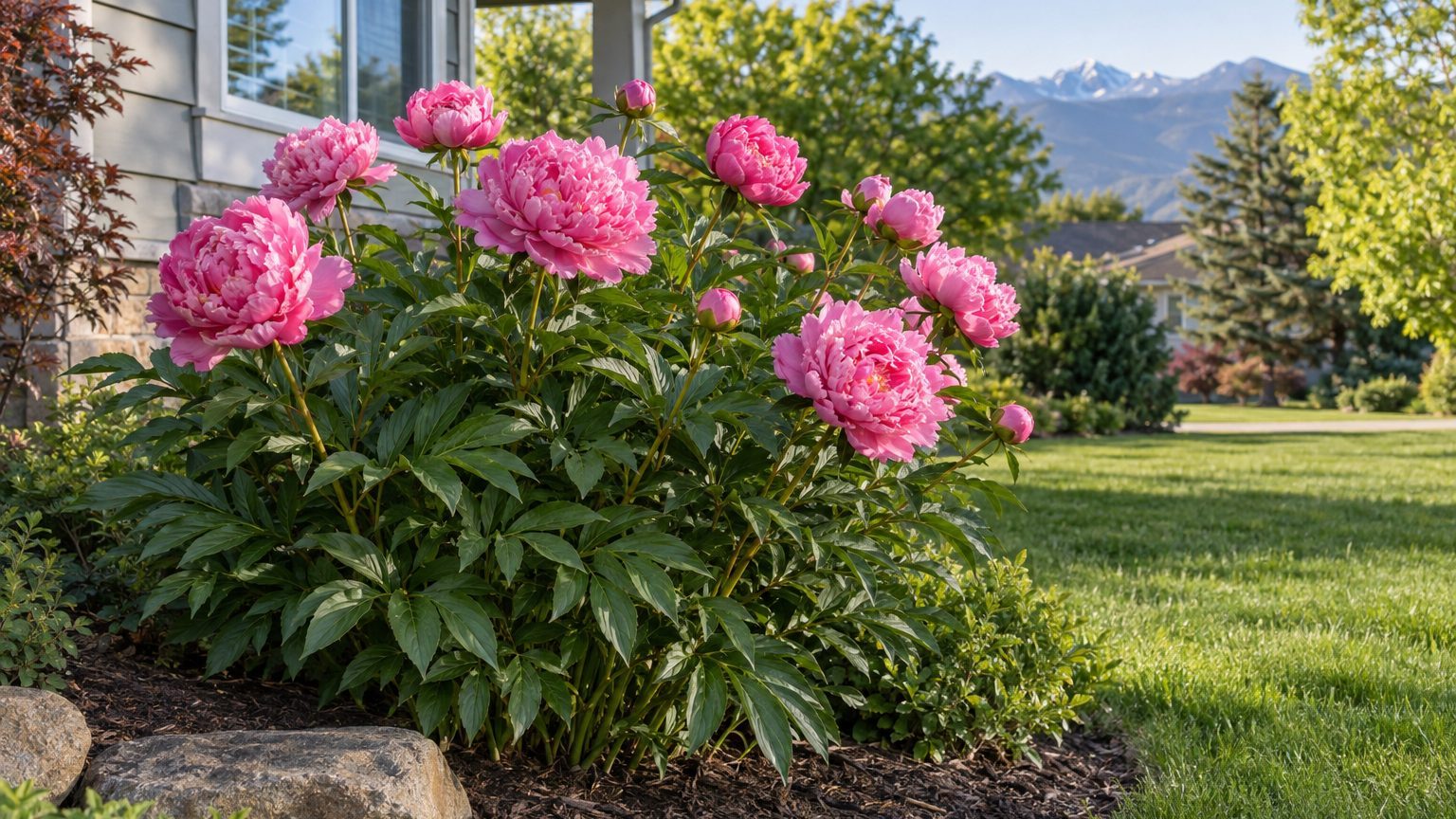
A peony in full bloom is hard to miss: big, fragrant flowers on stems that sometimes bend under their own weight after a rain. In Montana, that show belongs to early summer, while the plant and the place shape exactly when it arrives in your yard.

When Do Peonies Bloom in Montana?

When Do Peonies Bloom in Montana?

Peonies bloom in Montana in June, and flowers can also open in May. Cold winters suit them, since a peony needs a cold winter rest to flower. Montana’s hardiness zones, in the USDA system, run from 3a to 6a.

Type of peony When it blooms in Montana What to know
Herbaceous peony June, sometimes May Dies back every year and is cut back after frost
Tree peony Follows the same early summer window Prefers light shade and a protected location, and is never cut to the ground

A newly planted or transplanted peony may skip bloom its first spring, so a quiet first year is normal. Planting too deep causes the same trouble, because the eyes should sit near the soil surface.

How to Tell When Your Peonies Are About to Bloom

Watch the flower buds as bloom time approaches in June or, sometimes, May.

When to Cut Back Peonies in Montana

Cut herbaceous peonies back in October or November, after a hard freeze has killed the foliage. Wait until a hard freeze has killed the foliage.

Use sharp pruners and cut the stems down to within a couple of inches of the ground. Remove all the old leaves as well, and keep the debris out of the compost pile. Throwing it away, or bagging it, helps limit disease carrying over to next spring.

Tree peonies are the exception. They keep their woody stems through winter and are never cut back.

How Peony Bloom Time Shifts Across Montana

Montana is a big state with a lot of elevation, and bloom time slides with it. Local conditions affect when flowers open.

  • Billings: This is one of the milder valleys, and the last spring frost usually lands between April 29 and May 10. Peonies bloom in June and can also bloom in May.
  • Mountain valleys can frost in any month. Tree peonies prefer light shade and a protected location.

Where to Get Peony Advice in Montana

Local advice fits Montana’s range of elevations and frost patterns better than general rules. Montana State University Extension and your county extension office are the natural places to start.

  • The state extension service publishes gardening guidance suited to Montana’s climate, and it is worth a look before you order bare-root plants for fall.
  • Your county extension office can speak to conditions in your own valley, so call in spring when your shoots appear or before the September planting window.

Common Questions

When Should You Plant Peonies in Montana?

September and October suit planting or dividing, while the ground is still workable and before it freezes. Bare-root plants set in fall have time to settle before winter.

Why Are My Peonies Not Blooming?

Look at planting depth first, since a peony planted too deep may bloom poorly or not come up. Check also whether the plant is new, because a first spring without bloom is common.

Do Peonies Need Cold Winters to Bloom?

Yes. They need winter chilling to set flowers, which is why Montana’s cold suits them far better than a mild-winter climate would.

When to Plant Peonies in Montana: Dates and Care

When to Plant Peonies in Montana: Dates and Care

Peony stems poke out of cold Montana ground as red, asparagus-like spears once the snow lets go. The planting window for peonies in Montana is fall, when roots can settle in before the ground locks up for winter.

When to Plant Peonies in Montana

When to Plant Peonies in Montana: Dates and Care

Plant or divide peonies in September or October, while the soil is still workable and before it freezes. The peony season then unfolds in clear stages.

  • In September and October, bare-root peonies go into the ground or get divided, so the roots can anchor before winter.
  • Through winter, the plant rests under cold soil, and that chill is what lets it flower the following year.
  • In spring, red shoots emerge; in Billings, the last spring frost usually falls between April 29 and May 10.
  • In June, the large, fragrant flowers open, and they can also come in May.
  • In October and November, cut herbaceous peonies back after a hard freeze has blackened the foliage.

Those frost dates describe Billings, one of the milder valleys, and the state sits across USDA hardiness zones 3a to 6a. Mountain valleys elsewhere can frost in any month, so treat the dates as a local example, not a statewide rule.

Which Peonies Grow Best in Montana?

Peonies suit Montana well. They need a cold winter rest to flower, and long cold winters give them exactly that, whereas mild-winter climates may leave them flowering poorly.

Herbaceous peonies suit cold winters, while tree peonies prefer light shade and a protected location.

Peony type How it does in Montana Why
Herbaceous Good fit for cold winters Needs winter chilling to bloom and dies back each year
Tree Works with a protected spot Prefers light shade and shelter

When to Plant, Cut Back and Feed Peonies in Montana

Planting and cutting back follow set months tied to the weather. Plant bare-root peonies so the buds, called eyes, sit near the soil surface. A peony set too deep may bloom poorly or never come up.

A newly planted or transplanted peony may not bloom its first spring, so give it time.

Task Best timing in Montana Why then
Plant or divide September to October Roots settle before the ground freezes
Bloom June, sometimes May Plants flower after a full winter rest
Cut back herbaceous peonies October to November, after a hard freeze kills the foliage Removes diseased leaves and stems once the plant has shut down

Cut stems down to within a couple of inches of the ground and throw the debris out instead of composting it, which helps limit disease. Tree peonies keep their woody stems and are never cut back. This calendar does not set a month for feeding peonies.

How Peony Planting Dates Change Across Montana

Local conditions shift the season around the state.

  • Billings is one of the milder valleys, but plant in September or October while the soil is workable and before it freezes.
  • Mountain valleys can frost in any month, so plant in September or October while the soil is workable and before it freezes.

Watch your own yard’s first hard freeze instead of the calendar alone, since it signals when the plant has gone dormant.

Where to Get Peony Advice in Montana

Local experts know your valley’s soil and frost habits. Montana State University’s Extension network and your county office can help with diagnosis and soil testing.

  • Your county extension office can help with soil and plant problems, so visit before planting.
  • Extension publications cover peony care, and fall is the time to read them.

Common Questions

Can You Plant Peonies in Spring in Montana?

Fall suits peonies best, and bare-root plants set out then establish well.

Why Won’t My Peony Bloom?

Check the planting depth first, since a peony planted too deep may bloom poorly or not come up.

Do Peonies Need Winter Protection in Montana?

Herbaceous peonies die back and sit safely under cold soil, so they handle the winters well. Tree peonies prefer a protected spot, so place them out of harsh wind.

Best Lilacs for Montana

Best Lilacs for Montana

Every late spring, a lilac in full bloom fills a Montana yard with fragrance you can smell from the street. Cold winters suit the shrub, so the real decision is which type to plant: common lilac, an early hybrid, a Preston hybrid or a tree lilac. Each handles Montana’s weather a little differently.

Best Lilacs to Grow in Montana

Best Lilacs for Montana

Common lilacs, hyacinthiflora hybrids, Preston hybrids and Japanese tree lilac all hold up in Montana. Lilacs need a cold winter rest to mature their flower buds, and they struggle in hot, humid summers. They are adapted to USDA zones 3, 4, 5 and milder areas of zone 2, so Montana’s cold winters sit well inside their comfort range.

Common Lilac

Common Lilac — Best Lilacs for Montana

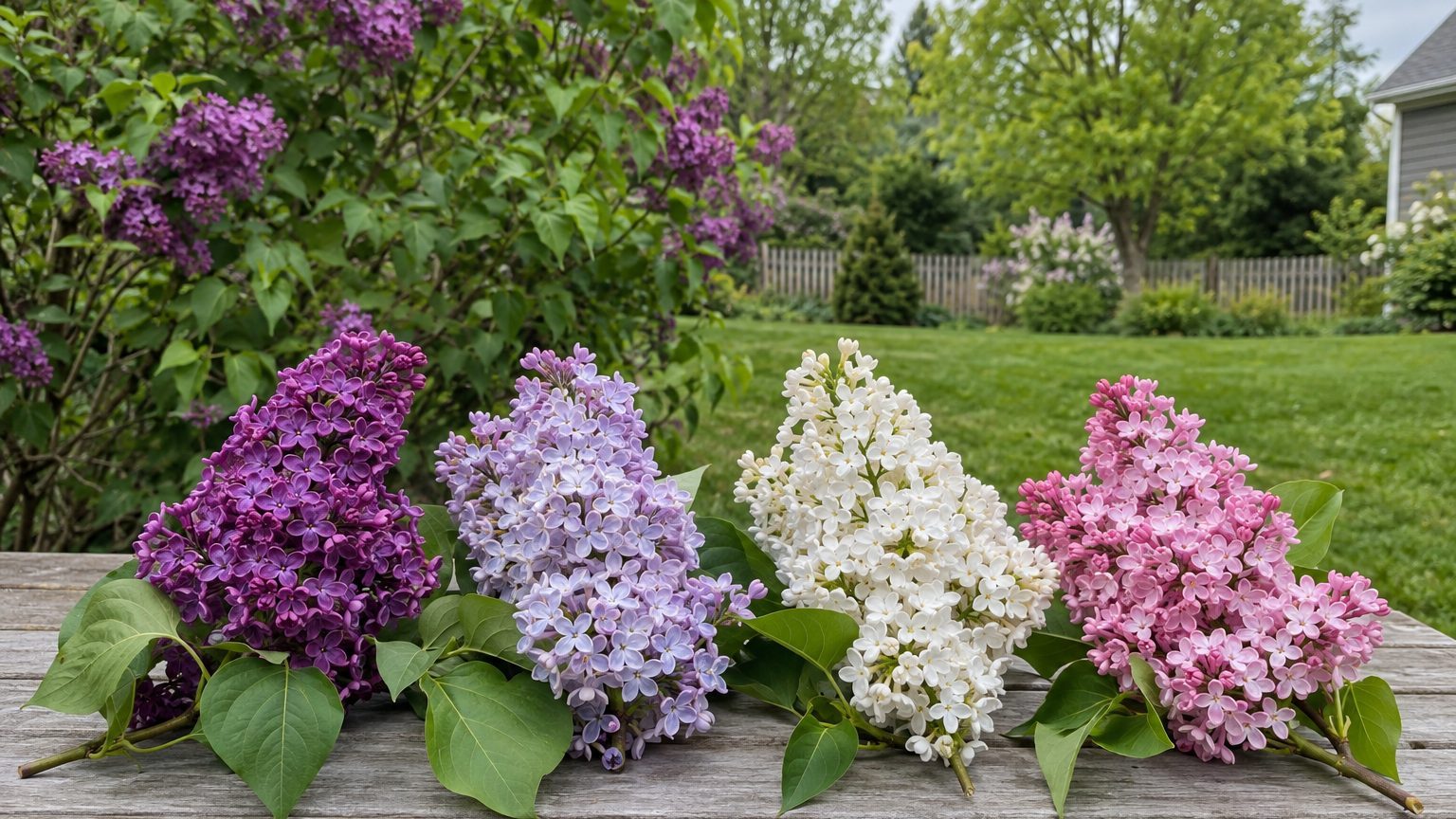
Syringa vulgaris, also sold as French hybrid lilac, is the one most people picture. It is noted for large flower clusters and strong fragrance, and hundreds of cultivars run from white to deep purple and from wine-red to light pink.

It adapts to almost any soil and watering condition. Give this naturally large shrub plenty of room before you pick the spot.

Hyacinthiflora Lilacs

These vigorous hybrids look like French hybrids but bloom seven to 14 days earlier. The shrubs themselves are very hardy, so winter is rarely the problem.

The risk is a late frost catching the open flowers. Plant them only where May frosts are less frequent, such as a sheltered, milder valley spot.

Preston Hybrids

Preston hybrids generally flower more reliably in colder, windy areas than the early-blooming hyacinthiflora types.

If your yard sits on an exposed rise or a cold, breezy edge of town, start with these.

Japanese Tree Lilac

Syringa reticulata blooms in June, and its blooms bring the lilac season to a brilliant close. It extends the show after the common lilacs have finished.

Plant several species and the lilacs in your garden can be in full bloom for at least six weeks. A tree lilac is the easy way to add the final stretch.

Own-Root Lilacs

This is a way of buying rather than a type. Lilacs on their own roots are far more hardy than grafted lilacs.

When you shop, ask whether the plant is grafted or grown on its own roots. In a state with winters like Montana’s, that answer matters more than the flower color.

How to Choose a Lilac for a Montana Garden

Start with your yard rather than the plant tag. Wind, cold pockets and late spring frosts help decide which lilac gives you flowers, while soil and watering conditions leave more room for choice.

Billings is one of the milder valleys, with a last spring freeze falling between April 29 and May 10. Mountain valleys elsewhere in Montana can frost in any month, so lean toward the hardier choices if yours is one of them.

Your situation What suits it in Montana Why
Very cold, windy winter Preston hybrids on their own roots They flower more reliably in colder, windy areas, and own-root plants are far more hardy than grafted ones
Mild valley with fewer May frosts Hyacinthiflora lilacs They bloom seven to 14 days earlier, so they need frost-light springs
Hot, humid summer spot A sunny site with good air circulation Lilacs struggle in hot, humid summers, and moving air helps them cope
Little time for care Common lilac It adapts to almost any soil and watering condition
Want a long bloom season Several species, with a Japanese tree lilac for June Mixed species can bloom for at least six weeks
Worry about winter cold Any lilac suited to the cold zones A cold winter rest matures the flower buds

Small yards need a second look. A common lilac becomes a large shrub, so keep it away from walkways and windows.

Which Lilacs Suit Different Parts of Montana

Montana’s elevation, wind and valley shelter change which lilac gives the most flowers more than the shrub’s winter hardiness does.

  • Billings: Sheltered valley yards here are milder, so early hyacinthiflora lilacs have a fair chance of getting through spring with their flowers intact.
  • Mountain valleys: Frost can arrive in any month, which makes the later-opening types and a protected planting spot the safer path.
  • Windy, colder areas: Preston hybrids are the better pick, since they flower more reliably in these conditions than early bloomers.

Wherever you live in the state, choose the type for your local frost pattern first and the color second.

Lilac Buying Mistakes to Avoid in Montana

Buying a Grafted Plant

A grafted lilac looks the same as any other in the pot, but lilacs on their own roots are far more hardy. Grafted plants are less hardy when winter turns severe.

Check the label or ask the nursery. Choose own-root plants whenever you can.

Planting an Early Bloomer in a Frosty Spot

Hyacinthiflora lilacs open seven to 14 days earlier than the French hybrids. In a yard where May frosts are frequent, that head start can cost you the flowers even though the shrub itself is very hardy.

In those spots, plant Preston hybrids or a common lilac instead, and keep the early types for sheltered, milder corners.

Ignoring the Adult Size

A small pot hides a large shrub. A common lilac eventually becomes a broad shrub, which can crowd a foundation bed or shade a small yard.

Measure the planting spot before you buy. Pruning regularly right after the flowers fade keeps the shrub in bounds, because the buds for next year form in summer. Cutting later in the year removes next spring’s flowers.

Where to Get Lilac Advice in Montana

The Montana State University Extension service publishes lilac guidance written for Montana yards, and each county has an office that knows local frost and wind patterns.

  • Check the extension service’s lilac publication before you shop so you know which types it lists as hardy in Montana.
  • Call your county extension office to ask which lilacs do well in your valley and how late frosts usually run there.
  • Visit a local garden in May or June, when lilacs are in bloom, and note which ones look healthiest before you buy.

Common Questions

When Do Lilacs Bloom in Montana?

Lilacs bloom in May and June, running from late spring into June. Early hybrids open first, and the Japanese tree lilac closes the season in June.

Can You Cut Back an Overgrown Lilac in Montana?

Yes. A hard renovation cut is best done in March or April, while the shrub is still dormant. The cost is the next flowers, because lilacs bloom on last year’s wood, and the plant will not flower for a few years afterward.

Can You Still Prune a Lilac in July?

It can be done in July, right after the flowers fade. Prune right after the flowers fade, since next year’s flower buds form in June and July.

When to Prune Lilacs in Montana

When to Prune Lilacs in Montana

A lilac in full bloom smells like late spring, and the same shrub is already building next year’s flowers while the last blossoms brown. In Montana, that timing sets the pruning window: you cut right after the flowers fade, and the job is done before the new buds have much of a chance to be lost.

When to Prune Lilacs in Montana

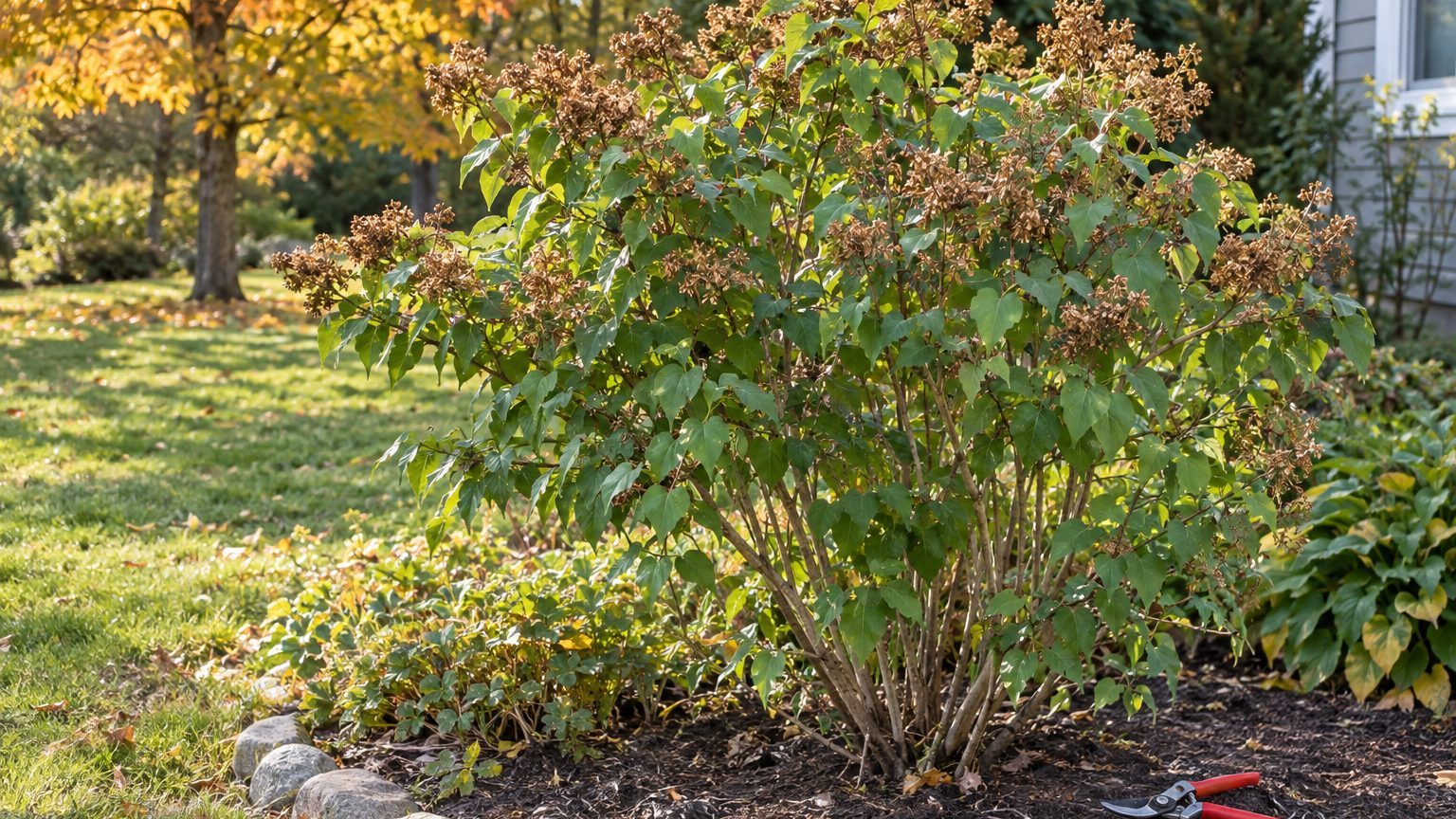
Lilac stems after flowering

Prune lilacs in June, right after the flowers fade. Bloom runs through May and into June, so the cut follows close behind it. If June slips by, it can also be done in July, though the buds for next year form in June and July.

Type of pruning When in Montana Why
Routine upkeep after bloom June, or July if needed Next year’s flower buds form in June and July, so cutting soon after the flowers fade keeps them
Hard cut of an overgrown lilac March to April The plant is cut back hard in late winter, at the price of the next flowers

This schedule is for once-blooming lilacs; ask your county extension office about reblooming lilacs. The hard late-winter cut is a rescue job, and an overgrown lilac will not flower for a few years afterward.

Why the Window Is So Narrow

A lilac blooms on last year’s wood. Once the flowers fade, the shrub sets the buds for next spring, so a cut made in late summer, fall or winter removes flowers you would otherwise see. That is the whole reason the calendar sits where it does.

Cold helps too. Lilacs need a winter rest to mature their flower buds, which is why they do well in Montana and struggle in hot, humid summers. Hardiness zones in the state run from 3a to 6a (USDA system), and lilacs are comfortable across that range, so the pruning window matters more than the cold does.

What a Good Cut Looks Like

Start by snipping off the spent flower clusters just below the fading bloom. Then take out dead or crossing wood and any weak, spindly stems. Keep the natural vase shape, because lilacs look best when you thin them rather than shear them into a ball.

How to Tell When Your Lilacs Are Ready to Prune

The shrub gives clear signals, and they matter more than a date on the wall, since a cold spring can push bloom later in the season.

  • Flower clusters turn brown and dry, which tells you the blooms are finished and the cut can begin.
  • Petals drop and leave papery seed heads behind, showing that flowering has ended.
  • Fresh green growth shows up around the base of the flower clusters, so you can see where live wood begins and where to stop cutting.
  • A cluster that still holds some color should be left a little longer, because cutting into live bloom wastes flowers you could still enjoy.
  • Late-blooming shrubs, such as the Japanese tree lilac, wait until their own flowers are done.

If every cluster is brown and the leaves are full and deep green, the lilac is ready for its trim.

Should You Prune Lilacs in Fall or Winter in Montana?

No, not for routine pruning. Fall and winter cuts take off the buds that were set the summer before, and the lilac then has little to show in spring. A shrub tidied in fall or winter can be a green mound with no flowers by May.

Hard renovation is different. An overgrown lilac that has grown leggy and bare at the base can be cut back hard in March or April while it is still dormant. You pay for it with flowers, since the shrub will skip bloom for a few years while new stems grow. Gradual renewal lets new stems grow.

How Lilac Pruning Time Shifts Across Montana

Montana’s climate varies a great deal from valley to mountain, and the blooming lilac sets the pace, so your pruning follows the flowers where you live.

  • Billings and the milder valleys: Spring warms sooner here, so bloom and the pruning window arrive earlier than in the high country.
  • Mountain valleys in the west and the Rocky Mountain Front: Frost can come in any month, and bloom runs later, so wait for the flowers to fade before you cut.
  • Hyacinthiflora lilacs: These hybrids open earlier than common lilacs, and they do best where May frosts are less frequent.

Watch your own shrub first, and let the calendar be the backup.

Where to Get Lilac Advice in Montana

Local conditions vary enough that a nearby expert is worth a call. Montana State University Extension publishes lilac guidance written for the state, and your county office knows your valley.

  • The state extension site has lilac guides on pruning and on varieties suited to Montana, and they are worth reading before the shrubs bloom.
  • Your county extension office can look at a photo or a cutting and tell you what your shrub needs, so call it in late spring, as the flowers fade.

Common Questions

Can You Prune Lilacs in Early Spring?

Only for the hard renovation cut in March or April. A light trim then removes flower buds that are already formed, so most gardeners wait until the blooms are done.

How Much Can You Cut Off a Lilac at Once?

Remove the oldest, thickest stems gradually, and keep the younger wood that will carry next year’s flowers. Cutting all of it back at once costs you bloom for a few years.

Why Is a Montana Lilac Not Blooming?

Consider together when the shrub was last pruned and how much sun it gets. A lilac cut in fall or winter loses its buds, and a shady site gives few flowers even when pruning is right.

When Do Lilacs Bloom in Montana? Dates and Care

When Do Lilacs Bloom in Montana? Dates and Care

A lilac in full bloom announces itself before you reach it, the scent drifting across the yard on a still late-spring afternoon. In Montana, that show belongs to the end of spring and runs into early summer. Bloom timing and year-round care come down to simple seasonal habits.

When Do Lilacs Bloom in Montana?

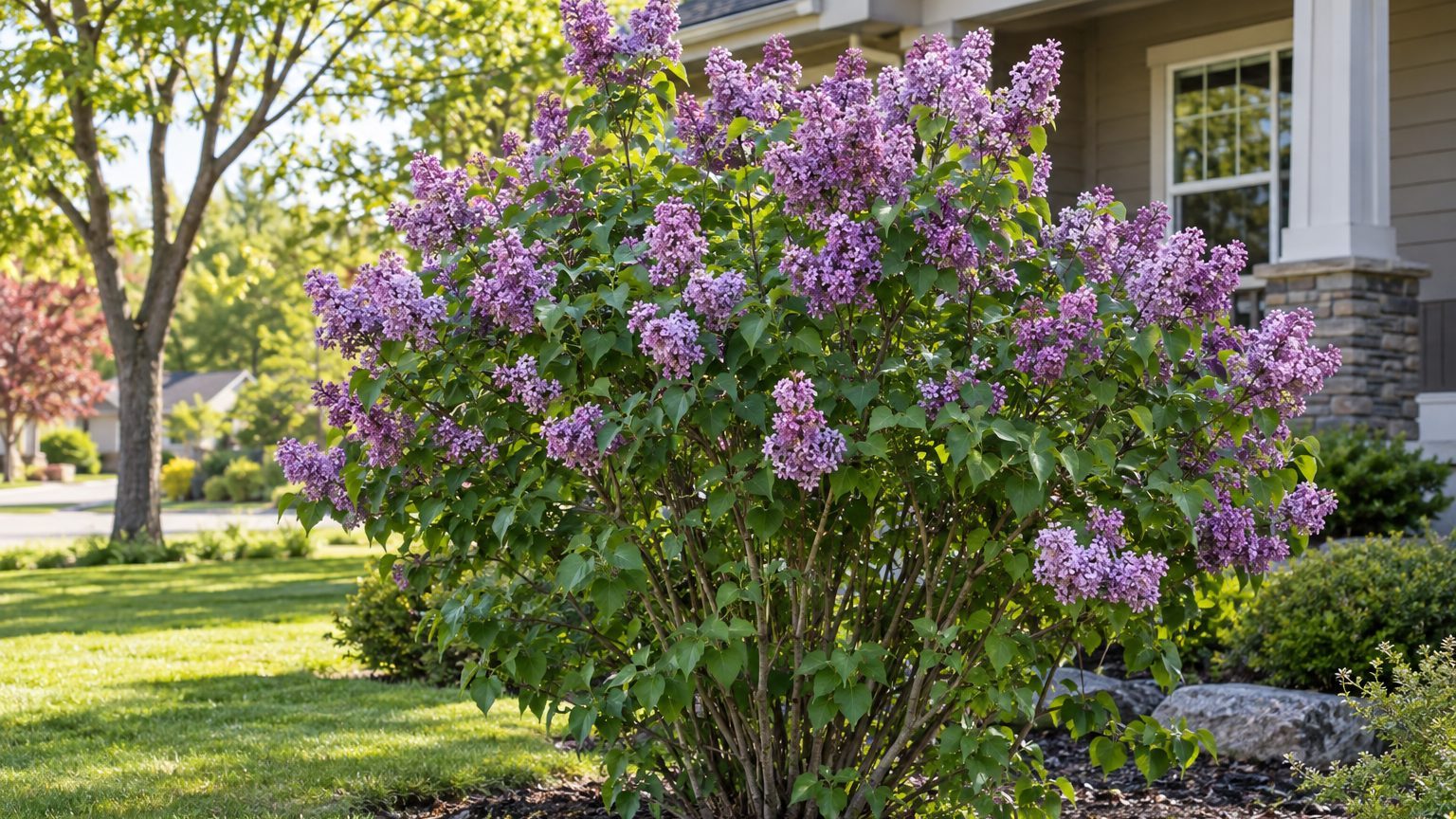
A lilac bush in bloom in a home garden

Lilacs in Montana bloom in May and June, with late spring carrying the show into June. The rest of the shrub’s year follows from that flowering.

  • In May and into June, the clusters open, and late varieties such as the Japanese tree lilac close out the season with June blooms.
  • In June, right after the flowers fade, is the time to prune, because the buds for next year’s flowers begin forming then.
  • Through June and July, the shrub sets those buds on new growth, so make any routine cut right after the flowers fade.
  • In late summer and fall, the plant coasts, hardening its wood and holding the buds it already made.
  • Through winter, the shrub rests in the cold, which is exactly what matures those flower buds.

Around Billings, the last spring frost falls between April 29 and May 10, and the first fall frost arrives between October 1 and October 14. Billings is one of the milder valleys, and mountain valleys elsewhere in Montana can frost in any month. Under the USDA hardiness system, Montana runs from zone 3a to 6a, so lilacs have plenty of cold to work with.

Which Lilacs Grow Best in Montana?

Lilacs suit Montana well. They need a cold winter rest to mature their flower buds and struggle in hot, humid summers.

Sun and good air circulation matter regardless of variety. The main thing to watch is frost at bloom time, which can catch early flowerers.

Lilac type How it does in Montana Why
Hyacinthiflora hybrids Very hardy and vigorous, best in frost-light spots They bloom earlier than French hybrids, so May frosts can nip them
French hybrids Reliable in cold-winter sites They look similar to Hyacinthifloras but flower later
Japanese tree lilac Closes the season with June blooms It flowers after other lilacs have finished

If your yard sits in a mountain valley where May frosts are common, lean toward the later bloomers and keep Hyacinthifloras for warmer, more sheltered corners.

When to Plant, Prune and Feed Lilacs in Montana

Pruning is the job with the tightest timing. Lilacs bloom on last year’s wood and set next year’s buds soon after flowering, so cutting late in the season removes the coming flowers.

Task Best timing in Montana Why then
Enjoying the bloom May into June Late spring carries the flowering
Routine pruning June, right after the flowers fade; July also works Buds for next year form in June and July
Hard renovation cut of an overgrown shrub March or April, while still dormant A late-winter cut renews the plant, though it costs the next flowers

An overgrown lilac can be cut back hard in late winter, but it will not flower for a few years afterward. Pruning in late summer, fall or winter on a normal shrub removes buds, so save big cuts for renovation. Get local advice on planting and feeding, since this calendar does not set a statewide schedule for those jobs. For the full pruning method, see the Montana page on when to prune lilacs.

How Lilac Bloom Time Changes Across Montana

Elevation and valley shape shift the bloom more than distance does, and the direction is simple: colder, higher ground flowers later.

  • Billings: This is a milder valley, so bloom can fall toward the early side of the May-to-June window, though early bloomers still face frost risk.
  • Mountain valleys elsewhere in Montana: Frost can occur in any month, so local bloom may not follow Billings.
  • Bozeman and the Gallatin Valley: Higher and cooler, so bloom shifts later and spring frosts linger.
  • Glacier and Flathead area: Mountain-influenced spring weather pushes flowering later.

Within a single yard, a south-facing wall opens flowers sooner than a shaded north side.

Where to Get Lilac Advice in Montana

Local conditions vary so much from valley to valley that nearby help pays off, especially for a stubborn shrub that will not flower.

  • Montana State University Extension offers lilac guides written for the state, handy any time you plan a planting.
  • Your county extension office can help diagnose a struggling shrub or arrange a soil test, so call before you add fertilizer.

Common Questions

Why Is My Lilac Not Blooming?

A lilac that leafs out well but gives no flowers often has too much shade, or it was pruned in late summer, fall or winter when the buds were already set. Check how much sun the shrub gets and when the last cut was made.

Can a Late Frost Ruin Lilac Blooms?

Yes, especially on earlier bloomers like Hyacinthifloras. A freeze after buds open can brown the clusters. The shrub itself is very hardy and usually blooms again the next spring.

Should You Fertilize Lilacs in Montana?

Lilacs rarely need much. Heavy feeding tends to give leaves at the expense of flowers, so a soil test through your county office tells you whether anything is actually missing before you add it.

Best Roses for Montana

Best Roses for Montana

A rose that leafs out in a Montana spring has already come through a long, hard winter. The ones that settle in and bloom year after year are mostly hardy shrub roses, while fussier garden roses ask for more care. Knowing which type suits your yard saves money before a single plant goes in the ground.

Best Roses to Grow in Montana

Best Roses for Montana

Hardy shrub roses are the ones that settle in across Montana, because winter sets the limit here. The climate is only marginally suited to most types of roses, yet many shrub roses are hardy and vigorous and need little care under severe conditions. Hardiness zones in the USDA system run from 3a to 6a across the state, so check your own zone before you buy.

Hardy Shrub Roses

Hardy Shrub Roses — Best Roses for Montana

Some shrub roses tolerate winter temperatures of -45°F, making them a sound starting point in cold yards. Hardy types such as Knock Out and the Explorer series perform well without extra protection.

Among the shrub rose divisions, hybrid kordesii, hybrid rugosa and shrub roses are the ones with cultivars that have adapted to Montana. Look for those words on the plant tag.

Hybrid Rugosa and Hybrid Kordesii

Hybrid Rugosa and Hybrid Kordesii — Best Roses for Montana

These groups come from divisions with proven cultivars for Montana, which makes them a sensible shortlist when a nursery offers a long row of choices.

Ask for a named cultivar from either group and check that it is sold for cold climates. A tag that only says “hardy” tells you little.

Alpine and Nootka Roses

Alpine and Nootka roses do better in the warmer areas of the state. They have survived on protected planting sites, so give them a spot out of the open wind, such as the sheltered side of a building or a fence.

In a cold valley or an exposed yard, pick one of the sturdier shrub roses instead.

Red Leaf Rose

The Red Leaf Rose, Rosa rubrifolia, can reach a height of several feet. That makes it a good fit at the back of a border, where its size is an asset instead of a problem.

Leave it room to grow. Crowding a tall shrub rose leads to hard pruning later.

Hybrid Teas and Grandifloras

In Montana they ask for more than a shrub rose does, since hybrid teas and grandifloras often need additional winter protection.

Grow them if you enjoy the extra work, and treat them as a few special plants rather than the backbone of the bed.

How to Choose a Rose for a Montana Garden

Start with the worst thing your yard throws at a rose, then work backward to the type. In a cold Montana yard, hardiness comes before flower color.

A rose that suits your situation will cost you less in replacements, sprays and winter chores than a prettier one that does not.

Your situation What suits it in Montana Why
Very cold winter Explorer series, hybrid rugosa, hybrid kordesii Hardy shrub roses get through winter without extra protection, and some tolerate -45°F
Humid summer Simplicity series It is a shrub rose series described as resistant to pests and diseases
Little time Hardy shrub roses such as Knock Out They are vigorous and need little care under severe conditions
Small space Miniature roses They are naturally dwarf and stay popular in small garden spaces
Warmer, sheltered spot Alpine or Nootka roses They do better in warmer areas and have survived on protected sites

Floribundas, a cross between a hybrid tea and a polyantha, typically repeat bloom each season, and they suit a gardener willing to give some winter care. For a tall screen or a back-of-border plant, the Red Leaf Rose does the job.

Which Roses Suit Different Parts of Montana

Montana is large, and the same rose does not face the same winter in every part of it. Local winter patterns matter when you choose.

  • Billings: This is one of the milder valleys, with the last spring frost usually falling between April 29 and May 10. Alpine and Nootka roses have a better chance here if they get a protected site.
  • Mountain valleys: Frost can arrive in any month in the mountain valleys elsewhere in the state. Lean on the hardiest shrub roses and treat hybrid teas as an experiment.

If your yard falls between these conditions, plant the hardy types first and add anything tender only after seeing how your own site behaves through winter.

Rose Buying Mistakes to Avoid in Montana

Buying a Tender Type

A hybrid tea or grandiflora bought on looks alone can be an easy rose to lose here. These types need extra winter protection, and without it the canes can die back hard.

Choose a hardy shrub rose for the main planting. If you still want a hybrid tea, plan the winter mounding before it arrives.

Ignoring Disease in Humid Summers

A variety that is prone to disease turns a wet summer into a season of spotted leaves and spraying. The cost is a plant that looks poor and needs more work from you.

Look for shrub roses sold as pest and disease resistant, such as the Simplicity series, which also repeat bloom through the growing season. Meidiland roses are another series useful in the landscape.

Buying a Grafted Rose

A grafted rose is only as hardy as its graft union, and in a hard winter the grafted top can die while the rootstock survives. You then end up with a vigorous plant that is not the rose you bought.

Choose bare-root plants on their own roots, graded Number 1. If the top freezes back, what regrows is still the rose you chose.

Where to Get Rose Advice in Montana

Local growers know which cultivars have come through your valley’s winters. Local sources can point you to proven choices before you spend money on plants.

  • Montana State University Extension publishes guidance on growing shrub roses in the state, and it is worth reading before the nursery trip in spring.
  • Your county extension office can tell you which roses have done well locally and which frost pockets to avoid, so call before you plan the bed.

Common Questions

When Should You Prune Roses in Montana?

Repeat-blooming roses such as hybrid teas, floribundas and modern shrub roses are pruned in April. May also works if spring runs late. Once-blooming roses, including old garden roses, ramblers and many climbers, flower on last year’s wood, so prune them right after they bloom and never in early spring.

When Can You Plant Bare-Root Roses?

Plant them in April or May, as soon as the ground can be worked and while the plants are still dormant. Potted roses can go in later in the season.

When Should You Cover Roses for Winter, and When Do You Uncover Them?

November is the usual time, around Thanksgiving. October or December also works. In Montana, the advice is to mound about eight inches of soil over the bush. Take it off gradually in April, or in May, once the danger of hard frost has passed.

When to Prune Roses in Montana

When to Prune Roses in Montana

Stiff canes with green swelling buds, a few still dusted with snow, mark the start of rose pruning in a Montana yard. The cuts come in spring for most garden roses, and the exact month depends on the kind of rose you grow. A few types are never touched until after they bloom.

When to Prune Roses in Montana

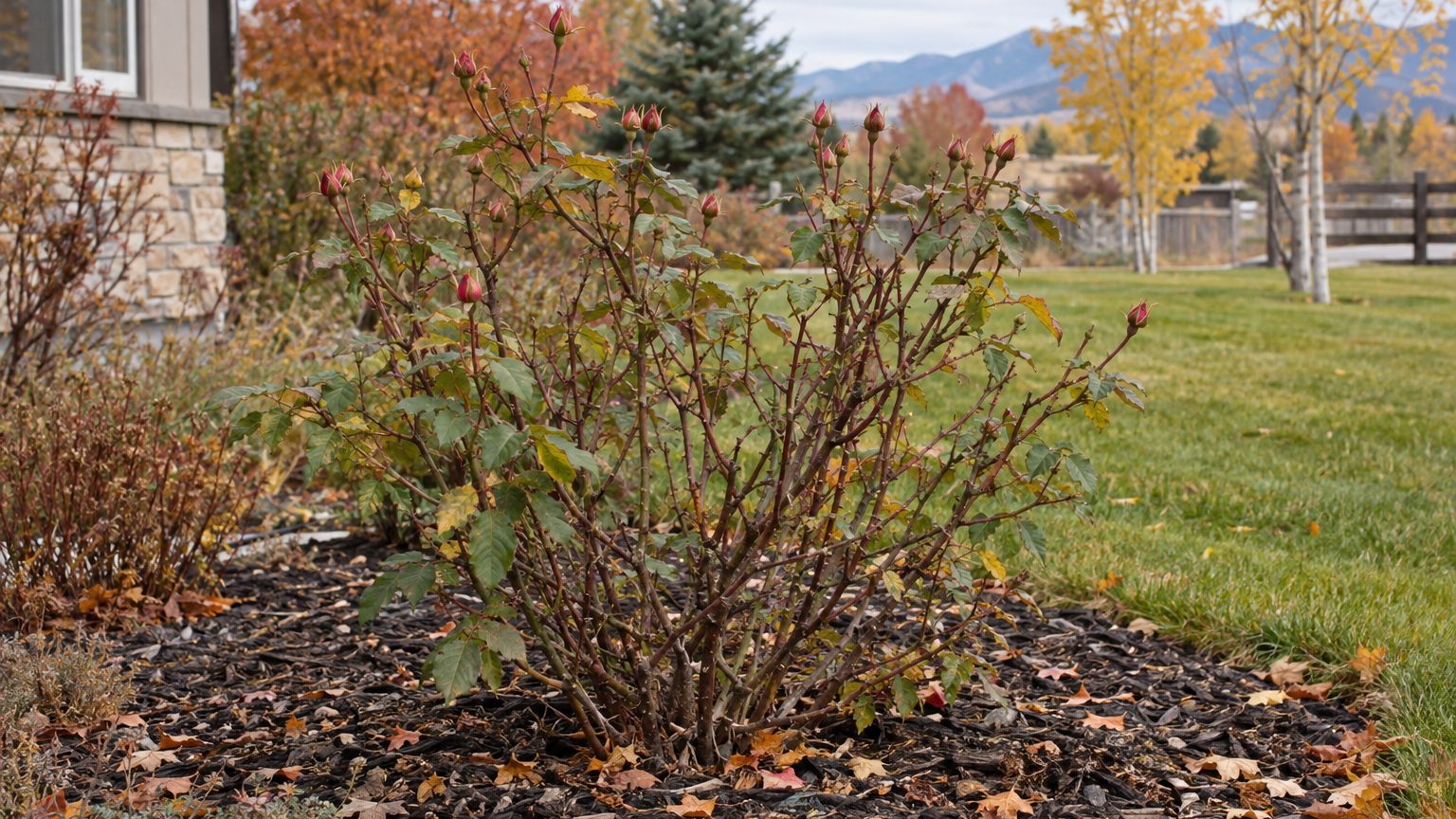
Rose canes at pruning time

Prune hybrid teas, floribundas and modern shrub roses in April. If the month runs cold, the job can also be done in May. These roses flower on new wood, so a spring cut sets up the season’s blooms.

Roses that bloom once a year follow a different rule. They flower on last year’s wood, and a spring haircut removes the buds before they open.

Type of rose When to prune in Montana Why
Repeat-blooming roses (hybrid teas, floribundas, modern shrub roses) April, or May if spring runs late They bloom on new growth, so cutting before growth starts shapes the plant without costing flowers.
Once-blooming roses (old garden roses, once-blooming climbers) Right after they bloom, never in spring They flower on last year’s wood, so a spring cut removes the flower buds.

Repeat-blooming climbers have no separate window in the Montana calendar, so a county extension office is the place to ask about a particular plant. Timing matters more than usual here, because an early cut can push out tender growth that a late frost then kills. Winter protection comes off in April too, and a little later, in May, when spring is slow.

How to Tell When Your Roses Are Ready to Prune

Montana springs swing hard from year to year, so the plant itself is a better guide than the date on the wall.

  • Swelling buds along the canes mean the rose is waking up, and that is the cue to cut.
  • Buds still tight and dormant mean you can wait, which costs nothing in a cold spring.
  • A mild spell is not enough on its own, because untimely pruning can leave roses open to killing frosts.
  • The winter mound of soil, piled deep over the crown, comes off gradually once the danger of hard frost is gone.

Once the buds have swelled and the mound is gone, cut back to live, plump buds and clear out anything dead or damaged.

Should You Prune Roses in Fall or Winter in Montana?

Not much, and nothing severe. Fall and winter cuts are limited to shortening very long, whippy canes so that wind and heavy snow do not rock the plant or snap the stems.

Hard pruning waits for spring. A deep cut in fall invites new growth that cannot harden off, and the cut stems leave the crown more exposed to winter.

Protection is the bigger fall task. Mound a generous layer of soil over the base of hybrid teas, floribundas and grandifloras in November, with October or December as fallback months. Hardy shrub roses such as Knock Out or the Explorer series perform well without extra protection.

How Rose Pruning Dates Shift Across Montana

Montana spans USDA hardiness zones 3a to 6a, so the calendar months give you a starting point and your own valley sets the rest.

  • Billings: April pruning generally fits, with the buds as the final word.
  • Bitterroot Valley and Gallatin Valley: frost can come in any month, so lean on swollen buds and keep May in reserve.
  • Warm, protected sites: Alpine and Nootka roses do better in the warmer parts of the state and have survived on sheltered planting spots.

A south-facing wall or a spot out of the wind can bring a rose along sooner than the open lawn edge.

Where to Get Rose Advice in Montana

Local advice settles questions the calendar cannot, such as which roses suit your valley and how your site behaves in a cold snap.

  • Montana State University Extension publishes guidance on growing shrub roses in Montana, worth reading before you order plants in early spring.
  • Your county extension office can speak to local frost patterns and hardy varieties, so contact it before pruning begins in April.

Common Questions

When Should You Plant Bare-Root Roses in Montana?

Plant them in April or May, in early spring as soon as the ground can be worked and while the plants are still dormant. Potted roses can go in later.

When Should You Feed Roses in Montana?

Feed in May, June and July, and regularly through the growing season, every four to six weeks. April and August also work. Stop after mid-August so late, soft growth does not get caught by early frost.

Which Roses Are Hardy Enough for Montana?

Most shrub roses are hardy and vigorous and need little care under severe conditions, and some tolerate winter temperatures of -45°F. Hybrid teas and grandifloras ask for more protection than shrub roses do.

When to Plant Roses in Montana: Dates and Varieties

When to Plant Roses in Montana: Dates and Varieties

The rose year in Montana starts in spring, when the soil mound comes off the crowns and the first red shoots appear. Bare-root roses go into the ground then, and the kinds you choose decide how much winter work follows.

When to Plant Roses in Montana

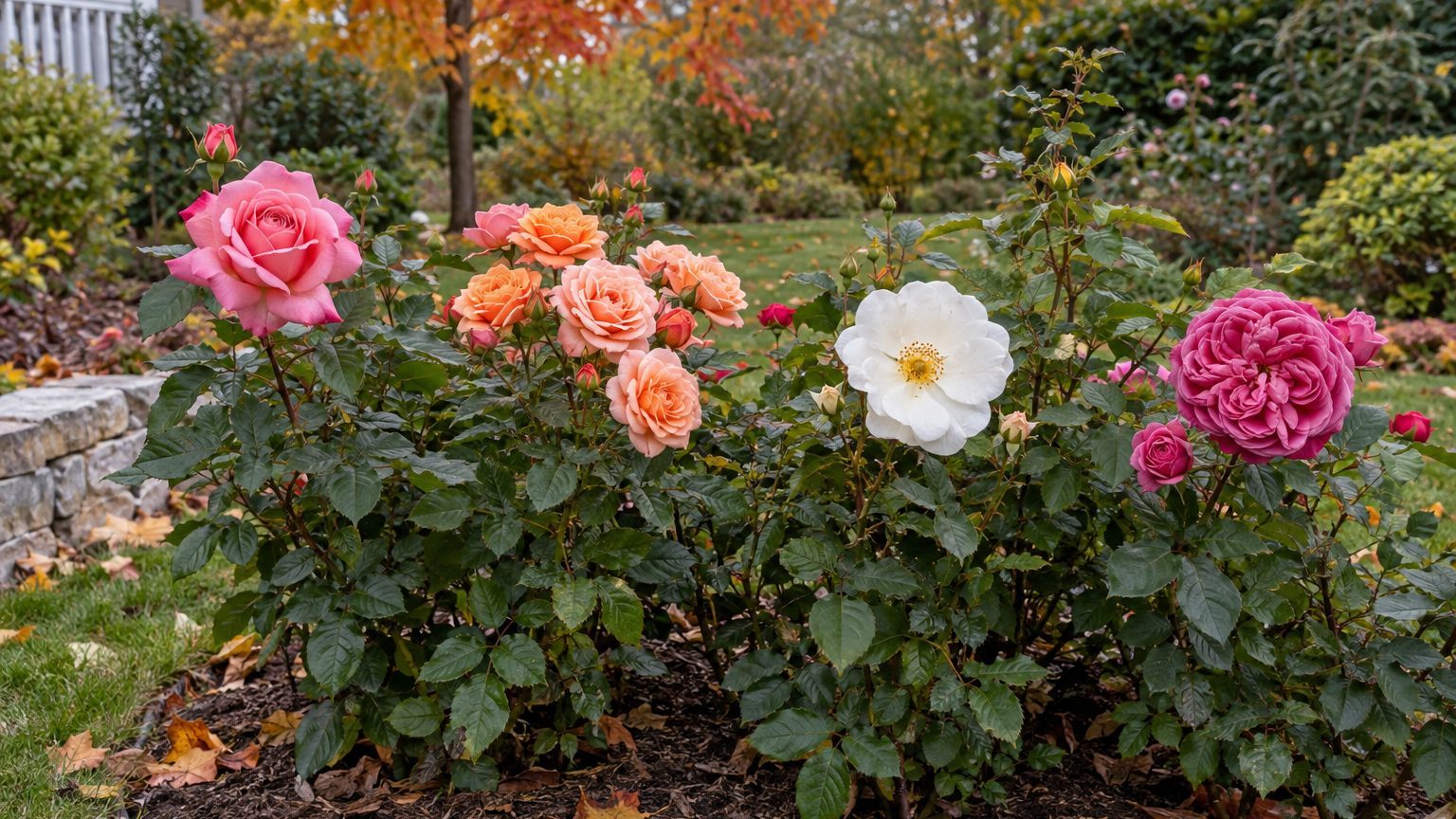
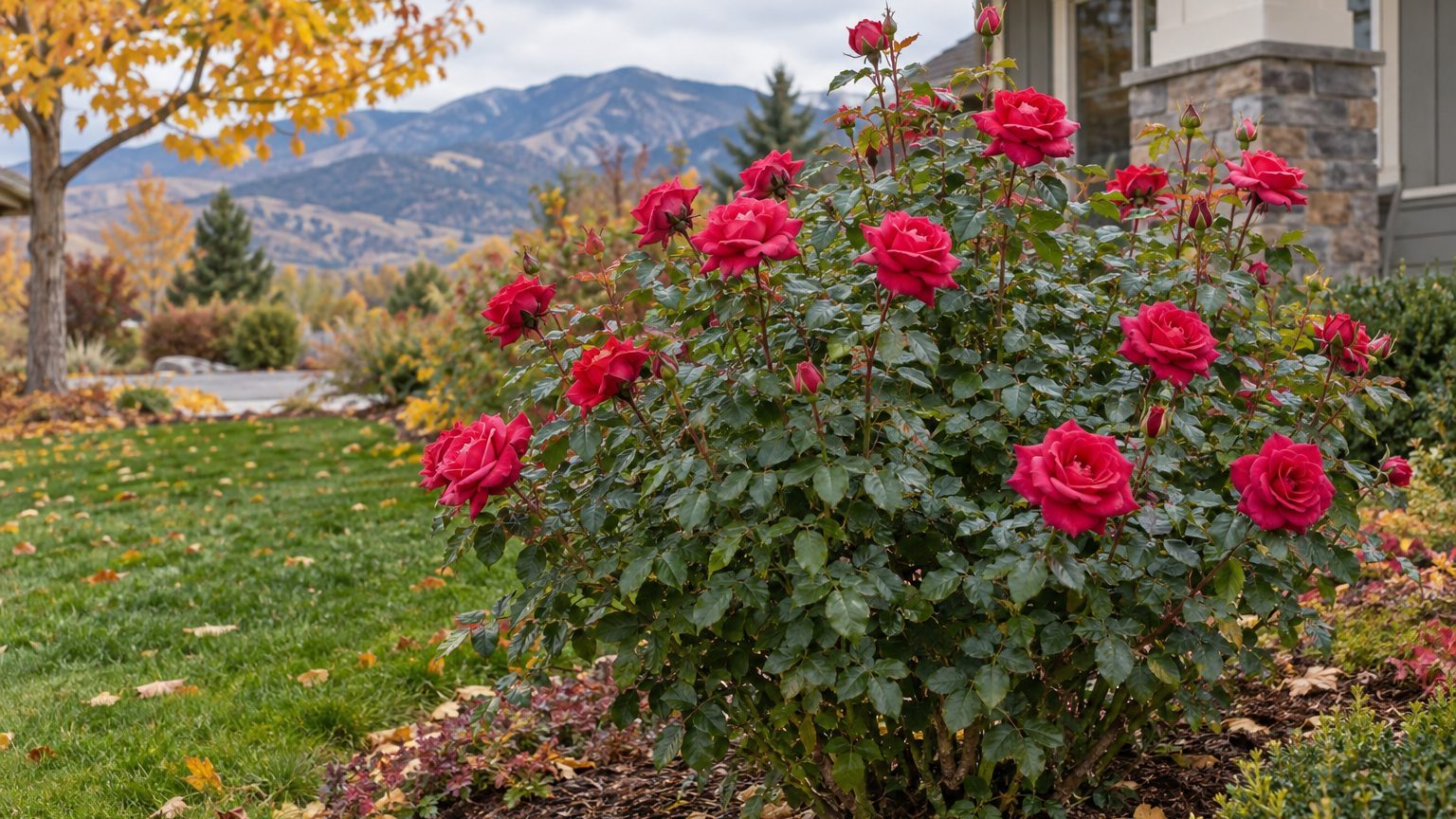
A rose bush in bloom in a home garden

Bare-root roses go in first, during April and May, and potted roses follow once the weather settles. In Billings, the last spring frost falls between April 29 and May 10, which is why a freshly planted rose still needs a cover on hand for cold nights.

  • In early spring, as soon as the ground can be worked, plant bare-root roses while they are still dormant, which means April through May.
  • In April, prune repeat-blooming roses such as hybrid teas, floribundas and modern shrub roses, and gradually take off winter protection. May works too if spring runs late.
  • Once the danger of hard frost has passed, potted roses can go in later than bare-root ones, because green growth is far more tender than a dormant cane.
  • From May through July, feed roses regularly with an all-purpose fertilizer while they grow.
  • By mid-August, stop feeding so new shoots have time to toughen before cold arrives.
  • In November, mound soil over the crowns for winter. October and December also work if the weather pushes the job earlier or later.

In Billings, the first fall frost arrives October 1 to October 14, and mountain valleys elsewhere in Montana can frost in any month.

Which Roses Grow Best in Montana?

Hardy shrub roses suit Montana’s severe winters best, because they are vigorous and ask for little care. Tender types such as hybrid teas and grandifloras can grow here, but they need extra winter protection.

USDA hardiness zones across Montana run from 3a to 6a, so a rose that thrives in a milder valley may struggle in colder places.

Rose type How it does in Montana Why
Hardy shrub roses Vigorous, low-fuss, some tolerate winter lows of -45°F Bred and selected for severe winters
Explorer series and Knock Out Perform well without extra protection Hardy shrub roses that carry themselves through cold
Alpine and Nootka roses Do better in warmer areas, survive on protected sites Less cold-tolerant than other shrub roses
Hybrid teas Need extra winter protection Tender canes and crowns in hard winters
Grandifloras Need extra winter protection Same tenderness as hybrid teas

Old garden roses, ramblers and many climbers bloom once a year, so they fit a garden where you want one big flush rather than repeat flowers. Their care differs from the repeat bloomers, as the pruning notes below explain.

When to Prune, Feed and Protect Roses in Montana

Each rose task has a month that matches what the plant is doing. Prune too early and new growth meets killing frost. Feed too late and soft shoots reach winter unprepared.

Once-blooming roses flower on last year’s wood, so prune them right after they bloom, never in early spring. Details on cutting live on the page for when to prune roses in Montana.

Task Timing in Montana Why then
Pruning repeat-blooming roses April (May also works) Cuts made too early leave new growth open to a killing frost
Feeding May, June, July (April and August also work) Feeds the plant while it is actively growing
Putting on winter protection November (October or December also work) Soil goes over the crown once nights turn properly cold
Taking winter protection off April (May also works) Soil comes off gradually once the danger of hard frost has passed

Hybrid teas, floribundas and grandifloras gain the most from the November mound, while hardy shrub roses usually go without.

How Rose Care Dates Change Across Montana

Frost timing shifts with the landscape, and the months above are a guide to adjust by what your own yard does in spring and fall.

  • Mountain valleys elsewhere in the state: Frost can come in any month, so cover young roses on cold nights and plant toward the later end of the spring window.
  • Milder valleys: Spring work can start closer to the early end of the April and May windows, and protected sites are where the less cold-tolerant shrub roses, such as Alpine and Nootka, have survived.

Watch your own beds, because a sheltered south wall can run milder than an open lawn nearby.

Where to Get Rose Advice in Montana

For questions about local conditions, Montana State University Extension and the county extension office are the places to ask. They can look at a sick plant or test your soil.

  • County extension offices can identify a problem from a cane or leaf sample, and spring is a good time to take a sample to the office.
  • A soil test before planting shows what the bed needs, so book it ahead of the April and May planting window.
  • Take a soil sample from the rose bed this spring before the bare-root plants go in.

Common Questions

Can You Plant Roses in Montana in the Fall?

The planting months for bare-root roses are April and May, while the plants are still dormant. Spring is the window to use, since that is when the ground can be worked and roots have a full season to settle.

Can You Plant a Potted Rose After May?

Potted roses can go in later than bare-root ones, once the danger of hard frost has passed. Young plants still fear frost, so keep a cover handy for cold nights.

How Much Soil Should You Mound Over a Rose for Winter?

Mound about eight inches of soil over the bush to protect it against late frost. Take the mound off gradually once the danger of frost has passed.

The almanac, state by state. Every date on this site comes from a state’s own frost facts and its extension service’s calendar — and says where it comes from.