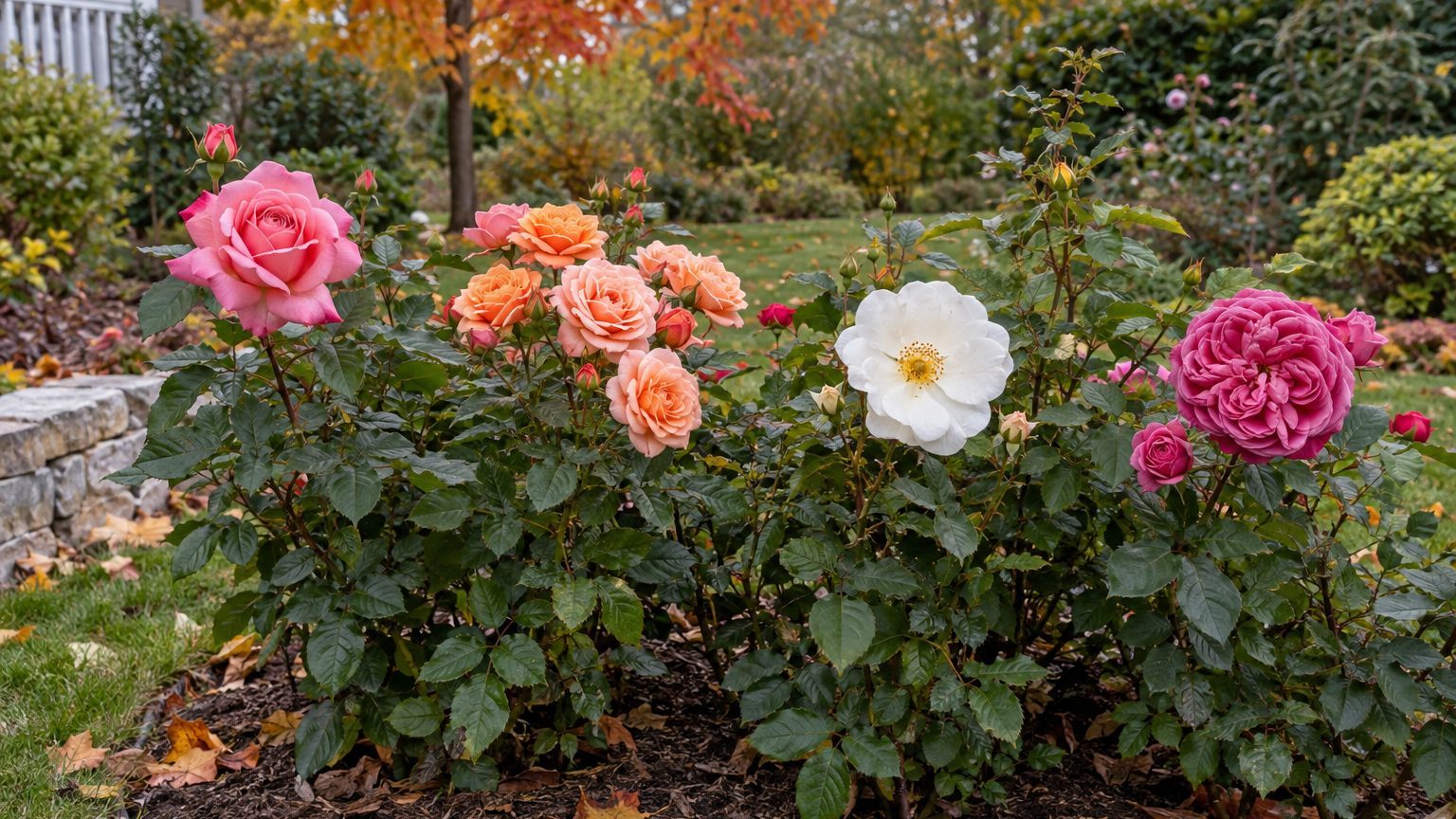
A rose that leafs out in a Montana spring has already come through a long, hard winter. The ones that settle in and bloom year after year are mostly hardy shrub roses, while fussier garden roses ask for more care. Knowing which type suits your yard saves money before a single plant goes in the ground.
Best Roses to Grow in Montana

Hardy shrub roses are the ones that settle in across Montana, because winter sets the limit here. The climate is only marginally suited to most types of roses, yet many shrub roses are hardy and vigorous and need little care under severe conditions. Hardiness zones in the USDA system run from 3a to 6a across the state, so check your own zone before you buy.
Hardy Shrub Roses

Some shrub roses tolerate winter temperatures of -45°F, making them a sound starting point in cold yards. Hardy types such as Knock Out and the Explorer series perform well without extra protection.
Among the shrub rose divisions, hybrid kordesii, hybrid rugosa and shrub roses are the ones with cultivars that have adapted to Montana. Look for those words on the plant tag.
Hybrid Rugosa and Hybrid Kordesii

These groups come from divisions with proven cultivars for Montana, which makes them a sensible shortlist when a nursery offers a long row of choices.
Ask for a named cultivar from either group and check that it is sold for cold climates. A tag that only says “hardy” tells you little.
Alpine and Nootka Roses
Alpine and Nootka roses do better in the warmer areas of the state. They have survived on protected planting sites, so give them a spot out of the open wind, such as the sheltered side of a building or a fence.
In a cold valley or an exposed yard, pick one of the sturdier shrub roses instead.
Red Leaf Rose
The Red Leaf Rose, Rosa rubrifolia, can reach a height of several feet. That makes it a good fit at the back of a border, where its size is an asset instead of a problem.
Leave it room to grow. Crowding a tall shrub rose leads to hard pruning later.
Hybrid Teas and Grandifloras
In Montana they ask for more than a shrub rose does, since hybrid teas and grandifloras often need additional winter protection.
Grow them if you enjoy the extra work, and treat them as a few special plants rather than the backbone of the bed.
Montana — the year and the numbers
- State
- Montana
- USDA zones
- 3a-6a
- Last spring frost
- April 29 to May 10
- First fall frost
- October 1 to October 14
- Annual rain
- 14 in
- Lawn zone
- transition-season
- Source
- NOAA NCEI 1991-2020 Climate Normals, 32F freeze probabilities · Billings
How to Choose a Rose for a Montana Garden
Start with the worst thing your yard throws at a rose, then work backward to the type. In a cold Montana yard, hardiness comes before flower color.
A rose that suits your situation will cost you less in replacements, sprays and winter chores than a prettier one that does not.
| Your situation | What suits it in Montana | Why |
|---|---|---|
| Very cold winter | Explorer series, hybrid rugosa, hybrid kordesii | Hardy shrub roses get through winter without extra protection, and some tolerate -45°F |
| Humid summer | Simplicity series | It is a shrub rose series described as resistant to pests and diseases |
| Little time | Hardy shrub roses such as Knock Out | They are vigorous and need little care under severe conditions |
| Small space | Miniature roses | They are naturally dwarf and stay popular in small garden spaces |
| Warmer, sheltered spot | Alpine or Nootka roses | They do better in warmer areas and have survived on protected sites |
Floribundas, a cross between a hybrid tea and a polyantha, typically repeat bloom each season, and they suit a gardener willing to give some winter care. For a tall screen or a back-of-border plant, the Red Leaf Rose does the job.
Which Roses Suit Different Parts of Montana
Montana is large, and the same rose does not face the same winter in every part of it. Local winter patterns matter when you choose.
- Billings: This is one of the milder valleys, with the last spring frost usually falling between April 29 and May 10. Alpine and Nootka roses have a better chance here if they get a protected site.
- Mountain valleys: Frost can arrive in any month in the mountain valleys elsewhere in the state. Lean on the hardiest shrub roses and treat hybrid teas as an experiment.
If your yard falls between these conditions, plant the hardy types first and add anything tender only after seeing how your own site behaves through winter.
Rose Buying Mistakes to Avoid in Montana
Buying a Tender Type
A hybrid tea or grandiflora bought on looks alone can be an easy rose to lose here. These types need extra winter protection, and without it the canes can die back hard.
Choose a hardy shrub rose for the main planting. If you still want a hybrid tea, plan the winter mounding before it arrives.
Ignoring Disease in Humid Summers
A variety that is prone to disease turns a wet summer into a season of spotted leaves and spraying. The cost is a plant that looks poor and needs more work from you.
Look for shrub roses sold as pest and disease resistant, such as the Simplicity series, which also repeat bloom through the growing season. Meidiland roses are another series useful in the landscape.
Buying a Grafted Rose
A grafted rose is only as hardy as its graft union, and in a hard winter the grafted top can die while the rootstock survives. You then end up with a vigorous plant that is not the rose you bought.
Choose bare-root plants on their own roots, graded Number 1. If the top freezes back, what regrows is still the rose you chose.
Where to Get Rose Advice in Montana
Local growers know which cultivars have come through your valley’s winters. Local sources can point you to proven choices before you spend money on plants.
- Montana State University Extension publishes guidance on growing shrub roses in the state, and it is worth reading before the nursery trip in spring.
- Your county extension office can tell you which roses have done well locally and which frost pockets to avoid, so call before you plan the bed.
Common Questions
When Should You Prune Roses in Montana?
Repeat-blooming roses such as hybrid teas, floribundas and modern shrub roses are pruned in April. May also works if spring runs late. Once-blooming roses, including old garden roses, ramblers and many climbers, flower on last year’s wood, so prune them right after they bloom and never in early spring.
When Can You Plant Bare-Root Roses?
Plant them in April or May, as soon as the ground can be worked and while the plants are still dormant. Potted roses can go in later in the season.
When Should You Cover Roses for Winter, and When Do You Uncover Them?
November is the usual time, around Thanksgiving. October or December also works. In Montana, the advice is to mound about eight inches of soil over the bush. Take it off gradually in April, or in May, once the danger of hard frost has passed.