Skip to content

Delaware

  1. Jan
  2. Feb
  3. Mar
  4. Apr
  5. May
  6. Jun
  7. Jul
  8. Aug
  9. Sep
  10. Oct
  11. Nov
  12. Dec
State
Delaware
USDA zones
7a-8a
Last spring frost
April 3 to April 14
First fall frost
October 26 to November 7
Annual rain
45 in
Lawn zone
cool-season
Source
NOAA NCEI 1991-2020 Climate Normals, 32F freeze probabilities · Wilmington

The year in Delaware, from the calendar

  1. Jan—
  2. FebPrune fruit trees
  3. MarSpring bulbs bloom · Feed hydrangeas · Renew an overgrown lilac · Plant roses · Prune roses
  4. AprSpring bulbs bloom · Plant hydrangeas · Lilacs bloom · Renew an overgrown lilac · Feed roses
  5. MaySpring bulbs bloom · Feed hydrangeas · Plant hydrangeas · Lilacs bloom · Prune lilacs
  6. JunPrune bigleaf hydrangeas · Prune lilacs · Feed roses · Mow · Water
  7. JulFeed hydrangeas · Prune bigleaf hydrangeas · Feed roses · Mow · Water
  8. AugPlant hydrangeas · Seed the lawn · Feed roses · Aerate · Dethatch
  9. SepPlant hydrangeas · Seed the lawn · Plant peonies · Aerate · Dethatch
  10. OctPlant spring bulbs · Plant peonies · Plant trees · Mow
  11. NovCut back peonies · Plant trees · Mow
  12. DecCut back peonies

From the state frost facts and extension calendars: University of Maryland Extension · Rutgers Cooperative Extension (NJAES) ; University of Kentucky Cooperative Extension · Clemson HGIC factsheet — Hydrangea · Penn State Extension — Lawn Management through the Seasons; Lawn Establishment.

When to Prune Fruit Trees in Delaware

When to Prune Fruit Trees in Delaware

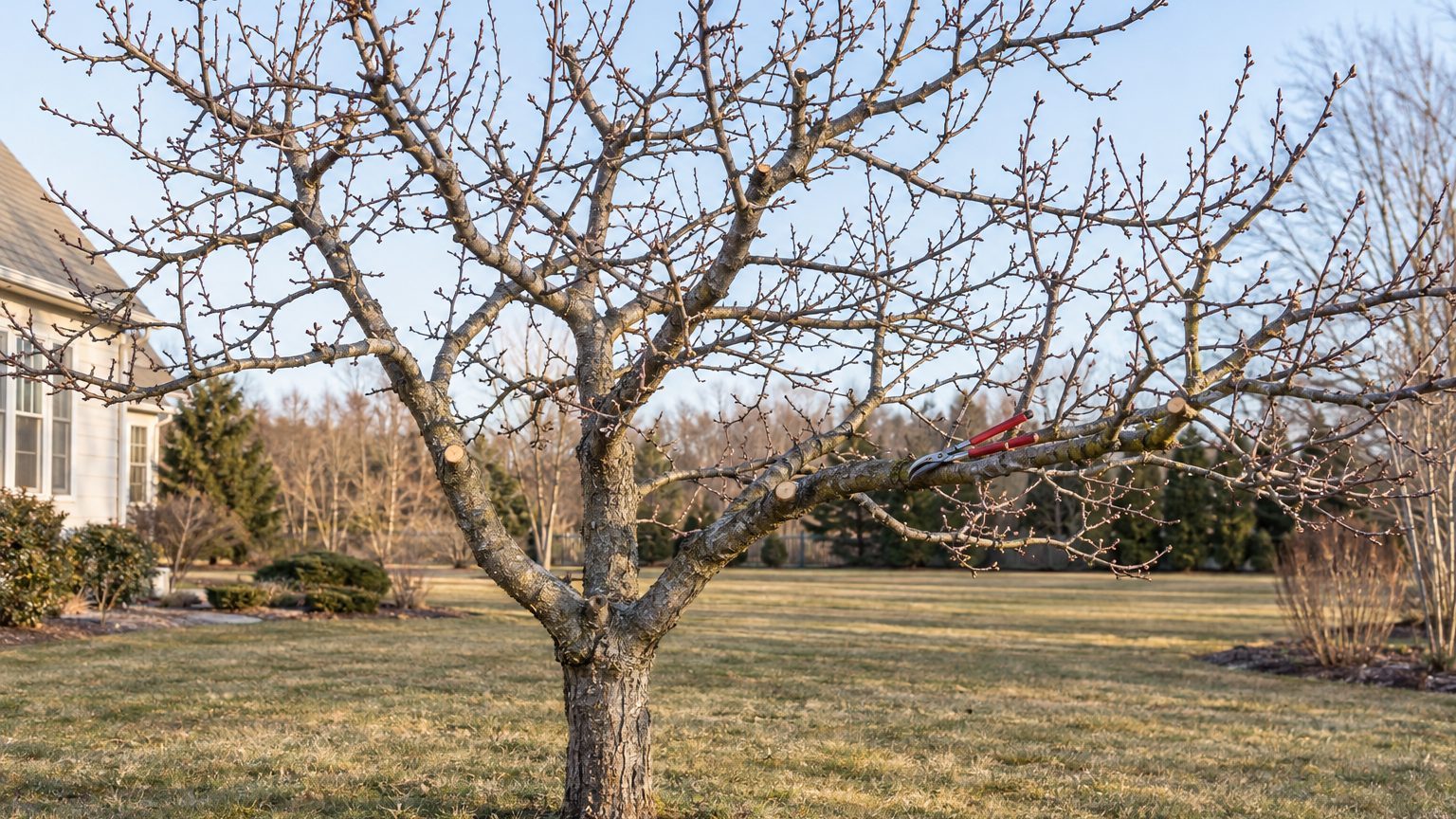
Bare branches against a gray late-winter sky are the signal for fruit tree pruning in Delaware. Apple, pear, peach, cherry and plum trees are cut while they sleep, after the hardest cold has passed and before the buds wake.

When to Prune Fruit Trees in Delaware

Pruning a dormant fruit tree before the buds open

Prune fruit trees in Delaware while they are dormant, in February and March, just before growth begins. Pruning can also be done in April. Cuts made then heal quickly, and the tree has no soft new growth for a cold snap to catch.

Pruning in fall or early winter is avoided, because new growth may not harden before the cold. The table lays out each kind of tree.

Fruit tree When to prune in Delaware Why
Apples and pears February to March, while dormant Apples go first, in the middle of the rest period, before any bud swells
Peaches and nectarines Late March, after apples and pears Their flower buds are easily hurt by cold, so they are cut last, closest to bloom
Cherries and plums February to March, with April as a fallback Cuts made just before growth starts close over quickly
Young trees Not before February Young, nonbearing trees are more likely to suffer winter injury if cut too early

Delaware sits in USDA hardiness zones 7a to 8a, and the last spring frost at the Wilmington airport falls between April 3 and April 14. Gardens inland or out in the country often see frost somewhat later, so check with your county office before you count on those dates.

How to Tell Your Fruit Trees Are Ready to Prune

The tree itself gives better timing than a calendar, and a few signs in the branches show when the window is open.

  • The leaves are all gone, which means the tree is dormant and a cut will not drain energy from active growth.
  • The hardest cold of winter has passed, so a fresh wound will not be hit by a deep freeze.
  • The buds are still tight and closed, which tells you pruning can go ahead without knocking off swelling flower buds.
  • Buds on apples and pears are just starting to fatten, a sign to finish those trees soon.
  • Peach buds are showing color or swelling, a sign that those trees are now ready, since they are cut last.

Once leaves begin to open, the dormant window has closed, and any remaining work is better left until the tree is at rest again.

When to Prune Peach and Apple Trees in Delaware

Apples are pruned first, in the middle of the dormant season, usually in February or March. Their wood tolerates a cut well, and the earlier you work, the more time the tree has to seal the wounds before spring growth. Young apple trees wait until February or later.

Peaches come last, from late March. Their flower buds are easily hurt by cold, so pruning them close to bloom lets you see which buds survived the winter and trim around any damage. Cutting too early leaves open wounds and tender buds exposed to a late freeze.

Nectarines are even more prone to brown rot than peaches, so give them open, airy branches that dry quickly after rain. Delaware advice on summer pruning is not a part of the standard dormant routine, so keep the main cutting for the dormant season.

Where to Get Fruit Tree Advice in Delaware

Local help fits the way each yard differs, from soil to frost pockets. The state extension service and your county office can answer questions about your trees and your particular spot.

  • University of Delaware Cooperative Extension offers fruit tree guidance for home growers, and it is a good first stop before winter ends.
  • Your county extension office can tell you how local frost timing affects your pruning dates, so call before the buds start to swell.

Common Questions

Can You Prune Fruit Trees in Fall in Delaware?

Fall pruning is avoided, because it can push new growth that has no time to harden before cold arrives. Wait until the tree is dormant in late winter.

Should You Plant Fruit Trees at the Same Time You Prune?

Fruit trees go in the ground in March or April, with November also working. Bare-root trees are planted while dormant, before the buds open, so the planting and pruning seasons overlap in early spring.

Do Pear, Plum and Cherry Trees Need a Partner Tree?

Plant at least two of the recommended pear, plum and sweet cherry varieties, so the trees can pollinate each other and set fruit.
Best Time to Plant Trees in Delaware

Best Time to Plant Trees in Delaware

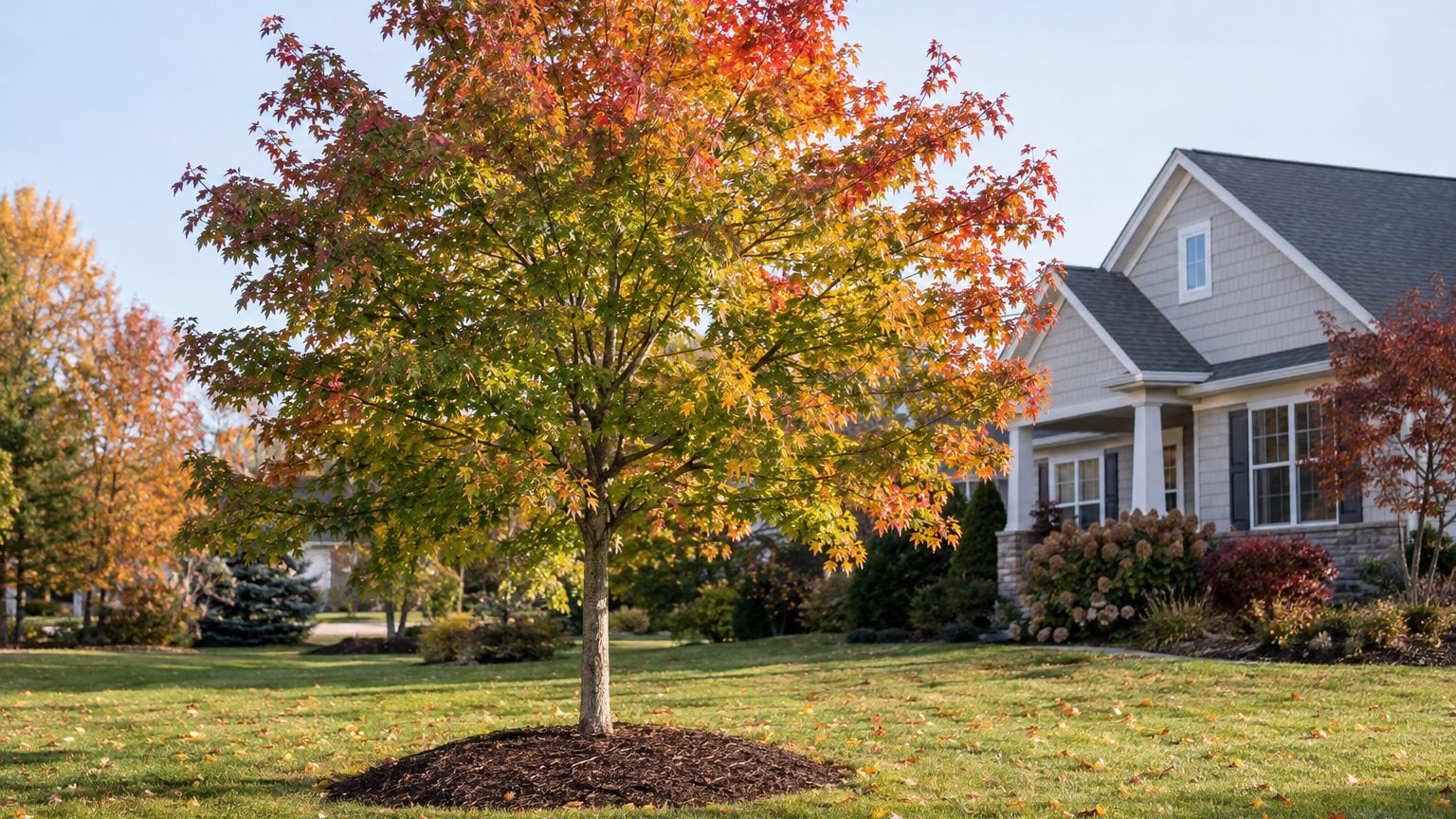
A young maple or crabapple settles in best when the ground is cool and moist, and Delaware gives you two good stretches for that. Plant shade and ornamental trees in March and April, or in October and November, and plant fruit trees in March and April.

When Is the Best Time to Plant Trees in Delaware?

A young shade tree newly planted in a home yard

Shade and ornamental trees do best planted in March, April, October or November, while the tree is dormant or just waking and the soil can be worked.

  • In February, a tree can still go in on a mild day, as long as the soil is not frozen.
  • In March and April, container and balled-and-burlapped trees get a full season of root growth before summer heat arrives.
  • Once summer comes, planting gets hard, because heat and dry soil stress new roots. Container trees can still go in if you water them well, but they settle best in the dormant season.
  • In October and November, roots keep growing in soil that still holds summer warmth, even after the leaves have dropped.
  • In December, planting is still possible when the ground stays open.

Some trees do better planted in spring than in fall: magnolia, dogwood, tuliptree, sweet gum, red maple, birch, hawthorn, poplars, cherries, plums and many oaks. At the Wilmington airport reference station, the last spring frost falls between April 3 and April 14, and the first fall frost between October 26 and November 7. Suburban and rural yards often freeze later in spring and earlier in fall, so check with your county. Delaware sits in USDA hardiness zones 7a to 8a, so winter cold varies a bit from one part of the state to another.

When to Plant Fruit Trees in Delaware

Fruit trees go in during March and April, and bare-root trees want that early-spring slot most of all. Plant them while still dormant, before the buds open, as soon as the soil is workable.

Fall planting can also work in November. Container trees are more forgiving than bare-root ones, though they still settle best in the dormant season.

Kind of fruit tree When to plant in Delaware Why then
Bare-root March to April, while dormant The tree has no soil around its roots, so it needs to be in the ground before the buds open
Container March to April, or November The root ball stays intact, and the cool, dormant season lets roots settle before summer heat

Plant two or more varieties of pear, plum or sweet cherry, since several of them need a partner nearby for good fruit. The variety details live on the page about fruit trees to grow.

Best Trees to Plant in Delaware

Choose a tree that fits your spot, and Delaware’s mix of cold winters, hot summers and soils that run from wet to dry gives you plenty to pick from. Tough shade trees handle that swing well, and a mix of conifers and hardwoods suits a larger site.

Tree How it does in Delaware Why
Ginkgo A large shade tree with bright yellow fall color It tolerates adverse growing conditions
London planetree A medium to large tree for tough spots It is very tolerant of adverse conditions
Thornless honeylocust A large tree for sites that swing between wet and dry It tolerates both wet and dry soils
American holly Adds winter interest It stays green through the cold months
White pine Works well beside hardwoods Conifers mixed with hardwoods suit a larger site

Under existing tree cover, shade-tolerant choices such as eastern hemlock, blackgum or sugar maple fit better than sun lovers. Match any tree to your room, your sun and your zone before you buy.

When to Plant, Water and Prune Trees in Delaware

The year for a tree follows the same rhythm: plant while it rests, water while the roots are settling, prune fruit trees before the buds swell.

Task Best timing in Delaware Why then
Plant shade and ornamental trees March to April, or October to November Roots grow in cool, moist soil without summer stress
Plant fruit trees March to April, or November Bare-root trees go in dormant, before the buds open
Water a young tree Regularly through its first summer, and whenever the soil is dry and not frozen New roots dry out fast in heat and dry soil
Prune fruit trees February to March, with April as a fallback The trees are dormant and growth is about to begin

Apples are pruned first and peaches last, from late March, because peach flower buds are easily hurt by cold. Avoid pruning in fall or early winter, since new growth may not harden before the cold. Young trees wait until February. The page on pruning fruit trees goes deeper.

Where to Get Tree Advice in Delaware

Your county office can help you choose a species that fits your yard and your soil, and it can steer you toward a soil test before planting.

  • The University of Delaware Cooperative Extension offers guidance on choosing and caring for trees, so it is a good place to start before buying.
  • Your county extension office can take a soil sample and answer questions about a specific yard, and it is worth a visit before spring planting begins.

Common Questions

Can You Plant a Tree in Summer in Delaware?

You can, if the tree comes in a container and you water it faithfully. Heat and dry soil press hard on new roots, which is why the cooler months give a tree an easier start.

Should You Remove the Burlap from a Balled-and-Burlapped Tree?

Set the tree in the hole, then cut away the wire and fold back or remove the burlap from the top of the ball. Leftover wire and burlap can hold roots in, so clear as much as you can.

Can You Plant Trees in Winter in Delaware?

Yes, in December or February, whenever the soil is not frozen and can be dug. Mild stretches in winter let you get a dormant tree in the ground ahead of spring.

Best Peonies for Delaware

Best Peonies for Delaware

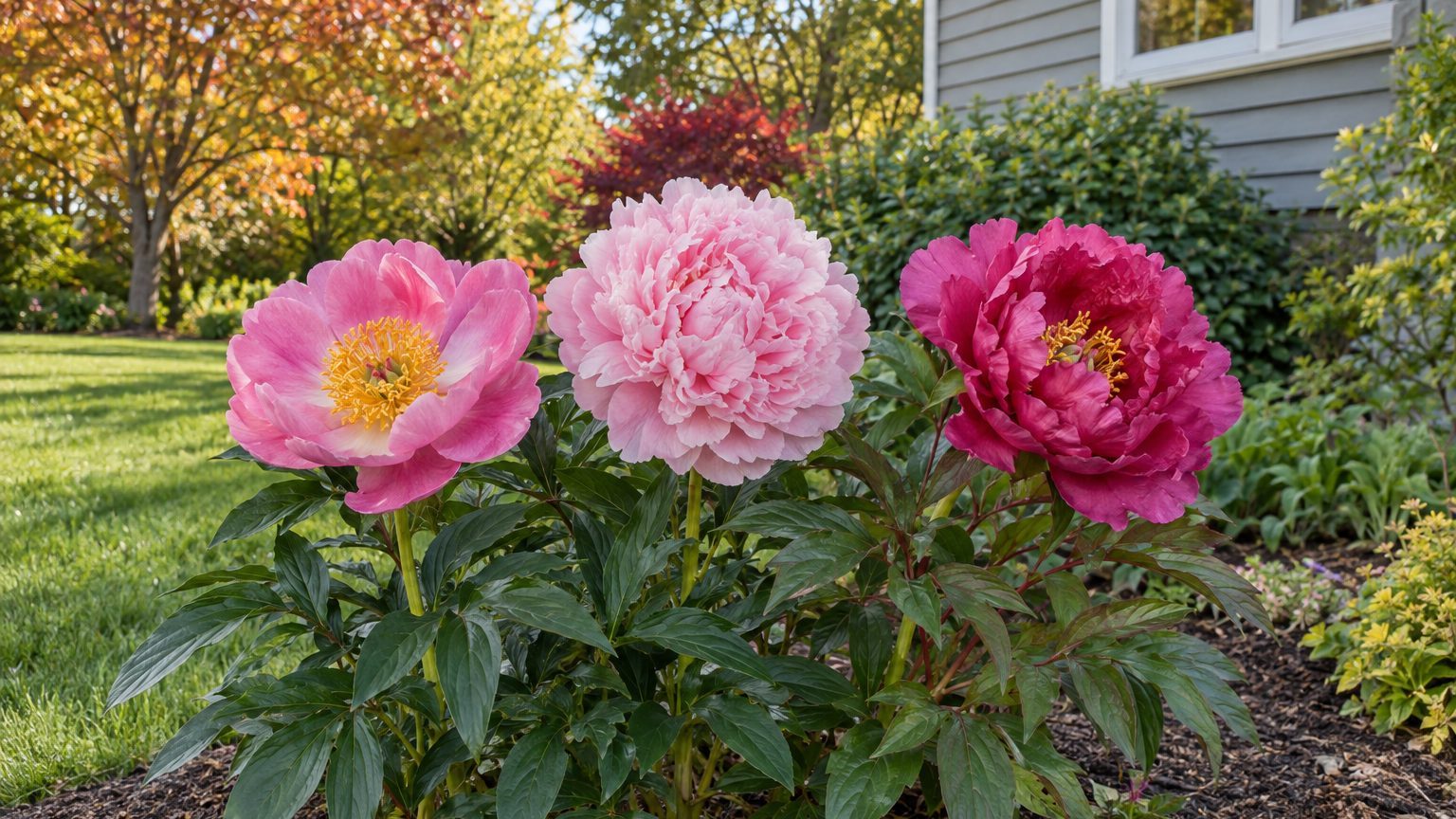
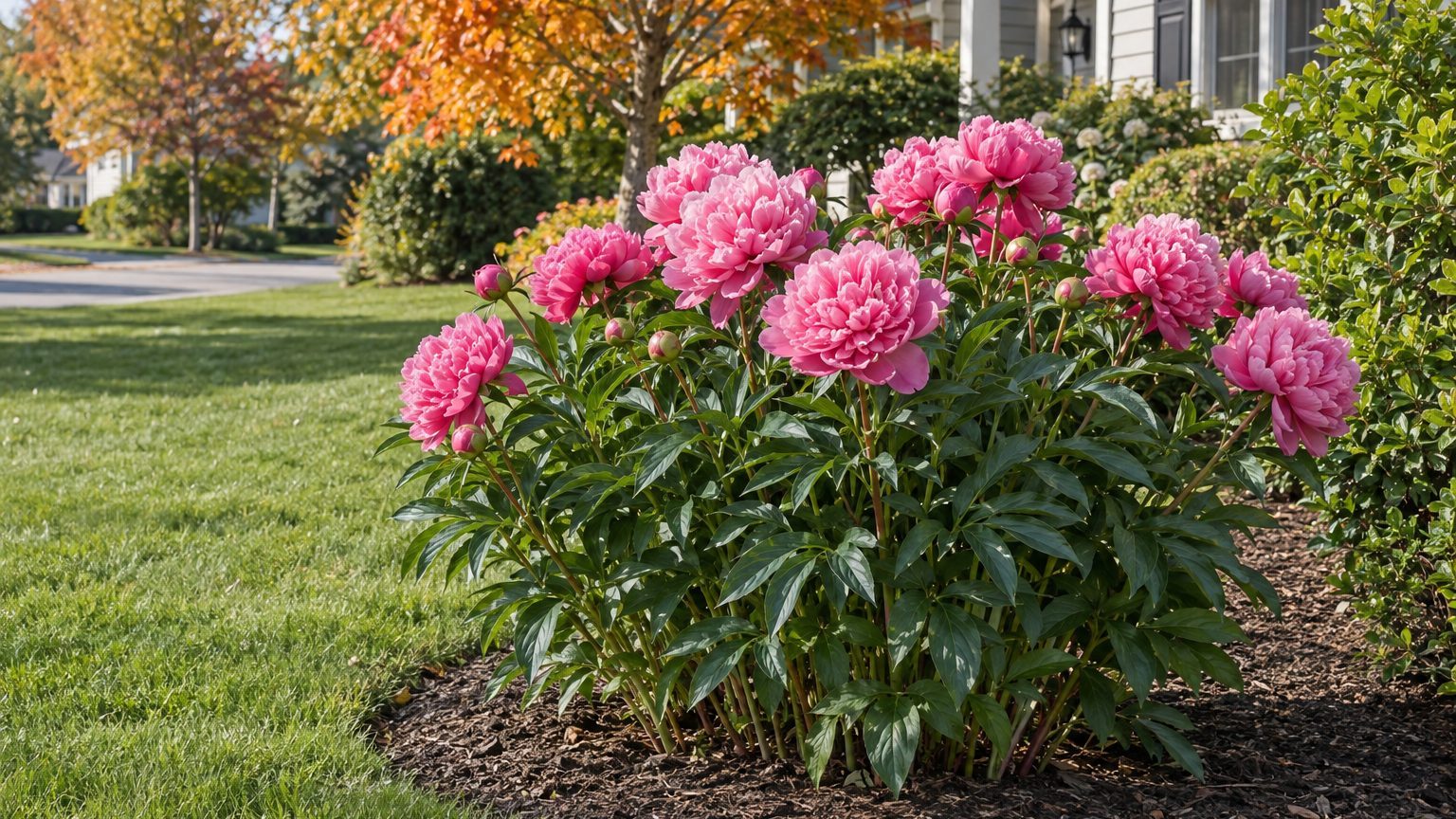
Peonies stand in full bloom in Delaware gardens each May, then return year after year. Herbaceous and intersectional peonies are the easiest types to grow, while other types fit particular garden conditions.

Best Peonies to Grow in Delaware

Best Peonies for Delaware

Herbaceous peonies and their intersectional cousins are the dependable choices here. Peonies need a cold winter rest to flower and may flower poorly in mild-winter climates. Delaware spans USDA zones 7a to 8a, and peonies may flower poorly where winters are mild.

Herbaceous Peonies

Herbaceous Peonies — Best Peonies for Delaware

The common garden peony, Paeonia lactiflora, is the standard herbaceous form in most home gardens. It comes in many flower forms and colors, from single and Japanese types to anemone, semi-double, double and bomb-double.

Each fall the plant dies back to the ground, then new growth emerges in spring. That rhythm suits Delaware, and these peonies grow reliably year after year.

Intersectional Peonies

Intersectional Peonies — Best Peonies for Delaware

Intersectionals share the same culture as herbaceous peonies. They also die back to the ground each fall and send up fresh growth in spring.

Because the routine is identical, you can mix them with herbaceous types in the same bed and treat them alike. Along with herbaceous peonies, they are the easiest to grow.

Sarah Bernhardt

This herbaceous cultivar is popular for cutting and in landscapes.

Karl Rosenfeld and Festiva Maxima are also popular cut-flower and landscape cultivars.

Fernleaf Peony

Paeonia tenuifolia is noted for finely cut, fern-like foliage and crimson red flowers. It brings a lighter, feathery texture to a border that peonies with broad leaves cannot.

Place it near the front of a bed, where the foliage is easy to see up close.

Woodland Peonies

Paeonia japonica and Paeonia obovata are best suited to shade gardeners. If your yard is shaded, these are the peonies to look for.

The red flowers of Paeonia officinalis and Paeonia peregrina, which are native to Europe, are another way to bring color into a garden.

How to Choose a Peony for a Delaware Garden

Start with how much sun the spot gets and how much attention you want to give. Most Delaware yards can grow herbaceous peonies, so the choice is mainly about flower style, foliage and shade.

A new plant may not bloom its first spring, so give it time to settle.

Your situation What suits it in Delaware Why
Little time for upkeep Herbaceous or intersectional peonies They are the easiest to grow, and each fall they die back to the ground
Shady yard Woodland peonies (P. japonica, P. obovata) They are best suited to shade gardeners
Cut flowers for the house Sarah Bernhardt, Karl Rosenfeld, Festiva Maxima All are popular cultivars for cutting and for the landscape
Red flowers P. officinalis or P. peregrina These species are native to Europe and valued for red blooms
Fine, feathery foliage Fernleaf peony (P. tenuifolia) The foliage is finely cut and the flowers are crimson red
A mild winter spot Herbaceous peonies Peonies need a cold winter rest and may flower poorly in mild-winter spots

Choose by flower and foliage, and give the plant the winter chill it needs.

Which Peonies Suit Different Parts of Delaware

Delaware spans USDA zones 7a to 8a, and peonies may flower poorly where winters are mild.

  • New Castle County: Herbaceous and intersectional peonies are the easiest types to grow.
  • Kent County: Herbaceous and intersectional peonies share the same culture. Check your own county’s frost timing, since gardens outside town often see frost later in spring than airport readings suggest.
  • Sussex County and the beaches: Peonies may flower poorly where winters are mild. In Delaware, bloom can begin as early as mid-April in milder areas, earlier than in cooler ones.

Wherever you live, bloom time is centered on May.

Peony Buying Mistakes to Avoid in Delaware

Planting Too Deep

A peony set too deep may bloom poorly or not come up at all. Keep the eyes, the small pink buds on the root, near the soil surface when you plant.

When planting a potted peony, keep the eyes near the soil surface.

Cutting Back a Tree Peony

A herbaceous peony is cut back after frost, but a tree peony keeps its woody stems and is never cut back. Cutting a tree peony to the ground removes its living woody stems.

Check the label before you pick up the pruners, and cut back only the kinds that die to the ground.

Expecting Blooms Too Soon

A newly planted or transplanted peony may not bloom the first spring. Many gardeners decide the plant has failed and dig it up.

Leave it in place and let the roots settle. A peony is a long-lived perennial, and patience early on pays off for years.

Where to Get Peony Advice in Delaware

The University of Delaware Cooperative Extension offers local guidance on varieties and care. Your county office can speak to conditions where you live.

  • County extension offices in New Castle, Kent and Sussex can tell you how your area’s soil and winters affect the choice of peony.
  • Master gardener volunteers can help identify a plant you inherited, and fall is a good time to ask before dividing it.
  • Extension publications are worth reading before you order plants, so you know the planting depth and spacing in advance.

Common Questions

When Should You Plant Peonies in Delaware?

Plant or divide peonies from September through October. That gives the roots time to settle before winter, so the plant is ready to grow in spring.

When Do Peonies Bloom in Delaware?

Peonies bloom in May. In milder areas of the state, flowers can start from mid-April, earlier than in cooler areas, and late varieties can carry into June.

When Should You Cut Back Peonies in Delaware?

Cut herbaceous peonies back in November or December, after the foliage has died back. Early spring, in March or April, also works if you prefer to wait.

When Do Peonies Bloom in Delaware?

When Do Peonies Bloom in Delaware?

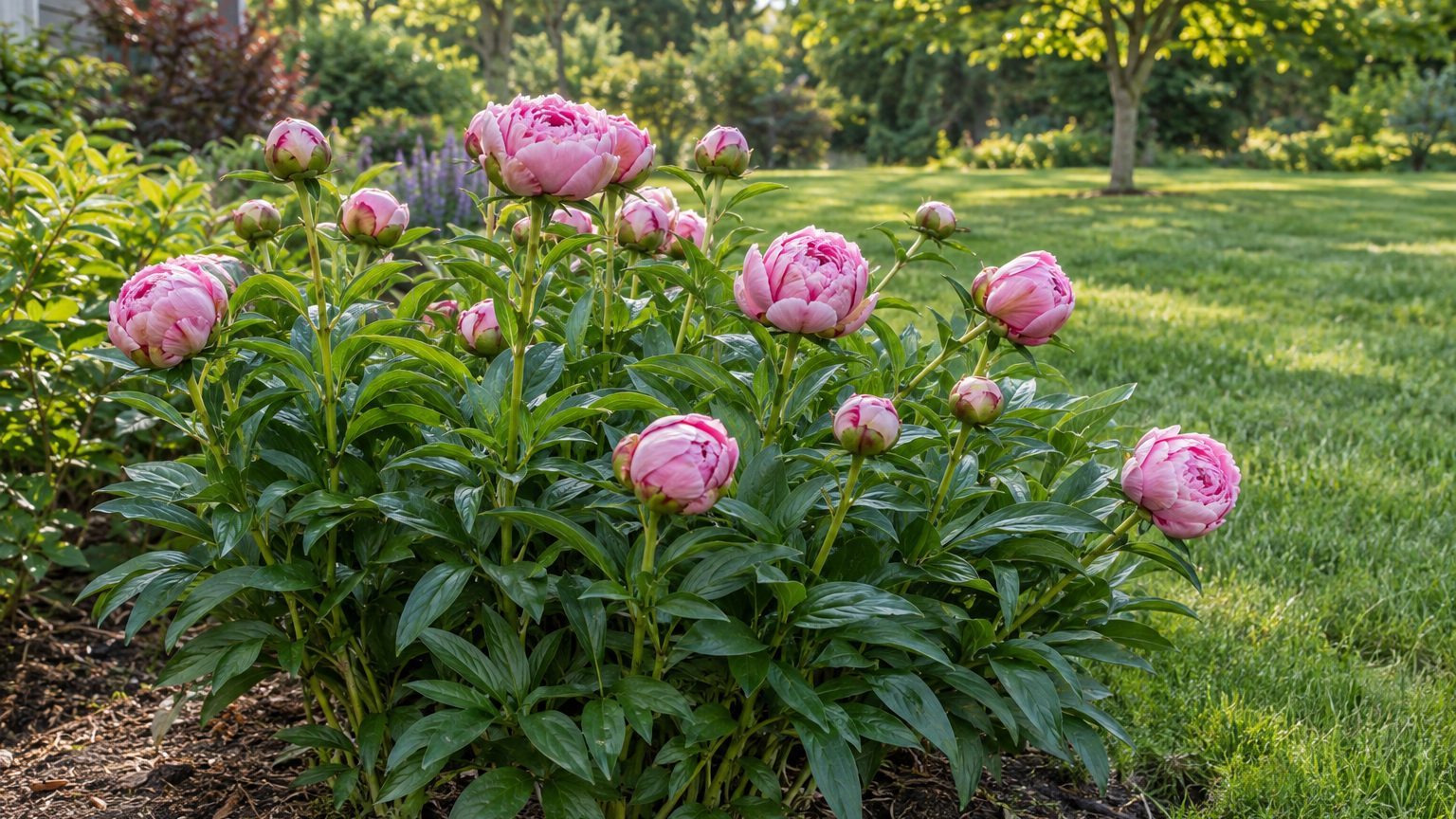
Peony buds swell fat and round in the garden just as the last cool spring mornings fade, and the show usually peaks in May. That is the answer for Delaware gardens, with a little room on either side depending on the variety and how warm your spot runs.

When Do Peonies Bloom in Delaware?

When Do Peonies Bloom in Delaware?

Peonies bloom mostly in May, and in the warmest parts the first flowers can open from mid-April. A late variety or a cool spring can push the last blooms into June.

Type of peony When it blooms in Delaware What to know
Herbaceous peony May, from mid-April in the south, into June Dies back to the ground each fall and returns in spring
Intersectional (Itoh) peony May, with the same spread on either side Grows the same way as an herbaceous peony
Tree peony May, with the same spread on either side Keeps its woody stems, so it is never cut to the ground

Peonies need a cold winter rest to flower and may flower poorly in mild-winter climates. A peony planted too deep may bloom poorly or not come up, so keep the eyes near the soil surface. A newly planted or transplanted peony may not bloom the first spring, so give it time to settle.

How to Tell When Your Peonies Are About to Bloom

The plant itself tells you more than the calendar, and signs appear as spring moves along.

  • Red, pointed shoots pushing out of the soil mean the plant has woken up and the season is underway.
  • Shoots that open into dark green leaves mean the stems are building the strength they need to carry flowers.
  • Small round buds at the stem tips mean flowers are on the way, so this is the time to put supports in place before the stems get heavy.
  • Swelling buds tell you the bloom is getting close.
  • Buds that feel soft when you press them gently, like a marshmallow, are about to open, and the color starts to show at the seam.

A peony planted too deep may bloom poorly or not come up.

When to Cut Back Peonies in Delaware

Cut herbaceous peonies back in November or December, once a hard frost has turned the foliage brown and flattened it. Early spring, in March or April, also works if you would rather leave the stems through winter.

Cut the stems to the ground after the foliage has died back.

Tree peonies are different. They keep their woody stems from year to year, so leave them standing.

How Peony Bloom Time Shifts Across Delaware

Bloom timing varies with local conditions.

  • In the warmest parts, flowers can open from mid-April. Mild winters can also mean fewer buds on some varieties, since peonies want a real cold rest.
  • Bloom is generally centered on May.

Warmer sites may open ahead of cooler sites in the same yard.

Where to Get Peony Advice in Delaware

Local help is close by. University of Delaware Cooperative Extension serves counties across the state, and the county office can answer questions about your own soil and microclimate.

  • The extension website has plant guides and gardening notes, which are worth reading in early spring before the shoots appear.
  • Your county office can help with a peony that will not bloom or shows spots on its leaves, so bring a photo or a cutting of the affected stem.

Common Questions

Why Did My Peony Not Bloom This Year?

Planting too deep is a frequent cause, so check that the eyes sit near the soil surface. A newly planted or transplanted peony may not bloom the first spring.

When Should You Plant or Divide Peonies in Delaware?

September and October are the months for planting or dividing. The roots then have time to settle before the cold arrives.

Do Peonies Do Well in Delaware?

Yes, herbaceous peonies and intersectionals are the easiest to grow, since they die back each fall and send up new growth in spring. Peonies may flower poorly where winters are mild.

When to Plant Peonies in Delaware: Dates and Care

When to Plant Peonies in Delaware: Dates and Care

Peony eyes sit just under the soil in autumn, pink and swollen, waiting out the cold that will make them flower. In Delaware, plant those roots in September or October, once the summer heat lets go.

When to Plant Peonies in Delaware

When to Plant Peonies in Delaware: Dates and Care

Plant or divide peonies in Delaware from September through October, so the roots settle in while the soil is still workable and well before winter. The year then follows a clear seasonal rhythm.

  • In September and October, set bare roots or divisions in the ground, keeping the pink eyes close to the soil surface, because a peony planted too deep may bloom poorly or not come up at all.
  • Through winter, the roots rest in the cold, and that rest is what triggers flowering the following spring.
  • In spring, red shoots push up, and in the warmest parts the first flowers can open from mid-April.
  • In May, the main bloom arrives, and June can still bring late flowers.
  • In November and December, the foliage yellows and dies back, and that is when herbaceous plants get cut down.

For a reference city in Delaware, the last spring frost falls between April 3 and April 14, and the first fall frost between October 26 and November 7. Across Delaware, USDA hardiness zones range from 7a to 8a. Suburban and rural yards often freeze later in spring and earlier in fall than that city, so check your own county before you buy roots. A newly planted peony may also skip its first spring bloom.

Which Peonies Grow Best in Delaware?

Peonies do well in Delaware, though the state sits toward the milder end of what they like. They need a stretch of winter cold to flower, and they may flower poorly in mild-winter climates.

Herbaceous and intersectional types are the easiest to grow and share the same culture: they die back to the ground each fall and send up new growth in spring.

Peony type How it does in Delaware Why
Herbaceous Reliable, blooms in May Dies back each fall and rests through the winter cold
Intersectional (Itoh) Reliable, easy to grow Same yearly cycle as herbaceous, cut back after the foliage dies

Tree peonies keep their woody stems all year and are never cut back, so they need different handling from the types above. In a mild-winter climate, any peony may flower more sparingly.

When to Plant, Cut Back and Feed Peonies in Delaware

Planting and cutting back follow a clear seasonal rhythm.

Task Best timing in Delaware Why then
Plant or divide September through October Roots establish before the ground turns cold
Cut back herbaceous peonies November through December, or March and April The foliage has died back after frost, and early spring is the other window
Feed Ask for local guidance Feeding needs vary with garden conditions
Enjoy the bloom May, sometimes April or June Warm spells move flowering earlier or later

Cut herbaceous peonies to the ground once the leaves have browned. Tree peonies skip this job entirely.

How Peony Planting Dates Change Across Delaware

Delaware is small, but local conditions can still nudge the peony calendar.

  • New Castle County: Local conditions can shift the season relative to other parts of Delaware.
  • Kent County: The September-to-October planting window applies here as it does across Delaware.
  • In the warmest parts: Flowering here can start in mid-April.

Whichever county you garden in, plant or divide in September or October and watch your yard for seasonal shifts.

Where to Get Peony Advice in Delaware

University of Delaware Cooperative Extension answers plant questions for the whole state, and each county has its own office with local staff.

  • Your county extension office can help diagnose a peony that will not bloom or shows spots on its leaves, so bring a clipping.
  • A soil test through the office can help before planting.
  • Master gardener volunteers can answer questions about varieties and spacing at local events.

Common Questions

Can You Move a Peony in Spring in Delaware?

September and October are the recommended months for moving a peony.

Why Is a Delaware Peony Growing Leaves but No Flowers?

Look at planting depth and sunlight together. Eyes buried deep in the soil are a common reason for foliage without buds.

Do Peonies Need Winter Protection in Delaware?

Herbaceous peonies need a cold winter rest to flower.

Best Lilacs for Delaware

Best Lilacs for Delaware

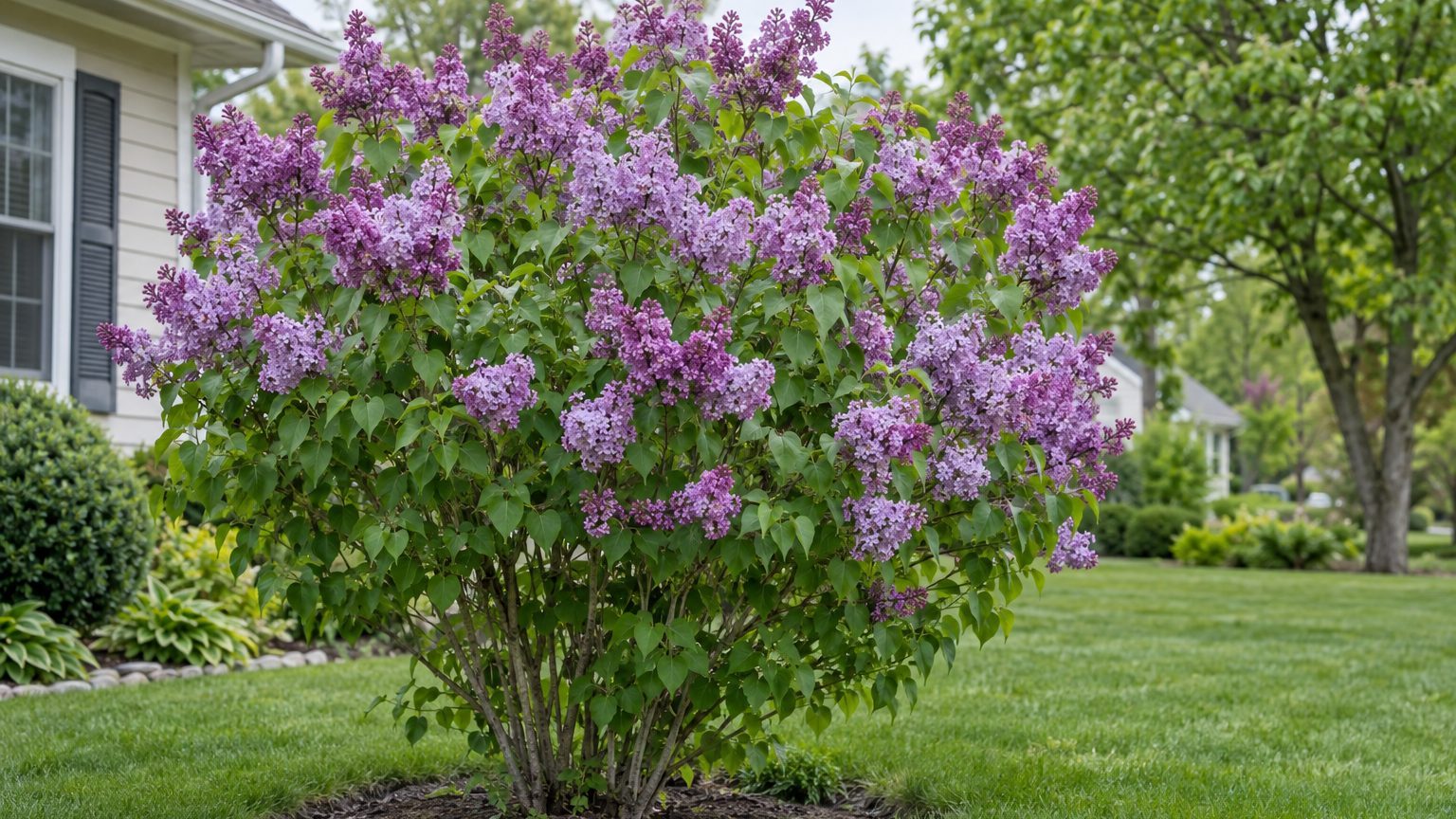
A lilac in full bloom, with fragrance drifting across the yard, is a spring picture many Delaware gardeners want to repeat. The catch is that the state’s mild winters and hot, humid summers suit some lilacs far better than others. Compact, disease-resistant types are the ones that keep flowering here.

Best Lilacs to Grow in Delaware

Best Lilacs for Delaware

Dwarf lilacs and disease-resistant cultivars hold up in Delaware, while old-fashioned common lilac struggles. Lilacs need a cold winter rest to mature their flower buds, and in the USDA system Delaware runs from zone 7a to 8a, which is gentle winter weather for them. Hot, humid summers add to the strain, so choose plants bred or known for heat tolerance and clean foliage.

Dwarf Lilacs

Dwarf Lilacs — Best Lilacs for Delaware

Dwarf lilac species and hybrids cope with hot, humid summers better than traditional varieties. Their compact growth keeps them manageable in smaller Delaware yards. For many Delaware yards, this is a practical place to start.

Meyer Lilac

Meyer Lilac — Best Lilacs for Delaware

Syringa meyeri ‘Palibin’ is a medium, dense shrub that resists powdery mildew, the gray dusting that commonly afflicts common lilac. That resistance matters in a humid state, where leaves stay wet and fungus spreads easily.

Give it a spot in full sun and it flowers in April.

Miss Kim

‘Miss Kim’ is a round, compact cultivar with pale lavender-purple flowers, and it has been around for decades. Its tidy size suits foundation beds, mixed borders and smaller front yards, and the track record gives you confidence in how it behaves.

Bloomerang Series

The Bloomerang series is powdery mildew resistant and reblooms. Some newer pink and deeper purple varieties also rebloom a bit, sporadically producing flowers into summer and early autumn. Expect a light second show rather than a full one, because high heat can hamper it.

Blight-Resistant Common Lilacs

Lilac blight is difficult to control, so buying resistant plants is far easier than fighting it later. Most common lilac cultivars are susceptible, but ‘Edith Cavell’, ‘Glory’, ‘Ludwig Spaeth’ and ‘Pink Elizabeth’ have been observed with less disease in gardens.

If you want the classic fragrance, start with these.

Resistant Lilac Species

Some species have shown resistance to blight, including S. josikaea, S. komarowii, S. microphylla, S. pekinensis and S. reflexa. They are less common at garden centers, so you may need to ask a nursery to source them. They suit gardeners who want something different from the usual purple hedge.

How to Choose a Lilac for a Delaware Garden

Start with the problem your yard is most likely to hand a lilac. In Delaware that is usually summer heat and humidity, followed by disease and a spot that is too small.

Match the plant to that problem and the rest tends to fall into place.

Your situation What suits it in Delaware Why
Hot, humid summers Dwarf lilac species and hybrids They handle heat better than traditional varieties and stay compact
Little time for upkeep Meyer lilac or blight-resistant common lilac Disease resistance means fewer problems to manage
Small space Miss Kim or a dwarf lilac Both are compact and rounded, so they fit tight beds
Mild winters with little chill Dwarf species and hybrids Common lilac flower buds need a period of winter chill to bloom fully
Blooms over a long stretch A mix of lilac species Flowering times run from April through June
A second round of flowers Bloomerang series It reblooms, though high heat can hamper it

Plant several species together if you want lilacs in flower for as long as possible. Each has its own flowering time, so the bloom season stretches rather than arriving all at once.

Which Lilacs Suit Different Parts of Delaware

Wherever you are in Delaware, the conditions in your own yard should guide the final choice.

  • In New Castle County and the Wilmington area, compare the plant tag with the conditions in your own yard. Choose blight-resistant cultivars to keep disease in check.
  • In Kent County, favor compact, disease-resistant lilacs.
  • In Sussex County and the beaches near Rehoboth and Lewes, favor compact, disease-resistant lilacs. Choose compact plants with good air movement.

Wherever you garden, a sunny spot with open airflow helps any lilac in Delaware’s humidity.

Lilac Buying Mistakes to Avoid in Delaware

Choosing Common Lilac Without Checking Resistance

Most common lilac cultivars are susceptible to blight, and blight is difficult to control once it settles in. You pay for it in browning leaves and a shrub that never looks right.

Read plant tags and choose a cultivar known for less disease, or turn to Meyer lilac.

Buying Too Much Winter Dependence

Common lilac flower buds need a period of winter chill to develop and bloom fully, and warmer winters are a trend that works against them. A plant that wants more cold than Delaware offers will leaf out well and flower poorly.

Dwarf species and hybrids are the safer purchase.

Ignoring Adult Size

A small pot hides what the shrub will become. Planted too close to a walk or window, a lilac outgrows its spot, and the usual fix is a hard cut. An overgrown lilac can be cut back hard in late winter, in March or April, but it will not flower for a few years afterward.

Check the mature size on the tag instead. Compact choices such as Miss Kim rarely need that drastic step.

Routine pruning belongs right after the flowers fade, in May or June, because lilacs bloom on last year’s wood and set next year’s buds soon after flowering. Cutting in late summer, fall or winter removes the next spring’s flowers.

Where to Get Lilac Advice in Delaware

Local help fits the plant to your actual yard. University of Delaware Cooperative Extension offers research-based guidance for the state’s gardeners, and its county offices can speak to the conditions where you live.

  • The extension website carries plant information and guidance on common problems, so check it before you shop.
  • Your county office can help identify a sick shrub, so bring a leaf or a clear photo when symptoms appear.
  • Call or visit before you shop to ask which lilac suits your soil and exposure.

Common Questions

Do Lilacs Bloom Twice in Delaware?

Some do, lightly. The Bloomerang series reblooms, and certain pink and deeper purple varieties sporadically produce flowers into summer and early autumn. High heat can hamper that second show, so treat it as a bonus.

How Much Sun Does a Lilac Need?

Full sun. A Meyer lilac needs it for the heaviest flowering, which occurs in April. A shadier spot gives you leaves and fewer flowers.

What Colors Do Lilacs Come In?

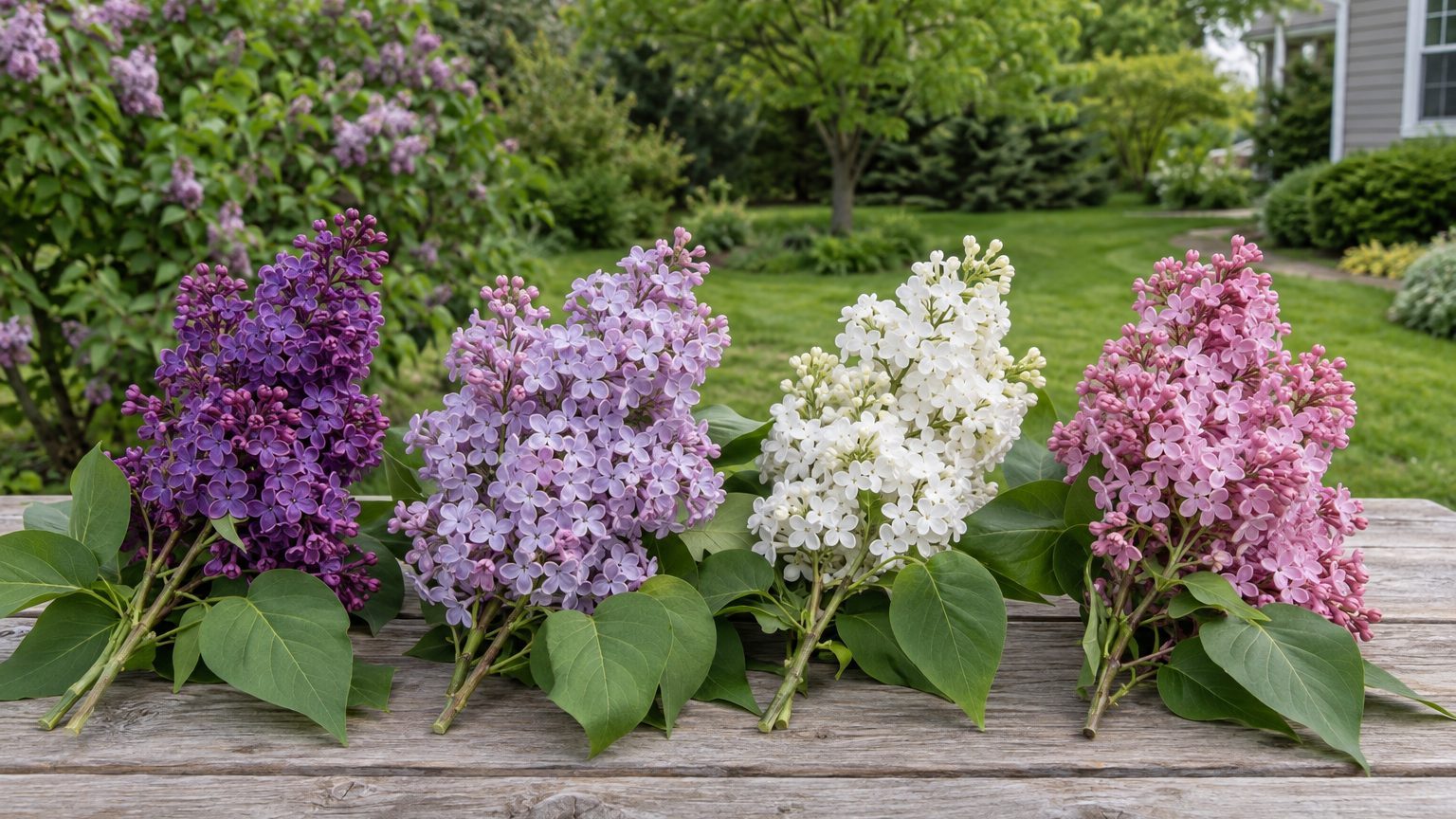
Named cultivars cover a wide range: lilac, purple, white, pink and a reddish hue. Pale lavender-purple belongs to Miss Kim, while newer varieties offer pink or deeper purple blooms.

When Do Lilacs Bloom in Delaware? Dates and Care

When Do Lilacs Bloom in Delaware? Dates and Care

A lilac in a Delaware yard announces itself by scent before you see the flowers, usually as the weather settles into spring. Lilacs in a Delaware yard open on a fairly predictable schedule, and the kinds that suit the state’s winters and summers, along with the yearly jobs that protect next year’s blooms, make the difference between a few flowers and a full show.

When Do Lilacs Bloom in Delaware?

A lilac bush in bloom in a home garden

Lilacs in Delaware bloom in April and May, and some species carry on into June. The rest of the year follows from that bloom, since the shrub builds next spring’s flowers soon after this spring’s fade.

  • In April and May, the clusters open and the fragrance peaks, with later species stretching the show into June.
  • In May and June, right after the flowers fade, is the time to prune, before the shrub sets its next buds.
  • Through summer, the plant forms the buds that will open the following spring, so cutting it back then removes those flowers.
  • In winter, the shrub rests in the cold, and that chill is what lets the buds mature and open fully.
  • In March and April, an overgrown lilac can take a hard cut-back while dormant, at the price of the next flowers.

For frost, the reference city sees its last spring freeze between April 3 and April 14, and its first fall freeze between October 26 and November 7. Suburban and rural yards usually freeze later in spring and earlier in fall, so check your own county. Delaware sits in USDA zones 7a to 8a.

Which Lilacs Grow Best in Delaware?

Lilacs can grow in Delaware, but the state is at the warm edge of their range. Flower buds need a period of winter chill to develop, and hot, humid summers make the shrubs struggle. Expect more reliable flowering from common lilac after a cold winter, and less reliable flowering after warm winters.

Choosing species with different flowering times spreads the display from April into June.

Lilac type How it does in Delaware Why
Common lilac (Syringa vulgaris) Grows, but flowers best after a properly cold winter Its flower buds need winter chill to develop and bloom fully
Mixed species with different bloom times A longer show, from April into June Each species has its own flowering time

Too little winter chill leads to fewer flowers. Give the shrub full sun and a spot where the summer foliage can fade into the background once the bloom ends.

When to Plant, Prune and Feed Lilacs in Delaware

Pruning timing matters because a late cut removes the buds for the following spring. A lilac blooms on last year’s wood and sets next year’s buds in summer, soon after it flowers, so pruning in late summer, fall or winter cuts off the next spring’s flowers.

For planting and feeding, ask your county extension office about timing for your yard.

Task Best timing in Delaware Why then
Enjoy the bloom April and May, into June for some species Each species opens on its own schedule
Routine pruning May and June, right after the flowers fade Next year’s buds have not yet formed
Hard renovation cut March and April, while the plant is dormant Old, crowded stems come out, but flowering pauses
Feeding Ask your county extension office about timing Local guidance can account for your shrub and site

An overgrown lilac can be cut back hard in late winter, but it will not flower for a few years afterward. Thinning the oldest, thickest stems gradually costs far fewer blooms. Deeper pruning detail lives on the Delaware page on when to prune lilacs.

How Lilac Bloom Time Changes Across Delaware

Delaware is a small state, but the weather still shifts from top to bottom and from the water inland.

  • New Castle County and Wilmington: Lilac flowering depends on whether the buds receive enough winter chill.
  • Dover and central Delaware: Let the shrub’s own bloom show when spring growth is under way.
  • Sussex County and the Delaware beaches: The south is warmer, so buds get less winter chill and spring opens earlier.

Within any yard, local conditions can affect bloom timing, so check the shrub itself rather than relying on a statewide date.

Where to Get Lilac Advice in Delaware

When a lilac refuses to bloom or the leaves look wrong, local help can sort out the cause. University of Delaware Cooperative Extension serves homeowners in every county.

  • Your county extension office may be able to help identify a problem from a leaf or stem sample.
  • Ask the extension office whether a soil test would help before planting or feeding.
  • Ask your county extension office about bloom failure.

Common Questions

Why Is My Lilac Not Blooming in Delaware?

Look at when the shrub was last pruned and how much sun it gets. Pruning after summer removes the buds, and heavy shade also reduces flowering. A mild winter can leave buds without enough chill.

Do Lilacs Smell Strongest at a Certain Time?

Fragrance accompanies freshly opened clusters. That happens in April and May for most lilacs, with later species carrying scent into June.

Should You Cut Lilacs for a Vase?

Yes, cutting a few stems while in bloom is a fine way to enjoy them indoors. Cut as the flowers open, and treat it like light pruning so next year’s buds are not lost.

Best Roses for Delaware

Best Roses for Delaware

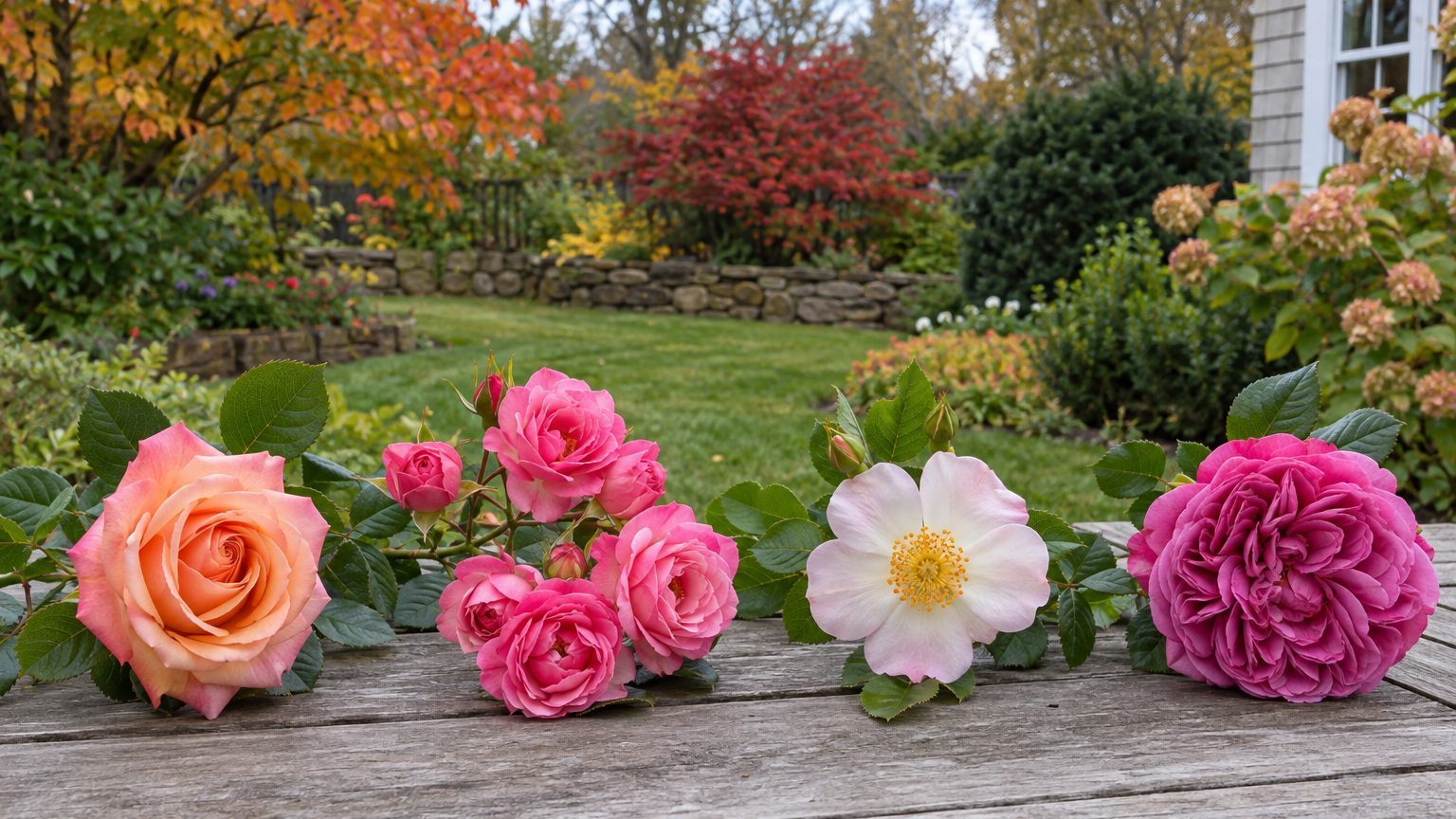
Roses that hold up in Delaware are the ones bred to shrug off black spot and a cold snap: disease-resistant shrub roses, cold-hardy bred roses, old garden roses and own-root plants. Hybrid teas can still earn a place if you choose carefully and accept a little more work.

Best Roses to Grow in Delaware

Best Roses for Delaware

Delaware roses face humid summers that invite black spot, and winters that can still burn tender canes in an exposed spot. Delaware gardens span USDA zones 7a to 8a, but winter exposure still varies by site. Disease-resistant and cold-tolerant types are practical choices for the state.

Knock Out Shrub Roses

Knock Out Shrub Roses — Best Roses for Delaware

Disease resistance matters in a humid summer, and Knock Out cultivars are a practical choice. Their high resistance to black spot makes them useful where that disease is a concern.

Plant one where air moves freely and it will bloom with far less spraying than a typical hybrid tea. Feed from April through August, then stop so late growth can harden before winter.

Cold-Hardy Bred Roses

A rose bred for a much colder zone needs little to no added protection in a mild-winter garden like Delaware’s. That makes hardy-bred shrubs and climbers a sensible choice for windy corners and open lots.

Check the plant tag for the hardiness it was bred to. A big gap between its rating and your zone is your margin of safety.

Old Garden Roses

Many old garden roses are extremely tolerant of cold, while hybrid teas often take considerable damage. Heirlooms, meaning roses in existence before 1867, do not need the hard annual cutback used on many modern roses, because heavy pruning ruins their graceful shape and sharply reduces flowering.

Once-blooming old garden roses flower on last year’s wood. Prune them right after they bloom, never in early spring, or you remove the coming season’s flowers.

Own-Root Roses

Own-root roses are grown from cuttings rather than grafted onto a different rootstalk. They may still need protection depending on how their hardiness compares with your zone, but they carry a useful safety net.

If the canes die back in a hard winter, new ones often emerge from the deep roots. What comes back is the same rose you bought.

Hybrid Teas and Floribundas

Hybrid teas, grandiflora and floribundas are the classic modern roses, along with shrub and miniature types. They repeat bloom on new wood; hybrid teas in particular can suffer disease and winter damage.

Prune them in March, when the forsythia blooms and the buds swell. February and April also work. Cut harder than you would a shrub rose, since they need a heavy annual pruning.

How to Choose a Rose for a Delaware Garden

Start with the problem your yard presents rather than the flower you love. A windy open lot, a damp corner and a busy schedule each point to a different rose.

Disease resistance deserves the first look, since hundreds of hybrids and cultivars exist and they vary in how susceptible they are.

Your situation What suits it in Delaware Why
Cold, exposed site Cold-hardy bred roses or old garden roses Bred-hardy roses need little added protection, and old garden roses tolerate cold well
Humid summer Knock Out shrub roses They are highly resistant to black spot
Little time Old garden roses or disease-resistant shrub roses Old roses skip hard pruning, and resistant types need less spraying
Winter dieback worries Own-root roses New canes often rise from deep roots after dieback
Repeat bloom to frost Hybrid teas, floribundas or modern shrub roses They flower on new growth after pruning in spring

For a small space, miniature roses belong to the same modern group as the others, so the same rules on disease resistance apply. Bare-root roses go in during March or April, and it can also be done in February. Potted roses can go in later.

Which Roses Suit Different Parts of Delaware

Delaware sits in USDA zones 7a to 8a, so the north and south differ a little in how much winter your roses must survive.

  • Wilmington and northern New Castle County: Compare each rose’s hardiness rating with your garden’s USDA zone, especially on open, windy sites.
  • Dover and Kent County: Match each rose’s hardiness rating to your garden, and prioritize disease resistance. Hybrid teas can work here if you choose resistant varieties and watch for winter damage.
  • Sussex County and the beaches near Lewes and Rehoboth: Check each rose’s hardiness against your garden’s USDA zone before deciding whether it needs winter protection. Disease resistance is also worth prioritizing when you choose a shrub rose.

Gardens away from the airport often see frost later in spring than the reference city, so check the timing with your own county office before you plant.

Rose Buying Mistakes to Avoid in Delaware

Buying a Type Too Tender

Hybrid teas can suffer considerable damage in a hard winter, especially on exposed sites. A cane that dies back costs you the season’s early blooms and some rebuilding.

Choose a rose rated well below your zone, or put tender types where buildings or fences give shelter.

Skipping Disease Resistance

Humid Delaware summers are black spot weather, and susceptible varieties lose leaves and vigor. Resistance varies widely among the hundreds of hybrids on offer, so a pretty flower on the tag tells you little.

Look for plants described as black spot resistant, and give them space so leaves dry quickly after rain.

Choosing Grafted Over Own-Root

A grafted rose sits on a different rootstalk, so a winter that kills the graft can leave you with the rootstock instead of the variety you bought.

An own-root rose can send up new canes from its deep roots and come back as the same variety. For borderline spots, that is the safer purchase.

Where to Get Rose Advice in Delaware

Local advice sorts out which varieties perform in your soil and microclimate. Start with the state’s land-grant university and then your own county.

  • The University of Delaware Cooperative Extension offers rose guidance written for Delaware gardens, useful before you shop.
  • The extension office in your county (New Castle, Kent or Sussex) can answer questions about local frost timing and disease problems, so call it before planting.

Common Questions

Can You Plant a Potted Rose After Spring?

Yes. Bare-root roses have a narrow planting window, while potted roses can go in later because their roots are already established. Water them regularly until they settle.

When Should You Stop Feeding Roses?

Stop after August. Feeding later pushes soft new growth that may not harden off before winter. Resume in spring once the first leaves open.

How Can You Tell Whether a Rose Blooms Once or Repeatedly?

Repeat bloomers such as hybrid teas, grandiflora and floribundas flower almost continuously from early summer until frost. Once-blooming roses, including old garden roses and many ramblers and climbers, flower in a single flush on last year’s wood.

When to Prune Roses in Delaware

When to Prune Roses in Delaware

Rose canes go through a Delaware winter looking half dead, and the urge to grab the pruners comes early. Waiting pays off, because the right moment is set by the roses waking up, not by the first mild afternoon. Timing also depends on whether a rose blooms again or only once a year.

When to Prune Roses in Delaware

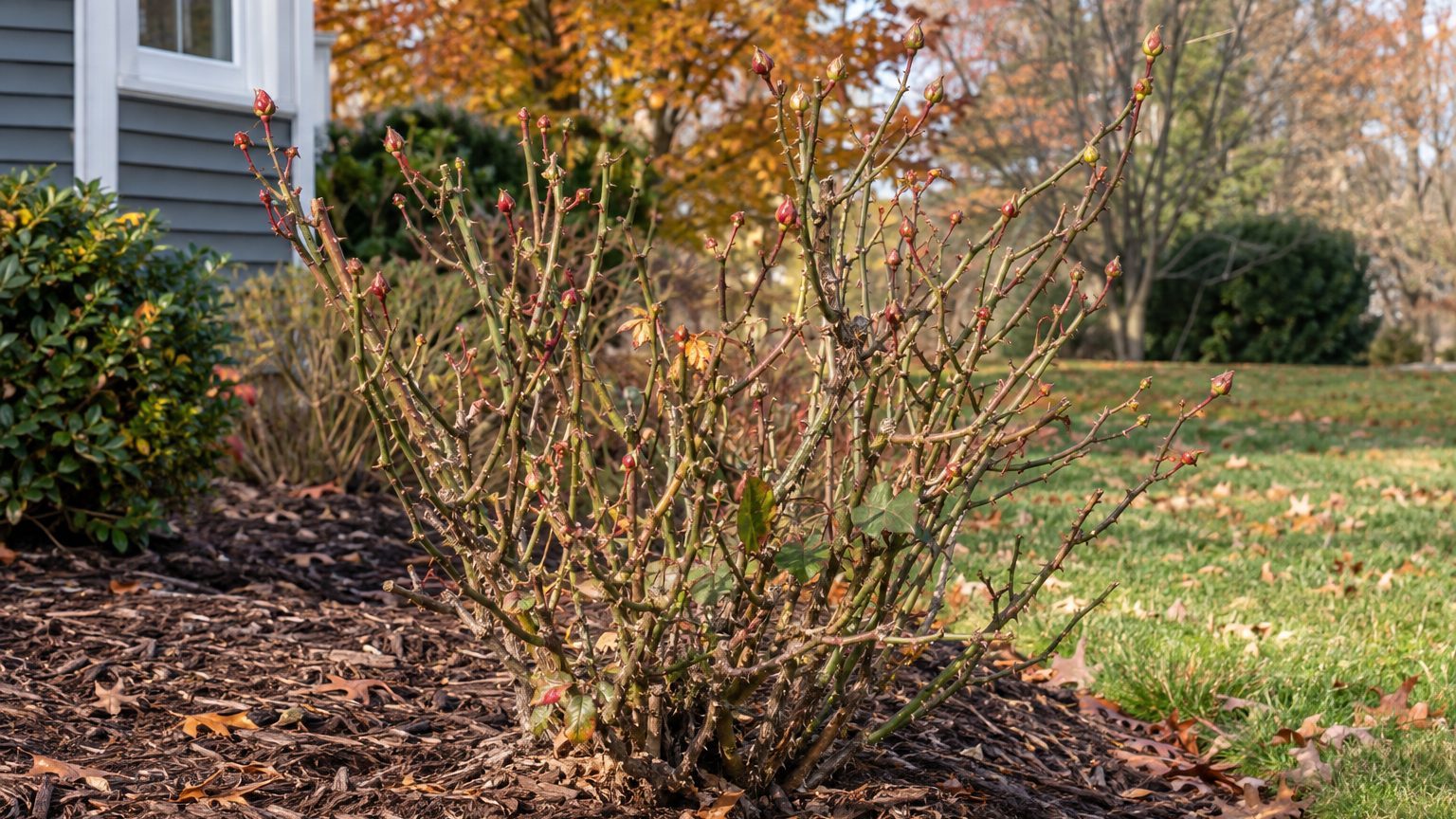
Rose canes at pruning time

Prune repeat-blooming roses in March in Delaware. February and April also work when the weather or the buds push you that way. Roses that bloom only once a year follow a different rule and are pruned right after their flowers fade.

Type of rose When to prune in Delaware Why
Repeat-blooming roses (hybrid teas, floribundas, modern shrub roses) March, or February or April if the season runs early or late They flower on new growth, so a hard spring cut sets up the season’s blooms
Once-blooming roses (old garden roses, ramblers, many climbers) Right after the flowers fade, never in spring They flower on last year’s wood, so a spring cut removes the buds

Climbers that repeat bloom behave like the other repeat bloomers and take their pruning in spring, once winter protection is off. Old garden roses need less cutting than modern ones. A hard cut ruins their graceful shape and cuts into the flowering.

How to Tell When Your Roses Are Ready to Prune

March is the month to aim for, but the plant itself gives the final signal, and a few signs in the yard line up with it.

  • The buds along the canes swell and turn plump, which tells you the rose has left dormancy and you can see which buds are alive.
  • Forsythia comes into bloom nearby, a familiar signal that pruning season has opened for repeat-blooming roses.
  • The hardest freezes of winter are behind you, so new growth stimulated by pruning is less likely to be burned back.
  • Any winter mound of soil or mulch has been pulled away from the base, because pruning goes best when you can see the whole plant.
  • Canes show green or white pith when cut, while brown and hollow centers mark wood that died over winter and needs to come out.

If a warm spell wakes the buds in February, that is the plant telling you the calendar is running early, and a cold April simply pushes the job later.

Should You Prune Roses in Fall or Winter in Delaware?

For repeat-blooming roses, fall and winter are not pruning months here. Their cuts belong in March, with February and April as the fallback. A hard cut in autumn invites tender new growth that winter can damage, and it removes canes that would otherwise protect the crown.

The one trim that makes sense before spring is modest. If very long canes whip around in winter wind, shorten them a little so they do not rock the plant at the roots. Leave the real shaping and the heavy cutting until the buds swell.

Feeding follows the same logic. Roses are fed from April through August, with March possible, so the plant is not pushed into soft growth as cold weather approaches. Once-blooming roses get their pruning after flowering, which also lands well before winter.

How Rose Pruning Dates Shift Across Delaware

Delaware sits in USDA hardiness zones 7a to 8a, and other parts of the territory differ, so the calendar months are a guide while the buds decide the exact week.

  • Wilmington and northern New Castle County: Suburban and rural yards here often stay colder later than the city, so lean toward the later end of March or into April before you cut.
  • Dover and Kent County: Gardens in the middle of the state fit March well. Check the buds before you start, since a sheltered spot wakes sooner than an open field.
  • Lewes, Rehoboth Beach and coastal Sussex County: Water near the coast softens the cold, so roses there often wake earlier. February is more realistic here than farther inland.

Wherever you garden, a south-facing wall or a windy open lot can move your roses ahead or behind a neighbor’s by a noticeable margin.

Where to Get Rose Advice in Delaware

Questions about a stubborn rose or a specific variety are easiest to settle with local help. University of Delaware Cooperative Extension covers the state, and your county office knows local conditions.

  • The state extension site carries research-based guidance on roses and other garden plants, and it is worth checking before the buds swell in late winter.
  • Your county office can answer questions about your own soil, microclimate and plant problems, so call or visit in early spring when pruning decisions come up.

Common Questions

When Can You Plant Bare-Root Roses in Delaware?

March and April are the months for bare-root roses, and February also works if the ground can be dug. Potted roses can go in later than bare-root ones, which makes them the easier choice if spring slips past you.

When Should You Feed Roses in Delaware?

Feeding runs from April through August, starting once the first leaves open. March is possible in a warm season. Stopping after August keeps the plant from making soft new growth that winter can damage.

Do Old Garden Roses Need Hard Pruning?

No. Old garden roses need far less cutting than hybrid teas and floribundas, and a hard prune spoils their natural shape and cuts the bloom. Take out dead wood and thin them lightly right after they flower.

When to Plant Roses in Delaware: Dates and Varieties

When to Plant Roses in Delaware: Dates and Varieties

Bare-root roses go into Delaware soil while they are still dormant, with the buds bare and the weather cool. That early planting is what lets the roots settle before summer heat arrives.

When to Plant Roses in Delaware

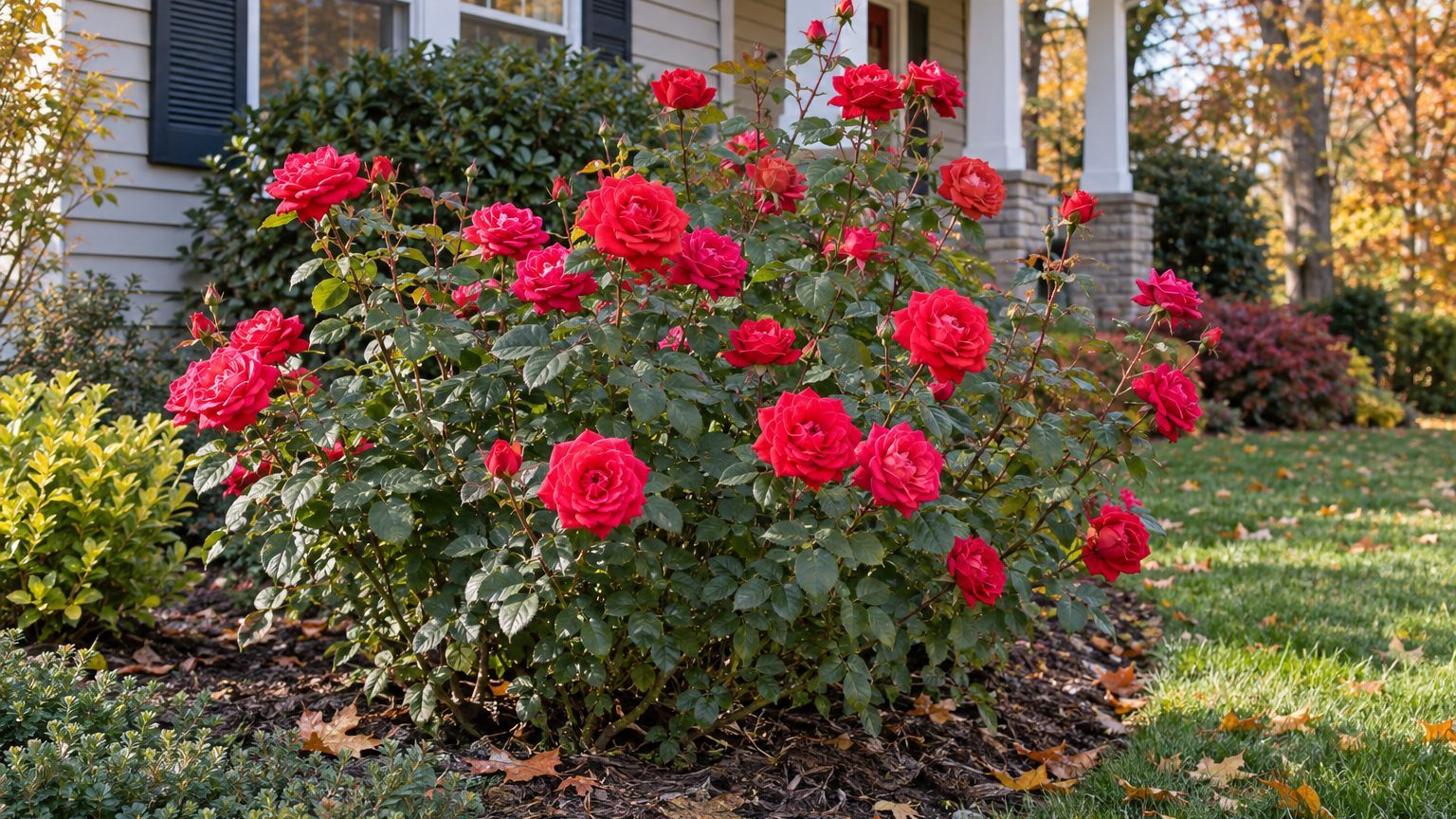
A rose bush in bloom in a home garden

Bare-root roses go in first, in March and April, with February as a fallback in a mild winter. Potted roses can go in later in spring. Delaware sits in USDA hardiness zone 7a-8a. At the reference station near Wilmington, the last spring frost falls between April 3 and April 14, which matters for young, leafed-out plants.

  • In late winter, bare-root roses can go in if the ground is workable, because a dormant rose has no tender growth for a late freeze to damage.
  • In March, bare-root planting hits its stride, and repeat-blooming roses are pruned as the buds begin to swell.
  • In April, the last bare-root roses go in, and the first feeding follows once new leaves open.
  • From May through August, roses are fed regularly while they push new growth and flower.
  • Later in spring, potted roses can be planted, since they already carry leaves and roots and no longer depend on dormancy.

Fall brings the first frost, which at the same reference station arrives between October 26 and November 7. Suburban and rural yards usually freeze later in spring and earlier in fall than that airport figure, so check your own county before you set a planting date.

Which Roses Grow Best in Delaware?

Delaware spans USDA hardiness zones 7a to 8a, so winters are mild enough for a wide range of roses. The real divide is between roses bred for toughness and those that need a little more attention through the cold months.

Extension guidance describes old garden roses as extremely tolerant of cold, while hybrid teas can take considerable damage in a hard winter.

Rose type How it does in Delaware Why
Hybrid teas Perform well with care, but are the type most likely to be hurt by cold They suffer considerable damage in cold winters and need a heavy annual pruning in spring
Old garden roses Reliable and forgiving They are extremely tolerant of cold and do not need hard pruning, which can ruin their shape and cut flowering
Cold-hardy cultivars Need little to no added winter protection A cultivar bred for colder conditions may need little added protection in a milder garden

Floribundas and modern shrub roses behave like hybrid teas, repeating bloom on new growth and taking their main pruning in spring. Climbers and ramblers fall mostly with the once-blooming group, so they are handled differently from the repeat bloomers.

When to Prune, Feed and Protect Roses in Delaware

Seasonal care sets the rhythm of the rose year, with a clear window for each task. Pruning and planting cluster in late winter and spring, while feeding runs through the growing season.

Task Best months in Delaware Why then
Pruning repeat-blooming roses March, and February or April can work too Prune when the forsythia blooms and the buds swell, so cuts are made as growth restarts
Planting bare-root roses March and April, with February as a fallback The roses are dormant and the soil is cool and workable
Feeding roses April through August, and March can work too Feed from the first leaves, then stop with August so late growth can harden before winter

Once-blooming roses flower once a year on last year’s wood, so they are pruned right after they bloom and never in early spring. Cutting them in March removes the very canes that carry the flowers. The page on when to prune roses in Delaware goes deeper on technique.

How Rose Care Dates Change Across Delaware

Delaware is a small state, so the shifts are modest, but they follow the landscape. Roses wake earlier where the air stays mild and later where nights run cold.

  • Wilmington and northern New Castle County: Spring arrives a bit later and fall frost comes sooner than along the coast, so leaning toward the later part of each planting and pruning window makes sense.
  • Dover and inland Kent and Sussex counties: Open farmland lets cold air settle on clear nights, so frost lingers later in spring and returns earlier in fall than airport readings suggest.
  • The Atlantic coast around Lewes and Rehoboth Beach: The ocean and bay soften the cold, so roses tend to leaf out earlier here, and the early end of each window is the safer bet.

Watching the buds beats following the calendar, since they respond to the weather in your own yard.

Where to Get Rose Advice in Delaware

The state extension service answers rose questions for home gardeners across Delaware, and each county has its own office. It is the place to turn when a plant looks wrong or the soil is a mystery.

  • The University of Delaware Cooperative Extension offers fact sheets and plant diagnosis for roses grown in Delaware yards.
  • The New Castle, Kent and Sussex county offices can help with a soil test, and the winter before planting is a good time to ask.
  • Before ordering bare-root roses for spring, send in a soil sample so any adjustments are ready when the planting window opens.

Common Questions

Can You Plant Potted Roses at the Same Time as Bare-Root Roses?

Potted roses can go in later than bare-root ones, because they already have leaves and an established root ball. Planting in the weeks after the last frost risk has passed protects the new growth.

Do Old Garden Roses Need Hard Pruning?

No. Extension guidance says old garden roses do not need the hard pruning that many modern roses get. Heavy cutting can ruin their graceful shape and sharply reduce flowering, so a light trim is plenty.

How Long Do Roses Keep Blooming Through the Year?

Repeat-blooming roses such as hybrid teas, grandiflora and floribunda flower almost continuously from early summer until frost. Once-blooming types give one flush a year, which is why varieties are worth matching to the show you want.

The almanac, state by state. Every date on this site comes from a state’s own frost facts and its extension service’s calendar — and says where it comes from.