Skip to content

Utah

  1. Jan
  2. Feb
  3. Mar
  4. Apr
  5. May
  6. Jun
  7. Jul
  8. Aug
  9. Sep
  10. Oct
  11. Nov
  12. Dec
State
Utah
USDA zones
4a-9a
Last spring frost
April 12 to April 29
First fall frost
October 18 to October 29
Annual rain
16 in
Lawn zone
transition-season
Source
NOAA NCEI 1991-2020 Climate Normals, 32F freeze probabilities · Salt Lake City

The year in Utah, from the calendar

  1. Jan—
  2. FebPrune fruit trees
  3. MarFeed hydrangeas · Renew an overgrown lilac · Prune fruit trees
  4. AprPlant hydrangeas · Renew an overgrown lilac · Plant roses · Prune roses · Uncover roses in spring
  5. MayFeed hydrangeas · Plant hydrangeas · Lilacs bloom · Feed roses · Plant roses
  6. JunPrune bigleaf hydrangeas · Lilacs bloom · Prune lilacs · Peonies bloom · Feed roses
  7. JulFeed hydrangeas · Prune bigleaf hydrangeas · Feed roses · Mow · Water
  8. AugPlant hydrangeas · Seed the lawn · Dethatch · Mow · Plant trees
  9. SepPlant spring bulbs · Plant hydrangeas · Seed the lawn · Plant peonies · Aerate
  10. OctPlant spring bulbs · Cut back peonies · Plant peonies · Mow · Plant trees
  11. NovCut back peonies · Protect roses for winter · Fertilize the lawn · Mow
  12. Dec—

From the state frost facts and extension calendars: Colorado State University Extension · Clemson HGIC factsheet — Hydrangea · Purdue Extension — AY-13 Lawn Improvement Programs · Montana State University Extension ; Iowa State University Extension.

Best Time to Plant Trees in Utah

Best Time to Plant Trees in Utah

Bare branches in late winter and swelling buds in spring mark the stretch when a young tree most wants to go into the ground in Utah. Early to mid-spring, while the buds are still tight, is the time for shade and ornamental trees, and fruit trees are planted in spring while still dormant, with fall as a second window for container and balled-and-burlapped trees.

When Is the Best Time to Plant Trees in Utah?

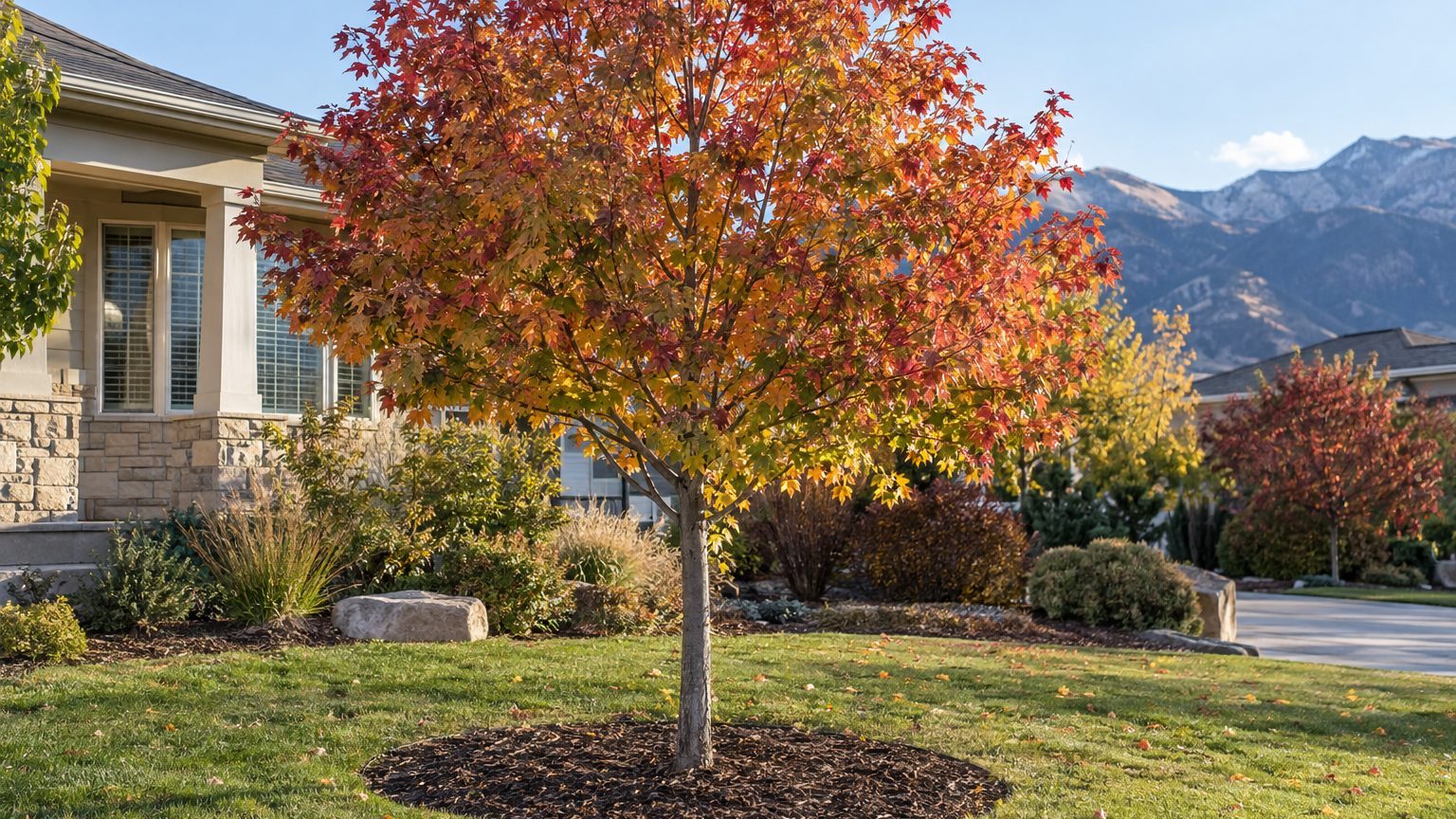
A young shade tree newly planted in a home yard

Shade and ornamental trees do best planted in April and May, and container or balled-and-burlapped trees can also go in during September and October.

  • In April, plant while the buds are still closed and the soil has thawed, so the roots can start working before the tree has leaves to feed.
  • In May, container and balled-and-burlapped trees still settle well, as long as you water them regularly while the weather warms.
  • Through summer, hold off. Heat and dry soil stress new roots, and summer is the hardest time to plant a tree.
  • In September and October, container and balled-and-burlapped trees can go in while the soil is still warm enough to encourage root growth.
  • Once a fall tree is in, keep watering it until the ground freezes.

Bare-root trees are planted while dormant, before the buds open. Container trees can go in most of the year if you water them, but they settle best in the dormant season. Magnolia, dogwood, tuliptree, sweet gum, red maple, birch, hawthorn, poplars, cherries, plums and many oaks do better planted in spring than in fall. For Salt Lake City, the last spring freeze falls between April 12 and April 29, and the first fall freeze between October 18 and October 29. Utah spans USDA zones 4a to 9a, and most of the state is higher and colder than Salt Lake, while southern Utah is warmer, so shift your timing to your own elevation.

When to Plant Fruit Trees in Utah

Fruit trees go in during April, and March or May also work. Bare-root fruit trees should only be planted in spring while still dormant, which means as soon as the soil can be worked and before the buds open.

Container-grown fruit trees are more forgiving, since they carry their roots with them, but the same spring window gives them the longest stretch to settle before summer heat.

Kind of fruit tree When to plant in Utah Why then
Bare-root April, or March and May The tree is still dormant and the buds have not opened
Container April, or March and May Spring planting lets roots settle before summer heat

Pruning a newly planted or established fruit tree follows its own schedule, covered on the Utah page about pruning fruit trees. Fruit varieties are sorted out on the Utah page about the best fruit trees to grow.

Best Trees to Plant in Utah

Utah’s winters, dry soils and swings in weather reward tough, adaptable trees. The choices that follow come from advice written for Utah, where conditions are cold and dry.

Tree How it does in Utah Why
Chinkapin oak Suited to zones 4 to 7 Low-maintenance, long-lived, moderately salt tolerant and free of serious pests
Crabapple Fairly drought tolerant once established Needs only modest annual moisture, rain plus any watering you add
Tart cherry Very cold-hardy and tolerates Utah soils Fruit suits jams, syrups and other tart-cherry uses
Peach (higher chill hours) Better suited to Utah Many areas have winter warm spells that wake low-chill trees too early

With crabapples, variety matters: some are more susceptible to disease than others, so pick cultivars rated for disease resistance and for your elevation. For apples, one rootstock is reported to be more drought resistant than others and resistant to woolly apple aphid. Common rootstocks are cold-hardy but struggle in alkaline soil, which can bring iron chlorosis.

When to Plant, Water and Prune Trees in Utah

The year for a tree runs on a few simple signs. Plant when the tree is dormant and the soil can be worked, water new trees while the ground is unfrozen, and prune fruit trees in late winter before the buds swell.

Task Best timing in Utah Why then
Plant shade and ornamental trees April and May, or September and October for container and balled-and-burlapped trees Buds are closed in spring, and fall soil is still warm
Plant fruit trees April, or March and May Bare-root trees need to be dormant
Water a young tree Regularly after planting, and until the ground freezes for a fall planting New roots dry out fast in heat and dry soil
Prune a fruit tree February and March, or April After the worst cold and before bud swell

Apples are pruned first and peaches last, closest to bloom, because peach flower buds are easily hurt by cold. In warmer parts of Utah such as Saint George, January can also suit peaches. Avoid pruning fruit trees in fall or early winter, since new growth may not harden before the cold.

Where to Get Tree Advice in Utah

Utah State University Extension and your county extension office can help with tree choice, planting questions and soil testing.

  • Utah State University Extension publishes tree-planting tips and fruit tree guides you can read before choosing a species.
  • Your county extension office can advise on which trees suit your elevation and soil, and can point you to a soil test before you buy.

Once the soil thaws in spring and the buds are still tight, dig the hole and get the tree in.

Common Questions

Can You Plant a Tree in Summer in Utah?

A container tree can survive it with steady watering, but summer is hard on new roots. Heat and dry soil stress them, so spring or early fall gives better results.

Should You Plant Bare-Root Trees in Fall?

Plant them in spring while dormant, before the buds open. Fall is better kept for container and balled-and-burlapped trees.

How Do You Know Your Utah Planting Window Is Open?

Check that the soil has thawed and can be worked, and that the buds on the tree are still closed. Higher, colder parts of Utah reach that point later than warmer valleys and the south.
Best Peonies for Utah

Best Peonies for Utah

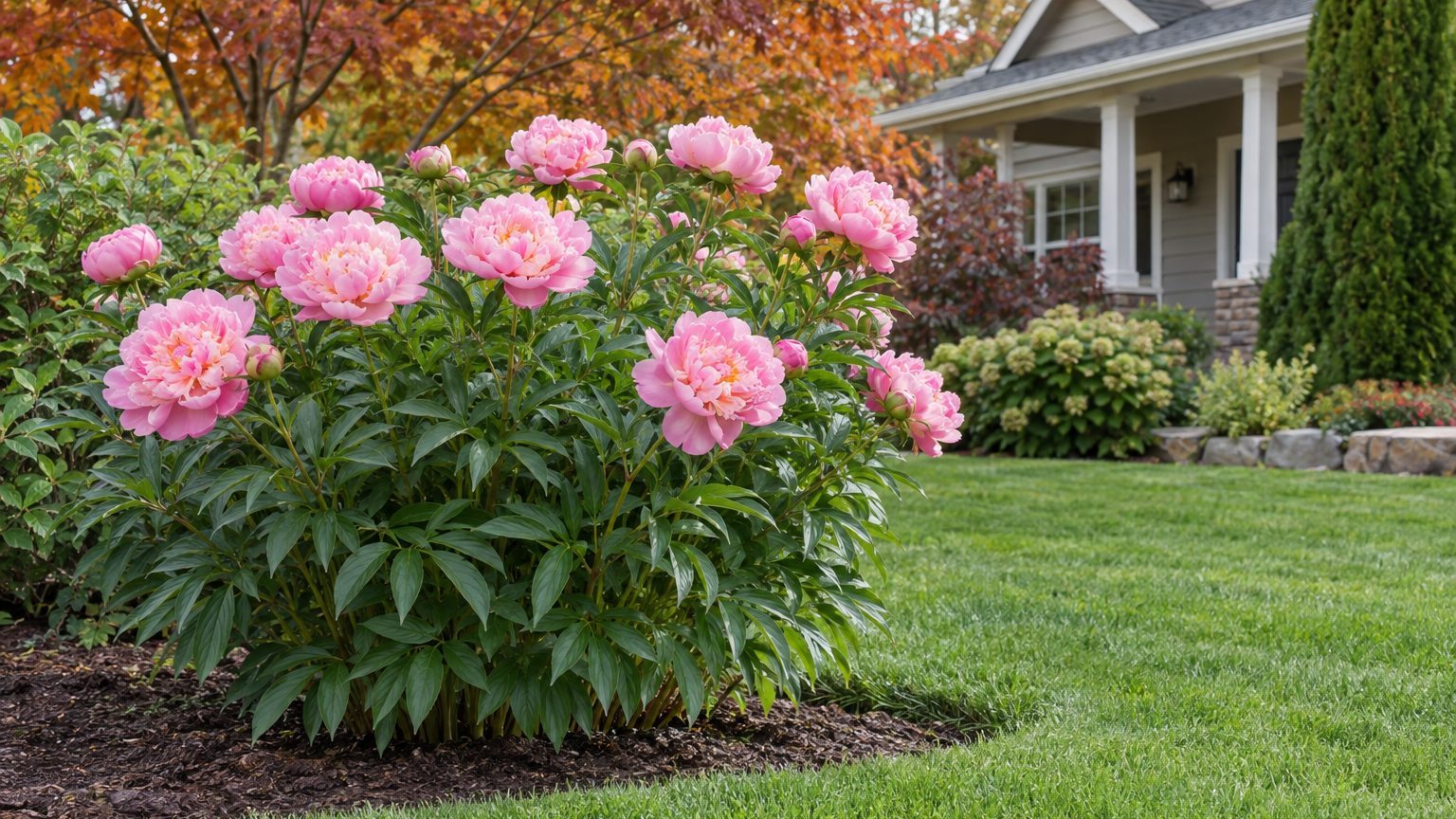
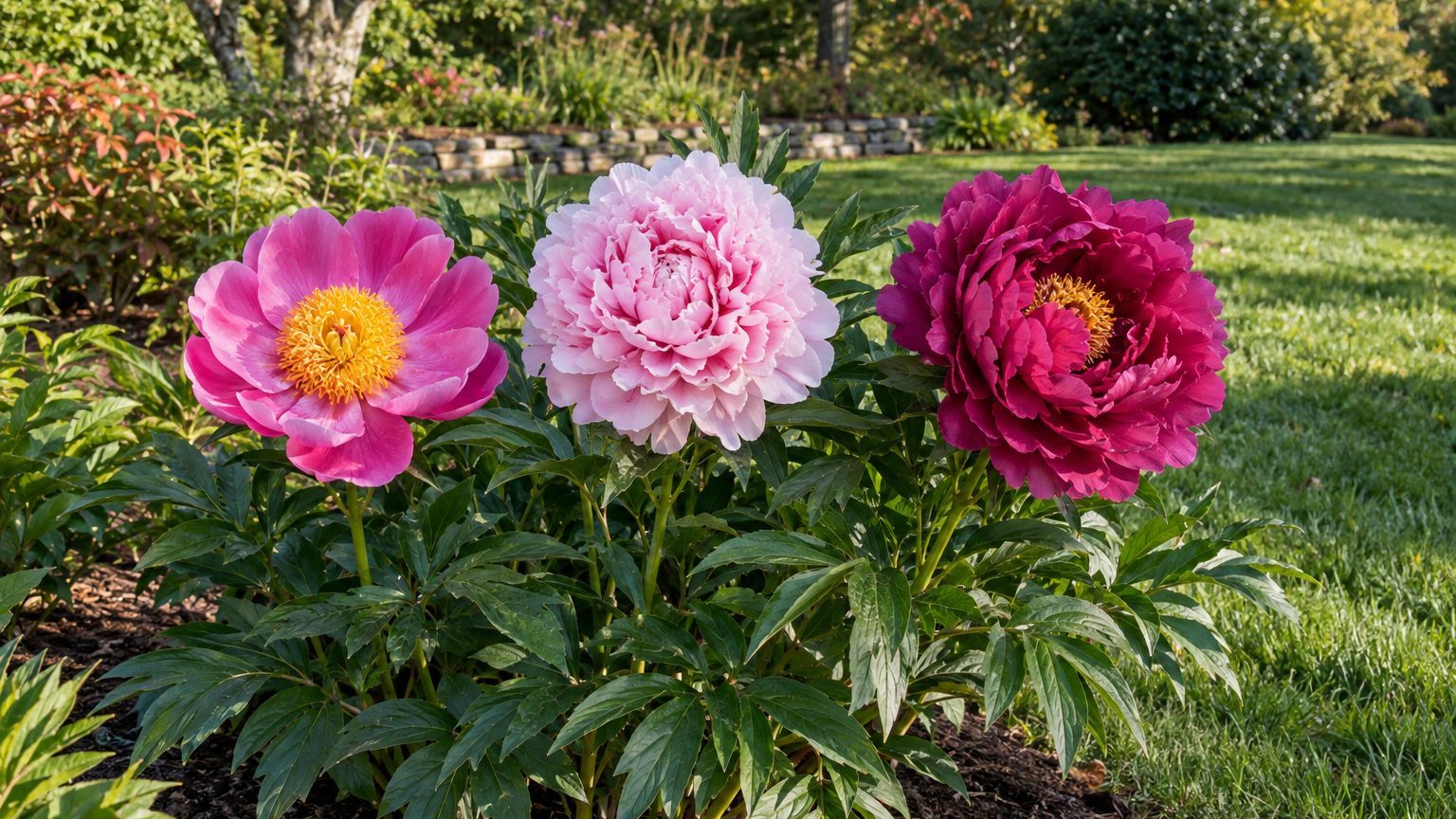
Fat reddish buds push through cold soil every spring, and by early summer the clumps are heavy with bloom. In Utah, that show depends on winters cold enough to give the plant a proper rest. Herbaceous and tree peonies suit the state, and the right pick depends on your elevation, your space, and whether you want flowers for the vase.

Best Peonies to Grow in Utah

Best Peonies for Utah

Herbaceous peonies and tree peonies fit Utah because its winters deliver the cold rest these plants need before they flower. Peonies require winter chilling in order to bloom, so Utah’s cold works in your favor, especially away from the warmest southern valleys. Within these groups, flower form, color and bloom date give you plenty of room to choose.

Herbaceous Peonies

Herbaceous Peonies — Best Peonies for Utah

These are the classic garden peonies. They die back to the ground each winter and return in spring, with showy blooms in pink, purple, red and white above attractive foliage.

Give them full sun. Set the roots so the eyes stay near the soil surface, because a peony planted too deep may bloom poorly or not come up at all.

Tree Peonies

Tree Peonies — Best Peonies for Utah

Tree peonies (Paeonia suffruticosa) look similar to herbaceous types but are deciduous shrubs with woody stems. Once mature, tree peonies rarely need staking because their woody stems carry the heavy flowers.

They tend to bloom earlier than herbaceous peonies, and the flowers are larger. Give them light shade and a protected location, such as the lee side of a fence or a wall.

Cut Flower Varieties

There are literally hundreds of peony varieties, which makes a nursery visit feel like a buffet. If you want armfuls for the house, look for varieties recommended for cut flower production rather than those sold only for landscaping.

Single, Double, Bomb, and Anemone Forms

Peony flowers come in single, double, bomb and anemone forms, and the colors run through whites, pinks, reds, corals and yellows. Some are fragrant and some are unscented.

Decide how much scent you want near a patio or window before you buy, since that trait varies from one variety to the next.

Early, Mid, and Late Bloomers

Varieties are sorted into early, mid and late bloomers. In Utah the main show arrives in June, and an early variety can open in May.

Combining early, mid and late varieties gives you a longer stretch of flowers.

How to Choose a Peony for a Utah Garden

Start with what your yard asks of the plant. Cold is rarely the problem in Utah, so the real choices come down to space, upkeep and what you plan to do with the flowers.

Match your own situation to a row below, then pick a variety from the form and bloom-date options above.

Your situation What suits it in Utah Why
Very cold winter Herbaceous peony It needs winter chilling to bloom and dies back each year
Little time for staking Tree peony Woody branches support the large flowers once mature
Small space A variety suited to the available space The plant tag should describe its mature size
Shady or sheltered corner Tree peony Prefers light shade and a protected location
Flowers for the vase Cut flower varieties Recommended for cut flower production rather than landscaping alone
Long season of blooms Early, mid and late varieties Staggered bloom dates stretch the harvest

A warm southern Utah yard deserves extra thought, since peonies may flower poorly where winters are mild. Choosing the coolest exposure you have helps there.

Which Peonies Suit Different Parts of Utah

Utah’s hardiness zones, in the USDA system, run from 4a to 9a, so the same peony does not perform the same way everywhere.

  • Salt Lake Valley: Salt Lake Valley is milder than much of Utah, so local conditions matter when choosing a peony. Tree peonies appreciate shelter from wind and strong afternoon sun.
  • Park City and Cache Valley: Higher, colder country gives peonies a deep winter rest and suits herbaceous types especially well. Choose early bloomers carefully, since the season starts later at elevation.
  • St. George and southern Utah: Warmer winters mean peonies may flower poorly because they get less chilling. Plant in the coolest spot you have and keep expectations modest.

Wherever you garden, tuck tree peonies into a protected corner and give herbaceous types the open sun.

Peony Buying Mistakes to Avoid in Utah

Tree Peony in an Exposed Spot

A tree peony set in an open bed misses the shelter it prefers, and its early, large flowers have nothing to protect them from wind. Choose a protected location with light shade, such as beside a fence or near the house.

Expecting Bloom Without Enough Cold

Peonies that do not get enough winter chilling may flower poorly. In warmer southern Utah, a plant that looks healthy can still skip its flowers.

Pick a cooler exposure and give the plant time. A newly planted or transplanted peony may not bloom the first spring, even in a cold yard.

Buying a Pot Without Knowing Its Size

A small nursery pot says little about the adult plant.

Read the tag before you buy, and match the mature size to the spot, whether that is a narrow border or a corner with room to spread.

Where to Get Peony Advice in Utah

Utah State University Extension publishes peony guidance written for Utah conditions, and your county office can tell you what grows well at your elevation.

  • Browse the extension site for its peony and cut flower material, which covers variety choices and bloom timing for Utah.
  • Call your county extension office to ask about your elevation and soil before you choose between herbaceous and tree peonies.
  • Take your questions to a local nursery before choosing a bare-root peony.

Common Questions

When Should You Plant Peonies in Utah?

Fall is best, in September or October, before the ground freezes. Bare-root peonies respond best to fall planting.

When Should You Cut Back Peonies in Utah?

Cut herbaceous peonies back in October or November, after a hard freeze has killed the foliage. Tree peonies keep their woody stems and are never cut back.

How Much Sun Do Peonies Need?

Herbaceous peonies do better in full sun. Tree peonies can handle full sun to partial shade, and they like a protected spot.

When Do Peonies Bloom in Utah?

When Do Peonies Bloom in Utah?

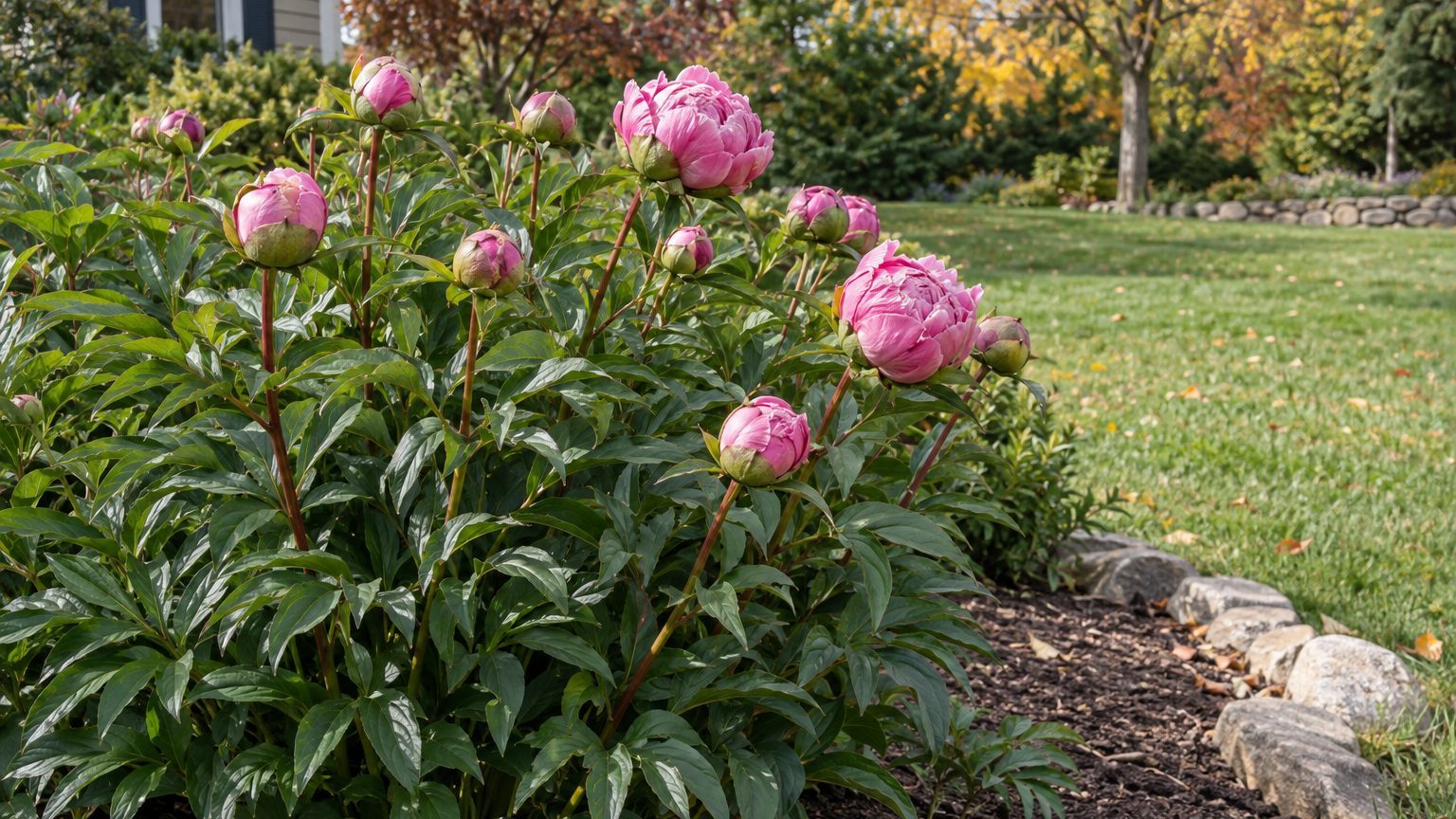
Peony buds swell a little more each day through late spring, and then the first fat blooms open over a garden that suddenly smells sweet. In Utah, that moment arrives in June for most yards.

When Do Peonies Bloom in Utah?

When Do Peonies Bloom in Utah?

Peonies bloom in Utah mainly in June, though May is possible in warmer spots. They also need a cold winter rest to flower, which suits most Utah yards well.

Type of peony When it blooms in Utah What to know
Herbaceous peony June, sometimes late May Dies back each year and is cut back after frost
Tree peony May to June Prefers light shade and a protected location, and keeps its woody stems

A newly planted or transplanted peony may skip blooming the first spring, so a bare stretch of stems is no cause for worry. Planting too deep also holds back flowers, so keep the eyes near the soil surface. Itoh types and early or late herbaceous groups are not broken out here, because their timing varies for Utah.

How to Tell When Your Peonies Are About to Bloom

Watch the plant as bloom approaches, because garden signs can tell you more than a calendar page.

  • Red shoots pushing up through the soil in spring mean the plant has finished its winter rest and growth is underway.
  • Buds at the tips of the stems mean the flowers are forming.
  • Swelling buds show that bloom is getting closer.
  • Buds that feel soft when you press them gently are close to opening.
  • Color showing at the bud tip means the petals are about to unfurl, which is the moment to cut stems for a vase.

If a plant makes lush foliage but no buds, check planting depth and shade first, since deep planting and heavy shade can reduce flowering.

When to Cut Back Peonies in Utah

Cut herbaceous peonies back in October or November, once a hard freeze has killed the foliage.

Cut the stems down to within a couple of inches of the ground. Gather the old leaves and stems and throw them away rather than composting them to help prevent disease.

Tree peonies are the exception. They keep their woody stems through winter and should never be cut to the ground, so leave them alone in fall.

How Peony Bloom Time Shifts Across Utah

Elevation and local warmth move the date more than anything else in Utah, and the state spans a wide range of climates.

  • Peonies bloom best in June, and can also bloom in May. Salt Lake City sits in a mild valley, where the last spring freeze falls between April 12 and April 29.
  • Higher mountain valleys: Colder winters and later springs push bloom later into June, and frost can nip early buds.
  • Southern Utah: Warmer conditions bring earlier growth, though mild winters can leave peonies with too little chilling to flower well.

The state runs from USDA hardiness zone 4a to 9a, so nearby gardens at higher elevations may bloom well after yours.

Where to Get Peony Advice in Utah

Local conditions vary enough that nearby expertise pays off. Utah State University Extension publishes research-based guidance for Utah growers, and your county office can speak to your specific elevation and soil.

  • The extension website has peony guidance written for Utah conditions, worth a look before fall planting in September or October.
  • Your county extension office can answer questions about bloom timing at your elevation, so call in spring when buds start to form.

Common Questions

Why Did My Peony Not Bloom This Year?

Look at planting depth and light first. Eyes buried too deep or a spot with heavy shade can reduce flowering. A plant that was recently planted or divided may also skip a spring before it blooms.

When Should You Plant Peonies in Utah?

September and October suit planting and dividing, which gives the roots time to settle before the ground freezes. Peonies respond best to fall planting, typically as a bare-root plant.

Do Peonies Grow Well in Southern Utah?

They can, but peonies need winter chilling to bloom, so warmer spots may give weaker flowering. Choosing a cooler, protected location helps, and tree peonies in particular like light shade.

When to Plant Peonies in Utah: Dates and Care

When to Plant Peonies in Utah: Dates and Care

Putting a bare-root peony into cool autumn soil is a quiet pleasure in a Utah yard. Fall is the season for planting and dividing here, and the plant then needs a cold winter rest before it flowers.

When to Plant Peonies in Utah

When to Plant Peonies in Utah: Dates and Care

Plant or divide peonies in September or October, while the ground is still workable and before it freezes. Here is how a peony’s year runs in Utah, with frost timing taken from Salt Lake City, which sits in a milder valley than much of the state.

  • In late winter and early spring, the plant is still resting after the cold it needs to set flowers, and the last spring freeze at Salt Lake City falls between April 12 and April 29.
  • In May, red shoots push up and the foliage fills out, and in some years the earliest flowers open before the month ends.
  • In June, the main bloom arrives, with large fragrant flowers.
  • In September and October, bare-root plants go into the ground so the roots can settle before winter, and this is also when overgrown clumps are divided.
  • In October and November, after a hard freeze has killed the foliage, the old stems come down, with the first fall freeze at Salt Lake City arriving between October 18 and October 29.

Utah spans USDA hardiness zones 4a to 9a, so these dates fit the Salt Lake valley best and shift in other parts of the state.

Which Peonies Grow Best in Utah?

Peonies do well in Utah because they need winter chilling to bloom, and most of the state delivers it. Cold-winter gardens suit them best, while the mildest corners of the state, in the warm zones, may see weaker flowering.

Herbaceous peonies are the usual choice for cold yards. Tree peonies can grow here too, but they want more shelter than the others.

Peony type How it does in Utah Why
Herbaceous Reliable in cold-winter yards Dies back each year and gets the winter chill it needs to flower
Tree Works with the right spot Prefers light shade and a protected location

A newly planted or transplanted peony may not bloom the first spring, so patience is part of the deal with any type.

When to Plant, Cut Back and Feed Peonies in Utah

The rhythm is simple: plant or divide in fall, deadhead after bloom, and cut back once frost has done its work. The guidance provided here does not set a feeding schedule.

Depth matters as much as timing. A peony planted too deep may bloom poorly or not come up, so keep the eyes near the soil surface.

Task Best timing in Utah Why then
Plant bare-root peonies September to October Fall planting gives roots time to settle before the ground freezes
Divide crowded clumps September to October Same cool soil, and the plant is not in active growth
Deadhead spent flowers After bloom Keeps the plant tidy once the flowers fade
Cut back herbaceous peonies October to November, after a hard freeze The foliage has died, and clearing it removes disease that can linger

Cut stems down to within a couple of inches of the ground and discard the debris rather than composting it. A tree peony keeps its woody stems and is never cut back.

How Peony Planting Dates Change Across Utah

Elevation and latitude shape Utah’s seasons more than anything, so the same fall task lands at different moments from one town to the next.

  • Salt Lake Valley: This is the reference for the dates above, a mild valley where September and October planting suits the plant well.
  • Wasatch Front and the higher benches: Higher and colder ground brings freezing weather sooner, so lean toward September and plant early enough for roots to establish.
  • Southern Utah: Warmer conditions arrive here, so frost comes later in fall, but mild winters can mean less flowering because the plant gets less chilling.

Mountain towns run cooler still, and the cold suits peonies well once they are established. Planting in October rather than waiting for a frozen yard keeps them on schedule.

Where to Get Peony Advice in Utah

Utah State University Extension publishes guidance written for Utah conditions, and your county office can help with local questions.

  • The extension website has peony guidance for Utah growers, handy to read before ordering bare-root plants.
  • Your county extension office can answer local questions about peonies.

Common Questions

Can You Plant a Peony in Spring in Utah?

Fall is the season that suits the plant, since bare-root peonies respond best to being planted then. Plant or divide peonies in September or October, before the ground freezes.

Why Is My Peony Not Blooming in Utah?

Consider these factors together. If the plant sits deep in the soil and the eyes are well below the surface, planting depth is the likely cause. If it was planted or moved recently, it may not bloom the first spring.

Do Tree Peonies Need Cutting Back in Utah?

No. They hold their woody stems through winter, unlike herbaceous peonies, which are cut down after a hard freeze. Give them light shade and a protected spot to do well.

Best Lilacs for Utah

Best Lilacs for Utah

Lilac season in Utah means the scent of common lilacs drifting over fences from late spring into June. A lilac that blooms well here wants a cold winter rest, sun and pruning at the right moment.

Best Lilacs to Grow in Utah

Best Lilacs for Utah

Common lilac, early-flowering hybrids and tree lilac all suit Utah, because lilacs thrive where winters are properly cold and Utah supplies that across most of the state. USDA hardiness zones here run from 4a to 9a, so the choice depends on where you garden, and the warm southern end is the stretch where a lilac has the hardest time.

Common Lilac

Common Lilac — Best Lilacs for Utah

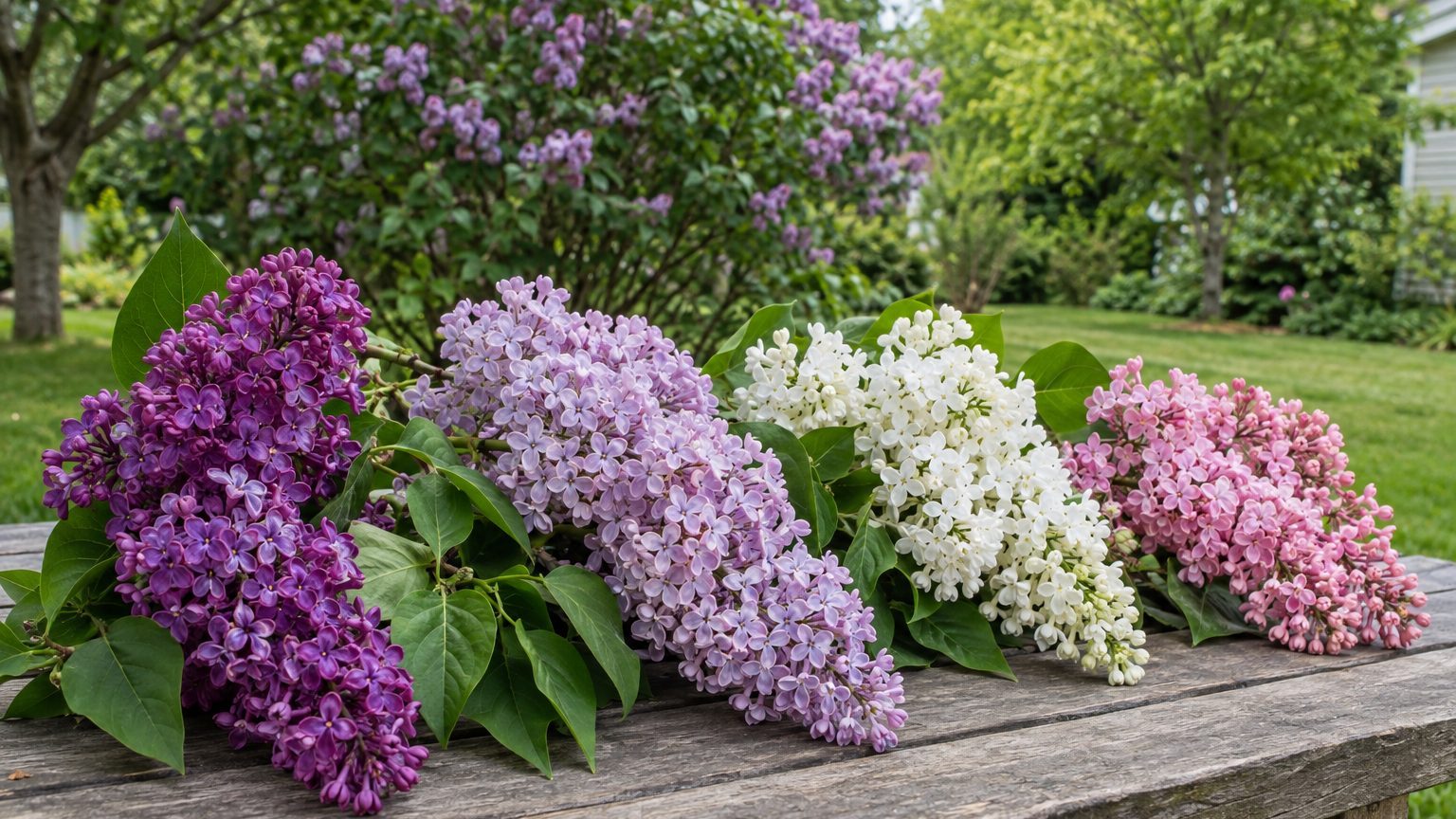
Syringa vulgaris is the classic: it is a hardy shrub that adapts to almost any soil and watering condition. It has also been heavily hybridized, with hundreds of cultivars from white to deep purple, wine red and light pink.

Give it a sunny site with good air circulation. Give it plenty of room, because common lilac grows into a large, spreading shrub.

French Hybrid Lilacs

French Hybrid Lilacs — Best Lilacs for Utah

The French hybrids are Syringa vulgaris selections, most noted for bloom size and fragrance. They are the ones to pick when you want heavy, scented clusters beside a patio or under a window.

Look for plants growing on their own roots. Lilacs on their own roots are far more hardy than grafted lilacs, which matters in the colder parts of Utah.

Early Flowering Lilac

Syringa × hyacinthiflora looks much like a French hybrid but blooms earlier. The shrubs themselves are very hardy, though an early bloom is exposed to late spring frost.

Plant it only where late spring frosts are less frequent. Mixing it with later bloomers keeps the show going longer.

Tree Lilac

Syringa reticulata is a water-wise choice for yards that are trying to cut irrigation. It also brings the lilac season to a close, since the later lilacs bloom into June.

Choose it when you want a small tree rather than a suckering shrub, and when you would like flowers after the common lilacs have faded.

How to Choose a Lilac for a Utah Garden

Start with the coldest and hottest your yard gets, then think about how much time you want to spend. Lilacs need a cold winter rest to mature their flower buds, so they do best where winters bite and struggle in hot, humid summers.

Size matters as much as climate. A common lilac fills a corner quickly, while a tree form fits a narrower spot.

Your situation What suits it in Utah Why
Very cold winter Common lilac on its own roots Own-root lilacs are far more hardy than grafted ones
Yard where lower water use matters Tree lilac It is a water-wise choice
Little time for upkeep Common lilac It adapts to almost any soil and watering condition
Small space Tree lilac Its tree form fits more neatly than a broad common lilac
Cold winter rest needed Common lilac or French hybrid Buds mature only after a cold winter, so colder sites bloom well

An early flowering lilac fits best in a protected spot, since late spring frost can damage its blooms.

Which Lilacs Suit Different Parts of Utah

Utah ranges from cold mountain valleys to a warm southern corner, and the lilac choice shifts with it.

  • Salt Lake Valley: A mild valley setting, so common and French hybrid lilacs do well, and early flowering types can be planted in a sheltered spot where late frosts are less frequent.
  • Higher, colder ground: Winters are harder here, so choose common lilacs on their own roots, which are far more hardy than grafted plants.
  • Southern Utah: Warmer winters give lilacs less of the cold rest they need, so treat any lilac as a trial and give it a spot with relief from the heat.

Wherever you garden, a sunny site with good air circulation keeps the shrub healthy.

Lilac Buying Mistakes to Avoid in Utah

Buying a Grafted Plant for a Cold Site

A grafted lilac is less hardy than one on its own roots, and a hard winter can set it back. Ask whether a plant is grown on its own roots before you buy, especially for colder ground.

Planting an Early Bloomer in an Open Spot

Early flowering lilacs can open before late spring frosts are done, and a frost can cost you the flowers that year. Put them where late spring frosts are less frequent, or pick a later common lilac instead.

Ignoring Adult Size

A small pot can hide a shrub that will become large and spreading. Crowded against a wall or walkway, it needs constant cutting, and pruning in late summer, fall or winter removes next spring’s flowers. Leave room, and prune in June, right after the flowers fade, with July as a fallback.

If a lilac is already overgrown, a hard cut in March or April renews it, though it will not flower for a few years afterward.

Where to Get Lilac Advice in Utah

Local help starts with Utah State University Extension, which publishes plant guidance written for Utah yards. Your county extension office can answer questions tied to your own elevation and soil.

  • The state extension service has plant lists and articles you can read before shopping, so check them in winter.
  • Your county office can advise on what grows at your elevation, which is useful in May and June when lilacs are in bloom.

Common Questions

When Do Lilacs Bloom in Utah?

Lilacs bloom in May and June, with late spring running into June. Early flowering types open first and tree lilac closes the season.

How Tall Do Common Lilacs Get?

Mature size varies by cultivar, so check the plant label and give the shrub room to spread. Keeping flowers at about nose height by pruning regularly puts the scent within reach.

Can You Grow More than One Kind of Lilac?

Yes. Planting lilac species with different bloom times can keep the garden in flower longer.

When to Prune Lilacs in Utah

When to Prune Lilacs in Utah

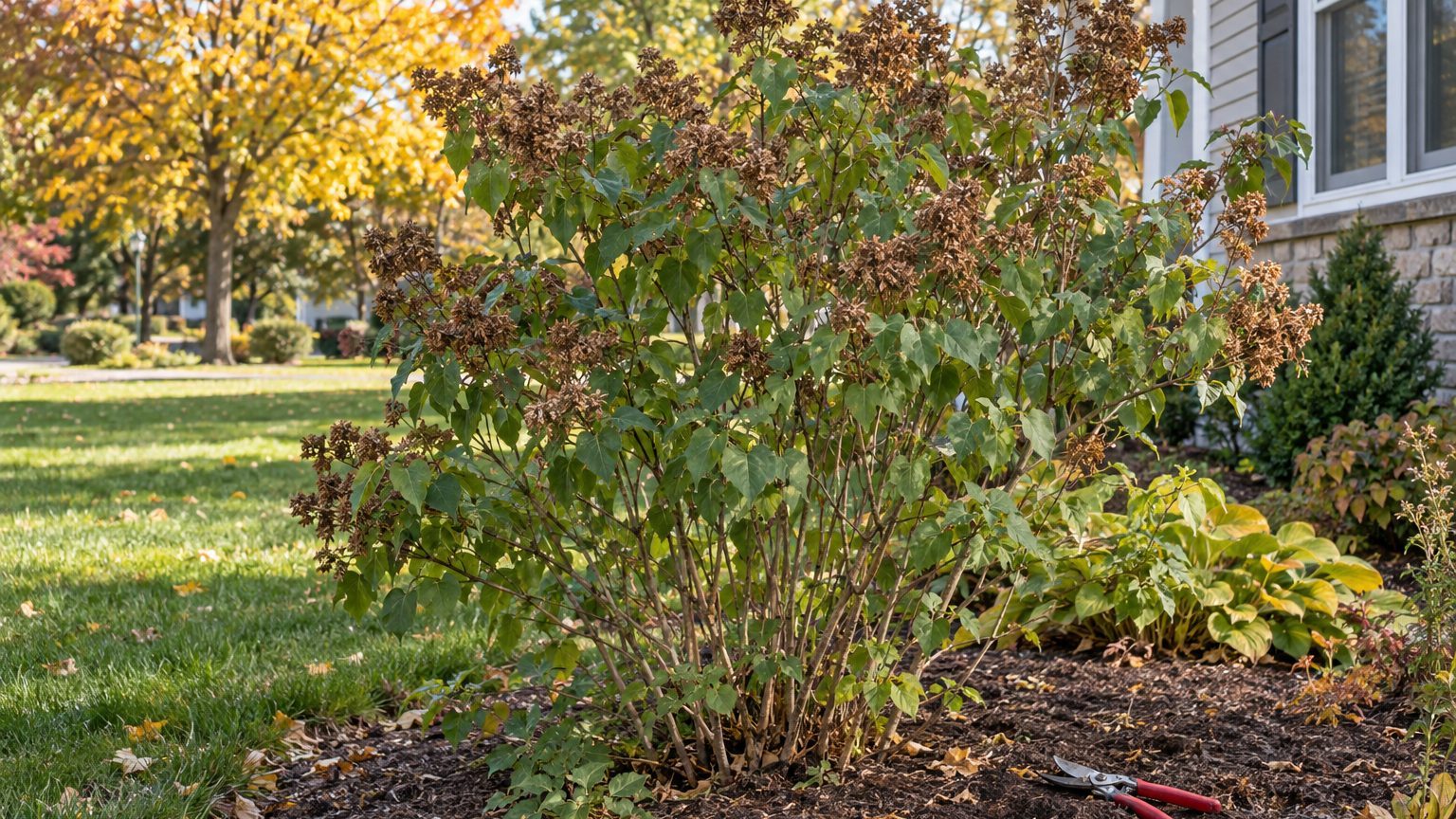
Lilac blooms fade to brown on the bush, and that is the moment the pruners come out. In Utah, the cut belongs right after the flowers drop, because next spring’s flowers are already forming on the shoots you would be trimming.

When to Prune Lilacs in Utah

Lilac stems after flowering

Prune lilacs in June, right after the flowers fade. If that window slips past, it can also be done in July. Lilacs there bloom from May into June, so the cut follows the show closely.

The reason is timing inside the plant. A lilac flowers on last year’s wood and sets next year’s buds in June and July, so a cut made later removes them.

Type of pruning When in Utah Why
Routine upkeep, shaping and removing spent blooms June, right after the flowers fade (July also works) Next year’s flower buds form in June and July, so you cut before they are set
Hard renovation cut of an overgrown lilac March or April, in late winter The plant is dormant, but the cut costs the next flowers

How to Tell When Your Lilacs Are Ready to Prune

Your lilac gives clear signals, and they matter more than a date on the calendar.

  • Flower clusters turn brown and dry on the stem, which tells you the bloom is over and the cutting window has opened.
  • Petals drop and the panicles look ragged, so you can snip them off without sacrificing anything.
  • Stems crowd the center of the shrub and rub against each other, which shows where thinning will let in light and air.
  • Weak, spindly or dead stems stand out against the sturdy ones, and those are the stems to remove.

If the blooms are still holding color, wait. Waiting a little longer costs nothing, while a cut made too early is a cut you cannot undo.

Should You Prune Lilacs in Fall or Winter in Utah?

No, not for routine pruning. Cutting in late summer, fall or winter removes many of the flower buds that were set after this year’s bloom, and the shrub then skips or thins its show the following spring.

Late winter is the exception, and it is meant for a lilac that has grown out of control. In March or April, while the plant is dormant, you can cut an overgrown shrub back hard to renew it. That cut costs the next flowers, and the lilac will not bloom for a few years afterward.

For a lilac that still blooms well, skip the winter cut entirely and keep the work to June, right after the flowers fade.

How Lilac Pruning Time Shifts Across Utah

Utah spans mild valleys and cold mountain towns, so the bloom, and the pruning that follows it, moves with the elevation. Hardiness zones run from 4a to 9a (USDA system), and lilacs prefer the colder end because they need a cold winter rest to ripen their buds.

  • In Salt Lake City, the valley is mild, with the last spring freeze arriving between April 12 and April 29. Lilacs bloom here before those in higher ground, and pruning follows soon after the flowers fade.
  • Wasatch Back and mountain towns: Higher and colder, so the bloom comes later and the cut moves later with it. Watch the flowers rather than the calendar.
  • St. George and southern Utah: Warmer, so the bloom comes earlier than in the north. Lilacs struggle in hot, humid summers, so choose a spot with sun and good air flow.

Wherever you live, the signal stays the same: prune when the flowers fade.

Where to Get Lilac Advice in Utah

Utah State University Extension offers local guidance on pruning, varieties and problems, and your county office can speak to conditions on your own street.

  • Visit the extension website for lilac and shrub pruning guidance before bloom ends, so you know what to cut.
  • Call your county extension office in late spring if your lilac has stopped blooming or looks unhealthy.

Common Questions

Can You Cut Lilacs Back to the Ground?

Yes, an overgrown lilac can be cut back hard in March or April. Expect no flowers for a few years afterward.

What Happens If You Prune Lilacs Too Late?

You remove the buds that would have opened next spring. The shrub stays healthy, but the bloom is thin or missing.

Do Lilacs Grow Well in Utah?

Yes, especially in cold-winter areas, since lilacs need a cold winter rest to mature their buds. They do best in sunny spots with good air circulation.

When Do Lilacs Bloom in Utah? Dates and Care

When Do Lilacs Bloom in Utah? Dates and Care

Lilac fragrance drifting over a Utah fence in late spring is a welcome sign that winter is finally behind you. Lilacs in Utah bloom on a schedule shaped by elevation and spring weather, and the kinds that suit the state’s winters, along with the handful of dates that decide whether a shrub flowers well next year, make the difference between a showy yard and a bare one.

When Do Lilacs Bloom in Utah?

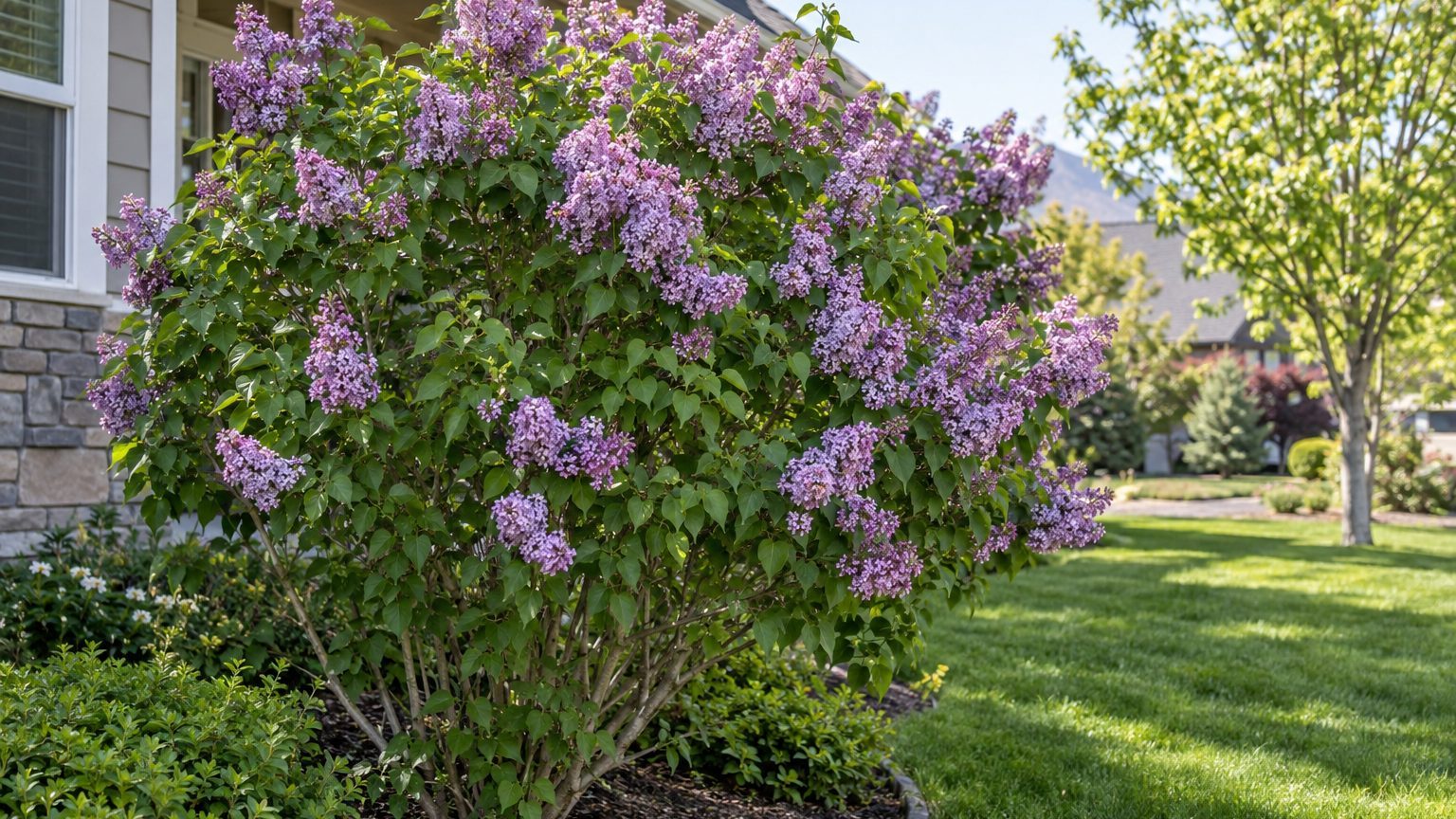
A lilac bush in bloom in a home garden

Lilacs in Utah bloom from May into June, with late spring carrying the show into early summer. The rest of the year follows a steady rhythm:

  • In late winter, an overgrown lilac can be cut back hard in March or April, though that cut costs the next flowers.
  • From May into June, the clusters open, as long as late frosts leave the buds alone.
  • Right after the flowers fade, usually in June, is the time to prune, and it can still be done in July if the weather got away from you.
  • Through the summer months, the buds for next year form quietly on the new growth, so the shrub should be left alone.
  • In winter, the bare shrub rests in the cold, and that rest is what ripens the flower buds for spring.

For Salt Lake City, the last spring frost usually falls between April 12 and April 29, and the first fall frost between October 18 and October 29. Utah’s hardiness zones, in the USDA system, run from 4a to 9a, so the valley floor is milder than most of the state, and southern Utah is warmer still.

Which Lilacs Grow Best in Utah?

Lilacs do well where winters are properly cold, and most of Utah delivers that. They need the winter rest to mature their flower buds, and they struggle in hot, humid summers, which is why the warmest corners of the state are harder going than the cold benches and mountain valleys.

Pick a sunny spot with good air circulation, since stagnant air favors trouble on the leaves.

Lilac type How it does in Utah Why
Common lilac Reliable in the colder zones of the state Gets the cold winter rest its buds need
Hyacinthiflora hybrids Good where late frosts are less frequent Very hardy shrubs that bloom earlier than French hybrids
French hybrids Fine in cold-winter areas, later to open Bloom after the Hyacinthifloras, so spring frost matters less
Any lilac in hot, humid summer spots Struggles Heat and humidity work against the plant

Because Hyacinthifloras open early, they deserve a spot where a late freeze is less likely to catch the buds. Lilacs are adapted to the colder zones of the USDA map, and the milder southern parts of Utah sit at the edge of what they enjoy.

When to Plant, Prune and Feed Lilacs in Utah

Lilacs bloom on last year’s wood and set next year’s buds soon after they flower. That single habit decides the calendar: prune right after the flowers fade, because pruning in late summer, fall or winter cuts off the next spring’s flowers.

Task Best timing in Utah Why then
Enjoy the bloom May into June Late spring into June is when the clusters open
Routine pruning June, right after the flowers fade Buds for next year form in June and July, so the cut must come first
Late pruning July, if June slipped by Still soon enough to leave most of next year’s buds
Hard renovation cut March or April, in late winter The shrub is dormant, though the cut costs the next flowers

An overgrown lilac can be cut back hard in late winter, but it will not flower for a few years afterward. For planting and feeding, get timing for your site from the local extension office. For the full pruning method, the page on when to prune lilacs in Utah goes deeper.

How Lilac Bloom Time Changes Across Utah

Elevation helps set the pace across Utah, and the calendar slides with it.

  • Salt Lake Valley: Mild by Utah standards, so lilacs here open earlier than in the higher towns and the spring frost risk ends sooner.
  • Park City and the high mountain valleys: Cold nights linger, so bloom comes later, often well into June, and the cold winters suit lilacs nicely.
  • St. George and southern Utah: Warmer winters and hot summers make lilacs work harder, with less winter rest for the buds and more stress in summer.

Watch the shrub itself, since swelling buds tell you more than the Salt Lake City calendar does.

Where to Get Lilac Advice in Utah

A shrub that refuses to flower or looks sick is easier to sort out with local eyes on it. Utah State University Extension and the county office near you can help with diagnosis and soil questions.

  • The extension website has plant guides written for Utah conditions, worth reading before you buy a shrub.
  • Ask your county extension office for advice about your soil or a damaged leaf or branch.

Common Questions

Why Is My Lilac Not Blooming in Utah?

Look at when it was last pruned and how much sun it gets. A cut made after summer removes the buds, and a shaded shrub sets few. If a hard cut was made in March or April, flowers may stay away for a few years.

Can Lilacs Handle Utah Winters?

Yes, and they need them. The cold rest matures the flower buds, which is why lilacs suit the colder zones of the state well.

Do Lilacs Grow in Southern Utah?

They can, but hot summers make them struggle. Choose a spot with sun and good air circulation, and expect a tougher time than in the cold benches and mountain valleys.

Best Roses for Utah

Best Roses for Utah

A rose cane that blackens and dies back after a hard Utah winter usually means the variety was a poor match for the yard, not that you did something wrong. Hardy shrub roses, repeat-blooming climbers and disease-resistant series do well in Utah, while hybrid teas ask for extra help. The choice comes down to cold, summer disease and your patience.

Best Roses to Grow in Utah

Best Roses for Utah

Hardy shrub roses and repeat-blooming climbers suit Utah because they handle cold with little care. Tender types need protection. On the USDA hardiness system the state runs from 4a to 9a, so a rose that thrives on the valley floor in Salt Lake City may struggle in a mountain town.

Hardy Shrub Roses

Hardy Shrub Roses — Best Roses for Utah

Most shrub roses are hardy and vigorous and need little care under severe conditions. Some tolerate severe winters, which is why they anchor a cold yard.

Knock Out and the Explorer series perform well without extra protection. Within the shrub class, the hybrid kordesii, hybrid rugosa and shrub divisions have the adapted cultivars.

Simplicity Roses

Simplicity Roses — Best Roses for Utah

Simplicity roses are a series of shrub roses that repeat bloom through the whole growing season. They are also very pest and disease resistant, which saves you from a lot of fussing in summer.

They suit a front-yard hedge or a foundation planting where you want color without a spray schedule.

Meidiland Roses

The Meidiland series is described as very useful in the landscape, and that fits how people use it: as a mass planting or a low screen rather than a single showpiece.

Treat it as a shrub rose and plant it where it has room to spread.

Large-Flowered Repeat-Blooming Climbers

Climbing hybrid teas and climbing grandifloras are generally not recommended, because most bloom only on the previous year’s growth. A hard winter can take that wood and the flowers with it.

Large-flowered climbers that repeat bloom flower on the current year’s growth, so a cold winter costs you less. Lady Banks is winter hardy, but it is not a repeat-blooming large-flowered climber.

Hybrid Teas and Grandifloras

The hybrid tea is a well-loved garden rose, and it earns its place with its form and fragrance. It is also the type that needs extra winter protection in cold winters, grandifloras included.

Grow them if you enjoy the ritual of covering and uncovering the plants. Otherwise, lean on the shrub types above.

Alpine and Nootka Roses

Alpine and Nootka roses do better in the warmer areas of the state and have survived on protected planting sites. A sheltered spot near a wall in a milder valley improves their odds.

They are a poor bet on exposed high ground.

How to Choose a Rose for a Utah Garden

Start with the problem your yard poses, whether that is a bitter winter, a disease-prone summer or simply a lack of time. Each situation points to a type that has a record of handling it.

Match the rose to the harshest thing your spot throws at it, then pick the color and form you like.

Your situation What suits it in Utah Why
Very cold winter Hardy shrub roses, Explorer series Hardy and vigorous with little need for care
Summer disease worries Simplicity roses Pest and disease resistant, repeat bloom all season
Warmer, sheltered spot Alpine and Nootka roses They do better in warmer areas and survive on protected sites
Little time to spend Knock Out or Meidiland Hardy, vigorous shrubs that need little care
Small space Miniatures Naturally dwarf and popular in small garden spaces
A wall or fence to cover Repeat-blooming large-flowered climbers They bloom on new wood, so winter damage costs less

Floribundas, a cross between a hybrid tea and a polyantha, typically repeat bloom each season. They suit a bed where you want steady color, though they share the hybrid teas’ need for winter care.

Which Roses Suit Different Parts of Utah

Winters differ a great deal between the valley floors, the mountain towns and the far south, and that changes how much cold your rose must survive.

  • Salt Lake Valley: This is a mild valley by Utah standards, so more types are possible here, including hybrid teas if you are willing to protect them.
  • Park City and the mountain towns: Higher ground is colder than the valley, so hardy shrub roses and the Explorer series are the sensible choice. Skip anything tender.
  • St. George and Washington County: Southern Utah is warmer, which is where Alpine and Nootka roses have a real chance, ideally on a protected site.

If you live between these places, choose for the colder one and treat any warm spot in your yard as a bonus.

Rose Buying Mistakes to Avoid in Utah

Tender Roses Left Unprotected

A hybrid tea or grandiflora planted like a shrub rose and left bare through winter often loses its canes, and with them a season of flowers.

If you buy one, plan to put protection on in November and take it off gradually in April, once the danger of hard frost has passed.

Ignoring Disease Resistance

A rose chosen only for its flower can end up needing regular attention through the summer, especially if it proves susceptible to disease.

Read the tag for pest and disease resistance, and look to series such as Simplicity that are described that way.

Choosing Grafted Over Own-Root

Where winter can kill a graft, a grafted rose may come back as the rootstock instead of the variety you paid for.

Look for bare-root plants on their own roots, graded Number 1. On their own roots, whatever regrows after a hard winter is the rose you bought.

Where to Get Rose Advice in Utah

Local growers know which roses cope with your elevation and neighborhood. Helpful local advice is within easy reach.

  • Utah State University Extension publishes plant advice for the state, and its pages on shrubs and vines are a good first read before you shop.
  • Your county extension office can speak to conditions in your own valley or town, so call in late winter before you order plants.

Common Questions

When Should You Prune Roses in Utah?

Repeat-blooming roses such as hybrid teas, floribundas and modern shrub roses are pruned in April, and it can also be done in May. Once-blooming roses, including old garden roses, ramblers and many climbers, flower on last year’s wood. Prune them right after they bloom, never in early spring.

When Can You Plant Bare-Root Roses in Utah?

April and May are the months, in early spring, as soon as the ground can be worked and while the plants are still dormant. Potted roses can go in later.

When Should You Feed Roses in Utah?

Feed from May through July, and April and August also work. Feed regularly through the growing season with an all-purpose fertilizer, then stop after mid-August so late, soft growth does not form before frost.

When to Prune Roses in Utah

When to Prune Roses in Utah

Roses in a Utah yard start to swell their buds as the days warm in spring, and that is the moment the pruning shears come out. For repeat-blooming roses in Utah, the work belongs to April, with May as a fallback.

When to Prune Roses in Utah

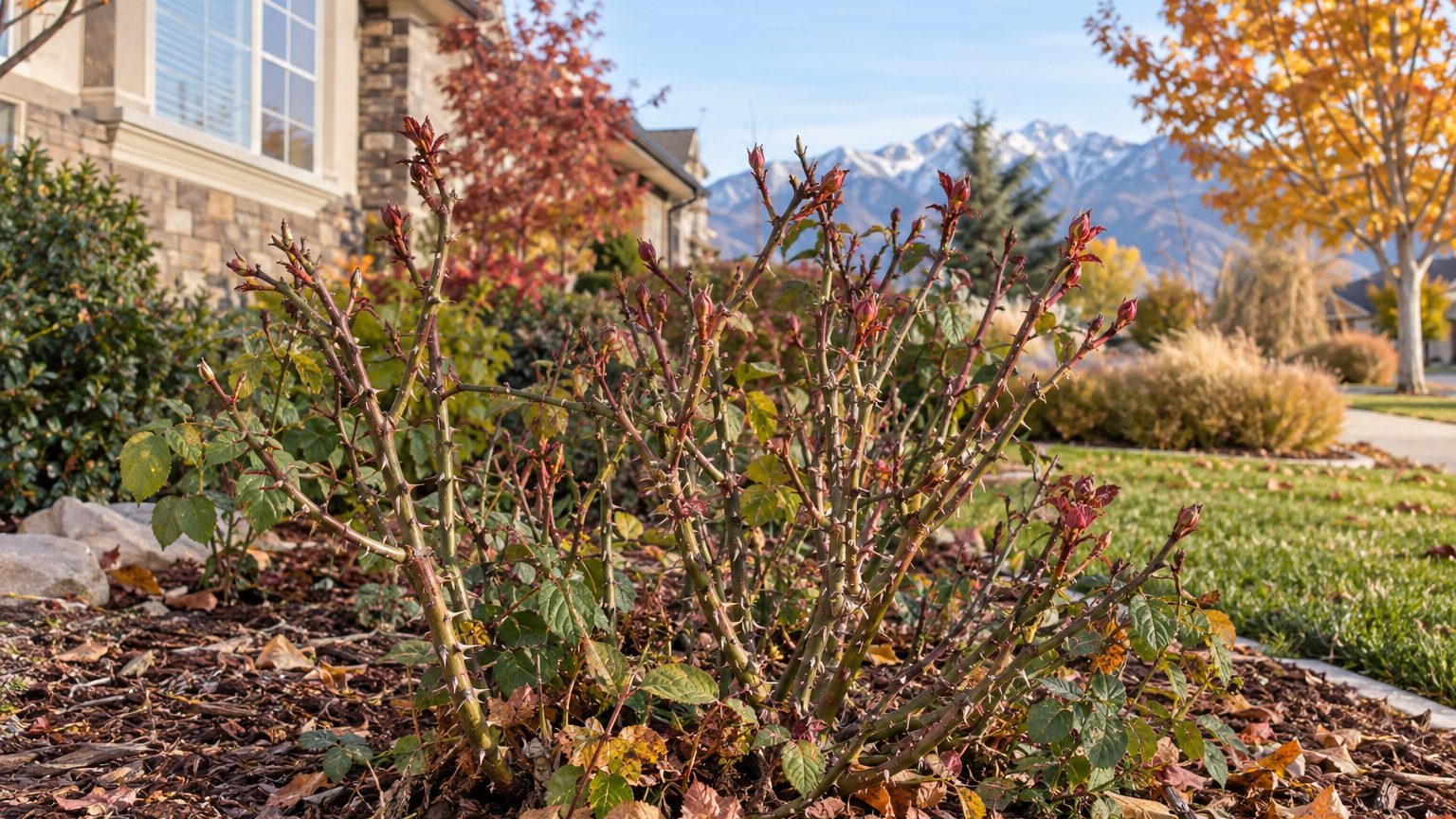
Rose canes at pruning time

Repeat-blooming roses are pruned in April across Utah, and May works when spring runs late. These roses flower on new wood, so a spring cut shapes the season’s growth rather than removing it.

Cutting too early invites trouble, because new shoots pushed out in a warm spell can meet a freeze. Salt Lake City sees its last spring freezes between April 12 and April 29, which is why the shears wait for spring to settle.

Rose type When to prune in Utah Why
Hybrid teas April, or May if spring is slow They bloom on new wood, and a spring cut avoids late frost damage to fresh shoots
Floribundas April, or May if spring is slow New growth carries the flowers, so pruning before it starts sets up the season
Modern shrub roses April, or May if spring is slow They repeat-bloom on new wood and respond to a spring tidy-up
Once-blooming roses (old garden roses, ramblers, many climbers) Right after they bloom, never in spring They flower once a year on last year’s wood, so a spring cut removes the flowers

Climbers that repeat-bloom follow the April timing, with May when spring runs late. The USDA hardiness zone system, which rates winter minimums, runs from 4a to 9a across Utah. That spread is the reason the buds, rather than a fixed date, make the final call in your yard.

How to Tell When Your Roses Are Ready to Prune

Roses give signals well before any calendar page does, and they matter more in a state where one yard can differ a lot from another.

  • Buds that swell and show a little color on the canes tell you the plant has woken up and the cut can be made just above them.
  • Forsythia in full bloom is a familiar neighborhood signal that the worst of winter has loosened its grip.
  • A hard freeze that has clearly passed means new growth will no longer be caught, so the shears can come out.
  • Winter mounds of soil or mulch come off gradually in April, with May as the fallback, once the danger of hard frost has passed.
  • Canes that are brown and shriveled while others stay green show how far back to cut, because you prune down to healthy tissue.

When these signs line up, go ahead, and if the buds are still tight, wait a little longer.

Should You Prune Roses in Fall or Winter in Utah?

Fall and winter are for protecting roses, not for cutting them. Overly long stems can be trimmed after growth stops so snow and wind do not whip them around or snap them. Take off the tips and nothing more.

Severe pruning waits until spring growth resumes. A hard cut in fall or winter can leave fresh wounds exposed to cold, and it removes canes that would have helped carry the plant through the season.

Winter protection is needed in cold winters for hybrid teas, floribundas and grandifloras. Hardy shrub roses such as Knock Out or the Explorer series perform well without extra protection. Mounding soil over the crown does the protecting, and no pruning is needed before it.

How Rose Pruning Dates Shift Across Utah

The April window is the same on paper everywhere, but Utah’s elevation changes how it plays out. Salt Lake sits in a mild valley, and most of the state is higher and colder, while the south is warmer.

  • Salt Lake Valley: April fits well here, and buds usually respond on time. May remains a fallback when spring turns cold.
  • Cache Valley and mountain towns such as Park City: spring arrives later, so wait for swelling buds and lean toward May. Cutting too early here gives frost more chances to hurt new shoots.
  • St. George and the rest of southern Utah: warmer weather brings the buds out sooner than in the north, so pruning can start at the early end of April or even a little before the buds fully swell.

Wherever your yard sits, let the buds make the final call.

Where to Get Rose Advice in Utah

Utah State University Extension is the state’s land-grant extension service. Its name is the place to start for rose questions, and your county office can speak to your own elevation and soil.

  • Its gardening guidance is written for the state, and it is worth a look in March, before pruning season begins.
  • Your county extension office can answer questions about your own yard and local timing, and a call in early spring helps when the buds are close to swelling.

Common Questions

When Should You Plant Bare-Root Roses in Utah?

April and May suit bare-root roses, planted in early spring as soon as the ground can be worked. Potted roses can go in later.

When Should You Feed Roses in Utah?

May, June and July are the main feeding months, with April and August as fallbacks. Feeding regularly through the growing season keeps blooms coming, and it stops after mid-August so late tender growth does not get caught by early cold.

When Should You Mound Soil Over Roses in Utah?

November is the usual month, around Thanksgiving, though October and December also work.

When to Plant Roses in Utah: Dates and Varieties

When to Plant Roses in Utah: Dates and Varieties

Bare-root roses show up in spring as bundles of bare canes and tangled roots, and in Utah they go into the ground while they are still asleep. Potted roses are more forgiving, but frost and cold winters shape the whole year for any rose here.

When to Plant Roses in Utah

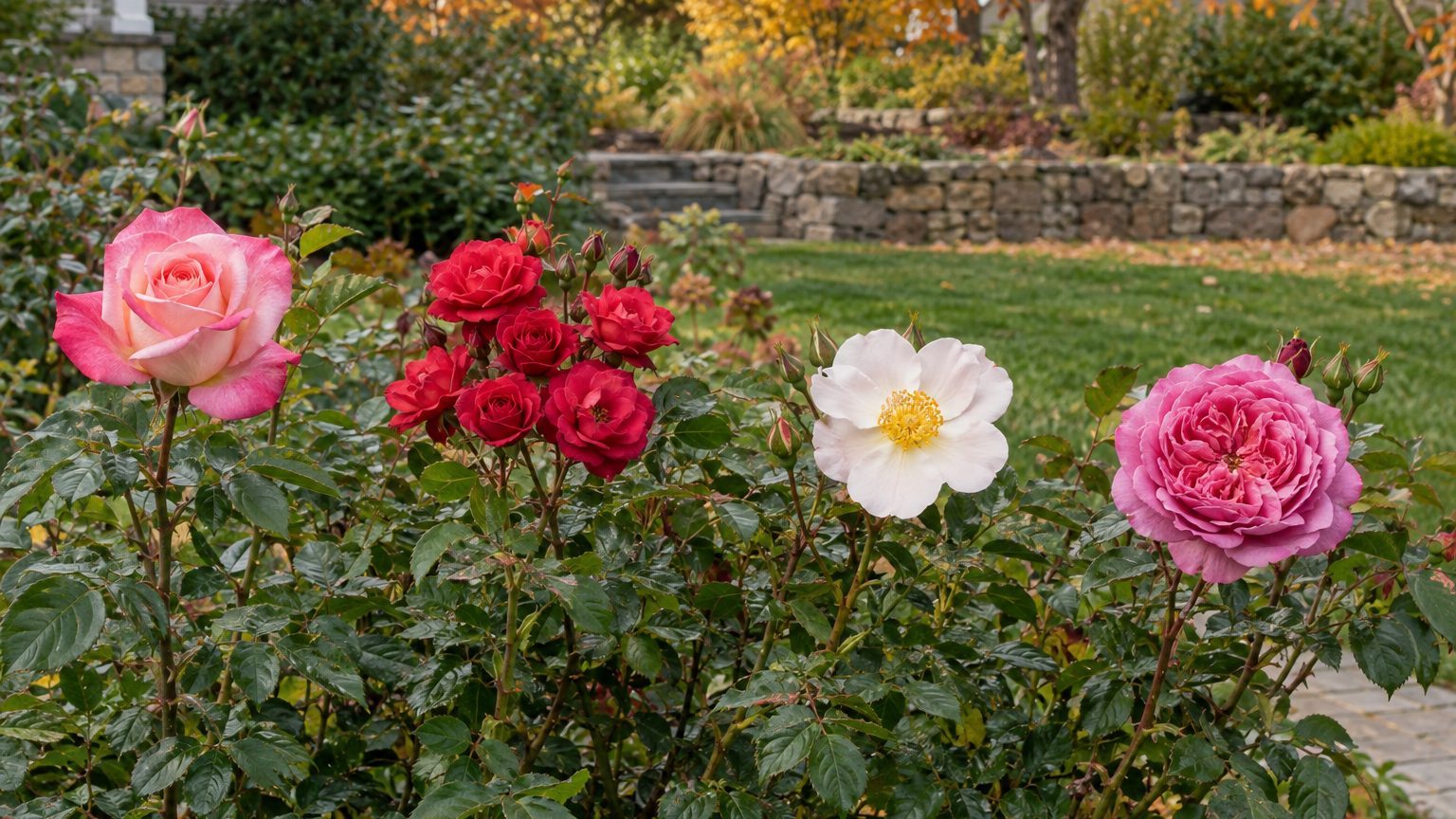
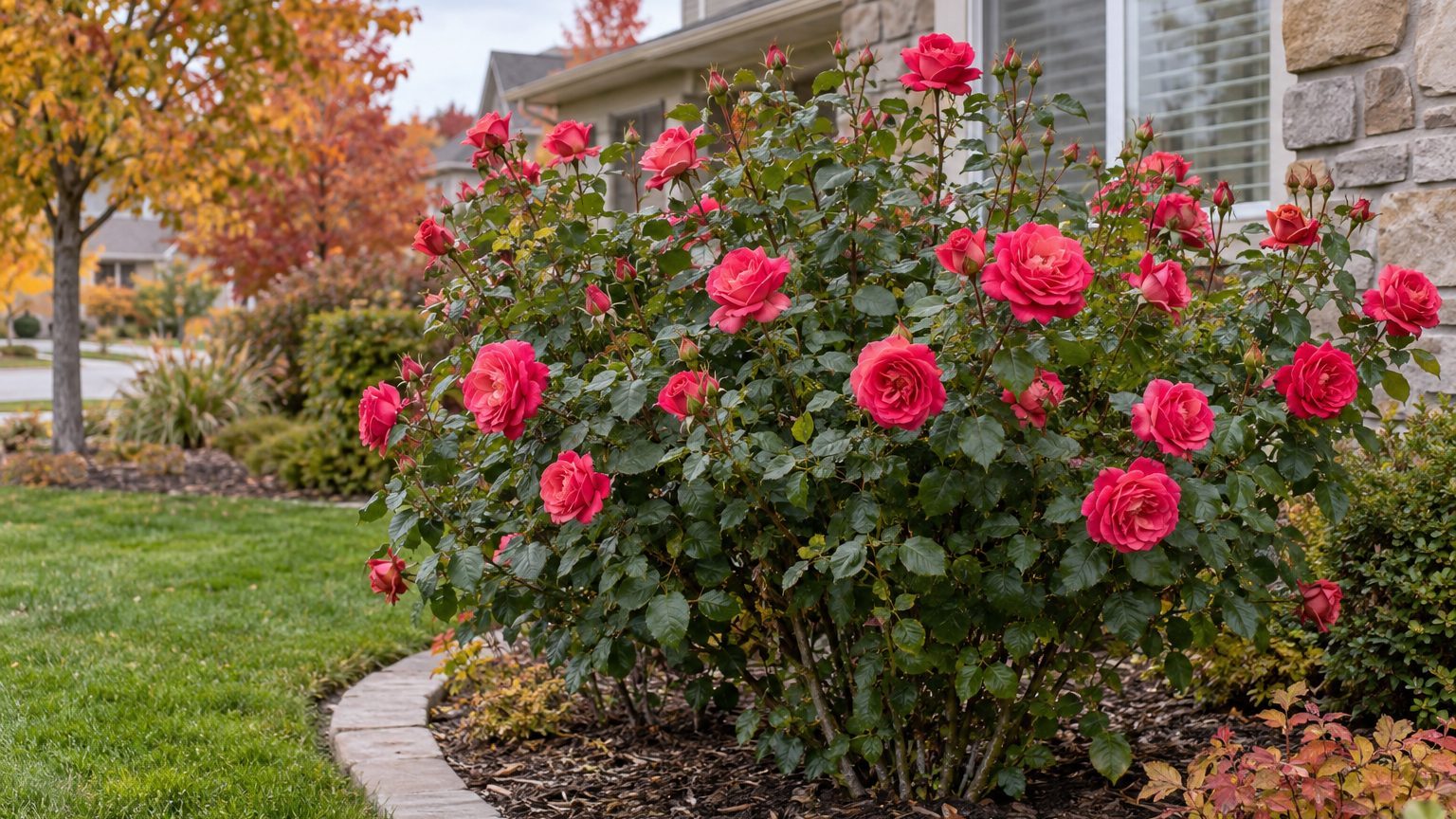
A rose bush in bloom in a home garden

Bare-root roses go in first, in early spring, and potted roses follow once frost has loosened its grip, which at Salt Lake City means after a last spring frost somewhere between April 12 and April 29.

  • In early spring, April is the month to plant bare-root roses, as soon as the soil can be worked and while the plants are still dormant.
  • Also in April, repeat-blooming roses get their pruning, and the soil or mulch mounded over the canes last winter comes off gradually.
  • In May, bare-root planting can still happen, and potted roses can go in a little later, since a leafed-out young rose is far more tender than a dormant one.
  • From May through July, roses are in full growth and take regular feedings.
  • In November, once nights turn truly cold, the crowns get their winter cover.

Hardiness runs from zone 4a to 9a in the USDA system, so a rose that sails through a mild valley winter may struggle higher up. Stop feeding after mid-August to keep soft new growth from meeting the first frost.

Which Roses Grow Best in Utah?

Winter decides most of the choices here. Utah spans a very wide range of cold, so the roses that do well are the ones that shrug off hard freezes, and the tender ones need help.

Plenty of shrub roses are hardy and vigorous and ask for little care under severe conditions. Some varieties tolerate extremely cold winter lows, which matters in the colder, higher parts of the state.

Rose type How it does in Utah Why
Hybrid teas and grandifloras Do well with extra winter care Less cold tolerant than shrub roses, so added protection is often recommended
Hardy shrub roses (Knock Out, Explorer series) Perform well without extra protection Hardy and vigorous, so they need little fuss
Alpine and Nootka roses Suit the warmer areas of the state They have survived on protected planting sites
Old garden roses, ramblers, many climbers Flower once a year They bloom on last year’s wood, so the pruning cut matters

Floribundas and modern shrub roses that repeat bloom sit between these extremes and follow the same April pruning as hybrid teas. For a first rose in a cold spot, a hardy shrub rose is the low-stress pick, and a hybrid tea becomes a rewarding project once the winter routine is a habit.

When to Prune, Feed and Protect Roses in Utah

The rose year here comes down to a handful of dated jobs. Pruning sits in spring, feeding fills the growing season, and cover goes on late in the year.

Repeat-blooming roses flower on new wood, so spring pruning suits them. Once-blooming roses flower on last year’s wood and get pruned right after they bloom, never in early spring.

Task Best months in Utah Why then
Pruning repeat-blooming roses April (it can also be done in May) Cutting too early can leave fresh growth open to a killing frost
Feeding roses May, June and July (April and August also work) Regular feedings suit active growth, and stopping after mid-August keeps soft new shoots from meeting the first frost
Putting on winter protection November (it can also be done in October or December) Mound soil over the crown in late fall, once nights have turned hard-freezing for several days.
Taking winter protection off April (it can also be done in May) Remove it gradually once the danger of hard frost has passed

Hybrid teas, floribundas and grandifloras are the roses that most need that soil mound in a cold winter, while hardy shrub roses usually go without. For the full method on cuts and canes, the Utah page on when to prune roses goes deeper.

How Rose Care Dates Change Across Utah

Elevation moves the calendar more than anything else, and the dates above lean toward a mild valley, so the rest of the state shifts around them.

  • Salt Lake Valley: This mild valley is where the dates above fit most closely, and it is a forgiving place for hybrid teas as long as they get their winter mound.
  • Park City and other high mountain towns: Most of Utah sits higher and colder than the valley floor, so planting and pruning slide later in spring, and winter cover goes on earlier in fall. Hardy shrub roses are the safer bet here.
  • St. George and southern Utah: Warmer conditions make April the month to watch both soil and buds before planting or pruning.

Whatever the town, watch the buds and the weather as well as the calendar, since a cold snap in a high valley can stall spring by a good stretch.

Where to Get Rose Advice in Utah

A rose that sulks is often a local problem, such as soil, a cold pocket or a pest, and local experts can sort it out faster than general advice can.

  • Utah State University Extension publishes garden guidance written for the state’s climate, and it is worth a look before choosing roses in winter.
  • Your county extension office can help diagnose a struggling plant and explain how to take a soil sample, ideally before spring planting.

Common Questions

Should You Cut Back Tall Rose Canes Before Winter?

Very tall canes catch wind and heavy snow and can break, so some gardeners shorten them in late fall. The real pruning for repeat-blooming roses still waits until April, when the buds begin to swell.

Can You Plant a Potted Rose Later than a Bare-Root Rose?

Yes. Bare-root roses have a narrow window because they must go in while dormant, but a potted rose already has leaves and roots in soil, so it can be planted a little later in spring. Just keep it out of reach of a late frost.

How Do Hardiness Zones Affect Which Rose You Choose?

USDA zones are based on the average coldest winter temperature each year, and Utah covers a very wide range of those temperatures. In the colder zones, favor hardy shrub roses, and in the milder ones you have more room to try hybrid teas.

The almanac, state by state. Every date on this site comes from a state’s own frost facts and its extension service’s calendar — and says where it comes from.