Straw-colored patches in July or dandelions spreading through April grass can send Utah homeowners looking for answers. Common lawn problems here often trace back to weeds, insects, fungi, or maintenance habits. Once you identify the problem, the next step is usually clear.
Lawn Pests and Diseases in Utah

Dandelions in Spring
Bright yellow heads over a rosette of jagged leaves mean a taproot is anchored underneath. Dandelions move into thin turf, where sunlight reaches the soil. Pull them after a rain, when the root slides out whole, and thicken the grass around the gap so seedlings have no bare ground.
Crabgrass in Summer
Crabgrass looks like pale green, flat-lying clumps with stems spreading outward from the center like spokes. It sprouts in bare, warm soil and thrives where the lawn is scalped or thin. Stopping it before it sprouts works far better than fighting a mature plant, because the plant dies at frost but leaves seed behind.
Billbug Damage
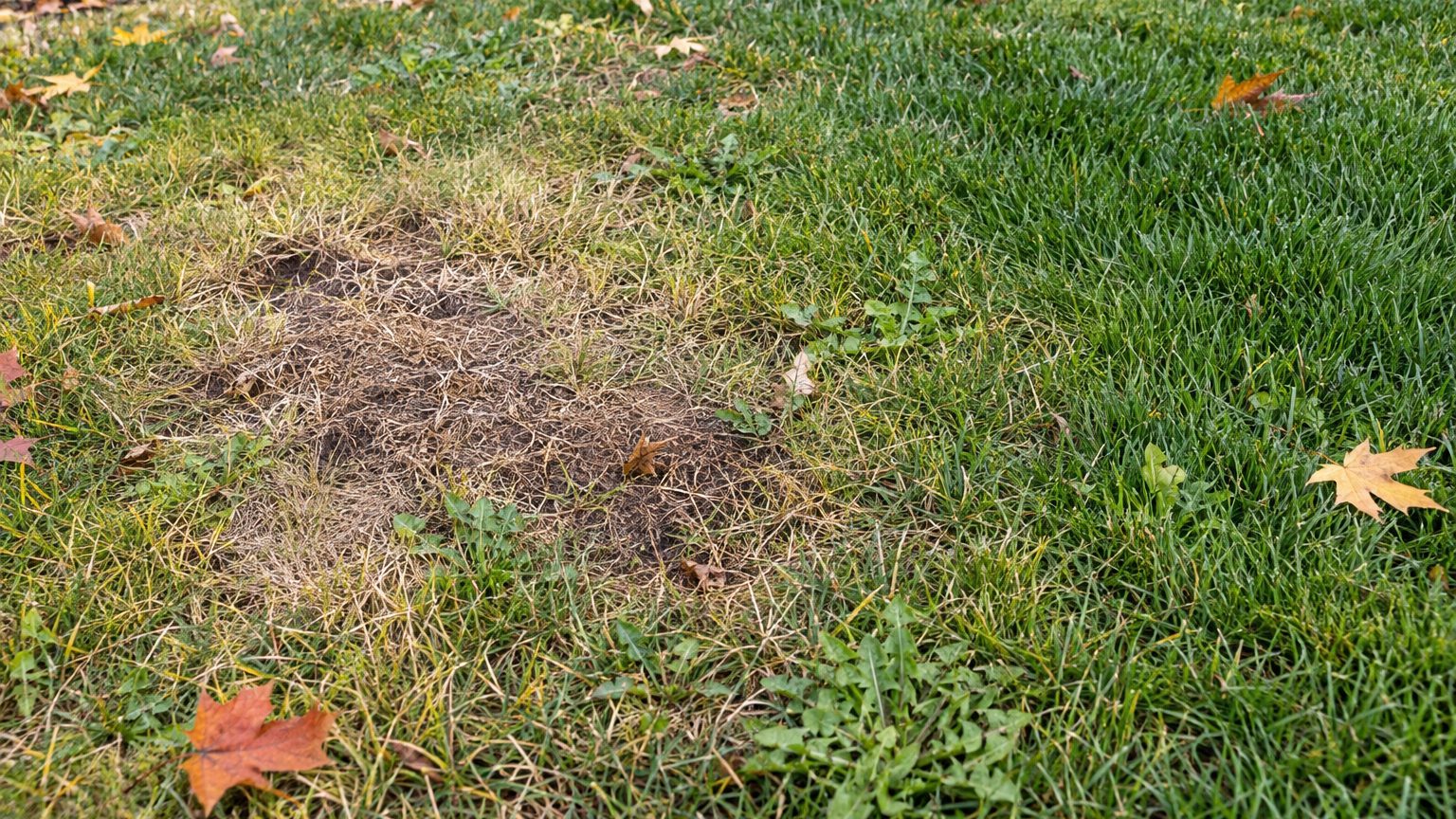
Billbug damage shows up as irregular tan patches, often along sunny driveways and sidewalks, where the grass tugs loose with almost no resistance. Look at the crown and you will find sawdust-like debris. Bluegrass lawns are the usual target. Regular watering and a healthy root zone help the lawn outgrow light feeding.
Dollar Spot
Small, straw-colored spots about the size of a silver dollar appear on grass that is lightly fed and dry at the root, often with cobweb-like threads in the morning dew. The fungus favors warm days and cool, damp nights. Feeding the lawn at the right time and watering deeply in the morning usually brings it back.
White Grubs
Grubs are fat, C-shaped, creamy larvae that chew roots in late summer. The sign is a patch that feels spongy and rolls back like a carpet, with no roots holding it down. Digging by birds or skunks also points toward grubs. Lift the edge of the sod and check the soil beneath.
Utah — the year and the numbers
- State
- Utah
- USDA zones
- 4a-9a
- Last spring frost
- April 12 to April 29
- First fall frost
- October 18 to October 29
- Annual rain
- 16 in
- Lawn type
- cool-season
- Source
- NOAA NCEI 1991-2020 Climate Normals, 32F freeze probabilities · Salt Lake City
How to Tell Which Lawn Problem You Have
Do not rely on a clue in isolation. Pair what the patch looks like with where it sits and when it appeared, then tug the grass as a simple test. Grass that lifts like a mat points to root feeders, while grass that stays firmly rooted points to disease, drought or weeds.
| What you see | Where and when | Points to |
|---|---|---|
| Tan patches that lift easily | Late summer, often in full sun | White grubs |
| Tan patches that stay rooted | Beside pavement, early summer | Billbugs or heat stress |
| Silver-dollar straw spots | Warm days, dewy mornings | Dollar spot |
| Pale, sprawling clumps | Bare or thin spots, summer | Crabgrass |
| Yellow flowers on a taproot | Spring, thin turf | Dandelions |
| Thin grass, mossy or bare | Under trees, shaded sides | Too little light |
Spongy turf that feels like a mattress underfoot is a separate case. A thatch layer up to 1/2 inch thick is healthy, and anything thicker calls for dethatching or core aeration. Dethatch in August or September, or in April if you missed the late-summer window.
Where Lawn Problems Are Worst in Utah
Utah stretches across USDA hardiness zones 4a to 9a, so the same lawn symptom can have different roots depending on where you live.
- Wasatch Front: Salt Lake City, Provo and Ogden see heat-stressed bluegrass along pavement and billbug trouble on sunny strips. Deeper watering and a taller mowing height help.
- St. George: The long, hot summers favor weeds and drought stress, so lawns here thin out fast if watering falls behind. Warm-season grass handles the heat better than bluegrass.
- Cache Valley and Park City: Cold winters and short seasons slow recovery. Snow mold and slow spring green-up are the common complaints, and seeding has less time to establish.
If your property sits on a bench or near a canyon mouth, expect conditions to differ from the nearby valley floor.
Lawn Care Mistakes That Invite Problems in Utah
Mowing Too Short
Scalped grass exposes soil, and sun-baked soil is where crabgrass and dandelions germinate. Mowing runs from April through November here, so there is plenty of opportunity to get it right. Raise the deck, mow with a sharp blade, and leave the clippings to feed the soil.
Watering Lightly and Often
Short, frequent sprinkling keeps roots near the surface, which leaves the lawn vulnerable to summer heat. The main watering season runs June through August. Water deeply and less often, early in the morning, so roots follow the moisture down and the blades dry before evening.
Feeding at the Wrong Time
Heavy feeding in midsummer pushes soft growth that disease and heat both punish. Utah lawns do best when fed in September and November, with May as a fallback. A well-fed lawn in fall builds roots and thickens the turf before winter, which crowds out weeds the next spring.
Where to Get Lawn Advice in Utah
Local soil, elevation and water vary enough that local advice pays off. Local extension resources can answer questions about your specific yard.
- Utah State University Extension publishes lawn guides written for the state’s climate. Check it before buying treatments for an unknown patch.
- Your county extension office can look at a sample of turf or a grub you dug up. Bring it in as soon as you spot the problem.
Common Questions
When Should You Put Down Crabgrass Preventer in Utah?
April is the target, before crabgrass sprouts in warming soil. If you miss it, May still works. After May, focus on crabgrass that has already emerged instead of applying a preventer.
When Is the Best Time to Seed a Lawn in Utah?
August and September give new grass warm soil and cooler nights to root before winter. April and May also work if fall slips by.
When Should You Core Aerate a Utah Lawn?
September is the right month for core aeration in Utah, because the grass recovers quickly and fills in the holes. April and May also work if you missed the fall window.