Skip to content

Colorado

  1. Jan
  2. Feb
  3. Mar
  4. Apr
  5. May
  6. Jun
  7. Jul
  8. Aug
  9. Sep
  10. Oct
  11. Nov
  12. Dec
State
Colorado
USDA zones
3b-7b
Last spring frost
May 1 to May 11
First fall frost
September 30 to October 12
Annual rain
15 in
Lawn zone
transition-season
Source
NOAA NCEI 1991-2020 Climate Normals, 32F freeze probabilities · Denver

The year in Colorado, from the calendar

  1. Jan—
  2. FebPrune fruit trees
  3. MarRenew an overgrown lilac · Prune fruit trees
  4. AprRenew an overgrown lilac · Plant roses · Prune roses · Uncover roses in spring · Plant trees
  5. MayFeed hydrangeas · Plant hydrangeas · Lilacs bloom · Feed roses · Plant roses
  6. JunPlant hydrangeas · Prune bigleaf hydrangeas · Lilacs bloom · Prune lilacs · Peonies bloom
  7. JulFeed hydrangeas · Plant hydrangeas · Prune bigleaf hydrangeas · Feed roses · Mow
  8. AugPlant hydrangeas · Seed the lawn · Dethatch · Mow · Plant trees
  9. SepPlant spring bulbs · Seed the lawn · Plant peonies · Aerate · Dethatch
  10. OctPlant spring bulbs · Cut back peonies · Plant peonies · Mow
  11. NovCut back peonies · Protect roses for winter · Fertilize the lawn · Mow
  12. Dec—

From the state frost facts and extension calendars: Colorado State University Extension · Clemson HGIC factsheet — Hydrangea · Purdue Extension — AY-13 Lawn Improvement Programs · Montana State University Extension ; Iowa State University Extension.

When to Prune Fruit Trees in Colorado

When to Prune Fruit Trees in Colorado

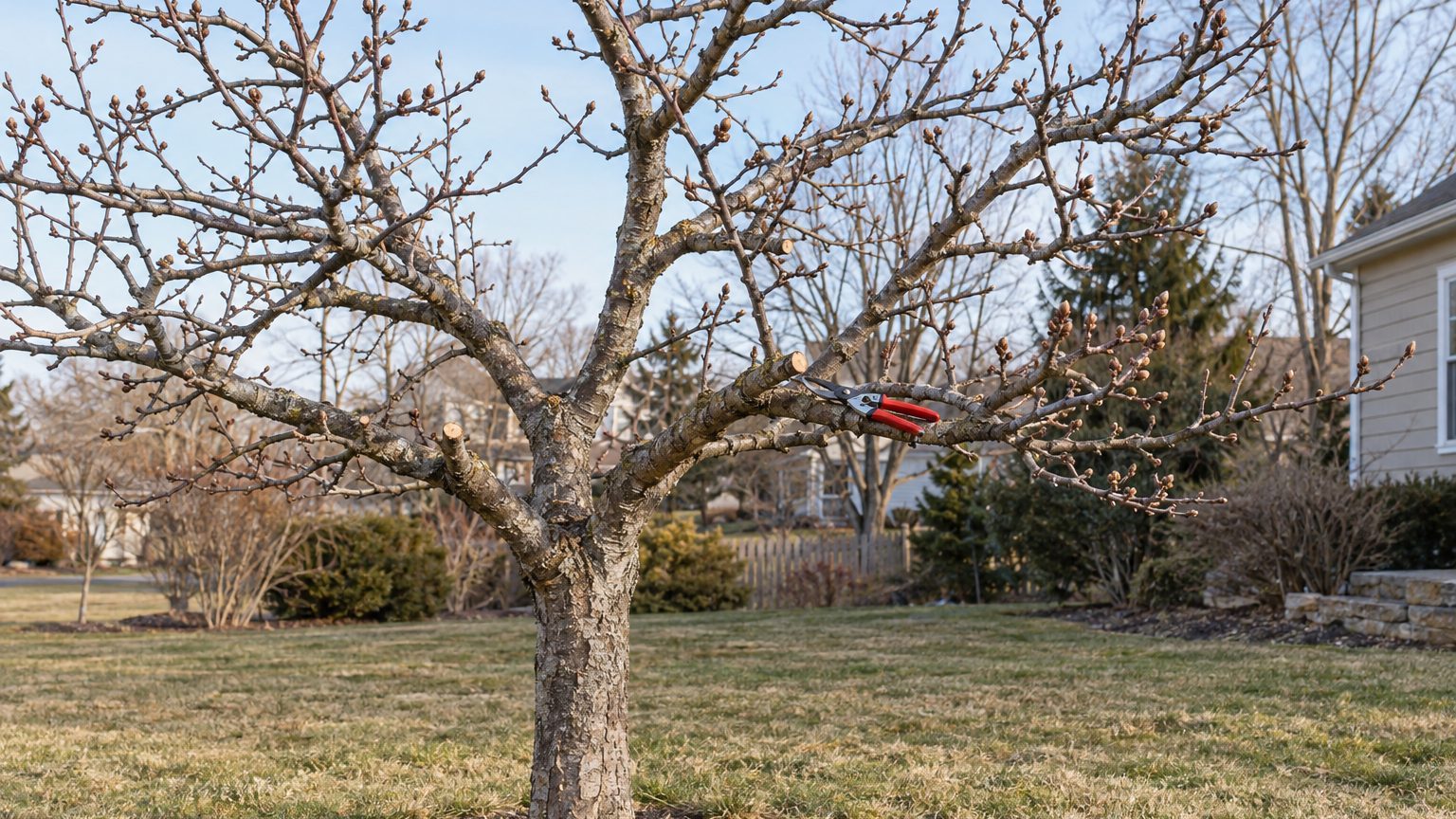
Bare branches against a gray late-winter sky are the signal fruit growers in Colorado look for. Apple, pear, peach, cherry and plum trees are pruned while they sleep, after the hardest cold has passed and before the buds open.

When to Prune Fruit Trees in Colorado

Pruning a dormant fruit tree before the buds open

Dormant pruning in Colorado happens in late winter, with February and March the usual months and April still workable. The tree is at rest, the worst cold is behind it, and the buds have not yet swelled. That order leaves time to apply dormant oil as a preventative spray.

Pruning in fall or early winter is avoided, because new growth triggered by a cut may not harden before the cold arrives.

Fruit tree When to prune in Colorado Why
Apples and pears February to March, April if needed Pruned first among fruit trees, once the deepest cold has passed
Peaches and nectarines February or March Pruned last, closest to bloom, because flower buds are easily hurt by cold
Cherries and plums February to March, April if needed Cut while dormant, before bud swell
Young trees Late winter, while still dormant Planted in April, so first shaping follows the same dormant window

These months fit the Front Range and the plains, where Denver sits at 5,280 feet and the last spring frost falls between May 1 and May 11. Mountain towns and the western slope run on different clocks, and Colorado spans zones 3b to 7b, so a high-country orchard waits longer than a backyard tree in the city.

How to Tell Your Fruit Trees Are Ready to Prune

The calendar gives the months, but the tree itself confirms them. A walk around the yard in late winter shows which signs are present.

  • The branches are bare and the leaves are long gone, which tells you the tree is dormant and can handle cuts.
  • The coldest stretch of winter, when temperatures dip below zero, has passed, so fresh wounds will not be hit by extreme cold.
  • The buds are still tight and closed, which means there is room to prune and to spray dormant oil first.
  • Buds that have begun to fatten at the tips mean the window is closing, so the remaining cuts should be finished soon.
  • Peach buds that are close to showing color are your cue to prune peaches last, after the apples and pears are done.

If the buds have already opened, wait until the tree has finished flowering and settle for light corrections rather than major cuts.

When to Prune Peach and Apple Trees in Colorado

Apples sit at the front of the line. They are pruned in the heart of the dormant season, in February or March, once the severe cold has passed. A hard freeze after pruning does less harm to an apple than to a peach, so there is no reason to hold off until the last moment.

Peaches go last, in February or March, as close to bloom as the calendar allows. Their flower buds are easily hurt by cold, and cutting too early leaves them exposed to a late hard freeze. A few extra weeks of patience protect next summer’s crop.

A practical order for a yard with both: finish the apples first, then turn to the peaches when the buds begin to show signs of life but have not yet opened. Summer pruning is not something to plan around, since the dormant cuts do the main work of shaping these trees.

Where to Get Fruit Tree Advice in Colorado

Local conditions vary a great deal across the state, from plains to foothills to the western slope. Two places can help you fit the general timing to your own yard.

  • Colorado State University Extension publishes guidance on growing tree fruit in Colorado gardens, and it is a good first stop in winter before you pick up the pruning saw.
  • Your county extension office can speak to your elevation and microclimate, so call or visit in January or February to settle on your own pruning week.

Common Questions

Can You Prune Fruit Trees in Colorado in Fall?

Fall pruning is avoided. Cuts can push new growth that has no time to harden before winter, and the tree enters the cold weaker than it should be.

Should You Spray Dormant Oil When Pruning?

Late winter pruning leaves a gap before bud swell, and that gap is the time to apply dormant oil, also called horticultural oil, as a preventative spray.

Which Apple Trees Suit a Colorado Home Garden?

Dwarf apple trees are recommended for home gardeners, but they need careful training and staking. They are also less cold-hardy than semi-dwarf trees, which matters in colder parts of the state.
Best Time to Plant Trees in Colorado

Best Time to Plant Trees in Colorado

Colorado yards come alive in April, when buds on a crabapple are still tight and the ground has finally let go of winter. That is also when a new tree settles in best. Shade trees, ornamentals and fruit trees each have a window, and a few simple signs tell you when it is open.

When Is the Best Time to Plant Trees in Colorado?

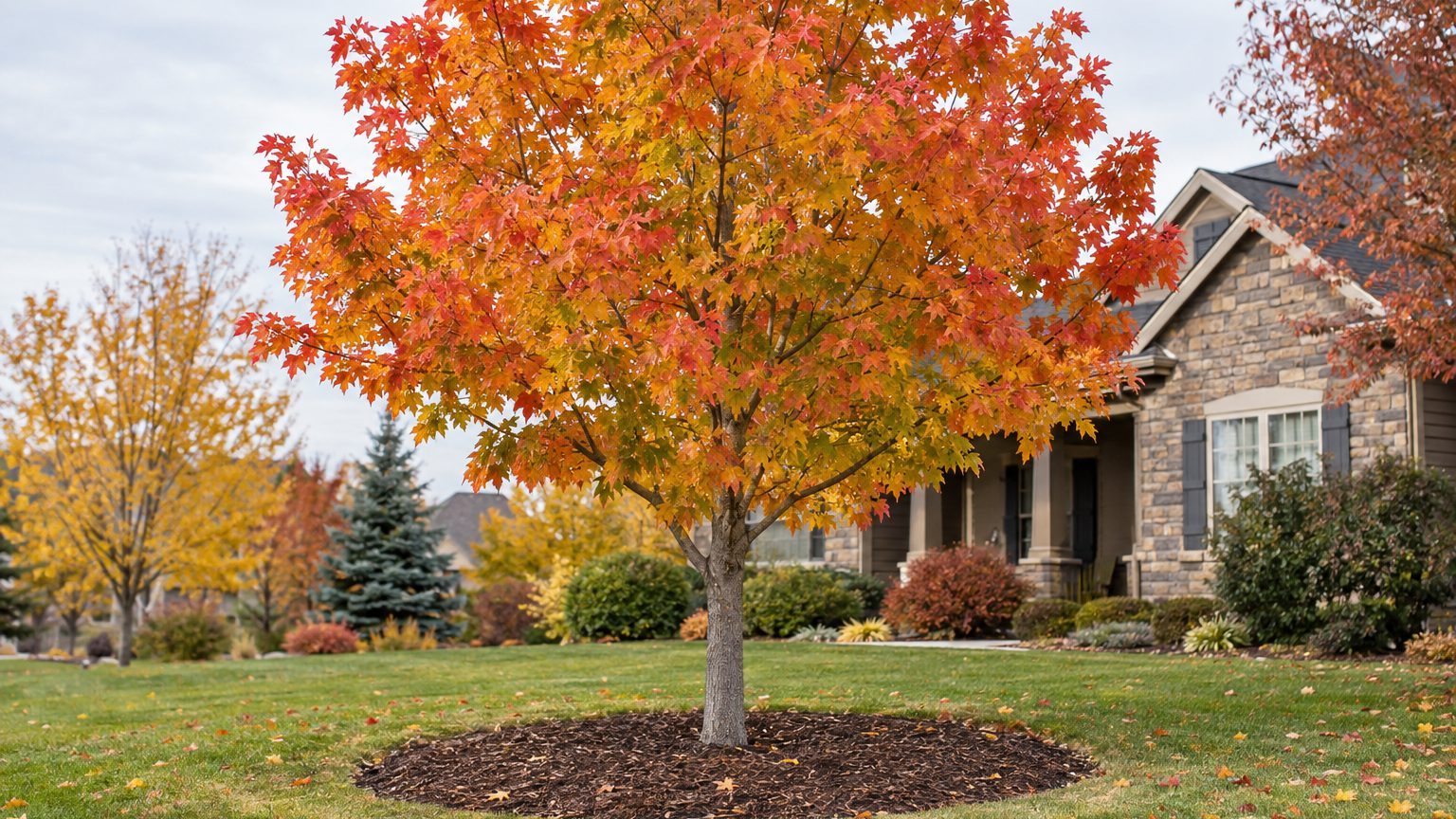
A young shade tree newly planted in a home yard

Shade and ornamental trees go in during April and May, while the buds are still closed and the soil has thawed, and container or balled-and-burlapped trees can also go in during September and October.

  • In April, plant while the tree is still dormant and the buds are tight, so the roots can start working before leaves demand water.
  • In May, container and balled-and-burlapped trees still go in well, as long as you water them regularly once the weather turns warm.
  • In summer, hold off if you can, because heat and dry soil stress new roots more than any other season.
  • In September and October, container and balled-and-burlapped trees can go in while the soil is still warm enough for roots to grow, and you water until the ground freezes.
  • In the dormant season, container trees settle in best, though they can be planted most of the year if you keep them watered.

Some trees do better planted in spring than in fall, including magnolia, dogwood, tuliptree, sweet gum, red maple, birch, hawthorn, poplars, cherries, plums and many oaks. Around Denver, the last spring freeze usually falls between May 1 and May 11, and the first fall freeze between September 30 and October 12. Denver sits at 5,280 feet on the plains, but the state spans USDA zones 3b to 7b. Mountain towns have far shorter seasons and can frost in July, and the western slope differs again, so a county extension office can tell you what holds for your elevation.

When to Plant Fruit Trees in Colorado

April is the month for planting fruit trees, and March or May also work when the soil is workable. Bare-root trees go in only in spring, while they are still dormant and before the buds open.

A bare-root tree has no soil around its roots, so it needs to wake up in the ground rather than on a shelf. Container-grown fruit trees are more forgiving and can be planted most of the year with regular watering.

Kind of fruit tree When to plant in Colorado Why then
Bare-root April, or March and May The tree is still dormant and the buds have not opened
Container April, or March and May Roots settle best in the dormant season, and watering carries the tree through the rest of the year

Dwarf apple trees suit home gardens but need careful training and staking, and they are less cold-hardy than semi-dwarf trees. That matters in a state where winter lows swing as widely as they do here.

Best Trees to Plant in Colorado

Crabapples are the ornamental tree Colorado extension guidance singles out for the state’s soils and climate. They handle dry spells well once established, and chinkapin oak is considered low-maintenance and long-lived.

Whatever you choose, match the tree to your space, your sun and your zone before you buy.

Tree How it does in Colorado Why
Crabapple Well adapted to Colorado soils and climate Fairly drought tolerant once established, needing only 15 to 20 inches of annual moisture from rain plus any watering
Chinkapin oak Suited to zones 4 to 7, which covers much of the state Low-maintenance, long-lived, moderately salt tolerant and free of serious pests

Crabapple varieties are not equal. Some are more prone to disease than others, and higher elevations call for varieties picked with the cold in mind. The National Crabapple Evaluation Program, started in the early 1980s, rates varieties for ornamental value and disease resistance, which makes it a handy reference before you buy.

When to Plant, Water and Prune Trees in Colorado

Planting, watering and pruning each have their own season, and they do not overlap much. Spring starts the year with planting, fall closes it with watering, and late winter belongs to the pruning saw.

Task Best timing in Colorado Why then
Plant shade and ornamental trees April and May, or September and October for container and balled-and-burlapped trees Buds are closed in spring, and fall soil is still warm enough for roots
Plant fruit trees April, or March and May Bare-root trees must go in while dormant
Water a young tree Regularly through the growing season, and in fall until the ground freezes New roots dry out fast in heat and need moisture before winter
Prune a fruit tree February and March, or April After the worst cold has passed and before bud swell

Apples are pruned first and peaches last, closest to bloom, since peach flower buds are easily hurt by cold. Avoid pruning fruit trees in fall or early winter, because new growth may not harden before the cold. Late winter also leaves time to apply dormant oil as a preventative spray. The full pruning schedule is on the page called When to Prune Fruit Trees in Colorado.

Where to Get Tree Advice in Colorado

Elevation, soil and exposure change from one Colorado yard to the next, so local advice is worth having before you dig. Two sources are close at hand.

  • Colorado State University Extension publishes guides on growing tree fruit and flowering crabapples, and the pages are worth reading before spring planting.
  • Your county extension office can advise on which species suit your elevation and can arrange a soil test, so call in late winter before the planting window opens.

Common Questions

Can You Plant a Tree in Summer in Colorado?

You can, if the tree is container-grown and you keep it well watered, but it is the hardest season for it. Heat and dry soil stress new roots, so spring or fall gives a much easier start.

Should You Remove the Burlap When Planting a Balled-and-Burlapped Tree?

Yes, the burlap and any wire basket should come off or be cut away from the top of the ball once the tree sits in its hole. Left in place, they can hold back roots as the tree grows.

How Long Should You Water a Tree Planted in Fall?

Keep watering it until the ground freezes. Roots keep working in cool soil, and a tree that goes into winter with moist ground around it is better prepared for the cold.

Best Peonies for Colorado

Best Peonies for Colorado

A peony clump returning in spring is a quiet reward in a Colorado yard. These plants are built for cold winters, so the real choices are between herbaceous hybrids and tree peonies, and between a sunny open bed and a sheltered corner. Those choices decide how well a plant settles in.

Best Peonies to Grow in Colorado

Best Peonies for Colorado

Peonies suit Colorado because they need a cold winter rest to flower, and most of the state delivers it across USDA zones 3b-7b. Herbaceous hybrids and tree peonies can fit, and the choice comes down to the spot you have and the look you want.

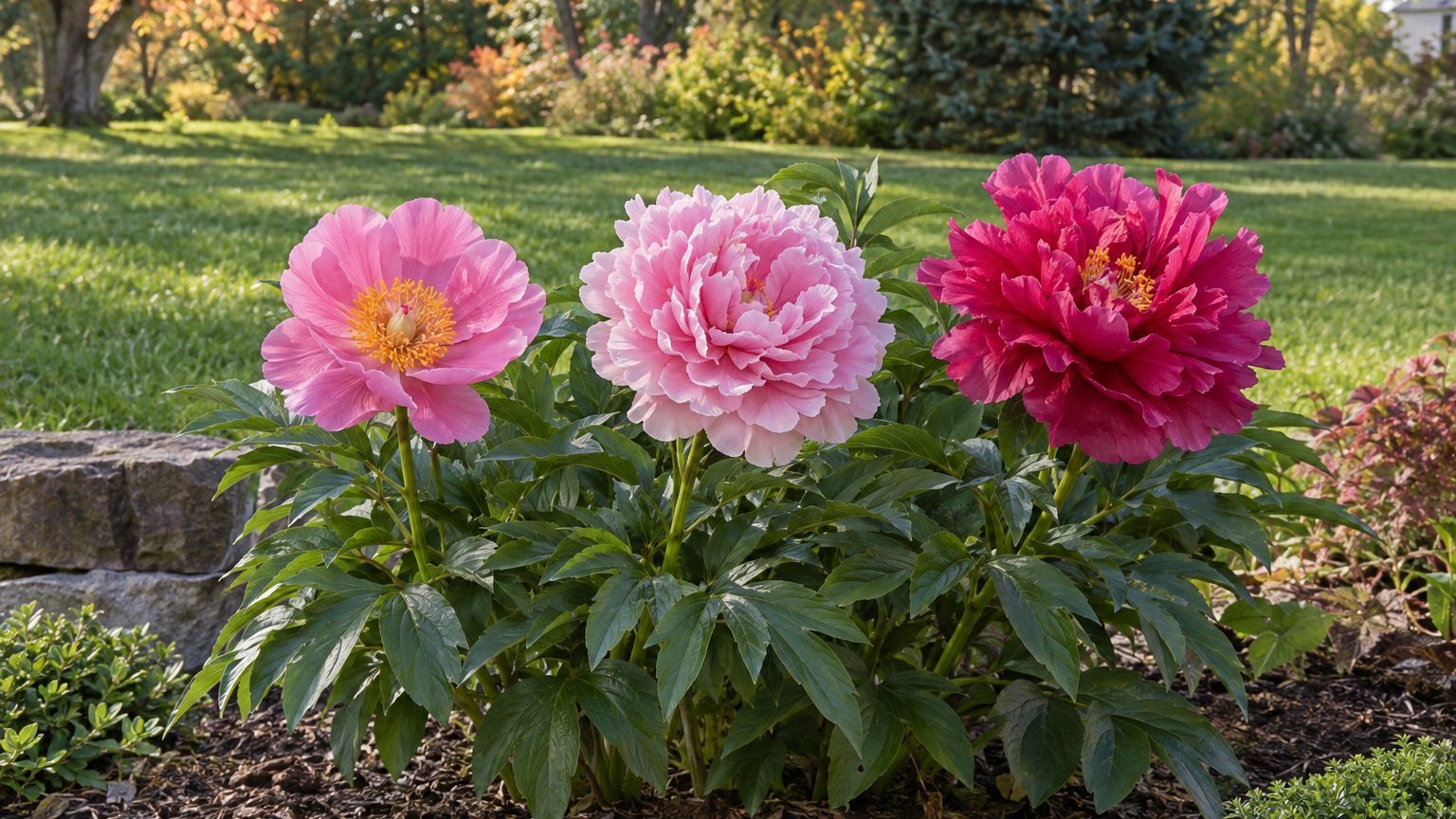
Herbaceous Hybrid Peonies

Herbaceous Hybrid Peonies — Best Peonies for Colorado

These are the classic garden peonies, sold as Paeonia hybrids in pink, purple, red and white. They bloom in May and June and stay a tidy height, with foliage that looks good long after the flowers fade.

Give them full sun. Each year the stems die back to the ground, so the plant renews itself from the roots with no help from you beyond a fall cleanup.

Tree Peonies

Tree Peonies — Best Peonies for Colorado

Despite the name, a tree peony (Paeonia suffruticosa) is a deciduous shrub with woody branches that stay standing through winter. It tends to bloom earlier than the herbaceous kinds, and the flowers are larger.

In Colorado, tree peonies prefer light shade and a protected location. A spot out of the wind, perhaps on the east side of a wall or fence, suits them well. Mature plants can reach 3 to 5 feet and usually need no staking, since the woody branches hold up the heavy blooms.

Flower Forms to Look For

Within the herbaceous group there are hundreds of varieties, and the differences show in the flower. Single, double, bomb and anemone forms all exist, in whites, pinks, reds, corals and yellows, and some are fragrant while others are not.

Heavy doubles can bend after a rain, so a support keeps them upright. Singles and anemone forms hold their heads better with less fuss.

Cut-Flower Varieties

If you want armloads of stems for the house, look for varieties sold for cut-flower production rather than landscape use alone. Choosing early, mid and late bloomers gives you flowers over a longer season.

Along the Front Range, the large, fragrant blooms often open in late May or early June, which sets the start of that cutting window.

How to Choose a Peony for a Colorado Garden

Start with the spot, not the catalog photo. Light, shelter and how much room the plant will have at full size narrow the field quickly.

Time matters too. Herbaceous peonies are simple plants, but they do ask for a fall cleanup, while a tree peony keeps its framework.

Your situation What suits it in Colorado Why
Very cold winter Herbaceous hybrids Peonies need winter chilling to bloom, and these die back to the ground each year
Need for winter cold Any peony in a spot that gets the full winter A cold rest is what sets flowers, so cold is a help here
Avoid staking Tree peony Woody branches mean usually no staking once mature
Small space Herbaceous hybrid Stays shorter, while a tree peony can reach 3 to 5 feet
Partly shaded, sheltered corner Tree peony It prefers light shade and a protected location
Open, sunny bed Herbaceous hybrid It grows better in full sun
Flowers for cutting Varieties sold for cut-flower production Early, mid and late types spread out the harvest

Conditions vary across Colorado, so judge heat tolerance against your own site. Light, shelter and mature size also belong in the decision.

Which Peonies Suit Different Parts of Colorado

Colorado stretches from plains to high mountains, and the same peony does not meet the same conditions everywhere.

  • Front Range: Denver sits at 5,280 feet on the plains, and herbaceous hybrids and tree peonies both settle in. Blooms often open in late May or early June.
  • Mountain towns: Growing seasons run far shorter and frost can arrive in July, so ask local gardeners which peonies handle the site well. Tuck any tree peony into a sheltered spot.
  • Western Slope: Conditions differ again from the Front Range, so a visit to a local garden center or county office will tell you which varieties neighbors have kept going.

Wherever you live, the shelter around the plant often matters as much as the town it sits in.

Peony Buying Mistakes to Avoid in Colorado

Putting a Tree Peony in the Open

A tree peony set in a bare, windy bed has to carry its woody stems through the whole winter with no cover. The plant will likely struggle there.

Choose a protected location with light shade instead. A wall, fence or larger shrub nearby gives that shelter.

Planting the Roots Too Deep

A peony planted too deep may bloom poorly or not come up at all. The pink buds on a bare-root crown can look as if they should be buried for safety.

Keep those eyes near the soil surface when you set the plant, and settle the soil gently around the roots.

Ignoring Mature Size

A small potted peony at a garden center says nothing about its adult size. Herbaceous hybrids stay shorter, but a tree peony can grow 3 to 5 feet tall.

Check the plant tag before you buy, and leave room for the full size. Crowded plants are harder to move later.

Where to Get Peony Advice in Colorado

Colorado State University Extension offers research-based guidance for the state’s gardeners, and your county office adds local knowledge about altitude and soil.

  • The extension website has plant guides you can read before you shop, so a quick look before buying helps you pick the right type.
  • Your county office can tell you how peonies are doing in your own town, and a visit in early fall, before planting, gives you time to act on the advice.

Common Questions

When Should You Plant or Divide Peonies in Colorado?

September and October suit planting and dividing, in fall before the ground freezes. That gives the roots time to settle before winter.

Do Peonies Bloom the First Spring After Planting?

A newly planted or transplanted peony may not bloom the first spring. Give it time to settle in, and keep it at the right depth so it has a chance to flower later.

When Should You Cut Back Peonies in Colorado?

Cut herbaceous peonies back in October or November, after a hard freeze has killed the foliage. Take the stems down to within a couple of inches of the ground and dispose of the debris. A tree peony keeps its woody stems and is never cut back.

When Do Peonies Bloom in Colorado?

When Do Peonies Bloom in Colorado?

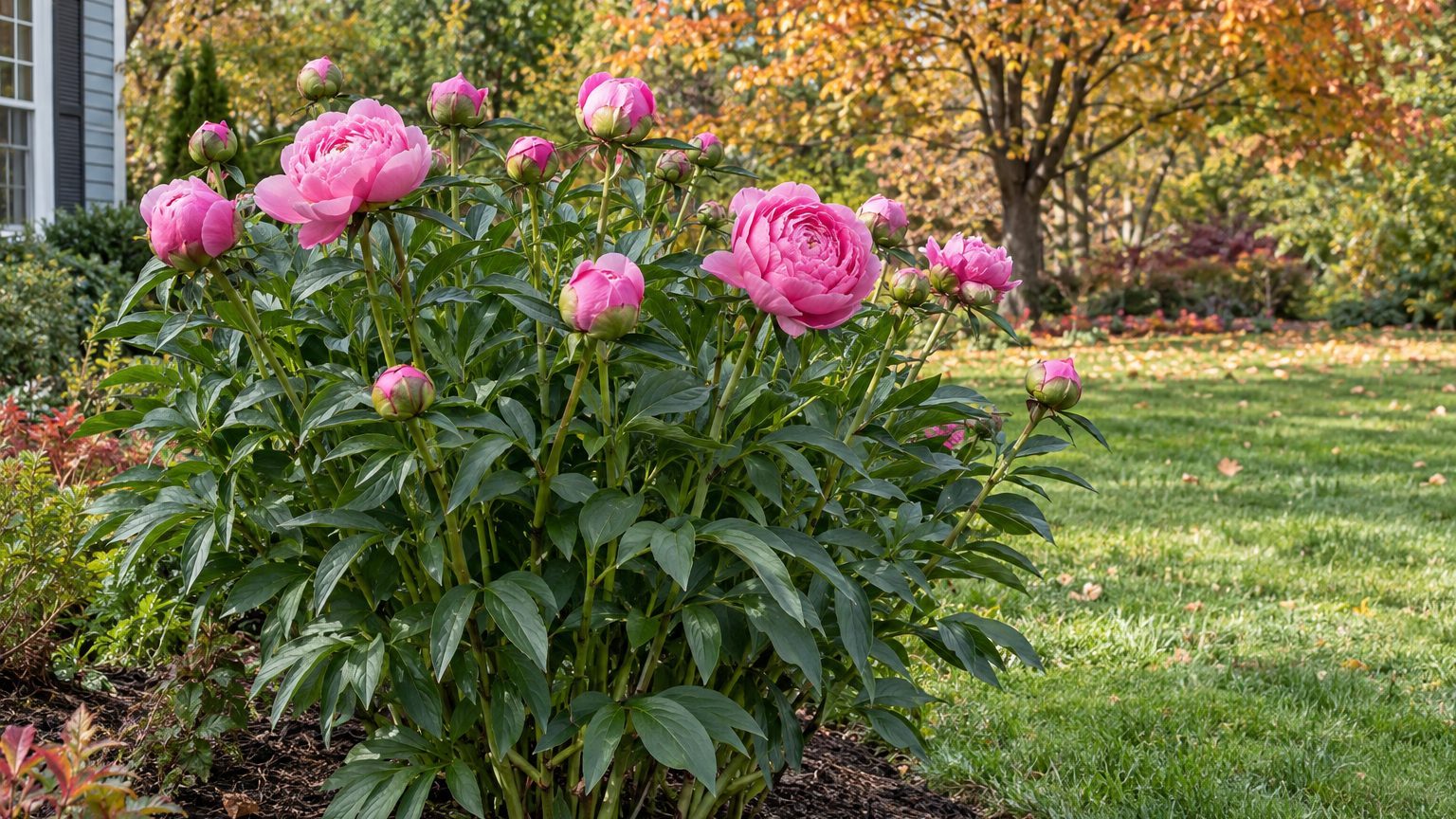
Peony buds swell on the stems for what feels like forever, and then a warm stretch opens them all at once. In Colorado, that usually happens in June, and sometimes late May along the Front Range. Timing shifts with the type of peony and where your yard sits.

When Do Peonies Bloom in Colorado?

When Do Peonies Bloom in Colorado?

Peonies in Colorado bloom in June and can also bloom in May, with late May or early June typical along the Front Range. Those large, fragrant flowers follow a cold winter rest, which the plants need to set buds at all.

Type of peony When it blooms in Colorado What to know
Herbaceous peony Late May to June Dies back each year and is cut back after frost
Front Range garden peony Late May or early June Large, fragrant flowers once the plant is established
Tree peony May to June Prefers light shade and a protected location

Early, midseason and late herbaceous varieties spread the show across the window, but Colorado timing is best read as a range of months rather than a fixed date. A newly planted or transplanted peony may skip blooming the first spring, so a bare stretch in year one is normal. Peonies planted too deep can also bloom poorly or fail to come up, so keep the eyes near the soil surface.

How to Tell When Your Peonies Are About to Bloom

The plant announces its schedule well before the first petal, and a few signs in the bed tell you how close things are.

  • Red shoots pushing up through the soil in spring mean the plant has come out of its winter rest and the season is under way.
  • Dark green leaves that unfurl and fill out the stems show the plant is building the strength to carry flowers.
  • Small round buds at the stem tips mean flowers are on the way, so this is the moment to put supports or cages in place.
  • Buds that swell and feel soft when you press them gently are close to opening, often within a short stretch of warm weather.
  • Buds showing a line of color along the seam signal that petals are about to unfold, which is the time to cut stems for a vase.

No buds on a young plant can point to its first spring in the ground or to a crown set too deep, rather than a problem with the calendar.

When to Cut Back Peonies in Colorado

Cut herbaceous peonies back in October or November, after a hard freeze has killed the foliage. The frost-blackened leaves are a clearer signal than the date on the calendar. Cutting too early robs the roots of the last stretch of energy the leaves send down.

Cut the stems down to within a couple of inches of the ground, and remove all the old leaves. Throw the debris in the trash rather than the compost pile, because leftover foliage can carry disease into next spring.

Tree peonies are the exception. They keep their woody stems through winter, so leave them standing and only snip out anything clearly dead.

How Peony Bloom Time Shifts Across Colorado

Colorado stretches from the plains to high mountain valleys, and the hardiness zones run from 3b to 7b in the USDA system. Peonies open later wherever spring arrives later.

  • Front Range: Denver and nearby towns sit on the plains, where late May or early June is the usual opening for peony flowers.
  • Mountain towns: Seasons are far shorter and frost can return as late as July, so blooms open later, often well into June, and buds can be caught by a cold snap.
  • Western Slope: Conditions differ again from the Front Range, so watch your own plants and local gardeners rather than borrowing a date from across the Divide.

The last spring freeze on the plains around Denver typically falls between May 1 and May 11, which is why late frost can still nip early buds there.

Where to Get Peony Advice in Colorado

Local conditions vary so much from one valley to the next that a nearby expert is worth a call. Colorado State University Extension and your county extension office can fill in what a statewide answer cannot.

  • Your county extension office can speak to your elevation and soil, so contact them in late summer to plan fall planting or dividing in September or October.

Common Questions

Can You Plant a Peony in Spring in Colorado?

Wait until fall. Peonies respond best to being planted in the fall, typically as bare-root plants, and September and October give the roots time to settle before the ground freezes.

Why Are My Peonies Not Blooming in Colorado?

Look at planting depth and age together. A crown buried too deep or a plant that went into the ground recently can explain a bloomless spring. Peonies also need winter chill to flower, which Colorado winters supply.

Do Tree Peonies Bloom at the Same Time as Regular Peonies in Colorado?

Tree peonies open in the same general season, from May into June. They like light shade and a protected spot, which helps shield early buds from late frost and harsh sun.

When to Plant Peonies in Colorado: Dates and Care

When to Plant Peonies in Colorado: Dates and Care

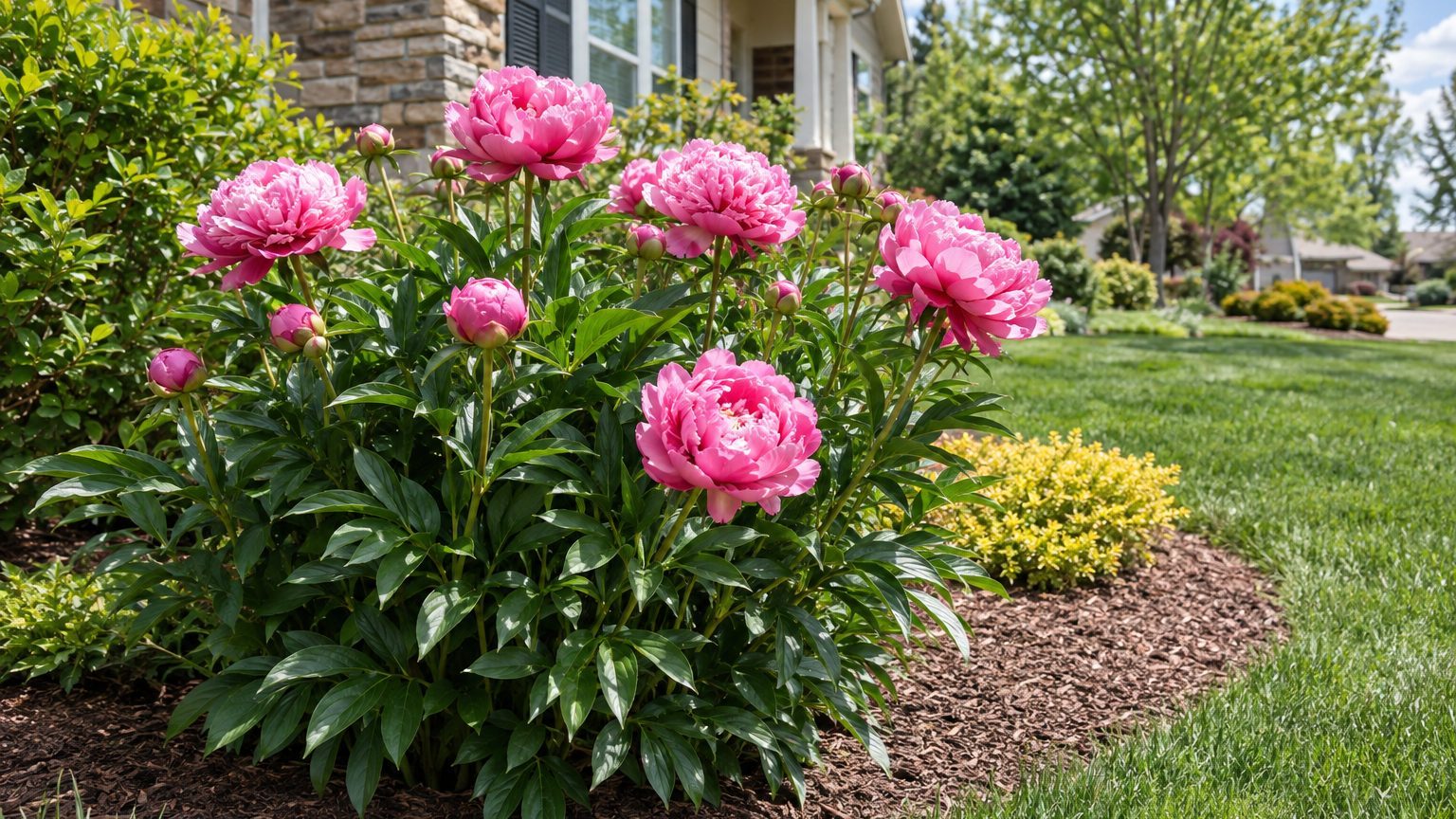
Come late spring, a well-settled peony along the Front Range sends up fat red shoots, then opens big, fragrant blooms that bend the stems with their weight. Getting there starts in autumn, when the plant goes into the ground.

When to Plant Peonies in Colorado

When to Plant Peonies in Colorado: Dates and Care

Plant peonies in September or October, while the soil is still workable and before the ground freezes, so the roots can settle in before winter. Denver on the plains, at 5,280 feet, is the place these dates speak of.

  • In September and October, plant or divide your peonies, preferably as bare-root plants, keeping the eyes near the soil surface because a plant set too deep may bloom poorly or not come up at all.
  • Through winter, the plant rests underground, and that cold rest is what lets it flower the following year.
  • In spring, red shoots push up, and the last freeze usually arrives between May 1 and May 11 in Denver, so a late cold snap can nip the tips.
  • In late May or early June along the Front Range, the large, fragrant flowers open, and bloom can also run into June depending on the year.
  • In October and November, after a hard freeze has killed the foliage, cut back the old stems.

Colorado spans USDA hardiness zones 3b to 7b, so the mountains and the plains behave quite differently. A newly planted or transplanted peony may not bloom its first spring, which is normal and not a sign that something went wrong.

Which Peonies Grow Best in Colorado?

Peonies suit Colorado well. They need winter chilling to bloom, and most of the state delivers that without trouble. The question is less whether they grow and more which type fits your spot.

Herbaceous peonies are the classic choice on the Front Range, and tree peonies can work if you give them the right placement.

Peony type How it does in Colorado Why
Herbaceous peony Blooms in late May or early June along the Front Range Dies back each year and gets the winter cold it needs
Tree peony Does well in a protected spot Prefers light shade and shelter, and keeps its woody stems

Whichever type you pick, remember that a mild-winter climate would leave peonies flowering poorly, which is rarely the issue here.

When to Plant, Cut Back and Feed Peonies in Colorado

The peony year has few chores, and each has a clear moment. Planting and cutting back belong to autumn, while spring is mostly for watching the shoots.

Task Best timing in Colorado Why then
Plant or divide September to October Roots settle before the ground freezes
Cut back herbaceous peonies October to November, after a hard freeze has killed the foliage Stems are cut to within a couple of inches of the ground
Deadhead After bloom Tidies the plant once flowers fade

Throw the cut stems and leaves out instead of composting them, which helps limit disease. A tree peony is never cut back, since its woody stems carry next year’s growth. Feeding has no set month in the notes for this state, so go by the soil: a soil test through your county office will tell you whether the bed needs anything.

How Peony Planting Dates Change Across Colorado

Elevation does most of the shifting here, so the same calendar stretches or shrinks depending on where your yard sits.

  • Front Range: Denver and the plains set the pattern, with fall planting before the ground freezes and bloom in late May or early June.
  • Mountain towns: Seasons run far shorter and frost can show up even in July, so ask locally when the ground is likely to freeze.
  • Western Slope: Conditions differ again from the plains, so check local timing before copying a Front Range schedule.

In every case, the sign to watch is the ground: plant well ahead of the freeze and cut back only after a hard freeze has done its work.

Where to Get Peony Advice in Colorado

For a diagnosis or a soil test, local help beats guesswork, especially with such different climates inside one state.

  • Colorado State University Extension offers peony growing guidance suited to the state, handy before you buy plants for fall.
  • Your county extension office can test soil and look at a struggling plant, so contact them before planting day.

Common Questions

Can You Plant a Peony in Spring in Colorado?

Fall is the time peonies respond best to, typically as bare-root plants. Wait until September or October to put a potted peony in the ground.

Why Is My Peony Not Blooming in Colorado?

Look for a plant set too deep, with the eyes buried below the surface, and for a peony moved recently, since it may skip its first spring. These problems can be addressed by correcting the planting depth and giving a recently moved peony time to settle.

Do Peonies Need Shade in Colorado?

Tree peonies prefer light shade and a protected location. The Colorado guidance here gives no shade requirement for herbaceous peonies.

Best Lilacs for Colorado

Best Lilacs for Colorado

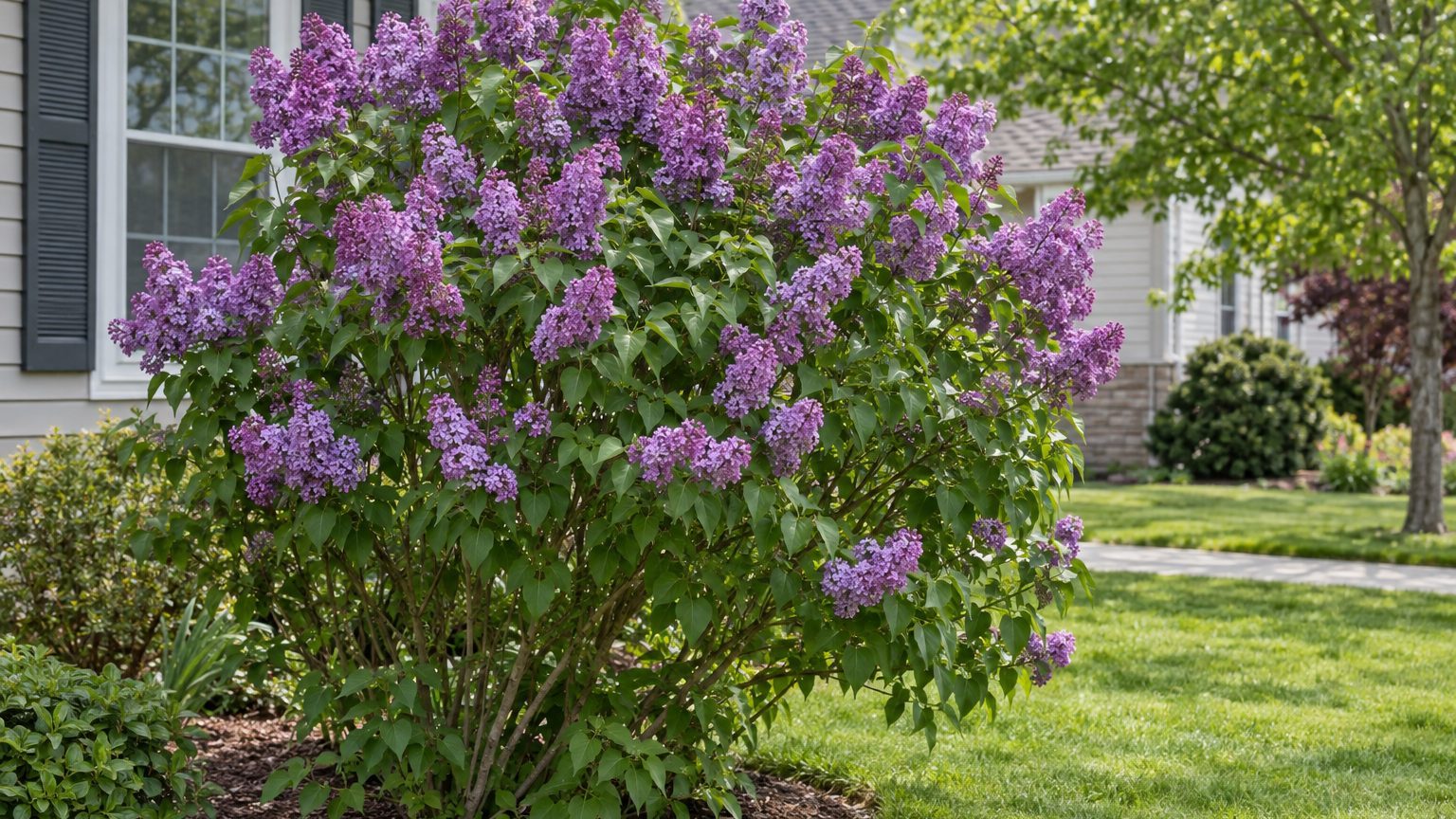
A lilac in full bloom on a cool May morning is a great reason to own a yard in Colorado, and the plant is well matched to the state’s cold winters. Common lilacs, French hybrids, early-flowering hyacinth types and tree lilacs all earn a place here, and the choice comes down to your elevation, your space and how much pruning you want to do.

Best Lilacs to Grow in Colorado

Best Lilacs for Colorado

Lilacs belong in Colorado because they need a cold winter rest to mature their flower buds, and the state’s hardiness zones run from 3b to 7b on the USDA system. They struggle in hot, humid summers, which is rarely the Colorado problem. Give them sun and good air circulation, and they bloom in May and June.

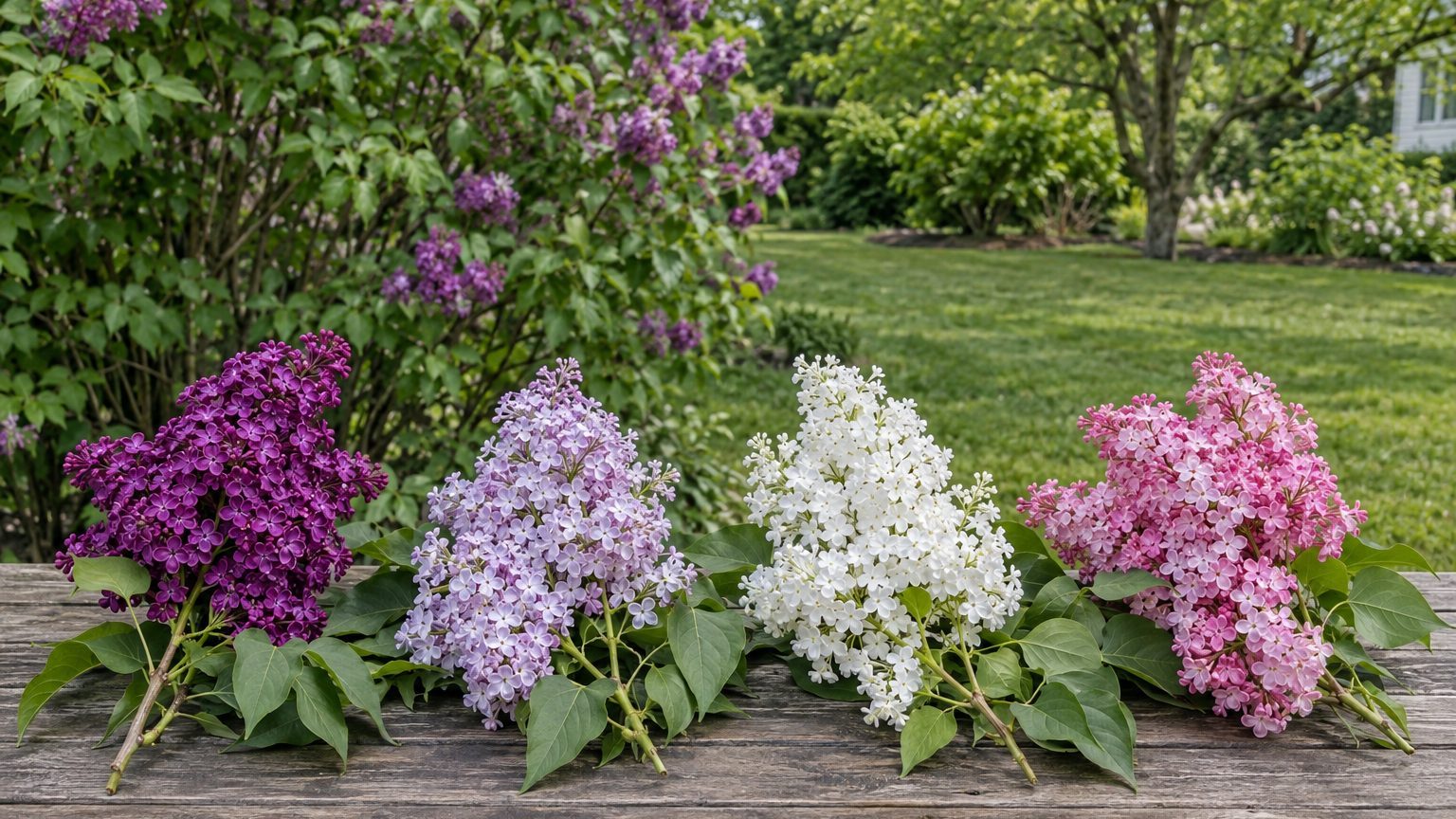
Common Lilac

Common Lilac — Best Lilacs for Colorado

Syringa vulgaris is one of the hardiest shrubs and adapts to almost any soil and watering condition. It has produced hundreds of cultivars, with flowers from white to deep purple, wine red and light pink.

Plan for size. The common lilac becomes a large, spreading shrub, so give it room along a fence or at the back of a bed.

French Hybrid Lilacs

French Hybrid Lilacs — Best Lilacs for Colorado

The French hybrids are the same species, Syringa vulgaris, and are best known for big blooms and strong fragrance. They suit a spot where you will stand close to the flowers, such as by a patio or front walk.

Look for plants growing on their own roots. Lilacs on their own roots are far more hardy than grafted lilacs, which matters in a Colorado cold snap.

Hyacinthiflora Lilacs

Syringa × hyacinthiflora, the early-flowering lilac, blooms before the French hybrids. The shrubs are very hardy and vigorous, and they look much like French hybrids.

Early bloom has a catch. Plant them only where late frosts are less frequent, because a freeze can nip the open flowers.

Preston Hybrids

Preston hybrids generally flower more reliably in colder, windy areas than early-blooming hyacinthiflora types. That makes them a sensible thought for exposed Colorado sites where spring weather swings.

Tree Lilac

Syringa reticulata, the tree lilac, is an option for a water-wise landscape. Its June blooms close out the lilac season. It suits a yard where you want a tree form rather than a wide, suckering shrub.

How to Choose a Lilac for a Colorado Garden

Start with the place the shrub will live: how cold the winter gets, how hot the summer runs and how much room is free. Then match the type to that spot.

Planting several kinds stretches the show. Planting different species can extend the display because they do not all flower at the same time.

Your situation What suits it in Colorado Why
Very cold winter Common lilac on its own roots Own-root lilacs are far hardier than grafted ones, making them a sensible choice for colder sites.
Hot, humid summer Choose a sunny, airy site Lilacs struggle in hot, humid summers and thrive with good air circulation
Little time to spare Common lilac It adapts to almost any soil and watering condition
Preference for a tree form Tree lilac It grows as a tree rather than a broad, suckering shrub.
Need for winter cold Any lilac in a cold-winter spot The winter rest matures the flower buds

For a windy, cold site where spring frost can bite, Preston hybrids are worth a look. If you grow a common lilac for fragrance, keep the flowers at about nose height by pruning regularly.

Which Lilacs Suit Different Parts of Colorado

Colorado’s elevation changes the choice more than any single type does, so think about where your yard sits.

  • Denver and the Front Range plains: Denver sits at 5,280 feet, and the last spring frost falls between May 1 and May 11. Early hyacinthiflora lilacs can be caught by a late freeze, so site them in a sheltered spot.
  • Mountain towns: Seasons run far shorter and frost can arrive in July. Favor the hardiest common lilacs on their own roots and expect later bloom.
  • Western Slope: Conditions differ again from the Front Range, so a local nursery or the county extension office can say which lilacs have done well nearby.

The common thread is cold: the colder and windier the site, the more you should lean on own-root plants and reliable bloomers.

Lilac Buying Mistakes to Avoid in Colorado

Choosing a Fragile Grafted Plant

A grafted lilac is less hardy than one on its own roots, and a hard Colorado winter can set it back. Ask whether the plant is grafted or own-root before you pay, and pick own-root for cold sites.

Planting an Early Bloomer in a Frosty Spot

Hyacinthiflora lilacs open before French hybrids, which exposes the flowers to late frost. Put them in a sheltered spot where late frosts are less frequent, or choose a later bloomer for a cold hollow or open, windy ground.

Ignoring Adult Size

A small pot can hide a shrub that becomes large at maturity. Planted too close to a house or walk, it demands constant cutting, and cutting at the wrong time costs flowers. Prune right after the blooms fade, in June, or in July at the latest, because next year’s buds form then. An overgrown lilac can be cut back hard in March or April, but it will not flower for a few years afterward. Check the mature size on the tag first.

Where to Get Lilac Advice in Colorado

The state extension service can help with plant questions under local conditions. Colorado State University Extension is a good first stop before you buy.

  • The extension website has guides on shrubs and pruning that you can read before you shop in spring.
  • Your county extension office can tell you which lilacs do well at your elevation, so call before planting.
  • Local garden centers can show own-root plants in person, so visit in May or June when lilacs are in bloom.

Common Questions

When Do Lilacs Bloom in Colorado?

Lilacs bloom in May and June, running from late spring into June. Early hyacinthiflora types open first and common lilacs follow.

When Should You Prune Lilacs in Colorado?

Prune in June, right after the flowers fade. July also works. Pruning in late summer, fall or winter removes next spring’s flower buds.

Can You Cut Back an Overgrown Lilac?

Yes. Cut the whole plant back hard in March or April, while it is dormant. Expect no flowers for a few years afterward.

When to Prune Lilacs in Colorado

When to Prune Lilacs in Colorado

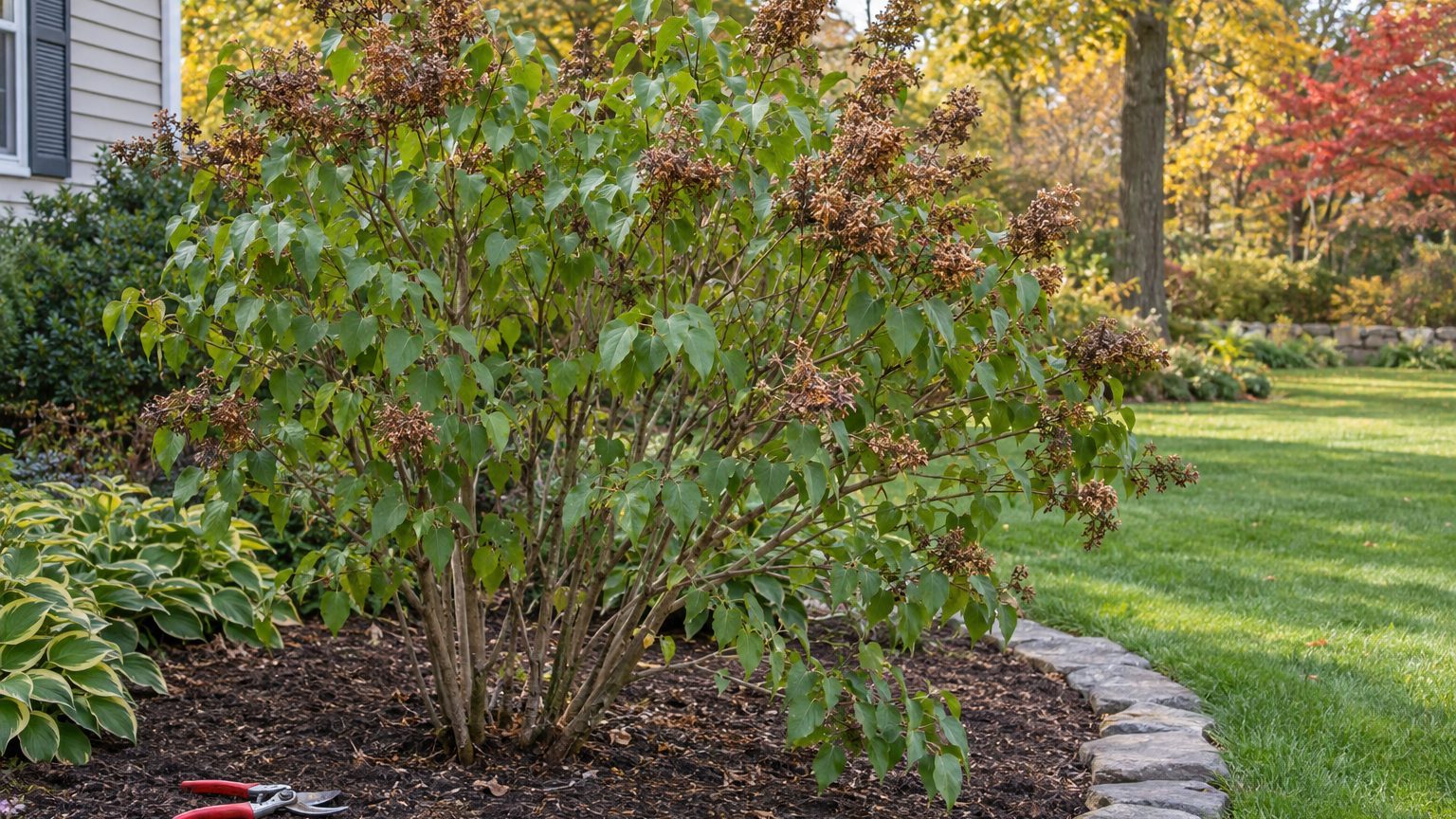
Lilac blooms fade to brown, and the shrub looks tired for a while. That is the moment the pruning shears come out in Colorado, because the next year’s flowers are already being set. The fading flowers provide a reliable cue across Colorado’s varied climates.

When to Prune Lilacs in Colorado

Lilac stems after flowering

Prune lilacs in June, right after the flowers fade. July works as a fallback. Lilacs bloom on last year’s wood and set next year’s flower buds in summer, soon after flowering, so cutting later in the season removes the spring display.

Type of pruning When in Colorado Why
Routine shaping and removal of spent blooms June, right after the flowers fade (July also works) Buds for next year form in June and July, so early cuts protect them
Hard renovation of an overgrown lilac March to April, while the plant is dormant Cutting back hard in late winter costs the next flowers, and the shrub will not flower for a few years afterward

For reblooming lilacs, prune right after the flowers fade. The renovation cut is a drastic option for a shrub that has grown tall and bare at the base, because the trade is a few years without flowers in exchange for a fresh start.

How to Tell When Your Lilacs Are Ready to Prune

The shrub gives clearer instructions than the calendar, and in Colorado the signs show up as the bloom season closes in late spring into June.

  • The flower clusters turn brown and dry, which tells you the show is over and cutting will not sacrifice any bloom.
  • Petals drop and the panicles look limp, so snip them off just below the cluster to keep the plant from putting energy into seed.
  • New green growth is pushing out below the spent flowers, a sign the plant is already building the wood that will carry next year’s blooms.
  • Small buds are starting to form for the following spring, and since they develop in June and July, that is your cue to finish pruning soon.
  • Leaves are fully open and the shrub holds its shape, so you can see which stems are crossing, dead or crowding the center.

If these signs have passed and July is over, hold the shears until the next bloom has come and gone.

Should You Prune Lilacs in Fall or Winter in Colorado?

No. Cutting in fall or winter removes the flower buds that are already formed for next spring, so you trade a season of fragrance for a tidier outline. The shrub will grow back, but the blooms will not.

Late winter is the exception for a drastic reset. An overgrown lilac can be cut back hard in March or April while still dormant. For this renewal cut, cut the overgrown plant back hard while it is dormant, knowing that it will not flower for a few years afterward.

For a lilac that still flowers decently, skip the winter cut and wait for June. A shrub that is merely leggy can be thinned gradually right after bloom instead, which spares the flowers.

How Lilac Pruning Time Shifts Across Colorado

Colorado spans plains, foothills, high mountain towns and the western slope, so the same shrub reaches bloom on very different dates. Follow the flowers rather than the date on the calendar.

  • Denver and the Front Range plains: Lilacs here bloom in May, and Denver’s last spring frost falls between May 1 and May 11. June pruning follows soon after the flowers fade.
  • Mountain towns: Seasons run far shorter and frost can return even in July, so bloom comes later and pruning moves later with it. Watch the flowers, not the month.
  • Western slope: The climate differs again from the plains, so let the fading blooms set your timing instead of borrowing a Front Range date.

Lilacs do well across much of the state because they need a cold winter rest to mature their flower buds, and they struggle in hot, humid summers.

Where to Get Lilac Advice in Colorado

For questions about an old lilac, a shrub that will not bloom or a local timing call, local help is available. Colorado State University Extension publishes research-based plant guidance, and your county office can speak to conditions at your elevation.

  • Its site has plant guides and gardening answers, so check there before you plan a big cut.
  • Your county extension office can advise on your elevation and microclimate, which is useful in late spring before the flowers fade.

Common Questions

Can You Cut Lilac Flowers for a Vase?

Yes. Cutting some stems at bloom is a light form of pruning, since the buds for next year have not yet formed. Take stems from beside the spent clusters rather than the main framework.

Why Is a Colorado Lilac Not Blooming?

Look at when it was last cut and how much sun it gets, together. A shrub pruned in late summer, fall or winter loses its buds. A lilac also thrives in sunny sites with good air circulation, so heavy shade also reduces flowers.

Which Lilacs Suit Colorado Yards?

Common lilacs are hardy across much of the state’s range, which runs from zone 3b to 7b on the USDA system. Hyacinthiflora hybrids bloom earlier, which leaves their flowers more exposed to late frosts.

When Do Lilacs Bloom in Colorado? Dates and Care

When Do Lilacs Bloom in Colorado? Dates and Care

A lilac in full bloom fills a Colorado yard with scent just as the last cold nights loosen their hold. Lilacs in Colorado flower in late spring, and the cold winters here give the buds exactly the rest they need. Elevation changes bloom time and the timing of care across the state.

When Do Lilacs Bloom in Colorado?

A lilac bush in bloom in a home garden

Lilacs in Colorado bloom from May into June, and the rest of their year is built around that show. The dates below refer to Denver, on the plains at 5,280 feet; other parts of Colorado differ.

  • In May and into June, the flowers open, with the late bloomers carrying the season to its close.
  • Right after the flowers fade, in June, is the time for any light pruning, and it can also be done in July if the bloom ran late.
  • Through June and July, next year’s flower buds form on the new growth, so cutting later removes them.
  • In late winter, March or April, an overgrown lilac can be cut hard, at the price of flowers for a few years.
  • Through the cold months, the shrub rests, and that chill is what matures the buds for spring.

The last spring frost in Denver falls between May 1 and May 11, which matters for early bloomers whose open flowers can be nipped. The first fall frost arrives between September 30 and October 12, long after the buds are set.

Which Lilacs Grow Best in Colorado?

Lilacs suit Colorado well. They need a cold winter rest to mature their flower buds, and Colorado winters deliver it. Hot, humid summers are what trouble them, and the dry air here spares them most of that.

Sun and moving air keep them healthy, so pick an open site rather than a damp corner.

Lilac type How it does in Colorado Why
Common lilac Thrives across the colder zones Cold winters ripen its buds
Hyacinthiflora hybrids Hardy, but best where May frosts are rare They bloom earlier than French hybrids
French hybrids Reliable bloom in late spring Later opening misses more frost
Japanese tree lilac Closes the season in June It flowers after the others finish

Mountain towns can frost in July, so early bloomers there are a gamble, while later-flowering types are safer. Hardiness varies widely between the plains and the high country, so match the lilac to your local USDA hardiness zone.

When to Plant, Prune and Feed Lilacs in Colorado

Lilacs bloom on last year’s wood, so pruning time matters. Prune right after the flowers fade, because the buds for next spring are produced in June and July.

Task Best timing in Colorado Why then
Enjoy the bloom May into June Late spring into June is the flowering window
Light pruning June, or July if needed Right after the flowers fade, before buds set
Hard renovation cut March or April The shrub is dormant, though the next flowers are lost
Removing spent flowers Just after the blooms fade It keeps energy for next year’s buds

Pruning in late summer, fall or winter cuts off the next spring’s flowers. A hard cut-back of an overgrown lilac works in late winter, but it will not flower for a few years afterward. Ask your county extension office about planting and feeding for your elevation. Pruning gets its own detail on the dedicated Colorado page.

How Lilac Bloom Time Changes Across Colorado

Elevation changes bloom time in Colorado.

  • Front Range plains and Denver: Flowering lands in May and runs into June, with the bloom sometimes caught by a late frost.
  • Mountain towns: Seasons are far shorter, so flowers open later and frost can arrive even in July.
  • Western Slope: The climate differs again, so check with your county extension office.

Use your own yard’s elevation as the guide, and expect nearby gardens at different elevations to flower on different schedules.

Where to Get Lilac Advice in Colorado

For a diagnosis or a soil test, local help is close at hand. Colorado State University Extension answers plant questions, and your county office knows the conditions in your valley or foothill.

  • The county extension office can look at a struggling shrub, so bring a sample of the affected branch.
  • The university’s plant guides cover common lilac problems.

Common Questions

Why Is My Lilac Not Blooming?

Heavy shade and a hard cut-back are the usual suspects. A lilac in too little sun produces leaves instead of buds, and a shrub pruned late in the year loses the flower buds it already set.

Can You Plant a Lilac in Colorado Mountain Towns?

Yes, in a sunny spot with good air circulation. Pick a later-flowering type, because short seasons and summer frost can catch the early bloomers.

Do Lilacs Need Winter Cold to Flower?

They do. The cold rest matures the flower buds, which is why lilacs struggle in hot, humid climates and do well where winters bite.

Best Roses for Colorado

Best Roses for Colorado

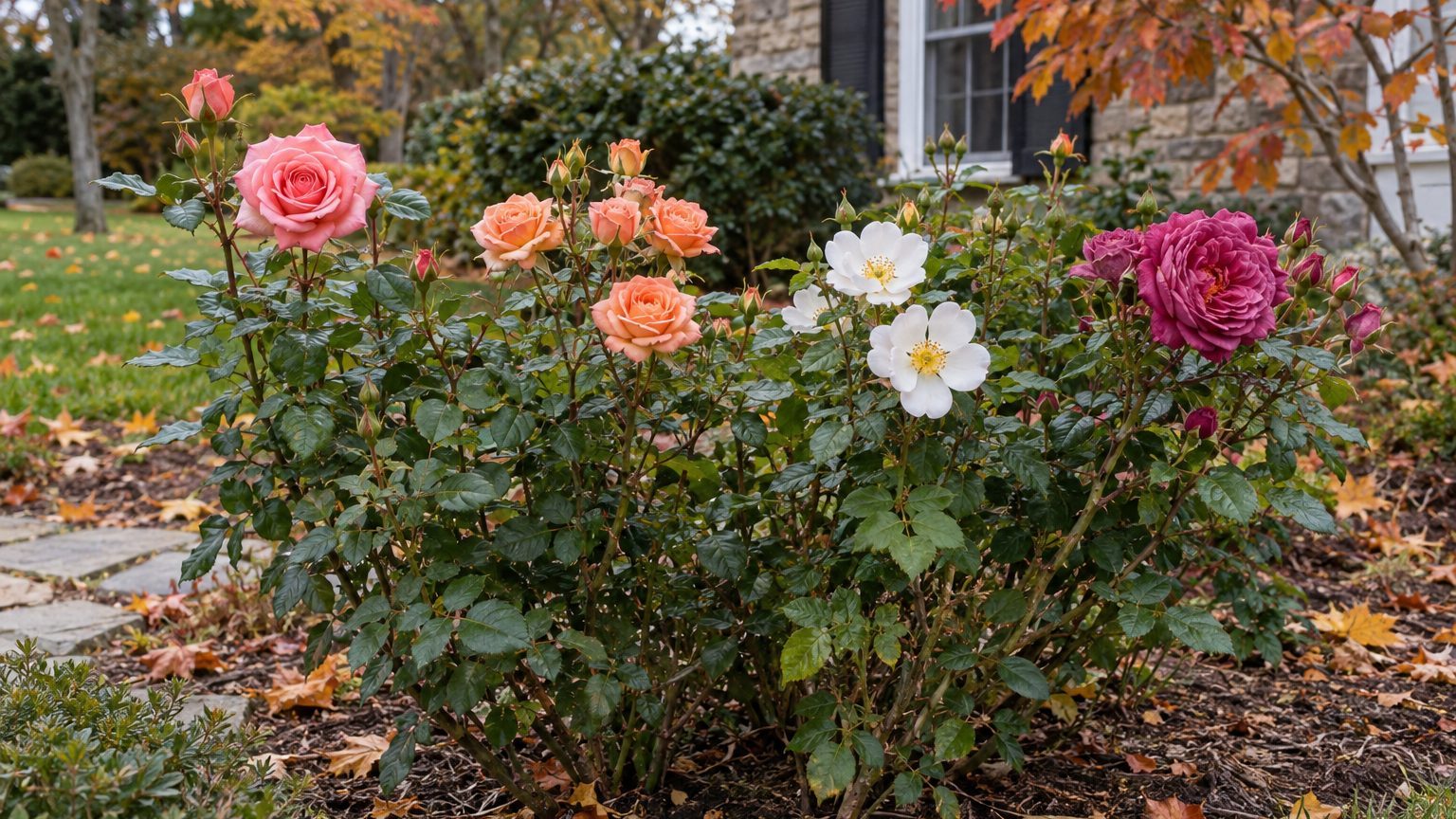
Roses in Colorado face a long, hard winter and a dry, bright summer, and the ones that thrive are the tough shrub types and a few repeat-blooming climbers. Fussier garden roses can still work, with some protection. Choosing the type before you choose the color saves the most trouble.

Best Roses to Grow in Colorado

Best Roses for Colorado

Hardy shrub roses hold up best here, because they take cold and little care in stride, while hybrid teas and grandifloras need extra protection to get through winter. USDA hardiness zones in Colorado run from 3b to 7b, so the cold you plan for depends on where you garden.

Hardy Shrub Roses

Hardy Shrub Roses — Best Roses for Colorado

Many shrub roses are hardy and vigorous and need little care under severe conditions. Knock Out and the Explorer series perform well in Colorado without extra winter protection.

Hybrid Rugosa and Kordesii Types

Of the main divisions of shrub roses, hybrid kordesii, hybrid rugosa and plain shrub roses have adapted cultivars. Choose from these groups when you want a rose that shrugs off cold and asks for little in return.

Simplicity and Meidiland Series

Simplicity roses are shrub roses that repeat bloom the entire growing season and resist pests and disease. The Meidiland series is also useful in the landscape. Both suit a yard where you want color without constant spraying.

Repeat-Blooming Large-Flowered Climbers

Climbing hybrid teas and climbing grandifloras are generally not recommended for most of Colorado, because most bloom only on the previous year’s growth. Repeat-blooming, large-flowered climbers do well here. Most bloom on the current year’s growth, which means a hard winter does not take the flowers with it.

Hybrid Teas and Floribundas

The hybrid tea is a widely grown garden rose, and floribundas, a cross between a hybrid tea and a polyantha, typically repeat bloom each season. Both reward you, but they need winter protection in cold winters. Mound soil over the crown before the deep freeze.

Miniature Roses

Miniatures are naturally dwarf roses and remain popular in small garden spaces. A pot or a narrow bed holds one easily, which makes them a good fit for a patio or a small front yard.

How to Choose a Rose for a Colorado Garden

Start with the winter you actually get and the time you actually have. A rose that needs mounding every fall suits a gardener who enjoys the chore. A hardy shrub rose suits everyone else.

Once-blooming roses, such as old garden roses, ramblers and many climbers, flower on last year’s wood. Prune them right after they bloom, never in early spring, or you cut off the season’s flowers.

Your situation What suits it in Colorado Why
Very cold winters Hardy shrub roses, hybrid rugosa or kordesii types Hardy shrub roses can handle severe conditions with little care
Little time to spare Knock Out or the Explorer series Hardy and able to perform without extra winter protection
Small space Miniature roses Naturally dwarf and popular in small garden spaces
A fence or trellis to cover Repeat-blooming large-flowered climbers Most bloom on new wood and flower repeatedly
You want classic cut flowers Hybrid teas, floribundas Popular and repeat blooming, but they need winter protection

Buying bare-root? Plants on their own roots and graded Number 1 are the best. Plant them in April or May, as soon as the ground can be worked.

Which Roses Suit Different Parts of Colorado

Colorado’s elevation strongly shapes the choice, so match the rose to the cold your own spot gets.

  • Denver and the Front Range: Sitting at 5,280 feet on the plains, this area supports choices ranging from hardy shrubs to hybrid teas with winter mounding.
  • Mountain towns: Seasons run far shorter and frost can arrive in July, so lean on hardy shrub roses and skip tender types.
  • The Western Slope: Conditions differ again from the plains, so ask a local grower which cultivars have held up in your valley before you buy.

Whatever your elevation, a rose labeled hardy to your USDA zone is a safer buy than one chosen on looks alone.

Rose Buying Mistakes to Avoid in Colorado

Choosing a Type Too Tender for Winter

Hybrid teas and grandifloras often need extra winter protection, and without it they can die back hard. Either plan to mound soil eight to ten inches deep over the crown around Thanksgiving, once nights drop to 20°F for several days, or pick a hardy shrub rose instead.

Buying a Climber That Blooms on Old Wood

A climbing hybrid tea may leave you with a handsome green plant and no flowers, since many bloom only on the previous year’s growth. Buy a repeat-blooming, large-flowered climber that flowers on new wood instead.

Ignoring Disease and Pest Resistance

A rose that needs constant care becomes a chore fast. Series bred to resist pests and disease, such as Simplicity, keep the work down. Matching a tough variety to your summer saves spraying later.

Where to Get Rose Advice in Colorado

Colorado State University Extension publishes rose guides written for the state’s conditions, and your county office knows which cultivars survive in your own elevation and soil.

  • The state extension site has guides on selecting, planting, pruning and winter care, useful before you shop in spring.
  • Your county extension office can answer local questions, so ask before you begin pruning or planting.

Common Questions

When Should You Prune Roses in Colorado?

Repeat-blooming roses such as hybrid teas, floribundas and modern shrub roses are best pruned in April, and May also works.

When Should You Feed Roses in Colorado?

May through July suits feeding, and April or August also work. An all-purpose fertilizer such as 8-10-8 goes on every four to six weeks in the growing season. Stop after mid-August so late, soft growth does not meet the first frost.

When Do You Take Off Winter Protection?

April is the best month, and May also works. Remove it gradually once the danger of hard frost has passed.

When to Prune Roses in Colorado

When to Prune Roses in Colorado

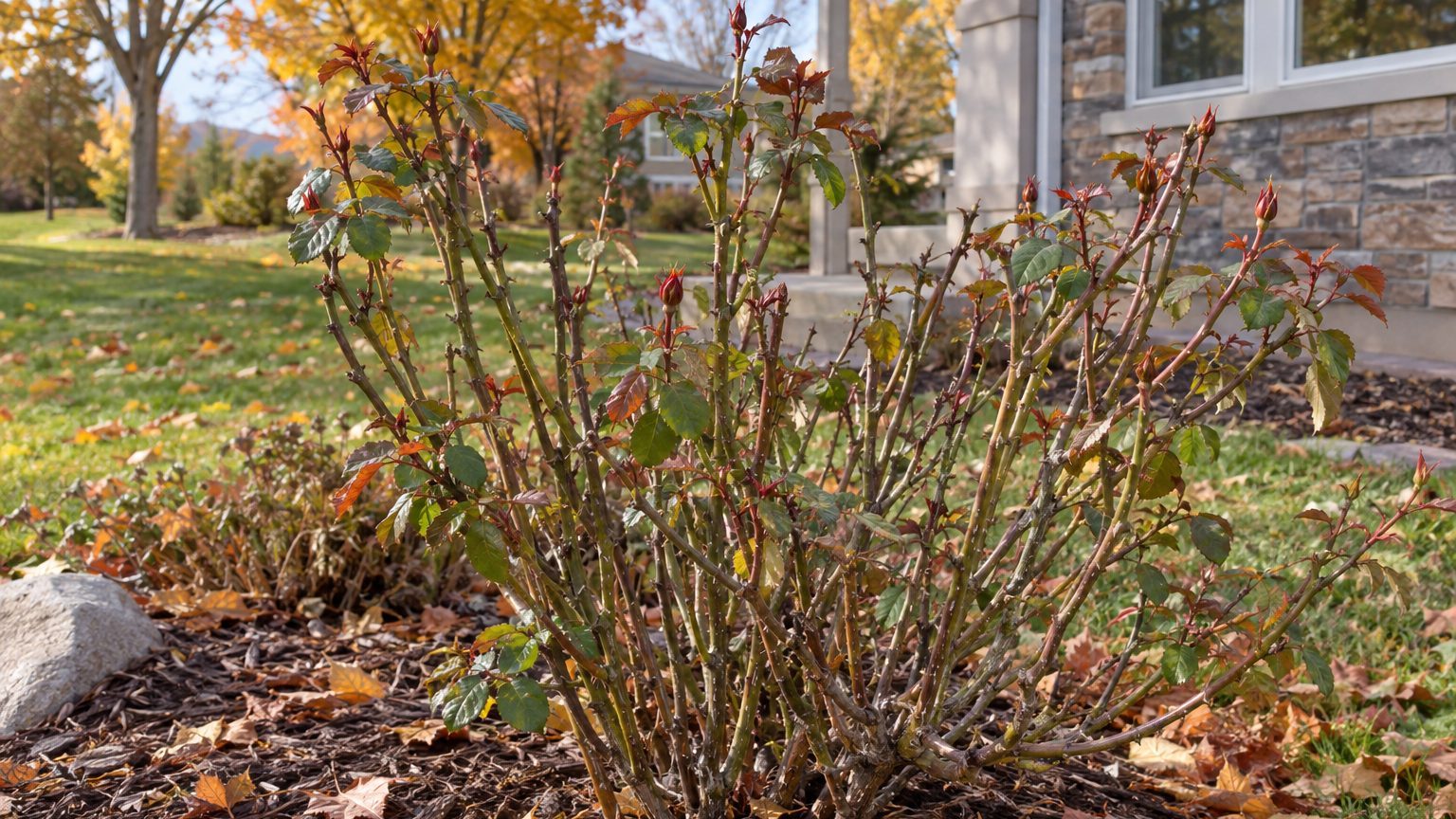
In Colorado, repeat-blooming roses are pruned in April, once the buds swell on the canes. A little patience protects new growth from a late hard frost.

When to Prune Roses in Colorado

Rose canes at pruning time

Prune repeat-blooming roses in April, and mid-April is the sweet spot. May also works if spring runs cold.

Once-blooming roses follow a different rule. They flower on last year’s wood, so an early-spring haircut removes the season’s flowers before they open.

Rose type When to prune in Colorado Why
Hybrid teas, floribundas, modern shrub roses April, mid-April ideally, or May in a cold spring They bloom on new wood, and pruning just before growth starts keeps shoots from meeting a hard frost
Old garden roses, ramblers, once-blooming climbers Right after they bloom, never in early spring They flower once a year on last year’s wood, so early-spring cuts remove the flower buds

Grandifloras behave like hybrid teas and get the same spring timing. Repeat-blooming climbers are not covered by a dated recommendation here, so ask for local advice before making heavy cuts. Denver sits at 5,280 feet on the plains, so gardeners in the mountains should wait longer than the April window suggests.

How to Tell When Your Roses Are Ready to Prune

The plant gives better signals than the calendar page on the wall, and a few of them are easy to read from the porch.

  • Buds swelling along the canes mean the rose is waking up, and that is the moment to cut back to healthy wood.
  • Forsythia in full yellow bloom is a reliable neighborhood cue that the season has turned and pruning can begin.
  • Canes that stay green and plump inside tell you the wood is alive, while brown, shriveled stems should be cut until you reach white or light green pith.
  • Winter protection should come off gradually, and only after the danger of hard frost has passed, so pruning usually follows the mound coming down.
  • Cold nights that still dip hard mean it is too soon, because a flush of tender growth after cutting is exactly what a late freeze kills.

Roses that were mounded with soil in November are best uncovered a little at a time, since sudden exposure to wind and sun can scorch canes that spent months in the dark.

Should You Prune Roses in Fall or Winter in Colorado?

Mostly no. In fall, shorten tall, overgrown canes by about one-third of their height in November, because long stems catch snow and whip in the wind. That is all the pruning needed during the cold months in Colorado.

Save the real shaping for spring. Heavy cuts in autumn push the plant to wake up when it should be going to sleep, and winter dieback is easier to judge once the buds swell and show you which canes survived.

Hybrid teas, floribundas and grandifloras need extra protection in cold winters, usually soil mounded over the crown once nights drop to 20°F for several days. Eight to ten inches of soil is the depth recommended in Colorado, and the best timing is November, around Thanksgiving. Hardy shrub roses such as Knock Out or the Explorer series do well without that extra step.

How Rose Pruning Dates Shift Across Colorado

Elevation strongly shapes the season, and the April window fits the Front Range plains. Elsewhere, shift your timing by what the buds and the weather are doing.

  • Denver and the Front Range plains: April works well here, with mid-April the target and May a fallback after a cold, late spring.
  • Mountain towns: Seasons run far shorter and frost can return even in July, so wait until buds swell and hard freezes are truly behind you, which often means later than the plains.
  • The western slope: Conditions differ again from the Front Range, so watch the buds on your own roses rather than copying a Denver date.

When in doubt, let the plant set the pace, since waiting can spare a flush of new growth from freezing.

Where to Get Rose Advice in Colorado

Rose problems vary by elevation, soil and exposure, so local help pays off. The state extension service publishes pruning and winter-care guidance written for Colorado conditions, and your county office can answer questions about your own yard.

  • Browse Colorado State University Extension for pruning and winter-care guidance before the buds swell.
  • Call your county extension office if canes look dead and you cannot tell whether to cut or wait.

Common Questions

Can You Prune Roses in May in Colorado?

Yes, May is a workable fallback when spring stays cold and the buds have not moved. Waiting protects the new growth from a late hard frost.

How Much Should You Cut Off Hybrid Teas?

Cut back to healthy wood, removing anything brown, shriveled or dead, until the center of the cane is white or light green. Let the live wood decide how far you cut.

When Should You Take Winter Protection Off Roses in Colorado?

April is the usual time, and May works after a cold spring. Remove the mulch or soil mound gradually once the danger of hard frost has passed.

The almanac, state by state. Every date on this site comes from a state’s own frost facts and its extension service’s calendar — and says where it comes from.