Skip to content

British Columbia

  1. Jan
  2. Feb
  3. Mar
  4. Apr
  5. May
  6. Jun
  7. Jul
  8. Aug
  9. Sep
  10. Oct
  11. Nov
  12. Dec
State
British Columbia
Hardiness zones
9a
Last spring frost
March 18
First fall frost
November 10
Annual rain
47 in
Lawn zone
transition-season
Source
Environment and Climate Change Canada — Canadian Climate Normals 1981-2010, station VANCOUVER INT'L A · Vancouver

The year in British Columbia, from the calendar

  1. Jan—
  2. FebPlant roses · Prune roses · Plant fruit trees · Prune fruit trees
  3. MarSpring bulbs bloom · Feed hydrangeas · Plant hydrangeas · Feed roses · Plant roses
  4. AprSpring bulbs bloom · Plant hydrangeas · Feed roses
  5. MaySpring bulbs bloom · Feed hydrangeas · Lilacs bloom · Peonies bloom · Feed roses
  6. JunPrune bigleaf hydrangeas · Prune lilacs · Peonies bloom · Feed roses · Mow
  7. JulFeed hydrangeas · Prune bigleaf hydrangeas · Feed roses · Mow · Water
  8. AugSeed the lawn · Dethatch · Mow · Water
  9. SepPlant hydrangeas · Seed the lawn · Plant peonies · Aerate · Dethatch
  10. OctPlant spring bulbs · Plant hydrangeas · Plant peonies · Plant trees · Mow
  11. NovPlant spring bulbs · Protect roses for winter · Plant trees
  12. DecProtect roses for winter

From the state frost facts and extension calendars: Washington State University Extension · Oregon State University Extension ; Washington State University Extension · Clemson HGIC factsheet — Hydrangea · Guelph Turfgrass Institute (University of Guelph) — Spring care tips for your yard.

When to Prune Fruit Trees in British Columbia

When to Prune Fruit Trees in British Columbia

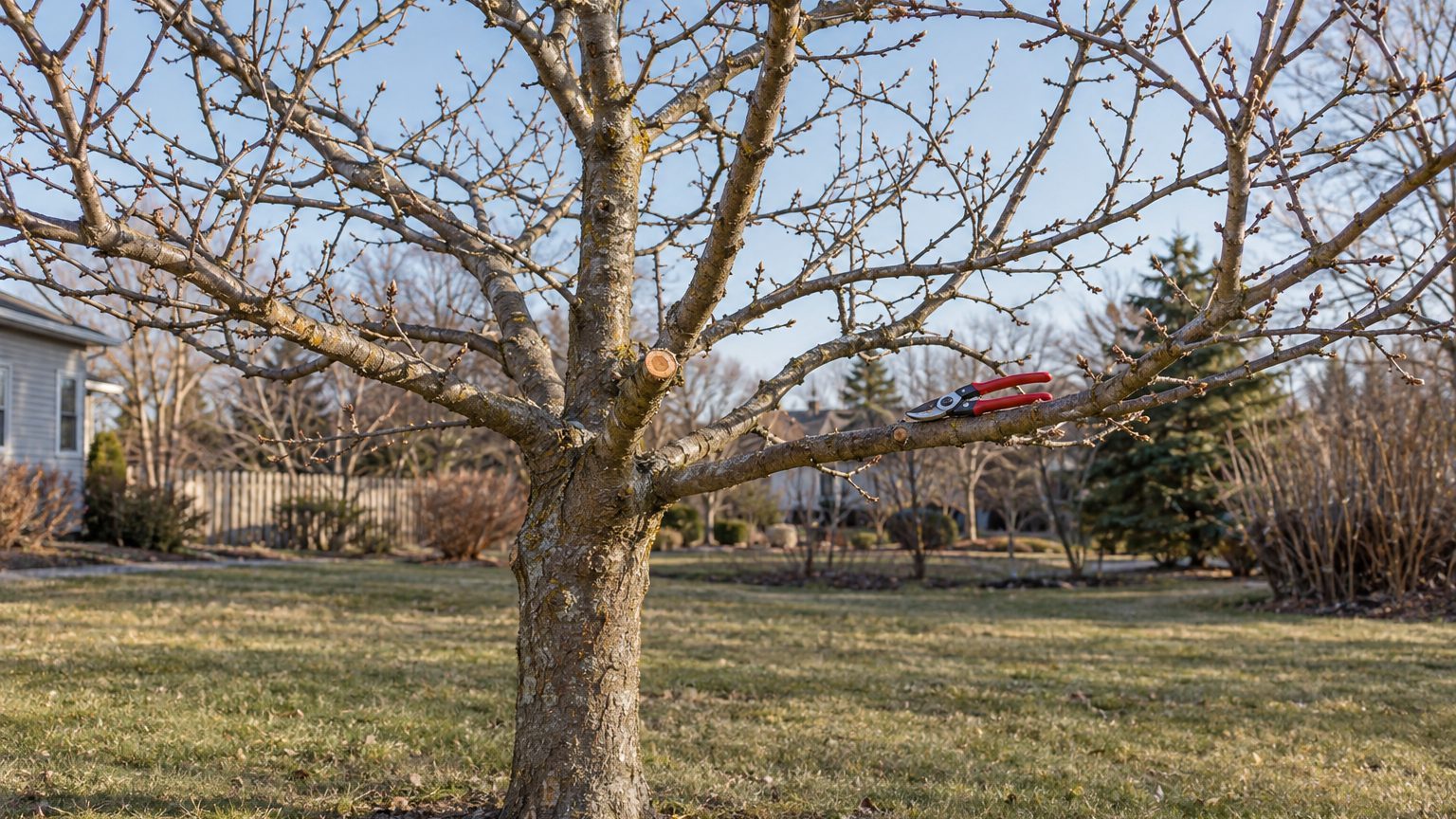
Bare branches against a gray winter sky are the cue for the pruning saw in a British Columbia orchard. Fruit trees here are pruned while they rest, once the worst of the winter cold has passed and before the buds open. That timing protects the cuts and sets up the season’s growth.

When to Prune Fruit Trees in British Columbia

Pruning a dormant fruit tree before the buds open

Dormant pruning of apples, pears, peaches, cherries and plums is best in February and March, once the danger of winter freeze has passed and before growth begins in spring. The dates follow the comparable maritime climate of this province, so confirm local timing with a garden centre or a garden society.

Fruit tree When to prune in British Columbia Why
Apples and pears February to March, early in that window Cuts heal as growth starts, and apples are pruned first
Peaches and nectarines Late in the window, close to bloom Flower buds are easily hurt by cold, so peaches are pruned last
Cherries and plums February to March, while dormant Pruning after the freeze danger and before spring growth limits cold damage
Young trees February to March, planted bare-root while dormant Bare-root trees go in before the buds open, and the first cuts follow the same dormant window

Sweet cherries have an exception: they may be pruned in August, when the risk of bacterial infection is lower. Pruning in fall or early winter is avoided for every fruit tree, because new growth may not harden before the cold. Gardens in the Fraser Valley and on southern Vancouver Island sit in a mild zone (Canadian zone 9a at the reference city of Vancouver), but upland districts run colder.

How to Tell Your Fruit Trees Are Ready to Prune

The tree itself gives better timing than any wall calendar, especially after a mild or a harsh winter. Look for these signs before you climb the ladder.

  • The branches are bare, because a tree that has dropped its leaves is dormant and will take cuts with the least stress.
  • The hardest freezes of winter have passed, since cuts made ahead of a hard freeze can leave wood exposed to injury.
  • The buds are still tight and closed, which means growth has not begun and the tree has plenty of reserves to heal.
  • Fat, plump buds on the tips of the twigs mean the window is closing, so apples and pears come first and peaches wait.
  • Pink or white showing at the bud tips on a peach means you are too late for heavy cuts on that tree.

Spring frost can arrive after pruning, and the average last frost at the Vancouver reference station is March 18. In one year out of two the frost falls later, so treat that date as the middle of a window and not as a safe day.

When to Prune Peach and Apple Trees in British Columbia

Apple trees are pruned first, in the heart of the dormant season. Their wood tolerates cold well, and early cuts leave plenty of time to heal before leaves open. Apples are among the hardier fruits and withstand cold winter temperatures here, so they are the safest to start on while the weather is still cool.

Peaches are pruned last, closest to bloom. Their flower buds are easily hurt by cold, and a cut made too early can invite damage to wood and buds that a late freeze then finishes off. Waiting until the freeze danger is truly past lets you see which buds survived and prune accordingly. Resistant varieties such as Frost and Rosydawn can help with peach leaf curl, a disease that shows up on the new leaves.

Summer pruning is the exception, not the rule. Sweet cherries can be pruned in August to lower the risk of bacterial infection, while every other fruit tree here waits for the dormant season.

Where to Get Fruit Tree Advice in British Columbia

Canada has no county extension office, so local questions go to the province and to neighbors who grow fruit. The British Columbia Ministry of Agriculture and Food is the starting point for orchard and home-fruit guidance.

  • The provincial agriculture pages cover fruit growing and pest questions, and they are worth reading in winter before pruning starts.
  • A local garden centre or garden society can tell you how your district runs compared with the coast, so visit in late winter before the buds swell.
  • Master gardener groups answer local questions about varieties and timing.

Common Questions

Can You Prune Fruit Trees in Summer in British Columbia?

Sweet cherries are the one fruit tree where summer pruning makes sense, and August is the month, because bacterial infection is less likely then. Other fruit trees wait for dormancy so the cuts heal as growth begins.

What Happens If You Prune Fruit Trees Too Early?

Pruning in fall or early winter can push new growth that may not harden before the cold. That tender growth is the part most likely to be damaged when a freeze arrives.

Should You Prune a Newly Planted Fruit Tree?

Bare-root fruit trees are planted in February or March, while dormant and before the buds open. Container trees can also go in during October. Make any first shaping cuts during the same dormant season.
Best Time to Plant Trees in British Columbia

Best Time to Plant Trees in British Columbia

Trees in British Columbia settle best when they go in while dormant, with roots free to grow in damp, workable soil. That means autumn, or late winter into early spring, and a tree planted in summer heat struggles.

When Is the Best Time to Plant Trees in British Columbia?

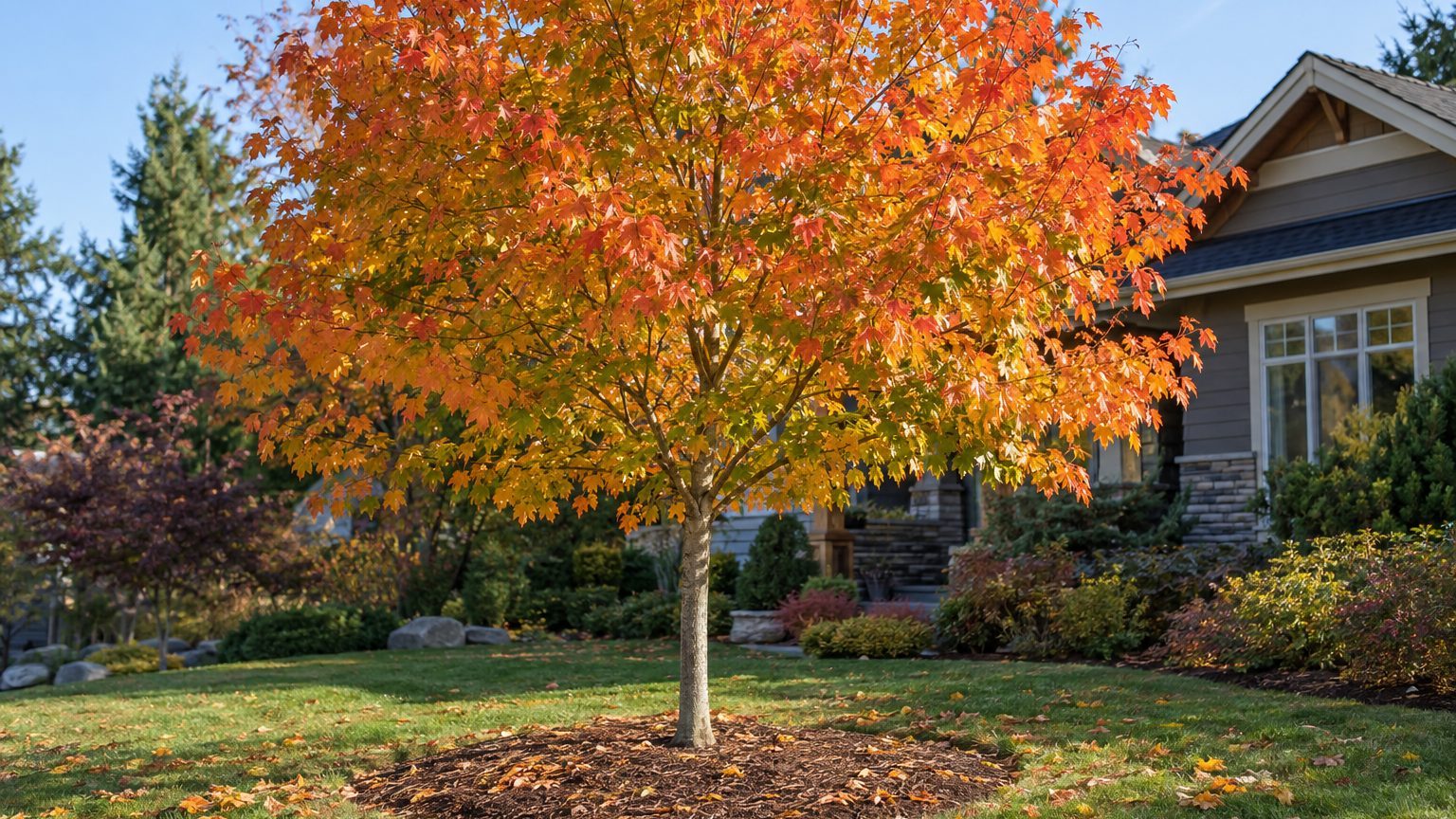
A young shade tree newly planted in a home yard

Plant shade and ornamental trees in October and November, or in the late winter to early spring window that runs from February through April. Both windows let roots grow before the stress of summer, and the year breaks down like this:

  • In October and November, plant container and balled-and-burlapped trees, because winter rain keeps the roots watered where the soil rarely freezes.
  • In February, plant as soon as the soil thaws and is dry enough to work without packing down.
  • In March and April, finish planting early in the season so the roots have time to start establishing before summer heat arrives.
  • In summer, hold off, because heat and dry soil stress new roots more than at any other time of year.
  • Through the dormant season, plant bare-root trees before the buds open, and expect container trees to settle best then too (they can go in most of the year if you keep them watered).

Frost dates help you read the weather but do not set the planting date. At Vancouver, the average last spring frost falls on March 18, so in one year out of two the final frost comes later than that. The average first fall frost arrives on November 10, and in one year out of two it comes earlier. The Canadian hardiness zone for Vancouver is 9a, a rating that is separate from the USDA zones.

When to Plant Fruit Trees in British Columbia

Plant fruit trees in February or March, when bare-root trees are still dormant and the soil can be worked. Early spring suits them because the roots start to grow before the buds break. Potted fruit trees have a second window in October.

Fall planting works for potted trees once the weather cools, and ideally the tree is dormant, which means it is losing its leaves or has lost them.

Kind of fruit tree When to plant in British Columbia Why then
Bare-root February to March The tree is dormant and the buds have not opened
Container October Cooler weather and a tree that is dropping its leaves

Bare-root trees dry out quickly, so keep the roots covered and moist between delivery and the hole. Once planted, they need no special treatment beyond regular watering when the weather turns dry.

Best Trees to Plant in British Columbia

Choose a tree for the spot you have: how much shade it gets, how dry the soil turns in summer and how hard the winter frosts bite. The conifers and the maple below differ mainly in how they handle those factors.

Tree How it does in British Columbia Why
Douglas-fir Copes with shade better than the pines Less drought tolerant than ponderosa pine
Grand fir Takes more shade than Douglas-fir or the pines Less drought tolerant than they are
Lodgepole pine Grows in frost-prone spots The most frost tolerant of the common tree species
Western larch Needs more sun than the firs Less drought and shade tolerant than the firs and pines
Sugar pine Fits a shadier site than lodgepole or ponderosa pine Less drought tolerant than those pines
Red maple A popular shade tree for dry summers Very drought tolerant

A tree that matches your light and soil needs less rescuing later. Sun and soil moisture can differ a lot between the front and back of the same lot, so check both before you buy.

When to Plant, Water and Prune Trees in British Columbia

The year’s tree work follows the dormant season. Planting and pruning both happen while the tree is asleep, while watering matters most when the weather is warm and the soil is dry.

Task Best timing in British Columbia Why then
Plant shade and ornamental trees October to November, or February to April Roots establish in damp soil before summer heat
Plant fruit trees February to March for bare-root, October for potted The tree is dormant when it goes in
Water a young tree Regularly through dry weather, as long as the soil is not frozen New roots dry out quickly and winter rain does the work in the cool months
Prune a fruit tree February to March, once the danger of winter freeze has passed Cuts are made before growth begins in spring

Skip pruning fruit trees in fall or early winter, since new growth may not harden before the cold. Apples go first and peaches last, nearest to bloom, because peach flower buds are easily hurt by cold. The full pruning routine is on the page called When to Prune Fruit Trees.

Where to Get Tree Advice in British Columbia

Planting dates here follow the nearest comparable climate, so confirm local timing before you buy. For a choice of species or a soil test, start with the Government of British Columbia agriculture and seafood pages.

  • Ask a local garden centre which trees do well in your district, and go in late winter or early autumn, before the planting windows open.
  • Join a garden society or one of the provincial gardening groups to hear what neighbors have planted and how those trees fared.
  • Before the next planting window, dig a test hole, and if water pools in it, pick another spot or another tree.

Common Questions

How Deep Should You Plant a Tree in British Columbia?

Set the tree so the root flare, where the trunk widens at the base, sits at or just above the soil surface. Burying the flare or the graft union invites rot. Spread a ring of mulch around the tree and keep it back from the trunk.

Does Your Location Change When to Plant Trees in British Columbia?

Yes. The frost dates above describe the Vancouver area, and northern and upland districts run weeks behind that. Wait until the soil has thawed and can be worked without packing down before you plant in spring.

Can You Plant a Container Tree in Winter?

When the ground is not frozen and the soil is not waterlogged, a container tree can go in during the dormant season. Wet, soggy ground is a reason to wait, since compacted soil harms the roots.

Best Peonies for British Columbia

Best Peonies for British Columbia

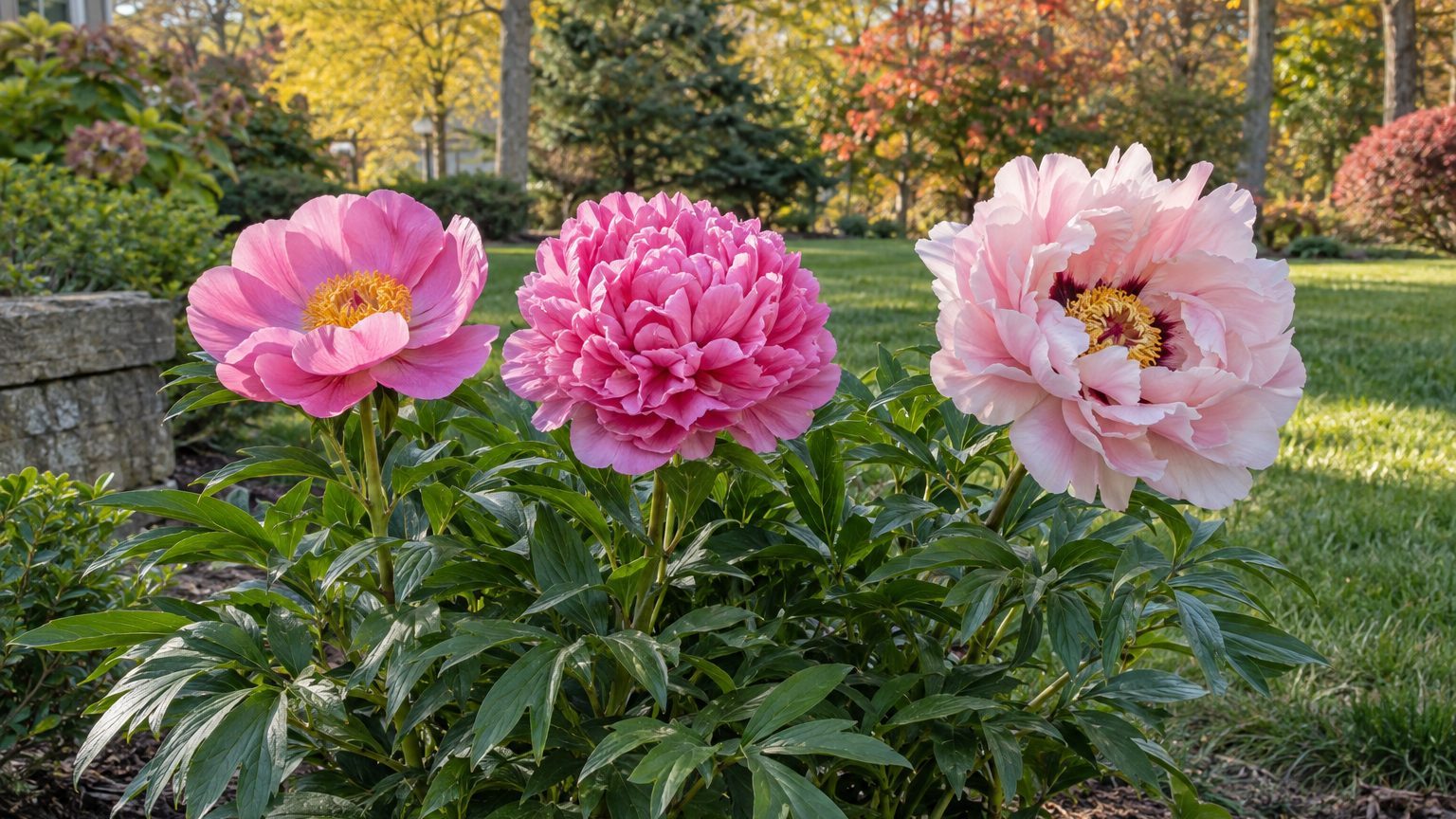
Peony clumps can bloom generously in a cold-winter garden yet sulk in a mild one, and British Columbia includes cold-winter gardens as well as mild ones. Where winters give the roots a real rest, peonies thrive. On the mild coast, the choice of spot and plant matters more.

Best Peonies to Grow in British Columbia

Best Peonies for British Columbia

Peonies reward gardens with a cold winter, so the Interior suits them far better than the coast, where Vancouver sits in Canadian hardiness zone 9a (a Canadian rating that does not convert to a USDA zone). A peony needs a winter rest to flower, and in mild-winter climates it may flower poorly. For that reason, think of an inland garden first and a coastal garden as a place to test.

Gardens East of the Mountains

Gardens East of the Mountains — Best Peonies for British Columbia

Peonies do particularly well where winters provide significant chill. In British Columbia that points to the Interior side of the coastal ranges, where winters are colder than on the coast. If your garden has a real winter, plant here with confidence.

Herbaceous Peonies

Herbaceous Peonies — Best Peonies for British Columbia

The classic garden peony dies back to the ground each year and returns from its roots in spring. Plant or divide it in September to October so the roots settle before the ground freezes. Because British Columbia has no local extension page on peony timing, these dates follow the nearest comparable climate; confirm them with a local garden centre, a garden society or a provincial gardening group.

Tree Peonies

A tree peony keeps its woody stems instead of dying back. That makes it a shrub in the border, with a permanent frame rather than a clump that vanishes each winter. It still wants the same winter rest, so the same inland advantage applies.

Peonies on the Mild Coast

Around Vancouver, winters may not give peonies enough chill, and the plants can leaf out well yet flower poorly. If you garden on the coast and love peonies, try a peony in a cool, open spot before committing more garden space. Foliage without flowers can point to a winter rest that was too short, though planting depth can also be the cause.

How to Choose a Peony for a British Columbia Garden

Winter cold is the deciding factor here. It decides whether a peony blooms heavily, lightly or barely, so match the plant to the winter your garden really has, not to the one on the plant tag.

Plant form matters too. Some gardeners want a clump that disappears and returns, others want a shrub that holds its shape.

Your situation What suits it in British Columbia Why
Cold winters inland Herbaceous peonies Significant winter chill gives the best bloom
Mild coastal winters A trial planting in a cool, open spot Peonies may flower poorly where winters are mild
You prefer a woody shrub look Tree peony It keeps its woody stems through winter

A garden with cool winters but no deep cold is worth discussing at a local garden centre before you buy. Nearby peonies can offer useful clues, though conditions in your yard may differ.

Which Peonies Suit Different Parts of British Columbia

Winter cold changes across the province, and that shifts how confidently you can plant peonies from region to region.

  • Okanagan: Winters are colder than on the coast, so herbaceous peonies get the rest they need and tree peonies are worth trying too.
  • Kootenays: Inland winters give peonies a clear dormant season, which favors heavy bloom from established clumps.
  • Vancouver and the Lower Mainland: Mild winters are the weak point, so treat peonies as an experiment and choose your spot with care.

Wherever you garden, a neighbor’s thriving peony offers a useful local clue.

Peony Buying Mistakes to Avoid in British Columbia

Expecting Bloom on a Mild Coast

A plant bought on impulse and set into a mild-winter garden may produce leaves and few flowers, which wastes the season and the money. Choose a cool, open spot and start with a trial planting before you commit more garden space.

Planting Too Deep

A peony set too deep may bloom poorly or not come up at all. Keep the eyes, the pink buds on the root, near the soil surface. Check this when planting in September to October, because fixing it later means lifting the clump.

Buying Without Knowing Adult Size

A small potted peony grows into a large clump. Read the label for mature height and spread, then leave that much room. Crowding it against a path or a shrub means moving it later, and a transplanted peony may not bloom the first spring.

Where to Get Peony Advice in British Columbia

The province’s agriculture ministry and local gardeners can help you judge what your climate allows.

  • The provincial agriculture ministry offers background on growing in the province, which is useful before you shop.
  • A local master gardener group or garden society knows which peonies bloom in your district, and spring meetings are a good time to ask.
  • A local garden centre can show what grows nearby, so visit before fall planting to choose a plant.

Common Questions

When Do Peonies Bloom in British Columbia?

Peony varieties bloom from mid-May to late June, with the exact weeks depending on the variety and how warm your garden is.

When Should You Cut Back Peonies?

A herbaceous peony is cut back after frost, once the leaves have died down in fall. A tree peony is never cut back to the ground, because its woody stems carry next year’s growth.

Will a New Peony Bloom the First Spring?

A newly planted or transplanted peony may not bloom the first spring. Give it time to settle before judging whether the spot works.

When Do Peonies Bloom in British Columbia?

When Do Peonies Bloom in British Columbia?

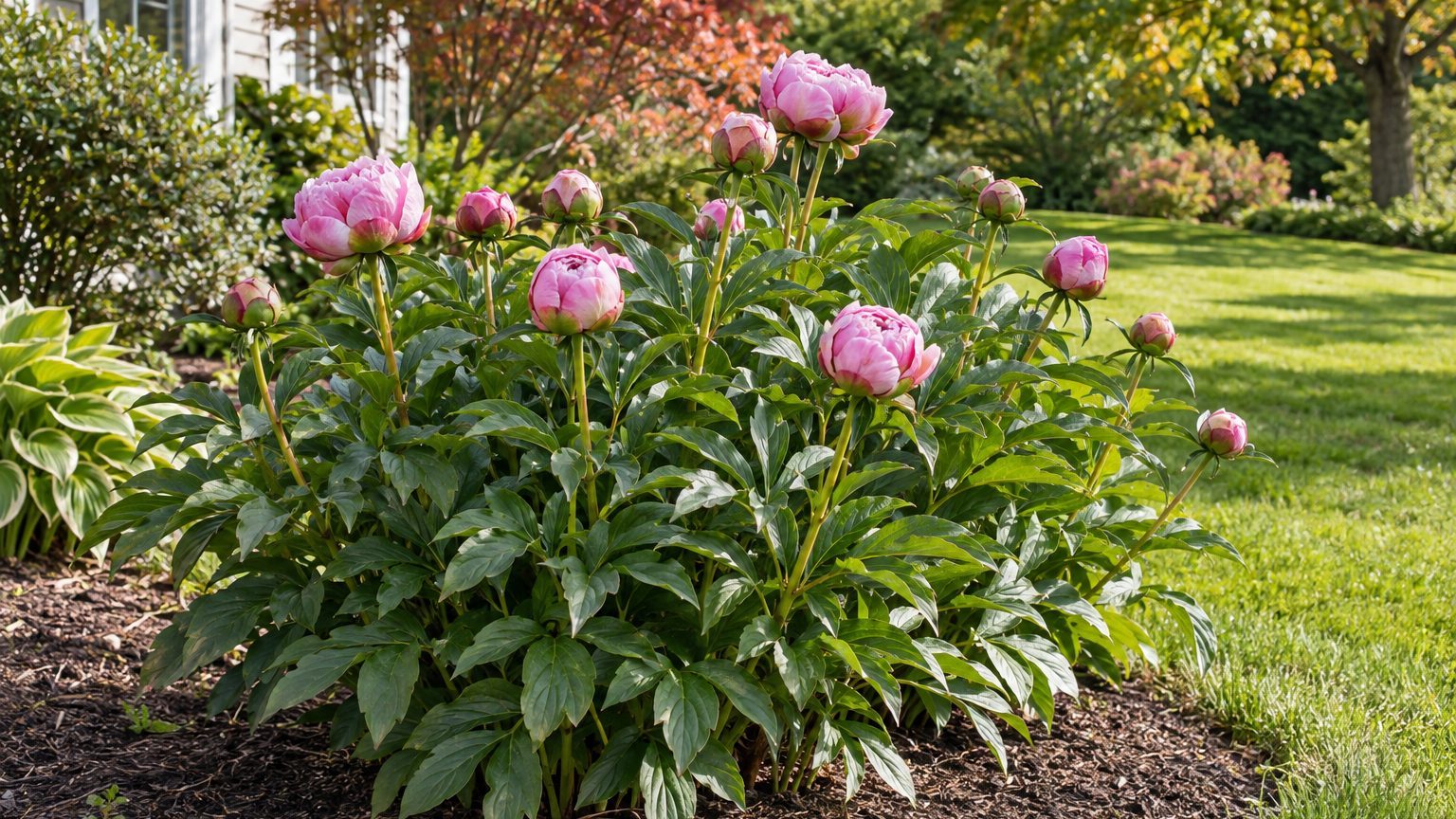
Peony buds swell into fat green balls on the stems long before the first petal loosens, and that slow build is the part of the season gardeners in British Columbia learn to read. The flowers themselves arrive in late spring and carry on into early summer, depending on the type and the corner of the province.

When Do Peonies Bloom in British Columbia?

When Do Peonies Bloom in British Columbia?

Peonies bloom in British Columbia from mid-May to late June, and that span covers the different types. The province has no local peony timing page of its own, so these dates follow the nearest comparable climate to the south. Confirm local timing with a garden centre, a garden society or a provincial gardening group.

Type of peony When it blooms in British Columbia What to know
Herbaceous peonies Mid-May to late June Dies back each year and is cut back after frost
Tree peonies May to June Keeps its woody stems and is never cut back

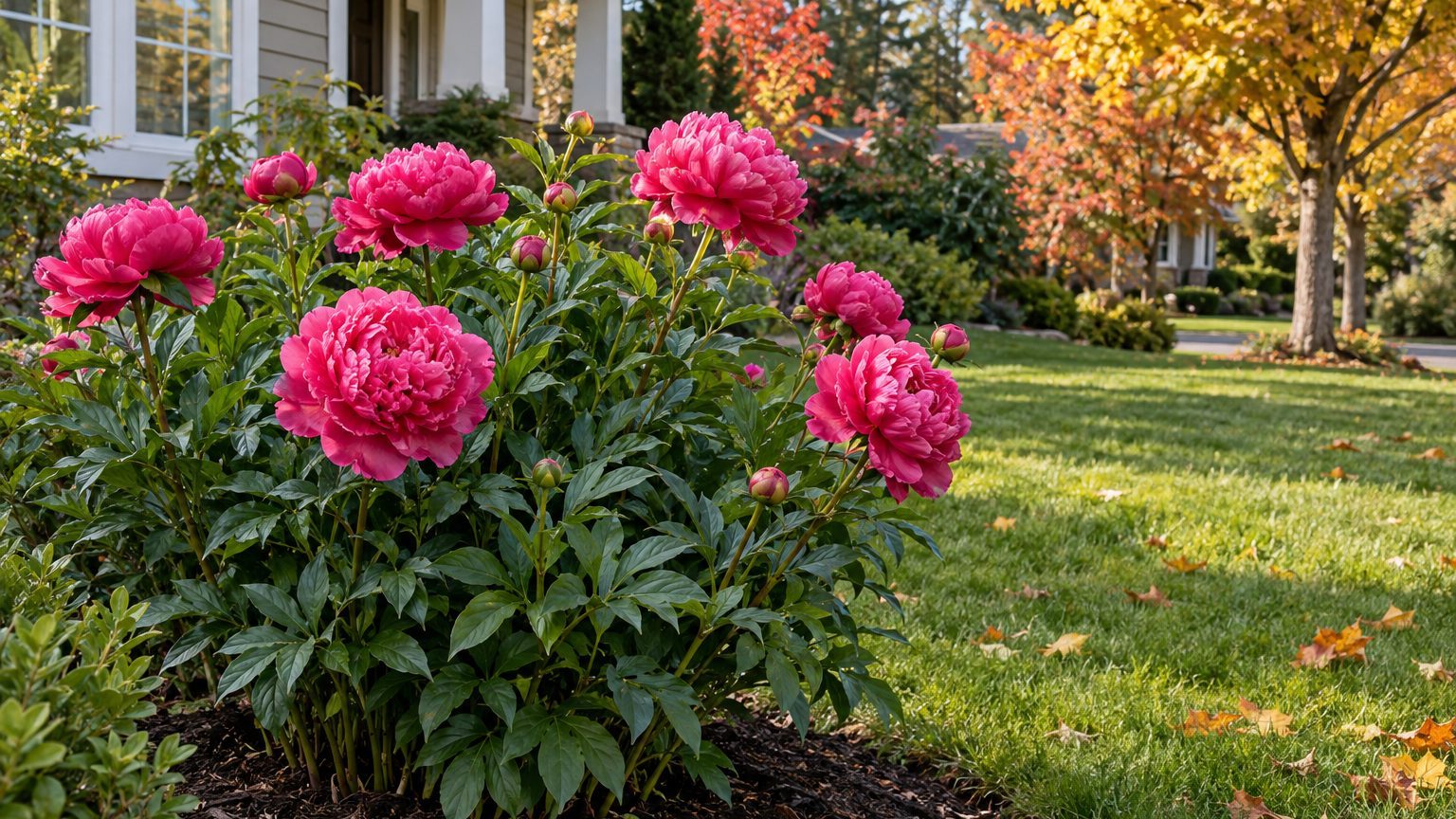
Early, mid-season and late herbaceous varieties spread the show across that window, which is why a yard with a mix can stay in flower for weeks. For Itoh peonies, ask a local nursery about timing. Wherever you garden, the same rules matter. A newly planted or transplanted peony may not bloom the first spring. And peonies need a cold winter rest to flower, so they do best where winters are cold and may flower poorly in mild-winter climates. That matters on the mild coast, where Vancouver sits in Canadian hardiness zone 9a.

How to Tell When Your Peonies Are About to Bloom

Stems and buds give plenty of warning, and watching them helps you judge when bloom is close.

  • Red, pointed shoots pushing out of the soil in early spring mean the plant has woken, so clear leaf litter and mulch away from the crown.
  • Shoots that turn green and unfurl into leaves tell you the stems are lengthening and may soon need a support ring.
  • Small round buds at the stem tips mean the flowers have formed, and the plant is now using its stored energy to open them.
  • Swollen buds show that bloom is getting close.
  • Buds that feel soft when you gently squeeze them are ready to open, and that is the moment to cut stems for a vase.
  • Color showing at the bud tip means petals will unfold soon, so move any staking into place before the heavy blooms bend the stems.

A plant that makes leaves but never forms buds is worth a second look at planting depth, covered in the next section.

When to Cut Back Peonies in British Columbia

Herbaceous peonies are cut back in fall, after a hard frost has blackened the foliage. Use blackened foliage after a hard frost, not the planting calendar, as your signal to cut back herbaceous peonies.

Cut the stems back after the foliage has blackened. Then rake up every leaf and stem and throw it out with the trash rather than composting it, since old foliage can carry disease over the winter and back into the bed.

Tree peonies are the exception. They keep their woody stems through winter and are never cut to the ground, so leave them alone and only snip out wood that is clearly dead.

While you are working in the bed, check planting depth. A peony set too deep may bloom poorly or not come up at all, so the eyes should sit near the soil surface.

How Peony Bloom Time Shifts Across British Columbia

The province is not one climate, and peony bloom follows the winter cold and the spring warmth of each region.

  • Vancouver and the South Coast: Mild winters bring an early spring, but peonies may flower poorly where the winter rest is short. Bloom tends to start earlier here than inland.
  • The Okanagan: Colder winters give peonies the chill they need, and warm springs bring a strong show. Bloom in the valley tends to run ahead of the mountain districts.
  • The Interior and the north: Cold winters suit peonies well. Spring arrives later, so flowers open later than on the coast.

Higher ground runs behind the valley floors nearby, so a garden on a slope may bloom a little after one at the bottom.

Where to Get Peony Advice in British Columbia

Help comes from the province and from people who garden locally.

  • The British Columbia Ministry of Agriculture and Food publishes provincial growing information, worth a visit before you plan a new bed.
  • A local garden society or master gardener group can tell you when peonies open in your own neighborhood, so ask in spring when the buds are swelling.
  • A garden centre can advise on varieties and on fall planting, so call in late summer, ahead of the September to October planting window.

Common Questions

Can You Move a Peony to a New Spot?

Yes, and fall is the time, in September to October. That gives the roots time to settle before the ground freezes. Replant with the eyes near the surface, and expect few or no flowers the first spring.

Why Do Peonies Bloom Poorly on the Coast?

Peonies need a cold winter rest, and a mild-winter climate may not give them enough. If leaves are healthy but flowers are scarce, check planting depth as well, because a plant buried too deep blooms poorly.

Do Tree Peonies Bloom at the Same Time as Herbaceous Ones?

Tree and herbaceous peonies flower in the May to June season. They differ in care, since a tree peony keeps its woody stems while a herbaceous one dies back to the ground.

When to Plant Peonies in British Columbia: Dates and Care

When to Plant Peonies in British Columbia: Dates and Care

Peony shoots push up through the garden bed in early spring, and the plants settle in best when their roots go into cool autumn soil. In British Columbia, that planting window is September to October. The plant’s year, and the climate differences from the coast to the interior, shape how well they do.

When to Plant Peonies in British Columbia

When to Plant Peonies in British Columbia: Dates and Care

Plant or divide peonies in September to October, so the roots are settled before the ground freezes. Because British Columbia has no local extension page on peony timing, these dates follow the nearest comparable climate; confirm them with a local garden centre, a garden society or a provincial gardening group. A peony’s year runs like this:

  • In early spring, red shoots push up from the crown, and the last spring frost at Vancouver falls on average around March 18. Half of all years bring a frost later than that, so a late cold snap on young shoots is normal and rarely serious.
  • From mid-May to late June, the buds open, and the plant puts on its show.
  • After the petals drop, the foliage keeps working through summer, storing energy in the roots for next year’s buds.
  • In September to October, planting and dividing time arrives while the soil is still workable, giving roots time to settle before the ground freezes.
  • In late autumn, the first fall frost at Vancouver arrives on average around November 10, though in half of all years it comes later. Herbaceous peonies die back and head into their winter rest.

Those frost dates and the Canadian hardiness zone 9a rating apply to Vancouver, not the whole province. Upland and northern districts see frost earlier in fall and later in spring. A peony planted this season may skip blooming the first spring while it builds roots.

Which Peonies Grow Best in British Columbia?

Peonies grow in the province, but they reward cold winters. They need a winter rest to set flower buds, so they do best where winters are cold and may flower poorly in mild-winter climates. That makes the colder interior a more natural fit than the mild coast.

Peony type How it does in British Columbia Why
Herbaceous Reliable inland, and worth trying on the coast with modest expectations Needs a cold winter rest, then dies back each year and regrows from the crown
Tree peony Grows where winters are cold enough to give a rest, and may flower less on the mild coast Keeps its woody stems through winter, so the framework stays on the plant

Ask a local garden centre whether Itoh peonies have performed well nearby. On the coast, plant them where the soil drains freely and the plant gets plenty of light, and keep your expectations modest for bloom.

When to Plant, Cut Back and Feed Peonies in British Columbia

Peony work clusters around autumn planting and cleanup after frost. Planting depth matters greatly. A peony set too deep may bloom poorly or not come up at all, so keep the eyes, the pink buds on the root, near the soil surface.

Task Best timing in British Columbia Why then
Plant or divide September to October Roots settle in cool soil before the ground freezes
Cut back herbaceous peonies After the first hard frost, once the leaves have blackened The plant has finished storing energy, and removing old foliage reduces disease carryover
Leave tree peonies alone Do not cut back The woody stems carry next year’s growth
Feed lightly When local soil conditions show a need Growth is starting and the plant can use the nutrients

Peonies bloom from mid-May to late June. After the flowers fade, snip the spent blooms but leave the leaves, since they feed the roots until frost ends the season.

How Peony Planting Dates Change Across British Columbia

The province is not one climate, and the coastal timing above shifts as you move inland or north.

  • Vancouver and the Lower Mainland: Winters are mild, so peonies get less chill than they like. Plant in the usual window and pick a spot that gets a little extra cold, such as an open, exposed bed.
  • The Okanagan: Winters are colder, which suits peonies well. Spring comes a little later than on the coast, and fall frost can arrive sooner, so aim for the early part of the planting window.
  • Prince George and the north: The growing season is shorter and frost comes sooner in fall, so get roots in early, at the front of the autumn window.

Higher ground generally means later spring and earlier fall frost.

Where to Get Peony Advice in British Columbia

For planting questions, soil advice or a puzzling plant, start with the provincial agriculture ministry and local gardening groups.

  • The British Columbia Ministry of Agriculture and Food offers general guidance on growing and on finding soil testing.
  • A local garden centre or garden society can confirm which peonies perform in your district, and they are worth visiting before planting day.
  • If a plant looks sick, take a leaf and a photo of the whole plant to a local master gardener group.

Common Questions

Why Are Ants on My Peony Buds?

Ants feed on the sweet coating on the buds and do not harm the plant. Leave them alone, and shake them off cut stems before bringing the flowers indoors.

What Kind of Spot Do Peonies Like?

They like full sun and soil that drains well. Give each plant room so air moves through the foliage, which helps it stay dry and healthy.

Do Peonies Need to Be Divided?

Not often. Divide only if a clump has grown crowded or blooms have faded, and do it in the autumn planting window, replanting with the eyes near the surface.

Best Lilacs for British Columbia

Best Lilacs for British Columbia

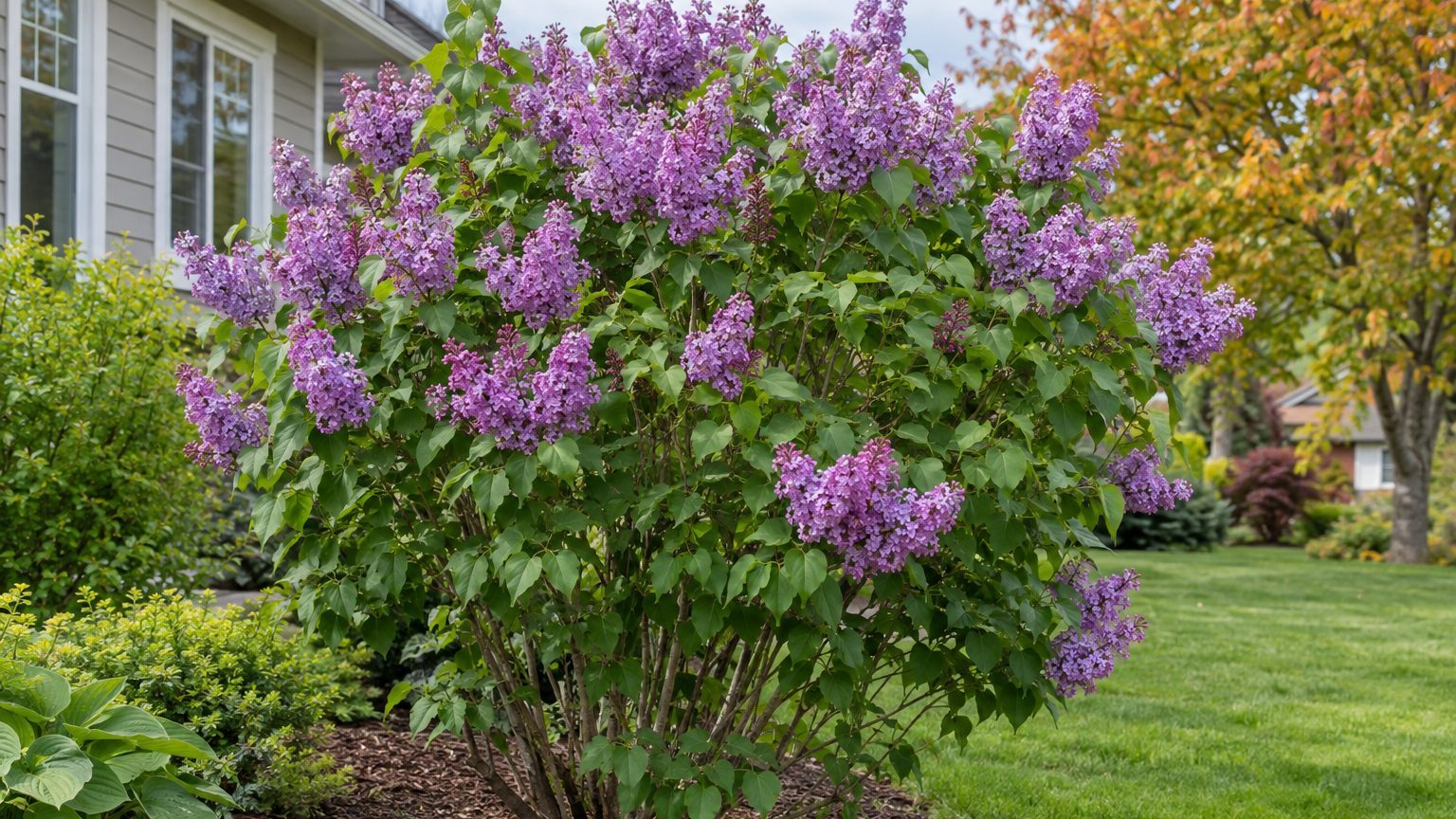
Every May, a lilac in bloom turns a front yard into the one everybody slows down for. In British Columbia the choice of shrub matters more than usual, because the province runs from mild coast to cold interior. Compact, mildew-resistant and classic fragrant lilacs all have a place here, depending on where you garden and how much room you have.

Best Lilacs to Grow in British Columbia

Best Lilacs for British Columbia

French lilacs, the dwarf Korean lilac and the Bloomerang series give gardeners a useful range of choices. The coast is a mild-winter place (Vancouver sits in Canadian hardiness zone 9a, a system that does not convert to a USDA zone), and lilacs want a cold winter rest to ripen their flower buds. Humid summer weather is what they like least, so compact and mildew-resistant types earn their spot.

French Lilacs

French Lilacs — Best Lilacs for British Columbia

These are selections of the common lilac, Syringa vulgaris, and they are the best known of the group. Hundreds of cultivars exist, in many colours and floret shapes, so you can pick the fragrance and look you want. They are the classic choice for a spot with real winter cold.

Sensation

Sensation — Best Lilacs for British Columbia

Sensation is a French lilac with purple flowers edged with white, which makes it easy to spot in a garden centre and easy to tell from a plain purple one. It suits a gardener who wants a bicolour bloom rather than a solid colour. Plant it where it gets cold winters and airy summers.

Dwarf Korean Lilac

Syringa meyeri, also called the little-leaf lilac, usually reaches about 1.5 m (5 ft.) tall and just as wide. Occasionally it grows to as much as 2.4 m (8 ft.). It is a profuse bloomer with small violet flowers, and its compact shape makes it a good fit for smaller front yards.

Bloomerang Series

The Bloomerang series is described as powdery mildew resistant and reblooming. That matters in a province where damp spells can leave leaves coated in white. If humid summers are your worry, this series is worth considering.

How to Choose a Lilac for a British Columbia Garden

Start with the weather your yard actually gives a lilac, then with the space you can spare. A lilac that matches your climate and available space has a better chance to bloom without crowding its site.

Lilacs do best where winters are cold and struggle in hot, humid summers, so winter cold, summer humidity and mature size should guide the choice.

Your situation What suits it in British Columbia Why
Very cold winter French lilacs Lilacs need a cold rest to mature their flower buds, and these are the common lilac selections
Hot, humid summer Bloomerang series It resists powdery mildew, the problem damp air invites
Small space Dwarf Korean lilac It stays compact, usually about 1.5 m (5 ft.) wide
Want a bicolour flower Sensation Purple blooms edged with white

If your garden is on the mild coast, where winter cold is limited, a local garden centre can tell you which cultivars flower well in your neighbourhood. Bloom and pruning dates follow the nearest comparable climate, so confirm local timing with a garden centre, a garden society or one of the provincial gardening groups.

Which Lilacs Suit Different Parts of British Columbia

Winter cold is what a lilac needs, so the choice shifts with how much of it your part of the province gets.

  • Lower Mainland: Winters are mild, so consider the mildew-resistant Bloomerang series for damp summer weather or the compact dwarf Korean lilac for a tight lot.
  • Okanagan: Winters run colder than on the coast, which gives French lilacs the rest they want to set flower buds, so the classic fragrant types are a natural fit.
  • Peace River country: Spring arrives later than on the coast, so let the flowers themselves set the schedule and prune as soon as they fade.

Northern and upland districts run behind the coast in spring, so give them extra time before judging how a young lilac is doing.

Lilac Buying Mistakes to Avoid in British Columbia

Expecting Cold Your Garden Lacks

A lilac that does not get enough winter rest produces few flowers, and a beautiful shrub with no blooms is a disappointing purchase. On the mild coast, check with a local garden centre which cultivars bloom well nearby before you buy.

Skipping Mature Size

A pot gives no hint of the adult plant. The dwarf Korean lilac usually reaches about 1.5 m (5 ft.) tall and wide but can climb to 2.4 m (8 ft.), so leave room for the upper figure along a walk or under a window. Read the tag, and ask for the adult size of any cultivar.

Pruning After Summer Starts

A lilac sets next year’s flower buds in summer, soon after it flowers. Pruning in winter or in July removes those buds and costs you the following spring’s blooms. In British Columbia, lilacs usually bloom in May, with April or June possible in some years. Prune in June, right after the flowers fade, and May also works when bloom comes early.

Where to Get Lilac Advice in British Columbia

British Columbia has no local extension page on lilac timing, so advice comes from the province and from people who garden locally. The British Columbia Agriculture and Seafood pages are the provincial starting point.

  • A local garden centre can tell you which lilac cultivars have bloomed well in your neighbourhood, and spring is the time to ask.
  • Garden societies and master gardener groups can confirm local bloom and pruning timing when you visit a meeting or open garden.
  • Bring a photo of your planting spot, so the advice fits your sun and space before you buy.

Common Questions

When Do Lilacs Bloom in British Columbia?

May is the usual month, and April or June can also bring flowers depending on the year and your district. That timing is why pruning follows quickly after the blooms fade.

What Colours Do Lilacs Come In?

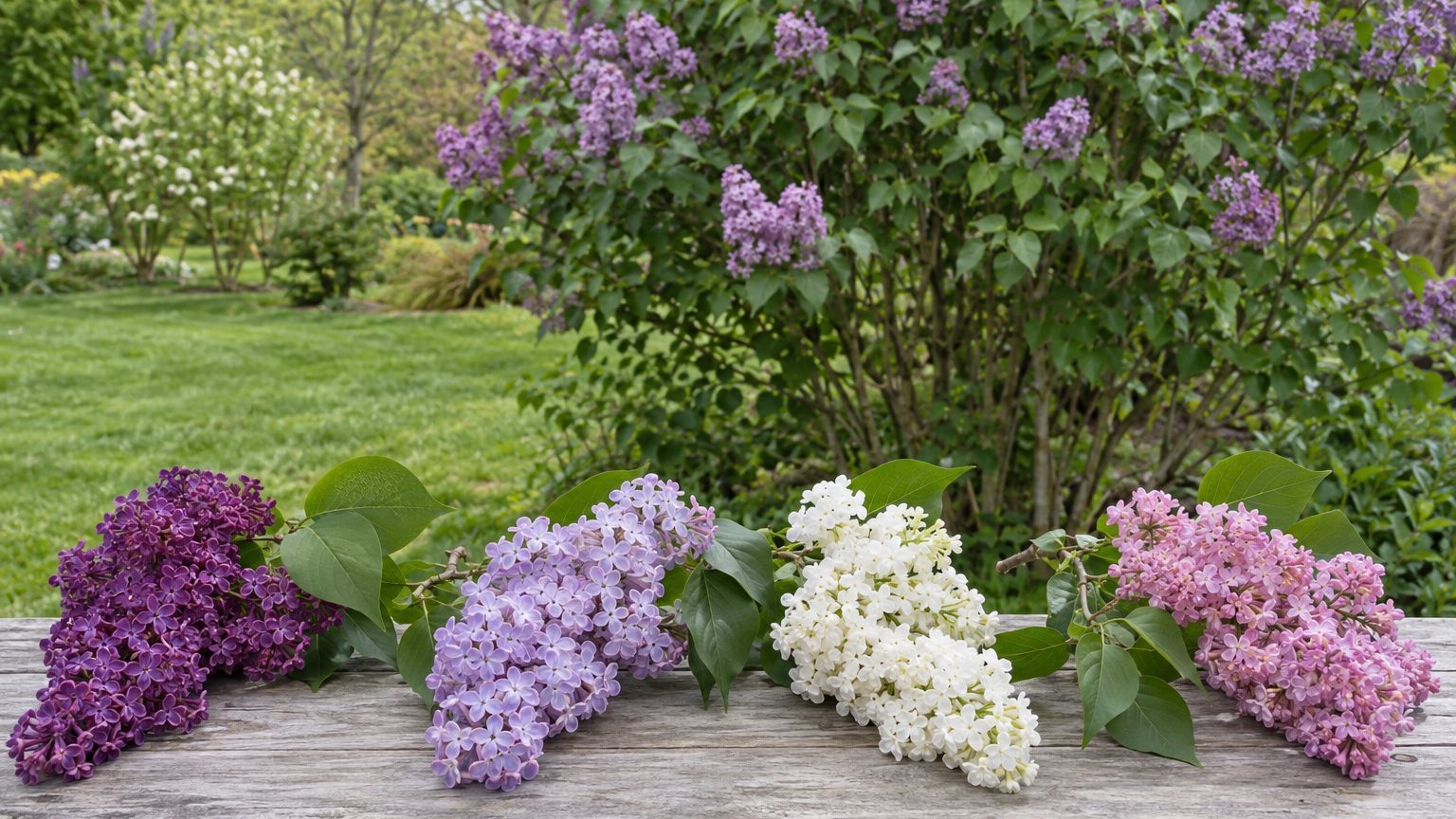
Named cultivars range through lilac, purple, white, pink and a reddish hue. Some, like Sensation, combine purple petals with white edges.

When Is the Last Spring Frost in Vancouver?

In Vancouver, on average it falls on March 18, but in one year out of two the frost arrives later than that. Treat the date as the middle of a window, not a safe day, and expect upland and northern districts to run behind it.

When to Prune Lilacs in British Columbia

When to Prune Lilacs in British Columbia

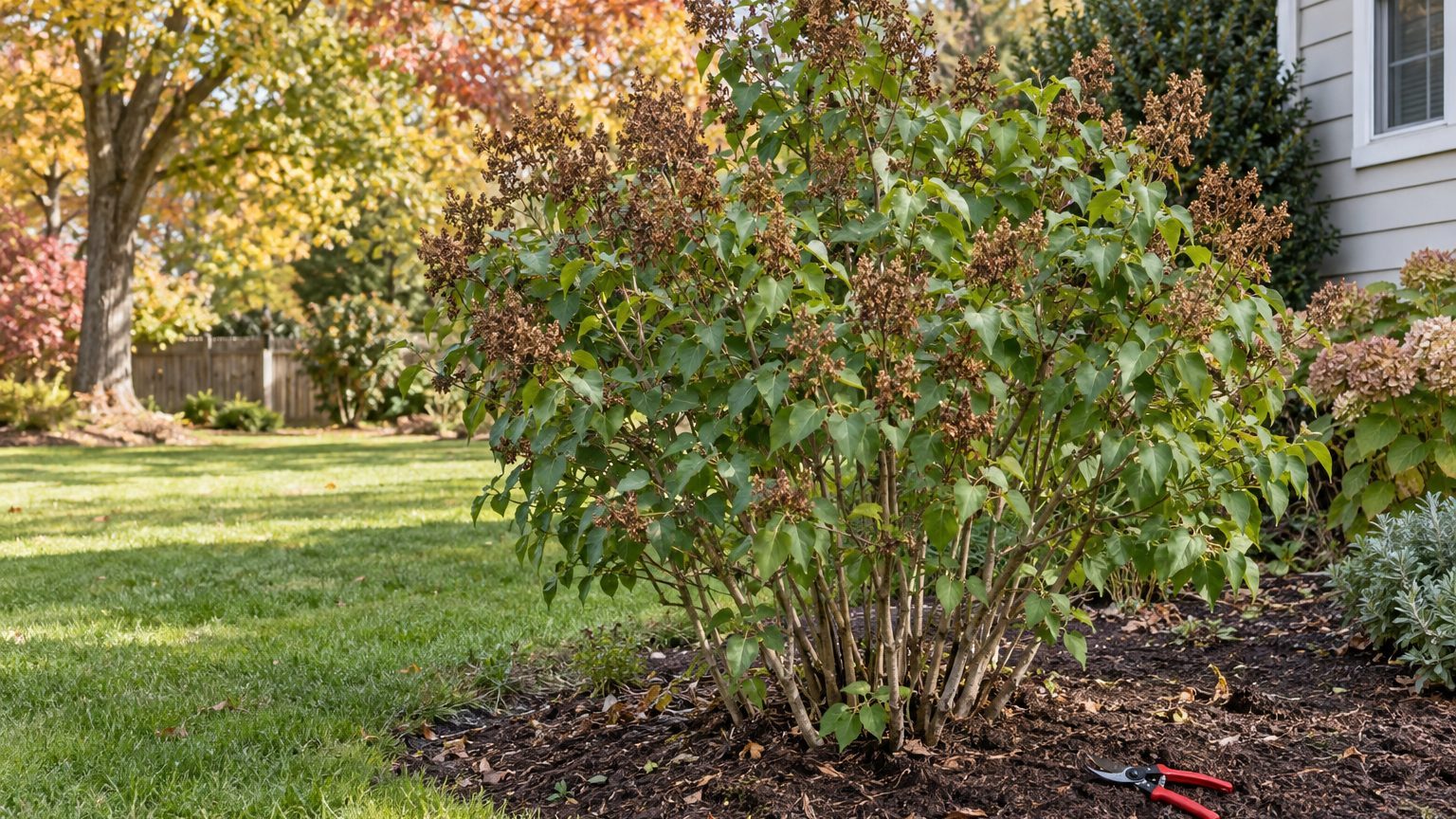
Lilac flowers fade to brown by the end of spring, and that brown is the cue to pick up the pruners. In British Columbia, the cut comes soon after the last blooms drop, before the shrub starts setting next year’s flowers. Timing matters more than technique here, and a few simple signs keep you on track.

When to Prune Lilacs in British Columbia

Lilac stems after flowering

Prune in June, right after the flowers fade. If your lilac finished early, it can also be done in May. British Columbia has no local extension page on lilac timing, so these dates follow the nearest comparable climate; confirm them with a local garden centre, garden society or provincial gardening group.

The reason is the shrub’s calendar. A lilac blooms on last year’s wood and sets next year’s flower buds in summer, soon after it flowers, so late cuts remove the show before it exists.

Type of pruning When in British Columbia Why
Yearly shaping and removal of spent flowers June, or May if the blooms finished early Pruning right after bloom avoids removing next year’s buds
Cuts in July, late summer, fall or winter Avoid The buds are already set, and cutting them off cancels the next spring’s flowers

An old, crowded lilac follows the same after-bloom timing when you thin it. Expect fewer flowers the following spring, because some of the flowering wood goes with the cut.

How to Tell When Your Lilacs Are Ready to Prune

Your lilac announces its own schedule, and it matters more than the date on the calendar, since a cool spring can push flowering later.

  • The flower clusters turn from fresh color to dull brown, which tells you the bloom is over and pruning can begin.
  • Petals litter the ground under the shrub, a sign the flowers are spent and the stems can be cut back safely.
  • New green leaves are fully open and the shrub looks like foliage rather than flowers, so you can see which stems are dead, crossing or crowded.
  • Small green shoots start pushing near the base of the older stems, a reminder that growth for next year’s buds is already underway and the window is closing.
  • By July the opportunity has passed, because cutting then takes off flower buds for the next growing season.

Trim the faded clusters just below the flower head, and leave the new growth below it alone.

Should You Prune Lilacs in Fall or Winter in British Columbia?

No. Cutting in fall or winter removes the buds that would open the following spring, so the shrub looks tidy and then fails to flower. The buds are sitting on the stems all winter, invisible and easy to mistake for bare twigs.

A late-winter shaping cut costs flowers in the same way. Whatever wood you remove takes its buds with it, and the bloom shrinks to what is left. If a lilac is overgrown, it is better to wait for the next June and then thin it after the flowers fade. Missing the next bloom is the price of cutting at the wrong time, and you can avoid it by holding off.

How Lilac Pruning Time Shifts Across British Columbia

The province covers coast, interior valleys and cold northern country, so the same June task can slide a little depending on where you garden.

  • Vancouver and the Lower Mainland: Spring comes early on the coast, with the last frost arriving on average March 18, though in one year out of two it falls later. Lilacs here flower and finish earlier than inland, so prune as soon as the blooms brown.
  • The Okanagan: Inland valleys have colder winters than the coast, which suits lilacs, and spring arrives later. Flowering and pruning slide later with it, so watch the blooms rather than the date.
  • Prince George and the northern interior: Northern and upland districts run well behind the coast. Pruning follows whenever the flowers fade, which may be well into June.

The rule stays the same everywhere: cut after the bloom, not before it.

Where to Get Lilac Advice in British Columbia

Local help comes from the province and from neighbors who grow lilacs. The province’s Agriculture and Seafood pages are the place to start for general plant care.

  • Local garden centres can tell you when lilacs bloom in your town, so visit in May and ask what the shrubs nearby are doing.
  • Garden societies and master gardener groups hold plant sales and workshops in spring, and members can tell you how local lilacs behaved last year.
  • The provincial agriculture pages are worth a look before you plan a bigger renovation of an old shrub.

Common Questions

Can You Cut Lilac Flowers for a Vase?

Yes. Cutting blooms in May takes only the current flower heads, and the shrub sets next year’s buds afterward. Cut just below the cluster so you leave the new growth intact.

Do Lilacs Grow Well Along the British Columbia Coast?

They can, but they do best where winters are cold. Lilacs need a cold winter rest to mature their flower buds, and they struggle in hot, humid summers. On the mild coast a lilac may leaf out well yet bloom lightly, while an inland garden usually gives a better show.

Why Did a Lilac Not Bloom After Pruning?

Check when the cut was made and how the shrub is growing. If the pruning happened in July, fall or winter, the flower buds went with the branches. Heavy shade or repeated hard pruning may also explain the missing flowers; correct the pruning after bloom next June.

When Do Lilacs Bloom in British Columbia? Dates and Care

When Do Lilacs Bloom in British Columbia? Dates and Care

A lilac in full flower fills a British Columbia yard with scent, and the work that decides next year’s blooms comes soon after the last cluster browns. Lilacs in British Columbia follow a simple rhythm of spring flowers, a quick trim, summer bud-setting and a winter rest. Knowing where each step falls keeps the shrub flowering.

When Do Lilacs Bloom in British Columbia?

A lilac bush in bloom in a home garden

Lilacs in British Columbia bloom mostly in May, with April possible in a warm spring and June in a cool one. The year runs like this.

  • In April, a warm spell on the coast can bring the first clusters open.
  • In May, the main bloom arrives, and this is the month to cut stems for a vase and enjoy the fragrance.
  • In June, once the flowers fade, the shrub is ready for its yearly trim.
  • Through summer, the buds for next spring form quietly on the new growth, which is why the shears stay put after the June trim.
  • From late fall through winter, the shrub rests, and the cold of those months helps the buds mature for the following May.

At Vancouver, the last spring frost falls on average March 18, a midpoint, so frost can still return later in one year out of two. The first fall frost arrives on average November 10, also a midpoint. The city sits in Canadian hardiness zone 9a, a separate system from USDA zones.

Which Lilacs Grow Best in British Columbia?

Lilacs grow well in British Columbia wherever winters give them a real cold rest. That rest matures the flower buds. Common lilac is Syringa vulgaris.

Trouble starts with heat and humidity. Hot, muggy summers wear lilacs down, and a spot that never gets a proper winter chill tends to give thinner flowering.

Lilac type How it does in British Columbia Why
Common lilac (Syringa vulgaris) Does well where winters are properly cold The cold rest matures its flower buds
Lilacs in a mild coastal garden Bloom can run lighter in a very mild winter Less winter chill reaches the buds
Lilacs in a hot, humid spot Tend to struggle Lilacs favor cold winters over muggy summers

A sunny, open site with air moving through the branches suits lilacs better than a damp, closed-in corner. Garden centres in your area can tell you which named selections have performed locally, which matters more than any single variety name.

When to Plant, Prune and Feed Lilacs in British Columbia

British Columbia has no local extension page on lilac timing, so these dates follow the nearest comparable climate. Ask a local garden centre, garden society or provincial gardening group when to plant, and confirm the pruning schedule before you set a firm date.

The main rule is that a lilac blooms on last year’s wood and sets next year’s buds soon after it flowers.

Task Best timing in British Columbia Why then
Watch the bloom May, with April or June in an early or late spring Spring warmth sets the pace each year
Prune June, or May if the flowers fade early Cuts made right after bloom keep next year’s buds
Feed Soon after the flowers fade Fresh growth is starting, and next year’s buds form on it
Hold the shears July through winter Pruning then removes the buds for the following spring

A July trim costs you next year’s flowers, so a missed June window is better skipped than rushed. The page on when to prune lilacs in British Columbia goes deeper on cuts, from light shaping to renewal.

How Lilac Bloom Time Changes Across British Columbia

British Columbia holds many climates, and lilacs open on different schedules from the coast to the interior.

  • Vancouver and the Lower Mainland: Mild, damp springs bring lilacs into flower on the early side of the May window. April bloom can happen here after a warm stretch.
  • Victoria and southern Vancouver Island: The mild maritime climate pushes bloom early. Winter chill is lighter, so flower counts can be thinner.
  • The Okanagan: Sunny, dry summers and colder winters suit lilacs well, and bloom usually lands squarely in May. Gardens on higher benches above the valley floor open later than those beside the lake.
  • Prince George and the northern interior: Spring arrives later and frost lingers, so bloom slides toward June. Frost dates here run well behind the Vancouver figures.

Treat your own yard’s slope, shelter and elevation as the final adjustment. A south-facing wall opens flowers sooner than a shaded north side.

Where to Get Lilac Advice in British Columbia

Local help comes from garden centres, garden societies and provincial services. For a diagnosis, a soil question or a timing check, start with these.

  • The provincial agriculture ministry offers growing guidance, and it is the right stop for questions about soil or pests.
  • A local garden centre can look at a leaf or stem you bring in and suggest named selections that perform locally.
  • A garden society in your town can share local experience with lilacs in your district.

Common Questions

Is It Normal for a Lilac to Bloom in April or June?

Yes. May is the usual month, but a warm spring can bring flowers in April and a cool one can push them into June. Check your shrub against the weather of that spring before you worry.

Why Is Your Lilac Leafy but Not Flowering?

Look for heavy green growth with few buds, and note how much direct sun the spot gets. Too much shade often points to the problem. A trim made in summer, fall or winter also removes buds, so think back to when the shears last came out.

What Should You Do If You Pruned Your Lilac in July?

Expect fewer flowers the next spring, because a July cut removes the buds already set. Leave the shrub alone through winter, and make your next trim right after the flowers fade in May or June.

Best Roses for British Columbia

Best Roses for British Columbia

A rose that stays healthy without constant spraying usually starts with the choice made at the garden center in late winter. In British Columbia, that choice leans toward hardy shrub, rugosa and species roses, and toward disease-resistant varieties wherever summer air stays damp.

Best Roses to Grow in British Columbia

Best Roses for British Columbia

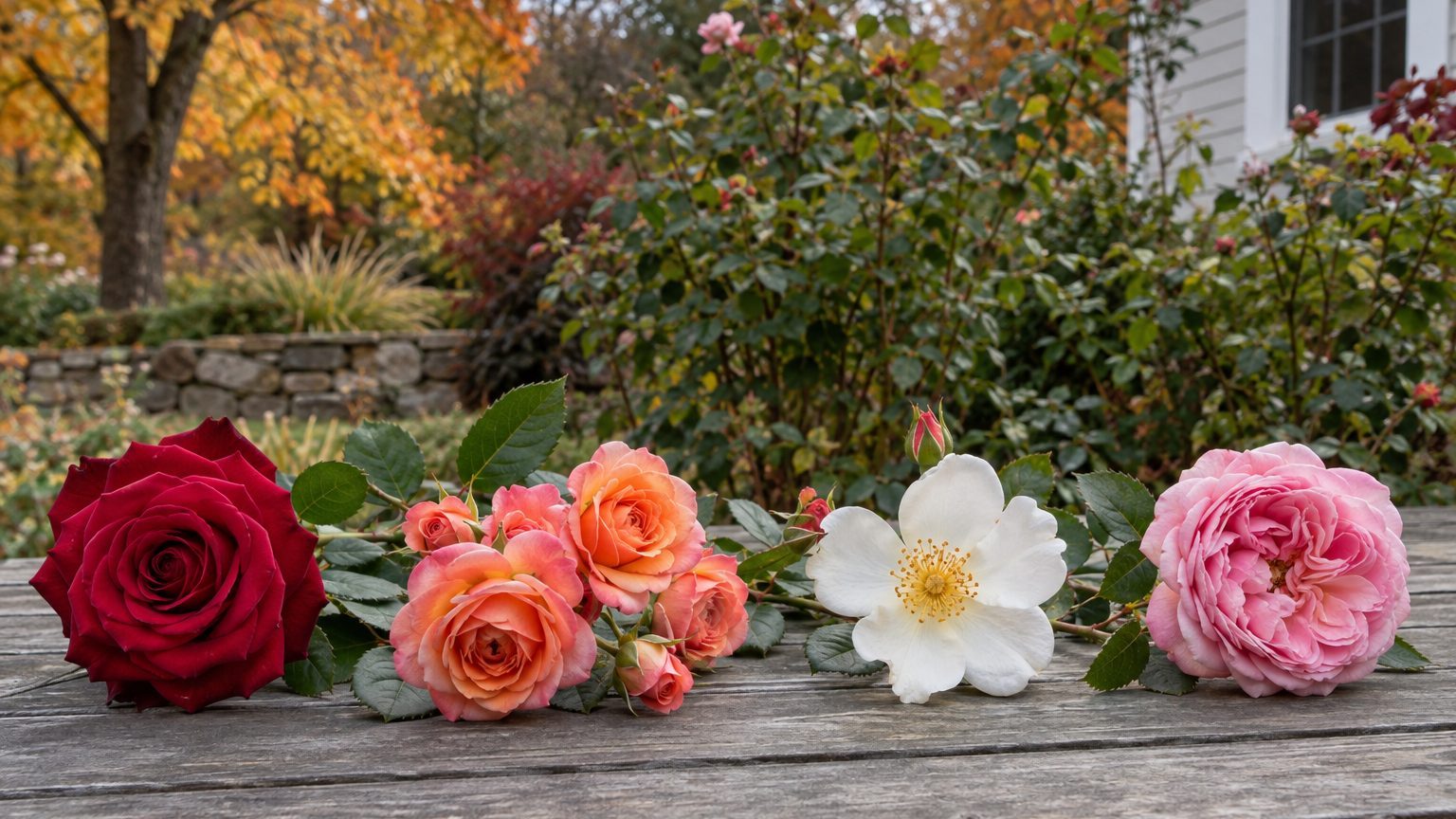
The roses that hold up here are the tough ones: shrub, rugosa, species and old garden roses, plus any variety bred to shrug off leaf diseases. Hardy choices cope with winter cold, while disease-resistant varieties stay healthier in damp summer weather.

Shrub Roses

Shrub Roses — Best Roses for British Columbia

Often called hardy shrub roses, these carry the scent and blooms people want without the upkeep of other roses. That makes them the easy starting point for a front yard or a mixed border.

Vancouver sits in Canadian hardiness zone 9a, a separate system from USDA zones that does not convert to them. Other districts of the province differ, so match the rose to your own garden.

Rugosa Roses

Rugosas can look like wild roses, and they behave like them too. They need less care than most garden roses, which suits a hedge or a corner that rarely gets attention.

Plant bare-root rugosas in February or March while they are dormant. Potted ones can go in later, up to early summer.

Species Roses

Species roses are the wild forms, and they live through hard winters unharmed. In colder pockets of the province, where a tender rose would need a mound of mulch, a species rose simply carries on.

Give them room, because they are shrubs and not tidy bedding plants.

Old Garden Roses

Many old garden roses are hardy choices for cold gardens. Once-blooming old garden roses flower on last year’s wood, so prune them right after flowering and never in early spring, or you cut off the season’s flowers.

Disease-Resistant Varieties

Whatever type you pick, look for varieties labeled disease resistant. In a damp summer, a resistant rose stays cleaner and needs fewer interventions than a susceptible one planted in the same bed.

Feed established roses from bud break, March through July, and ease off as growth slows in late summer.

How to Choose a Rose for a British Columbia Garden

Start with the problem your garden presents, whether that is a cold pocket, a damp corner or a bed that bakes in July. The right type follows from that, and a little thought now can prevent replanting later.

Hardiness matters most where winters bite, while disease resistance matters where air stays wet through summer.

Your situation What suits it in British Columbia Why
Very cold winter Species roses, hardy shrub roses, many old garden roses They live through hard winters unharmed, so they need little protection
Cold area with a tender rose Mound loose mulch over the base in November or December Mulch goes on once the plant is dormant, and only in cold areas
Humid summer Disease-resistant varieties They stay healthier when leaves stay damp
Heat and dry spells Potted roses planted in early summer Roots settle before the high temperatures of midsummer arrive
Little time Shrub or rugosa roses They do not require as much care as other roses

Small gardens are harder to answer in general terms. Ask a garden center which shrub or disease-resistant varieties stay compact enough for a tight bed, and check the mature size on the tag before buying.

Which Roses Suit Different Parts of British Columbia

British Columbia’s climate varies sharply, so the same rose can be an easy choice locally and a gamble elsewhere.

  • Vancouver and the Lower Mainland: Winters here are milder than in many other parts of the province, so a wider range of roses is open to you, and the spring pruning and planting months run earlier than elsewhere.
  • Upland districts of the Interior: Spring arrives later here, so favor hardy shrub, rugosa and species roses and lean toward the later end of the pruning and planting months.
  • Peace River country and the north: Frost runs weeks behind the coast, which makes species roses and hardy shrub roses the safer bet, with mulch ready for dormant plants in November.

Wherever you garden, a neighbor’s thriving rose is a useful clue to what suits your own soil and exposure.

Rose Buying Mistakes to Avoid in British Columbia

A Tender Rose in a Cold District

A tender rose in an upland or northern garden can lose canes in winter and start the season from the base. Choose a hardy shrub, rugosa or species rose instead. If you already own a tender one, mound loose mulch such as shredded leaves or compost over the base in November or December, once the plant is dormant.

A Disease-Prone Variety in a Wet Summer

A disease-prone variety can shed foliage in a damp summer and may need regular treatment. Read the tag or ask the garden center staff, and pick a variety described as disease resistant. Spacing plants so air moves between them also helps leaves dry.

Feeding Late into Summer

Roses begin to go dormant as summer ends, and fertilizer at that point asks for growth the plant is trying to wind down. Start feeding at bud break and stop in late summer, in August at the latest.

Where to Get Rose Advice in British Columbia

British Columbia has no local extension page on rose timing. Confirm the timing for your own district with a local garden center, rose society, or provincial gardening group.

  • The British Columbia agriculture ministry publishes provincial growing information, and it is a good first stop before you plan a new bed.
  • A local rose society or master gardener group knows which varieties perform in your district, and its members are often most helpful in late winter before planting.
  • A neighborhood garden center can tell you what has done well locally and which bare-root roses have just arrived.

Common Questions

When Should You Prune Roses in British Columbia?

Repeat-blooming roses such as hybrid teas, floribundas and modern shrub roses are pruned in February or March. The job can also be done in April, around the time forsythia blooms. Waiting for mild weather avoids dieback that forces more pruning.

When Should You Plant Bare-Root Roses?

February or March suits bare-root roses, because dormant plants can build roots before spring growth begins. Roses that come in pots are more flexible. They can be planted later, into early summer.

Is March 18 a Safe Date to Set Out Roses in Vancouver?

No. That is the average date of the last spring frost, which means frost arrives later than that in one year out of two. Treat it as the middle of a window, and remember that northern and upland districts run weeks behind Vancouver.

When to Prune Roses in British Columbia

When to Prune Roses in British Columbia

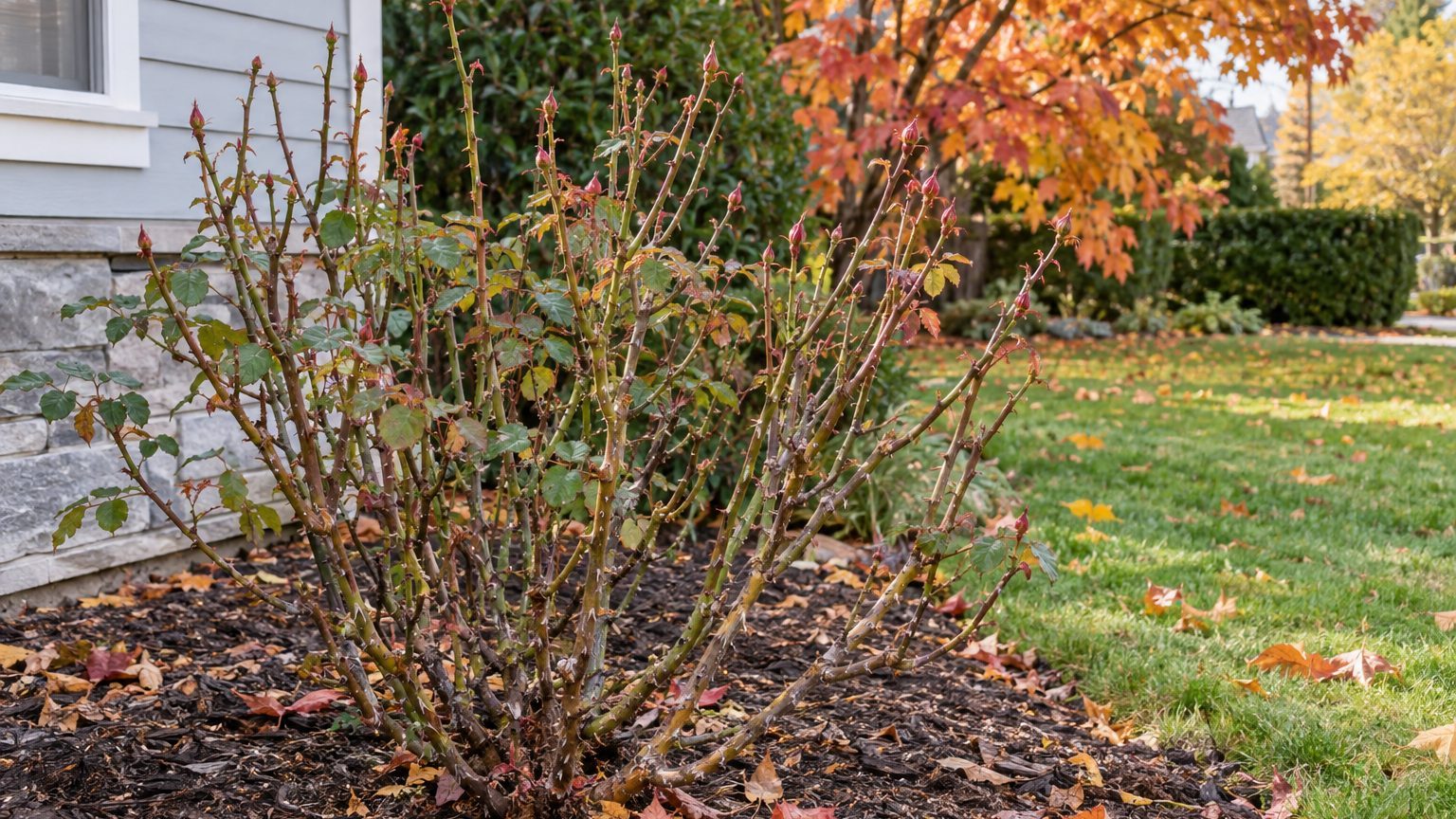
Rose canes look bare and a little stiff by late winter, and the urge to grab the pruners arrives well before the plants are ready. In British Columbia, the cut for repeat-blooming garden roses comes in late winter to early spring, and the timing depends on the type of rose. Once-blooming roses follow a different rule entirely.

When to Prune Roses in British Columbia

Rose canes at pruning time

Prune repeat-blooming roses (hybrid teas, floribundas and modern shrub roses) in February and March. April works too, especially when the forsythia is in bloom. British Columbia has no local extension page on rose timing, so these dates follow the nearest comparable climate to the south. Confirm local timing with a garden centre, a rose society or a provincial gardening group.

Type of rose When to prune in British Columbia Why
Hybrid teas, floribundas, modern shrub roses February and March, with April as a later option when the forsythia blooms They flower on new growth, so a spring cut sets up the season’s blooms
Old garden roses, ramblers, many climbers that bloom once Right after they finish flowering, never in early spring They flower on last year’s wood, and a spring cut removes the buds

Climbers that repeat-bloom are not covered by a separate window here, so ask a local rose society how they handle yours. Pruning later also pushes back the first flush of flowers, which is a fair trade if a late cold snap is in the forecast.

How to Tell When Your Roses Are Ready to Prune

Months give the range, and the plant gives the green light, so watch for these signs before the first cut.

  • Buds along the canes swell and turn plump, which tells you the plant has woken up and you can see exactly where to cut.
  • Forsythia comes into yellow bloom, a reliable cue that the rose pruning window has opened.
  • In Vancouver, the last spring frost falls on average on March 18, but in one year out of two it arrives later, so treat that date as a midpoint and wait until hard frost has passed.
  • Any winter mulch mounded over the base is pulled back once the weather warms, so you can see the crown and the lowest buds.
  • Mild days become the norm rather than the exception, because pruning stimulates new growth and a cold night can nip it.

When the signs and the calendar disagree, let the buds decide when to prune.

Should You Prune Roses in Fall or Winter in British Columbia?

Not much, and not hard. In fall and winter, shorten only the long whippy stems that could catch the wind and rock the plant loose at the roots. Leave the real shaping of repeat-blooming roses for late winter and early spring, when the buds show where the live wood is.

A severe cut before the plant has settled invites new growth that cold weather can damage. The same goes for once-blooming roses, whose flowering wood you would be removing.

In colder parts of the province, the fall job is protection rather than pruning. Mound loose mulch over the base of tender roses in November or December, once the plant is dormant. Vancouver sits in zone 9a on the Canadian hardiness system, which is not the USDA scale, and mild coastal gardens often skip the mound.

How Rose Pruning Dates Shift Across British Columbia

British Columbia is not one climate, so the months above are a starting point that slides with where you garden.

  • Vancouver and the Lower Mainland: the February and March window fits well, and gardeners here can start toward the early end once the buds swell.
  • Vancouver Island and the Gulf Islands: the maritime air keeps winters gentle, so pruning follows the coast pattern, with buds swelling early and the cut coming in February or March.
  • The Okanagan: winters are colder than on the coast, so lean toward March and April, and watch the forsythia and the buds before you cut.
  • Northern BC, around Prince George: spring arrives well behind the coast, so wait until the buds swell and the hard frosts have passed, and mound mulch in November or December.

Moving inland or uphill pushes the pruning later, and the buds will tell you when.

Where to Get Rose Advice in British Columbia

Rose advice in British Columbia comes from the province and from local growers. The Government of British Columbia agriculture and seafood pages cover plant care and farming basics for the province.

  • A local garden centre can tell you in late winter when roses in your town are breaking bud, and what bare-root stock is arriving.
  • A local rose society or master gardener group can show you how to cut a cane, ideally in a pruning demonstration held in late winter.
  • Bring a photo of your rose, the type if you know it, and ask whether it blooms once or repeats, then mark the pruning month on the calendar.

Common Questions

Can You Plant Bare-Root Roses in British Columbia?

Yes, February and March suit them, with the plant going in while still dormant so roots can establish before growth begins. Potted roses are more flexible and can go in later, up until early summer, before the heat of midsummer arrives.

When Should You Feed Roses After Pruning?

Feed from bud break in March through July. Repeat the feeding every four to six weeks during the growing season. Stop in late summer, since the plant is heading toward dormancy and soft new growth would be at risk.

What Happens If You Prune Roses Too Early?

Early cuts wake the plant up, and the soft new shoots can be damaged by a late cold spell, leaving you to cut back again. A rose pruned early in a frosty year can also bloom later than one left until the buds swell.

The almanac, state by state. Every date on this site comes from a state’s own frost facts and its extension service’s calendar — and says where it comes from.