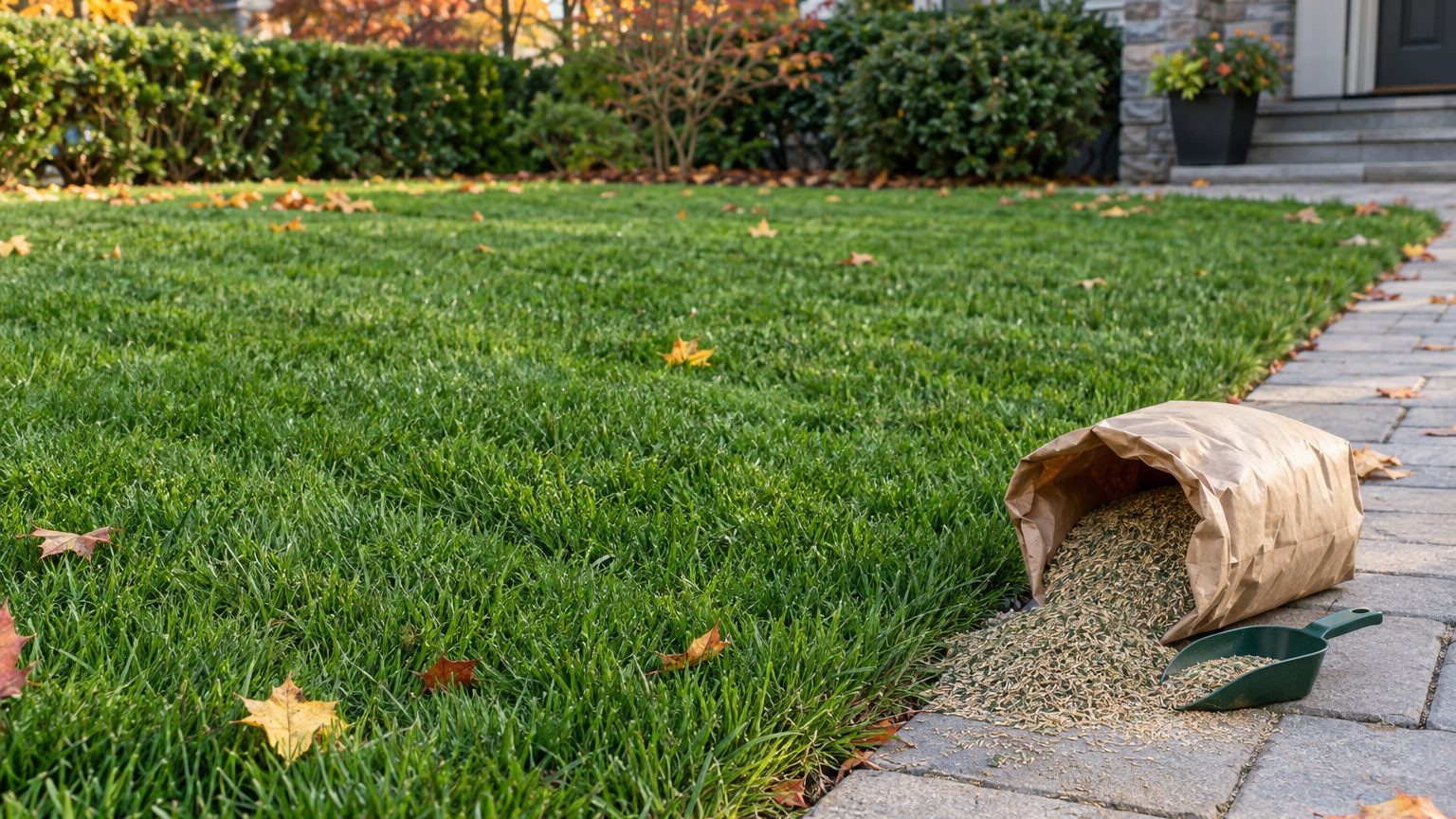
Mowing a lawn that stays green through a mild, drizzly winter is part of life on the British Columbia coast, and the grasses that thrive there are the cool-season kinds. Fine fescues, perennial ryegrass, Kentucky bluegrass and tall fescue are the four worth knowing, and which one suits your yard depends on shade, foot traffic and how far from the coast you live.
Which Grass Grows Best in British Columbia?

Cool-season grasses win here. They grow strongly in the damp, mild weather of spring and fall, and Vancouver sits in Canadian hardiness zone 9a, a rating from Canada’s own system rather than a USDA zone. Warm-season grasses sulk through the cool, wet months. Here is how each grass behaves:
Fine Fescues
Creeping red, chewings and hard fescue are the dependable choice for shady or lightly used lawns. They like cool, moist air, tolerate poor soil and need little fertilizer.
The blades are thin and soft, so the lawn looks fine-textured. Expect it to wear down under football games and daily dog traffic.
Perennial Ryegrass

Perennial ryegrass sprouts fast and fills in quickly, which makes it handy for patching and for yards that get used hard. It handles the mild coastal winters well.
It is less forgiving of deep cold, so it fares better near the coast than in the colder interior. Many seed mixes combine it with fine fescues or bluegrass.
Kentucky Bluegrass
Kentucky bluegrass makes the thick, dense, carpet-like turf many people picture. It spreads by underground stems and repairs itself, and it survives cold winters inland.
It wants full sun, regular feeding and steady water in summer. It also sprouts slowly, so patience matters after seeding.
Tall Fescue
Tall fescue stands up to heat and dry spells with deep roots, which is useful in sunny, hot interior yards. The blades are wider and coarser than the others.
It grows in clumps and does not spread to fill gaps, so bare spots stay bare unless you reseed. Cold interior winters can also set it back.
British Columbia — the year and the numbers
- State
- British Columbia
- Hardiness zones
- 9a
- Last spring frost
- March 18
- First fall frost
- November 10
- Annual rain
- 47 in
- Lawn type
- cool-season
- Source
- Environment and Climate Change Canada — Canadian Climate Normals 1981-2010, station VANCOUVER INT'L A · Vancouver
How to Choose Grass Seed for a British Columbia Yard
Start with what your yard actually does: how much sun it gets, how many feet cross it and whether you will water in summer. Then decide how often you want to mow. Each answer points to a different grass, and many yards do well with a blend.
Shade under a cedar or maple points toward fine fescue. A sunny lawn where kids play points toward ryegrass or bluegrass.
| Grass | Best for | Upkeep |
|---|---|---|
| Fine fescues | Shade, low traffic, thin soil | Low water, little feeding, less frequent mowing |
| Perennial ryegrass | Active family yards, quick patching | Moderate feeding, regular mowing |
| Kentucky bluegrass | Full sun, a dense lawn that heals itself | Regular feeding, steady summer water |
| Tall fescue | Hot, dry, sunny sites | Deep but occasional watering, coarse texture |
If you would rather mow less, fine fescue is a practical low-maintenance choice. If you want a showpiece, bluegrass rewards the extra work. Mixing bluegrass with ryegrass gets you quick cover now and a thick lawn later.
Which Grasses Grow Where in British Columbia
British Columbia is not one climate, and the right grass shifts as you move from salt water to mountain valleys.
- Lower Mainland and Vancouver: Mild, wet winters suit cool-season grass. Fine fescue and ryegrass blends do well, and moss can compete with them in shady, damp corners.
- Victoria and the Gulf Islands: Summers run drier here, so fine fescues and tall fescue hold their color better with less watering.
- The Okanagan: Hot, dry summers and colder winters favor bluegrass and tall fescue, as long as you can irrigate.
- Prince George and the north: Winters are long and cold, spring arrives weeks later, and hardy bluegrass and fine fescue are the safer bets.
Seeding windows also slide later on the coast and earlier in cold upland districts.
Grass Seed Mistakes to Avoid in British Columbia
Choosing the Wrong Grass for the Spot
Bluegrass in deep shade thins out and gives way to moss, and fine fescue on a busy play area wears bare. Match the grass to the light and the traffic before you buy anything.
Read the label to see which species make up the bag, since cheap mixes can lean heavily on a grass that does not suit your yard.
Seeding at the Wrong Time
August and September are the months to seed, when warm soil and cooler air let seedlings root before winter. In Vancouver, the first fall frost arrives on average November 10, though in half of years it comes later, and colder inland districts see it sooner.
May works too, but young grass then has to face summer drought. You can also seed in November, when the dormant seed lies on cold soil and sprouts in spring.
Burying Seed or Spreading It Too Thickly
Grass seed is small, so cover it with no more than 6 mm (0.25 inch) of soil. Raking it in deeper leaves seedlings stranded underground.
Heavy sowing is just as wasteful, because crowded seedlings compete and invite disease in damp weather. Follow the rate on the bag and keep the top of the soil moist until the grass is up.
Where to Get Lawn Advice in British Columbia
For local lawn advice, turn to the province and nearby growers. The right person can tell you what thrives in your own microclimate, which can differ from a neighbor’s across a ridge or valley.
- The provincial agriculture ministry offers general guidance on turf and soil, useful before you plan a seeding.
- Local master gardener groups answer questions about your town’s soil and shade, and are worth a visit in spring or late summer.
- A nearby garden center can show you seed blends suited to your area, so bring a photo of your yard before you buy.
Common Questions
When Should You Put Down Crabgrass Preventer in British Columbia?
May is the month for it. A preventer works by stopping weed seeds from sprouting, so it must go down before they germinate and should never be applied where you have just sown new grass.
When Should You Fertilize a British Columbia Lawn?
September is the best month, since the grass is rebuilding roots for winter. May and October work well too.
Should You Dethatch Before Seeding?
If the thatch layer is thick, yes. August and September are the months for dethatching, which lets seed reach the soil and ties neatly into your seeding window.