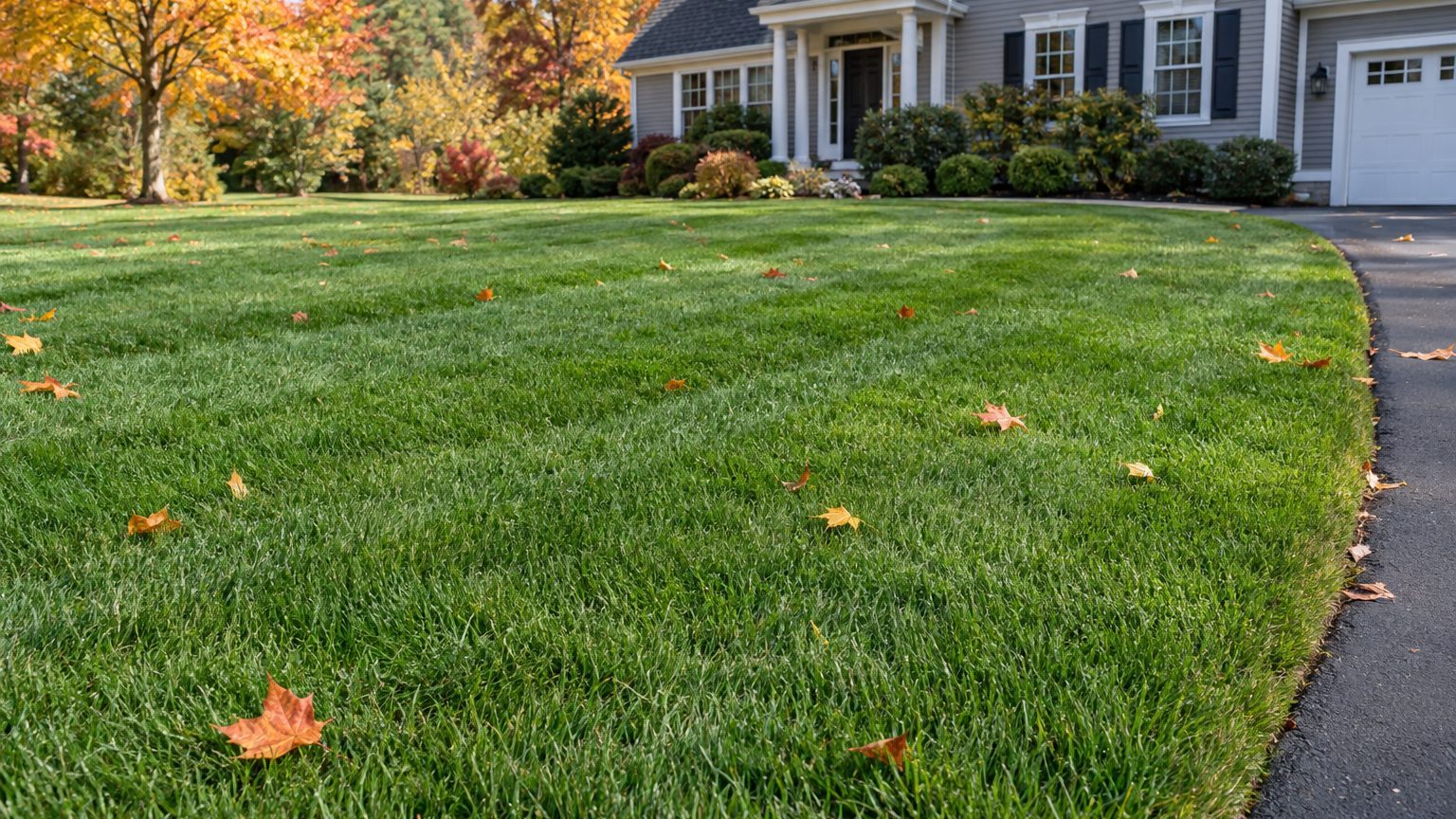
Late spring in a New Hampshire yard means green-up, mowing and the first thin spots from a hard winter. The state sits in cold hardiness territory, so cool-season grasses carry the lawn, and the calendar leans on spring and early autumn.
Frost Dates and Growing Season in New Hampshire
Frost sets the edges of the season, though grass growth follows soil warmth. USDA zones here run from 3b to 6a, so the north and the south differ a good deal. For Manchester, the last spring freeze usually falls between April 16 and April 27, and gardens outside town often see it a week or two later. A young seedling caught by a hard freeze can be lost, which is why early seeding is a gamble.
- In early spring, the lawn is still dormant or just waking, and April is the month to put down crabgrass preventer before the soil warms enough for weeds to sprout.
- Once the soil warms in May, growth picks up, mowing starts in earnest, and it is time to feed the lawn.
- Through June, July and August, the lawn grows steadily and needs regular watering when rain falls short.
- In late summer and September, the soil is still warm while the nights cool, so this is the stretch for seeding, aerating and dethatching.
- In October and November, mowing continues as long as the grass grows, and Manchester’s first fall freeze, usually between October 13 and October 26, arrives after the seeding window.
Check the dates against your own county, since valleys and hilltops can run well off the city figures.
New Hampshire — the year and the numbers
- State
- New Hampshire
- USDA zones
- 3b-6a
- Last spring frost
- April 16 to April 27
- First fall frost
- October 13 to October 26
- Annual rain
- 40 in
- Lawn type
- cool-season
- Source
- NOAA NCEI U.S. Climate Normals 1991-2020, 32F freeze probabilities · Manchester
Cool-Season or Warm-Season Grass in New Hampshire?
Cool-season grass is the answer here. Winters are cold enough to stop warm-season types such as zoysia or bermudagrass from coming back reliably, and cool-season species handle the freeze, then grow hard in spring and fall.
Summer heat and dry spells are the stress they face instead. Expect some browning in a dry July, and expect recovery once cooler weather returns.
| Grass | How it does in New Hampshire | Why |
|---|---|---|
| Kentucky bluegrass | Dense, hardy lawn that spreads to fill gaps | Handles winter cold well and recovers after summer dormancy |
| Fine fescues (creeping red, chewings, hard) | Fine-textured turf that suits lower-care lawns | Tolerates cold and some shade |
| Perennial ryegrass | Sprouts quickly and fills in fast | Often blended with other species for quick cover |
| Tall fescue | Coarser blades, sturdy through dry summers | Deeper roots help it ride out dry weather |
A blend lets its grasses complement each other as conditions change across the yard.
When to Seed, Fertilize and Aerate a Lawn in New Hampshire
Early autumn does most of the heavy lifting. Seed meets warm soil and cooler air, and the new grass gets roots down before winter. Spring works as a backup but invites weeds and a hotter summer ahead.
New Hampshire law caps the nitrogen in lawn fertilizer sold in stores, and phosphorus fertilizer is sold only for new lawns, repairs, seeding or a soil-test shortage.
| Task | When to do it in New Hampshire | Why then |
|---|---|---|
| Seeding | August to September (May also works) | Warm soil and cool nights help seed sprout and root |
| Fertilizing | May and September (October and November also work) | Feeds the grass when it grows actively |
| Core aeration | September (May also works) | Opens compacted soil while the grass can recover |
| Dethatching | September (May also works) | Grass fills in quickly afterward |
| Crabgrass preventer | April (May also works) | Goes down before weed seeds sprout |
Mowing runs from April through November, and watering matters most from June through August.
Lawn Problems to Watch for in New Hampshire
Winter-Killed Patches

Straw-colored or matted patches that show up as snow melts can come from winter injury beneath lingering snow. Rake them lightly to lift the matted blades, then wait for warm soil. Patches that stay bare get fresh seed in late summer.
Brown Grass in Dry Summers
Crispy, tan turf that springs back after rain is dormant, not dead. Watering deeply during June through August keeps it green, and tall fescue and bluegrass blends rebound well. Mowing a little higher shades the soil and holds moisture.
Compacted, Thinning Soil
Thin grass along walks, play areas and heavily used paths, with water pooling after rain, points to compaction. Core aeration in September opens the soil, and overseeding right afterward helps the lawn thicken.
How Lawn Care Dates Change Across New Hampshire
Spring arrives later and fall comes sooner as you move north or uphill, so the same task can shift by a couple of weeks.
- Seacoast: Ocean air softens the cold, so the lawn greens up earlier and fall seeding can run a little longer.
- Merrimack Valley and Manchester: These sit near the middle of the state, and typical dates here are a fair guide for southern lawns.
- Lakes Region: Cold air settles in low inland pockets, which can delay green-up and bring frost sooner in autumn.
- White Mountains and the North Country: At higher elevations, the season is shorter, so start fall seeding earlier and expect spring work to wait.
Watch your own soil and your own grass, since a sunny south-facing slope warms well before a shaded hollow.
Where to Get Lawn Advice in New Hampshire
Local help turns general rules into decisions for your own yard, especially for soil and diagnosis questions.
- University of New Hampshire Extension offers lawn guidance and soil testing information, and it is worth checking before you buy fertilizer or lime.
- Your county extension office can help identify a patchy lawn if you bring a sample, ideally before you apply anything.
Common Questions
Can You Seed a Lawn in New Hampshire in Spring?
Yes, May works as a fallback. Weeds compete harder then and summer stress arrives sooner, so August and September give better results.
Do You Need to Bag Clippings?
Usually not. Leaving short clippings on the lawn returns nutrients to the soil, and bagging makes sense only when the grass is very long or wet.
Should You Rake Leaves Off the Lawn in Autumn?
A thick layer of leaves blocks light and smothers grass, so clear heavy leaf cover. A light scatter can be mowed into small pieces and left in place.