Skip to content

Washington

  1. Jan
  2. Feb
  3. Mar
  4. Apr
  5. May
  6. Jun
  7. Jul
  8. Aug
  9. Sep
  10. Oct
  11. Nov
  12. Dec
State
Washington
USDA zones
4a-9a
Last spring frost
February 27 to March 18
First fall frost
November 13 to November 30
Annual rain
39 in
Lawn zone
transition-season
Source
NOAA NCEI 1991-2020 Climate Normals, 32F freeze probabilities · Seattle

The year in Washington, from the calendar

  1. Jan—
  2. FebPlant hydrangeas · Plant roses · Prune roses · Plant fruit trees · Prune fruit trees
  3. MarSpring bulbs bloom · Feed hydrangeas · Plant hydrangeas · Feed roses · Plant roses
  4. AprSpring bulbs bloom · Feed roses · Crabgrass preventer · Mow
  5. MaySpring bulbs bloom · Feed hydrangeas · Lilacs bloom · Peonies bloom · Feed roses
  6. JunPrune bigleaf hydrangeas · Prune lilacs · Peonies bloom · Feed roses · Mow
  7. JulFeed hydrangeas · Prune bigleaf hydrangeas · Feed roses · Mow · Water
  8. AugSeed the lawn · Dethatch · Mow · Water
  9. SepPlant hydrangeas · Seed the lawn · Plant peonies · Aerate · Dethatch
  10. OctPlant spring bulbs · Plant hydrangeas · Plant peonies · Plant trees · Mow
  11. NovPlant spring bulbs · Protect roses for winter · Plant trees · Fertilize the lawn · Mow
  12. DecProtect roses for winter

From the state frost facts and extension calendars: Washington State University Extension · Oregon State University Extension ; Washington State University Extension · Clemson HGIC factsheet — Hydrangea · Purdue Extension — AY-13 Lawn Improvement Programs.

Best Time to Plant Trees in Washington

Best Time to Plant Trees in Washington

A young tree planted in a cool, damp stretch settles in with almost no fuss, while the same tree dropped into baked summer ground sulks and struggles to get going. In Washington, west of the Cascades, autumn and late winter give roots the easy start they need, and the right month depends on what kind of tree is going in.

When Is the Best Time to Plant Trees in Washington?

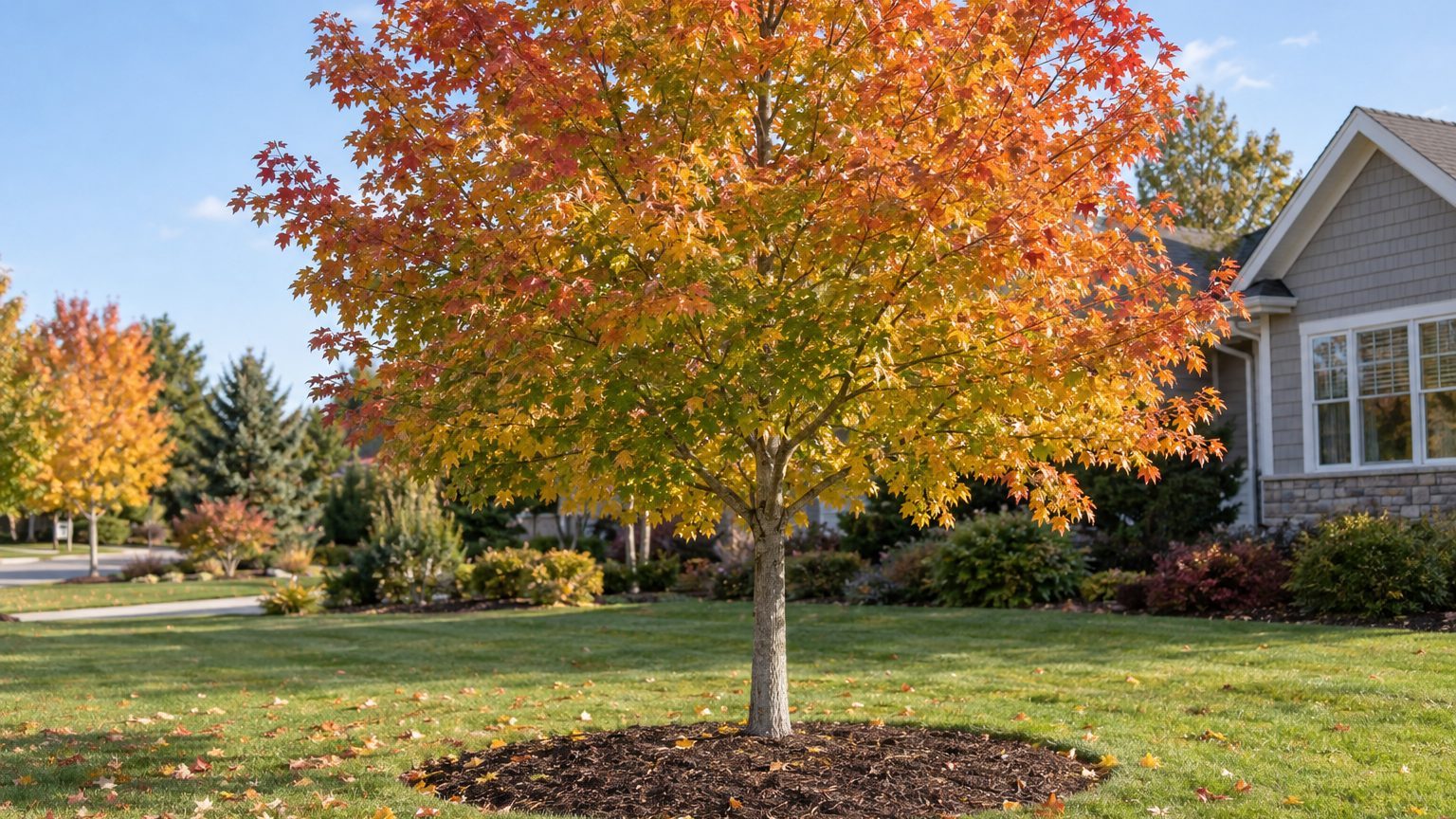
A young shade tree newly planted in a home yard

Shade and ornamental trees do best planted in October or November, with February through April as the other window, and the reasons follow the soil more than the calendar.

  • In late winter, February is the first chance to plant once the ground thaws and is dry enough to work without compacting.
  • In March and April, planting still works, as long as the tree goes in early enough for roots to start growing before summer heat arrives.
  • Through summer, planting is the hardest, because heat and dry soil stress new roots that have not yet spread.
  • In October and November, the soil is still holding warmth, so roots keep growing while the tree is above ground dormant.
  • In winter west of the Cascades, rain keeps the roots of a fall-planted tree well watered without much help from you.

Container trees can go in most of the year if you water them, though they settle best in the dormant season, and balled-and-burlapped trees follow the same autumn and late-winter windows. Bare-root trees are planted while dormant, before the buds open. For reference, the last spring freeze in Seattle falls between February 27 and March 18, and the first fall freeze between November 13 and November 30. A mild frost date does not make early planting wise everywhere, because cold, wet soil slows roots in spring. Eastern Washington, beyond the Cascades, is high desert with a much shorter season, so local timing there differs. Zones across the state run from USDA 4a to 9a.

When to Plant Fruit Trees in Washington

Fruit trees go in during February or March when they are bare-root, and in October when they come in a pot. Bare-root trees must be planted while dormant, before the buds open, so late winter is the working window as soon as the soil can be dug.

Potted fruit trees can wait for fall. Let the weather cool first, and plant once the tree is losing or has lost its leaves.

Kind of fruit tree When to plant in Washington Why then
Bare-root February to March The tree is dormant and the buds have not opened
Container October Cooler weather and leaf drop let the tree settle before winter

A container fruit tree can also go in during early spring if you water it, though the dormant season gives it the calmest start. Pruning a newly planted fruit tree belongs to its own window later in the year, covered in the section on yearly tasks below.

Best Trees to Plant in Washington

Trees that handle dry summers and shade or sun to match your spot do best here. Red maple is a popular shade tree in Washington because it tolerates drought well, and several conifers offer different balances of shade and dryness tolerance.

Choose by how much room, sun and moisture your yard offers, and by your zone, since Washington covers a wide range of climates.

Tree How it does in Washington Why
Red maple Popular shade tree Very drought tolerant
Douglas-fir Good in partial shade More shade tolerant than the pines, less drought tolerant than ponderosa pine
Grand fir Suits shadier, moister spots More shade tolerant than Douglas-fir or the pines, less drought tolerant
Lodgepole pine Handles frosty sites Most frost tolerant of the common tree species
Western larch Needs more moisture than the pines Less drought tolerant than the pines and Douglas-fir, less shade tolerant than the firs

Sugar pine also fits shadier places, since it is more shade tolerant and less drought tolerant than lodgepole and ponderosa pines.

When to Plant, Water and Prune Trees in Washington

Planting, watering and pruning each have their own season. Planting follows the autumn and late-winter windows above, while pruning fruit trees waits for dormancy and the end of hard freezes.

Task Best timing in Washington Why then
Plant shade and ornamental trees October to November, or February to April Roots establish before summer heat or in rain-fed fall soil
Plant fruit trees February to March bare-root, October in pots Dormant trees move with the least stress
Water a young tree Regularly through the first dry summer, while the soil is not frozen New roots dry out fast in summer heat
Prune fruit trees February to March Danger of hard freeze has passed and growth has not started

Fruit trees are pruned before the buds swell, and pruning in fall or early winter is avoided, because new growth may not harden before cold. Apples are pruned first and peaches last, closest to bloom, since peach flower buds are easily hurt by cold. Sweet cherries can instead be pruned in August, when bacterial infection is less likely. Detailed pruning guidance lives on the page about when to prune fruit trees.

Where to Get Tree Advice in Washington

Washington State University Extension answers questions about choosing a tree, soil conditions and planting, and your county office can help with site-specific questions.

  • The extension service publishes planting and landscape guidance for the state, useful before you buy a tree.
  • Your county extension office can advise on a soil test and on which species suit your yard, so call before planting day.

Common Questions

Can You Plant a Tree in Summer in Washington?

You can, with steady watering, but summer is the hardest time because heat and dry soil stress new roots. A container tree handles it better than a bare-root one, which should wait for dormancy.

Should You Plant Fruit Trees in Fall or Spring in Washington?

Both work. Potted trees go in during October once the weather cools, and bare-root trees go in during February or March while still dormant.

Do Container Trees Need to Be Planted at a Certain Time?

Container trees can be planted most of the year if you keep them watered. They settle best when planted in the dormant season, in autumn or late winter.
Best Peonies for Washington

Best Peonies for Washington

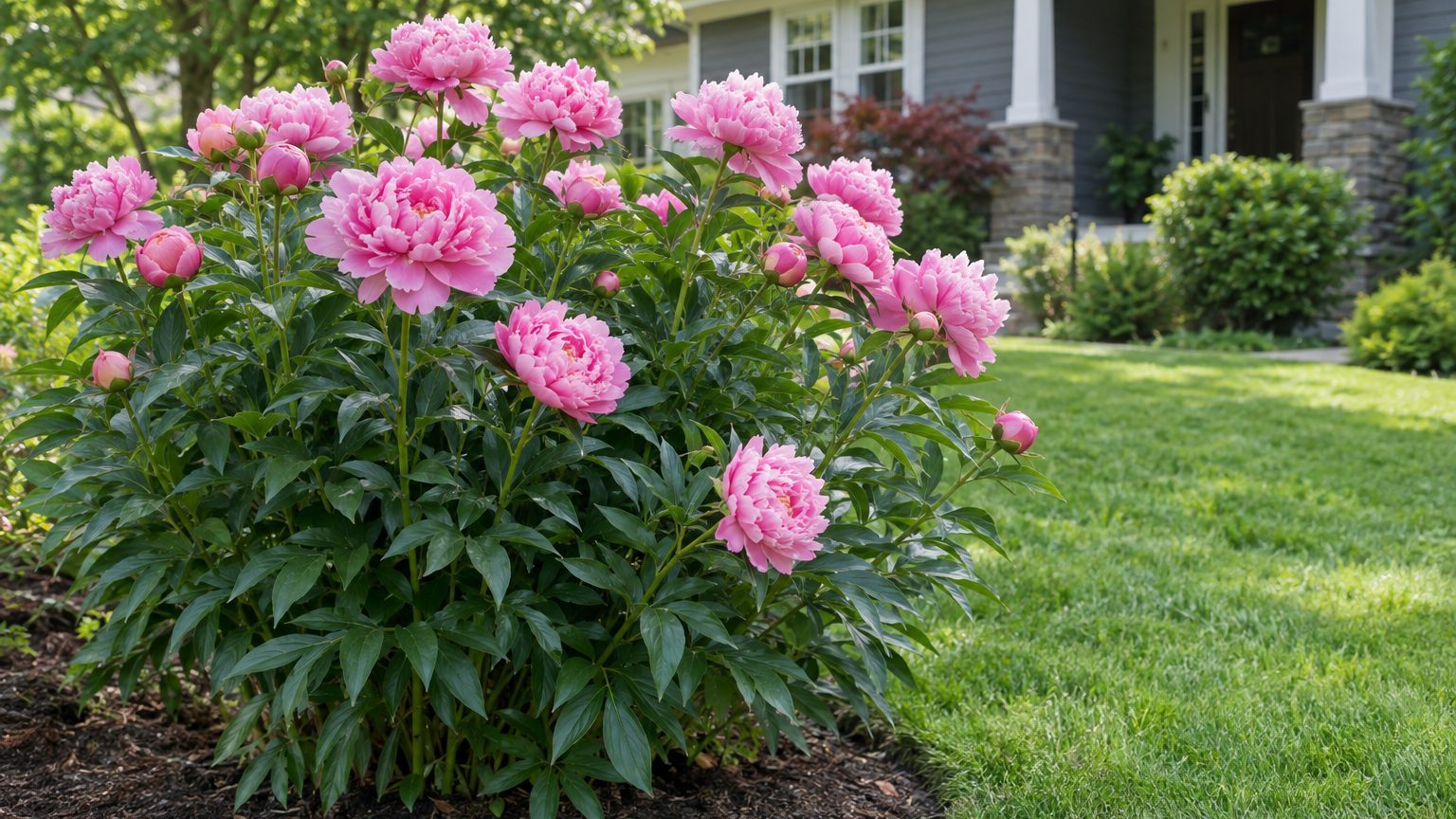
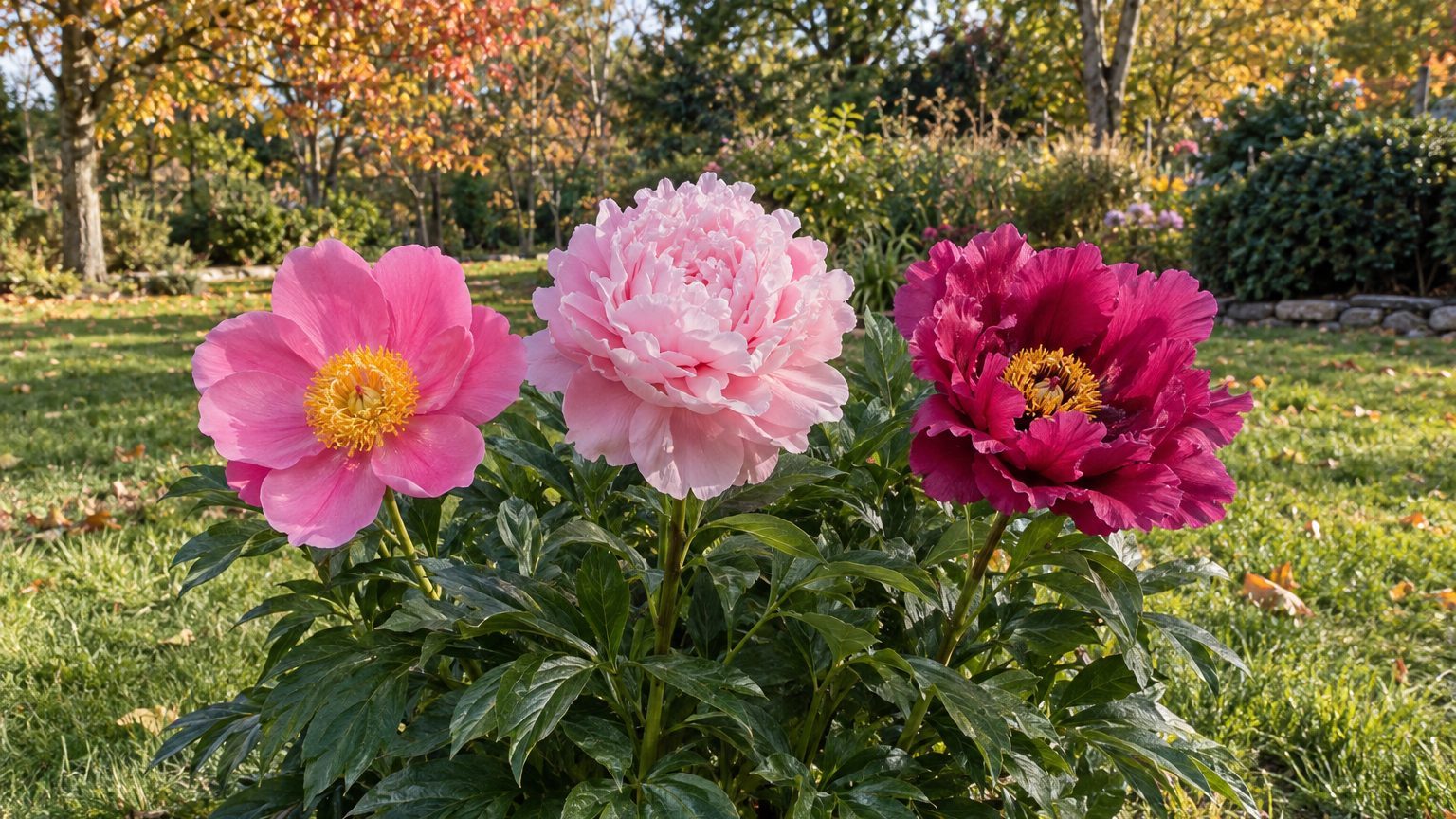
Peonies that stand heavy with flowers in a Washington garden each June are the ones that got a proper winter. These plants need cold to bloom, so the type you pick and the side of the Cascades you garden on matter more than the photo on the tag. Herbaceous, tree, Itoh and species peonies each fit the state a little differently.

Best Peonies to Grow in Washington

Best Peonies for Washington

Peonies do especially well east of the mountains in Washington, because they need significant winter chill for best bloom. West of the Cascades the winters are mild and maritime, and flowering can be thinner there. These types can suit the state, and each has a different strength.

Herbaceous Peonies

Herbaceous Peonies — Best Peonies for Washington

Herbaceous peonies, Paeonia lactiflora and its hybrids, can live for decades and become fixtures in the garden. The flowers open from mid-May to late June, depending on the variety.

The plant dies back to the ground each year. Cut the stems back after frost, once the foliage has collapsed.

Tree Peonies

Tree Peonies — Best Peonies for Washington

Tree peonies keep their woody stems through winter, so never cut them to the ground. The flowers are very large and full, and they come in shades herbaceous types do not offer.

Lutea hybrids such as Satin Rouge and Silver Sails are named choices, as are Japanese types such as Shintenchi and Yachyo tsubaki. Varieties differ, so ask the nursery which group a plant belongs to.

Itoh Peonies

Itoh peonies, also called intersectional peonies, are a cross between the herbaceous and tree types. They share the tree peony’s very large, full flowers and sturdy stems.

That sturdiness is the practical gain. Itoh plants hold their blooms up without staking, which saves a job in a wet early summer.

Species Peonies

Species peonies earn their place after the flowers are gone. They produce stalks of seedpods that dry well and add interest to a winter garden.

The same pods work in dried arrangements. Leave them standing on the plant through fall instead of tidying them away.

How to Choose a Peony for a Washington Garden

Start with where you garden, because winter chill decides how well any peony flowers. Then think about how much upkeep you want to give in June, when the heavy blooms arrive.

Each situation below points to the type that handles it.

Your situation What suits it in Washington Why
Cold winters east of the Cascades Herbaceous peonies They need significant winter chill for best bloom, and they live for decades.
Little time for staking Itoh or tree peonies Itoh and tree peonies have sturdy stems, so the flowers stay upright without support.
Want flowers in a color herbaceous types lack Tree or Itoh peonies Tree and Itoh peonies come in shades not available in herbaceous ones.
Want interest after bloom Species peonies Their seedpods dry well and last into winter.

West of the Cascades, where winters are mild, any peony may flower less than it would in a colder spot. Plant there knowing the bloom may be modest, and choose the type for its habit rather than counting on a big show.

Which Peonies Suit Different Parts of Washington

The Cascades divide the state into distinct peony climates: more winter cold generally means better flowers.

  • Eastern Washington, including the Yakima Valley and the Spokane area: Winters are cold enough to give peonies the rest they need, so flowering can be strong here.
  • Puget Sound and the Seattle area: Mild maritime winters give less chill, so flowering can fall short. Itoh and tree peonies are still worth growing for their stems and flower form, but expect a lighter bloom.

Elevation inside either region leans the same way, since higher and colder sites give peonies more of the winter cold they want.

Peony Buying Mistakes to Avoid in Washington

Ignoring Winter Chill

A peony planted where winters are mild may flower poorly. The result can be healthy foliage without flowers to cut.

On the west side, treat the bloom as a bonus and favor types grown for their form. East of the mountains, winter chill is generally favorable to peonies.

Planting Too Deep

A peony set too deep may bloom poorly or not come up at all. Keep the eyes, the small buds on the root, near the soil surface.

If you buy tubers, plant them in September to October so they settle before the ground freezes. A shallow planting in fall beats a deep one at any time of year.

Expecting Flowers the First Spring

A newly planted or transplanted peony may not bloom the first spring. Buyers sometimes decide the plant has failed and dig it up.

Leave it in place. Give it time to settle before judging it.

Where to Get Peony Advice in Washington

Washington State University Extension publishes peony guidance written for the state, and your county office can speak to the conditions on your side of the Cascades.

  • The state extension site has peony and perennial guides, worth reading in summer before you shop for fall planting.
  • Your county extension office can discuss local winter conditions, which may help you pick a type.
  • Local master gardeners may know which peonies thrive nearby, and visiting during bloom season lets you see the flowers.

Common Questions

What Flower Forms Do Herbaceous Peonies Come In?

Herbaceous peonies come in many forms, including single, semi-double, bomb and Japanese. Japanese forms are a favorite of some growers.

What Blooms with Peonies in a Washington Garden?

A full-sun border can bloom in sequence from April narcissus, through May peonies, late May German iris, June Siberian iris and late June daylilies, to true lilies in July and August.

How Long Does a Peony Bloom Last?

Some peonies have a short bloom period of less than one week. Mixing varieties that open at different times within the mid-May to late June season keeps flowers coming for longer.

When Do Peonies Bloom in Washington?

When Do Peonies Bloom in Washington?

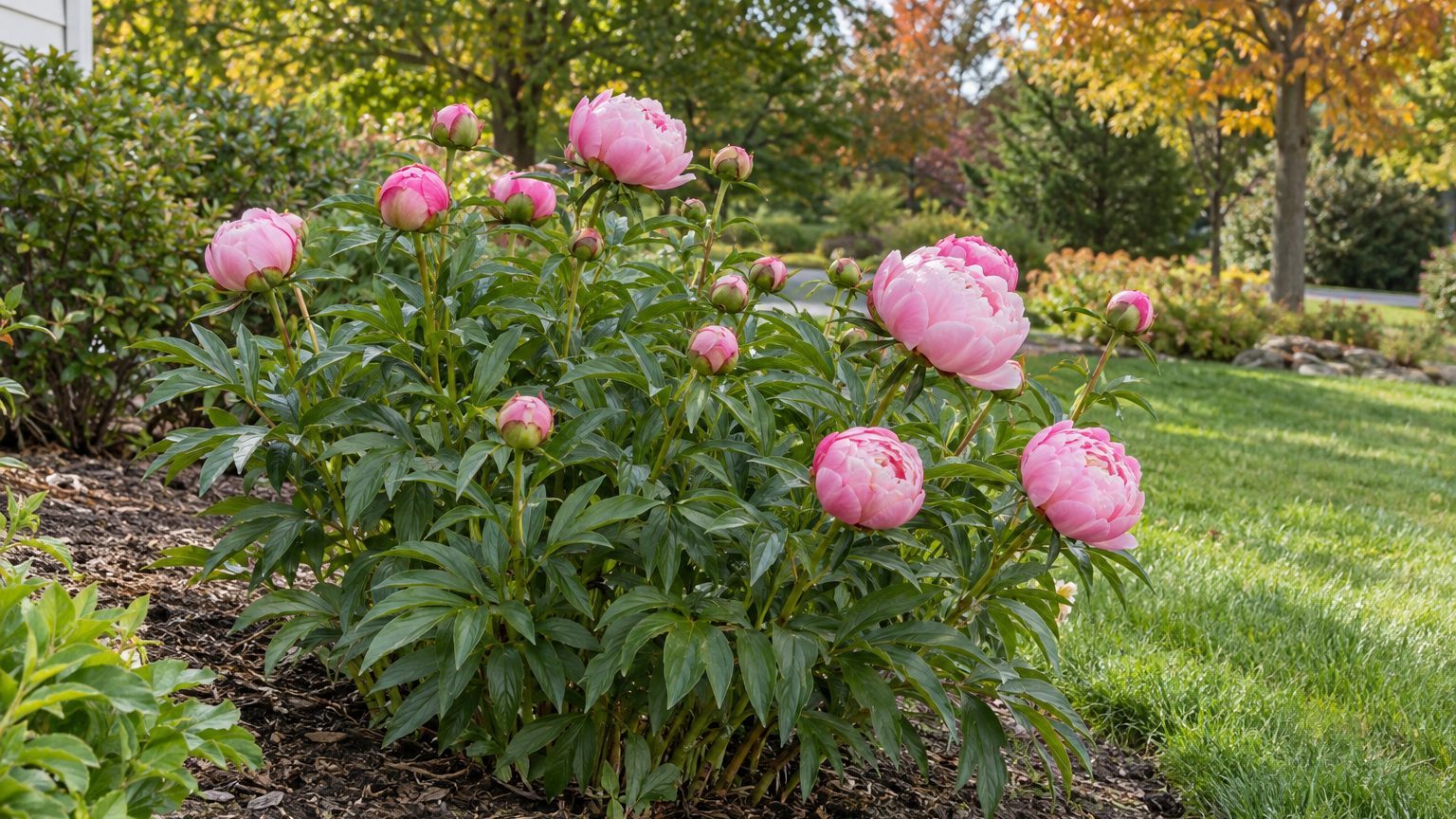
Peony buds swelling on the stems in late spring mean the show is close. Where you live in the state and which type you grow decide exactly when your plants open.

When Do Peonies Bloom in Washington?

When Do Peonies Bloom in Washington?

Peonies bloom in Washington in May and June, and the window runs from mid-May to late June. That spread comes from variety, since some open early in the window and others wait until the end.

Type of peony When it blooms in Washington What to know
Peony varieties in general Mid-May to late June Needs a cold winter rest to flower, so mild-winter spots may see weaker bloom
Herbaceous peonies May to June Dies back each year and is cut back after frost

Tree peonies keep their woody stems through winter and are never cut back, which sets them apart from the herbaceous kind. The calendar for them is not separate from the range above, so watch the buds on your own plant rather than a fixed date.

How to Tell When Your Peonies Are About to Bloom

Peonies announce themselves well before the petals open, and signs in the bed tell you how close they are.

  • Red shoots pushing out of the soil in spring show the plant has woken from its winter rest and the season is underway.
  • Shoots that turn green and open into leaves mean the stems are building the height that will carry the flowers.
  • Round buds forming at the stem tips tell you bloom is coming, so this is the time to stake or add a support ring.
  • Buds that swell and then feel soft when pressed gently are close to opening during mild weather.
  • Buds showing a strip of color at the seam mean the petals are about to unfold; this is a useful stage for cutting flowers for a vase.
  • Healthy leaves with no buds can point to a plant set too deep, recent planting, or insufficient winter chill.

Watch the soft buds closely, because warm spells can open them quickly once they reach that stage.

When to Cut Back Peonies in Washington

Cut herbaceous peonies back in fall after a hard frost has blackened the foliage. The frost is the signal, and it matters more than a date on the calendar because the plant is storing energy in its roots until the leaves are killed or turn brown.

Use clean pruners and cut the stems down close to the soil line, taking care not to damage the eyes at the crown. Remove the cut stems from the bed.

Tree peonies are the exception. Their woody stems remain through winter, so leave them standing and remove only wood that is clearly dead.

How Peony Bloom Time Shifts Across Washington

Peonies need a cold winter rest to flower well, and Washington gives them very different winters depending on which side of the Cascades you garden on.

  • East of the Cascades: Peonies do particularly well here because the winters are cold enough to give them the chill they need for the best bloom. Cities such as Spokane, Yakima and Wenatchee sit in this drier, colder part of the state.
  • Puget Sound lowlands: Winters here are mild and maritime, so peonies get less chill and may flower more weakly. Plants still grow, but the show can be thinner than in a colder yard.

A cold pocket or a higher-elevation yard will give your peonies more of the chill they want than a sheltered spot beside the water.

Where to Get Peony Advice in Washington

Washington State University Extension is the state’s source of research-based gardening help, and its county offices answer questions about local soil, climate and varieties.

  • The extension website carries peony and perennial guidance, and it is worth reading before you plan new beds or divide old clumps.
  • Your county extension office can advise on conditions where you live, so call or visit when peonies fail to bloom or you are choosing a site.

Common Questions

Are Peonies Hardy in Washington?

Yes. Washington spans USDA Plant Hardiness Zones 4a to 9a, so the right answer depends on your area. Peonies do best in the colder parts of that range, and mild coastal yards give them less winter chill.

Can You Plant Peonies in Spring in Washington?

Fall is the better time. Tubers planted from September to October have time to settle in before the ground freezes, which gives the roots a head start.

Will a Newly Planted Peony Bloom the First Spring?

It may not. A newly planted or transplanted peony may not bloom the first spring.

When to Plant Peonies in Washington: Dates and Care

When to Plant Peonies in Washington: Dates and Care

Peony buds sit low on the crown through winter, waiting for the cold to finish their work before May and June flowers appear. In Washington, that rhythm decides everything about planting.

When to Plant Peonies in Washington

When to Plant Peonies in Washington: Dates and Care

Plant peonies in September to October, early enough that the roots settle in before the ground freezes. The dates below describe western Washington, mild and maritime, where the year runs like this.

  • In Seattle, the last spring frost arrives in late winter, between February 27 and March 18, but cold, wet soil keeps new shoots slow, so a mild frost date is no signal to plant.
  • From mid-May to late June, peony varieties bloom.
  • Through summer, the plants build leaf and store energy in their roots, which is what feeds next year’s flowers.
  • In September and October, bare-root tubers go into the ground or established clumps are divided, giving the roots time to anchor before cold sets in.
  • In Seattle, the first fall frost arrives in November, between November 13 and November 30, and the foliage of herbaceous types begins to fade as the plant heads into its winter rest.

Washington spans USDA hardiness zones 4a to 9a, but the frost dates above are for Seattle; other parts of the state differ, as the regional notes below explain.

Which Peonies Grow Best in Washington?

Peonies do well in Washington, and they do best east of the mountains, because they need significant winter chill for the best bloom. Where winters stay mild, flowering can be thinner.

That chill requirement shapes which kinds suit which yard.

Peony type How it does in Washington Why
Herbaceous Reliable, strongest east of the Cascades Needs a cold winter rest and dies back each year
Tree (shrub) Grows, flowers best with good winter cold Keeps woody stems above ground through winter
Itoh Worth a trial in colder yards Still depends on winter chill for flower buds

West of the Cascades, peonies still grow and flower, but the milder winters make bloom less dependable than on the dry, colder east side. Whatever you choose, a newly planted or transplanted peony may not bloom the first spring, so patience is part of the deal.

When to Plant, Cut Back and Feed Peonies in Washington

The peony year follows a simple rhythm. Planting and dividing happen in autumn, while cutting back follows frost and bloom comes in late spring and early summer.

Depth matters as much as timing. Set the eyes near the soil surface, because a peony planted too deep may bloom poorly or not come up at all.

Task Best timing in Washington Why then
Planting tubers September to October Roots settle before the ground freezes
Dividing clumps September to October Same window, same time to re-establish
Cutting back herbaceous peonies After frost has blackened the foliage The plant has died back and the stems carry nothing more
Enjoying bloom Mid-May to late June Varieties open across this stretch
Tree peonies Never cut back Their woody stems carry next year’s growth

Feeding is a lighter matter. For feeding advice suited to your plant and soil, ask your county extension office.

How Peony Planting Dates Change Across Washington

Washington’s climate splits sharply at the Cascades, and that split moves the peony season more than any other factor.

  • Seattle and Puget Sound: Winters are mild and wet, so the September to October planting window holds, and the soil stays workable well into autumn. Bloom can be lighter because winter chill is modest.
  • Eastern Washington (Spokane and the Columbia Basin): Colder winters give peonies the chill they want, so flowering tends to be stronger. Freezes come sooner, which makes it wise to plant at the early end of the window.
  • Higher ground in the Cascades and northeast: Cold arrives earlier and lingers longer, so spring growth starts later and autumn planting needs to be done promptly.

Wherever you garden, the rule stays the same: get roots in the ground well ahead of a hard freeze.

Where to Get Peony Advice in Washington

For questions about a struggling clump or a planting site, local help fits your exact conditions better than a statewide rule.

  • Washington State University Extension offers peony guidance and the PNW gardening handbook, useful before you buy tubers.
  • Your county extension office can offer local guidance on poor bloom, and asking before autumn planting leaves time to adjust the bed.

Common Questions

Can You Plant a Peony in Spring in Washington?

For bare-root tubers, wait until September or October so the roots can settle before the ground freezes.

Why Is My Peony Leafy but Not Blooming?

Look at planting depth and recent disturbance together. Deeply buried eyes or recent transplanting can explain a leafy plant without blooms. Mild winters on the west side can also reduce flowering.

Do Peonies Need Full Sun in Washington?

Peonies need plenty of sun to flower well, and low light on cloudy west-side sites can limit bloom. Choose a sunny spot with well-drained soil.

Best Lilacs for Washington

Best Lilacs for Washington

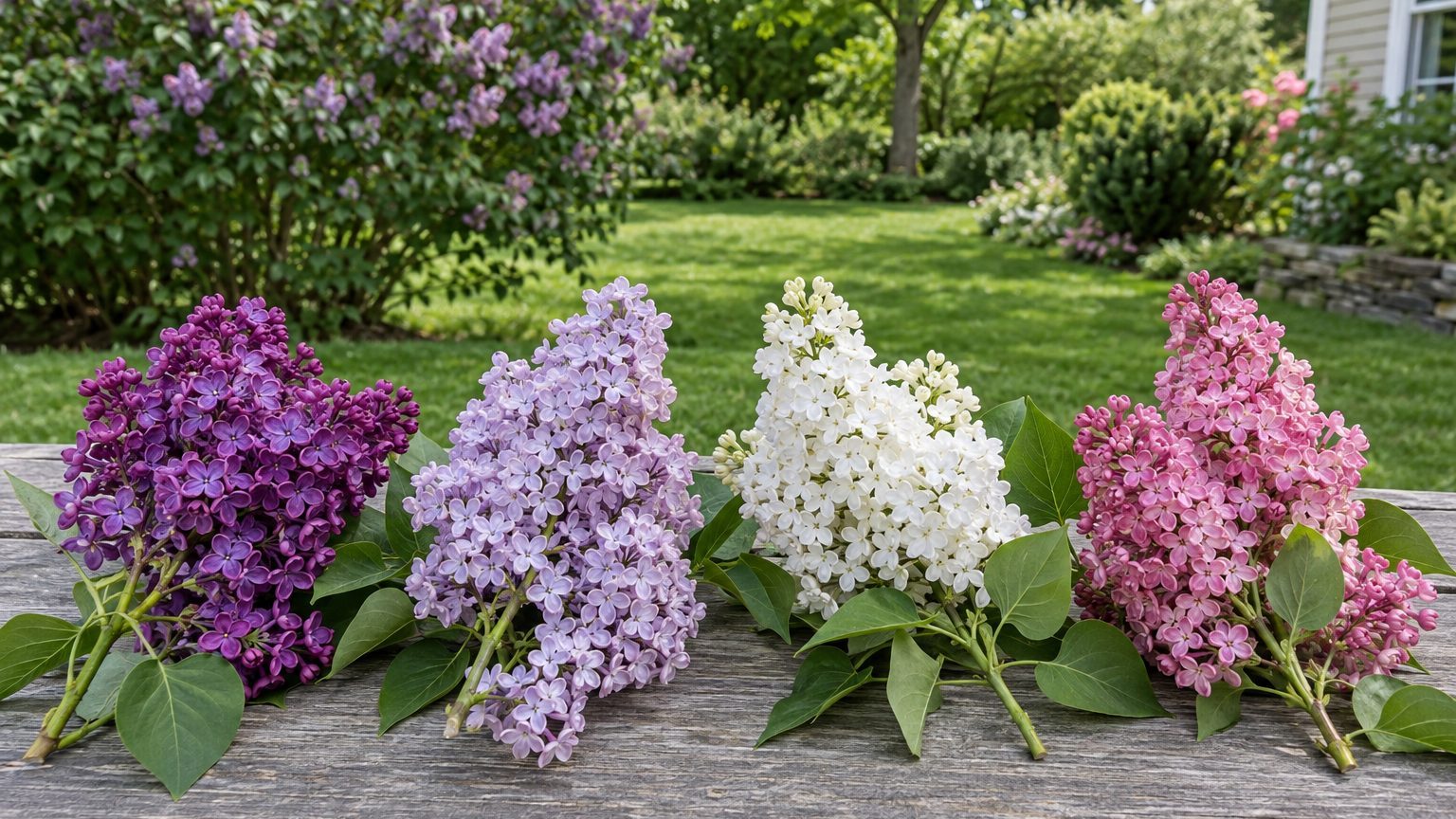
A lilac in full bloom in May is one of the great pleasures of a Washington spring, and the plant rewards you most where winters are properly cold. Which lilacs to plant, how to match one to your yard, and what changes between the wet coast and the dry interior all come down to matching the plant to the place.

Best Lilacs to Grow in Washington

Best Lilacs for Washington

Common lilacs and other lilac species can do well here, but lilacs want a cold winter rest to mature their flower buds and struggle in hot, humid summers. Mild, maritime western Washington gives it less chill than the interior, so choose with care. The choices below include classic, compact and blight-resistant lilacs.

Common Lilac

Common Lilac — Best Lilacs for Washington

Syringa vulgaris is the most commonly grown lilac, and some of its cultivars are forced for cut flowers. Most common lilac cultivars are susceptible to lilac blight, so choose a resistant type where blight is a concern.

Madame Florent Stepman

Madame Florent Stepman — Best Lilacs for Washington

This common lilac cultivar is creamy-yellow in bud and opens white. Growers in the Netherlands force it for cut flowers, and it accounts for 90% of the varieties they force.

Marie Legraye

White with creamy-yellow in the bud, this is another common lilac cultivar grown for cut flowers. It suits a gardener who wants a classic white lilac to scent a front walk.

Palabin Lilac

Syringa meyeri ‘Palabin’ has a dwarf habit, blooms early and flowers freely at a young age. It also grows well as a container plant, which suits a patio or a small yard.

It grows slowly, takes pruning well and can be kept compact.

Blight-Resistant Species

Syringa josikaea, S. komarowii, S. microphylla, S. pekinensis and S. reflexa have shown resistance to lilac blight. If wet spring weather has spoiled your blooms before, these species are worth seeking out.

California Lilac

Ceanothus is not a true lilac, but it fills the same role in a mild coastal yard. ‘Victoria’ is a rounded evergreen Ceanothus with abundant blue flowers.

How to Choose a Lilac for a Washington Garden

Start with your winter and your space. Washington runs from mild coastal gardens to cold interior ones, and hardiness zones across the state span 4a-9a in the USDA system, so a lilac that thrives in one yard may sulk in another.

Then think about how much room and time you have. A lilac that stays compact and blooms young suits a patio or a small yard.

Your situation What suits it in Washington Why
Small space or container Palabin lilac Dwarf, slow growing and easy to keep compact
Wet spring weather and blight worries Blight-resistant species such as Syringa pekinensis Demonstrated resistance to lilac blight
Cut flowers and classic scent Madame Florent Stepman or Marie Legraye Common lilac cultivars widely forced for cut flowers
Little time for upkeep Palabin lilac Takes pruning well and flowers freely at an early age
Mild coastal yard with little winter cold California lilac (Ceanothus) An evergreen shrub that does not depend on a cold winter rest

Wherever you plant, keep pruning simple: cut right after the flowers fade, in June, and it can also be done in May. Pruning in late summer, fall or winter removes the buds for the next spring.

Which Lilacs Suit Different Parts of Washington

Winter cold decides how well a true lilac blooms, and that cold varies a lot across the state.

  • Puget Sound and the coast: Winters are mild and wet, so a true lilac gets less of the cold rest it wants. Blight-resistant species and California lilac are sensible choices here.
  • Yakima Valley: Colder winters give common lilacs the rest their buds need, so they have a better chance of heavy bloom.
  • Spokane and the eastern interior: This is high desert beyond the Cascades, with a far shorter season than Seattle, so favor sturdy, cold-tolerant common lilacs and plant them in full sun.

In the foothills, use your own winter conditions rather than assuming the coast or interior is the right model.

Lilac Buying Mistakes to Avoid in Washington

Choosing a Type Too Tender for Winter

Evergreen California lilac suits a mild western yard, but it is not the plant for a cold interior garden. Match the plant to your zone within the 4a-9a range before you buy, and keep true lilacs for colder sites.

Ignoring the Need for Winter Cold

A lilac needs a cold rest to mature its flower buds, so a variety that demands more chill than your yard gives will leaf out and never flower well. Along the mild coast, pick cultivars and species suited to gentler winters, and skip the plant if your yard stays warm and humid in summer.

Buying Without Knowing Adult Size

A small pot can hide a large shrub, and California lilac needs room to spread. Check the mature size on the label and leave room for it, or choose the compact Palabin lilac.

Where to Get Lilac Advice in Washington

WSU Extension publishes lilac guidance written for Washington gardens, and your county office can speak to local conditions.

  • Check the extension site in early spring to compare varieties before the nursery rush.
  • Call your county office with photos if blooms fail or leaves blacken after wet weather.
  • Visit in May while lilacs are in bloom to see which cultivars thrive near you, then choose a site that suits the plant.

Common Questions

Why Won’t My Lilac Bloom?

Look at when the shrub was last pruned together with how much winter cold your yard gets. A lilac may fail to bloom after pruning at the wrong time or when a mild winter provides too little chill.

Can You Grow Lilacs in a Pot in Washington?

Yes, a compact type such as Palabin suits a container. It grows slowly, takes pruning well, and can be kept low.

When Do Lilacs Bloom in Washington?

May is the usual month, though bloom can come in April or June depending on your spring and your part of the state.

When to Prune Lilacs in Washington

When to Prune Lilacs in Washington

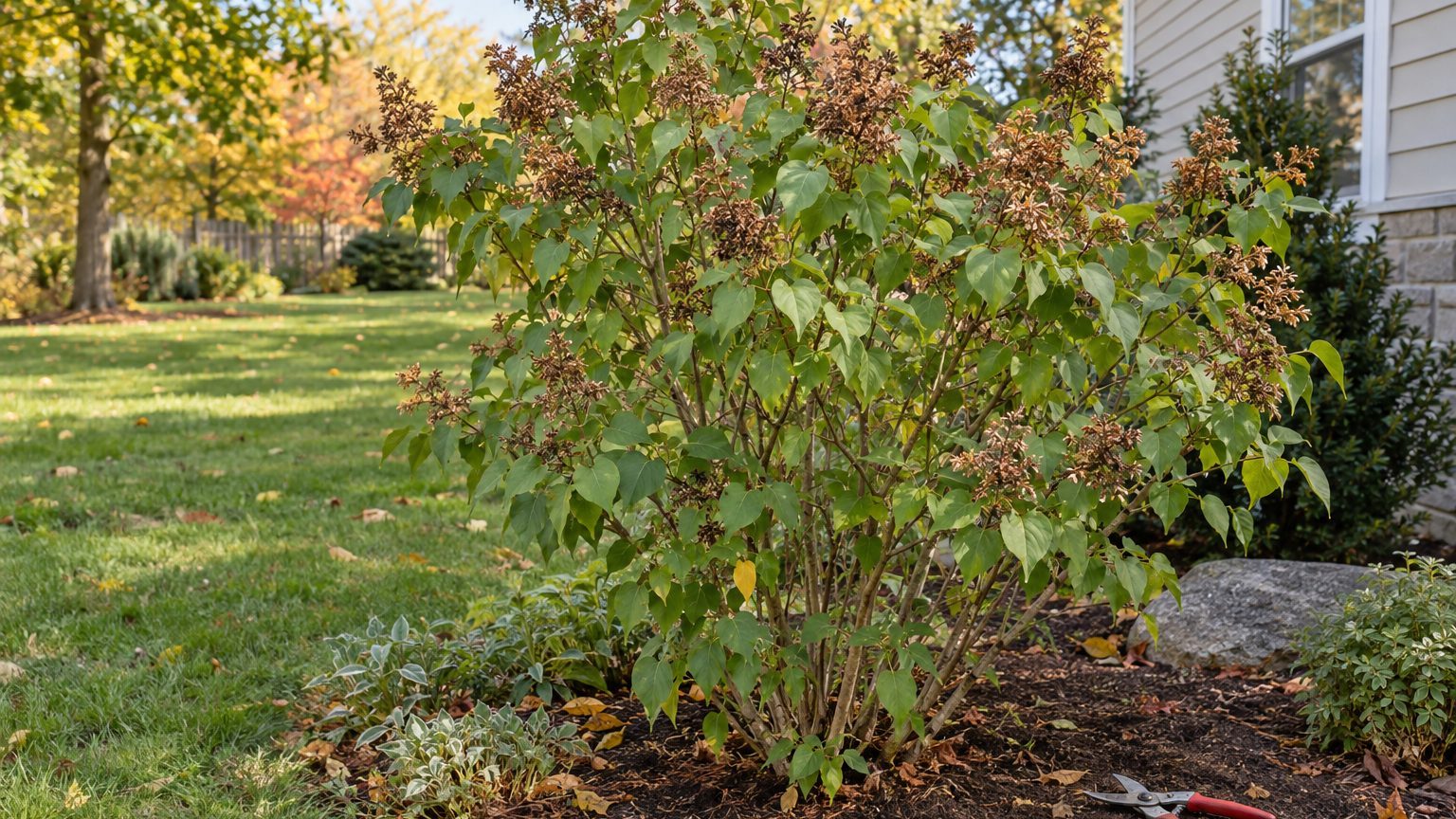
A lilac that sits wrapped in spent, browning flower clusters is telling you the pruning window has just opened. In Washington, that window comes soon after the blooms fade, because the shrub starts setting next year’s flower buds almost at once.

When to Prune Lilacs in Washington

Lilac stems after flowering

Prune lilacs in June, right after the flowers fade. Pruning can also happen in May when an early bloom finishes sooner. Lilacs here flower mostly in May, and April or June blooms follow the season’s pace. Lilacs bloom on last year’s wood, so cutting later removes next spring’s flowers.

Type of pruning When in Washington Why
Routine upkeep: deadheading and light shaping June, right after the flowers fade (May if the bloom finished early) Next year’s flower buds form in summer, so cuts made soon after flowering leave them in place
Thinning an overgrown, older lilac June, right after the flowers fade Thinning right after bloom protects next spring’s flowers
Reblooming lilacs Spring, after the main flush Spring pruning suits reblooming lilacs; once-blooming lilacs are pruned after flowering

Cutting in July is the usual mistake, since it removes the flower buds for the next growing season. Winter cuts do the same, so even heavy renewal should wait until the flowers fade.

How to Tell When Your Lilacs Are Ready to Prune

Your calendar can drift with a cool or warm spring, so the shrub itself is the better clock.

  • Flower clusters that turn brown and droop are the starting signal, because the show is over and the shrub is moving on to next year’s buds.
  • Petals dropping around the base show that the bloom is ending.
  • Fresh green leaves filling in behind the faded clusters show the plant is putting energy into new growth, which is the growth you want to shape.
  • Faded flowers are the important signal, because next year’s buds begin forming soon afterward.
  • Cut a spent cluster back to healthy leaves without removing the nearby growth.

If the flowers are still fresh, wait. If they are brown and the leaves have filled in, the shrub is ready.

Should You Prune Lilacs in Fall or Winter in Washington?

No. Fall and winter cuts take off the buds that were set the summer before, so the following spring brings few or no flowers. Winter pruning removes those buds and eliminates the next spring’s blooms, a point Washington growers hear again and again from local gardening advisers.

An overgrown lilac still follows the same post-bloom schedule. Renew it with deeper cuts right after the flowers fade, before next year’s buds form. The shrub then rebuilds with fresh stems and returns to bloom afterward.

For a lilac that already flowers well, leave the saw in the shed until the blooms have faded. Light shaping and removal of dead or crossing branches is easiest when the leaves are on, since you can see which stems are alive.

How Lilac Pruning Time Shifts Across Washington

The same rule of pruning right after the bloom holds statewide, but the bloom itself arrives at different times depending on where you garden.

  • Puget Sound and the coast: Prune each shrub when its flowers fade; May is possible when bloom finishes early.
  • Yakima Valley and the rest of eastern Washington: prune when the flowers fade, and check with your local extension office for the timing there.
  • Higher ground in the Cascades foothills and the northeast: Let the fading flowers, rather than a regional assumption, set the pruning date.

Watch your own shrub and let fading flowers set the date rather than the calendar.

Where to Get Lilac Advice in Washington

Local growers have worked out which lilacs thrive near you, and the people who answer questions for a living are easy to reach.

  • Washington State University Extension has plant guides for home gardeners, and spring is the best time to browse them while lilacs are in bloom.
  • Your county extension office can answer questions about a particular shrub; describe when its flowers faded.

Common Questions

Can You Prune Lilacs in July in Washington?

Do not prune lilacs in July if you want flowers the next spring. Summer cuts that late take off the flower buds for the next spring, so the shrub will have little to show.

What If You Missed the Window and the Lilac Is Already Past Bloom?

If the post-bloom window has passed, wait until the following year and prune right after flowering. Heavy cutting waits until the following year, right after flowering.

Do Lilacs Bloom Well in Washington?

They do best where winters are cold, because the buds need that winter rest to mature. Hot, humid summers are harder on them.

When Do Lilacs Bloom in Washington? Dates and Care

When Do Lilacs Bloom in Washington? Dates and Care

Fat purple clusters open on lilac bushes across Washington yards every spring, and their scent carries across the fence. May is the heart of that season, with the very first flowers sometimes showing in April and late bloomers running into June. Timing, care and local differences all shape how good the show looks.

When Do Lilacs Bloom in Washington?

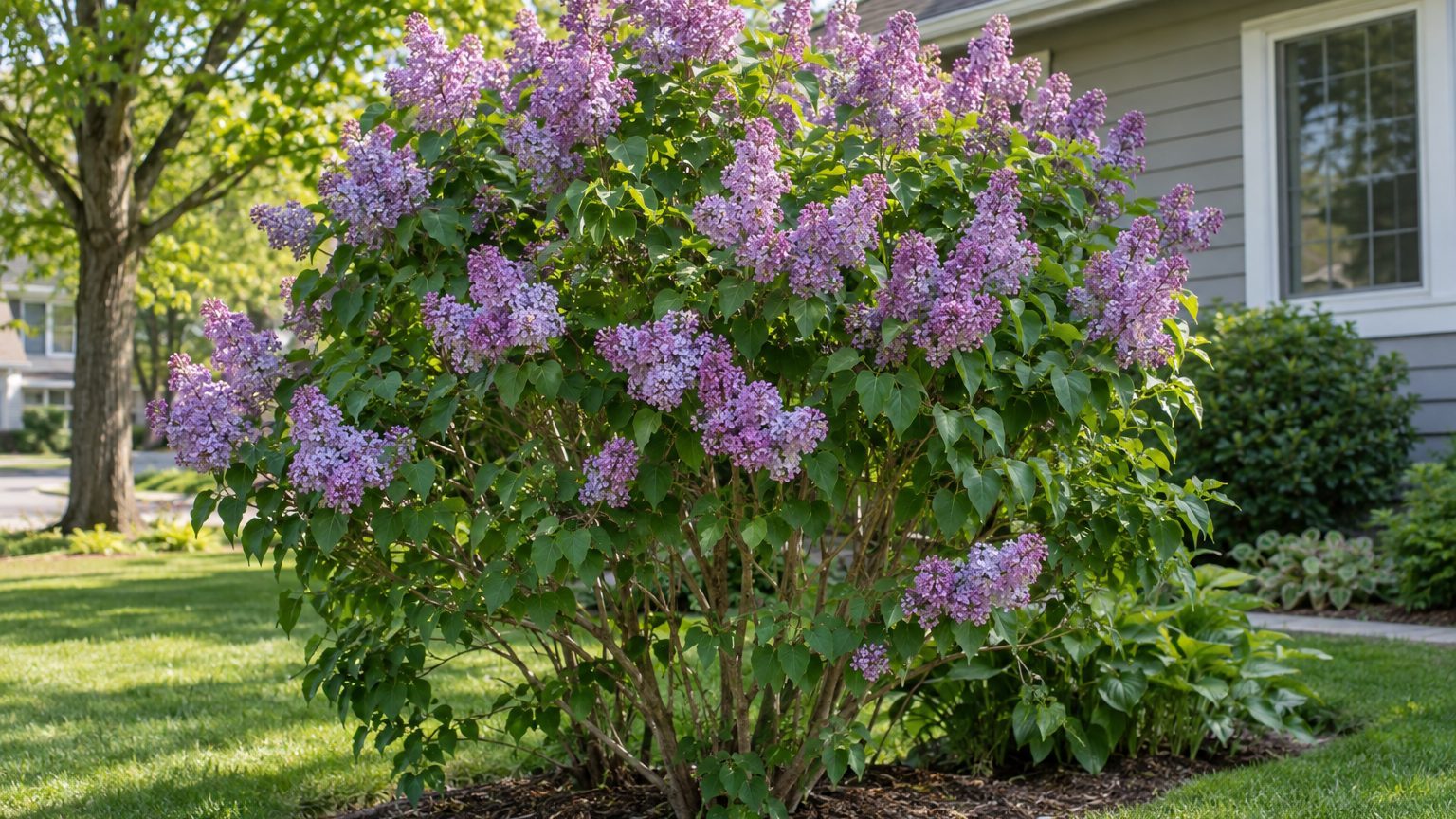
A lilac bush in bloom in a home garden

Lilacs in Washington bloom mainly in May, opening in April in the mildest spots and as late as June in cooler ones, all within late spring. The rest of the year builds toward that moment.

  • The last spring frost falls between February 27 and March 18 in the Seattle area, so buds that swell early can still meet a cold snap.
  • In May, the flower clusters open and peak. A cool spell stretches the show, and a warm stretch shortens it.
  • In June, right after the flowers fade, is the time to prune and shape. Cutting soon after bloom leaves the shrub the rest of the season to grow the wood that will carry next year’s flowers.
  • In summer, the buds for next spring form on the new growth, which is why a July haircut removes the following year’s flowers.
  • In autumn, the first frost arrives between November 13 and November 30 in the Seattle area, the leaves drop, and the shrub settles into dormancy.
  • In winter, the cold rest matures the flower buds, so pruning now cuts off the spring show before it starts.

Those frost dates describe the mild, maritime west side, and the east side beyond the Cascades is high desert with a shorter season. The state spans USDA zones 4a-9a, so check the zone for your own address.

Which Lilacs Grow Best in Washington?

Lilacs do well in Washington wherever winters give them a real cold rest, because that chill is what matures the flower buds. Cold-winter yards suit them best. Hot, humid summers make lilacs struggle, and Washington’s summer conditions vary sharply across the state.

The wide zone range matters here. Yards at the cold end of the range give lilacs the rest they want, while the mildest yards give them a gentler winter, so expect bloom to vary with the site.

Lilac type How it does in Washington Why
Common lilac (Syringa vulgaris) Grows well across much of the state Needs a cold winter rest to set flower buds
Lilacs in cold-winter yards Flower reliably Winter chill matures the buds fully
Lilacs in the mildest yards Bloom varies from year to year A gentler winter gives less rest to the buds

Placement counts as much as the lilac itself. A sunny, open spot with air moving through the branches can help the shrub bloom.

When to Plant, Prune and Feed Lilacs in Washington

Lilac care follows the bloom, not the frost dates. A mild frost date does not mean early planting is safe, since cold, wet soil on the west side holds plants back well past the last freeze.

Pruning matters most because it decides whether next year’s flowers exist. The detail lives on the state’s page about when to prune lilacs, so this is the short version.

Task Best timing in Washington Why then
Enjoy the bloom May, with April or June in early or late seasons Flowers open in late spring
Prune and shape June, right after the flowers fade, or in May if the flowers fade early Next year’s buds have not formed yet
Ask whether feeding is needed Before applying fertilizer Local soil conditions determine what the shrub needs
Hold the shears Winter and July Pruning then removes the coming flower buds

Planting has no fixed month here. Choose a day when the soil is workable and not sodden, and set the shrub where it will get sun.

How Lilac Bloom Time Changes Across Washington

Washington’s geography splits the state into very different lilac climates, and bloom shifts earlier or later with them.

  • Puget Sound: Marine air keeps late winter and spring mild, so lilacs here open on the early side, sometimes in April, though the gentler winter gives them less chill.
  • Cascade foothills: Higher ground stays cooler for longer, so bloom comes later, often reaching into June.
  • Yakima Valley and the east side: Winters are colder and springs warm up quickly, so lilacs get a solid cold rest and flower in May.

Within any one yard, a south-facing wall opens flowers sooner than a shaded north side.

Where to Get Lilac Advice in Washington

Washington State University Extension is the state’s source for tested, local plant advice, and it keeps an office in each county.

  • The extension website carries plant guides on lilacs and other shrubs. Read them before pruning season, when you are deciding what to do.
  • Your county extension office can help diagnose a sick or flowerless lilac. Ask the office what photos or samples it needs before you visit.
  • The same office can explain whether a soil test is useful before you feed. Once the flowers fade, that is the moment to prune.

Common Questions

Why Isn’t Your Lilac Flowering?

Look at pruning history and light separately. If the shrub was pruned in late summer, fall or winter, the flower buds may have been cut off. If the shrub sits in heavy shade and the growth is leafy with few buds, it needs more sun.

Do Lilacs Need Full Sun in Washington?

A sunny spot generally supports flowering. Shaded lilacs often grow leaves and little else, and poor air movement leaves the shrub more prone to problems.

Can You Cut Lilacs for a Vase Without Hurting Next Year’s Blooms?

Cutting a few stems while the flowers are open works as a light early pruning. Take them from stems that carry flowers and keep the shrub’s shape, then finish any shaping soon after the bloom fades.

Best Roses for Washington

Best Roses for Washington

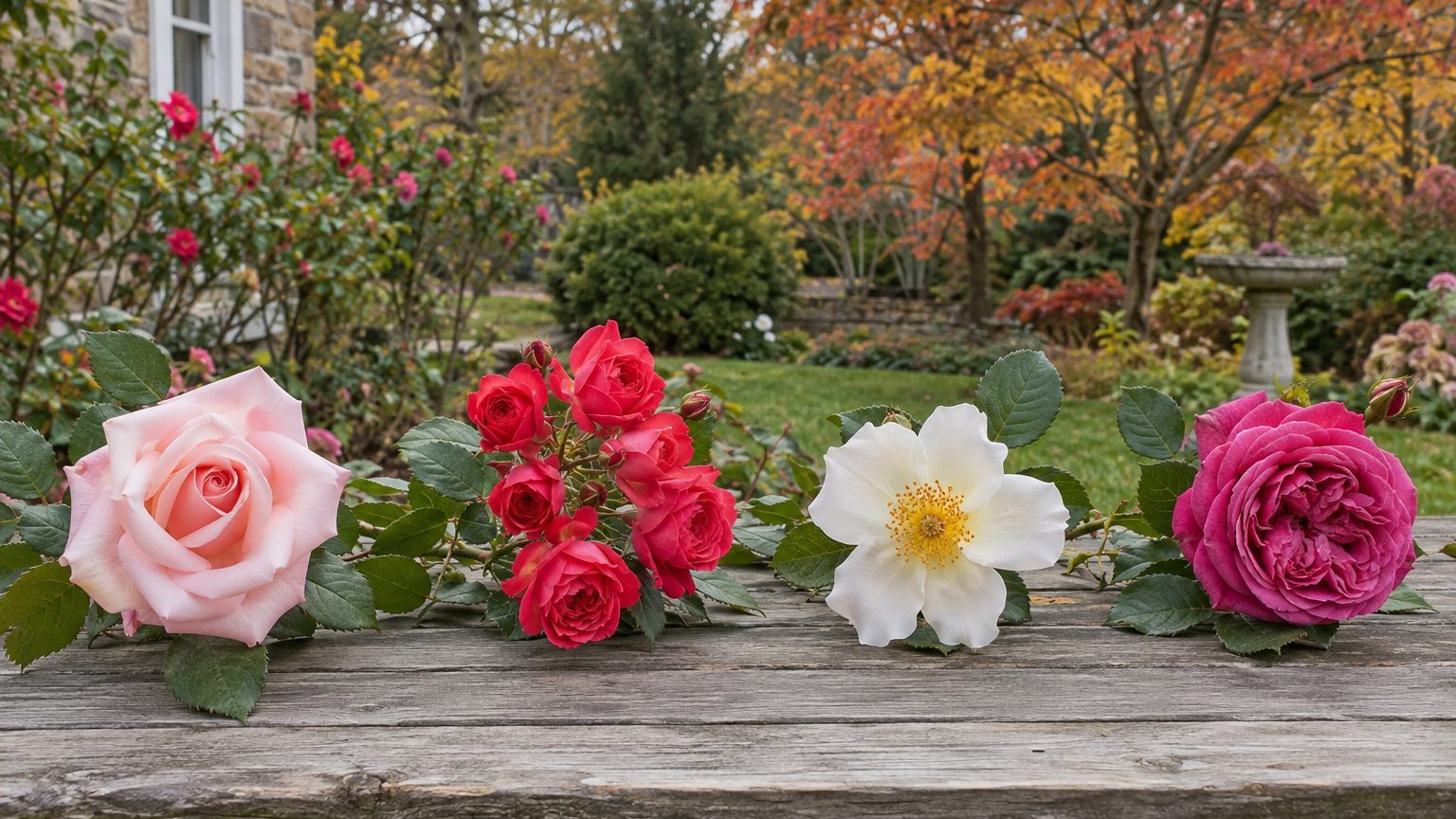
Roses leaf out in Washington while the weather is still cool and gray, and by summer the difference between a tough rose and a fussy one is plain on the bush. Shrub, species and rugosa roses handle cold well, while disease resistance is especially useful in the damp west. Disease-resistant varieties matter most in wet summers, especially west of the Cascades.

Best Roses to Grow in Washington

Best Roses for Washington

The roses that hold up here are the hardy, low-care types. Washington covers USDA hardiness zones 4a to 9a, so winters range from mild and maritime in the west to properly cold in the east. Humid summers in the west invite leaf diseases. Choose a rose rated for your own zone, then favor disease resistance.

Species Roses

Species Roses — Best Roses for Washington

Species roses are the closest to wild roses, and they are generally the most disease-resistant group. That counts for a lot where damp air sits on the leaves. They live through hard winters unharmed, so they suit cold corners of the state with no coddling.

Shrub and Rugosa Roses

Shrub and Rugosa Roses — Best Roses for Washington

Often called hardy shrub roses, these can look like wild roses and still carry plenty of scented, roselike blooms. They need much less care than other roses, which suits a busy gardener. Rugosas also root from cuttings more readily than most, so one good plant can become a hedge.

Old Garden Roses

Many old garden roses are hardy enough to come through cold winters unharmed. One old rose described for Washington gardens flowers so continuously that cold only turns its buds a paler shade, and they stay fresh on the bush. It tolerates shade but hates cold wind, so give it shelter.

Climbing Roses

A climbing rose has stiff stems with medium to large flowers, carried on a framework of mature wood that is usually permanent. Put one against a wall or trellis and leave that framework alone. Ramblers and some climbers also root from cuttings, which is handy for filling a fence line.

Miniature Roses

Miniatures are more prone to black spot than other types, which matters in a damp western summer. A few varieties are reliably resistant to every strain of the disease. Look for those by name before you buy, and skip any miniature sold without a disease rating.

How to Choose a Rose for a Washington Garden

Start with your winter and your summer air, because those two decide more than flower color does. A rose that shrugs off cold may still struggle with black spot in a damp western summer.

Time and space come next. A rose that wants constant attention is a poor match for a busy household, however pretty the catalog photo.

Your situation What suits it in Washington Why
Very cold winter Species, shrub or old garden roses They are hardy and live through cold winters unharmed
Humid summer Species roses or varieties marked disease-resistant Species roses are generally the most disease-resistant, and leaves stay cleaner
Little time Shrub or rugosa roses They need much less care than other roses
Wall or fence to cover A climbing rose Its permanent framework of mature wood carries large flowers

For a small space, a miniature rose stays compact, but only if you pick a variety resistant to black spot. Dry soil and colder winters are bigger issues east of the Cascades, where hardy shrub roses are a practical place to start.

Which Roses Suit Different Parts of Washington

The Cascades split the state into two very different rose climates, and that changes which type you reach for.

  • Seattle and the Puget Sound lowlands: Winters are mild and maritime, while damp summers make disease resistance important. Disease is. Put resistant varieties first, and keep miniatures and other black spot prone types to the ones rated resistant.
  • Eastern Washington beyond the Cascades: This is high desert with a far shorter growing season and colder winters. Species, shrub and old garden roses earn their place here, while tender hybrids ask for more protection.

A hardiness zone map is a good first filter, but your own yard, its wind and its shelter, adjusts the final choice.

Rose Buying Mistakes to Avoid in Washington

Buying Tender Roses for Cold Areas

A tender rose in a cold part of the state can lose its canes to winter, and the plant you paid for starts over from the base. If you want one anyway, mound loose mulch such as shredded leaves, compost, pine needles or sawdust over its base. Do it in November or December, once the plant is dormant and before hard frost.

Ignoring Black Spot Resistance

Choosing on bloom color alone can leave you with a rose that spots and drops leaves in a damp summer. Miniatures are the usual offenders. Ask for a variety listed as resistant, and favor species roses when you want the least trouble.

Pruning Once-Blooming Roses in Spring

Old garden roses, ramblers and many climbers flower once a year on last year’s wood. Cut them in early spring and you remove the year’s flowers. Prune them right after they bloom. Repeat-blooming roses are different: prune them in February or March, around the time forsythia blooms, since later pruning also delays the first flush of flowers.

Where to Get Rose Advice in Washington

Local growers can tell you which varieties handle your own town’s cold and damp. Washington State University Extension offers research-based garden advice, and your county has its own office.

  • The extension website carries rose care guidance written for Washington gardens, useful to read before you shop.
  • Your county extension office can answer questions about local conditions and disease problems, and it is worth a call in late winter, before planting season.

Common Questions

When Should You Plant Roses in Washington?

Bare-root roses go in during February or March, while they are dormant and can build roots before spring growth. Potted roses are more flexible and can go in as late as June, though earlier is better so they establish before the heat of midsummer.

When Should You Feed Roses in Washington?

Begin at bud break in spring and keep feeding regularly from March through July. A late feeding in August is fine, but stop as the roses head toward dormancy in late summer.

Can You Grow Roses from Cuttings in Washington?

Some roses root more easily than others. Ramblers and rugosa roses are good candidates, along with some climbing roses and large-flowered types, so start with those if you want free plants.

When to Prune Roses in Washington

When to Prune Roses in Washington

Rose canes in Washington wake up fast once the weather softens, and the pruning shears should be out about then. Cut at the right moment and the bush rebuilds into a strong, well-shaped plant. Cut at the wrong one and you either trim off a season of flowers or invite frost damage on tender new shoots.

When to Prune Roses in Washington

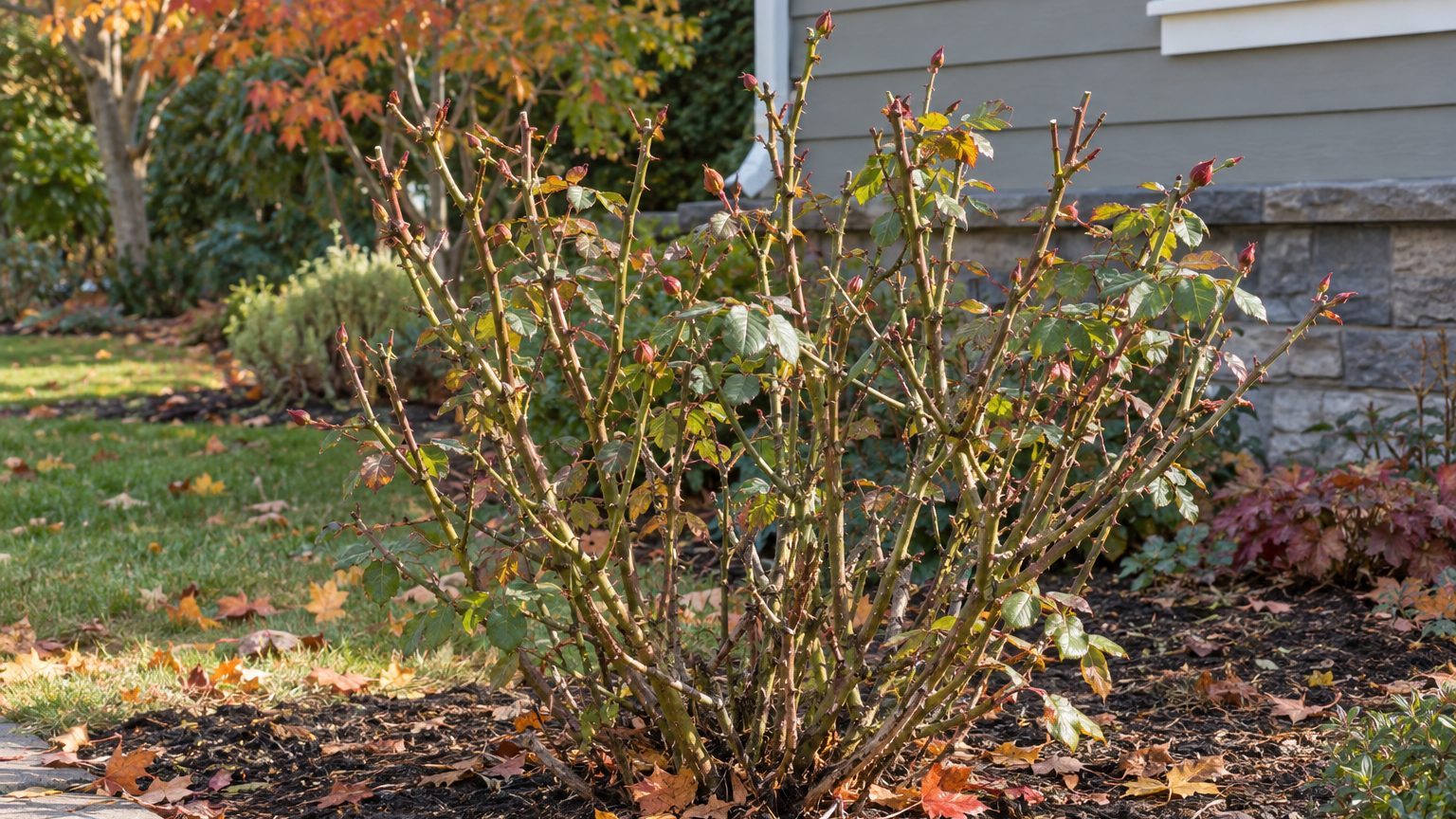
Rose canes at pruning time

Prune repeat-blooming roses in February and March, or in April if the season runs late and the forsythia is only just blooming. That covers hybrid teas, floribundas and modern shrub roses, which flower on new growth.

Cutting before the last hard freeze can cause dieback that means pruning all over again. Pruning later also pushes back the first flush of bloom, so there is a small trade between safety and an early start.

Type of rose When to prune in Washington Why
Repeat-blooming roses (hybrid teas, floribundas, modern shrub roses) February and March, or April when the forsythia blooms They flower on new wood, and pruning ahead of a hard freeze risks dieback.
Once-blooming roses (old garden roses, ramblers, once-blooming climbers) Right after they finish flowering, never in early spring They flower on last year’s wood, so a spring cut removes the coming blooms.

Climbers that rebloom have no separate month of their own here. Check how the variety behaves: prune a repeat bloomer in spring, but wait until the petals have dropped if it flowers just once a year.

How to Tell When Your Roses Are Ready to Prune

Months set the window, but the plant itself tells you which day inside it is right, and these signs are worth watching from late winter on.

  • Swelling buds along the canes mean the plant is starting to grow and ready to be pruned.
  • Forsythia in bloom is the traditional signal in Washington that roses can be pruned, so a bright yellow hedge nearby works as a free reminder.
  • A hard freeze that has passed, with no forecast for another, tells you new growth will not be nipped right after you cut.
  • Winter mulch mounded around the base can come off once the cold is behind you, which also lets you see the crown and the lower canes clearly.
  • Canes that are green and plump inside show live wood, while brown and shriveled canes should be cut back until you reach healthy tissue.

West of the Cascades these signs usually show up sooner than they do in the colder interior, so watch your own bushes rather than a neighbor’s across the mountains.

Should You Prune Roses in Fall or Winter in Washington?

Mostly no. In fall and winter, avoid routine pruning; shorten very long canes if the wind could whip them around and loosen the roots. Leave the real pruning, with its shaping and thinning, until the plant starts growing again.

Cutting hard in the cold months stimulates new growth that frost can kill, and it can force you to prune again. The work that does belong to the cold season is protection, in November and December, once the plant is dormant and before a hard frost arrives. It applies in cold areas only. Mound loose material over the base of the plant, such as:

  • Shredded leaves
  • Compost
  • Pine needles
  • Sawdust

Tender roses benefit from this, and the mound comes off in spring when the forsythia and the swelling buds say the season has turned.

How Rose Pruning Dates Shift Across Washington

Washington runs from mild coast to high desert, and the calendar months above lean earlier or later depending on where your yard sits.

  • Seattle and the Puget Sound lowlands: the mild maritime climate lets you work in February and March, and the forsythia here usually blooms earlier than in the interior.
  • Spokane and the Yakima Valley: east of the Cascades the season is shorter and winters bite harder, so lean toward the April end of the window and let the forsythia and swelling buds decide.
  • Cascade foothills: higher ground stays cold longer than the lowlands below it, so wait for the hard freezes to be done before the first cut.

A mild spell on the coast is not permission to hurry, because a cold snap can still follow and catch fresh growth.

Where to Get Rose Advice in Washington

Washington State University Extension publishes rose guidance written for the state’s own conditions, and your county office can speak to the quirks of your local climate.

  • The extension’s rose care calendar lays out the seasonal chores, so read it in winter before the pruning window opens.
  • Your county extension office can help with variety questions, so call or visit in late winter, ideally with a photo of the canes.

Common Questions

When Should You Plant Bare-Root Roses in Washington?

February and March suit bare-root roses, because dormant plants can build strong roots before spring growth begins. Potted roses are more flexible and can go in from April through June.

When Should You Fertilize Roses in Washington?

Start in March at bud break and continue through July, with August also fine. Feed regularly through the growing season, then stop in late summer so the plants can head toward dormancy.

Can You Plant a Potted Rose in Summer?

Potted roses can go in even after new growth has begun, and early summer gives them the best odds of settling in before the heat of midsummer arrives.

When to Plant Roses in Washington: Dates and Varieties

When to Plant Roses in Washington: Dates and Varieties

Bare-root roses show up in late winter as bundles of bare, thorny canes, and they go into the ground long before anything else in the garden looks alive. Planning roses for a Washington yard means knowing when to plant, which types hold up, and the dates for pruning, feeding and winter cover.

When to Plant Roses in Washington

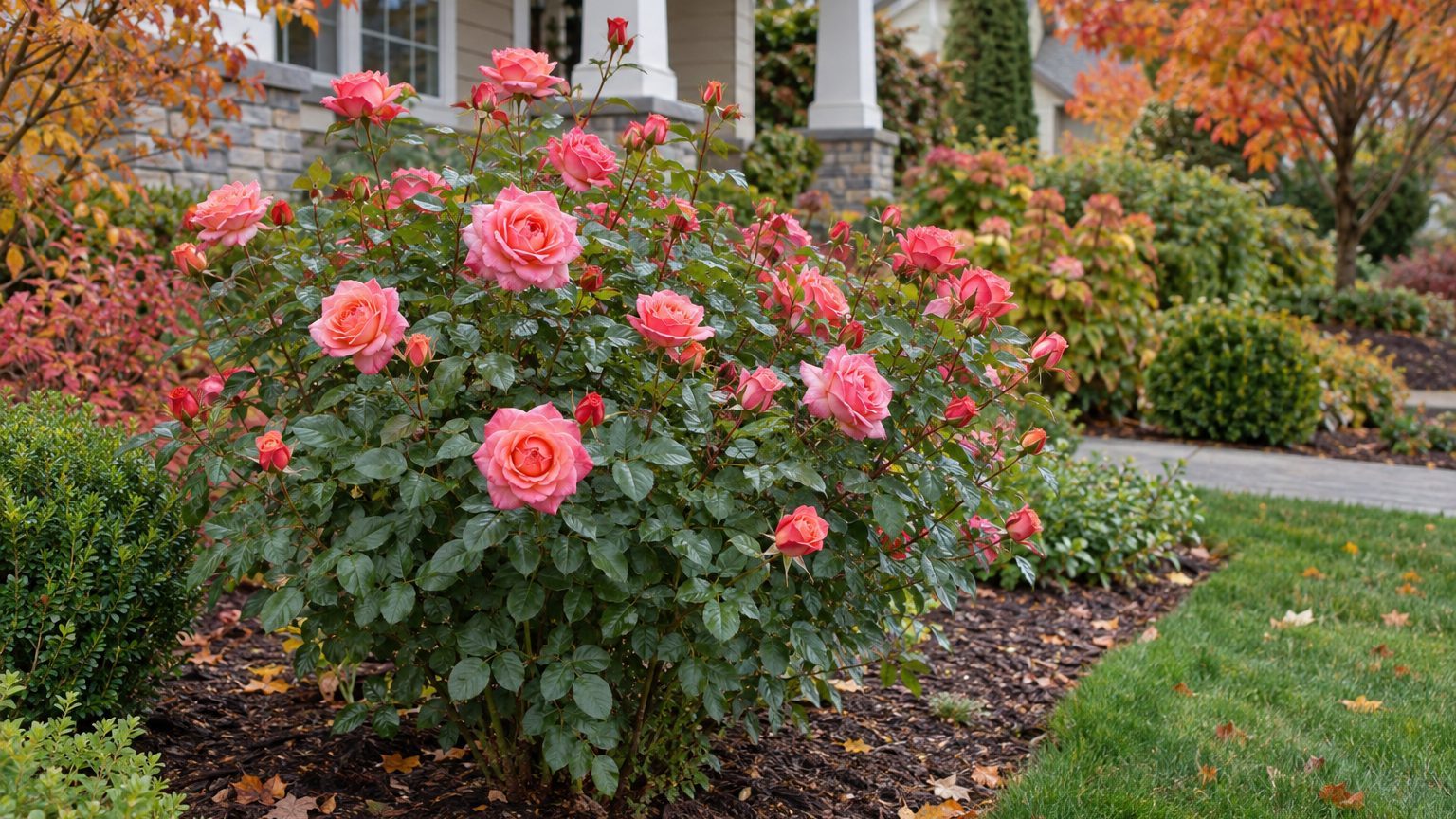
A rose bush in bloom in a home garden

In western Washington, bare-root roses go in dormant during February and March, and potted roses follow later, into early summer. In Seattle, the last spring frost falls between February 27 and March 18, and a young rose with soft new shoots is what suffers from it. Washington spans USDA hardiness zones 4a to 9a, so eastern gardens run on a different clock.

  • In February, bare-root roses can go in as soon as the soil can be worked, because a dormant plant has no tender growth for frost to damage and starts building roots before the buds move.
  • In March, bare-root planting is still in full swing, and the buds begin to swell, which is also the moment for the first feeding.
  • From April through June, potted roses are the ones to plant, since a rose growing in a container tolerates being set out after its leaves have opened.
  • In early summer, the planting season closes, because a rose that settles in before midsummer heat roots in more gently.
  • In November and December, once the plants are dormant, cold areas get a mound of mulch over the base of each rose.

In Seattle, the first fall frost arrives between November 13 and November 30, which is the signal that dormancy is near. A mild frost date does not mean an early planting date here, because cold wet soil and low light hold spring growth back well past the last freeze.

Which Roses Grow Best in Washington?

Cold-hardy, low-care roses suit a state with such a wide range of winters. Hardy shrub roses, rugosas, species roses and many old garden roses live through hard winters unharmed. Hybrid teas and other repeat-blooming roses can grow well too, but they ask for more care.

Rose type How it does in Washington Why
Shrub and rugosa roses Reliable in cold gardens, often look like wild roses Hardy, and they need less care than other roses
Species roses Come through hard winters unharmed Naturally hardy plants
Old garden roses Hardy and long-lived Tough in winter, but many bloom once a year
Hybrid teas and floribundas Grow well but need more care Repeat-bloom on new growth, so they want regular feeding

Climbers and ramblers are less certain. Many of them bloom once a year, so their care follows the old garden roses rather than the hybrid teas. Whatever the type, look for disease-resistant varieties, since cool wet seasons are common on the west side.

When to Prune, Feed and Protect Roses in Washington

A rose year here runs on buds and on the first hard freeze. Pruning happens as the buds wake up, feeding begins with bud break, and mulch goes on after the plant has gone dormant. The page on when to prune roses in Washington covers pruning in more depth.

Task Best months in Washington Why then
Pruning repeat-blooming roses February and March, running into April if spring is late Forsythia in bloom is the cue, and pruning too early invites frost damage to new growth
Planting bare-root roses February and March Dormant plants build roots before spring growth starts
Feeding March through July The first feeding comes at bud break, and later feedings keep growth going
Winter protection November and December Mulch goes on after dormancy and before a hard freeze, in cold areas only

Once-blooming roses flower once a year on last year’s wood, so they are pruned right after they bloom and never in early spring. Cutting them in February or March removes the buds that would have flowered.

How Rose Care Dates Change Across Washington

The dates above fit the mild, maritime west side, and the season shifts as you move toward the Cascades and beyond them.

  • Puget Sound lowlands: Winters are mild and the season starts early, though cold wet soil still holds spring growth back. Bare-root planting and pruning fit the earlier months, and winter mulch matters less.
  • Eastern Washington beyond the Cascades: This is high desert with a far shorter season, so planting and pruning move later into spring. The colder zones here are where mounding mulch over the base of the plant earns its keep.

Wherever you garden in Washington, the buds are the better guide. Forsythia in bloom, swelling buds and a hard freeze that has passed matter more than a date on the calendar.

Where to Get Rose Advice in Washington

Washington State University Extension publishes rose care guidance written for the state’s gardens, and each county has an office that can look at problems on the plant itself.

  • Its rose care calendar for home gardens is useful before spring work begins.
  • Your county extension office can take a look at a sick plant, with a sample or a clear photo of the leaves and canes.
  • A soil test through the county office is worth doing before the bare-root roses go in.

Common Questions

How Do You Choose a Rose for a Washington Yard?

Start with the USDA hardiness zone where the yard sits, since the state covers a wide range. A rose rated for the local zone survives winter, and a disease-resistant variety copes better with damp spells.

When Should You Stop Feeding Roses in Washington?

Feeding can run into August, but it should stop in late summer. By then roses are starting to go dormant, and fresh feeding would push soft growth that winter cold can damage.

What Can You Mound Over Roses for Winter?

Loose mulch works, such as shredded leaves, compost, pine needles or sawdust, piled over the base of the plant. Apply it after the rose is dormant and before a hard frost is expected.

The almanac, state by state. Every date on this site comes from a state’s own frost facts and its extension service’s calendar — and says where it comes from.