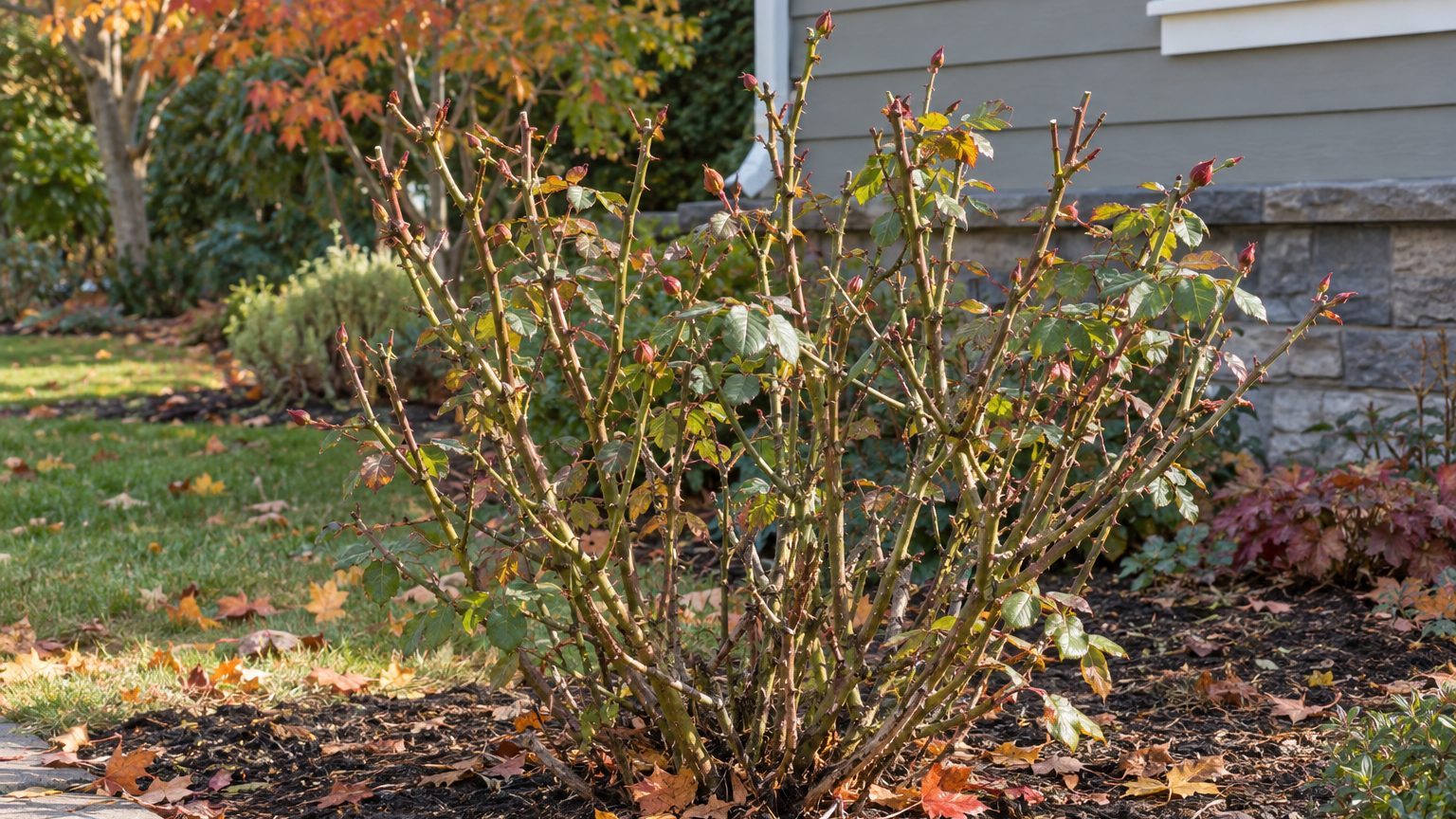
Rose canes in Washington wake up fast once the weather softens, and the pruning shears should be out about then. Cut at the right moment and the bush rebuilds into a strong, well-shaped plant. Cut at the wrong one and you either trim off a season of flowers or invite frost damage on tender new shoots.
When to Prune Roses in Washington

Prune repeat-blooming roses in February and March, or in April if the season runs late and the forsythia is only just blooming. That covers hybrid teas, floribundas and modern shrub roses, which flower on new growth.
Cutting before the last hard freeze can cause dieback that means pruning all over again. Pruning later also pushes back the first flush of bloom, so there is a small trade between safety and an early start.
| Type of rose | When to prune in Washington | Why |
|---|---|---|
| Repeat-blooming roses (hybrid teas, floribundas, modern shrub roses) | February and March, or April when the forsythia blooms | They flower on new wood, and pruning ahead of a hard freeze risks dieback. |
| Once-blooming roses (old garden roses, ramblers, once-blooming climbers) | Right after they finish flowering, never in early spring | They flower on last year’s wood, so a spring cut removes the coming blooms. |
Climbers that rebloom have no separate month of their own here. Check how the variety behaves: prune a repeat bloomer in spring, but wait until the petals have dropped if it flowers just once a year.
Washington — the year and the numbers
- State
- Washington
- USDA zones
- 4a-9a
- Last spring frost
- February 27 to March 18
- First fall frost
- November 13 to November 30
- Annual rain
- 39 in
- Lawn zone
- transition-season
- Source
- NOAA NCEI 1991-2020 Climate Normals, 32F freeze probabilities · Seattle
How to Tell When Your Roses Are Ready to Prune
Months set the window, but the plant itself tells you which day inside it is right, and these signs are worth watching from late winter on.
- Swelling buds along the canes mean the plant is starting to grow and ready to be pruned.
- Forsythia in bloom is the traditional signal in Washington that roses can be pruned, so a bright yellow hedge nearby works as a free reminder.
- A hard freeze that has passed, with no forecast for another, tells you new growth will not be nipped right after you cut.
- Winter mulch mounded around the base can come off once the cold is behind you, which also lets you see the crown and the lower canes clearly.
- Canes that are green and plump inside show live wood, while brown and shriveled canes should be cut back until you reach healthy tissue.
West of the Cascades these signs usually show up sooner than they do in the colder interior, so watch your own bushes rather than a neighbor’s across the mountains.
Should You Prune Roses in Fall or Winter in Washington?
Mostly no. In fall and winter, avoid routine pruning; shorten very long canes if the wind could whip them around and loosen the roots. Leave the real pruning, with its shaping and thinning, until the plant starts growing again.
Cutting hard in the cold months stimulates new growth that frost can kill, and it can force you to prune again. The work that does belong to the cold season is protection, in November and December, once the plant is dormant and before a hard frost arrives. It applies in cold areas only. Mound loose material over the base of the plant, such as:
- Shredded leaves
- Compost
- Pine needles
- Sawdust
Tender roses benefit from this, and the mound comes off in spring when the forsythia and the swelling buds say the season has turned.
How Rose Pruning Dates Shift Across Washington
Washington runs from mild coast to high desert, and the calendar months above lean earlier or later depending on where your yard sits.
- Seattle and the Puget Sound lowlands: the mild maritime climate lets you work in February and March, and the forsythia here usually blooms earlier than in the interior.
- Spokane and the Yakima Valley: east of the Cascades the season is shorter and winters bite harder, so lean toward the April end of the window and let the forsythia and swelling buds decide.
- Cascade foothills: higher ground stays cold longer than the lowlands below it, so wait for the hard freezes to be done before the first cut.
A mild spell on the coast is not permission to hurry, because a cold snap can still follow and catch fresh growth.
Where to Get Rose Advice in Washington
Washington State University Extension publishes rose guidance written for the state’s own conditions, and your county office can speak to the quirks of your local climate.
- The extension’s rose care calendar lays out the seasonal chores, so read it in winter before the pruning window opens.
- Your county extension office can help with variety questions, so call or visit in late winter, ideally with a photo of the canes.
Common Questions
When Should You Plant Bare-Root Roses in Washington?
February and March suit bare-root roses, because dormant plants can build strong roots before spring growth begins. Potted roses are more flexible and can go in from April through June.
When Should You Fertilize Roses in Washington?
Start in March at bud break and continue through July, with August also fine. Feed regularly through the growing season, then stop in late summer so the plants can head toward dormancy.
Can You Plant a Potted Rose in Summer?
Potted roses can go in even after new growth has begun, and early summer gives them the best odds of settling in before the heat of midsummer arrives.