Skip to content

Tennessee

  1. Jan
  2. Feb
  3. Mar
  4. Apr
  5. May
  6. Jun
  7. Jul
  8. Aug
  9. Sep
  10. Oct
  11. Nov
  12. Dec
State
Tennessee
USDA zones
5b-8a
Last spring frost
March 31 to April 12
First fall frost
October 28 to November 8
Annual rain
51 in
Lawn zone
transition-season
Source
NOAA NCEI 1991-2020 Climate Normals, 32F freeze probabilities · Nashville

The year in Tennessee, from the calendar

  1. Jan—
  2. FebPrune fruit trees
  3. MarSpring bulbs bloom · Feed hydrangeas · Plant hydrangeas · Renew an overgrown lilac · Plant roses
  4. AprSpring bulbs bloom · Plant hydrangeas · Lilacs bloom · Renew an overgrown lilac · Feed roses
  5. MaySpring bulbs bloom · Feed hydrangeas · Lilacs bloom · Prune lilacs · Peonies bloom
  6. JunPrune bigleaf hydrangeas · Prune lilacs · Feed roses · Dethatch (warm-season lawns) · Fertilize the lawn (warm-season lawns)
  7. JulFeed hydrangeas · Prune bigleaf hydrangeas · Feed roses · Fertilize the lawn (warm-season lawns) · Mow
  8. AugPlant hydrangeas · Seed the lawn · Feed roses · Aerate · Dethatch
  9. SepPlant hydrangeas · Plant peonies · Dethatch · Fertilize the lawn · Mow
  10. OctPlant spring bulbs · Plant peonies · Plant trees · Fertilize the lawn · Mow
  11. NovCut back peonies · Plant trees · Mow
  12. DecCut back peonies

From the state frost facts and extension calendars: University of Maryland Extension · Rutgers Cooperative Extension (NJAES) ; University of Kentucky Cooperative Extension · Clemson HGIC factsheet — Hydrangea · University of Tennessee Extension — PB1903 Lawn Maintenance Calendar (2025).

Best Time to Plant Trees in Tennessee

Best Time to Plant Trees in Tennessee

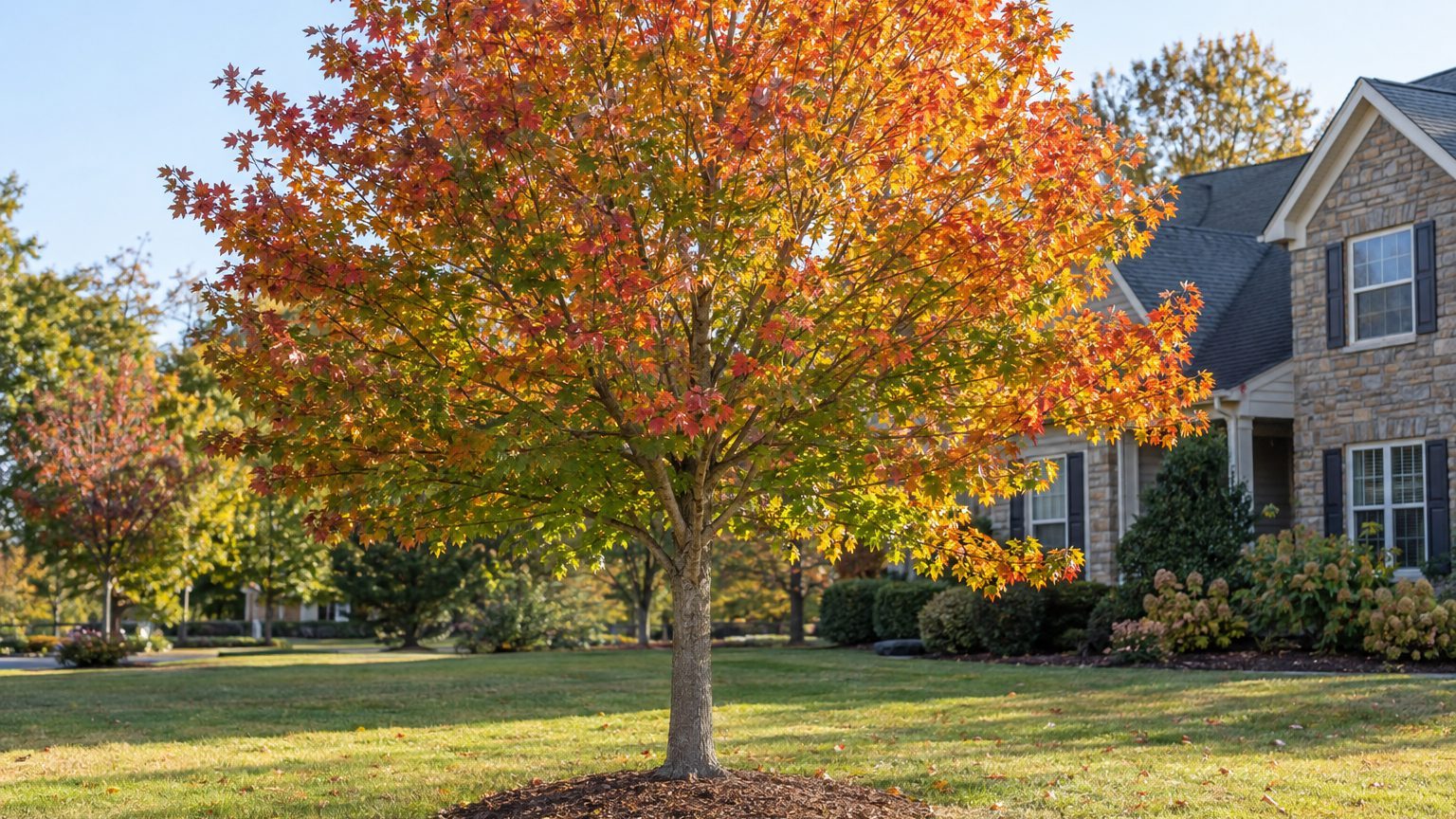
Tennessee yards look their best when a young tree goes in while the ground is cool and the roots can settle before summer or winter takes hold. Shade and ornamental trees do best planted in March and April or in October and November. Fruit trees go in during early spring.

When Is the Best Time to Plant Trees in Tennessee?

A young shade tree newly planted in a home yard

Shade and ornamental trees, whether container-grown or balled and burlapped, have two good planting seasons in Tennessee, split by the heat of summer.

  • In February, a tree can go in on a mild day when the soil is not frozen, though this is a fallback to the main seasons.
  • In March and April, the ground is workable and the tree is still dormant or just waking, so roots grow before summer heat arrives.
  • Through the summer, skip planting if you can, because heat and dry soil stress new roots.
  • In October and November, the soil still holds warmth from summer, and roots keep growing while the top of the tree rests.
  • In December, planting can still work while the soil stays unfrozen.

Container-grown trees can go in most of the year if you water them, but they settle best in the dormant season. Magnolia, dogwood, tuliptree, sweet gum, red maple, birch, hawthorn, poplars, cherries, plums and many oaks do better planted in spring than in fall. Around Nashville, the last spring frost falls between March 31 and April 12, and the first fall frost arrives between October 28 and November 8. East Tennessee and the Cumberland Plateau run cooler and later in spring. Hardiness zones in the state span 5b to 8a on the USDA system.

When to Plant Fruit Trees in Tennessee

Fruit trees, bare-root or container-grown, go in during March and April. Bare-root trees are planted while still dormant, before the buds open, so the moment the soil can be worked in late winter is your signal.

November can also work for fruit trees, though early spring is the usual choice.

Kind of fruit tree When to plant in Tennessee Why then
Bare-root March to April, while dormant Buds have not opened, so the tree puts energy into roots first
Container-grown March to April, or November Cool soil lets roots settle before summer heat or winter cold

Whichever type you choose, give pear, plum and sweet cherry at least two varieties, since they need a partner nearby for good fruit. Peaches and nectarines are prone to brown rot, and nectarines more so.

Best Trees to Plant in Tennessee

Tennessee swings from cold winters on the Plateau to hot, humid summers in the western part of the state, so tough, adaptable trees earn their place. Pick for the room you have, the sun on the site and your hardiness zone.

Where a site already has tree cover, shade-tolerant choices make more sense than sun lovers.

Tree How it does in Tennessee Why
Ginkgo Large shade tree with bright yellow fall color Tolerates adverse growing conditions
London planetree Medium to large tree for tough spots Very tolerant of adverse conditions
Thornless honeylocust Large tree for wet or dry ground Tolerates both wet and dry soils
Blackgum Suits a yard that already has tree cover Shade tolerant
White pine Evergreen that mixes well with hardwoods Conifers and hardwoods together make a varied planting

Eastern hemlock and sugar maple are also shade-tolerant picks for a yard under existing canopy, and American holly gives winter interest.

When to Plant, Water and Prune Trees in Tennessee

Planting, watering and pruning each follow their own clock. Planting follows the seasons above, watering follows the weather and the age of the tree, and pruning follows dormancy.

Task Best timing in Tennessee Why then
Plant shade and ornamental trees March to April, October to November Cool weather and workable soil favor root growth
Plant fruit trees March to April Trees are dormant and roots establish before heat
Water a young tree Regularly after planting, and through dry spells New roots dry out fast, especially in summer
Prune a fruit tree February to March, while dormant Cuts heal as growth begins, and winter injury is less likely

Fruit trees are pruned while dormant, before the buds swell. Skip fall and early winter pruning, because new growth may not harden before the cold. Apples go first and peaches last, closest to bloom, since their flower buds are easily hurt by cold. Young trees wait until February. Details are on the page about when to prune fruit trees in Tennessee.

Where to Get Tree Advice in Tennessee

University of Tennessee Extension and your county office can help with choosing a species for your site or testing your soil before you plant.

  • The state extension service publishes planting guidance, so check it before you buy a tree.
  • Your county office can advise on a species for your yard and arrange a soil test, ideally before planting season opens in March.

Common Questions

Can You Plant a Tree in Summer in Tennessee?

A container-grown tree can survive a summer planting with steady watering, but it is a struggle for the roots. Waiting for fall is kinder to the tree.

Should You Remove the Burlap from a Balled-and-Burlapped Tree?

Yes. Cut away the wire basket and pull back the burlap from the top of the root ball, so roots can spread freely into the surrounding soil.

Do Container Trees Need Different Care than Bare-Root Trees?

Container trees have a full root system and tolerate a wider planting window. Bare-root trees must go in while dormant and need water soon after planting.
Best Peonies for Tennessee

Best Peonies for Tennessee

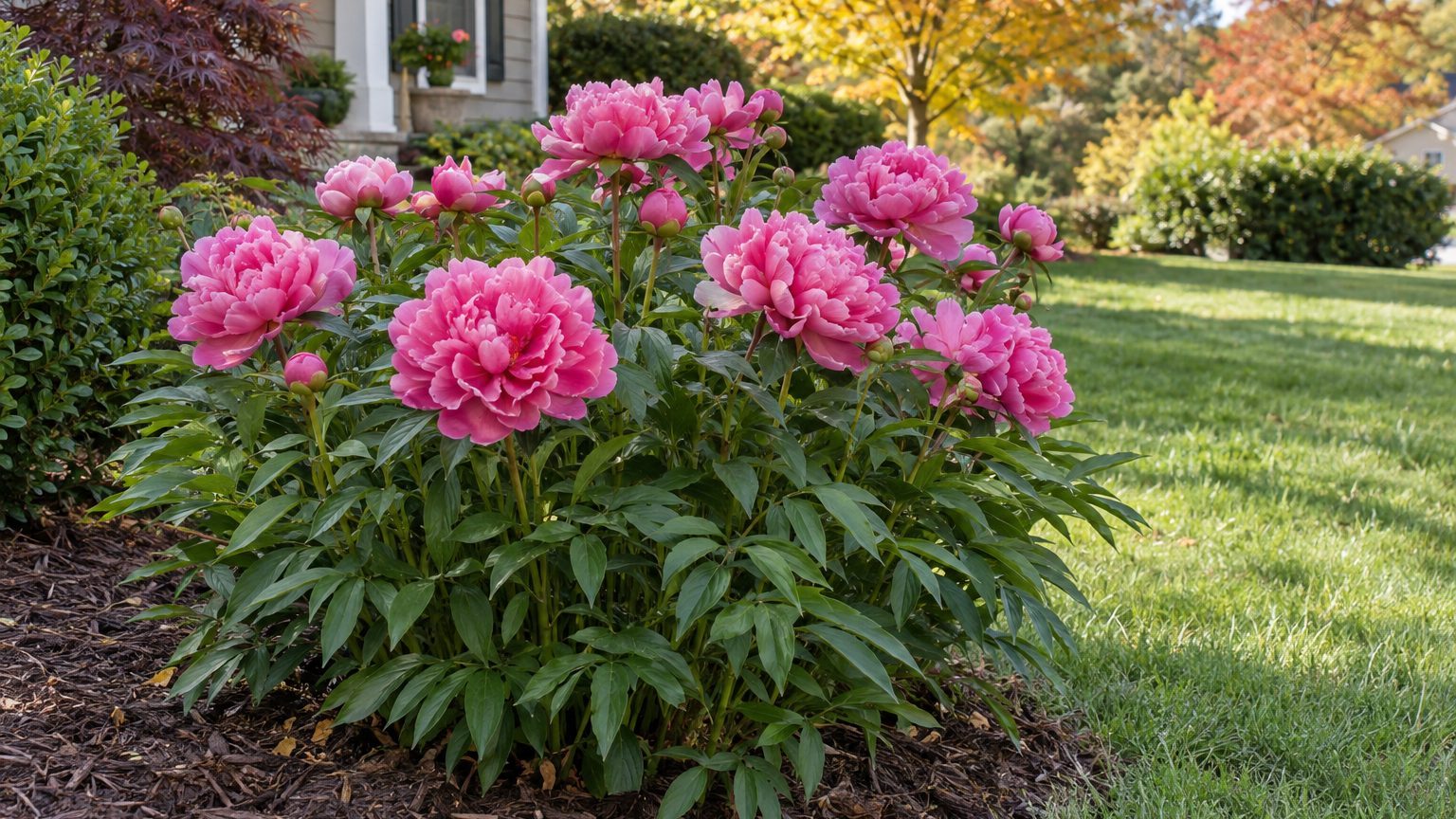
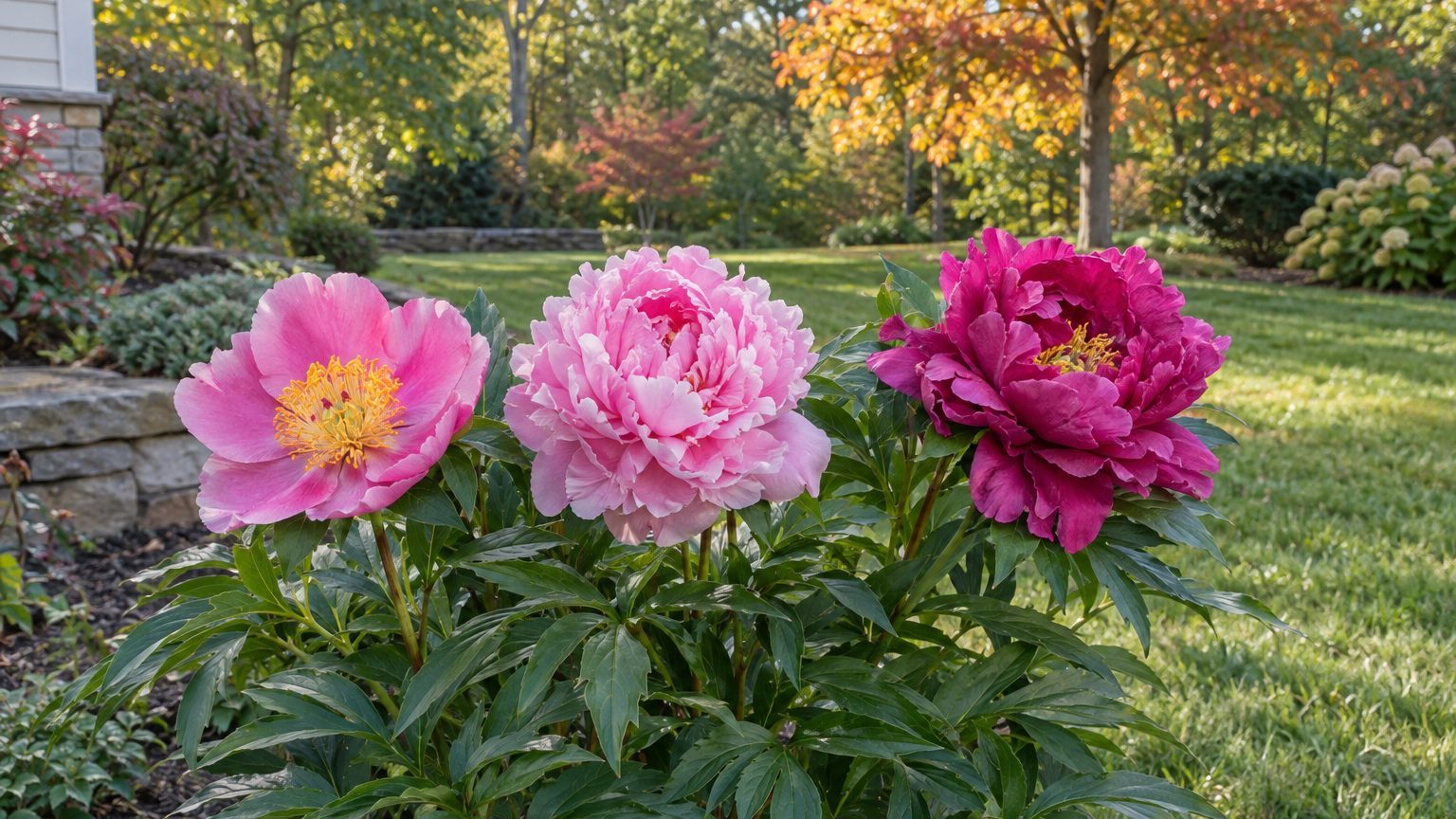
Peony buds push up through cool spring ground, and a good clump becomes the plant neighbors slow down to look at. In Tennessee, herbaceous, intersectional and tree peonies all earn a place. Single and Japanese flower forms handle Southern conditions more reliably than heavy doubles. Matching the type to the yard before you buy settles most of the outcome.

Best Peonies to Grow in Tennessee

Best Peonies for Tennessee

Herbaceous and intersectional peonies are the easiest to grow here, while tree peonies can also suit Tennessee gardens and single or Japanese bloom types lead among the flower forms. Peonies need a cold winter rest to flower, and Tennessee spans USDA hardiness zones 5b to 8a. They do best where winters are cold and may flower poorly in the mildest spots.

Herbaceous Peonies

Herbaceous Peonies — Best Peonies for Tennessee

These are the classic garden peonies. Each fall they die back to the ground, and new growth emerges in the spring, which makes the routine easy to learn. They grow better in full sun, so give them the brightest bed in the yard.

Intersectional Peonies

Intersectional Peonies — Best Peonies for Tennessee

Intersectionals share the same culture as herbaceous types, so the care calendar is identical. They also die back each fall and return in spring. If you already know how to handle a classic peony, you already know how to grow one.

Tree Peonies

Tree peonies are deciduous shrubs with woody branches. Those branches carry large flowers without staking once the plant is mature. They bloom earlier than herbaceous types and tolerate full sun to partial shade, which helps in a bed that loses sun to a big oak.

Single and Japanese Bloom Types

Single and Japanese flowers usually perform much better in the South than doubles do. Their open, lighter blooms hold up better as the season warms. When a Tennessee garden has hot, humid summers, these forms are the safer pick.

Early-Blooming Cultivars

Early-blooming, single or Japanese cultivars are known for reliable flowering in Southern gardens. They open before the heat settles in. To stretch the show, mix early and late bloomers in the same bed.

How to Choose a Peony for a Tennessee Garden

Start with the situation your yard puts you in, then match the type. Planting or dividing is done from September through October, which gives roots time to settle before winter, whichever type you choose.

Whatever the situation, buy named cultivars when you can. Plants sold only as “double pink” or “single white” may perform well, but a recognized name gives more assurance of hardiness and quality.

Your situation What suits it in Tennessee Why
Cold winters in the hills Herbaceous peonies They die back each fall and regrow in spring, and they get the winter chill they need
Hot, humid summers Single or Japanese early bloomers These forms usually outperform doubles in Southern conditions
Little time for upkeep Herbaceous or intersectional peonies They are the easiest to grow and share the same culture
Dislike staking Tree peonies Woody branches support the large flowers once mature
Mild-winter spot Choose carefully or expect fewer flowers Peonies need a cold winter rest to flower
Partly shaded bed Tree peonies They tolerate full sun to partial shade, while herbaceous types want full sun

Long bloom season matters too. Pairing early and late cultivars can extend the flowering season.

Which Peonies Suit Different Parts of Tennessee

Spring arrives at different times across the state, and that shifts which peonies suit each area.

  • East Tennessee and the Cumberland Plateau: Cooler and slower to warm in spring than Nashville. Herbaceous and tree peonies get the winter chill they need, and bloom runs later in the season.
  • Nashville and Middle Tennessee: Bloom generally centers on May here. Single, Japanese and early-blooming cultivars cope with the rising heat better than doubles.

Across Tennessee, bloom centers on May, with some flowers in April or June.

Peony Buying Mistakes to Avoid in Tennessee

Choosing Doubles for Heat

Heavy double flowers tend to struggle in Southern summers, while singles and Japanese forms do much better. If you want a double, pick one with a reputation for early, reliable flowering rather than a random bargain. Otherwise stay with the lighter forms.

Buying Unnamed Plants

Plants sold only by color and flower form, such as “double pink,” are a gamble on hardiness and quality. Named cultivars cost more attention but give more assurance. Check the tag for a variety name before you buy.

Planting Too Deep

A peony planted too deep may bloom poorly or not come up at all. Keep the eyes near the soil surface when you plant in September through October. A newly planted or transplanted peony may also skip bloom its first spring, which is normal.

Where to Get Peony Advice in Tennessee

Local help is easy to reach through University of Tennessee Extension, which serves every county. The county office can match a type to the soil and sun in your own yard.

  • The state extension site has plant guidance written for Tennessee gardeners, and it is worth reading before the September through October planting window.
  • Your county extension office can answer questions about drainage, sun and cultivar choice, so call or visit before you order plants.

Common Questions

When Should You Cut Back Peonies in Tennessee?

Cut herbaceous peonies back in November through December, after the foliage has died back. Early spring, in March or April, is the other window. Tree peonies keep their woody stems and are never cut to the ground.

Will a New Peony Bloom the First Spring?

Not always. A newly planted or transplanted peony may not bloom the first spring, so wait a season before judging it.

Do Peonies Need Full Sun in Tennessee?

Herbaceous peonies grow better in full sun. Tree peonies can thrive in full sun to partial shade, which makes them the better fit for a bed that gets some shade.

When Do Peonies Bloom in Tennessee?

When Do Peonies Bloom in Tennessee?

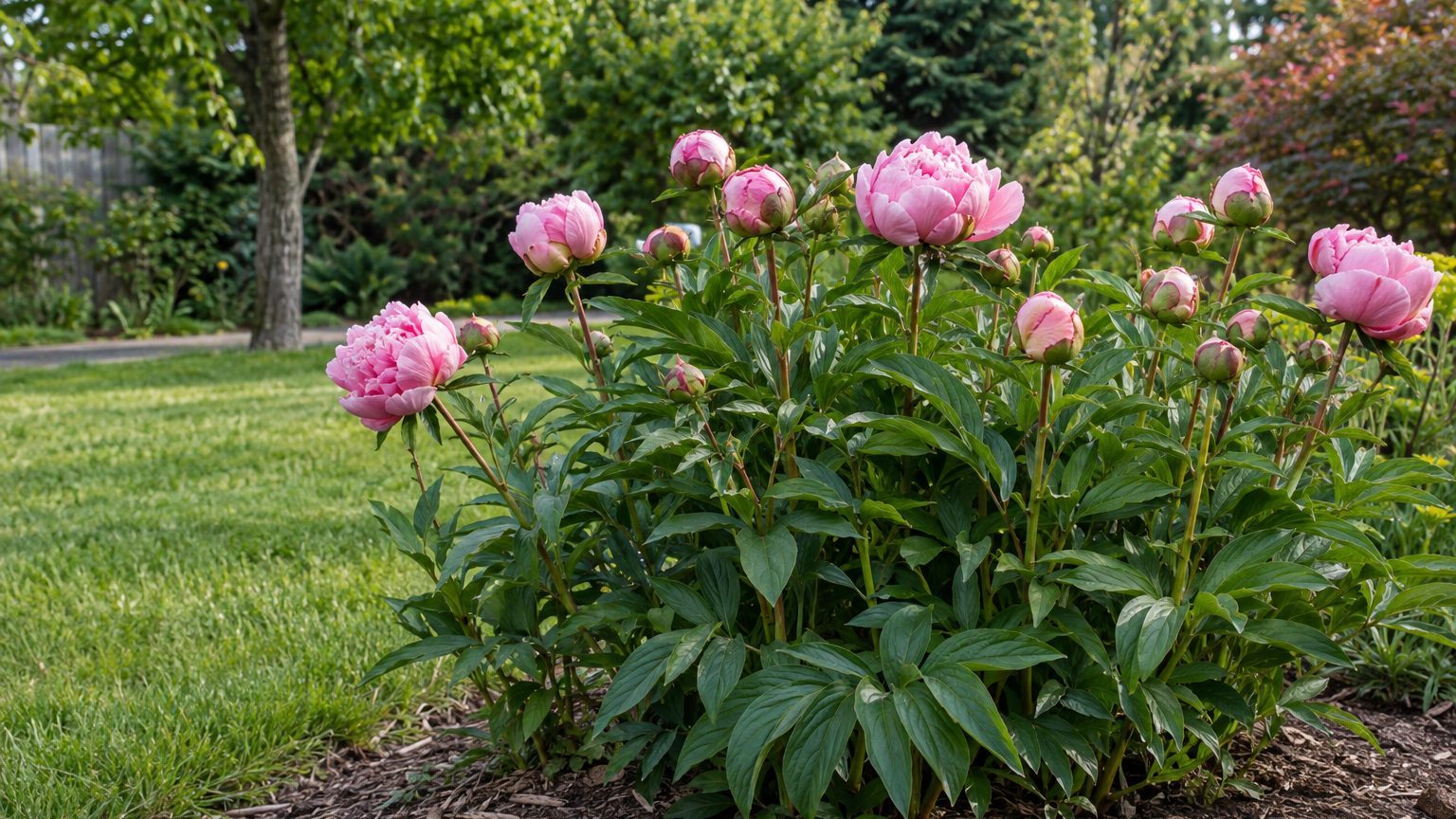
Peony buds swelling on the stem are a welcome sign that spring has settled in. In Tennessee, that moment arrives mainly in May, when the big, fragrant blooms open across front borders and old farmhouse yards. A few warm corners start earlier, and cooler ground runs a little behind.

When Do Peonies Bloom in Tennessee?

When Do Peonies Bloom in Tennessee?

May is the month to expect flowers in Tennessee. In parts of the state that warm up earlier than the rest, the show can begin in mid-April and carry through May, with flowers sometimes lingering into June depending on the spring.

Where your yard sits matters more than the calendar on the wall. Nashville, the reference point for Tennessee dates, sees its last spring frost between March 31 and April 12, and East Tennessee and the Cumberland Plateau stay cooler and run later.

Type of peony When it blooms in Tennessee What to know
Herbaceous peony, typical Tennessee yard May Dies back to the ground each fall and sends up new growth in spring
Herbaceous peony, warmest parts Mid-April through May Buds open early when spring warms quickly
Herbaceous peony, cooler East Tennessee and Cumberland Plateau Later in May, sometimes into June Spring arrives later here than in Nashville, and the flowers follow

Intersectional (Itoh) peonies are grown the same way as herbaceous ones and also die back each fall, so they follow the same seasonal rhythm. Tree peonies keep their woody stems through winter and are handled differently, which matters most at cleanup time.

How to Tell When Your Peonies Are About to Bloom

Calendars give a window, but the plant itself tells you when the flowers are close. These signs show up in order as spring unfolds.

  • Red, pointed shoots push out of the soil in early spring, which tells you the crown came through winter and the season’s growth has started.
  • Small round buds form at the tips of the stems, showing that the plant is preparing to flower.
  • The buds swell and turn from hard green knobs into plump globes, a sign that bloom is approaching.
  • As buds swell and show a hint of petal color, make sure supports are already in place before rain weighs the flowers down.
  • Healthy foliage with no buds at all often points to a plant set too deep, so check that the eyes sit near the soil surface and replant them shallower in autumn if they are buried.

Ants crawling over the buds are harmless, and they tend to show up just as the sugary buds start to open.

When to Cut Back Peonies in Tennessee

Herbaceous peonies are cut back in November and December, after the foliage has died back. A hard frost usually brings that on, and once the leaves are brown and floppy, the plant is finished for the year. Cut the stems to the ground.

If fall gets away from you, early spring works too, in March or April, after the foliage has died back. Either window gives the same result, so choose whichever fits your schedule.

Throw the cut foliage in the trash or the yard waste pile rather than a backyard compost heap. Leaf diseases can survive on old peony leaves, and clearing them out keeps spores from splashing back onto new growth. Tree peonies are the exception, since they keep their woody stems and are never cut back to the ground. Remove only dead or broken wood from them.

How Peony Bloom Time Shifts Across Tennessee

Tennessee stretches from the Mississippi River bottomlands to the Appalachian ridges, and bloom time slides with the climate along the way.

  • Nashville and Middle Tennessee: Bloom lands in May here. The last spring frost typically falls between March 31 and April 12, and that frost risk is why early shoots sometimes get nipped before the buds even form.
  • East Tennessee: Cooler spring weather holds the plants back, so flowers open later than in Nashville and May bloom can drift toward the end of the month or into June.
  • Cumberland Plateau: The higher, cooler ground runs later in spring than Nashville, and peonies bloom accordingly later.

In parts of the state that warm up earlier than the rest, flowers may open as early as mid-April after unusually warm weather.

Where to Get Peony Advice in Tennessee

Local growing conditions vary enough that a quick conversation with a nearby expert can save a season. University of Tennessee Extension runs research-based gardening help through county offices across the state.

  • The county extension office can tell you how your area’s spring runs and which peony types suit your soil, so call before you buy plants.
  • Local gardening volunteers can answer questions about buds that fail to open or foliage that looks off.
  • Ask about planting and dividing in September through October, then mark a weekend on your calendar to do it.

Common Questions

When Should You Plant or Divide Peonies in Tennessee?

September through October is the window. Planting then gives the roots time to settle in before winter, so the plant is ready to grow when spring arrives.

Will a New Peony Bloom the First Spring?

Often it will not. A newly planted or transplanted peony may skip flowers in its first spring while it builds roots, and the blooms usually come in following seasons.

Do Peonies Need Cold Winters to Bloom in Tennessee?

Yes. Peonies need a cold winter rest to flower, so they do best where winters are cold and may flower poorly where winters are mild. Under the USDA hardiness zone system, Tennessee runs from 5b to 8a, and peonies may flower less readily in the state’s mildest low spots.

When to Plant Peonies in Tennessee: Dates and Care

When to Plant Peonies in Tennessee: Dates and Care

A peony clump in Tennessee sends up red shoots in early spring, then fades to a mound of green that looks fine until frost browns it. The roots do their best work in autumn, which is why planting happens when the garden is winding down.

When to Plant Peonies in Tennessee

When to Plant Peonies in Tennessee: Dates and Care

Plant or divide peonies in September through October, while the soil is still warm and the roots have time to settle before winter. Here is how a peony’s year unfolds in a Tennessee yard.

  • In September and October, plant or divide the clumps, setting the eyes near the soil surface so they are not buried too deep.
  • Through winter, herbaceous peonies remain dormant until new growth emerges in spring.
  • In early spring, red shoots push up; at the Nashville reference point, the last spring frost falls between March 31 and April 12.
  • In May, the main bloom arrives, and in southern parts of the state it can start from mid-April.
  • From November through December, once the foliage has died back after the first fall frost, cut the stems down. The first fall frost typically lands between October 28 and November 8 in Nashville.

East Tennessee and the Cumberland Plateau run cooler and later in spring than Nashville, so shoots there wake up a little behind these dates. A newly planted peony may not bloom the first spring, so patience is normal.

Which Peonies Grow Best in Tennessee?

Peonies do well in Tennessee as long as winter delivers enough cold. They need a stretch of cold weather to set flowers, and most of the state provides it, though the mildest spots may see thinner bloom.

Herbaceous peonies and intersectional types are the easiest to grow, and they share the same routine: they die back to the ground each fall and return in spring.

Peony type How it does in Tennessee Why
Herbaceous Dependable across most of the state Dies back each fall and regrows in spring
Intersectional Easy to grow Same yearly cycle as herbaceous types

Tree peonies keep their woody stems through winter, so they follow a different pruning routine and are never cut back. Where winters are mild, any peony may flower poorly, so the cooler uplands suit them best.

When to Plant, Cut Back and Feed Peonies in Tennessee

Planting, bloom care and cutting back have clear windows; ask your county extension office about feeding for your soil. Following those windows helps keep the plant healthy over time.

Herbaceous peonies are cut back after frost has finished the foliage, while tree peonies keep their woody stems untouched.

Task Best timing in Tennessee Why then
Plant or divide September through October Roots settle in warm soil before winter
Bloom May, from mid-April in southern areas, sometimes into June Buds open once spring warmth arrives
Cut back herbaceous peonies November through December, or March through April Wait until the foliage has died back after frost

Early spring is the other window for cutting back, if you would rather leave the dead stems through winter. Either way, remove the old foliage before new red shoots get tangled in it.

How Peony Planting Dates Change Across Tennessee

Tennessee stretches from the Mississippi River to the Appalachians, and the season shifts with elevation and distance from the middle of the state.

  • East Tennessee: Cooler air means spring comes later, so shoots emerge and blooms open behind the Nashville pace.
  • The Cumberland Plateau: Higher ground stays cooler and runs later in spring, so plant on the early side of the autumn window and expect bloom to arrive later.
  • Nashville and the Middle Tennessee basin: This is the reference point for the frost dates above, with bloom centered on May.

Flowers can open from mid-April in southern parts of the state, while cooler ground holds off until May.

Where to Get Peony Advice in Tennessee

For a soil test, a diagnosis of a clump that will not bloom, or advice tailored to your county, local help is a short call away.

  • The University of Tennessee Extension offers guides on growing peonies and other perennials, useful any time of year.
  • Your county extension office can test your soil and look at problem plants, so contact them before planting day arrives.

Common Questions

Can You Move a Peony That Is Growing in the Wrong Spot?

Yes. Lift and replant it in September through October, the same window used for dividing. Keep the eyes near the soil surface in the new spot, and expect it to skip bloom the first spring.

Why Is My Peony Leafy but Not Flowering?

Check how deep the eyes sit and how the winter went. A peony planted too deep may bloom poorly or not come up, and a mild winter can also leave it short of the cold rest it needs to flower.

Do Peonies Come Back Every Year in Tennessee?

They do. Herbaceous peonies die back to the ground each fall and send up new growth in spring, while tree peonies keep their woody stems through the cold months.

Best Lilacs for Tennessee

Best Lilacs for Tennessee

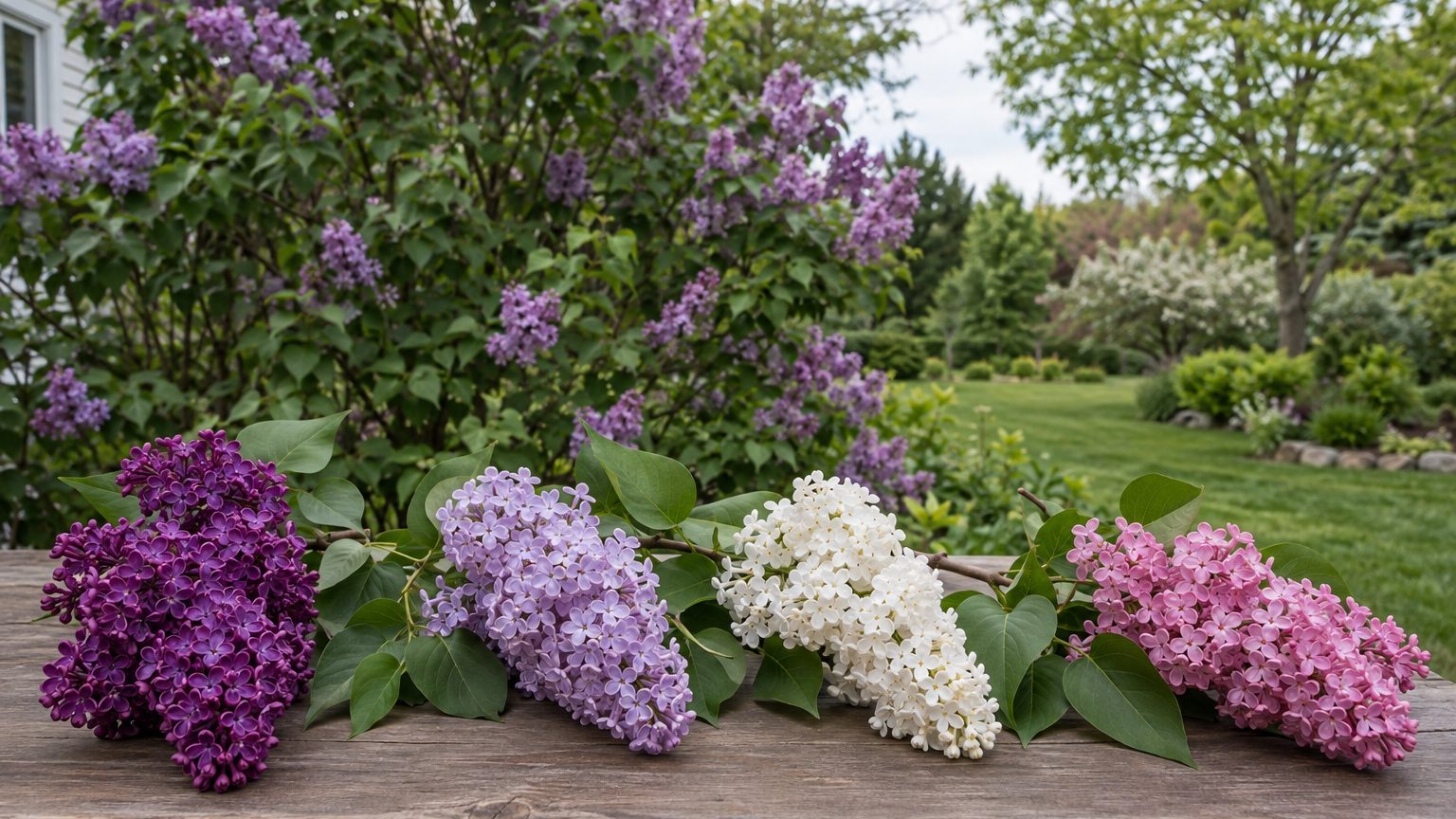
A lilac in full flower in April or May fills a whole yard with fragrance, and plenty of Tennessee homeowners want one by the front walk. The trouble is summer heat, which most lilacs were never bred for. A few types cope with it, and picking among them decides whether you get a fragrant shrub or one coated in mildew.

Best Lilacs to Grow in Tennessee

Best Lilacs for Tennessee

Lilacs need a cold winter rest to mature their flower buds, and they struggle in hot, humid summers, so Tennessee sits at the edge of what the plant likes. Across USDA hardiness zones 5b to 8a, the cooler mountain and plateau yards suit common lilac. Heat-tolerant types such as Miss Kim and the Korean early lilac suit the warmer parts of the state.

Common Lilac

Common Lilac — Best Lilacs for Tennessee

The old-fashioned lilac (Syringa vulgaris) forms its flower buds only after a period of winter chill. In the heat of the warmer parts of the South it often picks up powdery mildew and borers. Some varieties do pretty well in the mountains, so keep common lilac for cooler East Tennessee yards.

Miss Kim Lilac

Miss Kim Lilac — Best Lilacs for Tennessee

Miss Kim is a cultivar of Syringa patula, and it has been publicized as a lilac that can take hot Southern conditions. That makes it a sensible first pick if your summers are long and sticky. Plant it in sun with room around it so air moves through the leaves.

Korean Early Lilac

Syringa oblata var. dilatata, a variety of the Korean early lilac, is named as a candidate for the South. Treat it as worth trying rather than guaranteed. It makes a good companion to Miss Kim if you want to see which one settles in better on your lot.

Bloomerang Lilacs

The Bloomerang group is made up of cultivars noted for blooming in spring, then again in summer and fall. That second round gives you flowers after the main show is over. Like other lilacs, they still want sun and a site where heat does not pile up.

Hyacinthiflora Lilacs

These vigorous hybrids look like French hybrids but bloom earlier. Early flowering has a cost. At Nashville the last spring freeze falls between March 31 and April 12, so an early bloomer can open while a freeze is still possible. Plant them only where late frosts are less frequent.

How to Choose a Lilac for a Tennessee Garden

Start with where your yard sits and how your summers feel. A cool hillside and a baking, humid lowland call for different lilacs, and the plant that thrives in one will sulk in the other.

Then think about bloom time. Lilacs flower from April through June depending on the species, so you can stretch the season by mixing a few.

Your situation What suits it in Tennessee Why
Cool mountain or plateau yard Common lilac Its flower buds need winter chill, and some varieties do pretty well in the mountains
Hot, humid summers Miss Kim Publicized as a lilac that can take hot Southern conditions
Hot summers, and you like to experiment Korean early lilac Named as a candidate for the South
Frost still common when buds open Skip Hyacinthiflora types They bloom earlier, so frost can catch the flowers
You want flowers beyond spring Bloomerang group Blooms in spring, then again in summer and fall
You want a long bloom season A mix of species Each has its own flowering time between April and June

Plain common lilac in a hot lowland is the combination that tends to disappoint, since heat brings mildew and borers to it. If you only have room for one shrub, match it to the row that sounds most like your yard.

Which Lilacs Suit Different Parts of Tennessee

Tennessee runs from mountain ridges to river lowlands, and the lilac that suits one end may not suit the other. Spring also arrives on a different schedule depending on where you live.

  • East Tennessee mountains: Cooler air makes this favorable ground for common lilac, which wants real winter chill. Spring runs later here than in Nashville, so early bloomers are still vulnerable to frost.
  • Cumberland Plateau: Spring also runs later on the plateau, and the cooler setting favors common lilac over heat-tolerant types. Hold off on Hyacinthiflora lilacs where frost lingers.
  • Nashville and Middle Tennessee: Summers turn hot and humid, so lean toward Miss Kim or the Korean early lilac. Common lilac can be tried, but expect mildew and borers to test it.
  • Memphis and West Tennessee: This part of the state is warmer than the east, so lilacs here have more heat to endure. Heat-tolerant selections are the sensible choice here.

Wherever you live, a spot that catches morning sun and keeps air moving helps any lilac cope with humidity.

Lilac Buying Mistakes to Avoid in Tennessee

Buying a Lilac That Wants Too Much Chill

A common lilac planted in a hot lowland yard may survive but flower poorly, since its buds depend on a cold winter rest. The cost is years of care for a shrub that mostly sulks and gets mildew and borers. Choose Miss Kim or the Korean early lilac for warmer ground and keep common lilac for the mountains.

Planting Early Bloomers in Frost Pockets

Hyacinthiflora lilacs open ahead of French hybrids, which can put open flowers in front of a late freeze. The cost is a spring with brown, ruined blooms. If your low spot holds cold air, pick a later bloomer or put the shrub on higher, better-drained ground.

Ignoring Mature Size

A lilac in a nursery pot looks small and polite, but it grows into a large shrub with many stems. Read the tag for mature height and width, and plant it far enough from walks and windows that it never needs heavy cutting.

That matters because lilacs bloom on last year’s wood and set next year’s flower buds in summer, soon after they flower. For lilacs that bloom once, prune in May or June, right after the flowers fade. Pruning in late summer, fall or winter cuts off the next spring’s flowers. An overgrown lilac can be cut back hard in March or April, but it will not flower for a few years afterward.

Where to Get Lilac Advice in Tennessee

Statewide lilac and shrub guidance is available, and each county has an office that knows local conditions. Local guidance can help confirm which lilac fits your elevation and soil.

  • Browse the University of Tennessee Extension site for shrub and landscape publications before you shop for a plant.
  • Call your county extension office in late winter to ask which lilacs local gardeners are growing successfully.
  • Bring photos of leaves with mildew or of stems with borer damage, and ask what is behind them before you replace the shrub.

Common Questions

When Do Lilacs Bloom in Tennessee?

Most lilacs flower in April and May, and some species carry on into June. Hyacinthiflora types open early, so if you want fragrance for as long as possible, mix early and later bloomers.

Can You Mix Different Lilacs for a Longer Bloom?

Yes. Each lilac has its own flowering time between April and June, so planting several species spreads the show over a longer stretch. Adding a Bloomerang gives you flowers again later in the year.

What Are the Botanical Names of the Heat-Tolerant Lilacs?

Miss Kim is a cultivar of Syringa patula. The Korean early lilac variety is Syringa oblata var. dilatata. Showing the botanical name to a nursery helps you avoid being handed a common lilac when you wanted one of these.

When to Prune Lilacs in Tennessee

When to Prune Lilacs in Tennessee

A lilac that skipped its flowers may have met the pruning shears the summer or winter before. In Tennessee, the shrub’s next blooms are already tucked into the stems soon after this year’s panicles fade, so the timing of the cut decides what you see in April.

When to Prune Lilacs in Tennessee

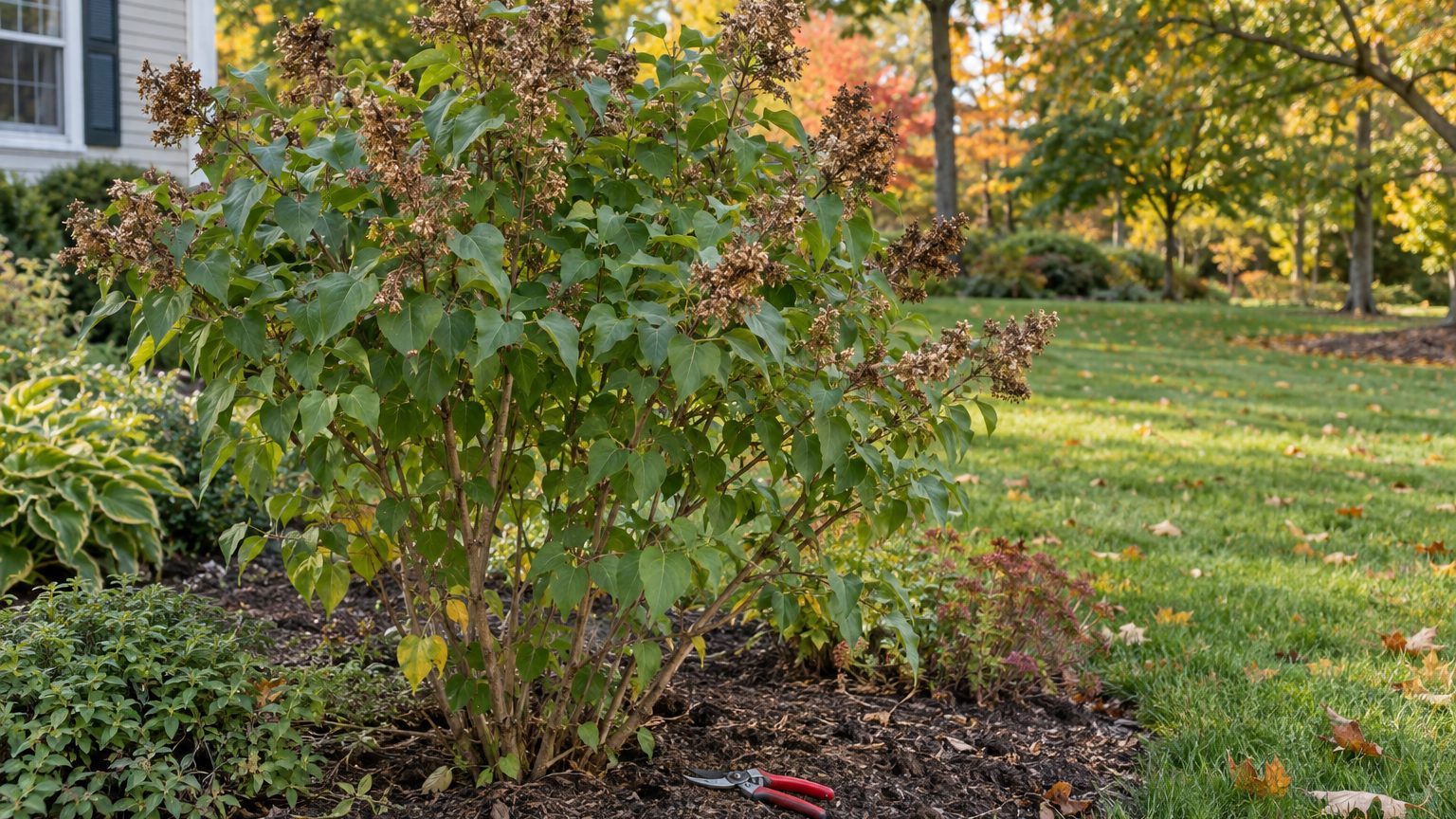
Lilac stems after flowering

Prune lilacs in Tennessee right after the flowers fade, which means May into June. Lilacs open in April and May (some species run into June), and the cut follows close behind, before the shrub sets the buds for next spring.

Type of pruning When in Tennessee Why
Routine upkeep after bloom May to June, right after the flowers fade Next year’s buds form on this summer’s growth, so later cuts remove them
Hard renovation of an overgrown lilac March to April, while the shrub is dormant Opens up a crowded plant, at the price of the next flowers

Gradual thinning is the gentler route for an old lilac: take out some of the oldest, thickest stems and let the younger ones carry the bloom. The drastic cut works, but expect no flowers for a few years afterward. Treat rebloomers like other lilacs and prune them once the main flush has finished.

How to Tell When Your Lilacs Are Ready to Prune

Lilacs give clear signals, and they matter more than any date on the wall, since a cool spring and a warm one will shift the bloom.

  • The flower clusters turn brown and dry, which tells you the show is over and the pruners can come out.
  • Petals are dropping and the panicles look tired, so snip them off now rather than waiting for seed to form.
  • New leafy shoots are pushing out below the old flowers, a sign the shrub is already building next year’s wood.
  • The calendar still reads May or June, which keeps the work inside the window before mid-summer.
  • Crowded stems are rubbing in the center of the shrub, which marks where a thinning cut will open up light and airflow.

If the flowers have long since faded and summer is well along, leave the shrub alone until next year.

Should You Prune Lilacs in Fall or Winter in Tennessee?

No, not for routine pruning. A lilac blooms on last year’s wood and sets its flower buds in summer, soon after it flowers. Cutting in late summer, fall or winter removes the buds that would have opened the next spring, leaving you with a tidy shrub and no flowers.

Late winter is reserved for hard renovation. An overgrown lilac can be cut back hard in March or April while it is still dormant. That reshapes a leggy, crowded plant, but it costs the next flowers, and rejuvenated shrubs will not bloom the first year after such a cut.

Lilacs also need a cold winter rest to mature their buds, and they struggle in hot, humid summers. That is a reason to keep pruning gentle and the plant healthy, since a stressed shrub in a Tennessee summer has little to spare.

How Lilac Pruning Time Shifts Across Tennessee

Tennessee covers a lot of ground, and spring arrives at different speeds, so flowers fade earlier in some yards than others.

  • Nashville and Middle Tennessee: bloom and the post-flower cut fall within the April to June pattern.
  • East Tennessee: spring runs later and cooler than in Nashville, so lilacs here flower a little later and the pruning follows behind them.
  • The Cumberland Plateau: higher and cooler as well, so watch the flowers rather than the date and prune once they have browned.

Across the state, USDA hardiness zones run from 5b to 8a, so the colder uplands suit lilacs more comfortably than the warm south of the state.

Where to Get Lilac Advice in Tennessee

For questions about a lilac that will not bloom or an old shrub that needs renewing, University of Tennessee Extension is the place to start, along with the office in your county.

  • The extension website carries plant care guidance written for Tennessee conditions, useful any time you are planning a cut.
  • Contact your county extension office about a struggling shrub, and have a photo or cutting ready in case it helps with diagnosis.

Common Questions

Can You Cut Lilacs Back to the Ground in Tennessee?

Yes, an overgrown lilac can be cut hard in March or April. Plan on skipping flowers for a few years while it regrows.

Do Lilacs Grow Well in Tennessee Heat?

They manage best where winters are cold and summers are milder. In the hotter, more humid parts of the state, a lilac may bloom less, so cooler spots in the yard suit it better.

Should You Deadhead Lilacs?

Snipping off the spent flower clusters once they brown tidies the shrub and keeps the cut inside the post-bloom window of May to June.

When Do Lilacs Bloom in Tennessee? Dates and Care

When Do Lilacs Bloom in Tennessee? Dates and Care

Lilac scent drifting across a Tennessee yard in spring is one of the season’s small rewards, and the shrubs do grow here. Lilacs in Tennessee bloom in spring, some kinds cope better with the state’s summers, and well-timed yard care helps the flowers return.

When Do Lilacs Bloom in Tennessee?

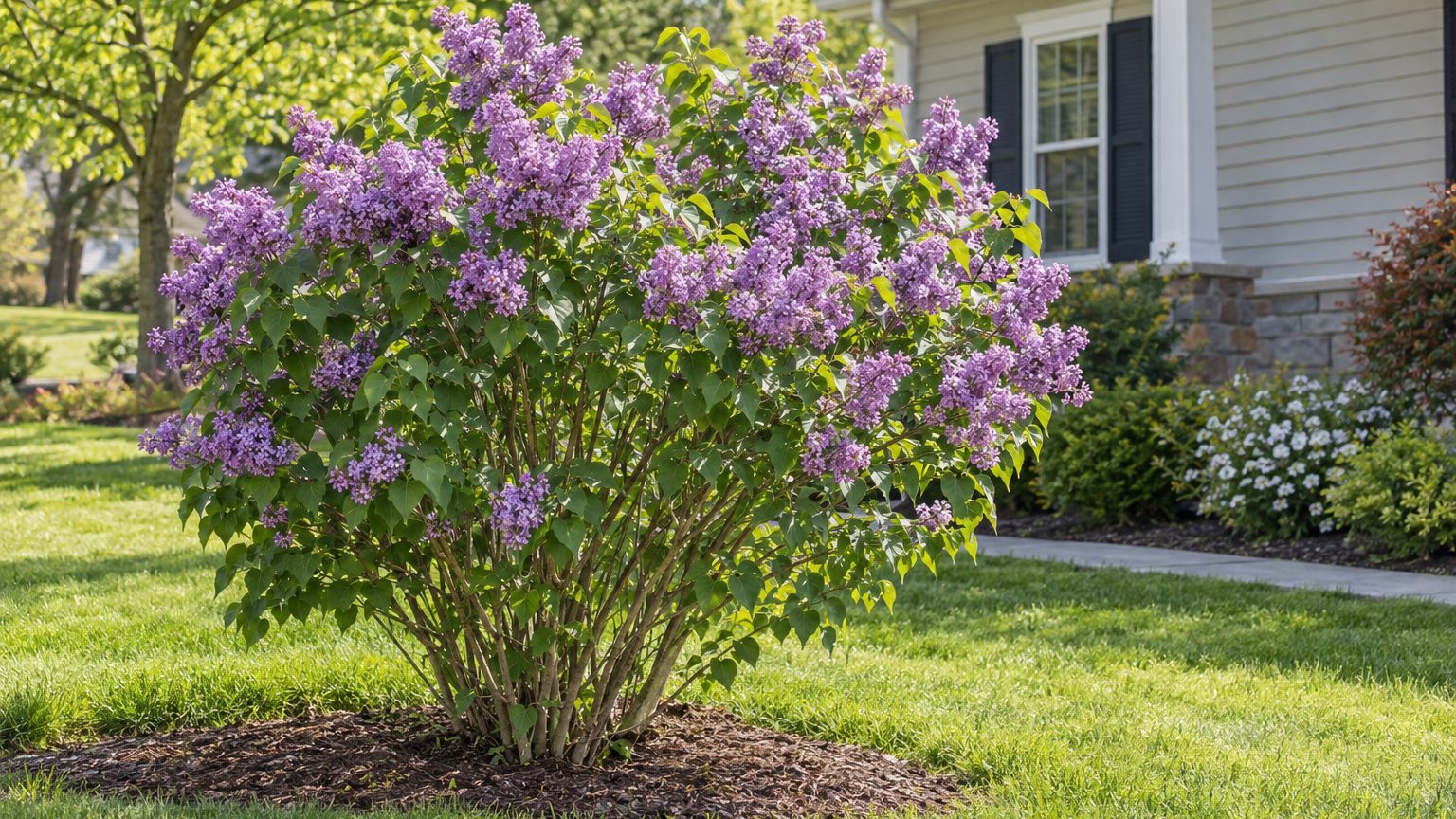
A lilac bush in bloom in a home garden

Lilacs in Tennessee bloom in April and May, and some species carry flowers into June, so the display unfolds across spring.

  • In April and May, the common lilacs open, and some species keep going into June if you plant a mix.
  • Right after the flowers fade, in May or June, is the time to prune, because the shrub starts building next year’s buds soon after it blooms.
  • Through summer, the new flower buds form on the fresh growth, so leave the shears alone once the pruning window closes.
  • In fall and winter, the shrub rests and the buds mature in the cold, which is why pruning then would cut off spring flowers.
  • In March or April, an overgrown lilac can be cut back hard while it is still dormant, at the price of the next flowers.

Frost shapes the edges of the season. The last spring freeze at the Nashville reference point falls between March 31 and April 12, and the first fall freeze arrives between October 28 and November 8. The USDA hardiness zone range for the state is 5b to 8a, so a yard in the cooler east may differ from one in Middle Tennessee.

Which Lilacs Grow Best in Tennessee?

Lilacs can work in Tennessee, but they lean toward colder climates. They need a cold winter rest to mature their flower buds, and they struggle in hot, humid summers, which Tennessee has plenty of.

Cooler parts of the state generally offer more winter chill, but poor flowering can also have other causes.

Lilac type How it does in Tennessee Why
Common lilac (Syringa vulgaris) Blooms best where winters are cold enough Its flower buds need a period of winter chill to develop and bloom fully
A mix of species with different bloom times Stretches the show from April into June Each species has its own flowering time
Any lilac in a hot, humid spot Struggles Summer heat and humidity work against flower bud development

Warmer winters make the common lilac a less certain bet over time, so plant it where it gets sun and air movement, and expect better flowering the colder your winters run.

When to Plant, Prune and Feed Lilacs in Tennessee

Pruning is the job where timing matters most. A lilac blooms on last year’s wood and sets next year’s flower buds in summer, soon after it flowers, so shears belong in the shrub only right after the blooms fade.

Task Best timing in Tennessee Why then
Enjoy the bloom April and May, with some species into June Different species open at different times
Routine pruning May and June, right after the flowers fade Buds for next spring form soon after flowering
Hard renovation cut March and April, while the shrub is dormant Old, overgrown stems can be renewed, but flowering stops for a few years

Pruning in late summer, fall or winter removes the coming spring’s flowers. Planting and feeding have no month in this calendar, so choose a sunny spot with good drainage and let a local soil test guide any fertilizer. The full pruning routine has its own page for Tennessee.

How Lilac Bloom Time Changes Across Tennessee

Tennessee stretches a long way from the Mississippi River to the Appalachians, and spring arrives on a different schedule along the way.

  • East Tennessee: Cooler here, so spring runs later than in Nashville and lilacs tend to open a little behind Middle Tennessee yards.
  • Cumberland Plateau: The higher ground is also cooler and later in spring, and the colder winters suit lilacs well.
  • Nashville and Middle Tennessee: Spring comes earlier, so blooms arrive sooner, though the warmer winters give lilac buds less chill.

Watching your own shrub from spring to spring tells you more than any general date, and the cooler the spot, the later the flowers open.

Where to Get Lilac Advice in Tennessee

When a lilac refuses to flower or the leaves look wrong, local help can sort out the cause. University of Tennessee Extension offers plant advice through its county offices.

  • Your county extension office can look at a leaf or branch sample and help with a diagnosis, so bring a cutting with healthy and affected tissue side by side.
  • A soil test through the county office is worth doing before you plant or feed, ideally in a season when the ground is workable.

Common Questions

Why Is My Lilac Not Blooming in Tennessee?

Look at when it was last pruned and how warm the winter was. Pruning in late summer, fall, or winter removes the buds, and mild winters give them too little chill. Check the amount of sun as well, since lilacs flower best in full sun.

Can You Grow Lilacs in Hot, Humid Parts of Tennessee?

They can survive, but they struggle with hot, humid summers and flower less reliably than in cold-winter climates. A sunny spot with open airflow can help.

Should You Cut Back an Overgrown Lilac in Tennessee?

You can, in March or April while it is dormant. Expect no flowers for a few years afterward. If you want to keep some blooms, thin the oldest stems gradually and prune right after flowering instead.

Best Roses for Tennessee

Best Roses for Tennessee

A rose that does well in Tennessee resists summer leaf disease and handles cold weather. Rugosa roses, Explorer roses and old garden roses fit that description. Hybrid teas can still earn a spot, though they ask for more attention through winter.

Best Roses to Grow in Tennessee

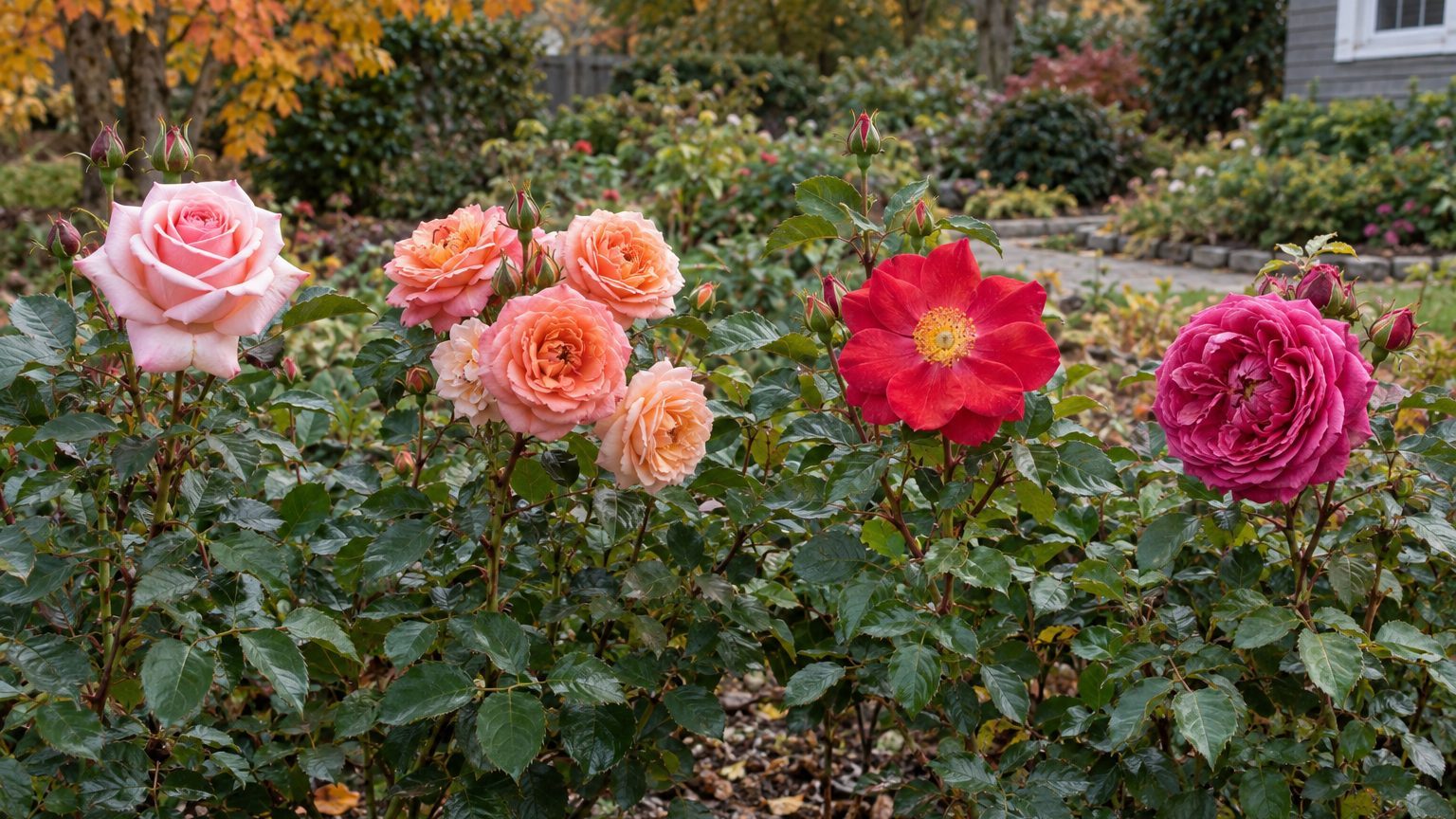
Healthy roses in bloom

Tennessee runs from zone 5b to zone 8a in the USDA hardiness system, so cold tolerance matters more in the east and on the plateau than in the middle of the state. Tough, disease-resistant shrub roses suit the humid summers. Tender types do well only with care.

Rugosa Roses

Rugosa is a hardy, multi-stemmed, disease-resistant shrub that also tolerates drought, which helps through a dry spell in July. It likes full sun and moist, well-drained soil, and it copes with poor soil. Many cultivars have single, semi-double or double flowers with fewer prickles than the species.

Explorer Roses

The Explorer group was bred to be hardy, disease-resistant and repeat blooming, which suits a humid summer and a cold snap. Most are shrubs. ‘Louis Jolliet’ is a climber, and ‘Charles Albanel’ works as a groundcover. Plant bare-root ones in March or April, or in February if the ground allows. Potted plants can go in later.

Old Garden Roses

Many old garden roses tolerate cold well, so they need little fuss in the colder parts of the state. Once-blooming old garden roses flower on last year’s wood, so prune them right after they bloom, never in early spring. They also do not need hard pruning, which can spoil their graceful shape and cut the flowering.

Hybrid Teas

Hybrid teas are grown for large, fragrant, solitary blooms, and they repeat bloom. They can suffer considerable damage in cold winters, so plant them in a spot that is more sheltered and warmer than the rest of your garden. Prune them in March, when the forsythia blooms and the buds swell. February and April also work if the season runs early or late.

Floribundas and Miniatures

Floribundas bear clusters of small flowers, and miniature roses carry small flowers on dwarf plants. Floribundas repeat bloom and take the same spring pruning as hybrid teas. Feed them from April through August, once the first leaves open. March feeding is fine if the plants leaf out early.

Ramblers and Climbers

Ramblers and many once-blooming climbers flower on old wood, while repeat-blooming climbers flower on new wood. Check which one you are buying before you prune. A once-blooming rambler needs cutting after its flowers fade, and a repeat-blooming climber follows the spring schedule.

How to Choose a Rose for a Tennessee Garden

Start with what bothers you most: winter, summer or the time you have. A rose that fits the problem will outperform a showier one that fights it.

If problems overlap in your garden, start with the problem that has caused the greatest losses.

Your situation What suits it in Tennessee Why
Very cold winter Old garden roses, Explorer roses Old garden roses tolerate cold well, and Explorer roses were bred to be hardy.
Humid summer Rugosa roses, Explorer roses These groups are disease-resistant.
Heat and drought Rugosa roses The shrub tolerates drought and poor soil in full sun.
Little time Old garden roses, rugosa roses Old roses skip hard pruning, and rugosas resist disease.
Small space Miniature roses They carry small flowers on dwarf plants.

Explorer roses stretch across jobs, since depending on the cultivar they work as a ground cover, on a trellis, as a hedge or as a specimen.

Which Roses Suit Different Parts of Tennessee

Spring runs cooler and later in the east and on the plateau than around Nashville, which changes how much risk you can take.

  • Cumberland Plateau and East Tennessee: lean on old garden roses, Explorer roses and rugosas, which tolerate cold better. Wait for the buds to swell before pruning repeat bloomers, which may land in April instead of March.
  • Nashville and Middle Tennessee: spring arrives sooner, but check local conditions before choosing a tender rose. Prune in March when the forsythia blooms, and plant bare-root roses in March.

Wherever you garden, the buds are a better guide than the calendar page.

Rose Buying Mistakes to Avoid in Tennessee

Choosing a Tender Type for a Cold Site

Hybrid teas can suffer considerable damage in cold winters, and the loss shows up as dead canes in spring. In the colder parts of the state, shift to Explorer roses or old garden roses and keep hybrid teas for sheltered corners.

Ignoring Disease in Humid Summers

A rose that needs frequent attention in wet weather turns into a chore by midsummer. Disease-resistant types like rugosas and Explorer roses save that work. Check the plant tag for resistance before you buy.

Pruning Old Roses Like Hybrid Teas

A heavy spring cut on an old garden rose can ruin its graceful shape and cut the flowering. Treat it gently and trim after bloom; hybrid teas and floribundas take their annual pruning in spring.

Where to Get Rose Advice in Tennessee

Local, tested guidance is available, and your county extension office can help with conditions in your garden.

  • Check the University of Tennessee Extension pages for rose care and disease notes before you shop.
  • Call your county extension office in late winter, ahead of planting, to ask which roses do well locally.

Common Questions

Can Potted Roses Be Planted Later than Bare-Root Roses?

Yes. Bare-root roses go in during March or April, while potted roses can go in later in the season.

When Should You Feed Roses in Tennessee?

Feed from April through August, starting when the first leaves open. March works when the plants leaf out early.

Can Roses Work as a Hedge or Ground Cover?

Some can. Depending on the cultivar, Explorer roses serve as a ground cover, hedge, trellis plant or specimen.

When to Prune Roses in Tennessee

When to Prune Roses in Tennessee

Cut a rose cane in spring and you can tell right away whether the rose is awake: green, plump buds along the stem mean it is time. Tennessee gardeners get that moment in late winter or early spring, and the exact day depends on the rose and on where in the state the garden sits.

When to Prune Roses in Tennessee

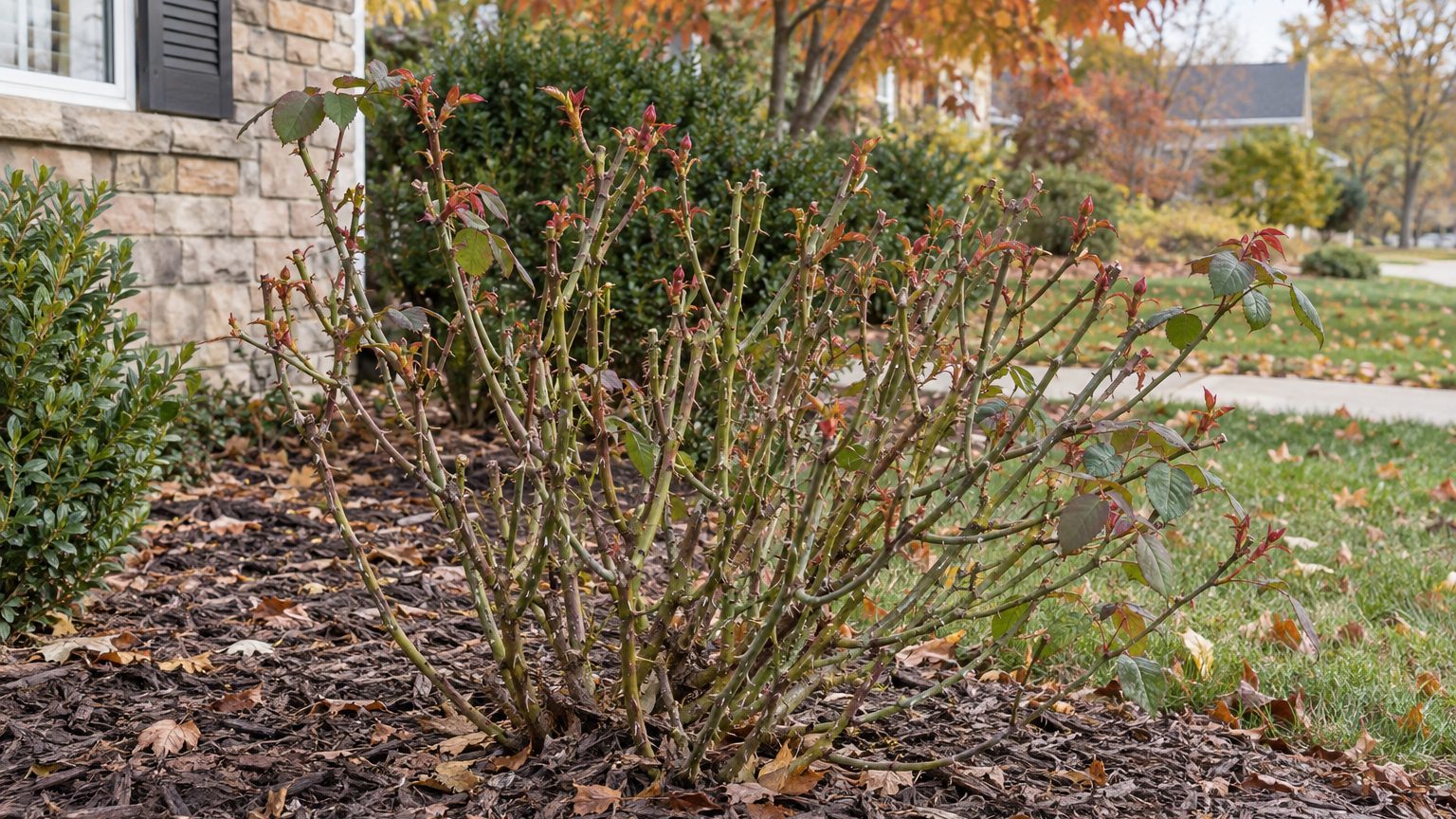
Rose canes at pruning time

Prune repeat-blooming roses in March, which is the main window across Tennessee. February and April also work when the weather runs early or late, so the buds matter more than the page of the calendar.

Once-blooming roses follow a different rule. They flower on last year’s wood, so a spring cut removes the buds that would have made this year’s show.

Type of rose When to prune in Tennessee Why
Hybrid teas, floribundas and modern shrub roses March, or February to April if the season runs early or late They bloom on new growth, so a hard annual cut in spring just as the buds wake up leads to strong new canes
Old garden roses and once-blooming climbers Right after the bloom finishes, never in spring They flower on last year’s wood, and old roses lose their shape and flowers under hard pruning
Repeat-blooming climbers Spring, in the same months as other repeat bloomers They flower on current-season growth, so cut them once winter protection is gone

Ramblers behave like other once-bloomers, so wait until their flush fades before pruning. Hardy cultivars bred for colder zones need little extra winter protection in a Tennessee garden, while hybrid teas can take more damage from a cold snap and need extra attention before the first cut.

How to Tell When Your Roses Are Ready to Prune

Roses wake up on their own schedule, and a few signs in the garden tell you more than a date. Look for these before you pick up the pruners:

  • Buds along the canes start to swell and show a little color, which means the plant has broken dormancy and you can see exactly where to cut.
  • Forsythia comes into bloom nearby, a familiar signal among rose growers that the pruning season has opened.
  • The hardest freezes have passed, so new growth that follows your cuts will not be burned right away.
  • Any winter mound or protective cover has been pulled away from the base, since repeat bloomers are pruned after that protection comes off.
  • Canes show green under the bark when you scratch a small spot, and that tells you which wood is alive and which has died back.

If the buds have not moved, wait a little longer. A rose pruned too early only has to be pruned again after a late cold spell.

Should You Prune Roses in Fall or Winter in Tennessee?

Routine pruning belongs in the recommended swelling-bud window. For repeat-blooming roses, leave the canes alone outside that window.

A severe cut before the plant has settled for winter can push tender growth that the cold then damages, and it takes away wood you may need to judge winter injury later.

Once-blooming roses are the exception to the spring rule, but not to this one.

How Rose Pruning Dates Shift Across Tennessee

The March window fits the middle of the state best, and the dates slide a little as the land rises or the climate changes. Cooler places run later into spring, and the warmer ones start sooner.

  • Nashville and Middle Tennessee: March is the working month, and forsythia in bloom is a dependable cue.
  • East Tennessee: Spring arrives later here than in Nashville, so expect to wait toward the later part of the window, even into April.
  • Cumberland Plateau: Higher and cooler, the plateau also runs later, and gardeners should let the swelling buds set the day rather than the first warm spell.

Across the state the USDA hardiness zone runs from 5b to 8a, so cold damage on canes varies from one garden to the next.

Where to Get Rose Advice in Tennessee

Local help is useful for variety questions and for judging winter damage. University of Tennessee Extension runs the state program, and each county has an office.

  • The extension website carries rose care guidance written for Tennessee gardens, handy to read in late winter before the buds move.
  • Your county extension office can look at a damaged cane or a photo, so call in early spring when you are unsure what is dead and what is alive.

Common Questions

Can You Prune Roses in Winter in Tennessee?

Only when the recommended window begins in February. Otherwise, wait for swelling buds in spring before trimming or shaping the rose.

What Happens If You Prune a Once-Blooming Rose in Spring?

You cut off the wood that carries this year’s flowers, so the rose may bloom very little or not at all.

Do Old Garden Roses Need Hard Pruning?

No. Extension guidance notes that hard pruning can ruin their graceful shape and sharply reduce flowering, and a light touch after bloom suits them well in Tennessee.

When to Plant Roses in Tennessee: Dates and Varieties

When to Plant Roses in Tennessee: Dates and Varieties

A bare-root rose arrives in late winter looking like a bundle of sticks, and that is exactly when Tennessee wants it in the ground. Roses in Tennessee do best when they go in while the plant is still dormant and the soil is cool, March and April being the usual months.

When to Plant Roses in Tennessee

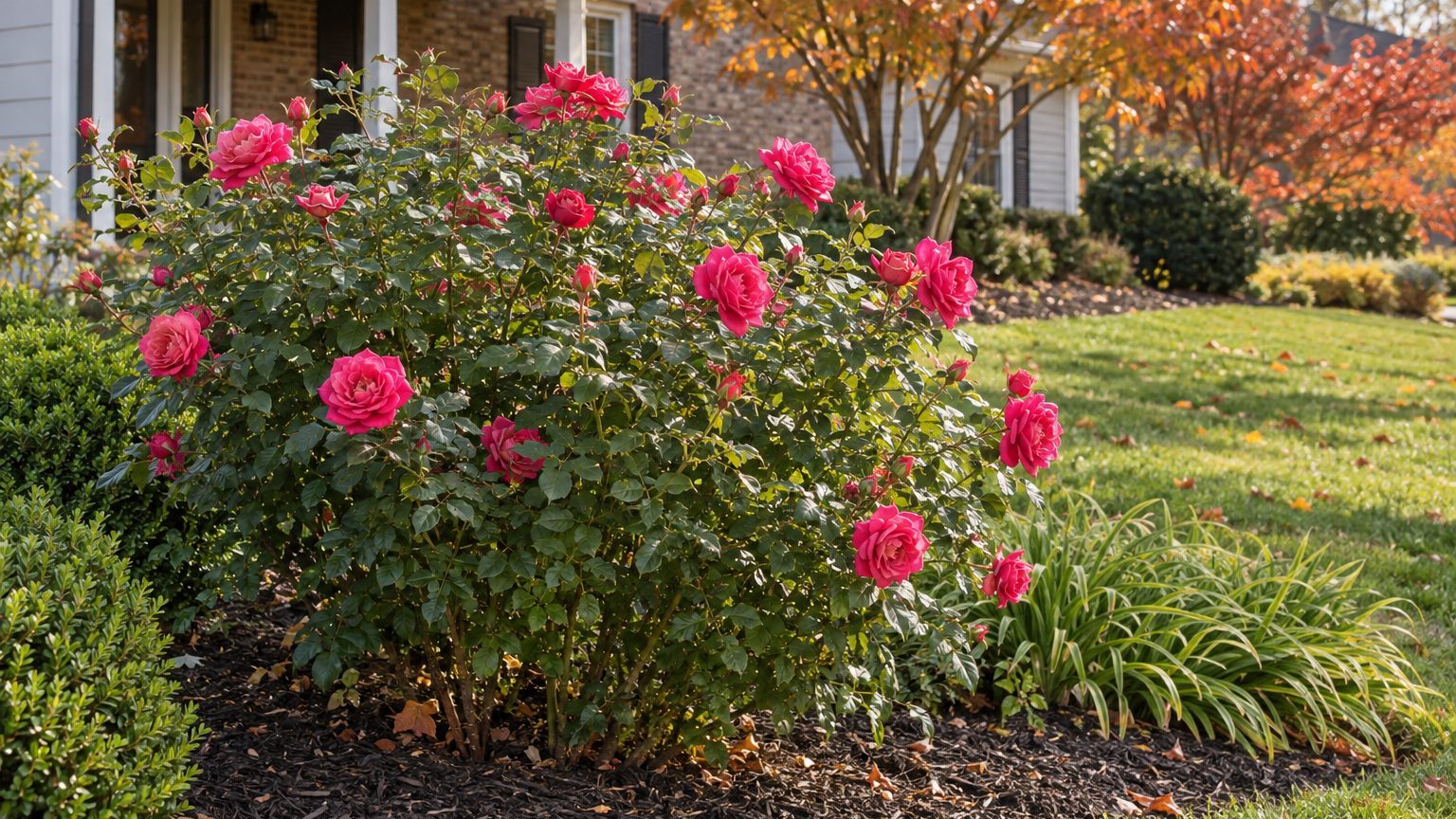
A rose bush in bloom in a home garden

Bare-root roses go in first, in March and April, and they can also go in during February when the ground is workable. Potted roses are more flexible and can follow later in the season. Frost sets the boundaries, and in Nashville the last spring frost falls between March 31 and April 12.

  • In late winter, bare-root roses can go in during February if the soil is not frozen or soggy, which gives the roots a head start before growth begins.
  • In March and April, bare-root roses can go into the ground while the canes are still dormant and the soil is cool and damp.
  • Once the soil warms in spring, potted roses can follow, since a rose already in leaf is the one that suffers if a late freeze arrives.
  • Through summer, new plantings need regular watering, and feeding continues from April through August.
  • In late fall, the first frost arrives between October 28 and November 8 in Nashville, which ends the growing season and sends established roses into dormancy.

Tennessee spans USDA hardiness zones 5b to 8a, so other parts of the state differ from Nashville. East Tennessee and the Cumberland Plateau are cooler and run later in spring, and gardeners there should lean toward the later end of each window.

Which Roses Grow Best in Tennessee?

Roses that shrug off cold winters and tolerate humid summer air tend to be the dependable ones here. Tennessee winters range from mild to properly cold depending on where you live, so hardiness matters more than it might in a uniformly warm state.

Extension guidance notes that a rose bred for a colder zone needs little to no added protection in a Tennessee garden. This principle is useful across Tennessee’s varied winter conditions.

Rose type How it does in Tennessee Why
Old garden roses Reliable through cold snaps Many are extremely tolerant of cold, and they do not need hard pruning
Hybrid teas Bloom repeatedly but need more care They can suffer considerable cold damage and want a heavy spring pruning
Floribundas Repeat bloomers that suit spring pruning They flower on new growth, so March pruning fits them
Modern shrub roses Repeat bloomers with simpler care They flower on new wood and respond well to a spring cut

Climbers and ramblers vary, since many bloom only once a year on last year’s wood. Those are pruned right after they flower, never in early spring.

When to Prune, Feed and Protect Roses in Tennessee

Pruning and feeding follow the rose’s own growth. Buds swelling and forsythia in bloom are good signals that pruning season has started, and feeding begins once the first leaves open.

Feeding then continues through the growing season, and it stops by late summer so that soft new growth is not hurried into winter.

Task When to do it in Tennessee Why then
Pruning repeat-blooming roses March, or February to April if the season runs early or late Buds are swelling and forsythia is in bloom
Planting bare-root roses March and April, or February Plants are dormant and the soil is cool
Feeding April through August, or March if leaves are out Feeding starts at first leaves and ends in time for growth to harden before winter

Pruning details are covered on the page about when to prune roses in Tennessee. Winter protection matters most for tender types like hybrid teas, while cold-hardy roses need little added cover.

How Rose Care Dates Change Across Tennessee

Tennessee stretches from the Mississippi River to the Appalachians, and the season shifts with elevation and latitude of the region you garden in.

  • Nashville and Middle Tennessee: Spring frost usually ends between March 31 and April 12, so March planting and pruning fit comfortably here.
  • East Tennessee: Cooler conditions push spring later, so planting and pruning belong toward the end of the usual windows.
  • The Cumberland Plateau: Higher ground runs cooler than the valleys, which delays growth and keeps late freezes in play longer.

Wherever you garden, watch the plant itself: swelling buds mean it is time to prune, and the forsythia in your neighborhood is a good timer.

Where to Get Rose Advice in Tennessee

University of Tennessee Extension runs a local office in the county, and it is the place to bring a puzzling rose or a soil question.

  • The county extension office can test your soil, which is worth doing before you plant a bare-root rose in late winter.
  • Staff and master gardeners can help diagnose leaf problems if you bring a sample during the growing season.

Common Questions

Can You Plant a Rose in Summer in Tennessee?

A potted rose can go in during the growing season, though bare-root planting belongs to the dormant months. A summer planting needs regular watering to get established.

Do Roses Need Winter Protection in Tennessee?

It depends on the type. Hardy old garden roses cope well, while hybrid teas are more likely to be damaged by cold and benefit from protection.

When Should You Stop Feeding Roses in Tennessee?

Feeding runs from spring through August. Stopping then keeps late, tender growth from forming before the first frost.

The almanac, state by state. Every date on this site comes from a state’s own frost facts and its extension service’s calendar — and says where it comes from.