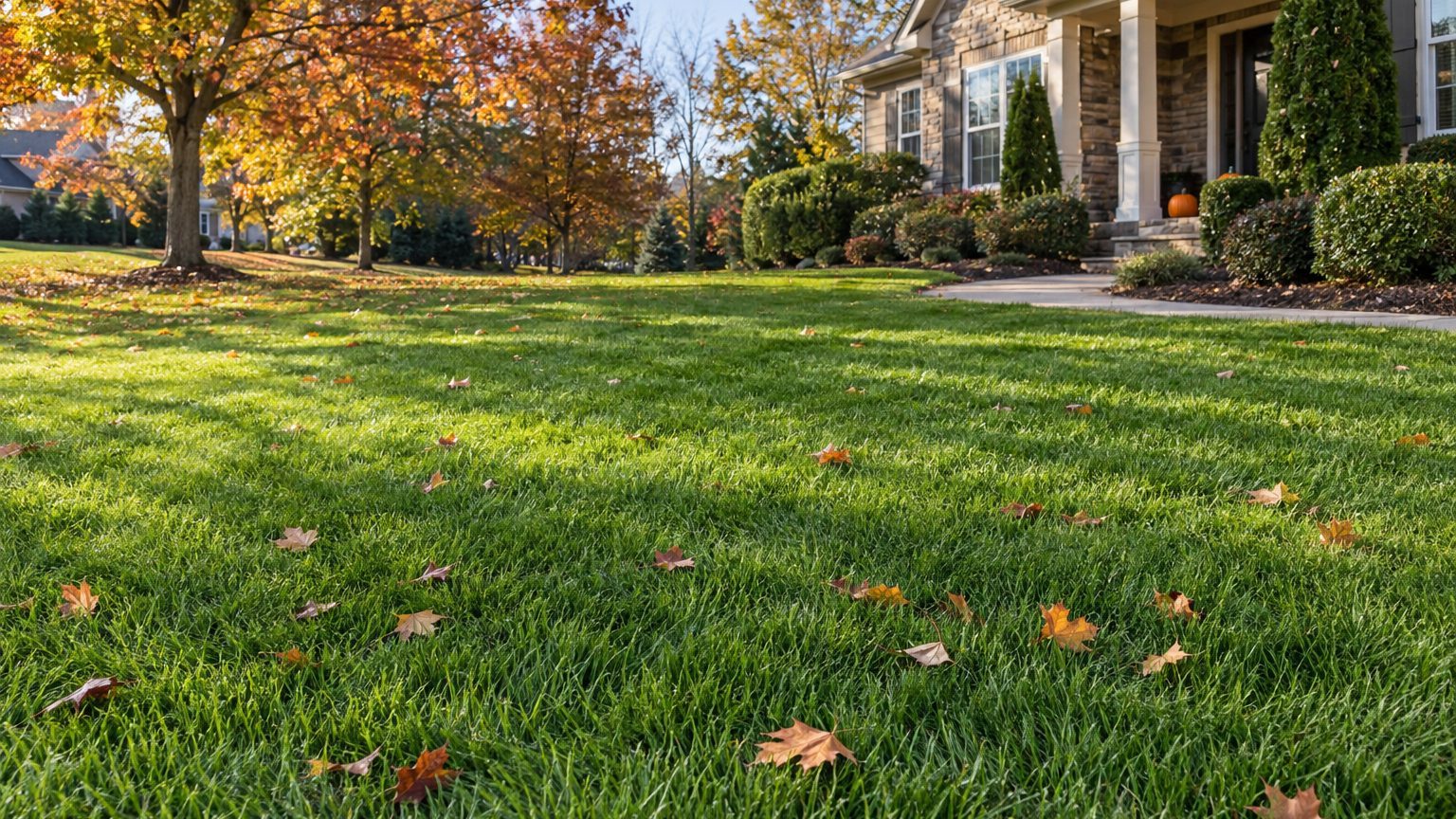
Tall fescue greens up in cool spring weather and recovers in fall, while bermuda and zoysia wait for real warmth and then run hard all summer. Tennessee sits where both kinds thrive, so the lawn calendar depends on which grass you mow. These pages follow both, with the fescue months and the warm-season months kept apart.
What to Do Each Month in a Tennessee Lawn
Task timing varies, and some jobs have a little flexibility around the main window. Fescue lawns do their big work in late summer and fall, and bermuda and zoysia lawns do theirs in late spring and early summer.
| Month | In the lawn |
|---|---|
| January | Rest. Keep foot traffic off frozen turf and leave the lawn undisturbed. |
| February | Still quiet. If a mild spell arrives, you can put down crabgrass preventer early, before the weed seeds wake. |
| March | Apply crabgrass preventer now and feed tall fescue as it greens up. Start mowing fescue as growth picks up. |
| April | Warm-season lawns begin to mow as they leave dormancy. Preventer and a fescue feeding still work this month, and bermuda or zoysia can be dethatched if you start early. |
| May | Seed or lay sod for bermuda and zoysia now, while the days are warming. Start feeding and dethatching warm-season turf. Preventer still works if you missed spring. |
| June | Keep feeding and dethatching warm-season lawns, and begin regular watering. If you missed May, seeding or sodding bermuda and zoysia still works. |
| July | Feed bermuda and zoysia and water deeply through the heat. Leave tall fescue unfed in summer, since pushing it in hot weather weakens it. Sod still works for warm-season lawns. |
| August | Core aerate and seed tall fescue, and dethatch cool-season turf. Keep watering regularly while the seed settles in. |
| September | Feed fescue to build roots for winter. If August slipped by, aerating, seeding and dethatching still work now. |
| October | Feed fescue again and keep mowing. Warm-season grass slows down and mows for the last time as it heads toward dormancy. |
| November | Fescue still gets mowed while it grows. Bermuda and zoysia turn straw-brown, so just watch for leaves smothering the turf. |
| December | Rest. Clear fallen leaves and otherwise leave the lawn undisturbed. |
Fescue and warm-season grasses want opposite things in summer, so check which one you grow before following any month.
Tennessee — the year and the numbers
- State
- Tennessee
- USDA zones
- 5b-8a
- Last spring frost
- March 31 to April 12
- First fall frost
- October 28 to November 8
- Annual rain
- 51 in
- Lawn type
- cool- and warm-season
- Source
- NOAA NCEI 1991-2020 Climate Normals, 32F freeze probabilities · Nashville
When Does the Lawn Season Start and End in Tennessee?
Growth follows soil warmth and grass type, not the calendar and not the last frost. Cool-season seed germinates when the soil sits at 50 to 65 °F. Warm-season seed needs it at 65 to 70 °F, which is why bermuda and zoysia are planted well after fescue would be.
Frost dates only tell you when a young seedling is at risk. In Nashville, the last spring freeze usually lands between March 31 and April 12, so tender new warm-season seed should wait until after it passes.
Fall brings the other end. The first freeze in Nashville typically arrives between October 28 and November 8, and fescue seeded in late summer has had time to root well before then. Warm-season grass quits earlier, as cooling soil sends it into dormancy ahead of the first hard frost.
How the Lawn Calendar Shifts Across Tennessee
Elevation and latitude move the dates more than distance does, and the dates here lean on Middle Tennessee as the middle ground.
- Memphis and West Tennessee: Spring warms sooner and fall lingers, so warm-season grasses wake earlier and fescue struggles more in the summer heat.
- Nashville and the Middle Tennessee basin: This is the baseline, where fescue and bermuda both do well and the calendar above fits as written.
- The Cumberland Plateau: Cooler air holds on, so spring tasks run later and frost risk lasts longer for new seed.
- Knoxville and the Great Smoky Mountains foothills: Higher ground runs cooler and later in spring, which favors fescue and gives warm-season grass a shorter growing stretch.
When in doubt, shift spring tasks a little later as you climb toward the mountains and a little earlier as you head west.
Lawn Care Timing Mistakes to Avoid in Tennessee
Crabgrass Preventer Applied Late

Preventer works only before crabgrass seed sprouts. Spread it after the weed is up and you have paid for a barrier that does nothing. March is the target, and it still works in April or May if spring got away from you.
Fescue Seeded in Spring
Spring seedlings look lush, then meet a Tennessee summer with shallow roots and fade. Wait for late summer instead. August is ideal, and September still works, and you can aerate first so the seed meets bare soil.
Planting Bermuda Too Early
A warm week in March tempts people to seed or sod bermuda and zoysia, but the soil is still cold and the seed sits idle or rots. May is the right time to plant, and June or July still works for sod.
Where to Get Lawn Advice in Tennessee
University of Tennessee Extension publishes lawn guidance written for the state’s soils and grass types. Your county extension office adds local knowledge, from soil testing to what is failing in your neighborhood.
- Visit the state extension site before spring and fall to check the maintenance calendar for your grass type.
- Call your county office when patches appear or a task is unclear, since staff can look at your specific problem.
- Ask about a soil test in late winter, so any feeding in March matches what the lawn needs.
Common Questions
How Can You Tell If Your Lawn Is Warm-Season or Cool-Season?
Watch the lawn’s winter color and summer growth. Bermuda and zoysia turn tan after the first hard frost and stay brown into spring, while tall fescue stays green through most of winter. A lawn that thrives in July heat and is last to green up is warm-season.
What If You Miss the August Seeding Window?
September still works for aerating and overseeding tall fescue. The seed has less warm time to root before winter, so keep the soil evenly moist and mow gently as the new grass comes in.
Why Does a Fescue Lawn Look Thin After a Hot Summer?
Thin, dry patches that show up in July or August, mostly in sunny spots, usually mean the cool-season grass was stressed by heat. Core aeration and overseeding in late summer restore the density.