Skip to content

Prince Edward Island

  1. Jan
  2. Feb
  3. Mar
  4. Apr
  5. May
  6. Jun
  7. Jul
  8. Aug
  9. Sep
  10. Oct
  11. Nov
  12. Dec
State
Prince Edward Island
Hardiness zones
5b
Last spring frost
May 16
First fall frost
October 17
Annual rain
46 in
Lawn zone
cool-season
Source
Environment and Climate Change Canada — Canadian Climate Normals 1981-2010, station CHARLOTTETOWN A · Charlottetown

The year in Prince Edward Island, from the calendar

  1. Jan—
  2. Feb—
  3. MarRenew an overgrown lilac · Prune fruit trees
  4. AprSpring bulbs bloom · Lilacs bloom · Renew an overgrown lilac · Feed roses · Plant roses
  5. MaySpring bulbs bloom · Feed hydrangeas · Plant hydrangeas · Lilacs bloom · Prune lilacs
  6. JunPlant hydrangeas · Prune bigleaf hydrangeas · Prune lilacs · Peonies bloom · Feed roses
  7. JulFeed hydrangeas · Prune bigleaf hydrangeas · Feed roses · Mow · Water
  8. AugPlant hydrangeas · Seed the lawn · Plant peonies · Dethatch · Mow
  9. SepPlant hydrangeas · Seed the lawn · Plant peonies · Aerate · Dethatch
  10. OctPlant spring bulbs · Mow · Plant trees
  11. NovCut back peonies · Protect roses for winter
  12. DecCut back peonies

From the state frost facts and extension calendars: University of New Hampshire Extension ; University of New Hampshire Extension · Cornell Cooperative Extension (Monroe County) · Clemson HGIC factsheet — Hydrangea · Guelph Turfgrass Institute (University of Guelph) — Spring care tips for your yard.

Best Time to Plant Trees in Prince Edward Island

Best Time to Plant Trees in Prince Edward Island

Bare branches in early spring are the signal that a new tree is ready to go in the ground, and on Prince Edward Island that moment comes in April and May. Shade and ornamental trees also take well in September and October. Fruit trees belong to spring only.

When Is the Best Time to Plant Trees in Prince Edward Island?

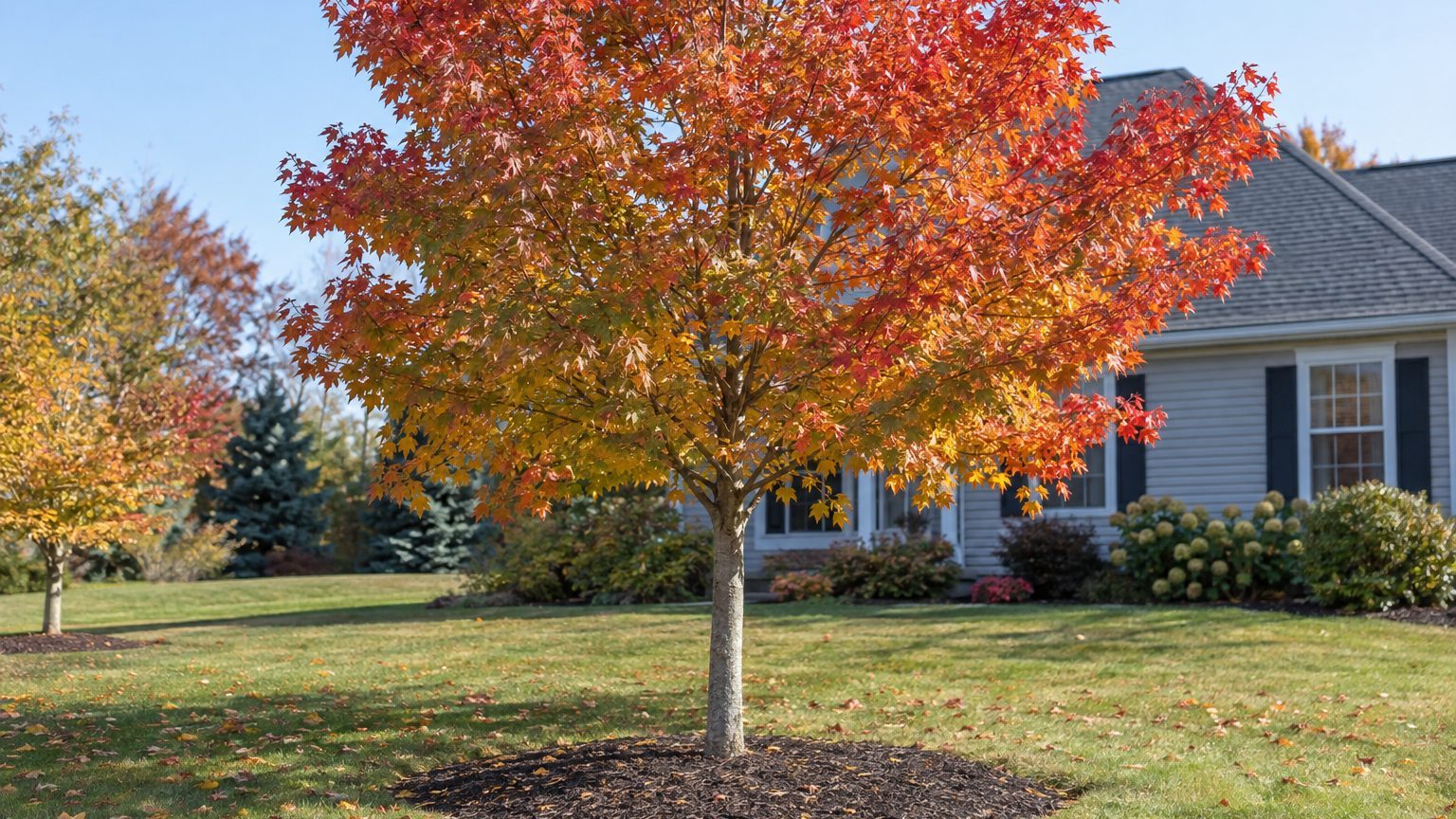
A young shade tree newly planted in a home yard

Spring is the main season for shade and ornamental trees on the island, with fall as a fallback. The dates here follow the nearest comparable climate, so confirm local timing with a garden centre, a garden society or the provincial gardening groups.

  • In April, plant as soon as the frost is out of the ground and the soil can be worked, while the tree is still dormant.
  • In May, container and balled-and-burlapped trees go in comfortably, and they can wait into late May or early June.
  • Through summer, hold off, because heat and dry soil stress new roots.
  • In September and October, fall planting works if it is finished before the end of October.
  • After planting in fall, water the tree until the ground freezes.

Bare-root trees are planted while dormant, before the buds open. Container-grown trees can go in during most of the growing season if they are watered, but they settle best in the dormant season. At the Charlottetown reference station, the average last spring frost falls on May 16, so half of all years see frost later than that. The average first fall frost arrives on October 17, and in half of all years it comes earlier. Northern and upland districts run weeks behind Charlottetown. The island sits in Canadian hardiness zone 5b, a Canadian system that does not convert to a USDA zone. Some trees do better planted in spring than in fall, including magnolia, dogwood, tuliptree, red maple, birch, hawthorn, cherries, plums and many oaks.

When to Plant Fruit Trees in Prince Edward Island

Plant fruit trees in April and May, as soon as the frost has left the ground. Bare-root trees go in during April or early May while they are still dormant, before the buds open.

Fall planting is not an option for fruit trees here. Winters on the island are too cold for a newly planted fruit tree to get established.

Kind of fruit tree When to plant in Prince Edward Island Why then
Bare-root April to early May The tree is dormant and the buds have not opened
Container April and May The frost is out of the ground and roots can grow

Container fruit trees are more forgiving than bare-root ones, but spring still gives them a full season to root before the first winter. Skip fall for both kinds.

Best Trees to Plant in Prince Edward Island

Trees that handle cold winters and average, well-drained soil do best on the island. Paper birch, aspen and red maple suit a range of soils, and eastern redbud can work with some protection. Sugar maple dislikes salt, compaction and heat, so give it a roomy, sheltered spot.

Tree How it does in Prince Edward Island Why
Paper birch Does well in full sun It adapts to many soils but does not tolerate shade
Aspen Does well in full sun It survives best with full sunlight
Red maple Adapts to a variety of soils It handles sites that once held shade-tolerant softwoods
Eastern redbud Marginal, needs shelter It sits at the edge of its hardiness and wants a spot away from drying winds and ice
Sugar maple Needs a good site It dislikes salt, compaction and heat

Magnolia, tuliptree, oak and ginkgo are better planted in spring than in fall. Redbud grows best in average, medium-moisture, well-drained soil, in full sun to part shade. Match each tree to the room, sun and hardiness zone of your own yard.

When to Plant, Water and Prune Trees in Prince Edward Island

Planting, watering and pruning each have their own moment. Plant when the soil is workable, water through the first seasons and into fall, and prune fruit trees while they are dormant. Pruning fruit trees in fall or early winter is avoided, because new growth may not harden before the cold.

Task Best timing in Prince Edward Island Why then
Plant shade and ornamental trees April and May, or September and October The frost is out of the ground in spring, and fall planting must finish before the end of October
Plant fruit trees April and May The tree is dormant and winters are too cold for fall planting
Water a young tree Regularly through the growing season, and in fall until the ground freezes New roots need moisture to settle before winter
Prune fruit trees March and April Late winter into early spring has the least effect on winter hardiness and tree health

Among fruit trees, apples are pruned first and peaches last, closest to bloom, because peach flower buds are easily hurt by cold. Summer pruning is harder on a tree, so keep most cuts to winter and spring. Pruning gets a fuller treatment on the page When to Prune Fruit Trees in Prince Edward Island.

Where to Get Tree Advice in Prince Edward Island

The province has no county extension offices, but the provincial agriculture department and local gardening groups can help with choosing a tree or testing soil.

  • The Prince Edward Island Department of Agriculture is the place to ask about tree choice and soil testing before spring planting.
  • A local garden centre or garden society can confirm timing for your district before the soil thaws.

Common Questions

Can You Plant a Tree in Summer on Prince Edward Island?

A container tree can survive it with steady watering, but summer is a hard time to plant. Roots are slow to take hold in dry soil, so a tree that goes in during April, May, September or October has an easier start.

Should You Remove the Burlap from a Balled-And-Burlapped Tree?

Yes, once the tree sits in its hole, cut away the top of the burlap and any wire basket. Material left around the roots can slow them as they spread into the surrounding soil.

Do You Need to Stake a Newly Planted Tree?

Most trees stand on their own. Stake only a tree that cannot hold itself upright, and remove the ties after the roots have anchored it.
Best Peonies for Prince Edward Island

Best Peonies for Prince Edward Island

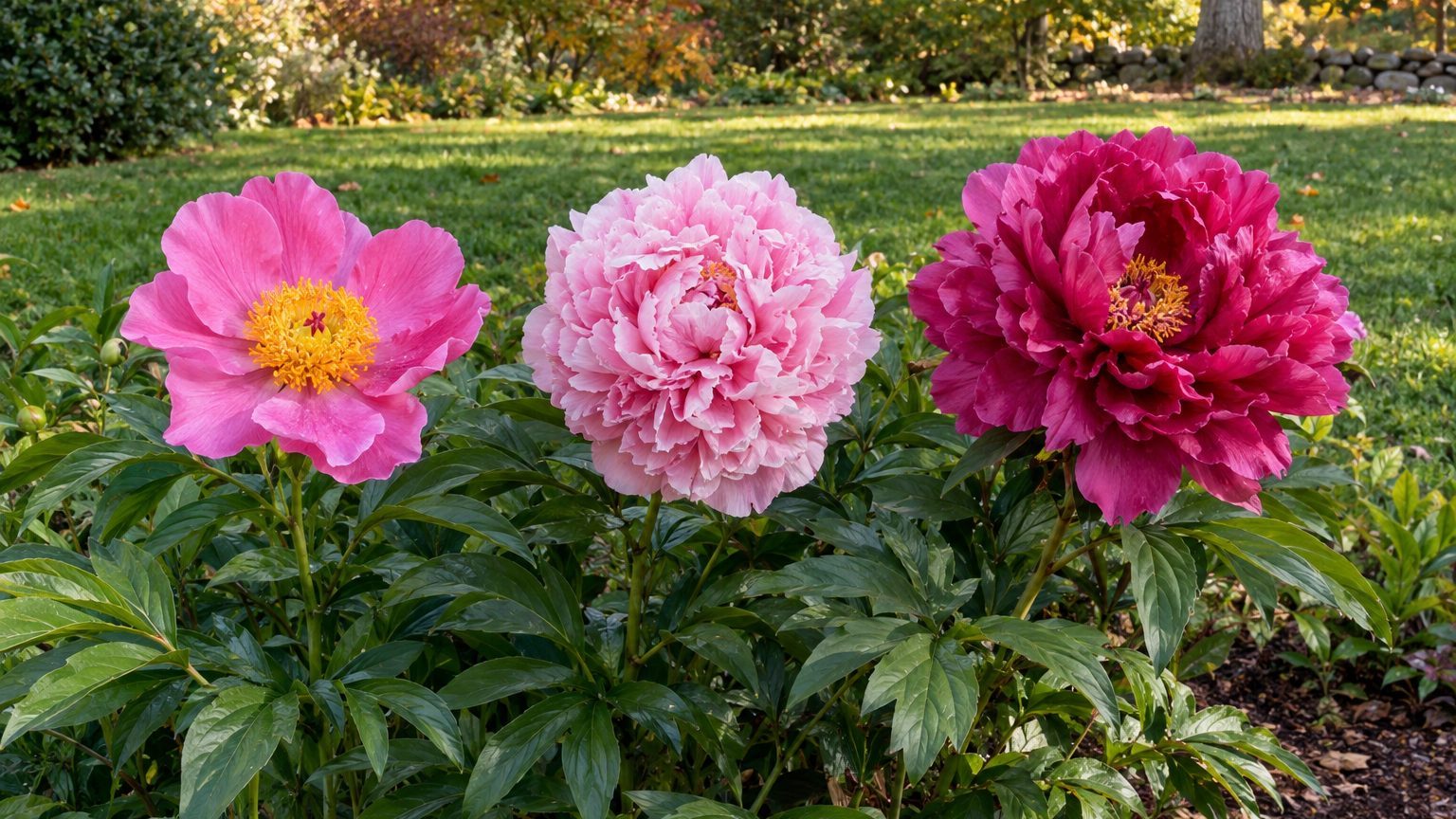
Peony stems pushing out of cold ground in spring are one of the more reliable pleasures of an island garden. Prince Edward Island winters provide the cold rest peonies need to flower, so the types described here can work in local gardens. The real choices are which type fits your space, your taste and your patience.

Best Peonies to Grow in Prince Edward Island

Best Peonies for Prince Edward Island

Garden peonies, tree peonies, intersectional peonies and woodland peonies all suit a province with cold winters. Peonies need a winter rest to flower, and as a guide they want a minimum of 6 weeks below 40°F. Charlottetown sits in Canadian hardiness zone 5b, a system that does not convert to USDA zones, and that cold is what these plants ask for.

Garden Peony

Garden Peony — Best Peonies for Prince Edward Island

The herbaceous garden peony (Paeonia hybrids) is the classic border plant. It dies back to the ground each year, so cut the foliage down after frost has finished it. Island winters supply the chill that sets its buds.

Tree Peony

Tree Peony — Best Peonies for Prince Edward Island

The woody tree peony (including Paeonia suffruticosa) keeps its stems through winter, so it is never cut back to the ground. Its blooms come ahead of the herbaceous types, which stretches the season. Set it where the woody framework can remain undisturbed.

Intersectional Peony

Also called the Itoh, this is a hybrid of the garden and tree peonies. It tends to flower last in the sequence, after the herbaceous types are finished. That makes it a good closer for a peony planting that runs through May and June.

Woodland Peony

The woodland peony (Paeonia japonica) has white flowers and opens the season, ahead of the tree peonies. It is the one to look at for a shadier corner, and it fills the front of the sequence before the larger peonies take over.

How to Choose a Peony for a Prince Edward Island Garden

Start with what you want from the plant, since the climate suits all of them. A newly planted or transplanted peony may not bloom the first spring, so a young plant that sits quiet is normal.

Depth matters as much as type. Plant so the eyes stay near the soil surface, because a peony set too deep may bloom poorly or not come up.

Your situation What suits it in Prince Edward Island Why
Very cold winter Ask a local garden centre about suitable types Peonies need a cold rest to flower, and island winters supply it
Want a long bloom season A mix of woodland, tree, garden and intersectional peonies They flower in sequence through May and June
Want less cutting back Tree peony It keeps its woody stems and is never cut back
Shady spot, early flowers Woodland peony It opens the season with white flowers
Need winter cold to flower Any peony, planted outdoors A minimum of 6 weeks below 40°F is the guide

Small spaces and humid summers are worth a word with a local garden centre, which can tell you what has done well in nearby yards.

Which Peonies Suit Different Parts of Prince Edward Island

The province is not one climate, and the usual frost date comes from a single spot. At Charlottetown, the last spring frost falls on average on May 16, which is the midpoint of a window, so frost can come later in half of years.

  • Charlottetown and the south-central area: This is the climate the frost date describes. Treat it as a guide and watch the forecast before you uncover or fuss over new growth.
  • North Shore and the western districts: Northern districts can run weeks behind Charlottetown, so frost may linger. Ask a local garden centre which peonies have done well nearby.
  • Eastern districts: Exposed ground here can also run behind, so give peonies a sheltered spot and expect a later start.

Local timing can shift across the province, so use Charlottetown only as a reference point.

Peony Buying Mistakes to Avoid in Prince Edward Island

Planting Too Deep

A peony set deep may bloom poorly or not come up at all. When you plant or divide, keep the eyes near the soil surface and fill gently around them.

Cutting a Tree Peony to the Ground

A tree peony keeps its woody stems, and cutting it down removes the framework that carries next year’s flowers. Treat it differently from the herbaceous kind. Leave the stems in place and cut back only the garden and intersectional types after their foliage has died back.

Expecting Flowers the First Spring

A newly planted peony may not bloom the first spring, and a spring planting can delay flowers by a year. Buying a bigger plant will not skip the wait. Plant in early fall so the roots settle before the cold, then give it time.

Where to Get Peony Advice in Prince Edward Island

Prince Edward Island has no local extension page on peony timing, so local help comes from the province and local gardeners. The province’s Prince Edward Island agriculture pages are the first stop for provincial guidance.

  • A local garden centre can tell you which peonies have settled well nearby, and it is a good time to ask while plants are available.
  • A garden society or a master gardener group can confirm local timing and share divisions, and its meetings are good for questions.

Common Questions

When Should You Plant or Divide Peonies in Prince Edward Island?

August and September are the best months, and October works too. The dates follow the nearest comparable climate, so confirm local timing with a garden centre, a garden society or the provincial gardening groups. Spring planting is possible but may delay flowers a year.

When Do Peonies Bloom in Prince Edward Island?

Bloom runs from May into June, depending on the type. The woodland peony opens first, then the tree peonies, then the herbaceous and finally the intersectional hybrids.

When Should You Cut Back Peonies in Prince Edward Island?

For herbaceous types, November and December are the best months, after the foliage has died back. It can also be done in March or April. Tree peonies keep their stems and are left alone.

When Do Peonies Bloom in Prince Edward Island?

When Do Peonies Bloom in Prince Edward Island?

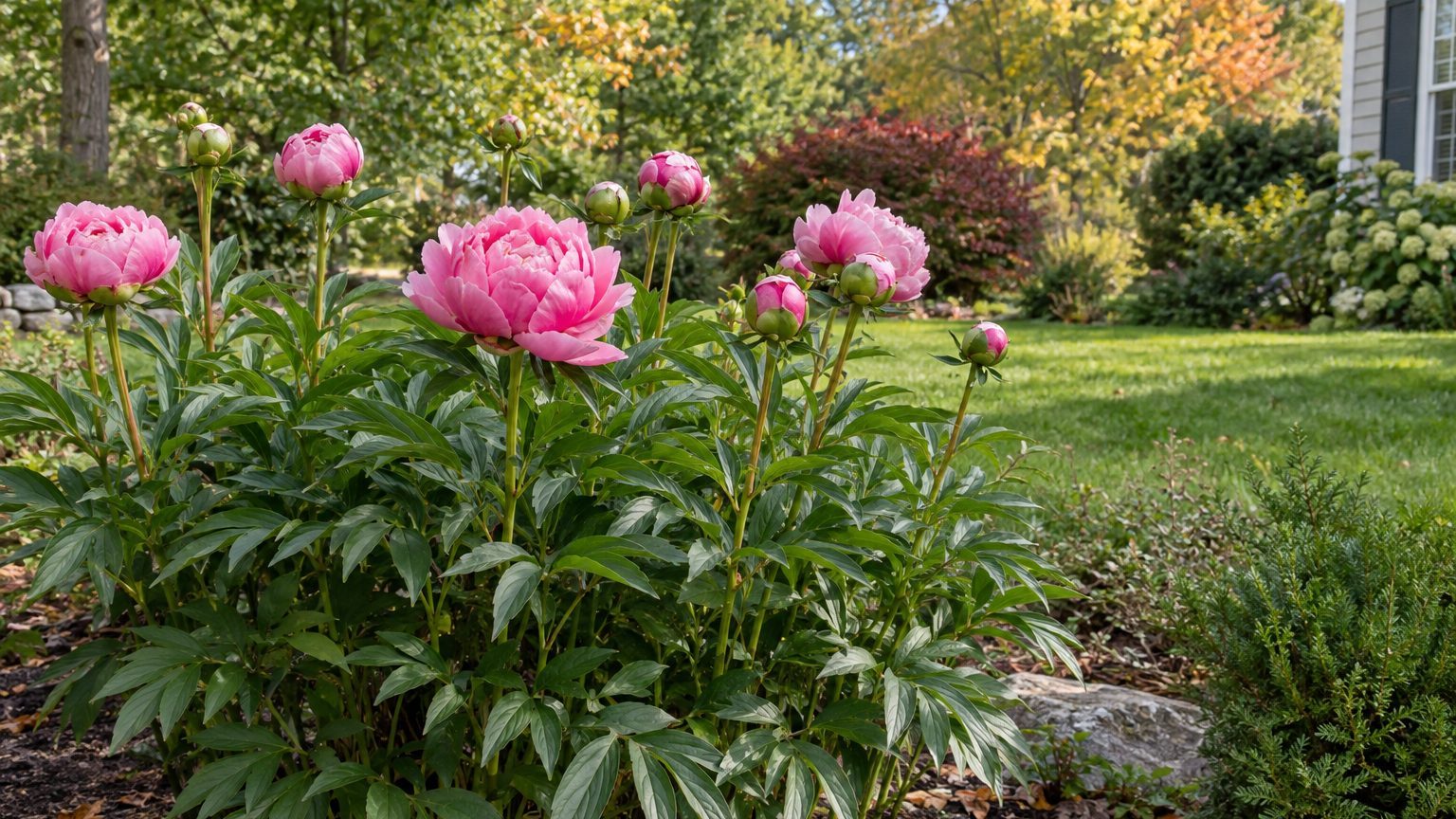
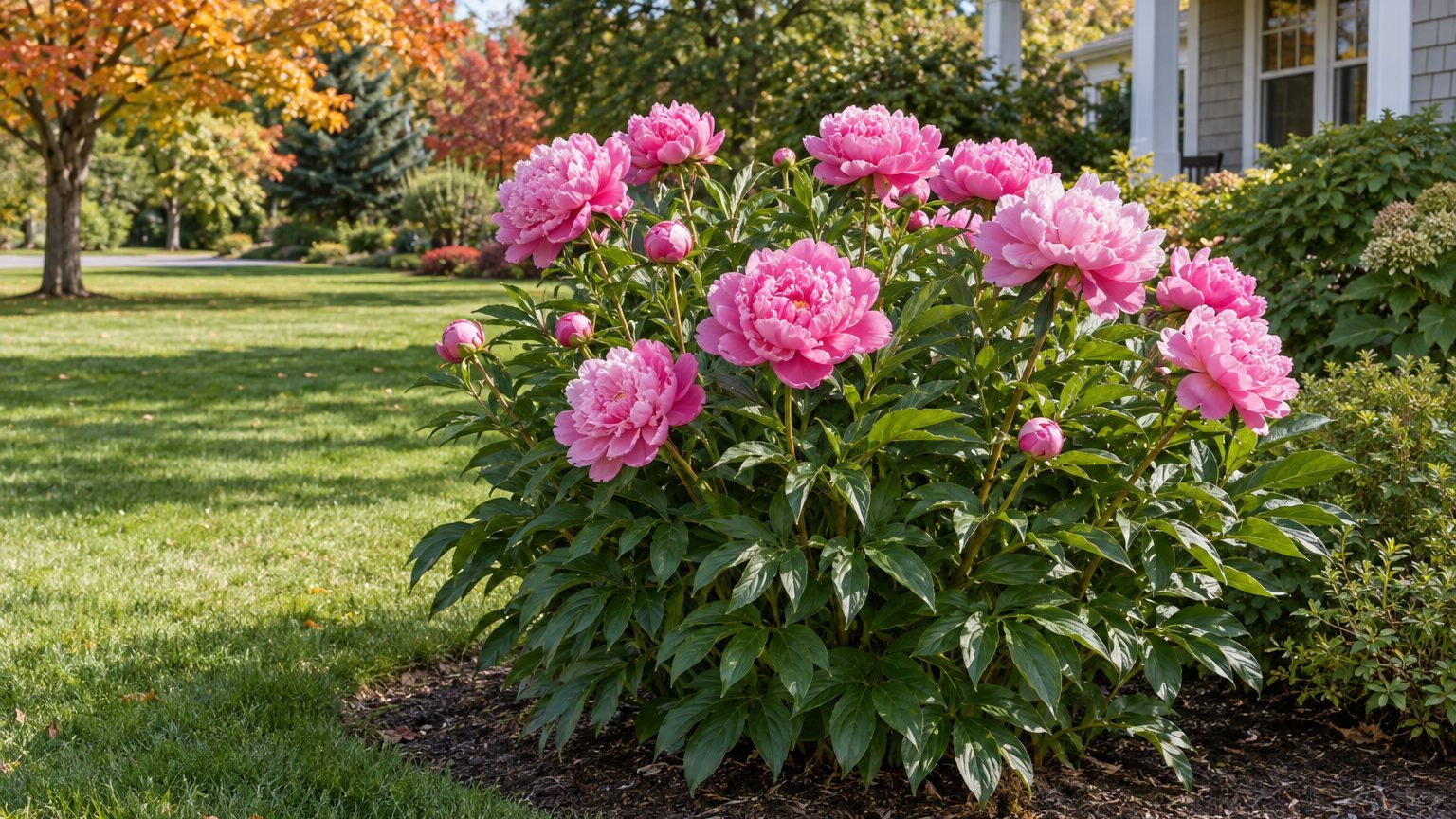
Peony buds the size of marbles on the stems, then fat, fragrant flowers weighing the stalks down: that is the sight of a Prince Edward Island yard once spring has settled in. The Island’s cool, sea-moderated season keeps that show to late spring and the start of summer.

When Do Peonies Bloom in Prince Edward Island?

When Do Peonies Bloom in Prince Edward Island?

Peonies bloom on Prince Edward Island from May into June, with the main flush in late spring and the last flowers opening in June. Each type takes its turn, so a mixed planting stretches the display over a good stretch of the season. Prince Edward Island has no local extension page on peony timing, so these dates follow the nearest comparable climate. Confirm local timing with a garden centre, a garden society or the provincial gardening groups.

Type of peony When it blooms in Prince Edward Island What to know
Woodland peony (Paeonia japonica) Late spring, opening first White flowers that arrive ahead of the other types
Tree peony (Paeonia suffruticosa and relatives) Late spring, after the woodland type Keeps its woody stems through winter and is never cut to the ground
Herbaceous (garden) peony Late spring into June, after the tree peonies Dies back every year and is cut back after frost
Itoh (intersectional) peony June, opening last A hybrid of the garden and tree types

Peonies need a cold winter rest to set flowers, and Island winters supply it. Charlottetown sits in Canadian hardiness zone 5b, a rating from Canada’s own system that does not convert to a USDA zone, and it suits all of these types.

How to Tell When Your Peonies Are About to Bloom

The plant itself gives better notice than any date, because spring conditions can shift bloom time. Watch the stems and buds as the weather warms.

  • Red, pointed shoots pushing out of the soil mean the plant has broken dormancy, so clear last year’s mulch away from the crown.
  • Shoots that turn green and unfold into leafy stalks tell you the plant is growing steadily and will soon form buds.
  • Small, hard, green buds at the stem tips are flower buds, and this is the time to set cages or supports before the weight arrives.
  • Buds that swell are close to opening, and a late frost at this point can still damage them.
  • Buds that feel soft when you press them gently, like a marshmallow, and show a slit of color are close to opening and ready to cut for a vase.

On Prince Edward Island, the last spring frost falls on average around May 16 at Charlottetown, and in one year out of two it comes later than that. Keep an old sheet handy while the buds are swelling.

When to Cut Back Peonies in Prince Edward Island

Cut herbaceous peonies back in November or December, once a hard frost has blackened the foliage and the plant has died back. If that window slips by, March and April also work, as soon as the snow clears and before the red shoots grow tall.

Cut the stems to the ground with clean pruners and take away every scrap of leaf. Remove the cut foliage from the bed.

Tree peonies are the exception. They keep their woody stems through winter, so leave the framework standing. An Itoh peony dies back like a garden peony, so it follows the herbaceous schedule.

How Peony Bloom Time Shifts Across Prince Edward Island

Bloom time still shifts across the Island, and upland districts can run weeks behind Charlottetown. Peonies in different parts of the province open a little earlier or later depending on how much sea air reaches them.

  • Charlottetown and the south shore: The frost date in this article comes from Charlottetown and should not be extended to the south shore. Sheltered and exposed yards can differ, so watch the plants rather than treating the frost date as a guarantee.
  • North Shore: Cold air off the Gulf of St. Lawrence slows the spring warm-up, so buds usually open later than they do near the capital.
  • West Prince and eastern Kings County: Open farmland and long water exposure keep spring breezy and cool, so bloom runs behind sheltered gardens, particularly where wind sweeps the beds.

A bed against a south-facing wall or fence can pull flowering forward in any of these places, while a windy open lawn pushes it back.

Where to Get Peony Advice in Prince Edward Island

Local help comes from the province and from people who grow peonies nearby. Start with the provincial agriculture pages and add local gardeners for timing in your own district.

  • The Prince Edward Island agriculture pages are where to look for provincial gardening and plant-health guidance, useful before you plan any planting or dividing in August or September.
  • A local garden centre can tell you which peony types and varieties thrive in your district, and spring is the time to ask when buds begin to show.
  • A garden society or master gardener group will often know how bloom time runs in your part of the Island, so bring a photo of your plants to a meeting.

Common Questions

When Should You Plant or Divide Peonies on Prince Edward Island?

Plant or divide peonies in August or September, which gives the roots time to settle before the ground freezes. October can also work. Set the eyes, the pink buds on the root, close to the soil surface so the plant can flower.

Can You Plant a Peony in Spring?

Yes, as soon as the soil is workable, though a spring planting may delay flowers by a year. A newly planted or transplanted peony may not bloom the first spring, so patience is normal.

Why Is Your Peony Leafy but Not Flowering?

Check how long ago the plant went in and how deep the crown sits. A peony set in the ground recently may simply need time. If the plant is established, dig gently around the crown, and if the eyes are buried well below the surface, lift and replant them shallower in early fall.

When to Plant Peonies in Prince Edward Island: Dates and Care

When to Plant Peonies in Prince Edward Island: Dates and Care

Peony shoots push up red through the soil in spring, and a clump moved in fall may not bloom the following spring. In Prince Edward Island, the planting window opens in late summer, well before the ground stiffens.

When to Plant Peonies in Prince Edward Island

When to Plant Peonies in Prince Edward Island: Dates and Care

Plant or divide peonies in August and September, when the soil is still warm and the roots have time to settle before winter. The dates follow the nearest comparable climate, so confirm local timing with a garden centre, a garden society or the provincial gardening groups. The year then runs like this:

  • In March and April, you can cut back any herbaceous foliage left standing over winter, before the new shoots get tangled in the old stems.
  • Through May, red shoots climb out of the ground, and the last spring frost falls around May 16 in Charlottetown on average, so a late cold night on young growth is possible.
  • In May and June, the flowers open, with the timing shifting by type from late spring into June.
  • From August through September, lift and divide old clumps or set new plants in the ground so the roots can settle before the ground freezes.
  • In October, planting can still be done, though the first fall frost arrives around October 17 in Charlottetown on average, so frost can come sooner than that date in some years.

November and December are the months for cutting herbaceous peonies back. Charlottetown sits in Canadian hardiness zone 5b, a system that does not convert to USDA zones. Northern and upland districts run weeks behind it. Spring planting is possible, but it may delay flowers a year.

Which Peonies Grow Best in Prince Edward Island?

Peonies suit the province well, because they need a real cold winter rest to flower and Island winters deliver it. Four types are grown in home landscapes, and each behaves a little differently once it is in the ground.

Peony type How it does in Prince Edward Island Why
Herbaceous (garden) peony A dependable choice for borders Cold winters give it the rest it needs, and it dies back each year
Tree peony Grown as a woody shrub in home gardens Keeps its woody stems and blooms ahead of the herbaceous types
Itoh (intersectional) peony Extends the season in the same bed A hybrid of garden and tree peonies that opens last

The woodland peony (Paeonia japonica) is the fourth type, with white flowers that open first in the sequence. Choose a spot with full sun for the others and avoid planting in soil that stays wet after rain.

When to Plant, Cut Back and Feed Peonies in Prince Edward Island

Planting belongs to late summer, while cutting back belongs to late fall. For feeding advice, ask a local garden centre about the needs of your soil. A tree peony never gets the cutting-back treatment, because its woody stems carry next year’s buds.

Task Best timing in Prince Edward Island Why then
Plant or divide peonies August to September, with October as a fallback Roots settle in warm soil before the cold arrives
Cut back herbaceous peonies November to December, or March to April The foliage has died back and the stems come away easily
Leave tree peonies uncut All year The woody stems stay alive through winter
Enjoy the bloom May to June Flowering runs from late spring into June, depending on the type

Wait for the foliage to collapse and brown before cutting. When you set a plant, keep the pink buds, called eyes, near the soil surface so the clump has a chance to flower.

How Peony Planting Dates Change Across Prince Edward Island

The Island is not one climate, and northern and upland districts can run weeks behind Charlottetown.

  • Charlottetown and the south-central area: The frost dates above come from Charlottetown and must not be extended to the rest of the province.
  • The North Shore and northern districts: Spring can arrive later here, so expect shoots later than in Charlottetown.
  • Upland and exposed inland spots: Upland districts can run weeks behind Charlottetown, so confirm local planting timing before you begin.

A garden next to a sheltered wall or a warm south-facing slope can behave like a milder district, so watch your own yard as much as the map.

Where to Get Peony Advice in Prince Edward Island

Prince Edward Island has no local extension page on peony timing, so advice comes from the province and from local growers.

  • The Prince Edward Island agriculture pages point you to provincial staff for soil questions and plant health, and they are worth a visit before you plant.
  • A local garden centre can tell you which peonies it has seen do well nearby, and the best time to visit is in late summer when plants and divisions are on offer.
  • A garden society brings neighbours together, and late summer is a good time to ask for a division from an established clump.

Common Questions

Which Peonies Bloom First?

Woodland peonies open first, followed by tree peonies, then herbaceous peonies, and finally Itoh hybrids. Planting a mix stretches the show through late spring and into June.

How Can You Tell a Tree Peony from a Herbaceous One?

Look at the stems in winter. A tree peony keeps woody branches above ground, while a herbaceous peony collapses to bare soil once its foliage has died back.

Why Did a Healthy Peony Leaf Out but Not Flower?

Check how deep the crown sits, because a peony planted too deep can bloom poorly or not come up. Also think about when it went in, since a newly planted or divided clump may skip its first spring.

Best Lilacs for Prince Edward Island

Best Lilacs for Prince Edward Island

Lilac scent drifts over island fences in late spring, often from familiar French lilacs. Prince Edward Island gives lilacs the cold winter they want. The real choices are which type to plant, how big it will get, and how well it handles disease.

Best Lilacs to Grow in Prince Edward Island

Best Lilacs for Prince Edward Island

Lilacs belong here because they are cold-climate shrubs, and winter chill is what matures their flower buds. Charlottetown sits in zone 5b of the Canadian hardiness system (a Canadian rating that does not convert to a USDA zone), which suits French lilacs, dwarf Korean lilacs and the Bloomerang series. Choose by size, disease resistance and bloom habit.

French Lilacs

French Lilacs — Best Lilacs for Prince Edward Island

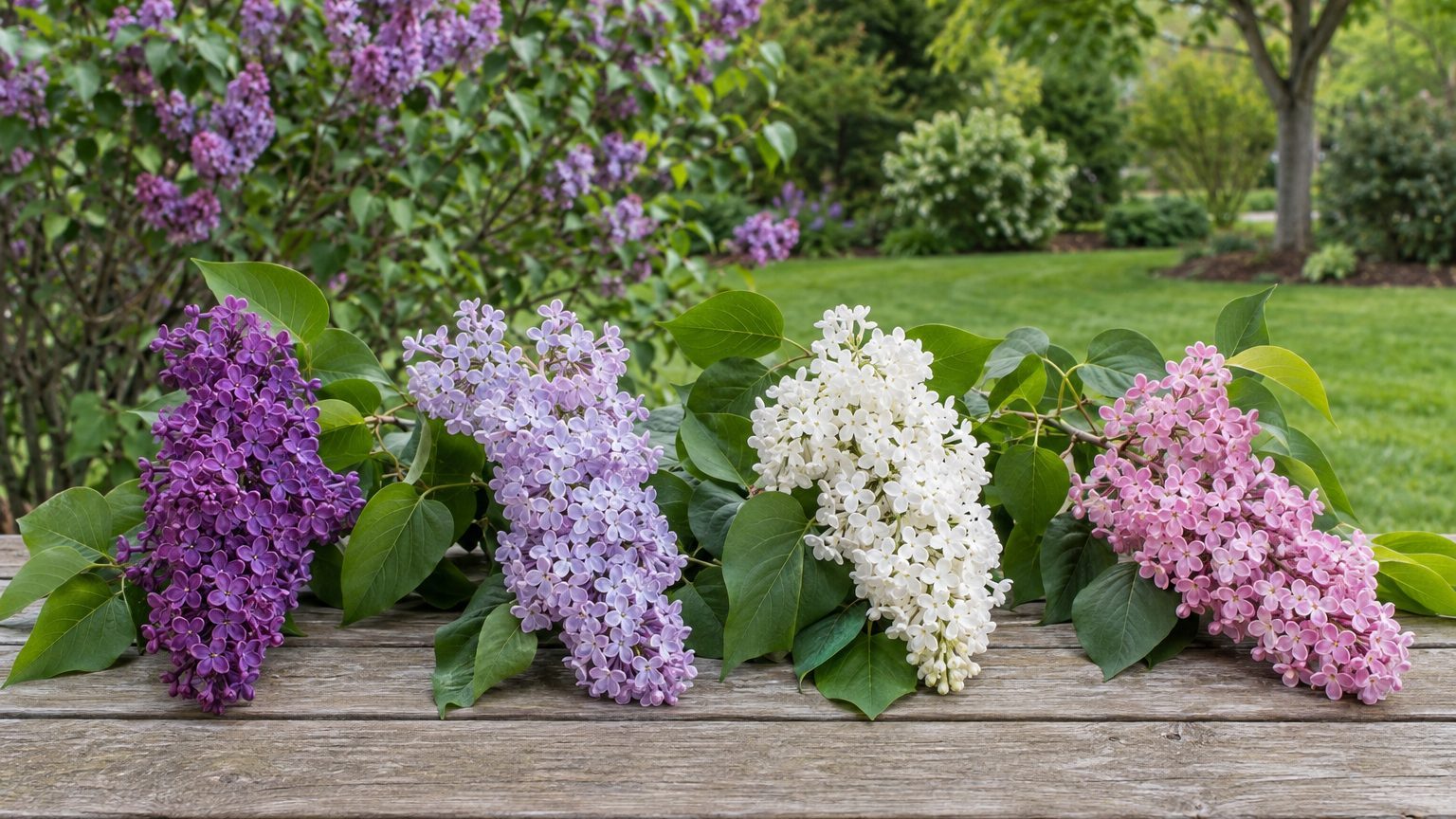
French lilacs are selections of the common lilac, Syringa vulgaris, and they are the best known group. Hundreds of cultivars exist, in colors from lilac and purple to white, pink and a reddish hue. Their flowers are extremely fragrant in mid to late spring.

Plant one in a sunny spot with good air circulation, and it will do what lilacs do in a cold climate.

Sensation

Sensation — Best Lilacs for Prince Edward Island

Sensation has purple flowers edged with white, so it stands out among plain purple lilacs. It is a French lilac cultivar, so it takes the same cold-winter habits.

It is also listed among varieties resistant to Pseudomonas syringae.

Dwarf Korean Lilac

Syringa meyeri, the dwarf Korean lilac or little-leaf lilac, usually grows about 5 ft tall and just as wide. Occasionally it reaches 8 ft in both directions. It blooms profusely, with small violet flowers.

Breeders have used it often because it stays small and compact, which makes it a good fit for a tidy front yard.

Bloomerang Series

The Bloomerang series is resistant to powdery mildew and reblooms. That makes it a useful choice when you want flowers after the main spring show and fewer leaf problems.

It still needs a cold winter rest, which the Island provides.

Resistant Varieties

Planting resistant varieties is the dependable way to guard against Pseudomonas syringae. Resistant varieties include Donald Wyman, Royalty, Superba, Miss Kim, Edmund Boisier, Victor Lemoine, Sensation and Michael Buchner.

Ask for these names at the garden centre.

How to Choose a Lilac for a Prince Edward Island Garden

Start with the space and the amount of care you want to give. Lilacs generally handle the Island winter, so size and disease resistance usually decide the purchase.

Lilacs bloom in April and May here, and later species can carry into June.

Your situation What suits it in Prince Edward Island Why
Very cold winter French lilacs Winter chill matures the flower buds, and the common lilac is a cold-climate shrub.
Hot, humid summer spell Bloomerang series It resists powdery mildew, and lilacs in general struggle in hot, humid summers.
Little time for care Resistant varieties such as Miss Kim or Superba Resistance is the dependable protection against Pseudomonas syringae.
Small space Dwarf Korean lilac It stays near 5 ft tall and wide, and it is compact.
Need for winter cold Common lilac and its French selections The cold rest is what lets the buds mature.

If you want a lilac with varied flower colors, French selections offer a broad palette. Pick the shrub in bloom at a nursery so you can see the color and size before you buy.

Which Lilacs Suit Different Parts of Prince Edward Island

A few differences in frost timing still matter for where you plant and when you watch the buds.

  • Charlottetown and the central area: the average last spring frost falls on May 16, and in one year out of two frost comes later, so treat that date as the middle of a window and not a safe date.
  • Northern and upland districts: spring runs behind Charlottetown, so frost lingers longer and bloom comes later. Cold-climate lilacs fit these cooler districts, but confirm local timing before you plant.

Lilac Buying Mistakes to Avoid in Prince Edward Island

Skipping Disease Resistance

A lilac bought on flower color alone can fall to Pseudomonas syringae, which costs you branches and flowers. Check the label for resistance, and look for varieties such as Sensation, Miss Kim or Royalty. For mildew, the Bloomerang series is a resistant choice.

Ignoring Adult Size

A potted lilac looks small, but a French lilac grows into a large shrub. A dwarf Korean lilac usually stops near 5 ft and sometimes reaches 8 ft.

Prune right after the flowers fade, in May or June. Lilacs bloom on last year’s wood and set next year’s buds soon after flowering, so pruning in late summer, fall or winter removes the following spring’s buds. A hard cut of an overgrown lilac belongs in March or April, and it costs you the flowers for a few years.

Picking a Shady Corner

Lilacs want a sunny site with good air circulation. In shade they bloom poorly and hold moisture on the leaves, which invites disease. Move the choice to the sunniest spot you have and give the shrub room to breathe.

Where to Get Lilac Advice in Prince Edward Island

The province has no local page on lilac timing, so the dates here follow the nearest comparable climate. Confirm local timing with a garden centre, a garden society or the provincial gardening groups. For general growing questions, start with Prince Edward Island’s agriculture department.

  • The provincial agriculture pages cover general plant and gardening guidance, and they are worth checking before you plant.
  • A local garden centre can show you lilacs in bloom between April and June, when color and size are easy to judge.
  • A garden society can tell you which lilacs have lasted in your neighborhood.

Common Questions

What Colors Do Lilac Flowers Come In?

Named cultivars range through lilac, purple, white, pink and a reddish hue. Sensation is purple edged with white.

Are Lilacs Fragrant?

Common lilac is grown for extremely fragrant flowers in mid to late spring, depending on the location.

Is the Canadian Hardiness Zone the Same as a USDA Zone?

No. The Canadian system uses several climate variables, and the USDA system uses one. There are no simple conversions between them, so read Canadian zones on their own scale.

When to Prune Lilacs in Prince Edward Island

When to Prune Lilacs in Prince Edward Island

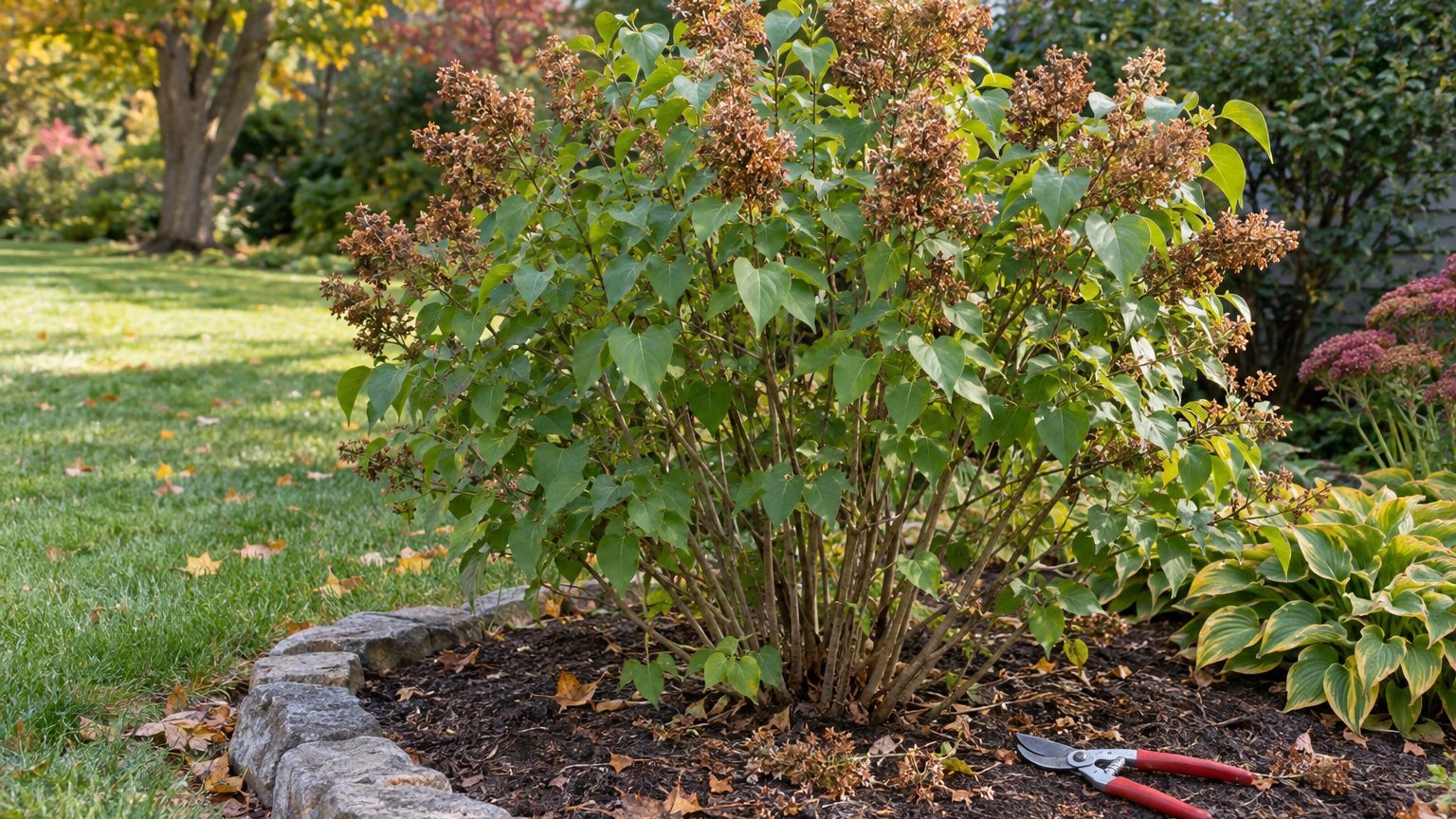
A lilac in full bloom smells like late spring, and soon afterward the same shrub is covered in brown, crumpled flower heads. That brown stage is your cue. In Prince Edward Island, the pruning window opens as the blooms finish, and it closes sooner than most gardeners expect.

When to Prune Lilacs in Prince Edward Island

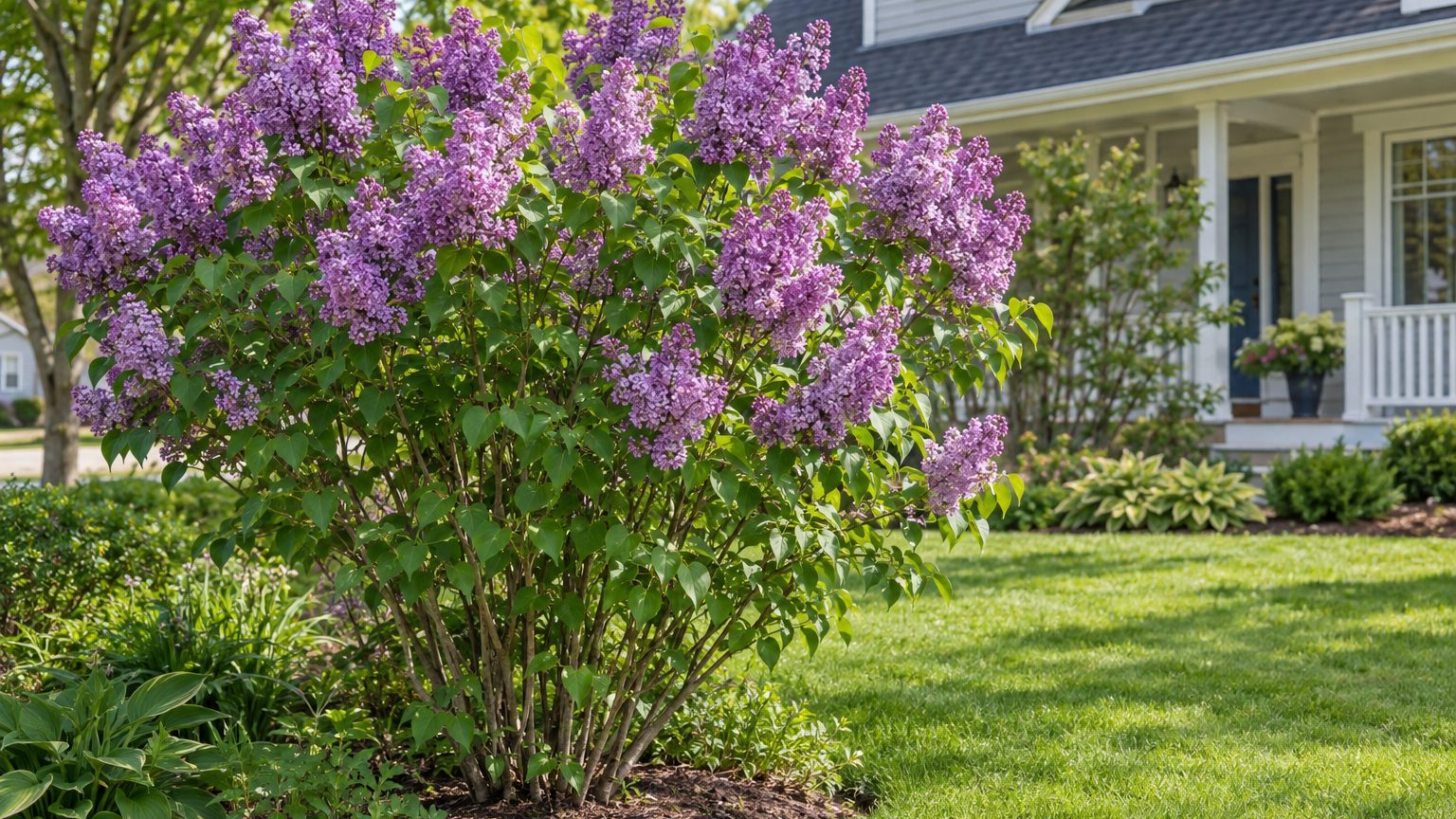
Lilac stems after flowering

Prune lilacs right after the flowers fade, which means May into June on the Island. Lilacs here bloom from April into May, with later types stretching into June. The pruning months follow the nearest comparable climate, so confirm local timing with a garden centre, a garden society or the provincial gardening groups.

Type of pruning When in Prince Edward Island Why
Routine shaping and removal of spent flowers May to June, right after the flowers fade Next year’s flower buds form soon after bloom, so prune promptly to avoid removing them
Hard renovation cut of an overgrown lilac March to April, while the shrub is still dormant The shrub is cut back hard and will not flower for a few years afterward

A tall, leggy shrub that has stopped flowering well is the usual candidate for the March to April renovation, and the lost flowers are the price of getting a younger, fuller plant back.

How to Tell When Your Lilacs Are Ready to Prune

The shrub gives clearer signals than any calendar, and they are easy to read from the garden path.

  • The flower clusters turn from fresh color to tan or brown, which tells you the show is over and cutting will not cost you a bloom.
  • Petals drop and the stems start to look ragged, so deadheading will now improve the look of the shrub.
  • Small seed clusters begin to form where the flowers were; removing them tidies the shrub.
  • Fresh green leaves fill in around the spent flowers, but wait for the flowers themselves to fade before pruning.
  • Next year’s flower buds begin forming on the new growth, so waiting much longer risks cutting them off.

When the brown heads are hanging on the branches, you have a good window to get out with the pruners.

Should You Prune Lilacs in Fall or Winter in Prince Edward Island?

No. A lilac blooms on last year’s wood and sets its flower buds in summer, so a cut made in late summer, fall or winter removes the flowers you are waiting for. A fall tidy-up looks neat, but it trims away the next spring’s color.

The exception is the renovation cut of an overgrown lilac. It is made in late winter, March to April, while the shrub sleeps, and the price is the lost bloom for a few years. Treat it as a deliberate reset, not as a routine chore.

If winter ice or snow breaks a branch, remove the damaged stem. Leave the rest of the shrub alone until the next round of flowers has faded.

How Lilac Pruning Time Shifts Across Prince Edward Island

The Island is small and low, so the differences come from the sea and from how far you are from Charlottetown, and the bloom is a better guide than a date.

  • Charlottetown and the south shore: Lilacs here usually flower on the schedule given above, so pruning follows soon after the blooms fade.
  • North Shore: Exposure to the Gulf of St. Lawrence tends to hold spring back, so bloom and pruning can come a little later than around Charlottetown.
  • Prince County and Summerside: Spring conditions can differ from the capital’s, so watch your own shrub and prune when its flowers have faded.

In every district the rule is the same: start only after your own lilac has finished flowering.

Where to Get Lilac Advice in Prince Edward Island

Prince Edward Island has no local extension page on lilac timing. Gardening questions go to the provincial agriculture department and to local growers who know the soil and the weather where you live.

  • The Prince Edward Island Department of Agriculture is the place to look for provincial plant and garden information, ahead of the spring pruning season.
  • A local garden centre or garden society can tell you when lilacs are blooming in your district, so ask in May before you pick up the pruners.

Common Questions

Do Lilacs Handle Prince Edward Island Winters?

Yes. Lilacs need a cold winter rest to mature their flower buds, and they struggle in hot, humid summers. Charlottetown sits in Canadian hardiness zone 5b, which is the Canadian system and does not convert to a USDA zone, and that cold-winter climate suits the shrub.

Does the Last Spring Frost Change When You Prune Lilacs?

Pruning follows the bloom, not the frost date. At Charlottetown the last spring frost falls on average May 16, which means in one year out of two it comes later. Even so, wait for the flowers to fade before you cut.

Is It Too Late to Prune Lilacs in June?

No. June is still part of the pruning window, as long as the flowers have finished. Later-blooming types may still be in flower early in the month, so wait until they fade and then prune soon after.

When Do Lilacs Bloom in Prince Edward Island? Dates and Care

When Do Lilacs Bloom in Prince Edward Island? Dates and Care

When lilac buds swell and the first purple clusters open, the whole yard seems to wake at once. On Prince Edward Island that moment arrives in spring, and it shapes every lilac job that follows. This seasonal rhythm explains when to enjoy the bloom and how to protect the buds that follow.

When Do Lilacs Bloom in Prince Edward Island?

A lilac bush in bloom in a home garden

Lilacs on the Island flower from April into May, and later species can carry the show into June. The calendar here follows the nearest comparable climate, so confirm local timing with a garden centre, a garden society or a provincial gardening group. A lilac’s year runs like this:

  • In April and May, the buds open and the main bloom arrives, usually late April into May.
  • In May and June, once the flowers fade, is the time to prune, because the shrub is already forming next year’s buds.
  • In summer, the new flower buds set on this year’s growth, so the shrub should be left alone and kept in sun with good air around it.
  • Through fall and winter, the plant rests, and the cold of winter is what finishes those buds.
  • In March and April, while the shrub is still dormant, an overgrown lilac can be cut back hard, at the price of the next flowers.

At Charlottetown, the last spring frost falls on average around May 16, which means frost can still arrive later in about half of all years. Treat that date as the middle of a window, never as a safe day. At Charlottetown, the first fall frost comes around October 17 on average, so that date is a midpoint rather than a safe deadline. Charlottetown is in Canadian hardiness zone 5b, a rating that does not convert to a USDA zone. Spring runs later in northern or upland districts than it does in Charlottetown.

Which Lilacs Grow Best in Prince Edward Island?

Lilacs suit the Island well. They are cold-climate shrubs, and the chill of winter is what matures their flower buds. A cold winter rest suits them, and a hot, humid summer does not.

The Island’s cool, breezy summers keep them comfortable. Sun and good air circulation help lilacs thrive.

Lilac type How it does in Prince Edward Island Why
Lilacs that bloom late April into May Reliable, the usual Island bloom Cold winters finish the buds before spring
Later-blooming species Extend flowering into June They open after the main spring wave
Lilacs in sun with open air Flower and stay healthy Sun feeds the buds and moving air dries the leaves
Lilacs in a close, damp corner Struggle to flower well Lilacs dislike heavy humidity and crowded air

A sunny, open spot does more for a lilac here than shopping for a particular type. Give the shrub room, and keep it out of the stagnant corners between buildings and hedges.

When to Plant, Prune and Feed Lilacs in Prince Edward Island

Lilacs bloom on last year’s wood, so the timing of any cut decides next spring’s flowers. Pruning in late summer, fall or winter removes buds that are already set.

Detailed pruning steps are on the page “When to Prune Lilacs in Prince Edward Island.”

Task Best timing in Prince Edward Island Why then
Routine pruning May and June, right after the flowers fade Next year’s buds have not set yet, so nothing is lost
Hard renovation cut of an overgrown lilac March and April, while the shrub is dormant The plant is still asleep, but it will not flower for a few years afterward
Enjoying the bloom April and May, with June for later species The shrub is in flower and needs no work

For planting and feeding advice suited to your site, ask a local garden centre. Wherever the shrub goes, give it room to grow, since lilacs sulk in crowded conditions.

How Lilac Bloom Time Changes Across Prince Edward Island

The Island is small, but the sea and the lay of the land still move bloom time from one district to the next. Some parts of the Island wake earlier than others.

  • Charlottetown and the south-central area: Lilacs here follow the usual rhythm, and the frost dates quoted above come from this part of the Island.
  • The North Shore, facing the Gulf of St. Lawrence: Cool air off the water holds spring back, so lilacs here tend to open later than in town.
  • Northern or upland districts: Spring runs later here, so bloom can shift toward June.

A sheltered yard with a wall or hedge on the windward side opens sooner than an exposed one a short distance away. Recording your shrub’s bloom each spring reveals its local pattern.

Where to Get Lilac Advice in Prince Edward Island

For questions about lilacs and local timing, ask a local garden centre or garden society.

  • The Prince Edward Island Department of Agriculture is a starting point for local agricultural information.
  • A local garden centre can tell you how lilacs in your district are behaving, and a garden society or master gardener group can compare notes with neighbours.
  • Write down the day your own lilac opens each spring, so the next year’s timing is easy to predict.

Common Questions

Where Should You Plant a Lilac on the Island?

Pick a sunny site with good air circulation. Keep it out of damp, enclosed corners, since lilacs struggle in humid, still air.

Why Did a Healthy Lilac Skip Its Flowers?

Look at the leaves and at the pruning history. A shrub with healthy leaves that was trimmed in late summer, fall or winter most likely lost its buds to the shears. A lilac in deep shade that was never pruned is more likely short of sun.

How Do You Know When Your Own Lilac Will Open?

Watch the buds swell in April and note the first open clusters. Your own bloom records are a useful guide to your shrub’s timing.

Best Roses for Prince Edward Island

Best Roses for Prince Edward Island

Roses in a Prince Edward Island garden come through the winter or they don’t, and the difference is mostly the type you bought. Hardy shrub roses, floribundas and old-fashioned roses settle in and bloom with little fuss, while hybrid teas ask for more work.

Best Roses to Grow in Prince Edward Island

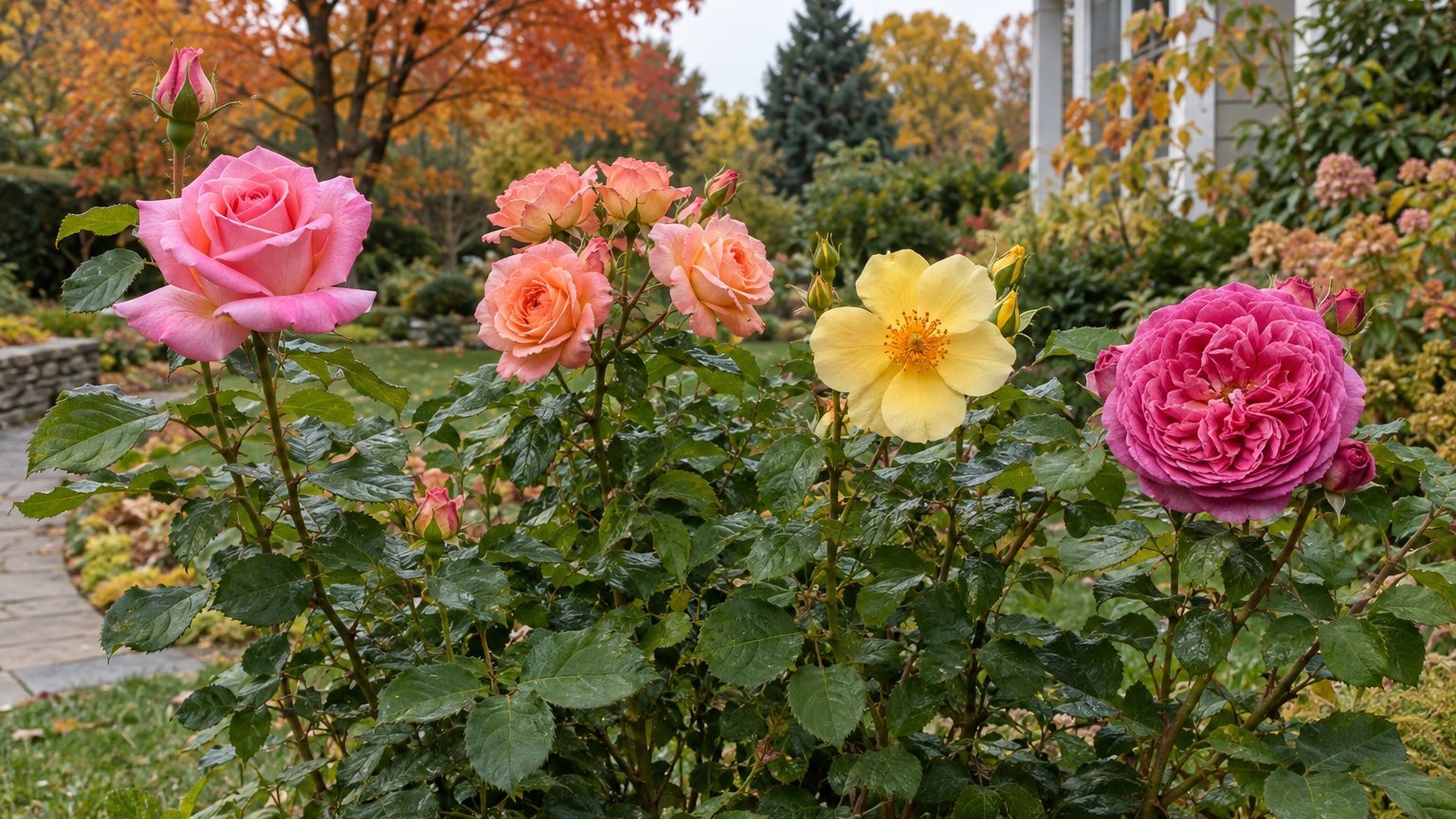
Healthy roses in bloom

Winter is the test here, so the roses that last are the hardy ones: shrub roses, polyanthas, floribundas, hybrid perpetuals and many old-fashioned roses. Charlottetown sits in Canadian hardiness zone 5b, a rating from the Canadian system that does not convert to a USDA zone. Extension advice from cold-climate gardens agrees that you should choose only types hardy enough for your coldest average winter.

Shrub Roses

Modern shrub roses bloom reliably with relatively little effort. Knock Out and similar hardy shrub roses perform well without extra winter protection, which suits anyone who would rather not wrap canes every fall. Plant one in a sunny spot and let it grow.

Meidiland Series

Cold-climate trials have found the Meidiland series hardy, though some varieties are marginal in colder spots. Treat them as shrubs for borders and low hedges. If your garden is open and windy, choose varieties with a proven record in cold trials.

Explorer Series

The Canadian Explorer roses carry the names of explorers such as Champlain, Cabot and Kelsey. They come as shrubs or climbers and mostly live through cold winters, so they are a natural fit for a Canadian island garden. They also need no extra protection.

Floribundas and Polyanthas

Floribundas and polyanthas prove more winter hardy than hybrid teas and grandifloras. They give clusters of flowers over a long season and tolerate a Maritime winter better than their fussier cousins. They are a sound pick if you want classic rose flowers with less risk.

Hybrid Perpetuals and Old-Fashioned Roses

Hybrid perpetuals and many old-fashioned roses are also hardier than hybrid teas. Some old garden roses flower once a year, which changes how you prune them (more on that below). Their scent and form make them worth the single flush of bloom.

How to Choose a Rose for a Prince Edward Island Garden

Start with how much winter work you want to do. A rose that needs wrapping in November is a different commitment from a shrub rose you can leave alone.

Then think about timing. Bare-root roses go in during April and May, and potted roses can go in later. Repeat-blooming roses are pruned in April and May, once shoots are well started, and it can also be done in March if you wait for active growth.

Your situation What suits it in Prince Edward Island Why
Very cold winter, exposed garden Explorer series, hardy shrub roses They mostly live through cold winters and need no extra protection
Little time for winter care Knock Out and similar shrub roses They perform well without wrapping or mounding
Classic flowers, moderate effort Floribundas, polyanthas, hybrid perpetuals They are more winter hardy than hybrid teas and grandifloras
Hybrid teas or grandifloras you love Plant them, and protect them each winter They need protection in cold winters, put on in November

No local rose-timing page exists for the province, so the months here follow the nearest comparable cold climate. Confirm local timing with a garden centre, a rose society or the provincial gardening groups.

Which Roses Suit Different Parts of Prince Edward Island

The province is not one climate, so the same rose may behave differently across it.

  • Charlottetown: spring frost falls on average around May 16, which means in one year out of two it arrives later. Treat that date as the middle of a window, not as a safe date for moving tender plants outdoors.
  • North Cape and the northern districts: spring runs later than in Charlottetown, so lean toward the hardiest types, such as Explorer roses and tough shrub roses, and keep bare-root planting to the later part of the spring window.

Upland spots and open fields behave like the northern districts, so pick for the colder end of the range there.

Rose Buying Mistakes to Avoid in Prince Edward Island

Buying Hybrid Teas Without a Winter Plan

Hybrid teas, floribundas and grandifloras need winter protection in cold winters, and an unprotected hybrid tea can die back. Apply protection in late November, after hard frosts have killed the leaves. Taking it off in early May, before new growth begins, is the right time. It can also be done in April.

Pruning Once-Blooming Roses in Spring

Once-blooming roses, such as old garden roses, ramblers and many climbers, flower once a year on last year’s wood. Prune them right after they bloom, never in early spring, or you cut off the year’s flowers. Repeat-blooming roses are different, because they flower on new wood and can be pruned in spring.

Feeding Roses Too Late

Feeding roses monthly from April keeps them growing well. Stopping in August matters, because late feeding pushes soft new growth that may not harden off before winter. Feed from April through July, with August as a late fallback.

Where to Get Rose Advice in Prince Edward Island

The Government of Prince Edward Island agriculture pages are the provincial starting point.

  • The provincial agriculture pages are worth a visit before you order bare-root roses.
  • A local garden centre can tell you which varieties came through recent winters, so ask before planting.
  • A rose society or provincial gardening group is a good place to compare notes before you buy.

Common Questions

When Should You Put Winter Protection on Roses in Prince Edward Island?

Late November is the time, after hard frosts have killed the remaining leaves.

When Should You Take Winter Protection Off Roses?

Early May is the usual time, before new growth begins. If spring is mild, it can also be done in April, though a late frost can still catch exposed buds.

How Long Should You Keep Feeding Roses?

Feed monthly from April through July, with August as the last feeding at most. Stopping then lets the new growth harden before winter arrives.

When to Prune Roses in Prince Edward Island

When to Prune Roses in Prince Edward Island

Bare rose canes in early spring look the same whether they are alive or dead, and the temptation to grab the pruners comes early. In Prince Edward Island, pruning repeat-blooming roses belongs to April and May, once the buds wake up. Roses that flower only once a year follow a different rule.

When to Prune Roses in Prince Edward Island

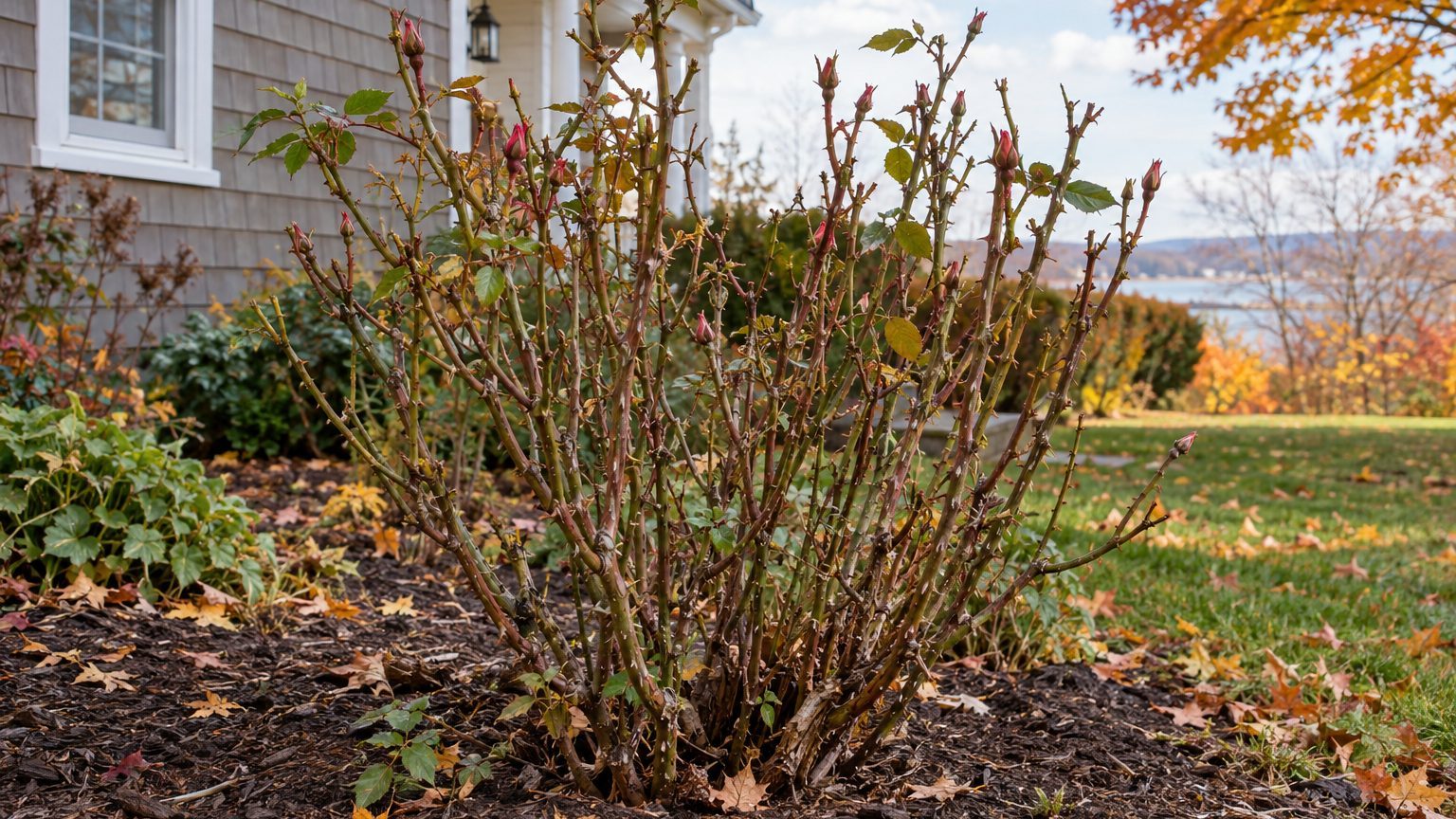
Rose canes at pruning time

Prune repeat-blooming roses in April and May. The province has no rose-timing guidance of its own, so these months follow the nearest comparable climate. Confirm the local timing with a garden centre, a rose society or a provincial gardening group.

Type of rose When to prune in Prince Edward Island Why
Repeat-blooming roses (hybrid teas, floribundas, modern shrub roses) April and May, or March if growth has clearly started They flower on new wood, so spring pruning shapes the stems that will carry the blooms.
Once-blooming roses (old garden roses, ramblers, many climbers) Right after they bloom, never in early spring They flower on last year’s wood, so a spring cut removes the coming flowers.

March is a fallback, not a target, and only when the roses are waking up, because late winter while the canes are still dormant is the outer limit. Climbing roses that repeat bloom have no separate months here, so a local garden centre or rose society can tell you how they behave in your yard. Wait for active growth before you cut, and not just for a mild week.

How to Tell When Your Roses Are Ready to Prune

The roses give clearer signals than the calendar does, and a careful look at the canes beats a date on the fridge.

  • Buds that begin to swell tell you that active growth has started and help you see where to cut.
  • Fresh shoots that have begun to lengthen show which canes are alive, so you can cut back to healthy wood without guessing.
  • For repeat-blooming roses, a passing mild spell is not proof that the cold is over, so wait for active growth before pruning.
  • At Charlottetown the last spring frost falls on average around May 16, so in about half of years a frost still arrives later, and that date marks the middle of a window, not a safe day.
  • Winter protection comes off in May, or in April if the season is early; then wait for active growth before pruning repeat-blooming roses.

Cut back to healthy wood after growth has shown you which canes are alive.

Should You Prune Roses in Fall or Winter in Prince Edward Island?

Mostly no. For repeat-blooming roses, save pruning for spring, once active growth begins.

Hard pruning of repeat-blooming roses belongs in spring, once active growth shows what survived. Winter dieback also tells you something: leave it until growth resumes, then cut to living tissue.

How Rose Pruning Dates Shift Across Prince Edward Island

The months above hold for the province as a whole, but spring does not arrive everywhere at once.

  • Charlottetown: This is the central reference point, in Canadian hardiness zone 5b (a Canadian zone, not a USDA zone, and it does not convert to one). April is a fair start in Charlottetown if the buds are moving.
  • The northern districts: Spring tends to run behind Charlottetown, so lean toward May, and let the swelling buds make the final call before you prune.

If your yard sits on higher land, expect a later start and watch the roses closely.

Where to Get Rose Advice in Prince Edward Island

Local gardeners, nurseries and the provincial resource below can help with rose questions.

  • The Prince Edward Island agriculture department is the place to look for provincial gardening and plant-health information before the season starts.
  • A local garden centre can tell you which rose varieties came through the winter in your area, and early spring is the time to ask.
  • A rose society or master gardener group can confirm timing for your own yard, so contact them in late winter, before the first cut.

Common Questions

Do Roses Need Winter Protection in Prince Edward Island?

Hybrid teas, floribundas and grandifloras do in cold winters, while hardy shrub roses such as Knock Out or the Explorer series do well without extra protection. Put protection on in late November, after hard frosts have killed the leaves, and take it off in May, or April if the weather allows, before new growth begins.

When Should You Feed Roses in Prince Edward Island?

Start in April and feed monthly through July, with August as the last month if you feed then at all. Stopping by August keeps the plant from making soft new growth that cannot harden off before winter.

Can You Plant Bare-Root Roses in Spring?

Yes. April and May are the months for bare-root roses in the province, and potted roses can go in later than that.

When to Plant Roses in Prince Edward Island: Dates and Varieties

When to Plant Roses in Prince Edward Island: Dates and Varieties

Rose canes in Prince Edward Island wake up in spring, as the buds swell and winter protection comes off before new growth begins. Planting, pruning and feeding all cluster in the spring months that follow.

When to Plant Roses in Prince Edward Island

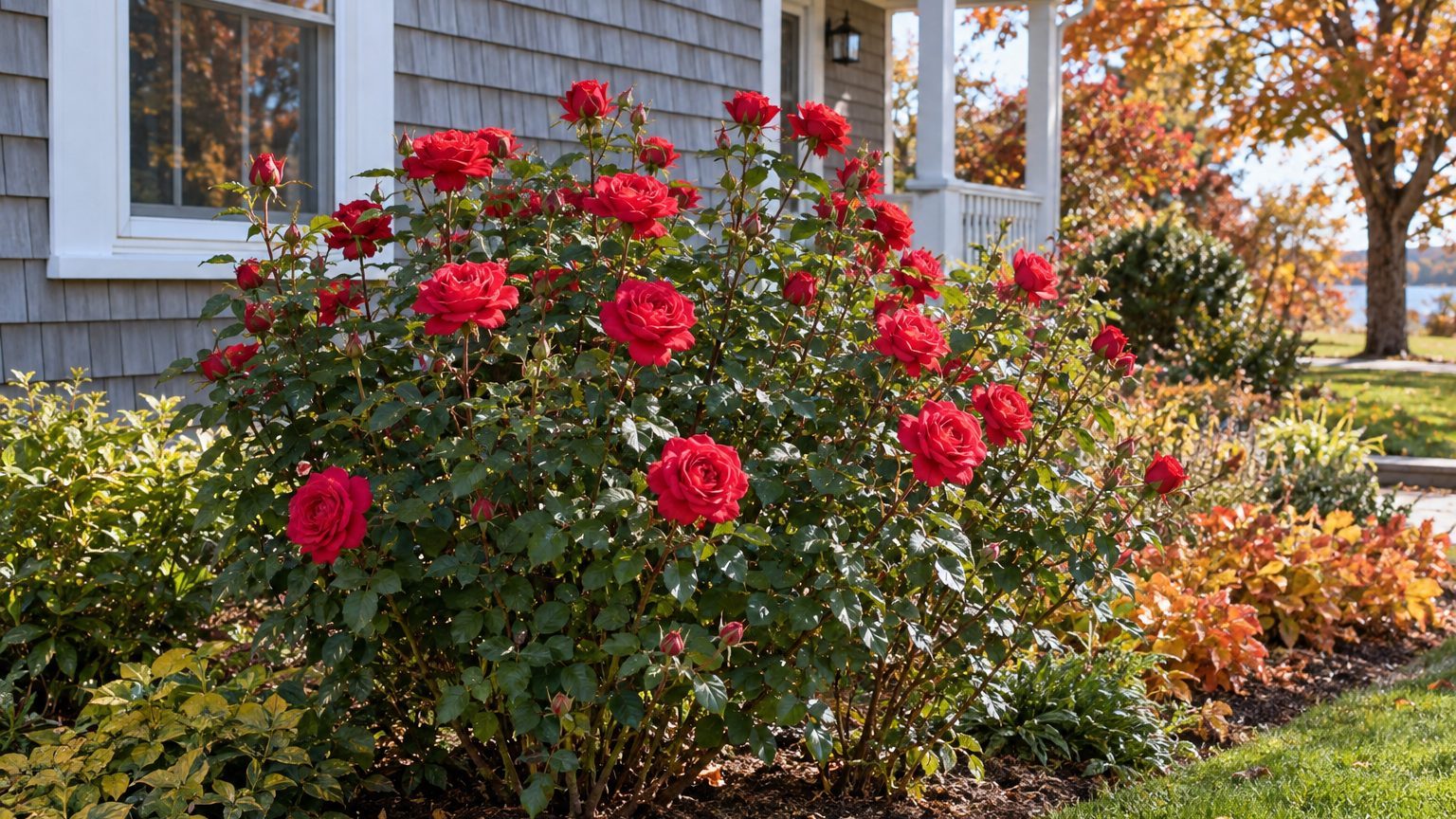
A rose bush in bloom in a home garden

Bare-root roses go in first, while they are still dormant, and potted roses follow once the risk of frost has eased. The dates here follow the nearest comparable climate, since the province has no local guidance on rose timing, so confirm them with a local garden centre, a rose society or a provincial gardening group. At Charlottetown, the last spring frost falls on average around May 16, which means in one year out of two it comes later, so treat it as the middle of a window and not a safe date. A young rose that has leafed out will not tolerate a hard freeze.

  • In early spring, usually April, bare-root roses can be planted while the canes are still dormant, and repeat-blooming roses are pruned as the buds start to swell.
  • In May, planting of bare-root roses continues, and the winter mulch comes off before new growth begins (April also works if the season runs early).
  • From spring into midsummer, April through July, roses are fed monthly, with a final feeding in August at the latest.
  • In early autumn, the first frost at Charlottetown falls on average around October 17, a midpoint rather than a safe date for the province.
  • In November, once hard frosts have killed the leaves, the winter protection goes on.

Charlottetown sits in Canadian hardiness zone 5b. That is a separate system from the USDA map and does not convert to it, so match roses to the Canadian zone when you shop.

Which Roses Grow Best in Prince Edward Island?

Winter decides which roses last here. Hardy types such as polyanthas, floribundas, hybrid perpetuals, shrub roses and many old-fashioned roses come through cold seasons better than hybrid teas and grandifloras.

The tags on the plant matter as much as the type. Choose only roses hardy enough for the coldest winters in your growing zone, using the Canadian zone for your area.

Rose type How it does in Prince Edward Island Why
Hybrid teas and grandifloras Need winter protection in cold winters Less winter hardy than the other types
Floribundas and polyanthas Hold up better through the cold months Hardier than hybrid teas
Hardy shrub roses (Knock Out) Perform well without extra protection Bred and trialed for cold winters
Explorer series (shrub or climbing) Reliable without extra cover Bred in Canada, named for explorers such as Champlain, Cabot and Kelsey
Old-fashioned roses and hybrid perpetuals Good, durable choices Hardier than hybrid teas

A hybrid tea can succeed if you accept the winter protection it needs. A hardy shrub rose is the easier path for a front yard border.

When to Prune, Feed and Protect Roses in Prince Edward Island

Each task has its own stretch of months, and they follow the rose’s growth more than the weather page. Prune repeat-blooming roses after active growth begins, stop feeding before autumn, and put on winter cover only after hard frosts.

Hybrid teas, floribundas and grandifloras need winter protection in cold winters. Cover them once the leaves are killed and take it off in spring before growth starts.

Task Best months in Prince Edward Island Why then
Prune repeat-blooming roses April and May (March works if growth has started) Wait until active growth begins, because these roses bloom on new wood
Feed roses April through July, with August as a last feeding Stopping in August keeps late growth from failing to harden before winter
Put on winter protection November, late in the month Covering after hard frosts have killed the leaves avoids trapping live growth
Take off winter protection May (April works if the season is early) Uncovering in early May comes before new growth begins

Planting bare-root roses shares the April and May window with pruning, so you can handle a new bed’s planting and pruning over a spring weekend.

How Rose Care Dates Change Across Prince Edward Island

The dates start from Charlottetown, but local timing can differ elsewhere in the province.

  • Charlottetown and the south-central Island: Use Charlottetown as a starting point, then check local frost timing before following the April and May windows.
  • The North Shore and other northern districts: Spring can arrive later than at Charlottetown, so wait longer before planting bare-root roses and uncovering canes.
  • Western and eastern ends of the Island: Conditions can differ from the capital, so check frost timing locally before you plant tender roses.

When in doubt, watch the buds. If they have not swelled, hold off on pruning repeat-blooming roses, but remove winter protection before new growth begins.

Where to Get Rose Advice in Prince Edward Island

For local advice, turn to the provincial resource below and to gardeners near you. For a diagnosis or soil test, start with the Prince Edward Island agriculture pages, then ask neighbors who grow roses.

  • The provincial agriculture department can point you to soil testing and plant health help, and spring is a good time to ask before beds are dug.
  • A local garden centre can tell you which bare-root and potted roses are in stock and when they arrive, usually in spring.
  • A master gardener group or rose society can confirm local timing and share what has survived in your part of the Island.

Common Questions

What Does Canadian Zone 5b Mean for Choosing Roses?

Canadian zone 5b is the rating for Charlottetown under the Canadian system, which weighs several climate factors and not only winter lows. It does not translate into a USDA zone, so buy by the Canadian rating and use it as a guide to hardiness.

When Should You Prune a Rose That Blooms Only Once a Year?

Once-blooming roses, such as old garden roses, ramblers and many climbers, flower on last year’s wood. Prune them right after they bloom, never in early spring, or you will remove the flower buds.

Can Potted Roses Be Planted Later than Bare-Root Roses?

Yes. Bare-root roses must go in while dormant, but a potted rose already has leaves and roots, so it can be set out later in the season once frost danger has passed.

The almanac, state by state. Every date on this site comes from a state’s own frost facts and its extension service’s calendar — and says where it comes from.