Lilac scent drifts over island fences in late spring, often from familiar French lilacs. Prince Edward Island gives lilacs the cold winter they want. The real choices are which type to plant, how big it will get, and how well it handles disease.
Best Lilacs to Grow in Prince Edward Island

Lilacs belong here because they are cold-climate shrubs, and winter chill is what matures their flower buds. Charlottetown sits in zone 5b of the Canadian hardiness system (a Canadian rating that does not convert to a USDA zone), which suits French lilacs, dwarf Korean lilacs and the Bloomerang series. Choose by size, disease resistance and bloom habit.
French Lilacs

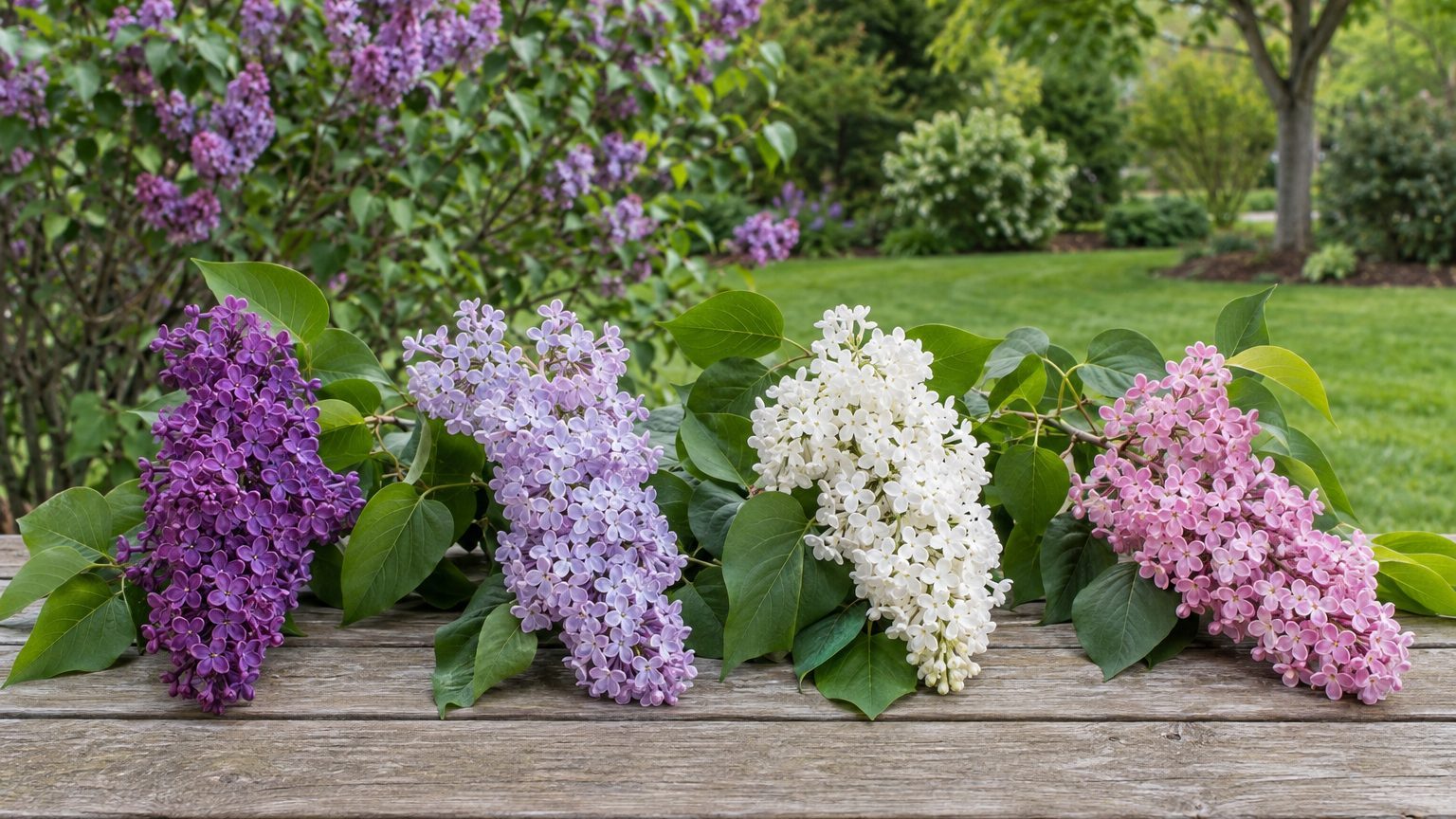
French lilacs are selections of the common lilac, Syringa vulgaris, and they are the best known group. Hundreds of cultivars exist, in colors from lilac and purple to white, pink and a reddish hue. Their flowers are extremely fragrant in mid to late spring.
Plant one in a sunny spot with good air circulation, and it will do what lilacs do in a cold climate.
Sensation

Sensation has purple flowers edged with white, so it stands out among plain purple lilacs. It is a French lilac cultivar, so it takes the same cold-winter habits.
It is also listed among varieties resistant to Pseudomonas syringae.
Dwarf Korean Lilac
Syringa meyeri, the dwarf Korean lilac or little-leaf lilac, usually grows about 5 ft tall and just as wide. Occasionally it reaches 8 ft in both directions. It blooms profusely, with small violet flowers.
Breeders have used it often because it stays small and compact, which makes it a good fit for a tidy front yard.
Bloomerang Series
The Bloomerang series is resistant to powdery mildew and reblooms. That makes it a useful choice when you want flowers after the main spring show and fewer leaf problems.
It still needs a cold winter rest, which the Island provides.
Resistant Varieties
Planting resistant varieties is the dependable way to guard against Pseudomonas syringae. Resistant varieties include Donald Wyman, Royalty, Superba, Miss Kim, Edmund Boisier, Victor Lemoine, Sensation and Michael Buchner.
Ask for these names at the garden centre.
Prince Edward Island — the year and the numbers
- State
- Prince Edward Island
- Hardiness zones
- 5b
- Last spring frost
- May 16
- First fall frost
- October 17
- Annual rain
- 46 in
- Lawn zone
- cool-season
- Source
- Environment and Climate Change Canada — Canadian Climate Normals 1981-2010, station CHARLOTTETOWN A · Charlottetown
How to Choose a Lilac for a Prince Edward Island Garden
Start with the space and the amount of care you want to give. Lilacs generally handle the Island winter, so size and disease resistance usually decide the purchase.
Lilacs bloom in April and May here, and later species can carry into June.
| Your situation | What suits it in Prince Edward Island | Why |
|---|---|---|
| Very cold winter | French lilacs | Winter chill matures the flower buds, and the common lilac is a cold-climate shrub. |
| Hot, humid summer spell | Bloomerang series | It resists powdery mildew, and lilacs in general struggle in hot, humid summers. |
| Little time for care | Resistant varieties such as Miss Kim or Superba | Resistance is the dependable protection against Pseudomonas syringae. |
| Small space | Dwarf Korean lilac | It stays near 5 ft tall and wide, and it is compact. |
| Need for winter cold | Common lilac and its French selections | The cold rest is what lets the buds mature. |
If you want a lilac with varied flower colors, French selections offer a broad palette. Pick the shrub in bloom at a nursery so you can see the color and size before you buy.
Which Lilacs Suit Different Parts of Prince Edward Island
A few differences in frost timing still matter for where you plant and when you watch the buds.
- Charlottetown and the central area: the average last spring frost falls on May 16, and in one year out of two frost comes later, so treat that date as the middle of a window and not a safe date.
- Northern and upland districts: spring runs behind Charlottetown, so frost lingers longer and bloom comes later. Cold-climate lilacs fit these cooler districts, but confirm local timing before you plant.
Lilac Buying Mistakes to Avoid in Prince Edward Island
Skipping Disease Resistance
A lilac bought on flower color alone can fall to Pseudomonas syringae, which costs you branches and flowers. Check the label for resistance, and look for varieties such as Sensation, Miss Kim or Royalty. For mildew, the Bloomerang series is a resistant choice.
Ignoring Adult Size
A potted lilac looks small, but a French lilac grows into a large shrub. A dwarf Korean lilac usually stops near 5 ft and sometimes reaches 8 ft.
Prune right after the flowers fade, in May or June. Lilacs bloom on last year’s wood and set next year’s buds soon after flowering, so pruning in late summer, fall or winter removes the following spring’s buds. A hard cut of an overgrown lilac belongs in March or April, and it costs you the flowers for a few years.
Picking a Shady Corner
Lilacs want a sunny site with good air circulation. In shade they bloom poorly and hold moisture on the leaves, which invites disease. Move the choice to the sunniest spot you have and give the shrub room to breathe.
Where to Get Lilac Advice in Prince Edward Island
The province has no local page on lilac timing, so the dates here follow the nearest comparable climate. Confirm local timing with a garden centre, a garden society or the provincial gardening groups. For general growing questions, start with Prince Edward Island’s agriculture department.
- The provincial agriculture pages cover general plant and gardening guidance, and they are worth checking before you plant.
- A local garden centre can show you lilacs in bloom between April and June, when color and size are easy to judge.
- A garden society can tell you which lilacs have lasted in your neighborhood.
Common Questions
What Colors Do Lilac Flowers Come In?
Named cultivars range through lilac, purple, white, pink and a reddish hue. Sensation is purple edged with white.
Are Lilacs Fragrant?
Common lilac is grown for extremely fragrant flowers in mid to late spring, depending on the location.
Is the Canadian Hardiness Zone the Same as a USDA Zone?
No. The Canadian system uses several climate variables, and the USDA system uses one. There are no simple conversions between them, so read Canadian zones on their own scale.