Skip to content

Ontario

  1. Jan
  2. Feb
  3. Mar
  4. Apr
  5. May
  6. Jun
  7. Jul
  8. Aug
  9. Sep
  10. Oct
  11. Nov
  12. Dec
State
Ontario
Hardiness zones
7a
Last spring frost
April 30
First fall frost
October 16
Annual rain
31 in
Lawn zone
cool-season
Source
Environment and Climate Change Canada — Canadian Climate Normals 1981-2010, station TORONTO LESTER B. PEARSON INT'L A · Toronto

The year in Ontario, from the calendar

  1. Jan—
  2. FebPrune fruit trees
  3. MarFeed hydrangeas · Renew an overgrown lilac · Plant roses · Prune roses · Uncover roses in spring
  4. AprSpring bulbs bloom · Plant hydrangeas · Lilacs bloom · Renew an overgrown lilac · Feed roses
  5. MaySpring bulbs bloom · Feed hydrangeas · Plant hydrangeas · Lilacs bloom · Prune lilacs
  6. JunPrune bigleaf hydrangeas · Prune lilacs · Peonies bloom · Feed roses · Mow
  7. JulFeed hydrangeas · Prune bigleaf hydrangeas · Feed roses · Mow · Water
  8. AugPlant hydrangeas · Seed the lawn · Dethatch · Mow · Plant trees
  9. SepPlant spring bulbs · Plant hydrangeas · Seed the lawn · Plant peonies · Aerate
  10. OctPlant spring bulbs · Cut back peonies · Plant peonies · Plant trees · Mow
  11. NovCut back peonies · Protect roses for winter
  12. Dec—

From the state frost facts and extension calendars: Iowa State University Extension ; K-State Research and Extension · Iowa State University Extension ; Purdue Extension · Clemson HGIC factsheet — Hydrangea · Guelph Turfgrass Institute (University of Guelph) — Spring care tips for your yard.

Best Time to Plant Trees in Ontario

Best Time to Plant Trees in Ontario

Spring buds swelling on a bare maple and a fall yard full of leaves both signal a planting window for trees in Ontario. The province’s best seasons are late April and October, when the soil can be worked and roots have time to settle. Fruit trees go in earlier, in March and April.

When Is the Best Time to Plant Trees in Ontario?

A young shade tree newly planted in a home yard

Shade and ornamental trees do best planted in April or October, with May and September as fallback months. The Ontario dates here follow nearby Great Lakes climates, so confirm local timing with a garden centre, a garden society or the provincial gardening groups. The year runs like this:

  • In April, and especially late April, the soil is workable and the tree is still resting, so roots can grow before summer heat arrives.
  • In May, planting is still fine, though a tree set out this late needs regular watering as the days warm up.
  • Through summer, hold off, because heat and dry soil stress new roots.
  • In September, soil that is still warm lets roots keep growing, which gives the tree a head start.
  • In October, planting works as long as it happens early enough for roots to grow before winter, and the soil is still warm at planting depth.

Container trees can go in most of the year if you water them, but they settle best in the dormant season. At the Toronto airport reference station, the average last spring frost falls around April 30, and the average first fall frost around October 16. Half of all years run later in spring and earlier in fall, so treat those dates as the middle of a window. Northern and upland districts of the province run weeks behind. The reference city sits in Canadian hardiness zone 7a, a system that does not convert to a USDA zone.

When to Plant Fruit Trees in Ontario

Plant fruit trees in March or April, in late winter or early spring. Bare-root trees must go in while they are still dormant, before the buds open, so the soil only needs to be workable.

Container-grown fruit trees are more forgiving, since they carry their roots and soil with them. They still settle best in the dormant season.

Kind of fruit tree When to plant in Ontario Why then
Bare-root March to April The tree is still dormant and the buds have not opened
Container March to April, or any time with watering It settles best in the dormant season

Peaches need extra care in Ontario, since their blossoms can be caught by a late spring frost, so choose bud-hardy cultivars and protect the bloom.

Best Trees to Plant in Ontario

Oaks, maples, hackberry and redbud are good candidates for an Ontario yard, given the cold winters and the range of soils. Choose by the space you have, how much sun the spot gets and your local hardiness zone.

Tree How it does in Ontario Why
Burr oak, swamp white oak, chinkapin oak, shingle oak Long-lived and adaptable These are the tough, adaptable oak species
Sugar maple Handles shade while young It tolerates shady situations early in life
Freeman maple Fast growing, with strong wood It is stronger than its parent, the silver maple, and tolerates varied soils
Common hackberry Fast grower in many soils It tolerates a wide variety of soil conditions
Redbud Better from a northern seed source Those trees are more likely to be cold hardy and like moist, well-drained soil

Hackberry grows fast but can get leaf galls from an insect, and its limbs are prone to wind and ice damage. Magnolia, dogwood, tuliptree, sweet gum, red maple, birch, hawthorn, poplars, cherries, plums and many oaks are better planted in spring than in fall.

When to Plant, Water and Prune Trees in Ontario

Planting, watering and pruning each have a season. Plant in April or October, water a fall-planted tree until the ground freezes, and prune fruit trees in late winter while they sleep.

Task Best timing in Ontario Why then
Plant shade and ornamental trees April or October Roots grow before summer heat or before winter
Plant fruit trees March to April Bare-root trees are still dormant
Water a young tree Regularly after planting, and in fall until the ground freezes New roots dry out fast, and a fall tree needs moisture going into winter
Prune fruit trees February to March, while dormant Wounds heal fast, before buds swell

Apples and pears come first, cherries follow in mid-March, and peaches go last, closest to bloom, since their flower buds are easily hurt by cold. Avoid pruning fruit trees in fall or early winter, because new growth may not harden before the cold. Oaks are left alone from March through October to limit the spread of oak wilt. The full pruning routine is on the page for when to prune fruit trees.

Where to Get Tree Advice in Ontario

Canada has no county extension offices, so advice comes from the province and from local growers. Both help with choosing a species or testing your soil.

  • The Ontario Ministry of Agriculture, Food and Agribusiness publishes fruit growing and pruning guidance, worth a look before you order trees.
  • A local garden centre or master gardener group can recommend species for your soil and sun, and many can arrange a soil test before spring planting.

Common Questions

Can You Plant a Tree in July?

You can plant a container tree in July if you water it regularly, but summer heat makes it the hardest time to plant. The dry soil stresses new roots, so the tree sulks and may fail where an April or October planting would settle in easily.

Should You Plant Oaks in Spring or Fall in Ontario?

Spring is the safer choice. Many oaks are among the trees that settle better when planted in spring, so plant them in spring once the soil can be worked. If you do plant in fall, finish early enough that roots can grow before the ground freezes.

Do Bare-Root Trees Need to Be Planted Right Away?

Yes, plant them as soon as the soil is workable in March or April. Bare-root trees go in while still dormant, before the buds open. Once buds swell, plant bare-root trees only if they can be kept watered until they establish.
Best Peonies for Ontario

Best Peonies for Ontario

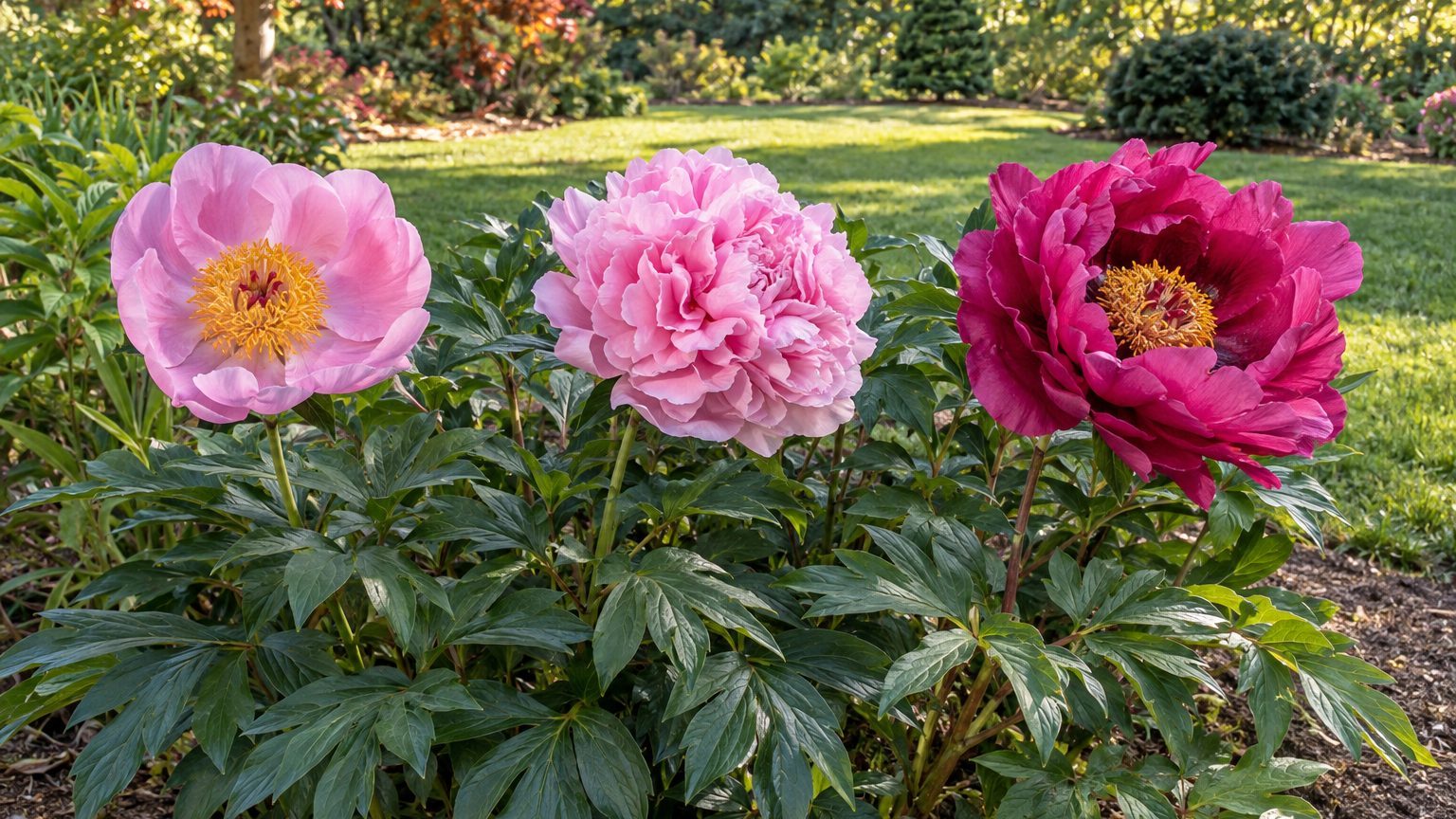
Peonies reward patience: the clump you set in the ground in fall comes back thicker and heavier every spring. In Ontario, the best choices are the herbaceous and intersectional types, with tree peonies as a woody alternative for gardeners who want something different.

Best Peonies to Grow in Ontario

Best Peonies for Ontario

Herbaceous and intersectional peonies are the easiest to grow in Ontario, and tree peonies and woodland peonies also have a place in the home landscape. Peonies need a cold winter rest to flower well, and Toronto sits in Canadian hardiness zone 7a, a rating that comes from a different system than the USDA’s and does not convert to it. Ontario winters give the plants the chill they need.

Herbaceous Peonies

Herbaceous Peonies — Best Peonies for Ontario

The classic garden peony dies back to the ground each fall and sends up fresh growth in spring, so its yearly routine is straightforward. Plant or divide it in September, or October at the latest, so the roots settle in before winter.

Once frost has blackened the foliage, cut the stems back in October or November, down to within a couple of inches of the soil.

Intersectional Peonies

Also sold as Itoh peonies, these are hybrids of the garden peony and the tree peony. They share the herbaceous peony’s routine: they die back each fall and return in spring, so the care is the same as for a garden peony.

Choose this type if you want the look of a hybrid without a change in routine. Fall planting and fall cutback work just as they do for herbaceous plants.

Tree Peonies

Despite the name, a tree peony is a woody shrub. It goes dormant over winter, then pushes new growth each spring from stems that stay standing through the cold months.

Because those woody stems carry the plant from year to year, the pruning habits you use on a garden peony do not apply here. Give the shrub room to build its framework over the seasons.

Woodland Peonies

Paeonia japonica is the woodland peony, which is grown in home landscapes. It is a smaller, quieter plant than the garden peony and suits gardeners who want variety beyond the usual big blooms.

Plant it in fall like the other types, and treat it as a specialty choice rather than your main planting.

How to Choose a Peony for an Ontario Garden

The right peony depends less on a long list of cultivars than on how much work you want to do and what shape you want in the bed. Start with the type, then pick a color and form you like.

Every type listed here is planted in September or October, which gives the roots time to establish before the ground freezes.

Your situation What suits it in Ontario Why
Little time for upkeep Herbaceous or intersectional peony These peonies die back to the ground each fall and return in spring with the same simple care
Cold Ontario winters Any peony type Peonies do best where winters are cold, and may flower poorly in mild-winter climates
A woody shrub in the bed Tree peony It keeps its woody stems through winter and renews growth each spring
A garden-and-tree hybrid Intersectional (Itoh) peony It is a hybrid of the garden peony and the tree peony
A tidy fall cleanup Herbaceous peony It is cut back after frost, in October or November

Woodland peonies suit gardeners who already have the main types and want something a little different in the landscape.

Which Peonies Suit Different Parts of Ontario

Ontario is big, and the choice of peony stays the same across it, but the timing and the reliability of spring growth shift from south to north.

  • Toronto and the Greater Toronto Area: The average last spring frost falls on April 30, which is only the midpoint of a window, so frost can still arrive after that date in one year out of two. Herbaceous and intersectional peonies are comfortable here, and tree peonies are worth a try if you want a shrub.
  • Northern Ontario: Spring frost runs weeks behind the Toronto date, so new growth starts later and may be nipped by a late freeze. Confirm planting timing locally.

Upland districts elsewhere in the province also run behind the Toronto date, so expect later spring growth there.

Peony Buying Mistakes to Avoid in Ontario

Planting Too Deep

A peony set too deep may bloom poorly or fail to come up at all.

Keep the eyes, the small buds on the root, near the soil surface when you plant or divide in September or October.

Cutting a Tree Peony to the Ground

Gardeners used to herbaceous peonies often cut every peony back after frost. A tree peony keeps its woody stems, and cutting them away removes the framework that carries the plant into spring.

Leave the stems alone, and save the cutback for the herbaceous and intersectional types.

Planting Too Late in Fall

Peonies planted after October have little time to get established before winter. A rushed planting can leave the roots weaker going into the cold.

Aim for September, or October at the latest, and give divisions the same window. Skip the spring rush at the garden centre if you can wait for fall.

Where to Get Peony Advice in Ontario

Ontario has no local extension page on peony timing, so the dates here follow the nearest comparable climate. Confirm local timing with a nearby garden centre, a garden society or the province’s gardening groups. For broader guidance, Ontario Agriculture and Food is the provincial starting point.

  • A local garden centre can tell you which peony types and cultivars have done well in your area.
  • A garden society or master gardener group can answer questions on timing and siting.

Common Questions

When Do Peonies Bloom in Ontario?

Peonies bloom from May into June, depending on the type and cultivar. Herbaceous and intersectional types bloom as the season warms, and tree peonies flower on their woody stems.

Will a New Peony Bloom the First Spring?

A newly planted or transplanted peony may not bloom the first spring. Be patient while the plant puts its energy into roots.

Can You Cut Back Peonies in Spring in Ontario?

Yes, for herbaceous peonies. Fall is the usual time, in October or November after frost, but cutting back in March or April also works. Tree peonies are never cut back to the ground.

When Do Peonies Bloom in Ontario?

When Do Peonies Bloom in Ontario?

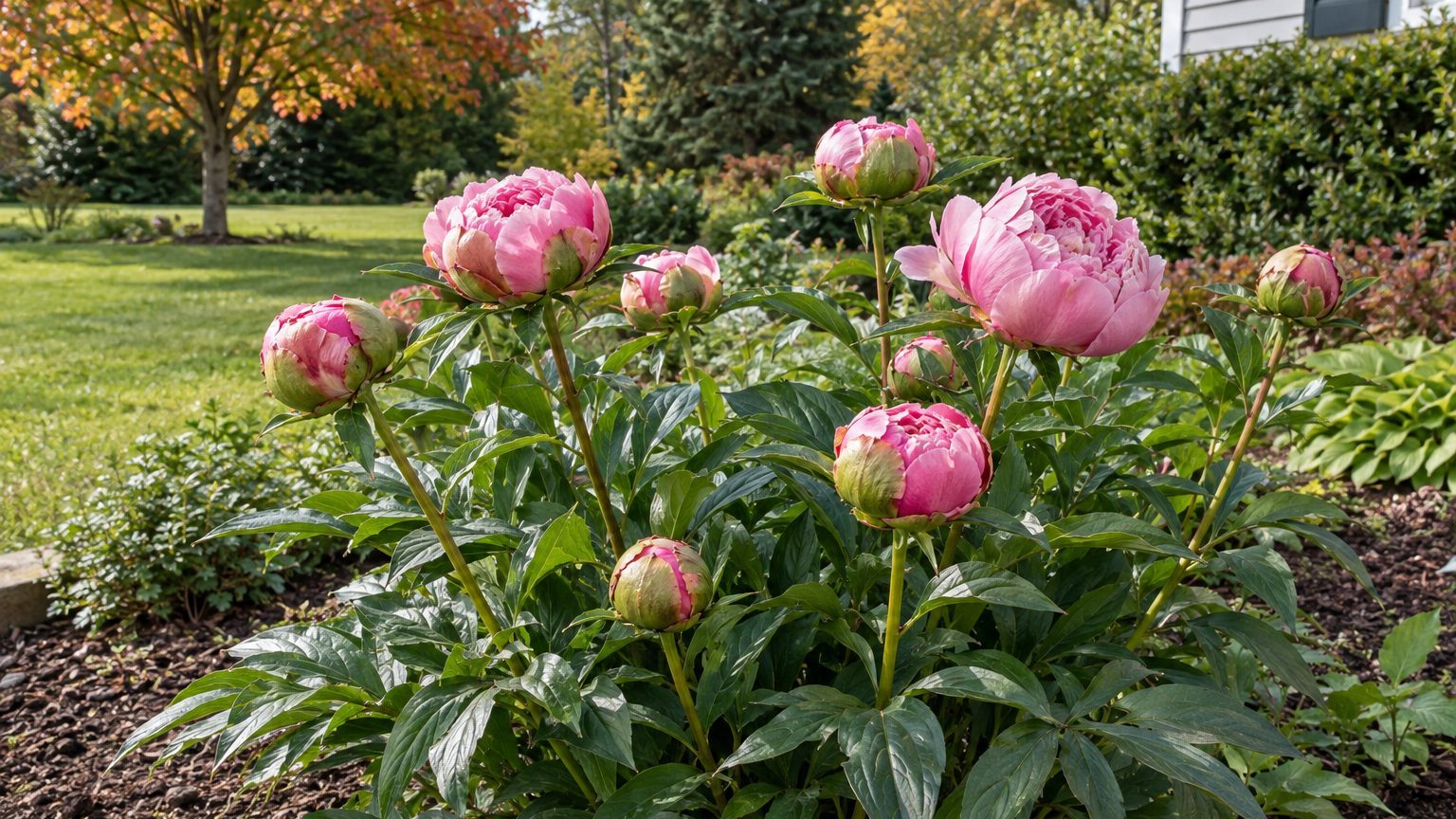
In spring, peony shoots push through the soil as thick red knuckles, and soon after, the buds open. In Ontario, the show runs from May into June. Which week you get depends on the type of peony, the spot in your yard and how the spring unfolds.

When Do Peonies Bloom in Ontario?

When Do Peonies Bloom in Ontario?

Peonies bloom in Ontario from May into June. Ontario has no local extension page on peony timing, so these months follow the nearby Great Lakes climate. Confirm local timing with a garden centre, a garden society or the province’s gardening groups.

Type of peony When it blooms in Ontario What to know
Herbaceous (garden) peony May into June Dies back to the ground each fall and regrows in spring. Among the easiest to grow.
Intersectional (Itoh) peony May into June A hybrid of garden and tree peonies. Grows like a herbaceous peony and dies back each fall.
Tree peony May into June A woody shrub. New growth comes from the woody stems each spring, so it is never cut to the ground.

Woodland peony (Paeonia japonica) is also grown in home landscapes, though it is less common. A frost date does not tell you when buds open. In Toronto, the last spring frost falls on average around April 30, which means that in one year out of two it comes later. Frost can nip early shoots, but the plants usually shrug it off.

How to Tell When Your Peonies Are About to Bloom

The plant itself gives better notice than the calendar.

  • Red, pointed shoots breaking the soil in spring mean the plant has woken up, so clear away any leftover mulch that could smother them.
  • Shoots that stretch and turn green with unfolding leaves mean the stems are building, which is the moment to set a support ring around the clump.
  • Small round buds at the stem tips show that flowers are forming.
  • Buds that swell and turn glossy and firm are filling with color, so bloom is getting closer.
  • A bud that feels soft like a marshmallow is nearly ready to open.
  • A first hint of color showing at the bud’s seam is the cue to cut stems for a vase, if you want them indoors.

When to Cut Back Peonies in Ontario

Cut herbaceous and Itoh peonies back in October or November, once a hard frost has blackened the foliage. Waiting for that frost lets the leaves keep feeding the roots as long as they can. Early spring, in March or April, also works if you would rather leave the stems standing through winter.

Cut the stems down to within a couple of inches of the ground. Bag the foliage and put it out with yard waste rather than composting it at home, since old leaves can carry fungal problems that return the following season.

Tree peonies are different. Their woody stems carry next year’s buds, so leave them standing. At most, snip off dead twigs and any leaves that linger.

How Peony Bloom Time Shifts Across Ontario

Ontario is a big province, and spring does not arrive everywhere together. Toronto sits in Canadian hardiness zone 7a, which describes that city and not the whole province.

  • Niagara and Southwestern Ontario: Spring warms sooner here, so buds tend to open ahead of most of the province.
  • Toronto and the Lake Ontario shore: The lake holds back the first warmth a little in spring, so bloom generally lands in the middle of the May-to-June window.
  • Ottawa Valley: Colder winters and a slower thaw usually push bloom later than along the Lake Ontario shore.
  • Northern Ontario, around Sudbury and Thunder Bay: Spring runs well behind the south, so peonies tend to flower toward the later end of the window, often into June.

Peonies need a cold winter rest to flower, which Ontario winters supply reliably.

Where to Get Peony Advice in Ontario

Ontario has no county extension offices. Local help comes from the province’s agriculture ministry, from master gardeners and from nearby growers.

  • The Ontario agriculture and food pages point to provincial gardening resources, and they are worth a visit before you plan a new bed.
  • A local garden society or master gardener group can tell you when peonies open in your own neighborhood.
  • A nearby garden centre can confirm planting and dividing in September or October.

Common Questions

When Should You Plant or Divide Peonies in Ontario?

September is the target, and October is the latest. Planting in early fall gives the roots time to settle before the ground freezes. Set the eyes, the pink buds on the root, near the soil surface, because a peony planted too deep may bloom poorly or not come up at all.

Why Won’t a Newly Planted Peony Bloom?

A newly planted or transplanted peony may not bloom the first spring. The plant spends that year building roots instead of flowers. If it stays leafy without buds, check the planting depth and how much sun the spot gets.

Do Peonies Need Cold Winters to Flower?

Yes. Peonies need a cold rest to set buds, and they may flower poorly in mild-winter climates. Ontario winters supply that rest, so the plants rarely need any special winter protection.

When to Plant Peonies in Ontario: Dates and Care

When to Plant Peonies in Ontario: Dates and Care

Red shoots push up through cold soil in spring, and the buds soon fatten on the stems. Getting that show started in Ontario comes down to when the roots go in the ground.

When to Plant Peonies in Ontario

When to Plant Peonies in Ontario: Dates and Care

Plant or divide peonies in September, or in October at the latest, so the roots settle in before winter. The year of an Ontario peony then runs like this.

  • In September and October, plant new roots or divide crowded clumps, since the plant has stored plenty of food by then and the new roots have time to establish before the ground freezes.
  • After a hard frost in October and November, cut herbaceous peonies back to a couple of inches above the ground, which clears away stems that could carry disease into the next season.
  • Through winter, the roots rest in cold soil, and that chill is what sets up flowering the next year. Toronto sits in Canadian hardiness zone 7a, which describes that city and not the whole province.
  • In March and April, you can cut back any stems left standing, just before the red shoots appear.
  • From May into June, the buds open, and the show runs as long as the weather allows.

At Toronto, the last spring frost falls on average around April 30, so in one year out of two it comes later, and young shoots can get nipped. In fall, the first frost arrives on average around October 16, again with half of years falling later. Northern and upland districts run well behind Toronto on both dates.

Which Peonies Grow Best in Ontario?

Peonies suit Ontario well, because they flower best where winters are cold and may flower poorly in mild-winter climates. Ontario winters supply that rest.

Home gardens can include peonies that handle the seasons in different ways.

Peony type How it does in Ontario Why
Herbaceous Reliable and easy to grow Dies back to the ground each fall and returns in spring
Itoh (intersectional) Easy, with the same routine as herbaceous A hybrid of garden and tree peonies that also dies back each fall
Tree Does well with cold winters A woody shrub that goes dormant and grows new shoots from woody stems each spring

A fourth type, the woodland peony (Paeonia japonica), is also grown in home landscapes, though it is less common. For a first peony, a herbaceous or Itoh plant is the simplest to manage because the yearly routine is the same.

When to Plant, Cut Back and Feed Peonies in Ontario

Most of the work falls in the fall, with a smaller window in early spring. Herbaceous and Itoh peonies get cut back, while tree peonies keep their woody stems and are never cut back.

Task Best timing in Ontario Why then
Plant or divide September, or October at the latest Roots settle in before winter
Cut back herbaceous and Itoh peonies After frost in fall (October to November), or in March and April The old stems have finished their work and are easy to remove
Leave tree peonies uncut All year The woody stems carry next season’s growth
Enjoy the bloom May into June Flowering follows the cold winter rest

Feeding has no set month here.

How Peony Planting Dates Change Across Ontario

Ontario stretches a long way, and the season shifts with the lakes and with distance from the south.

  • In milder districts, planting can continue into October.
  • Near the lake, spring growth may start earlier than inland.
  • In colder districts, watch the local frost and plant when the soil is still warm.

In colder districts, bloom arrives later in the May-into-June stretch.

Where to Get Peony Advice in Ontario

Ontario has no local extension page on peony timing, so the dates here follow the nearest comparable climate. Confirm local timing with a local garden centre, a garden society or the province’s gardening groups. The Ontario government’s agriculture and food page is the place to start for provincial resources.

  • Local master gardener groups can help diagnose a struggling plant.
  • A local garden centre can advise on soil testing and which types suit your area.
  • Garden societies may be able to point you toward local sources for divisions.

Common Questions

Why Is My Peony Leafy but Not Flowering?

A peony planted too deep may bloom poorly or not come up at all. If the foliage looks healthy but there are no buds, and the pinkish eyes sit well below the soil surface, replant it in September or October with the eyes near the surface.

What If You Miss the October Window?

Plant in September, or in October at the latest, so the roots can settle before winter. If the ground is already frozen, hold the plant somewhere cool and plant it when the season returns.

Can You Move an Established Peony in Ontario?

Yes, and the timing is the same as for dividing: September, or October at the latest. A newly moved peony may not bloom the first spring, so it helps to know it will recover with time.

Best Lilacs for Ontario

Best Lilacs for Ontario

A lilac in full bloom fills the yard with scent and tells you the winter was cold enough. In Ontario, most lilacs get that cold, which is why the old-fashioned types still line so many fences and driveways. The choice that matters is which kind suits your site, your space and your summers.

Best Lilacs to Grow in Ontario

Best Lilacs for Ontario

French lilacs, early hybrids, the dwarf Korean lilac and the reblooming Bloomerang series all earn a place here. Summer is the weak spot, since lilacs struggle in hot, humid weather. Give them a sunny spot with good air circulation.

French Lilacs

French Lilacs — Best Lilacs for Ontario

These are selections of the common lilac, Syringa vulgaris, and they are the best known of the group. Hundreds of cultivars exist, in many colours and floret shapes, so you can pick by flower rather than settling for one standard purple.

Their fragrance is strong, and they flower in mid to late spring.

Sensation

Sensation — Best Lilacs for Ontario

Sensation has purple flowers edged with white, which makes it easy to spot in a nursery row. It is also among the varieties found resistant to a bacterial disease of lilacs in a long trial, and choosing resistant varieties is the best protection against that disease.

Early Hybrids

Hybrids between Syringa oblata and Syringa vulgaris are well suited to cold climates. They bloom in mid to late April, ahead of the common lilacs, so they stretch your lilac season at the front end.

Dwarf Korean Lilac

Syringa meyeri, also called the little-leaf lilac, usually grows about 5 ft tall and as wide. Occasionally it reaches 8 ft.

It blooms profusely, with small violet flowers. Breeders have used it often because it is compact. The dwarf Korean lilac also appears among the varieties found resistant to that bacterial disease.

Bloomerang Series

This series is resistant to powdery mildew and reblooms. Mildew is a common complaint in humid summers, so this series is a useful choice when those conditions are hard to avoid.

How to Choose a Lilac for an Ontario Garden

Start with your site, then your patience. Toronto sits in Canadian hardiness zone 7a (a Canadian rating, not a USDA zone), and that mild-for-Ontario winter still gives lilacs the rest they need. Colder districts only reinforce the case for the cold-hardy types.

Match the plant to the problem you actually have.

Your situation What suits it in Ontario Why
Very cold winter French lilacs or the early hybrids The hybrids are well suited to cold climates, and French lilacs are the best-known type.
Hot, humid summer Bloomerang series Lilacs struggle in humid heat, and this series resists powdery mildew.
Concern about bacterial disease Sensation or the dwarf Korean lilac Both were found resistant to a bacterial disease, and resistant varieties are the best protection.
Small space Dwarf Korean lilac It usually stays near 5 ft tall and as wide.
Need for cold French lilacs and early hybrids A cold winter rest matures the flower buds.

Color can come after size and disease resistance. Named cultivars come in lilac, purple, white, pink and a reddish hue, so size and disease resistance should settle the shortlist first.

Which Lilacs Suit Different Parts of Ontario

Ontario is long and stretches across several climates, so the same lilac behaves differently from one district to the next. These are the differences that change what you plant.

  • Toronto’s reference figure for the last spring frost is April 30 on average, which means it comes later in half of all years. Treat that date as the middle of a window, and wait for the weather to settle before planting out tender new growth.
  • Niagara and the Lake Erie shore: summers here are warmer and can turn humid, so a mildew-resistant series earns its place beside the classic French lilacs.
  • Muskoka and the uplands: spring arrives weeks behind the southern cities, so the early hybrids and French lilacs are the safe choice, and bloom runs later.
  • Northern Ontario, around Sudbury and Thunder Bay: winter is long and cold, which is the condition lilacs like best, so French lilacs and the early hybrids fit without trouble.

Lilac bloom runs from April through May and can reach into June, with later species and cultivars at the tail end. Colder districts sit toward the later months.

Lilac Buying Mistakes to Avoid in Ontario

Planting Where Summers Are Sticky

A lilac set in a closed-in, damp corner with poor air circulation struggles in humid heat. Mildew follows. Pick a sunny, open spot, and if your yard is humid anyway, choose a mildew-resistant series.

Buying Without Knowing Adult Size

A small pot hides a large shrub. French lilac cultivars vary in size, while the dwarf Korean lilac usually settles near 5 ft. Read the tag for mature height and width before buying.

Pruning at the Wrong Time

A lilac blooms on last year’s wood and sets next year’s flower buds in summer, soon after it flowers. Prune in May or June, right after the flowers fade. Cutting in late summer, fall or winter removes the coming spring’s flowers.

An overgrown lilac can be cut back hard in March or April. The price is no bloom for a few years afterward.

Where to Get Lilac Advice in Ontario

Ontario’s agriculture and food pages are a useful starting point. Ontario has no local extension page on lilac timing, so these dates follow the nearest comparable climate and should be confirmed with a local garden center or garden society.

  • Read Ontario’s agriculture and food pages for provincial guidance on plants and pests, any time you are planning a bed.
  • Ask a local garden centre which lilac varieties do well nearby, ideally in early spring when stock arrives.
  • Visit a local garden society or master gardener group in late April through May, when lilacs bloom, to see which ones thrive in your district.

Common Questions

When Do Lilacs Bloom in Ontario?

Bloom runs from April through May, with later species and cultivars carrying on into June. The early hybrids open first, in mid to late April.

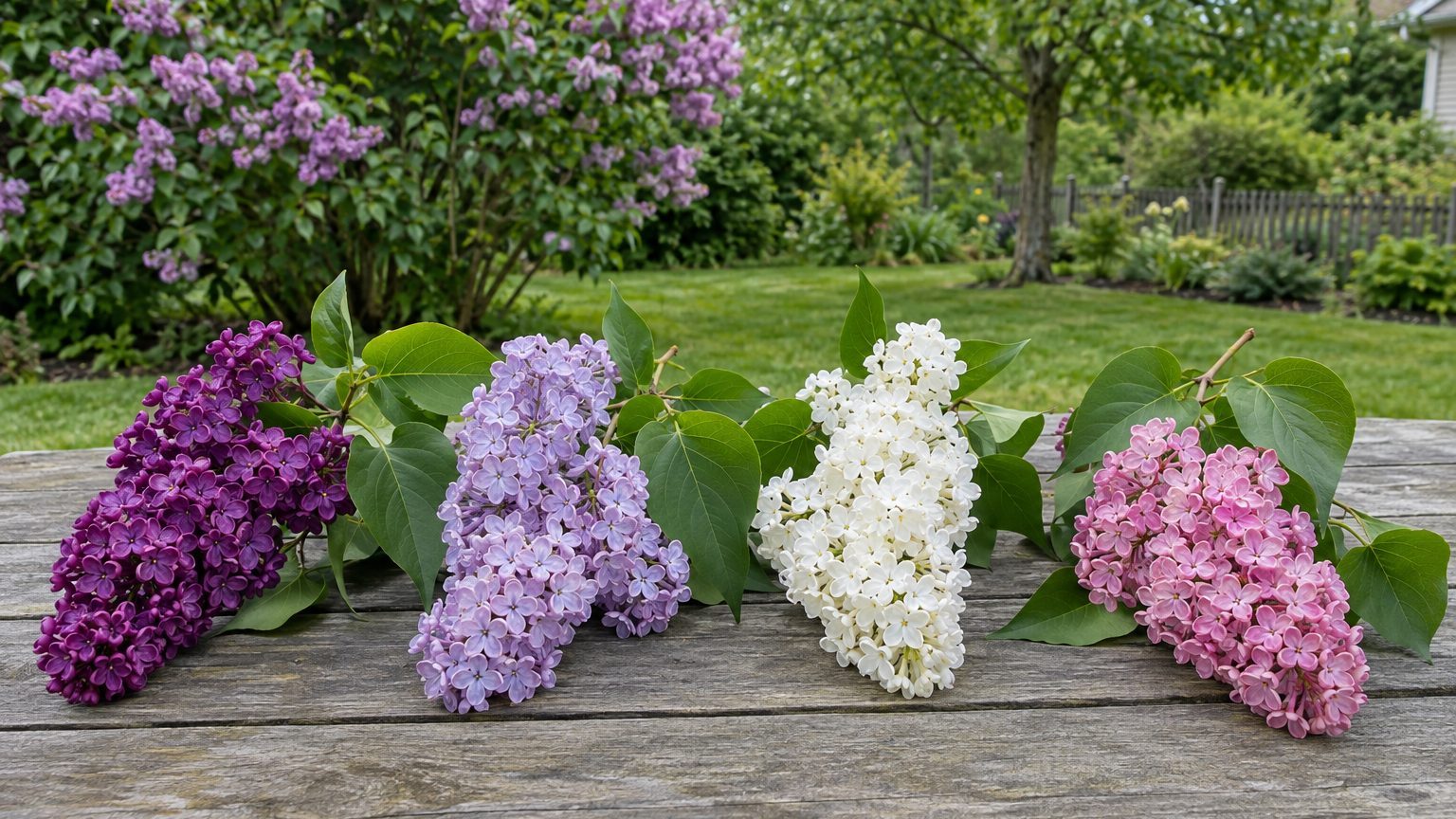
What Colours Do Lilacs Come In?

Named cultivars range through lilac, purple, white, pink and a reddish hue. Sensation combines purple flowers with white edges.

How Much Sun Does a Lilac Need?

Lilacs do well in sunny sites with good air circulation. Shade and still air invite weak growth and mildew, so choose an open, bright spot.

When to Prune Lilacs in Ontario

When to Prune Lilacs in Ontario

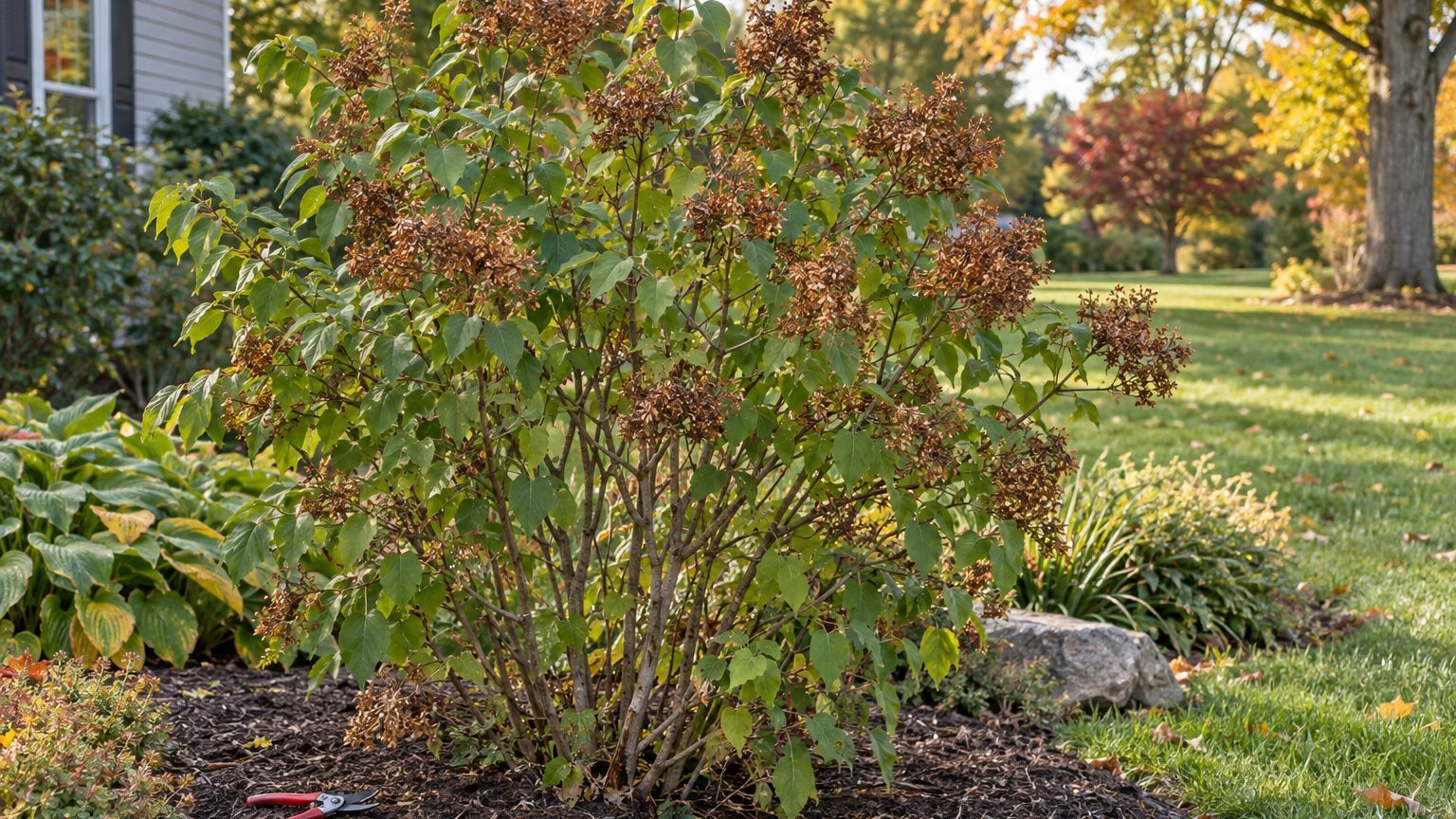
A lilac that looks tired in June, with brown flower clusters hanging on, is telling you the pruning window has just opened. Ontario gardeners protect next spring’s flowers by cutting soon after the blooms fade, because the new buds start forming in summer. Cut too late and they go with the clippings.

When to Prune Lilacs in Ontario

When to Prune Lilacs in Ontario

Prune lilacs in Ontario right after the flowers fade, which means May and June. The dates here follow the nearest comparable climate, since Ontario has no local guidance on lilac timing, so confirm local timing with a garden centre, a garden society or a provincial gardening group.

Lilacs flower on last year’s wood and set their next buds soon after blooming. Pruning in May or June leaves the whole summer for that new growth to ripen.

Type of pruning When in Ontario Why
Routine pruning after bloom May to June, right after the flowers fade The next flower buds form in summer, so later cuts remove them
Hard renovation cut of an overgrown lilac March to April, in late winter Cutting the plant back hard renews it but costs the next flowers

Lilacs bloom from April into May, and later cultivars carry on into June, so the pruning window opens at different moments depending on the plant. A renovation cut is a bigger decision. An overgrown lilac cut back hard in late winter will not flower for a few years afterward, so reserve it for shrubs that have grown leggy and bare at the base. Treat reblooming lilacs like other lilacs in Ontario and prune them soon after the main flush fades.

How to Tell When Your Lilacs Are Ready to Prune

The plant gives useful timing signals, especially in a year when spring runs early or late.

  • Petals turn brown and the flower clusters droop, which tells you the show is over and cutting can begin.
  • Faded clusters still hang on the stem, so snipping them off just below the head is a useful place to begin.
  • Fresh leaves are fully open around the spent flowers, which means you can see which branches are healthy and which are bare or dead.
  • Keep cuts close to the spent flowers so you leave the new growth below them intact.
  • Late June arrives with no pruning done, and the window is closing, so make the cuts soon and keep them light.

If the old blooms are gone and new growth is pushing, the lilac is ready.

Should You Prune Lilacs in Fall or Winter in Ontario?

No, not for routine pruning. Cutting in late summer, fall or winter removes the flower buds that formed after last season’s bloom, and the shrub then skips flowering the following spring. Those buds overwinter on the stems, so a tidy-up in fall quietly trades away the following spring’s flowers.

Late winter is an exception, and it is a deliberate trade. In March or April, while the plant is still dormant, an overgrown lilac can be cut back hard to renew it. That cut costs the next flowers, and the shrub will not bloom for a few years afterward. It suits a lilac that is crowded with thick, old stems and flowering poorly anyway, not one that merely looks a bit scruffy.

How Lilac Pruning Time Shifts Across Ontario

Ontario is not one climate, so the same shrub fades at different moments depending on where it grows. The signs on the plant matter more than any fixed date. Spring frost on average falls around April 30 in the Toronto area (Canadian hardiness zone 7a), and that is a midpoint, with frost arriving later in one year out of two.

  • Toronto and the Lake Ontario shore: Use the May to June window as a guide, but let the fading flowers set the date.
  • Northern Ontario: Spring arrives later, so blooms open and fade later, and pruning often falls toward the end of the window in June.
  • Higher inland districts: These run behind the lakeshore, so wait for the flowers to brown before you reach for the pruners.

Whatever your district, let the fading blooms set the day.

Where to Get Lilac Advice in Ontario

Ontario has no county extension offices, so help comes from the province and from local growers. The Ontario Ministry of Agriculture, Food and Agribusiness is a starting point for general plant questions.

  • A local master gardener group can answer questions about your own shrub, and spring is a good time to ask.
  • A neighbourhood garden centre knows which lilacs thrive nearby, so visit before you buy a new one.
  • A garden society often holds spring walks where you can see lilacs in bloom and compare pruning results.

Common Questions

Can You Cut Lilacs for a Vase Without Hurting Next Year’s Flowers?

Yes, cutting flowering stems while they bloom is a form of pruning, and it happens at the right time. Take stems with the flower clusters and cut just above healthy leaves, leaving the rest of the shrub intact.

Why Is a Lilac Not Flowering After a Hard Cut?

A lilac blooms on last year’s wood. A hard renovation cut removes that wood, so the shrub spends the next few years rebuilding stems before it flowers again.

Do Lilacs Like the Ontario Winter?

They do. Lilacs need a cold winter rest to mature their flower buds, which is why they do best in cold-winter climates and struggle in hot, humid summers.

When Do Lilacs Bloom in Ontario? Dates and Care

When Do Lilacs Bloom in Ontario? Dates and Care

Walk past an old farmhouse in an Ontario spring and the scent of lilac stops you before the flowers come into view. Those blooms follow a steady yearly rhythm in the province, and a few well-timed gestures decide whether the shrub flowers heavily or sulks. What follows covers when lilacs open here and how to care for them across the seasons.

When Do Lilacs Bloom in Ontario?

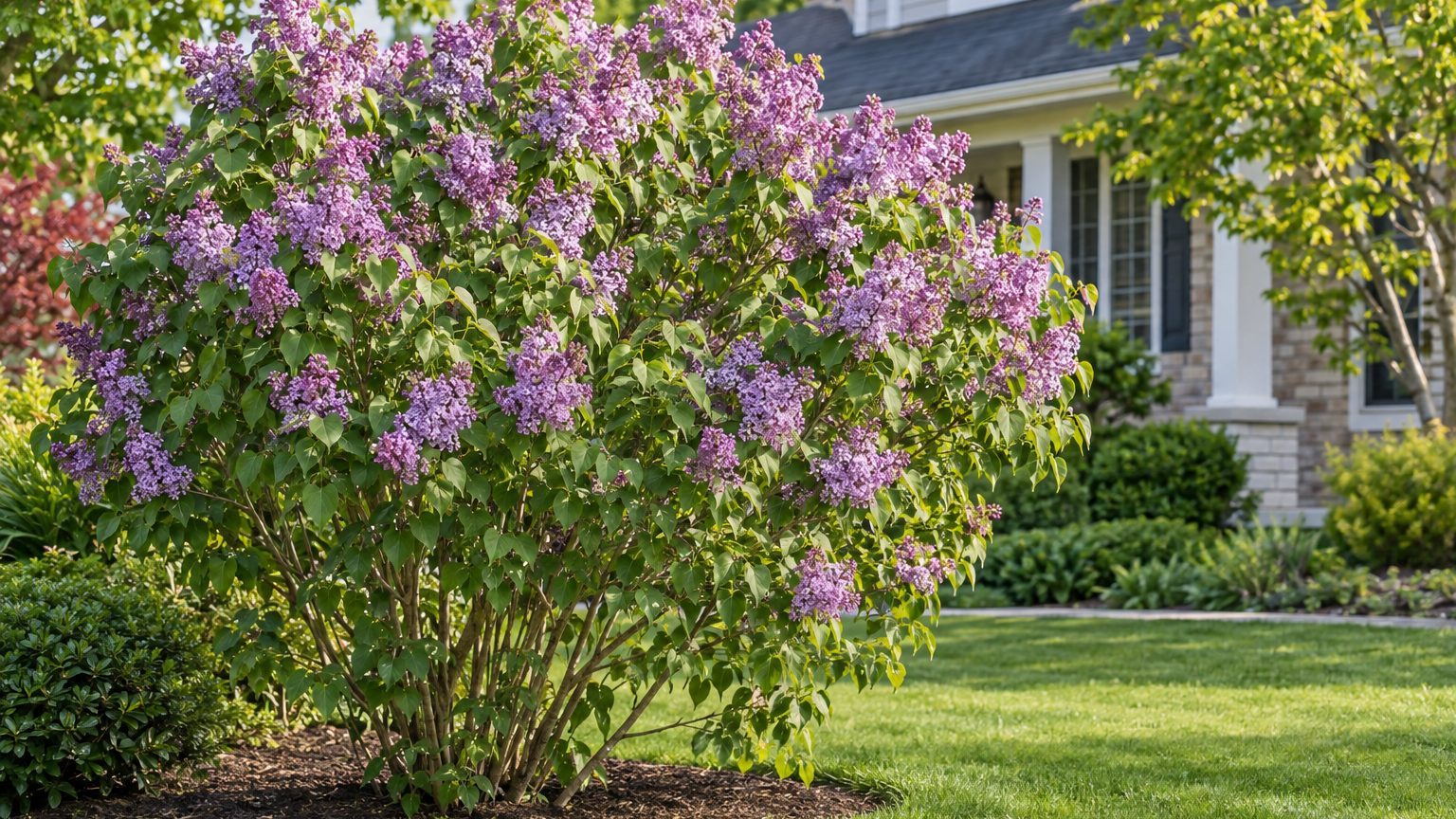
A lilac bush in bloom in a home garden

Lilacs in Ontario bloom in April and May, and later species and cultivars carry the show into June. Since no local page covers lilac timing for the province, these months follow the nearest comparable climate, so confirm local timing with a garden centre, a garden society or the provincial gardening groups. A lilac’s year runs like this:

  • In April and May, the flower clusters open and the scent fills the yard, with the later types still waiting their turn.
  • In May and June, right after the flowers fade, comes the time for any trimming the shrub needs.
  • Through summer, the buds for next spring form quietly on the new growth, so the shrub needs to be left alone.
  • In autumn, the leaves drop and the buds settle in for the cold ahead.
  • In winter, the shrub rests, and that cold rest is what readies the buds to open.
  • In March and April, an overgrown shrub can get a hard cut-back, at the cost of its next flowers.

At Toronto, the last spring frost falls around April 30 on average, which is the middle of a window rather than a safe date, so a cold snap can still arrive after it. The first fall frost arrives around October 16 on average, again the middle of a window. Toronto sits in Canadian hardiness zone 7a, a system that does not convert to a USDA zone.

Which Lilacs Grow Best in Ontario?

Lilacs suit Ontario well. They need a cold winter rest to mature their flower buds, and Ontario winters supply it. Hot, humid summers are what they dislike, so an open, sunny spot with good air movement matters more than any single variety.

Hybrids between S. oblata and S. vulgaris deserve a look if you garden where winters bite. The table sorts the main choices.

Lilac type How it does in Ontario Why
Hybrids of S. oblata and S. vulgaris Reliable, especially in colder districts Well suited to cold climates
Later species and cultivars Flower into June Stretch the season past the main April and May show
Lilacs in a sunny, airy spot Flower well and stay healthy Sun and air circulation suit the shrub
Lilacs in a hot, humid, closed-in spot Struggle Muggy summers work against the shrub

Pick the site first, then the type. A healthy lilac in the right spot will outperform a fussy choice crammed against a fence.

When to Plant, Prune and Feed Lilacs in Ontario

Lilacs set next year’s flower buds in summer, soon after they bloom, on last year’s wood. Everything about timing follows from that. The timing available here covers bloom and pruning, but it does not provide planting or feeding guidance.

Task Best timing in Ontario Why then
Enjoy the bloom April and May, with later types into June Flowers open on last year’s wood
Prune an ordinary lilac May and June, right after the flowers fade The new buds have not formed yet, so nothing is lost
Cut back an overgrown lilac hard March and April The shrub is still dormant, but the next flowers are lost
Leave the shrub alone Late summer, fall and winter Cutting then removes the buds for next spring

After a hard cut-back, expect the shrub to skip flowering for a few years. The full pruning routine lives on the page called When to Prune Lilacs in Ontario.

How Lilac Bloom Time Changes Across Ontario

Ontario stretches far enough that bloom time slides with geography, and the reference dates above come from the Toronto area. Expect a lilac in your own yard to run ahead of or behind them.

  • Niagara Peninsula and Southwestern Ontario: These milder districts warm up earlier, so lilacs here tend to open ahead of Toronto.
  • Ottawa Valley: Colder winters and a slower spring usually put the bloom a little behind the Toronto area.
  • Muskoka and Northern Ontario, around Sudbury and Thunder Bay: Spring arrives later, so lilacs bloom toward the end of the usual window, often running into June.

Upland spots and cold hollows hold the same pattern on a smaller scale, delaying the bloom wherever frost lingers.

Where to Get Lilac Advice in Ontario

Ontario has no county extension office, so local help comes from other places. The provincial agriculture ministry, a local master gardener group and a garden centre are the usual starting points for a diagnosis or a soil question.

  • The Ontario Agriculture and Food pages give provincial guidance on growing and plant health, and they are worth a visit before you plant anything new.
  • A local master gardener group or garden society can look at a sick shrub and advise on soil, which is handy in spring when new growth shows trouble.
  • A neighborhood garden centre can confirm what blooms nearby, so ask before you reach for the pruners.

Common Questions

Why Is a Lilac Leafy but Short on Flowers?

Consider these factors together. If the shrub sits in shade and its stems lean toward the light, sun is the likely culprit, since lilacs thrive in sunny sites. If the sparse bloom follows a trim made after the buds had set, the pruning timing is the more likely cause.

Where Should You Plant a Lilac in Your Yard?

Choose a sunny site with good air circulation, such as an open corner away from crowded walls and dense shrubs. Moving air helps the shrub through humid Ontario summers, which it handles less happily than a cold winter.

Will a Late Spring Frost Ruin the Flowers?

A hard frost on open flowers can brown them and cut that year’s show short. The shrub itself is unharmed and will flower again the next spring, so it needs no special treatment beyond waiting.

Best Roses for Ontario

Best Roses for Ontario

Hybrid tea buds sit pretty in a summer garden, and then a hard winter turns the canes black. That gap between what looks good at the nursery and what survives is the whole story of roses in Ontario, a province where winter decides which plants stay.

Best Roses to Grow in Ontario

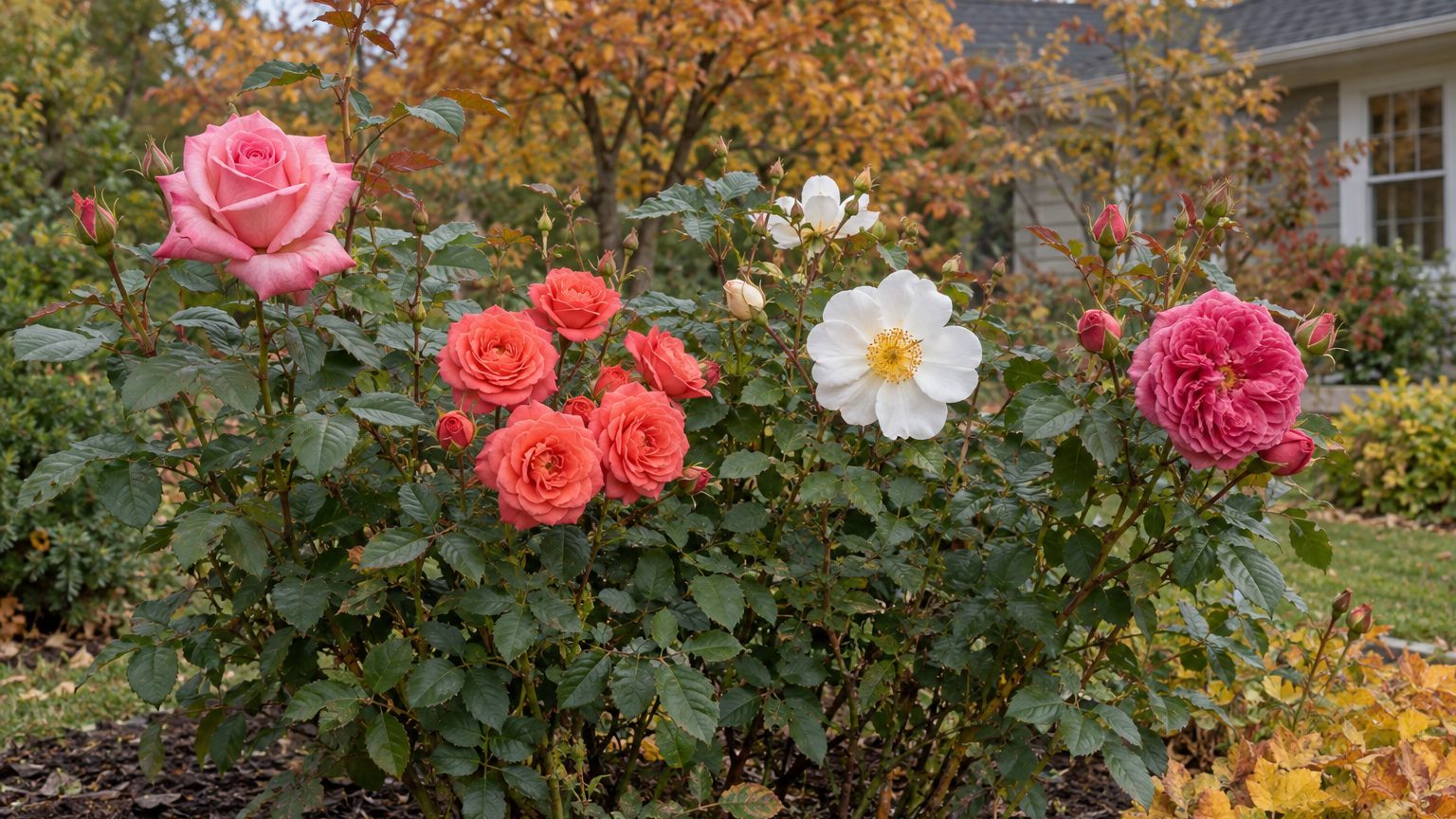
Healthy roses in bloom

Hardy shrub roses, old garden roses and species roses are the ones that tend to hold up in Ontario, because winter is the test they have to pass. Hybrid teas, grandifloras and floribundas are not reliably hardy and need protection. The reference city of Toronto sits in Canadian hardiness zone 7a, a figure from the Canadian system that does not convert to a USDA zone.

Shrub Roses

Most shrub and landscape roses are reliably winter hardy and do not need extensive preparation for winter. Knock Out and the Explorer series perform well without extra protection, so they suit a gardener who wants flowers without a fall routine.

Old Garden Roses

Many old garden roses are extremely tolerant of cold temperatures. Once-blooming old garden roses flower on last year’s wood, so prune them right after the flowers fade, never in early spring.

Species Roses

Species roses are reliably winter hardy and need little preparation for the cold months. They suit a back corner or an informal hedge where you want a rose that looks after itself.

Hybrid Teas and Floribundas

Hybrid teas, grandifloras and floribundas are the roses that suffer in a cold winter. Hybrid teas can suffer considerable winter damage where hardy old garden roses hold up well. Grow them if you love the cut flowers, and plan to cover them each late fall.

Climbing Roses

Most climbing roses are not reliably winter hardy, and some miniature and polyantha roses share that weakness. In Ontario, treat a climber as a plant that may need protection until you know how a particular one behaves on your wall.

Cold-Bred Cultivars

A rose bred to be hardy in a much colder zone needs little to no added protection in a milder garden. Choosing a tough cultivar is often easier than wrapping a tender one.

How to Choose a Rose for an Ontario Garden

Start with how much work you want to do in November. A rose that needs winter covering is a commitment, while a hardy shrub rose asks for very little once it is planted.

Match the plant to the garden you have, then to the time you can give it.

Your situation What suits it in Ontario Why
Very cold winter Shrub roses, old garden roses, species roses They are reliably winter hardy and need little preparation
Little time to spare Knock Out or Explorer series roses They perform well without extra winter protection
Love of cut flowers Hybrid teas, floribundas, grandifloras They bloom repeatedly but need protection in cold winters
Wall or fence to cover A climber, with protection planned Most climbers are not reliably winter hardy
Wish to skip winter covering A cultivar bred for a colder zone It needs little to no added protection in a milder garden

Ontario has no local extension page on rose timing, so the months used here follow the nearby Great Lakes states. Confirm local timing with a garden centre, a rose society or the provincial gardening groups before you plant or prune.

Which Roses Suit Different Parts of Ontario

Ontario stretches a long way, and the choice of rose shifts with how hard winter hits where you live.

  • Toronto and the Lake Ontario shoreline: this is the area the reference zone describes, and the roses above fit it, with protection for the tender types.
  • Northern Ontario: winters here are harsher and spring comes weeks behind Toronto, so lean on the hardiest shrub and species roses and expect to protect anything more tender.
  • Ottawa and eastern Ontario: colder winters than the Toronto area call for hardy shrub roses or a cultivar bred for a colder zone.

Wherever you garden, the further from the lake and the further north, the more a hardy rose earns its place.

Rose Buying Mistakes to Avoid in Ontario

Buying a Tender Type

A hybrid tea or climber that is not reliably hardy can lose its canes to winter, and the money goes with them. Pick a shrub rose or a cold-bred cultivar, or commit to covering the plant in November, after several killing freezes. It can also be done in December.

Ignoring Pruning Habit

Once-blooming roses flower on last year’s wood, so pruning them in early spring removes the season’s flowers; wait until just after they finish blooming to prune them. Prune them right after they bloom. Repeat bloomers are pruned in March or April, and February also works.

Planting Too Late

Bare-root roses should go in before growth starts, in March or April. A bare-root rose left until summer struggles, whereas a container rose can go in from April through midsummer. Feeding runs April through July, with nothing after mid-August so new growth can harden before winter.

Where to Get Rose Advice in Ontario

Start with Ontario’s agriculture and food pages for provincial guidance.

  • A local garden centre can tell you which hardy varieties it stocks and when bare-root roses arrive, usually in early spring.
  • A local rose society or master gardener group can share what has survived winter in your neighbourhood, and visiting before you buy saves mistakes.

Common Questions

When Can You Take Winter Protection Off Roses in Ontario?

March or April is the window, once the ground thaws. Remove the mound gradually as the weather warms; prune repeat-blooming roses after the protection is off.

Can You Plant a Rose in July?

A container rose can go in through midsummer, though bare-root roses belong in the ground earlier in spring. Water new plantings regularly.

How Much Should You Feed Roses?

Feed after pruning, again at first bloom and in mid-July. The amount depends on the fertilizer you use, so follow its label.

When to Prune Roses in Ontario

When to Prune Roses in Ontario

Forsythia turning yellow along Ontario streets is the cue many rose growers wait for before they pick up the pruners. For most roses, that moment comes in early spring. The timing depends on how the rose blooms, so some types are better left alone until summer.

When to Prune Roses in Ontario

When to Prune Roses in Ontario

Prune repeat-blooming roses in March or April, and in February if the winter protection is already off and the forsythia is out. Ontario has no rose-timing page of its own, so these months follow the nearest comparable climate, the Great Lakes region.

Type of rose When to prune in Ontario Why
Hybrid teas, floribundas and modern shrub roses March to April, or February in an early spring They repeat-bloom on new growth, so spring pruning shapes the wood that will flower
Old garden roses and once-blooming climbers Right after they flower, never in early spring They flower once a year on last year’s wood, and an early-spring cut removes the buds
Repeat-blooming climbers Spring, once winter protection is off They flower on current-season growth, like hybrid teas

Ramblers behave like the once-blooming climbers, so they get cut after their flush of flowers too. If the variety is unknown, ask a local rose society how it flowers before choosing a pruning time.

How to Tell When Your Roses Are Ready to Prune

Ontario springs swing back and forth, so the plant itself is a better guide than the date on the wall calendar.

  • Buds on the canes begin to swell, which tells you the rose is waking up and the cuts will heal quickly.
  • Forsythia is in bloom nearby, a reliable neighborhood signal that spring pruning season has begun.
  • The ground has thawed, and the winter protection comes off in March or April, so the canes are uncovered and you can see which ones survived.
  • The hard freezes are behind you, because pruning stimulates new growth that a deep freeze would damage.
  • In the Toronto area, the average last frost is April 30, so in half of all years it falls after that date.

If a cold snap follows your pruning, the buds that have not yet pushed will usually carry on unharmed.

Should You Prune Roses in Fall or Winter in Ontario?

Not hard. Autumn and winter are for tidying, not for cutting back. If long canes whip around in the wind, shorten them a little so they do not rock the roots loose, then leave the real pruning for spring.

Fall is the time to put on winter protection. November is the month for it, and December works as well, but only after several killing freezes have sent the plants fully dormant. Covering too early traps warmth and keeps roses from settling into dormancy.

Protection matters most for hybrid teas, floribundas and grandifloras, which struggle through cold winters unprotected. Hardy shrub roses such as Knock Out or the Explorer series do well without it. Toronto sits in Canadian hardiness zone 7a, a rating that does not convert to a USDA zone.

How Rose Pruning Dates Shift Across Ontario

Ontario is a big province, and spring does not reach every garden on the same day.

  • Toronto area: the March and April months fit well here, and the average last frost of April 30 is the midpoint of a window, not a safe date.
  • Northern Ontario: spring arrives weeks behind Toronto, so buds swell and forsythia blooms later, and pruning moves toward the end of the window.
  • Upland districts: higher ground also runs behind the milder southern gardens, so wait for swelling buds instead of the calendar.

Wherever you garden, the swelling buds settle the matter.

Where to Get Rose Advice in Ontario

Canada has no county extension offices, so local help comes from the province and from gardeners nearby. Because the dates here follow a neighboring climate, it pays to confirm them close to home before the first cut.

  • Browse Ontario’s agriculture and food pages in late winter for provincial gardening guidance.
  • Ask a local garden centre or rose society in March, when the staff are busy with bare-root stock and know what the buds are doing nearby.
  • Check in with a local master gardener group before your first spring cut for advice suited to your own neighborhood.

Common Questions

When Can You Plant Bare-Root Roses in Ontario?

March and April suit bare-root roses, before growth starts, and May through July works as a fallback. Potted roses can go in from April through midsummer.

When Should You Feed Roses in Ontario?

Feed from April through July: after pruning, again at first bloom, and in mid-July. Stop by mid-August so late growth does not stay soft going into winter.

Do Old Garden Roses Need the Same Winter Care as Hybrid Teas?

Usually not. Many old garden roses tolerate cold well, and most shrub and species roses need little preparation, while hybrid teas often suffer real damage without protection.

When to Plant Roses in Ontario: Dates and Varieties

When to Plant Roses in Ontario: Dates and Varieties

Bare-root roses show up in garden centres as bundles of dormant canes, and potted ones follow when the weather turns mild. In Ontario, the bare-root bundles go into the ground in early spring, while potted roses have a much longer window that runs well into summer. Varieties and the yearly rhythm of care matter just as much as the planting date.

When to Plant Roses in Ontario

A rose bush in bloom in a home garden

Planting dates hang on frost. In Toronto, the last spring frost falls on average April 30, which is only the midpoint, so in about half of all years a frost still arrives later and can blacken the soft new shoots of a young rose. Canadian zone 7a describes the cold the plant has to survive; it is a Canadian rating, not a USDA zone.

  • In early spring, March and April, bare-root roses go in while they are still dormant and before any growth starts, which lets the roots settle in before leaves ask for water.
  • Once April arrives, potted roses can be planted, and that window stays open through midsummer because a rose with its root ball intact is not shocked by a bit of warmth.
  • Through May, June and July, a bare-root rose can still be planted if the spring got away from you, though it will need regular watering while it leafs out.
  • From April through July, roses are fed, starting after the spring pruning and carrying through the first flush of bloom.
  • In November, once several killing freezes have passed, winter protection goes on tender roses, and December still works if the weather held mild.

On the other end of the year, the first fall frost arrives on average October 16 in Toronto, so a rose planted in midsummer has the autumn months to root before the ground freezes.

Which Roses Grow Best in Ontario?

Winter decides which roses thrive here. Hardy shrub roses, old garden roses and species roses come through with little fuss, while hybrid teas, grandifloras and floribundas can take real damage in a cold winter and need cover.

That split shapes what you buy. A rose that stays hardy without help asks for less work in November, which counts for a lot when the front bed is full.

Rose type How it does in Ontario Why
Hybrid teas, grandifloras, floribundas Not reliably hardy, need winter protection Cold winters damage the canes without cover
Shrub and landscape roses Perform well with no extra protection Hardy types such as Knock Out or the Explorer series handle winter on their own
Old garden roses Very tolerant of cold Many are extremely tough in low temperatures
Species roses Reliably hardy They need no extensive winter preparation
Climbing roses Some are not reliably hardy Tender climbers need the same cover as hybrid teas

Miniature and polyantha roses vary, with some tough and others needing protection, so check the tag before you plant. Climbers are the same: ask the nursery how hardy a particular one is before it goes against a sunny wall.

When to Prune, Feed and Protect Roses in Ontario

A rose year has only a few firm dates, and most of them cluster at the beginning and the close of the season. Pruning follows the buds and the spring thaw, while winter cover waits for the cold to settle in.

Dates here are for repeat-blooming roses, such as hybrid teas, floribundas and modern shrub roses.

Task Best months in Ontario Why then
Pruning repeat-blooming roses March and April (February also works) Buds are swelling, forsythia is blooming and winter protection is off
Feeding April through July After pruning, at first bloom and again in mid-July
Putting on winter protection November (December also works) Roses are dormant after several killing freezes
Taking winter protection off March and April The ground has thawed

Feeding has a hard stop: none after mid-August. Winter cover rewards patience, because putting it on too soon can trap warmth around canes that have not gone dormant yet.

How Rose Care Dates Change Across Ontario

The dates above follow the Toronto area. Ontario is a big province, and rose seasons start and end at different times depending on where you garden.

  • Greater Toronto: spring frost and fall frost land close to the dates above, so the calendar fits as written.
  • Northern Ontario: spring comes later and winter arrives sooner, so planting, uncovering and pruning slide later while winter cover goes on earlier.
  • The Oak Ridges Moraine and other upland districts north of Toronto: higher ground runs behind the Toronto area, so plan on planting and uncovering a little later in spring.

Watch the buds on your own canes. Once they swell and forsythia opens nearby, your yard is telling you it is ready, whatever the calendar says.

Where to Get Rose Advice in Ontario

Ontario has no local extension page on rose timing, so the dates here follow the nearest comparable climate. Confirm local timing with a garden centre, a rose society or one of the provincial gardening groups.

  • The Ontario government’s agriculture and food pages point to provincial resources for diagnosing problems and testing soil.
  • A local master gardener group or rose society can look at a sick leaf and tell you what is going on, and spring is a good time to ask about planting.
  • In late autumn, a garden centre can tell you which cover material suits your roses before the first killing freezes arrive.

Common Questions

What Should You Do with a Once-Blooming Rose?

Once-blooming roses, which include old garden roses, ramblers and many climbers, flower once a year on last year’s wood. Prune them right after they bloom, never in early spring, or you cut off the flower buds.

Is Canadian Zone 7a the Same as a USDA Zone?

No. The Canadian system is built on seven climate variables, and the USDA system on one, so there is no simple conversion. Use the Canadian zone when you read a plant tag from a Canadian nursery.

Why Should You Stop Fertilizing Roses in Late Summer?

Late feeding pushes out soft, succulent growth that has no time to harden before winter, and it is easily damaged by the first hard freezes. Stopping after mid-August lets the canes toughen up.

The almanac, state by state. Every date on this site comes from a state’s own frost facts and its extension service’s calendar — and says where it comes from.