Skip to content

Nunavut

  1. Jan
  2. Feb
  3. Mar
  4. Apr
  5. May
  6. Jun
  7. Jul
  8. Aug
  9. Sep
  10. Oct
  11. Nov
  12. Dec
State
Nunavut
Hardiness zones
0a
Last spring frost
June 19
First fall frost
September 13
Annual rain
12 in
Lawn zone
cool-season
Source
Environment and Climate Change Canada — Canadian Climate Normals 1981-2010, station RANKIN INLET A · Rankin Inlet

The year in Nunavut, from the calendar

  1. Jan—
  2. Feb—
  3. MarPrune fruit trees
  4. AprPrune fruit trees
  5. MayFeed hydrangeas · Feed roses · Prune roses
  6. JunPlant hydrangeas · Prune bigleaf hydrangeas · Seed the lawn · Lilacs bloom · Prune lilacs
  7. JulFeed hydrangeas · Plant hydrangeas · Prune bigleaf hydrangeas · Prune lilacs · Peonies bloom
  8. AugPlant spring bulbs · Plant hydrangeas · Peonies bloom · Mow · Plant trees
  9. SepPlant spring bulbs · Plant peonies · Plant trees · Mow
  10. Oct—
  11. Nov—
  12. Dec—

From the state frost facts and extension calendars: University of Alaska Fairbanks · Clemson HGIC factsheet — Hydrangea · NDSU Extension — Dakota Gardener (lawns) · University of Alaska Fairbanks Cooperative Extension.

When Do Peonies Bloom in Nunavut?

When Do Peonies Bloom in Nunavut?

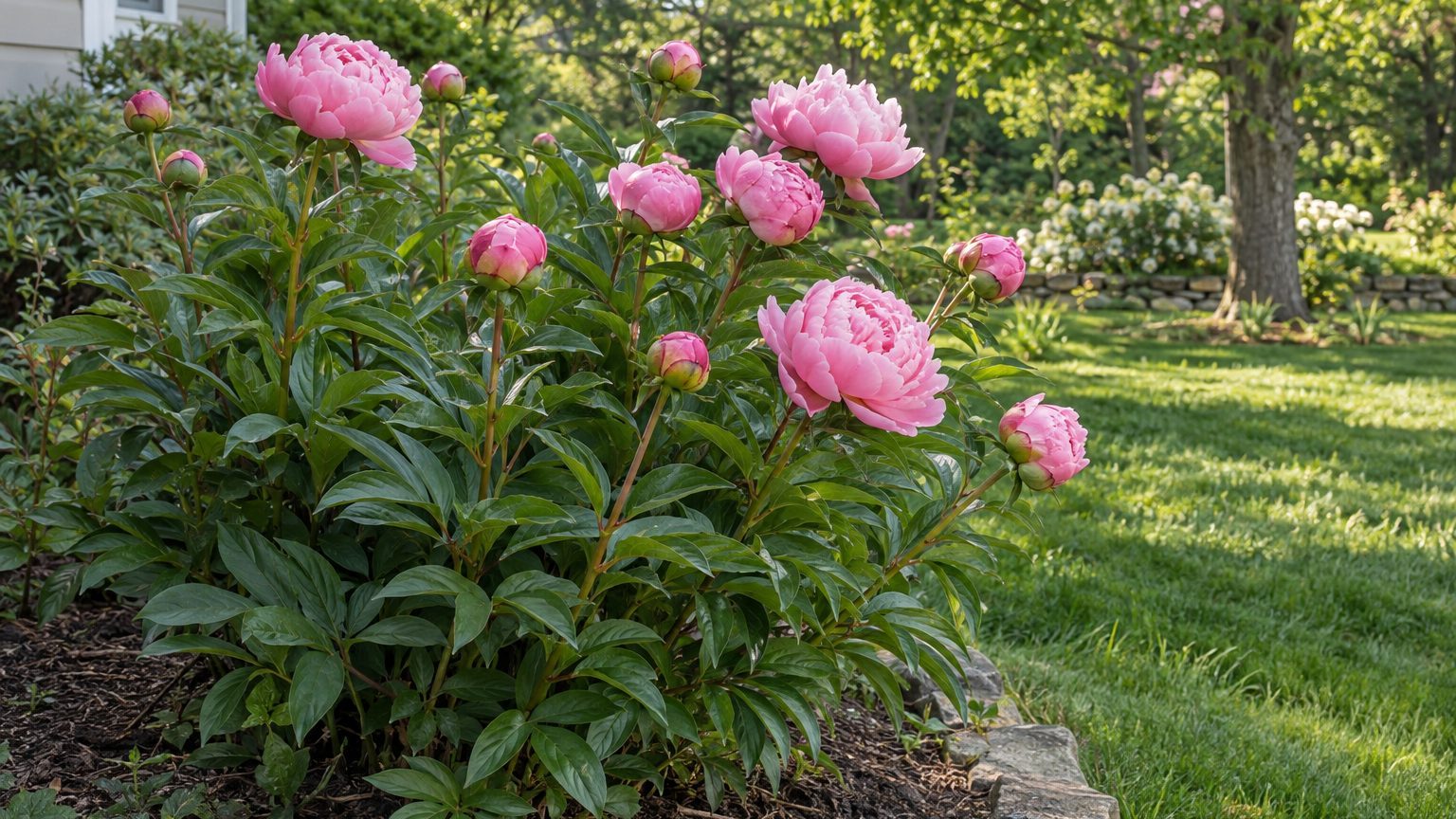
Peony buds in Nunavut open long after gardens farther south have finished and the petals are swept off the lawn. Summer here is short, and the plants wait for it.

When Do Peonies Bloom in Nunavut?

When Do Peonies Bloom in Nunavut?

Peonies bloom in July and August in Nunavut, which is later than elsewhere in North America. Peonies can also bloom in June. Nunavut has no local page on peony timing, so the bloom months here follow the nearest comparable northern climate. Confirm local timing with a garden center, a garden society or a territorial gardening group.

Type of peony When it blooms in Nunavut What to know
Established herbaceous peonies July to August, sometimes June They need a cold winter rest to flower, and long winters here give them that.
Newly planted or divided peonies Often no bloom the first spring A newly planted or divided peony may not bloom the first spring.

Tree peonies and other types are less certain here, so ask a local grower before you buy one. Gardeners at Rankin Inlet see the last spring frost on average around June 19, which is a midpoint, not a safe date. In some years frost arrives later, so buds that form early can still be nipped. Rankin Inlet sits in Canadian hardiness zone 0a, a separate system from the USDA zones.

How to Tell When Your Peonies Are About to Bloom

The plant gives clear signals before the first petal opens, and they matter more than any calendar in a climate this short.

  • Red shoots pushing through the soil after the thaw mean the plant has woken, so keep the bed clear of debris and leave the shoots alone.
  • Shoots that open into dark green, deeply cut leaves mean the stems are lengthening and the buds are forming at their tips.
  • Round, firm buds that keep swelling tell you the flowers are on the way, so stake or ring tall plants before the weight bends them.
  • A bud that feels soft when pressed lightly, with a seam of color showing, will open soon, which is the moment to cut stems for a vase.
  • Buds that stay tight and hard into midsummer are usually just late in a cold year, so give them time before you worry.

Bloom sets the schedule for the rest of the season, and the soft bud is the last cue before the flower opens.

When to Cut Back Peonies in Nunavut

Cut herbaceous peonies back after a hard frost has blackened or flattened the foliage. No single month fits every garden in the territory, so let the leaves decide. Cutting while they are still green robs the roots of the last energy the plant stores for next summer.

Use clean pruners and cut the stems close to the ground, just above the soil line and the buds at the base. Bag the foliage and throw it out instead of composting it, since old peony leaves can carry disease over to the next season.

A tree peony works differently. It keeps its woody stems through winter and is never cut back to the ground. Trim only dead or broken wood and leave the rest standing.

How Peony Bloom Time Shifts Across Nunavut

Nunavut covers a huge span of tundra, islands and coast, so a bloom date in one town does not carry to the next. Gardeners usually find the pattern follows distance north and the cold water nearby.

  • Rankin Inlet: on the western shore of Hudson Bay, this community is the place the frost date comes from, so bloom here falls in the July to August window.
  • Iqaluit: on the Baffin coast, cold water slows the spring, so expect buds to open later in the July to August window.
  • Cambridge Bay: on the Arctic coast in the Kitikmeot, the season is shorter again, and a sheltered spot matters more than elsewhere.

Within any town, a bed against a warm wall or a rock face will bloom earlier than an open, windy patch.

Where to Get Peony Advice in Nunavut

Local advice comes from gardeners and businesses in your community. A good starting point is a local garden centre or a garden society, since neighbors know which plants have survived in your town.

  • The federal department Agriculture and Agri-Food Canada has general growing guidance, so read it in winter when planning a new bed.
  • A local garden centre can tell you what has overwintered in your community, so ask in spring before you order.
  • Members of a garden society can show you plants in flower in July and August, so visit then, note which ones thrive and ask where they came from.

Common Questions

When Should You Plant or Divide Peonies in Nunavut?

September is the time, before the ground freezes, so the roots can settle before winter. Set the plant so the eyes, the pink buds on the roots, sit near the soil surface. A peony planted too deep may bloom poorly or not come up at all.

Can You Cut Peonies for a Vase in Nunavut?

Yes; cut when the bud feels soft and shows color but has not opened. Cut in the cool of the morning, leave some foliage on the plant to feed the roots, and let the stems open indoors.

Should You Cover Peony Buds If Frost Is Forecast?

A light sheet or an upturned bucket over the plant on a frosty evening protects the buds from damage. Take the cover off in the morning so the plant does not overheat in the sun.
When to Plant Peonies in Nunavut: Dates and Care

When to Plant Peonies in Nunavut: Dates and Care

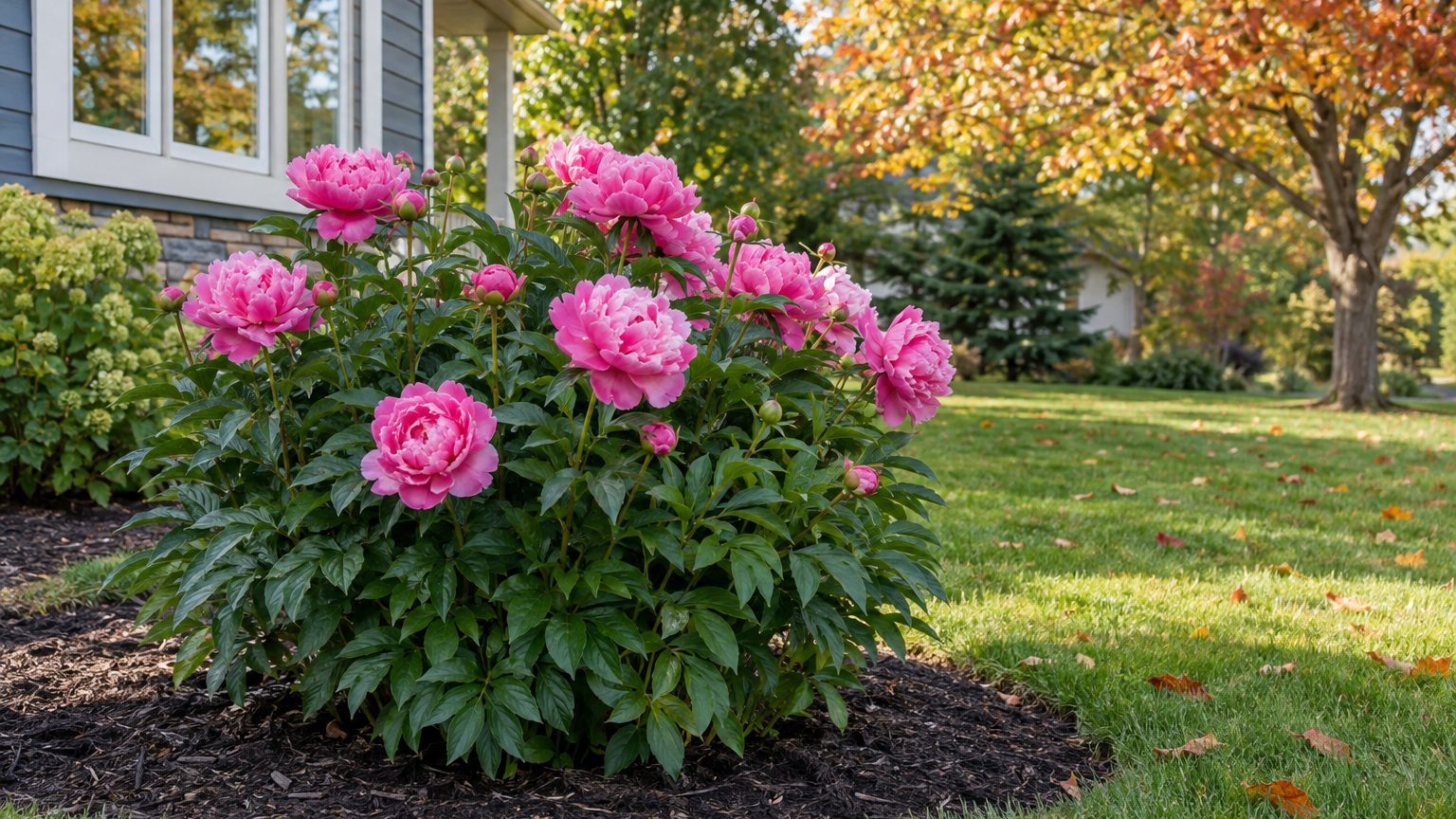
Peony shoots push up red and tight as the snow leaves, and planting in September gives new roots time to settle before the ground freezes. For peonies in Nunavut, the planting window is short and the blooms arrive late, so the whole year runs on a different clock than in the south.

When to Plant Peonies in Nunavut

When to Plant Peonies in Nunavut: Dates and Care

Plant or divide peonies in September, while the soil can still be worked and before the ground freezes. A peony’s year here looks like this:

  • In spring, as the snow retreats and the soil thaws, red shoots emerge from the crown and the plant starts to grow.
  • In June, the stems lengthen and buds form, and the first blooms can open in a warm year.
  • In July and August, the main bloom arrives, later than in most of North America.
  • In September, the roots go into the ground, giving them time to settle before winter locks the soil.
  • After the first hard frost, the leaves collapse and brown, and the plant rests under the snow through the cold season.

In Rankin Inlet, the last spring frost falls on average around June 19. That is a midpoint, so frost can still come later than that in many years, and northern districts run weeks behind.

In Rankin Inlet, the first fall frost arrives on average around September 13. This is a midpoint, not a safe date for the whole territory. Rankin Inlet sits in Canadian hardiness zone 0a, a rating that does not convert to a USDA zone.

No local extension page covers peony timing for the territory, so the planting and bloom months here follow the nearest comparable northern climate. Confirm local timing with a garden centre, a garden society or a territorial gardening group before you order roots.

Which Peonies Grow Best in Nunavut?

Peonies need a cold winter rest to flower, and that is the one thing the far north supplies in abundance. Winter cold is not the obstacle. The short, cool summer is, which is why bloom comes in July and August instead of late spring.

Herbaceous peonies fit this pattern well because they die back each year and rest below ground. Late-blooming cultivars are a sound choice, since they flower when the season has warmed.

Peony type How it does in Nunavut Why
Herbaceous peonies A workable choice, blooming in July and August They die back each year, and the long cold rest sets buds
Late-blooming cultivars Open from July into August, with June possible in a warm year Their flowering follows the late northern summer

Tree peonies are a harder bet. They keep woody stems above ground through winter, and those stems face the wind and cold with only whatever snow covers them. If you try one, plant it where drifting snow settles, and treat it as an experiment.

When to Plant, Cut Back and Feed Peonies in Nunavut

Peony care involves getting roots in the ground before freeze-up, cutting back once the foliage has died, and feeding as growth starts. The cutback applies only to herbaceous types. A tree peony keeps its woody stems and is never cut back.

Task Best timing in Nunavut Why then
Planting or dividing September, before the ground freezes Roots need time to settle before winter
Cutting back herbaceous peonies After frost has blackened the foliage The stems are spent, and removing them takes away a place for disease to overwinter
Feeding When the shoots break the soil in spring The plant draws on nutrients as the new stems rise
Bloom July and August, and June in a warm year The short northern summer pushes flowering later

Mulch placed after the ground freezes helps hold snow and steady the soil. Pull it back in spring so the shoots are not smothered.

How Peony Planting Dates Change Across Nunavut

Nunavut spans a huge range of latitude, and the same peony calendar shifts as you move across it. Warmth and the length of the frost-free stretch decide how much room a peony has.

  • Kivalliq: Rankin Inlet and the Hudson Bay coast set the pattern for the region. Spring comes slowly along the coast, with cold water holding temperatures down.
  • Qikiqtaaluk (Baffin Island): Iqaluit and the communities around it run cooler, so thaw comes later and fall frost can arrive earlier. Planting in September is safer than waiting.
  • Kitikmeot: Cambridge Bay sits in open, windswept country, where wind dries and chills the ground. A sheltered spot against a building makes the difference there.

Farther north, the season shortens further, and a peony there depends on a protected bed and a very early planting.

Where to Get Peony Advice in Nunavut

Canada has no county extension offices, so advice comes from agriculture departments, garden groups and local nurseries. Local nurseries and garden groups can help you with local advice.

  • Agriculture and Agri-Food Canada carries national guidance on soil and plant health, and it is a good starting point before you place an order.
  • A garden society or territorial gardening group can tell you which beds hold snow and which ones scour out in wind.
  • A local garden centre can confirm when bare roots arrive, so you can have them ready for planting in September.

Common Questions

How Deep Should You Plant a Peony?

Set the roots so the eyes, the small pink buds on the crown, sit near the soil surface. A peony planted too deep may bloom poorly or not come up at all.

Will a New Peony Bloom the First Spring?

Often it will not. A newly planted or transplanted peony may skip its first spring, so judge it by the growth it makes before expecting flowers.

Can You Buy Peonies in Spring Instead of Fall?

Potted plants turn up at garden centres in spring, while bare roots usually arrive for fall planting. For planting or dividing, wait until September and work before the ground freezes.

Best Lilacs for Nunavut

Best Lilacs for Nunavut

A lilac in full bloom, heavy with scent, is a sight most northern gardeners want in the yard. In Nunavut the question is which lilac has any chance, and the answer starts with winter hardiness and a late flowering habit.

Best Lilacs to Grow in Nunavut

Best Lilacs for Nunavut

Lilacs want a cold winter rest to ripen their flower buds, so Nunavut gives them the chill they need. The harder question is survival, since the Canadian hardiness zone for the reference city of Rankin Inlet is 0a (a Canadian rating that does not convert to a USDA zone). Treat every lilac here as a trial, and start with the hardiest.

French Lilacs

French Lilacs — Best Lilacs for Nunavut

French lilacs are selections of the common lilac, Syringa vulgaris, and they are the best known of the group. Hundreds of cultivars exist in many colors and floret shapes, which gives you room to choose. Pick a cultivar rated for the coldest conditions, since the species is only as tough as the selection you buy.

Sensation

Sensation — Best Lilacs for Nunavut

Sensation has purple flowers edged with white, a look that makes it easy to spot. It is rated winter hardy to Zone 3, and that rating makes it a poor match for the colder pockets of a northern garden. In Nunavut, treat it as a risky trial rather than assuming its Zone 3 rating guarantees winter survival.

Late-Blooming Lilac

A late bloomer flowers after the common lilac, usually in the second or third week of June in the coldest northern gardens. That timing matters because the average last spring frost at Rankin Inlet falls on June 19. In half of all years the frost comes later, so late buds can still be caught.

Dwarf Korean Lilac

Syringa meyeri, the dwarf Korean lilac, is also called the little-leaf lilac. It usually reaches about 5 ft (about 1.5 m) tall and as wide, and it carries small violet blooms in great profusion. Breeders have used it often because it is small and compact, a useful trait where space and shelter are limited.

How to Choose a Lilac for a Nunavut Garden

Start with the cold, because that is the limit here. A lilac that is merely hardy will not do. You want one that has proven itself in the harshest northern gardens, then you can think about size and flower color.

Warm, humid summers are what make lilacs struggle, and that is not the problem in this territory. Winter survival and a short season decide the choice.

Your situation What suits it in Nunavut Why
Very cold winter A late-blooming lilac Known for winter hardiness, and it flowers after the common lilac
Colder pockets of the garden Avoid Sensation Its hardiness stops at Zone 3
Small space Dwarf Korean lilac Usually about 5 ft tall and as wide
Need for winter cold French lilacs A long cold rest ripens the flower buds

If you want a lilac that blooms again later in the season, the Bloomerang series is described as mildew resistant and reblooming. Check the plant’s hardiness label before treating it as more than a curiosity here.

Which Lilacs Suit Different Parts of Nunavut

Nunavut is huge, and a lilac that has a chance in one community may have none in another. Choose by how short your own season is.

  • Rankin Inlet: the reference point for these dates, with an average last spring frost of June 19. Late-blooming lilacs and the hardier common selections are the ones to try.
  • High Arctic communities: northern districts run weeks behind Rankin Inlet. Lilacs there are a long shot, so ask local gardeners which cultivars, if any, have survived.
  • Southern and coastal Hudson Bay communities: Use local survival reports rather than the Rankin Inlet reference figures to choose a lilac.

Because frost lingers later in the north, a lilac that flowers late is better placed there than one that opens early.

Lilac Buying Mistakes to Avoid in Nunavut

Choosing a Type Too Tender for Winter

Many common lilacs, including Sensation, carry a Zone 3 rating, but that number should not be compared with the Canadian rating given for Rankin Inlet. A tender shrub dies back and then wastes a season. Buy a late-blooming cultivar with a record for winter hardiness instead of the prettiest flower.

Picking an Early Bloomer

An early-flowering lilac opens its buds before the frost risk has passed. A late frost can ruin the season’s bloom. Later flowering may reduce exposure to lingering frost, but local bloom timing still needs confirmation.

Ignoring Adult Size

A pot at the garden centre hides how big the shrub will become. The dwarf Korean lilac can reach as much as 8 ft (about 2.4 m) tall and wide, though about 5 ft (about 1.5 m) is usual. Check the tag before you plant. For a once-blooming lilac, prune right after flowering, in June or July, because next year’s buds form soon after bloom. A once-blooming lilac pruned in late summer, fall or winter loses the next spring’s flowers. An overgrown plant can be cut hard in late winter, but it will not flower for a few years afterward.

Where to Get Lilac Advice in Nunavut

Confirm them with a local garden centre, a garden society or a territorial gardening group.

  • Agriculture and Agri-Food Canada, linked as Agriculture and Agri-Food Canada, offers federal growing guidance, so look there before you buy.
  • A local garden centre or garden society can tell you which shrubs have survived in your community, and spring is the time to ask.
  • Territorial gardening groups can confirm local timing for bloom and pruning, so check with them before you plant.

Common Questions

What Colors Do Lilacs Come In?

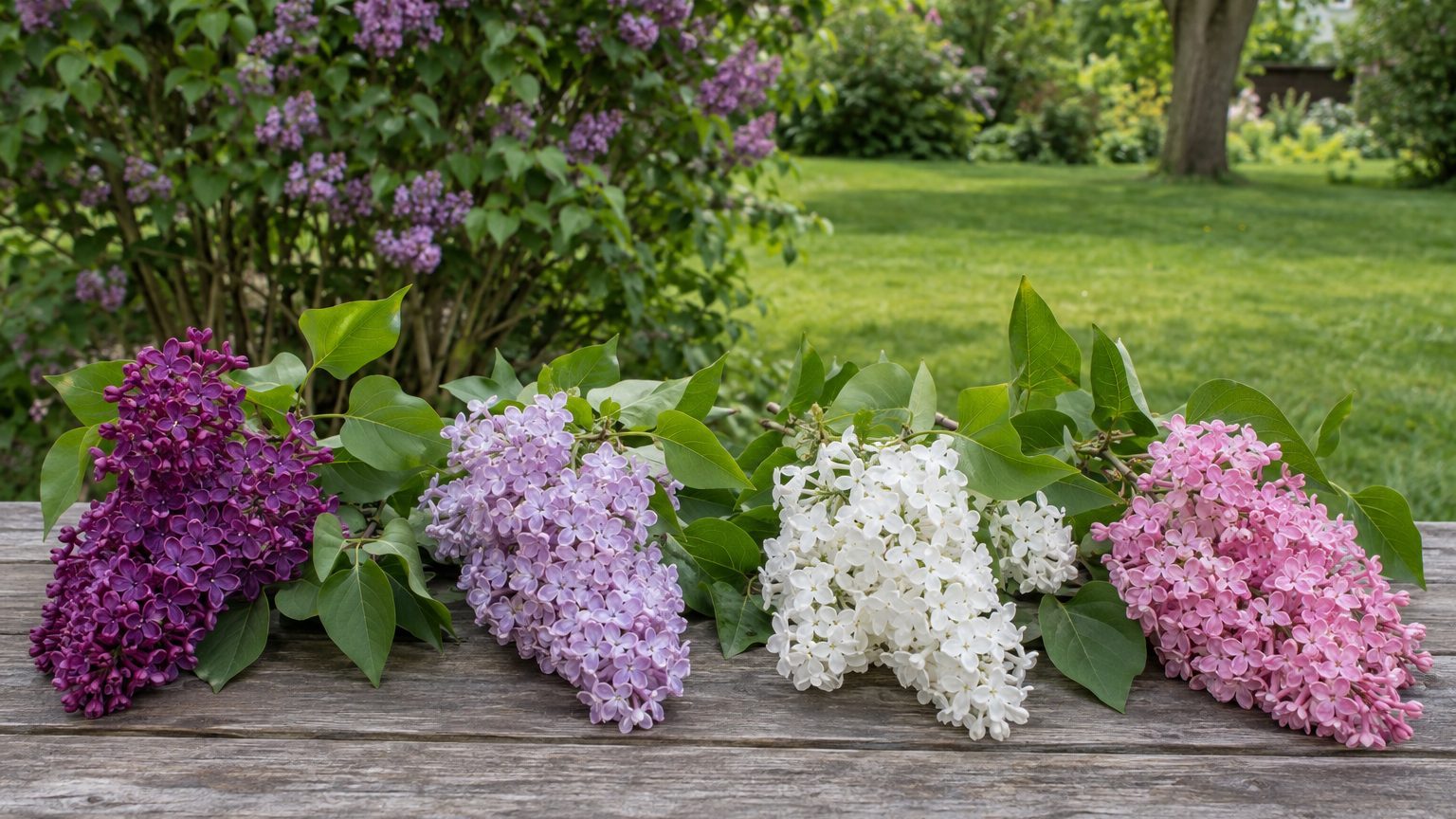
Named cultivars range from lilac and purple to white, pink and a reddish hue. French lilacs offer a wide choice.

Is There a Lilac That Blooms Twice?

The Bloomerang series is described as reblooming and resistant to powdery mildew. Its hardiness for the far north is not established.

Can You Use a USDA Zone for Lilacs in Nunavut?

No. Rankin Inlet is rated 0a on the Canadian hardiness system, which draws on seven climate variables and does not convert to a USDA zone. Use it only as a guide for hardiness ratings.

When to Prune Lilacs in Nunavut

When to Prune Lilacs in Nunavut

A lilac that finishes flowering in a Nunavut summer is already busy setting next year’s buds. That makes the period after the last purple fades the right time to prune a once-blooming lilac.

When to Prune Lilacs in Nunavut

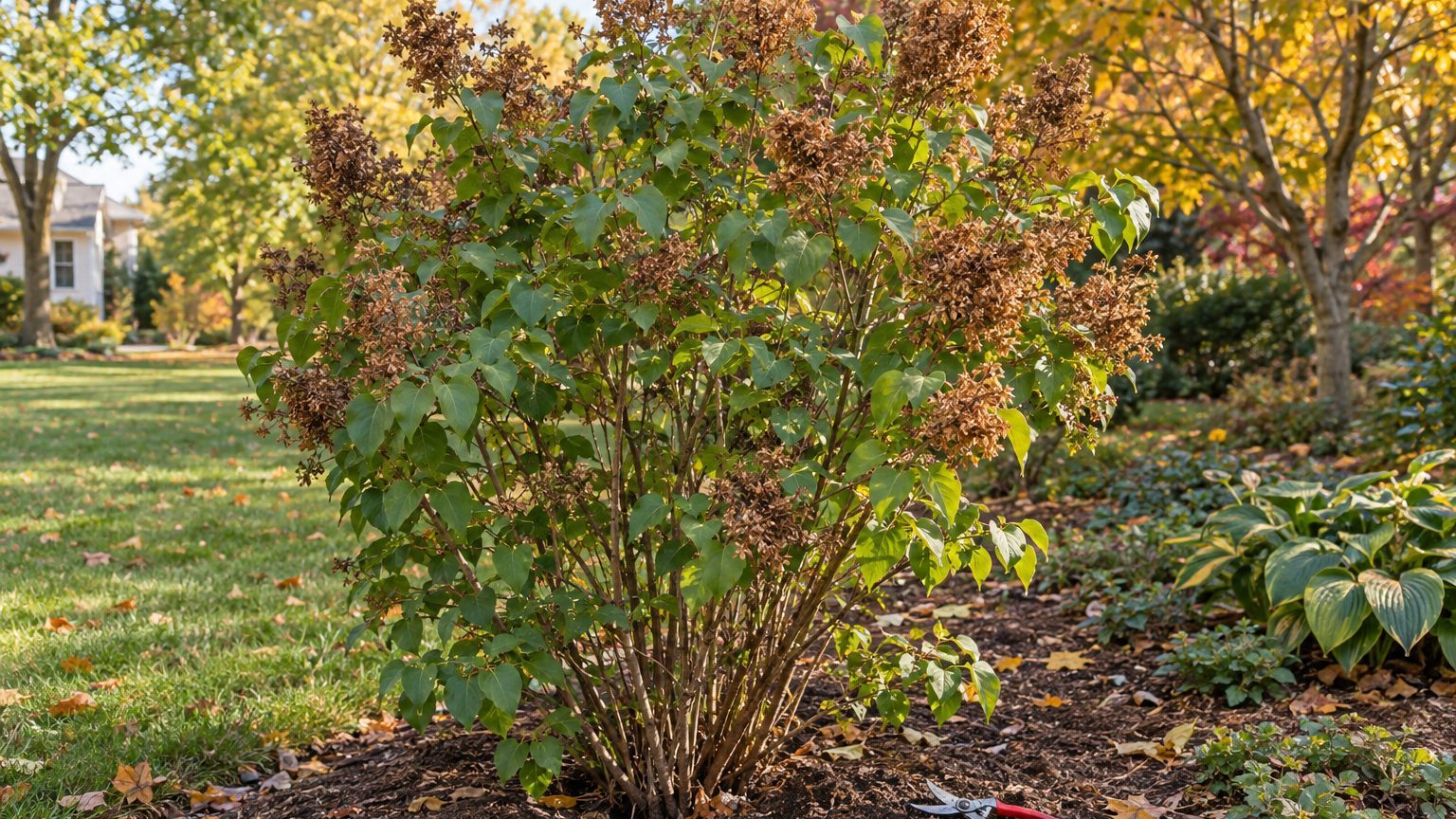
Lilac stems after flowering

Prune right after the flowers fade, which in Nunavut means June into July. The territory has no local lilac timing guide of its own, so these months follow the nearest comparable northern climate. Confirm them with a local garden centre, a garden society or the territorial gardening groups.

Type of pruning When in Nunavut Why
Routine upkeep: trimming spent flower clusters and shaping June, July, right after the flowers fade Next year’s flower buds form in summer, soon after bloom
Hard renovation cut on an overgrown lilac Late winter Renews the shrub, but it will not flower for a few years afterward

Lilacs flower on last year’s wood, so every cut made after the buds are set removes some of next spring’s show. Bloom itself comes in June for most lilacs here, with May possible for early types, so the pruning window opens as soon as your own shrub finishes. Prune lilacs right after their flowers fade.

How to Tell When Your Lilacs Are Ready to Prune

Your shrub gives better timing than any date, because a cool summer or a sheltered wall can shift bloom by a good stretch.

  • The flower clusters have turned brown and dry, which tells you the show is over and pruning can begin.
  • Petals are dropping and the florets look tired, so you can cut the clusters off before the plant spends energy on seed.
  • Small green buds are showing just below the old flower heads, a sign the next year’s flowers are already forming and you should cut above them, not through them.
  • New leafy shoots are pushing from the base, which tells you the shrub is in active growth and heals cuts readily.
  • The flowers are still fresh, even in July, so hold off, because early cuts remove bloom you could still enjoy.

Late-blooming lilacs finish later in the season, so the same signs apply, just a little further along.

Should You Prune Lilacs in Fall or Winter in Nunavut?

No. Cutting in fall or winter takes off the buds that would open next spring, so you trade a year of flowers for a tidier shape. Late summer is no better, since the buds are already set by then.

The exception is a lilac that has grown into a tangle of old stems. You can cut it back hard in late winter to renew it, but expect no flowers for a few years afterward. If your shrub still blooms reasonably well, remove old stems gradually after flowering instead.

Lilacs do need a cold winter rest to mature their flower buds, so Nunavut’s long winters work in their favor. Hardiness varies by variety, though, so ask your garden centre which types are tough enough for your community.

How Lilac Pruning Time Shifts Across Nunavut

Nunavut covers a huge span of tundra and coast, and your own community’s season decides when the flowers fade.

  • Rankin Inlet: this is the reference point for frost timing in the territory, and lilacs here follow the June to July pruning window once the flowers have finished.
  • Iqaluit: coastal gardens on the southern Baffin side warm slowly, so wait for your own shrub to finish flowering rather than going by a calendar date.
  • Cambridge Bay: districts farther north run weeks behind Rankin Inlet, so flowers and pruning both come later in the summer.

A sheltered spot against a south-facing wall will usually bloom and finish sooner than an open yard in the same community.

Where to Get Lilac Advice in Nunavut

Agriculture and Agri-Food Canada is the federal source for general growing guidance in the territory.

  • A local garden centre or garden society can tell you which lilacs have survived winters in your community, so ask in spring before you buy.
  • Territorial gardening groups can confirm when lilacs in your area finish blooming, which is the moment to pick up the pruners.

Common Questions

Does the Last Frost Date Tell You When to Prune Lilacs?

No. At Rankin Inlet the average last spring frost falls on June 19, but that is a midpoint, so frost comes later in half of all years. A frost date marks risk to tender growth, not the day to cut a lilac. Your cue is the fading of the flowers.

Can Lilacs Handle Nunavut’s Cold?

Lilacs need a cold winter to mature their flower buds, so cold alone is not the obstacle. Rankin Inlet sits in zone 0a of the Canadian hardiness system, which is a different scale from the USDA zones and cannot be converted to them. Pick varieties known to do well in cold northern gardens.

What If Your Lilac Blooms Late?

Late-blooming lilacs flower after the common ones, usually in June. Prune them soon after the last flowers fade, still within the June to July window, so the next buds are left intact.

When Do Lilacs Bloom in Nunavut? Dates and Care

When Do Lilacs Bloom in Nunavut? Dates and Care

A lilac in bloom can turn a yard fragrant almost overnight, and in the North that moment comes later than in the south and passes quickly. In Nunavut it belongs to early summer, once the ground has thawed and the days run long.

When Do Lilacs Bloom in Nunavut?

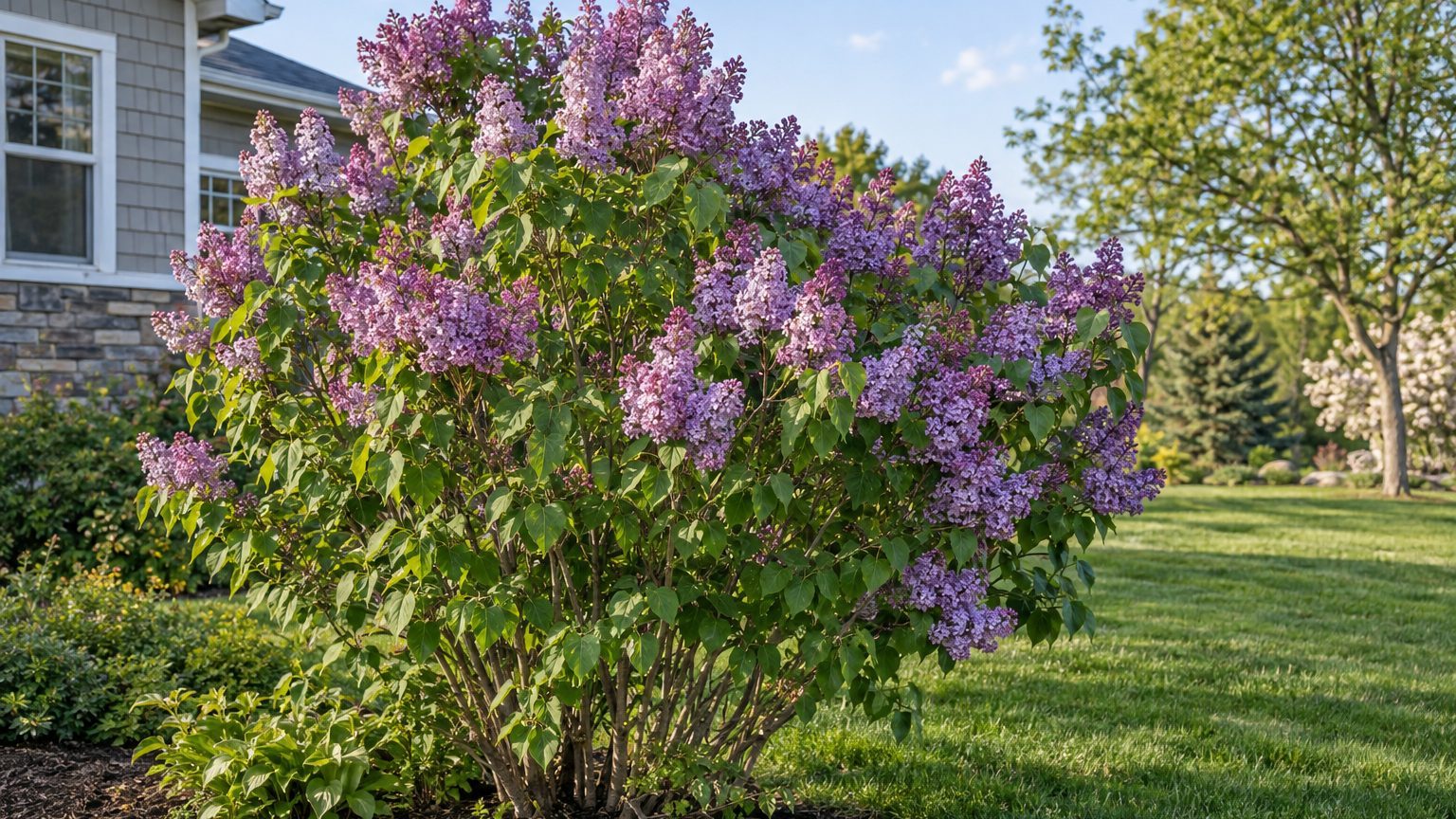
A lilac bush in bloom in a home garden

Lilacs in Nunavut flower in June, and in a mild spring the first blooms can open in May. The year of a lilac here runs like this.

  • In late spring, usually May in a mild year, the earliest buds open on shrubs that have come through the winter in good shape.
  • In June, the main bloom arrives, and late-flowering types open after the common lilac has finished.
  • Right after the flowers fade, in June and July, is the time to prune, because the shrub is already forming next year’s flower buds.
  • Through the rest of summer, the buds for the following spring keep developing on the new wood, so they should be left alone.
  • In winter, the shrub rests in the cold, which is what it needs to mature those buds.

The reference city for these dates is Rankin Inlet, in Canadian hardiness zone 0a. There, the last spring frost falls around June 19 on average, which means frost can still arrive after that date in about half of all years. The first fall frost comes around September 13 on average, so treat that date as the middle of a window rather than a safe deadline. Communities farther north run later still. Nunavut has no local lilac timing page, so these months follow the nearest comparable northern climate; confirm local timing with a local garden centre, a garden society or the territorial gardening groups.

Which Lilacs Grow Best in Nunavut?

Lilacs are a stretch in Nunavut, though not because of cold itself. They need a cold winter rest to set their flower buds, and they struggle in hot, humid summers. Their success also depends on whether the type you choose can survive the local winter.

Choose hardy, late-blooming kinds and give them a sheltered spot in the yard.

Lilac type How it does in Nunavut Why
Common lilac cultivars such as Sensation Marginal at best It is not hardy enough for colder northern districts
Late-blooming, very hardy lilac The better bet Known for winter hardiness and for flowering later than the common lilac

A later bloom can reduce the flowers’ exposure to lingering spring frost. Pick a sheltered corner, such as the lee side of a south-facing wall, to give a young shrub a better chance to flower.

When to Plant, Prune and Feed Lilacs in Nunavut

Lilac work here is concentrated in the short stretch between the thaw and the first fall frost. Pruning has a hard deadline because the shrub sets next year’s flowers on last year’s wood soon after it blooms.

Task Best timing in Nunavut Why then
Planting As soon as the ground has thawed in spring Roots get the whole short season to settle before winter
Routine pruning June to July, right after the flowers fade Next year’s buds form in summer, so cutting later removes them
Hard cut on an overgrown shrub Late winter The shrub regrows from old wood, though it will not flower for a few years

Pruning in late summer, fall or winter cuts off the next spring’s flowers, so a hard renewal cut in late winter is a trade you make knowingly. Ask a local garden centre whether the soil calls for fertilizer before feeding a lilac.

How Lilac Bloom Time Changes Across Nunavut

The territory is large, and lilacs in different communities do not keep the same calendar. Water, latitude and shelter all push the bloom earlier or later.

  • Rankin Inlet: On the west coast of Hudson Bay, this is the town the frost dates above come from, so bloom here follows the June window.
  • Iqaluit: On Baffin Island, cold water and sea ice hold spring back, so flowers open later and the season ends sooner.
  • Cambridge Bay: Farther north on Victoria Island, spring arrives later still, and a lilac there depends on a very sheltered spot to bloom at all.

In every community, a south-facing wall or a windbreak can move a lilac’s bloom a little earlier than an open yard would.

Where to Get Lilac Advice in Nunavut

A plant that is struggling or a soil question is best put to someone who knows local conditions.

  • Agriculture and Agri-Food Canada, at Agriculture and Agri-Food Canada, is where to start for general plant and soil guidance, any time before planting.
  • A local garden society or garden centre can tell you which shrubs have actually come through winters in your community, and spring is a good time to ask.

Common Questions

Can You Use the Frost Date as a Planting Day?

No. The June date is an average, so frost still comes later in about half of all years. Treat it as the middle of a window and wait for settled weather before setting out a young shrub.

Why Choose a Late-Blooming Lilac?

A late bloomer opens after the common lilac, so its flowers meet less spring frost. In a place with a short season, that later opening can mean the difference between a good bloom and frozen buds.

What Does Zone 0a Mean for a Lilac?

Zone 0a belongs to the Canadian hardiness system, which uses seven climate variables, not the single one behind USDA zones. The systems do not convert directly, so a plant tag showing only a USDA zone does not provide a Canadian-zone match for Nunavut.

Best Roses for Nunavut

Best Roses for Nunavut

Once the snow pulls back from a bed in spring, a rose cane shows green wood or it shows nothing at all. In Nunavut, a territory of long winters and a short growing season, that moment decides which roses are worth planting. Hardy rugosa and tough shrub roses have a real chance, while the usual garden-center favorites often do not come back.

Best Roses to Grow in Nunavut

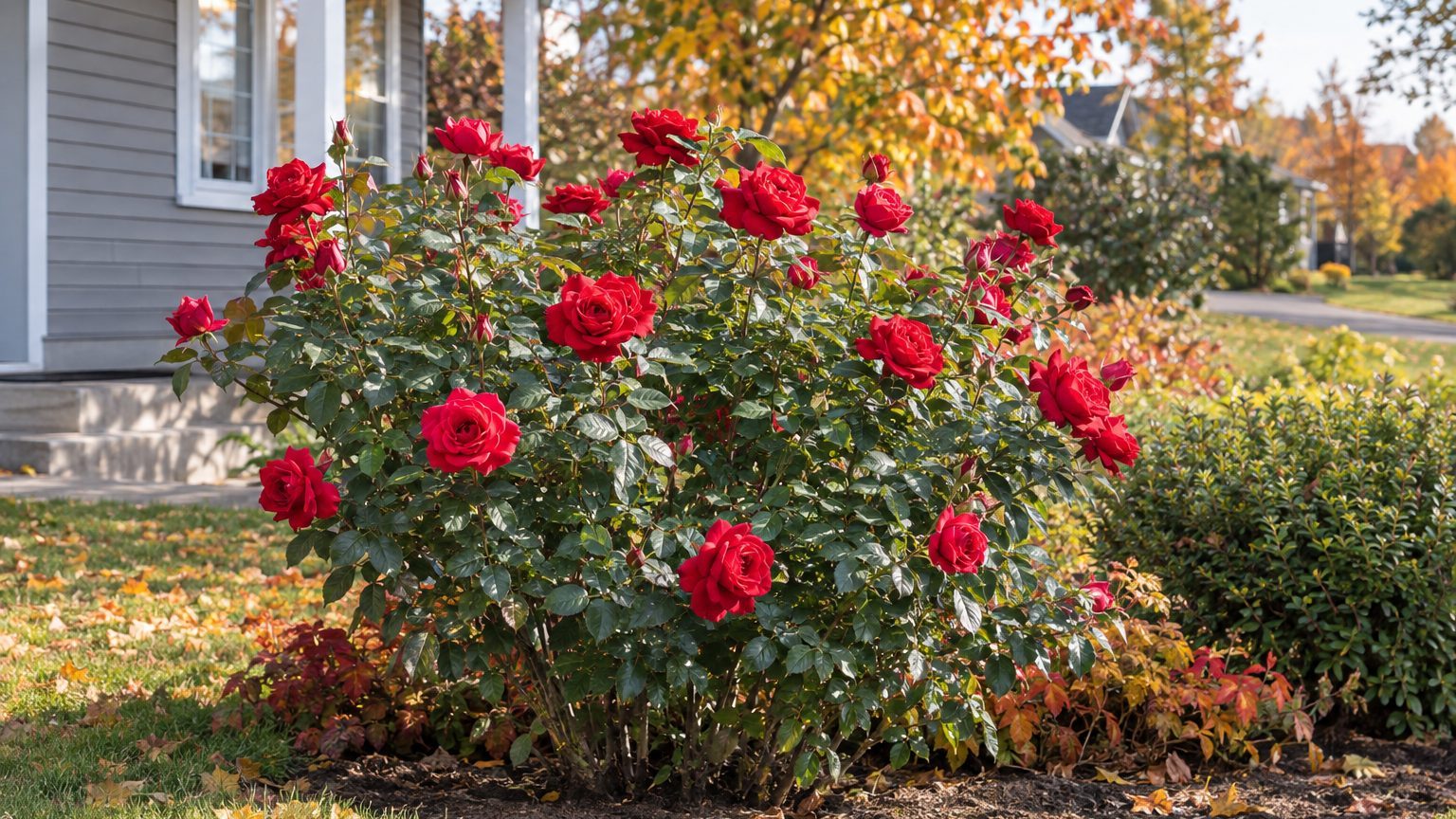
Healthy roses in bloom

Hardy shrub roses, rugosas above all, are the types that hold here, because winter is long and cold enough to kill tender roses outright. The Canadian hardiness zone at Rankin Inlet is 0a, a system that does not convert to USDA zones, and other communities will differ.

Rugosa Roses

Rosa rugosa is hardy in most locations across the far north, which makes it the natural starting point. Hardiness still varies from one site to the next, so plant one in a sheltered spot first and see how it comes through before you commit a whole bed.

Explorer Series Roses

The Explorer series was bred for cold climates, and these hardy shrub roses perform well without extra winter protection. That saves you the chore of wrapping and mounding canes, which matters when snow, wind and a short season already fill the calendar.

Knock Out Roses

Knock Out roses sit in the same hardy shrub group and also do well without added protection. They suit a gardener who wants flowers with little fuss, though a new plant is still worth watching closely through winter.

Hybrid Teas

Hybrid teas are tender and do not reliably overwinter this far north. They need winter protection in cold winters, so in Nunavut expect to lose some plants no matter how carefully you cover them.

Floribundas and Grandifloras

Floribundas and grandifloras belong to the same tender group as hybrid teas. Their cold tolerance falls short of what the territory demands, so they make a poor long-term investment unless you accept replacing them.

Miniature Roses

Miniature roses look like an easy fit for a small bed, but they are tender too and do not reliably overwinter. A hardy shrub rose, kept in bounds with pruning, is the safer way to fill a small space.

How to Choose a Rose for a Nunavut Garden

Start with the winter, since it decides everything else. Ask how much protection you are willing to give, then match the rose to that answer.

No local extension page covers rose timing for the territory, so the months here follow the nearest comparable climate, the coldest northern gardens. Confirm local timing with a garden centre, a rose society or a territorial gardening group.

Your situation What suits it in Nunavut Why
Very cold winter Rugosa rose Hardy in most locations
Little time for winter care Knock Out or an Explorer series rose Performs well without extra protection
Planting a new bed Bare-root roses in June, potted roses a little later The ground thaws late and snow cover lasts into spring
Pruning repeat-bloomers May, once shoots are clearly growing Cutting too soon removes wood that is still waking up
Set on a hybrid tea Only with winter protection, and with losses expected Tender roses do not reliably overwinter

Small spaces and summer heat or humidity are not the usual limits here, since winter sets the terms. For a tight corner, choose a hardy shrub rose and shape it with pruning rather than reaching for a tender miniature.

Which Roses Suit Different Parts of Nunavut

The territory is vast, and the growing season shifts a great deal between communities, though the choice of rose stays close to the hardy shrub group everywhere.

  • Grise Fiord: Northern communities like this one run weeks behind Rankin Inlet, so confirm local planting time and treat every rose as an experiment.

Wherever you garden, a sheltered spot out of the wind can help a rose.

Rose Buying Mistakes to Avoid in Nunavut

Buying Tender Roses

Hybrid teas, floribundas, grandifloras and miniatures are tender roses that do not reliably overwinter here. The cost is a plant that dies back over winter and a season lost. Choose a rugosa, an Explorer series rose or a Knock Out instead.

Pruning Too Early

Snow cover lasts into spring, and a cane that looks dead may simply be dormant. Prune repeat-blooming roses in May, and wait until shoots have started growing so you can see which wood is alive. Cutting early makes it harder to tell which wood survived.

Feeding into Late Summer

Roses can be fed regularly from May through July, then feeding should stop by August 1. Late fertilizer pushes soft new growth that may not harden before winter, leaving it vulnerable to cold damage. Put the fertilizer away after July.

Where to Get Rose Advice in Nunavut

Rose advice comes from federal and local sources, and local growers know which communities do better than others.

  • Agriculture and Agri-Food Canada, linked here as Agriculture and Agri-Food Canada, offers general plant and growing information, useful before you order plants.
  • A local garden centre, a rose society or a territorial gardening group can tell you how rugosas have fared in your community, so ask before spring planting.

Common Questions

Which Hardiness Zone Is Nunavut?

At Rankin Inlet the Canadian hardiness zone is 0a. That system uses several climate variables, so it does not convert to a USDA zone, and other communities will differ.

Is June 19 the Date to Plant Roses in Nunavut?

June 19 is the average last spring frost at Rankin Inlet, which means frost falls later than that in about half of years. Treat it as the middle of a window, not a safe date, and remember that northern communities run weeks behind.

When Should You Prune a Rose That Blooms Only Once?

Once-blooming roses, such as old garden roses, ramblers and many climbers, flower on last year’s wood. Prune them right after they bloom, never in early spring, or you cut away the flowers for the year.

When to Prune Roses in Nunavut

When to Prune Roses in Nunavut

Snow still lies against the canes long after the rest of the continent has started pruning, and in Nunavut that snow sets the schedule. Repeat-blooming roses get their cuts in May, once growth is clearly under way. The rest depends on the type of rose and on what the canes look like when the snow pulls back.

When to Prune Roses in Nunavut

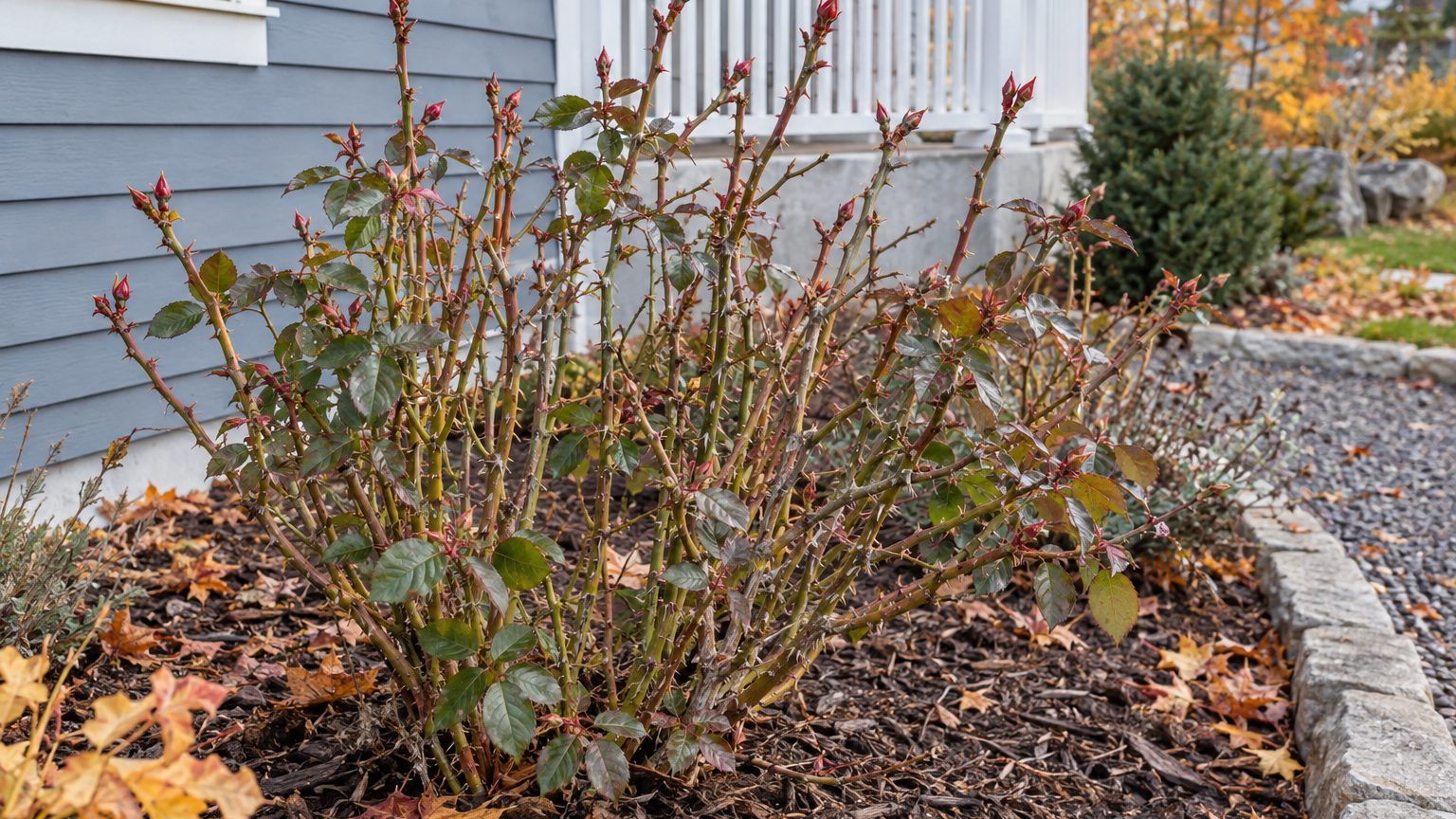
Rose canes at pruning time

Prune repeat-blooming roses in May. Nunavut has no rose-timing guidance of its own, so the dates follow the nearest comparable climate. Confirm local timing with a garden centre, a rose society or a territorial gardening group.

Rose type When to prune in Nunavut Why
Hybrid teas, floribundas, modern shrub roses (repeat-blooming) May, once growth is active Snow cover lasts into spring, and cutting too soon removes wood that has not yet shown what survived
Old garden roses, ramblers and climbers that bloom once Right after they flower, never in spring They flower on last year’s wood, so a spring cut removes the year’s blooms

Repeat-blooming climbers have no month of their own in the calendar, so treat them as you would a repeat-blooming shrub rose and wait for visible growth. When in doubt, hold off. A cane can be cut later, but it cannot be glued back on.

How to Tell When Your Roses Are Ready to Prune

May is the month to aim for, but the canes themselves give the final word, and a late spring can push the job later.

  • The snow has melted away from the base of the plant, which means you can see and reach every cane you need to judge.
  • The buds along the canes have swollen and started to break, a sign that live wood is waking up and dead wood will stand out beside it.
  • New shoots have lengthened visibly, because pruning waits for active growth and not just for a warm afternoon.
  • The days of hardest cold are behind you, though frost can still return: at Rankin Inlet the average last spring frost falls on June 19, and in one year out of two it comes later than that.

That last point is about protecting tender new shoots after you cut, and it does not change the pruning month.

Should You Prune Roses in Fall or Winter in Nunavut?

No. The calendar carries no fall or winter month for pruning, so leave the canes whole until growth starts in May. A hard cut in autumn invites new growth that the cold cannot be trusted to spare.

Winter is a bigger question than pruning. Hybrid teas, floribundas and grandifloras need winter protection in cold winters, and tender roses do not reliably overwinter in far-northern gardens. Rankin Inlet falls in Canadian hardiness zone 0a, a rating from a different system than the USDA zones, so do not compare it directly with US numbers.

Hardy shrub roses such as Knock Out or the Explorer series perform well without extra protection, which makes them the easier match for a northern yard.

How Rose Pruning Dates Shift Across Nunavut

Nunavut spans a huge area, and the May guide is a starting point that moves with the local spring.

  • Rankin Inlet and the Hudson Bay coast: this is the reference point for the frost figure above, so May is a fair target here once the snow has gone and the buds are moving.
  • Cambridge Bay, Resolute and other communities farther north: spring arrives noticeably later, so the pruning window slides later with it. Wait for growth on the canes and do not go by the calendar month alone.

In every community, watch the plant first and the month second.

Where to Get Rose Advice in Nunavut

Start with Agriculture and Agri-Food Canada for general growing guidance, then turn to people who garden nearby.

  • A local garden centre can tell you which roses have survived in your community, so ask before you buy and again before you prune.
  • A rose society or territorial gardening group can confirm local timing, and spring is the time to ask, before the snow clears.

Common Questions

When Can You Plant a Bare-Root Rose in Nunavut?

June is the month for bare-root roses. Potted roses can go in later than bare-root ones, so they are the more forgiving choice if spring runs behind.

When Should You Feed Roses in Nunavut?

Feed from May through July and stop by August 1. Feeding later pushes soft new growth that has little time to harden before the cold returns.

Which Roses Suit a Cold Northern Yard?

Rugosa roses are a hardy choice for cold gardens, and they need less fuss than hybrid teas. Pair that with hardy shrub roses and you spend more time enjoying blooms and less time wrapping canes.

When to Plant Roses in Nunavut: Dates and Varieties

When to Plant Roses in Nunavut: Dates and Varieties

Snow still lies on the ground in the early part of the season across Nunavut, and a rose bush waits well behind the calendar of any southern yard. Roses in Nunavut are a short-season project: a hardy shrub rose planted in early summer, fed through the bright months, and tucked in before the cold returns.

When to Plant Roses in Nunavut

A rose bush in bloom in a home garden

Bare-root roses go in first, in June, while they are still dormant and the soil has thawed enough to dig. Potted roses can follow later, since they arrive with leaves and roots already awake. Nunavut has no local page on rose timing, so these dates follow the nearest comparable climate; confirm local timing with a garden centre, a rose society or a territorial gardening group.

At Rankin Inlet, the last spring frost falls on average around June 19, which means half of all years bring frost later than that. Treat it as the middle of a window, never as a safe date. The first fall frost arrives on average around September 13, but the date is only the midpoint of a window. Rankin Inlet sits in Canadian hardiness zone 0a, a system that does not convert to a USDA zone, so local conditions elsewhere in Nunavut need to be checked.

  • In late winter and early spring, snow cover holds the ground and the bushes stay dormant, so there is nothing to plant and nothing to prune yet.
  • In May, prune repeat-blooming roses once active growth and new shoots appear. Feeding starts in the same month.
  • In June, bare-root roses go into the ground, and potted roses can be planted a little later once the frost risk has eased.
  • From June through July, feeding continues while the plant puts on growth and flowers.
  • By August 1, feeding stops so the canes can harden before the first fall frost.

A bare-root rose planted dormant in June gets the whole short summer to root, which is why it beats waiting for warmer weather that may never come.

Which Roses Grow Best in Nunavut?

Hardy shrub roses are the safe bet. Hybrid teas, grandifloras, floribundas and miniature roses are tender choices for Nunavut, so ask local growers whether they can overwinter in your community. Rugosa roses are a hardier option, but ask local growers which varieties survive in your community.

Summers are short and cool, so a rose that needs a long season to build wood has little chance. A tough, hardy type does better than a fussy one.

Rose type How it does in Nunavut Why
Rugosa A hardy choice to investigate locally Check local winter survival before planting
Hybrid tea Unreliable Tender roses do not reliably overwinter
Floribunda Unreliable Tender, needs winter protection in cold winters
Grandiflora Unreliable Tender, needs winter protection in cold winters
Miniature Unreliable Tender roses do not reliably overwinter

Hardy shrub roses such as the Explorer series perform well without extra protection in cold climates. Once-blooming roses, including old garden roses, ramblers and many climbers, flower on last year’s wood, so they are pruned right after they bloom and never in early spring.

When to Prune, Feed and Protect Roses in Nunavut

The year’s work is compact. Pruning waits for active growth, because snow cover lasts into spring and new shoots reveal which canes survived.

Feeding runs through the bright months and ends early enough for the canes to firm up. Tender types need winter protection in cold winters, while hardy shrub roses usually do without it.

Task Best months in Nunavut Why then
Pruning repeat-blooming roses May Wait until new shoots appear and growth is active
Planting bare-root roses June Dormant plants settle in as the soil thaws
Feeding May, June, July Supports growth, and stopping by August 1 lets canes harden before frost

Repeat-blooming types include hybrid teas, floribundas and modern shrub roses. The page on when to prune roses covers the cuts in more detail.

How Rose Care Dates Change Across Nunavut

Nunavut spans a huge stretch of Arctic coast and islands, and the season shifts with it. The dates lean on a single reference city, so expect differences elsewhere.

  • Rankin Inlet: On the Kivalliq coast of Hudson Bay, this is the reference point for the frost dates above, and a rose here follows them as given.
  • Iqaluit: Local conditions on Baffin Island may differ from Rankin Inlet, so confirm planting and feeding timing with local gardeners.
  • Cambridge Bay: Local frost timing may differ from Rankin Inlet, so confirm the planting window in your community.

A sheltered, sunny spot against a south-facing wall can gain a little ground on any of these.

Where to Get Rose Advice in Nunavut

Nunavut has no county extension office, so advice comes from a few other places. Agriculture and Agri-Food Canada offers federal gardening and soil information for northern growers.

  • A local garden centre or greenhouse group can tell you which hardy roses survived recent winters in your community, so ask before buying.
  • A rose society or territorial gardening group can help with diagnosing problems and with sourcing bare-root plants for June planting.

Common Questions

Can You Plant a Rose in July?

Only June is supported here for bare-root planting; ask a local garden centre to confirm when a potted rose can go in. A late planting still has less time to settle before fall, so water it regularly and ask a local garden centre about winter protection.

Do Roses Need Winter Protection in Nunavut?

Tender roses do, and they may still fail to overwinter. Hardy shrub roses such as the Explorer series usually manage without extra cover, which makes them the safer choice.

Why Is My Rose Pruned Back but Not Leafing Out?

Look at the canes: green inside and plump buds mean the plant is alive and just slow, while brown and brittle wood points to winter dieback. Wait until active growth and new shoots appear before cutting further.

Best Spring Bulbs for Nunavut

Best Spring Bulbs for Nunavut

Snow still sits on the beds when the first green shoots of hardy bulbs push through in the short northern spring. Gardeners in Nunavut work with some of the harshest winters in North America, so the question is which bulbs can sit out that cold underground and still flower. A few small, tough species can, and a few showier ones are worth a gamble.

Best Spring Bulbs to Grow in Nunavut

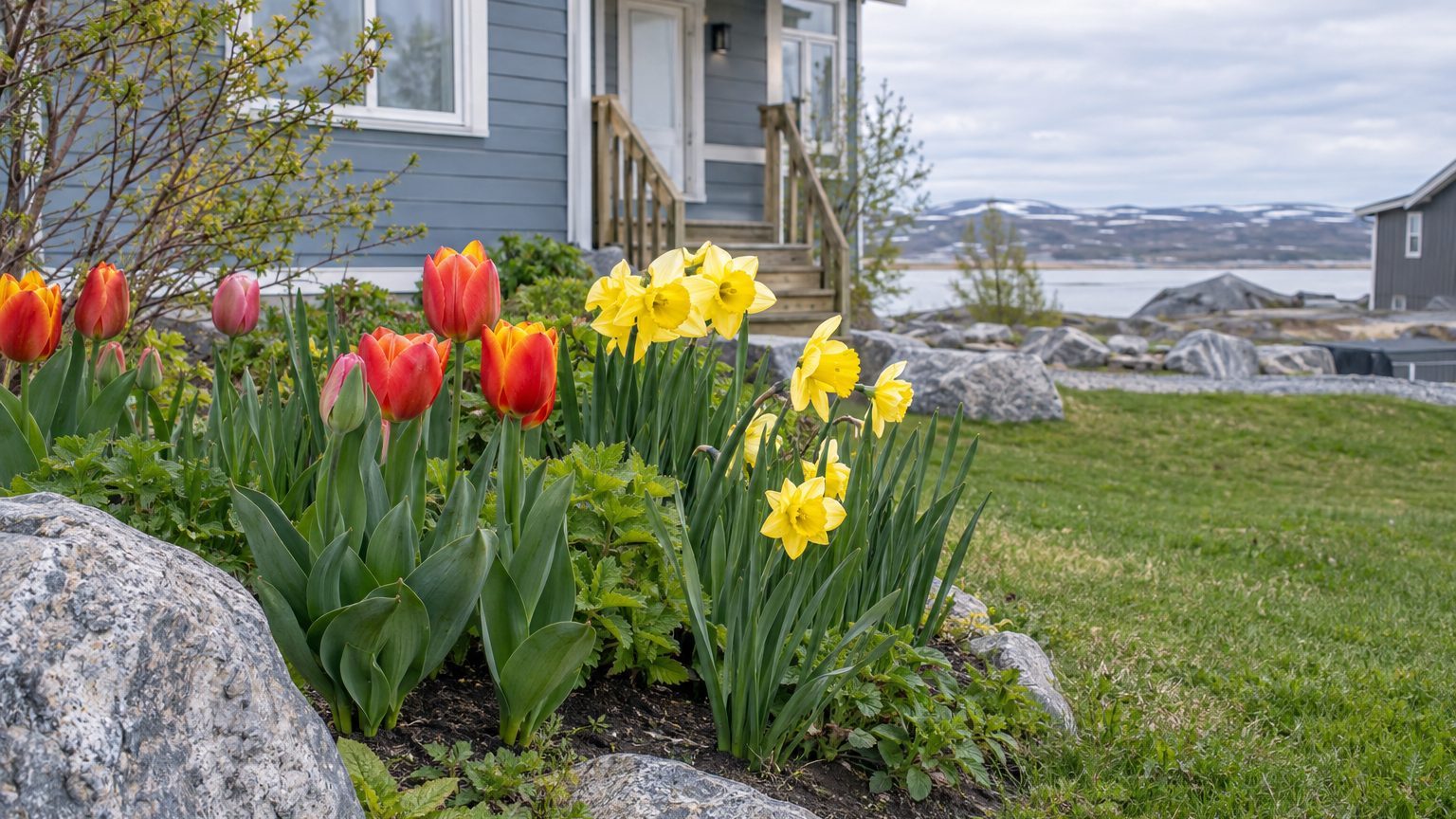
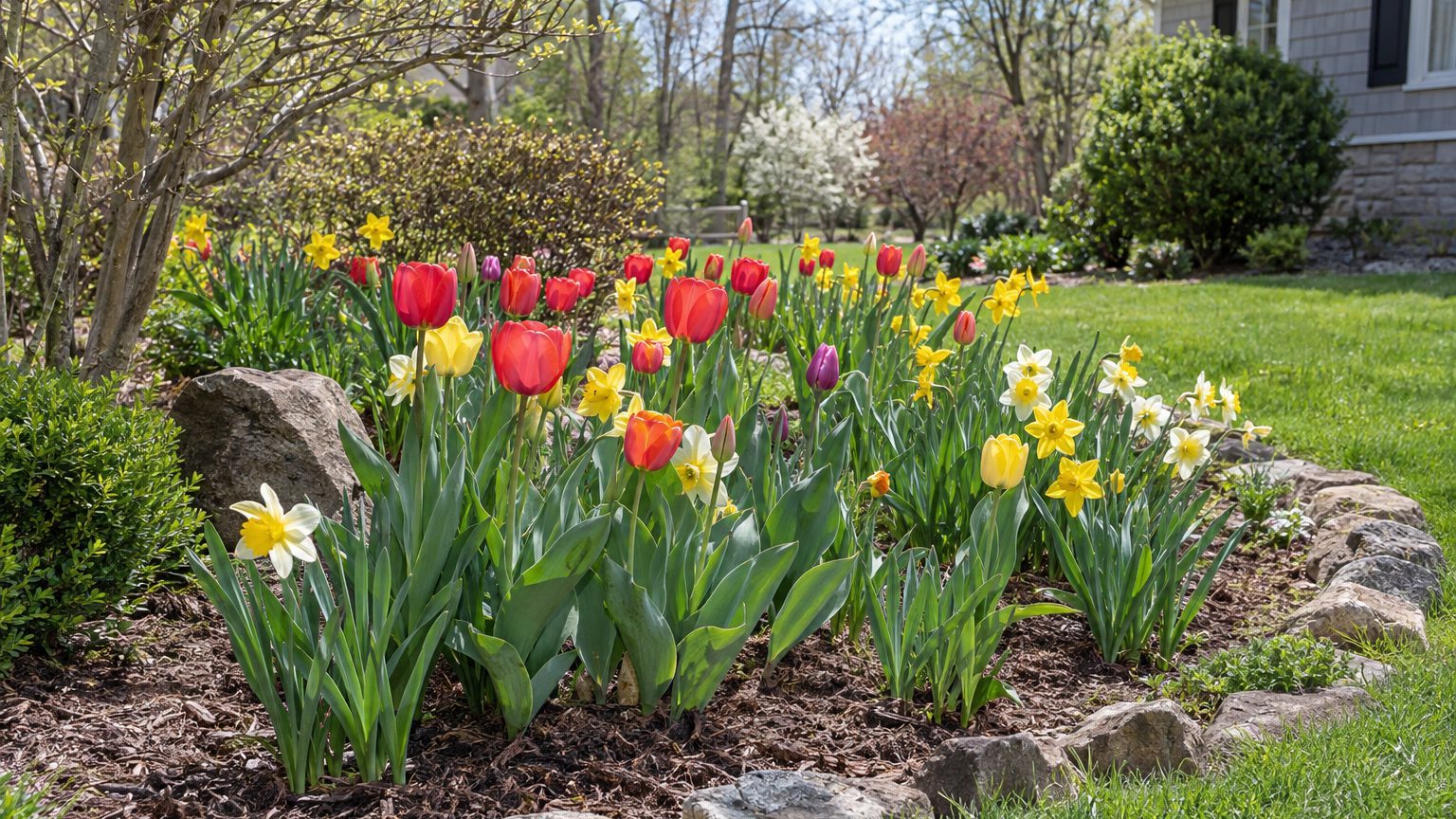
Healthy spring bulbs in bloom

Scilla, snowdrops and ornamental alliums are the safest picks, with grape hyacinth and Greigii tulips as bets that sometimes pay off. Nunavut sits in plant hardiness zone 0a in the Canadian system (not a USDA zone), so winter cold is the main test. Small, early, tough bulbs pass it most reliably.

Scilla

Scilla tends to winter over well in far-northern gardens, which is why it leads this list. Plant it in late summer or early fall so the roots settle before the ground freezes.

Once established, it comes back without fuss. Leave the foliage alone after the blue flowers fade.

Snowdrops

Snowdrops are also hardy, and that single fact earns them a place in nearly every cold-climate bulb bed. They are small, so plant them in groups where the display will be seen from a window or doorway.

Purple Sensation Allium

The showy allium called ‘Purple Sensation’ is recommended as a fall-planted bulb. According to Iowa State University Extension, alliums, like other spring-flowering bulbs, need the cold of winter to bloom.

Plant it in fall alongside the others, and let the leaves yellow after bloom.

Grape Hyacinth

Grape hyacinth sometimes winters over as well, though the word is sometimes, not always. Treat it as an experiment: plant a modest handful in the most sheltered spot you have, and expand the planting only if it returns the following spring.

Greigii Tulips

A Greigii tulip called Pinochio came up the first spring after a mild winter. Tulips are often short-lived in the garden, so think of them as a bonus to enjoy.

Daffodils last longer and are the more reliable perennial bulb, so they make a steadier companion where you want repeat bloom.

How to Choose Spring Bulbs for Your Nunavut Garden

Your choice depends on what your garden throws at the bulb and how much attention you can give it. Winter severity matters most here, so start with the toughest small bulbs and add showier ones as you learn what survives in your own bed.

Time, pests and the bulbs left over from a late purchase all shift the answer a little, as the table sets out.

Your situation What suits it in Nunavut Why
Very cold winter Scilla, snowdrops Both winter over well in hard climates
Little time to fuss Daffodils Longer lived and the more reliable perennial bulb
Need for cold to flower Alliums They need winter cold to bloom
Rodents or rabbits around Daffodils Tulips and crocus get eaten, daffodils are left alone
Bulbs still unplanted Whatever you have, planted soon Plant as long as the ground can be dug

Grape hyacinth and Greigii tulips fit the gambler in you rather than a firm situation, so try them in small numbers beside the dependable choices.

Which Spring Bulbs Suit Different Parts of Nunavut

Nunavut covers a huge area, and the climate shifts a lot from one community to the next, so no single list fits every yard.

  • Rankin Inlet: the average last spring frost falls on June 19, which means frost comes later than that in one year out of two. Treat the date as the midpoint of a window and favor the hardiest small bulbs.
  • Communities north of Rankin Inlet: northern and upland districts run weeks behind that date, so stick to scilla and snowdrops and hold the tulips for a sheltered corner.

Wherever you garden, a spot shielded from wind and warmed by a south-facing wall gives bulbs a better chance than open ground.

Spring Bulb Buying Mistakes to Avoid in Nunavut

Counting on Tulips and Crocus

Tulips are often short-lived, and tulips and crocus are the bulbs that voles, squirrels, rabbits and deer eat. Buying a large bag of them can mean a small return. Make daffodils the backbone of your planting, and treat tulips as a bonus.

Planting at the Wrong Time

Plant spring bulbs once the soil has cooled below about 60°F, which gives roots time to form before the ground freezes without tempting the bulbs to sprout. For Nunavut, the calendar points to August and September, late August to early September, or when the soil is in the low to mid 50s °F. Those dates follow the nearest comparable climate, so confirm local timing with your own garden contacts.

Keeping Bulbs in the Bag

A bulb left in its bag over the winter is a bulb wasted. Plant as long as the ground can be dug, even if the season has slipped, because a late bulb in the soil does better than one in storage.

Where to Get Spring Bulb Advice in Nunavut

Agriculture and Agri-Food Canada is the federal department, and it offers a good starting point for general growing information.

  • A local garden centre can tell you which bulbs arrive in your community and when, so visit in late summer before stock runs out.
  • A garden society or territorial gardening group can share what has survived in nearby yards, and the answers are most useful before you plant.

Common Questions

Do Spring Bulbs Need to Be Chilled Before Planting in Nunavut?

Most spring-flowering bulbs need about 12 to 16 weeks of cold to flower. Nunavut winters supply that, so the refrigerator step used in mild climates is not needed here.

When Should You Remove the Leaves After Bulbs Bloom?

Take off only the faded flowers and leave the leaves in place until they turn brown. The leaves feed the bulb for next year’s bloom.

Do All Spring Bulbs Flower at the Same Time?

No, spring bulbs bloom in a long succession, from snowdrops and winter aconites at the start of the season to ornamental onions (alliums) at the end. Mixing a few types stretches the display.

When Do Tulips and Daffodils Bloom in Nunavut?

When Do Tulips and Daffodils Bloom in Nunavut?

When the snow pulls back from the south wall of the house and the first green tips show, bulb season has started, though in the far north that moment comes late. Tulips and daffodils in Nunavut flower with the warming of spring, not on a fixed date, so the signs in the soil matter more than the calendar.

When Do Tulips and Daffodils Bloom in Nunavut?

When Do Tulips and Daffodils Bloom in Nunavut?

Tulips and daffodils bloom in Nunavut as spring warms the ground, and no set month applies. The bulbs wait out the long winter, then open when the season turns, so the weather of each year moves the date.

Rankin Inlet falls in Canadian hardiness zone 0a, a rating that is not a USDA zone and does not convert to one. It describes a bulb’s winter, which is long and cold and gives bulbs the rest they need.

Bulb When it blooms in Nunavut What sets the timing
Daffodils Follows the warming of spring Winter cold, then spring warmth. The most dependable perennial bulb
Tulips Follows the warming of spring Needs about 12 to 16 weeks of cold. Often short-lived
Alliums Follows the warming of spring Needs the cold of winter to bloom

Nunavut has no local guidance on bulb timing of its own, so the planting months here follow the nearest comparable climate: August and September, when the soil sits in the low to mid 50s °F (about 10 to 13°C). Confirm local timing with a garden centre, a garden society or a territorial gardening group. Crocus, hyacinths and grape hyacinths are worth a trial, though voles and rabbits eat crocus, and daffodils are left alone.

How to Tell Your Bulbs Are About to Bloom

Bulbs announce themselves in stages, and each stage tells you what to do or leave alone.

  • Pointed green tips breaking the soil mean the bulb has survived the winter and roots are working, so keep the bed clear of heavy debris.
  • Leaves that open into a clump tell you the flower stalk is forming inside, and this is the time to protect the bed from foraging animals.
  • A fat bud that rises above the leaves means bloom is close, and cold snaps at this stage do little harm to daffodils.
  • A bud showing color at its tip means the flower will open soon, and tulips in particular are worth watching for browsing damage.
  • A gap where tulip or crocus tips should be points to voles, squirrels or rabbits, since they eat those bulbs and leave daffodils alone.

Alliums send up a strap of leaves before the round flower head, so a bare patch in a bed of alliums usually means the bulbs are simply later.

What to Do After Tulips and Daffodils Bloom in Nunavut

Snip off only the faded flowers and leave everything else in place. Do not cut the leaves back and do not tie or braid them while they are green. The leaves feed the bulb for next year’s flowers, so they stay on the plant until they turn yellow or brown.

Tulips are often short-lived in the garden, so plan to replace some after a few seasons. Daffodils last longer and are the more reliable perennial bulb, which makes them the backbone of a northern bed. Gardeners in subarctic Interior climates have also had good results with scilla, snowdrops and sometimes grape hyacinth wintering over.

For color after the tulips fade, the allium called Purple Sensation is a useful companion. A Greigii tulip such as Pinochio came up the first spring after a mild winter in a comparable cold climate, so smaller, tougher tulips are worth trying alongside the showier ones.

How Bloom Time Shifts Across Nunavut

Nunavut covers a vast area, and spring arrives at very different times depending on where your yard sits.

  • Rankin Inlet: On Hudson Bay’s western shore, the last spring frost falls on June 19 on average, which means frost can still arrive later than that in about half of years.
  • Cambridge Bay and communities farther north: Spring runs behind Rankin Inlet, so bulbs in these places wake later and bloom later.
  • Sheltered spots against a south wall: The ground warms sooner there than in open ground, so shoots tend to appear earlier in those pockets.

Treat any frost date as a midpoint, never a safe date, and watch your own soil first.

Where to Get Bulb Advice in Nunavut

Canada has no county extension offices, so local advice comes from a few other places. Start with the national department and then add people who grow in your community.

  • Agriculture and Agri-Food Canada has general growing information, and it is a good first stop before planting season.
  • A garden centre or a garden society can tell you what has survived in your community, so ask in late summer, before bulbs go in the ground.
  • A territorial gardening group can confirm planting timing near you, and it is worth contacting well before August.

Common Questions

Can You Plant Bulbs That Are Still in the Bag?

Yes. A bulb still in the bag is better planted late than stored over the winter, so plant as long as the ground can be dug.

Do Tulips Need to Be Chilled Before Planting in Nunavut?

Most spring bulbs need about 12 to 16 weeks of cold to flower, and Nunavut winters supply that on their own. Chilling in the refrigerator is for places where winters are too mild.

Which Bulbs Handle Cold Northern Gardens Best?

In subarctic Interior gardens, scilla tends to winter over well, snowdrops are hardy, and grape hyacinth sometimes survives. Daffodils are the more reliable perennial bulb, and according to Iowa State University Extension, alliums need the cold of winter to bloom.

The almanac, state by state. Every date on this site comes from a state’s own frost facts and its extension service’s calendar — and says where it comes from.