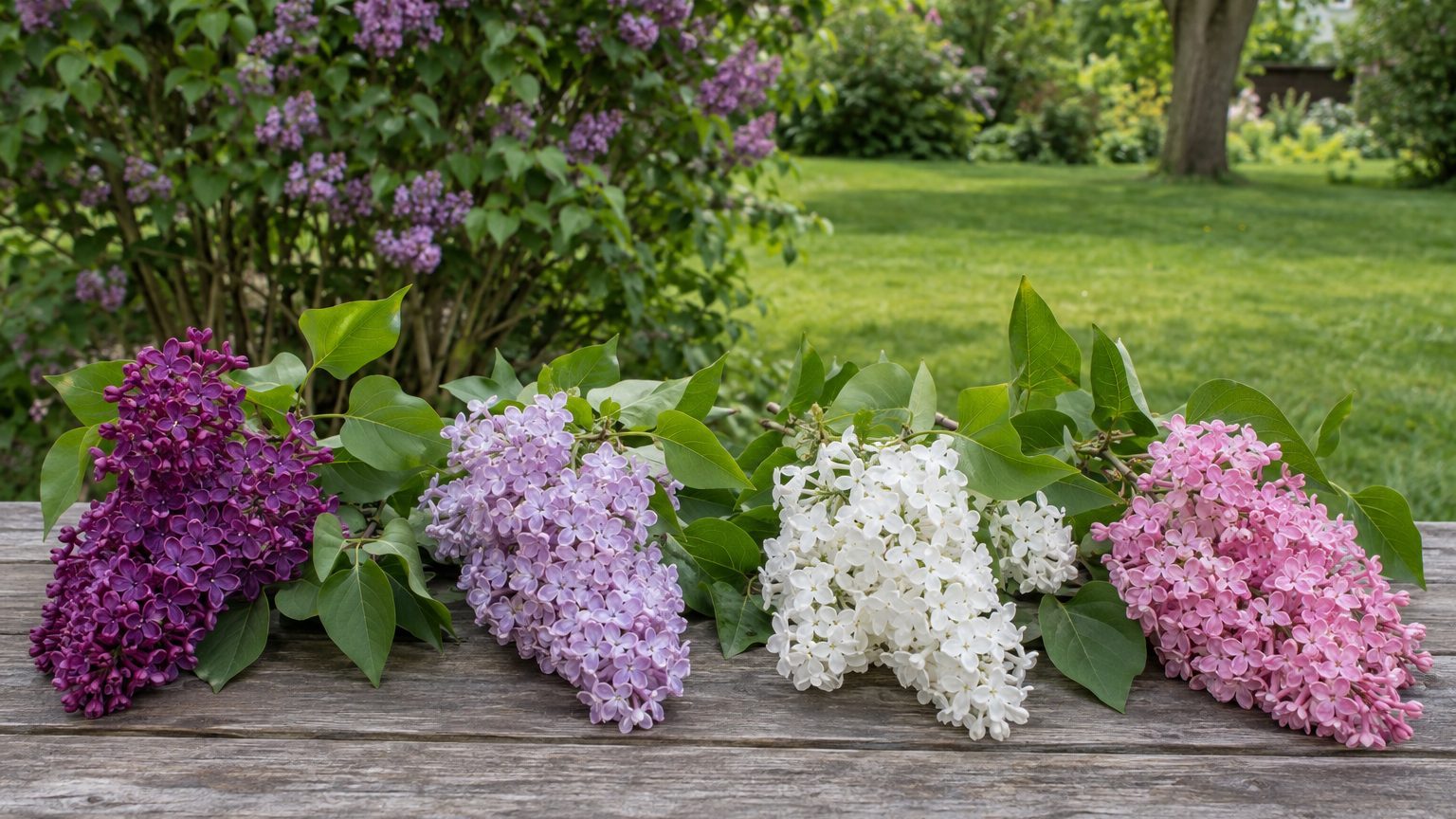
A lilac in full bloom, heavy with scent, is a sight most northern gardeners want in the yard. In Nunavut the question is which lilac has any chance, and the answer starts with winter hardiness and a late flowering habit.
Best Lilacs to Grow in Nunavut

Lilacs want a cold winter rest to ripen their flower buds, so Nunavut gives them the chill they need. The harder question is survival, since the Canadian hardiness zone for the reference city of Rankin Inlet is 0a (a Canadian rating that does not convert to a USDA zone). Treat every lilac here as a trial, and start with the hardiest.
French Lilacs

French lilacs are selections of the common lilac, Syringa vulgaris, and they are the best known of the group. Hundreds of cultivars exist in many colors and floret shapes, which gives you room to choose. Pick a cultivar rated for the coldest conditions, since the species is only as tough as the selection you buy.
Sensation

Sensation has purple flowers edged with white, a look that makes it easy to spot. It is rated winter hardy to Zone 3, and that rating makes it a poor match for the colder pockets of a northern garden. In Nunavut, treat it as a risky trial rather than assuming its Zone 3 rating guarantees winter survival.
Late-Blooming Lilac
A late bloomer flowers after the common lilac, usually in the second or third week of June in the coldest northern gardens. That timing matters because the average last spring frost at Rankin Inlet falls on June 19. In half of all years the frost comes later, so late buds can still be caught.
Dwarf Korean Lilac
Syringa meyeri, the dwarf Korean lilac, is also called the little-leaf lilac. It usually reaches about 5 ft (about 1.5 m) tall and as wide, and it carries small violet blooms in great profusion. Breeders have used it often because it is small and compact, a useful trait where space and shelter are limited.
Nunavut — the year and the numbers
- State
- Nunavut
- Hardiness zones
- 0a
- Last spring frost
- June 19
- First fall frost
- September 13
- Annual rain
- 12 in
- Lawn zone
- cool-season
- Source
- Environment and Climate Change Canada — Canadian Climate Normals 1981-2010, station RANKIN INLET A · Rankin Inlet
How to Choose a Lilac for a Nunavut Garden
Start with the cold, because that is the limit here. A lilac that is merely hardy will not do. You want one that has proven itself in the harshest northern gardens, then you can think about size and flower color.
Warm, humid summers are what make lilacs struggle, and that is not the problem in this territory. Winter survival and a short season decide the choice.
| Your situation | What suits it in Nunavut | Why |
|---|---|---|
| Very cold winter | A late-blooming lilac | Known for winter hardiness, and it flowers after the common lilac |
| Colder pockets of the garden | Avoid Sensation | Its hardiness stops at Zone 3 |
| Small space | Dwarf Korean lilac | Usually about 5 ft tall and as wide |
| Need for winter cold | French lilacs | A long cold rest ripens the flower buds |
If you want a lilac that blooms again later in the season, the Bloomerang series is described as mildew resistant and reblooming. Check the plant’s hardiness label before treating it as more than a curiosity here.
Which Lilacs Suit Different Parts of Nunavut
Nunavut is huge, and a lilac that has a chance in one community may have none in another. Choose by how short your own season is.
- Rankin Inlet: the reference point for these dates, with an average last spring frost of June 19. Late-blooming lilacs and the hardier common selections are the ones to try.
- High Arctic communities: northern districts run weeks behind Rankin Inlet. Lilacs there are a long shot, so ask local gardeners which cultivars, if any, have survived.
- Southern and coastal Hudson Bay communities: Use local survival reports rather than the Rankin Inlet reference figures to choose a lilac.
Because frost lingers later in the north, a lilac that flowers late is better placed there than one that opens early.
Lilac Buying Mistakes to Avoid in Nunavut
Choosing a Type Too Tender for Winter
Many common lilacs, including Sensation, carry a Zone 3 rating, but that number should not be compared with the Canadian rating given for Rankin Inlet. A tender shrub dies back and then wastes a season. Buy a late-blooming cultivar with a record for winter hardiness instead of the prettiest flower.
Picking an Early Bloomer
An early-flowering lilac opens its buds before the frost risk has passed. A late frost can ruin the season’s bloom. Later flowering may reduce exposure to lingering frost, but local bloom timing still needs confirmation.
Ignoring Adult Size
A pot at the garden centre hides how big the shrub will become. The dwarf Korean lilac can reach as much as 8 ft (about 2.4 m) tall and wide, though about 5 ft (about 1.5 m) is usual. Check the tag before you plant. For a once-blooming lilac, prune right after flowering, in June or July, because next year’s buds form soon after bloom. A once-blooming lilac pruned in late summer, fall or winter loses the next spring’s flowers. An overgrown plant can be cut hard in late winter, but it will not flower for a few years afterward.
Where to Get Lilac Advice in Nunavut
Confirm them with a local garden centre, a garden society or a territorial gardening group.
- Agriculture and Agri-Food Canada, linked as Agriculture and Agri-Food Canada, offers federal growing guidance, so look there before you buy.
- A local garden centre or garden society can tell you which shrubs have survived in your community, and spring is the time to ask.
- Territorial gardening groups can confirm local timing for bloom and pruning, so check with them before you plant.
Common Questions
What Colors Do Lilacs Come In?
Named cultivars range from lilac and purple to white, pink and a reddish hue. French lilacs offer a wide choice.
Is There a Lilac That Blooms Twice?
The Bloomerang series is described as reblooming and resistant to powdery mildew. Its hardiness for the far north is not established.
Can You Use a USDA Zone for Lilacs in Nunavut?
No. Rankin Inlet is rated 0a on the Canadian hardiness system, which draws on seven climate variables and does not convert to a USDA zone. Use it only as a guide for hardiness ratings.