Skip to content

Northwest Territories

  1. Jan
  2. Feb
  3. Mar
  4. Apr
  5. May
  6. Jun
  7. Jul
  8. Aug
  9. Sep
  10. Oct
  11. Nov
  12. Dec
State
Northwest Territories
Hardiness zones
1b
Last spring frost
May 25
First fall frost
September 18
Annual rain
11 in
Lawn zone
cool-season
Source
Environment and Climate Change Canada — Canadian Climate Normals 1981-2010, station YELLOWKNIFE A · Yellowknife

The year in Northwest Territories, from the calendar

  1. Jan—
  2. Feb—
  3. MarPrune fruit trees
  4. AprPrune fruit trees
  5. MayFeed hydrangeas · Plant hydrangeas · Feed roses · Prune roses
  6. JunPlant hydrangeas · Prune bigleaf hydrangeas · Seed the lawn · Lilacs bloom · Prune lilacs
  7. JulFeed hydrangeas · Plant hydrangeas · Prune bigleaf hydrangeas · Prune lilacs · Peonies bloom
  8. AugPlant spring bulbs · Plant hydrangeas · Peonies bloom · Mow · Plant trees
  9. SepPlant spring bulbs · Plant peonies · Plant trees · Mow
  10. Oct—
  11. Nov—
  12. Dec—

From the state frost facts and extension calendars: University of Alaska Fairbanks · Clemson HGIC factsheet — Hydrangea · NDSU Extension — Dakota Gardener (lawns) · University of Alaska Fairbanks Cooperative Extension.

Best Time to Plant Trees in Northwest Territories

Best Time to Plant Trees in Northwest Territories

Fall planting gives a new tree the most forgiving start in the Northwest Territories, because the roots can recover before the next growing season. Shade and ornamental trees go in during September, with May as a fallback once the ground thaws.

When Is the Best Time to Plant Trees in Northwest Territories?

A young shade tree newly planted in a home yard

September is the time to plant shade and ornamental trees, whether they come in a container or a burlapped root ball, and May works when the ground has thawed. The territory has no local tree-timing guidance of its own, so these months follow a comparable cold climate. Confirm local timing with a garden centre, a garden society or a territorial gardening group.

  • In May, once the ground thaws enough to dig, a tree can still go in while dormant, though leaves often start by the time the soil is workable.
  • Container-grown trees can go in through much of the growing season if you keep them watered, but they settle best when planted in the dormant season.
  • In summer, planting is hardest on a tree, since heat and dry soil stress the new roots.
  • In September, the tree is entering dormancy, and a root system damaged by the move has time to regrow and recover before winter.
  • After a fall planting, keep watering the tree until the ground freezes.

At Yellowknife, the average last spring frost falls around May 25, and in one year out of two it arrives later. The average first fall frost comes around September 18, and in one year out of two it arrives earlier. Northern districts run weeks behind that station. The Canadian hardiness zone there is 1b, a separate system from USDA zones.

When to Plant Fruit Trees in Northwest Territories

Plant a bare-root fruit tree as soon as the soil can be worked in late winter, while the tree is still dormant and before the buds open. Waiting until the buds swell asks the roots to feed new growth they have not yet anchored.

Container-grown fruit trees are more flexible, though the dormant season still suits them best.

Kind of fruit tree When to plant in Northwest Territories Why then
Bare-root As soon as the soil can be worked, before the buds open The tree is dormant and has no leaves to support
Container-grown Most of the year if watered, best in the dormant season The roots are intact, but they settle more easily without leaves to feed

For apples, cherries, plums and the varieties that stand up to cold, the page on the best fruit trees to grow in the territory goes into detail.

Best Trees to Plant in Northwest Territories

Crabapples are the ornamental trees that handle a cold northern climate, and breeding has produced many hardy cultivars. Choose by the room you have, the sun the spot gets and the hardiness zone, then confirm the pick with a local garden centre.

Tree How it does in Northwest Territories Why
Hardy crabapple cultivars Some survive the deepest winter cold Breeding work has targeted extreme cold hardiness, so that trees can withstand very severe winter temperatures
Siberian crabapple Grows well in cold northern climates Bears edible fruit slightly larger than wild crabapples
Dolgo crabapple Grows well in cold northern climates Also bears edible fruit slightly larger than wild crabapples

Crabapples give spring bloom and fruit in a single tree, which suits a front yard with limited room. Hardiness varies from cultivar to cultivar, so check the one you pick rather than assuming the whole group will cope with your winters.

When to Plant, Water and Prune Trees in Northwest Territories

A tree’s year here runs on dormancy. Planting and pruning both happen when the tree is asleep, and watering carries a fall planting to the freeze.

Task Best timing in Northwest Territories Why then
Plant shade and ornamental trees September, or May once the ground thaws The tree is dormant and the roots can recover
Water a young tree Regularly after planting, until the ground freezes New roots need moisture before the soil locks up
Prune fruit trees March to April, while the tree is dormant Cuts heal before growth starts, and the buds have not swelled

Avoid pruning a fruit tree in fall or early winter, because new growth may not harden before the cold. Apples are pruned first and peaches last, closest to bloom, since peach flower buds are easily hurt by cold. The page on when to prune fruit trees covers the cuts themselves.

Where to Get Tree Advice in Northwest Territories

Canada has no county extension offices, so tree questions go to the territorial agriculture department, a local garden society or a garden centre. Each can speak to local soil and species choice.

  • The Department of Industry, Tourism and Investment handles agriculture in the territory, so start there with questions on hardy species or growing conditions.
  • A local garden society or master gardener group can tell you which trees have held up in your neighbourhood, and they are worth contacting well before a September planting.
  • A garden centre can confirm timing and stock for your spot, and the weeks before the fall planting window are the time to ask.

Common Questions

Are Apple Rootstocks from Southern Nurseries Hardy Enough?

Not reliably. The Malling, Merton Malling and EMLA dwarfing rootstocks that nurseries commonly sell in the Lower 48 are not dependably winter-hardy in cold interior climates. Ask for a tree on a rootstock known to take hard winters.

Do Tart Cherries Handle Cold Better than Sweet Cherries?

Sour or tart pie cherries are considerably hardier than sweet types. They do best on a well-drained, sandy loam, so a heavy or soggy spot will set them back whatever the winter does.

Which Plum or Apricot Survives in a Cold Interior Climate?

The Manchurian plum is the variety proved winter-hardy in cold southcentral conditions, and it can yield ripe, sweet fruit. Manchurian apricots are also reliably hardy. Both are grown from seed, so fruit quality varies from tree to tree.
Best Peonies for Northwest Territories

Best Peonies for Northwest Territories

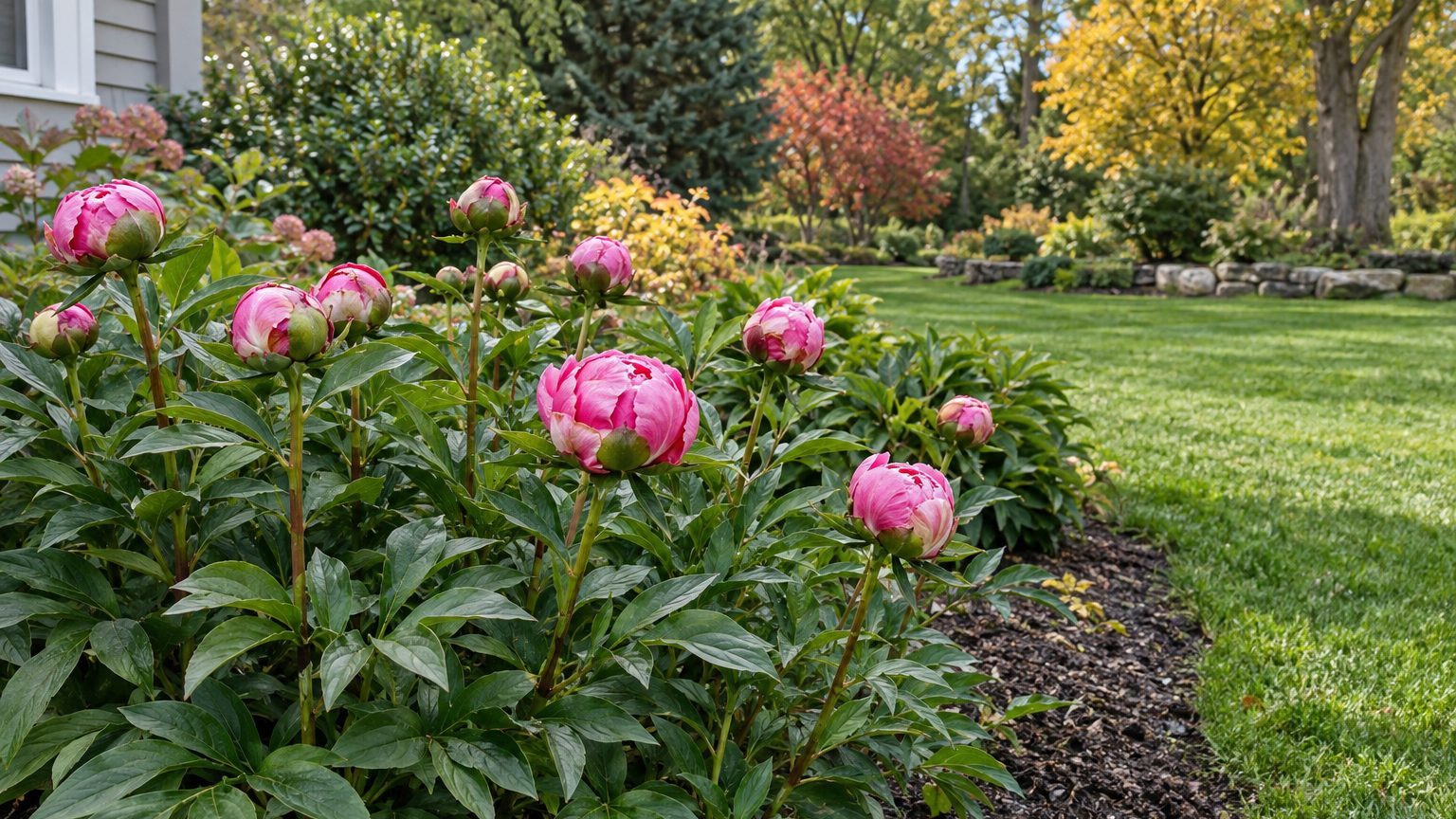
Peony buds push up red and tight each spring before the stems fill out. In the Northwest Territories, herbaceous peonies earn their place because long, hard winters give them the rest they need. Northern gardens reward a careful choice of peony type and cultivar.

Best Peonies to Grow in Northwest Territories

Best Peonies for Northwest Territories

Herbaceous peonies die back to the ground each fall, and cultivars with a record in northern gardens are practical choices here. Peonies need a cold winter rest to flower, and the territory gives them plenty. The reference city of Yellowknife sits in Canadian hardiness zone 1b, which is not a USDA zone and does not convert to one.

Herbaceous Peonies

Herbaceous Peonies — Best Peonies for Northwest Territories

These are the backbone of a northern peony bed. The plant dies back every year and is cut back after frost, so nothing woody stands exposed to the winter wind. Buds rest underground, protected by soil and snow.

Plant them in a sunny spot where the crown can settle in before the ground freezes.

Late-Blooming Cultivars

Late-Blooming Cultivars — Best Peonies for Northwest Territories

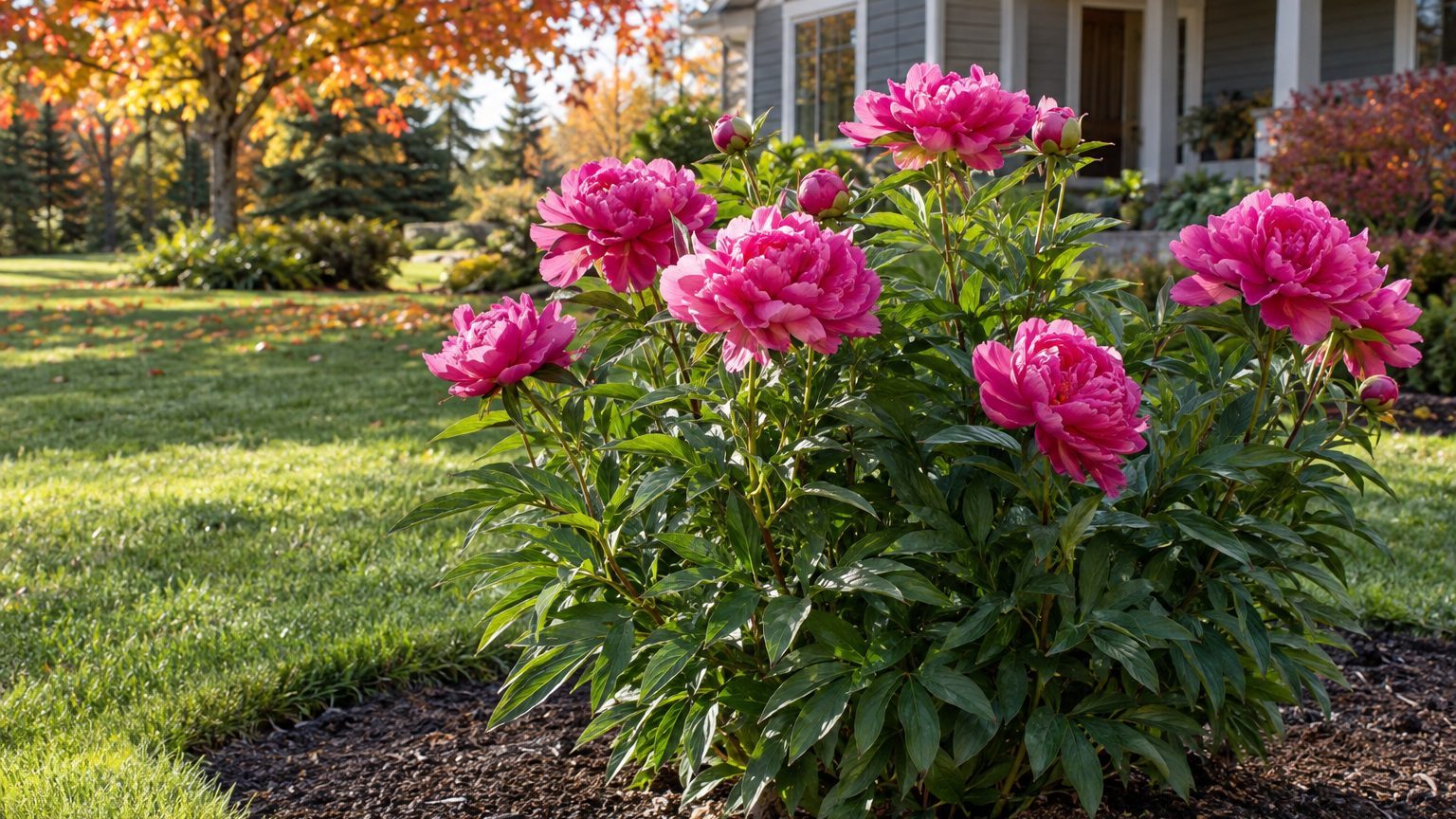
In far-northern gardens, peonies bloom in July and August, later than elsewhere in North America. That timing is a gift: your flowers open when most peony gardens on the continent are finished.

When you shop, ask a local garden center which cultivars have been grown successfully in northern gardens. Those have already proven they can wake up and flower on a northern schedule.

Cultivars Proven in Northern Gardens

Peonies can flower through July in a northern climate. A cultivar with a northern growing record is a useful place to start. Favor named cultivars with a record of northern growing over anonymous bargain roots.

Peonies for a Cold Winter Rest

The territory is not too mild for peonies, which may flower poorly in mild-winter climates. Peonies need a cold winter rest to flower, so cold winters here suit them. Rely on that cold rest, and cut herbaceous peonies back after frost.

How to Choose a Peony for a Northwest Territories Garden

Your choice comes down to a few questions: how cold your yard gets, when you want flowers, and how patient you can be. In Yellowknife, the average last spring frost is May 25, which is only a midpoint. In one year out of two, frost falls later than that date.

Gardens farther north run behind it, so let your own spring guide you.

Your situation What suits it in Northwest Territories Why
Very cold winter Herbaceous peonies They die back each year and are cut back after frost, so no woody stems face the winter
Want flowers when others have finished Herbaceous cultivars with a northern growing record Far-northern peonies bloom in July and August, later than elsewhere in North America
Worried about enough cold A herbaceous cultivar with a northern growing record Peonies need a cold winter rest to flower, and Yellowknife’s Canadian zone 1b winters supply it
Late spring frost risk Plants that bloom in midsummer A late-season bloom stays clear of spring frost, which may fall after May 25 in half of years in Yellowknife
Planting a new bed Bare roots set out in September Roots settle in before the ground freezes

Bloom can also come in June for some plants, though July and August are the usual months. Because the territory has no local extension page on peony timing, these dates follow the nearest comparable climate, so confirm local timing with a garden center, a garden society or a territorial gardening group.

Which Peonies Suit Different Parts of Northwest Territories

The territory is huge, and the garden season changes a good deal from the Great Slave Lake area to the Arctic coast. Timing changes across the territory, so local experience matters.

  • Yellowknife: Herbaceous peonies of northern cultivars suit it, planted in September.
  • Inuvik and the Mackenzie Delta: Spring comes later and winter sets in sooner, so the season for roots to settle is shorter. Plant herbaceous peonies in September, while the soil is still workable and before it freezes.

Wherever you garden, a sheltered spot out of the wind helps the early shoots.

Peony Buying Mistakes to Avoid in Northwest Territories

Tender Types

A tree peony keeps its woody stems through winter and is never cut back. In Yellowknife’s Canadian zone 1b climate, those exposed stems may be vulnerable. The exposed stems can suffer winter damage.

Choose herbaceous peonies instead, which cut back to the ground after frost and rest safely below the snow.

Mild-Climate Varieties

Peonies may flower poorly where the cold winter rest is missing. Here you have the opposite problem, so the risk is a plant bred for another climate that has not been grown through a northern spring.

Ask where a cultivar has been grown, and favor ones with a northern record.

Pots with Unknown Adult Size

A small potted peony may need more room in the garden than its nursery pot suggests. Planted too close to a path or a foundation, it must be dug and divided later, and a newly moved peony may not bloom the first spring afterward.

Read the tag, then leave generous room around each plant when you set it out.

Where to Get Peony Advice in Northwest Territories

Local advice comes from the territorial government, garden groups and nearby nurseries.

  • The Northwest Territories Industry, Tourism and Investment agriculture services are the place to start for territorial growing questions, ideally in winter when you are planning.
  • A local garden society or master gardener group can tell you which cultivars have survived in your own neighborhood, so ask before ordering roots.
  • A garden centre can confirm which peonies it expects to have for planting in September, so call in late summer.

Common Questions

How Deep Should You Plant a Peony in the Northwest Territories?

Keep the eyes near the soil surface. A peony planted too deep may bloom poorly or not come up at all, so check the crown if a healthy plant stays leafy and flowerless.

Do You Cut Peonies Back in Fall?

A herbaceous peony is cut back after frost, once the foliage has died down. A tree peony keeps its woody stems and is never cut back to the ground.

Why Did a New Peony Not Bloom?

A newly planted or transplanted peony may not bloom the first spring, so patience is part of the job. If an established plant stays flowerless, check the planting depth and how much sun it gets.

When Do Peonies Bloom in Northwest Territories?

When Do Peonies Bloom in Northwest Territories?

Peony buds usually show up as fat red knobs pushing through cool spring soil, and in the Northwest Territories the flowers they become open in summer, well after most North American gardens have finished. Here, the show runs mostly through July and August, so the season is shaped by a short, bright summer and a very cold winter.

When Do Peonies Bloom in Northwest Territories?

When Do Peonies Bloom in Northwest Territories?

Peonies bloom here mainly in July and August, with some flowers opening as early as June. Because the territory has no local extension page on peony timing, these dates follow the nearest comparable climate, so confirm local timing with a garden center, a garden society or a territorial gardening group.

Spring frost matters for the young shoots. At Yellowknife, the average last frost falls on May 25, which means frost arrives later than that date in one year out of two. Treat it as the middle of a window, never a safe date.

Type of peony When it blooms in Northwest Territories What to know
Herbaceous peonies, early types June in a warm year Flowers open before the main show, so a late frost can catch the buds.
Herbaceous peonies, general season July to August This is the usual bloom window, later than elsewhere in North America.

Tree peonies keep woody stems through winter, while herbaceous peonies die back each year. Peonies need a cold winter rest to flower, and that is one thing this territory delivers reliably.

How to Tell When Your Peonies Are About to Bloom

Because summer arrives late and varies from year to year, the plant itself is a better guide than the calendar.

  • Red, pointed shoots breaking through the soil mean the plant has woken, so keep an eye on the forecast and be ready to cover them on a frosty night.
  • Shoots that turn green and open into leaves tell you the stems are lengthening, which is when a cage or support ring should go in.
  • Small round buds at the stem tips show that flowering is coming, though they are still hard and tightly closed.
  • Buds that swell but remain closed tell you the bloom is not far off.
  • Buds that feel soft when pressed gently are close to opening, so cut stems for a vase at this stage.
  • Petals showing color at the bud tip mean the flower will open soon.

A newly planted or transplanted peony may not bloom the first spring even when its foliage looks healthy.

When to Cut Back Peonies in Northwest Territories

Cut herbaceous peonies back in fall, after a hard frost has blackened the foliage. Let a hard frost be your signal. Cut the dead stems back after frost.

Remove the dead foliage from around the plant. Leave the crowns themselves in place under the soil.

A tree peony is different. It keeps its woody stems and is never cut back to the ground, so only remove dead wood if you grow one.

If you plan to plant or divide, September is the month, while the ground is still workable and before it freezes. Keep the eyes near the soil surface, because a peony set too deep may bloom poorly or not come up.

How Peony Bloom Time Shifts Across Northwest Territories

The territory is large, and the bloom shifts with where you garden. Only a few differences are worth stating.

  • Yellowknife: Peonies here bloom mainly in July and August. Gardens sheltered by rock or buildings warm sooner and may open a little earlier.
  • Inuvik and the Mackenzie Delta: Colder, shorter summers push bloom later and make frost on young shoots a bigger risk.
  • Fort Smith and the southern Slave River area: Milder conditions favor earlier shoots and an easier start to the season than in the north.

A sunny, sheltered spot can help the buds open before the season turns.

Where to Get Peony Advice in Northwest Territories

The territory has no county extension office, so advice comes from the territorial agriculture program and local growers. Northwest Territories Industry, Tourism and Investment covers agriculture and is a sensible first stop.

  • Contact the territorial agriculture office in late winter to ask which cold-hardy cultivars have done well locally.
  • Visit a local garden centre or garden society in spring, when plants and shoot timing are easiest to compare.
  • Ask a neighbor with established peonies in early summer, when you can watch their buds and plan a September planting.

Common Questions

Can You Grow Peonies in Northwest Territories?

Yes, because peonies need a cold winter rest to flower, and this territory has plenty of winter. Choose hardy herbaceous types and plant them in a sheltered, sunny spot.

Why Did My Peony Not Bloom This Summer?

Check how deep the crown sits and how long ago it was planted. A peony set too deep may bloom poorly, and a newly planted or transplanted one may skip its first spring.

When Should You Divide Peonies in Northwest Territories?

September is the time, while the soil can still be worked and before the ground freezes. That gives the roots time to settle before winter.

When to Plant Peonies in Northwest Territories: Dates and Care

When to Plant Peonies in Northwest Territories: Dates and Care

Red peony shoots pushing through cold soil signal that a northern spring has settled in. In the Northwest Territories, though, the real work for those shoots started the previous fall, when the roots went into the ground. Planting in fall gives the roots time to settle before winter.

When to Plant Peonies in Northwest Territories

When to Plant Peonies in Northwest Territories: Dates and Care

Plant or divide peonies in September, in the fall, while the ground is still workable and well before it freezes. Roots set in early fall have time to settle before winter closes in, and the plant’s year then runs like this.

  • In September, plant new roots or divide crowded clumps, setting the buds just below the soil surface.
  • Through the long winter, the roots rest in frozen ground, and that cold rest is what lets a peony flower later.
  • In spring, shoots show once the soil thaws, and the average last frost in Yellowknife falls around May 25, so in Yellowknife one year out of two still sees a frost arrive after that date.
  • In June, the earliest buds can open on established plants, though flowering mostly waits for later in summer.
  • In July and August, peonies bloom here, later than in much of North America.
  • After a hard frost has blackened the stems, herbaceous peonies are cut back to the ground.

In Yellowknife, the average first frost in fall arrives around September 18, a midpoint rather than a safe date. Yellowknife is in Canadian hardiness zone 1b, which is not a USDA zone and does not convert to one. These dates follow the nearest comparable climate, since no local peony timing page exists for the territory. Confirm timing for your own town with a local garden centre, a garden society or a territorial gardening group.

Which Peonies Grow Best in Northwest Territories?

Peonies can suit a place like this. They need a cold winter rest to bloom, and the Northwest Territories delivers one every year. Summer heat is not the concern here, as it is in mild-winter regions where peonies flower poorly.

Bloom comes in July and August, so expect flowers later than gardeners farther south report. Choose a sunny spot with soil that drains well, and treat the type of peony as a choice about stems and winter exposure.

Peony type How it does in Northwest Territories Why
Herbaceous Suits the territory well It gets the cold winter rest it needs and dies back to the ground each year
Tree Worth a trial in a sheltered spot It keeps woody stems above ground all winter, so it is more exposed to the cold

Itoh peonies combine herbaceous and tree-peony traits. Ask a garden center about local results before you buy an Itoh peony.

When to Plant, Cut Back and Feed Peonies in Northwest Territories

Peony care here comes down to a few jobs, and the timing of each follows the season more than a calendar date. Plant in September and cut herbaceous peonies back after frost.

Task Best timing in Northwest Territories Why then
Plant or divide September, before the ground freezes Roots settle in before the long winter
Cut back herbaceous peonies After the first hard frost has blackened the stems The plant has finished storing energy and the dead foliage is out of the way
Leave tree peonies alone Never cut back The plant keeps its woody stems through winter
Feed Only after a soil test shows a need This avoids feeding a plant that does not need it

When you plant, keep the buds, often called eyes, close to the soil surface. A peony set too deep may bloom poorly or fail to come up at all. A soil test before planting tells you whether feeding is needed at all.

How Peony Planting Dates Change Across Northwest Territories

The September planting window holds across the territory, but spring arrives at different times in different places, and that shifts when the first shoots and buds appear.

  • Yellowknife and the Great Slave Lake shore: The lake slows spring warming near the water, so beds right on the shore can lag behind sheltered yards farther from it.
  • Fort Smith and the South Slave: Spring generally reaches the south earlier than Yellowknife, so shoots and buds may show sooner, while the fall planting window stays in September.
  • Inuvik and the Mackenzie Delta: Northern districts run behind Yellowknife, so confirm local planting and bloom timing.

The Yellowknife frost dates describe only the reference station, so gardeners elsewhere should confirm local timing.

Where to Get Peony Advice in Northwest Territories

The territory has no county extension offices, so local help comes from the territorial government and from gardeners nearby. They can confirm timing for your own town and help you size up a planting spot.

  • The Northwest Territories Industry, Tourism and Investment agriculture services can point you toward soil testing and growing guidance, so contact them before you plant.
  • A local garden centre or garden society can tell you which peony roots do well in your town and when bare roots arrive for fall planting.
  • Territorial gardening groups are a good place to compare notes on bloom dates and winter results in your own neighbourhood.

Common Questions

How Deep Should You Plant a Peony?

Set the roots so the buds sit just below the soil surface. Planted deeper than that, a peony tends to produce healthy leaves but few or no flowers, and sometimes does not come up at all. If an older plant shows lush foliage and no buds, check how far the crown is buried.

Can You Plant a Peony in Spring?

Bare roots are better handled in September, when they settle before winter.

Why Won’t a New Peony Bloom?

A newly planted or transplanted peony may not bloom in its first spring, even when everything is done right. Look at the plant: if the leaves are healthy and the crown is at the right depth, it is probably just settling in. Poor flowering with a deeply buried crown points to planting depth instead.

Best Lilacs for Northwest Territories

Best Lilacs for Northwest Territories

A lilac in full bloom in June, with the scent drifting across the yard, is a sight the Northwest Territories can deliver when the right shrub goes in. Hardy common lilacs, a late bloomer and a compact Korean type all earn a place in a territory with a very cold winter and a short season.

Best Lilacs to Grow in Northwest Territories

Best Lilacs for Northwest Territories

The lilacs that hold here are hardy common lilacs, a late-blooming hardy type and the dwarf Korean lilac. Lilacs need a long, cold winter to ripen their flower buds, and this territory supplies that. Yellowknife sits in Canadian hardiness zone 1b, a rating from a different system than the USDA zones, so it should never be read as a US zone. That puts the weight on winter hardiness and compact size.

Sensation

Sensation — Best Lilacs for Northwest Territories

Sensation has purple flowers edged with white, which makes it easy to spot among other lilacs. It is rated winter hardy to Zone 3, yet it is described as a poor pick for the colder districts of a northern region. Treat it as a shrub for the milder, more sheltered yards of the territory.

Late-Blooming Hardy Lilac

Late-Blooming Hardy Lilac — Best Lilacs for Northwest Territories

Some lilacs earn their place through winter hardiness and a late period of bloom, usually the second or third week of June in a far-northern garden. They flower after the common lilac. If a garden centre offers a lilac sold as hardy and late, it deserves a close look.

French Lilacs

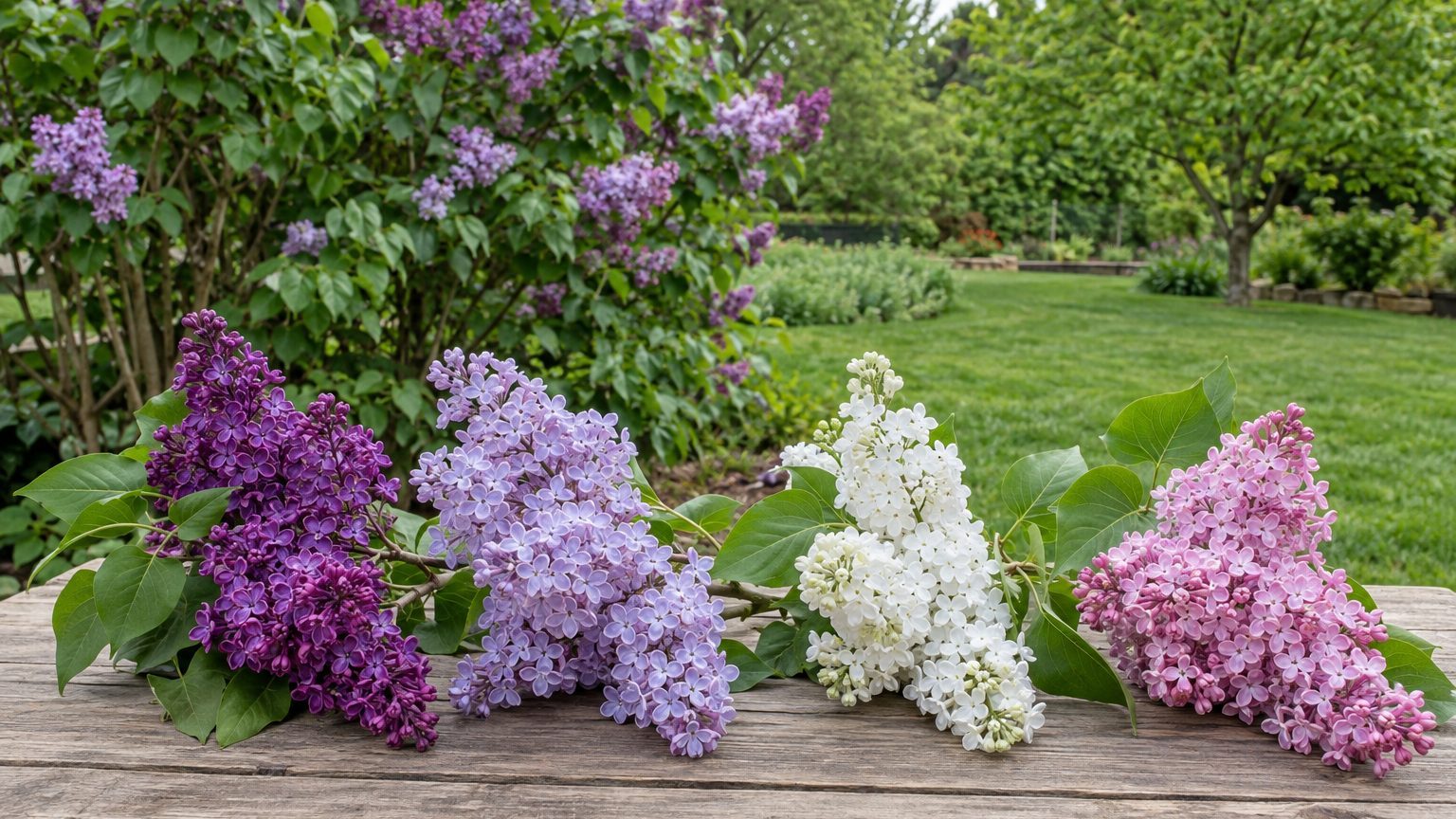
French lilacs are selections of the common lilac, Syringa vulgaris, and they are the best known of the group. Hundreds of cultivars exist, in many colors and floret shapes, so you can choose by flower rather than by habit alone. Check the hardiness label on each one before buying.

Dwarf Korean Lilac

Syringa meyeri, the dwarf Korean lilac, is also called the little-leaf lilac. It usually grows about 1.5 m (5 ft) tall and as wide, and it is a profuse bloomer with small violet flowers. Breeders have used it often because it is small and compact, which suits a yard where space is limited.

How to Choose a Lilac for a Northwest Territories Garden

Start with the winter. A lilac that cannot take the cold will die back, and a lilac with no real winter will not set flowers. Then match the shrub to the space you have.

Hot, humid summers are the usual trouble for lilacs elsewhere, and a northern summer is a gentler setting for them. Choose with winter hardiness first, then size, then bloom timing.

Your situation What suits it in Northwest Territories Why
Very cold winter A hardy late-blooming lilac It is known for winter hardiness and flowers in the second or third week of June.
Coldest district A lilac rated hardier than Sensation Sensation is rated to Zone 3 and is called a weak choice for colder areas.
Small space Dwarf Korean lilac It usually stays near 1.5 m (5 ft) tall and wide.
Need for cold Any hardy lilac A cold winter rest matures the flower buds.
Hot, humid summer Skip lilacs, or pick a cooler spot Lilacs struggle in hot, humid summers.

French lilacs offer many flower colors and shapes, but check each cultivar’s hardiness and mature size. Look for the hardiest ones and read the tag before you buy.

Which Lilacs Suit Different Parts of Northwest Territories

The territory is large, and spring arrives at different times from one district to the next. The choice of lilac shifts a little with it.

  • Yellowknife: The last spring frost falls on average May 25, and frost often comes later than that, so treat the date as the middle of a window. Hardy French lilacs and the dwarf Korean lilac suit a sheltered yard here.
  • Inuvik and the northern districts: Spring runs weeks behind Yellowknife, so lean toward the hardiest, latest-blooming lilac you can find. Sensation is the wrong bet in the coldest spots.
  • Fort Smith and Hay River: Ask locally which common lilacs have survived, since the Yellowknife reference figures do not describe every community.

Wherever you garden, ask which sites have protected lilacs through local winters.

Lilac Buying Mistakes to Avoid in Northwest Territories

Trusting a Borderline Hardiness Rating

Sensation carries a Zone 3 rating but is still described as a poor fit for colder northern districts. A shrub planted near the edge of its range can die back and flower poorly. Ask for the hardiest cultivar on the bench, and keep it in a sheltered corner.

Pruning at the Wrong Time

A lilac blooms on last year’s wood and sets next year’s flower buds in summer, soon after it flowers. Prune right after the flowers fade, in June or July, and not in late summer, fall or winter, which cuts off the coming spring’s flowers. An overgrown lilac can be cut back hard in late winter, but expect no flowers for a few years afterward.

Ignoring Mature Size

A small pot hides the shrub it will become. A dwarf Korean lilac usually reaches 1.5 m (5 ft) in height and width, and it can occasionally reach 2.4 m (8 ft). Check the tag for the adult size, then leave that much room from walls, walks and windows.

Where to Get Lilac Advice in Northwest Territories

Start with territorial guidance and local growers who know the district’s soil, frost and wind.

  • The agriculture services of Northwest Territories Industry, Tourism and Investment can point you to growing information for the territory, so call before planting.
  • A local garden centre can tell you which lilacs it has seen survive nearby winters, and spring is a good time to ask.
  • A garden society or territorial gardening group offers neighbors’ results, which are worth reading before you buy.

Common Questions

When Do Lilacs Bloom in the Northwest Territories?

Lilacs flower in June, and a few start in late May. Late cultivars open in the second or third week of June. No local extension page covers lilac timing here, so the dates follow the nearest comparable climate; confirm them with a local garden centre, a garden society or a territorial gardening group.

What Is the Difference Between a French Lilac and a Dwarf Korean Lilac?

French lilacs are selections of the common lilac, Syringa vulgaris, and come in hundreds of cultivars. The dwarf Korean lilac, Syringa meyeri, is a separate species that stays compact and covers itself in small violet flowers.

Is a Canadian Hardiness Zone the Same as a USDA Zone?

No. The Canadian system uses seven climate variables, while the USDA system uses one, so the zones do not convert. Yellowknife is zone 1b in the Canadian system, and that number should be read only against Canadian plant ratings.

When to Prune Lilacs in Northwest Territories

When to Prune Lilacs in Northwest Territories

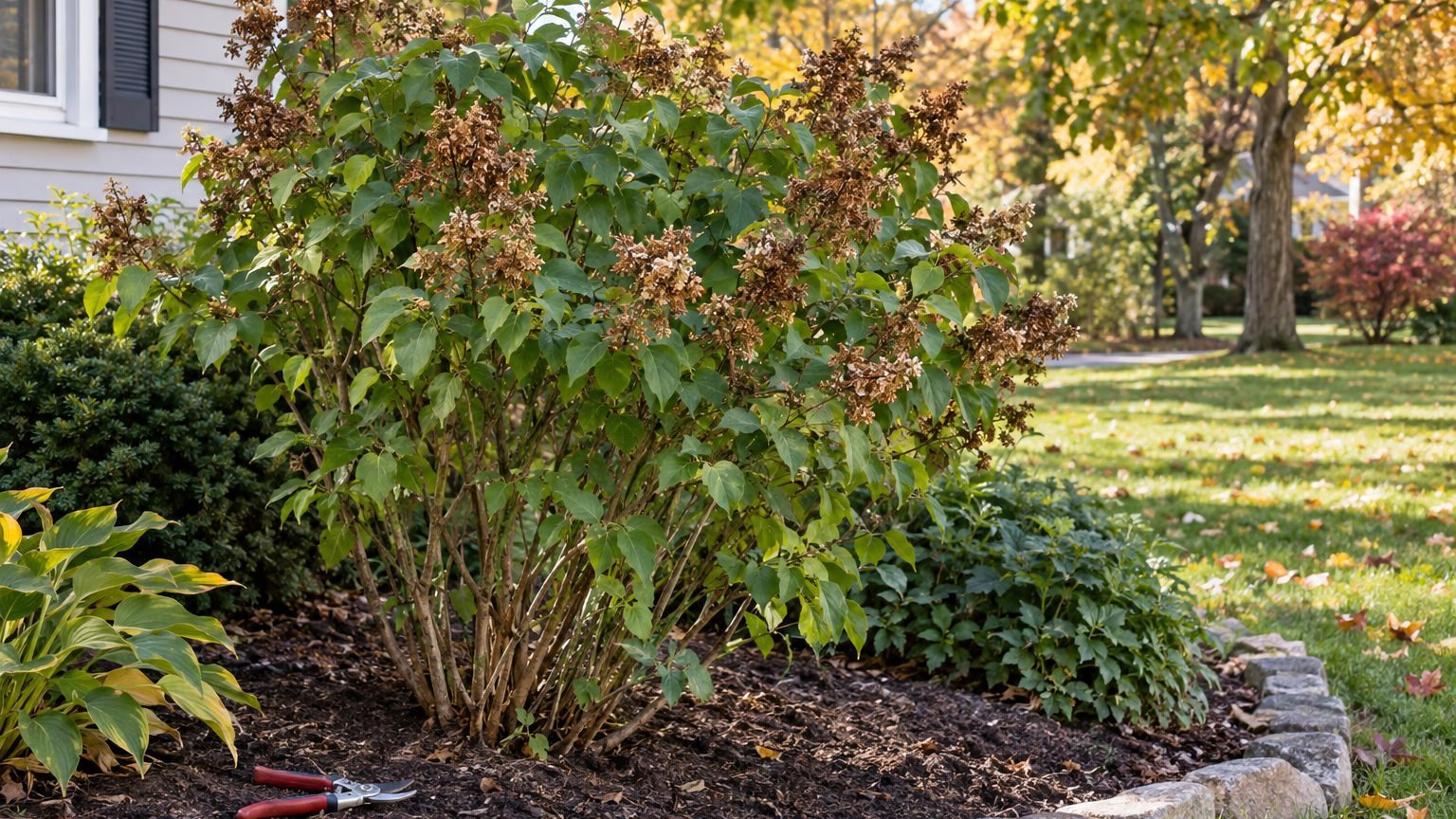
A lilac that has finished flowering looks tired afterward, with brown clusters hanging on and the leaves already doing the work. That is the signal to reach for the pruners.

When to Prune Lilacs in Northwest Territories

Lilac stems after flowering

Prune lilacs in June and July, right after the flowers fade. The territory has no local extension page for lilac timing, so these months follow the nearest comparable climate. Confirm local timing with a garden centre, a garden society or a territorial gardening group.

Type of pruning When in Northwest Territories Why
Routine maintenance (spent flowers, crossing or weak stems) June, July, right after the flowers fade Next year’s flower buds form soon after bloom, so prune as soon as the flowers fade
Thinning an old, overgrown lilac Late winter A hard cut works, but the shrub will not flower for a few years afterward

Lilacs bloom on the previous year’s growth, which is why the window is tied to the flowers and not to a date on the calendar. Late varieties open later in June, and their pruning window slides later with them. Reblooming lilacs follow the same logic of pruning soon after the spring flush, and a local garden centre can tell you how a given variety behaves in your yard.

How to Tell When Your Lilacs Are Ready to Prune

The plant gives clearer signals than any date, and they matter most in a short northern season where flowering can start in late May or wait until June.

  • The flower clusters turn brown and dry, which means the show is over and cutting will not cost you any bloom.
  • Petals have dropped, so removing the spent clusters right after the flowers fade is the time to prune.
  • Do not use leaf color as your cue; wait until the flowers fade.
  • Use the fading flowers, not new shoots, as the signal to prune.
  • Your variety is a late bloomer that is still in flower while neighbors’ shrubs have finished, so wait for your own plant’s flowers to fade.

If you are still looking at fresh flowers, put the pruners away and wait until the display is over.

Should You Prune Lilacs in Fall or Winter in Northwest Territories?

No. Cutting in fall or winter removes the flower buds that formed the summer before, so you lose that spring’s flowers. A lilac pruned in the cold months will leaf out fine and simply have nothing to show.

An exception is a lilac that has grown out of bounds. An overgrown shrub can be cut back hard in late winter, and it will regrow vigorously. Expect no flowers for a few years while it rebuilds, so do this only when the shrub is too tall, too bare at the base or too dense to be worth keeping as it is.

For routine shaping, leave the cold months alone and wait for the flowers to fade in June or July.

How Lilac Pruning Time Shifts Across Northwest Territories

The territory stretches across a long north-south range, and flowering follows the local season, so your pruning window moves with it.

  • Yellowknife: prune lilacs right after the flowers fade, in June or July. Prune once the flowers have faded in June or July, following your own shrub and not a neighbor’s.
  • Fort Smith and Hay River: prune lilacs right after the flowers fade, in June or July.
  • Inuvik: prune lilacs right after the flowers fade, in June or July. Choose a lilac that suits your garden.

In every community the rule is the same: watch the flowers, then cut.

Where to Get Lilac Advice in Northwest Territories

For local help, ask the territorial government and gardeners who grow in your climate. The Government of the Northwest Territories agriculture services are the starting point for questions on what grows in the territory.

  • A local garden centre can tell you which lilac varieties have survived winters in your community, so ask before you buy or prune.
  • A garden society or territorial gardening group can confirm when lilacs finish flowering where you live, which is worth checking in early summer.
  • Territorial agriculture staff can answer broader questions about hardy shrubs, and a call before the next growing season gives you time to plan.

Common Questions

Can Lilacs Survive Winters in the Northwest Territories?

Lilacs need a cold winter rest to mature their flower buds, so they suit cold climates well. The reference city, Yellowknife, is in Canadian hardiness zone 1b, which is a separate system from the USDA zones and does not convert to them. Choose hardy varieties and ask a local garden centre which ones have done well nearby.

What If Your Lilac Is a Late Bloomer?

Late-flowering varieties open after the common lilac, often in the second or third week of June in northern gardens. Wait for the flowers to fade on your own shrub, and use July if the blooms finish later.

Should You Wait for the Last Spring Frost Before Pruning?

No. At Yellowknife the last spring frost falls on average on May 25, and in one year out of two it comes later. That date marks frost risk, not the pruning window, which only opens after the flowers fade.

When Do Lilacs Bloom in Northwest Territories? Dates and Care

When Do Lilacs Bloom in Northwest Territories? Dates and Care

Lilac buds that sat through a long northern winter swell and open into fragrant clusters once spring finally settles in. In the Northwest Territories, bloom lands in June, though clusters can begin opening in late May when spring runs mild. The timing of that brief show guides the year’s pruning and care.

When Do Lilacs Bloom in Northwest Territories?

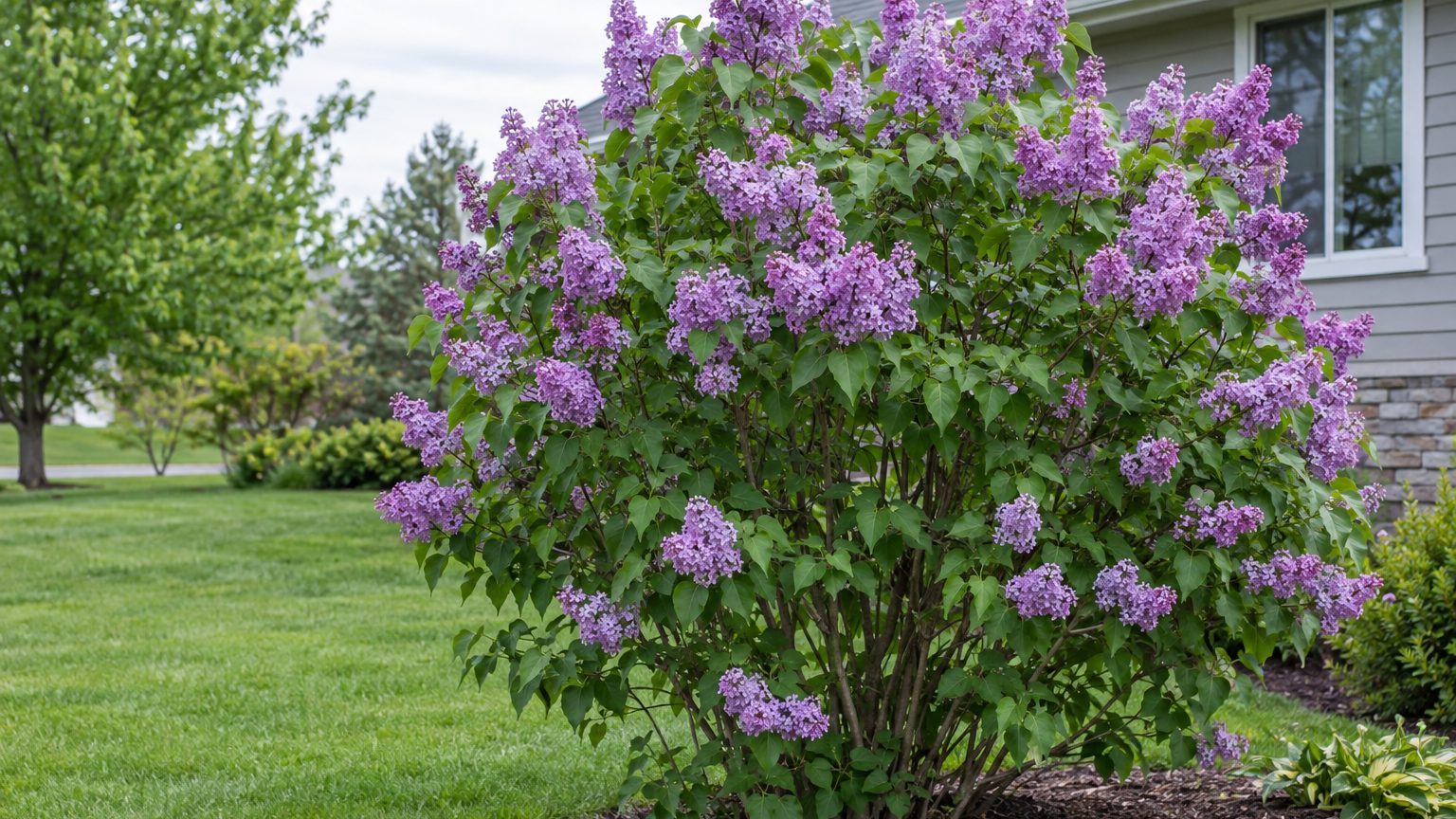
A lilac bush in bloom in a home garden

Lilacs in the Northwest Territories bloom in June, and the first clusters can open in late May when spring runs early. The territory has no local extension page for lilac timing, so these dates follow the nearest comparable climate. Confirm local timing with a garden centre, a garden society or a territorial gardening group.

  • Each year, the first clusters open from late May if the weather is warm, and June is when most shrubs are in full flower. Late-blooming types wait until the second or third week of June.
  • Right after the flowers fade, in June and July, is the time for any pruning. The shrub is already preparing next year’s display, so the window is short.
  • Through summer, the flower buds for next spring form on the new growth. Whatever you remove now takes next year’s flowers with it.
  • In autumn, the leaves yellow and drop as the shrub hardens off. Leave the branches alone, since every twig now carries buds.
  • Through the long winter, the dormant shrub gets the deep cold rest it needs to ripen those buds, and snow cover helps protect the lower stems.

In Yellowknife, the last spring frost falls around May 25 on average, and in half of all years it comes later. The first fall frost arrives around September 18 on average. The Canadian hardiness zone there is 1b, which is not a USDA zone.

Which Lilacs Grow Best in Northwest Territories?

Lilacs belong in the Northwest Territories. They need a cold winter rest to mature their flower buds, and they struggle in hot, humid summers, which is not a worry in the north. The real question is which type has enough hardiness for the coldest gardens.

Look at the hardiness rating on the plant tag and at the bloom time. A very hardy, late-flowering lilac is a better match than a standard common lilac.

Lilac type How it does in Northwest Territories Why
Common lilac cultivars such as Sensation Marginal in the colder gardens Its winter hardiness may leave too little margin in a cold northern garden
Late-blooming, very hardy lilacs A good fit for cold gardens Strong winter hardiness, and flowers come in the second or third week of June, after common lilac

Late bloomers have another advantage in this territory. Check the tag for a hardiness rating before you buy, and ask the nursery whether the plant has been grown in a northern climate.

When to Plant, Prune and Feed Lilacs in Northwest Territories

The timing available here covers bloom and pruning; ask a local garden centre or garden society when to plant and feed in your area. Watch for them to open, and let their fading set the pace for routine pruning.

Task Best timing in Northwest Territories Why then
Watching for bloom June, with the first clusters sometimes opening in late May Late cultivars flower later in June, so a mixed planting stretches the show
Routine pruning June to July, right after the flowers fade Lilacs flower on last year’s wood, and next year’s buds form soon after bloom
Hard cut-back of an overgrown shrub Late winter The shrub can be renewed, but it will not flower for a few years afterward

Pruning in late summer, fall or winter cuts off the next spring’s flowers, so the fading of the clusters is your signal. For a full walk-through of cuts and tools, the pruning page for the territory goes deeper.

How Lilac Bloom Time Changes Across Northwest Territories

The territory is huge, and bloom runs from earlier in the south to later in the far north. Local shelter and water matter as well.

  • Yellowknife and the North Slave: a lilac on the waterfront opens later than one in a sheltered yard farther inland. A sheltered, south-facing spot may warm sooner in spring.
  • Fort Smith and Hay River in the South Slave: lilacs lean toward the late May end of the bloom window.
  • Inuvik and the Mackenzie Delta: expect flowers later in June, and choose the hardiest late bloomers you can find.

Yellowknife’s frost dates do not carry over to the territory’s northern districts, so use your own yard’s first open flower as your calendar.

Where to Get Lilac Advice in Northwest Territories

Local help comes from the agriculture staff at Industry, Tourism and Investment and from the gardeners who already grow lilacs nearby.

  • The territorial agriculture services can point you to soil testing and plant problem diagnosis, so contact them before you amend the soil or replace a shrub.
  • A local garden society knows which lilacs have come through your town’s winters, and spring plant sales are a good moment to ask.
  • A garden centre can confirm hardiness ratings and bloom times before you buy, so go in spring when stock is fresh.

Common Questions

Can You Use a US Hardiness Zone to Pick a Lilac in the Northwest Territories?

Only as a loose guide. Canada’s system is built on several climate variables, and there are no simple conversions between it and the USDA map. Choose lilacs known to do well in cold northern gardens, and ask local growers what has survived.

Does a Late Spring Frost Hurt Lilac Flowers?

Late-blooming lilacs open later in June, so they face less frost risk than lilacs that start in late May.

How Can You Tell When a Lilac Has Finished Flowering?

Look for clusters that have turned brown and dry, with the petals dropping. When most of the plant looks that way, the shrub has finished flowering, and that is the moment to prune if it needs it.

Best Roses for Northwest Territories

Best Roses for Northwest Territories

Roses in the Northwest Territories come through winter when they are tough shrub types, and rugosa roses lead that group. Hybrid teas, floribundas and other tender roses do not reliably overwinter. The long cold decides almost everything, so the choice you make at the nursery matters more than any care you give later.

Best Roses to Grow in Northwest Territories

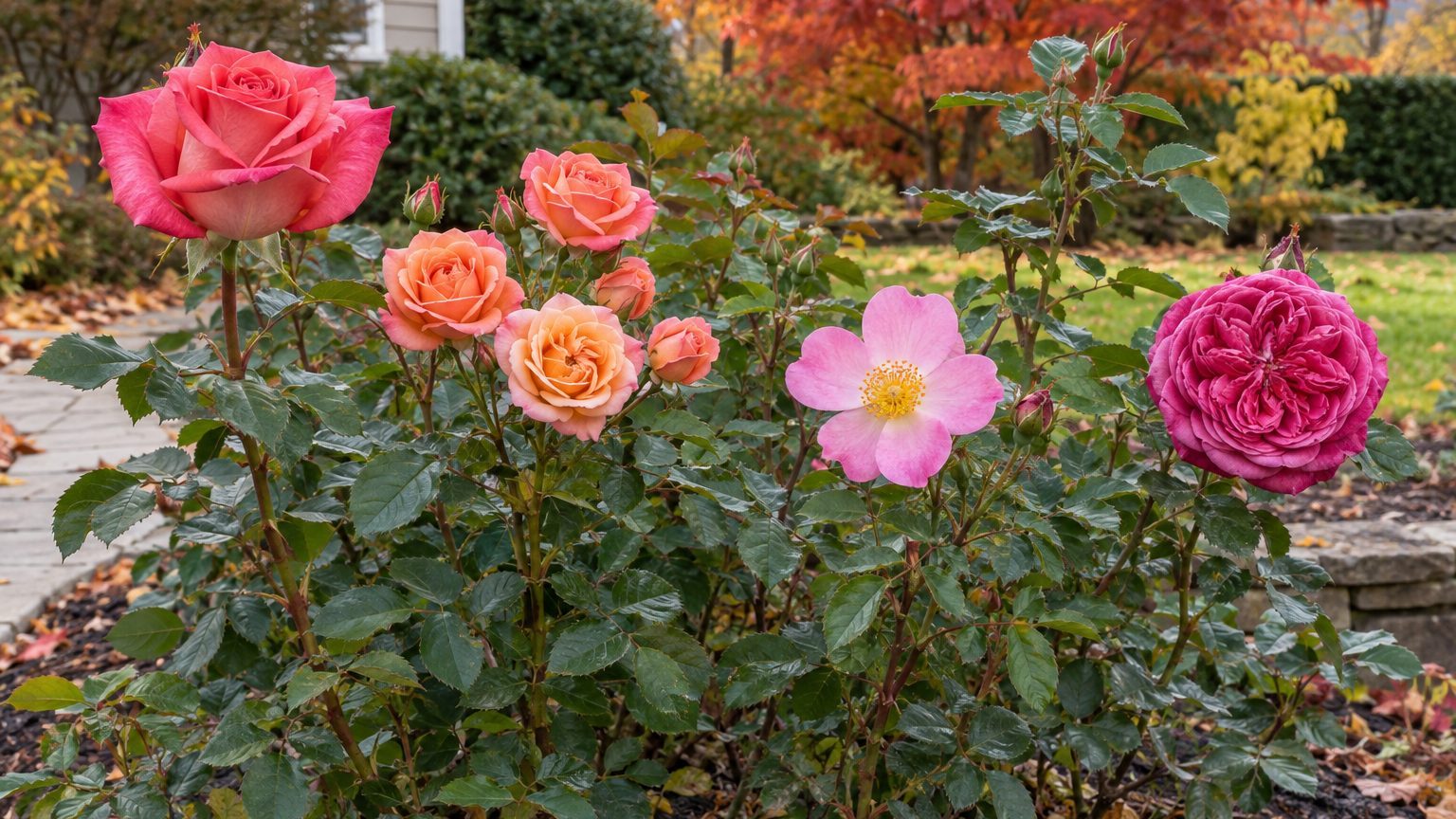
Healthy roses in bloom

Winters here are long and severe, and snow cover often lasts into spring. Roses that die back and regrow from the base each year suit that rhythm. Tender roses are a poor fit for that rhythm. Winter hardiness is the first filter for roses in the territory.

Rugosa Roses

Rugosa rose (Rosa rugosa) is hardy in most locations in comparable northern conditions, although the best varieties differ from place to place. That makes it the natural starting point here too. Buy a plant that has grown on its own roots, set it in full sun, and expect a rugged, dense shrub rather than a polished show rose.

Explorer Series Roses

Hardy shrub roses such as the Explorer series perform well without extra winter protection, which suits a gardener who would rather not wrap canes every fall. They bloom on new growth, so a May pruning (once shoots are actively growing) keeps them tidy. Treat them as the next step after rugosa if you want a bit more flower variety.

Knock Out Roses

Knock Out is another shrub rose that does well without extra protection in cold winters. It earns a place in a front bed where you want repeat bloom and low fuss. Try the plant through a full winter before filling a border with it.

Hybrid Teas and Floribundas

Tender roses do not reliably overwinter in comparable northern conditions, and that list includes hybrid teas, grandifloras, floribundas and miniature roses. The same caution applies in the Northwest Territories. They need real winter protection even in ordinary cold, so grow them only if you accept a high chance of replacing them.

How to Choose a Rose for a Northwest Territories Garden

Start from your winter, because it narrows the field fast. In Yellowknife, hardiness is Canadian zone 1b, a rating built on several climate measures and not comparable with a USDA zone. Tender classes fall out first, and the hardy shrubs remain.

Frost timing matters for planting. At Yellowknife the average last spring frost falls on May 25, which means frost arrives later than that date in one year out of two. Districts farther north run behind. The months here follow the nearest comparable climate; confirm local timing with a garden centre, a rose society or a territorial gardening group.

Your situation What suits it in Northwest Territories Why
Very cold winter Rugosa roses Hardy in most locations in a comparable northern climate
Little time for winter care Explorer series or Knock Out shrub roses They perform well without extra protection
You want a hybrid tea or floribunda Grow it with full winter protection Tender roses do not reliably overwinter
Buying bare-root roses Plant in June Roses go in once the ground has warmed, and potted roses can go in later

Small gardens, humid summers and summer heat can all affect how a rose performs, so ask a nursery near you how a particular rose handled those conditions before you buy.

Which Roses Suit Different Parts of Northwest Territories

The territory is large, and the main change from place to place is how short the growing season gets as you go north.

  • Yellowknife: Use it as your baseline. Hardy shrub roses, rugosa first, are the dependable choice.
  • Inuvik and the Beaufort Delta: Spring comes later than in Yellowknife, so wait for real growth before pruning and plant bare-root roses toward the end of the planting window. Stay with rugosa.
  • Hay River and Fort Smith: South of Yellowknife, they may allow a little more room, but the hardy shrub roses are still the safe bet and tender types stay a gamble.

Wherever you garden, a neighbor’s rose that has come through local winters tells you more than any catalog.

Rose Buying Mistakes to Avoid in Northwest Territories

Buying a Tender Rose

A hybrid tea or miniature rose is attractive on the shelf, but these types do not reliably overwinter in a climate like this. The risk is a plant that may be gone by spring. Choose a rugosa or a hardy shrub rose, and if you want a tender one anyway, plan its winter protection before you plant.

Pruning Too Soon in Spring

Warm days tempt you to cut early, but canes may still carry dead wood, and live buds can be lost. For repeat-blooming roses, May is the pruning month. Wait until active growth begins, then cut back to healthy wood.

Planting Bare-Root Roses Too Early

Bare-root roses are dormant and unprotected, so setting them out into cold ground invites setbacks. June is the month for planting them. Potted roses are more forgiving and can go in later, so if the season has slipped away from you, buy potted plants.

Where to Get Rose Advice in Northwest Territories

The territory has no county extension offices. Agriculture help comes from the territorial government, and local growers fill in what is specific to your community.

  • The Government of the Northwest Territories agriculture services are the place to ask about growing conditions and local contacts, ideally in winter when you are planning.
  • A garden centre or rose society near you can tell you which varieties have survived in your town, so ask before spring orders go in.
  • Territorial gardening groups share what has worked locally, and they are worth a visit in late spring before you plant.

Common Questions

When Should You Feed Roses in the Northwest Territories?

Feed from May through July and stop by August 1. Use a soluble fertilizer in those months, then stop so the canes can harden before a hard freeze.

When Should You Prune a Once-Blooming Rose?

Right after it flowers, never in early spring. Old garden roses, ramblers and many climbers bloom on last year’s wood, so a spring cut removes the buds for that summer.

What Does Hardiness Zone 1b Mean for Roses?

It is a Canadian zone, and it does not convert to a USDA zone, because the Canadian system weighs several climate measures and the USDA system uses one. It describes Yellowknife, not the whole territory, so treat it as a guide and lean toward the hardiest roses.

When to Prune Roses in Northwest Territories

When to Prune Roses in Northwest Territories

Bare canes in a northern rose bed look worse than they are. Once the snow pulls back, some stems turn out green inside and others have simply died back over winter. In the Northwest Territories, the spring cut waits for the roses to show you which is which.

When to Prune Roses in Northwest Territories

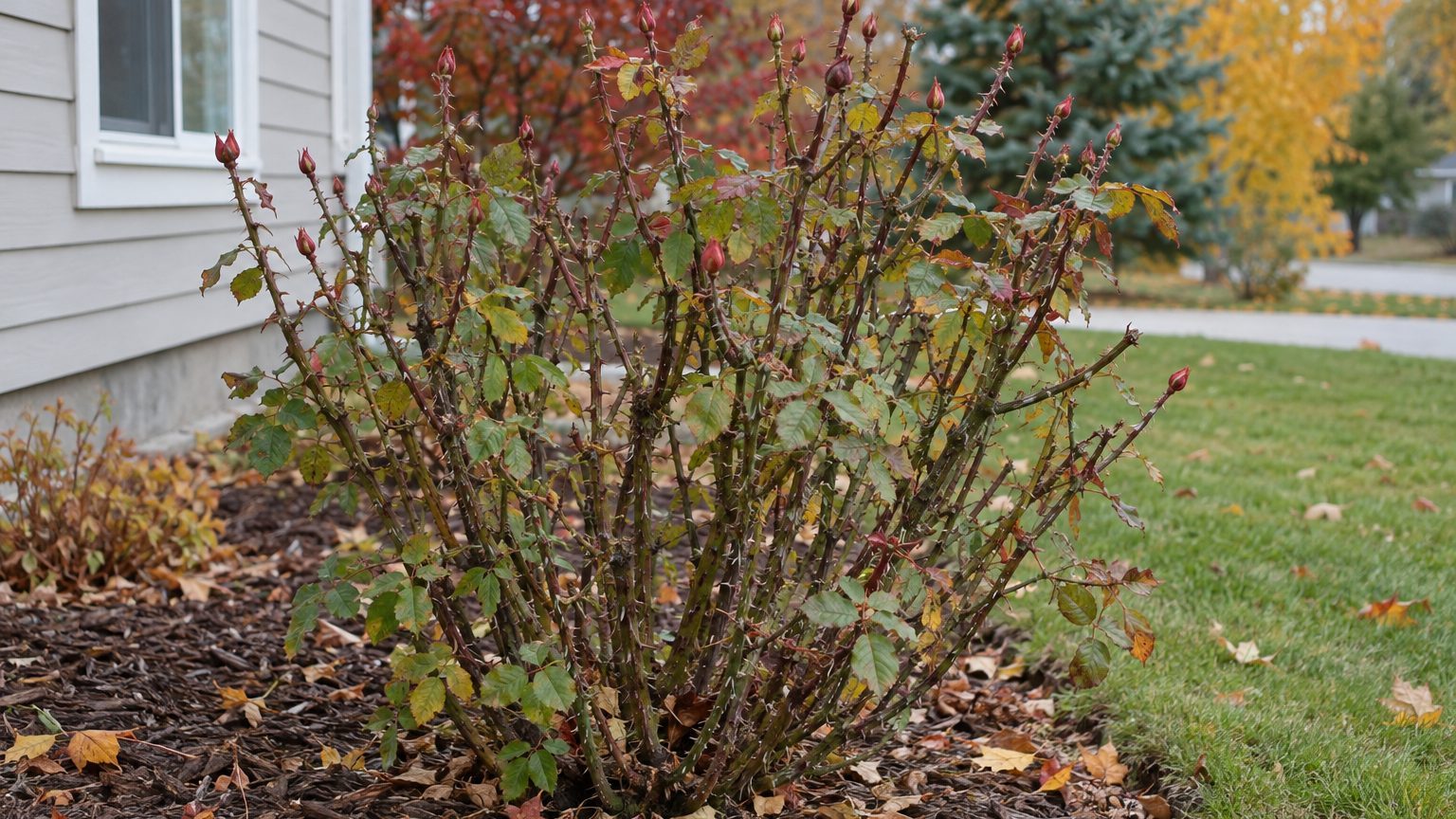
Rose canes at pruning time

Prune repeat-blooming roses in May. The dates here follow the nearest comparable climate, so confirm local timing with a garden centre, a rose society or a territorial gardening group.

Snow cover lasts into spring, and pruning ahead of growth only leaves fresh cuts exposed to a late cold snap. Average last frost at Yellowknife falls on May 25, and in one year out of two it comes later.

Type of rose When to prune in Northwest Territories Why
Repeat-blooming roses (hybrid teas, floribundas, modern shrub roses) May, once growth is active Snow cover lasts into spring, and shoots show you which canes survived
Once-blooming roses (old garden roses, ramblers, many climbers) Right after they bloom, never in spring They flower on last year’s wood, so a spring cut removes the coming blooms

Repeat-blooming climbers have no month of their own here, so treat them by how they bloom: if they flower again after the first flush, give them the May cut, and if they flower once, wait until the flowers fade. Plan around hardiness too. Yellowknife sits in Canadian hardiness zone 1b, a rating that does not convert to a USDA zone, and tender roses such as hybrid teas and floribundas struggle to overwinter in gardens this cold. Rugosa roses and other hardy shrub roses make the safer bet, and they need far less cutting back after a hard winter.

How to Tell When Your Roses Are Ready to Prune

Roses give their own signals, and in a short northern season those signals matter more than the date on the wall.

  • The snow has melted off the bed, so the canes are visible and the soil around the crown is no longer frozen.
  • Buds along the canes are swelling and turning from tight and dormant to plump, which tells you the plant is waking up.
  • Small shoots are growing from those buds, and active growth is the cue to start cutting.
  • Hard freezes have passed, because a cut made just before a cold night leaves tender tissue exposed.
  • Any winter mound or cover has been taken off gradually, so you can see the base of the plant and judge each cane.

Cut back to green, healthy wood where the pith inside is pale, and leave brown canes until growth proves they are dead.

Should You Prune Roses in Fall or Winter in Northwest Territories?

Mostly no. In fall, the only job is shortening long, whippy stems that would catch the wind and rock the plant loose, and nothing beyond that. Hard pruning before spring growth opens the plant to dieback.

Winter protection does more for the plant than fall cutting. Hybrid teas, floribundas and grandifloras need cover in cold winters, while hardy shrub roses such as Knock Out or the Explorer series perform well without extra protection. Leave the full shaping for May, when the buds show where the live wood is.

How Rose Pruning Dates Shift Across Northwest Territories

The territory is large, and the timing slides with how far north your garden sits.

  • Yellowknife: use May as a starting point, then wait until the buds swell before pruning.
  • Inuvik and the Mackenzie Delta: farther north, spring arrives later, so wait for real growth before you cut, even if May has already started.

Gardens in the north run weeks behind the Yellowknife pattern, so let the roses set the pace.

Where to Get Rose Advice in Northwest Territories

The territory has no local extension page on rose timing. The agriculture team at Government of the Northwest Territories Agriculture is the official starting point for growing questions.

  • Territorial agriculture staff can point you to guidance on cold-climate gardening, and spring is a good time to ask before you cut.
  • A local garden centre can tell you which hardy roses have done well nearby, so ask before you buy in late spring.
  • A rose society or territorial gardening group can confirm local pruning timing, and members are easiest to reach before the season starts.

Common Questions

When Can You Plant a Rose in the Northwest Territories?

Bare-root roses go in during June, and potted roses can be planted later than that. Soil needs to have thawed and warmed before the roots go in.

When Should You Fertilize Roses in the Northwest Territories?

Feed from May through July, then stop by August 1. Late feeding pushes soft new growth that has no time to harden before frost.

What Hardiness Zone Is Yellowknife for Roses?

Yellowknife is in Canadian hardiness zone 1b. That is a separate system from the USDA map and does not convert to a USDA zone, so choose roses sold as hardy for cold northern gardens.

When to Plant Roses in Northwest Territories: Dates and Varieties

When to Plant Roses in Northwest Territories: Dates and Varieties

Snow still covers the beds when southern gardeners are already pruning, and that late thaw sets the pace for every rose in the territory. Bare-root roses go in during June, repeat-blooming roses are pruned in May, and feeding runs from May through July. Only certain kinds of roses handle the winters, so the choice of variety matters as much as the date.

When to Plant Roses in Northwest Territories

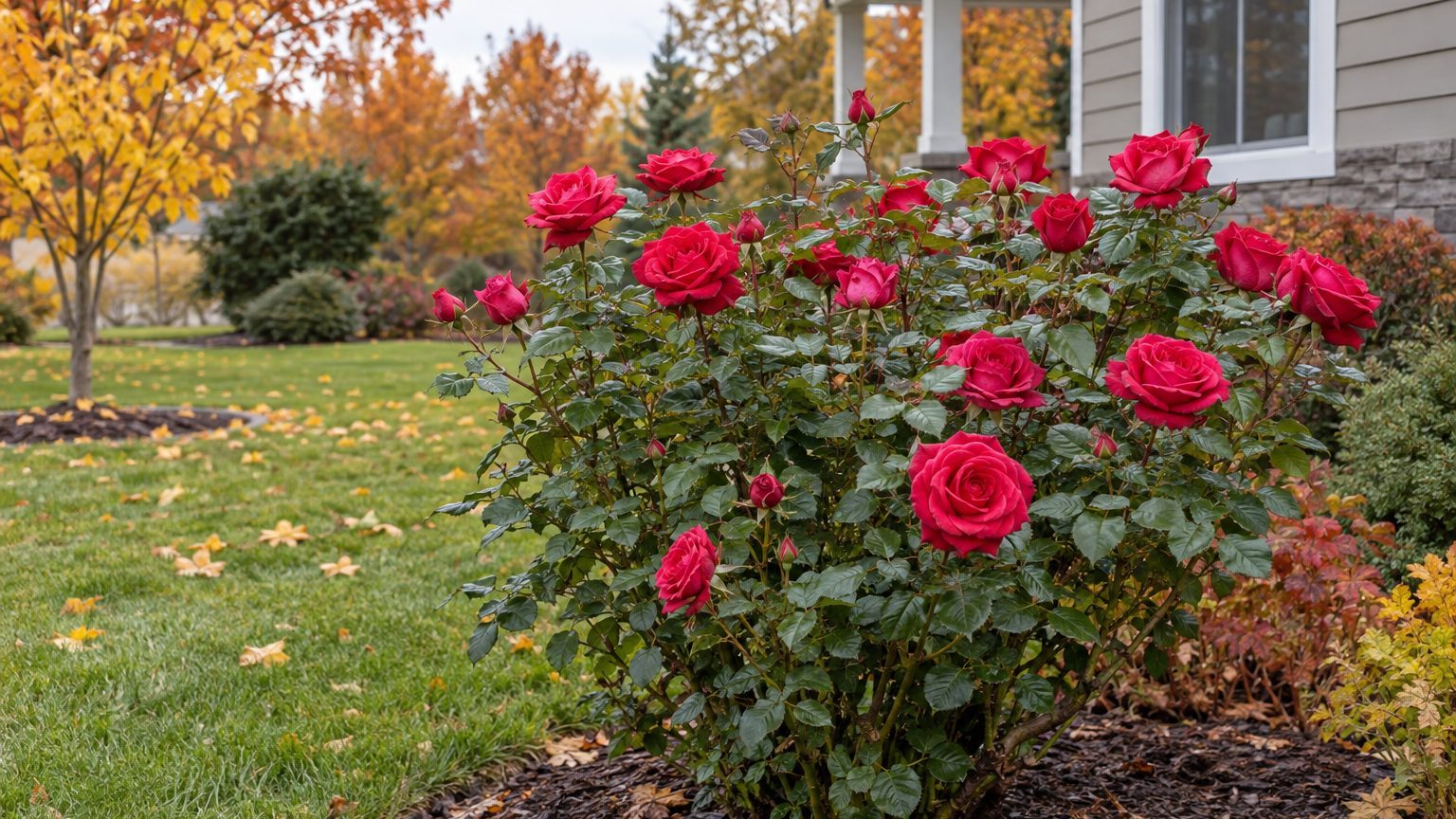
A rose bush in bloom in a home garden

Bare-root roses go in first, in June, while they are still dormant, and potted roses can follow later once the soil has settled and warmed.

  • In winter and early spring, roses sit dormant under snow, and that cover lasts well into spring, so pruning and planting wait for the thaw rather than the calendar.
  • In May, repeat-blooming roses are pruned once growth is clearly active. In Yellowknife, the last spring frost averages May 25, and half of all years bring frost later than that, so a tender young shoot is never safe yet.
  • In June, bare-root roses are planted dormant, which suits a young plant that cannot take a late frost. Potted roses can go in after them.
  • From May through July, roses are fed, and the feeding stops by August 1 so new growth is not pushed right before the cold.
  • In September, the first fall frost in Yellowknife averages September 18, but it arrives later in half of all years. Plants then harden off and head into dormancy.

Yellowknife sits in Canadian hardiness zone 1b (a Canadian system that does not convert to a USDA zone), and gardens farther north tend to run later.

Which Roses Grow Best in Northwest Territories?

Hardy roses do best here, and the Rugosa rose is the dependable choice because it is hardy in most northern locations. Winter is the limit rather than summer heat or humidity.

Tender types, the ones bred for milder gardens, do not reliably overwinter this far north, so they are a gamble in the ground.

Rose type How it does in Northwest Territories Why
Rugosa roses Hardy in most locations They are tough enough for long, cold winters
Hardy shrub roses such as the Explorer series Perform well without extra protection They are bred to tolerate cold winters
Hybrid teas Do not reliably overwinter They are tender and need winter protection in cold winters
Floribundas and grandifloras Do not reliably overwinter They are tender types, like hybrid teas
Miniature roses Do not reliably overwinter They are tender types, so a mild spot matters

Start with a Rugosa or a hardy shrub rose if you want roses that come back each year without fuss. Treat a hybrid tea as a special project, something you protect carefully and accept may not survive, rather than the backbone of the bed.

When to Prune, Feed and Protect Roses in Northwest Territories

Roses here follow a short, compressed year. Pruning waits for May, planting happens in June, and feeding fills the summer months.

Each task depends on the plant waking up, not on a date on the wall.

Task Best months in Northwest Territories Why then
Pruning repeat-blooming roses (hybrid teas, floribundas, modern shrub roses) May Snow cover lasts into spring, so wait for active growth before cutting
Planting bare-root roses June The ground has thawed and the plant goes in dormant, with potted roses able to go in later
Feeding roses May, June, July Feeding supports growth in the short season and stops by August 1 before the cold

Winter protection is the job after all of these. Tender types need it most, and hardy shrub roses need much less. The page on when to prune roses in Northwest Territories goes deeper on cutting techniques and deadwood.

How Rose Care Dates Change Across Northwest Territories

The territory is large, and the dates lean toward the south. Gardens farther north start later and finish sooner.

  • Yellowknife: treat its dates as the middle of a window rather than a firm line.
  • Inuvik and the Mackenzie Delta: northern gardens like these run later than Yellowknife, so pruning, planting and the first feeding all slide back, and the season closes sooner.

A sheltered corner against a wall or fence can add a little warmth anywhere in the territory, which helps a young rose settle in.

Where to Get Rose Advice in Northwest Territories

These dates follow the nearest comparable climate. Confirm them close to home with a local garden centre, a rose society or the provincial or territorial gardening groups.

  • The Government of the Northwest Territories agriculture services can answer questions about what grows in the territory, so ask before buying roses.
  • A local garden centre or rose society can tell you which hardy roses have come through recent winters in your town, and a master gardener group can help diagnose problems.

Common Questions

What Does Canadian Zone 1b Mean for Roses?

It means very cold winters, and the Canadian system is built on several climate factors rather than winter low alone, so it does not match a USDA zone. Pick roses sold as very hardy and check them against local experience.

Can You Prune a Once-Blooming Rose in Spring?

Not for flowers. Once-blooming roses (old garden roses, ramblers and many climbers) flower on last year’s wood, so prune them right after they bloom. Spring cutting removes the buds.

Do Roses Need Winter Protection?

Hybrid teas, floribundas and grandifloras need protection in cold winters. Hardy shrub roses such as Knock Out or the Explorer series perform well without extra protection.

The almanac, state by state. Every date on this site comes from a state’s own frost facts and its extension service’s calendar — and says where it comes from.