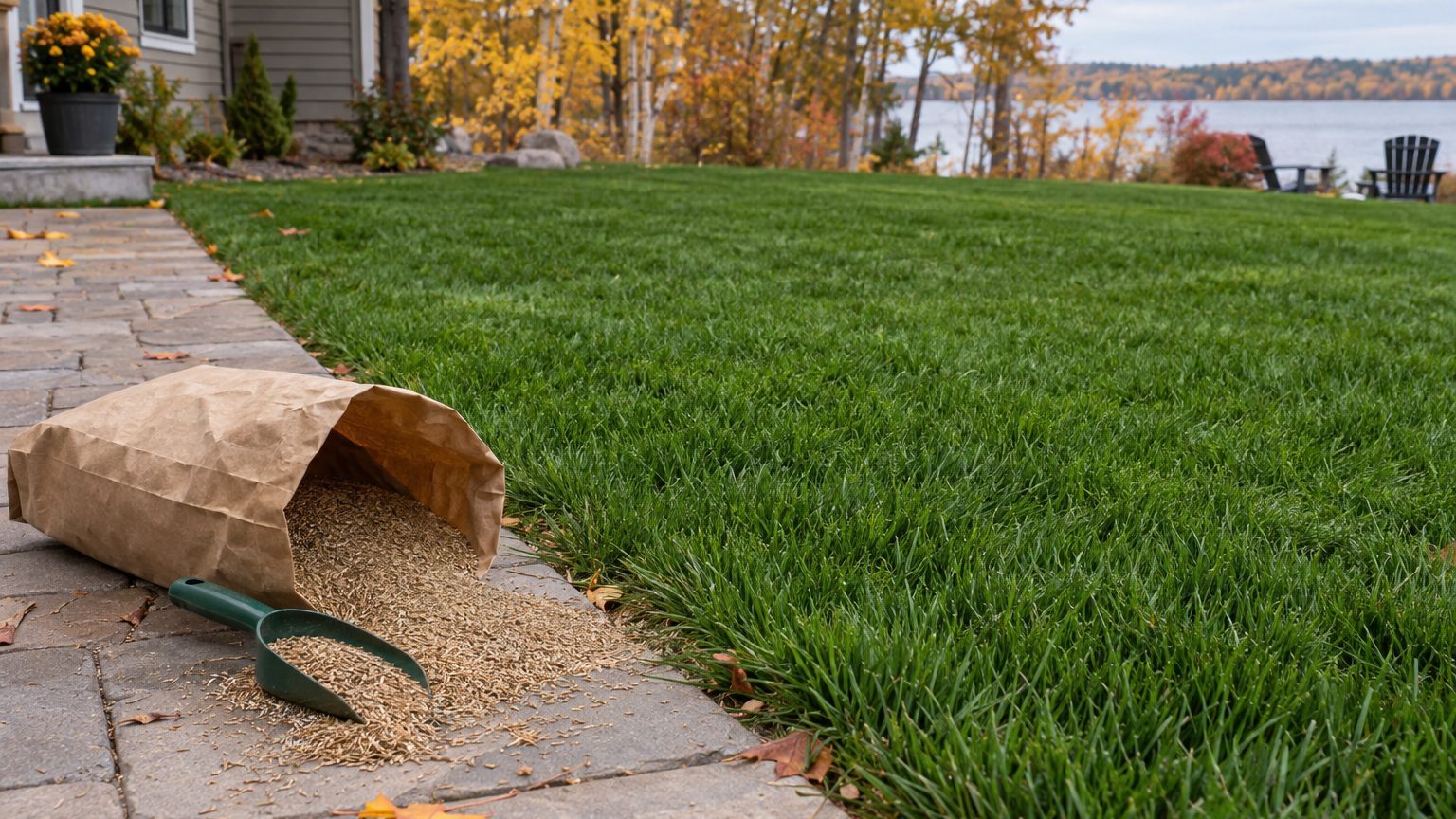
A lawn in the Northwest Territories starts greening only after the ground thaws, and it stops again before most gardeners feel the summer is done. The grasses that earn their place here are the cool-season types bred for cold: Kentucky bluegrass, fine fescues and, with caution, perennial ryegrass.
Which Grass Grows Best in Northwest Territories?
Cool-season grasses are the only sensible choice here, because the short growing season gives warm-season grasses no time to establish. In Yellowknife, the hardiness zone is 1b on the Canadian system (not a USDA zone), and winters that cold decide which species survive.
Kentucky Bluegrass
Bluegrass is the dependable base for a sunny territorial lawn. It spreads by underground runners, so it knits together and repairs small bare spots over time. Seed is slow to germinate, which suits the patient gardener more than the one wanting quick cover.
Fine Fescues
Creeping red, chewings and hard fescue can cope with lean soil and part shade. They stay fine-bladed and need less mowing and feeding than bluegrass. Many northern lawns lean on them for exactly that reason.
Perennial Ryegrass
Ryegrass sprouts fast, which makes it handy for quick cover, but it is short-lived in the coldest winters. Treat it as a small share of a mix, never the whole lawn. Expect to patch it back in after a hard winter.
Northwest Territories — the year and the numbers
- State
- Northwest Territories
- Hardiness zones
- 1b
- Last spring frost
- May 25
- First fall frost
- September 18
- Annual rain
- 11 in
- Lawn type
- cool-season
- Source
- Environment and Climate Change Canada — Canadian Climate Normals 1981-2010, station YELLOWKNIFE A · Yellowknife
How to Choose Grass Seed for a Northwest Territories Yard
Match the seed to what the yard actually offers: how much sun reaches it, how many feet cross it and how much you want to mow. A blend of bluegrass and fine fescue lets you adjust the balance to suit the yard.
Seeding is a spring job once the ground has thawed. Sow no deeper than 6 mm (0.25 inch), since the seed needs light and warmth near the surface to sprout.
| Yard situation | Grass to favor | Why |
|---|---|---|
| Full sun, regular use | Kentucky bluegrass | Spreads and recovers from wear |
| Shade or under trees | Fine fescues | Tolerate low light better than bluegrass |
| Poor, dry soil, low mowing | Fine fescues | Thrive lean and need little feeding |
| Quick cover on bare ground | Bluegrass with a little ryegrass | Ryegrass sprouts first and shelters slower seed |
| Frequent watering not possible | Fine fescues | Handle drier spells more gracefully |
If you enjoy a close, carpet-like lawn and will mow and water it, lean on bluegrass. If you would rather mow less, put fescue in front. Ryegrass stays a minor partner either way.
Which Grasses Grow Where in Northwest Territories
The territory is huge, and conditions shift a lot from one community to the next, so treat the Yellowknife picture as a starting point rather than a rule everywhere.
- Yellowknife: Frost is typically gone around May 25, but in one year out of two it lingers later, so wait for the soil to warm before sowing. Bluegrass and fescue blends both suit it.
- Inuvik and the Mackenzie Delta: Seasons run shorter and colder than in Yellowknife, so favor hardy fine fescues and give seed extra time to establish.
- Fort Smith and the south: Springs open earlier, which gives bluegrass a little more room to root before the cold returns.
Whatever the town, the farther north you go, the shorter the window, and the more you should lean on cold-hardy fine fescues.
Grass Seed Mistakes to Avoid in Northwest Territories
Planting a Warm-Season Grass
Warm-season grasses need long, hot summers, which the territory does not offer. Stick to bluegrass, fine fescues and a little ryegrass, and ignore any bag promising a lawn for hot climates.
Seeding in Fall
Fall seeding fails here because the season is too short for seedlings to root before winter. Sow in June, and if that slips, July still works. The average first frost falls around September 18 in Yellowknife, but treat that as the midpoint of a window, never a safe date.
Burying or Overspreading Seed
Seed buried too deep may fail to reach the surface, and seed spread too thickly can crowd itself out. Rake lightly, press the seed into the soil, and follow the rate on the bag. Keep the surface evenly damp until the grass is up.
Where to Get Lawn Advice in Northwest Territories
The territory has no county extension offices, so local help comes from a few other places. Start with the territorial agriculture program, then lean on people who garden in your own community.
- The Government of the Northwest Territories agriculture services can answer questions about growing conditions, so reach out before you buy seed in spring.
- A local garden club or master gardener group knows what has worked in your own town, and is worth asking before the June sowing.
- A garden centre can confirm which seed blends it stocks for cold climates, so visit before you start.
Common Questions
Can You Grow a Lawn in the Northwest Territories?
Yes, in communities with enough soil and a frost-free stretch of summer. Cool-season grasses like bluegrass and fine fescue handle the cold, though the lawn greens up later and rests earlier than lawns farther south. Expect a shorter mowing season, running roughly June through September.
Does Grass Seed Need to Be Covered with Soil?
Only lightly. A gentle raking and a firm press are enough, because the seed sprouts best close to the surface where light and warmth reach it.
When Should You Water a New Lawn in the Northwest Territories?
Watering matters most from June through August, when the seed is sprouting and the grass is growing. Keep new seed evenly moist rather than soaked, and ease off once the lawn has filled in.