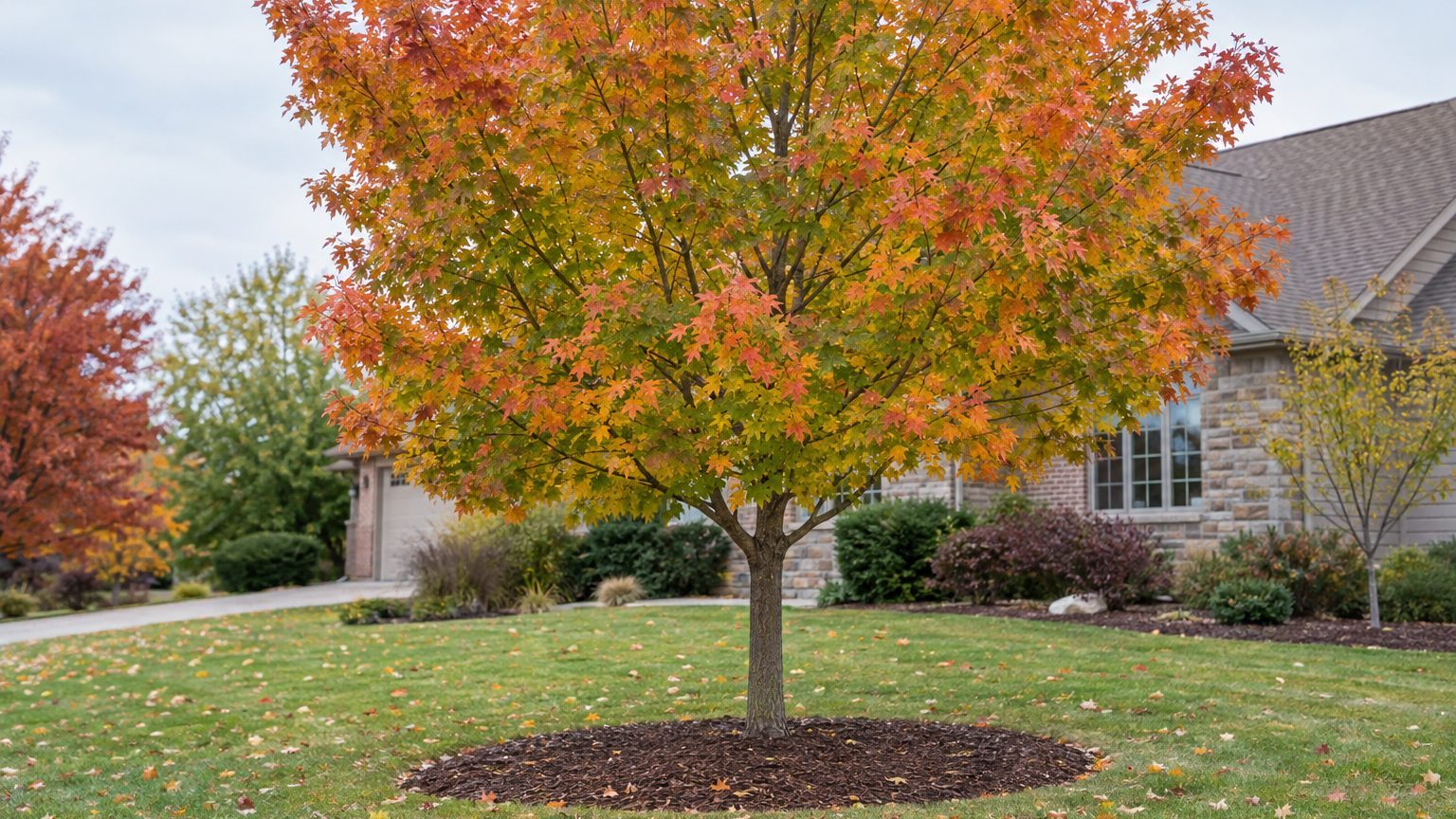
A young tree planted in spring has a whole growing season to settle, and one planted in fall gets a head start on the next. In Nebraska, April and October are the months that suit shade and ornamental trees, while fruit trees go in a little earlier, in March and April.
When Is the Best Time to Plant Trees in Nebraska?

Shade and ornamental trees, whether container-grown or balled and burlapped, do best here when planted in April or October, with May and September also workable. The year runs roughly like this.
- In late winter, the ground is still too hard or too wet to dig, so it is a time to choose the spot and the tree.
- In April, the soil is workable and the tree is still waking up, which gives roots a long season to grow before summer heat arrives.
- In May, planting can still be done, though the tree will need regular watering as the days warm.
- Through summer, planting is hardest on a new tree, because heat and dry soil stress young roots.
- In September, the soil is still warm, so roots keep growing while the air cools.
- In October, trees go in early enough for roots to grow before winter, and watering continues until the ground freezes.
Container-grown trees can go in most of the year if they are watered, but they settle best in the dormant season. At the Omaha reference city, the last spring frost falls between April 12 and April 23, and the first fall frost between October 15 and October 26. Gardens in the suburbs and countryside usually freeze later in spring and earlier in fall, often by one to two weeks, so check your own county. Nebraska sits in USDA hardiness zones 4a to 5b.
When to Plant Fruit Trees in Nebraska
Fruit trees go in during March and April. Bare-root trees are planted while they are still dormant, in late winter or early spring, before the buds open.
Container-grown fruit trees follow the same window, and they settle best when planted in the dormant season too.
| Kind of fruit tree | When to plant in Nebraska | Why then |
|---|---|---|
| Bare-root | March to April, as soon as the soil can be worked | The tree is still dormant and the buds have not opened |
| Container-grown | March to April | It settles best in the dormant season, and it needs watering if planted later |
A bare-root tree that sits in leaf before it is planted loses the advantage of dormancy, so have the hole ready when the trees arrive.
Best Trees to Plant in Nebraska
Nebraska trees face cold winters, hot summers and dry spells, so tough, adaptable species earn their place. Matching the tree to the sun, the space and the soil on your lot matters more than any single favorite.
| Tree | How it does in Nebraska | Why |
|---|---|---|
| Burr oak | Tough and long-lived | Adapts to a range of conditions, and is best planted in spring |
| Chinkapin oak | Tough and adaptable | Long-lived, and oaks plant best in spring |
| Common hackberry | Fast grower | Tolerates a wide variety of soil conditions, though limbs can suffer wind and ice damage |
| Redbud | Hardier from a northern seed source | Performs best in moist, well-drained soil |
| Freeman maple | Faster grower with stronger wood than silver maple | Tolerates many soils, and does best in well-drained, slightly acid ground |
Some trees are better planted in spring than in fall: magnolia, dogwood, tuliptree, sweet gum, red maple, birch, hawthorn, poplars, cherries, plums and many oaks. Sugar maple tolerates shade while young. Hackberry can pick up leaf galls from an insect, which look untidy but are a minor flaw next to its toughness.
When to Plant, Water and Prune Trees in Nebraska
Planting, watering and pruning each have a moment that suits the tree. Plant when the tree is dormant or the soil is workable, water through the first season, and prune fruit trees before the buds swell.
| Task | Best timing in Nebraska | Why then |
|---|---|---|
| Plant shade and ornamental trees | April or October, with May and September also workable | Roots have time to grow before summer heat or winter cold |
| Plant fruit trees | March to April | Trees are dormant, with buds not yet open |
| Water a young tree | Regularly through the first growing season, and in fall until the ground freezes | New roots dry out fast, and a fall tree needs moisture until the soil locks up |
| Prune fruit trees | February to March, apples and pears first, cherries in mid-March | Wounds heal quickly, and the buds have not swelled |
Peaches are pruned last, closest to bloom, because their flower buds are easily hurt by cold. Pruning in fall or early winter is avoided, since new growth may not harden before the cold. Oaks are not pruned from March through October, to limit the spread of oak wilt. Pruning detail lives on the page for when to prune fruit trees in Nebraska.
Where to Get Tree Advice in Nebraska
For help choosing a species or testing your soil, two local resources are worth a call or a visit.
- University of Nebraska–Lincoln Extension offers guidance on tree selection and care, so look there before buying.
- Your county extension office can advise on species for your site and arrange a soil test, ideally before the planting season opens.
Common Questions
Can You Plant a Tree in Summer in Nebraska?
You can, but summer is the hardest season for it. Heat and dry soil stress new roots, so a tree planted then needs steady watering. April or October gives it an easier start.
Should You Plant Oaks in Spring or Fall?
Spring is the better choice for oaks. They are among the trees that settle best when planted in spring rather than fall.
Can Container Trees Be Planted Any Time?
Container-grown trees can go in most of the year if they are watered. They still settle best when planted in the dormant season.