Skip to content

When to Prune Lilacs in Northwest Territories

When to Prune Lilacs in Northwest Territories

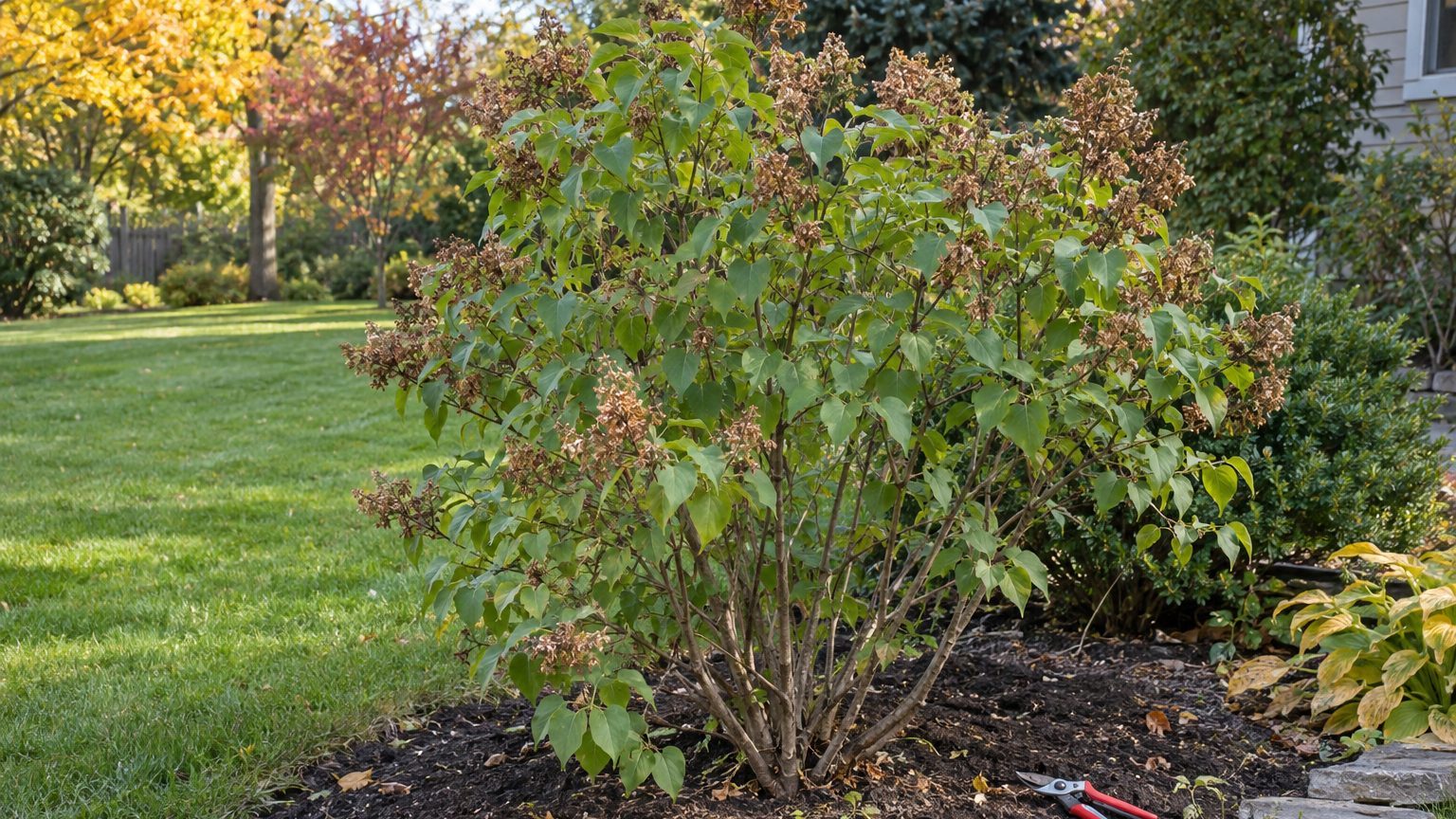
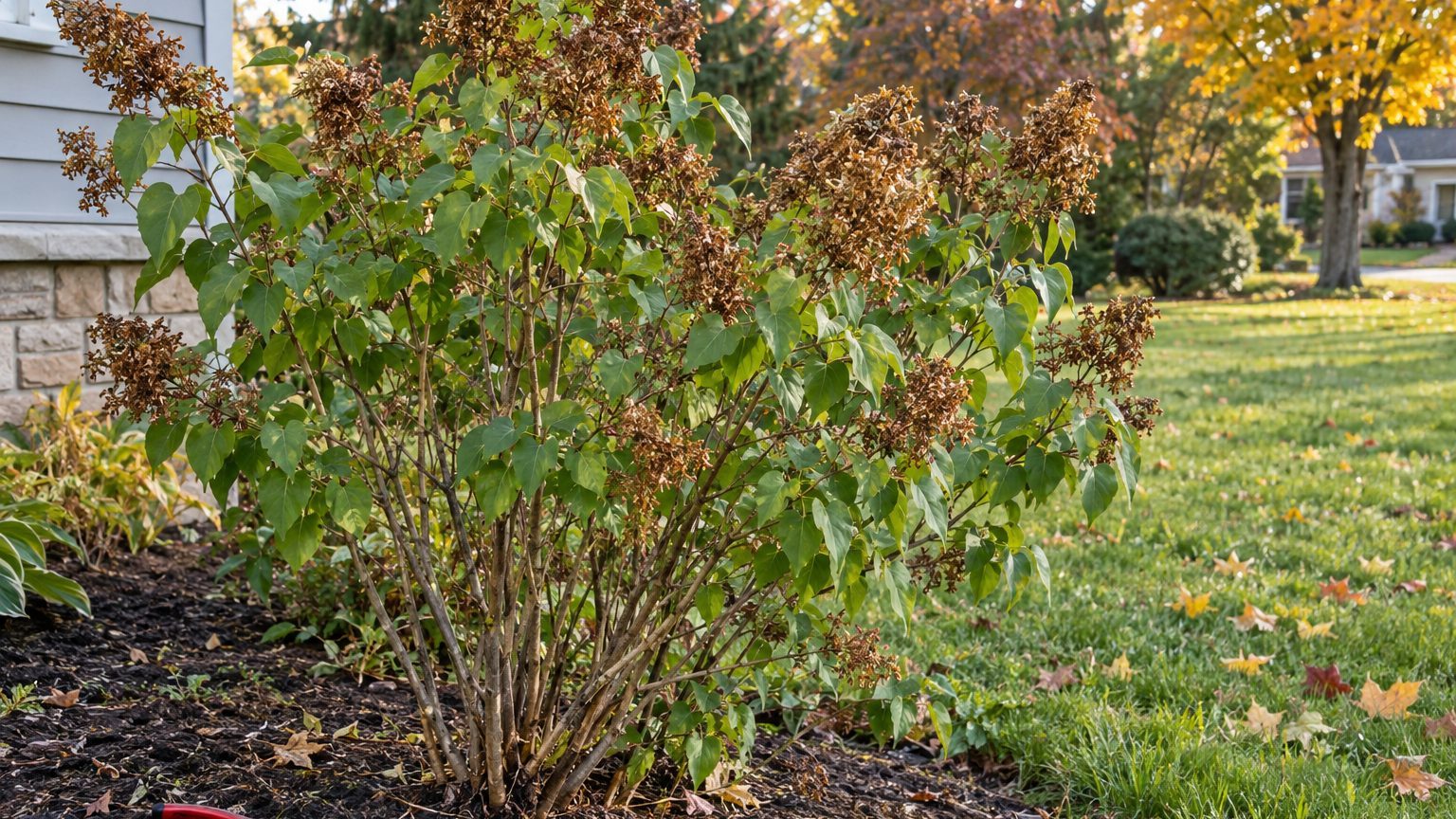
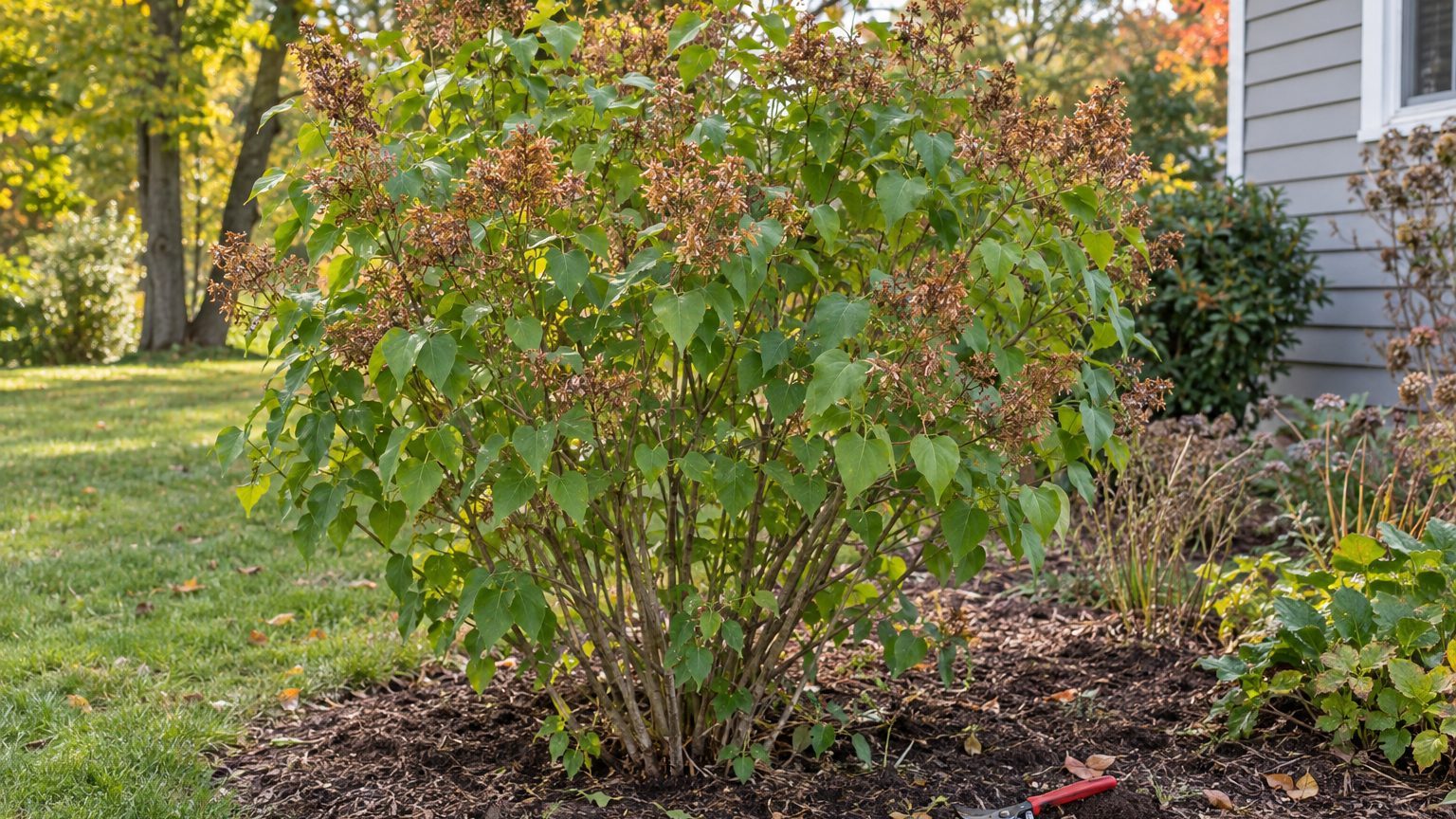
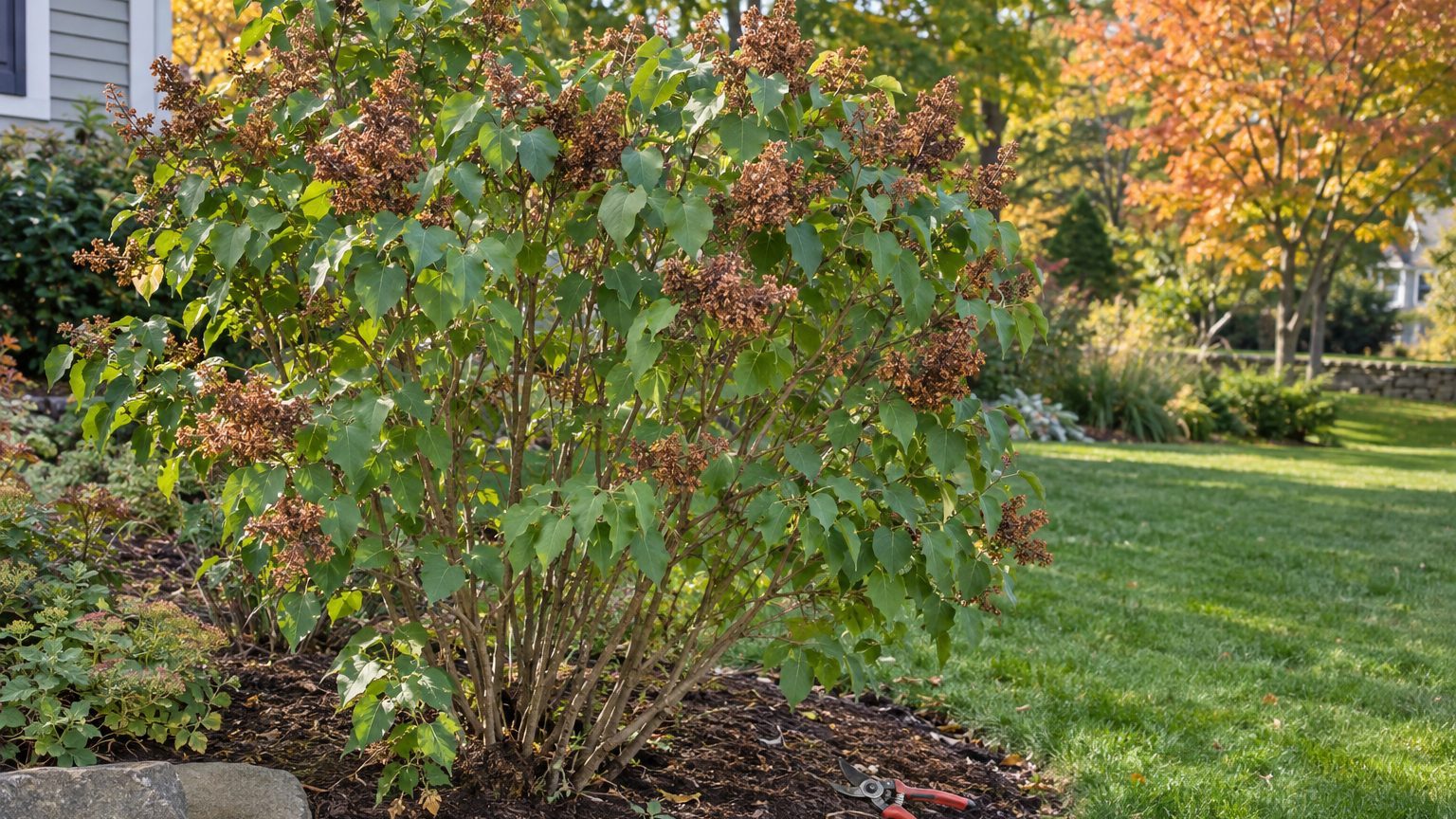
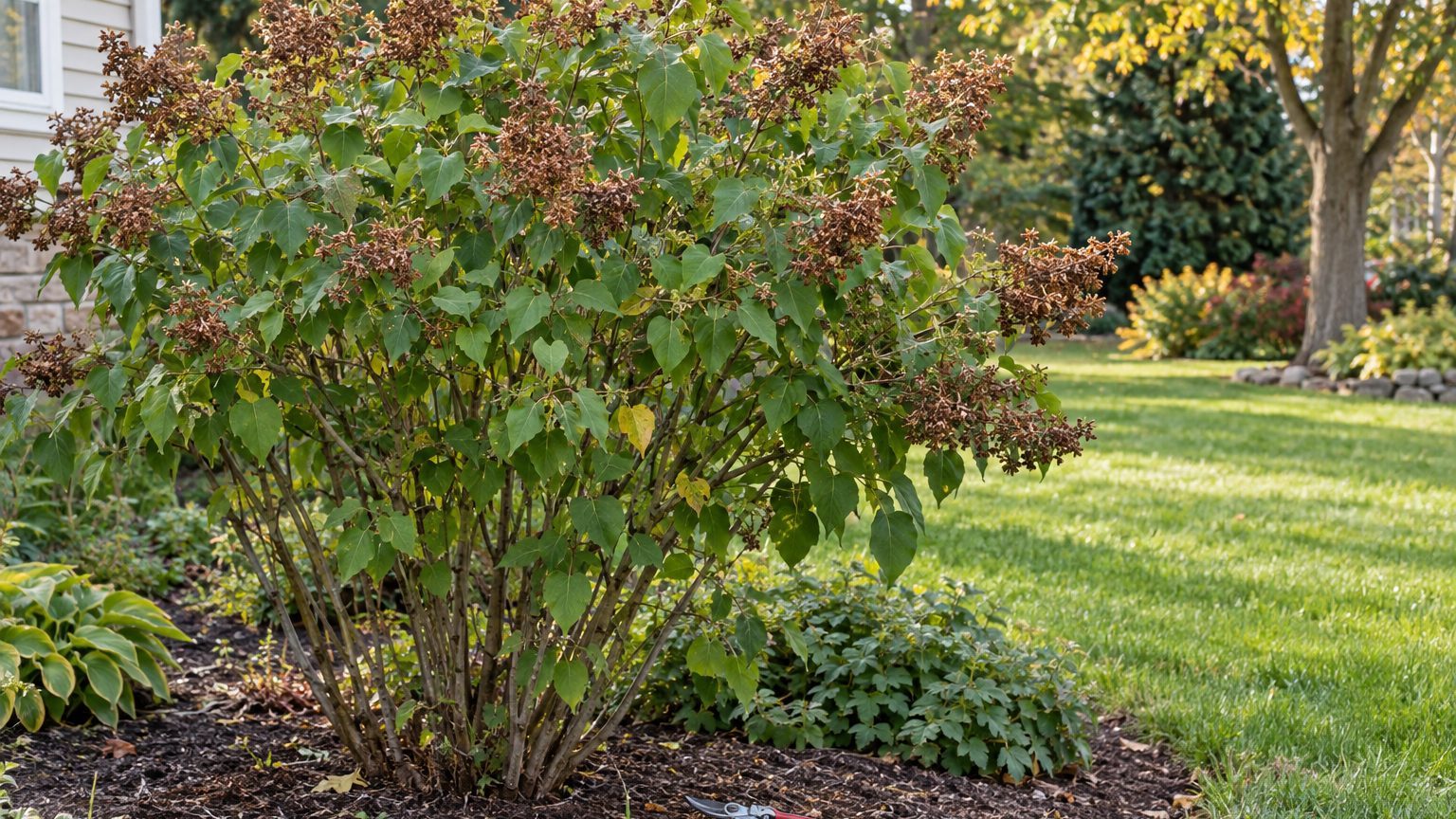
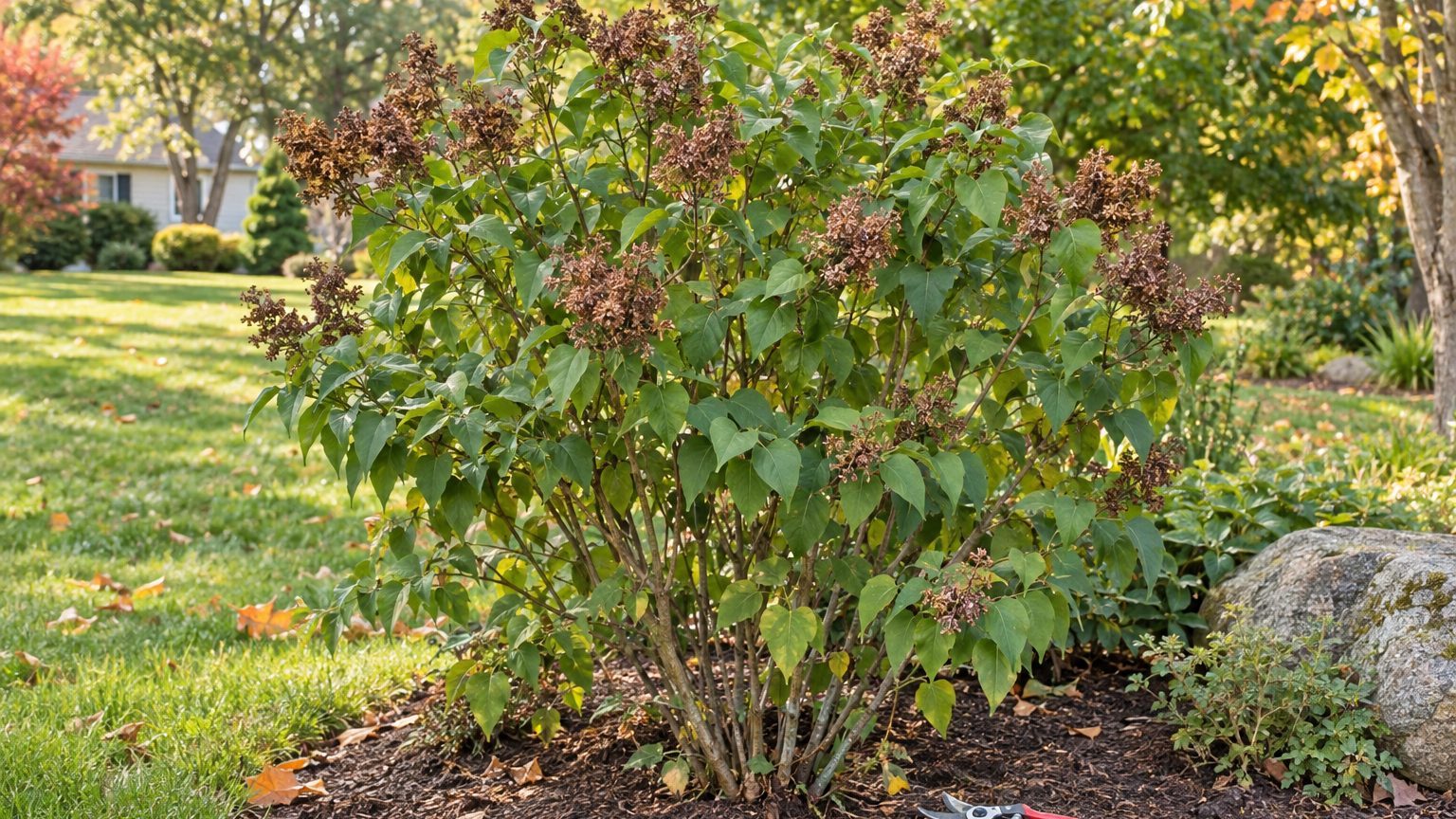
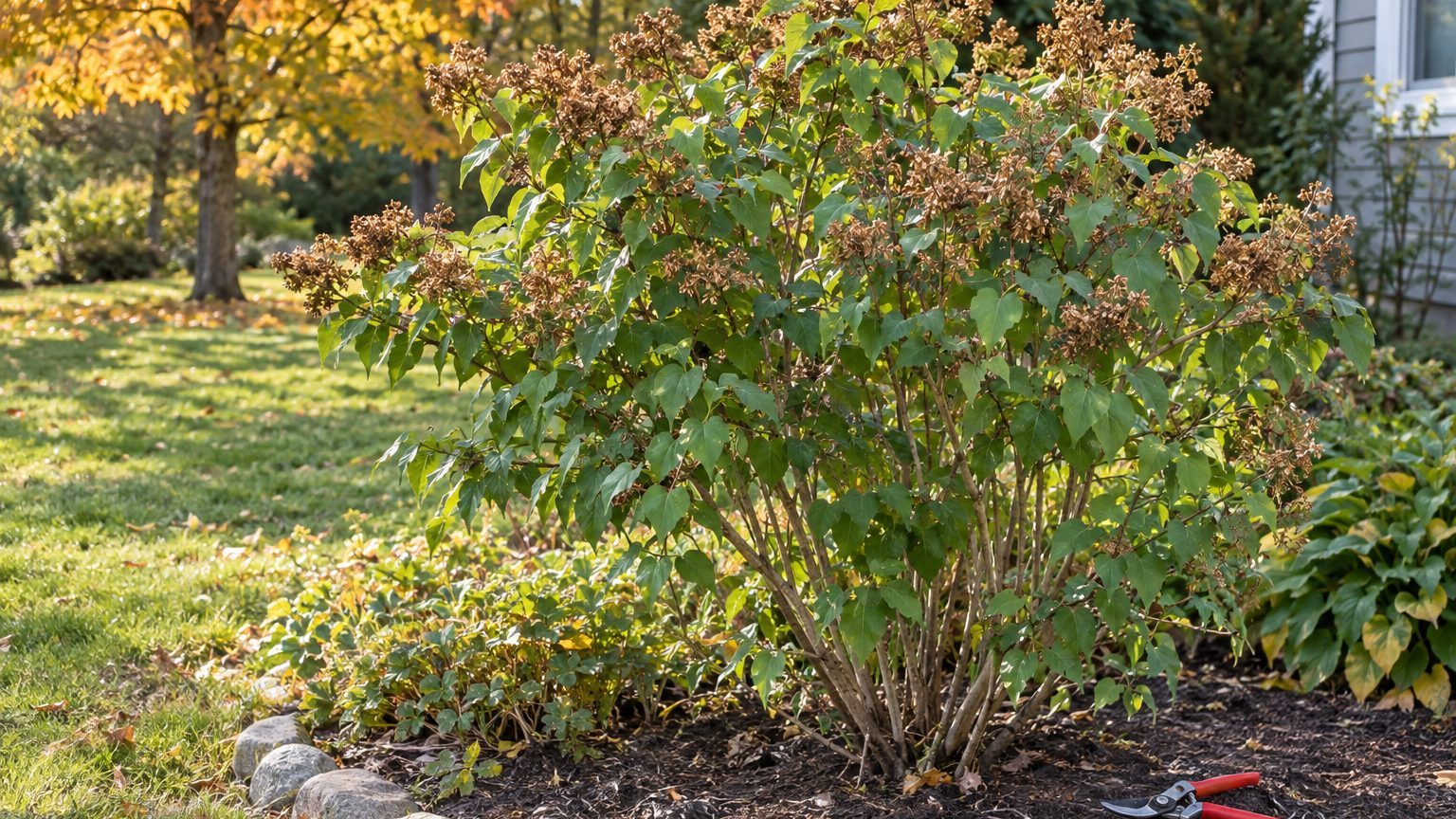
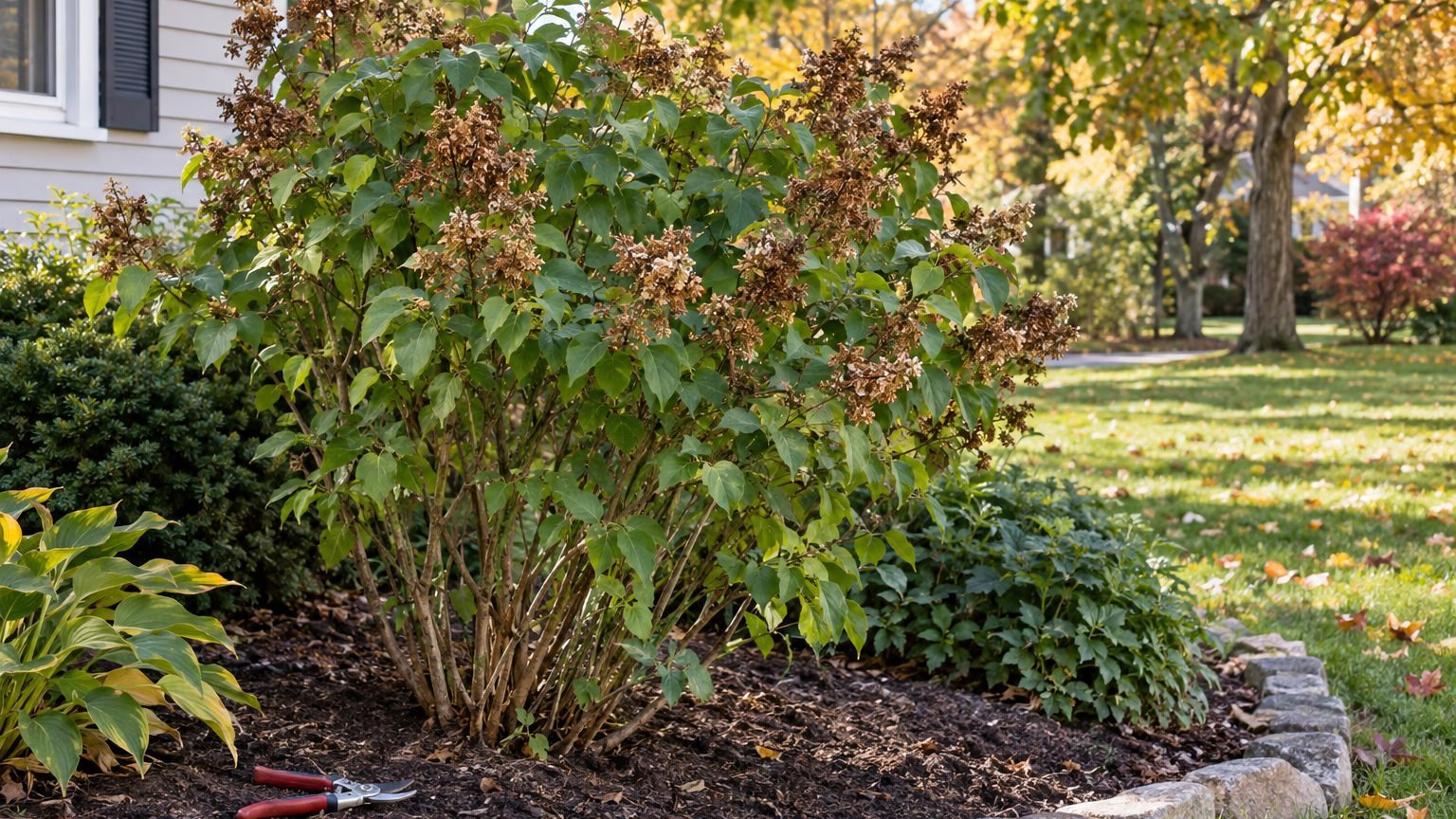
A lilac that has finished flowering looks tired afterward, with brown clusters hanging on and the leaves already doing the work. That is the signal to reach for the pruners.

When to Prune Lilacs in Northwest Territories

Lilac stems after flowering

Prune lilacs in June and July, right after the flowers fade. The territory has no local extension page for lilac timing, so these months follow the nearest comparable climate. Confirm local timing with a garden centre, a garden society or a territorial gardening group.

Type of pruning When in Northwest Territories Why
Routine maintenance (spent flowers, crossing or weak stems) June, July, right after the flowers fade Next year’s flower buds form soon after bloom, so prune as soon as the flowers fade
Thinning an old, overgrown lilac Late winter A hard cut works, but the shrub will not flower for a few years afterward

Lilacs bloom on the previous year’s growth, which is why the window is tied to the flowers and not to a date on the calendar. Late varieties open later in June, and their pruning window slides later with them. Reblooming lilacs follow the same logic of pruning soon after the spring flush, and a local garden centre can tell you how a given variety behaves in your yard.

How to Tell When Your Lilacs Are Ready to Prune

The plant gives clearer signals than any date, and they matter most in a short northern season where flowering can start in late May or wait until June.

  • The flower clusters turn brown and dry, which means the show is over and cutting will not cost you any bloom.
  • Petals have dropped, so removing the spent clusters right after the flowers fade is the time to prune.
  • Do not use leaf color as your cue; wait until the flowers fade.
  • Use the fading flowers, not new shoots, as the signal to prune.
  • Your variety is a late bloomer that is still in flower while neighbors’ shrubs have finished, so wait for your own plant’s flowers to fade.

If you are still looking at fresh flowers, put the pruners away and wait until the display is over.

Should You Prune Lilacs in Fall or Winter in Northwest Territories?

No. Cutting in fall or winter removes the flower buds that formed the summer before, so you lose that spring’s flowers. A lilac pruned in the cold months will leaf out fine and simply have nothing to show.

An exception is a lilac that has grown out of bounds. An overgrown shrub can be cut back hard in late winter, and it will regrow vigorously. Expect no flowers for a few years while it rebuilds, so do this only when the shrub is too tall, too bare at the base or too dense to be worth keeping as it is.

For routine shaping, leave the cold months alone and wait for the flowers to fade in June or July.

How Lilac Pruning Time Shifts Across Northwest Territories

The territory stretches across a long north-south range, and flowering follows the local season, so your pruning window moves with it.

  • Yellowknife: prune lilacs right after the flowers fade, in June or July. Prune once the flowers have faded in June or July, following your own shrub and not a neighbor’s.
  • Fort Smith and Hay River: prune lilacs right after the flowers fade, in June or July.
  • Inuvik: prune lilacs right after the flowers fade, in June or July. Choose a lilac that suits your garden.

In every community the rule is the same: watch the flowers, then cut.

Where to Get Lilac Advice in Northwest Territories

For local help, ask the territorial government and gardeners who grow in your climate. The Government of the Northwest Territories agriculture services are the starting point for questions on what grows in the territory.

  • A local garden centre can tell you which lilac varieties have survived winters in your community, so ask before you buy or prune.
  • A garden society or territorial gardening group can confirm when lilacs finish flowering where you live, which is worth checking in early summer.
  • Territorial agriculture staff can answer broader questions about hardy shrubs, and a call before the next growing season gives you time to plan.

Common Questions

Can Lilacs Survive Winters in the Northwest Territories?

Lilacs need a cold winter rest to mature their flower buds, so they suit cold climates well. The reference city, Yellowknife, is in Canadian hardiness zone 1b, which is a separate system from the USDA zones and does not convert to them. Choose hardy varieties and ask a local garden centre which ones have done well nearby.

What If Your Lilac Is a Late Bloomer?

Late-flowering varieties open after the common lilac, often in the second or third week of June in northern gardens. Wait for the flowers to fade on your own shrub, and use July if the blooms finish later.

Should You Wait for the Last Spring Frost Before Pruning?

No. At Yellowknife the last spring frost falls on average on May 25, and in one year out of two it comes later. That date marks frost risk, not the pruning window, which only opens after the flowers fade.
When to Prune Lilacs in North Dakota

When to Prune Lilacs in North Dakota

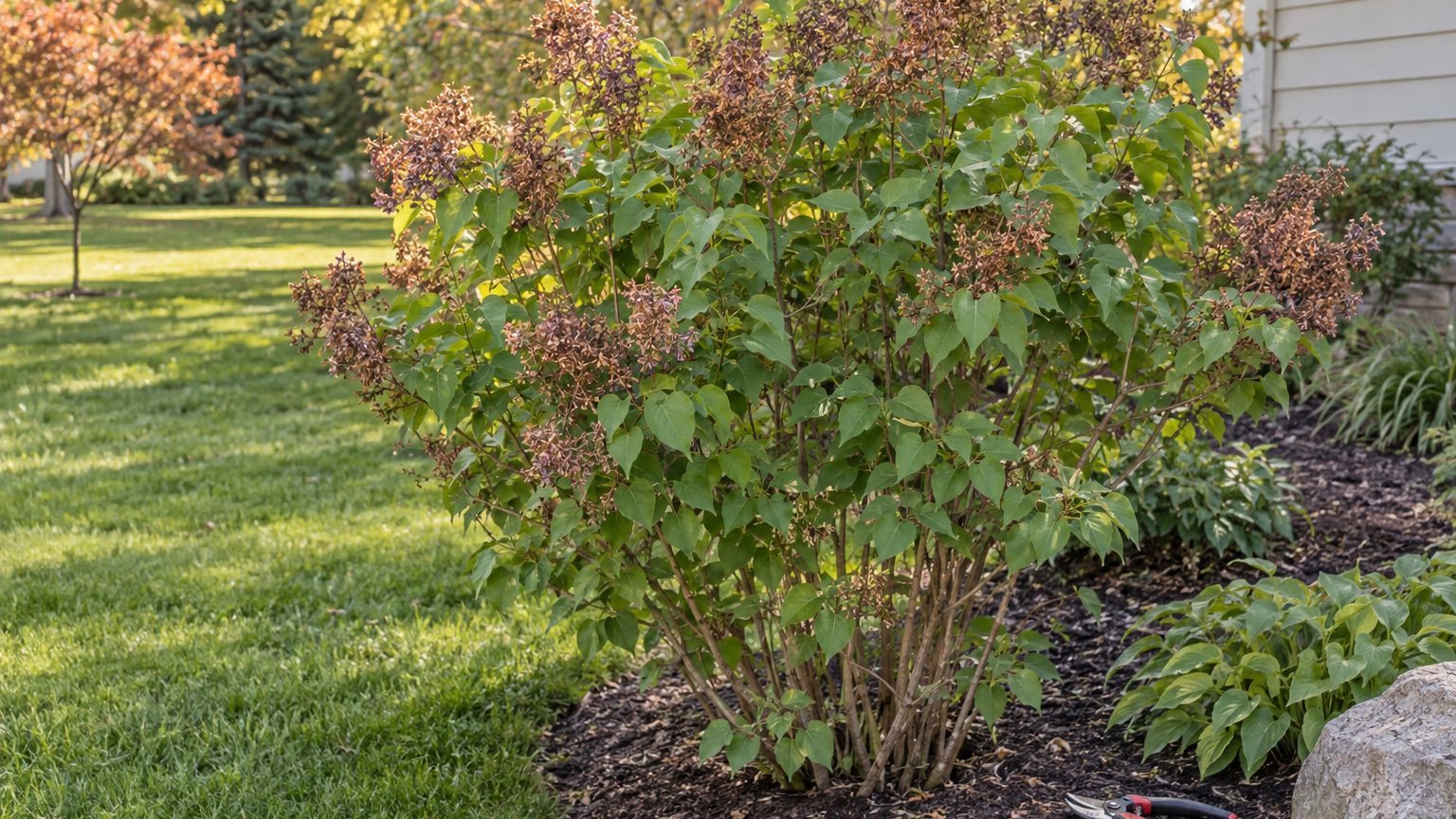
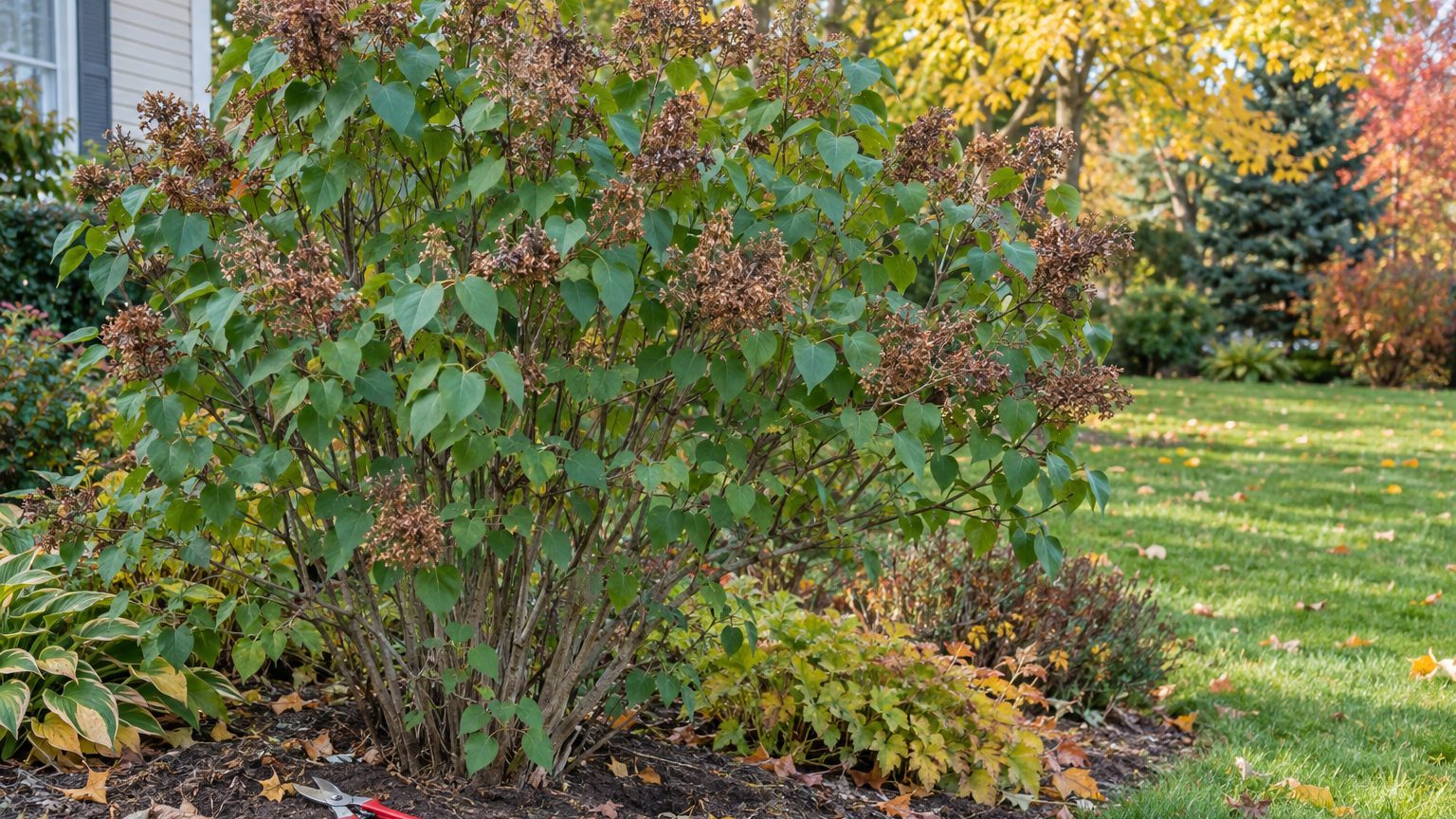
A lilac that looks tired in June, with brown flower clusters hanging on, is telling you the pruning window has opened. In North Dakota, lilacs handle cold well, and pruning timing decides whether next May brings fragrance or bare green stems.

When to Prune Lilacs in North Dakota

Lilac stems after flowering

Prune lilacs in June, right after the flowers fade. Lilacs set next year’s flower buds in summer, soon after they bloom, so prompt pruning avoids cutting off buds later. Bloom runs through May and into June.

Type of pruning When in North Dakota Why
Routine upkeep after flowering June, right after the blooms fade Next year’s buds form on new growth soon after bloom, so you cut before they exist
Late-winter shaping while dormant March or April The shrub is asleep and easy to read, but you remove that spring’s flowers
Hard renovation of an overgrown lilac March or April A drastic cut is easiest on a dormant plant, at the price of the next flowers

A lilac cut back hard will not flower for a few years afterward, which is why that job suits only a shrub that has become a tangle.

How to Tell When Your Lilacs Are Ready to Prune

The shrub gives clearer signals than a calendar page, and they matter most in a cold spring when bloom runs late.

  • Petals turning brown and drooping on the clusters tell you the flowers are finished and the pruning window is open.
  • Faded clusters still holding on to the stems can be snipped off as part of the post-bloom cleanup.
  • Late and tree lilacs bloom in June, so wait for their flowers to fade before you touch them, even if the common lilac next to them is done.
  • Fresh green shoots pushing out below the spent blooms show the shrub moving into the stretch when it forms next year’s buds, so do not wait long.
  • A shrub with healthy leaves but no flowers last spring may have been cut too late in a past year, so leave it unpruned until after it blooms again.

Start with the cluster-by-cluster cleanup, then step back and decide whether any thick, crowded stems need to come out at the base.

Should You Prune Lilacs in Fall or Winter in North Dakota?

No, not if you want flowers. Cutting in late summer, fall or winter removes the buds the lilac has already set for the following spring, and a shrub pruned then will often look healthy and bloom very little in May.

Late winter is the cold-season window that works, and it comes with a cost. March or April, while the shrub is still dormant, suits a reshaping cut or the hard renovation of an overgrown lilac. You give up that spring’s flowers in exchange for a cleaner, younger framework.

For a lilac that is blooming well, skip the winter cut entirely. Lilacs also need a cold winter rest to mature their flower buds, which is part of why they do so well in the state’s winters. Save your pruning saw for June.

How Lilac Pruning Time Shifts Across North Dakota

Hardiness zones in the state run from 3a to 4b on the USDA system, and the last spring frost at the Fargo area reference city falls between May 4 and May 15. Gardens outside town tend to see frost later, so bloom and pruning follow the season where you live.

  • Red River Valley: Let the local bloom, rather than a statewide assumption, determine when post-bloom pruning begins.
  • Northern and western North Dakota: Let the flowers fade before you prune, since local conditions determine the timing.
  • Missouri River country near Bismarck: Follow the same local signal and prune only after flowering.

Watch the flowers, not the date. Check your own county’s frost pattern, because a protected yard in town warms earlier than an open farmstead.

Where to Get Lilac Advice in North Dakota

The state’s land-grant extension system offers local lilac advice, and its county offices can help with questions about your soil and wind. NDSU Extension publishes plant guidance for the state’s gardeners.

  • Its website carries yard and garden guides, useful in winter when you plan which shrubs to renovate.
  • Your county extension office can answer questions about a specific shrub, and a good time to bring a sample or photo is while the flowers are still on the plant.

Common Questions

Can You Prune Lilacs Right After They Stop Blooming?

Yes, and that is the intended moment. Take off the faded clusters and any dead or crossing stems while the buds for next year have not yet formed.

What Happens If You Cut a Lilac Back to the Ground?

The shrub usually regrows from the base, but it will not flower for a few years. This method works for a lilac that has grown too tall and woody to manage.

Do Lilacs Grow Well in North Dakota Winters?

They do. Lilacs are suited to zones 3 and 4, which cover much of the state, and they thrive in sunny spots with good air circulation. The cold winter rest actually helps them mature their flower buds.

When to Prune Lilacs in North Carolina

When to Prune Lilacs in North Carolina

A lilac that blooms heavily in spring has usually been left alone in fall and winter. In North Carolina, the pruning shears belong in the shrub only once the last purple or white clusters turn brown. That short window after flowering decides how many blooms you get the following spring.

When to Prune Lilacs in North Carolina

Lilac stems after flowering

Prune lilacs in North Carolina right after the flowers fade, which means May and June. The job can also be done in July, though not after July 10. A lilac sets next year’s flower buds in summer, soon after it blooms, so delaying the job cuts into next spring’s show.

Type of pruning When in North Carolina Why
Maintenance pruning (spent flowers, crossing or weak stems) Right after the flowers fade, in May and June Next year’s buds have not formed yet, so nothing is lost
Late catch-up pruning July, and not after July 10 Buds are forming, and a later cut removes them
Cutting in late summer, fall or winter Leave it alone The shrub blooms on last year’s wood, so these cuts remove the coming spring’s flowers

Old, overgrown shrubs benefit from gradual thinning rather than a drastic cut. Reblooming lilacs such as the Bloomerang group also need a period of cold weather to bloom well, so winter chill matters for them as much as the timing of your pruning.

How to Tell When Your Lilacs Are Ready to Prune

Your lilac tells you when to start, and the shrub’s own signals matter more than a date on the calendar.

  • The flower clusters have turned brown and papery, which means bloom is over and the shrub is ready for the shears.
  • Petals are dropping and few fresh blossoms remain, a sign that the shrub is already moving its energy toward next year’s buds.
  • Fresh green growth is pushing out below the spent clusters, so you can clip just above it without harming the new shoots.
  • Bloom has ended in your yard, and that is your cue to get out there soon, because the next buds start forming shortly afterward.
  • Stems are crossing, rubbing or growing weakly in the center, and these are the ones to remove first while the shrub’s shape is still easy to read.

If you miss the signs and July 10 passes, leave the shrub alone until it has flowered again.

Should You Prune Lilacs in Fall or Winter in North Carolina?

No. A cut made in fall or winter takes off the buds that are waiting to open in spring, because they were set the summer before. The shrub will not die from it, but you will see leaves and few or no flowers that year.

That includes a late-winter reshaping cut, which feels logical when the branches are bare and easy to see. The structure is clear then, but the flower buds are sitting on those same stems, so a hard cut costs you that spring’s blooms. If a shrub needs a major reshaping, it is better to wait until the flowers fade and do the work then.

How Lilac Pruning Time Shifts Across North Carolina

The calendar follows the bloom, and bloom arrives at different times across the state. Lilacs also need a cold winter rest to mature their flower buds, and they struggle in hot, humid summers, so your location affects pruning time and flowering success.

  • Blue Ridge mountains: Spring comes later here, so the flowers fade later and pruning follows. The colder winters also suit lilacs better, which makes this region friendlier to them than the rest of the state.
  • Piedmont, around Charlotte: Bloom ends within the usual May and June window. Summer heat and humidity are harder on the shrubs, and powdery mildew can follow.
  • Coastal plain: Spring arrives earlier, so lilacs finish blooming earlier than in the mountains. Mild winters give them less of the cold rest they need, so flowering can be thin.

Whatever your region, watch the flowers rather than the date, and finish before July 10.

Where to Get Lilac Advice in North Carolina

Local conditions vary a great deal from the mountains to the coast, and local experts can say which lilacs perform in your area.

  • The NC State Extension site offers plant pages and pruning guidance, and it is worth a visit before you buy a shrub or when a lilac stops flowering.
  • Your county extension center can answer questions about your own soil and shrubs, and spring is a good time to call, while the lilac is in bloom and the problem is still visible.

Common Questions

When Do Lilacs Bloom in North Carolina?

Lilacs bloom in April and May. Pruning follows right after, so the shears come out as soon as the flowers fade.

Which Lilacs Suit North Carolina Gardens?

Lilacs do best where winters are cold, and even the low-chill cultivars perform best with an extended, cold winter rest. In this state, common lilacs often struggle in the heat and humidity, and powdery mildew can follow. Those conditions are a fair guide for the warmer parts of North Carolina.

Do Reblooming Lilacs Need Different Pruning?

Prune reblooming lilacs in spring. Like nearly all lilacs, the Bloomerang group needs a period of cold weather to bloom well, so a mild winter can matter more than any pruning choice.

When to Prune Lilacs in New York

When to Prune Lilacs in New York

Lilac blooms fade to brown, and that is the moment to pick up the pruners. In New York, the cutting happens once the flowers are spent, because the shrub is already setting next year’s buds.

When to Prune Lilacs in New York

Lilac stems after flowering

Prune lilacs in May and June, right after the flowers fade, often in May. A lilac blooms on last year’s wood and sets next spring’s flower buds in summer, soon after it flowers, so a late cut takes the coming show with it.

Bloom itself arrives in April and May, with later species running into June. The pruning window follows the flowers, not the calendar alone.

Type of pruning When in New York Why
Routine upkeep: trimming spent blooms, thinning crowded stems, shaping May, June, right after the flowers fade Next year’s buds form soon after bloom, so cutting early keeps them
Hard renovation cut of an overgrown lilac March, April, while the plant is dormant Cutting back hard in late winter costs the next flowers, and the shrub will not bloom for a few years afterward

Lilacs are pruned just after their flowers fade. The renovation cut is a last resort for a shrub that has grown tall, bare and leggy. If the lilac still flowers decently, skip it and stay with the light after-bloom trim.

How to Tell When Your Lilacs Are Ready to Prune

The plant gives clear signals, and they matter more than any date on the calendar.

  • Flower clusters turning brown and dry mean the bloom is over and the pruning window has opened.
  • Petals dropping onto the ground under the shrub tell you the flowers are finished, so cut soon rather than waiting.
  • Fresh green leaves filling out around the spent clusters show the shrub moving on to summer growth, which is when the next buds start forming.
  • Leave the new growth below the spent flower heads in place, because it will carry the flower buds that form after bloom.
  • Stems that are thick, old and bare at the base are candidates for thinning now, while the shrub can still put out new growth this season.

If the flowers are still bright and fragrant, wait. Waiting keeps the flowers on display, while cutting too early removes blooms you could have enjoyed.

Should You Prune Lilacs in Fall or Winter in New York?

No. Cutting in late summer, fall or winter removes the flower buds that formed after the last bloom, so the following spring brings little or nothing. The shrub survives, but the show is gone for that year.

Hard renovation is different and belongs in March or April. Done while the plant is dormant, it resets an overgrown lilac, but it comes at the price of flowers for a few years afterward. Plan it only for a shrub that has stopped earning its place.

A broken or dead branch can come out whenever you spot it, since removing it takes no healthy buds along with it.

How Lilac Pruning Time Shifts Across New York

New York stretches from city blocks to the Adirondacks, and the hardiness range runs from zone 3b to 7b on the USDA system. Lilacs like cold winters, so they suit most of the state, but the bloom date moves with the weather where you live.

  • New York City and Long Island: Spring warms sooner, so lilacs bloom and fade earlier, and the pruning window tends to open toward the front of May. In New York City, the last spring frost falls between March 23 and April 3.
  • Hudson Valley and the Finger Lakes: The lakes and valleys moderate the chill, so bloom lands in the middle of the usual range, with pruning following soon after.
  • Adirondacks and the North Country: Frost lingers longer in spring, so bloom comes later and the pruning window slides toward June. Cold winters here suit lilacs well, and the rest of the shrub’s cycle simply starts later.

Whatever the region, watch the flowers rather than the date, and prune when they fade.

Where to Get Lilac Advice in New York

Local questions about a stubborn lilac are best settled with people who know your soil and your microclimate. Cornell Cooperative Extension serves the state, and its county offices answer yard questions directly.

  • The state extension site has plant care guidance you can read before you prune, ideally before bloom ends.
  • Your county extension office can help with a lilac that will not flower or has grown out of hand, and a spring visit or call fits the pruning window well.

Common Questions

Why Did My Lilac Stop Blooming After I Pruned It?

A cut made in late summer, fall or winter likely removed the buds set for next spring. Check the timing of the cut and the sun the shrub gets, since lilacs thrive in sunny sites with good air circulation.

Do Lilacs Need Cold Winters to Bloom Well?

Yes. The chill of winter helps the flower buds mature, which is why lilacs do well across most of New York and struggle in hot, humid summers.

Can You Cut an Overgrown Lilac to the Ground?

You can cut it back close to the ground in March or April while it is dormant. Expect no flowers for a few years afterward, so reserve the cut for a shrub in poor shape.

When to Prune Lilacs in New Mexico

When to Prune Lilacs in New Mexico

Lilac blooms fade to brown in the New Mexico spring, and that is the moment the pruning shears come out. The cut belongs right after the last flowers drop, because next year’s buds start forming soon afterward.

When to Prune Lilacs in New Mexico

Lilac stems after flowering

Prune lilacs in New Mexico right after the last flowers fade. The bloom follows the local spring, so the sign in the shrub matters more than a date on the calendar.

Type of pruning When in New Mexico Why
Routine shaping and removal of spent flower clusters Right after the last flowers fade The shrub sets next spring’s flower buds in summer, soon after it blooms
Cuts in late summer, fall or winter Avoid They remove the buds that would open the following spring

Bigger jobs follow the same rule. Thinning out crowded stems on an old shrub still belongs right after bloom, since a heavy cut at any other time takes flowers with it. Lilacs also need a cold winter rest to mature their buds, so they do best where winters bite and struggle in hot, humid summers. In the warmer parts of New Mexico a lilac may flower poorly no matter how well it is pruned.

How to Tell When Your Lilacs Are Ready to Prune

The shrub gives clear signals, and they matter more than any date.

  • The flower clusters turn brown and the petals drop, which means the show is over and the shears can come out.
  • Small green seed capsules begin to form where the flowers were, another sign that the bloom has ended.
  • Scattered brown flower clusters among the green leaves show that the bloom is fading; wait until the last flowers are spent before pruning.
  • Lilacs around your neighborhood have finished blooming, a useful cue in a state where spring arrives at different times in different yards.
  • Fresh shoots appear below the spent clusters, a reminder that the plant is already preparing next year’s flower buds, so cut soon and keep the cuts modest.

Once these signs show up, the window is open, and it closes as summer moves on.

Should You Prune Lilacs in Fall or Winter in New Mexico?

No. Cutting in fall or winter takes off the buds that would have opened the next spring, and the shrub will leaf out but bloom little or not at all.

A late-winter reshaping cut works the same way. It tidies the shape, yet it costs that spring’s flowers, because the buds are already on the stems you are removing. Dead or broken wood can come out at any time, since it carries no flowers to lose.

If a lilac has grown too tall or leggy, wait for bloom to finish and make the cuts then, accepting fewer flowers while the shrub recovers.

How Lilac Pruning Time Shifts Across New Mexico

New Mexico covers cold mountain country and warm desert valleys, with USDA hardiness zones running from 4b to 9a, so the moment your lilacs finish blooming depends on where you garden.

  • Taos and Santa Fe: Winters are cold, so lilacs get the chill they need and bloom reliably. Spring comes later at higher elevation, and so does the pruning.
  • Albuquerque and the Rio Grande Valley: Bloom arrives earlier than in the mountains, and pruning follows soon after the flowers fade.
  • Las Cruces and the warm south: Winters are milder, so common lilacs may flower poorly. Varieties sold as Southern lilacs, or Descanso hybrids such as Angel White and Blue Boy, are worth trying, and they are pruned right after their own bloom.

Whatever your location, the rule stays the same: wait for the flowers to finish, then cut.

Where to Get Lilac Advice in New Mexico

Local conditions vary a lot from one New Mexico town to the next, and the right help is close at hand. New Mexico State University Cooperative Extension offers garden guidance for the state, and your county office knows your area.

  • The state extension site has plant care information, so check it before choosing a lilac variety for a warm yard.
  • Your county extension office can tell you which lilacs do well locally, so call before planting or buying.
  • Master gardener volunteers through the county office can look at a shrub that will not bloom, so bring photos in spring when the buds should show.

Common Questions

Which Lilacs Suit Warmer Parts of New Mexico?

Look for early-blooming varieties labeled Southern lilacs or lilacs for the South. They usually grow and bloom, though they are less fragrant than the classic common lilac. Descanso hybrids such as Angel White and Blue Boy are also worth trying. Even low-chill types do best with a cold winter rest.

Why Is a Lilac Leafy but Not Flowering?

Check where the shrub grows and when it was last cut. A lilac in a warm yard with mild winters may not get enough chill to mature its buds. A shrub that was pruned in late summer, fall or winter loses its buds the same way. Warm winters and poorly timed pruning can also work together.

Does a Late Spring Frost Change When to Prune?

No. Frost marks the risk of cold nights, not the day to cut. In Albuquerque the last spring frost falls between March 31 and April 12; suburban and rural yards often see it later, especially at elevation, so check the timing for your county. Prune when the flowers fade, whenever that happens in your yard.

When to Prune Lilacs in New Jersey

When to Prune Lilacs in New Jersey

A lilac covered in purple or white plumes in spring will soon start setting the buds for next year’s show. In New Jersey, the pruning window opens just as those blooms brown and closes soon after.

When to Prune Lilacs in New Jersey

Lilac stems after flowering

Prune lilacs in New Jersey right after the flowers fade, which means May into June. Lilacs bloom on wood that grew the previous summer, and the buds for the following spring form soon after flowering, so a late cut removes them.

Type of pruning When in New Jersey Why
Routine shaping and removal of spent blooms May, June, right after the flowers fade Next year’s buds form in summer, so early cuts protect them
Hard cut of an overgrown lilac March, April, while the plant is dormant Renews a crowded shrub, but it costs the next flowers

Lilacs bloom from April into May, and later cultivars carry on into June, so the pruning window slides with the variety you grow. Reblooming lilacs follow a spring pruning schedule, unlike lilacs that flower only once. Cuts made in late summer, fall or winter take off the buds for spring.

How to Tell When Your Lilacs Are Ready to Prune

The plant itself gives a better signal than the calendar, because bloom time shifts with the variety and the spot in your yard.

  • The flower clusters turn brown and dry, which tells you the show is over and cutting can begin.
  • Petals drop and the clusters look tired, so the shrub has finished blooming and the pruning window is open.
  • Green growth starts pushing past the faded blooms, which means the shrub is already building the wood that will carry next year’s flowers.
  • Late cultivars may still be flowering while neighbors have finished, so judge each shrub by its own blooms rather than the street’s.
  • Once flower buds start to form on new shoots, you are past the point where heavy cutting is safe.

Pruning promptly after the blooms fade leaves the whole summer for the plant to build new buds.

Should You Prune Lilacs in Fall or Winter in New Jersey?

No, not if you want flowers. Cutting in late summer, fall or winter removes the buds that are waiting to open in spring, and the plant has already set them by then.

A deliberate reset works differently. An overgrown lilac can be cut back hard in late winter, in March or early April, while it is still dormant. The shrub regrows from the base, but it will not flower for a few years afterward, and a rejuvenated plant skips the first spring entirely.

That makes the hard cut a trade, not a routine. If the lilac still blooms reasonably well, wait for the flowers to fade and thin it then.

How Lilac Pruning Time Shifts Across New Jersey

The state stretches from cold uplands to a mild shore, and lilacs follow the local weather rather than a single date.

  • High Point and the Skylands: Spring arrives later at higher elevations in the northwest, so blooms fade later and pruning moves toward the later part of the window.
  • Central Jersey: Bloom and pruning land in the middle of the range, right after the flowers fade in May.
  • The Jersey Shore and South Jersey: Milder conditions bring spring along sooner, so pruning tends to come earlier in the window. Hot, humid summers are harder on lilacs here, since they need a cold winter rest to mature their buds.

Watch your own shrub, and let the fading flowers set the date.

Where to Get Lilac Advice in New Jersey

Rutgers Cooperative Extension, part of Rutgers NJAES, publishes pruning guidance for spring-flowering shrubs that fits New Jersey yards. Your county office can speak to local conditions.

  • The extension site has fact sheets on pruning trees and shrubs, worth reading before the flowers fade in May.
  • Your county extension office can look at a struggling or overgrown lilac and advise on a renovation cut before March.

Common Questions

Can You Prune Lilacs After They Bloom in June?

Yes. June still falls within the pruning window for lilacs that flower later, and the earlier you cut after the blooms fade, the more time the shrub has to form new buds.

Do Lilacs Need Cold Winters to Bloom?

They do. A cold winter rest helps mature the flower buds, which is why lilacs do best in cold-winter climates and can struggle in hot, humid summers.

Where Do Lilacs Grow Best in a Yard?

Choose a sunny site with good air circulation. Hybrids of S. oblata and S. vulgaris suit cold climates and bloom in mid to late April.

When to Prune Lilacs in Newfoundland and Labrador

When to Prune Lilacs in Newfoundland and Labrador

A lilac that blooms in a St. John’s yard in late spring is already setting its flower buds for the following year as the petals brown. That short stretch decides next spring’s show.

When to Prune Lilacs in Newfoundland and Labrador

Lilac stems after flowering

Prune lilacs right after the flowers fade, which in Newfoundland and Labrador means May into June. No local lilac timing page exists for the province, so these months follow the nearest comparable climate in northern New England. Confirm local timing with a garden centre, a garden society or a provincial gardening group.

The reason is simple. A lilac blooms on last year’s wood and sets next year’s flower buds in summer, soon after it flowers.

Type of pruning When in Newfoundland and Labrador Why
Routine upkeep: spent blooms, dead wood, crowded stems May to June, right after the flowers fade The next buds form soon after bloom, so cutting early keeps them
Hard renovation of an overgrown lilac March to April, in late winter The shrub is dormant, but the cut costs the next flowers

Blooms open from April into May here, with later species stretching into June, so the pruning window moves with your shrub rather than with a fixed date. Cut when the flowers have browned, not before.

How to Tell When Your Lilacs Are Ready to Prune

The shrub gives clear signals, and they matter more than any calendar square because bloom time shifts from yard to yard and species to species.

  • The flower clusters have faded and turned brown, which tells you the show is over and cutting will not remove any blooms.
  • Petals are dropping and the heads look tired, a sign the plant is moving on to forming next year’s buds.
  • Fresh green growth is pushing out below the old flower heads, which means you can see exactly where to make a clean cut.
  • Later varieties are still in flower, so a neighbor’s lilac may be ready while yours is not, and yours should wait until its own petals fade.
  • Dead, gray, brittle stems stand out against leafy ones, and they can be removed at the base once the leaves are fully out.

Once the heads have browned, work soon, because delaying the job increases the risk of cutting away new buds.

Should You Prune Lilacs in Fall or Winter in Newfoundland and Labrador?

No. Cutting in late summer, fall or winter removes the flower buds already set for next spring, so you get a tidier shrub and a bare one.

Hard renovation of an overgrown lilac is the winter exception. That cut is made in late winter, March to April, while the plant is dormant, and it brings the shrub back close to the ground. The price is steep: the lilac will not flower for a few years afterward. Choose it only when a tall, leggy, thinning shrub is not worth keeping as it is.

How Lilac Pruning Time Shifts Across Newfoundland and Labrador

The province is not one climate, so pruning time follows local bloom. Follow the shrub, not the date.

  • St. John’s and the Avalon Peninsula: Spring arrives slowly in the cool, foggy air off the Atlantic, so lilacs bloom later and pruning follows later within the May to June window.
  • Central Newfoundland: Inland yards warm faster than the exposed coast, so blooms may fade sooner and pruning can start a little earlier.
  • Labrador: Spring comes later and winters are harsher, so expect flowers to fade well after those on the island, and prune only once they have.

In every case, the browning flower head is your starting signal.

Where to Get Lilac Advice in Newfoundland and Labrador

Canada has no county extension office, so local help comes from provincial and community sources. The province’s Department of Fisheries, Forestry and Agriculture is the starting point for general gardening guidance.

  • A local garden centre can tell you when lilacs in your area bloom, so visit in early spring when staff are watching local conditions.
  • A garden society or provincial gardening group can confirm timing for your part of the province, and its members often grow lilacs themselves.

Common Questions

Can You Cut Lilacs for Bouquets Without Hurting Next Year’s Flowers?

Yes, if you cut the flowering stems while they bloom. Taking a few stems while the clusters are fresh works like an early prune, since the next buds form on growth below the cut after flowering.

Why Is My Lilac Leafy but Not Flowering?

Watch for a combination of a shrub pruned in late summer, fall or winter and shade or poor air circulation. Pruning at the wrong time removes buds, and lilacs also do best in sunny sites with good air circulation.

Do Lilacs Handle Newfoundland and Labrador Winters?

Yes. Lilacs suit cold climates, and winter chill helps their buds develop and mature. The reference city of St. John’s sits in Canadian hardiness zone 6a, a Canadian system that does not convert to a USDA zone.

When to Prune Lilacs in New Brunswick

When to Prune Lilacs in New Brunswick

Lilac clusters turn brown and dry on the shrub soon after flowering, and that is the moment the pruning shears come out. In New Brunswick, the job belongs in late spring, right after the last flowers fade. Cut then and next year’s blooms stay on the plant.

When to Prune Lilacs in New Brunswick

Lilac stems after flowering

Prune lilacs right after the flowers fade, which usually means May and into June. New Brunswick has no local lilac timing page, so these months follow the nearest comparable climate. Confirm local timing with a garden centre, a garden society or a provincial gardening group.

Type of pruning When in New Brunswick Why
Routine upkeep: spent flowers, weak or crossing stems, suckers May into June, right after the flowers fade Next year’s flower buds form soon after bloom, so cutting later removes them
Hard renovation cut of an overgrown lilac March into April, while the shrub is dormant Lets an old, tall shrub renew itself, at the price of flowers for a few years

Prune lilacs right after the flowers fade. The late-winter renovation cut is a last resort for shrubs that have grown leggy and bare at the base, because it gives up the next flowers.

Lilacs also need a real winter rest to mature their flower buds. In Moncton, the Canadian hardiness zone is 5a, a system that does not convert to a USDA zone, and lilacs are comfortable in that kind of cold.

The average last spring frost at Moncton falls on May 23, which means frost arrives later than that in one year out of two. That date marks frost risk for tender growth. It does not set the day to prune, which follows the flowers, not the frost.

How to Tell When Your Lilacs Are Ready to Prune

Lilacs in a cold spring can bloom later than the calendar suggests, so the shrub itself is the better clock.

  • Flower clusters that have turned brown and dry mean the show is over and the shrub is ready for the shears.
  • Petals dropping and covering the ground below tell you the bloom has finished, and the clusters can come off.
  • Next year’s buds are already forming on the new growth, which is why pruning has to follow the bloom closely.
  • A shrub with a few flowers still open is not ready, so wait until the last clusters on it fade.
  • Later flowering types can carry blooms into June, and their pruning moves back to match.

If the flowers on your shrub have faded, the window is open, and it narrows as summer goes on.

Should You Prune Lilacs in Fall or Winter in New Brunswick?

No. A lilac blooms on last year’s wood and sets next year’s flower buds in summer, so cutting in late summer, fall or winter removes the flowers you are waiting for. A shrub pruned in November can look neat and then bloom thinly or not at all.

The one exception is the hard renovation cut of an overgrown lilac, done while the plant is dormant in March or April. It sacrifices the next flowers on purpose, and the shrub will not flower for a few years afterward.

For a lilac that is simply getting big, use the post-bloom cut in May or June instead and keep the flowers coming.

How Lilac Pruning Time Shifts Across New Brunswick

New Brunswick runs from a sheltered river valley to a cool coast and a colder north, and the bloom, and with it the pruning, moves with that.

  • Saint John River Valley: Spring tends to arrive earlier here, around Fredericton, so lilacs here fade sooner and pruning can start earlier in the May to June window.
  • Bay of Fundy coast: Cool, foggy spring weather holds the bloom back, so wait for the flowers to fade and not for a date on the calendar.
  • Northern New Brunswick, including Restigouche and the Edmundston highlands: Spring comes later, the frost date runs behind that of Moncton, and pruning shifts toward the later part of the window.

Everywhere in the province, the rule is the same: watch the flowers on your own shrub.

Where to Get Lilac Advice in New Brunswick

Agriculture and Agri-Food Canada offers general guidance, and the province’s agriculture ministry is the provincial contact.

  • A local garden centre can tell you how lilacs are flowering in your area, so ask in spring before you cut.
  • A garden society or master gardener group can show you local shrubs and confirm timing, and its spring meetings are a good moment to ask.
  • Check the provincial agriculture ministry’s website for gardening guidance, then walk out to the shrub and look at the flowers before you prune.

Common Questions

Can You Prune Lilacs in June in New Brunswick?

Yes, June is still inside the window, especially for later flowering types that bloom into that month. Cut once the last clusters on your shrub have faded, and keep the job to the same light shaping.

Why Didn’t Your Lilac Bloom After Pruning?

Look for these signs together. If the shrub was cut in late summer, fall or winter, the flower buds went with the cuttings. If it was cut hard in March or April, it will not flower for a few years. Heavy shade is another cause, since lilacs want a sunny spot with good air circulation.

Do Lilacs Grow Well in New Brunswick?

They do well in cold winters, because the chill is what matures their flower buds. Hot, humid summers are what lilacs struggle with, so give them sun and open air around the shrub.

When to Prune Lilacs in Nebraska

When to Prune Lilacs in Nebraska

A lilac in full bloom smells like the end of May, and the faded brown clusters that follow are the signal to pick up the pruners. In Nebraska, that moment decides whether next spring brings a shrub covered in blossoms or a green mound with none.

When to Prune Lilacs in Nebraska

Lilac stems after flowering

Prune lilacs in Nebraska in May and June, right after the flowers fade. Lilacs bloom in April and May, with later cultivars running into June, so your pruning window follows your own shrub’s bloom.

Next year’s flower buds start forming soon after bloom, which is why the cut has to come early.

Type of pruning When in Nebraska Why
Routine shaping and removal of spent blooms May to June, right after the flowers fade Next spring’s buds form on this summer’s growth, so waiting cuts them off
Hard cut of an overgrown lilac March to April, in late winter The plant is dormant, but you give up the next flowers

A hard renovation cut brings the whole shrub down close to the ground, and it will not flower for a few years afterward. This schedule is for once-blooming lilacs; prune reblooming lilacs right after their flowers fade.

How to Tell When Your Lilacs Are Ready to Prune

The shrub itself tells you the day better than any calendar, since cultivars bloom at different times.

  • Flower clusters turn brown and dry out, which means the show is over and the cut can happen.
  • Petals drop and leave tight, papery seed heads, showing that flowering has ended.
  • Fresh green growth pushes out below the old clusters, and that new wood will carry next year’s flowers, so keep cuts above it.
  • A late cultivar still showing color should wait, even if the lilac next to it has finished, because pruning is tied to each shrub’s own bloom.
  • Buds begin forming soon after bloom, so a late cut can remove next year’s flowers.

When in doubt, cut sooner rather than later, since a late cut costs you flowers.

Should You Prune Lilacs in Fall or Winter in Nebraska?

No, not for routine pruning. By fall, the flower buds are already in place and ready to overwinter. Cutting in late summer, fall, or winter removes many of them, which is why lilacs are tricky when most woody plants are pruned while dormant.

Hard renovation is different. An overgrown lilac can be cut back hard in late winter, in March or early April, to within 6-8 inches of the ground while the plant is still dormant.

The price is the flowers. A rejuvenated lilac will not bloom the first year, and often longer, so save this cut for a shrub that is leggy, crowded, or too tall to enjoy.

How Lilac Pruning Time Shifts Across Nebraska

Nebraska spans hardiness zones 4a to 5b under the USDA system, so bloom and pruning time slide a little across the state. Check your own county, since gardens outside town often run later than the reference city.

  • Panhandle: Cooler, higher ground means lilacs bloom later, so your pruning window opens later.
  • Omaha and Lincoln: Spring arrives earlier than in the west, so bloom and pruning tend to come earlier in the May to June window. At the airport weather station, the last spring frost usually falls between April 12 and April 23.
  • Sandhills and the north: Colder winters favor lilacs, but a cool spring pushes bloom and the cut later.

Wherever you garden, wait for the flowers to fade rather than for a date.

Where to Get Lilac Advice in Nebraska

A county extension office can answer lilac questions and speak to local conditions.

Common Questions

Do Lilacs Need Sun to Bloom Well?

Yes. Lilacs thrive in sunny sites with good air circulation, and a shaded shrub often grows leaves at the expense of flowers.

Can Lilacs Handle Nebraska Winters?

They do well here. Lilacs need a cold winter rest to mature their flower buds, and they struggle in hot, humid summers, so Nebraska’s cold winters suit them.

Which Lilacs Suit Cold Climates?

Hybrids between Syringa oblata and Syringa vulgaris are well suited to cold climates.

When to Prune Lilacs in Montana

When to Prune Lilacs in Montana

A lilac in full bloom smells like late spring, and the same shrub is already building next year’s flowers while the last blossoms brown. In Montana, that timing sets the pruning window: you cut right after the flowers fade, and the job is done before the new buds have much of a chance to be lost.

When to Prune Lilacs in Montana

Lilac stems after flowering

Prune lilacs in June, right after the flowers fade. Bloom runs through May and into June, so the cut follows close behind it. If June slips by, it can also be done in July, though the buds for next year form in June and July.

Type of pruning When in Montana Why
Routine upkeep after bloom June, or July if needed Next year’s flower buds form in June and July, so cutting soon after the flowers fade keeps them
Hard cut of an overgrown lilac March to April The plant is cut back hard in late winter, at the price of the next flowers

This schedule is for once-blooming lilacs; ask your county extension office about reblooming lilacs. The hard late-winter cut is a rescue job, and an overgrown lilac will not flower for a few years afterward.

Why the Window Is So Narrow

A lilac blooms on last year’s wood. Once the flowers fade, the shrub sets the buds for next spring, so a cut made in late summer, fall or winter removes flowers you would otherwise see. That is the whole reason the calendar sits where it does.

Cold helps too. Lilacs need a winter rest to mature their flower buds, which is why they do well in Montana and struggle in hot, humid summers. Hardiness zones in the state run from 3a to 6a (USDA system), and lilacs are comfortable across that range, so the pruning window matters more than the cold does.

What a Good Cut Looks Like

Start by snipping off the spent flower clusters just below the fading bloom. Then take out dead or crossing wood and any weak, spindly stems. Keep the natural vase shape, because lilacs look best when you thin them rather than shear them into a ball.

How to Tell When Your Lilacs Are Ready to Prune

The shrub gives clear signals, and they matter more than a date on the wall, since a cold spring can push bloom later in the season.

  • Flower clusters turn brown and dry, which tells you the blooms are finished and the cut can begin.
  • Petals drop and leave papery seed heads behind, showing that flowering has ended.
  • Fresh green growth shows up around the base of the flower clusters, so you can see where live wood begins and where to stop cutting.
  • A cluster that still holds some color should be left a little longer, because cutting into live bloom wastes flowers you could still enjoy.
  • Late-blooming shrubs, such as the Japanese tree lilac, wait until their own flowers are done.

If every cluster is brown and the leaves are full and deep green, the lilac is ready for its trim.

Should You Prune Lilacs in Fall or Winter in Montana?

No, not for routine pruning. Fall and winter cuts take off the buds that were set the summer before, and the lilac then has little to show in spring. A shrub tidied in fall or winter can be a green mound with no flowers by May.

Hard renovation is different. An overgrown lilac that has grown leggy and bare at the base can be cut back hard in March or April while it is still dormant. You pay for it with flowers, since the shrub will skip bloom for a few years while new stems grow. Gradual renewal lets new stems grow.

How Lilac Pruning Time Shifts Across Montana

Montana’s climate varies a great deal from valley to mountain, and the blooming lilac sets the pace, so your pruning follows the flowers where you live.

  • Billings and the milder valleys: Spring warms sooner here, so bloom and the pruning window arrive earlier than in the high country.
  • Mountain valleys in the west and the Rocky Mountain Front: Frost can come in any month, and bloom runs later, so wait for the flowers to fade before you cut.
  • Hyacinthiflora lilacs: These hybrids open earlier than common lilacs, and they do best where May frosts are less frequent.

Watch your own shrub first, and let the calendar be the backup.

Where to Get Lilac Advice in Montana

Local conditions vary enough that a nearby expert is worth a call. Montana State University Extension publishes lilac guidance written for the state, and your county office knows your valley.

  • The state extension site has lilac guides on pruning and on varieties suited to Montana, and they are worth reading before the shrubs bloom.
  • Your county extension office can look at a photo or a cutting and tell you what your shrub needs, so call it in late spring, as the flowers fade.

Common Questions

Can You Prune Lilacs in Early Spring?

Only for the hard renovation cut in March or April. A light trim then removes flower buds that are already formed, so most gardeners wait until the blooms are done.

How Much Can You Cut Off a Lilac at Once?

Remove the oldest, thickest stems gradually, and keep the younger wood that will carry next year’s flowers. Cutting all of it back at once costs you bloom for a few years.

Why Is a Montana Lilac Not Blooming?

Consider together when the shrub was last pruned and how much sun it gets. A lilac cut in fall or winter loses its buds, and a shady site gives few flowers even when pruning is right.

The almanac, state by state. Every date on this site comes from a state’s own frost facts and its extension service’s calendar — and says where it comes from.