Skip to content

When to Prune Lilacs in Quebec

When to Prune Lilacs in Quebec

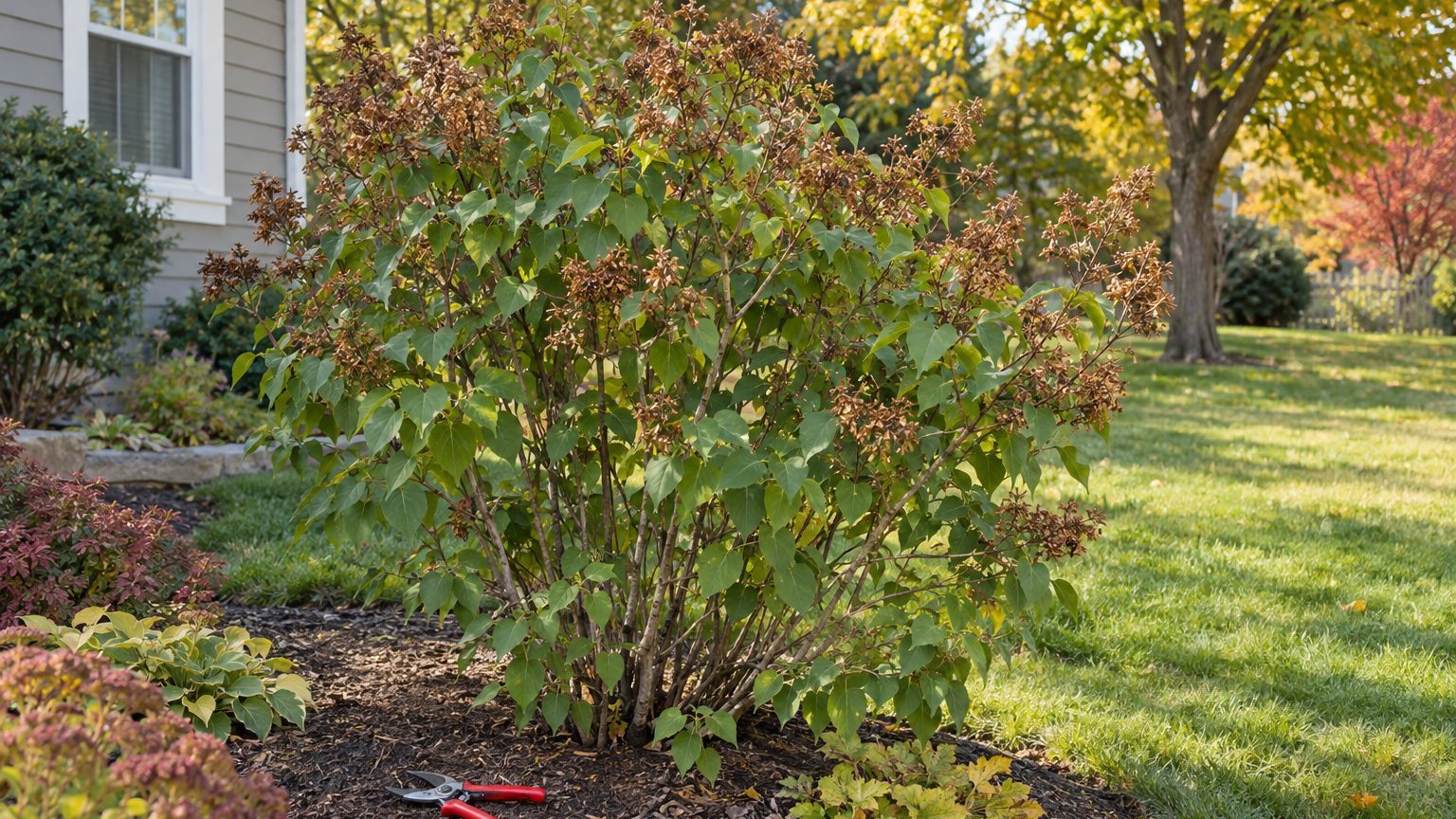
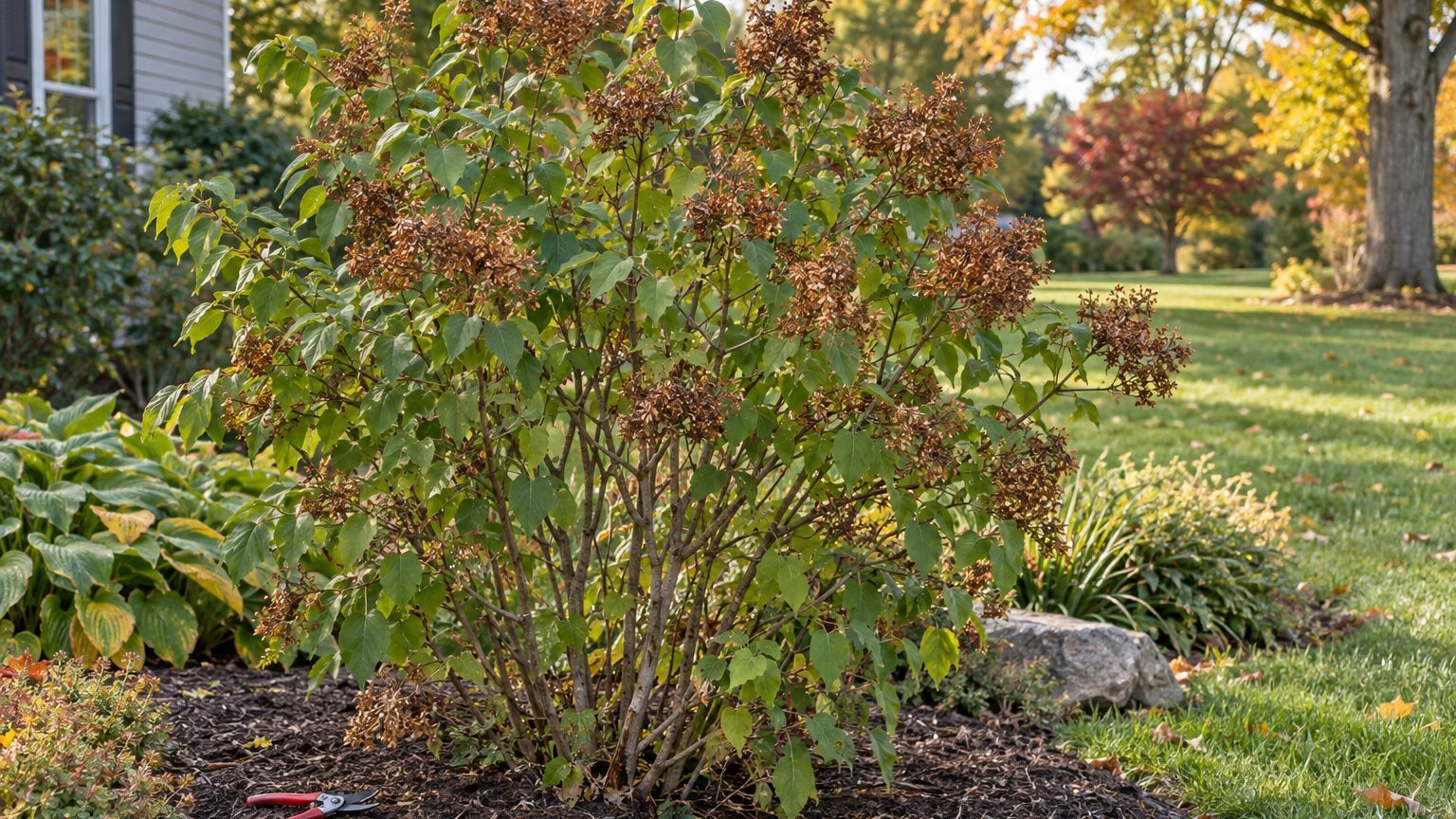
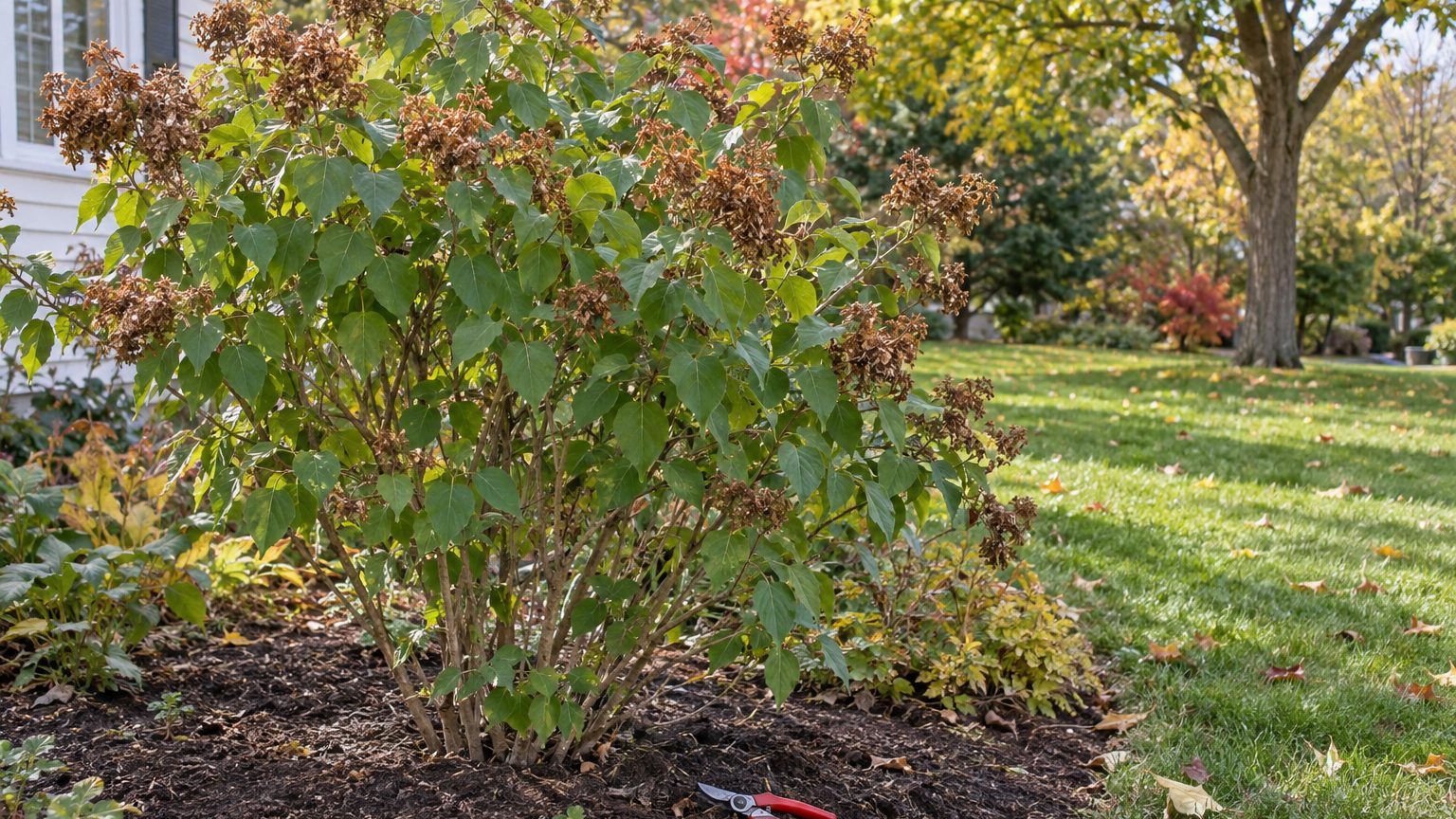
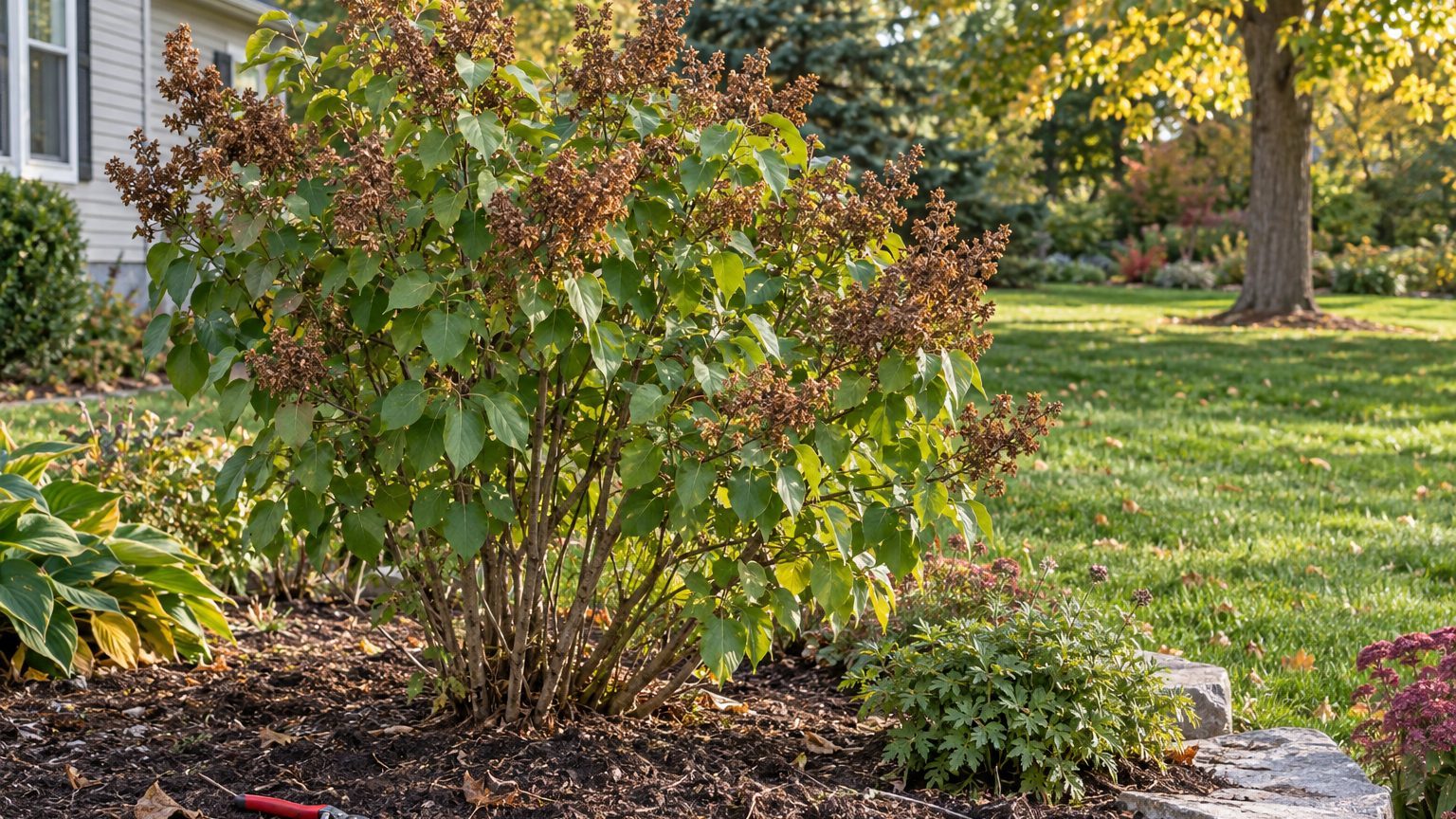
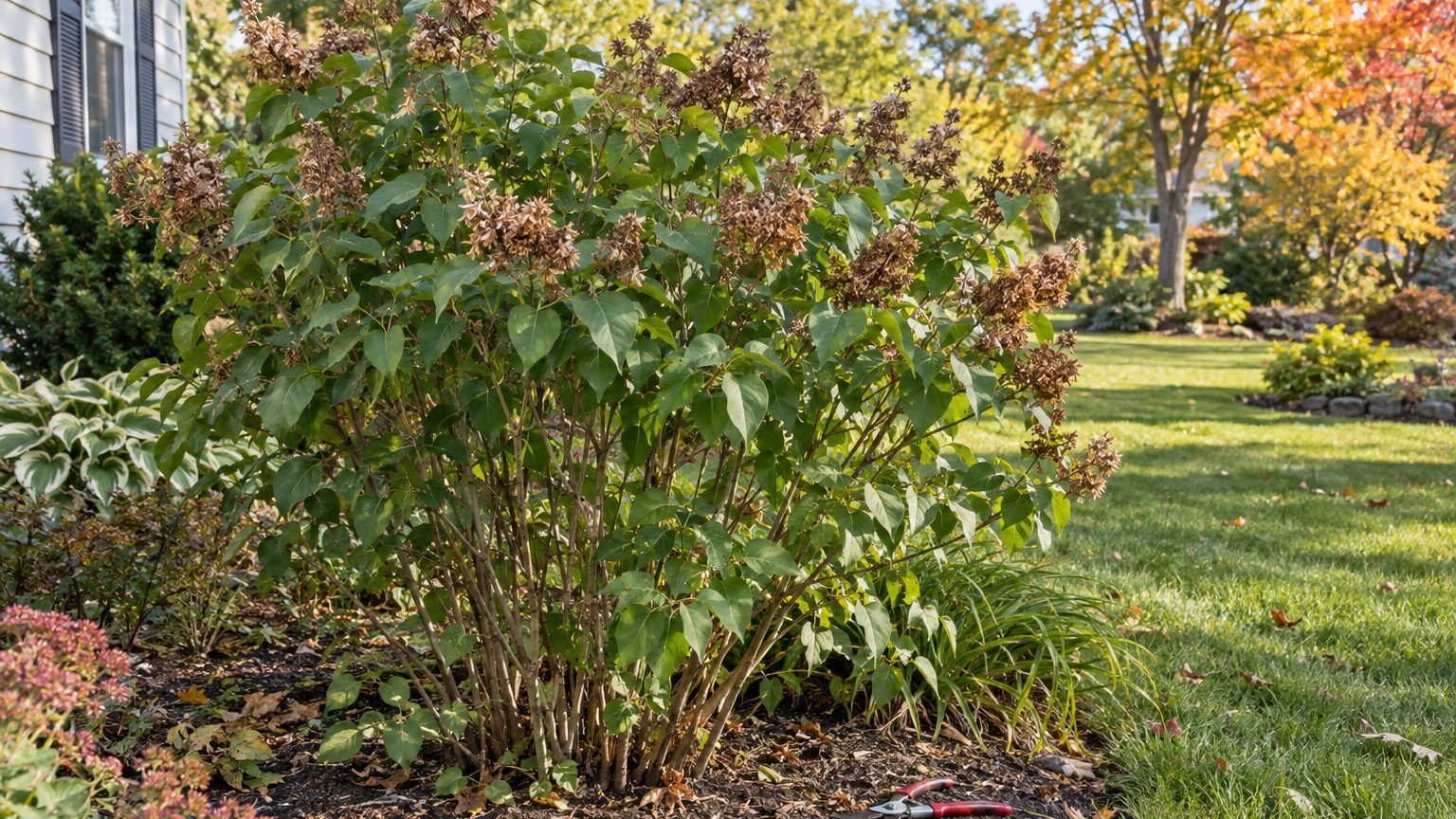
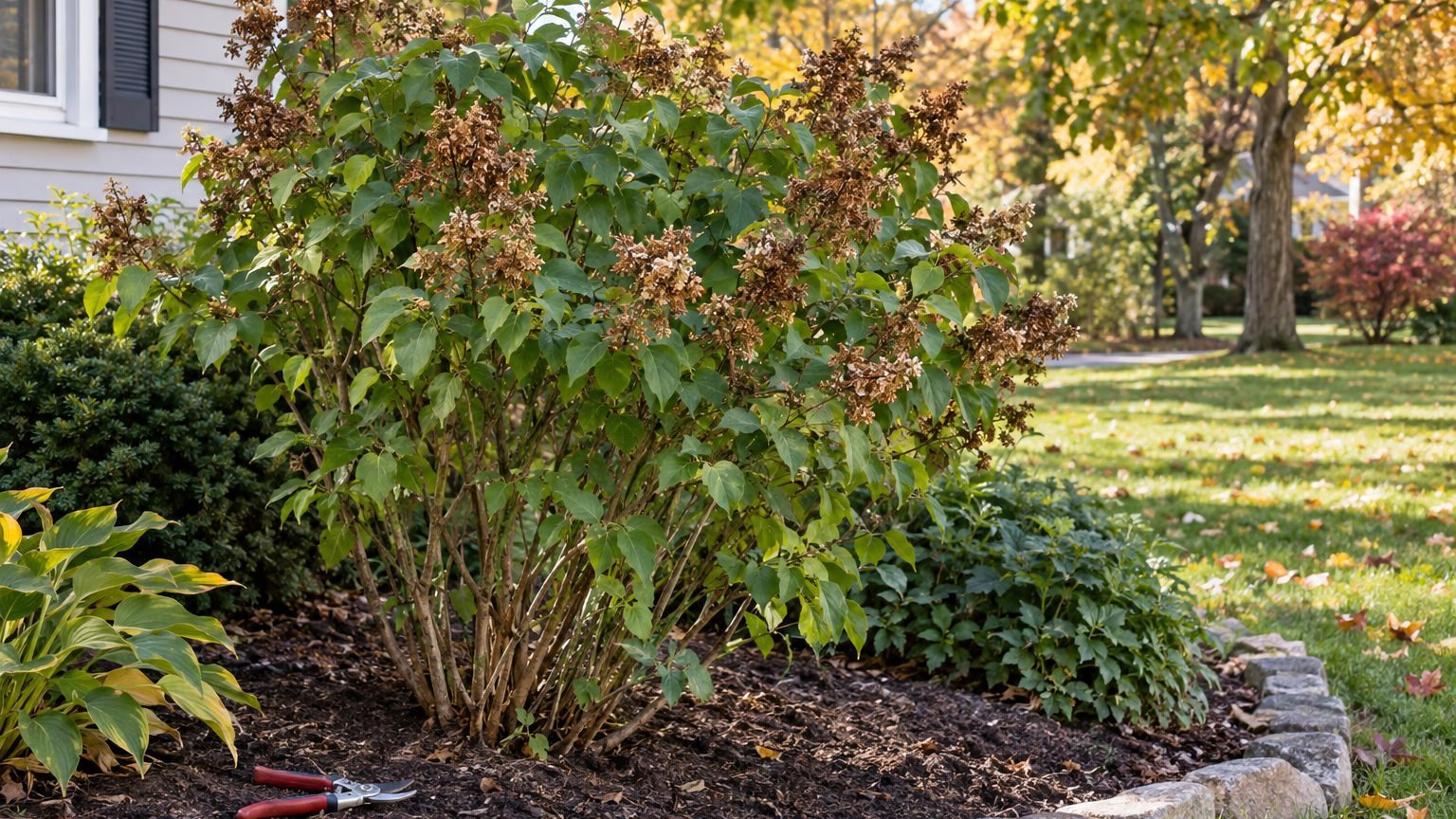
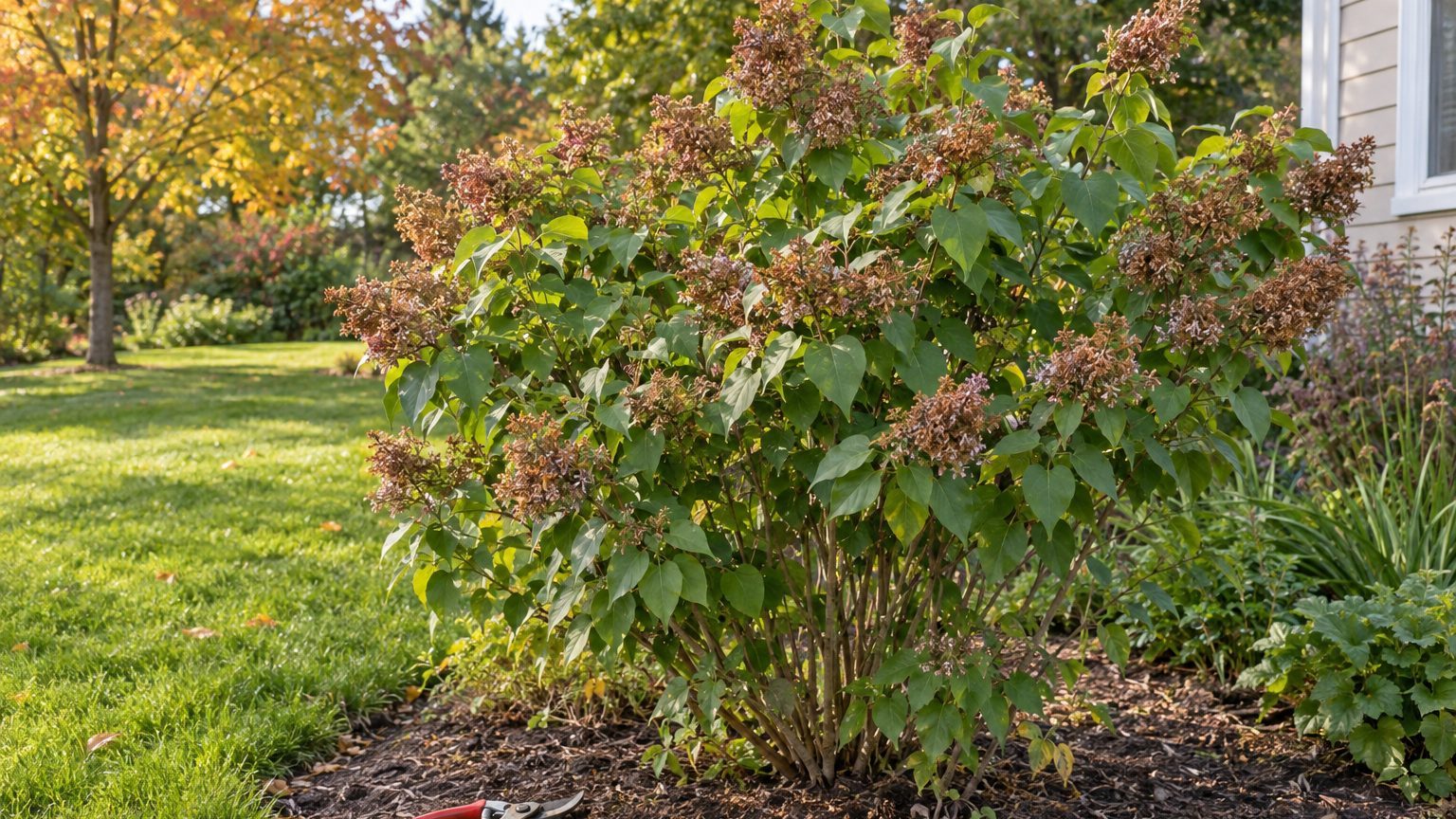
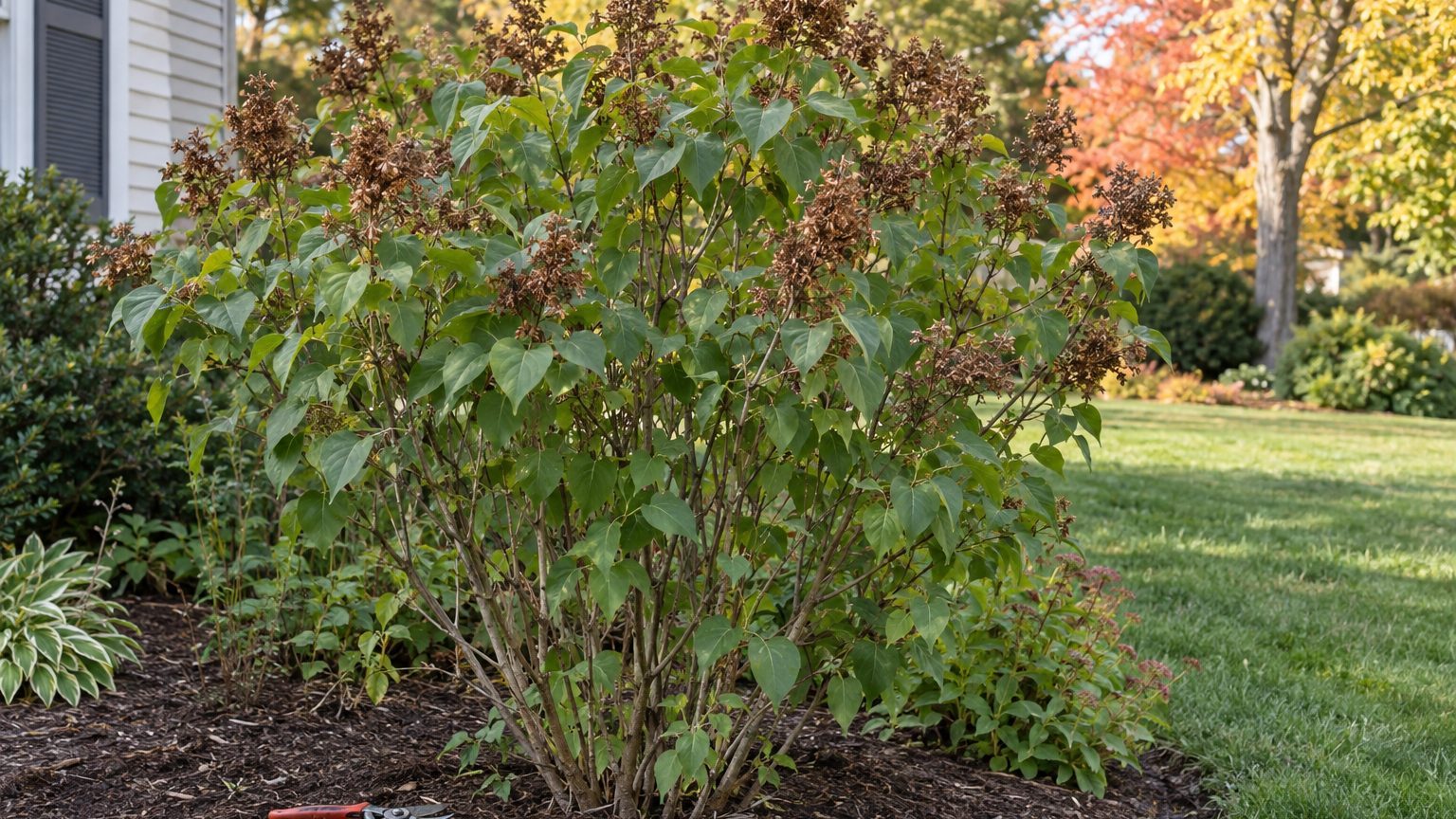
Lilac clusters turn from fragrant purple to rusty brown soon after blooming, and that browning is the cue to pick up the pruners. In Quebec, prune after the flowers finish because a lilac blooms on last year’s wood and sets next year’s buds in summer, soon after it flowers.

When to Prune Lilacs in Quebec

Lilac stems after flowering

Prune lilacs in Quebec right after the flowers fade, usually in May and often stretching into June. Quebec has no local extension page on lilac timing, so these months follow the nearest comparable climate. Confirm local timing with a garden centre, a horticultural society or a provincial gardening group.

Type of pruning When in Quebec Why
Routine upkeep after flowering May, June Next year’s buds form soon after bloom, so cutting right after the flowers fade keeps them
Hard renovation cut of an overgrown lilac March, April The shrub is dormant, but the cut costs flowers for a few years

Lilacs are pruned right after their flowers fade. The hard renovation cut is a last resort for a tall, leggy shrub that has stopped flowering well anyway, so the lost blooms matter less than the fresh start.

How to Tell When Your Lilacs Are Ready to Prune

The plant gives clearer signals than the calendar, and they matter most in a cool spring or with a late-blooming species.

  • Flower clusters turn brown and dry, which tells you the show is over and the pruners can come out.
  • Petals drop and leave small green seed clusters behind; remove only the spent flower heads.
  • New shoots stretch from just below the old clusters, so leave that fresh growth intact.
  • A late species still in full flower is not ready, since those types bloom into June and should wait for their own fade.
  • Leaves are fully open and the whole shrub looks green and settled, which makes it easy to see what to thin and what to leave.

If some clusters have browned but the rest are still fragrant, wait until the shrub has finished flowering.

Should You Prune Lilacs in Fall or Winter in Quebec?

No. A cut made in late summer, fall or winter takes off the buds that would open the next spring, and you will not get them back. The shrub may look tidier but will flower less, sometimes hardly at all.

Late-winter renovation is reserved for an overgrown lilac. Cutting a tall, tangled shrub back hard in March or April gives it a fresh start, but it will not flower for a few years afterward.

Quebec’s winters suit lilacs well, since they need cold rest to mature flower buds and struggle in hot, humid summers. Routine pruning belongs in May or June, right after the flowers fade.

How Lilac Pruning Time Shifts Across Quebec

Bloom time moves with the local climate, and pruning follows the bloom wherever you live in the province.

  • Montreal and the St. Lawrence lowlands: lilacs here flower earlier than farther north, so pruning usually falls in May.
  • Quebec City and the Eastern Townships: hills and cooler pockets can delay flowering a little, so check the clusters before you cut.
  • Saguenay–Lac-Saint-Jean, the Laurentians and the Gaspé: spring arrives later, and pruning often slides into June once the flowers have faded.

A cold hollow in your yard can run later than a nearby lilac, so trust the shrub in front of you.

Where to Get Lilac Advice in Quebec

The province’s agriculture ministry, MAPAQ, is the starting point, and local gardeners can fill in the details for your area.

  • Use its provincial gardening information when you are planning the year’s jobs.
  • Ask a local horticultural society or master gardener group about when lilacs bloom in your town, ideally just before the flowers open.
  • Talk to a garden centre about late-blooming and reblooming varieties before you buy, then ask how the type you choose should be pruned.

Common Questions

Why Did Your Lilac Stop Flowering After Pruning?

A cut made after the buds formed removed them, so the shrub had nothing to open. Too much shade also cuts flowering, since lilacs do best in sunny spots with good air circulation. Let it recover and prune right after the next bloom.

Can Lilacs Handle Quebec Winters?

Yes. Lilacs are well suited to cold climates, and the winter chill helps their flower buds develop. Montreal falls in zone 5b of the Canadian hardiness system, which does not convert to a USDA zone, and that cold climate suits lilacs.

Should You Remove Faded Lilac Flowers?

Yes, snipping off the browned clusters just below the flower head tidies the shrub. Make the cut where the cluster joins the stem and leave the new shoots beneath it untouched.
When to Prune Lilacs in Prince Edward Island

When to Prune Lilacs in Prince Edward Island

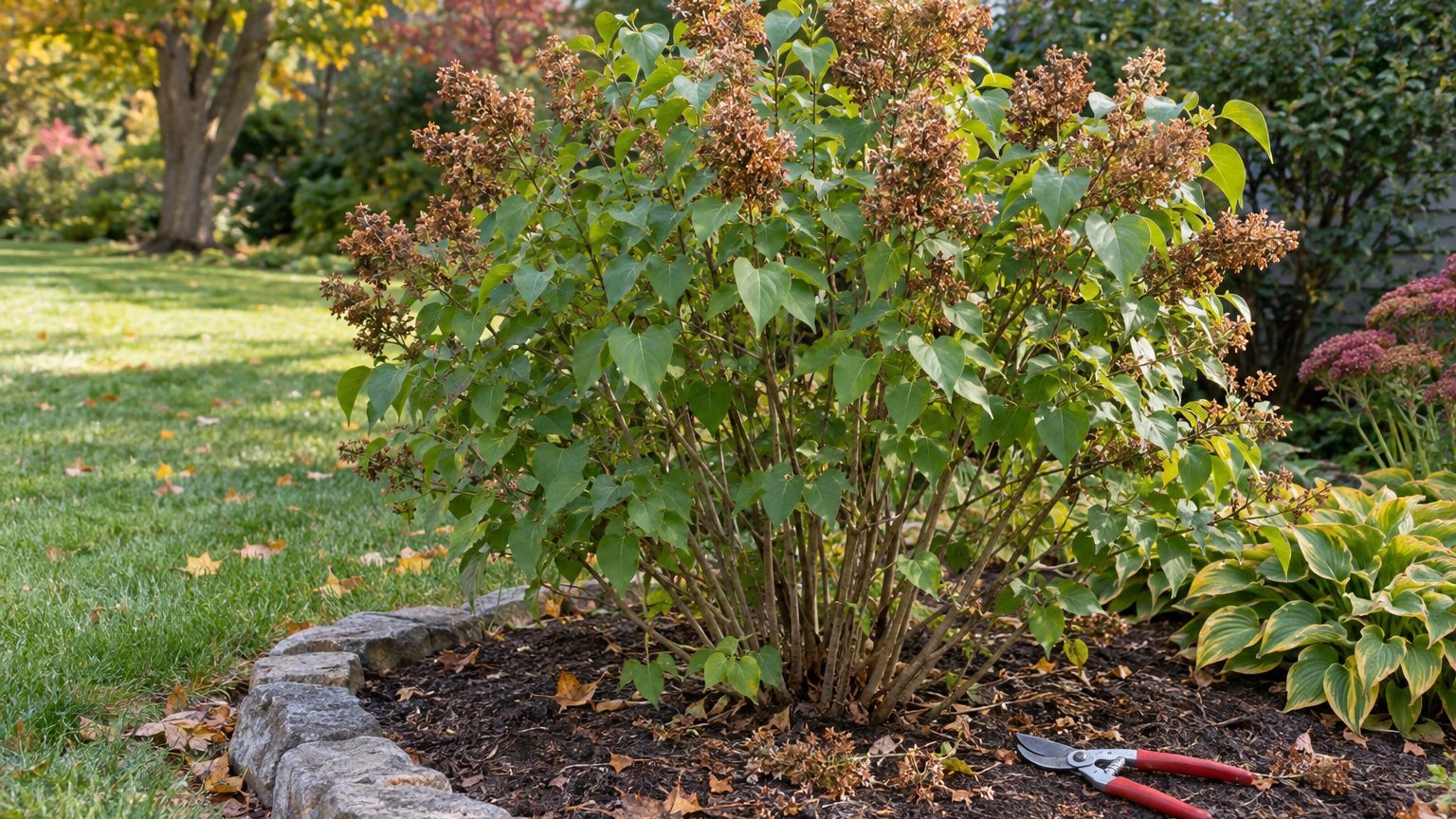
A lilac in full bloom smells like late spring, and soon afterward the same shrub is covered in brown, crumpled flower heads. That brown stage is your cue. In Prince Edward Island, the pruning window opens as the blooms finish, and it closes sooner than most gardeners expect.

When to Prune Lilacs in Prince Edward Island

Lilac stems after flowering

Prune lilacs right after the flowers fade, which means May into June on the Island. Lilacs here bloom from April into May, with later types stretching into June. The pruning months follow the nearest comparable climate, so confirm local timing with a garden centre, a garden society or the provincial gardening groups.

Type of pruning When in Prince Edward Island Why
Routine shaping and removal of spent flowers May to June, right after the flowers fade Next year’s flower buds form soon after bloom, so prune promptly to avoid removing them
Hard renovation cut of an overgrown lilac March to April, while the shrub is still dormant The shrub is cut back hard and will not flower for a few years afterward

A tall, leggy shrub that has stopped flowering well is the usual candidate for the March to April renovation, and the lost flowers are the price of getting a younger, fuller plant back.

How to Tell When Your Lilacs Are Ready to Prune

The shrub gives clearer signals than any calendar, and they are easy to read from the garden path.

  • The flower clusters turn from fresh color to tan or brown, which tells you the show is over and cutting will not cost you a bloom.
  • Petals drop and the stems start to look ragged, so deadheading will now improve the look of the shrub.
  • Small seed clusters begin to form where the flowers were; removing them tidies the shrub.
  • Fresh green leaves fill in around the spent flowers, but wait for the flowers themselves to fade before pruning.
  • Next year’s flower buds begin forming on the new growth, so waiting much longer risks cutting them off.

When the brown heads are hanging on the branches, you have a good window to get out with the pruners.

Should You Prune Lilacs in Fall or Winter in Prince Edward Island?

No. A lilac blooms on last year’s wood and sets its flower buds in summer, so a cut made in late summer, fall or winter removes the flowers you are waiting for. A fall tidy-up looks neat, but it trims away the next spring’s color.

The exception is the renovation cut of an overgrown lilac. It is made in late winter, March to April, while the shrub sleeps, and the price is the lost bloom for a few years. Treat it as a deliberate reset, not as a routine chore.

If winter ice or snow breaks a branch, remove the damaged stem. Leave the rest of the shrub alone until the next round of flowers has faded.

How Lilac Pruning Time Shifts Across Prince Edward Island

The Island is small and low, so the differences come from the sea and from how far you are from Charlottetown, and the bloom is a better guide than a date.

  • Charlottetown and the south shore: Lilacs here usually flower on the schedule given above, so pruning follows soon after the blooms fade.
  • North Shore: Exposure to the Gulf of St. Lawrence tends to hold spring back, so bloom and pruning can come a little later than around Charlottetown.
  • Prince County and Summerside: Spring conditions can differ from the capital’s, so watch your own shrub and prune when its flowers have faded.

In every district the rule is the same: start only after your own lilac has finished flowering.

Where to Get Lilac Advice in Prince Edward Island

Prince Edward Island has no local extension page on lilac timing. Gardening questions go to the provincial agriculture department and to local growers who know the soil and the weather where you live.

  • The Prince Edward Island Department of Agriculture is the place to look for provincial plant and garden information, ahead of the spring pruning season.
  • A local garden centre or garden society can tell you when lilacs are blooming in your district, so ask in May before you pick up the pruners.

Common Questions

Do Lilacs Handle Prince Edward Island Winters?

Yes. Lilacs need a cold winter rest to mature their flower buds, and they struggle in hot, humid summers. Charlottetown sits in Canadian hardiness zone 5b, which is the Canadian system and does not convert to a USDA zone, and that cold-winter climate suits the shrub.

Does the Last Spring Frost Change When You Prune Lilacs?

Pruning follows the bloom, not the frost date. At Charlottetown the last spring frost falls on average May 16, which means in one year out of two it comes later. Even so, wait for the flowers to fade before you cut.

Is It Too Late to Prune Lilacs in June?

No. June is still part of the pruning window, as long as the flowers have finished. Later-blooming types may still be in flower early in the month, so wait until they fade and then prune soon after.

When to Prune Lilacs in Pennsylvania

When to Prune Lilacs in Pennsylvania

A lilac covered in cream, lavender or deep purple clusters still has work to do once the petals brown: set next year’s buds. That is why the pruners come out soon after the show ends, not in fall or winter.

When to Prune Lilacs in Pennsylvania

Lilac stems after flowering

Prune lilacs in Pennsylvania right after the flowers fade, in May and June. Lilacs bloom on last year’s wood and set next year’s flower buds in summer, soon after flowering, so a cut made later removes spring’s flowers.

Type of pruning When in Pennsylvania Why
Routine shaping and thinning after bloom May and June, right after the flowers fade Next year’s buds have not formed yet, so nothing is lost
Hard renovation cut of an overgrown lilac March and April, in late winter Opens a crowded shrub up again, at the price of the next flowers

Lilacs usually flower in April and May, and later species and cultivars carry on into June. A renovation cut brings the shrub back to a manageable size, but it will not flower for a few years afterward.

How to Tell When Your Lilacs Are Ready to Prune

The shrub gives clear signals, and they matter more than any date on the calendar, since a cold spring can push bloom later.

  • Petals turning brown and drooping on the panicles tell you the show is over and the pruning window has opened.
  • Faded flower clusters still hanging on the stems can be snipped off now, which keeps the shrub from spending energy on seed.
  • Fresh green growth pushing out below the old blooms is the wood that will carry next spring’s flowers, so cut with care around it.
  • Crowded, crossing or very thick old stems are easy to judge once the shrub is fully leafed out, and they can be thinned at this point.
  • Stems that are dead or broken show clearly now, with no green under the bark and no leaves.

Once the blooms are gone, do your cutting soon, because the shrub starts setting buds for the following year.

Should You Prune Lilacs in Fall or Winter in Pennsylvania?

No. Cutting in late summer, fall or winter removes many of the flower buds that will open the next spring. Lilacs start forming those buds in summer, and they sit on the stems through the cold months, so a dormant-season trim takes the show with it.

A deliberate reset of an overgrown shrub is different. Cutting the whole plant back hard in late winter, in March or April, is a reasonable way to renew a leggy lilac. It costs the next flowers, and the shrub will not bloom for a few years afterward, so reserve it for a lilac that is already blooming poorly.

A lilac that only needs a tidy-up does not need that sacrifice. Wait for the spring flowers, then cut.

How Lilac Pruning Time Shifts Across Pennsylvania

The rule stays the same everywhere in the state, but the moment the flowers fade moves with the local spring. Hardiness zones in Pennsylvania run from 5a to 7b on the USDA system, so bloom arrives at different times in different yards.

  • Philadelphia and the southeast: Spring arrives earlier here than in the northern parts of the state, so lilacs flower sooner and the pruning window opens earlier. Lilacs also face hotter, more humid summers here, and they do best where winters are cold.
  • The northern tier: Spring runs later than in Philadelphia, so bloom and pruning shift later into the season. Cold winters suit lilacs well here.
  • The Alleghenies: Higher ground stays cooler and spring arrives later, so wait for the flowers to fade before you reach for the pruners.

Watch the shrub, not the date, wherever you garden in Pennsylvania.

Where to Get Lilac Advice in Pennsylvania

Penn State Extension publishes research-based guidance for home gardeners, and the county extension office can answer questions about the lilac growing in your own yard.

  • Its articles on shrub care are worth reading before bloom ends in late spring.
  • Your county extension office can help diagnose a lilac that is not flowering, so bring a photo or a cutting once the leaves are out.

Common Questions

Can You Prune Lilacs in Summer?

Light cutting in June is fine, but later summer trimming risks removing the buds forming for next spring.

Why Is a Lilac Not Blooming After Pruning?

A shrub cut back hard in late winter will not flower for a few years afterward. If the cutting happened in fall or winter, buds were likely removed. Check how much sun the shrub gets too, since lilacs thrive in sunny sites with good air circulation.

Do Lilacs Grow Well in Pennsylvania?

They do, especially where winters are cold, since lilacs need a cold winter rest to mature their flower buds. Hot, humid summers are harder on them.

When to Prune Lilacs in Oregon

When to Prune Lilacs in Oregon

A lilac that flowered in May is already working on next year’s show by the time the last blooms turn brown. That is why pruning has a short window.

When to Prune Lilacs in Oregon

Lilac stems after flowering

Prune lilacs in June, soon after the flowers fade. Lilacs usually bloom in May in Oregon, and pruning can begin as soon as those flowers fade. Cutting later in summer, fall or winter removes the buds the shrub is setting for next spring.

Type of pruning When in Oregon Why
Yearly upkeep and shaping June, right after the flowers fade (May also works) Next year’s flower buds form in summer, so cuts made soon after bloom keep them
Thinning an old, crowded shrub Right after bloom, in June A winter cut removes the buds and costs the following spring’s flowers

A lilac blooms on last year’s wood, which is why a winter or July cut leaves bare branches the next May.

How to Tell When Your Lilacs Are Ready to Prune

The shrub gives clear signals, and they matter more than the date on the calendar, since a cool spring can push bloom later.

  • Flower clusters that turn brown and droop mean the show is over and the shears can come out.
  • Petals dropping onto the ground below tell you the shrub has finished flowering for the year.
  • Small green seed pods forming where the blooms were show the plant is shifting its energy, so cut off the spent clusters before the shrub spends effort on seed.
  • New shoots pushing from the base or along the stems mean the growing season is under way and the buds for next year are about to set.
  • Leaves fully open make it easier to see which branches crowd the center, but wait until the flowers fade before shaping.

If the flowers have been gone for a good while and summer is well along, skip the heavy cuts and wait for next year.

Should You Prune Lilacs in Fall or Winter in Oregon?

No. Cutting in fall or winter takes off the buds that will open next spring, and a lilac pruned then often sits there green and flowerless.

A hard shape-up in late winter feels natural, since the bare branches make the structure easy to see and the garden is quiet. But even that cut costs flowers for the coming spring. An overgrown shrub still loses its next spring’s flowers if it is cut in winter.

Dead, broken or crossing branches are a different matter. Ask your county extension office whether those cuts can depart from the usual post-bloom timing.

How Lilac Pruning Time Shifts Across Oregon

The June window fits the Willamette Valley and Portland area, west of the Cascades, where the spring frost window runs March 6 to March 21. The rest of the state differs, so follow the flowers rather than the date.

  • Willamette Valley and Portland: Bloom comes in May, so prune in June once the flowers fade.
  • Oregon coast: Cool, damp air tends to hold things back, so wait for the blooms to finish before you cut, even if that runs later than inland.
  • Central and eastern Oregon: This high desert has a far shorter growing season and colder winters, so bloom comes later and pruning follows it. Watch the shrub, not the calendar.
  • Cascade foothills and higher ground: Elevation delays bloom, so the cut slides later as well, always right after the last flowers fade.

Lilacs need a cold winter rest to mature their flower buds, which is one reason they do so well in colder parts of the state and struggle in hot, humid summers. Oregon’s USDA hardiness zones run from 4a to 9b.

Where to Get Lilac Advice in Oregon

For questions about a stubborn shrub, help is available close to home through your county office.

  • Oregon State University Extension publishes lilac care guidance written for Oregon yards, worth reading in spring before bloom.
  • Your county extension office can look at photos or samples of a shrub that never flowers, so call or visit once the blooms have faded and you are ready to cut.

Common Questions

Can You Prune a Lilac That Has Never Bloomed?

Shade, a cut at the wrong time or too much nitrogen fertilizer often keep a lilac from flowering. Check how much sun it gets and when it was last cut before changing anything else.

How Much Can You Cut Off an Overgrown Lilac?

For an overgrown lilac, ask your county extension office for a renovation plan suited to the shrub. That lets new shoots fill in while the shrub keeps some flowers each spring.

Should You Remove the Spent Flower Clusters?

Yes, snip them just below the cluster right after they brown. The shrub then puts its energy into growth and next year’s buds rather than seed.

When to Prune Lilacs in Ontario

When to Prune Lilacs in Ontario

A lilac that looks tired in June, with brown flower clusters hanging on, is telling you the pruning window has just opened. Ontario gardeners protect next spring’s flowers by cutting soon after the blooms fade, because the new buds start forming in summer. Cut too late and they go with the clippings.

When to Prune Lilacs in Ontario

When to Prune Lilacs in Ontario

Prune lilacs in Ontario right after the flowers fade, which means May and June. The dates here follow the nearest comparable climate, since Ontario has no local guidance on lilac timing, so confirm local timing with a garden centre, a garden society or a provincial gardening group.

Lilacs flower on last year’s wood and set their next buds soon after blooming. Pruning in May or June leaves the whole summer for that new growth to ripen.

Type of pruning When in Ontario Why
Routine pruning after bloom May to June, right after the flowers fade The next flower buds form in summer, so later cuts remove them
Hard renovation cut of an overgrown lilac March to April, in late winter Cutting the plant back hard renews it but costs the next flowers

Lilacs bloom from April into May, and later cultivars carry on into June, so the pruning window opens at different moments depending on the plant. A renovation cut is a bigger decision. An overgrown lilac cut back hard in late winter will not flower for a few years afterward, so reserve it for shrubs that have grown leggy and bare at the base. Treat reblooming lilacs like other lilacs in Ontario and prune them soon after the main flush fades.

How to Tell When Your Lilacs Are Ready to Prune

The plant gives useful timing signals, especially in a year when spring runs early or late.

  • Petals turn brown and the flower clusters droop, which tells you the show is over and cutting can begin.
  • Faded clusters still hang on the stem, so snipping them off just below the head is a useful place to begin.
  • Fresh leaves are fully open around the spent flowers, which means you can see which branches are healthy and which are bare or dead.
  • Keep cuts close to the spent flowers so you leave the new growth below them intact.
  • Late June arrives with no pruning done, and the window is closing, so make the cuts soon and keep them light.

If the old blooms are gone and new growth is pushing, the lilac is ready.

Should You Prune Lilacs in Fall or Winter in Ontario?

No, not for routine pruning. Cutting in late summer, fall or winter removes the flower buds that formed after last season’s bloom, and the shrub then skips flowering the following spring. Those buds overwinter on the stems, so a tidy-up in fall quietly trades away the following spring’s flowers.

Late winter is an exception, and it is a deliberate trade. In March or April, while the plant is still dormant, an overgrown lilac can be cut back hard to renew it. That cut costs the next flowers, and the shrub will not bloom for a few years afterward. It suits a lilac that is crowded with thick, old stems and flowering poorly anyway, not one that merely looks a bit scruffy.

How Lilac Pruning Time Shifts Across Ontario

Ontario is not one climate, so the same shrub fades at different moments depending on where it grows. The signs on the plant matter more than any fixed date. Spring frost on average falls around April 30 in the Toronto area (Canadian hardiness zone 7a), and that is a midpoint, with frost arriving later in one year out of two.

  • Toronto and the Lake Ontario shore: Use the May to June window as a guide, but let the fading flowers set the date.
  • Northern Ontario: Spring arrives later, so blooms open and fade later, and pruning often falls toward the end of the window in June.
  • Higher inland districts: These run behind the lakeshore, so wait for the flowers to brown before you reach for the pruners.

Whatever your district, let the fading blooms set the day.

Where to Get Lilac Advice in Ontario

Ontario has no county extension offices, so help comes from the province and from local growers. The Ontario Ministry of Agriculture, Food and Agribusiness is a starting point for general plant questions.

  • A local master gardener group can answer questions about your own shrub, and spring is a good time to ask.
  • A neighbourhood garden centre knows which lilacs thrive nearby, so visit before you buy a new one.
  • A garden society often holds spring walks where you can see lilacs in bloom and compare pruning results.

Common Questions

Can You Cut Lilacs for a Vase Without Hurting Next Year’s Flowers?

Yes, cutting flowering stems while they bloom is a form of pruning, and it happens at the right time. Take stems with the flower clusters and cut just above healthy leaves, leaving the rest of the shrub intact.

Why Is a Lilac Not Flowering After a Hard Cut?

A lilac blooms on last year’s wood. A hard renovation cut removes that wood, so the shrub spends the next few years rebuilding stems before it flowers again.

Do Lilacs Like the Ontario Winter?

They do. Lilacs need a cold winter rest to mature their flower buds, which is why they do best in cold-winter climates and struggle in hot, humid summers.

When to Prune Lilacs in Oklahoma

When to Prune Lilacs in Oklahoma

A lilac that looked full of purple in spring is already setting the buds for next year by the time the last cones turn brown. In Oklahoma, pruning is a quick job done right after flowering, and the cold-winter rest these shrubs want is the bigger question for the yard.

When to Prune Lilacs in Oklahoma

Lilac stems after flowering

Prune right after the last flowers fade. Oklahoma’s spring decides the date, so the sign matters more than the calendar. Lilacs bloom on last year’s wood and set next year’s flower buds soon after they finish flowering, so the window is short.

Type of pruning When in Oklahoma Why
Maintenance pruning Right after the flowers fade The new flower buds have not formed yet, so timely cuts preserve the next bloom
Cutting in late summer, fall or winter Skip these seasons Stems carry the next spring’s buds and go bare of flowers

Prune lilacs right after the flowers fade. Climate also shapes every decision here. Lilacs need a cold winter rest to mature their flower buds, and they struggle in hot, humid summers, so a lilac in Oklahoma may flower poorly even when it is pruned perfectly.

How to Tell When Your Lilacs Are Ready to Prune

Your own shrub gives the signal, and it arrives a little earlier or later each spring depending on how the weather ran.

  • The last flower clusters have faded and turned brown, which means the show is over and pruning can start.
  • Petals are dropping from the cones, a sign that the plant is already shifting energy toward next year’s buds.
  • The cut stems you remove should be last year’s growth that just flowered, since that wood is what carries blooms.
  • New leafy growth is pushing out below the spent clusters, so you can see exactly where to cut without guessing.
  • If the shrub barely flowered at all, there is little to remove, and light shaping is all it needs.

Once the cones are brown, do not wait long, because the buds for the following spring are forming soon after.

Should You Prune Lilacs in Fall or Winter in Oklahoma?

No. A cut made in late summer, fall or winter takes off the buds that would have opened next spring. The shrub will not look different on the day you prune, but the pruned branches may stay green and bare the following spring.

A hard reshaping cut in late winter feels tempting, since the branches are bare and easy to see. That cut removes the buds for the coming spring, so it trades flowers for renewal. If a neglected shrub needs real work, wait for the flowers to fade and make the cuts then.

Wood that is clearly dead or broken is a separate matter, and it can come out whenever you notice it, because it carries no buds worth saving.

How Lilac Pruning Time Shifts Across Oklahoma

Oklahoma spans USDA hardiness zones 6a to 8a, and other parts of the state differ from one another in how much cold the shrub gets. The rule stays the same everywhere, prune after the flowers fade, but the odds of a good bloom change from place to place.

  • The Panhandle: Winters here are colder than in the rest of the state, which gives lilacs the chilling they want. Lilacs may flower more reliably after a cold winter, and pruning follows when the blooms fade.
  • Tulsa and Oklahoma City: Winters are milder, and summer heat and humidity press on the shrub. Lilacs bloom, but results vary from yard to yard, and an early-blooming “Southern lilac” suits these cities better than an old common lilac.
  • Southeast Oklahoma: Hot, humid weather is hard on common lilacs in southeast Oklahoma. Powdery mildew follows long humid stretches, and flowering can be thin.

Wherever you garden, your own county’s weather sets the spring calendar, so watch the shrub rather than the date.

Where to Get Lilac Advice in Oklahoma

A lilac that sulks in Oklahoma is common enough that local advice pays off. Oklahoma State University Extension publishes guidance for the state’s yards, and your county office can speak to the conditions in your own town.

  • Check the Extension website for lilac and flowering-shrub guidance written for Oklahoma, ideally before you buy a new shrub.
  • Call or visit your county Extension office with photos of the shrub if it flowers poorly or the leaves look powdery.
  • Ask which lilac varieties do well in your county, then pick your pruning day the morning the last flower clusters turn brown.

Common Questions

Which Lilacs Suit Oklahoma Yards?

Early-blooming varieties sold as Southern lilacs, or lilacs for the South, are the usual suggestion for warm climates. They usually grow and bloom, though they are not as fragrant as old-fashioned lilacs. Hybrids such as ‘Angel White’ and ‘Blue Boy’ are also worth trying. Even low-chill types do their best with a cold winter rest.

Why Is a Lilac Not Flowering in Oklahoma?

Look at when the shrub was last cut and how the winter went. A shrub pruned in late summer, fall or winter, with healthy leaves but no flowers, may have lost its buds to pruning. A shrub left alone, with stems untouched, that still bloomed little after a mild winter may not have received enough cold. Avoid late pruning and keep watching how the shrub responds to winter cold.

Do Lilacs Get Powdery Mildew in Oklahoma?

Long stretches of heat and humidity invite powdery mildew on common lilacs, and it shows as a pale, dusty coating on the leaves. It tends to appear during periods of high heat and humidity. Thinning the shrub right after flowering opens it up, and your county Extension office can confirm the problem from a leaf sample or photo.

When to Prune Lilacs in Ohio

When to Prune Lilacs in Ohio

A lilac that blooms heavily in May is also quietly setting its flower buds for the following spring. That is why a pair of pruning shears, used at the wrong time of year, can erase a whole season of fragrance. In Ohio, the right moment is right after the blooms fade.

When to Prune Lilacs in Ohio

Lilac stems after flowering

Prune lilacs in Ohio right after the flowers fade, which means May into June. A lilac blooms on last year’s wood and sets next year’s buds soon after flowering, so cutting later removes the coming spring’s flowers.

Ohio gardeners can bloom-watch from April through May, with later cultivars stretching into June. The pruning window opens as each shrub finishes, so an early bloomer gets its cut sooner than a late one.

Type of pruning When in Ohio Why
Routine maintenance and shaping May to June, right after the flowers fade Next year’s buds form soon after bloom, so early cuts keep them
Hard renovation of an overgrown lilac March to April, in late winter Cutting back hard renews the shrub but costs the next flowers

Renovation is the bold move. An overgrown lilac can be cut back hard in late winter, but it will not flower for a few years afterward, so save it for shrubs that have grown leggy and sparse.

How to Tell When Your Lilacs Are Ready to Prune

The shrub gives clear signals, and they matter more than any date on the calendar, since an early or late spring moves the whole schedule.

  • The flower clusters turn brown and dry, which tells you the bloom is finished and the cutting window has opened.
  • Petals drop and the old panicles hang limp, a sign the plant has moved on to growing new wood.
  • Fresh green shoots push out below the spent flowers, and these will carry next year’s blooms, so leave them alone.
  • Late-blooming cultivars may still be in flower while neighbors are done, so judge each shrub by its own flowers.
  • Waiting until the season runs well into summer means the new buds are already forming, and every cut after that costs flowers.

Snip off the spent clusters just below the faded flower, then thin any crowded or crossing stems, and the shrub will put its energy into the wood that matters.

Should You Prune Lilacs in Fall or Winter in Ohio?

No. Cutting in fall or winter removes the buds that are already set for the next spring. Lilacs begin forming flower buds before winter, and those buds overwinter on the stems, so a tidy-up in the cold months is really a flower removal.

That makes lilacs an awkward fit for the usual habit of pruning woody plants while they are dormant. Hard renovation of an overgrown shrub can be done in late winter, in March or April. It is a deliberate trade, giving up the next flowers so the plant can rebuild from fresh growth.

For ordinary shaping, hold off until the blooms are gone. A lilac that looks a little ragged all winter will reward the patience in May.

How Lilac Pruning Time Shifts Across Ohio

Ohio spans a range of hardiness conditions, from zone 5b to 6b in the USDA system, so the same shrub finishes blooming at different times depending on where it grows.

  • Lake Erie shoreline and Cleveland area: Spring warms slowly beside the lake, so lilacs here tend to flower later than inland, and the pruning window follows a little behind.
  • Columbus and central Ohio: Bloom and pruning keep to the main May to June pattern, with cutting starting as soon as each shrub’s flowers brown.
  • Cincinnati and the Ohio River valley: Warmer spring conditions bring flowering earlier than in the north, so pruning can start sooner.

Whatever the region, watch the flowers rather than the calendar, and let the shrub set your start date.

Where to Get Lilac Advice in Ohio

Local help is easy to reach, and it can answer questions about a particular shrub that general rules cannot, such as an old lilac that has stopped blooming.

  • Ohio State University Extension offers research-based guidance on pruning, pests and shrub care, and it is worth a visit before a big renovation cut.
  • Your county extension office can answer questions about a specific shrub.

Common Questions

Why Did My Lilac Stop Blooming After Pruning?

The cut probably came after the next buds had formed, taking them off. A hard renovation also pauses flowering for a few years. Lilacs also need a cold winter rest to ripen their buds, which Ohio generally provides.

Can You Cut a Lilac Back Hard?

Yes. An overgrown lilac can be cut close to the ground in late winter, in March or April. The shrub regrows, but flowers will be absent for a few years.

Do Lilacs Need Full Sun in Ohio?

Lilacs thrive in sunny spots with good air circulation. Open air helps in humid summers, which lilacs tolerate poorly, so avoid cramped corners.

When to Prune Lilacs in Nunavut

When to Prune Lilacs in Nunavut

A lilac that finishes flowering in a Nunavut summer is already busy setting next year’s buds. That makes the period after the last purple fades the right time to prune a once-blooming lilac.

When to Prune Lilacs in Nunavut

Lilac stems after flowering

Prune right after the flowers fade, which in Nunavut means June into July. The territory has no local lilac timing guide of its own, so these months follow the nearest comparable northern climate. Confirm them with a local garden centre, a garden society or the territorial gardening groups.

Type of pruning When in Nunavut Why
Routine upkeep: trimming spent flower clusters and shaping June, July, right after the flowers fade Next year’s flower buds form in summer, soon after bloom
Hard renovation cut on an overgrown lilac Late winter Renews the shrub, but it will not flower for a few years afterward

Lilacs flower on last year’s wood, so every cut made after the buds are set removes some of next spring’s show. Bloom itself comes in June for most lilacs here, with May possible for early types, so the pruning window opens as soon as your own shrub finishes. Prune lilacs right after their flowers fade.

How to Tell When Your Lilacs Are Ready to Prune

Your shrub gives better timing than any date, because a cool summer or a sheltered wall can shift bloom by a good stretch.

  • The flower clusters have turned brown and dry, which tells you the show is over and pruning can begin.
  • Petals are dropping and the florets look tired, so you can cut the clusters off before the plant spends energy on seed.
  • Small green buds are showing just below the old flower heads, a sign the next year’s flowers are already forming and you should cut above them, not through them.
  • New leafy shoots are pushing from the base, which tells you the shrub is in active growth and heals cuts readily.
  • The flowers are still fresh, even in July, so hold off, because early cuts remove bloom you could still enjoy.

Late-blooming lilacs finish later in the season, so the same signs apply, just a little further along.

Should You Prune Lilacs in Fall or Winter in Nunavut?

No. Cutting in fall or winter takes off the buds that would open next spring, so you trade a year of flowers for a tidier shape. Late summer is no better, since the buds are already set by then.

The exception is a lilac that has grown into a tangle of old stems. You can cut it back hard in late winter to renew it, but expect no flowers for a few years afterward. If your shrub still blooms reasonably well, remove old stems gradually after flowering instead.

Lilacs do need a cold winter rest to mature their flower buds, so Nunavut’s long winters work in their favor. Hardiness varies by variety, though, so ask your garden centre which types are tough enough for your community.

How Lilac Pruning Time Shifts Across Nunavut

Nunavut covers a huge span of tundra and coast, and your own community’s season decides when the flowers fade.

  • Rankin Inlet: this is the reference point for frost timing in the territory, and lilacs here follow the June to July pruning window once the flowers have finished.
  • Iqaluit: coastal gardens on the southern Baffin side warm slowly, so wait for your own shrub to finish flowering rather than going by a calendar date.
  • Cambridge Bay: districts farther north run weeks behind Rankin Inlet, so flowers and pruning both come later in the summer.

A sheltered spot against a south-facing wall will usually bloom and finish sooner than an open yard in the same community.

Where to Get Lilac Advice in Nunavut

Agriculture and Agri-Food Canada is the federal source for general growing guidance in the territory.

  • A local garden centre or garden society can tell you which lilacs have survived winters in your community, so ask in spring before you buy.
  • Territorial gardening groups can confirm when lilacs in your area finish blooming, which is the moment to pick up the pruners.

Common Questions

Does the Last Frost Date Tell You When to Prune Lilacs?

No. At Rankin Inlet the average last spring frost falls on June 19, but that is a midpoint, so frost comes later in half of all years. A frost date marks risk to tender growth, not the day to cut a lilac. Your cue is the fading of the flowers.

Can Lilacs Handle Nunavut’s Cold?

Lilacs need a cold winter to mature their flower buds, so cold alone is not the obstacle. Rankin Inlet sits in zone 0a of the Canadian hardiness system, which is a different scale from the USDA zones and cannot be converted to them. Pick varieties known to do well in cold northern gardens.

What If Your Lilac Blooms Late?

Late-blooming lilacs flower after the common ones, usually in June. Prune them soon after the last flowers fade, still within the June to July window, so the next buds are left intact.

When to Prune Lilacs in Nova Scotia

When to Prune Lilacs in Nova Scotia

Lilac flowers that have turned brown and papery on the shrub mean it’s time for the pruning shears. In Nova Scotia, that cleanup protects next spring’s bloom. The timing is tied to the plant’s own calendar, so it helps to know why the window is short.

When to Prune Lilacs in Nova Scotia

Lilac stems after flowering

Prune lilacs in Nova Scotia right after the flowers fade, in May and June. Nova Scotia has no local lilac timing page, so these months follow the nearest comparable climate; confirm local timing with a garden centre, a garden society or the provincial gardening groups.

Type of pruning When in Nova Scotia Why
Routine pruning after flowering May, June Next year’s flower buds form in summer, soon after the bloom ends
Hard renovation cut of an overgrown lilac March, April The shrub is dormant, but the cut costs the coming flowers

Lilacs here open in April and May, and later types carry on into June, so your own shrub sets the clock. A hard cut leaves the plant without flowers for a few years. Prune lilacs right after their flowers fade.

How to Tell When Your Lilacs Are Ready to Prune

The shrub gives clear signals, and they matter more than the date on the calendar.

  • Flower clusters that have turned brown and dry are finished, so you can cut them without losing anything.
  • Petals dropping onto the ground or the lawn tell you the bloom is over and pruning can begin.
  • Fresh green leaves filling out around old flower heads mean the plant is moving into summer growth, and the window is open now.
  • Tiny new buds forming near the tips of the shoots are next year’s flowers, so avoid cutting through them.
  • Shoots that crowd the center, cross each other or sit very close to the ground can come out at this point to open the shrub to light and air.

Once summer is well along and those new buds have set, the time for easy cuts has passed.

Should You Prune Lilacs in Fall or Winter in Nova Scotia?

No, not for routine shaping. A lilac blooms on last year’s wood, so any cut in fall or winter takes off buds that are already waiting for spring. The shrub will look tidier and flower far less.

Late winter is reserved for a full renovation of an overgrown lilac, done in March or April while the plant is dormant. You cut the whole shrub back hard, and the price is a few seasons without flowers while it rebuilds. For that reason, the method is better reserved for lilacs that have gone leggy and bare at the base.

Lilacs need a cold winter rest to ripen their flower buds, and Halifax is in Canadian hardiness zone 6b, which suits them well. Hot, humid summers are the harder stretch for the shrub.

How Lilac Pruning Time Shifts Across Nova Scotia

Spring reaches the province unevenly, and the average last frost at Halifax is May 7, which means frost comes later than that in half of all years. Your own timing follows your bloom.

  • Annapolis Valley: Sheltered and warmer, the valley tends to see lilacs open earlier than on the open coast, so pruning can start sooner.
  • South Shore and the Atlantic coast: The cold ocean slows spring, so flowers open later and the after-bloom cut moves later with them.
  • Cape Breton Island: Spring arrives later, especially on higher ground, so wait for the flowers to finish before you pick up the shears.

Wherever you garden, watch the flowers and let them set the date.

Where to Get Lilac Advice in Nova Scotia

For local questions about your own shrub, the Nova Scotia Department of Agriculture is the provincial starting point, and local gardening groups fill in the neighborhood detail.

  • Provincial agriculture department: Look here for general plant care guidance, and check before you plan a big renovation.
  • Local garden centres and garden societies: Ask them when lilacs flower in your area, ideally in April or May, so you know when the pruning window opens.

Common Questions

When Do Lilacs Bloom in Nova Scotia?

Most lilacs flower in April and May. Later types can stretch into June, and that delay pushes the pruning date back with them.

Do Lilacs Grow Well in Nova Scotia?

They do. Lilacs are well suited to cold climates and thrive in sunny spots with good air circulation, which helps in damp coastal weather.

What If You Cut a Lilac Too Late and Lose the Flowers?

Leave the shrub alone and wait. After a late cut, leave the shrub alone so it can rebuild flowering wood before you prune again.

When to Prune Lilacs in Northwest Territories

When to Prune Lilacs in Northwest Territories

A lilac that has finished flowering looks tired afterward, with brown clusters hanging on and the leaves already doing the work. That is the signal to reach for the pruners.

When to Prune Lilacs in Northwest Territories

Lilac stems after flowering

Prune lilacs in June and July, right after the flowers fade. The territory has no local extension page for lilac timing, so these months follow the nearest comparable climate. Confirm local timing with a garden centre, a garden society or a territorial gardening group.

Type of pruning When in Northwest Territories Why
Routine maintenance (spent flowers, crossing or weak stems) June, July, right after the flowers fade Next year’s flower buds form soon after bloom, so prune as soon as the flowers fade
Thinning an old, overgrown lilac Late winter A hard cut works, but the shrub will not flower for a few years afterward

Lilacs bloom on the previous year’s growth, which is why the window is tied to the flowers and not to a date on the calendar. Late varieties open later in June, and their pruning window slides later with them. Reblooming lilacs follow the same logic of pruning soon after the spring flush, and a local garden centre can tell you how a given variety behaves in your yard.

How to Tell When Your Lilacs Are Ready to Prune

The plant gives clearer signals than any date, and they matter most in a short northern season where flowering can start in late May or wait until June.

  • The flower clusters turn brown and dry, which means the show is over and cutting will not cost you any bloom.
  • Petals have dropped, so removing the spent clusters right after the flowers fade is the time to prune.
  • Do not use leaf color as your cue; wait until the flowers fade.
  • Use the fading flowers, not new shoots, as the signal to prune.
  • Your variety is a late bloomer that is still in flower while neighbors’ shrubs have finished, so wait for your own plant’s flowers to fade.

If you are still looking at fresh flowers, put the pruners away and wait until the display is over.

Should You Prune Lilacs in Fall or Winter in Northwest Territories?

No. Cutting in fall or winter removes the flower buds that formed the summer before, so you lose that spring’s flowers. A lilac pruned in the cold months will leaf out fine and simply have nothing to show.

An exception is a lilac that has grown out of bounds. An overgrown shrub can be cut back hard in late winter, and it will regrow vigorously. Expect no flowers for a few years while it rebuilds, so do this only when the shrub is too tall, too bare at the base or too dense to be worth keeping as it is.

For routine shaping, leave the cold months alone and wait for the flowers to fade in June or July.

How Lilac Pruning Time Shifts Across Northwest Territories

The territory stretches across a long north-south range, and flowering follows the local season, so your pruning window moves with it.

  • Yellowknife: prune lilacs right after the flowers fade, in June or July. Prune once the flowers have faded in June or July, following your own shrub and not a neighbor’s.
  • Fort Smith and Hay River: prune lilacs right after the flowers fade, in June or July.
  • Inuvik: prune lilacs right after the flowers fade, in June or July. Choose a lilac that suits your garden.

In every community the rule is the same: watch the flowers, then cut.

Where to Get Lilac Advice in Northwest Territories

For local help, ask the territorial government and gardeners who grow in your climate. The Government of the Northwest Territories agriculture services are the starting point for questions on what grows in the territory.

  • A local garden centre can tell you which lilac varieties have survived winters in your community, so ask before you buy or prune.
  • A garden society or territorial gardening group can confirm when lilacs finish flowering where you live, which is worth checking in early summer.
  • Territorial agriculture staff can answer broader questions about hardy shrubs, and a call before the next growing season gives you time to plan.

Common Questions

Can Lilacs Survive Winters in the Northwest Territories?

Lilacs need a cold winter rest to mature their flower buds, so they suit cold climates well. The reference city, Yellowknife, is in Canadian hardiness zone 1b, which is a separate system from the USDA zones and does not convert to them. Choose hardy varieties and ask a local garden centre which ones have done well nearby.

What If Your Lilac Is a Late Bloomer?

Late-flowering varieties open after the common lilac, often in the second or third week of June in northern gardens. Wait for the flowers to fade on your own shrub, and use July if the blooms finish later.

Should You Wait for the Last Spring Frost Before Pruning?

No. At Yellowknife the last spring frost falls on average on May 25, and in one year out of two it comes later. That date marks frost risk, not the pruning window, which only opens after the flowers fade.

The almanac, state by state. Every date on this site comes from a state’s own frost facts and its extension service’s calendar — and says where it comes from.