Skip to content

When to Prune Lilacs in Mississippi

When to Prune Lilacs in Mississippi

A lilac in a Mississippi yard has a short window to shine, and the pruning saw belongs in your hands only once the last flower clusters have faded. Cut then and next spring’s blooms stay intact. Lilacs also live at the edge of their comfort zone here, which shapes how you prune and what you plant.

When to Prune Lilacs in Mississippi

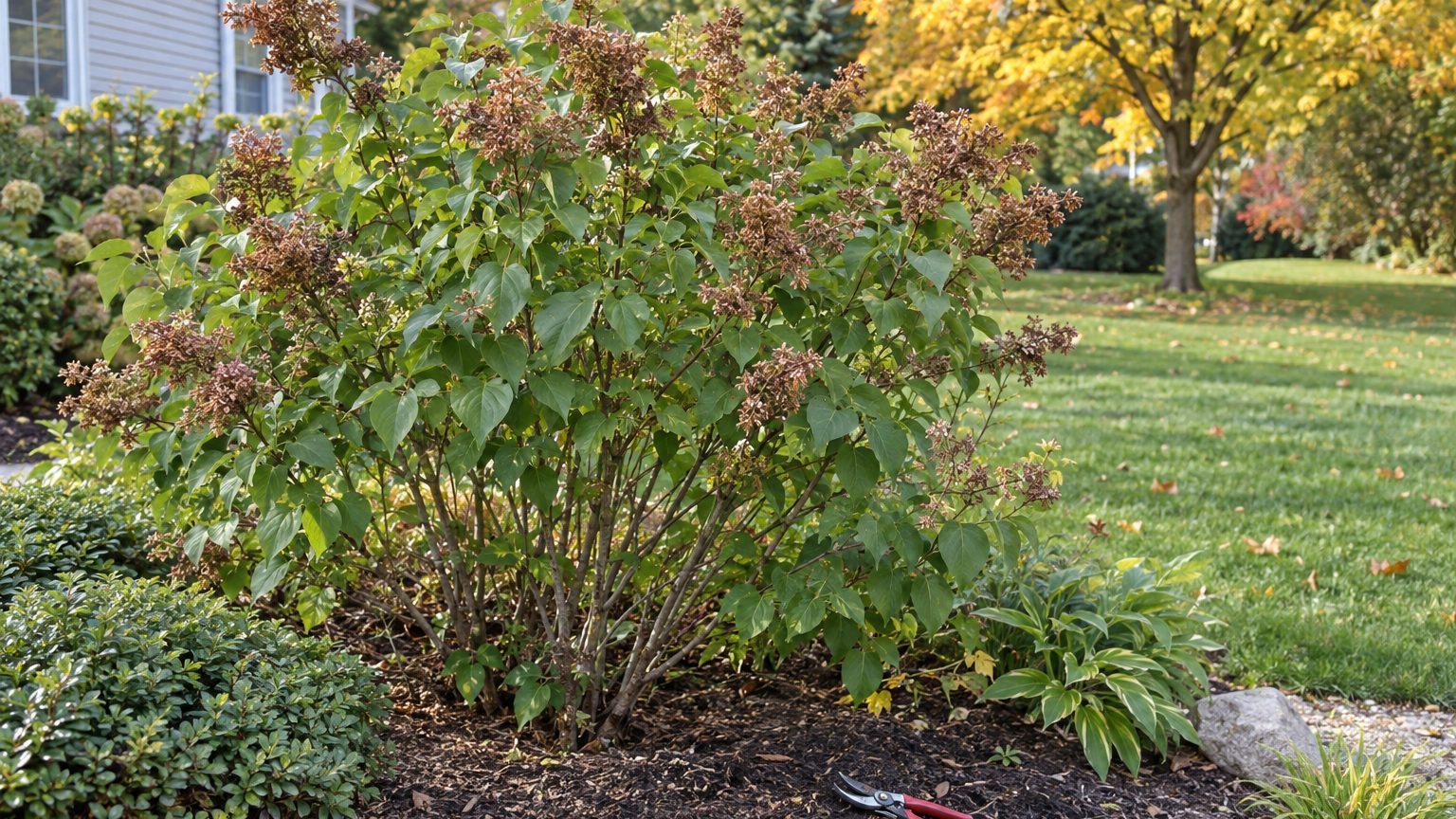
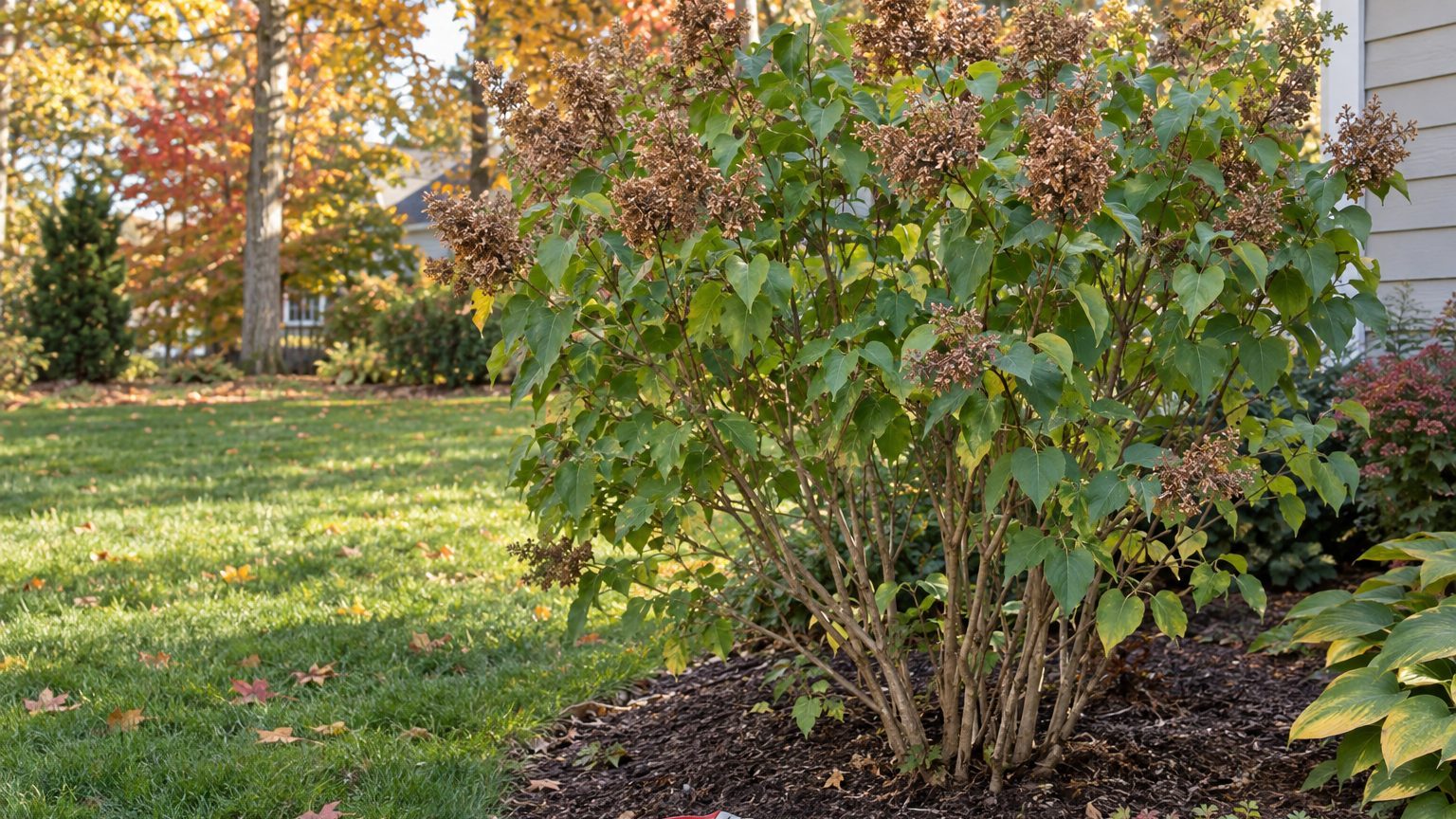
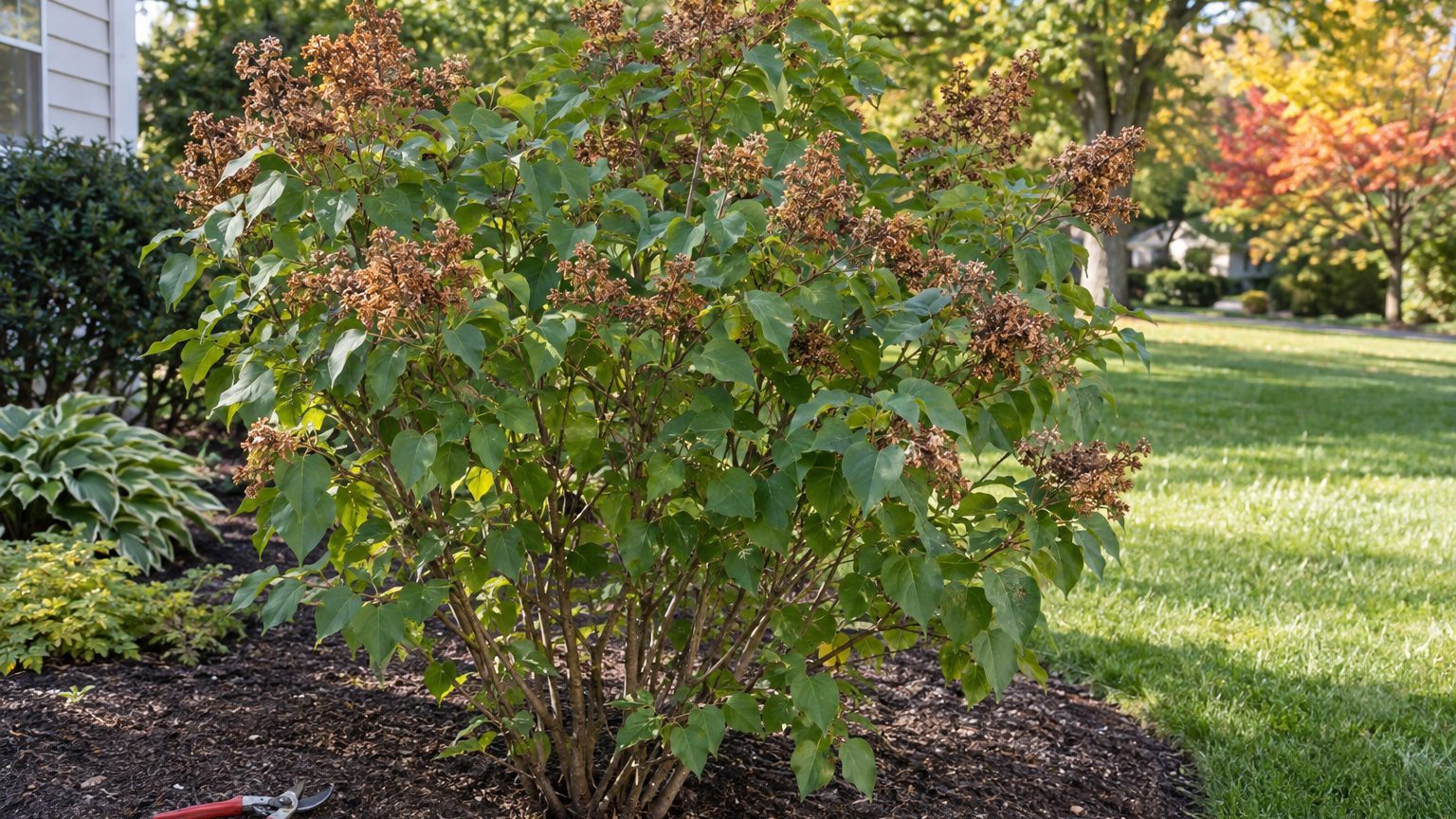
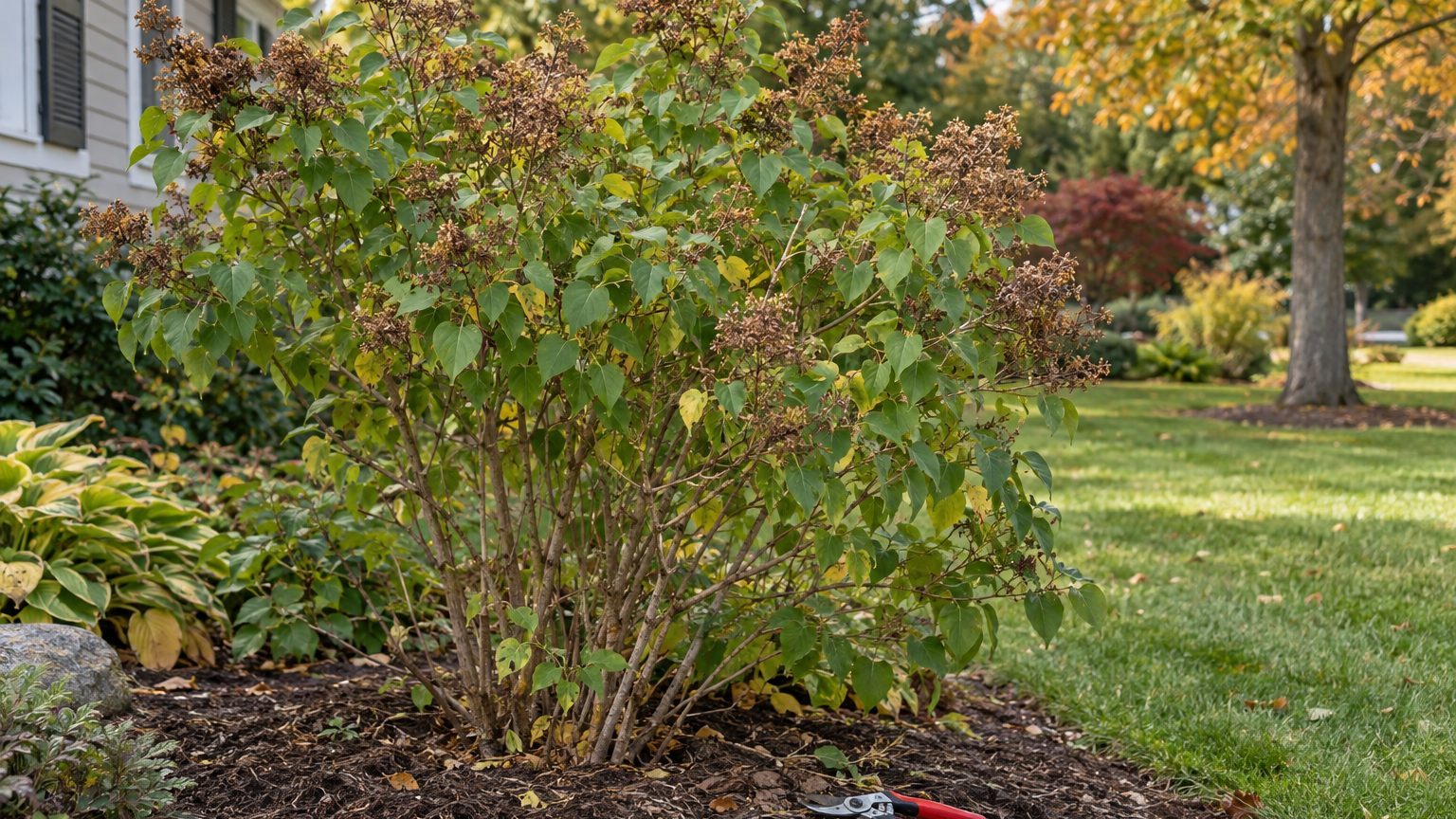
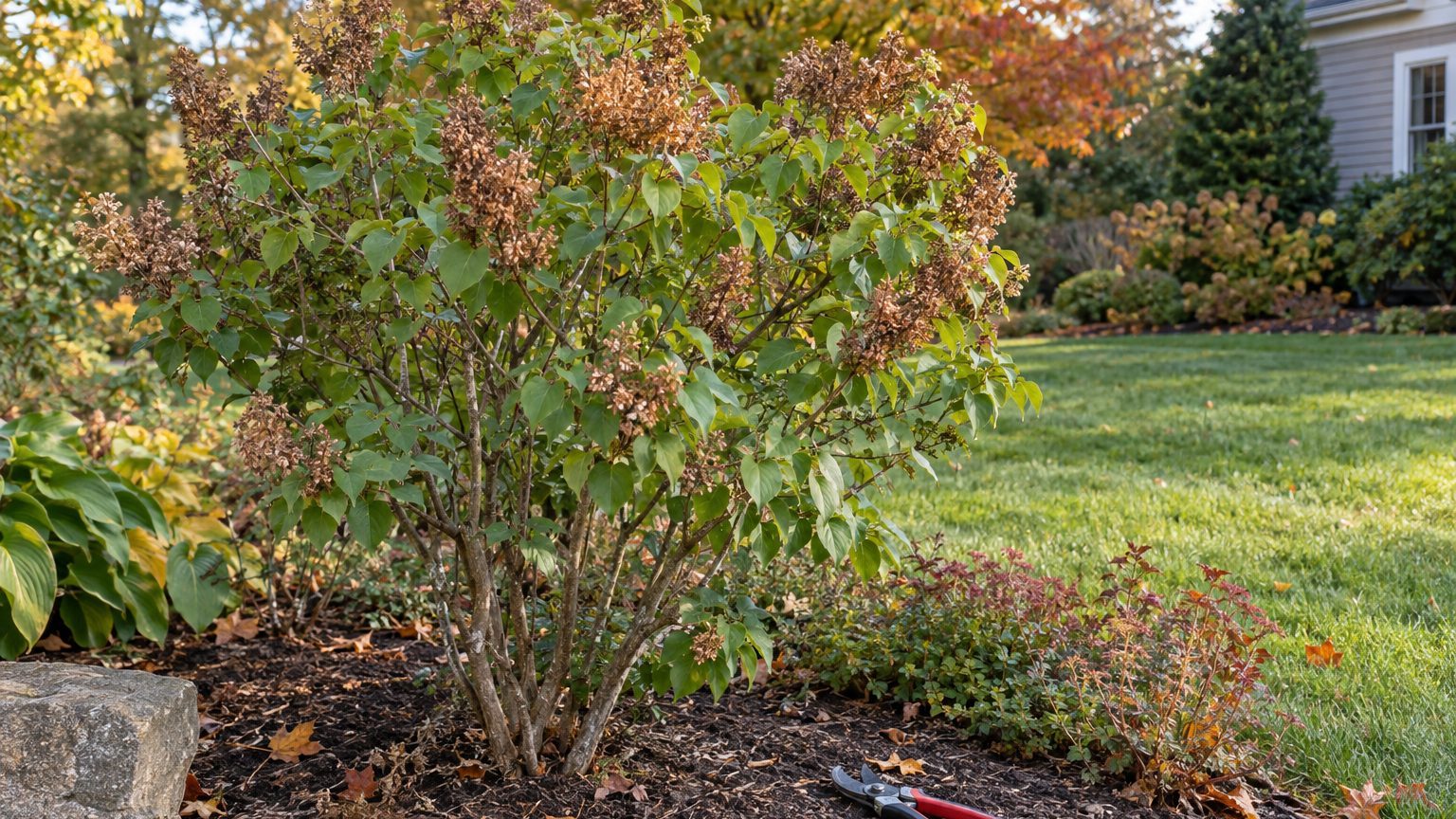
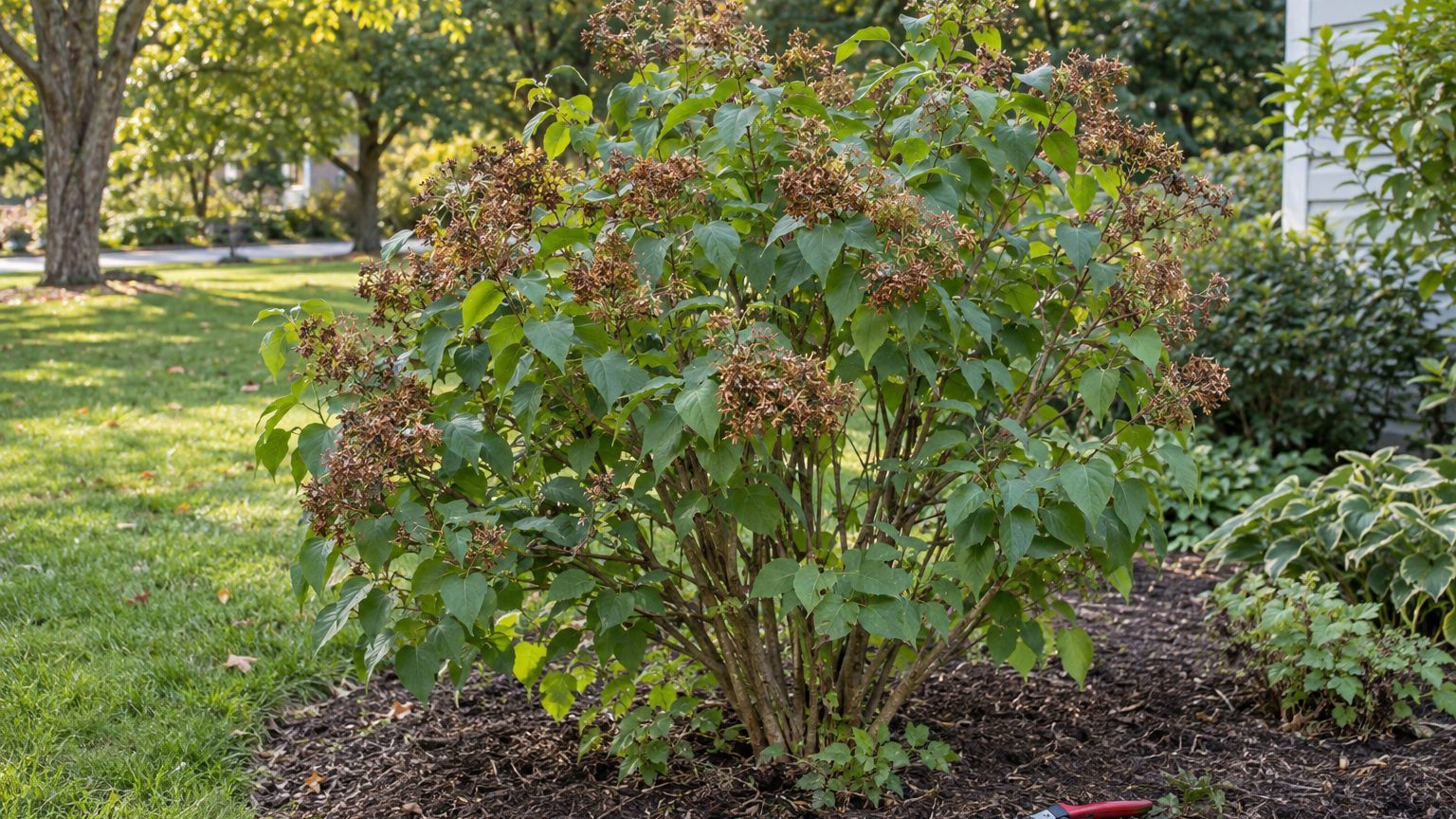
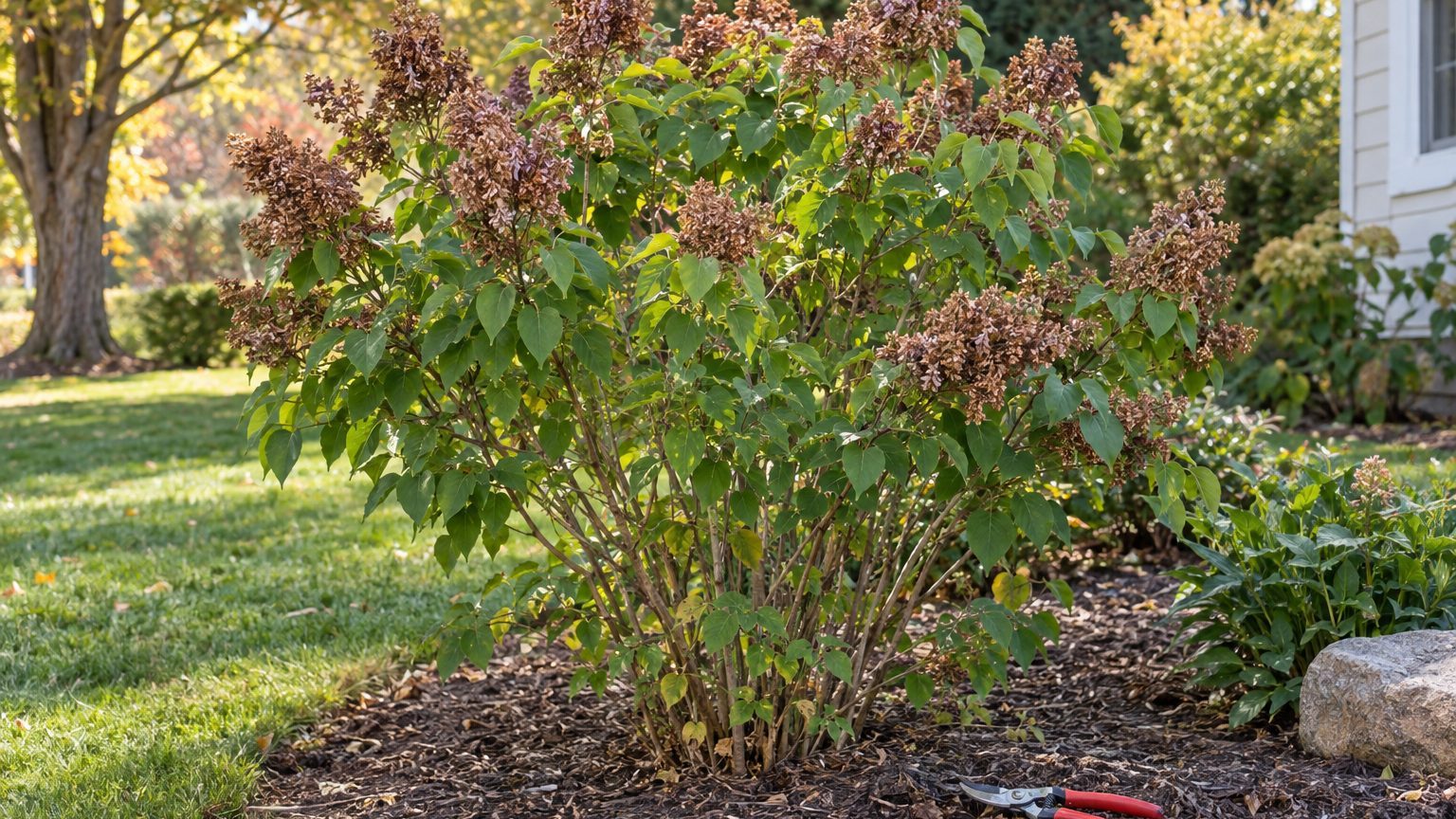
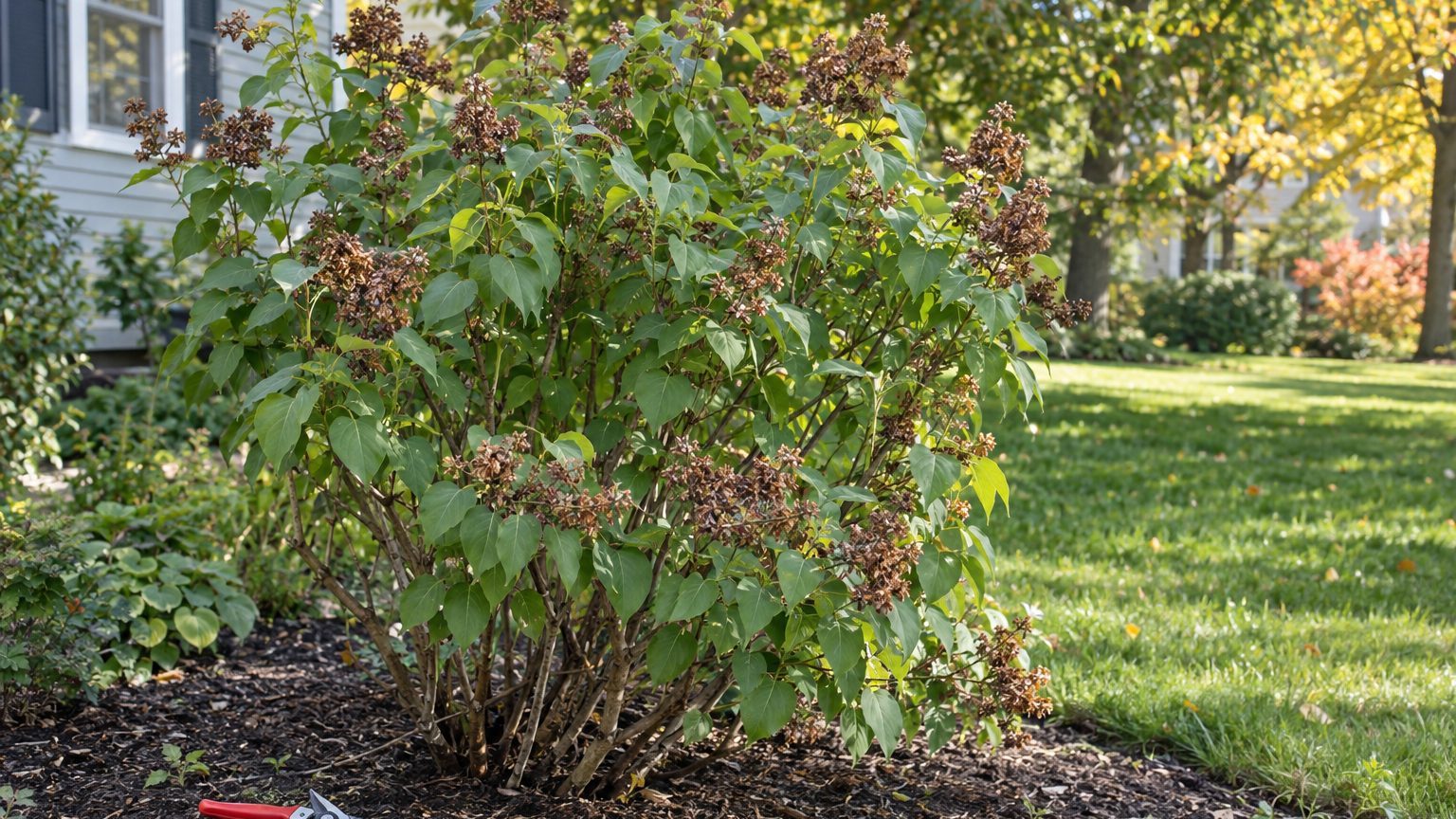
Lilac stems after flowering

Prune right after the flowers fade. The bloom follows the local spring, so the date moves from year to year and yard to yard, and the faded flower clusters are a better guide than the calendar.

A lilac flowers on last year’s wood and sets next year’s buds in summer, soon after it blooms. Lilacs also need a cold winter rest to mature those buds, and Mississippi gardens span USDA zones 7b to 9a, so flowering can be thin even in a well-pruned shrub.

Type of pruning When in Mississippi Why
Routine shaping and removal of spent flowers Right after the last flowers fade The new buds have not formed yet, so nothing is lost
Cutting in late summer, fall or winter Avoid It removes the buds that would open the following spring

Prune reblooming lilacs in spring, and get local advice before thinning an overgrown shrub. Use the after-bloom rule only for routine pruning of lilacs that do not rebloom.

How to Tell When Your Lilacs Are Ready to Prune

The plant tells you when to start, and signs in the shrub itself are more reliable than a date on the wall.

  • The flower clusters have turned brown and papery, which means the show is over and the cut will not cost you any bloom.
  • Petals have dropped and the stems are left with dried clusters, so you can remove the spent flowers without hunting for live ones.
  • Fresh green growth is pushing out below the old clusters, a sign that the shrub is already working on the wood that will carry next year’s flowers.
  • Crossing or crowded stems stand out among the open leaves, helping you choose what to cut.
  • Summer heat has settled in and the new buds are forming, which tells you to put the saw away until the next bloom ends.

If you are unsure whether the moment has passed, leave the shrub alone until its flowers fade again. A skipped year is better than a lost bloom.

Should You Prune Lilacs in Fall or Winter in Mississippi?

No. Cutting in fall or winter removes buds that are already waiting for spring and reduces the next bloom. This is true whether the cut is a light trim or a heavy one.

Gardeners often want to reshape a leggy lilac in late winter, when the bare branches are easy to see. Late-winter reshaping sacrifices that spring’s flowers, so treat it as a trade: you gain shape and give up the bloom.

If a shrub badly needs correcting, accept the lost bloom for now rather than cutting at random. Afterward, go back to pruning right after flowering so the shrub can set buds again.

How Lilac Pruning Time Shifts Across Mississippi

The sign stays the same everywhere in the state, but the climate differs, and with it how well a lilac does. USDA zones run from 7b to 9a, so winter cold changes a good deal from north to south.

  • North Mississippi hills: this is the cooler end of the state, and winters give lilacs more of the cold rest they need. Bloom comes a little later than on the coast, and so does pruning.
  • Gulf Coast: Mild winters and hot, humid summers make it difficult for a common lilac to mature flower buds. Flowering may be sparse, and pruning follows an early bloom, when it comes at all.

Your own yard may sit warmer or cooler than the regional picture, so go by the shrub, not by what a neighbor in another town is doing.

Where to Get Lilac Advice in Mississippi

Local knowledge counts for a lot with a plant that sits at the edge of its range here. Mississippi State University Extension and your county office can tell you what is working in nearby yards.

  • The extension website carries plant care guidance, and it is a good place to start before you buy a lilac or when a shrub looks unhealthy.
  • Your county extension office can answer questions about your own soil and conditions, so call after the bloom ends if you are unsure which stems to cut.

Common Questions

Which Lilacs Suit Mississippi Gardens?

Look for early-blooming types labeled Southern lilacs or lilacs for the South. These types usually grow and bloom in warmer places, though they are less fragrant than the lilacs people remember from colder climates. Descanso hybrids such as Angel White, Blue Boy and California Rose are worth trying in mild-winter gardens.

Why Is a Healthy Lilac Not Flowering?

Check when the shrub was last cut and how mild the winter was. A lilac that was trimmed in late summer, fall or winter, and that also went through a mild season, has lost its buds or never matured them, and the leaves can still look perfectly healthy.

Do Hot, Humid Summers Cause Problems for Lilacs?

They can. Common lilacs struggle through periods of high heat and humidity, which can lead to powdery mildew. A white, dusty coating on the leaves, especially in a crowded, poorly ventilated spot, points to that, so thin the crowded stems after bloom to let air move through.
When to Prune Lilacs in Minnesota

When to Prune Lilacs in Minnesota

A lilac in full bloom smells like late spring, and the moment those flowers turn brown is the moment the pruning shears come out. In Minnesota, that window opens as the common lilac finishes and closes quickly, because next year’s buds are already forming.

When to Prune Lilacs in Minnesota

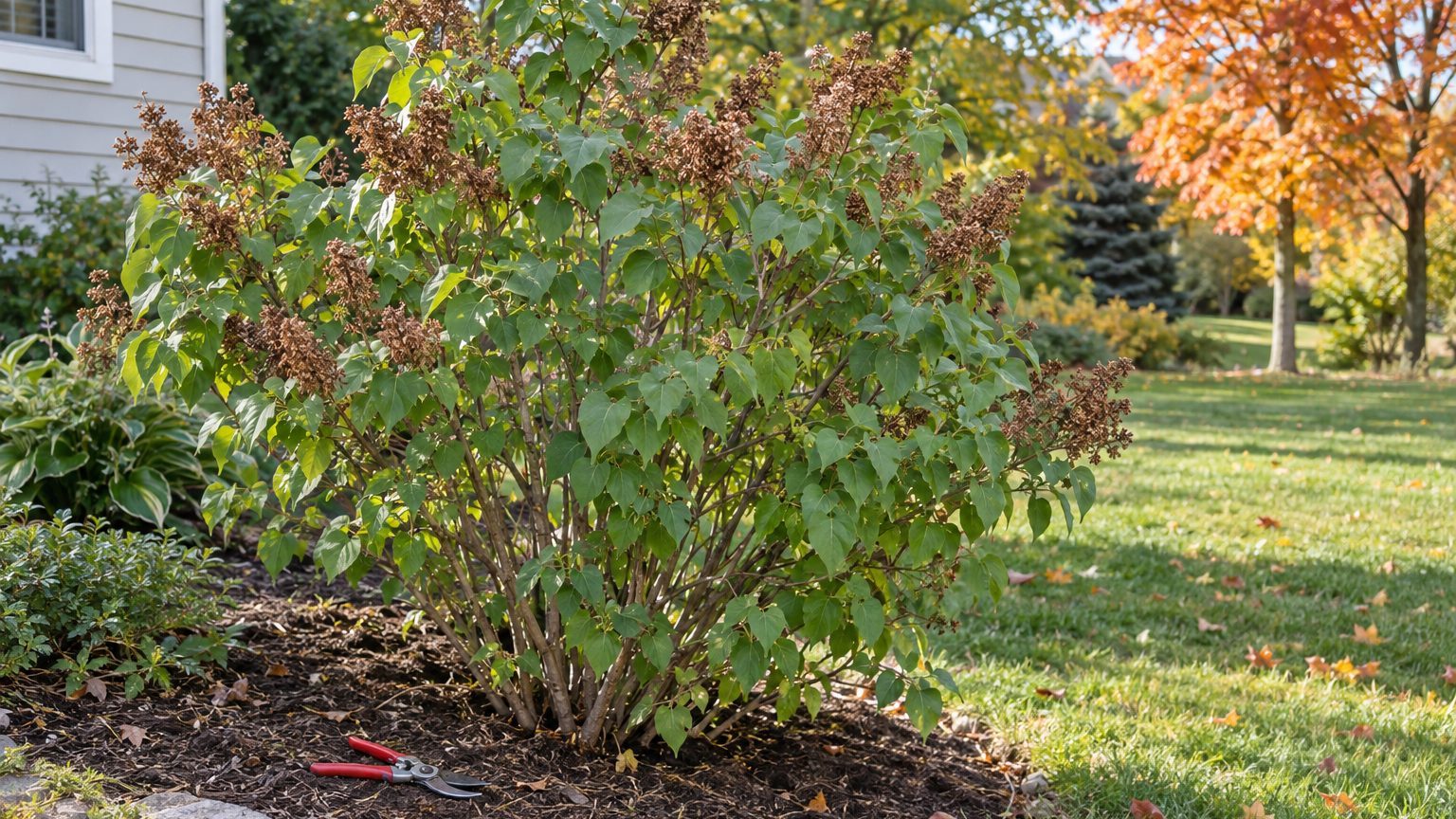
Lilac stems after flowering

Prune lilacs in Minnesota in June, right after the flowers fade. The common lilac blooms in May and the late and tree lilacs follow into June, so the cut comes soon after each shrub finishes. Lilacs flower on last year’s wood and set next year’s buds in summer.

Type of pruning When in Minnesota Why
Routine maintenance and shaping June, right after the flowers fade Next spring’s flower buds have not yet formed, so nothing is lost
Late winter trim while dormant March or April Works on a dormant shrub, but costs that spring’s flowers
Hard renovation of an overgrown lilac March or April Cutting back hard in late winter renews the shrub, but it will not flower for a few years afterward

Reblooming lilacs get the same treatment for the main cut, right after the spring flush fades. A light trim in late winter is a fallback for tidy-ups, though it trades away that year’s flowers. A sprawling old shrub can be cut back hard, with patience for the years of no bloom that follow.

How to Tell When Your Lilacs Are Ready to Prune

Your shrub gives useful timing cues, and they are easy to spot from the driveway.

  • Flower clusters turn brown and dry, which tells you the show is over and the shears can come out.
  • Petals drop and the stems begin to show small green seed heads, a sign the plant is turning its energy toward next year.
  • Fresh leaves have fully opened and the shrub looks full, so you can see which stems are crowded, crossing or dead.
  • Late and tree lilacs still carry flowers in June, so each shrub gets its own timing rather than following a yard-wide date.
  • Any stem still in bloom is a stem to leave alone for now, since cutting it removes color you can still enjoy.

Once the flowers are brown across the shrub, prune soon, because buds for the next year form in summer soon after flowering.

Should You Prune Lilacs in Fall or Winter in Minnesota?

No, not for routine pruning. Cutting in late summer, fall or winter removes the buds that would open next spring, so the shrub comes back green and tidy but with few flowers or none.

Late winter is an exception. In March or April, while the shrub is dormant, you can reshape a lilac or cut an overgrown one back hard. For a drastic renewal, cut the entire plant back hard while it is dormant, knowing that flowers will be absent for a few years.

For a shrub that blooms well and only needs a tidy shape, skip winter shears and wait for June.

How Lilac Pruning Time Shifts Across Minnesota

Minnesota spans several hardiness zones in the USDA system, from 3a to 5a, so bloom time, and therefore pruning time, moves with where you live. Lilacs suit the state well because they need a cold winter rest to set their buds.

  • Twin Cities: This is the mild south of the state, and the reference city for the dates here. Lilacs bloom on the early side of the May to June range, so pruning comes soon after.
  • Northern Minnesota: Spring arrives later here than in the Twin Cities, so flowers fade later and the June pruning window shifts later with them.
  • Near Lake Superior: Cool lake air holds spring back, so lilacs there tend to bloom later than inland neighbors. Let the fading flowers set your date.

Wherever you garden in the state, the fading flowers set the date, not the calendar.

Where to Get Lilac Advice in Minnesota

University of Minnesota Extension offers research-based guidance on shrubs and pruning for Minnesota yards. Your county office can also help with local questions about your own plants.

  • The extension website has plant care guidance you can read before the flowers fade in spring.
  • Your county extension office can answer questions about an overgrown or non-blooming lilac, so call before you cut in March or April.

Common Questions

Why Is My Lilac Not Blooming?

Look for these signs together. If the shrub was pruned in late summer, fall or winter, the flower buds were likely cut off. If it sits in shade or gets too little sun, it will also bloom poorly, since lilacs thrive in sunny sites with good air circulation.

Can You Cut a Lilac Down to the Ground?

Yes, an overgrown lilac can be cut back hard in March or April. It will regrow, but expect no flowers for a few years while it rebuilds.

Do Lilacs Grow Well in Minnesota?

They do. Lilacs are adapted to USDA hardiness zones 3a to 5a, and they need cold winters to mature their buds. Hot, humid summers are what they struggle with.

When to Prune Lilacs in Michigan

When to Prune Lilacs in Michigan

A lilac in full bloom smells like May in Michigan, and the brown, spent clusters that follow are your cue to pick up the pruners. Shaping these shrubs in the weeks after the flowers fade keeps next spring’s show intact.

When to Prune Lilacs in Michigan

Lilac stems after flowering

Prune lilacs in Michigan in May and June, right after the flowers fade. A lilac sets next year’s flower buds in summer, soon after it blooms, so cutting later removes the coming spring’s flowers.

Blooms open in April and May here, and later species and cultivars run into June. Prune each shrub when its own flowers finish, not on a fixed date.

Type of pruning When in Michigan Why
Routine shaping and removal of spent flowers May to June, right after the flowers fade Next year’s buds form soon after bloom, so cutting later takes them off
Hard renovation cut of an overgrown lilac March to April, in late winter Cutting the whole shrub back close to the ground renews it, at the price of the next flowers

Expect a renovated lilac to skip flowering for a few years afterward. Many gardeners spread the work out instead, cutting only part of an old shrub in a given year, so some blooms stay on the plant. Reblooming lilacs are a separate case and should be pruned right after the flowers fade.

How to Tell When Your Lilacs Are Ready to Prune

The plant gives clearer signals than any calendar, and they hold whether spring runs early or late.

  • The flower clusters have faded and turned brown, which means the bloom is over and the pruning window has opened.
  • Petals are dropping and the heads look tired, so you can snip them off just below the cluster without losing any flowers.
  • Wait for the flowers to fade rather than using fresh growth as the pruning signal.
  • Late-blooming cultivars may still be in flower after others have finished, so check each shrub rather than relying on a fixed date for the whole yard.
  • Summer has moved well past bloom and buds are already set, which tells you to leave the shears alone until next year.

When in doubt, wait for the flowers to finish and cut soon after, because buds form quickly once bloom ends.

Should You Prune Lilacs in Fall or Winter in Michigan?

No. Lilacs begin forming flower buds before winter, and those buds overwinter on the branches. Cutting in late summer, fall or winter takes off many of them, and the shrub will bloom thinly or not at all the next spring.

Late winter is reserved for the hard renovation cut of an overgrown lilac in March or April. The plant is still dormant then, and the cut is made knowing it costs the next flowers. Cutting the whole plant back close to the ground starts fresh stems, but expect no bloom for a few years.

For a lilac that is simply a bit large, wait for May or June instead. A light trim after flowering keeps the buds and still holds the size in check.

How Lilac Pruning Time Shifts Across Michigan

Michigan spans hardiness zones 4a to 6b on the USDA system, but those zones do not set pruning dates.

  • Detroit area: Spring frost ends around April 30 in the Detroit area, but the flowers themselves should set the pruning time.
  • Most of the Lower Peninsula: Last frost comes in early to mid May across most of the Lower Peninsula, but pruning still waits for the flowers to fade.
  • Northern Michigan and the Upper Peninsula: Colder winters and a later spring push bloom later, so prune right after the flowers fade, while the cold winter rest suits lilacs well.

Whatever the region, watch the flowers rather than the date, since a cool spring can shift everything later.

Where to Get Lilac Advice in Michigan

Local help fits the odd cases, like a shrub that never blooms or a hedge gone woody. MSU Extension offers lilac guidance for Michigan conditions, and your county office can answer yard-specific questions.

  • Browse the extension service’s garden pages in late winter, before you plan any renovation cut in March or April.
  • Call your county extension office in May or June if you are unsure whether a shrub has finished blooming.

Common Questions

Why Won’t My Lilac Bloom in Michigan?

Look at these clues together. If the shrub was cut in late summer, fall or winter, the buds were probably removed. If it sits in shade, poor light is a likely cause, since lilacs thrive in sunny sites with good air circulation.

Do Lilacs Like Michigan Winters?

Yes. Lilacs need a cold winter rest to mature their flower buds, so they do well in cold-winter climates and struggle in hot, humid summers. Michigan’s cold suits them.

Can You Cut Lilacs for a Vase?

Yes, and cutting blooms for a vase works much like deadheading. Take stems while the flowers are open, and the shrub still has time to set buds for the next year.

When to Prune Lilacs in Massachusetts

When to Prune Lilacs in Massachusetts

A lilac that blooms heavily in May is already building next year’s flowers by the time the last cluster browns. Pruning in Massachusetts belongs in that short stretch right after the blooms fade, before those new buds are cut away.

When to Prune Lilacs in Massachusetts

Lilac stems after flowering

Prune lilacs in Massachusetts right after the flowers fade, which usually means May and into June. Lilacs flower on last year’s wood and set next spring’s buds in summer, soon after blooming, so a cut made later in the year takes off flowers that already exist.

Type of pruning When in Massachusetts Why
Routine upkeep: dead wood, spent flowers, a little shaping May to June, right after the flowers fade The next buds have not set yet, so no flowers are lost
Hard renovation cut of an overgrown lilac March to April, in late winter The shrub is dormant, but the cut costs the next flowers

Lilacs here bloom from April into May, with later species carrying into June, so the pruning window opens a little later than the flowers do. After a hard renovation cut, expect no flowers for a few years while the shrub rebuilds.

How to Tell When Your Lilacs Are Ready to Prune

Your lilac gives the signal itself, and it matters more than the date on the calendar.

  • The flower clusters turn brown and dry out, which means the bloom is finished and the pruning window has opened.
  • Dropping petals and bare-looking stems show that flowering is ending and the pruning window is opening.
  • Wait for the flowers to fade rather than using new shoots as the pruning signal.
  • Leaves are fully open and dark green, so you can see which branches are dead or crossing and cut with confidence.
  • Waiting until the shrub looks tidy again in summer is too late, because the buds for next spring are already in place by then.

If you are unsure, wait until the flowers have faded, then keep the work light.

Should You Prune Lilacs in Fall or Winter in Massachusetts?

No. Cutting in late summer, fall or winter removes the flower buds that were set after this year’s bloom, so the shrub leafs out the next spring with few or no flowers. Massachusetts winters are a help to the lilac, since the cold rest is what matures those buds, but only if they are still on the branches.

The exception is the renovation of an overgrown lilac. That hard cut is done in late winter, in March or April, while the plant is dormant. It trades the next flowers for a fresh start, and the shrub will not flower for a few years afterward.

For a lilac that is merely a bit large, skip the winter saw and wait for the end of the bloom. Removing older stems then lets you reduce size without giving up the next flowers.

How Lilac Pruning Time Shifts Across Massachusetts

The calendar months hold statewide, but the flowers themselves arrive earlier or later depending on where you garden, and your pruning follows the bloom.

  • Boston and the coast: Spring comes earlier along the water, so the flowers fade sooner and pruning can start toward the early part of the May to June window.
  • Worcester County and inland suburbs: Frost lingers longer into spring than at the shoreline, so blooms and pruning run a little later than on the coast.
  • The Berkshires: Higher ground is colder, with bloom arriving later, so pruning slides toward June. Massachusetts spans USDA hardiness zones 5a to 7b, but those zones describe winter cold rather than a pruning date.

Whatever your town, watch the flowers and prune when they are done.

Where to Get Lilac Advice in Massachusetts

For questions about a particular shrub, local help is easy to reach. UMass Amherst’s extension program serves home gardeners across the state.

  • The extension service has plant care guidance and can help identify a shrub that will not bloom, so check in before the bloom season if you are unsure.

Common Questions

Why Is My Lilac Not Blooming?

Check together whether the lilac gets full sun and whether it was pruned after summer began. Lilacs thrive in sunny sites with good air circulation, and a cut made late in the year removes buds. Heavy shade or late pruning are common causes.

Do Lilacs Struggle in Massachusetts Summers?

Generally no, since they do best in cold-winter climates and the winter chill matures their buds. They struggle in hot, humid summers, so a spot with good airflow helps in muggy stretches.

Can You Cut an Overgrown Lilac to the Ground?

Yes, in late winter, in March or April. Expect a wait of a few years before flowers return.

When to Prune Lilacs in Maryland

When to Prune Lilacs in Maryland

A lilac in full bloom smells like May in Maryland, and soon the same shrub is covered in brown, spent flower clusters. That brown stage is your cue.

When to Prune Lilacs in Maryland

Lilac stems after flowering

Prune lilacs in Maryland right after the flowers fade, which means May and June. The shrub sets next year’s flower buds in summer, soon after it blooms, so pruning later removes them.

Type of pruning When in Maryland Why
Routine shaping and removal of spent flowers May to June, right after the flowers fade Next spring’s buds form on new growth soon after bloom, so waiting past mid-summer cuts them off
Hard renovation cut of an overgrown lilac March to April, while the plant is dormant Opens up a crowded shrub, at the price of the next flowers
Thinning the oldest, thickest stems Winter, or after bloom the following spring Old stems tend not to bloom well, and removing some lets light into the canopy

A lilac that has outgrown its spot can be cut back hard in late winter, but it will not flower for a few years afterward. Prune lilacs right after their flowers fade.

How to Tell When Your Lilacs Are Ready to Prune

Lilacs bloom in April and May in Maryland, and some species carry on into June, so the flowers themselves are a better guide than the date on the calendar.

  • Flower clusters that turn brown and dry mean the show is over and the shrub is ready for the pruners.
  • Petals dropping in a steady shower tell you the bloom has passed its peak, so spent clusters can be snipped soon.
  • Small new shoots pushing out below the old flower heads are the wood that will carry next year’s buds, so cut above them and not through them.
  • Expanded leaves are not the cue; wait until the flowers have faded before shaping the shrub.
  • Mid-summer is too late for routine shaping, because the next spring’s buds are already in place and pruning can remove them.

A lilac that blooms early in a warm spring is ready early too, so follow the plant and not the page of the calendar.

Should You Prune Lilacs in Fall or Winter in Maryland?

No, not if you want flowers. Cutting in fall or winter removes the buds that were set the previous summer, and those buds are next spring’s bloom. A winter trim can remove flower buds and leave the shrub with fewer blooms in spring.

Late winter is appropriate for a hard renovation cut. When a lilac has become a tangle of thick, tall stems, a hard renovation cut in March or April brings it back to a manageable size. The price is the next flowers, and a rejuvenated plant will not flower for a few years after such a drastic cut.

A gentler route exists for Maryland shrubs. Cutting down the oldest, thickest stems in winter, then thinning crowded ones after bloom the following spring, spreads the work out. Because old stems tend to bloom poorly, gradual thinning preserves more of the display than a hard cut.

How Lilac Pruning Time Shifts Across Maryland

The May to June window holds statewide, but the bloom, and so the pruning, arrives at different times depending on where the yard sits. Lilacs also need a cold winter rest to mature their flower buds, which matters across a state that spans several hardiness zones in the USDA system, from 5b to 8a.

  • Garrett and Allegany counties: These mountainous counties run weeks later than central Maryland, so bloom and pruning follow later in the window, and the colder winters suit lilacs well.
  • Central Maryland and the Baltimore-Washington corridor: Bloom comes in April and May, so pruning falls in May and into June as the flowers finish.
  • The Eastern Shore: Milder conditions bring things on earlier, and warmer winters can leave the buds with less chill than they want, so flowering may be thinner on common lilac.

Wherever the shrub stands, begin once the flowers are brown, and finish well before mid-summer.

Where to Get Lilac Advice in Maryland

Local help can settle questions about a stubborn shrub that won’t bloom or a variety that struggles in your soil. Local sources are worth knowing.

  • University of Maryland Extension publishes lilac guidance written for the state, including help with problems and rejuvenation pruning, and is worth checking before you make a big cut.
  • Your county extension office can answer questions about your own yard and soil while the shrub is in front of you during the spring bloom period.

Common Questions

Why Is My Maryland Lilac Not Blooming?

Pruning at the wrong time is a common cause, especially if cuts were made in late summer, fall or winter. Mild winters can also leave flower buds without enough chill to bloom fully, and heavy shade or crowded old stems will cut flowering too. Check when the shrub was last cut and how much light it gets before changing anything else.

Can You Cut a Lilac to the Ground in Maryland?

Yes, an overgrown lilac can be cut back hard in March or April while it is dormant. It will not flower for a few years afterward, so reserve this for a shrub that has truly gotten out of hand. Shrubs that are only crowded can be thinned gradually instead.

Do Lilacs Do Well in Maryland Heat?

Lilacs do best in cold-winter climates and struggle in hot, humid summers. In Maryland they are best planted where they can be enjoyed during the brief flowering period in May and can fade into the background in summer.

When to Prune Lilacs in Manitoba

When to Prune Lilacs in Manitoba

Lilac clusters turn brown and papery on the shrub, and that is the signal to bring out the pruners. Late spring is when Manitoba lilacs flower, and the cutting follows right behind. Timing the cut to the flowers decides whether next May brings blooms or bare green stems.

When to Prune Lilacs in Manitoba

Lilac stems after flowering

Prune lilacs in June, as soon as the flowers fade. Manitoba has no local extension page for lilac timing, so these months follow the nearest comparable climate; confirm them with a local garden centre, a garden society or a provincial gardening group.

June works because the shrub starts setting next year’s flower buds soon after it finishes blooming. A cut made then removes spent clusters and crowded wood without touching those buds.

Type of pruning When in Manitoba Why
Routine upkeep and shaping June, right after the flowers fade Next year’s buds have not formed yet, so nothing is lost
Light cut while dormant March or April Easy to see the branch structure, but that spring’s flowers are lost
Hard renovation of an overgrown lilac March or April Cut back in late winter, at the price of the next flowers

A renovation cut is a bigger decision than a trim, because a shrub cut back hard will not flower for a few years afterward.

How to Tell When Your Lilacs Are Ready to Prune

Your own shrub gives better timing than any calendar, because lilacs in a sheltered yard open sooner than those in an exposed one.

  • Flower clusters that have turned brown and dry are finished, so cut them off along with any stray growth.
  • Petals dropping and the cluster hanging limp mean the bloom is over and the shrub is already moving on to next year’s buds.
  • A common lilac that has faded can be pruned while a late or tree lilac nearby is still in flower, since those carry on into June.
  • Waiting through the rest of summer is a mistake, because the buds for next spring are set soon after flowering and a late cut removes them.
  • Bare branches with tight, unopened buds in March or April mean the shrub is dormant, which is the window for renovation or a light trim if you accept losing that year’s blooms.

Walk the shrub once the last cluster browns, and you will usually find the job is a short one.

Should You Prune Lilacs in Fall or Winter in Manitoba?

No, not if you want flowers. A lilac blooms on last year’s wood, so cutting in late summer, fall or winter takes off the buds that would have opened the next spring. A fall tidy-up that looks harmless can leave a healthy shrub with almost no bloom.

Late winter is the exception for a reason. In March or April, while the shrub is dormant, you can reshape it or cut an overgrown one back hard. The cost is flowers, since that spring’s bloom goes with the wood you remove.

For a lilac that has grown into a tall tangle of bare stems, that trade can be worth making. A hard cut restarts the shrub from the base, and the flowers return after a few years. A well-kept lilac has no reason to take that hit.

How Lilac Pruning Time Shifts Across Manitoba

Manitoba spreads across prairie, parkland and boreal country, so the same June job lands a little earlier or later depending on where you live.

  • Winnipeg and the Red River Valley: Spring arrives here ahead of the upland and northern districts, so lilacs fade sooner. Prune as the clusters brown rather than waiting for a date.
  • Riding Mountain and the Parkland uplands: Higher ground warms later, so bloom and the pruning that follows it come later than in the valley.
  • The Pas and Thompson: Spring runs well behind the south, and the flowers fade later. Watch the shrub, because the calendar months will not match the plant.

The rule stays the same everywhere, which is to cut once your own lilac has finished flowering.

Where to Get Lilac Advice in Manitoba

Questions about your own yard go to Manitoba Agriculture, to local gardeners and to garden centres in your area.

  • A local master gardener group or garden society can tell you when lilacs bloom in your neighbourhood, so ask in spring.
  • A garden centre can match a lilac to your yard when you are choosing a new shrub, so visit before you buy.

Common Questions

Are Lilacs Hardy Enough for Manitoba Winters?

Yes. Winnipeg sits in Canadian hardiness zone 3b, which is not a USDA zone. Lilacs need a cold winter rest to ripen their flower buds, so a Manitoba winter suits them better than a mild or humid climate.

Why Did Your Lilac Not Bloom After Pruning?

Check when the cut happened and how much came off. A shrub cut in late summer, fall or winter has lost its buds, and one cut back hard in late winter will not flower for a few years. If neither applies, look at the site, since a lilac in heavy shade often grows leaves and few flowers.

Should You Plant an Early-Blooming Lilac in Manitoba?

Hyacinthiflora hybrids are vigorous and hardy, but they flower earlier than common lilacs. At Winnipeg the average last spring frost is May 23, and in one year out of two it comes later. An early bloom there can meet a frost, so choose a sheltered spot.

When to Prune Lilacs in Maine

When to Prune Lilacs in Maine

Lilac blossoms turn brown and papery on the stem, and that is the cue to reach for the pruners. In Maine, the window opens as the flower clusters fade and closes soon after, because the shrub starts building next spring’s blooms almost right away.

When to Prune Lilacs in Maine

Lilac stems after flowering

Prune lilacs in Maine right after the flowers fade, which usually means May and June. Lilacs bloom on last year’s wood and set next year’s flower buds in summer, soon after flowering, so a cut made later removes the coming spring’s blooms.

Type of pruning When in Maine Why
Routine upkeep: deadheading, thinning, shaping May, June, right after the flowers fade Next year’s buds are not yet set, so nothing is lost
Hard cut of an overgrown lilac March, April, while the shrub is still dormant Renews the plant, but it costs the next flowers
Reblooming lilacs Early spring It does not follow the after-bloom rule for lilacs that flower only once

A hard renovation cut leaves the shrub without flowers for a few years afterward, so reserve it for lilacs that have grown tall, leggy and bare at the base. Maine’s bloom runs from April into May, with later species stretching into June.

How to Tell When Your Lilacs Are Ready to Prune

Your shrub gives better timing cues than any calendar, since a cold spring or a warm one shifts bloom by a stretch of days.

  • Flower clusters turn brown and dry on the stem, which means the show is over and pruning can begin.
  • Petals drop and the panicles look ragged, a sign that the plant is already shifting energy toward next year’s buds.
  • New leafy shoots push out below the old flower heads, showing you where next year’s buds will form and which growth to leave alone.
  • Crowded, crossing or dead stems show clearly once the blooms are gone, making this the easy moment to thin the center for light and air.

If the flowers are still fresh and fragrant, wait, since cutting early only costs you the display.

Should You Prune Lilacs in Fall or Winter in Maine?

No, not for routine pruning. Cutting in late summer, fall or winter takes off the flower buds that formed after this year’s bloom, and you will get a green shrub with few or no flowers the following spring.

Late winter is the exception, and only for a drastic renovation. An overgrown lilac can be cut back hard in March or April while it is dormant. Expect the price: the shrub will not flower for a few years afterward, though it comes back fuller and easier to manage.

Lilacs need a cold winter rest to mature their flower buds, which suits Maine well. Remove dead or broken wood during the routine pruning after the flowers fade, since that cut removes no flowering growth worth keeping.

How Lilac Pruning Time Shifts Across Maine

Maine spans a wide range of winter cold, and the same rule, prune right after the flowers fade, lands on different dates depending on where you live.

  • Portland and the southern coast: Spring arrives here first, so blooms open and fade sooner than elsewhere in the state. Coastal Portland is the mild end of Maine, so start watching your flowers early.
  • Inland and western Maine: Spring runs substantially later, so lilacs bloom later and the pruning window slides toward the end of the May and June range.
  • Northern Maine, including Aroostook County: Winters are colder and spring is later still, so the flowers may not fade until June. Wait for the brown clusters rather than the calendar.

Maine’s hardiness zones, in the USDA system, run from 3b to 6a, and lilacs thrive across that whole span.

Where to Get Lilac Advice in Maine

For questions about your particular shrub, University of Maine Cooperative Extension is the state’s own source of gardening guidance, and your county office can answer local questions.

  • The extension website carries home gardening guidance for Maine yards, so browse it before the bloom ends.
  • Your county extension office can help with a specific shrub, and a call in spring, while the flowers are still on, lets you describe exactly what you see.

Common Questions

Do Lilacs Need Full Sun to Bloom Well?

Lilacs thrive in sunny sites with good air circulation. A shaded shrub tends to grow leaves and few flowers, so thinning crowded branches after bloom helps light reach the center.

Can You Cut Lilacs Back to the Ground?

Yes, an overgrown lilac can be cut back hard in late winter. Plan on a few years without flowers while it regrows from the base.

Why Is My Lilac Not Blooming?

Consider when you last pruned and how much sun the shrub gets, and weigh them together. A cut made in late summer, fall or winter removes the buds, and heavy shade also reduces flowering.

When to Prune Lilacs in Louisiana

When to Prune Lilacs in Louisiana

A lilac that has finished flowering looks like it needs a tidy-up, with brown clusters hanging on and the show clearly over. In Louisiana, that moment is the right window for routine pruning. The state is mild for a shrub that wants real winter cold, so timing and expectations both matter.

When to Prune Lilacs in Louisiana

Lilac stems after flowering

Prune lilacs in Louisiana right after the last flowers fade, whenever your local spring brings that. A lilac sets next spring’s flower buds in summer, soon after it blooms, so later cuts into healthy wood remove flowers you were counting on.

Type of pruning When in Louisiana Why
Routine upkeep: spent flowers, crossing or dead stems, light shaping Right after the flowers fade Next year’s buds have not formed yet, so nothing is lost
Cuts into healthy wood in late summer, fall or winter Avoid The buds are already set on this year’s wood, and cutting removes next spring’s flowers

Thinning an old, crowded lilac follows the same rule. Do it soon after flowering, and expect any cut made later to cost you blooms. The climate matters too. A lilac needs a cold winter rest to mature its flower buds; in New Orleans, a freeze occurs in only 86.8 percent of years. In a mild winter a lilac here may flower poorly no matter how well you prune.

How to Tell When Your Lilacs Are Ready to Prune

Because the bloom follows the local spring, watch the shrub rather than the calendar.

  • Flower clusters turning brown and papery tell you the show is over and the pruning window has opened.
  • Petals dropping and the cluster stalks looking tired mean you can cut just below the spent head without touching next year’s wood.
  • Small new shoots pushing out below the old flower heads are the growth that will carry next spring’s buds, so leave them alone.
  • Green leaves filling out around the shrub show it has moved on from flowering and into building buds for the next year.
  • Dead, broken or rubbing stems are easier to spot once the flowers are gone.

If the flowers have already faded and the new growth is well along, do the work soon rather than waiting.

Should You Prune Lilacs in Fall or Winter in Louisiana?

No. Cutting in fall or winter removes the buds that are waiting to open the next spring, and a lilac in a mild climate has little spare flowering to lose.

A late-winter reshaping cut is a common idea for other shrubs, but for a lilac it simply takes the flower buds off with the branches. Nothing in the guidance for lilacs points to a late-winter cut that spares the bloom.

If a stem is dead or broken in winter, removing it is fine. Leave healthy wood until the flowers have faded.

How Lilac Pruning Time Shifts Across Louisiana

The rule stays the same everywhere, right after the flowers fade, but the climate your lilac lives in changes how well it flowers.

  • North Louisiana: Winters freeze more reliably here, so a lilac gets more of the cold rest it needs.
  • Near New Orleans, winters may bring no freeze at all, so lilacs can flower poorly. Prune as soon as whatever flowers appear have faded.

Wherever you live in the state, follow your own shrub’s flowers rather than a neighbor’s.

Where to Get Lilac Advice in Louisiana

Lilacs are a stretch for Louisiana gardens, so local advice pays off, especially before you buy a plant. The LSU AgCenter is the state’s extension service, and its parish offices know what survives in your soil and climate.

  • Its website carries plant guidance written for Louisiana conditions, handy to read before you plant or prune.
  • Your parish extension office can answer questions whenever a shrub struggles to flower or its leaves look unhealthy.

Common Questions

Which Lilacs Grow Best in Louisiana?

Look for early-blooming types sold as Southern lilacs or lilacs for the South, and consider the Descanso hybrids, which were bred for warm climates. Extension advice says those hybrids are worth trying in a warm climate like Louisiana’s, including the white ‘Angel White’, the blue ‘Blue Boy’ and a pink one. Even low-chill lilacs do best with a cold winter rest.

Why Do Lilacs Struggle in Louisiana’s Summers?

Common lilacs struggle in periods of high heat and humidity, which invite powdery mildew. Cultivars sold as heat tolerant can still struggle in high heat and humidity.

What Does the USDA Hardiness Zone Tell You About Lilacs in Louisiana?

Louisiana spans zones 8a to 10a, a rating that reflects only the average yearly lowest temperature. It does not measure how much winter cold a lilac gets to mature its buds, so a zone that looks acceptable on paper can still produce few flowers.

When to Prune Lilacs in Kentucky

When to Prune Lilacs in Kentucky

A lilac in Kentucky carries its flowers in spring, and soon afterward the pruning window opens and closes quickly. The shrub is already building next year’s buds as the old blooms turn brown.

When to Prune Lilacs in Kentucky

Lilac stems after flowering

Prune lilacs in Kentucky right after the flowers fade, which means May into June. Lilacs open in April and May (some kinds run into June), so the cutting follows whenever your shrub finishes, not a date on the calendar.

Type of pruning When in Kentucky Why
Routine upkeep: faded flower heads, crossing or crowded stems May to June, right after the flowers fade Next year’s flower buds form in summer on new growth, so early cutting leaves them intact
Thinning an old, crowded lilac May to June, right after the flowers fade Removing the oldest, thickest stems opens the canopy, though a late-winter cut costs the coming spring’s flowers
Hard renovation of an overgrown lilac March to April, while the plant is dormant Cutting the whole shrub back low renews it, but it will not flower for a few years

Everything else on the shrub stays on schedule from there.

How to Tell When Your Lilacs Are Ready to Prune

The shrub gives clear signals, and they matter more than the month on the calendar, since a cool spring can push bloom later and a mild one can bring it early.

  • The flower clusters have turned brown and dry, which tells you the show is over and the cutting window has opened.
  • Petals are dropping and the heads look tired, so you can snip them off and begin shaping while the plant is still in its growth phase.
  • Fresh green shoots are pushing from the stems, a sign the shrub is already forming the buds that will open next spring.
  • Some stems are thick, gray and heavily crowded, and these oldest ones bloom poorly anyway, so they are the first candidates to remove.
  • The leaves are fully open and the canopy looks dense, which shows where light and air need to get back in.

If the flowers have long since faded and summer is well underway, hold off, because the next buds are already set.

Should You Prune Lilacs in Fall or Winter in Kentucky?

No, not if you want flowers. A lilac blooms on last year’s wood and sets its next buds in summer, soon after it flowers. Pruning in late summer, fall or winter cuts off the following spring’s flowers, so the shrub looks tidy and then stays green and bare in April.

Late-winter pruning is reserved for hard renovation. A badly overgrown lilac can be cut back hard in March or April while dormant, and it renews itself from the base. The price is steep, since the shrub will not flower for a few years afterward.

Treat that as a rescue job, not routine care. A lilac that is healthy and simply a bit large is better served by thinning the oldest stems right after bloom.

How Lilac Pruning Time Shifts Across Kentucky

Kentucky spans hardiness zones 6a to 7a, so bloom, and therefore pruning, arrives at different times across the state. Lilacs also want a cold winter rest to mature their buds, so the warmer parts of the state are harder on them.

  • Louisville: The city runs warmer than the rural land around Jefferson County, so lilacs here may finish blooming a little later than in nearby country gardens. Watch the flowers, not the date.
  • Western Kentucky: Warmer and more humid summers stress lilacs, and they lean on the winter chill to set buds. Prune promptly after bloom and keep the canopy open for airflow.
  • Eastern Kentucky hills: Cooler spots at higher elevation tend to bloom later, so the pruning window slides later too, toward June.

Wherever you garden, the sign is the same: fading flowers, then the pruners.

Where to Get Lilac Advice in Kentucky

Local conditions vary from hollow to ridge, and the people who see them every season can answer what a general guide cannot. University of Kentucky Extension is the state’s source for plant advice, and your county has its own office.

  • The state extension site carries plant and pruning guidance written for Kentucky yards, and it is worth a look before you cut an unusual or very old shrub.
  • Your county extension office can answer questions about a specific lilac, and spring, when the plant is in flower, is a good time to call or visit with photos.

Common Questions

Can You Cut Back an Overgrown Lilac All at Once?

Yes, a lilac can be cut back hard in March or April while it is dormant. It will not flower for a few years afterward, so reserve this hard cut for a badly overgrown shrub.

Do Lilacs Struggle in Kentucky Summers?

They can. Lilacs do best where winters are cold and struggle in hot, humid summers. Choosing a spot with good airflow and full sun helps, and so does keeping the canopy open by thinning after bloom.

What Happens If You Prune a Lilac in Late Summer?

You remove the flower buds the shrub has already formed for next spring. The plant stays healthy, but you will likely see leaves and no flowers the following April or May.

When to Prune Lilacs in Kansas

When to Prune Lilacs in Kansas

A lilac in full bloom is easy to love, and the brown, spent clusters that follow are the cue for the shears. In Kansas, you prune lilacs right after the flowers fade, because the buds for next spring start forming soon afterward.

When to Prune Lilacs in Kansas

Lilac stems after flowering

Prune lilacs in May and June, right after the flowers fade. Kansas lilacs bloom in April and May, with later cultivars running into June, so the pruning window opens as each shrub finishes its show.

Type of pruning When in Kansas Why
Routine upkeep after flowering May to June, right after the blooms fade Next year’s flower buds form in summer on this season’s growth, so later cuts remove them
Hard cut of an overgrown lilac March to April, while the plant is still dormant Cutting the whole shrub back close to the ground renews it, but it costs the next flowers

A drastic renovation cut means no flowers for a few years afterward, so save it for shrubs that have grown too tall, too woody and too bare at the base to be worth keeping as they are.

How to Tell When Your Lilacs Are Ready to Prune

The shrub gives useful signals, especially in a year when spring runs early or late.

  • The flower clusters turn brown and dry, which tells you the show is over and the shears can come out.
  • Petals drop and the panicles look ragged, so cutting them off now costs you nothing this year.
  • Fresh green growth pushes out below the spent clusters, and that new wood will carry next spring’s buds.
  • Your cultivar blooms later than a neighbor’s, so each shrub gets pruned on its own schedule instead of all at once.
  • The longer you wait after flowering, the more flower buds you risk cutting away with each stem you remove.

Early-blooming lilacs in a Kansas yard can finish well before late cultivars, so check each plant rather than going by the date.

Should You Prune Lilacs in Fall or Winter in Kansas?

No. Cutting in late summer, fall or winter takes off the buds that would open the following spring. Lilacs form flower buds after bloom, and those buds remain on the stems through winter, so pruning in late summer, fall or winter quietly removes them.

A hard renovation cut is the exception, done on an overgrown shrub in March or April while the plant is still dormant. It is a trade: the lilac gets a fresh start with young, vigorous stems, and you give up flowers for a few years. Cutting the shrub back very close to the ground is the usual approach for that drastic reset.

If the shrub is only a little crowded, skip the hard cut. Thin the oldest stems right after bloom instead, and you keep your flowers.

How Lilac Pruning Time Shifts Across Kansas

Kansas spans hardiness zones 5b to 7a on the USDA system, so the same shrub reaches the end of bloom at different times depending on where you garden.

  • In colder parts of the state, bloom tends to finish later, so the pruning window sits toward the later part of May and into June.
  • Southern Kansas, toward Wichita and the Oklahoma line: Spring warms sooner, so flowers fade earlier and pruning can begin earlier. Lilacs also have to put up with hotter, more humid summers, which they handle less well than cold ones.

Whatever the region, follow the faded flowers on your own shrub. The last spring frost at the Wichita reference station falls between April 4 and April 18, but a suburban or rural yard usually sees it later, so check your own county before relying on that window.

Where to Get Lilac Advice in Kansas

Local help fills in what a general rule cannot. K-State Research and Extension publishes guidance for Kansas gardeners, and your county office knows how lilacs behave in your soil and microclimate.

  • The extension website has plant and pruning pages you can read in winter, well before the shrubs flower.
  • Your county extension office can answer questions about a specific shrub, so call while it is still in bloom if you want advice before pruning.

Common Questions

Can You Prune Lilacs in Summer?

Only in June, and only if the shrub has just finished blooming. Waiting into late summer risks cutting away the buds that are forming for next year.

Why Did My Lilac Stop Blooming After Pruning?

A shrub that flowered poorly after a cut may have been pruned after the buds had set or cut back hard. A hard renovation means no flowers for a few years while the plant regrows.

Do Lilacs Grow Well in Kansas?

They can, especially in sunny spots with good air circulation. Lilacs need a cold winter rest to mature their buds and struggle in hot, humid summers, so they do better in the cooler north than in the warmer south.

The almanac, state by state. Every date on this site comes from a state’s own frost facts and its extension service’s calendar — and says where it comes from.