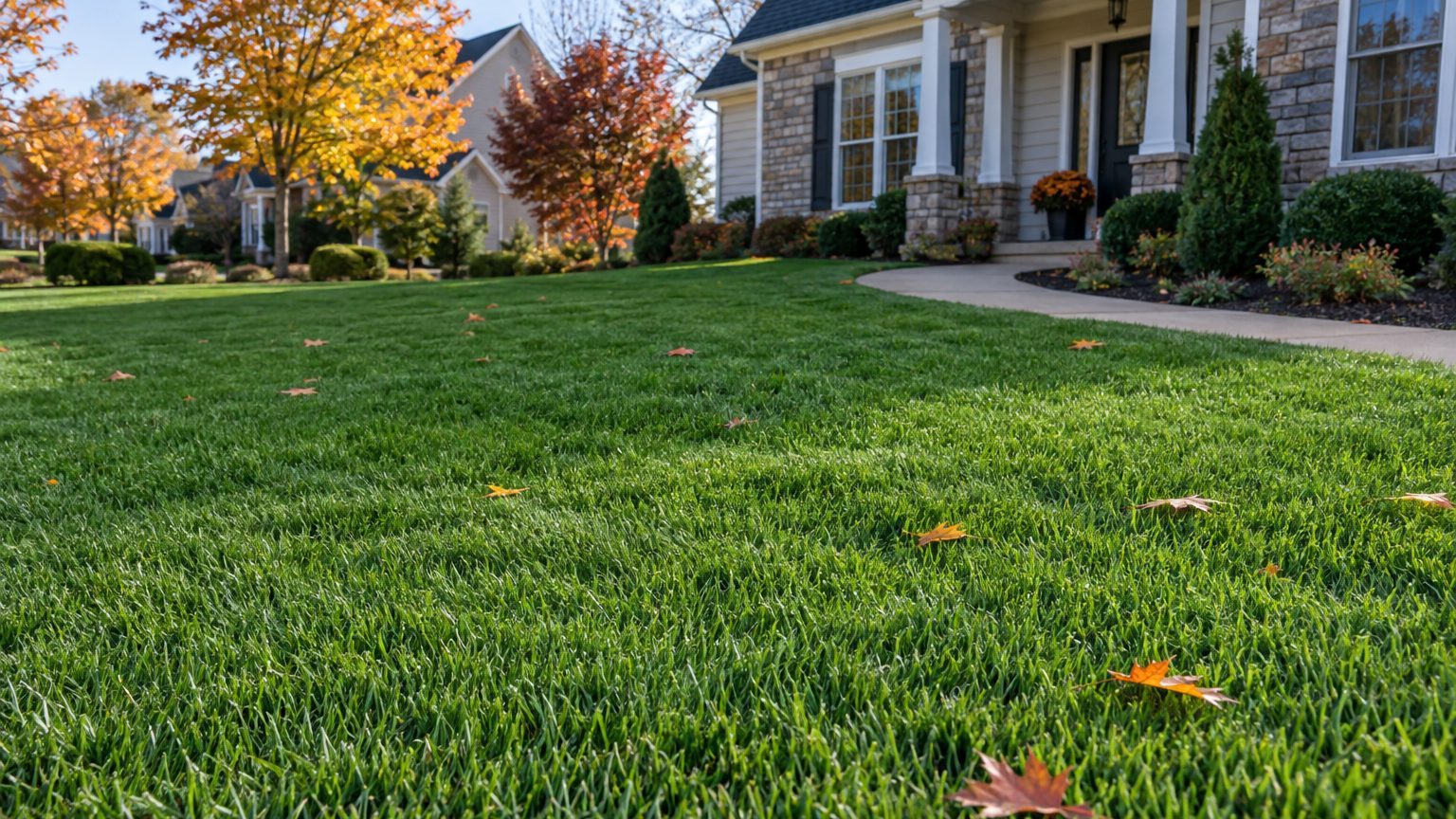
Tennessee lawns spend the spring racing the heat and the fall racing the cold, and the grass you grow decides which season matters more. Tall fescue has a place in Tennessee lawns, while bermudagrass and zoysiagrass suit sunny, hot spots.
Frost Dates and Growing Season in Tennessee
Around Nashville, the last spring freeze usually lands between March 31 and April 12, and the first fall freeze between October 28 and November 8, in a state that spans USDA hardiness zones 5b to 8a. Those dates mark frost risk, while grass growth follows soil warmth.
- In late winter and early spring, cool-season lawns wake up slowly, and a late freeze can still nip tender new seedlings, so hold off on sowing anything young until that risk has passed.
- In March, a crabgrass preventer goes down before the soil warms enough for weed seed to sprout, and tall fescue gets its first feeding of the year.
- In May and June, once the soil is truly warm, bermudagrass and zoysiagrass come out of dormancy and grow hard, which is the time to seed or sod them and feed them.
- In midsummer, June through August, the lawn needs regular watering, and tall fescue stays on a no-fertilizer rule while it struggles with the heat.
- In late summer and fall, August through October, tall fescue does its best work, so seeding and aerating happen early in that stretch and a last feeding follows, with the first fall freeze still weeks away.
Fall seed needs to root well before the first hard freeze arrives, which is why the late-summer start matters more than the calendar’s end.
Tennessee — the year and the numbers
- State
- Tennessee
- USDA zones
- 5b-8a
- Last spring frost
- March 31 to April 12
- First fall frost
- October 28 to November 8
- Annual rain
- 51 in
- Lawn type
- cool- and warm-season
- Source
- NOAA NCEI 1991-2020 Climate Normals, 32F freeze probabilities · Nashville
Cool-Season or Warm-Season Grass in Tennessee?
Tennessee sits in the transition zone, so both types can work, but neither is perfect. Cool-season grasses handle the winters easily and suffer in the humid summer heat, while warm-season grasses love the summer and go tan after the first hard frosts.
Tall fescue stays green through the cool months but can face summer stress. Bermudagrass and zoysiagrass suit full sun and heat.
| Grass | How it does in Tennessee | Why |
|---|---|---|
| Tall fescue | Common across the state, green in cool months | Cool-season grass that tolerates cold well but needs care in summer heat |
| Kentucky bluegrass | Best on cooler, higher ground | Prefers the milder summers found at elevation |
| Bermudagrass | Thrives in hot, sunny lawns, from seed or sod | Warm-season grass that grows with summer heat and goes dormant in cold |
| Zoysiagrass | Dense and heat-loving, mostly sod or plugs | Warm-season grass that is slow to establish and usually planted as sod or plugs |
Cool-season lawns are seeded in late summer, while warm-season lawns are planted in late spring, so the two types never share a planting window.
When to Seed, Fertilize and Aerate a Lawn in Tennessee
The big jobs cluster in late summer for tall fescue and late spring for bermudagrass and zoysiagrass. Tall fescue should never be fertilized in summer, so keep the feeding to early spring and fall.
Aerate and overseed tall fescue together in late summer, since seed settles into the opened soil.
| Task | Best months in Tennessee | Why then |
|---|---|---|
| Seeding tall fescue | August, with September as a fallback | Warm soil and cooling air help seed root before winter |
| Core aeration (tall fescue) | August, or September if you miss it | Opens the soil just as seed goes down |
| Fertilizing tall fescue | March, September and October | Feeds the grass when it is actively growing, and April also works |
| Crabgrass preventer | March | Goes down before weed seed sprouts, and it still works from February to May |
| Seeding bermuda or zoysia | May, with June as a fallback | Warm soil gets the grass growing fast |
| Laying sod, warm-season | May, and June or July also work | Roots take hold in warm soil |
| Fertilizing warm-season lawns | May, June and July | Matches the peak growth of these grasses |
| Dethatching | August and September for fescue, May and June for warm-season | Done when each grass can recover quickly |
Mowing runs from March through November for tall fescue, and from April through October for bermudagrass and zoysiagrass. Watering matters most from June through August.
Lawn Problems to Watch for in Tennessee
Brown Patches in Midsummer

Tall fescue struggles in Tennessee’s hot, humid summers, and thinning or browning patches often show up after a long stretch of heat. Water regularly during June through August, and skip summer fertilizer, which pushes weak growth. Then aerate and overseed in late summer to fill the gaps.
Winter Dormancy in Warm-Season Lawns
Bermudagrass and zoysiagrass turn straw-brown after the first fall freeze and stay that way until the soil warms in spring. This is normal rest, not death, so wait for steady warmth before judging the lawn or adding fertilizer. A late freeze can still keep them looking dull for a while.
Thatch and Compacted Soil
Spongy turf that sheds water, along with heavy clay underfoot, points to thatch and compaction. Core aeration in August relieves both for tall fescue, while dethatching for bermudagrass and zoysiagrass belongs in May and June, when they recover fastest.
How Lawn Care Dates Change Across Tennessee
The state stretches from the Mississippi River to the Appalachians, so the calendar shifts with elevation and location.
- East Tennessee: Cooler and higher in many spots, it runs later in spring, so wait a bit longer before planting warm-season grass or making the spring feeding. Kentucky bluegrass does better here than in the hot lowlands.
- Cumberland Plateau: Spring arrives later on the plateau as well, and frost lingers longer, so young seedlings need more caution.
- Nashville and the Middle Tennessee basin: tall fescue is the usual lawn here.
- Memphis and West Tennessee: Summers are hotter, so warm-season grasses like bermudagrass make more sense, and planting them can start a little earlier.
When in doubt, watch the soil and the weather in your own yard before following any date.
Where to Get Lawn Advice in Tennessee
For advice fitted to your yard, University of Tennessee Extension is the place to start, and your county office can help with local questions.
- The county extension office can take a soil sample for testing, which tells you what your lawn needs before you buy fertilizer.
- Bring a sample of a troubled patch to the county office for diagnosis, ideally when the problem first appears.
Common Questions
Can You Grow Tall Fescue and Bermudagrass Together?
Mixing them rarely works well. Their peak growth and care schedules differ, so mixing them often creates an uneven lawn. Choose one type for each lawn area, based on sun and how much summer care you want to give.
Why Does Zoysiagrass Turn Brown in Winter?
Brown blades paired with cold weather mean the grass is dormant, not dead. Check for green growth at the base once the soil warms in late spring. If shoots stay dry and brittle then too, the lawn may have been damaged and needs a closer look.
Is It Too Late to Seed Tall Fescue If August Passes?
September still works, though the seed has less time to root before winter. Aerate and overseed as early in that month as you can, and keep the soil moist so the seedlings establish.