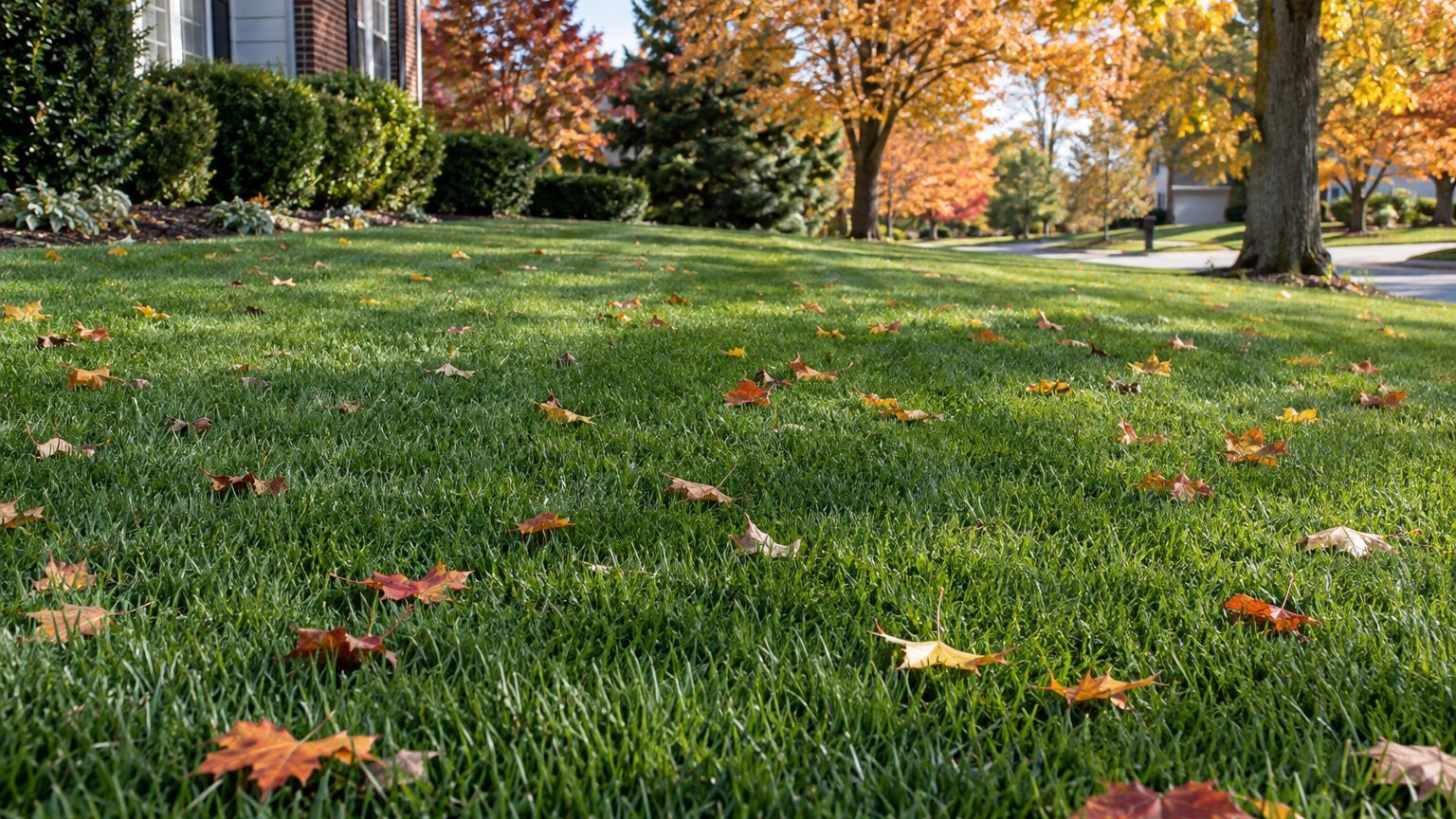
Mowers come out in spring, the first brown tips show in July, and the lawn greens up again once fall turns cool. Indiana grass follows that rhythm every year, mostly cool-season types that grow hard in spring and fall and sulk in summer heat.
What to Do Each Month in an Indiana Lawn
Most lawn work clusters in spring and late summer, with mowing and watering filling the months between. Winter asks for very little.
| Month | In the lawn |
|---|---|
| January | Rest. The grass is dormant, so stay off it when it is frozen and let the crowns sleep. |
| February | Rest. Nothing is growing, so watch for low spots where meltwater stands and note them for fall. |
| March | Still no lawn work. The soil is waking slowly, so sharpen the mower blade and wait. |
| April | Mowing starts as growth picks up. This is the month for crabgrass preventer, before weed seed sprouts. Aeration, dethatching and seeding also work in April. |
| May | Keep mowing. If you missed April, preventer still works in May. Feeding, aeration and seeding also work now, though the heat ahead is hard on young grass. |
| June | Mow regularly and begin watering as dry spells arrive, so the roots stay deep before summer stress. |
| July | Mow and water. Growth slows in the heat, so leave the grass a little taller to shade the soil. |
| August | Water, mow, and dethatch if the thatch is thick. Seed in August, giving seedlings time to root before winter. |
| September | The big month. Core aerate, seed, dethatch and fertilize while the soil is warm and the nights are cool. Keep mowing. |
| October | Mow as long as the grass grows and keep fallen leaves from smothering it. No seeding now. |
| November | Fertilize to feed the roots through winter, and give the lawn its last mowing as growth stops. |
| December | Rest. The grass is dormant, so clean and store the mower. |
If a month looks light, that is on purpose. Lawns do their best work when you do the right job at the right moment, not every job all year.
Indiana — the year and the numbers
- State
- Indiana
- USDA zones
- 5b-7a
- Last spring frost
- April 9 to April 21
- First fall frost
- October 21 to October 30
- Annual rain
- 44 in
- Lawn type
- cool-season
- Source
- NOAA NCEI 1991-2020 Climate Normals, 32F freeze probabilities · Indianapolis
When Does the Lawn Season Start and End in Indiana?
Grass starts growing when the soil warms, not when the last frost passes. Cool-season grass seed germinates once the soil sits between 50 and 65 °F. Warm days in March can fool you, but roots stay sluggish until the ground catches up.
Frost dates matter mostly for young seedlings. In Indianapolis, the last spring freeze usually falls between April 9 and April 21, and a late freeze after that is still possible, so spring seed can get nipped if it sprouts early.
In fall, the first freeze in Indianapolis usually arrives between October 21 and October 30. Seed sown in August and September has time to root and thicken first, which is why those months carry the seeding work. Mowing carries on until growth stops, which is often well after the first frost.
How the Lawn Calendar Shifts Across Indiana
Indiana spans USDA zones 5b-7a, so the same month can mean different things from the lake to the river.
- Northwest Indiana, near Lake Michigan: The lake keeps spring cooler along the shore, so the lawn wakes a little later; August and September remain the seeding window.
- South Bend and Fort Wayne: Winters run colder here, so give spring work a bit more time and aim for the early end of the fall seeding months.
- Bloomington, Evansville and the Ohio River counties: Spring comes earlier and autumn lingers later, by a fortnight or more compared with the north. Preventer can go on at the front of its window, and summer heat stresses cool-season grass harder.
Central Indiana, around Indianapolis, sits between these, so use the monthly guide as written and adjust a little toward your end of the state.
Lawn Care Timing Mistakes to Avoid in Indiana
Crabgrass Preventer Applied Too Late

Preventer works by stopping seeds as they sprout, so it has to be down before they do. April is the month for it, and May still helps if you missed it. Once crabgrass is up and growing, preventer does nothing, and you are pulling weeds by hand.
Seeding After September
Seed sown in October may sprout, but the seedlings reach winter thin and shallow rooted, and freezes and heaving soil take many of them. August and September give grass time to root first. If fall slips by, April and May are the fallback, though without preventer on that spot.
Feeding the Lawn in Midsummer
Fertilizer in July pushes soft, fast growth just when heat and dry weather are stressing the grass. Feeding belongs in September and November, with May as the fallback. In summer, water and a higher mowing height do more for the lawn than any bag.
Where to Get Lawn Advice in Indiana
Soil, shade and grass type vary from yard to yard, and local experts can help you fit the calendar to your own lawn.
- Purdue Extension publishes lawn guides for the whole state, which are handy before each seeding or feeding season.
- Your county extension office can answer questions about weeds, thin spots and soil tests, and it is worth a call in early spring.
- Before the next seeding month, ask the county office whether a soil test makes sense for your yard.
Common Questions
Should You Rake Leaves Off the Lawn in Indiana?
Yes, once they pile up. A thick mat blocks light and traps moisture against the grass, which thins it by spring. A few scattered leaves can be mowed into small pieces and left in place.
Do You Need to Water an Indiana Lawn in Spring and Fall?
Regular watering belongs in June, July, and August.
Can You Put Down Seed and Crabgrass Preventer Together?
Not on the same spot. Most preventers also stop grass seed from sprouting, which is one more reason to do your major seeding in late summer and the preventer in April.