Skip to content

When Do Tulips and Daffodils Bloom in Alberta?

When Do Tulips and Daffodils Bloom in Alberta?

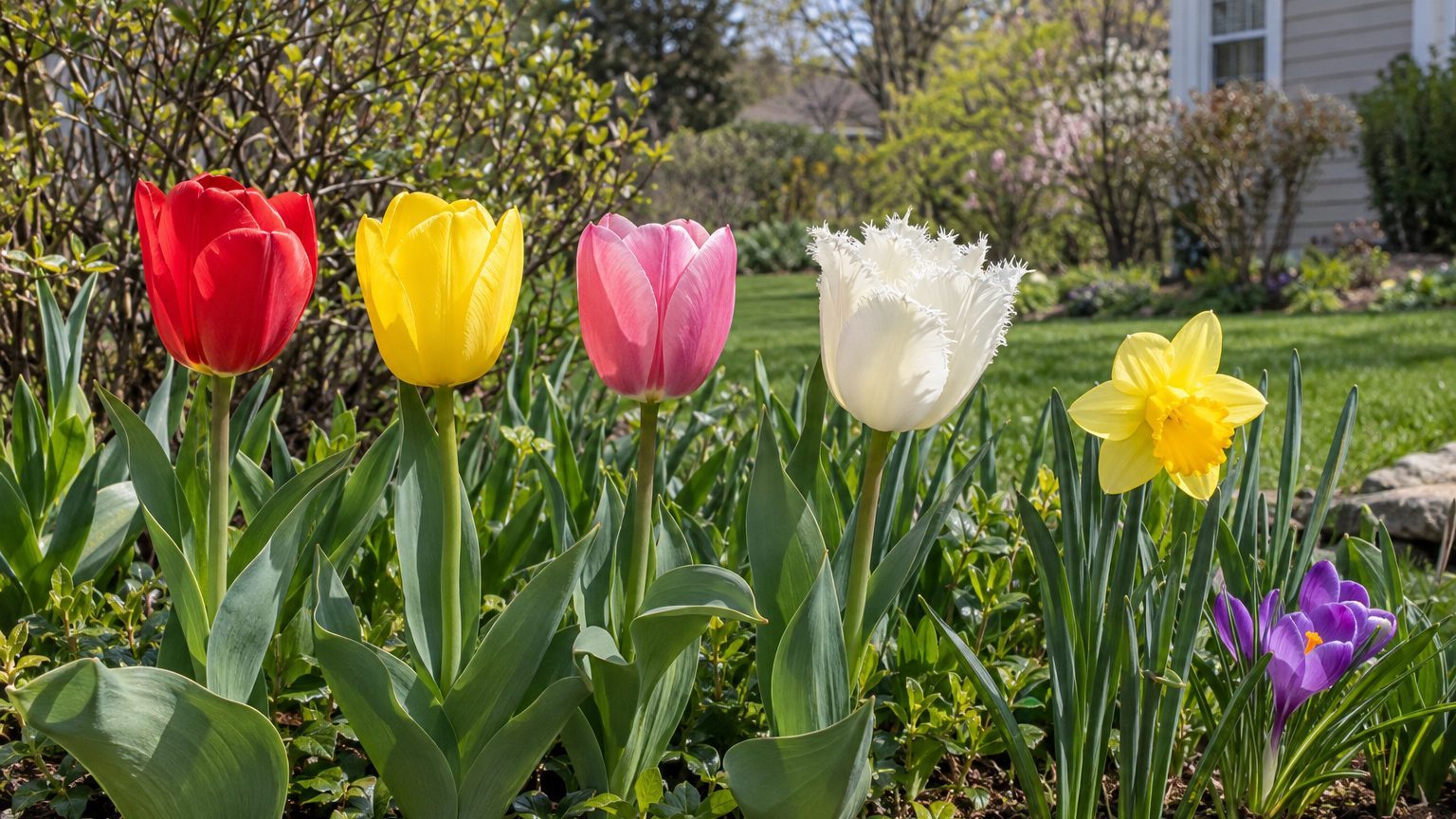
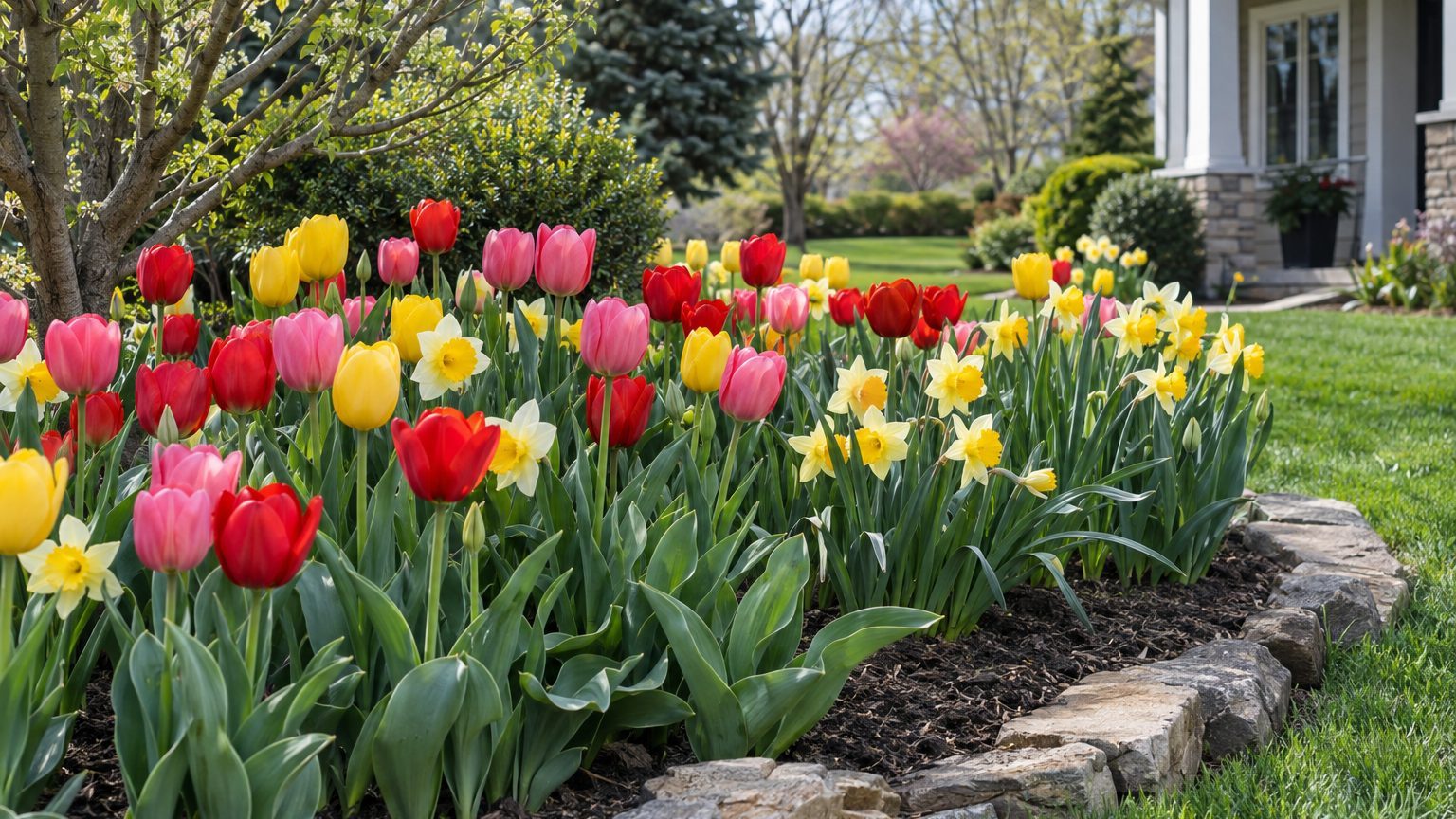
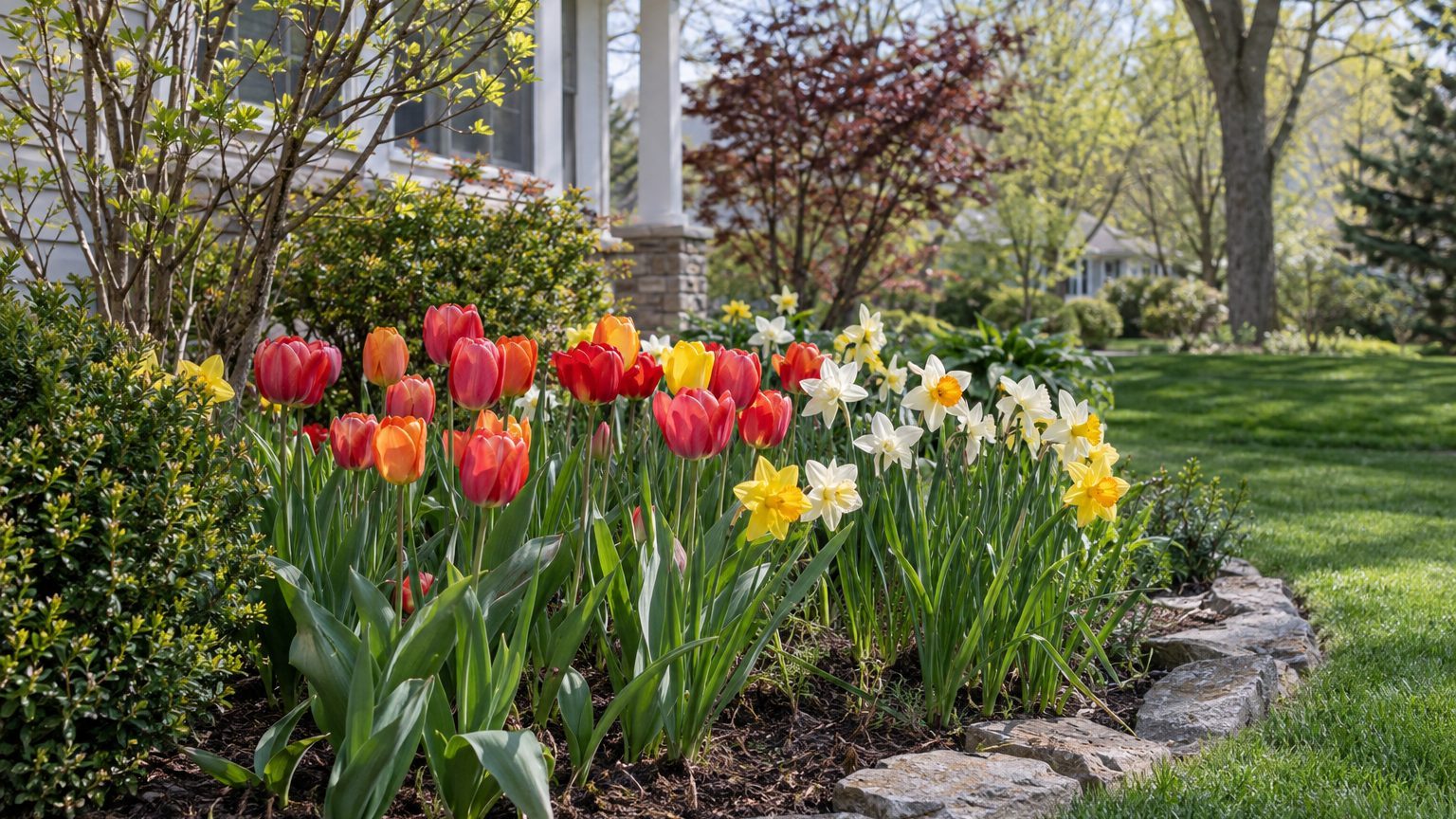
Green spears push through cold Alberta soil in spring, and every gardener starts watching for color. Tulips and daffodils open in the province from April into May, and the exact week shifts with the weather and with where the bed sits. A few signs in the garden tell you when buds are close.

When Do Tulips and Daffodils Bloom in Alberta?

When Do Tulips and Daffodils Bloom in Alberta?

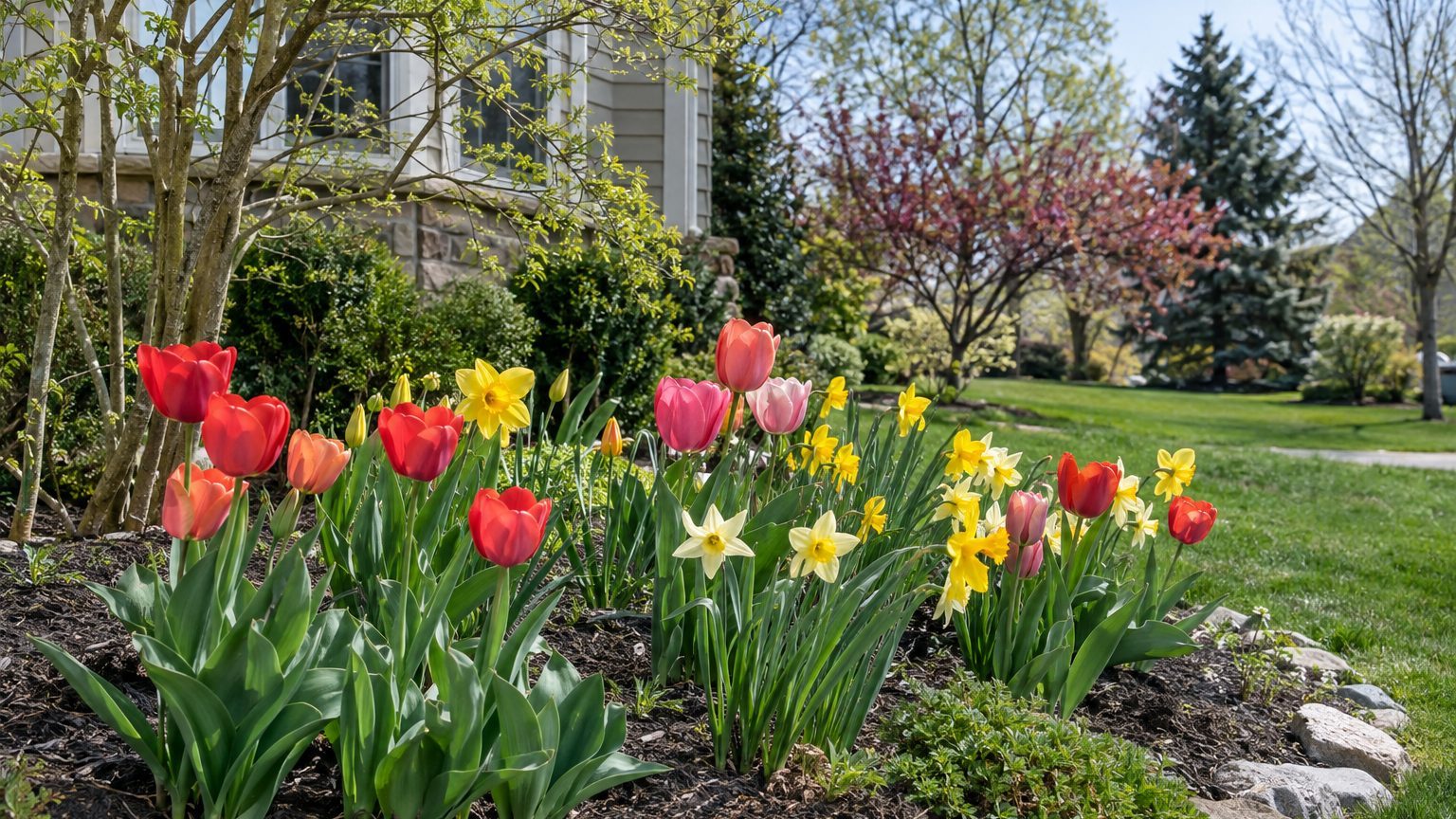
Tulips and daffodils bloom in Alberta from April to May, with tulips peaking from late April to mid-May. Bloom follows the warming of spring, so a cool year pushes flowers later and a mild one brings them sooner.

These dates follow the nearest comparable climate. Confirm local timing with a garden centre, a garden society or one of the provincial gardening groups.

Bulb When it blooms in Alberta What sets the timing
Daffodils April to May Spring warming and the spot where the bed sits
Tulips April to May, peaking late April to mid-May Spring temperatures, which shift bloom from year to year
Alliums Late in the spring succession of bulbs Needs winter chill to flower, and timing follows the warming of the season.

Crocus and hyacinths flower in the same spring run, but how early depends on the bed. A sheltered spot against a south wall opens ahead of an open lawn edge. Early, mid-season and late tulips spread the show across the window, so a mixed planting keeps color going longer than a single variety.

How to Tell Your Bulbs Are About to Bloom

Bulbs announce themselves in the bed well before the first petal opens, and a regular walk along the border is enough to catch each stage.

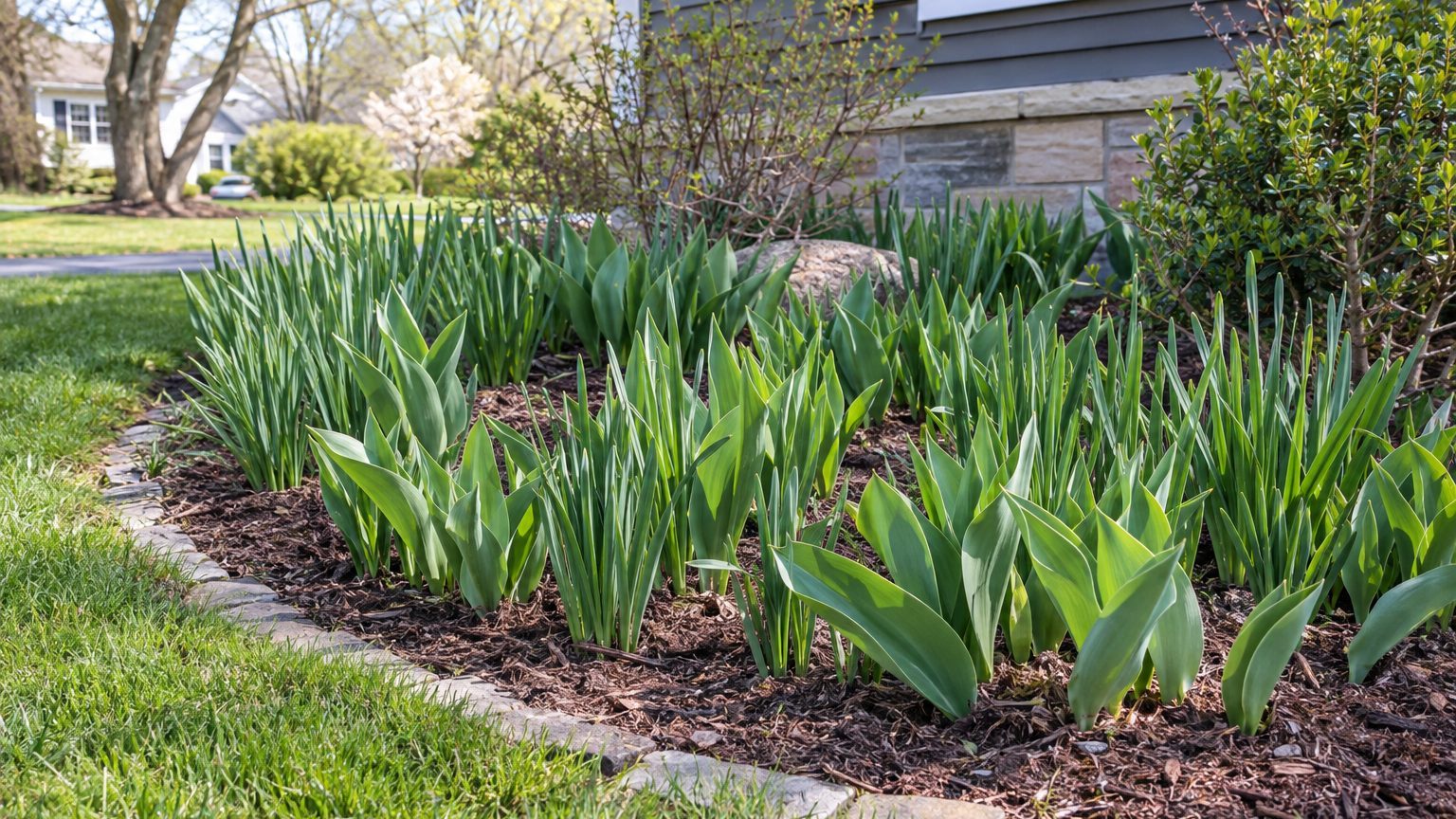
  • Green tips breaking the surface mean the bulb has had its winter cold and is responding to warming soil, so pull back any heavy mulch gently.
  • Leaves that open and thicken tell you the plant is feeding the bulb, which is why they stay put from here on.
  • A bud rising on a stem between the leaves means flowers are close.
  • Buds that swell and show color at the tip are a few days from opening, so cut stems for a vase at this stage if you want them.
  • Chewed shoots with the daffodils untouched beside them point to voles, squirrels, rabbits or deer, which eat tulips and crocus but leave daffodils alone.
  • A cold night after buds show color can do harm, since at Calgary the average last spring frost falls on May 21 and in one year out of two it comes later.

Cover open flowers with a sheet on frosty nights and they usually come through.

What to Do After Tulips and Daffodils Bloom in Alberta

Snap off the faded flowers and leave everything else. The leaves gather energy for next year’s bloom, so let them stay until they turn yellow or brown. Do not cut them while they are green, and do not braid or tie them into neat bundles, since both cut off the bulb’s food supply.

Expect daffodils to outlast tulips. Daffodils are the more reliable perennial bulb, while tulips are often short-lived, because hybridizing has weakened their ability to return year after year. Species tulips, the shorter types with smaller flowers, tend to return better than large hybrids, and that logic can guide an Alberta border.

Wet, heavy clay makes things harder for tulips. Where soil stays soggy, and where thirsty annuals are planted right on top of the bulbs, hybrid tulips may return for only a few years. Plant annuals a little apart and give the bulbs drier ground. Hardiness zone 4a, in the Canadian system, is the zone for Calgary, so bulbs here are chosen for cold winters rather than mild ones.

How Bloom Time Shifts Across Alberta

Alberta is not one climate, and bloom moves with latitude and elevation more than anything else.

  • Calgary: This is the reference point for the timing above, and a bed here follows the April to May window described earlier.
  • Edmonton and the Peace River country: Northern districts run behind Calgary, so flowers open later and the window slides toward May.
  • Banff and the Rocky Mountain foothills: Higher ground stays cold longer, and bulbs here bloom later than on the open plains.
  • Lethbridge and Medicine Hat: The south warms earlier, so bulbs here tend to open ahead of Calgary.

Within any town, a bed against a warm wall will bloom before one in a cold hollow, so use your own garden’s microclimate as the final guide.

Where to Get Bulb Advice in Alberta

Alberta has no county extension office, but local help exists. The province’s agriculture ministry, Alberta Agriculture and Irrigation, publishes growing information, and nearby gardeners know your microclimate best.

  • Check the provincial agriculture ministry for general growing guidance before you plan a new bed.
  • Ask a local garden society or master gardener group about bloom times in your town, and go to a meeting in early spring.
  • Visit a garden centre in September, when the bulbs are in stock, and ask which tulips and daffodils do well locally before you buy.

Common Questions

When Should You Plant Tulips and Daffodils in Alberta?

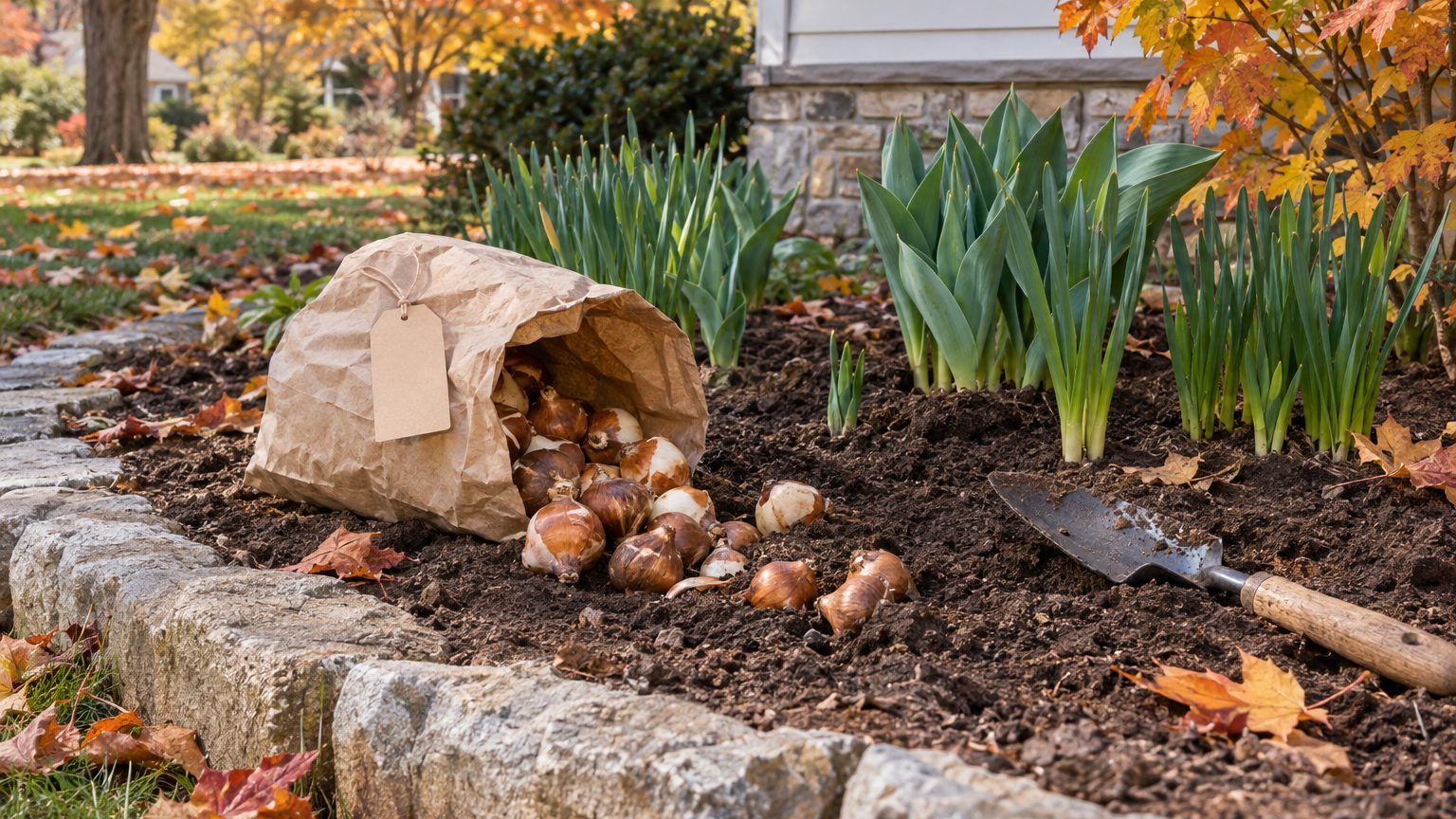
Plant in September and October, from mid-September through mid-October. That puts bulbs in the ground four to six weeks before the soil freezes, enough time for roots to form. Wait until the soil has cooled below about 16°C (60°F) so the bulbs do not sprout in the fall.

Can You Plant Bulbs That Are Still in the Bag?

Yes. A bulb still unplanted is better in the ground late than stored over the winter, so plant any that remain for as long as the soil can be dug.

Do Tulips and Daffodils Need a Cold Winter to Bloom?

Most spring-flowering bulbs need about 12 to 16 weeks of cold to flower, and Alberta winters supply it, so no refrigerator chilling is needed. Alliums need the cold of winter to bloom.
When Do Tulips and Daffodils Bloom in Alaska?

When Do Tulips and Daffodils Bloom in Alaska?

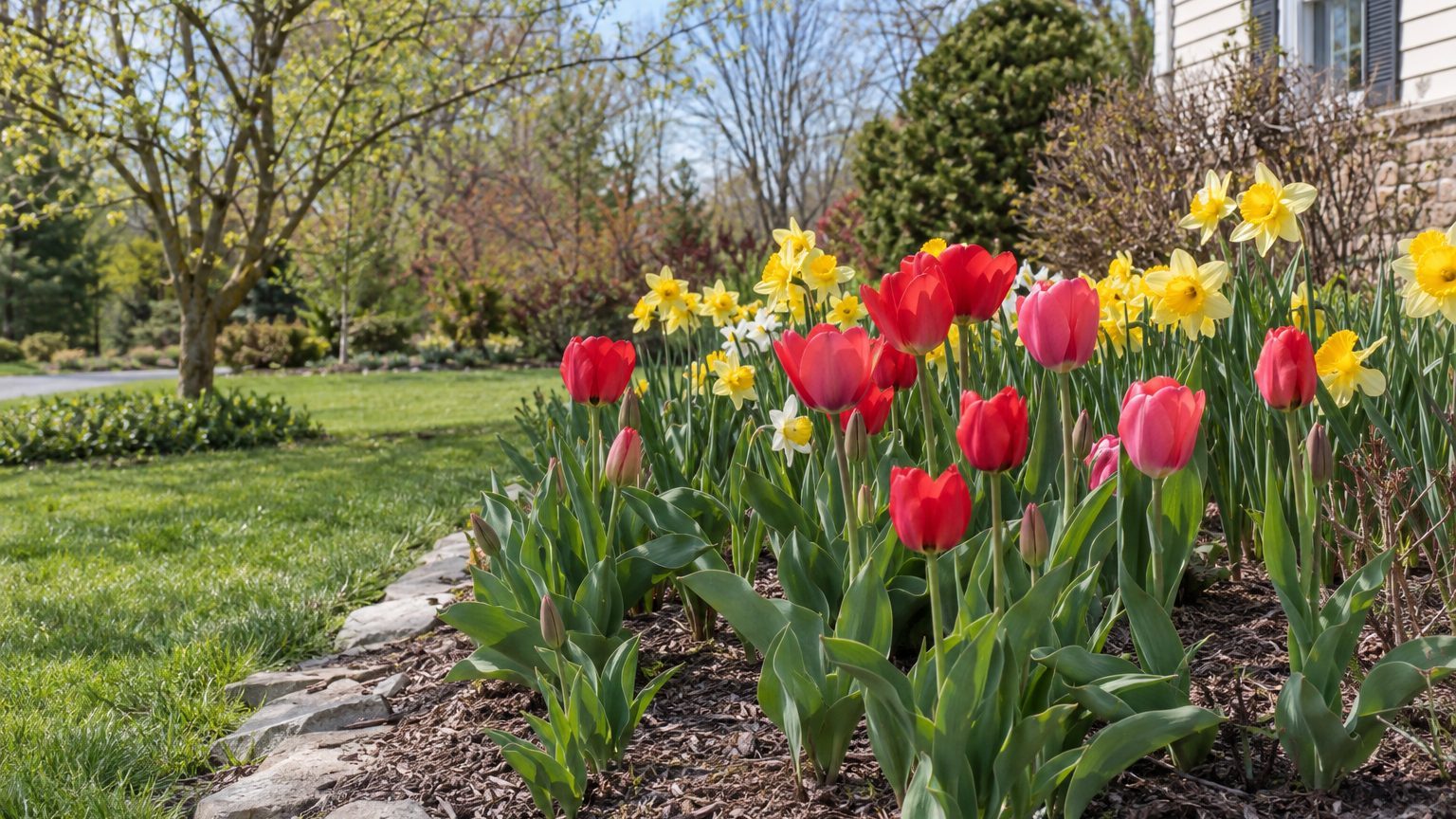
Green daffodil tips pushing through the last gray patches of snow are one of the first signs of spring in an Alaska yard, and tulips follow once the soil warms. When they actually open depends on where you garden, how the winter went and how fast spring arrives, so the timing here comes down to the season rather than a date.

When Do Tulips and Daffodils Bloom in Alaska?

When Do Tulips and Daffodils Bloom in Alaska?

Tulips and daffodils bloom when spring warms the ground, and no fixed month goes with them. A cold, late spring pushes the flowers back, and a mild one brings them forward. Anchorage has the gentlest conditions, while the Interior and the north start later.

Bulb When it blooms in Alaska What sets the timing
Snowdrops Start of the bulb season, as spring warms Hardy, so they handle Alaska winters
Daffodils Follows spring warming Winter cold of about 12 to 16 weeks, then warming soil
Tulips Follows spring warming The same winter cold, and a mild winter helps them return
Alliums End of the bulb season, as spring warms Requires winter cold to bloom

Spring bulbs flower in a long succession, with snowdrops and winter aconites opening the season and ornamental onions closing it. Crocus and hyacinths sit in between, and grape hyacinth sometimes winters over in Fairbanks. All of it starts with planting in August or September, in late August to early September or when the soil is in the low to mid 50s °F. Roots then form before the ground freezes, and the bulbs do not sprout in the fall.

How to Tell Your Bulbs Are About to Bloom

Bulbs give plenty of notice, and you can read their progress from the bed.

  • Green tips breaking the surface mean the bulb has come through the winter and roots are active, so leave any mulch loose and do not dig around them.
  • Leaves that open and stand upright show the flower stalk is forming in the center, which is the cue to keep the bed watered if the spring is dry.
  • Buds that swell and show color tell you the flowers are only a short while from opening.
  • A cold snap while the tips are showing is a real risk, since frost in Anchorage can still arrive between May 3 and May 12.
  • Chewed or missing tulip and crocus shoots point to voles, squirrels, rabbits or deer, while daffodils are left alone.

Blooms that stay closed in cold weather are simply waiting for warmth, and they open when it comes.

What to Do After Tulips and Daffodils Bloom in Alaska

Snip off the faded flowers and leave everything else in place. The leaves keep feeding the bulb after the petals drop, so they stay on the plant until they turn yellow and then brown. Do not cut them while they are green, and do not tie or braid them, because that cuts the bulb off from its food.

Plan on daffodils as the lasting performer. Tulips are often short-lived in the garden, so treat them as a bonus that may fade after a few seasons. A Greigii tulip has been reported coming up the first spring after a mild winter in Alaska, which suggests the shorter, sturdier types are worth trying.

Voles, squirrels, rabbits and deer go after tulips and crocus, and daffodils are left alone. If animals are active in your yard, daffodils are the dependable choice and tulips need a little more attention.

How Bloom Time Shifts Across Alaska

Alaska covers climates that differ a great deal, and bulbs follow them, with later bloom wherever spring is slower to arrive.

  • Anchorage: This is one of the mildest inhabited parts of the state, with a longer frost-free season. Long summer daylight helps bulbs rebuild after bloom.
  • Fairbanks and the Interior: Winters are harsher and the growing season is far shorter, so bloom comes later than in Anchorage. Scilla winters over well in Fairbanks, snowdrops are hardy, and grape hyacinth sometimes survives.
  • The far north: The season is shorter still, so bloom comes later again and only the hardiest bulbs are worth a try.

Choose bulbs for the winter you actually get, and let your own spring set the date.

Where to Get Bulb Advice in Alaska

Alaska’s growing conditions vary so much from town to town that local advice goes further than general rules. University of Alaska Fairbanks Cooperative Extension publishes guidance written for Alaska gardens, including pages on bulbs.

  • The extension website has bulb articles written for Alaska gardens, which are worth reading before you order in summer.
  • The extension office nearest you can answer questions about which varieties suit your area, and a visit before the late August planting window pays off.

Common Questions

Can You Plant Bulbs After the Fall Window Has Passed in Alaska?

Yes. A bulb that is still in the bag is better planted late than stored over the winter, so plant as long as the ground can be dug.

Which Bulbs Winter Over Well in Fairbanks?

Scilla tends to winter over well in Fairbanks, grape hyacinth sometimes does as well, and snowdrops are hardy. These are the safest starting point for the Interior.

Which Allium Is Worth Trying in Alaska?

In Alaska, a showy allium called Purple Sensation is recommended for fall planting. It needs no chill period to bloom, which makes it an easy bulb to add.

When Do Tulips and Daffodils Bloom in Alabama?

When Do Tulips and Daffodils Bloom in Alabama?

Daffodil leaves poking through cold ground and tulip buds fattening on their stems are the first real signs of spring in an Alabama yard. Both bloom as the weather warms in spring, and the exact week shifts from year to year and from Mobile Bay to the Tennessee Valley. What follows explains what sets the timing and what to do around it.

When Do Tulips and Daffodils Bloom in Alabama?

When Do Tulips and Daffodils Bloom in Alabama?

Tulips and daffodils bloom in spring in Alabama, and the flowers follow the warming of the weather rather than a fixed date. No single month fits every yard, so watch your own bulbs and your own soil. Bulbs planted in November or December have the winter to settle and set buds.

Planting in October or January also works. Alabama sits in USDA zones 7a to 9a, which is why winter cold varies so much from one yard to the next.

Bulb When it blooms in Alabama What sets the timing
Daffodils Spring, as the weather warms Jonquil, tazetta, poeticus and species types grow reliably in the South and come back year after year
Tulips Spring, as the weather warms Need winter cold to flower and are often short-lived, so many yards treat them as one season of color
Hyacinths Spring, as the weather warms Need about 12 to 16 weeks of cold, so mild winters call for chilling the bulbs in the refrigerator before planting
Alliums Late in the spring bulb season Need the cold of winter to bloom

Crocus belong to the same early parade as daffodils, though voles and squirrels often dig them up. Daffodils are the exception to that appetite, since animals leave them alone.

How to Tell Your Bulbs Are About to Bloom

Your bulbs announce themselves in stages, long before the first petal opens, and each stage tells you something to do or to leave alone.

  • Green tips pushing through the soil mean the bulb is alive and rooted, so you can stop worrying about whether the planting took.
  • Leaves that unfold and widen show the bulb is gathering energy, which is the moment to keep mowers and edgers away from the bed.
  • A fat bud rising from the center of the leaves means flowers are close, and a cold snap now calls for a light covering at most.
  • A bud that starts to show color on the tip is hours or days from opening, which is a good moment to cut a few stems for a vase.
  • Foliage with no bud at all, especially on tulips, usually points to a bulb that has worn out and will not flower again.

Wet soil and heavy shade slow every one of these stages, so a bed that lags behind the neighbor’s is often just cooler.

What to Do After Tulips and Daffodils Bloom in Alabama

Once the petals fade, snip off only the spent flowers. Leave the leaves exactly where they are until they turn brown, because they are feeding the bulb for next year. Skip any braiding, tying or folding of the foliage, since that shades the leaves and cuts the supply.

Tulips are often short-lived in the garden, and in Alabama they are commonly treated like annuals, dug out after they flower. Daffodils last longer and are the more reliable perennial bulb. Plan on replanting tulips in fall and letting daffodils spread on their own.

A tidy cover of daylilies or other perennials planted nearby can hide the yellowing leaves while they finish their work. Any bulb still unplanted goes into the ground as soon as the soil can be dug, and soil below about 60°F is the signal that fall planting can start.

How Bloom Time Shifts Across Alabama

Alabama stretches from mountain foothills to saltwater, and bulbs respond to that difference in the same direction every year.

  • Gulf Coast: Mild winters bring flowers sooner than inland, and tulips and hyacinths need chilling in the refrigerator before planting. In coastal areas, bulbs are generally planted later in the season.
  • Birmingham and central Alabama: Bloom lands between the coast and the northern hills, and the winter chill is usually enough for daffodils and most tulips.
  • Tennessee Valley and the northeastern foothills: Colder winters and higher ground push bloom later than on the coast, and a late freeze can nip open flowers.

Your own yard can run ahead or behind its neighbors, so treat a south-facing wall as a head start and a shady low spot as a delay.

Where to Get Bulb Advice in Alabama

Local help starts with the state land-grant system and the county office, both of which know your soil and your winters better than any general chart.

  • Alabama Extension publishes planting and care guidance for home gardeners, and the site is worth a visit before you order bulbs in fall.
  • Your county extension office answers questions about your soil and local varieties, and early fall is a good time to call or stop by.

Common Questions

Can You Still Plant Bulbs in January in Alabama?

Yes. November and December are the usual planting months, while October and January also work. Refrigerated bulbs can go in even into early January. A bulb still in the bag is better planted late than stored.

Which Spring Bulbs Do Deer and Squirrels Leave Alone?

Daffodils. Voles, squirrels, rabbits and deer eat tulips and crocus, so a bed of daffodils is the safer choice where animals visit often.

Which Tulips Handle Warm Winters Best?

In Alabama, single late tulips are among the groups recommended for warm climates, with long, strong stems and cup-shaped blooms. A few species tulips come from warm regions and flower without a cold period, and they naturalize in the South.

Types of Spring Bulbs Compared: Tulips, Daffodils and More

Types of Spring Bulbs Compared: Tulips, Daffodils and More

Green spears pushing through cold soil in spring are the payoff for work done months earlier, when the bulbs went into the ground in fall. Tulips, daffodils, crocus and grape hyacinths all work this way, yet they differ in height, flowering time and how much winter cold they need. Knowing those differences helps you choose bulbs that suit your bed and your climate.

What Are the Main Types of Spring Bulbs?

Across the country, spring bulbs fall into broad families: tulips, daffodils, and the small bulbs such as crocus, snowdrops, grape hyacinths and Siberian squill. All are planted in fall and flower after a winter chill. Climate and bulb type decide which ones thrive where you live.

Tulips and daffodils are sorted into numbered divisions. Tulips are grouped into 15 divisions by bloom time and parentage, which is why one catalog can offer such different flowers. Daffodils are grouped into 12 divisions in the current system.

Cold-winter yards suit nearly every type, while mild-winter yards narrow the choices. The state selector under this section leads to the page for your state.

How to Tell Bulb Types Apart

Types of Spring Bulbs Compared: Tulips, Daffodils and More

Four traits separate one bulb type from another: when it flowers, how tall it stands, how much chill it needs and whether it comes back after the first year.

  1. Sort bulbs by flowering window, so that color is spread across the season: in Illinois, spring bulbs bloom from early February to mid June.
  2. Check the stem height on the label, so that tall flowers go behind short ones: in New York, tulip blooms are borne on stems that reach up to 30 inches.
  3. Place low growers at the front of the bed, so that they are not hidden: in Iowa, Greigii tulips stand 8 to 12 inches tall and carry purple-striped or mottled foliage.
  4. Read the chill requirement before buying, so that the bulb gets enough cold to set flowers: in North Carolina, many bulbs need a 12 to 16 week chill period.
  5. Match the hardiness rating to your winters, so that the bulb survives them: in South Dakota, tulips should be winter hardy to Zone four or five.
  6. Leave the leaves in place after the flowers fade until they turn yellow, so that they keep feeding the bulb for next year.

Hardiness ratings also protect you in warm regions. In North Carolina, bulbs that overwinter carry a rating of 8 or less, and the smaller the number, the more cold hardy the plant.

Bulb Types Compared by Bulb Type

Within the tulip family alone, more than 4,000 varieties exist. Height, foliage and timing vary widely from one to the next, so a label matters more than a flower photo.

Forced bulbs and summer bloomers behave differently again, as the comparison shows.

Bulb Type What changes Why it matters
Single early tulips Strong stems, in various colors Sturdy stems hold flowers upright in the middle of a bed
Greigii tulips Height of 8 to 12 inches, with purple-striped or mottled leaves (Iowa) Compact plants suit the front of a border, and the leaves add pattern
Paperwhites Bloom in 3 to 5 weeks when forced (Wisconsin) A fast route to indoor flowers
Amaryllis Bloom in 6 to 8 weeks when forced (Wisconsin) Needs a longer wait than paperwhites
Lilies Bloom times range from May to September (Georgia) Color continues well past the spring bulb season

Daffodils have their own set of divisions, and the same habit of checking height and bloom time applies. In practice, a bed planted with several heights and timings looks fuller for longer than one filled with a single color.

Bulb Selection Mistakes to Avoid

Tulips in a Warm-Winter Yard

Tulips in a Warm-Winter Yard — Types of Spring Bulbs Compared: Tulips, Daffodils and More

Tulip bulbs need consistently cold winters, and Florida winters don’t provide them. Spring there also warms too quickly, so tulip foliage dies back early. Gardeners in mild-winter places do better with bulbs that don’t depend on a long chill.

Bulbs Under Trees

Bulbs Under Trees — Types of Spring Bulbs Compared: Tulips, Daffodils and More

Not every bulb copes with the root-filled soil under a tree. In Illinois, grape hyacinths, crocus, winter aconites, snowdrops, Siberian squill, leucojums, bluebells and early maturing daffodils perform well under trees and shrubs. Choose from those instead of squeezing in big tulips.

Bulbs Left Unplanted

A bag forgotten in the garage costs the bulbs their time to root before the ground freezes. Any bulb still unplanted goes in as soon as the soil can be dug, even if the season feels late.

Best Bulb Types for Your State

The sign to act on is cooling soil in fall, while the ground can still be dug. Chill need and hardiness decide which types fit your yard, and the planting months for each state are on that state’s page.

  • Your state’s spring bulbs page gives the planting months for that state.
  • Open it when bulbs first appear at the garden center, so you know whether to plant right away or wait.

Common Questions

Do Spring Bulbs Bloom at the Same Time Everywhere?

No. Bloom timing shifts with climate, and in New Hampshire, many spring species bloom anywhere from March through May. Warmer places generally flower earlier than colder ones.

Which Way Up Do Bulbs Go in the Hole?

Pointed end up, with the flat or rough root end down. A bulb planted sideways usually still finds its way, but the shoot spends energy turning toward the light.

Which Bulbs Suit a Florida Yard?

In Florida, caladiums grown from tubers produce colorful foliage all summer, and crinum lilies grown from bulbs flower from spring through summer in shades from white to deep rose. Lycoris appears in late summer and fall with red flowers rising from small bulbs.

Tulips: Types, Planting Time, Bloom and Care

Tulips: Types, Planting Time, Bloom and Care

Tulip foliage pushing through cold soil in early spring is the payoff for work done months earlier, when the bulbs went into the ground. Growing tulips well comes down to a handful of choices: which group to buy, when to plant, how deep to set the bulb, and how to treat the leaves afterward. Each one is simple once you know the reason behind it.

When Should You Plant Tulips?

Plant tulip bulbs in the fall, because they need a stretch of winter cold before they will flower in spring. The exact month shifts with your climate, since a bulb in a cold northern yard meets that cold sooner than one on the Gulf Coast.

Mild-winter regions change the rule most. In Texas, where winters are gentle, tulips need six to 10 weeks of chilling, and in California, chilling the bulbs for 4 to 6 weeks before planting gives a better bloom.

The state selector right below this section leads to the page for your own state, where the planting months are laid out for your climate.

How to Grow Tulips

Tulips: Types, Planting Time, Bloom and Care

Tulips are forgiving when the basics are right: a sunny spot, loose soil that drains, and a bulb set at the proper depth. A few practical choices make the difference.

  1. Choose a spot with full sun or partial shade and well-drained, sandy, humus-rich soil, so that the bulb does not sit in water and rot over winter.
  2. Buy firm, full-sized bulbs, since a large bulb carries more stored energy into its first bloom.
  3. In Illinois, plant tulips in fall, setting bulbs 4 to 8 inches deep. Space them 4 to 8 inches apart; deeper planting within reason discourages multiplication and favors good-sized flowers for several years.
  4. Set them in groups or masses rather than single rows, so the color reads as a patch from the street instead of scattered dots.
  5. Remove faded flowers, which keeps the plant from spending energy on seed and sends it back to the bulb.
  6. Leave the leaves in place until they turn yellow, because the green foliage is feeding the bulb for next year.

Whether tulips return depends heavily on where you live. In Texas, they usually do not come back the next year, especially the farther south you plant, because winter soils never give them enough chilling hours. Heat works against them too: in North Carolina, tulips generally decline each year once exposed to temperatures above 70 degrees F, and the plant loses floral vigor when soil reaches 70 degrees F. That is why many gardeners in warm regions treat tulips as annuals and plant fresh bulbs each year, a habit also mentioned in Illinois.

Size varies a great deal from one variety to the next. In North Carolina, tulips run from 4 to 28 inches tall, and in Iowa they can be as short as 4 to 6 inches or as tall as 30 inches in bloom. Check the tag before choosing a spot, so tall flowers do not hide shorter neighbors.

Tulip Groups by Bulb Type

Tulips are sorted into groups by bloom time and parentage. In Georgia, the classification for cultivated tulips lists 15 divisions, and in Illinois, over 400 named cultivars are grouped into common classes such as Triumph, Darwin hybrid, Lily-flowered, Cottage, Parrot, Double-flowered and species tulips.

Most flowers are solitary, upright and saucer-shaped, with a total of six petals and sepals unless they are doubles. Colors cover everything except true blue.

Bulb Type What changes Why it matters
Darwin hybrid Grows to 30 inches tall, with large red, pink, orange, yellow or white blossoms Tall stems suit the back of a bed, and in Utah this group is described as generally the longest blooming
Species tulips Usually planted shallower than other tulips A shallower hole fits the smaller bulb, so dig less deep than for garden hybrids
Garden tulips in general Heights range from 8-10 inches to upwards of 24 inches in New York Height decides whether a bed looks tidy or crowded, so match tall and short types to the right spots

Triumph, Cottage, Parrot and the other classes each have their own look, so reading the label for height and flower form helps more than guessing from a photo. In South Dakota, late April and early May bring the broad range of colors and textures that more than 100 known species of garden tulips offer. For cut flowers, growers in Maryland look for a top bulb size of 12 cm and up, though some use the smaller 11/12 cm size, so bigger bulbs are the better pick when you want tall, sturdy stems.

Tulip Growing Mistakes to Avoid

Planting Too Shallow

Planting Too Shallow — Tulips: Types, Planting Time, Bloom and Care

A bulb set near the surface tends to multiply into many small bulbs and produce smaller flowers. In Illinois, dig 4 to 8 inches deep, enough to favor large blooms for several years but not so deep that the shoot struggles to reach the light. Species tulips are the exception and want a shallower hole.

Cutting Green Leaves

Cutting Green Leaves — Tulips: Types, Planting Time, Bloom and Care

Trimming or tying the foliage after bloom looks tidy, but it starves the bulb. The leaves keep feeding it until they turn yellow, and the next spring’s flower depends on that. Remove only the faded flower heads, and hide the leaves behind other plants if they bother you.

Skipping the Chill in Warm Regions

Gardeners in mild climates sometimes plant tulips straight from the bag and wonder why the bloom is poor. In Texas, six to 10 weeks of chilling is needed before planting, and in California, 4 to 6 weeks gives a better bloom. If your winters are mild, chill the bulbs first, and plan on fresh bulbs the following year since they may not return.

When to Plant Tulips in Your State

The signal to plant is the fall season itself: the bulbs go in once the weather has turned cool and before the ground freezes hard. Bulbs still unplanted go in as soon as the soil can be dug.

  • Open the page for your state to find the planting months that match your local climate.
  • Go there before you shop, so the bulbs you buy arrive in time to be planted.

Common Questions

Can You Plant Tulips in the Spring?

Tulip bulbs must be planted in the fall for spring color. A bulb set out in spring has missed the winter cold it needs, so it will not give the bloom you expect.

Where Do Tulips Grow Best?

Full sun or partial shade suits them, in soil that drains freely. Sandy ground rich in organic matter works well, while heavy, soggy soil invites rot.

What Should You Do with Tulip Bulbs After the Foliage Dies Back?

In Illinois, bulbs may be moved or discarded in midsummer once the foliage has withered. Some gardeners simply plant new bulbs each year, which is a practical route where the climate is too warm for tulips to return.

How to Pre-Chill Tulip Bulbs for Mild Winters

How to Pre-Chill Tulip Bulbs for Mild Winters

Tulip bulbs set in a mild-winter yard often send up short stems and thin flowers, because the ground never stayed cold long enough to wake them properly. A stretch in the refrigerator fills that gap. Chilling tulip bulbs before planting copies a northern winter, and the details depend on your climate and the bulb.

How Long Do Tulip Bulbs Need to Be Chilled?

Tulips need a long run of cold, counted in weeks rather than days, and the exact length shifts with the climate and the kind of bulb. Mild winters supply less of it, so the shortfall falls to you and your refrigerator.

The details differ by climate and by how the bulbs will be grown:

  • In Texas, where winters are mild, tulips need six to 10 weeks of chilling before planting.
  • In eastern North Carolina, a home refrigerator chill of 8–10 weeks is recommended, followed by planting in December.
  • In Arkansas, tulips, hyacinths, daffodils and crocus need a minimum of 10-12 weeks below 50 degrees before they grow.
  • In Nebraska, bulbs kept in cold storage should stay there for a minimum of 12-13 weeks.

Longer figures usually describe forcing bulbs in pots, which works to a different schedule than chilling bulbs for the garden.

How to Pre-Chill Tulip Bulbs Step by Step

The routine is simple, and each gesture protects the bulb from something that could spoil the chill.

  1. Take the bulbs out of their plastic and keep them loose, not in pots, so air reaches every bulb and moisture cannot sit against the skins. In Washington, aerated bins are the suggested container.
  2. Choose a refrigerator shelf well away from apples, pears and other fruit, since ripening fruit gives off a gas that can damage the flower inside the bulb. The vegetable drawer often holds produce, so a clear shelf is safer.
  3. For New Hampshire, keep the temperature around 40 degrees or under. The bulb does not need to freeze, only to stay cold.
  4. Keep the bulbs cold for the full chill period for your climate, and mark the start date on the container so the weeks do not drift. In Washington, unpotted bulbs stay at 45-50 degrees for at least 6 weeks.
  5. Plant promptly when the chilling ends, because the bulb has done its waiting. In eastern North Carolina, that planting happens in December.

For tulips forced in pots indoors, the routine changes a little. Potted containers go to a cool, dark place at 35-45°F in Illinois, and bloom usually follows 2-4 weeks after the pots come out of storage.

How Chilling Needs Differ by Bulb Type

Tulips often need chilling in mild climates, and other spring bulbs have their own habits. A schedule that suits one can be wrong for another.

What changes Why it matters
Tulips in Texas need six to 10 weeks of chilling before planting. Mild winters cannot deliver that cold in the ground, so the refrigerator has to.
Tulips in eastern North Carolina chill for 8–10 weeks, away from fruit. Planting in December follows the chill, once the weeks are complete.
In Nebraska, hyacinths prefer 50-55° F until the new shoots are 1.5 inches long. They dislike colder temperatures, so the tulip routine is too cold for them.
Tulips, hyacinths, daffodils and crocus need 10-12 weeks below 50 degrees in Arkansas. Cutting the period short leaves the bulb unready to grow.

The practical lesson is to chill tulips in their own container and treat hyacinths separately. In Arkansas, daffodils and crocus share the same chilling guidance as tulips.

Common Tulip Chilling Mistakes

Fruit in the Fridge

Fruit in the Fridge — How to Pre-Chill Tulip Bulbs for Mild Winters

Storing bulbs beside apples or pears can ruin a batch. The gas from ripening fruit can harm the flower bud inside, and the damage only shows in spring as blind bulbs that make leaves and no bloom. Give the bulbs a shelf of their own, or use a spare refrigerator in the garage.

Cutting the Cold Short

Cutting the Cold Short — How to Pre-Chill Tulip Bulbs for Mild Winters

Pulling bulbs out early to match a planting day is tempting. In Arkansas, tulips, hyacinths, daffodils and crocus need a minimum of 10-12 weeks below 50 degrees before they grow. If the calendar is tight, follow the chilling and planting guidance for your area.

Chilling Hyacinths Like Tulips

In Nebraska, hyacinths need warmer storage than tulips. Put them in a different spot from the tulips, away from areas colder than their preferred range.

When to Start Chilling Tulip Bulbs

The signal is the bulbs in your hands while the ground around your house stays warm and winters never turn long and cold. Once you have unplanted tulips and a mild climate, the chilling clock should start.

  • Check the Spring Bulbs page for your state to find the months for chilling and planting where you live.
  • Look there before buying, so the bulbs go into the refrigerator soon after they arrive.

Common Questions

Can You Chill Tulip Bulbs in the Freezer?

No. The goal is steady cold, not frozen bulbs, and a freezer is far too cold for chilling living bulbs. A refrigerator shelf is the better tool because the temperature stays steady and the bulbs stay alive.

How Do You Know Potted Tulips Are Done Chilling?

Roots should show through the drainage holes after 12 to 15 weeks of cold storage in Iowa. In Nebraska, short shoots should also be present, and the pots can then move to a bright, cool room at 55° to 60°F.

How Long After Chilling Do Tulips Bloom?

Forced bulbs typically bloom 2 to 6 weeks after chilling ends in Pennsylvania. Garden-planted bulbs follow spring weather instead, so they open when the ground and air warm up.

How Deep to Plant Tulip and Daffodil Bulbs

How Deep to Plant Tulip and Daffodil Bulbs

Spring bulbs go into the ground when fall soil has cooled, and the hole you dig matters as much as the bulb you drop in it. At the right depth, a tulip or daffodil bulb stays beneath the reach of freeze-and-thaw swings and still pushes a stem up through the soil in spring. Tulips and daffodils each have a right planting depth and spacing, and getting both right sets up a strong spring display in the yard.

How Deep Should You Plant Spring Bulbs?

Across the country, a bulb goes in about three times deeper than it is tall, and big bulbs therefore sit deeper than small ones. Tulips, daffodils and hyacinths are the big group. Crocus, snowdrops and grape hyacinths are the small group.

Where you garden nudges the exact number a little, since extension services in different states round the rule in slightly different ways. Soil and winter cold are the reasons local advice differs from place to place.

Planting months depend on where your yard is, so look up your own state’s timing before you plant.

How to Space and Plant Bulbs

How Deep to Plant Tulip and Daffodil Bulbs

The depth rule comes down to a tape measure and a trowel, and the order of the work is simple.

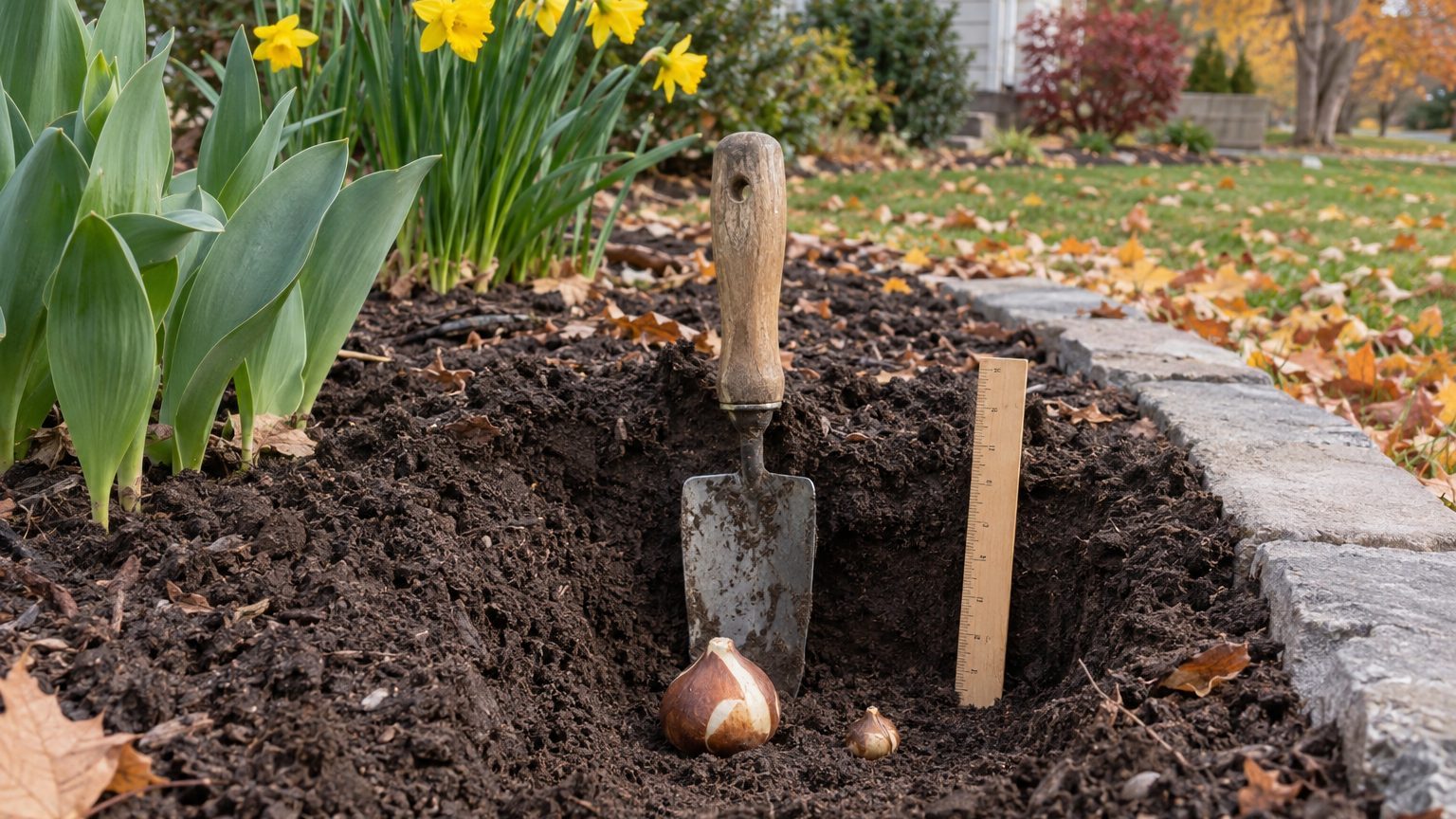
  1. Measure the bulb from base to tip, so that the hole is dug to match its height instead of a guess. In Vermont, a bulb 2 inches tall gets a hole 6 inches deep.
  2. Dig the hole to that depth and loosen the soil at the bottom, so that new roots can push down easily.
  3. Set the bulb pointed side up on the bottom of the hole, so that the shoot has the shortest road to daylight.
  4. Give each bulb room to spread. Large bulbs such as tulips and daffodils do well 6 inches apart in Iowa, and that gap keeps neighbors from competing for water and food.
  5. Fill the hole with soil and tamp it lightly, so that no air pocket is left under or around the bulb.
  6. Water the planting, so that the soil settles snugly around the bulb and roots begin to grow before the ground freezes.

Small bulbs can be tucked in more closely. In South Carolina, they are set 1 to 2 inches apart, which gives a thick, natural-looking drift. If you want bulbs to multiply into clumps over the years, more space helps, and in Illinois a spread of 6 to 12 inches is suggested for future divisions.

Planting Depth by Bulb Type

Size sorts bulbs into depth groups far better than their names do. A daffodil bulb and a tulip bulb are close enough in size that they land in the same range, while crocus bulbs are small enough to sit much higher.

Spacing also shifts from one type to the next, so give each kind of bulb the room that suits it rather than using one spacing for all.

Bulb Type What changes Why it matters
Tulips About 6 inches deep in Kansas, and 6 inches apart in Alabama The bulb sits low enough to stay anchored and protected through winter
Hyacinths About 6 inches deep in Kansas, and 4 inches apart in Alabama A tighter gap suits the smaller bulb and gives a fuller cluster
Daffodils 6 to 8 inches deep in Iowa, and 12 inches apart in Alabama for standard types Wider spacing leaves room for the clump to bulk up
Crocus and grape hyacinths 3 to 4 inches deep in Iowa A small bulb needs a shallower hole to reach the surface
Snowdrops 3 to 4 inches deep in Illinois, and 12 inches apart in Alabama Shallow planting with generous room lets them spread

For the reader, the takeaway is to sort your bulbs by size before opening the trowel and dig one depth for each pile. In Kentucky, bulbs of about 1 inch are planted in holes 5 inches deep, and bulbs 2 inches or more go into holes 8 inches deep. In Nebraska, corms are planted in odd-numbered groups of 5 to 7, set 4 to 5 inches deep.

Bulb Depth Mistakes to Avoid

One Depth for Every Bulb

One Depth for Every Bulb — How Deep to Plant Tulip and Daffodil Bulbs

Digging a single row of holes and filling it with everything from daffodils to crocus is quick, but small bulbs end up too deep and big bulbs too shallow. Sort first, then dig each group to its own depth.

Crowding the Bulbs

Crowding the Bulbs — How Deep to Plant Tulip and Daffodil Bulbs

Bulbs packed shoulder to shoulder fight over water and nutrients, and the clump has no room to divide. In Alabama, giant alliums, standard daffodils and snowdrops are given 12 inches. Mark the spacing with the trowel handle before you plant.

Planting Them Sideways

A bulb dropped in on its side or upside down has to turn its shoot toward the light, which wastes stored energy and can leave the stem weak or twisted. Check the tip every time, and place the pointed end up.

How Deep to Plant Bulbs in Your State

The sign to act on is soil that has cooled in fall but can still be dug. When a spade goes in without a struggle and the ground is not frozen, the hole can be dug.

  • Planting months vary by area, so find out the right window for your yard before you buy or dig.
  • Go back to it any time the weather turns and you are unsure whether the ground is ready.

Common Questions

Do You Measure Depth from the Top or the Bottom of the Bulb?

The hole is measured from the soil surface down to the floor of the hole, which is where the base of the bulb rests. Soil then covers the tip by the remaining depth.

What Should You Do with the Leaves After the Flowers Fade?

Leave them in place until they turn yellow, because the green leaves feed the bulb for next year. Never cut or tie them while they are still green.

What If Bulbs Are Still Unplanted When Fall Is Nearly Over?

Plant them as soon as the ground can be dug. A bulb left sitting in a bag gains nothing, while one in the soil can start rooting.

When to Plant Tulip and Daffodil Bulbs in the Fall

When to Plant Tulip and Daffodil Bulbs in the Fall

Spring bulbs go into the ground while the garden is winding down, once the soil has lost its summer heat. Tulips and daffodils both follow that rhythm.

When Is the Best Time to Plant Spring Bulbs?

Spring bulbs generally go in during fall once the soil has cooled. Cool soil lets roots form without pushing top growth, and the winter chill that follows prepares the bulb to flower. In Nebraska and New Jersey, the guide is soil below 60°F.

Climate and bulb type shift the window. Mild-winter regions plant later and often need pre-chilled tulips, while cold regions plant earlier. The state selector just below this section leads to the page for your state.

How to Plant Spring Bulbs

When to Plant Tulip and Daffodil Bulbs in the Fall

The order of the work matters, because each gesture prepares the next one. Start once the soil has cooled, and finish before the ground turns hard.

  1. Wait for cool soil, which in South Dakota means below 60 degrees, so that bulbs do not sprout top growth that winter will damage.
  2. Loosen the bed and work in organic material, which in Pennsylvania means the top 12-18 inches, so that roots meet loose soil that drains instead of holding water around the bulb.
  3. Dig to the right depth for the bulb, since in Illinois large bulbs go 6 to 8 inches deep and small ones 2 to 3 inches, so that each bulb sits where the soil buffers cold and heat.
  4. Set each bulb with its nose pointing up, so that the shoot has the shortest path to the surface in spring.
  5. Space them to suit their size, because in Illinois large bulbs sit a foot apart and small ones 3 to 4 inches apart, so that leaves and roots do not crowd each other.
  6. Water the bed after planting, so that the soil settles around each bulb and roots start to grow.

Depth is measured from the top of the bulb to the soil surface, which is easy to get wrong. In Indiana, planting about 6 weeks before the ground is expected to freeze gives roots time to establish, and roots keep developing as long as the soil stays above 40 degrees F. Groups look better than single bulbs in a row, so plant in clusters.

Planting Time by Bulb Type

Tulips and daffodils share a fall planting season, but their needs differ at the edges. The chilling requirement is what sets them apart, especially where winters are mild.

Crocuses are another early planting, and soil temperature is the signal for them as well.

Bulb Type What changes Why it matters
Tulips in mild-winter areas In eastern North Carolina, plant pre-chilled bulbs in December Chilling in a fridge for 8 to 10 weeks replaces the winter cold the ground does not supply
Tulips in Florida Refrigerate store-bought bulbs for 8 weeks before planting Without that chill, the bulb is not prepared to flower
Most species in Ohio Need 10 to 12 weeks of storage at 40 to 50 degrees F Bulbs stored warmer or for less time may flower poorly
Crocus in South Dakota Plant when soil is below 60 degrees Cool soil keeps the corm from sprouting too soon
Spring bulbs in New Hampshire Plant once the soil has cooled to a pleasantly chilly range, after the summer warmth has faded but before the ground freezes Roots form before the ground freezes

For you, the lesson is to match the bulb to the winter you have. Where the ground stays cold, plant straight into it in fall. Where winters are mild, chill tulips first, and keep them away from fruit in the fridge. Daffodils are named here only as a fall planting, since their needs follow the same soil-temperature rule.

Bulb Planting Mistakes to Avoid

Planting into Warm Soil

Bulbs set out too early meet soil that is still warm, and they may send up leaves that winter cold can damage. In Arkansas, the soil should be between 40 and 60 degrees before planting. If the ground is still warm, hold off until it cools.

Skipping the Chill

Tulips planted straight from a warm shelf in a mild climate may come up weak or not at all. In North Carolina, bulbs need to chill for about 12 to 16 weeks to flower well. Buy pre-chilled bulbs, or chill them yourself in the refrigerator before planting.

Planting Too Shallow

A bulb set too close to the surface faces swings in temperature and may heave out of the soil. Large bulbs in Illinois go 6 to 8 inches deep, and shallow holes leave them exposed. Measure the hole, and loosen the soil below the bulb so roots can go down.

When to Plant Spring Bulbs in Your State

The sign to watch is cooling soil, which tells you more than the calendar does. Once the ground has dropped below the threshold for your area, the bulbs can go in.

  • Your state page gives the months for planting where you live, so check it before you buy bulbs.
  • Use it again when the nights turn cool, and get the bulbs into the ground.

Common Questions

Can You Plant Tulip Bulbs After the Ground Freezes?

A bulb still unplanted goes in as soon as the ground can be dug. In Indiana, roots keep developing as long as the soil stays above 40 degrees F, so a late planting still has a chance to root.

Do You Need to Chill Tulip Bulbs Before Planting?

Where winters are mild, yes. In Florida, store-bought tulips are refrigerated for 8 weeks before planting. Where winters are cold, the ground does the chilling for you.

How Far Apart Should You Plant Bulbs?

Spacing follows bulb size. In Illinois, large bulbs sit a foot apart, while small bulbs sit 3 to 4 inches apart. In Florida, bulbs planted in groups go 2 to 4 inches apart.

Spring Bulb Pests: Voles, Squirrels, Deer and Bulb Mites

Spring Bulb Pests: Voles, Squirrels, Deer and Bulb Mites

Bulbs that never send up a shoot, or a bed pocked with small holes in spring, usually mean something fed on them out of sight. Voles, squirrels, deer and bulb mites each leave a different mark, and each calls for a different move. Learning those marks makes it easier to protect the bulbs before they flower.

Which Animals and Insects Damage Bulbs?

Across the country, voles and squirrels go after the bulb itself underground, deer browse the leaves and buds above it, and insects and mites attack bulbs in storage or in the soil. What turns up depends on the bulb type and on the climate, since warm, humid regions face more crawling and chewing insects.

In Florida, for example, bulb flies, millipedes and lubber grasshoppers all show up on bulbs, while in South Carolina aphids cause more trouble in cool spring weather. Slugs and snails are common in damp beds in many regions.

The state selector just below this section leads to the page for your state, where the local timing is laid out.

How to Find and Control Bulb Pests

Spring Bulb Pests: Voles, Squirrels, Deer and Bulb Mites

Trouble tends to arrive in a set order over a bulb’s year, so the checks run from storage to planting and then to spring growth.

  1. Store bulbs at about 35º F in Connecticut, and check them regularly through winter for soft, rotting or shriveled bulbs, so that decay and blue mold do not spread to the healthy ones.
  2. Dip cured bulbs that carry mites in 120 °F water before planting, so that the mites die before they reach the soil.
  3. Handle every bulb gently, because even slight injuries give bulb mites a way in.
  4. Lay wire mesh over the planted bed, so that voles and squirrels cannot dig down to the bulbs.
  5. Lift mulch in spring to look for slugs, and check young leaves for puckering or curling, since in South Carolina aphids and thrips cause this distortion.
  6. Fence the bed or use repellents once leaves emerge, so that deer do not strip the foliage the bulb needs to feed itself for next year.

The mite dip lasts 2 minutes. For slightly damaged bulbs, a longer soak of 3 hours in hot water can control the pests, but watch the water temperature closely, since heat that overshoots will harm the bulb. A bulb that is soft all the way through is better discarded than treated.

Bulb Pests by Bulb Type

Each kind of bulb attracts its own set of problems, and the same pest can matter more on one type than on another. What follows comes from local advice written for particular places.

Daffodils, tulips and summer-flowering bulbs are the clearest examples, and the table lays them out side by side.

Bulb Type What changes Why it matters
Daffodils (narcissus) In Florida, bulb mites, bulb flies and millipedes all attack them Infested bulbs do not grow or fail to flower
Tulips In Florida, the tulip bulb aphid hits stored bulbs and spring leaves, and in Indiana aphids look grayish or powdery white Stored bulbs lose strength before planting, and leaves lose sap in spring
Kaufmanniana tulips In North Carolina, aphids, slugs and snails show up, and blue mold can form on stored bulbs Root or bulb rot can follow in poorly drained soil
Summer- and fall-flowering bulbs In South Carolina, aphids and thrips are common Young leaves pucker, curl or grow oddly
Tender summer bulbs In Nebraska, stored bulbs need checking through winter Soft, rotting roots or excessive drying go unseen otherwise

Onions follow the same pattern. In New Mexico, a severe infestation can kill the leaves and shrink the bulb. In practice, that means you scout different parts of the plant depending on the bulb: leaves for tulips, the bulb itself for daffodils, and stored roots for tender bulbs.

Bulb Pest Control Mistakes to Avoid

Rough Handling

Rough Handling — Spring Bulb Pests: Voles, Squirrels, Deer and Bulb Mites

Tossing bulbs into a bucket or digging through them with a trowel bruises the skin. Even slight injuries give bulb mites a place to enter, and infested bulbs may stay stunted or flower poorly. Scoop bulbs up by hand, set them down gently, and plant any nicked ones last.

Unchecked Storage

Unchecked Storage — Spring Bulb Pests: Voles, Squirrels, Deer and Bulb Mites

Bulbs stashed in a garage and forgotten can rot or grow blue mold. The fix is to look them over regularly, set aside any that feel soft, and keep the rest at about 35º F in Connecticut. Catching one bad bulb early protects the rest of the batch.

Soggy Beds

Heavy mulch and wet soil invite slugs and rot. In North Carolina, poorly drained soils lead to root or bulb rot, and in Illinois the blight that hits tulips spreads faster in warm weather when humidity is above 95 percent. Plant in well-drained soil, keep mulch thin, and check under it for slugs.

Bulb Pests in Your State

The sign that calls for action is a soft bulb, a missing bulb, a distorted young leaf or a chewed shoot. Local timing for each check differs from state to state, and the page for your state gives the months.

  • Open it before storing or planting, to line up the months for sorting and treating bulbs.
  • Return in spring, when leaves are up, to match the scouting to what grows in your area.

Common Questions

How Can You Tell Whether Voles, Squirrels or Deer Took the Bulbs?

Dug-up holes with scattered bulb skins on the surface point to squirrels. Plants that vanish with small tunnel openings nearby point to voles. Leaves nipped off with ragged edges, while the bulb stays in the ground, point to deer.

Why Does a Bulb That Feels Soft Never Sprout?

A bulb that is soft when squeezed and sends up nothing may have been hit by bulb fly larvae, which make bulbs soft and unable to grow. Check for a hollow, mushy center before tossing it, and plant the firm bulbs from the same lot.

Does Waiting to Lift Bulbs Raise Pest Losses?

Extended delays in harvesting can mean higher losses from insects and disease. Once the leaves have turned yellow and you plan to lift bulbs, do it without long delay, and never cut the leaves while they are still green.

Why Tulips and Daffodils Do Not Bloom, and How to Fix It

Why Tulips and Daffodils Do Not Bloom, and How to Fix It

A daffodil clump that comes up thick with leaves and no flowers is a common spring disappointment, and it usually has a fixable cause. Bulbs build next year’s bloom inside themselves from stored food and winter cold. Anything that interrupts that cycle, from shade to crowding to a mild winter, can leave you with green leaves and bare stems.

Why Are Your Bulbs Not Blooming?

Bulbs skip their flowers when something breaks the yearly cycle of storing food, chilling through winter and forming a bloom inside the bulb. The usual causes are leaves removed too soon, heavy shade, crowding, wet soil, pests and a winter too mild. Which one matters most depends on the bulb type and your climate.

Winter cold is part of the recipe. It is needed for flower stalks and well-formed blooms, so mild-winter yards struggle. In Texas, bulbs usually don’t come back because they miss enough chilling hours, especially the farther south they are planted.

Cold climates have the opposite risk. In Colorado, flower buds that start growing early may be damaged if temperatures drop below 26°F. The state selector just below this section leads to the page for your state.

How to Get Bulbs to Bloom Again

Why Tulips and Daffodils Do Not Bloom, and How to Fix It

Start with what you can change in the yard, then move on to the bulbs themselves.

  1. Leave the leaves standing until they turn yellow, so that they keep feeding the bulb for next year’s flower.
  2. Check the light and move bulbs out of heavy shade, because shade brings thin, spindly growth and poor flowering.
  3. Lift and divide clumps once the blooms turn small and sparse, so each bulb has room again. In Colorado, bulbs may begin to crowd after the second year and lose much of their vigor.
  4. Spread leaf litter over the bed each year, since in Georgia at least two inches keeps the soil from warming fast and waking bulbs too early.
  5. Dig up and discard bulbs that never emerge or that come up and wilt soon after, so you stop waiting on bulbs that are rotted or infested.
  6. Replant tulips with fresh bulbs in fall, because in Florida they bloom once and typically don’t bloom again.

Daffodils not blooming is most often a light, crowding or leaf problem, which the first three gestures cover. Rot and pests are less common, but they are worth ruling out when the leaves look weak or never open fully.

Blooming Habits by Bulb Type

Bulb types do not fail in the same way. Daffodils tend to decline slowly as clumps get crowded, while tulips often give one good show and then fade.

Hyacinths have their own symptom, which is flowers that never really rise.

Bulb Type What changes Why it matters
Daffodils Blooms turn small and sparse, or bulbs fail to flower if infested (Florida) Dividing crowded clumps restores flowering, while infested bulbs need to be removed
Tulips Bulbs bloom once and typically don’t bloom again (Florida) Plan on fresh bulbs each fall instead of waiting for a return show
Hyacinths Flowers may never get taller than an inch or so (Arkansas) Tiny flower stalks signal a bulb that is not performing, so check chilling and drainage

For you, this means treating each bulb type differently. Daffodils reward patience and a shovel, since a clump can be divided and replanted. Tulips are better treated as a seasonal planting in warm places. Hyacinths with stunted flowers deserve a look at winter cold and soil moisture before you give up on them.

Bulb Blooming Mistakes to Avoid

Planting Too Shallow

Planting Too Shallow — Why Tulips and Daffodils Do Not Bloom, and How to Fix It

Bulbs set too close to the surface may heave out of the ground during freezing and thawing, and you can lose them entirely. This is a common mistake in beds where soil was loosened only lightly. Plant at the depth recommended for the bulb type, and cover the hole fully so nothing sits near the top.

Planting in Soggy Soil

Planting in Soggy Soil — Why Tulips and Daffodils Do Not Bloom, and How to Fix It

Bulbs may rot in soil that stays wet for a long time. In Connecticut, bulbs that fail to emerge properly or that emerge and wilt soon after are treated as suspect, and the advice is to pull them up and throw them away. If the bed also stays soggy after rain, choose a better-drained spot or loosen and amend the soil before replanting.

Planting in Spring

Spring-planted bulbs usually don’t grow well in Iowa because they lack well-developed root systems. They also miss the winter cold that produces the flower. A bulb that is still unplanted should go in as soon as the ground can be dug, and any bulbs that already struggled this way can be replaced in fall.

When Bulbs Bloom in Your State

Timing varies from the Gulf Coast to the Upper Midwest, but one sign is the same everywhere. Leaves that have gone yellow mean the bulb has finished refilling and it is time to divide or move it.

  • The page for your state gives the months for planting and flowering where you live, so go there before you dig.
  • Check it in fall, then lift crowded clumps once their leaves have yellowed and replant them promptly.

Common Questions

Can Warm Spells Cost You Flowers?

Yes. In Georgia, soil that warms too quickly can make bulbs think it is time to grow, and in South Dakota early growth may drain the bulb’s energy reserves and lead to weak or missing blooms. Shoots up in a mild stretch of winter, followed by a cold snap, are the pair of signs to watch for.

Do Insects Keep Bulbs from Flowering?

They can. In South Carolina, pests that feed on flower buds may cause flowers to die without opening, and heavily infested leaves may not open at all. Buds that shrivel before opening and distorted leaves on the same plant point toward insects instead of shade.

Why Are Hyacinth Flowers So Small?

In Arkansas, hyacinths left long enough will sprout, but the flowers may never grow beyond an inch or so. Cold is needed for flower stalks to develop, so a mild winter is a likely suspect when the stunted blooms appear on bulbs in a well-drained, sunny bed.

The almanac, state by state. Every date on this site comes from a state’s own frost facts and its extension service’s calendar — and says where it comes from.