Skip to content

When to Plant Tulips and Daffodils in Arizona

When to Plant Tulips and Daffodils in Arizona

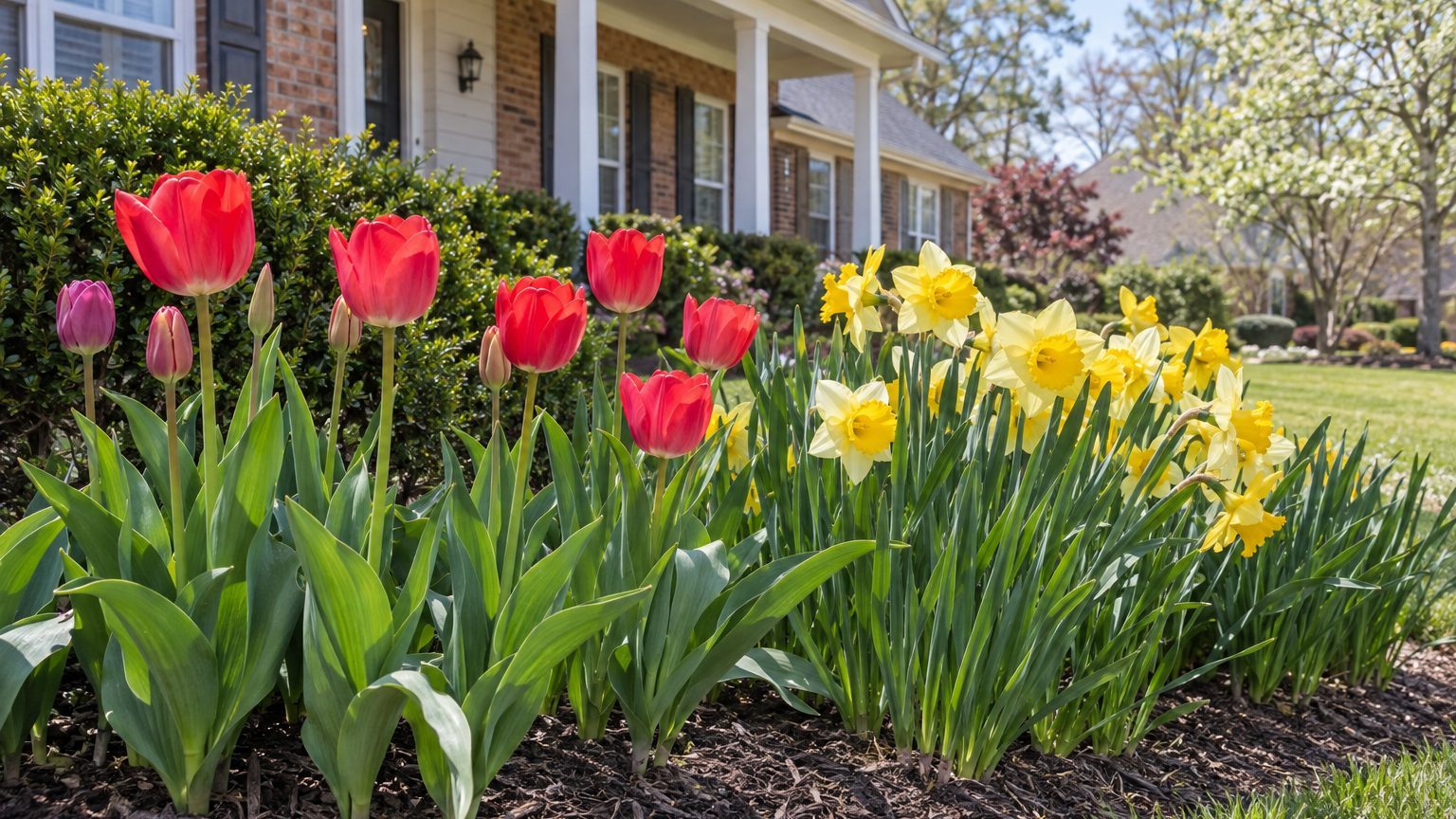
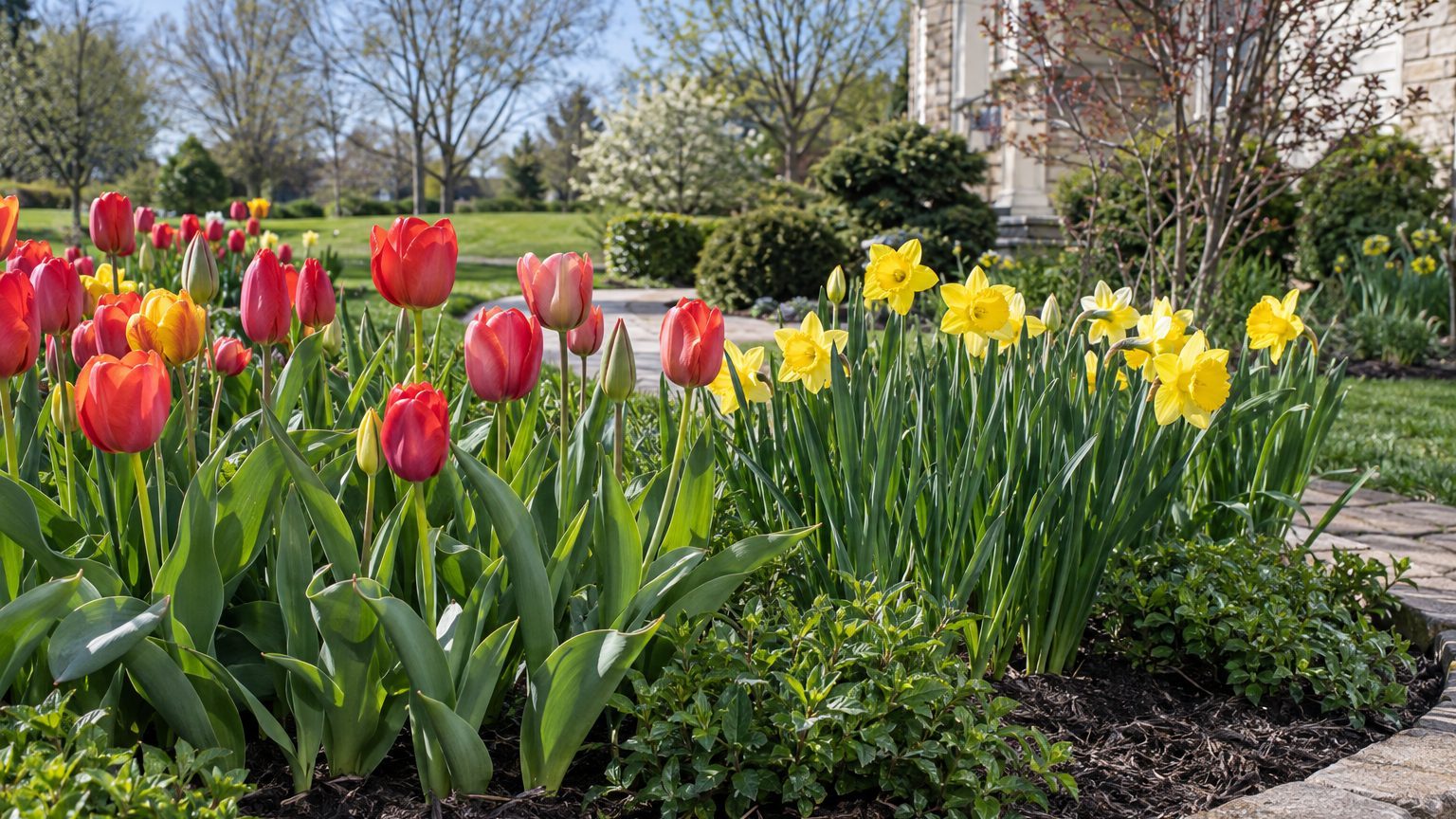
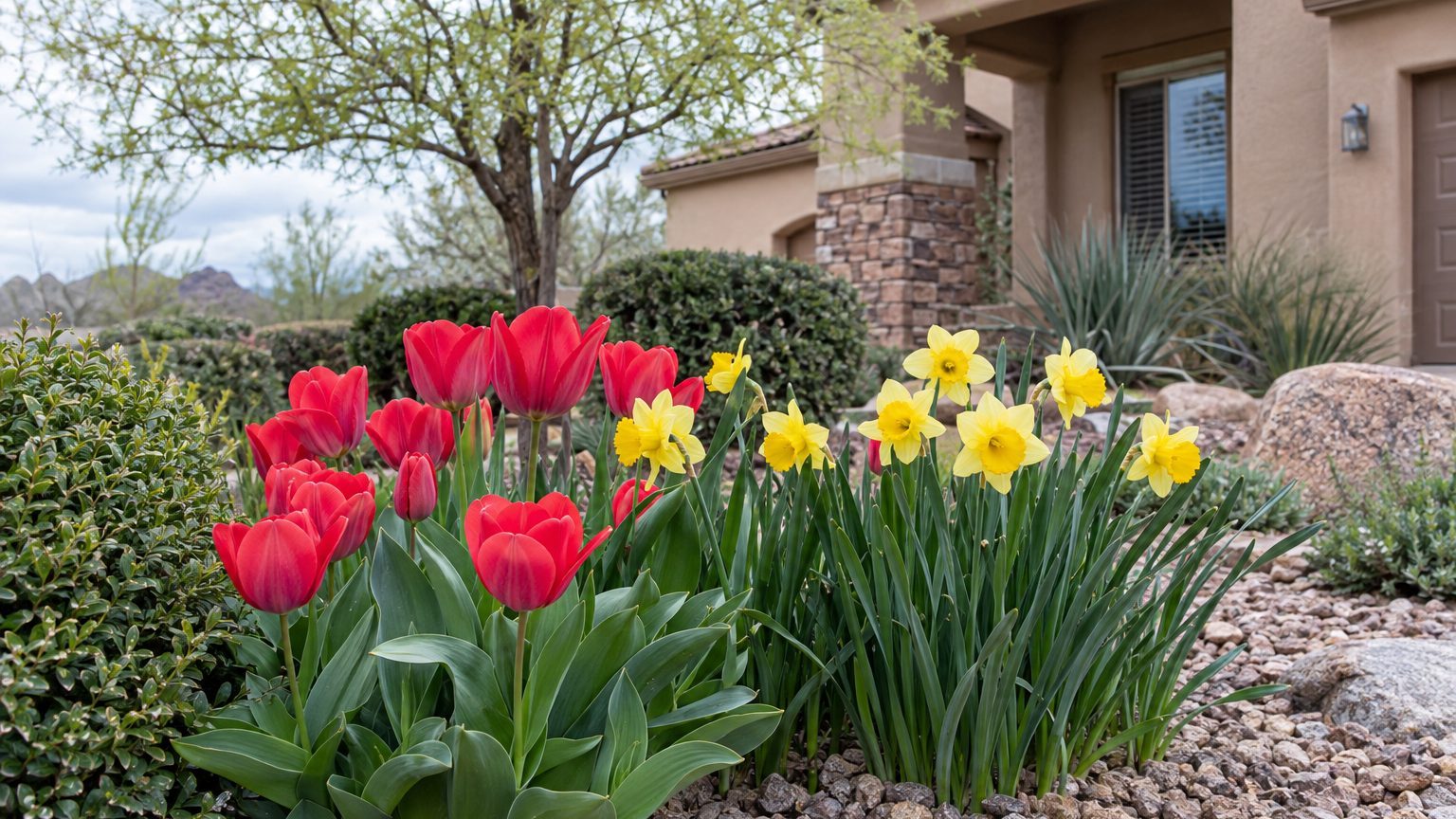
Daffodils pushing up in a Phoenix front bed while the rest of the country is under snow is a normal Arizona winter sight, and it starts with a bulb set in the ground months earlier. Arizona gardeners can grow spring bulbs, but the timing and the choice of bulb differ from the rest of the country.

When to Plant Tulips and Daffodils in Arizona

When to Plant Tulips and Daffodils in Arizona

Plant tulips and daffodils in Arizona in September and October. A bulb’s year here runs in this order.

  • In late summer, buy firm, heavy bulbs while the garden center selection is still full, and keep them somewhere cool and dry until planting day.
  • Through late summer and early fall, tulips and hyacinths wait in the refrigerator, because most spring bulbs need about 12 to 16 weeks of cold to flower and low-desert winters are too mild to supply it. Alliums skip this step.
  • In September and October, the bulbs go into the ground. A common guide is to wait until the soil has cooled below about 60°F, so roots form without the bulbs sprouting too soon.
  • Right after planting, water the bed well and spread a layer of mulch to hold moisture around the bulbs.
  • From winter into spring, green shoots rise and the flowers open, with hardy spring bulbs blooming between January and May.

In Phoenix, most winters never reach freezing, so the planting window follows the calendar rather than a frost date. USDA hardiness zones across the state run from 4b to 10b, which is why the high country plays by different rules.

Which Spring Bulbs Do Best in Arizona?

Daffodils and alliums suit Arizona best. Tulips and hyacinths can flower here, but only after a stretch in the refrigerator, because the winters in the low desert do not give them enough cold.

Crocus are a gamble where animals roam, since the local wildlife treats them as a snack.

Bulb type How it does in Arizona Why
Daffodils Steady performer, no refrigerator step Animals leave the bulbs alone
Alliums Needs winter chill to flower They need a cold winter to flower
Tulips Flower only after a refrigerator chill Mild winters fall short of the 12 to 16 weeks of cold they want
Hyacinths Same chill-first routine as tulips Low-desert winters are too mild to chill them
Crocus Pretty, but often eaten Voles, squirrels and rabbits go after them

Deer also eat tulips and crocus, which matters more in the high country than in a walled Phoenix backyard. For a first Arizona bulb bed, daffodils and alliums give the surest return.

When to Plant, Chill and Care for Spring Bulbs in Arizona

Three jobs fill the bulb year, and each has its own timing. Planting sits in the early fall window, chilling comes before it, and the leaves are left alone for as long as they stay green.

Task Best timing in Arizona Why then
Plant September and October Roots settle in before winter growth starts
Chill tulips and hyacinths In the refrigerator, before they go in the ground The winters in the low desert are too mild to chill them
Leave the foliage As long as the leaves are green, until they turn brown The leaves feed the bulb for next year

Take off only the faded flowers after bloom and let the leaves yellow on their own, never tied or cut while green. Bulbs set out in the cooler months bloom between January and May, and that stretch of the year has its own page for what to do after the flowers fade.

How Bulb Planting Time Changes Across Arizona

Arizona holds some of the widest climate gaps in the country, and bulbs respond to them directly.

  • Phoenix and the low desert: Winters are mild and a freeze is rare, so the question is less whether the cold will hurt the bulbs than whether there will be enough of it. That is why tulips and hyacinths need the refrigerator and daffodils and alliums are the easier picks.
  • Flagstaff and the high country: Winters here freeze hard, so bulbs go in early enough for roots to form before the ground locks up. The natural cold does the chilling work, which makes the refrigerator step less of a concern than it is in the desert.

Gardeners between these two climates should lean toward whichever description their winters resemble.

Where to Get Bulb Advice in Arizona

Arizona’s gardening conditions vary so much from town to town that local advice beats general rules. A short call or visit can sort out a puzzling bed.

  • University of Arizona Cooperative Extension publishes a bulb guide that covers planting time and bloom season, and it is worth reading before the September and October window opens.
  • Your county extension office can run a soil test or look at a failing bed, so a visit before planting saves a season of guessing.
  • Bring a few bulbs and a note about the planting spot, then set them in the ground as soon as the soil is ready.

Common Questions

Is It Too Late to Plant Bulbs in November?

No. A bulb that is still unplanted goes in as soon as the ground can be dug, and planting late is better than storing the bulb through winter. The flowers may come a little behind schedule, but the bulb still has time to root.

What Kind of Spot Suits Spring Bulbs?

Full sun and a spot that drains well, never a low area that stays wet in spring. Mixing compost into the planting hole loosens the soil, adds organic matter and helps drainage.

Will Tulips Come Back Every Year?

Tulips are often short-lived in the garden, so many gardeners treat them as a seasonal treat. Daffodils last longer and are the more dependable perennial bulb.
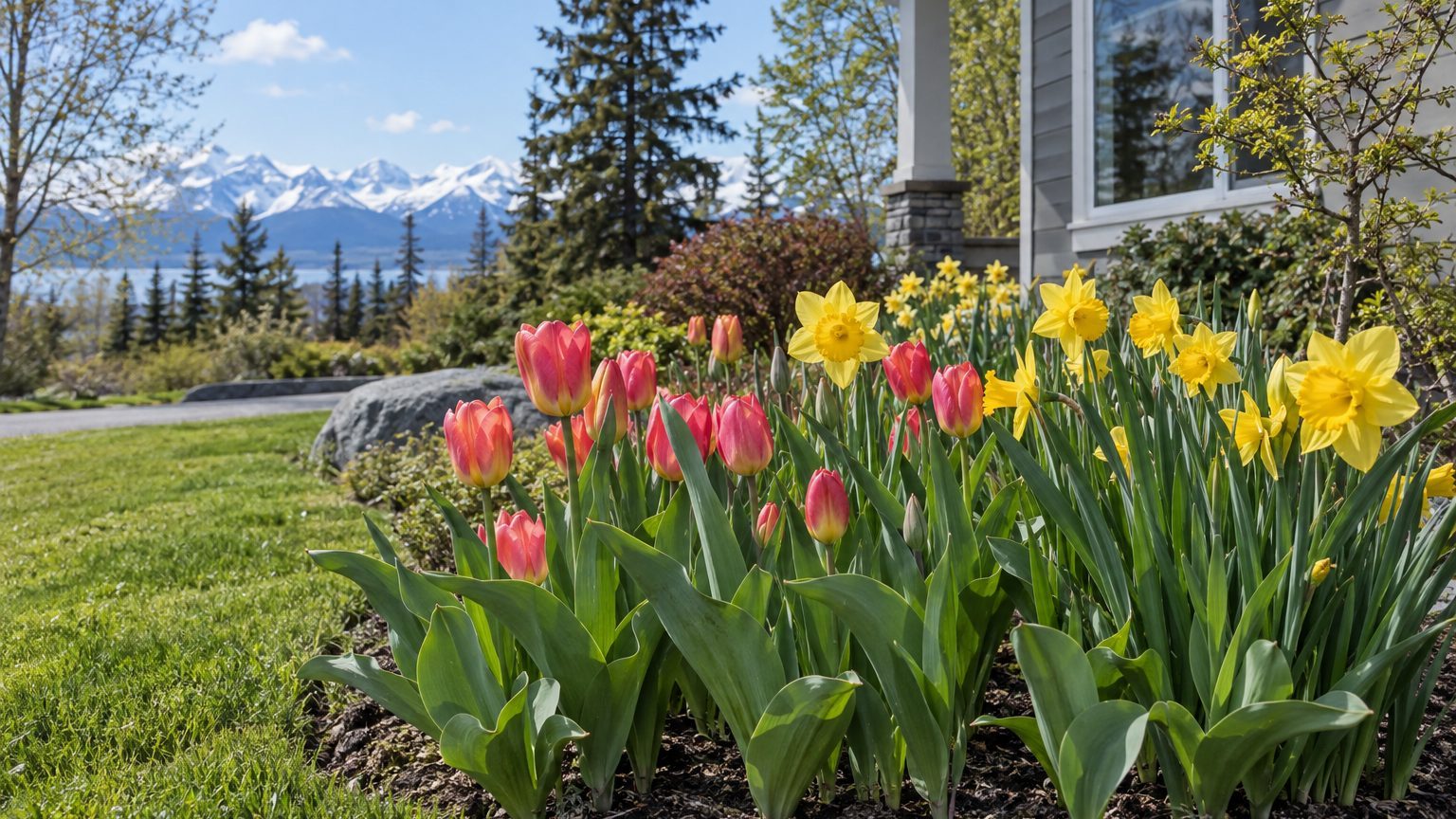
When to Plant Tulips and Daffodils in Alberta

When to Plant Tulips and Daffodils in Alberta

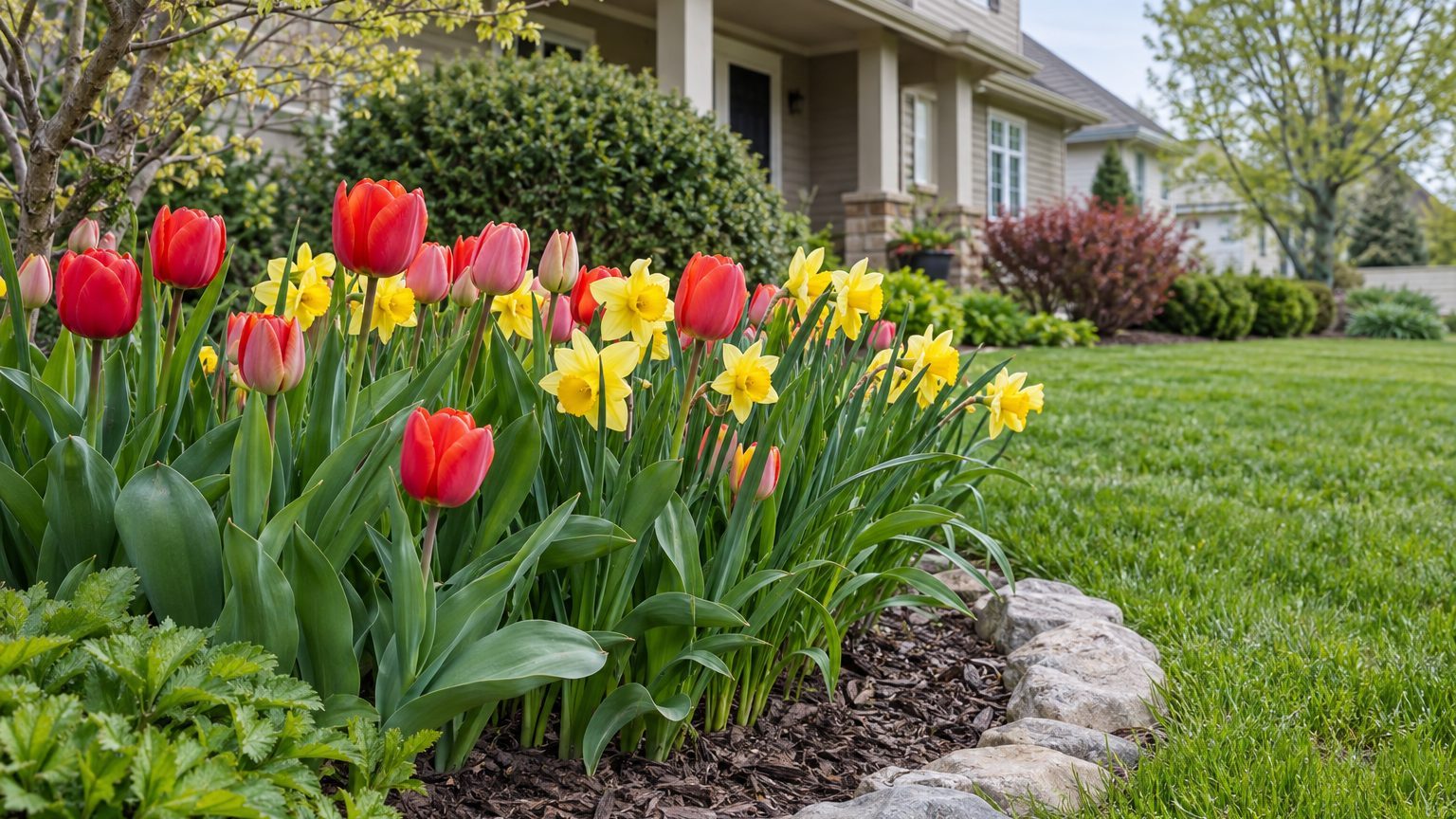
Daffodil leaves poking through cold Alberta soil are one of the first signs that spring has really arrived, and they are a sign that someone planted the bulbs the autumn before. For Alberta yards, the work happens between late summer and the first hard freeze, and it comes down to a few weeks of soil you can still dig.

When to Plant Tulips and Daffodils in Alberta

When to Plant Tulips and Daffodils in Alberta

Plant tulips and daffodils in Alberta from mid-September through mid-October, while the soil is cool and still workable. The bulb’s year runs like this:

  • In late summer, buy bulbs that are firm and heavy for their size, and keep them somewhere cool and dry until the soil is ready.
  • Skip the refrigerator, because Alberta winters supply all the chill that tulips and hyacinths need, and planting outdoors lets the cold do that work.
  • In September and October, plant once the soil has cooled below about 16°C (60°F), early enough for roots to form before the ground freezes and late enough that the bulbs do not sprout in autumn.
  • When the soil begins to freeze, spread a layer of mulch over the bed so the ground stays evenly cold through the winter.
  • In April and May, shoots push up and the flowers open, with tulips peaking from late April to mid-May.

First fall frost arrives around September 16 on average in Calgary, which sits in Canadian hardiness zone 4a, and in half of years it comes later than that. Alberta has no local bulb timing page of its own, so these dates follow the nearest comparable climate, and a local garden centre, garden society or provincial gardening group can confirm timing for your district.

Which Spring Bulbs Do Best in Alberta?

Daffodils and alliums are the dependable choices in Alberta. Winter cold is plentiful, so chilling is not the problem. The risk lies in how long a bulb lives and in who else wants to eat it, and tulips and crocus fare worst on both counts.

Hyacinths are worth planting alongside the others, since they need the same cold winter and the same autumn timing as tulips.

Bulb type How it does in Alberta Why
Daffodils Reliable year after year They live longer than tulips, and animals leave them alone
Alliums Easygoing and dependable They need the cold of winter to bloom and can go in a few weeks before a hard frost
Hybrid tulips Short-lived, often fading after a few springs Years of hybridizing have weakened their ability to return
Species tulips Better at coming back The shorter types with smaller flowers last better than showy hybrids
Crocus Likely to be eaten Voles, squirrels, rabbits and deer go after them

Alliums have a slight skunky odor that repels rodents and deer, which makes them useful beside bulbs animals prefer. Plant tulips for a show you expect to renew, and let daffodils carry the long-term display.

When to Plant, Chill and Care for Spring Bulbs in Alberta

The yearly rhythm is simple: plant in autumn, let winter do the chilling, and leave the foliage alone after bloom. Most spring-flowering bulbs need about 12 to 16 weeks of cold to flower, and an Alberta winter delivers that without help.

Where the months are not fixed, a sign in the garden does the job instead.

Task Best timing in Alberta Why then
Plant tulips, daffodils, crocus, alliums and hyacinths September to October, when the soil is below about 16°C (60°F) Roots settle before the ground freezes, and the bulbs stay below ground until spring
Chill tulips and hyacinths in the refrigerator Not needed in Alberta Winter cold is long enough on its own
Mulch the bed When the soil begins to freeze Steady cold keeps bulbs from being pushed around by thaws
Enjoy the bloom April to May Spring warmth brings the flowers up after the cold winter
Leave the foliage As long as the leaves are green The leaves feed the bulb for next year

After bloom, remove only the faded flowers and let the leaves stay until they turn brown. Never cut or tie green leaves, because that starves the bulb for next spring.

How Bulb Planting Time Changes Across Alberta

Alberta is not one climate, and the planting window slides a little depending on where your yard sits. Calgary is the reference point for the dates above, and districts to the north or in the hills run behind it.

  • Peace River country: The north cools sooner in autumn, so aim for the early part of the planting window, when the soil is still workable.
  • Edmonton: Farther north than Calgary, the soil here tends to cool a little sooner, so lean toward the earlier part of the window.
  • Banff and Canmore: Mountain towns sit at higher elevation and freeze early, so plant at the start of the window and watch for frozen ground.
  • Medicine Hat: The south stays milder into autumn, so planting can drift toward the later part of the window.

Wherever you live, let the soil temperature and the thaw-free ground guide you more than the calendar alone.

Where to Get Bulb Advice in Alberta

Alberta has no county extension offices, so advice comes from the province and from local gardeners. Alberta Agriculture and Irrigation is the provincial ministry to start with for general questions on soil and plant health.

  • A local garden centre can tell you which bulbs arrive in stock and how your area’s soil usually behaves, so visit before the planting window opens.
  • A local garden society or master gardener group can help diagnose problem beds and point you to soil testing, ideally in late summer before you dig.
  • Provincial gardening groups share what works in your district, which helps fine-tune planting dates before the cold arrives.

Common Questions

Can You Plant Spring Bulbs After October in Alberta?

Yes, as long as the ground can still be dug. A bulb that is still in the bag is better planted late than stored over the winter, because it will not keep until next year.

Why Do Tulips Fade After a Few Years?

Tulips are perennials, but hybridizing has weakened the bulbs’ ability to come back every year. Species tulips, the shorter types with smaller flowers, tend to return better, and you can also treat showy hybrids as annuals and replant.

How Can You Keep Squirrels and Deer Away from a Bulb Bed?

Mix daffodils and alliums among or around the tulips and crocus. Daffodils are left alone by animals, and alliums have a slight skunky odor that repels rodents and deer.

When to Plant Tulips and Daffodils in Alaska

When to Plant Tulips and Daffodils in Alaska

A paper sack of bulbs on the porch in late summer, just as birch leaves start turning yellow, is how an Alaska spring begins. Tulips and daffodils go in the ground while the soil is still workable, then spend the long winter under snow doing their rooting and chilling.

When to Plant Tulips and Daffodils in Alaska

When to Plant Tulips and Daffodils in Alaska

Plant in August and September, with late August to early September the target, or whenever the soil has cooled into the low to mid 50s °F. A bulb’s year here runs like this.

  • In August, buy your bulbs while the selection is full, choosing firm ones with no soft spots or mold.
  • From late August to early September, set them in the ground. Planting once the soil has cooled below about 60°F gives roots time to form before the ground freezes, yet keeps the bulbs from sprouting in the fall.
  • Once the ground begins to freeze in late fall, spread mulch over the bed to even out the freezing and thawing that can heave bulbs upward.
  • Through winter, the cold does the chilling for you. Most spring bulbs want about 12 to 16 weeks of it, and Alaska winters supply it, so the refrigerator step used in mild climates is unnecessary.
  • In spring, as the snow pulls back and the soil thaws, the first green shoots push through the mulch.

For a sense of timing, the first fall frost in Anchorage tends to arrive between September 22 and October 1, which is why planting at the start of the window matters. Alaska spans USDA hardiness zones 1a to 8a, so dates built around Anchorage shift in other parts of the state.

Which Spring Bulbs Do Best in Alaska?

Daffodils are the dependable choice, since they last for years and nothing in the yard wants to eat them. Alliums, snowdrops and scilla also cope well with Alaska winters. Tulips are possible but short-lived, and they tempt hungry animals.

The cold itself is not the obstacle here, because winters easily deliver the chill that bulbs need. Voles, squirrels, rabbits and deer are the bigger concern for the bulbs they like.

Bulb type How it does in Alaska Why
Daffodils Reliable, returns for years Longer-lived than tulips, and animals leave them alone
Tulips Worth trying, often short-lived Voles, squirrels, rabbits and deer eat them
Alliums Good choice, such as ‘Purple Sensation’ Needs winter cold to bloom
Scilla Winters over well in Fairbanks Tough enough for Interior cold
Snowdrops Hardy Handles cold winters without trouble

Greigii tulips, the short, broad-leaved type, have come up after a mild winter in Alaska, and grape hyacinth sometimes winters over in Fairbanks too. Crocus belong in the same camp as tulips, since rodents dig them up. If critters visit your yard, lean on daffodils and alliums.

When to Plant, Chill and Care for Spring Bulbs in Alaska

The bulb year here has three main jobs: planting before the ground locks up, letting winter do the chilling, and leaving the foliage alone after bloom. A sign in the soil or the leaves works better than a date.

Task Best timing in Alaska Why then
Plant bulbs August to September, ideally late August to early September, or when soil is in the low to mid 50s °F Roots settle before the ground freezes
Plant bulbs still in the bag As long as the ground can be dug Late planting beats storing bulbs over winter
Leave the foliage After bloom, until the leaves turn brown The leaves feed the bulb for next year
Remove faded flowers After bloom Only the spent blooms come off, never the leaves

Alaska winters already provide the cold the bulbs need, so there is no need for a separate chilling step. Resist tidying the bed while the leaves are still green, even if the yellowing foliage looks messy next to the new growth of summer perennials. Tuck it behind taller plants if you need to hide it.

How Bulb Planting Time Changes Across Alaska

Alaska is huge, and the planting window shifts with the length of the fall. The soil-temperature sign works everywhere, so use it when a date feels off.

  • Anchorage: One of the milder inhabited parts of the state, with a longer growing season. The full August to September window is realistic, though late August to early September is still the target.
  • Fairbanks and the Interior: The season is far shorter, and winter arrives sooner. Aim for the start of the window, and check the soil rather than the calendar. Scilla and snowdrops are proven performers here.
  • Farther north: The season is shorter still, so plant as early in the window as the bulbs are available, and keep to hardy types.

Long summer daylight helps bulbs recover and store energy, but it does nothing to slow the cooling of the soil in fall.

Where to Get Bulb Advice in Alaska

For a local planting date, a soil test or a diagnosis of a bed that has not performed, two offices can help.

  • The University of Alaska Fairbanks Cooperative Extension Service publishes bulb guidance written for Alaska conditions, and it is a good first stop in late summer before you buy.
  • Your county or district extension office can test your soil and look at problem plants, so bring a sample or a bulb in spring when growth shows.
  • Once the bulbs are bought, the next job is to check the soil temperature and plant them.

Common Questions

Which End of a Bulb Goes Up?

The pointed tip faces up and the flatter, roughly rooted base faces down. If you cannot tell, set the bulb on its side, and the shoot will find its way up.

Should You Water Bulbs After Planting?

Give them one thorough watering so the soil settles around them and roots can start growing. After that, fall moisture and winter snow handle the rest, so there is no need to keep watering.

What Kind of Soil Do Spring Bulbs Need?

They need soil that drains well, since a bulb sitting in soggy ground tends to rot. If your bed stays wet after the spring thaw, choose a higher spot or work compost into the soil before planting.

When to Plant Tulips and Daffodils in Alabama

When to Plant Tulips and Daffodils in Alabama

Bulb bags start showing up at garden centers once the heat finally loosens its grip, and the question is always how long they can wait. In Alabama, tulips and daffodils go into the ground later than most gardeners expect, well after the first cool snap.

When to Plant Tulips and Daffodils in Alabama

When to Plant Tulips and Daffodils in Alabama

Plant spring bulbs in November and December, and the ground stays workable enough that October or January can also do the job when the calendar gets away from you. The bulb’s fall, from the shelf to the first shoot, runs like this.

  • In early fall, buy bulbs while the selection is full, choosing ones that feel firm and heavy for their size.
  • Right after buying, tulips and hyacinths go into the refrigerator, because Alabama winters usually run too mild to give them the cold they need. Alliums skip this step.
  • In November and December, plant once the soil has cooled well below summer warmth. Refrigerated bulbs can go in even into early January.
  • Right after planting, spread a layer of mulch to hold the soil steady through winter swings, and water once to settle the soil around the bulbs.
  • In late winter, the first green shoots break the surface, and the roots formed over the cool months now feed them.

Frost dates give a rough sense of the season. The first fall frost typically arrives between November 2 and November 16 at the reference weather station, in USDA zone 7a to 9a country. Yards outside town often see frost sooner, so check the date for your own county.

Which Spring Bulbs Do Best in Alabama?

Daffodils are the dependable choice here. Alabama winters are mild across zones 7a to 9a, and that shortens the life of tulips, which often fade after a single season. According to Iowa State University Extension, alliums need the cold of winter to bloom.

Bulb type How it does in Alabama Why
Daffodils Reliable year after year Longer-lived than tulips, and animals leave them alone
Single late tulips A good tulip for warm climates Long, strong stems and deep, cup-shaped blooms (a pick for Alabama)
Species tulips Can naturalize in the South A few come from warm climates and flower without a cold period
Other tulips Often fade after the first year Mild winters give too little cold, and animals eat them
Alliums Needs winter cold to bloom Needs a winter chill period

Hyacinths can flower here when chilled in the refrigerator before planting. Crocus is worth planting only where voles, squirrels, rabbits and deer leave it alone, since they eat crocus as readily as tulips. Daffodils escape all of that.

When to Plant, Chill and Care for Spring Bulbs in Alabama

The year’s work comes down to three jobs: planting in the cool months, chilling the bulbs that need it, and leaving the leaves alone after bloom. Each one has its own signal, and none of them depends on a date you have to calculate.

Task Best timing in Alabama Why then
Plant November to December, with October or January as fallbacks Cool soil lets roots settle without pushing top growth too early
Chill tulips and hyacinths In the refrigerator, starting as soon as the bulbs come home Most spring bulbs need about 12 to 16 weeks of cold to flower
Leave the leaves As long as they are green, until they turn brown The leaves feed the bulb for next spring

After bloom, remove only the faded flowers. Cutting or tying the leaves while they are green starves the bulb, and a weak bulb gives a thin show the next year.

How Bulb Planting Time Changes Across Alabama

Alabama stretches from the Tennessee line to the Gulf, and the soil does not cool at the same pace everywhere. Where you live decides where in the planting season you aim.

  • Tennessee Valley and the Huntsville area: Soil cools sooner here, so planting can start at the early end of the season. Winters give tulips more real cold than in the south.
  • Birmingham and central Alabama: The middle of the planting season fits well. Refrigerating tulips and hyacinths first is still the safe route.
  • Mobile, Baldwin County and the Gulf Coast: Soil stays warm much longer, so plant late in the season. Chilling tulips and hyacinths in the refrigerator is a must on the coast.

Higher ground in the Appalachian foothills runs cooler than the valleys beside it, which nudges planting a little earlier there.

Where to Get Bulb Advice in Alabama

A county office can sort out a failing bed faster than guessing can. Questions about bulbs that came up weak or never came up are what these offices handle all year.

  • The Alabama Cooperative Extension System publishes fact sheets on bulbs and bed preparation, worth a read before you shop.
  • Your county extension office can test your soil and help diagnose a bed where bulbs keep failing, so call before planting.
  • Master gardener volunteers answer questions about local conditions, and the extension office can connect you with them any time of year.

Common Questions

What If the Bulbs Are Still in the Bag in January?

Plant them. A bulb in the bag is better planted late than stored over the winter, so plant as long as the ground can be dug.

Do Tulips Come Back Every Year in Alabama?

Usually not for long. In Alabama, many tulips are not persistent in the South and decline after the first year. In Alabama, they are treated like annuals, dug and discarded after bloom. Daffodils are the dependable perennial bulb.

Why Wait for the Soil to Cool Before Planting?

Bulbs planted into warm ground can sprout in the fall, and that growth is lost to the first hard frost. Waiting until the soil has cooled below about 60°F gives roots time to form without early top growth.

Spring Bulbs Guide: Types, Seasons and Hardiness by State

Spring Bulbs Guide: Types, Seasons and Hardiness by State

Daffodils nodding along a fence in spring, or tulips that put on one show and never return: both are decided by what goes into the ground the autumn before. Spring bulbs are planted in fall, wait out the winter and flower as the soil warms, but how well they do changes a great deal between Alaska and Florida.

The Spring Bulb Year by Season

A spring bulb spends most of its year out of sight, and each season asks one thing of you.

  • In early fall, garden centers stock bulbs at their fullest selection, so buy then. A bulb still in the bag does better planted late than stored over the winter.
  • Once the soil has cooled below about 60°F, plant. Roots have time to form before the ground freezes, and the bulbs stay too cool to sprout before winter.
  • Through winter, the bulb rests underground and settles its roots. Most spring-flowering bulbs need about 12 to 16 weeks of cold to flower, so the cold is what sets the bloom.
  • In early spring, shoots rise as the soil warms and the flowers open, running on the energy stored in the bulb.
  • After the bloom, remove only the faded flowers and leave the leaves in place until they turn brown, because they are feeding the bulb for next year.
  • In summer, the foliage is gone and the bulb sleeps again below ground, so mark the spot to keep a spade away from it.

The state selector right under this section takes you to the page for your own state.

Types of Spring Bulbs and How to Tell Them Apart

Tulips come in several families. Darwin hybrids and Emperor tulips are bred to return for several years, while the botanical (species) tulips are less showy than the big hybrids but very hardy and good for naturalizing.

Narcissus, the daffodils, have trumpet-shaped flowers in yellow or white, and they are the more reliable perennial bulb. Hybrid tulips are often short-lived.

Bulb type When it blooms What it needs
Tulips During the spring succession Winter chill, and a refrigerator stint where winters are mild. Hybrids often fade after a few years
Daffodils During the spring succession Little fuss. They last longer than tulips and never have to be dug
Snowdrops and winter aconites At the start of the season Cold winters. Snowdrops are hardy
Alliums (ornamental onions) At the end of the season Winter chill, and planting a few weeks before a hard frost works

Crocus, grape hyacinths, Siberian squill (scilla) and bluebells are small bulbs that suit the dappled ground under trees and shrubs, as in Illinois yards. Hyacinths, like tulips, are chilled in the refrigerator before planting where winters are too mild. Squirrels and voles go after crocus, which is worth knowing before you plant a lawn full of them.

Best Spring Bulbs by Region and Hardiness Zone

Winter cold, soil type and hungry wildlife shape what lasts from one region to the next.

  • Upper Midwest and northern plains: In Wisconsin, daffodils tend to outlive tulips in the wet, heavy clay, and hybrid tulips may return only a few years. Minnesota and the Dakotas share the cold, and in South Dakota alliums can go in a few weeks before a hard frost.
  • New England and New York: In New Hampshire, most species and hybrids are hardy to zone 3. Daffodils planted among tastier plants can train deer to stay away from them.
  • Mid-Atlantic, Kentucky and Tennessee: In Maryland, daffodils, hyacinth, allium, fritillaria and scilla are the ones deer and squirrels pass over. Daffodils naturalize and never need digging.
  • Deep South: In South Carolina, tulips are treated as annuals and discarded after bloom, while jonquil, tazetta and poeticus daffodils grow reliably. In Georgia, tulips usually decline after the first year.
  • Texas: Mild winters mean tulips, crocus, some narcissus and Dutch hyacinth need six to 10 weeks of chilling before planting.
  • Rocky Mountain states: In Wyoming, species tulips, snow iris and crocus cope with the dry conditions. Daffodils are a good pick because deer leave them alone.
  • Pacific Northwest: In Washington, Darwin hybrids and Emperor tulips return for several years, but deer will eat tulips and avoid daffodils.
  • Florida: Winters are too warm to give tulips the resting period they need, so they are not worth the effort there.

Alaska, the Desert Southwest and the Great Lakes follow the same logic, and your state page narrows it further.

Common Spring Bulb Problems and What Causes Them

Leaves but No Flowers

Leaves but No Flowers — Spring Bulbs Guide: Types, Seasons and Hardiness by State

A bulb that was planted too late, or never got enough cold, comes up green and skips the bloom. In Texas, bulbs planted in January or February do not have time to grow a strong root system before spring. Plant in fall, and where winters are mild, chill tulips and hyacinths first.

Tulips That Do Not Return

Tulips That Do Not Return — Spring Bulbs Guide: Types, Seasons and Hardiness by State

Most hybrid tulips fade after the first year, especially where winters are mild. According to Texas A&M AgriLife Extension, the cause is too few chilling hours, more so the further south you go. Wet clay and water-hungry annuals planted right on top shorten the bulbs’ life. Replant fresh bulbs each fall, or choose daffodils.

Missing or Chewed Bulbs

Empty holes where bulbs went in, or flowers nipped off at the stem, point to voles, squirrels, rabbits or deer. Tulips and crocus are their favorites. Daffodils get left alone, and their sap contains needle-sharp crystals that burn the mouth.

Rotting Bulbs

Shoots that wilt soon after they emerge, in a spot where water stands in spring, suggest root rot. The advice is to pull such plants up and throw them away. Replant in full sun on ground that drains.

Spring Bulb Guides by State

Two pages cover the timing that depends on where you live, and the state selector under the first section leads to both.

  • When to Plant Tulips and Daffodils in your state, for the planting window to aim for in fall.
  • When Do Tulips and Daffodils Bloom in your state, for the months the flowers open, so you can plan the spring show.

Common Questions

Can You Plant Spring Bulbs Late?

Yes. A bulb still in the bag is better planted late than stored, and it can go in as long as the ground can be dug. In Tennessee, planting runs into early winter, and the bulbs still collect the chilling they need for bloom.

Which Bulbs Grow Under Trees?

In Illinois, grape hyacinths, crocus, winter aconites, snowdrops, Siberian squill, leucojums, bluebells and early maturing daffodils perform well under trees and shrubs. They flower before the canopy fills in and shades them.

Do Bulbs for Pots Need Chilling Too?

Hardy bulbs need a chilling spell to behave as if they went through a winter, and this goes for forcing them indoors. Tender bulbs skip that step and can be started at any time.

The almanac, state by state. Every date on this site comes from a state’s own frost facts and its extension service’s calendar — and says where it comes from.