Skip to content

When Do Tulips and Daffodils Bloom in Hawaii?

When Do Tulips and Daffodils Bloom in Hawaii?

Spring bulbs in Hawaii are a different project from the same bulbs on the mainland, because the islands have no winter frost in the places where people garden. Tulips and hyacinths still flower here, but only when you give them the cold they miss.

When Do Tulips and Daffodils Bloom in Hawaii?

When Do Tulips and Daffodils Bloom in Hawaii?

Tulips and daffodils bloom as the weather warms in spring, and the timing is set by when the bulb finishes its cold rest, not by a calendar month. Lowland Hawaii has no freeze, so a bulb gets no natural chill in the ground.

Most spring-flowering bulbs need about 12 to 16 weeks of cold to flower. Where winters are too mild to give it, tulips and hyacinths are chilled in the refrigerator before planting, and that chilling decides when the bloom can start.

Bulb When it blooms in Hawaii What sets the timing
Daffodils (narcissus) Follows the warming of spring once the bulb has had its cold Cold rest first, and mild winters make the true daffodil a harder crop
Tulips Follows the warming of spring after chilling Refrigerator chilling before planting, since the ground never gives it
Hyacinths Follows the warming of spring after chilling Refrigerator chilling before planting
Alliums Blooms after a winter chill Needs winter chill before blooming

Crocus and the early, mid-season and late tulip groups have no separate timing here, so treat them like any other chilled bulb. The USDA hardiness system, which rates only the average annual extreme minimum temperature, places the islands in zones 9a to 13a, and the upper slopes differ from the coast. Frost reaches only the high summits of Mauna Kea, Mauna Loa and Haleakala, never the gardens below. Rainfall, elevation and windward or leeward exposure govern growing here.

How to Tell Your Bulbs Are About to Bloom

Bulbs announce themselves in stages, and each stage tells you something about what to do next.

  • Green tips pushing through the soil mean the bulb has rooted and woken, so keep the bed lightly moist and leave the planting site alone.
  • Flat, strap-like leaves opening wider tell you the bulb is feeding itself, so do not trim them even if they look untidy.
  • A flower stalk rising from the center of the leaves means the buds were formed, which is proof the chilling worked.
  • Buds swelling and starting to show color mean the bloom is close, so move potted bulbs to a spot where you will see them.
  • Leaves that stay short with no stalk in the middle point to a bulb that missed its cold, and that matters for next year’s chilling.

Rain and strong wind can flatten a stalk just before it opens, so a sheltered corner helps tall tulips.

What to Do After Tulips and Daffodils Bloom in Hawaii

Snip off the faded flowers and leave everything else. The leaves keep working after the petals drop, feeding the bulb for next year, so they stay on the plant until they turn brown. Do not tie them in knots or cut them while they are green.

Expect tulips to be short-lived in the garden, and plan on fresh chilled bulbs rather than a repeat show. Daffodils last longer and are the more reliable perennial bulb, so they are the ones worth leaving in place.

Voles, squirrels, rabbits and deer eat tulips and crocus, while daffodils are left alone. If animals visit your yard, that is one more reason to lean on daffodils.

How Bloom Time Shifts Across Hawaii

Bloom timing moves with elevation, rainfall and which side of an island you garden on, since the lowlands never see frost.

  • Hilo side of the Big Island: The windward coast is wet, so bulbs sit in damp soil that can rot them, and drainage matters more than anything else.
  • Kona side of the Big Island: The leeward coast is drier and warmer, so bulbs depend on your watering and on the chilling you give them.
  • Upcountry Maui on the slopes of Haleakala: Higher ground is cooler than the coast, so bulbs there are more likely to behave like their mainland relatives, though frost belongs only to the summit.

Go up in elevation and the cool arrives sooner, so bloom comes into reach where the air is cooler.

Where to Get Bulb Advice in Hawaii

Bulb growing in the islands is local knowledge, and the people who know your valley or slope are close by.

Common Questions

Can You Plant a Tulip Bulb Straight from the Bag in Hawaii?

A bulb still in the bag is better planted than stored. For tulips and hyacinths, though, chill them in the refrigerator first, because the islands will not do it for them.

Do Alliums Need Chilling to Bloom Here?

No, which makes them an easy choice for a first try. Plant them as you would any bulb and let them flower as the weather warms.

Which Spring Bulbs Do Animals Leave Alone?

Daffodils. Tulips and crocus are the ones that voles, squirrels, rabbits and deer go after, so if animals visit your yard, plant daffodils where they roam.
When Do Tulips and Daffodils Bloom in Georgia?

When Do Tulips and Daffodils Bloom in Georgia?

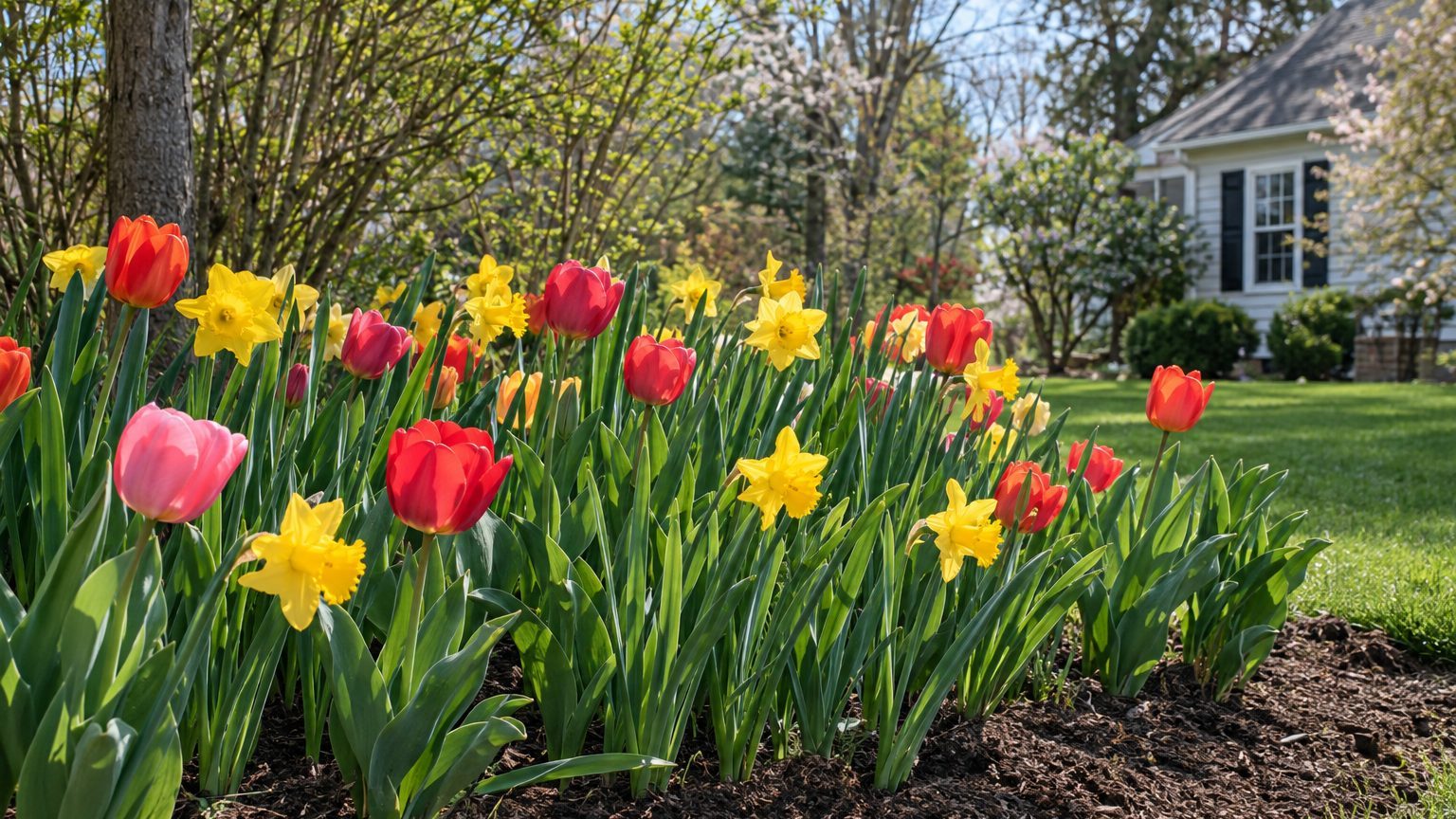
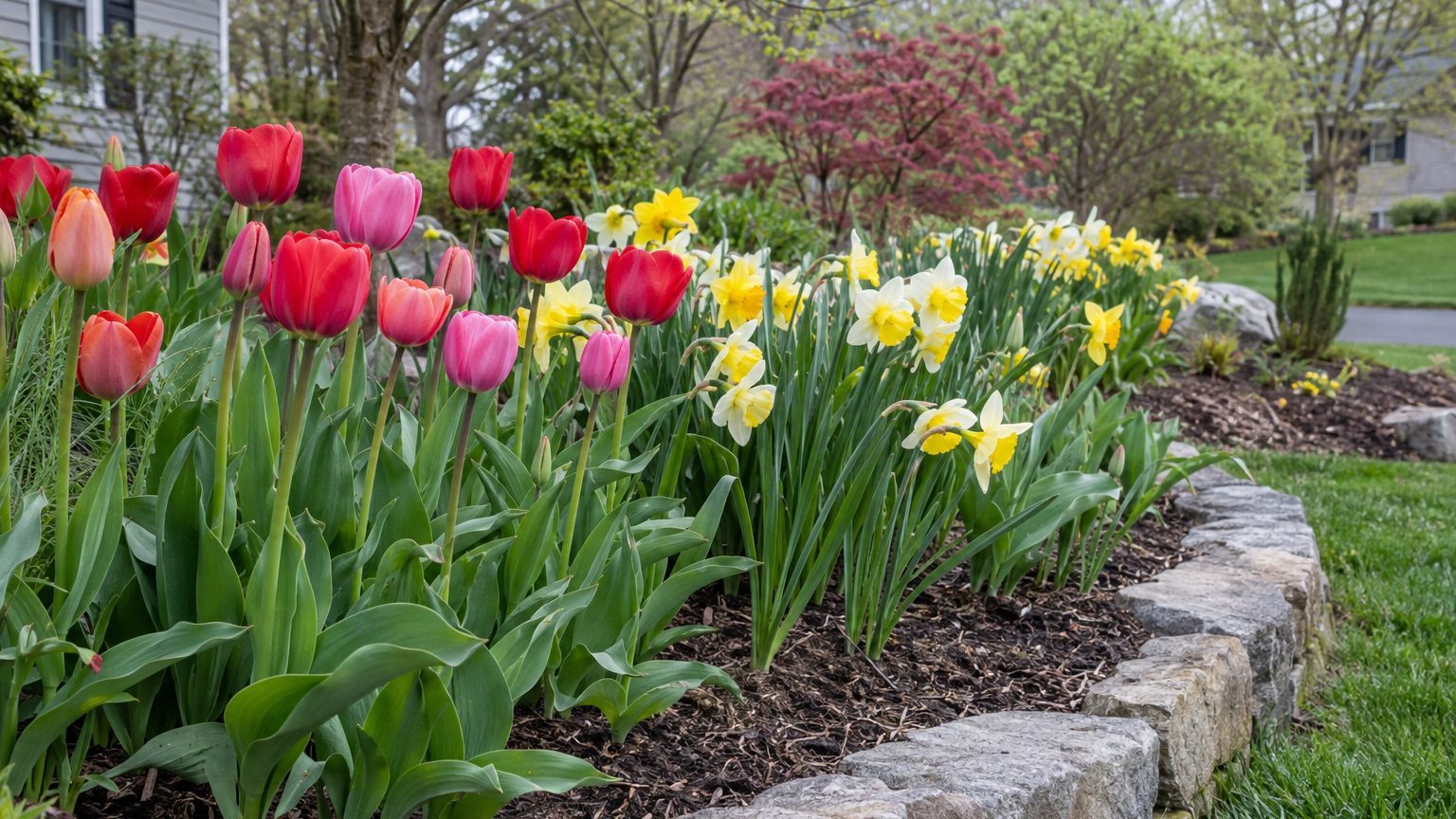
Daffodils pushing through leaf litter and tulip cups opening on a warm afternoon are what Georgia yards look like once winter loosens its grip. Both bulbs flower in spring, and the exact week shifts from year to year and from one corner of the state to another.

When Do Tulips and Daffodils Bloom in Georgia?

When Do Tulips and Daffodils Bloom in Georgia?

Tulips and daffodils bloom in spring in Georgia, once the weather turns reliably warm. No fixed month holds from year to year, because the flowers follow the warming of the soil and air rather than the calendar.

What stays steady is the chain of events behind the bloom. Bulbs go in during fall, spend the winter getting their cold, then flower when spring warmth arrives.

Bulb When it blooms in Georgia What sets the timing
Daffodils In spring, as the weather warms Winter cold followed by spring warmth. Daffodils last longer than tulips and return as dependable perennials.
Tulips In spring, as the weather warms About 12 to 16 weeks of cold. Where winter is too mild, chilling the bulbs in the refrigerator before planting makes up the difference.
Hyacinths In spring, as the weather warms Like tulips, they are chilled in the refrigerator when winter cold falls short.
Alliums Toward the end of the spring bulb season Needs winter cold to bloom, like other spring bulbs.

Crocus and daffodils belong to the early stretch of the spring parade, while ornamental onions close it. Planting time shapes the show too. The best months for planting are November and December, with October and January also working, and refrigerated bulbs can even go in during early January. Georgia gardeners get the best results when roots have time to form before the bulbs wake up.

How to Tell Your Bulbs Are About to Bloom

The bulbs themselves announce the show well before the first petal opens, so a daily look along the bed tells you more than any date.

  • Green tips poking through the soil mean the bulb has broken dormancy and roots are working below.
  • Leaves that stretch upward and thicken show the plant is gathering the energy the flower will use.
  • A bud rising from the center of the leaves means the flower is only a short wait away.
  • Buds that begin to show color, whether yellow on a daffodil or red on a tulip, tell you the flower is nearly ready to open.
  • Bare spots where nothing has emerged call for a gentle probe with a trowel to check whether the bulb is still firm, or whether voles or squirrels have taken it.

A late cold snap after the tips appear rarely does lasting harm to a bulb, but it can slow the opening, so patience pays.

What to Do After Tulips and Daffodils Bloom in Georgia

Once the petals fade, pinch off only the spent flowers. That keeps the plant from putting energy into seed and leaves the foliage doing its real work.

Leave the leaves alone until they turn brown. They feed the bulb for next year’s flowers, so cutting them green or tying them into neat knots starves the bulb. If the fading foliage bothers you, plant perennials nearby that will grow up and hide it.

Expect different staying power from each bulb. Many tulips are not persistent in the South and usually decline after the first year, so plan on replacing them. Daffodils last longer and are the more reliable perennial bulb. In Georgia, daffodils grow reliably, especially jonquil hybrids, tazetta hybrids, poeticus and species types. The same advice names Single Late tulips and some species tulips as better suited to warm climates.

How Bloom Time Shifts Across Georgia

Georgia runs from USDA zone 6a to 9b, so bloom does not happen everywhere at once. The direction of the shift is easy to follow.

  • The North Georgia mountains: Winters are colder and spring arrives later, so bulbs here generally flower later than those farther south. They also get plenty of cold, which tulips and hyacinths need.
  • Atlanta: The city is a heat island, so beds here warm sooner than the surrounding countryside and flowers can open a little ahead of suburbs just beyond the city.
  • The coastal plain: Winters run milder, so bulbs tend to bloom earlier here. Tulips and hyacinths may need refrigerator chilling to get enough cold, and coastal gardeners usually plant on the later side.

Your own yard adds its own twist, since a south-facing wall warms sooner than a shaded north bed.

Where to Get Bulb Advice in Georgia

Local advice beats general rules for a state this varied, and your county extension office is close at hand for most homeowners.

  • University of Georgia Extension publishes guidance on flowering bulbs for Georgia gardens, handy before planting season.
  • Your county extension office can answer questions about your soil and your area, and a call in early fall gives you time to act on the answer.

Common Questions

Do Squirrels and Deer Eat Daffodils?

Daffodils are left alone. Voles, squirrels, rabbits and deer do eat tulips and crocus, so daffodils make the safer choice where animals visit.

Can You Still Plant Bulbs That Stayed in the Bag?

Yes. A bulb left in the bag is better planted late than stored over the winter, so plant for as long as the ground can be dug.

How Cool Should the Soil Be Before Planting?

Wait until the soil has cooled below about 60°F. That gives roots time to form before the cold, yet keeps bulbs from sprouting in fall.

When Do Tulips and Daffodils Bloom in Florida?

When Do Tulips and Daffodils Bloom in Florida?

Green daffodil spears pushing through mulch and tulip buds opening on a cool morning are scenes most northern yards share. Florida plays by different rules. Tulips and daffodils behave differently here, and the reason is how much winter cold your bulbs actually get.

When Do Tulips and Daffodils Bloom in Florida?

When Do Tulips and Daffodils Bloom in Florida?

Bloom follows the warming of spring, and no single month fits the whole state. What decides the show is whether a bulb got the cold rest it needs, which Florida winters rarely supply to tulips and true daffodils.

Bulb When it blooms in Florida What sets the timing
True daffodils Follows spring warming, with little success expected Winters too mild to give the cold they want
Polyanthus narcissus (paper white, Grand soleil d’or) Follows spring warming, and these do well Better suited to mild winters
Tulips Follows spring warming, once chilled Refrigerator chilling before planting
Hyacinths Follows spring warming, once chilled Refrigerator chilling before planting
Alliums Follows spring warming Needs winter cold to bloom

Crocus, early tulips and late tulips have no separate Florida timing worth promising, since they depend on the same missing cold. Of the group, alliums and the polyanthus narcissi are the ones that suit a Florida yard without a workaround.

How to Tell Your Bulbs Are About to Bloom

Because bloom follows the weather and not a fixed date, the bulbs themselves are a better clock than any calendar.

  • Green tips breaking the soil mean roots are working and the bulb has settled in, so keep the bed lightly moist and leave the mulch alone.
  • A leaf rosette that keeps widening says the bulb is gathering energy, so protect it from foraging animals and from being stepped on.
  • A thick stalk rising from the center of the leaves means a flower is on the way, which is your cue to clear nearby weeds so the stem stays upright.
  • A swollen bud still wrapped in green tells you color is close, and a cool spell will hold it back while warm days hurry it along.
  • A bud showing color at the tip is close to opening, so enjoy the flowers where they stand.
  • Leaves with no flower stalk usually mean a bulb that never got enough cold, which is common with tulips and hyacinths planted straight from the bag.

A bulb that sends up only leaves may not have received enough winter cold.

What to Do After Tulips and Daffodils Bloom in Florida

Snip off the faded flowers and leave everything else. The leaves feed the bulb for next year, so they stay in place until they turn yellow and then brown. Do not braid, knot or tie them, which cuts down the surface that gathers sunlight.

Expect tulips and daffodils to behave differently after bloom. Tulips are often short-lived in the garden, and Florida winters are too warm for the rest they need. Daffodils last longer and are the more reliable perennial bulb, though polyanthus types suit Florida better than the true daffodil.

Once the leaves have browned, they pull away easily and the bed can be tidied. Treat tulips as a seasonal color you replace, and keep your long-term bulb space for the kinds that return.

How Bloom Time Shifts Across Florida

Florida is long enough that winter cold changes a lot from the top of the state to the bottom, and the USDA hardiness zone system reflects that with a range of 8b to 11b.

  • Jacksonville and north Florida: Freezes still happen here, and the last one falls between February 16 and March 7 at Jacksonville. North Florida gets more outdoor cold than central and south Florida, though tulips still do not get the cold rest they need.
  • Orlando and central Florida: Frost is effectively absent, so bulbs that need a cold rest almost never get one outdoors. Refrigerator chilling is the reliable route, and bloom comes with spring warmth.
  • Miami and south Florida: Winters are warm, so tulips and hyacinths need refrigerator chilling, and according to Iowa State University Extension, alliums need the cold of winter to bloom.

Do not use the Jacksonville frost window for Orlando or Miami, because it does not apply there.

Where to Get Bulb Advice in Florida

Local growing conditions vary enough that advice written for your county beats general rules. University of Florida/IFAS Extension publishes bulb guidance for the state and offers local help.

  • The extension website carries bulb lists written for Florida yards, so look there before you buy anything new.
  • Your county office can tell you how cold your area really gets, so ask before you plant a bulb that needs a chill.
  • Call or visit before planting season, when staff can point you to bulbs that suit your soil and climate.

Common Questions

When Should You Plant Spring Bulbs in Florida?

Plant once the soil has cooled below about 60°F. That leaves roots time to form without pushing the bulbs into sprouting too early.

Will Animals Eat Your Tulips and Daffodils?

Voles, squirrels, rabbits and deer eat tulips and crocus. Daffodils are left alone, so animal damage is less of a worry.

Do You Need to Chill Bulbs Before Planting in Florida?

Most spring-flowering bulbs need about 12 to 16 weeks of cold to flower. Where winters are too mild to give it, tulips and hyacinths are chilled in the refrigerator before planting, and alliums need the cold of winter to bloom.

When Do Tulips and Daffodils Bloom in Delaware?

When Do Tulips and Daffodils Bloom in Delaware?

Daffodil spears push through cold ground, then a yard of tulips opens as the days warm. In Delaware, the show moves from the first crocus on a sunny bank to the tall flower heads of alliums, and the timing shifts a little with each spring’s weather.

When Do Tulips and Daffodils Bloom in Delaware?

When Do Tulips and Daffodils Bloom in Delaware?

Tulips and daffodils bloom in Delaware from March through May, and in a mild late winter the first of them can open as early as February. Bloom follows the warming of the soil and air, so a cool spring holds flowers back and a warm one pulls them forward.

Bulb When it blooms in Delaware What sets the timing
Crocus Opens early in the bulb season, from February into March Late-winter warmth, often with a dusting of snow still around
Daffodils March, April and May Spring warming after the winter cold
Tulips March, April and May Spring warming, after a full winter of cold in the ground
Alliums Close out the season, in May Spring warming, after the winter cold

Hyacinths join the same spring rush as daffodils and tulips. Early, midseason and late tulips are sold as separate groups, and mixing them in one bed stretches the color across the spring. Bulbs planted in October have the cool soil they need to root before winter.

How to Tell Your Bulbs Are About to Bloom

Bulbs announce themselves well ahead of the flowers, and a few quick checks in the bed tell you how close the show is.

  • Green tips breaking the soil mean the bulb has rooted and woken up, so leave mulch loose and keep the bed clear of debris.
  • Leaves that stand several inches tall show growth is moving along.
  • A fat bud rising from the center of the leaves tells you flowers are coming, so check the bed regularly.
  • Buds that show a stripe or blush of color are close to opening.
  • Flower stems that stretch and lean toward the light say the spot is shadier than the bulbs like.

A cold snap in the middle of this process slows everything down, and the buds simply wait for the next warm stretch.

What to Do After Tulips and Daffodils Bloom in Delaware

Snip off the faded flowers and leave everything else alone. The leaves are the bulb’s kitchen, and the energy they gather now becomes next year’s flowers. Wait until they turn yellow or brown before removing them.

Resist the urge to tie, braid or fold the leaves to tidy the bed. Green foliage that is bundled or cut cannot feed the bulb properly. Plant bulbs among perennials or low groundcovers that will grow up and hide the fading leaves.

Tulips are often short-lived in the garden and may thin out after a few seasons. Daffodils last longer and are the more reliable perennial bulb, so they are the better pick for a spot you want to leave alone for years.

How Bloom Time Shifts Across Delaware

Delaware is small, but a few degrees of difference between its parts can move bloom by days.

  • Wilmington and northern New Castle County: Spring tends to arrive a little later than farther south, and bulbs here open a little behind those in the lower counties.
  • Dover and central Kent County: Bloom runs on a middle schedule, and a sheltered, sunny wall brings bulbs up ahead of an open lawn.
  • Sussex County and the Atlantic beaches near Rehoboth: The ocean tempers the cold, so crocus and early daffodils may open here first, though cool sea breezes can slow things in a spring that stays chilly.

Within any yard, a south-facing bed against a house wakes up before a shaded north-side planting.

Where to Get Bulb Advice in Delaware

Questions about varieties, soil or a bed that is not performing are best taken to the state’s Cooperative Extension service and the county office near you, where local growers know what works in Delaware soil.

  • University of Delaware Cooperative Extension offers garden guidance and a way to reach your county office, and a call or visit in late summer helps before fall planting.
  • Your county extension office can answer questions about the bed in front of you, so bring a photo of leaves or buds that look odd in spring.

Common Questions

Do Tulips Need a Cold Winter to Bloom?

Most spring-flowering bulbs need about 12 to 16 weeks of cold to flower. Where winters run too mild to give them that, tulips and hyacinths are chilled in the refrigerator before planting.

Which Bulbs Do Deer and Squirrels Leave Alone?

Voles, squirrels, rabbits and deer eat tulips and crocus, but daffodils are left alone. Hyacinth, allium, fritillaria and scilla are also bulbs that animals tend to pass over.

What If Bulbs Are Still in the Bag?

A bulb still in the bag is better planted late than stored over the winter. Plant as long as the ground can be dug.

When Do Tulips and Daffodils Bloom in Connecticut?

When Do Tulips and Daffodils Bloom in Connecticut?

Green spears pushing through cold mulch are one of the first signs that spring is coming to a Connecticut yard. Tulips and daffodils follow with color over a stretch of weeks, and the timing shifts a little from year to year. Here is when to expect flowers in Connecticut and what to do around them.

When Do Tulips and Daffodils Bloom in Connecticut?

When Do Tulips and Daffodils Bloom in Connecticut?

Tulips and daffodils bloom in Connecticut from April into May. The earliest hardy bulbs can open as soon as March, and the later ones carry the show through late April and May.

Bulb When it blooms in Connecticut What sets the timing
Earliest hardy bulbs, including crocus and early daffodils From March into April The first warm stretch of spring, once winter cold has done its work
Tulips and daffodils in general April and May Spring warming, plus the variety you planted
Later tulips Late April and May These open a little later in the season than the early bulbs

Alliums close out the spring succession, after the tulips are finished, and according to Iowa State University Extension, alliums need the cold of winter to bloom. Most other spring bulbs do need winter cold to flower. Connecticut gardens sit across USDA hardiness zones 6a to 7b, so the same bulb can open earlier in one yard than in another.

How to Tell Your Bulbs Are About to Bloom

The bulbs announce themselves well before the first petal opens, and a few signs in the bed tell you where things stand.

  • Green tips breaking the soil mean the bulb has had its winter cold and is responding to spring warmth, so pull back any heavy mulch and let the light in.
  • Leaves that widen and stand upright mean the flower is forming in the center, and the bed is on its way to color.
  • Buds that swell and show a streak of color while still closed mean bloom is close, which is the moment to plan around a garden party or a photo.
  • Shoots that look nibbled or vanish overnight, especially tulips and crocus, point to voles, squirrels, rabbits or deer, which eat those two but leave daffodils alone.
  • Bare patches where tulips went in years ago are normal, since tulips are often short-lived in the garden while daffodils last longer.

Keep an eye on the beds regularly once the first tips show, because bloom builds fast after a warm spell.

What to Do After Tulips and Daffodils Bloom in Connecticut

Snip off the faded flowers and nothing else. Removing the spent bloom keeps the plant from spending energy on seed, while the leaves go on working. Tulips and daffodils flower on the energy their leaves stored the year before, and the leaves refill the bulb for next spring.

Leave the foliage standing until it turns yellow and then brown. Do not braid it, tie it in knots or cut it back while it is green, however untidy it looks. Tuck perennials or annuals in front of the fading leaves so the bed still looks tended.

Plan for tulips to thin out over the years. Daffodils are the more reliable perennial bulb and keep coming back, and they naturalize well, especially in partly shady spots. Fosteriana tulips also perennialize well, so they are a smart pick if you want tulips that return.

How Bloom Time Shifts Across Connecticut

Connecticut is a small state, but the Sound, the hills and the distance from the water all move bloom time by a visible margin.

  • Shoreline along Long Island Sound: Bridgeport sees its last spring frost between April 2 and April 12, earlier than in the north, so bulbs here tend to wake and open ahead of the rest of the state.
  • Litchfield Hills and the northwest: Spring frost lingers longer here, and winters run colder, so bulbs open later than on the coast and often push toward the May end of the window.
  • Inland towns between the two: Expect bloom to fall between the shoreline and the hills, with a south-facing wall or a sheltered corner nudging it earlier.

A bed against a warm foundation can flower before the same bulbs out in an open lawn, so compare your own yard from one year to the next rather than leaning on a single date.

Where to Get Bulb Advice in Connecticut

Local questions about varieties, soil and timing are best sent to the people who work with Connecticut gardens every season. University of Connecticut Extension, found through UConn Extension, is the state’s land-grant extension service.

  • The extension website carries fact sheets on bulbs, soil and pests, and it is worth a visit in late summer before you order or buy bulbs.
  • The extension office that serves your county can look at a photo or a sample if bulbs failed to flower, so reach out in spring while the leaves are still green.

Common Questions

When Should You Plant Tulips and Daffodils in Connecticut?

October is the planting month, so the roots form before the ground freezes. Wait until the soil has cooled below about 60°F, which keeps the bulbs from sprouting in fall.

Can You Plant Bulbs in November or December?

Yes. Planting is still possible in November and December as long as the ground is not frozen. A bulb still in the bag goes in as soon as the soil can be dug, since it does better planted late than left to wait.

Do Connecticut Winters Give Bulbs Enough Cold?

Most spring-flowering bulbs need about 12 to 16 weeks of cold to flower, and Connecticut winters generally supply it in the ground. Refrigerator chilling is meant for places with winters too mild to give that cold. Alliums need the cold of winter to bloom.

When Do Tulips and Daffodils Bloom in Colorado?

When Do Tulips and Daffodils Bloom in Colorado?

Green spears push through cold Colorado soil and then wait, because the bulbs you set in the ground the previous fall bloom when spring warmth arrives, not on a fixed date. Tulips and daffodils flower on that schedule every year, and the timing shifts from the Front Range plains to the high country.

When Do Tulips and Daffodils Bloom in Colorado?

When Do Tulips and Daffodils Bloom in Colorado?

Tulips and daffodils bloom when spring warms the soil and air, and that happens on a different date in each yard, so no single month applies statewide. What stays steady is the order of the season. Spring bulbs flower in a long succession, with alliums arriving at the end.

Bulb When it blooms in Colorado What sets the timing
Daffodils Across a spread of blooming periods The variety you plant and how fast spring warms
Tulips After the ground warms in spring A winter chill of about 12 to 16 weeks, then spring warmth
Alliums Near the end of the spring bulb season Needs the cold of winter, then spring warmth

Daffodils, also sold as narcissus, come in many heights, colors and flower types, which is why their blooming periods vary so much between varieties. Crocus, hyacinths and the different groups of tulips follow the same rule: warmth decides the day. Bulbs planted in September and October have time to root before the ground freezes, and that early root growth is what lets them respond when spring arrives.

How to Tell Your Bulbs Are About to Bloom

The bulbs announce themselves in stages, and each stage tells you something you can act on.

  • Green tips breaking the soil mean the bulb has had its winter chill and is responding to warmth, so leave the bed alone.
  • Leaves that lengthen and open out are feeding the bulb for next year, which is why they must never be cut or tied while green.
  • A bud that rises from the center of the leaves means flowers are close, and it is a good moment to check that nothing is crushing the stem.
  • Buds that begin to show color mean bloom is near, so you can plan to cut a few stems or enjoy the display at its start.
  • Pale or chewed tips on tulips and crocus point to voles, squirrels, rabbits or deer, which is when a barrier or repellent is worth putting out.

Alliums rise a little differently, and according to Iowa State University Extension, alliums need the cold of winter to bloom; the same watching applies to their leaves and buds.

What to Do After Tulips and Daffodils Bloom in Colorado

Snip off the faded flowers and leave everything else standing. Removing only the spent blooms keeps the plant from wasting energy on seed, while the leaves stay on to feed the bulb underground.

Leave the foliage in place until it turns yellow and then brown. It looks untidy for a while, but those leaves are storing the energy for next spring’s flowers. Do not braid, knot or tie them, and do not mow them off while they are green.

Plan for some turnover. Tulips are often short-lived in the garden, so expect to replant them, while daffodils last longer and are the more reliable perennial bulb. Daffodils are also left alone by voles, squirrels, rabbits and deer, which makes them the safer choice for beds that animals visit. For tulips, species types and Darwin hybrids bred to return for several years are worth looking for.

How Bloom Time Shifts Across Colorado

Colorado spans USDA hardiness zones 3b to 7b, so bloom time moves with where you live, and the differences are real.

  • Denver and the Front Range plains: Spring warms earlier here than in the mountains, so bulbs generally wake first on the lower ground.
  • Mountain towns such as Breckenridge: Seasons run far shorter and frost can return into summer, so bulbs come up later and flower into a short window.
  • The Western Slope around Grand Junction: The climate differs again from both the plains and the high country, so local timing is worth checking with neighbors who grow bulbs.

Planting months stay the same across these places, but the bloom shifts with elevation and exposure, and a sunny south wall will flower ahead of a shaded bed.

Where to Get Bulb Advice in Colorado

Colorado State University Extension publishes guidance on fall-planted bulbs for the state’s different climates, and county offices can answer questions about your own elevation and soil.

  • The Colorado State University Extension website carries bulb and corm guides, and fall is the time to read them, before you plant.
  • Your county extension office can tell you which varieties suit your elevation, so call or visit before ordering bulbs.
  • Your local county extension office can help you identify any bulb that looks off.

Common Questions

When Should You Plant Tulips and Daffodils in Colorado?

September and October give the bulbs time to root before the ground freezes. Wait until the soil has cooled below about 60°F, so the bulbs root without sprouting in the fall.

Can You Still Plant Bulbs That Stayed in the Bag?

Yes. A bulb still in the bag does better planted late than stored over the winter, so plant as long as the ground can be dug.

Which Bulbs Handle Colorado’s Dry Conditions?

Species tulips, snow iris and crocus are named among the best-adapted bulbs for droughty conditions, and that guidance suits dry Colorado yards well. Daffodils are a sturdy partner for them.

When Do Tulips and Daffodils Bloom in California?

When Do Tulips and Daffodils Bloom in California?

Daffodil leaves pushing through mulch and tulip buds fattening on their stems are a familiar spring sight in some California yards. In others, the bulbs never bloom well at all. Where you garden decides the outcome, because winter cold, not frost dates, is what these bulbs wait for.

When Do Tulips and Daffodils Bloom in California?

When Do Tulips and Daffodils Bloom in California?

Bloom time in California follows the warming of spring, and no set months apply to the whole state. Coastal and southern California is frost-free, while Northern California, the Central Valley and the Sierra do freeze, so a bulb in San Diego and one near Lake Tahoe live very different winters.

Bulb When it blooms in California What sets the timing
Crocus and daffodils Follows the first warm spells of spring Daffodils need no pre-chilling in the way tulips do, and animals leave them alone
Tulips Follows the warming of spring after a cold winter rest Cold dormancy, about 12 to 16 weeks for most spring bulbs
Hyacinths Follows the warming of spring after a cold winter rest Chilling in the refrigerator where winters are mild
Alliums Late in the spring bulb season Winter chill required

Tulips and hyacinths ask the most of a mild climate. Where winters fall short of the cold they need, chill the bulbs in the refrigerator before planting, and in California, chilling them 4 to 6 weeks before planting gives a better bloom. Plant once the soil has cooled below about 60°F, which keeps the bulbs from sprouting too early in fall.

How to Tell Your Bulbs Are About to Bloom

Bulbs announce themselves in stages, and each stage tells you something about what to do next.

  • Green tips poking through the soil mean the bulb has rooted and is waking up, so keep mulch loose and leave the shoots alone.
  • Leaves that stretch and widen show the plant is gathering energy, which means any pulling or tidying will cost you flowers next year.
  • A bud rising between the leaves tells you the flower is on its way, so this is when to check that the soil is not bone dry.
  • A bud that begins to show color means bloom is close, and it is a good moment to cut a few stems for a vase if you like.
  • Chewed or missing shoots point to voles, squirrels, rabbits or deer, which go after tulips and crocus but pass daffodils by.

Shoots that are slow to appear in a warm yard often mean the bulbs never got enough cold.

What to Do After Tulips and Daffodils Bloom in California

Remove only the faded flowers and leave the leaves in place. Green leaves feed the bulb for next year’s bloom, so cutting or tying them while they are green costs you flowers. Wait until the foliage turns brown before you clear it.

Tulips are often short-lived in the garden, while daffodils last longer and are the more reliable perennial bulb. In a mild California yard, that difference grows, since tulips that never get their full winter rest tend to fade quickly. Many gardeners there treat tulips as a seasonal planting and count on daffodils to come back.

A bulb still sitting unplanted is better in the ground than in storage. Plant it as long as the soil can be dug, and in a mild-winter yard chill tulips and hyacinths first.

How Bloom Time Shifts Across California

California covers coast, valley and mountain climates, and bulbs respond to each one differently.

  • Southern California coast: Winters are frost-free, so tulips and hyacinths depend on refrigerator chilling before planting, and according to Iowa State University Extension, alliums need the cold of winter to bloom.
  • Central Valley: Winters freeze, which supplies more natural cold for spring bulbs, though summer heat and drought shape how long the plants last.
  • Sierra: Freezing winters give bulbs a full rest, and bloom comes later in spring than in the milder lowlands.
  • Northern California: Winters are colder than farther south, so bulbs get more of the cold they need and bloom follows the spring warm-up.

Your own yard may sit warmer or cooler than the nearest town, so watch what your bulbs do in their first year.

Where to Get Bulb Advice in California

University of California Agriculture and Natural Resources runs a statewide network of local help, and its advice is written for California conditions.

  • UC Agriculture and Natural Resources offers plant guidance for home gardeners, which is worth reading before fall planting.
  • Your county extension office can tell you how much winter cold your area really gets, so contact it before you buy bulbs.

Common Questions

Can You Grow Tulips in Southern California?

Yes, with help. Where winters are too mild, tulips are chilled in the refrigerator before planting. Expect them to be short-lived.

Do Alliums Need a Cold Period?

Yes. Alliums need the cold of winter to bloom.

Why Do Squirrels Dig Up Tulips but Not Daffodils?

Voles, squirrels, rabbits and deer eat tulips and crocus, and daffodils are left alone. Planting daffodils in the spots animals visit most is a simple way to keep spring color.

When Do Tulips and Daffodils Bloom in British Columbia?

When Do Tulips and Daffodils Bloom in British Columbia?

Green spears of daffodil and tulip leaves pushing through cold soil are one of the first signs of spring in a British Columbia yard. The flowers follow in the spring months, and the exact week depends on the variety and on how quickly your patch of the province warms.

When Do Tulips and Daffodils Bloom in British Columbia?

When Do Tulips and Daffodils Bloom in British Columbia?

Tulips and daffodils bloom from March through May, following the warming of spring. British Columbia has no local bulb-timing guide of its own, so these months follow the nearest comparable climate. Confirm local timing with a garden centre, a garden society or a provincial gardening group.

Bulb When it blooms in British Columbia What sets the timing
Daffodils March to May Spring warming, plus whether the variety opens early or late
Hybrid tulips Late March to early May Early, mid or late spring varieties
Tulips and daffodils overall March to May How fast the soil and air warm where you live

Mixing early and late varieties stretches the show, and daffodils chosen this way can carry color into early summer. Crocus and alliums sit at opposite ends of the bulb season, with alliums finishing it. In Vancouver, which sits in Canadian hardiness zone 9a (a Canadian rating that does not match any USDA zone), the last spring frost falls on average March 18. Treat that as the middle of a range, since in one year out of two the frost arrives later.

How to Tell Your Bulbs Are About to Bloom

Bulbs announce themselves well before the first petal opens, and a few plain signs tell you how close you are.

  • Green tips breaking the soil mean roots and bulbs are awake, so mark where bulbs are planted before you dig anything nearby.
  • Leaves that keep lengthening and thickening tell you a flower stalk is forming in the middle.
  • A bud that rises out of the foliage on its stalk is close to opening, so this is the time to check for slugs on tender tulip and crocus growth.
  • A bud showing color through its wrapping is days from opening, and a cold snap now will hold it back rather than harm it.
  • Hybrid tulips open from late March to early May, so a bed planted with several types can have buds at different stages at once.

Cut stems for a vase just as the color shows, and leave the rest of the plant alone.

What to Do After Tulips and Daffodils Bloom in British Columbia

Snip off the faded flowers and leave everything else in place. The leaves are what recharge the bulb for next year, so they stay on the plant until they turn yellow and then brown. Do not cut them while they are green, and do not tie or braid them, since folded leaves collect less light.

Tulips are often short-lived in the garden, while daffodils last longer and are the more reliable perennial bulb. A few tulips, such as Darwin hybrids and Emperor tulips, are bred to return for several years, and species tulips, which are smaller, are hardy and well suited to naturalizing.

Once the foliage has browned, it lifts away with a gentle tug. Plant late-flowering annuals or perennials near the fading leaves so they cover the untidy stage and the bulbs stay undisturbed.

How Bloom Time Shifts Across British Columbia

The province is not one climate, so the months above stretch or tighten depending on where you garden.

  • Vancouver and the Lower Mainland: the coast is mild, and spring warmth arrives here sooner than in colder districts, so blooms open toward the front of the window.
  • The Okanagan: winters are colder inland, so bulbs go in a little earlier in fall to settle their roots. Bloom follows how quickly your own site warms in spring.
  • Northern and upland districts: spring comes later than at Vancouver, so expect tulips and daffodils to open later and shift toward the end of the window.

A sheltered, south-facing wall near your house will open flowers ahead of an open, shaded corner of the same yard.

Where to Get Bulb Advice in British Columbia

British Columbia has no county extension offices, so local advice comes from the province and from people who garden nearby. Their guidance on soil, varieties and planting times reflects your own district rather than the province as a whole.

  • British Columbia’s Ministry of Agriculture and Food has provincial gardening and agriculture information, and it is a good first stop before fall planting.
  • A local garden centre can tell you which varieties suit your district, and it is worth a visit in early fall when bulbs are in stock.
  • A garden society or master gardener group in your area can answer timing questions, and spring meetings are a good time to compare notes on bloom dates.

Common Questions

Can You Plant Tulip and Daffodil Bulbs in December?

Yes, as long as the ground can be dug. October and November are the usual planting months, with September and December as fallback months. In the colder interior, planting goes in by late September. A bulb still in the bag is better planted late than stored over the winter.

Do Deer and Voles Eat Tulips and Daffodils?

Voles, squirrels, rabbits and deer eat tulips and crocus, but they leave daffodils alone. Daffodil sap contains needle-sharp crystals that burn the mouth, which is why browsing animals avoid them. Crocuses resist deer but not slugs.

Do Tulips Need to Be Chilled Before Planting?

Most spring bulbs need about 12 to 16 weeks of cold to flower. Where winters are too mild to supply it, tulips and hyacinths are chilled in the refrigerator before planting. Alliums need the cold of winter to bloom.

When Do Tulips and Daffodils Bloom in Arkansas?

When Do Tulips and Daffodils Bloom in Arkansas?

Green daffodil leaves pushing through cold ground and tulip buds swelling at the base of the stalk are the first signs of spring in an Arkansas yard. Both open on a long, staggered schedule instead of one week, so the color keeps changing for a good while. Here is when each bulb flowers and what you can do with it afterward.

When Do Tulips and Daffodils Bloom in Arkansas?

When Do Tulips and Daffodils Bloom in Arkansas?

Tulips and daffodils bloom in Arkansas from February through April. Early, mid and late-season varieties open in succession across those months, so planting a mix stretches the show. Bloom follows the warming of spring, and a mild or cold year nudges it earlier or later inside that window.

Bulb When it blooms in Arkansas What sets the timing
Daffodils February through April, depending on the variety Early, mid and late-season types; no chilling needed before planting
Early tulips Toward the start of February through April Variety, plus enough winter cold, about 12 to 16 weeks
Mid-season tulips In the middle of February through April Variety, plus the same stretch of winter cold
Late tulips Toward the end of February through April Variety, plus the same stretch of winter cold
Alliums At the end of the spring bulb season Needs winter cold to bloom

Snowdrops and winter aconites open at the very start of the season, ahead of the bigger bulbs. Hyacinths need the same winter cold as tulips. Crocus join the early color, though a firm month for them is better judged by watching your own yard.

How to Tell Your Bulbs Are About to Bloom

The bulbs announce themselves well before the first petal opens, and each sign tells you something to do or not do.

  • Pointed green tips breaking the soil tell you the bulb is awake and rooted, so leave the mulch loose and the bed alone.
  • Leaves that stretch upward and open into a clump mean the plant is gathering energy, which is the moment to keep foot traffic and mowers away from the bed.
  • A flower bud rising on a stalk above the leaves means bloom is close, and it is a good time to check the bed for rabbits or squirrels.
  • A bud that begins to show a stripe or wash of color means a flower is days from opening, so you can plan a picture or a cut bouquet.
  • Daffodil buds that turn from upright to nodding and then open mean the flower is coming into its own, and a hard freeze at that stage can dull the petals.

Cold snaps in late winter often slow a bud without harming it, and the flower simply opens a little later.

What to Do After Tulips and Daffodils Bloom in Arkansas

Once the petals fade, snip off only the spent flowers. The leaves stay exactly where they are until they turn brown, because they keep feeding the bulb for next year’s bloom. Do not cut them back while they are green, and do not tie or braid them, since folded leaves collect less light.

Tulips are often short-lived in the garden. Many gardeners treat them as a fresh planting each year, buying new bulbs and putting them in around November, once the soil has cooled off enough for fall planting. October and December also work if the weather runs warm or cold.

Daffodils last longer and are the more reliable perennial bulb. They multiply over the years, so a small clump becomes a larger one with no extra work beyond leaving the foliage alone. A bed of daffodils with tulips tucked in as seasonal color is a sensible split between low effort and big show.

How Bloom Time Shifts Across Arkansas

Arkansas stretches from high hills in the north to flat farmland in the east and warmer ground in the south, and bloom follows that tilt.

  • Ozark Mountains: Higher, cooler ground in the northwest tends to open its bulbs later, so tulips here often reach their peak toward the back end of the window.
  • Arkansas Delta: The low, flat country in the east warms sooner, and daffodils here often start earlier than in the hills.
  • Southern Arkansas around El Dorado: Warmer winters in the south can bring earlier bloom, though they also give tulips less cold to work with.

A single yard can run ahead or behind its neighbors, too, since a sunny south wall warms faster than a shaded slope.

Where to Get Bulb Advice in Arkansas

The University of Arkansas Cooperative Extension Service publishes planting guidance written for the state’s soils and winters. Your county office can add local detail that a general guide cannot.

  • The extension website carries fact sheets on bulbs and spring beds, and it is a good first stop before ordering in late summer.
  • Your county extension office can answer questions about your own soil and drainage, so call before planting if a bed stays wet.
  • Master Gardeners connected to the county office often hold plant clinics, which are worth a visit with a photo of a struggling clump.

Common Questions

Can You Plant Bulbs After December in Arkansas?

A bulb that is still unplanted goes in as soon as the ground can be dug. A late planting is better than a bulb stored through winter, and the first bloom may simply come a little behind schedule.

Do Tulips Need Chilling Before Planting?

Spring-flowering bulbs generally need about 12 to 16 weeks of cold to flower. Where winters are too mild to supply it, tulips and hyacinths are chilled in the refrigerator before planting, kept away from fruit.

Do Deer and Squirrels Eat Tulips and Daffodils?

Voles, squirrels, rabbits and deer eat tulips and crocus. Daffodils are left alone, which is one more reason they make the steadier choice for a bed near the woods.

When Do Tulips and Daffodils Bloom in Arizona?

When Do Tulips and Daffodils Bloom in Arizona?

Green spears pushing through cool soil in a winter bed are the first hint that spring bulbs are on their way. In Arizona that rhythm runs on its own schedule, shaped by mild winters in the low desert and real cold in the high country.

When Do Tulips and Daffodils Bloom in Arizona?

When Do Tulips and Daffodils Bloom in Arizona?

Tulips and daffodils bloom in Arizona between January and May. Bulbs planted in September and October have the whole cool season to root and build flower buds, so blooms arrive during the cooler months rather than all at once.

Bulb When it blooms in Arizona What sets the timing
Daffodils and crocus January to May Planted in September and October, then left to settle in cool soil
Tulips January to May Planted in September and October, with enough winter cold to flower
Hyacinths January to May Planted in September and October, chilled first when winters run mild
Alliums January to May Planted in September and October, with enough winter cold to flower

Most spring bulbs need about 12 to 16 weeks of cold to flower. Where winters are too mild to give it, tulips and hyacinths are chilled in the refrigerator before planting. Alliums skip that step, which makes them the easygoing choice for warm yards.

How to Tell Your Bulbs Are About to Bloom

Bulbs give plenty of notice, and each stage tells you something different about what the bed needs.

  • Green tips breaking the soil surface mean roots have formed and the bulb is awake, so the planting spot is working.
  • Leaves that stand up straight and gray-green or deep green show the bulb is drawing on its stored energy, which is a good sign even before any flower appears.
  • A fat bud rising from the center of the leaves means a flower is only a short wait away, so keep the bed clear of weeds and debris.
  • A bud that starts to show color at the tip is close to opening, and a cut stem brought indoors at that stage will finish opening in a vase.
  • Leaves that come up but never produce a bud usually point to too little sun or a bulb that has used up its reserves, which is common with tulips.

If the bed sits in shade for part of the day, the buds will lag behind those in full sun.

What to Do After Tulips and Daffodils Bloom in Arizona

Snip off the faded flowers once the petals drop, and stop there. The leaves stay in place and are never tied, braided or cut while green, because they are feeding the bulb for next year’s bloom.

Wait until the foliage turns brown, then clear it away. The bed may look untidy for a while, but planting annuals or low perennials in front of the fading leaves hides them without disturbing the bulbs.

Expect the two to age differently. Tulips are often short-lived in the garden, and a bed may thin out after a season or two. Daffodils last longer and are the more reliable perennial bulb, so they are the ones to count on for repeat color. Compost worked into the soil when bulbs go in keeps the ground loose and drains well, which helps every bulb in the bed.

How Bloom Time Shifts Across Arizona

Arizona spans a huge range of climates, and USDA hardiness zones run from 4b to 10b across the state, so the timing of a bed depends on where it sits.

  • Phoenix and the low desert: Winters are mild, and most years pass without a freeze. A rare cold snap can bring 32F between late December and mid January, but bulbs in the ground handle it. The mild winter is why chilling tulips and hyacinths ahead of planting matters here.
  • Flagstaff and the high country: This is a different climate entirely, with hard freezes through the cold months. Bulbs sit through real winter cold, and flowers open later than in the desert, as they do wherever spring warms up slowly.

If your yard falls between these two, expect bloom to land somewhere in the middle.

Where to Get Bulb Advice in Arizona

Local conditions change a lot from one Arizona town to the next, so a quick question to a nearby expert can save a season. Two places are worth knowing before the bulbs go in.

  • University of Arizona Cooperative Extension publishes bulb guidance written for Arizona gardens, and it is worth reading before September planting.
  • Your county extension office can speak to your own elevation and soil, so call or stop in before you order bulbs.

Common Questions

Can You Still Plant Bulbs After October in Arizona?

A bulb that is still in the bag goes in as soon as the ground can be dug, since it fares better in soil than in storage. For a fresh planting, wait until the soil has cooled below about 60°F. That gives roots time to form without tempting the bulb to sprout in fall.

Do Animals Eat Tulips and Daffodils?

Voles, squirrels, rabbits and deer eat tulips and crocus. Daffodils are left alone, so they suit beds that wildlife visits often.

What Kind of Spot Do Tulips and Daffodils Want in Arizona?

Pick a place with full sun, and avoid low spots where water sits, especially in spring. Both bulbs are fairly adaptable, but loosened soil with compost mixed in gives them the drainage they like.

The almanac, state by state. Every date on this site comes from a state’s own frost facts and its extension service’s calendar — and says where it comes from.