Skip to content

When Do Tulips and Daffodils Bloom in New Hampshire?

When Do Tulips and Daffodils Bloom in New Hampshire?

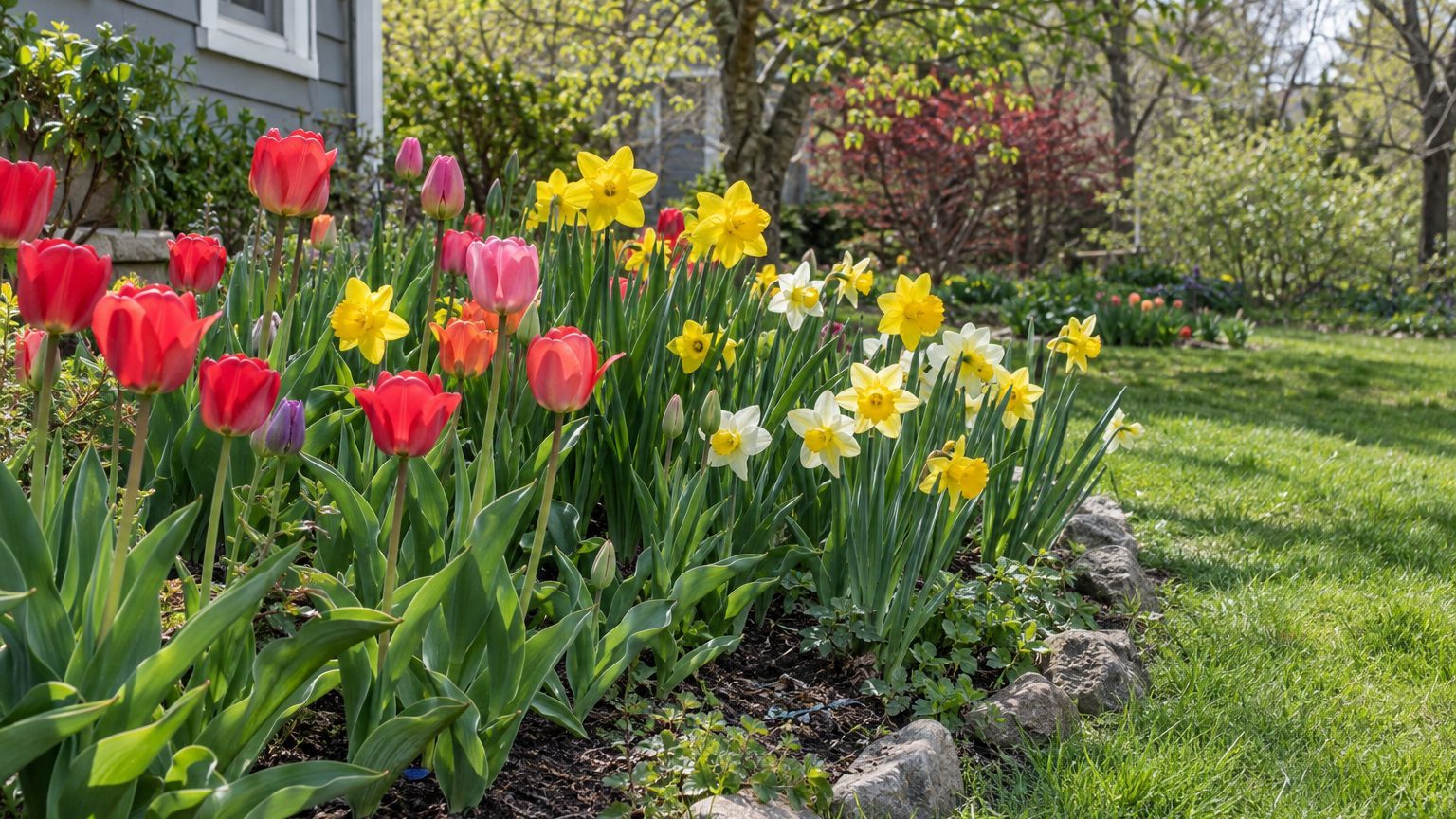
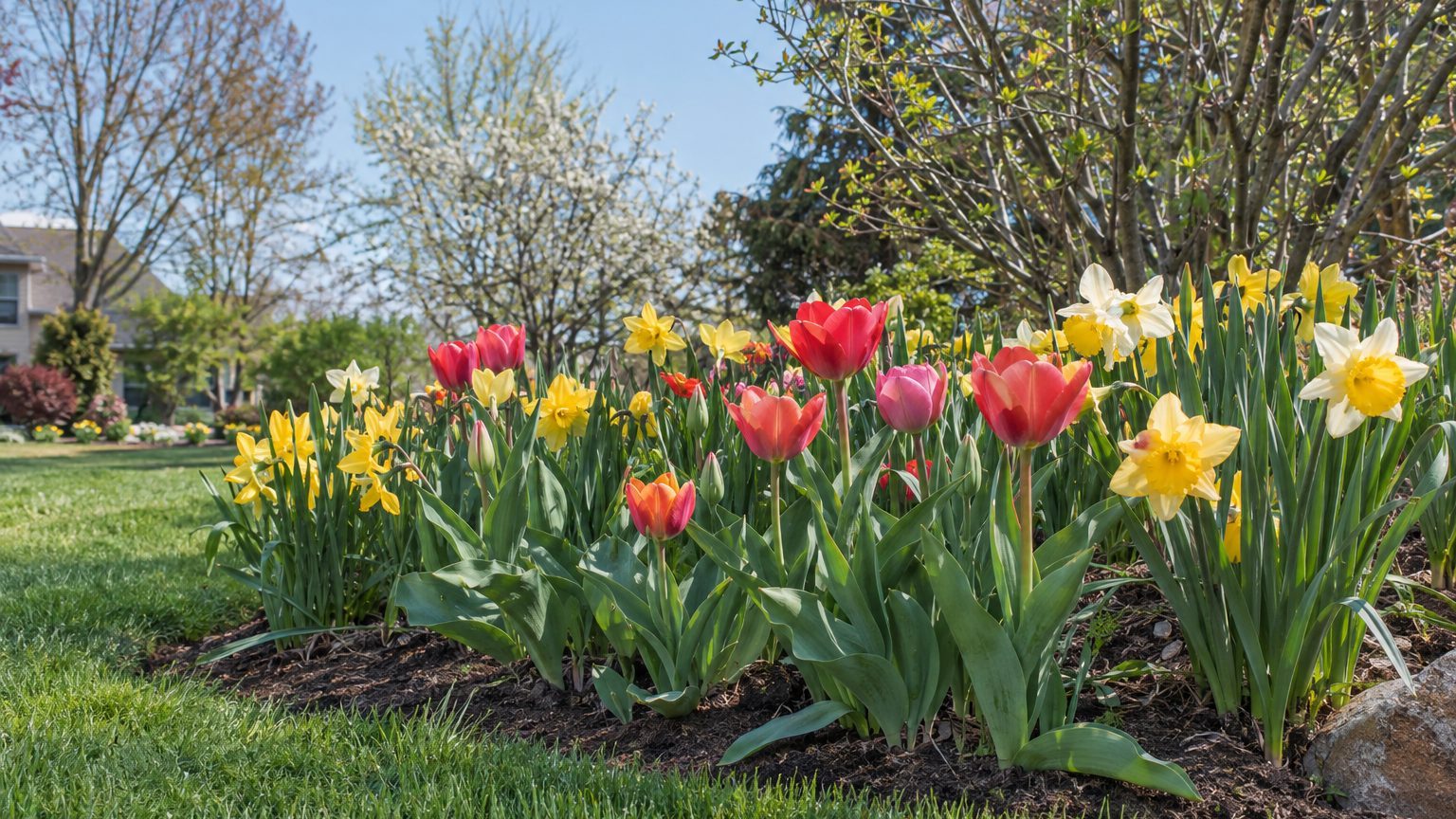
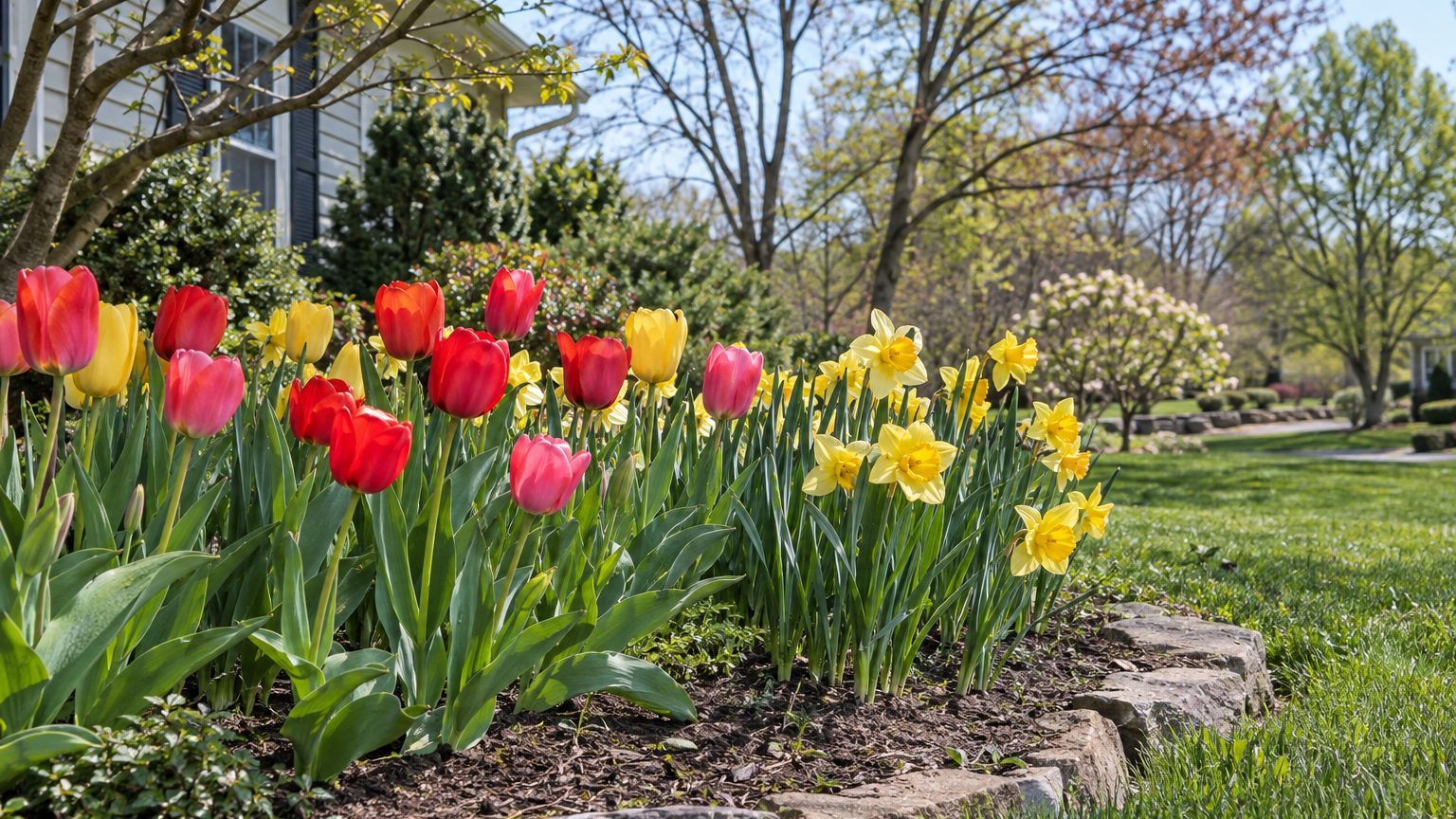
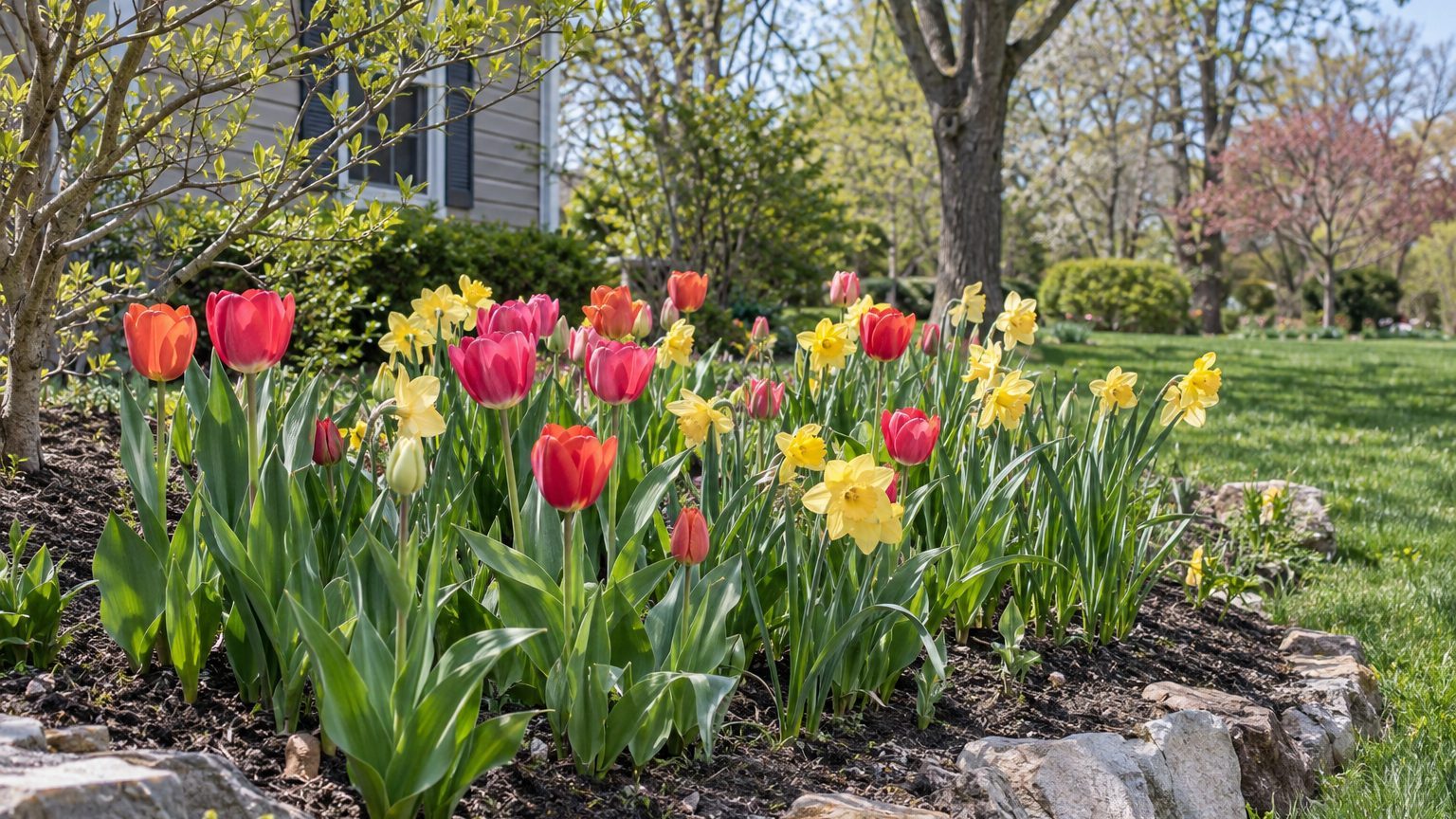
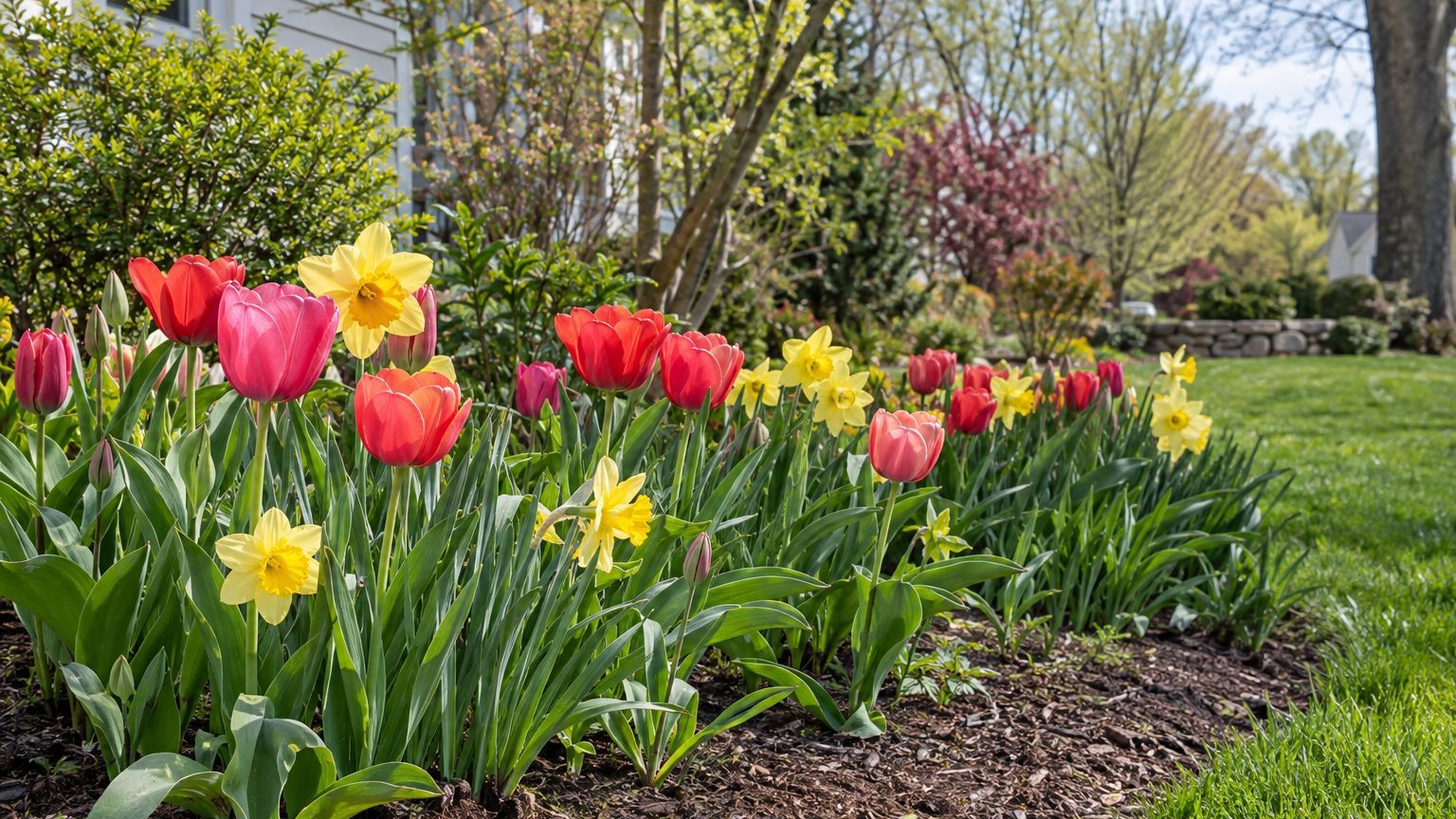
Daffodil spears push through the last patches of snow, and soon the tulips open in the same beds. The timing shifts with each spring, but New Hampshire follows a steady pattern from the first mild days of March through May. Here is when each bulb flowers across the state and what to do once the color fades.

When Do Tulips and Daffodils Bloom in New Hampshire?

When Do Tulips and Daffodils Bloom in New Hampshire?

Daffodils open in March or early April, and tulips follow in late April and May. Exact dates depend on how quickly spring warms, so a cold March pushes everything back, while a mild one brings the first flowers forward.

Bulb When it blooms in New Hampshire What sets the timing
Daffodils March to early April Warming soil and air, with hardiness that suits the whole state
Tulips Late April and May Spring warmth arriving after daffodils have started
Alliums Close out the spring succession They follow the tulips as the season turns warmer

Crocus and hyacinths also flower as spring warms, with crocus among the first color in the beds. Most daffodil species and hybrids are hardy to zone 3, so they can be grown throughout New Hampshire, including the coldest corners. Tulip varieties differ in how early they open, which is why a bed planted with a mix stretches color across several weeks of spring.

How to Tell Your Bulbs Are About to Bloom

The bulbs give plenty of notice, and a quick walk along the beds on a mild day tells you what stage they have reached.

  • Green tips poking through the soil or mulch mean the bulb has woken up, so rake back any heavy leaf litter that might smother them.
  • Leaves that stand a few inches tall mean the flower stalk is forming inside, and a late frost at this stage usually leaves the foliage unharmed.
  • A fat bud rising on a stalk above the leaves means flowers are days or weeks away, depending on the weather.
  • A bud that shows color through its sheath or petals is close to opening, which is the moment to enjoy the bed before a warm spell speeds it along.
  • Leaves up but no bud in a tulip clump often points to an aging bulb, and tulips are often short-lived in the garden.

Cold snaps pause the progress without ending it, so a stalled bud in April is normal and usually opens when the weather warms.

What to Do After Tulips and Daffodils Bloom in New Hampshire

Snip off the faded flowers and leave everything else alone. The leaves keep working after the petals drop, feeding the bulb for next year, so they stay on the plant until they turn brown. Never braid, tie or cut them while they are green, even when they look untidy.

To hide the fading foliage, plant perennials nearby that will grow up and cover it as the bulbs finish. A late-spring bed then stays tidy without anyone touching the leaves.

Daffodils last longer than tulips and are the more reliable perennial bulb. Daffodils naturalize well, especially in partly shady areas, and Fosteriana tulips also perennialize well. If your tulips thin out after a few years, fresh bulbs go in during October, once the soil has cooled below about 60°F, so the roots form before the ground freezes.

How Bloom Time Shifts Across New Hampshire

New Hampshire runs from the coast to the mountains, and bulbs follow that landscape, flowering earlier where it is milder and later where it is colder.

  • Seacoast: The ocean tempers spring cold here, so bulbs along the coast are generally among the first in the state to show color.
  • Merrimack Valley and southern New Hampshire: Towns around Concord, Manchester and Nashua warm up ahead of the hills, and tulips usually open here in the later part of the usual window.
  • Lakes Region: Open water holds the chill, so beds near large lakes can lag slightly behind the inland towns around them.
  • White Mountains and the North Country: Elevation and colder soil delay everything, so daffodils and tulips here open later than the bulbs in the southern valleys.

Frost risk runs on its own schedule. At the airport weather station, the last spring frost falls April 16 to April 27, and gardens in suburbs, rural areas and uplands often see it later.

Where to Get Bulb Advice in New Hampshire

University of New Hampshire Extension publishes seasonal bulb guidance written for New Hampshire gardens, and its county offices answer local questions.

  • The extension website carries articles on naturalizing bulbs and fall planting, which are worth reading before you order bulbs in late summer.
  • Your county extension office can tell you how your area compares with the state’s general pattern, so call it in early spring if your beds behave differently from the neighbors’ beds.

Common Questions

Can You Plant Bulbs in December in New Hampshire?

Yes, as long as the ground can still be dug. October is the usual time for planting, with November and December as a fallback. A bulb still in the bag is better planted late than stored over the winter.

Do Deer and Voles Eat Tulips and Daffodils?

Voles, squirrels, rabbits and deer eat tulips and crocus, but they leave daffodils alone. In New Hampshire, daffodils serve as deer training plants to protect tender plants that deer like to browse.

Do Spring Bulbs Need a Cold Winter to Bloom?

Most spring-flowering bulbs need about 12 to 16 weeks of cold to flower, which New Hampshire winters supply without help. Alliums need the cold of winter to bloom, just like other spring-flowering bulbs.
When Do Tulips and Daffodils Bloom in Newfoundland and Labrador?

When Do Tulips and Daffodils Bloom in Newfoundland and Labrador?

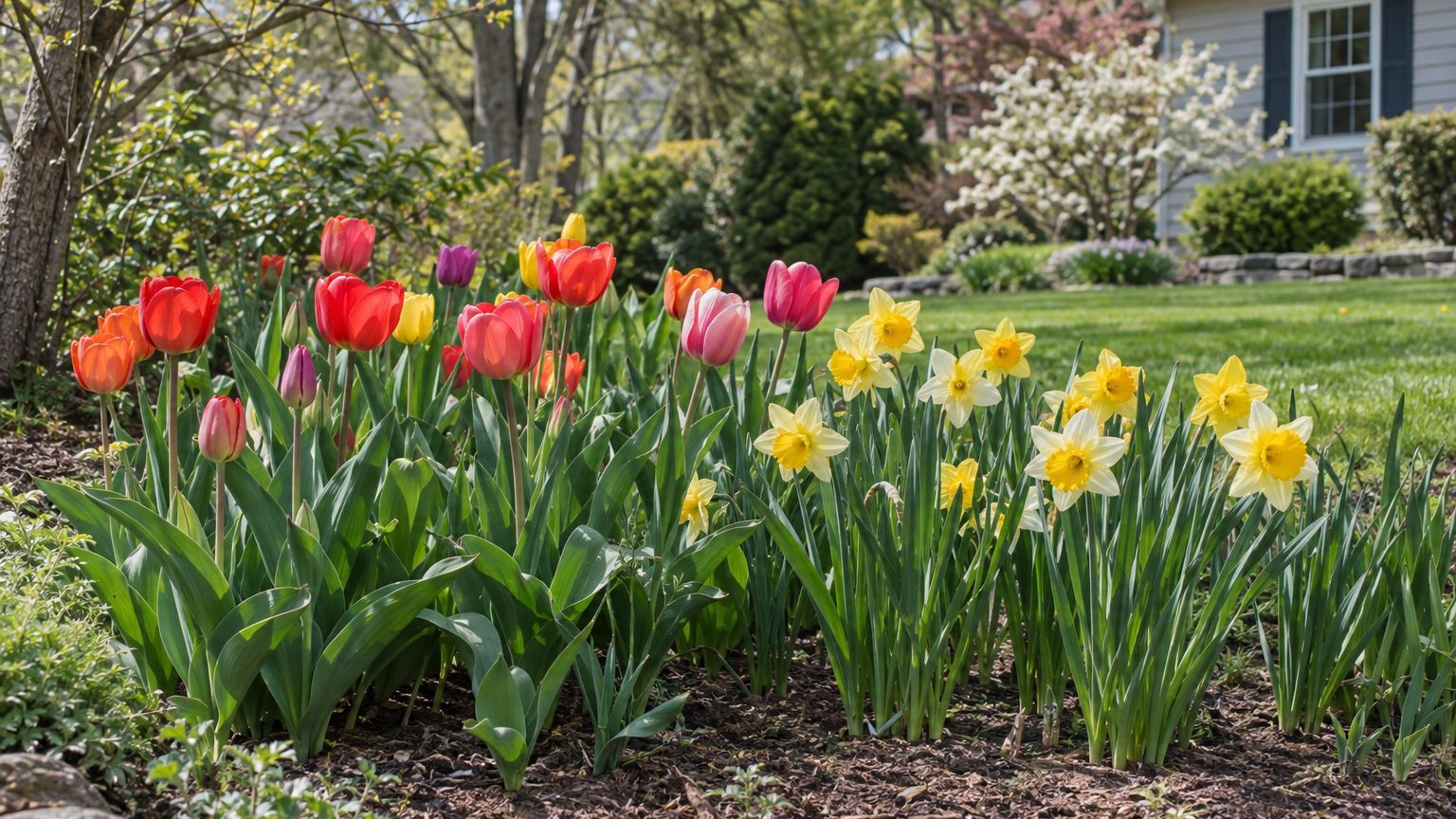
Daffodil tips poking through cold, wet ground are one of the first signs that spring is really on its way in Newfoundland and Labrador. Tulips follow with fat buds that color up on the first mild days.

When Do Tulips and Daffodils Bloom in Newfoundland and Labrador?

When Do Tulips and Daffodils Bloom in Newfoundland and Labrador?

Tulips and daffodils bloom in April and May, and the earliest hardy bulbs can start in March. This province has no local extension page on bulb timing, so these months follow the nearest comparable climate. Confirm local timing with a garden centre, a garden society or a provincial gardening group.

Bulb When it blooms in Newfoundland and Labrador What sets the timing
Earliest hardy bulbs, including some daffodils March A mild spell that warms the soil early
Later daffodils and tulips Late April and May Steady spring warmth after a full winter of cold

Early tulips, hyacinths and crocus have no month of their own here. Like every bulb, they open when spring warmth reaches them. Alliums come at the tail end of the season, and according to Iowa State University Extension, they need the cold of winter to bloom. Most other spring bulbs need about 12 to 16 weeks of cold to flower, which is why fall planting matters. For hardiness, St. John’s sits in zone 6a on the Canadian system, which is not a USDA zone and does not convert to one.

How to Tell Your Bulbs Are About to Bloom

Bulbs announce themselves in stages, and a cold snap can slow every one of them without harming the plant.

  • Pointed green tips breaking the soil mean the roots are active, so leave them alone and let the weather do the work.
  • Leaves that widen and stand upright show the bulb is building toward a flower, so a bed with leaves but no bud is worth checking again soon.
  • A bud rising between the leaves means bloom is close, and daffodil buds usually sit in a papery sheath until they open.
  • Tulip buds that show color while still closed will open on the next mild day, which is the moment to enjoy them before wind and rain arrive.
  • Gaps where shoots should be, with soil disturbed around them, point to voles or squirrels, which go after tulips and crocus but leave daffodils alone.

A bulb that sends up leaves and no bud is often a young or crowded one, and it may flower the following spring.

What to Do After Tulips and Daffodils Bloom in Newfoundland and Labrador

Remove only the faded flowers and leave the leaves on the plant. The leaves feed the bulb for next year’s bloom, so they stay until they turn yellow and then brown. Never tie them in knots or cut them back while they are green, even when they look untidy.

Tulips are often short-lived in the garden, so expect fewer flowers as the years pass and plan to add new bulbs in fall. Daffodils last longer and are the more reliable perennial bulb. They also naturalize well in partly shady spots, where they can be left to spread.

Planting new bulbs is a fall job, and October is the usual month so roots form before the ground freezes. If bulbs are still unplanted after that, put them in as long as the ground can be dug. November or December still works if the soil has not frozen.

How Bloom Time Shifts Across Newfoundland and Labrador

A province this large is not one climate, and bloom shifts with where you garden.

  • St. John’s: The last spring frost falls on May 30 on average, which is the midpoint of a window and not a safe date. In half of all years, frost arrives later than that.
  • Labrador: Spring arrives later in the north, so bulbs here flower toward the back end of the April to May range, or after it.
  • Upland districts on the island: Higher, more exposed ground warms more slowly than the coast at St. John’s, so bloom runs behind.

Watching your own beds each year gives a better guide than any regional average.

Where to Get Bulb Advice in Newfoundland and Labrador

Canada has no county extension office, so local advice comes from the province and from people who garden nearby. The provincial Department of Fisheries, Forestry and Agriculture is a starting point for questions about growing conditions.

  • Provincial department: Ask about growing conditions and local resources whenever a bulb question comes up.
  • Garden centres: Visit in early fall, when bulbs are in stock, and ask what has worked locally for planting in October.
  • Garden societies and gardening groups: Join one before spring to compare notes on when neighbors see their first blooms.

Common Questions

When Should You Plant Tulips and Daffodils in Newfoundland and Labrador?

October is the target, once the soil has cooled below about 16°C (60°F). Roots then have time to form before the ground freezes, and the bulbs do not sprout too soon.

Can You Plant Bulbs That Are Still in the Bag?

Yes, and planting late beats storing them. Put them in as long as the ground can be dug. A bulb that is still in the bag is better planted late than stored over the winter.

Which Bulbs Do Animals Leave Alone?

Voles, squirrels, rabbits and deer eat tulips and crocus, but daffodils are left alone. Planting daffodils around tulips can help protect more tempting plants from browsing.

When Do Tulips and Daffodils Bloom in New Brunswick?

When Do Tulips and Daffodils Bloom in New Brunswick?

Green spears push through the cold soil along the south side of the house, and soon the first flowers open in the beds. In New Brunswick, tulips and daffodils flower in spring, with the exact week set by how quickly your yard warms.

When Do Tulips and Daffodils Bloom in New Brunswick?

When Do Tulips and Daffodils Bloom in New Brunswick?

Tulips and daffodils bloom in April and May in New Brunswick, and the hardiest early bulbs can open as soon as March. The dates follow the nearest comparable climate, so confirm local timing with a garden centre, a garden society or the provincial gardening groups.

Bulbs flower when the soil and air warm, not on a fixed date. A mild spring pulls the show forward, and a cold, late one holds it back.

Bulb When it blooms in New Brunswick What sets the timing
Snowdrops and winter aconites From March, at the start of the spring bulb season The first stretch of spring warmth
Early hardy daffodils March into April Hardiness of the variety and how early the ground thaws
Later daffodils and tulips Late April and May Variety, plus how fast spring warms your yard
Alliums At the end of the spring bulb season Needs winter cold to bloom

Crocus and hyacinths also follow the warming of spring. Plan on the same rhythm: a long succession of flowers, starting with snowdrops and winter aconites and finishing with alliums. Mixing early and late varieties of tulips and daffodils stretches the color across both months instead of squeezing it into a single burst.

How to Tell Your Bulbs Are About to Bloom

The bulbs announce themselves well before the first petal opens, and a walk along the beds on a mild afternoon will tell you more than the calendar.

  • Green tips poking through the soil or mulch mean the bulb has had its winter cold and is awake, so pull back any heavy leaf litter that might smother them.
  • Leaves that stand several inches tall show the plant is feeding itself, which means the flower stalk is on its way up from the center.
  • A fat, closed bud rising from between the leaves means the bloom is close, and a hard frost at this stage is worth covering for if you can.
  • Buds that show a stripe of color through the green sheath are only a short time from opening, which is the moment to enjoy them rather than fuss over them.
  • Leaves with no bud at all usually point to a bulb that is too young, too shaded or worn out, and tulips are the likeliest to do this because they tend to be short-lived.

Bulbs on the sunny south wall of the house wake first, so you can use them as an early warning for the rest of the yard.

What to Do After Tulips and Daffodils Bloom in New Brunswick

Snip off the faded flowers and leave everything else alone. Removing only the spent blooms keeps the plant from spending energy on seed, while the leaves stay on and keep working.

Those leaves feed the bulb for next year’s flowers, so they stay on the plant until they turn yellow and then brown. Do not cut them back while they are green, and do not braid or tie them into neat bundles, since that cuts down the surface they use to gather light. A sprinkling of later perennials or annuals nearby will hide the ripening foliage.

Expect different staying power from each bulb. Daffodils last longer and are the more dependable perennial, returning and spreading year after year. Tulips are often short-lived in the garden, so plan to top up the planting now and then. Fosteriana tulips are a group known to perennialize well.

How Bloom Time Shifts Across New Brunswick

New Brunswick is not one climate, and the same bulb can flower noticeably earlier or later depending on where in the province you garden.

  • Saint John River Valley: Inland yards around Fredericton warm up sooner than the coast, so bulbs here tend to open ahead of those on the Fundy shore.
  • Bay of Fundy coast: Cool water holds spring back in places like Saint John, so expect bloom to arrive a little later than in sheltered spots inland.
  • Moncton and the southeast: This is the area the province’s spring frost reference comes from, with a mean last frost on May 23, so treat it as the midpoint of a risk window and not a safe planting date.
  • Edmundston and the northern uplands: Higher and colder ground runs further behind, and tulips and daffodils here bloom toward the later side of the season.

Watching your own yard from year to year gives you a better guide than any regional average.

Where to Get Bulb Advice in New Brunswick

Canada has no county extension offices, so help comes from federal and provincial agriculture departments, local gardeners and nurseries. Agriculture and Agri-Food Canada is the federal starting point, and the provincial agriculture department covers the province.

  • Local garden centres can tell you which varieties do well in your town and are worth a visit in early fall, when bulbs are in stock.
  • Garden societies and master gardener groups can share what blooms when in your area, and spring is the best time to attend a meeting or walk a member’s garden.
  • The provincial agriculture department can answer broader questions about growing conditions, so contact it before you plan a large planting.

Common Questions

What If Bulbs Are Still in the Bag in Late Fall?

Plant them as soon as the ground can be dug. October is the usual month so roots form before the ground freezes, and November or December works if the soil is not frozen. Soil cooled below about 60°F (about 16°C) keeps bulbs from sprouting too early. A bulb planted late is better off than one stored over winter.

Do Deer and Squirrels Eat Tulips and Daffodils?

Voles, squirrels, rabbits and deer eat tulips and crocus, while daffodils are left alone. If animals are a problem in your yard, daffodils are the safer choice, and they can even help protect more tempting plants nearby.

How Much Winter Cold Do Bulbs Need to Flower?

Most spring-flowering bulbs need about 12 to 16 weeks of cold to bloom, and a New Brunswick winter supplies that on its own. According to Iowa State University Extension, alliums need the cold of winter to bloom, like other spring-flowering bulbs.
When Do Tulips and Daffodils Bloom in Nevada?

When Do Tulips and Daffodils Bloom in Nevada?

Spring bulbs in Nevada put up green tips and open on a long, drawn-out schedule. Daffodils and tulips may flower in a Las Vegas yard well ahead of a Reno one. The dates depend on where your yard sits, so the answer is a stretch of months rather than a single week.

When Do Tulips and Daffodils Bloom in Nevada?

When Do Tulips and Daffodils Bloom in Nevada?

Hardy spring bulbs in Nevada bloom between January and May. Flowering follows the warming of spring in your particular yard, so a low desert yard and a cold mountain-valley yard land at opposite ends of that window.

Bulb When it blooms in Nevada What sets the timing
Tulips and daffodils January to May Winter cold first, then spring warming where the bulb is planted
Alliums Late in the spring bulb season, after most others Needs winter chill to bloom

Crocus and daffodils open near the start of the season, and ornamental onions (alliums) close it out. Hyacinths sit in between and need cold like tulips do. Where winters run too mild to supply it, hyacinths and tulips are chilled in the refrigerator before planting.

Sun and drainage shift the dates too. A bed with full sun warms sooner than one in shade, and a low spot that stays wet in spring is a poor home for any of them.

How to Tell Your Bulbs Are About to Bloom

Your own beds give better timing than any average, and the bulbs announce each step in a way you can see.

  • Green tips pushing through the soil mean the bulb has finished its winter rest and growth has started, so leave the bed alone and keep mulch loose.
  • Leaves that thicken and rise into a clump tell you the flower stalk is being built inside, usually well before any color shows.
  • A tight bud visible at the center of the leaves means the bloom is close, and a hard freeze or a drying wind is the main thing to watch for.
  • A bud that shows color while still closed is a few warm days from opening, which makes it the moment to cut stems for a vase if you want them.
  • A gap where tulips grew last year, with no tip at all, usually points to a short-lived bulb or to a hungry animal rather than a late bloomer.

Daffodils tend to give a clearer, steadier show than tulips, which fits their reputation as the more dependable bulb.

What to Do After Tulips and Daffodils Bloom in Nevada

Snip off the faded flowers and leave everything else. The leaves keep working after the petals drop, collecting the energy the bulb needs to bloom next year. Let them turn yellow and then brown before you remove them, and never braid or tie them down while they are green.

Tulips are often short-lived in the garden, so expect some to fade after a season or two. Daffodils last longer and are the more reliable perennial bulb. If a tulip bed thins out, new bulbs go in during September and October.

Compost worked into the planting hole loosens the soil, adds organic matter and helps drainage, and that matters more than any later feeding. Beyond that, no fertilizer schedule is needed, and the foliage can finish its work undisturbed.

How Bloom Time Shifts Across Nevada

Nevada covers a huge range of hardiness zones, from 4a to 10a in the USDA system, so bloom time moves with elevation and latitude.

  • Las Vegas: The warm desert floor reaches spring conditions sooner, so bulbs wake toward the early part of the window. Winters here may be mild enough that tulips and hyacinths need refrigerator chilling before planting.
  • Reno and Carson City: Frost lingers into spring here, and the cold that suits bulbs also delays them, so flowers come later than in the south. Higher yards around these cities run later still.

Treat a Las Vegas frost date as a local number, because yards at elevation freeze earlier in fall and stay frosty later in spring.

Where to Get Bulb Advice in Nevada

Because conditions change so much from one valley to the next, local help beats general rules. Your county extension office can answer questions about your exact yard.

  • University of Nevada, Reno Extension offers gardening guidance written for the state, and a visit before fall planting season helps you pick bulbs.
  • Your county extension office can speak to your local soil, elevation and frost pattern, so call it with a description of your bed before you buy.

Common Questions

Do Tulips Need to Be Chilled in Nevada?

Most spring bulbs need about 12 to 16 weeks of cold to flower. In places with mild winters, such as the Las Vegas area, tulips and hyacinths are chilled in the refrigerator before planting. Colder areas supply that chill in the ground.

Will Animals Eat My Bulbs?

Voles, squirrels, rabbits and deer eat tulips and crocus. Daffodils are left alone, so they are a safer choice for beds that animals visit.

Can You Plant Bulbs That Are Still in the Bag?

Yes. A bulb still unplanted is better planted late than stored over the winter, so put it in as long as the ground can be dug. For the main planting, wait until the soil has cooled below about 60°F, which lets roots form without the bulb sprouting in fall.

When Do Tulips and Daffodils Bloom in Nebraska?

When Do Tulips and Daffodils Bloom in Nebraska?

Green spikes pushing through cold, soggy soil are one of the first signs that spring is coming to a Nebraska yard. Tulips and daffodils follow with color soon after, and the timing depends on the bulb and the weather.

When Do Tulips and Daffodils Bloom in Nebraska?

When Do Tulips and Daffodils Bloom in Nebraska?

Tulips and daffodils bloom in Nebraska from April through May, and the earliest daffodils can open as soon as late February. Bulbs come up in March or early April, and tulips flower April through May.

Bulb When it blooms in Nebraska What sets the timing
Daffodils Late February to May Variety and how quickly spring warms
Tulips April through May Variety, with Giant Darwin hybrids in this window

Crocus, hyacinths and alliums also belong to the spring succession, which runs from snowdrops and winter aconites at the start to ornamental onions at the end. Each bulb opens as the soil warms, so a cold spring pushes flowers later and a mild one pulls them earlier.

How to Tell Your Bulbs Are About to Bloom

Bulbs give plenty of warning, and a walk along the beds in early spring shows where each one stands.

  • Green tips poking out of the soil in March or early April mean the bulbs have woken up and the flowers are on their way.
  • Leaves that stand several inches tall and look firm tell you the plant is feeding itself, so leave them completely alone.
  • A bud that rises out of the leaves means the bloom is close, and a hard late freeze is the thing to watch from here.
  • Color showing at the tip of a closed bud means the flower will open soon, usually on the first mild, sunny days.
  • Chewed or missing shoots point to animals such as rabbits or deer, which go after tulips and crocus but leave daffodils alone.

If shoots appear in late winter, do not panic, since daffodils in particular tolerate an early start.

What to Do After Tulips and Daffodils Bloom in Nebraska

Snip off the faded flowers and leave the leaves where they stand. Those leaves feed the bulb for next year’s bloom, so never cut or tie them while they are green. Wait until they turn brown, then clear them away.

Expect the two bulbs to behave differently over the years. Tulips are often short-lived in the garden, and some of the larger bulbs, tulips among them, are treated as annuals and lifted in late spring to make room for other plants. Daffodils are more vigorous and last longer, which makes them the more reliable perennial bulb.

That reliability is one reason daffodils suit Nebraska yards so well. In Nebraska, daffodils are known as deer-resistant, dependable bloomers, and a bulb forced indoors can later be planted outdoors with good results.

How Bloom Time Shifts Across Nebraska

Nebraska spans hardiness zones 4a to 5b in the USDA system, so bloom dates vary from one corner of the state to another.

  • Omaha and Lincoln: Spring comes a little earlier in the east, and bulbs here are planted from late September through the end of October. The last spring frost in Omaha falls between April 12 and April 23, but suburban gardens often see it a week or two later.
  • The Panhandle: Higher ground and colder winters mean bulbs wake later, and flowers open later than in the east.
  • The Sandhills and northern Nebraska: Cooler springs hold bloom back, so expect your tulips and daffodils to open after those in the southeast.

Your own yard may run behind these figures, so watch the bulbs in your beds and use them as your guide.

Where to Get Bulb Advice in Nebraska

For questions about varieties, planting depth or a bed that never flowers, University of Nebraska–Lincoln Extension is the place to start, along with the office that serves your county.

  • The extension website carries bulb guides and variety suggestions, and browsing it in late summer helps you plan the fall order.
  • Your county extension office can answer local questions about soil and pests, and a call in early fall comes before planting time.

Common Questions

When Should You Plant Tulips and Daffodils in Nebraska?

Plant from September into October, ideally late September through October. In eastern Nebraska, the soil should be below 60 degrees. November and even December work too if the ground is still unfrozen. A bulb still in the bag goes in as soon as the soil can be dug.

Do Tulips and Daffodils Need Winter Cold to Flower?

Yes. Most spring-flowering bulbs need about 12 to 16 weeks of cold to flower, and Nebraska winters supply it. Alliums need the cold of winter to bloom.

Why Do Squirrels and Rabbits Dig Up Tulips but Not Daffodils?

Voles, squirrels, rabbits and deer eat tulips and crocus, while daffodils are left alone. If animals are a problem in your yard, daffodils are the safer choice for a bed that stays untouched.

When Do Tulips and Daffodils Bloom in Montana?

When Do Tulips and Daffodils Bloom in Montana?

Green spears pushing through the last crusted patches of snow are the first sign that spring bulbs have made it through another Montana winter. Tulips and daffodils flower once the ground warms, and the weather of each spring moves the date. What follows covers how that timing works across the state and what to do once the flowers fade.

When Do Tulips and Daffodils Bloom in Montana?

When Do Tulips and Daffodils Bloom in Montana?

Tulips and daffodils in Montana bloom when spring warms the soil, so no single month fits every yard or every year. A cold, late spring pushes the show back, and a mild one brings it forward. What stays constant is the winter cold the bulbs need before they flower.

Bulb When it blooms in Montana What sets the timing
Crocus and daffodils In spring, as the ground warms Winter cold of about 12 to 16 weeks, then spring warmth
Tulips In spring, as the ground warms The same winter chill, then the warmth of the season
Hyacinths In spring, as the ground warms The same winter chill, then the warmth of the season
Alliums Near the end of the spring bulb season Winter chill needed, then spring warmth

Spring bulbs flower in a long succession, from snowdrops and winter aconites at the start of the season to ornamental onions (alliums) at the end. Early, midseason and late tulips all follow that same warming, so planting a mix stretches the color across the season.

How to Tell Your Bulbs Are About to Bloom

Bulbs announce themselves well before the petals open, and a quick walk along the beds in spring tells you what is coming.

  • Pointed green tips breaking the soil tell you the bulb survived the winter and has started growing.
  • Leaves that unfold and stand taller mean the bulb is drawing on its stored energy, so the flower is on its way.
  • A fat bud nestled in the center of the leaves means the flower has formed and is waiting on warmer days.
  • Buds that begin to show color at the tip are close to opening, often within a short stretch of mild weather.
  • Foliage with no bud at all, particularly on a clump that has been in the ground for years, points to a crowded or tired planting that needs attention after bloom.

A hard late freeze can nip open flowers, but the leaves and bulbs below ground usually come through it fine.

What to Do After Tulips and Daffodils Bloom in Montana

Snip off the faded flowers and leave everything else alone. The leaves keep feeding the bulb long after the petals drop, and that stored energy builds next year’s flower. Do not cut them back and do not braid or tie them. Wait until they turn yellow and then brown, and the plant lets go of them on its own.

Expect the two bulbs to behave differently over the years. Tulips are often short-lived in the garden, while daffodils last longer and are the more reliable perennial bulb. Darwin hybrids and Emperor tulips are bred to return for several years, so they are worth a look in Montana if you want tulips that stay.

Fill gaps by planting new bulbs in September and October, which gives the roots time to settle before the ground freezes. Wait until the soil has cooled below about 60°F, so the bulbs root without sending up shoots in the fall.

How Bloom Time Shifts Across Montana

Montana’s USDA hardiness zones run from 3a to 6a, and bloom follows that spread: warmer, lower ground flowers earlier, and colder, higher ground flowers later.

  • Billings and the Yellowstone Valley: This is one of the milder valleys in the state, so bulbs here tend to flower ahead of the rest of Montana.
  • Gallatin Valley around Bozeman: Sitting higher and cooler, bulbs here generally open later than in Billings.
  • High mountain valleys: Frost can arrive in any month, so growth starts later and flowers can be held back well behind the lower valleys.

Use your own yard as the guide, since a sheltered south wall can run ahead of an open lawn a few steps away.

Where to Get Bulb Advice in Montana

Local conditions in Montana change quickly from one valley to the next, so local help is worth a call. Montana State University Extension and your county extension office can answer questions that depend on your elevation and soil.

  • The extension website carries gardening guidance for the state, and it is a good place to start in late summer before you order bulbs.
  • Your county extension office can speak to conditions in your own valley, so call it with questions about a bed that struggles.

Common Questions

Can You Plant Bulbs That Are Still in the Bag After Fall?

Yes. A bulb still in the bag is better planted late than stored over the winter, so plant it as long as the ground can be dug.

Will Deer and Squirrels Eat Tulips and Daffodils?

Voles, squirrels, rabbits and deer eat tulips and crocus, but they leave daffodils alone. In beds with heavy animal traffic, daffodils are the safer choice.

Which Bulbs Handle Dry Conditions?

In Montana, species tulips, snow iris and crocus are among the best-adapted bulbs for droughty conditions. They are worth trying in a dry Montana bed too.

When Do Tulips and Daffodils Bloom in Missouri?

When Do Tulips and Daffodils Bloom in Missouri?

Green spears pushing through cold, leaf-littered beds are the first sign that Missouri’s spring bulbs survived winter. Daffodils and tulips take their turns after that, and the timing is fairly predictable from year to year. Here is when each one flowers in Missouri, how to read the signs, and what the plants need once the color fades.

When Do Tulips and Daffodils Bloom in Missouri?

When Do Tulips and Daffodils Bloom in Missouri?

Tulips and daffodils bloom in Missouri from April through May. Daffodils can start earlier, with the first flowers opening in late February in a mild year, while tulips hold off until April.

Bulbs come up in March or early April, and the exact week depends on how quickly spring warms. A cold, slow March pushes everything later, and a warm one pulls it forward.

Bulb When it blooms in Missouri What sets the timing
Daffodils Late February in a mild year, with most flowering April through May How soon spring warmth follows the winter cold
Tulips April through May Spring warming, plus the variety you planted

Crocus, hyacinths and alliums open on the same warming trend, though no fixed month belongs to them. Spring bulbs flower in a long succession, with the early small bulbs at the start of the season and ornamental onions (alliums) closing it. A planting that mixes several kinds can keep color in the yard for weeks.

How to Tell Your Bulbs Are About to Bloom

The bulbs announce themselves well before the first petal opens, and a few quick checks in the bed tell you where things stand.

  • Green tips poking through the soil in March or early April mean the bulbs came through winter and the countdown to flowering has started.
  • Leaves that stand up straight and thicken tell you the plant is drawing on the energy stored in the bulb.
  • A fat bud on a daffodil stem, still wrapped in its papery sheath, is a sign that flowers are close.
  • Tulip buds that show a stripe of color at the tip are only a little way from opening.
  • Tulip or crocus tips that have been chewed off, or a patch where nothing came up, point to voles, squirrels, rabbits or deer.

If a clump shows leaves but no buds, give it time, because some varieties simply run later than their neighbors.

What to Do After Tulips and Daffodils Bloom in Missouri

Snip off the faded flowers and leave everything else alone. The leaves keep feeding the bulb long after the petals drop, so they stay on the plant until they turn yellow and then brown. Never cut them back while they are green, and never tie or braid them to tidy the bed.

A tulip bed rarely stays as full as it was in year one, since tulips are often short-lived in the garden. Missouri gardeners often treat the larger bulbs, tulips included, as annuals and lift them after bloom to make room for other plants. In Missouri you can do the same, or simply accept that a few will fade and top up the bed each fall.

Daffodils behave differently. They last longer and are the more reliable perennial bulb, and they are left alone by voles, squirrels, rabbits and deer, which do go after tulips and crocus. Where animals are a problem, daffodils are the safer investment.

How Bloom Time Shifts Across Missouri

Missouri spans USDA hardiness zones 5b to 7b, so flowering does not arrive everywhere at once, and a few differences are easy to spot.

  • Northern Missouri: Winters bite harder here, so bulbs come up later and the display runs behind the rest of the state.
  • In the metro area: The airport is well north of the city center, and downtown warms a bit earlier in spring, so bulbs closer in usually open before those out near the airport.
  • Southern Missouri: Spring is milder here than in much of the rest of the state, so flowers come earlier, and the first daffodils are the ones to watch for.

Even within one yard, a bed against a south-facing wall will open before one in a shaded corner.

Where to Get Bulb Advice in Missouri

University of Missouri Extension publishes planting and care guidance for the whole state, and your county extension office can answer questions about your own soil and local conditions.

  • The extension website has guides on choosing and caring for bulbs, which are worth reading before planting time in September or October.
  • Your county extension office can help with a bed that keeps failing, so call or visit when you notice poor bloom or missing bulbs in spring.

Common Questions

When Should You Plant Tulips and Daffodils in Missouri?

September and October are the planting months. Wait until the soil has cooled enough, which gives roots time to form before the ground freezes without tempting the bulbs to sprout in fall. Bulbs still in the bag in November or even December can go in as long as the ground is unfrozen and can be dug.

Do Spring Bulbs Need to Be Chilled Before Planting?

Most spring-flowering bulbs need about 12 to 16 weeks of cold to flower. Where winters are too mild to supply it, tulips and hyacinths are chilled in the refrigerator before planting. Alliums need the cold of winter to bloom, just like other spring bulbs.

Can You Plant Forced Daffodils Outdoors?

Yes, daffodils are an exception among bulbs. In Missouri, forced daffodils are saved and planted outdoors successfully, because daffodils are more vigorous than tulips and most other spring bulbs. Tulips and hyacinths forced indoors rarely do as well.

When Do Tulips and Daffodils Bloom in Mississippi?

When Do Tulips and Daffodils Bloom in Mississippi?

Daffodil leaves pushing through cold, damp ground are one of the first signs that a Mississippi winter is loosening its grip, and tulips follow behind them in the beds. Both bulbs flower on a warming spring rather than a fixed date. That makes the timing a matter of reading your own yard.

When Do Tulips and Daffodils Bloom in Mississippi?

When Do Tulips and Daffodils Bloom in Mississippi?

Tulips and daffodils bloom when spring warms the soil and air, so no single month applies to every yard. A mild stretch brings flowers sooner and a cool, wet spring holds them back. Spring bulbs flower in a long succession, with alliums arriving near the end.

Bulb When it blooms in Mississippi What sets the timing
Daffodils Follows the warming of spring Warmth after a winter chill, with jonquil, tazetta, poeticus and species types growing reliably in the South
Tulips Follows the warming of spring Enough winter cold, which mild winters often fail to give, so bulbs are chilled in the refrigerator first
Hyacinths Follows the warming of spring A cold period of roughly 12 to 16 weeks, supplied by refrigerator chilling when winters run mild
Alliums Follows the warming of spring, near the end of the bulb season Needs winter cold, plus spring warmth

Crocus belongs with the daffodils in the early part of the season. Mississippi sits in USDA zones 7b to 9a, which is why the chill matters so much for tulips and hyacinths. Daffodils, jonquils and alliums cope better with mild winters than tulips do, so they are the safer bet in the southern half of the state.

How to Tell Your Bulbs Are About to Bloom

Your own beds give a better forecast than any calendar, and the signs are easy to spot once the cold eases.

  • Green tips breaking the soil mean the bulb has rooted well and is awake, so pull back heavy mulch that might smother the shoots.
  • Leaves that widen and grow taller tell you the bulb is drawing on its stored energy, and the flower is being carried up inside them.
  • A fat bud showing between the leaves means bloom is close, which is the moment to enjoy it rather than fuss with the bed.
  • Daffodil buds that swell and begin to turn from green to yellow or white are only days from opening, so cut a few for a vase if you like.
  • Tulip buds that begin to color at the tip show that petals are filling out and the stem is about to finish stretching.

A cold snap after buds show color rarely harms the bulb itself, though it can slow the opening.

What to Do After Tulips and Daffodils Bloom in Mississippi

Snip off the faded flowers and leave everything else alone. The leaves stay on the plant until they turn brown, because they feed the bulb for next year. Never braid, tie or cut green foliage, however untidy it looks.

Tulips are often short-lived in the garden, and in the South they usually decline after the first year. Tulips are often short-lived in the garden, so many gardeners dig and discard them after bloom. Many Mississippi gardeners do the same and replant fresh bulbs each fall.

Daffodils last longer and are the more reliable perennial bulb. Those that settle in well return and spread for years. Tucking them among perennials hides the fading leaves while they finish their work.

How Bloom Time Shifts Across Mississippi

Mississippi stretches from the Gulf to the hills of the north, and spring arrives earlier in the south than in the north.

  • Gulf Coast: Warm winters bring flowers sooner here than anywhere else in the state, but tulips and hyacinths rarely get enough chill without a spell in the refrigerator.
  • Jackson and the Pine Belt: Central Mississippi sits between the extremes, so daffodils and alliums do well and tulips still gain from pre-chilling.
  • North Mississippi hills: Colder winters give bulbs more natural chill, and blooms open later than along the coast.

A sheltered, sunny spot against a south wall will bloom ahead of a shaded corner in the same yard.

Where to Get Bulb Advice in Mississippi

Local help is easy to reach. Mississippi State University Extension publishes research-based gardening guidance, and a county office can speak to the conditions in your own part of the state.

  • The extension website carries bulb and flower bed guidance you can read before you plan next fall’s order.
  • Your county extension office can answer questions about local soil and chill, and a visit in late summer leaves time to order bulbs.

Common Questions

Do Squirrels, Voles and Deer Eat Tulips and Daffodils?

Voles, squirrels, rabbits and deer eat tulips and crocus. Daffodils are left alone, which makes them the safer choice for beds that animals visit.

Can You Plant Bulbs in January in Mississippi?

November and December are the usual months for planting spring bulbs, and refrigerated bulbs can even go in early in January. October and January also work. A bulb still in the bag is better planted late than stored over the winter, so plant as long as the ground can be dug.

Which Tulips Do Best in Warm Climates?

In Mississippi, Single Late tulips are among the best groups for warm climates, with long, strong stems and deep, cup-shaped blooms. A few species tulips come from warm regions and do not need a cold period to flower, and they naturalize in the South.

When Do Tulips and Daffodils Bloom in Minnesota?

When Do Tulips and Daffodils Bloom in Minnesota?

Green daffodil tips poke through the mulch while patches of snow still sit in the shade, and tulips follow once the soil has truly warmed. In Minnesota the show lands in spring, with timing that shifts by a week or so depending on the year and on where your yard sits.

When Do Tulips and Daffodils Bloom in Minnesota?

When Do Tulips and Daffodils Bloom in Minnesota?

Tulips and daffodils bloom in Minnesota in April and May. Peak tulip color runs from late April to mid-May, though a cold spring pushes it later and a warm one pulls it forward.

Bulb When it blooms in Minnesota What sets the timing
Daffodils April to May How fast the soil warms in your part of the state
Tulips April to May, peak from late April to mid-May Spring temperatures that year and the spot in the yard

Crocus, hyacinths and alliums belong to the same long succession, which opens with snowdrops and winter aconites and closes with alliums. A south-facing wall gives you flowers sooner than a shaded bed on the north side of the house, even a few steps away.

How to Tell Your Bulbs Are About to Bloom

Bulbs announce themselves in the bed long before the first petal opens, and a few quick checks tell you how close you are.

  • Pointed green tips breaking the surface mean the bulb has woken and roots are working, so pull back heavy winter mulch gently to let light in.
  • Leaves that widen and stand taller show the plant is building toward flower stems, and a late snow at this stage rarely hurts them.
  • A bud rising out of the center of the leaf rosette means bloom is close, and daffodils and tulips both show this clearly.
  • Buds that swell and take on color at the tip tell you the flowers will open soon, so this is the moment to plan a bouquet or a photo.
  • Foliage that appears but no buds at all usually points to a bulb that is worn out or too shaded, which is common with older hybrid tulips.

A bud that stays tight through a cold snap is simply waiting, and it opens quickly once the days warm.

What to Do After Tulips and Daffodils Bloom in Minnesota

Snip off the faded flowers and leave everything else alone. The leaves collect sunlight and send the energy down into the bulb, which is what pays for next year’s bloom, so they stay on the plant until they turn yellow and then brown. Never tie them in knots or cut them while they are green, however untidy the bed looks for a while.

Tulips are often short-lived in the garden, while daffodils last longer and are the more reliable perennial bulb. Hybrid tulips have lost some of their ability to come back year after year through generations of breeding. In Minnesota, heavy wet clay is one reason hybrids may return for only a few years, especially when thirsty annuals are planted right on top of them.

If you want tulips that return, shorter species tulips with smaller flowers may work better, or you can treat hybrid tulips as annuals and replace them in fall. Tuck daylilies or other leafy perennials in front of the bed, and they will hide the fading bulb foliage while it finishes its work.

How Bloom Time Shifts Across Minnesota

The Twin Cities are the mild south of the state, and bloom moves later as you travel north or toward Lake Superior.

  • Twin Cities: This is the mild south, so tulips and daffodils here open earlier than they do farther north, and a sunny spot near the house often leads the neighborhood.
  • North Shore of Lake Superior: The big lake keeps the shoreline cool through spring, so buds hold back and flowers open noticeably later than in the metro area.
  • Northern Minnesota: Winters are tighter and spring arrives later, so expect bloom to slide toward May and the peak to sit later than in the south.

Minnesota also spans a wide range of hardiness zones in the USDA system, so a bulb that shines in St. Paul may need a more sheltered spot up north.

Where to Get Bulb Advice in Minnesota

For questions about varieties, soil or a bed that stopped blooming, the state’s land-grant extension service is the place to start. University of Minnesota Extension publishes research-based plant guidance, and your county has local help as well.

  • University of Minnesota Extension has articles on bulb care and garden problems, and it is worth a visit in fall before you buy.
  • Your county extension office can point you to local master gardeners who know how bulbs behave in your soil, so call when leaves appear but flowers do not.

Common Questions

Do Deer and Squirrels Eat Tulips and Daffodils?

Voles, squirrels, rabbits and deer eat tulips and crocus, while daffodils are left alone. Alliums have a slight skunky odor that repels rodents and deer, so they make a safe neighbor for tulips.

Do Alliums Need Winter Cold to Bloom?

Alliums, like other spring bulbs, need the cold of winter to bloom. In Minnesota, they are described as less picky than other bulbs and can go in the ground in September or October.

Can You Still Plant Bulbs After October?

Yes, as long as the ground can be dug. Mid-September through mid-October is the usual planting time in Minnesota, and a bulb still in the bag is better planted late than stored over the winter.

When Do Tulips and Daffodils Bloom in Michigan?

When Do Tulips and Daffodils Bloom in Michigan?

Green tips push through the mulch while patches of snow are still hanging on, and a yard that looked bare through winter suddenly has daffodils nodding by the walkway. Tulips and daffodils in Michigan follow the warming of spring, and the display unfolds gradually across the yard.

When Do Tulips and Daffodils Bloom in Michigan?

When Do Tulips and Daffodils Bloom in Michigan?

Most tulips and daffodils flower in April and May. The first daffodils can open as early as late February in a mild stretch, and March flowers are possible too. Michigan runs from USDA hardiness zone 4a to 6b, so the timing shifts with where you garden.

Bulb When it blooms in Michigan What sets the timing
Daffodils Late February in the mildest spells, mostly April and May Shoots come up in March or early April and open as the ground warms
Tulips, including Giant Darwin hybrids April through May Warming spring weather after a full winter of cold
Alliums Near the end of the spring bulb season Needs winter chill, then responds to spring warmth

Crocus open at the start of the season, alongside snowdrops and winter aconites, well before the tulips. Hyacinths ride the same spring warmth and, like most spring bulbs, need a long winter chill to flower. Michigan winters supply it, so the refrigerator trick used in mild climates is unnecessary here.

How to Tell Your Bulbs Are About to Bloom

The bulbs announce themselves well ahead of the flowers, and a few small changes tell you how close the show is.

  • Pointed green tips breaking the soil in March or early April mean the bulb has woken up, so keep winter mulch loose enough for them to push through.
  • Daffodil buds form at the top of the stem and swell while still green, which tells you the flowers are only a short wait away.
  • A tulip bud that begins to show color at its tip is close to opening, so any cleanup near the bed should be done by then.
  • Thick, flat leaves rising before any bud means the bulb is working through its growth, and the flower stalk will follow from the center.
  • A cold night after the tips emerge rarely harms the leaves, but open flowers are more vulnerable, and frost risk lingers until about April 30 in the Detroit area.
  • Across most of the Lower Peninsula, the last spring frost comes in early to mid May, so open blooms there may still meet a cold night.

Watching the buds beats watching the calendar, because a warm spell can bring flowers out earlier than a cold one.

What to Do After Tulips and Daffodils Bloom in Michigan

Snip off the faded flowers and leave everything else. The green leaves are feeding the bulb for next year’s bloom, so they stay on the plant until they turn brown. Do not cut them back early, since that cuts down the surface that collects sunlight.

Tulips are often short-lived in the garden, and a bed may thin out over time. Larger bulbs such as tulips are sometimes treated as annuals to make room for other plants. Daffodils last longer and are the more reliable perennial bulb, which makes them the better choice where you want flowers to return without fuss.

Browning foliage looks untidy for a while. Planting perennials or annuals nearby lets their growth cover the fading leaves without disturbing the bulbs below.

How Bloom Time Shifts Across Michigan

Michigan stretches far enough north and is wrapped in enough lake water that bloom does not arrive everywhere together.

  • Detroit area: Spring warms sooner in the southeast corner, so daffodils and tulips here tend to open earlier than in the northern half of the Lower Peninsula.
  • Lake Michigan shore: Cold lake water holds back spring warmth along the coast, so bulbs often open a little later than they do farther inland at the same latitude.
  • Northern Lower Peninsula: Winters last longer, and tulips and daffodils usually reach full bloom well after the southern part of the state.
  • Upper Peninsula: Snow cover lingers into spring, so the bulb season starts later here than in the south, and hardy daffodils are dependable performers.

A sheltered south-facing wall can bring flowers out earlier in any of these places, while a shady north side holds them back.

Where to Get Bulb Advice in Michigan

Local questions about varieties, soil and timing are best put to people who know Michigan ground. MSU Extension runs the state’s gardening help, with a county office in every corner of the state.

  • The service has horticulture resources on spring bulbs, and the fall planting season is the right time to read them.
  • Your county extension office can answer questions about local soil, deer pressure and what grows well in your part of the state.

Common Questions

Can You Plant Tulips and Daffodils in December in Michigan?

Yes, as long as the ground can still be dug. September and October are the main planting months, but November and even December work if the soil has not frozen. A bulb still sitting in the bag is better planted late than held over the winter.

Do Deer and Rodents Eat Tulips and Daffodils?

Tulips and crocus attract voles, squirrels, rabbits and deer, and chipmunks, mice and gophers may help themselves too. Daffodils are left alone, which helps them hold up as a dependable bulb in yards with a lot of wildlife.

Can You Plant Forced Daffodils Outdoors in Michigan?

Daffodils are an exception among forced bulbs. They are more vigorous than tulips and most other spring bulbs, so forced daffodils can be saved and planted outdoors, where many perform well in later years.

The almanac, state by state. Every date on this site comes from a state’s own frost facts and its extension service’s calendar — and says where it comes from.