Skip to content

When Do Tulips and Daffodils Bloom in Oklahoma?

When Do Tulips and Daffodils Bloom in Oklahoma?

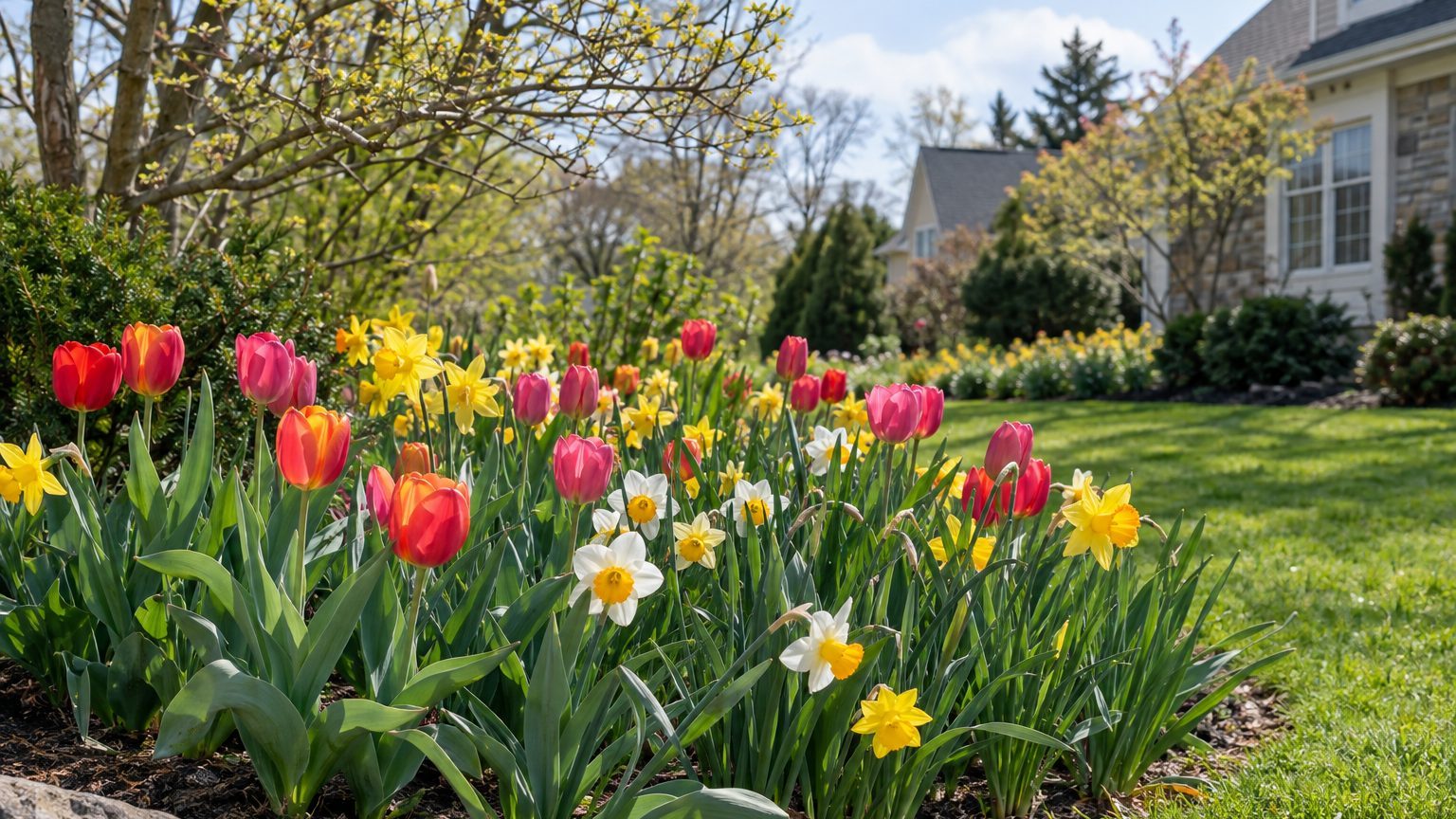
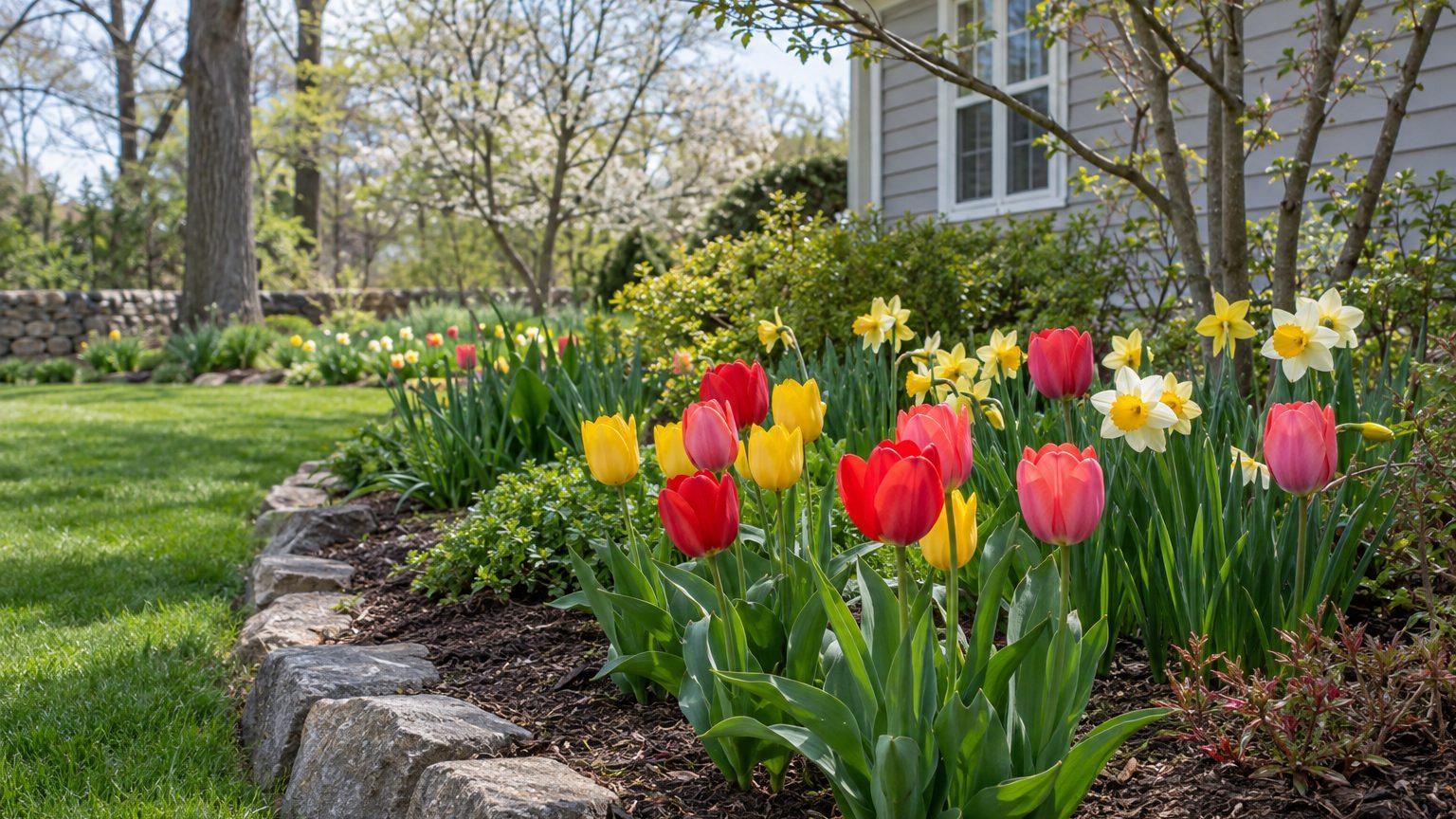
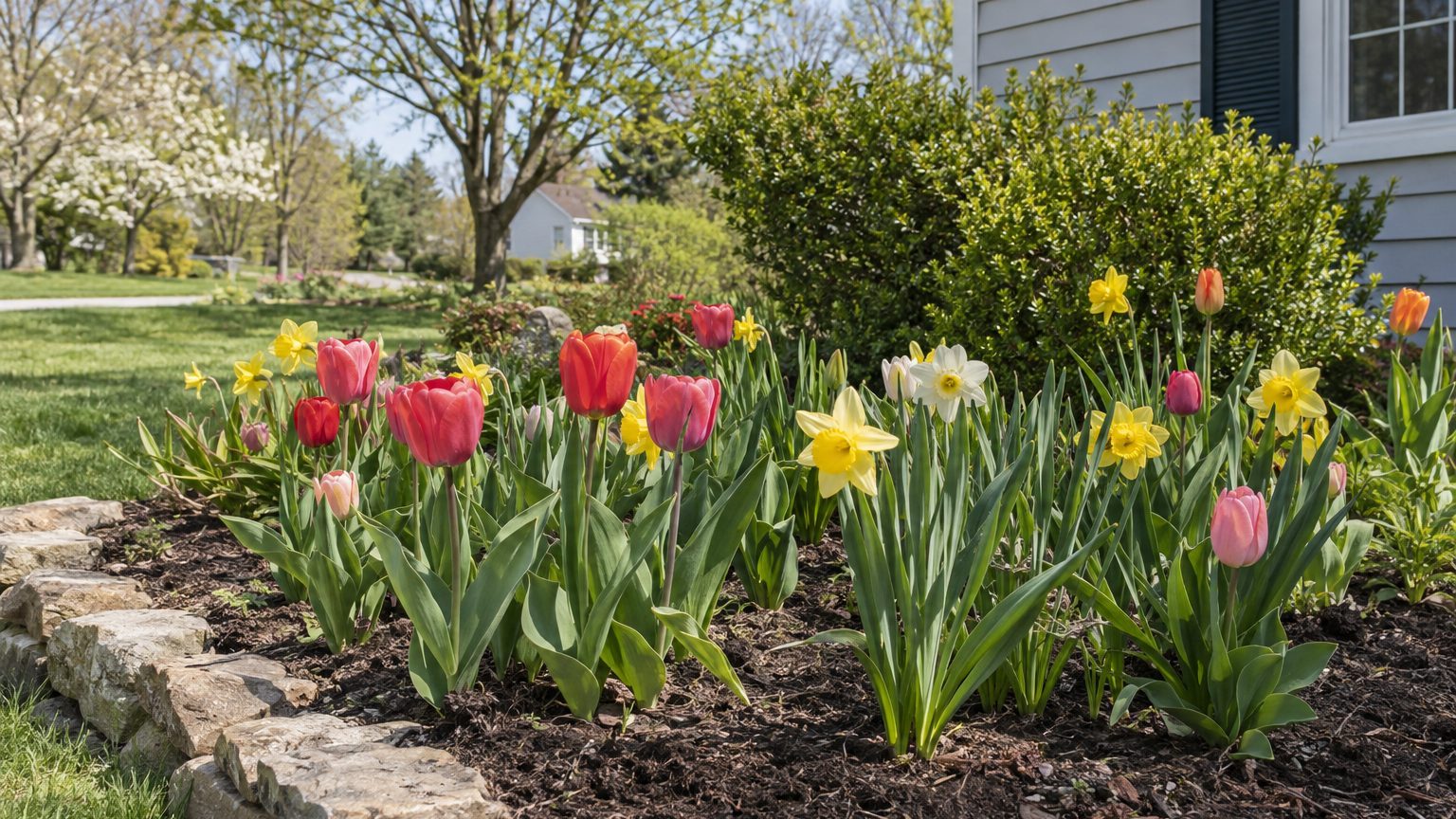
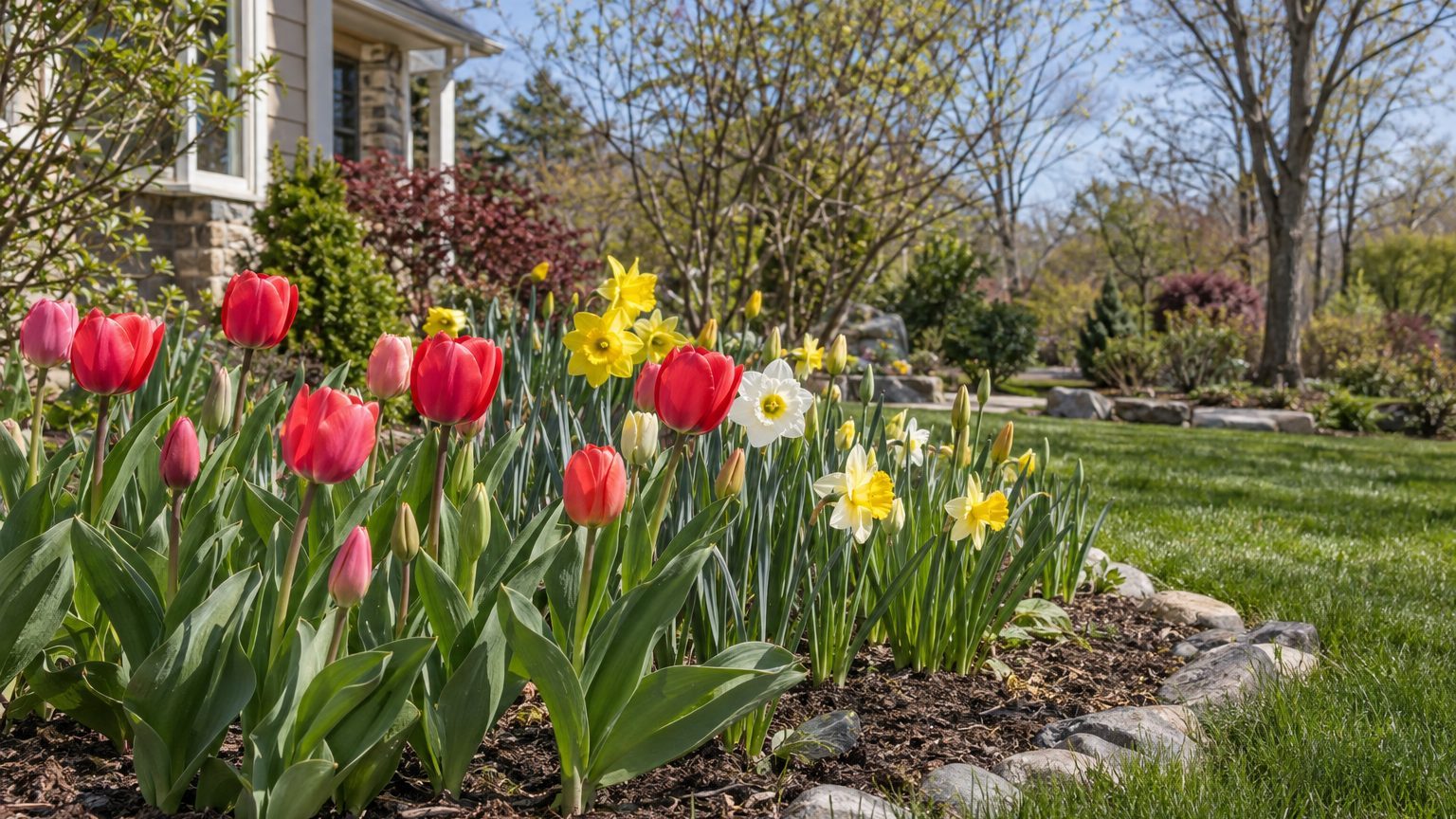
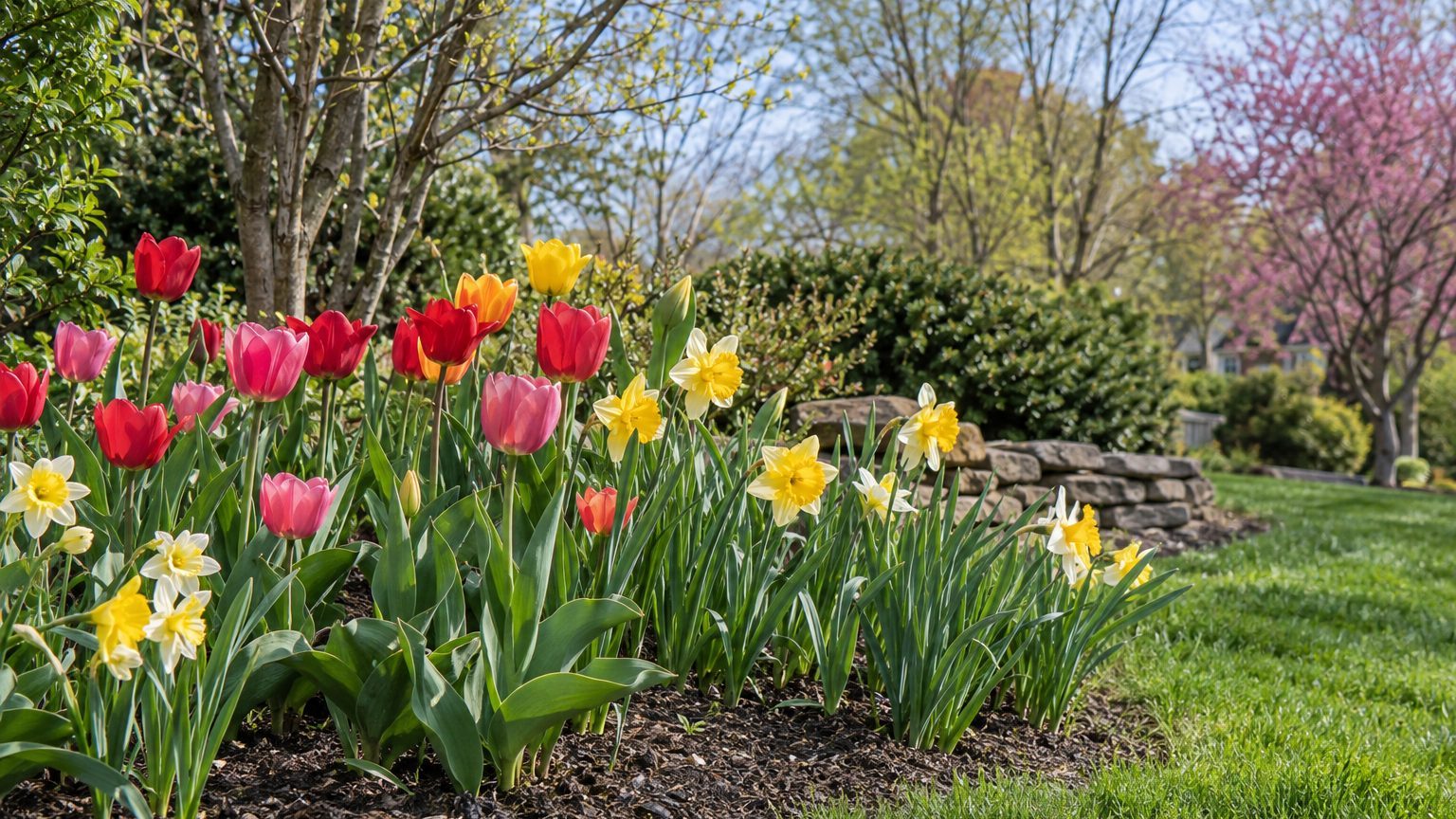
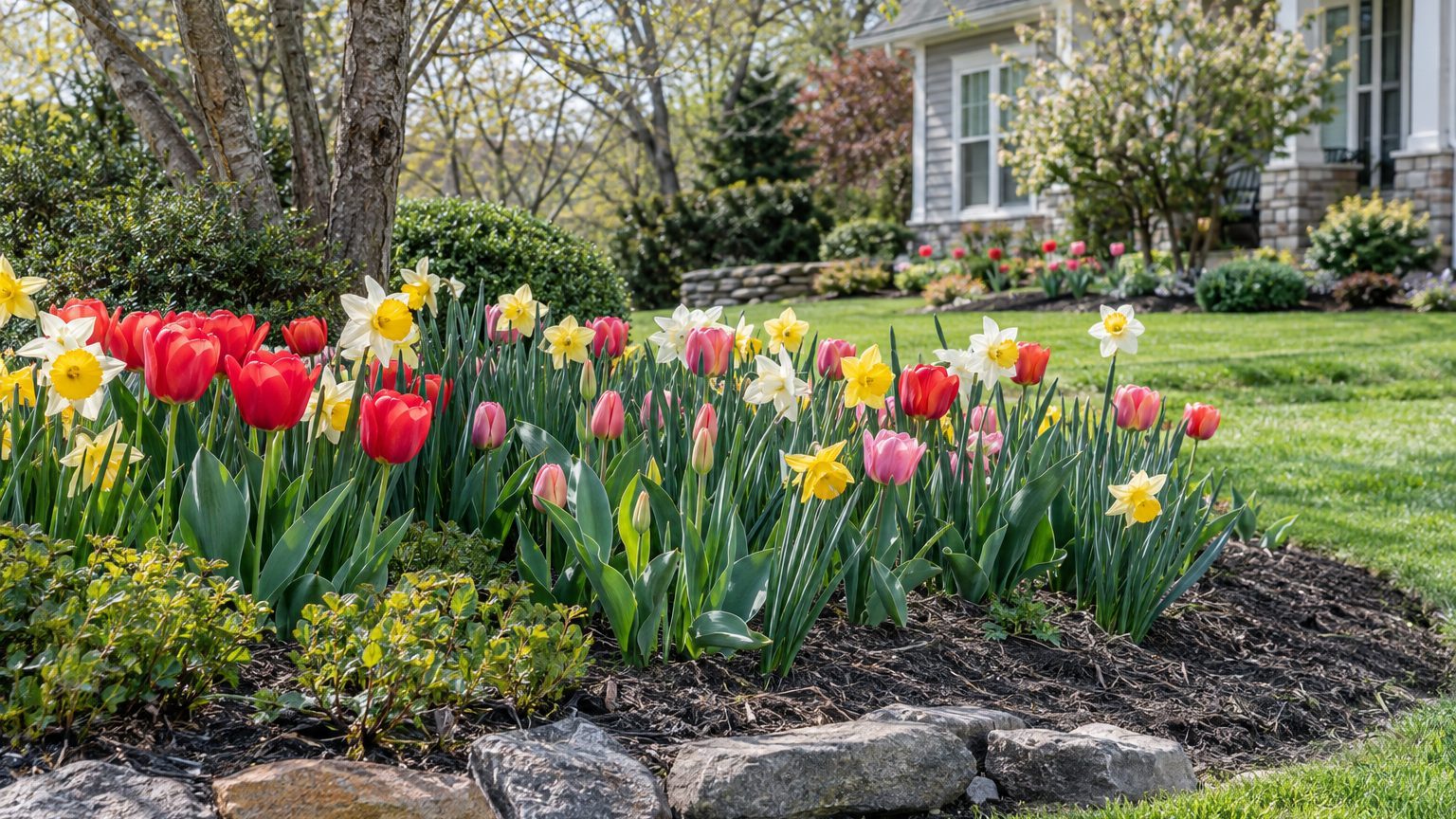
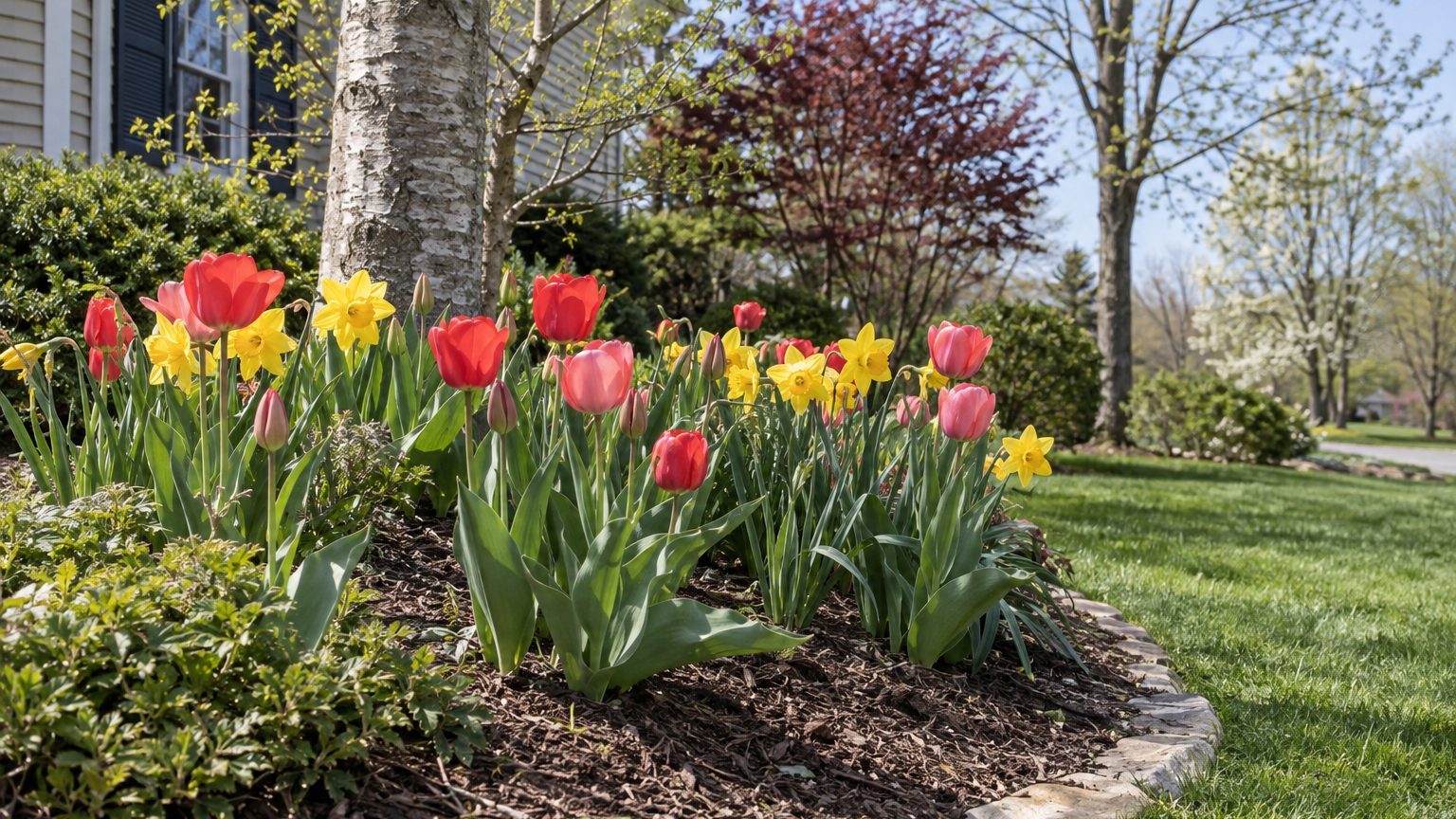
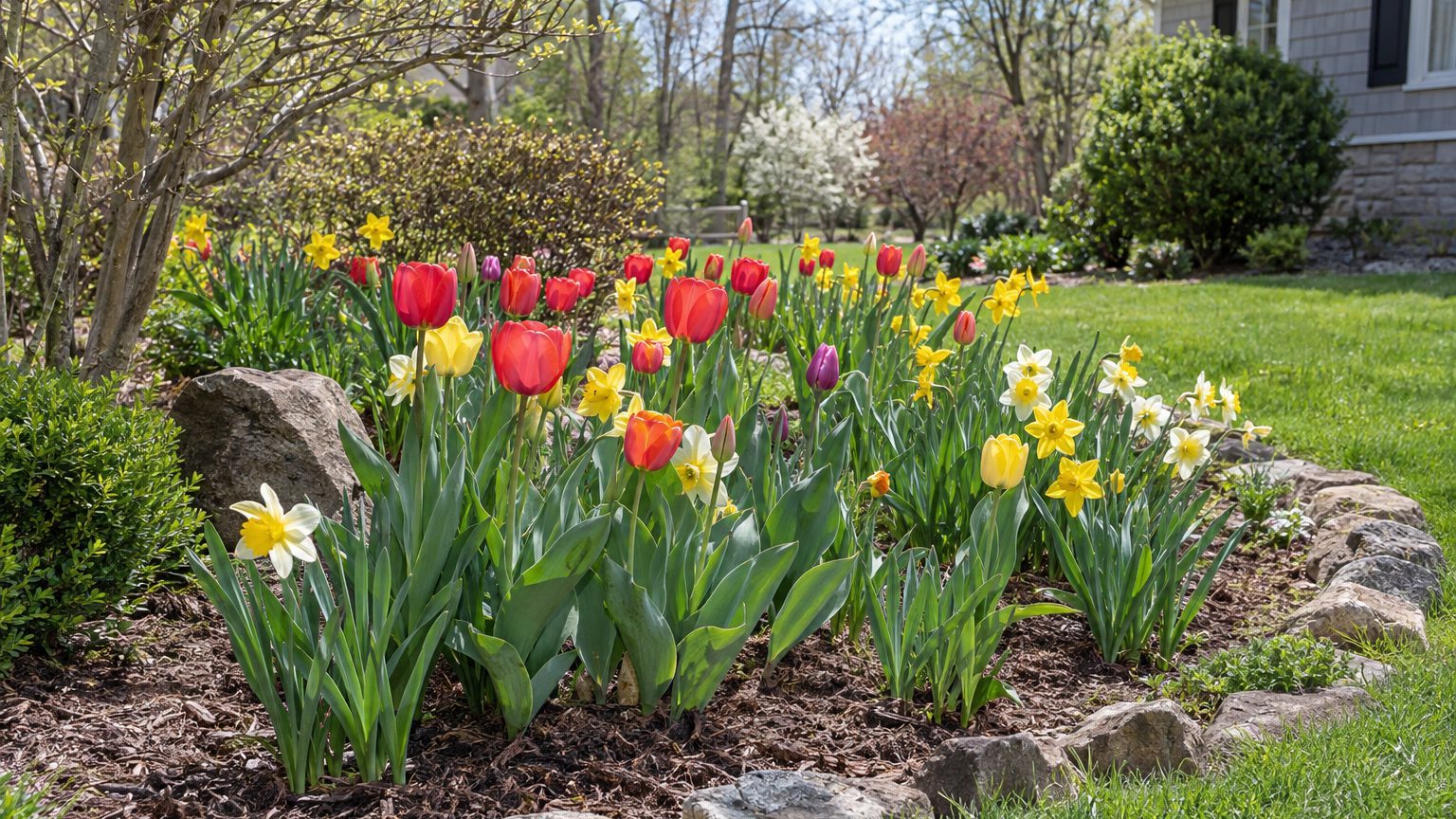
Daffodil spears breaking through cold ground and tulip buds slowly fattening up are the first real signs of spring in an Oklahoma yard. Daffodils and tulips here flower from February through April, and the exact week depends on the variety you planted and where your bed sits in the state.

When Do Tulips and Daffodils Bloom in Oklahoma?

When Do Tulips and Daffodils Bloom in Oklahoma?

The long window exists because bulbs are sold as early, mid and late-season types, and each opens in its turn. Plant a mix and the color arrives in waves instead of one short burst. Oklahoma has no local bulb-timing guide of its own, so these months follow the nearest comparable climate.

Bulb When it blooms in Oklahoma What sets the timing
Daffodils February through April Early, mid or late-season variety
Tulips February through April Variety season, plus enough winter cold (12 to 16 weeks)
Alliums Late in the spring bulb succession Variety, plus winter cold needed

Crocus and hyacinths follow the same warming spring, though they have no month of their own here. Hyacinths, like tulips, are chilled in the refrigerator before planting when winter cold falls short. A local garden center or garden society can confirm the timing in your own town.

How to Tell Your Bulbs Are About to Bloom

Your own beds give better timing than any calendar, and the plants announce each step before the first flower opens.

  • Green tips poking above the soil mean the bulb is awake and growing, so the flowers are on their way within the February through April window.
  • Leaves that stand several inches tall and look thick and firm show the bulb has stored plenty of energy for flowering.
  • A flower bud rising from the center of the leaves tells you the bloom is close, so keep the bed tidy and leave it alone.
  • Buds that swell and show a stripe of color mean the flower will open soon, which is the moment to plan a cut bouquet.
  • Drooping or ragged tips after a hard overnight freeze are usually cosmetic, and the buds underneath often carry on.

Watching the same clump from week to week teaches you how your yard runs compared with the neighbors’ beds.

What to Do After Tulips and Daffodils Bloom in Oklahoma

Snap off the faded flowers once the petals drop, and leave everything else. The leaves must stay on the plant until they turn brown, because they feed the bulb for next year’s flowers. Do not tie them in knots or cut them back while they are still green, however untidy the bed looks.

Expect the two bulbs to behave differently over the years. Tulips are often short-lived in the garden, and many Oklahoma gardeners simply replant them. Daffodils last longer and are the more reliable perennial bulb, multiplying into bigger clumps with little help.

Fresh bulbs for the next round go in during November, once the soil has cooled down enough for planting. That timing gives roots a chance to form before hard cold without pushing the bulbs to sprout early. October and December also work when the calendar gets away from you.

How Bloom Time Shifts Across Oklahoma

Oklahoma spans USDA hardiness zones 6a to 8a, so the same bulb can open on noticeably different dates from one end of the state to the other.

  • Panhandle: Winters are colder and the ground stays cold longer, so expect bulbs to flower later in the window than elsewhere in the state.
  • Oklahoma City and Tulsa: These metro areas sit in the middle of the range, and the bloom follows the general February through April pattern. Gardens in the suburbs and out in the country usually open a bit later than beds in the city itself.
  • Southern Oklahoma along the Red River: Milder winters bring spring earlier, so early daffodils open ahead of the rest of the state. Tulips here lean on chilled bulbs more than they do farther north.

Higher ground anywhere in the state runs cooler and later than the valley floor beside it.

Where to Get Bulb Advice in Oklahoma

Local people know which varieties handle your soil and your spring weather.

  • Oklahoma State University Extension publishes home garden guidance, so check it in late summer, before bulb shopping begins.
  • Your county extension office can answer questions about your own soil and spring weather, so call when your bulbs are up and you want to compare notes.

Common Questions

Do Squirrels and Deer Eat Daffodils?

Daffodils are left alone. Voles, squirrels, rabbits and deer do eat tulips and crocus, so those bulbs are the ones that need protection in the bed.

Can You Plant Bulbs That Are Still in the Bag?

Plant them as soon as the ground can be dug. A late bulb in the soil does better than one stored over the winter, even if it flowers a little behind schedule.

Do Alliums Need to Be Chilled Before Planting?

According to Iowa State University Extension, alliums need a chill period to bloom, like tulips and hyacinths, which sometimes get a stretch in the refrigerator first.
When Do Tulips and Daffodils Bloom in Ohio?

When Do Tulips and Daffodils Bloom in Ohio?

Green daffodil tips pushing through cold soil are an early sign of spring in an Ohio yard, and tulips follow once the days warm. Their bloom responds to the season, so timing shifts a little from year to year and across the state.

When Do Tulips and Daffodils Bloom in Ohio?

When Do Tulips and Daffodils Bloom in Ohio?

Tulips and daffodils bloom mostly in April and May in Ohio. Early daffodils can open as soon as late February, and a cold March simply holds the show back. Bloom follows the warming of spring, so the months below are a range, not a fixed date.

Bulb When it blooms in Ohio What sets the timing
Daffodils Late February into April and May Variety, since some open early and others much later
Tulips April through May Variety and how quickly spring warms
Green shoots of spring bulbs March or early April Soil warming after winter cold

Crocus, hyacinths and alliums also add spring color. Most spring-flowering bulbs need about 12 to 16 weeks of cold to flower. Plant them in September or October. November and even December planting still works if the ground has not frozen. Wait until the soil has cooled off enough in autumn so roots can form before the ground freezes without the bulbs sprouting in fall.

How to Tell Your Bulbs Are About to Bloom

The bulbs announce themselves in stages, and each stage tells you something useful about what is coming.

  • Green tips breaking the soil in March or early April mean the bulbs have woken, so leave the ground alone and let the leaves unfurl.
  • Daffodil buds, held upright in a papery sheath, swell and then nod sideways just before they open, which signals flowers within a short while.
  • Tulip buds that show a stripe of color at the tip while still closed are close to opening, since the petals color before they spread.
  • A fat flower stalk rising from the center of broadening leaves means a tulip or daffodil is getting ready to flower, while a plant with leaves alone may be a young bulb that skipped the year.
  • A tight cluster of buds sitting low in the leaves of a hyacinth will lengthen into a spike as the weather warms.

A cold snap while buds are showing color can delay opening, but the bulb below ground is not harmed by it.

What to Do After Tulips and Daffodils Bloom in Ohio

Snip off the faded flowers and stop there. The leaves stay on the plant until they turn yellow and then brown, because the leaves feed the bulb and store the energy for next year’s flowers. Cutting them early, braiding them or tying them into knots shrinks next spring’s show.

Let the foliage fade among other plants. Hostas and daylilies coming up beside the bulbs will hide the yellowing leaves for you. When the leaves pull away with a gentle tug, they are finished and can go.

Tulips are often short-lived in the garden, so plan to add fresh ones in fall. Daffodils last longer and are the more reliable perennial bulb. If you want a dependable display with little replanting, build the bed around daffodils and treat tulips as a bonus.

How Bloom Time Shifts Across Ohio

Ohio is wide and the lake and river shape the weather, so the same bulb opens at different times in different yards.

  • Lake Erie shore, including Cleveland and Ashtabula: The lake keeps spring cooler, so bulbs here tend to open later than in the rest of the state, and a long stretch of cool weather can stretch the bloom out.
  • Ohio River valley, around Cincinnati: Spring warms sooner in the south, so bulbs push up and flower earlier here than in the north, and the earliest daffodils lead the way.
  • Columbus and central Ohio: Timing lands between the lake and the river, and it follows the neighborhood, with sheltered, south-facing beds opening ahead of open, windy ones.

Within any one town, a bed against a warm wall will flower ahead of one in a low, cold pocket.

Where to Get Bulb Advice in Ohio

Ohio State University Extension publishes research-based guidance on planting and caring for spring bulbs, and your county has an office that can answer questions about your own soil and yard.

  • The Extension website has fact sheets on bulbs and spring flower care, and it is a good place to read before ordering bulbs in late summer.
  • Your county Extension office can answer local questions about soil, drainage and what is blooming nearby, and a call in early fall helps you plan planting.

Common Questions

Do Deer and Squirrels Eat Tulips and Daffodils?

Voles, squirrels, rabbits and deer eat tulips and crocus, but they leave daffodils alone. If animals are a problem in your yard, daffodils are the safer choice for a front bed.

Do Alliums Need Cold Weather to Bloom?

According to Iowa State University Extension, alliums, like other spring bulbs, need the cold of winter to bloom. They still go in during fall with the other spring bulbs.

Can You Plant Forced Daffodils Outdoors in Ohio?

Yes, forced daffodils can be saved for outdoor planting. They are more vigorous than tulips, which is why forced daffodils tend to settle in well.

When Do Tulips and Daffodils Bloom in Nunavut?

When Do Tulips and Daffodils Bloom in Nunavut?

When the snow pulls back from the south wall of the house and the first green tips show, bulb season has started, though in the far north that moment comes late. Tulips and daffodils in Nunavut flower with the warming of spring, not on a fixed date, so the signs in the soil matter more than the calendar.

When Do Tulips and Daffodils Bloom in Nunavut?

When Do Tulips and Daffodils Bloom in Nunavut?

Tulips and daffodils bloom in Nunavut as spring warms the ground, and no set month applies. The bulbs wait out the long winter, then open when the season turns, so the weather of each year moves the date.

Rankin Inlet falls in Canadian hardiness zone 0a, a rating that is not a USDA zone and does not convert to one. It describes a bulb’s winter, which is long and cold and gives bulbs the rest they need.

Bulb When it blooms in Nunavut What sets the timing
Daffodils Follows the warming of spring Winter cold, then spring warmth. The most dependable perennial bulb
Tulips Follows the warming of spring Needs about 12 to 16 weeks of cold. Often short-lived
Alliums Follows the warming of spring Needs the cold of winter to bloom

Nunavut has no local guidance on bulb timing of its own, so the planting months here follow the nearest comparable climate: August and September, when the soil sits in the low to mid 50s °F (about 10 to 13°C). Confirm local timing with a garden centre, a garden society or a territorial gardening group. Crocus, hyacinths and grape hyacinths are worth a trial, though voles and rabbits eat crocus, and daffodils are left alone.

How to Tell Your Bulbs Are About to Bloom

Bulbs announce themselves in stages, and each stage tells you what to do or leave alone.

  • Pointed green tips breaking the soil mean the bulb has survived the winter and roots are working, so keep the bed clear of heavy debris.
  • Leaves that open into a clump tell you the flower stalk is forming inside, and this is the time to protect the bed from foraging animals.
  • A fat bud that rises above the leaves means bloom is close, and cold snaps at this stage do little harm to daffodils.
  • A bud showing color at its tip means the flower will open soon, and tulips in particular are worth watching for browsing damage.
  • A gap where tulip or crocus tips should be points to voles, squirrels or rabbits, since they eat those bulbs and leave daffodils alone.

Alliums send up a strap of leaves before the round flower head, so a bare patch in a bed of alliums usually means the bulbs are simply later.

What to Do After Tulips and Daffodils Bloom in Nunavut

Snip off only the faded flowers and leave everything else in place. Do not cut the leaves back and do not tie or braid them while they are green. The leaves feed the bulb for next year’s flowers, so they stay on the plant until they turn yellow or brown.

Tulips are often short-lived in the garden, so plan to replace some after a few seasons. Daffodils last longer and are the more reliable perennial bulb, which makes them the backbone of a northern bed. Gardeners in subarctic Interior climates have also had good results with scilla, snowdrops and sometimes grape hyacinth wintering over.

For color after the tulips fade, the allium called Purple Sensation is a useful companion. A Greigii tulip such as Pinochio came up the first spring after a mild winter in a comparable cold climate, so smaller, tougher tulips are worth trying alongside the showier ones.

How Bloom Time Shifts Across Nunavut

Nunavut covers a vast area, and spring arrives at very different times depending on where your yard sits.

  • Rankin Inlet: On Hudson Bay’s western shore, the last spring frost falls on June 19 on average, which means frost can still arrive later than that in about half of years.
  • Cambridge Bay and communities farther north: Spring runs behind Rankin Inlet, so bulbs in these places wake later and bloom later.
  • Sheltered spots against a south wall: The ground warms sooner there than in open ground, so shoots tend to appear earlier in those pockets.

Treat any frost date as a midpoint, never a safe date, and watch your own soil first.

Where to Get Bulb Advice in Nunavut

Canada has no county extension offices, so local advice comes from a few other places. Start with the national department and then add people who grow in your community.

  • Agriculture and Agri-Food Canada has general growing information, and it is a good first stop before planting season.
  • A garden centre or a garden society can tell you what has survived in your community, so ask in late summer, before bulbs go in the ground.
  • A territorial gardening group can confirm planting timing near you, and it is worth contacting well before August.

Common Questions

Can You Plant Bulbs That Are Still in the Bag?

Yes. A bulb still in the bag is better planted late than stored over the winter, so plant as long as the ground can be dug.

Do Tulips Need to Be Chilled Before Planting in Nunavut?

Most spring bulbs need about 12 to 16 weeks of cold to flower, and Nunavut winters supply that on their own. Chilling in the refrigerator is for places where winters are too mild.

Which Bulbs Handle Cold Northern Gardens Best?

In subarctic Interior gardens, scilla tends to winter over well, snowdrops are hardy, and grape hyacinth sometimes survives. Daffodils are the more reliable perennial bulb, and according to Iowa State University Extension, alliums need the cold of winter to bloom.

When Do Tulips and Daffodils Bloom in Nova Scotia?

When Do Tulips and Daffodils Bloom in Nova Scotia?

Snow still lingers when the first green spears push up through the cold soil, and soon the beds fill with color. In Nova Scotia, tulips and daffodils open in April and May, with the hardiest bulbs starting in March. Where you live in the province nudges that window earlier or later.

When Do Tulips and Daffodils Bloom in Nova Scotia?

When Do Tulips and Daffodils Bloom in Nova Scotia?

Tulips and daffodils bloom in April and May in Nova Scotia, and the earliest hardy bulbs can open in March. Nova Scotia has no local bulb timing page of its own, so these months follow the nearest comparable climate. A local garden centre, garden society or provincial gardening group can confirm timing for your town.

Bulb When it blooms in Nova Scotia What sets the timing
Snowdrops and winter aconites From March First warming of the soil after winter
Tulips and daffodils April and May Spring warmth and the cold the bulbs received over winter
Later tulips and daffodils Late April and May Slower warming of the ground, so buds open later

Crocus, hyacinths and alliums fill in around those windows, with alliums closing the season after the tulips. Bloom follows how fast spring warms, not a fixed date on the calendar. In Halifax the last spring frost falls on average on May 7, which means in one year out of two it arrives later, so open flowers can meet a cold night.

How to Tell Your Bulbs Are About to Bloom

The bulbs announce themselves well before the first petal, and each stage tells you something useful.

  • Green tips poking through the soil mean the bulb has woken up, so pull back any heavy mulch and let the shoots reach the light.
  • Leaves that stand a few inches (several centimeters) tall and look sturdy and blue-green suggest the plant is on track and needs nothing from you.
  • A bud rising from the center of the leaves tells you the flower is formed and only waiting for warmer days.
  • A bud that begins to show color at the tip means bloom is close, and a cold snap now is worth watching for.
  • Foliage that nibbled or snipped off at the top points to hungry animals, which matters most for tulips.

If shoots appear in a mild spell and then freeze back at the tips, the bulb is usually fine, because the flower bud sits low and protected.

What to Do After Tulips and Daffodils Bloom in Nova Scotia

Snap off the faded flowers and leave everything else alone. Tulips and daffodils make next year’s flower from the energy their leaves collect after bloom, so the leaves stay on the plant until they turn brown. Do not braid, tie or cut them while they are green, even when they look untidy.

Planting the bulbs among perennials that leaf out later helps, since the new growth hides the fading foliage. Once the leaves have yellowed and browned, they lift away with a gentle tug.

Expect the two bulbs to behave differently over the years. Tulips are often short-lived in the garden, while daffodils last longer and are the more reliable perennial bulb. Fosteriana tulips are a group that perennializes well, so they are worth a look if you want tulips to return. Daffodils also naturalize well in partly shady spots.

How Bloom Time Shifts Across Nova Scotia

Nova Scotia is a long, narrow province surrounded by ocean, and the water slows spring along the shore. Gardeners in the province’s northern and upland districts run behind the Halifax calendar, while sheltered ground can move a little ahead of it.

  • Halifax and the Atlantic coast: The cold ocean holds spring back, so bloom here tends to arrive a little later than inland, and cold, foggy days can stretch the flowering.
  • Annapolis Valley: Sheltered from the open coast, the valley warms more readily, and bulbs here tend to open earlier than along the shore.
  • Cape Breton: Spring comes later on the island and in its higher ground, so expect tulips and daffodils to flower behind those in the south.

Your own garden counts as well. A south-facing wall, a spot against the house or a windy open lawn can shift bloom more than a few miles of distance.

Where to Get Bulb Advice in Nova Scotia

Canada has no county extension office, so local bulb advice comes from the province, from gardeners nearby and from the people who sell the bulbs.

  • The Nova Scotia Department of Agriculture is the provincial starting point for growing guidance, and a visit before fall planting gives you time to ask questions.
  • A local master gardener group or garden society can tell you how bloom runs in your own town, and spring meetings are a good moment to compare notes.
  • A neighborhood garden centre can confirm which varieties suit your area, so ask there before you buy in fall.

Common Questions

When Should You Plant Tulips and Daffodils in Nova Scotia?

October is the month to aim for, so the roots form before the ground freezes. November and December also work if the soil is not frozen. Plant once the soil has cooled below about 16°C (60°F), early enough for roots and late enough that the bulbs do not sprout in fall.

Will Deer and Squirrels Eat Your Bulbs?

Voles, squirrels, rabbits and deer eat tulips and crocus, while daffodils are left alone. Planting daffodils around tulips can help protect the more tempting bulbs, and daffodils are even used as training plants to steer deer away from favorites.

Can You Still Plant a Bulb That Stayed in the Bag?

Yes. A bulb that is still in the bag is better planted late than stored over the winter, so plant as long as the ground can be dug.

When Do Tulips and Daffodils Bloom in Northwest Territories?

When Do Tulips and Daffodils Bloom in Northwest Territories?

Snow still lingers in the shade when the first green spears of spring bulbs push through the soil in a Northwest Territories yard. Tulips and daffodils flower once the ground and air warm in spring, so their bloom follows the thaw rather than a fixed date.

When Do Tulips and Daffodils Bloom in Northwest Territories?

When Do Tulips and Daffodils Bloom in Northwest Territories?

Tulips and daffodils bloom when spring warmth reaches the bulbs, and no month can be promised for the territory. The bulbs wait out the cold under snow, then open as the soil thaws and the days lengthen. A late melt means later flowers, and a quick thaw brings them sooner.

Bulb When it blooms in Northwest Territories What sets the timing
Snowdrops Among the first flowers of the season, as the snow melts Hardy bulbs that wake with the first thaw
Daffodils In spring, once the ground warms Spring warming after a full winter of cold
Tulips In spring, once the ground warms Spring warming, and a mild winter helps them come up
Alliums Near the end of the bulb season Spring warming, with the cold of winter needed to bloom

Spring bulbs flower in a long succession, with snowdrops at the start and ornamental onions (alliums) at the close. Crocus and hyacinths slot in between. Because the territory has no local bulb page of its own, its planting months follow the nearest comparable climate, so confirm local timing with a garden centre, a garden society or a territorial gardening group.

Frost matters here too. At Yellowknife the last spring frost falls on average around May 25, which means in one year out of two it comes later. Treat that as the middle of a window, never as a safe date. The Canadian hardiness zone for Yellowknife is 1b, a rating from a different system than USDA zones, so it cannot be converted to one.

Bulbs bloom in spring only if they went in the previous fall. August and September are the planting months, when the soil has cooled below about 15°C (60°F). That gives roots time to form before the ground freezes without pushing the bulbs to sprout early.

How to Tell Your Bulbs Are About to Bloom

Since no calendar date is reliable this far north, the bulbs themselves are the better clock, and a walk along the bed after the snow retreats tells you plenty.

  • Green tips poking through the soil mean the bulb has woken, and the flower is still on its way.
  • Leaves that rise and widen show the plant is gathering energy, so keep mulch and foot traffic off the bed.
  • A tight bud visible among the leaves means flowering is near, and daffodils and tulips usually show it before opening.
  • A bud taking on colour at the tip is the sign that petals will open soon.
  • Alliums send up leaves first, and those leaves may yellow before the round flower head opens, which is normal.

If a hard frost threatens after buds appear, a light covering of dry leaves or fabric overnight can protect the flowers.

What to Do After Tulips and Daffodils Bloom in Northwest Territories

Once the petals fade, cut off only the spent flowers. Leave the stems and leaves alone. The leaves feed the bulb for next year’s flowers, so they stay on the plant until they turn yellow and then brown. Do not tie them in knots or fold them down, because that blocks the light they need.

Tulips are often short-lived in the garden, and many beds need fresh bulbs after a few seasons. Daffodils last longer and are the more reliable perennial bulb, which is why they anchor a northern bed. Plant a few new tulips each fall to keep the color coming.

Planting is the other half of the cycle. A bulb still sitting in the bag goes in as soon as the ground can be dug, since planting late beats storing it over the winter. Where winters are too mild to give bulbs the cold they need, tulips and hyacinths are chilled in the refrigerator before planting.

How Bloom Time Shifts Across Northwest Territories

The territory covers a huge area, and a bed in one town can wake well before a bed in another.

  • Yellowknife: This is the reference point for frost, on the north shore of Great Slave Lake. Beds here follow the spring pattern above.
  • Hay River and Fort Smith: These southern communities lie closer to the milder south, so bulbs there tend to wake earlier than at Yellowknife. Lake ice near Hay River can hold shoreline beds back in spring.
  • Inuvik: In the Mackenzie Delta far north, spring arrives later, so bulbs bloom well behind Yellowknife and need the hardiest choices.

A bed against a sunny south wall also thaws sooner than an open, shaded one, even within one yard.

Where to Get Bulb Advice in Northwest Territories

Canada has no county extension offices. The territorial government’s agriculture services are the official starting point, and local growers fill in the details of your own town.

  • The territorial agriculture pages explain what grows in northern conditions, and they are worth checking before you order bulbs in summer.
  • A local garden society can tell you what has survived in your neighbourhood.
  • A garden centre can confirm when to plant locally, so ask there before buying in August.

Common Questions

Which Spring Bulbs Are Hardy Enough for Far Northern Yards?

Snowdrops are hardy, and Scilla tends to winter over well in cold gardens. Grape hyacinth sometimes does too. Daffodils are the dependable perennial choice, and a showy allium such as ‘Purple Sensation’ makes a good late addition.

Do Animals Eat Tulips and Daffodils?

Voles, squirrels, rabbits and deer eat tulips and crocus, while daffodils are left alone. Planting daffodils around more tempting bulbs can help protect a bed.

How Much Winter Cold Do Spring Bulbs Need?

Most spring-flowering bulbs need about 12 to 16 weeks of cold to flower. Northwest Territories winters supply that easily. According to Iowa State University Extension, alliums are not the exception, since they need the cold of winter to bloom.

When Do Tulips and Daffodils Bloom in North Dakota?

When Do Tulips and Daffodils Bloom in North Dakota?

Green daffodil spears break through cold North Dakota soil in spring, and tulip buds swell and color a little later. The exact day the flowers open shifts from year to year, but the season is steady enough to plan around, and a few habits keep the bulbs coming back.

When Do Tulips and Daffodils Bloom in North Dakota?

When Do Tulips and Daffodils Bloom in North Dakota?

Tulips and daffodils bloom in April and May in North Dakota. Tulips reach their peak from late April to mid-May, and a cold or warm spring nudges the whole show earlier or later.

Bulb When it blooms in North Dakota What sets the timing
Daffodils April to May Spring warming, which varies by yard and by year
Tulips April to May, peaking from late April to mid-May Spring temperatures and your location
Alliums At the close of the spring bulb season Needs a chill period, then follows the warming of spring

Crocus and hyacinths open as the soil warms, with no fixed month, so their bloom tracks the weather rather than the calendar. Winters in USDA zones 3a to 4b deliver plenty of cold for the roots and buds, which is why timing here depends on spring warmth and rarely on whether the bulbs got enough chill. Yards outside town or on higher ground warm up later than yards in town.

How to Tell Your Bulbs Are About to Bloom

Bulbs give clear signals before the first flower opens, and watching them tells you when to expect color.

  • Green tips poking through the soil mean the bulb has woken up, so leave any mulch loose and do not dig around the planting spot.
  • Leaves that lengthen and widen show the bulb is gathering energy, and they should be left alone no matter how untidy they look.
  • A flower bud that rises from the center of the leaves means bloom is close, and cold snaps at this stage may pause the show without ending it.
  • Buds that begin to show color while still closed tell you the flowers will open soon, which makes it a good week to plan a photo or a bouquet.
  • Chewed or missing buds point to rabbits or deer, since tulips and crocus are on their menu.

Because peak tulip bloom runs from late April to mid-May, a yard where leaves are up but buds are not yet colored is simply a little behind the calendar.

What to Do After Tulips and Daffodils Bloom in North Dakota

Snip off faded flowers, then leave the leaves alone until they turn yellow and then brown. The green leaves are feeding the bulb for next spring, so do not cut them, braid them, or tie them in knots, however tempting a tidy bed may be.

Tulips are often short-lived in the garden, while daffodils last longer and are the more reliable perennial bulb. Extension growers note that years of hybridizing have weakened the bulbs’ ability to return. Species tulips, the shorter types with smaller flowers, are suggested as a longer-lived choice, and hybrids can be treated as annuals.

Wet, heavy clay is hard on hybrid tulips, especially when thirsty annuals are planted right on top of them or next to them. Voles, squirrels, rabbits and deer eat tulips and crocus, but they leave daffodils alone. Alliums are also not bothered, since they have a slight skunky odor that repels rodents and deer.

How Bloom Time Shifts Across North Dakota

Bloom dates in North Dakota move with local warmth, and a few well-known parts of the state tend to run on slightly different schedules.

  • Red River Valley: The flat eastern edge, around Fargo and Grand Forks, is where the spring figures here come from, and bulbs in town often wake up a bit before those in open country. Wind across the open fields can slow things down at the farm edge.
  • Missouri River country: Yards around Bismarck sit in a different spring pattern, and the river corridor and sheltered south-facing walls give bulbs an early start.
  • Turtle Mountains: Higher ground in the north central part of the state warms later, so bloom lands later than in the valley.

Rural and suburban yards usually see the last spring frost later than the airport city used as a reference, so look at your own county before betting on a date.

Where to Get Bulb Advice in North Dakota

Local advice beats general rules when a bed behaves differently from the neighbor’s. North Dakota State University Extension publishes research-based guidance for the state, and the county office can speak to the soil and weather where you live.

  • The extension website has fall planting and spring care guidance, and it is worth a look in September before the bulbs go in the ground.
  • Your county extension office can answer questions about soil, drainage and the animals that browse your beds, and spring is a good time to call with photos of what is up.

Common Questions

When Should You Plant Tulips and Daffodils in North Dakota?

Plant in September and October, from mid-September through mid-October, once the soil has cooled below about 60°F. That timing gives roots a chance to form before the ground freezes, and it keeps the bulbs from sprouting in the fall. Aim to have them in four to six weeks before the ground freezes.

Do Tulips and Daffodils Need Winter Cold to Bloom?

Most spring-flowering bulbs need about 12 to 16 weeks of cold to flower, and a North Dakota winter supplies that without help. Pre-chilling in the refrigerator is a trick for mild climates, so you can skip it here. According to Iowa State University Extension, alliums are not an exception, since they need a chill period to bloom.

Can You Plant Bulbs That Are Still in the Bag After the Ground Starts to Freeze?

Yes, as long as the ground can be dug. A bulb planted late has a better chance than one stored over the winter, so get it in the soil as soon as you can open a hole, even if the roots have little time to settle in.

When Do Tulips and Daffodils Bloom in North Carolina?

When Do Tulips and Daffodils Bloom in North Carolina?

Green daffodil spears pushing through cold ground and tulip buds swelling in the bed are familiar sights in North Carolina yards as winter loosens. Bloom time here depends on the variety, the warmth of the spring, and where in the state your yard sits.

When Do Tulips and Daffodils Bloom in North Carolina?

When Do Tulips and Daffodils Bloom in North Carolina?

Tulips and daffodils bloom in North Carolina from February through April. Early, mid and late-season varieties open in succession, so a bed planted with a mix can carry color through all three months instead of peaking for one weekend.

Bulb When it blooms in North Carolina What sets the timing
Daffodils February through April Early, mid or late-season variety; no chilling needed
Tulips February through April Variety season and enough cold; pre-chilled bulbs go in the ground in December
Alliums Near the end of the spring bulb season Needs cold of winter to bloom

Crocus and hyacinths follow the warming of spring rather than a set month. Where winters run too mild, hyacinths get the same refrigerator chilling as tulips. Most spring bulbs want 12 to 16 weeks of cold before they flower.

How to Tell Your Bulbs Are About to Bloom

Bulbs announce themselves in stages, and each stage tells you something you can act on.

  • Green tips breaking the soil mean the bulb has rooted and woken up, so pull back any heavy mulch that might smother the shoots.
  • Leaves that open into a clump show the plant is working, and a flower bud tucked in the center means bloom is on the way.
  • Daffodil buds that stand up and swell, still wrapped in their papery sheath, are close to opening and can be watched for a color break.
  • Tulip buds that turn from green to the shade of the petals while still closed are nearly ready, so this is the time to decide which stems to cut for a vase.
  • A thick flower stalk rising from the leaves of an allium signals that the round heads are not far behind.
  • Tips that are chewed off or missing altogether point to voles, squirrels, rabbits or deer, which go after tulips and crocus but leave daffodils alone.

Spring warmth moves all of this along, so a warm spell speeds the sequence and a cool one slows it.

What to Do After Tulips and Daffodils Bloom in North Carolina

Snap off the faded flowers and leave everything else. The leaves keep feeding the bulb after the petals drop, and that stored energy decides next year’s bloom. Let them stay on the plant until they turn yellow and then brown. Never cut them while green, and never braid or tie them into neat bundles.

Tulips are often short-lived in the garden, and in North Carolina they can be the shortest-lived of all. In Eastern North Carolina, the soil stays too warm for tulips to come back reliably, so they are treated as annuals and replanted each year.

Daffodils are the dependable perennial bulb. They multiply over time and need no chilling or pre-treatment. ‘St. Keverne’ is a large yellow daffodil that returns and multiplies in southern landscapes. If you want bulbs to count on, daffodils are the ones to plant more of.

How Bloom Time Shifts Across North Carolina

The February through April window stretches or shrinks depending on elevation and distance from the coast.

  • Blue Ridge mountains: Spring arrives weeks later here than in the rest of the state, so bulbs bloom later and the season tilts toward the April end.
  • Piedmont around Charlotte: The middle of the state sits between the mountains and the coast, so bloom follows the window as a whole.
  • Eastern North Carolina and the coastal plain: Spring warms earlier here, which pulls bloom toward the front of the window and makes the soil too warm for tulips to return.

A south-facing wall in any of these areas will bring bulbs on a little ahead of a shaded bed.

Where to Get Bulb Advice in North Carolina

Local conditions vary enough across the state that nearby help pays off, especially if you are choosing varieties or troubleshooting a bed that did not bloom.

  • NC State Extension publishes bulb guidance for the state, and it is worth reading before you buy in fall.
  • Your county extension center can answer questions about your own soil and local pests, and it is a good first call if bulbs disappear or fail to flower.

Common Questions

When Should You Plant Spring Bulbs in North Carolina?

November is the target month, though October and December also work. Wait until the soil has cooled below about 60°F, which usually happens from mid-October through early December. That gives roots time to form before the ground freezes, without tempting the bulbs to sprout in fall.

Can You Still Plant Bulbs That Sat in the Bag Past December?

Yes. A bulb still in the bag does better in the ground than stored through winter, so plant as long as the soil can be dug. Late-planted bulbs may bloom a little behind the rest, but they will usually still flower.

Do Deer Eat Daffodils in North Carolina?

Daffodils are left alone by deer and rodents. Voles, squirrels, rabbits and deer do eat tulips and crocus, so a bed that suffers losses is often best planted with daffodils.

When Do Tulips and Daffodils Bloom in New York?

When Do Tulips and Daffodils Bloom in New York?

Tulip and daffodil shoots poking through cold, damp soil are one of the first signs that winter is loosening its hold in a New York yard. The flowers that follow open across spring, and the timing shifts from year to year with the weather.

When Do Tulips and Daffodils Bloom in New York?

When Do Tulips and Daffodils Bloom in New York?

Tulips and daffodils bloom in April and May in New York, and the hardiest early bulbs can start in March. Flowering follows the warming of spring, so a mild stretch pulls blooms forward and a cold one holds them back.

Underground, the work began months earlier. Most spring bulbs need about 12 to 16 weeks of cold before they can flower, and New York winters supply it once the bulbs go in the ground in fall.

Bulb When it blooms in New York What sets the timing
Early hardy bulbs March The first warm spells after winter cold
Tulips and daffodils overall April and May Spring warming after a full winter chill
Later tulips and daffodils Late April and May Slower, cooler spring weather

Crocus and hyacinths sit in the same spring stretch, and the season runs in a long succession, from snowdrops and winter aconites at the start to ornamental onions (alliums) at the end. According to Iowa State University Extension, alliums are a group that needs the cold of winter to bloom.

How to Tell Your Bulbs Are About to Bloom

Bulbs give plenty of warning, and a quick walk along the beds on a mild afternoon tells you where they stand.

  • Green tips breaking the soil mean the bulb has had its winter cold and is growing, so leave the mulch loose and do not dig around them.
  • Leaves that widen and stand taller show the plant is building toward flowering, and a late cold snap rarely harms them.
  • A flower bud rising from the center of the leaves means bloom is close, and a short stretch of mild weather will open it.
  • Buds that begin to show color, with petals still folded, tell you the flowers are only a little way off.
  • Chewed or missing shoots point to voles, squirrels, rabbits or deer, which go after tulips and crocus while daffodils are left alone.

If shoots of tulips vanish overnight, a barrier or a switch to daffodils in that spot will save you a season of disappointment.

What to Do After Tulips and Daffodils Bloom in New York

Snip off the faded flowers and leave everything else. The leaves keep working after the petals fall, feeding the bulb so it can flower again next spring. Wait until they have turned yellow and then brown before you remove them, and do not braid, tie or cut them while they are green.

Plan on tulips being short-lived in the garden. Many fade after a few seasons, and replanting a fresh batch in October keeps the display going. Fosteriana tulips are the exception, because in New York they perennialize well and come back more dependably than most.

Daffodils last longer and are the more reliable perennial bulb. They naturalize well in New York, especially in partly shady areas, so they are a good choice under trees where tulips sulk. Their leaves are slow to fade, so tuck perennials or ferns nearby to cover the ripening foliage.

How Bloom Time Shifts Across New York

New York stretches from USDA hardiness zone 3b to zone 7b, so the same bulb flowers on very different dates depending on where you garden.

  • New York City: Warmth from the dense city keeps winter shorter, so blooms open earlier here than almost anywhere else in the state.
  • Hudson Valley and the rest of upstate New York: Spring arrives later and frost lingers longer, so tulips and daffodils open later than in the city.
  • The Adirondacks: Cold lasts longest in the mountains, which pushes bloom toward May and holds the earliest flowers back until the soil truly warms.

If you garden upstate, expect your neighbors in the city to be well ahead of you and plan on the later end of the April to May window.

Where to Get Bulb Advice in New York

For questions about varieties, planting depth or pests in your own soil, Cornell Cooperative Extension and your county office are the nearest source of local answers.

  • The extension website carries fact sheets on spring bulbs, and it is worth reading before October, when planting begins.
  • Your county office can talk through soil, deer and vole problems, and a call in early fall gets you answers while the ground can still be dug.

Common Questions

When Should You Plant Tulips and Daffodils in New York?

October is the ideal month. Wait until the soil has cooled below about 60°F, which gives roots time to form before the ground freezes without tempting the bulbs to sprout in the fall. If the ground is not frozen, planting can also be done in late November and early December.

Can You Plant Bulbs That Are Still in the Bag?

Yes. A bulb left in the bag is better planted late than stored over the winter, so put it in the ground as long as the soil can be dug. A late planting may bloom a little behind the rest, but it will still flower.

Do You Need to Chill Tulips in the Refrigerator in New York?

Not here. Refrigerator chilling is a workaround for places where winters are too mild to give bulbs their cold. A fall planting in New York soil gets all the chill the bulbs need as winter does its work.

When Do Tulips and Daffodils Bloom in New Mexico?

When Do Tulips and Daffodils Bloom in New Mexico?

Green tips poke through the cold ground in New Mexico long before most gardeners think spring has started. Tulips and daffodils belong to that early wave, and their flowers open on a stretch of the calendar that depends on where your yard sits. Here is when to expect them, what to watch for, and what the plants need afterward.

When Do Tulips and Daffodils Bloom in New Mexico?

When Do Tulips and Daffodils Bloom in New Mexico?

Tulips and daffodils bloom in New Mexico from January to May. That is a wide span because the state covers a huge range of elevation, and each bulb opens as the soil and air warm where you garden.

Bulbs planted in September and October spend winter underground building roots, then flower once the cold has done its work. A mild valley yard and a high mountain yard sit at opposite ends of that span.

Bulb When it blooms in New Mexico What sets the timing
Daffodils January to May Opens as the soil warms after winter cold
Tulips January to May Needs a full stretch of winter cold first
Alliums Late in the spring bulb season Needs winter cold to bloom

Most spring bulbs need about 12 to 16 weeks of cold to flower. In a yard where winter runs too mild to deliver it, chill tulips and hyacinths in the refrigerator before planting. Crocus and hyacinths follow the same cold-then-warmth rhythm.

How to Tell Your Bulbs Are About to Bloom

The bulbs themselves tell you when flowers are close, and the signs show up well before the first petal opens.

  • Pointed green tips breaking the soil mean the bulb has finished its root work and is waking up for the season.
  • Leaves that widen and stand upright show the plant is gathering energy, so leave the bed undisturbed.
  • A fat bud nestled between the leaves means flowers are close.
  • Buds that begin to show color tell you tulips are only a short step from opening, which is the moment to enjoy them and perhaps cut a few for a vase.
  • Stems that stretch above the foliage signal that the show has started and the flowers will open soon.

If a bed shows no growth at all while a neighbor’s bulbs are up, check the exposure, because a cool, shaded spot wakes up later than a sunny one.

What to Do After Tulips and Daffodils Bloom in New Mexico

Snip off the faded flowers once the petals drop, and leave everything else alone. The leaves do the real work now, feeding the bulb so it can flower again next year. Never cut or tie them while they are green. Wait until they have turned brown, and then they come away easily.

Plan for tulips to fade over the years. They are often short-lived in the garden, while daffodils last longer and are the more reliable perennial bulb. Many gardeners treat tulips as a seasonal pleasure and replant fresh ones in September or October.

When you replant, wait until the soil has cooled below about 60°F. That gives roots time to form before the ground freezes, yet keeps the bulbs from sprouting too soon in fall.

How Bloom Time Shifts Across New Mexico

Elevation does most of the sorting here, since New Mexico gardens fall anywhere from zone 4b to 9a. Colder, higher ground blooms later, and warmer low ground blooms earlier.

  • Las Cruces and the lower Rio Grande Valley: Winters are gentler, so bulbs wake early and flowers tend to open toward the front of the season.
  • Albuquerque: The middle Rio Grande Valley sits between the extremes, with flowers opening through the middle of the season.
  • Santa Fe and Taos: High elevation holds the cold longer, so shoots emerge later and flowers open toward the end of the season.

Within any one town, a south-facing wall warms sooner than a shaded corner, and that small difference can move a bed ahead of its neighbor.

Where to Get Bulb Advice in New Mexico

Local help matters in a state with this much range in elevation. A nearby expert can say which bulbs suit your town and when they usually open.

  • New Mexico State University Extension offers garden guides written for the state’s conditions, so browse it before you buy bulbs in late summer.
  • Your county Extension office can answer questions about your own elevation and soil, and a call in September helps before planting begins.

Common Questions

What Kind of Spot Do Tulips and Daffodils Like?

Choose full sun and avoid low spots that stay wet in spring. Mixing compost or a similar organic material into the planting hole loosens the soil, adds organic matter and helps drainage.

Do Squirrels and Deer Eat Daffodils?

Daffodils are left alone. Voles, squirrels, rabbits and deer do eat tulips and crocus, so plant daffodils where wildlife pressure runs high.

Can You Plant Bulbs That Never Went in the Ground?

Yes. A bulb still in the bag is better planted late than stored over the winter, so put it in as long as the ground can be dug.

When Do Tulips and Daffodils Bloom in New Jersey?

When Do Tulips and Daffodils Bloom in New Jersey?

Daffodil leaves poke through cold soil, and weeks later the first tulip buds color up along a sunny foundation wall. In New Jersey, spring bulbs open across a long stretch of the season, and where your yard sits and how the weather runs decides which week your own beds peak.

When Do Tulips and Daffodils Bloom in New Jersey?

When Do Tulips and Daffodils Bloom in New Jersey?

Tulips and daffodils bloom in New Jersey from March through April and into May, and a few early flowers can open as soon as February. Bloom follows how fast spring warms up, so a cold March pushes everything later and a mild one brings it forward.

Bulb When it blooms in New Jersey What sets the timing
Crocus and daffodils February to May, as part of the long spring run Warming soil after winter cold has done its work
Tulips March to May Spring warmth, with early, mid and late types spreading the show
Hyacinths March to May Spring warmth after at least 12 to 16 weeks of cold
Alliums Toward the end of the season, in May Spring warmth after the cold of winter

Most spring bulbs need about 12 to 16 weeks of cold before they flower, and New Jersey winters supply it without any help from you. According to Iowa State University Extension, alliums, like other spring bulbs, need the cold of winter to bloom. Planting in October gives roots time to settle before the ground freezes.

How to Tell Your Bulbs Are About to Bloom

Your own beds give better timing than any date, because the plants show you what the weather has been doing.

  • Green tips pushing through the soil or mulch mean the bulb has woken up and the cold it needed is behind it.
  • Leaves that keep lengthening in a sunny spot tell you flowers are on the way, since the bud rides up inside them.
  • A flower bud swelling at the top of the stem means bloom is close, and a frost warning is the moment to think about protection.
  • Buds that show color while still closed mean the flowers will open within a short spell of mild weather.
  • Beds against a warm south wall wake before beds in open lawn, so check the sheltered spots first.

Bulbs that stay green but never produce a bud are usually shaded or crowded, a sign to lift and replant them after the leaves die back.

What to Do After Tulips and Daffodils Bloom in New Jersey

Snap off the faded flowers and leave everything else alone. The leaves are feeding the bulb for next year’s bloom, so they stay on the plant until they turn brown. Do not cut them or tie them into neat bundles while they are still green.

Expect different staying power from the two. Tulips are often short-lived in the garden, and many beds need fresh bulbs after a few years. Daffodils last longer and are the more reliable perennial bulb, returning year after year, which is why they suit naturalizing in clumps across a lawn edge or slope.

Wildlife shapes what survives. In New Jersey, tulips and crocuses are edible to voles, squirrels, rabbits and deer, while daffodils are left alone. If animals visit your yard, plant daffodils where you want a sure result and keep tulips near the house.

How Bloom Time Shifts Across New Jersey

The state runs from hardiness zone 6a to 7b on the USDA system, so bloom shifts a little from one corner to another. Frost dates in this article come from Newark, where the last spring frost falls between March 29 and April 6. Suburban and rural yards usually see it later, so check with your own county.

  • Northwest highlands: Colder zones and higher ground warm later, so bulbs here open after those in the lower parts of the state.
  • Newark and the northeast urban corridor: Warmth held by pavement and buildings nudges bloom earlier than in surrounding suburbs.
  • Southern New Jersey and the Shore: Milder winters and an earlier spring warm-up bring bloom forward, though the same 12 to 16 weeks of cold still apply.

Within a single yard, a sheltered south-facing bed can lead an exposed one by a clear margin.

Where to Get Bulb Advice in New Jersey

Local answers beat general ones when a bed misbehaves or you need to choose bulbs for a tricky spot. Rutgers Cooperative Extension and your county office both know New Jersey soils and weather.

  • Rutgers New Jersey Agricultural Experiment Station publishes fact sheets on spring flowering bulbs, which are worth reading before you shop in late summer.
  • Your county Rutgers Cooperative Extension office can tell you how your area compares with Newark, so call before planting in early fall.

Common Questions

Can You Plant Tulip Bulbs That Are Still in the Bag?

Yes. A bulb still in the bag is better planted late than stored over the winter. Plant as long as the ground can be dug, even if it is past the usual window.

Do Daffodils Need to Be Dug Up Every Year?

No. Daffodils are hardy perennial bulbs that never have to be dug, and they return year after year. They also resist rabbits and deer, so they are a low-maintenance choice.

When Is the Best Time to Plant Spring Bulbs in New Jersey?

October is the main planting month, and September and November also work. Plant once the soil has cooled below about 60°F, so roots form before the ground freezes without the bulbs sprouting in fall.

The almanac, state by state. Every date on this site comes from a state’s own frost facts and its extension service’s calendar — and says where it comes from.