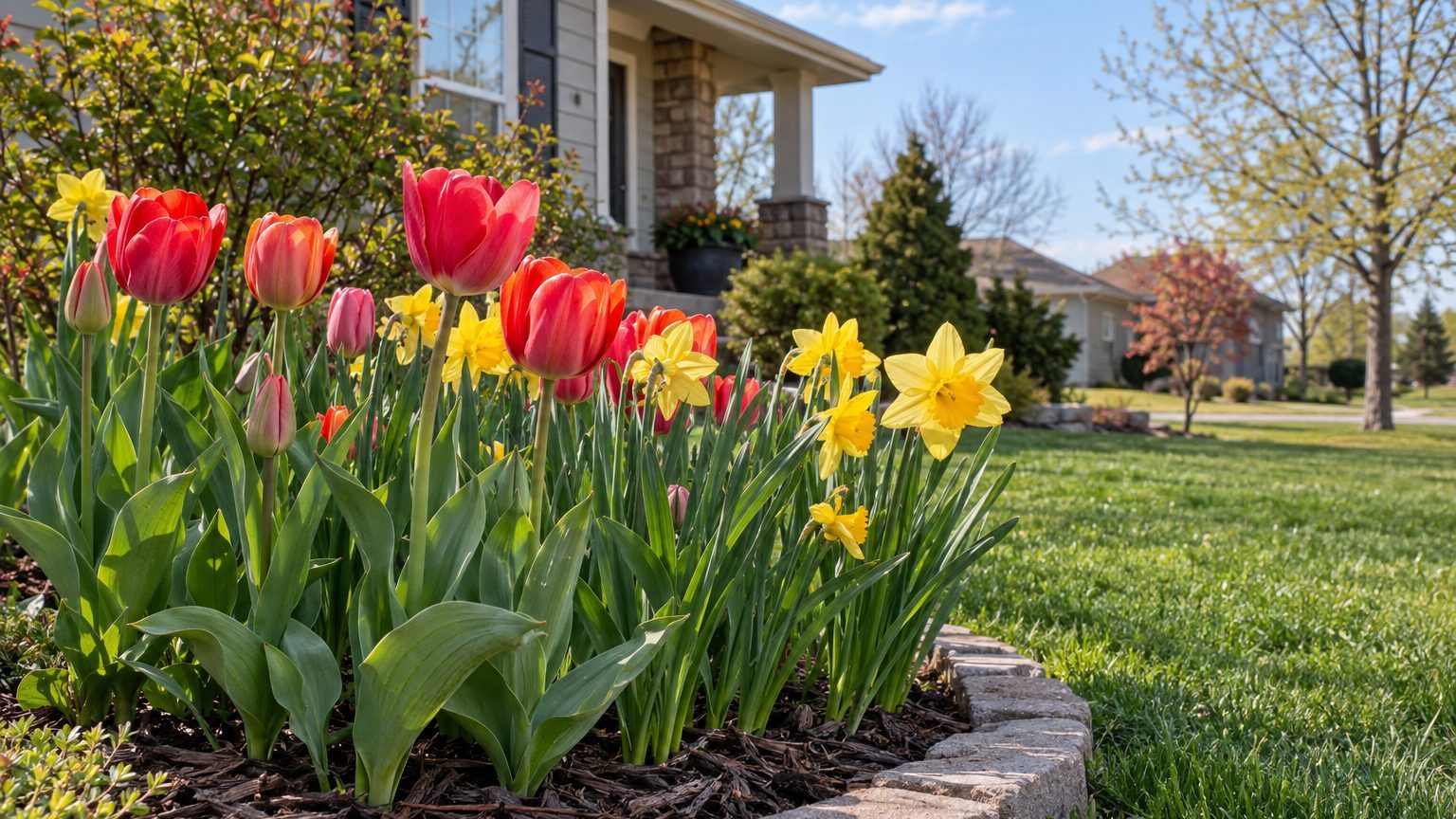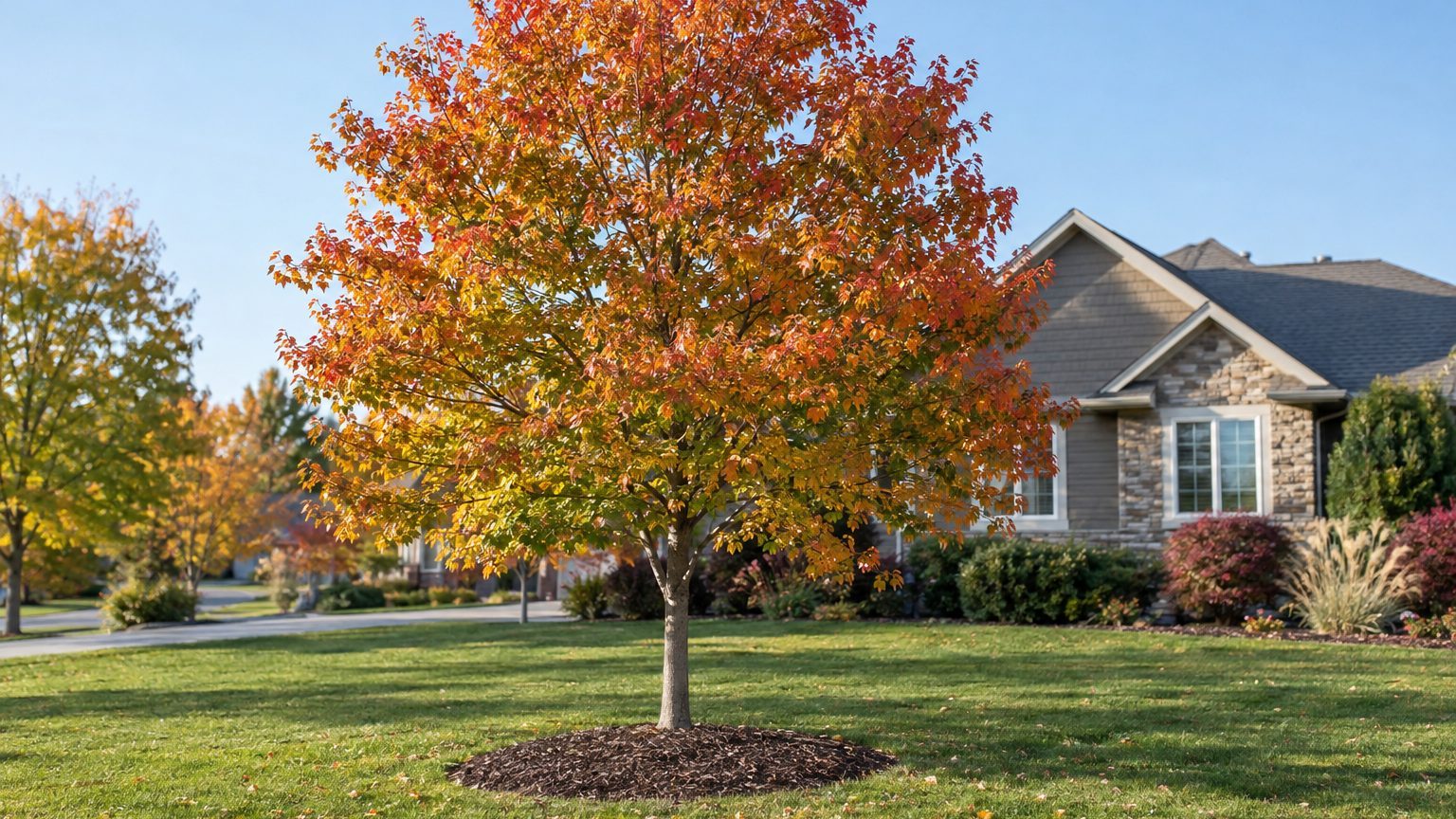
A young tree planted into cool, workable ground has a season ahead to root before heat or hard cold arrives. In South Dakota, that means spring for most trees, with a fall window for some hardwoods and conifers. Fruit trees follow spring planting more strictly.
When Is the Best Time to Plant Trees in South Dakota?

Spring is the best season for planting shade and ornamental trees in South Dakota, in April and May, and September and October also work for many of them.
- In April, plant container and balled-and-burlapped trees as soon as the soil can be worked, before the buds open.
- In May, planting can continue while the soil is still cool and moist, which gives roots time to grow before summer heat.
- Through summer, hold off if you can, because heat and dry soil stress new roots more than any other season does.
- In September, fall planting starts to make sense, especially for conifers, since the soil is still warm enough for roots to keep growing.
- Through early October, hardwoods can go in as well, and a tree planted in fall needs watering until the ground freezes.
Container-grown trees can go in most of the year if you keep them watered, but they settle best in the dormant season. Magnolia, dogwood, tuliptree, sweet gum, red maple, birch, hawthorn, poplars, cherries, plums and many oaks do better planted in spring than in fall. For frost, the reference city of Sioux Falls usually sees its last spring freeze between April 29 and May 9, and its first fall freeze between September 24 and October 4. Country and suburban yards often freeze later in spring and earlier in fall, so check your own county. Hardiness zones in the state run from 3b to 5b on the USDA system, so the far northern counties are colder than the southeast.
When to Plant Fruit Trees in South Dakota
Plant fruit trees in April and May, as soon as the ground can be worked. Bare-root trees go in while still dormant, before the buds open, so roots can establish before leaves demand water.
Container-grown fruit trees follow the same spring timing here. They hold more soil around their roots, so they tolerate a slightly later planting, though a dormant start still helps them settle.
| Kind of fruit tree | When to plant in South Dakota | Why then |
|---|---|---|
| Bare-root | April to May, while dormant | Planting before the buds open lets roots establish before the tree has to support leaves |
| Container-grown | April to May | Cool, moist spring soil lets roots spread before summer heat stresses them |
Fall planting is less suited to fruit trees here, since a young tree may not root well enough before winter. Variety and rootstock matter as much as timing. Rootstock mainly sets a tree’s height and how soon it bears, and some also add cold hardiness. Budagovsky rootstocks, for example, are known for it.
Best Trees to Plant in South Dakota
Choose trees that handle hard winter cold, and match them to your soil and the sun on your site. Crabapples are a proven ornamental, tolerant of a wide range of soils as long as they drain well.
Disease resistance matters as much as looks. Crabapple cultivars vary a lot, so favor those known as disease resistant over those prone to fireblight.
| Tree | How it does in South Dakota | Why |
|---|---|---|
| Crabapple (disease-resistant cultivars) | A dependable ornamental in a wide range of soils | Tolerates many soil types if drainage is good |
| Columnar Siberian crabapple | Narrow and upright, suited to tight spots | Highly susceptible to fireblight, so watch it closely |
For other shade or ornamental species, pick by available space, sun and your hardiness zone. A county extension office can suggest what suits your soil.
When to Plant, Water and Prune Trees in South Dakota
The yearly rhythm is simple. Plant in spring or early fall, keep new trees watered until the ground freezes, and prune fruit trees in late winter while they are dormant.
| Task | Best timing in South Dakota | Why then |
|---|---|---|
| Plant shade and ornamental trees | April to May, or September to early October | Roots grow in cool or warm soil without summer heat stress |
| Water a young tree | Regularly after planting, until the ground freezes in fall | New roots need steady moisture to settle in |
| Prune fruit trees | March to April, after the coldest weather and before bud break | Dormant trees heal cleanly, and fall or early-winter cuts can push growth that does not harden before cold |
Apples are pruned first and peaches last, closest to bloom, because peach flower buds are easily hurt by cold. Oaks are left alone from March through October to limit oak wilt. Full detail lives on the page for pruning fruit trees in South Dakota.
Where to Get Tree Advice in South Dakota
Local help fits tree choice and soil questions better than general rules. South Dakota State University Extension and your county office both help with species and soil.
- South Dakota State University Extension offers guidance on which trees suit your area, worth reading before spring planting.
- Your county extension office can advise on a soil test, best done before you plant.
Common Questions
Can You Plant a Tree in Summer in South Dakota?
You can if the tree is container-grown and you water it faithfully, but summer is the hardest season to establish one. Heat and dry soil stress new roots, so spring or early fall is gentler on the tree.
Should You Remove Burlap from a Balled-and-Burlapped Tree?
Yes, remove wire baskets and as much burlap as you can once the tree sits in the hole. Anything left can restrict roots as they grow outward.
How Deep Should You Plant a Tree?
Set the root flare level with or just above the surrounding soil, and keep mulch back from the trunk. Burying the flare or piling mulch against the bark invites rot.