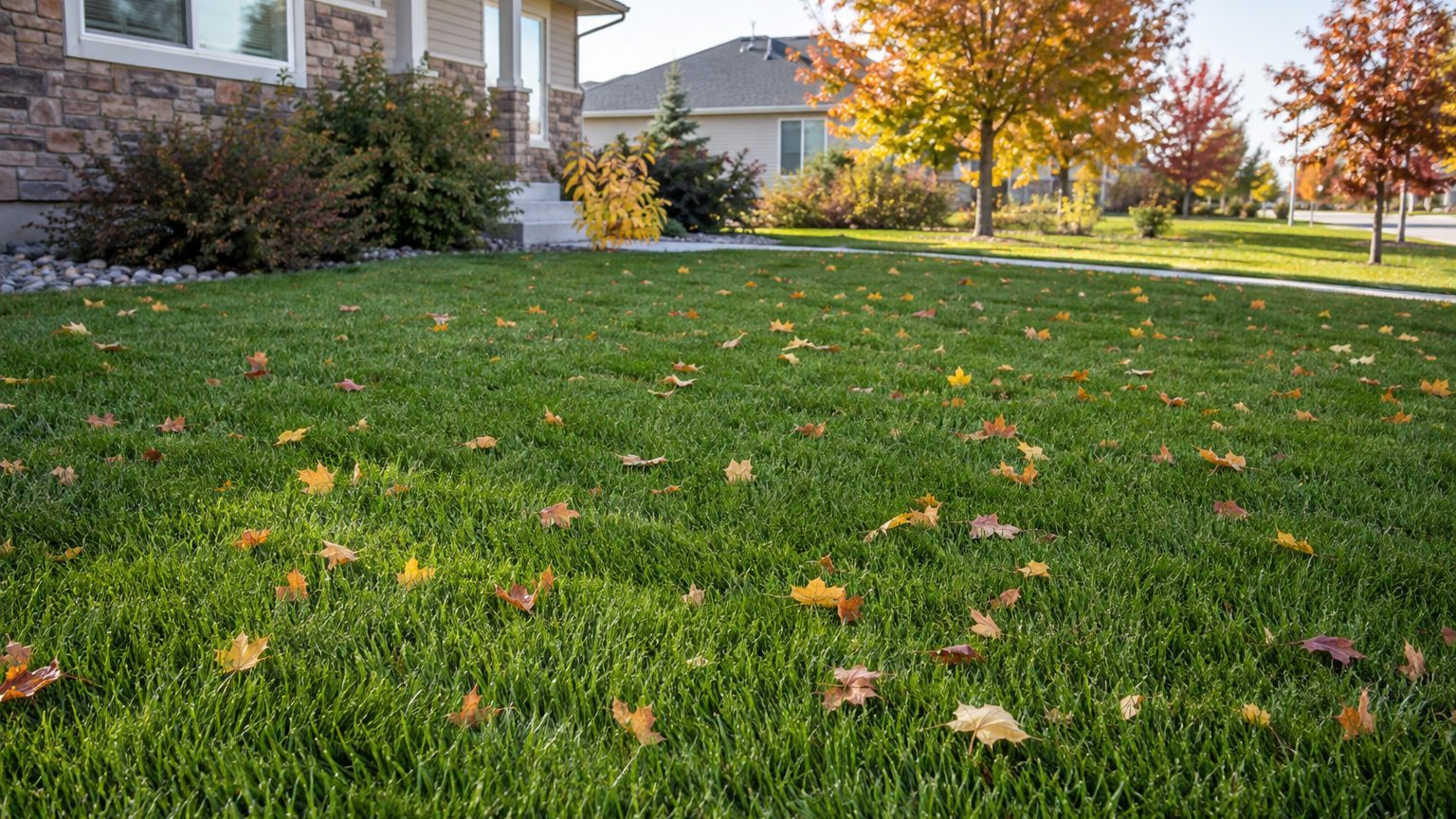
Frost on the grass blades in early spring, then a long, bright stretch of green by June: that is the rhythm of a South Dakota lawn. Cool-season grasses such as Kentucky bluegrass and fescue do their best work in spring and early fall, and a South Dakota lawn’s yearly care follows that pattern from the Missouri River to the Black Hills.
What to Do Each Month in a South Dakota Lawn

Most of the work lands in late spring and again from late summer into early fall. Winter is for staying off the grass and waiting.
| Month | In the lawn |
|---|---|
| January | Rest. The grass is dormant, so keep foot traffic and heavy snow piles off it. |
| February | Rest. The lawn is dormant, so leave it alone and watch for ice sheets that linger. |
| March | Rest, mostly. The turf is still dormant while the soil thaws, so stay off soggy ground to avoid compaction. |
| April | Rake out matted leaves and debris once the ground firms up. Growth is slow because the soil is still cold. |
| May | Busy month. Apply crabgrass preventer, feed the lawn, start mowing and watering as growth picks up. Seeding bare patches also works now. |
| June | Mow regularly and water deeply when rain falls short. Cool-season grass is at full pace. |
| July | Keep mowing and watering. Heat slows the grass, so a deep soak beats frequent sprinkles. |
| August | Core aerate, dethatch and seed as the heat eases. Keep mowing and watering. |
| September | The best stretch of the year: aerate, dethatch, seed, feed and water. For fall feeding, use September rather than August. |
| October | Keep mowing until growth stops. Dormant seeding also works now if you want an early start on the cold-soil method. |
| November | Seed on cold soil so it waits through winter and sprouts in spring. Clear leaves before snow. |
| December | Rest. The grass is dormant, and the lawn needs only a clear surface under the snow. |
Treat each month as a window, not a deadline. A cool, wet spring or a hot, dry August can change conditions within these windows, so watch the grass as well as the calendar.
South Dakota — the year and the numbers
- State
- South Dakota
- USDA zones
- 3b-5b
- Last spring frost
- April 29 to May 9
- First fall frost
- September 24 to October 4
- Annual rain
- 28 in
- Lawn type
- cool-season
- Source
- NOAA NCEI 1991-2020 Climate Normals, 32F freeze probabilities · Sioux Falls
When Does the Lawn Season Start and End in South Dakota?
Growth starts when the soil warms, not when the last frost passes. Cool-season grasses wake up and germinate with soil at 50 to 65 °F, which usually arrives well after the first mild days of spring. Seed sown too early just sits there.
Frost matters mostly for young seedlings. In Sioux Falls, the last spring freeze tends to fall between April 29 and May 9, and the first fall freeze between September 24 and October 4. Those are airport figures for that city. Suburban and rural yards often freeze later in spring and earlier in fall, and higher ground more so, so check your own county.
The season ends gradually. Mowing continues into October while the grass still grows, and it stops when cold sets in and the lawn goes dormant for winter.
How the Lawn Calendar Shifts Across South Dakota
The state is long and its climate changes from east to west and from north to south, so timing slides a bit depending on where you live.
- Sioux Falls and the southeast: Use the Sioux Falls dates above as a local reference, then adjust for conditions in your yard.
- Aberdeen and the northeast: Colder winters and a shorter season push spring work later and make early fall seeding more important.
- Rapid City and the Black Hills: Higher sites in the Black Hills can see later springs and earlier fall frost, so favor the early end of the fall seeding window there.
Hardiness zones across the state run from 3b to 5b on the USDA system; this range describes average annual extreme minimum temperatures, not lawn-care dates.
Lawn Care Timing Mistakes to Avoid in South Dakota
Seeding Too Early in Spring
A warm day in April tempts many people to scatter seed, but the soil is still cold and a late freeze can kill the sprouts. Wait until May, when the ground has warmed, or save the big seeding job for late summer.
Waiting Too Long in Fall
Seed in August or September, and keep fall feeding to September. If you miss that, switch to dormant seeding in October or November rather than seeding in a hurry.
Applying Preventer After Crabgrass Sprouts
Crabgrass preventer works only before the weed germinates. Put it down in May, ahead of the sprouting. Applied late, it does nothing to plants already up, and it will also block any grass seed you spread in the same spot.
Where to Get Lawn Advice in South Dakota
Local experts know your soil and your weather better than any general schedule can. These local resources are worth knowing.
- South Dakota State University Extension has lawn guides written for the state’s climate, so check it before planning seeding or feeding.
- Your county extension office can answer questions about local frost timing and problem spots, so call it before your first big spring job.
Common Questions
Can You Fertilize a South Dakota Lawn in Summer?
Feeding is best in May and September. Summer heat stresses cool-season grass, so extra fertilizer in July tends to do more harm than good.
Is It Too Late to Seed in October?
Regular seeding is best in August and September, but October still works for dormant seeding. The seed lies still through winter and sprouts when spring warms the soil.
When Should You Aerate a Lawn in South Dakota?
August and September suit aeration, when the grass is growing strongly and can fill in the holes quickly. Dethatching fits the same window.