Skip to content

How to Prune and Train Climbing Roses

How to Prune and Train Climbing Roses

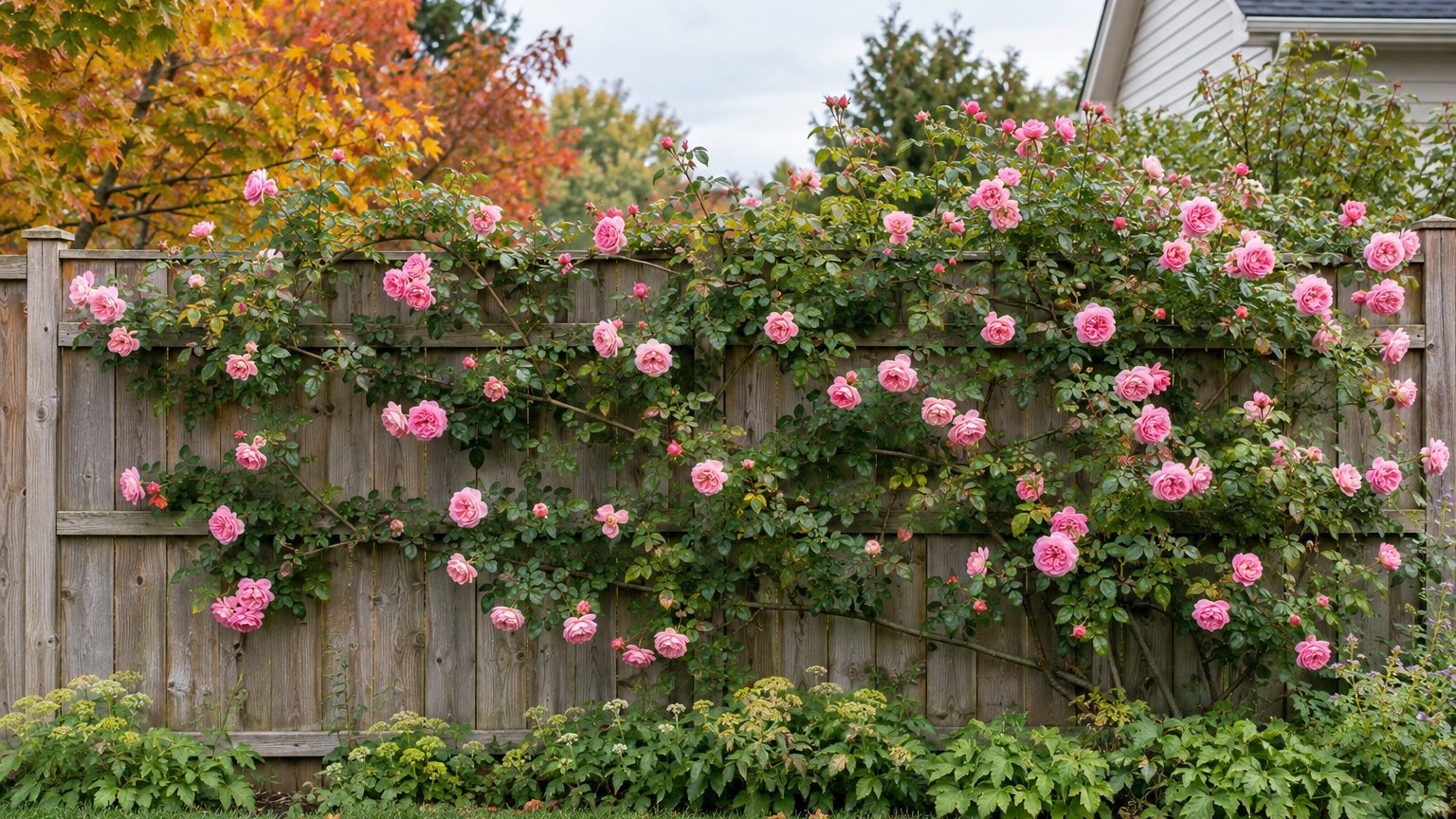
A climbing rose in full bloom, with canes arching over a fence or an arbor, looks effortless. The show depends on cuts made in the right season and canes tied where air can reach them. Climbers need far less cutting than a bush rose, and the timing depends on whether the plant flowers once or repeatedly. Bloom habit sets both the pruning and the training.

When Should You Prune a Climbing Rose?

Prune according to how the rose blooms. Once-blooming climbers and old-fashioned ramblers wait until after they flower, because they produce their best shoots on one-year-old wood. Repeat-blooming climbers are pruned in spring, as Kansas advice puts it.

Climate moves the dates more than it changes the rule. Spring arrives earlier in warm regions than in cold ones, and winter damage only shows once the buds start to move. In Illinois, pruning is often limited to removing that damaged wood.

The state selector just below this section leads to the page for your state.

How to Train and Prune a Climbing Rose

How to Prune and Train Climbing Roses

Training comes before pruning, since the cuts only make sense once the canes follow a frame.

  1. Set the rose about 12–18 inches from the wall, as Arizona advice suggests for modern roses, so air can move around the foliage.
  2. Tie each new cane loosely to the support with strips of stretchy material at 15-inch intervals, as Kansas advice describes, so the ties do not choke the cane as it thickens.
  3. Remove winter-damaged wood once the buds show which canes are alive, because in many cases in Illinois that is all the pruning a climber needs.
  4. Cut the upward-pointing shoots on a trained rose back to 2-3 buds each year, as Florida advice describes, so the flowers form close to the main canes.
  5. Remove shoots growing downward or away from the trellis completely, so the plant stays flat against its support and the framework stays easy to tie.

Keep the younger canes. In Indiana, canes 2-3 years old produce the most flowers and should be cut back to two or three healthy buds. Older, worn canes are the ones to reconsider when the plant gets crowded.

Pruning Climbers by Bloom Habit

Bloom habit decides where the flower buds sit, and that decides which wood you can safely cut. A cut at the wrong season removes the flowers before they open.

Climbers need cutting far less than other roses, so most of the work is tying and tidying. The table sorts the climbers by how they flower.

Rose Type What changes Why it matters
Once-blooming climbers and ramblers Prune only after they flower. They produce their best shoots on one-year-old wood.
Repeat-blooming climbers Prune in spring, as Kansas advice puts it. Spring cuts shape the plant before the new growth that carries the next flowers.
Climbing roses in general In New Mexico, laterals can be cut back to 8 or 10 buds. They blossom on 1- and 2-year-old wood in New Mexico, so old and new wood both matter.
Climbers in general In Oregon, they do not need to be cut back like other roses. Most of the work is tying them to the support, since they do not attach naturally.

Hybrid tea, shrub, old garden and rugosa roses each follow their own routines, so do not copy a bush rose cut onto a climber. For a climber, check first whether it flowers once or repeatedly, then cut by that habit. A young climber may also need a few seasons in the garden before any pruning is necessary, as Illinois advice notes.

Climbing Rose Mistakes to Avoid

Tying Canes Too Tight

Tying Canes Too Tight — How to Prune and Train Climbing Roses

Ties pulled snug leave no gap between cane and support, and air cannot circulate behind the canes. In Kansas the advice is to allow at least 4 to 6 inches of give. Check the ties as the canes thicken and loosen any that bite.

Pruning Once-Bloomers in Spring

Pruning Once-Bloomers in Spring — How to Prune and Train Climbing Roses

A rambler or once-blooming climber carries its flowers on wood grown the year before. A spring trim cuts that wood away and costs you the season’s bloom. Wait until the flowers fade, then cut.

Leaving Side Shoots Long

Long laterals leave the plant shaggy, with fewer blooms along the main canes. In Illinois, reducing them to 3-6 inches stimulates flower production. Make those cuts once the main canes are tied in, so the framework shows clearly.

Climbing Roses in Your State

The sign that starts the work is on the plant. In Kansas, repeat-blooming climbers are pruned in spring. Once-bloomers wait until the flowers fade; winter-protection timing depends on local conditions.

  • The Roses page for your state gives the months for pruning repeat-blooming climbers, so check it when buds start to swell.
  • The same page gives the months for winter protection, so read it before the first hard freezes and gather the soil or mulch you need.

Common Questions

How Long Do Climbing Roses Grow?

Canes of climbing roses can reach 5 to more than 20 feet long, according to Iowa guidance. Among the cultivars described there, ‘William Baffin’ can reach a height of 8 to 10 feet. ‘Henry Kelsey’ has long, arching canes that can grow 7 to 9 feet long. Choose a support sized for the mature cane, not the young plant.

Can Climbing Roses Cling Without Ties?

No. In Oregon, the advice is that they do not attach naturally, so they must be tied to or trained through the support. A trellis or wire frame gives the canes something to follow, and the ties do the holding.

How Do You Protect Climbing Roses in Winter?

In cold climates, gardeners use different winter-protection methods. In Nebraska, one method is to take the canes off the trellis and bury them in a shallow trench, covered with 3-4 inches of soil. In New Hampshire, the advice is to mound 10”-12” of soil around the base of the plant. The method should match local winter conditions.
How to Choose a Rose for Your Yard, Zone by Zone

How to Choose a Rose for Your Yard, Zone by Zone

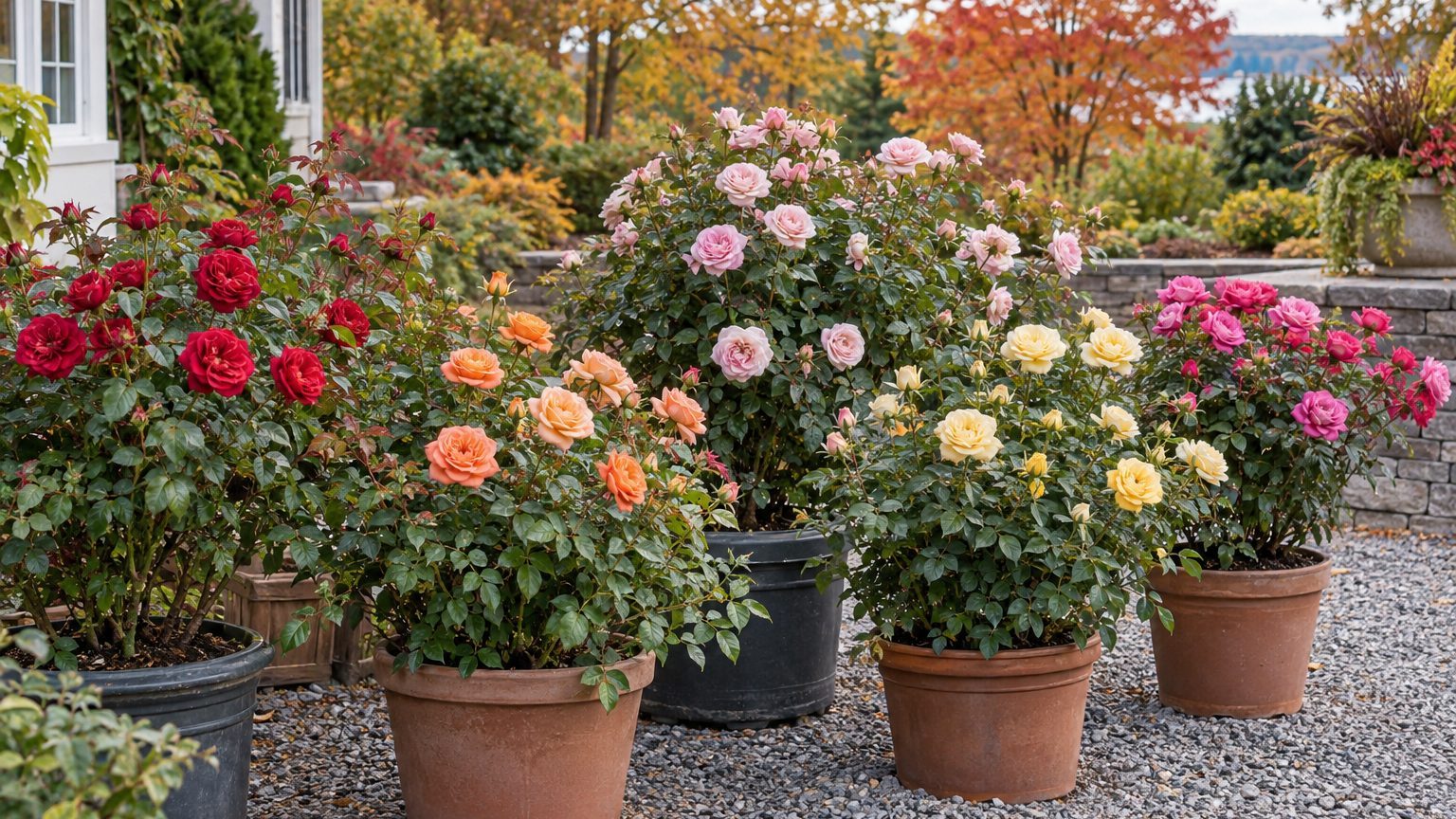
A rose bush bought on a bright spring Saturday can become a lasting part of the yard, so the choice at the garden center matters. Choosing roses comes down to matching the plant to your winters, your sun and the kind of bloom you want. Type, bloom habit and how the plant was grown all shift the answer.

Which Rose Is Right for Your Yard?

Pick for your climate first and your favorite flower second. A rose that struggles through your winters or summers never shows its best blooms. The type of rose, whether it blooms once or repeats, and how hard your winters and humid summers run all change the answer.

Repeat bloomers flower on new growth through the season. Once-blooming roses give one big show on last year’s wood. Each rose type brings its own habits, and a rose that suits a neighbor’s yard may not suit yours.

The state selector just under this section takes you to the page for your state.

How to Choose a Rose Bush

How to Choose a Rose for Your Yard, Zone by Zone

Work from the yard outward, starting with the spot and ending with the day the plant arrives.

  1. Walk the yard and mark the sunniest open spot, because roses need plenty of light and a good garden location heads off many problems before they start.
  2. Check the hardiness zone on the plant tag against your own, since roses differ widely in how much cold they take and a mismatch shows up the first hard winter.
  3. Favor disease-resistant, winter-hardy, repeat-blooming varieties, which is the advice in Iowa, so you spend less time fighting leaf problems and get flowers across the season.
  4. Ask whether the plant grows on its own roots or is grafted. In Washington, own-root roses protect a favorite plant from loss to early winter cold. In Montana, the recommendation is for bare-root plants on their own roots that are graded as “Number 1.”
  5. Decide between bare root and container by how soon you can plant. In Arizona, container roses are the safer buy when planting must wait, because bare roots should not sit exposed.

In Florida, a grafted rose should sit on Fortuniana rootstock, so ask the nursery what the plant was grafted onto before it goes in the cart.

Choosing a Rose by Type

Bloom habit and root type change more than flower color. A repeat bloomer keeps working through the season, while a once-blooming rose gives all its color in one stretch.

Climate fit follows type, and each type has its own limits, so check the tag before you commit.

Rose Type What changes Why it matters
Repeat-blooming roses Bloom on new wood, flower again and again Color lasts through the season
Once-blooming roses Bloom on last year’s wood, one main flush Suits you if one big show is enough
Antique roses In Florida, a featured antique rose is suited to zones 7 through 9 Zone fit decides whether the plant thrives
Shrub roses In Montana, bare-root, own-root, Number 1 plants are favored Healthy starting stock sets up the first season

Hybrid teas, climbers and rugosas follow the same logic. Confirm the zone on the tag, decide whether you want repeat or single bloom, and match the plant to the room you have. A climber needs a wall or fence, while a shrub rose needs open ground around it.

Rose Buying Mistakes to Avoid

Buying a Low Grade

A low-grade plant may be less likely to thrive. In Kentucky, a No. 2 plant has several small canes, while a No. 1½ plant has one strong cane and one smaller one.

In Washington, Grade 1 plants cost more but are more likely to thrive. In Kansas, only grade number 1 plants are recommended, and in Arizona the same grade is favored for surviving summer heat.

Skipping the Stem Check

Swellings or galls on the lower stems or crown are a sign to put the plant back. In Illinois, avoid plants with those signs. Look at the base of every cane before you pay, and choose a clean plant instead.

Buying Too Many Plants

Overbuying leaves you with more roses than you can look after. In New Mexico, ten well-chosen, carefully maintained varieties give more blooms and more pleasure than a much larger planting kept poorly. Start with fewer roses, give each one a good spot, and add more once the first ones are thriving.

Best Roses for Your State

Use local cold, heat, soils, insects and disease pressure to narrow the choice. Use the state guide to compare local conditions with the plant tag before buying.

  • Your state’s rose page helps you compare roses with the climate where you live, so open it before you order.
  • At planting time, use it again to confirm that the rose and the site suit each other.

Common Questions

Can You Grow a Rose Indoors?

In Florida, miniature roses usually do better outdoors because of the amount of light they need. A bright, open outdoor spot gives them more than a windowsill can.

Do Roses Need Winter Protection?

It depends on the rose. In Iowa, some roses hold up through winter in cold zones, but others do not and need protection. In North Carolina, choosing a rose that suits the area matters for winter survival, along with a good winterization routine.

When Should You Order Roses?

In Oregon, ordering in the fall for delivery in January works well, and that delivery is a good time to plant. Elsewhere, order so the plant arrives when you can put it in the ground soon after.

Roses Not Blooming: Causes, Fixes and Deadheading

Roses Not Blooming: Causes, Fixes and Deadheading

A rose bush that sits there green and flowerless in midsummer is a familiar sight in nearly every yard. The cause may be too little sun, extreme heat, or pruning at the wrong time.

Why Aren’t Your Roses Blooming?

A rose needs enough direct sun, while pruning must match its bloom habit and the time left in the season. In Iowa, the advice is to plant roses where they get 6+ hours of direct sunlight a day. Shade is a common reason for a bush that grows but never flowers.

What changes the picture is the type of rose and the climate. Repeat bloomers produce flowers on new wood and keep cycling, while once-bloomers flower on last year’s wood and give a single show. Heat matters too: in New Mexico, many varieties stop blooming when summer temperatures are above 90° F (35° C).

The state selector just below this section takes you to the page for your state.

How to Deadhead Roses

Roses Not Blooming: Causes, Fixes and Deadheading

Deadheading means removing a spent bloom so the plant puts its energy into new flowers instead of seed. The right cut depends on the plant’s age and where you garden, but the aim is to keep enough foliage to support new growth.

  1. Wait until the whole flower or cluster has faded before you cut.
  2. On an established rose in Iowa, follow the stem down to a 5-leaflet leaf. On young roses in their first growing season in Iowa, the cut goes above the uppermost 3-leaflet leaf instead, which leaves more foliage to feed the plant.
  3. In Iowa, cut about 1/4 inch above the leaf with hand shears, keeping the cut parallel to the leaf’s angle.
  4. Cut back to an outward facing bud. In Oregon, the advice is to cut at a 45-degree angle just above an outward-facing bud, which opens the center of the bush to air and sends energy into that bud.
  5. Leave foliage behind on established plants. In Arizona, keep two 5-leaflet leaves on the stem. In Colorado, retain at least two 5-leaflet leaves on each shoot.
  6. Stop cutting as the season closes, so the plant can slow down and prepare for dormancy rather than push soft growth that cold will damage.

Timing the last cut depends on where you garden. In Ohio, deadheading much past the end of August leaves too little time for another bloom cycle. In Illinois, the cutoff is October 1, after which you let the plant form hips. In Alaska, a rose that needs 45-50 days to reach a second bloom is pushing its luck late in the season.

Blooming Habits by Rose Type

Rose types differ in how often they flower and in how they respond to a cut. The useful divide is between roses that flower on new wood and those that flower on last year’s wood.

That split decides whether deadheading will bring a second flush at all, and whether a hard prune will remove this year’s flowers.

Rose Type What changes Why it matters
Repeat-blooming Flowers on new wood, cycles again after deadheading In Iowa, deadheading in summer promotes more blooms
Once-blooming Flowers on last year’s wood, one main show Pruning in early spring removes the buds that would flower
Young plants in the first season Faded flowers are removed above the uppermost 3-leaflet leaf Energy goes to roots and winter carbohydrate storage, not to maturing fruit

Because bloom habits can vary within familiar rose groups, check the tag or the grower’s description for your variety.

Mistakes That Cost You Rose Blooms

Planting in Too Much Shade

Planting in Too Much Shade — Roses Not Blooming: Causes, Fixes and Deadheading

A rose short of light grows leaves and few flowers. In Iowa, the guide is 6+ hours of direct sunlight a day.

Deadheading Too Late

Deadheading Too Late — Roses Not Blooming: Causes, Fixes and Deadheading

Cutting spent flowers deep into late summer or fall asks the rose to grow when it should be winding down. In Washington, the advice is to skip deadheading in late summer so the plants can prepare for winter dormancy.

Cutting Back Too Hard

Snipping a stem down to bare wood removes the leaves that feed the next flush. In Iowa, the guidance is to retain at least two 5-leaflet leaves on each shoot. In Georgia, flowers can be expected 8-9 weeks after pruning, so patience after a cut is normal.

When Roses Bloom in Your State

Flowering time varies with climate and rose type. Use the state guide for local bloom timing instead of relying on a national calendar.

  • Open your state’s page to see its bloom and pruning months, and check it before the season starts.
  • Return to it in late summer, when you need to know when to stop deadheading where you live.

Common Questions

Why Do My Roses Have Leaves but No Buds?

Look at how much sun the bush gets and how recently it was pruned. A rose in shade, or one cut back on a once-blooming type in early spring, often leafs out without flowering. Correct the light if needed, and let a once-bloomer recover from a pruning mistake before judging it.

Can Hot Weather Stop Roses from Blooming?

Yes, for some varieties. In New Mexico, many stop blooming when summer temperatures are above 90° F (35° C).

When Is the Best Time of Day to Cut Roses for a Vase?

In Alaska, roses cut after 4:30 p.m. will last 10 hours longer than ones cut in the morning.

When to Plant Roses in Yukon: Dates and Varieties

When to Plant Roses in Yukon: Dates and Varieties

A rose in the Yukon spends the first warm weeks of summer waking up slowly, with canes still bare while the snow fades from the shady side of the house. Planting here follows a short season, and the choice of rose matters as much as the date.

When to Plant Roses in Yukon

A rose bush in bloom in a home garden

Bare-root roses go in first, in June, while they are still dormant, and potted roses can follow later in the season. The dates here follow the nearest comparable climate, since no local rose timing exists for the territory, so confirm local timing with a garden centre, a rose society or a territorial gardening group.

  • In late winter and early spring, the canes stay under snow, and a young rose at this stage only needs to be left alone until growth shows.
  • In May, repeat-blooming roses are pruned once active growth starts, and feeding begins for roses already in the ground.
  • In June, bare-root roses are planted while still dormant, and in Whitehorse the last spring frost falls on average around June 5 (a midpoint, so in one year out of two the frost comes later).
  • From June into July, potted roses can go in, and feeding continues through July so new growth has time to firm up.
  • By August 1, feeding stops, because in Whitehorse the first fall frost arrives on average around August 25 (again a midpoint, with northern and upland spots running weeks behind) and soft new growth would not survive it.
  • In fall, after the first hard freezes, tender roses are covered for winter.

The territory sits in Canadian hardiness zone 1b at Whitehorse, a Canadian system that does not convert to a USDA zone. A growing season this short means a young rose can lose its first shoots to a late frost, so a cold night after planting calls for a cover. A bare-root rose planted dormant puts its energy into roots before leaves, which is why June suits it.

Which Roses Grow Best in Yukon?

Winter decides the answer. Tender roses need winter protection in Yukon’s cold winters; this group includes hybrid teas, grandifloras, floribundas and miniature roses. Hardy shrub roses and rugosas cope far better with long cold and a short summer.

Heat is rarely the problem here, so the choice comes down to cold tolerance and how much work you want in fall.

Rose type How it does in Yukon Why
Rugosa Cold-hardy, with local performance varying by variety Rosa rugosa takes cold well, though the best varieties differ from place to place
Hardy shrub (Explorer series) Performs well without extra protection Bred for cold winters
Hybrid tea Does not reliably overwinter Tender canes need winter protection
Floribunda and grandiflora Does not reliably overwinter Tender, and they need protection in cold winters

Miniature roses share the tender reputation. Once-blooming roses, including old garden roses, ramblers and many climbers, flower on last year’s wood, so prune them right after flowering, never in early spring.

When to Prune, Feed and Protect Roses in Yukon

Pruning in spring, feeding through early summer, and covering tender roses in fall set the rhythm of the year. Wait until active growth appears before pruning.

Task Best months in Yukon Why then
Pruning repeat-blooming roses May Active growth shows what is alive, and snow cover lasts into spring
Planting bare-root roses June Dormant roots settle in as the soil warms, and potted roses can go in later
Feeding roses May, June, July Feeding stops by August 1 so growth can harden before frost

Feed roses from May through July, then stop by August 1. Winter protection of tender roses comes after the first hard freezes, and the covering comes off in spring once the hardest cold has passed. Hybrid teas, floribundas and grandifloras need that cover, while hardy shrub roses usually do without. The details of pruning have their own page.

How Rose Care Dates Change Across Yukon

Timing varies with elevation and with distance from the warmer valley floors, so treat the dates above as a rough starting point.

  • Whitehorse: the dates here follow the Whitehorse area, where frost risk ends in early June and returns in late August.
  • Northern spots like this run later in spring and earlier in fall, so planting can slip later than the dates above.
  • Upland yards: higher ground around the territory stays colder, so frost lingers longer and a rose needs more cover.

Shelter from wind and a south-facing wall can create a warmer spot for a rose.

Where to Get Rose Advice in Yukon

Canada has no county extension offices, so advice comes from Agriculture and Agri-Food Canada, local garden centres and gardening groups across the territory.

  • Garden centres can tell you which hardy roses they stock and when bare-root plants arrive.
  • Rose societies and territorial gardening groups share what has survived local winters, and spring is the time to ask.

Common Questions

Can You Plant a Rose in July in Yukon?

A potted rose can go in after June, as long as it gets regular water. Bare-root roses are a June job, because they need to be planted dormant.

Do Roses Need Winter Protection in Yukon?

Tender roses do, and the covering goes on after the first hard freezes. Rugosas and hardy shrub roses generally manage without.

Why Is My Rose Cane Brown After Winter?

Check the color inside the cane and wait for new shoots to appear. Brown, dry wood with no buds swelling is dead, while green inside and buds breaking means it is still alive.

When to Plant Roses in Wyoming: Dates and Varieties

When to Plant Roses in Wyoming: Dates and Varieties

When the snow pulls back from the rose bed and the ground softens enough for a spade, the planting season for roses in Wyoming has opened. Bare-root roses go in first, while they are still dormant. Potted roses follow later. Cold winters and a short growing season decide which roses thrive here and when each job gets done.

When to Plant Roses in Wyoming

A rose bush in bloom in a home garden

Bare-root roses go in during April and May, as soon as the soil can be worked, and potted roses can wait until the weather has settled.

  • In early spring, plant bare-root roses while they are still dormant. April is the target, and May works too.
  • Through May, bare-root planting can continue, but a leafed-out young rose is tender. In Cheyenne, the last spring frost arrives between May 7 and May 18.
  • Once the danger of hard frost has passed, potted roses can go into the ground. They tolerate a later start than bare-root plants because they arrive with roots and leaves already growing.
  • From late spring into midsummer, roses feed and bloom. Frost is possible in any month at higher elevations, so a young plant needs watching even in June.
  • In early autumn in Cheyenne, the first fall frost lands between September 24 and October 5, which ends the bloom and sends the plant toward dormancy.
  • Around November, soil goes over the base of the plant for winter. October and December also work, depending on how the nights are running.

Wyoming covers USDA hardiness zones 3a to 6a, so the dates above are a guide that shifts with your elevation and your town. At roughly 6,000 feet, the frost-free stretch in Cheyenne is short, which is why protecting young plants is part of the routine here.

Which Roses Grow Best in Wyoming?

Hardy shrub roses are a practical choice. They are vigorous, need little care in severe conditions, and handle cold winters without a lot of fuss. Hybrid teas, floribundas and grandifloras can still succeed, but they ask for more winter protection than a shrub rose does.

Rose type How it does in Wyoming Why
Hardy shrub roses (Explorer series, Knock Out) Perform well without extra winter protection Hardy and vigorous, with low care needs in severe conditions
Hybrid teas, floribundas, grandifloras Need winter protection in cold winters Less hardy canes suffer when winters turn hard
Alpine and Nootka roses Need a warm, protected planting site A sheltered site limits exposure to harsh winter conditions

Old garden roses, ramblers and many climbers are worth a place in a sheltered corner, but they bloom once a year, so they need different pruning from the repeat bloomers above. Heat and humidity are rarely the limiting factors for roses in Wyoming. Winter cold and a short season are.

When to Prune, Feed and Protect Roses in Wyoming

The rose year here follows a practical rhythm, and each job has its own window. Pruning and uncovering share April, feeding runs through summer, and covering comes with November.

Task When to do it in Wyoming Why then
Pruning repeat-blooming roses (hybrid teas, floribundas, modern shrub roses) April, and May if needed Repeat bloomers flower on new wood, so pruning comes just ahead of new growth
Feeding roses May, June, July (April or August also work) Feeding supports growth during the growing season, then stops so the canes can harden
Putting on winter protection November (October or December also work) Soil over the crown goes on once nights turn hard and stay cold
Taking winter protection off April, and May if needed Uncover gradually after the danger of hard frost has passed

Stop feeding after mid-August so late, soft growth does not get caught by the first frost. Once-blooming roses are the exception to the April rule: they flower on last year’s wood, so prune them right after they bloom, never in early spring.

How Rose Care Dates Change Across Wyoming

Elevation shifts the rose year across the state, so the dates above lean earlier in low basins and later in the high country.

  • Jackson Hole: A high mountain valley, where spring comes later and frost returns sooner. Plant hardy shrub roses and expect to keep covers handy well into the season.
  • Laramie and Cheyenne: The high plains in the southeast are cold, windy and exposed. Planting and uncovering tend to wait until the danger of hard frost is truly past.
  • Bighorn Basin (Cody and Powell): A lower, warmer basin where the season starts earlier and lasts a little longer than in the mountains. Planting and uncovering can lean toward the early end of the window.

If your yard sits well above the nearest town, plan on the later end of every window.

Where to Get Rose Advice in Wyoming

Local conditions vary so much that a short conversation with the people who work the same soil and weather can save a plant. University of Wyoming Extension and your county office are the places to start.

  • The state extension service publishes research-based guidance on roses and cold-climate gardening, useful before you choose varieties in winter or early spring.
  • Your county extension office can help diagnose a struggling rose and arrange a soil test, ideally before you plant in April.
  • Bring a cane or leaf sample to the county office when something looks wrong, so the answer comes from the plant itself.

Common Questions

Can You Grow Roses at High Elevation in Wyoming?

Yes, with hardy shrub roses and some extra care. Frost can come in any month at higher elevations, so plan on covers and a sheltered spot, such as the south side of a wall or fence.

Can You Plant a Potted Rose Later than a Bare-Root Rose?

Potted roses go in later because they are already growing. Wait until the danger of hard frost has passed, then water the plant in well and keep an eye on the forecast.

What Should You Do If Frost Is Forecast After a Rose Leafs Out?

Cover the plant before dark with a breathable cloth or an inverted bucket, and uncover it in the morning once temperatures rise. Young leaves are the tender part, so protect them even after the bush looks established.

When to Plant Roses in West Virginia: Dates and Varieties

When to Plant Roses in West Virginia: Dates and Varieties

A bare-root rose arrives in late winter as a bundle of dormant canes with the roots wrapped in damp packing, and it asks to be planted before the buds wake up. In West Virginia that moment falls in early spring, and the rest of the rose year follows from it. Here are the planting dates, the roses that suit the hills, and the key dates of the year.

When to Plant Roses in West Virginia

A rose bush in bloom in a home garden

Across the state, USDA hardiness zones run from 5a to 7a, so the mountains and the lower valleys play by different rules. At Charleston, the last spring frost falls between April 9 and April 23, and that is what a freshly planted rose has to get past.

  • In February, bare-root roses can go in during a mild spell if the soil is workable, though March and April are the better months.
  • In March, plant bare-root roses while they are still dormant, and prune repeat-blooming roses once the forsythia opens and the buds swell.
  • In April, bare-root planting continues, and feeding begins as the first leaves open. Young growth is tender, so a late frost can still burn it.
  • From May through August, feed regularly, and potted roses can go in later than bare-root ones, since they are not dormant and are not racing the buds.
  • In autumn, the first frost at Charleston arrives between October 18 and November 1, and by then feeding has stopped so the canes can toughen up.

A dormant bare-root rose tolerates cold, while a leafed-out young plant does not. That is why the planting months sit before the buds break rather than after the last frost has passed. Higher ground sees frost on a different schedule, covered further down.

Which Roses Grow Best in West Virginia?

Roses with cold tolerance are the safe bet, because winter low temperatures vary a lot between the valleys and the mountains. Old garden roses and roses bred for colder zones tolerate low temperatures well, while hybrid teas can suffer considerable damage in a hard winter.

Rose type How it does in West Virginia Why
Old garden roses Reliable through cold winters Many are extremely tolerant of low temperatures and do not want hard pruning
Hybrid teas Fine in milder valleys, riskier on high ground They can take considerable cold damage and need a heavy spring pruning
Modern shrub roses Good choice for repeat bloom They flower again on new growth and are pruned in March
Roses bred for colder zones Need little added protection in the milder zones Extra hardiness is built in, so winter cover matters less

Floribundas behave like hybrid teas in the pruning calendar, since they also bloom repeatedly on new wood. Ramblers and many climbers lean toward the old garden roses, flowering once a year, so they are handled differently from the repeat bloomers.

When to Prune, Feed and Protect Roses in West Virginia

The year is short on tasks, and each has a clear window. Pruning follows the buds, not the calendar alone. Feeding follows the leaves, starting when growth begins and finishing before the plant needs to slow down for winter.

Task When to do it in West Virginia Why then
Pruning repeat-blooming roses March (February or April also work) Buds are swelling and the forsythia is in bloom, so you can see which canes survived
Feeding roses April through August (March is fine when growth starts early) The plant is leafing out and flowering, and feeding stops so late growth can harden before freezes

Once-blooming roses, which include old garden roses, ramblers and many climbers, flower on last year’s wood. Prune them right after they bloom, never in early spring, or you cut off the season’s flowers. Hybrid teas and other tender types also benefit from winter cover in colder pockets, and the cover comes off as spring pruning begins. Pruning in detail has its own page for the state.

How Rose Care Dates Change Across West Virginia

Elevation matters in a state this hilly, and the dates above lean toward the valley end of the range.

  • Kanawha Valley: Charleston sits in a river valley, so the frost windows given here fit the lower, warmer ground. Planting and pruning can start toward the early side of the months listed.
  • Allegheny Highlands: Places like Canaan Valley and the high ridges freeze noticeably earlier in fall and warm up later in spring. Plant and prune toward the end of the listed months, watch the buds, and give hybrid teas more protection.

Between the valley and the highlands, a rose in a sheltered hollow behaves more like a valley rose, while one on an exposed ridge behaves more like a highland rose, whatever its county.

Where to Get Rose Advice in West Virginia

Local conditions vary from one hollow to the next, so local help pays off. West Virginia University Extension supports home gardeners through offices in the counties, and those offices can look at a problem rose or a bed that has never performed.

  • The county extension office can test your soil, so ask before the spring planting months and use the results to decide what the bed needs.
  • Bring a cutting of a struggling rose to the county office, ideally while the symptoms are fresh on the plant.
  • Before the next planting window, collect a soil sample from the bed where the roses will go.

Common Questions

Can You Plant a Potted Rose After the Bare-Root Months?

Yes. A potted rose is not dormant, so it does not have to go in during the early spring window. It can be planted later in the season, as long as it gets regular water while the roots settle in.

Why Stop Feeding Roses at the End of Summer?

Feeding after August pushes soft new growth that may not harden before the first freezes. Stopping then lets the canes toughen for winter, which is especially useful on high ground where fall frost comes sooner.

What If the Forsythia and the Calendar Disagree?

Trust the plant. March is the main pruning month, but a cold spring can push it into April, and a mild late winter can allow February. Prune repeat-blooming roses when the buds begin to swell and the forsythia opens.

When to Plant Roses in Washington: Dates and Varieties

When to Plant Roses in Washington: Dates and Varieties

Bare-root roses show up in late winter as bundles of bare, thorny canes, and they go into the ground long before anything else in the garden looks alive. Planning roses for a Washington yard means knowing when to plant, which types hold up, and the dates for pruning, feeding and winter cover.

When to Plant Roses in Washington

A rose bush in bloom in a home garden

In western Washington, bare-root roses go in dormant during February and March, and potted roses follow later, into early summer. In Seattle, the last spring frost falls between February 27 and March 18, and a young rose with soft new shoots is what suffers from it. Washington spans USDA hardiness zones 4a to 9a, so eastern gardens run on a different clock.

  • In February, bare-root roses can go in as soon as the soil can be worked, because a dormant plant has no tender growth for frost to damage and starts building roots before the buds move.
  • In March, bare-root planting is still in full swing, and the buds begin to swell, which is also the moment for the first feeding.
  • From April through June, potted roses are the ones to plant, since a rose growing in a container tolerates being set out after its leaves have opened.
  • In early summer, the planting season closes, because a rose that settles in before midsummer heat roots in more gently.
  • In November and December, once the plants are dormant, cold areas get a mound of mulch over the base of each rose.

In Seattle, the first fall frost arrives between November 13 and November 30, which is the signal that dormancy is near. A mild frost date does not mean an early planting date here, because cold wet soil and low light hold spring growth back well past the last freeze.

Which Roses Grow Best in Washington?

Cold-hardy, low-care roses suit a state with such a wide range of winters. Hardy shrub roses, rugosas, species roses and many old garden roses live through hard winters unharmed. Hybrid teas and other repeat-blooming roses can grow well too, but they ask for more care.

Rose type How it does in Washington Why
Shrub and rugosa roses Reliable in cold gardens, often look like wild roses Hardy, and they need less care than other roses
Species roses Come through hard winters unharmed Naturally hardy plants
Old garden roses Hardy and long-lived Tough in winter, but many bloom once a year
Hybrid teas and floribundas Grow well but need more care Repeat-bloom on new growth, so they want regular feeding

Climbers and ramblers are less certain. Many of them bloom once a year, so their care follows the old garden roses rather than the hybrid teas. Whatever the type, look for disease-resistant varieties, since cool wet seasons are common on the west side.

When to Prune, Feed and Protect Roses in Washington

A rose year here runs on buds and on the first hard freeze. Pruning happens as the buds wake up, feeding begins with bud break, and mulch goes on after the plant has gone dormant. The page on when to prune roses in Washington covers pruning in more depth.

Task Best months in Washington Why then
Pruning repeat-blooming roses February and March, running into April if spring is late Forsythia in bloom is the cue, and pruning too early invites frost damage to new growth
Planting bare-root roses February and March Dormant plants build roots before spring growth starts
Feeding March through July The first feeding comes at bud break, and later feedings keep growth going
Winter protection November and December Mulch goes on after dormancy and before a hard freeze, in cold areas only

Once-blooming roses flower once a year on last year’s wood, so they are pruned right after they bloom and never in early spring. Cutting them in February or March removes the buds that would have flowered.

How Rose Care Dates Change Across Washington

The dates above fit the mild, maritime west side, and the season shifts as you move toward the Cascades and beyond them.

  • Puget Sound lowlands: Winters are mild and the season starts early, though cold wet soil still holds spring growth back. Bare-root planting and pruning fit the earlier months, and winter mulch matters less.
  • Eastern Washington beyond the Cascades: This is high desert with a far shorter season, so planting and pruning move later into spring. The colder zones here are where mounding mulch over the base of the plant earns its keep.

Wherever you garden in Washington, the buds are the better guide. Forsythia in bloom, swelling buds and a hard freeze that has passed matter more than a date on the calendar.

Where to Get Rose Advice in Washington

Washington State University Extension publishes rose care guidance written for the state’s gardens, and each county has an office that can look at problems on the plant itself.

  • Its rose care calendar for home gardens is useful before spring work begins.
  • Your county extension office can take a look at a sick plant, with a sample or a clear photo of the leaves and canes.
  • A soil test through the county office is worth doing before the bare-root roses go in.

Common Questions

How Do You Choose a Rose for a Washington Yard?

Start with the USDA hardiness zone where the yard sits, since the state covers a wide range. A rose rated for the local zone survives winter, and a disease-resistant variety copes better with damp spells.

When Should You Stop Feeding Roses in Washington?

Feeding can run into August, but it should stop in late summer. By then roses are starting to go dormant, and fresh feeding would push soft growth that winter cold can damage.

What Can You Mound Over Roses for Winter?

Loose mulch works, such as shredded leaves, compost, pine needles or sawdust, piled over the base of the plant. Apply it after the rose is dormant and before a hard frost is expected.

When to Plant Roses in Virginia: Dates and Varieties

When to Plant Roses in Virginia: Dates and Varieties

Bare-root roses arrive as bundles of bare, dormant canes, and in Virginia they go into the ground while the weather is still cool. Potted roses are more forgiving about timing.

When to Plant Roses in Virginia

A rose bush in bloom in a home garden

Bare-root roses go in first, in late winter and early spring, and potted roses follow once the weather settles. Spring frost at Virginia Beach usually ends between March 20 and April 3, which is why young, leafy growth is the part of a new rose to protect.

  • In late winter, bare-root roses can be planted in February, as long as the soil is workable, because the canes are still dormant and nothing tender is exposed.
  • In March, the main planting window for bare-root roses opens, and repeat-blooming roses already in the ground are pruned as their buds swell.
  • In April, bare-root planting continues, and the first feeding goes on once leaves have opened.
  • From late spring on, potted roses can go in later than bare-root ones, since they arrive with a full root ball and active growth.
  • Through summer, from May to August, feeding continues so the plant keeps producing blooms.

The first fall frost at Virginia Beach arrives between November 10 and November 24, which is when growth slows for the year. Virginia Beach sits at the mild end of the state, and the Blue Ridge and southwest Virginia run weeks later in spring and earlier in fall. USDA hardiness zones across Virginia run from 5a to 8b, so a mountain yard and a coastal yard do not share the same calendar.

Which Roses Grow Best in Virginia?

Winter cold is the main thing that sorts roses in Virginia, because the state spans a wide range of hardiness zones. A rose that shrugs off winter near the coast can take real damage in the mountains, so type matters as much as the planting date.

Rose type How it does in Virginia Why
Old garden roses Hold up well to cold, so they suit colder parts of the state Many are extremely tolerant of low temperatures and do not need hard pruning, which can ruin their shape and cut flowering
Hybrid teas Need more care in cold areas, since they can be hit hard by winter Hybrid teas can suffer considerable cold damage.
Roses bred for colder zones A sensible pick for the Blue Ridge and southwest Virginia A rose bred for colder conditions may need little or no added protection in a milder Virginia garden.

Ramblers and many climbers sit closer to old garden roses in habit, since they bloom once a year. Modern shrub roses and floribundas fall on the repeat-blooming side, with the same pruning rhythm as hybrid teas.

When to Prune, Feed and Protect Roses in Virginia

Planting bare-root roses while they sleep, pruning as buds swell, and feeding through the growing season set the rhythm of the rose year here. Protection through winter is local to your yard, so it depends on where in Virginia you garden.

Task Best months in Virginia Why then
Pruning repeat-blooming roses March, and it can also be done in February or April Buds are swelling and the forsythia is blooming, so you can see where live wood begins
Planting bare-root roses March and April, and it can also be done in February The canes are dormant, so roots can settle before leaves demand water
Feeding roses April through August, and it can also be done in March Feeding starts with the first leaves and ends in time for late growth to harden off before winter

Stop monthly feeding late in the season so new growth has time to harden off before winter. The pruning dates have an important limit: once-blooming roses, meaning old garden roses, ramblers and many climbers, flower on last year’s wood, so they are pruned right after they bloom, never in early spring. The page on when to prune roses in Virginia goes deeper on technique.

How Rose Care Dates Change Across Virginia

Within the month lists above, your spot in the state tells you which end of the window to use.

  • Virginia Beach and the coast: This is the mild end of the state, so planting bare-root roses and pruning lean toward the early part of the windows, and feeding can start with the first leaves.
  • Blue Ridge and southwest Virginia: Spring arrives weeks later and fall frost comes earlier, so planting and pruning lean toward the later part of March and April, and feeding should wind down sooner.

Whatever your location, watch the buds and let them set the day for pruning.

Where to Get Rose Advice in Virginia

Virginia Cooperative Extension serves the whole state, and the office in your county can speak to your soil and your microclimate.

  • The county extension office can test your soil, so ask before planting if you are unsure about drainage or fertility.
  • Bring a cutting or clear photos of a troubled rose to the county office for a diagnosis, ideally when symptoms first show.
  • Master gardener volunteers connected with the extension office can answer variety questions, which helps before a spring order.

Common Questions

Can Potted Roses Be Planted Later than Bare-Root Roses?

Yes. Bare-root roses have a narrow window while they are dormant, but potted roses can go in later because they arrive already growing, with roots intact.

Can You Plant Roses in Fall in Virginia?

The planting months for Virginia are February, March and April for bare-root roses. Fall is outside the bare-root planting window for Virginia.

When Should You Feed Roses Again After the First Bloom?

Feed when the plant first leafs out and again after each flush of bloom. For Virginia, the feeding months run from April through August.

When to Plant Roses in Vermont: Dates and Varieties

When to Plant Roses in Vermont: Dates and Varieties

Bare-root roses go into Vermont soil in April and May, while the ground is cool and the plants are still asleep. Potted roses follow once the weather settles.

When to Plant Roses in Vermont

A rose bush in bloom in a home garden

Bare-root roses go in first, in April and May, because they must be planted dormant. Potted roses can go in later, once frost no longer threatens their new leaves. For Burlington, on Lake Champlain, the last spring frost falls between April 30 and May 10, and a young rose with soft new growth does not tolerate a freeze after that. Burlington sits in a milder part of the state than the Green Mountains and the Northeast Kingdom, so those areas run shorter. Vermont spans USDA hardiness zones 3b to 5b, which is why the type of rose matters as much as the date. In Burlington, the first fall frost arrives between October 3 and October 13, so a rose planted in spring has the whole season to root before winter.

A rose’s year in Vermont runs like this:

  • In early spring, bare-root roses go into the ground in April and May, and the winter mulch comes off in early May, before new growth begins.
  • Once the shoots are several inches long, repeat-blooming roses are pruned in April and May. Pruning can also happen in March, but wait for active growth.
  • From spring through midsummer, roses are fed in April, May, June and July, with a last feeding possible in August.
  • Potted roses can be planted later, and established plants bloom on the new wood they grew this year.
  • In late November, after hard frosts have killed the leaves, winter protection goes on.

Potted roses are the flexible option, since they arrive with roots already growing and tolerate a later planting day than bare-root plants.

Which Roses Grow Best in Vermont?

Hardy roses do well here, and tender ones struggle. The winters decide which plants come back, so choose types rated for your zone, which can be as cold as zone 3b in the north.

Polyanthas, floribundas, hybrid perpetuals, shrub roses and many old-fashioned roses prove more winter hardy than hybrid teas and grandifloras, according to Vermont guidance. Hybrid teas can still be grown, but they need protection.

Rose type How it does in Vermont Why
Shrub roses (Meidiland series) Hardy to at least zone 5, marginal by variety in zone 4 Tested for cold hardiness in Vermont
Explorer series (Champlain, Cabot, Kelsey) Mostly live in zone 4, as shrubs or climbers Bred in Canada for cold winters
Floribundas and polyanthas More winter hardy than hybrid teas Tougher canes and sturdier constitution
Old-fashioned roses and hybrid perpetuals More winter hardy than hybrid teas Long-proven in cold climates
Hybrid teas and grandifloras Need winter protection in cold winters Less hardy than the types above

Hardy shrub roses such as Knock Out and the Explorer series perform well without extra protection. Once-blooming roses, including old garden roses, ramblers and many climbers, flower on last year’s wood, so prune them right after they bloom, never in early spring.

When to Prune, Feed and Protect Roses in Vermont

Rose chores in Vermont follow the buds more than the calendar. Pruning waits until shoots are several inches long, and winter cover waits until the leaves are dead. The months below apply to repeat-blooming roses such as hybrid teas, floribundas and modern shrub roses.

Feeding starts in spring and stops in late summer, so new growth has time to harden off before winter.

Task Best months in Vermont Why then
Pruning repeat-blooming roses April, May (March is possible) Wait for active growth and shoots several inches long
Feeding April, May, June, July (August is possible) Monthly feeding from spring, stopping in August so growth hardens off
Putting on winter protection November, late in the month Hard frosts have killed the leaves by then
Taking winter protection off May (April is possible) Early May, before new growth begins

Pruning in March is the outer limit, so wait for active growth. Wait until hard frosts have killed the leaves, which is why late November is the target. For pruning detail, see the page on when to prune roses in Vermont.

How Rose Care Dates Change Across Vermont

Elevation and distance from the lake shift the season by a good margin, so adjust the months above to your own corner of the state.

  • Burlington and the Champlain Valley: The lake keeps this area milder than much of the state, so planting and pruning can start at the early end of the windows.
  • Green Mountains: Higher ground has a substantially shorter season, so plant and prune toward the later end and choose roses hardy enough for your USDA zone.
  • Northeast Kingdom: Colder and shorter, so hardy shrubs such as Explorer roses are well suited to these conditions, while tender roses need winter protection.

Watch the buds on your own plants and let them overrule the calendar when they disagree.

Where to Get Rose Advice in Vermont

Local help turns general dates into dates for your yard. University of Vermont Extension publishes rose guidance for the state, and your county office can help with specific problems.

  • Its winter protection guidance is worth reading in the fall before the first hard frosts.
  • Your county extension office can run a soil test and help diagnose a struggling plant.

If bare-root roses are on your list, check the soil and pick the planting spot in April.

Common Questions

Can You Plant a Rose in Summer in Vermont?

Yes, if it is a potted rose. Bare-root roses must go in dormant, in April and May, but a container rose already has an active root system. Water it regularly while it settles in.

Do Roses Survive Vermont Winters?

Hardy types do. Shrub roses, Explorer roses, floribundas and old-fashioned roses cope better than hybrid teas. Choose types rated for your zone and protect tender ones.

Should You Cut Back a Rose in the Fall in Vermont?

For repeat-blooming roses, heavy pruning belongs in spring, after the winter cover comes off and shoots are growing. In November, the job is covering tender roses once hard frosts have killed the leaves.

When to Plant Roses in Utah: Dates and Varieties

When to Plant Roses in Utah: Dates and Varieties

Bare-root roses show up in spring as bundles of bare canes and tangled roots, and in Utah they go into the ground while they are still asleep. Potted roses are more forgiving, but frost and cold winters shape the whole year for any rose here.

When to Plant Roses in Utah

A rose bush in bloom in a home garden

Bare-root roses go in first, in early spring, and potted roses follow once frost has loosened its grip, which at Salt Lake City means after a last spring frost somewhere between April 12 and April 29.

  • In early spring, April is the month to plant bare-root roses, as soon as the soil can be worked and while the plants are still dormant.
  • Also in April, repeat-blooming roses get their pruning, and the soil or mulch mounded over the canes last winter comes off gradually.
  • In May, bare-root planting can still happen, and potted roses can go in a little later, since a leafed-out young rose is far more tender than a dormant one.
  • From May through July, roses are in full growth and take regular feedings.
  • In November, once nights turn truly cold, the crowns get their winter cover.

Hardiness runs from zone 4a to 9a in the USDA system, so a rose that sails through a mild valley winter may struggle higher up. Stop feeding after mid-August to keep soft new growth from meeting the first frost.

Which Roses Grow Best in Utah?

Winter decides most of the choices here. Utah spans a very wide range of cold, so the roses that do well are the ones that shrug off hard freezes, and the tender ones need help.

Plenty of shrub roses are hardy and vigorous and ask for little care under severe conditions. Some varieties tolerate extremely cold winter lows, which matters in the colder, higher parts of the state.

Rose type How it does in Utah Why
Hybrid teas and grandifloras Do well with extra winter care Less cold tolerant than shrub roses, so added protection is often recommended
Hardy shrub roses (Knock Out, Explorer series) Perform well without extra protection Hardy and vigorous, so they need little fuss
Alpine and Nootka roses Suit the warmer areas of the state They have survived on protected planting sites
Old garden roses, ramblers, many climbers Flower once a year They bloom on last year’s wood, so the pruning cut matters

Floribundas and modern shrub roses that repeat bloom sit between these extremes and follow the same April pruning as hybrid teas. For a first rose in a cold spot, a hardy shrub rose is the low-stress pick, and a hybrid tea becomes a rewarding project once the winter routine is a habit.

When to Prune, Feed and Protect Roses in Utah

The rose year here comes down to a handful of dated jobs. Pruning sits in spring, feeding fills the growing season, and cover goes on late in the year.

Repeat-blooming roses flower on new wood, so spring pruning suits them. Once-blooming roses flower on last year’s wood and get pruned right after they bloom, never in early spring.

Task Best months in Utah Why then
Pruning repeat-blooming roses April (it can also be done in May) Cutting too early can leave fresh growth open to a killing frost
Feeding roses May, June and July (April and August also work) Regular feedings suit active growth, and stopping after mid-August keeps soft new shoots from meeting the first frost
Putting on winter protection November (it can also be done in October or December) Mound soil over the crown in late fall, once nights have turned hard-freezing for several days.
Taking winter protection off April (it can also be done in May) Remove it gradually once the danger of hard frost has passed

Hybrid teas, floribundas and grandifloras are the roses that most need that soil mound in a cold winter, while hardy shrub roses usually go without. For the full method on cuts and canes, the Utah page on when to prune roses goes deeper.

How Rose Care Dates Change Across Utah

Elevation moves the calendar more than anything else, and the dates above lean toward a mild valley, so the rest of the state shifts around them.

  • Salt Lake Valley: This mild valley is where the dates above fit most closely, and it is a forgiving place for hybrid teas as long as they get their winter mound.
  • Park City and other high mountain towns: Most of Utah sits higher and colder than the valley floor, so planting and pruning slide later in spring, and winter cover goes on earlier in fall. Hardy shrub roses are the safer bet here.
  • St. George and southern Utah: Warmer conditions make April the month to watch both soil and buds before planting or pruning.

Whatever the town, watch the buds and the weather as well as the calendar, since a cold snap in a high valley can stall spring by a good stretch.

Where to Get Rose Advice in Utah

A rose that sulks is often a local problem, such as soil, a cold pocket or a pest, and local experts can sort it out faster than general advice can.

  • Utah State University Extension publishes garden guidance written for the state’s climate, and it is worth a look before choosing roses in winter.
  • Your county extension office can help diagnose a struggling plant and explain how to take a soil sample, ideally before spring planting.

Common Questions

Should You Cut Back Tall Rose Canes Before Winter?

Very tall canes catch wind and heavy snow and can break, so some gardeners shorten them in late fall. The real pruning for repeat-blooming roses still waits until April, when the buds begin to swell.

Can You Plant a Potted Rose Later than a Bare-Root Rose?

Yes. Bare-root roses have a narrow window because they must go in while dormant, but a potted rose already has leaves and roots in soil, so it can be planted a little later in spring. Just keep it out of reach of a late frost.

How Do Hardiness Zones Affect Which Rose You Choose?

USDA zones are based on the average coldest winter temperature each year, and Utah covers a very wide range of those temperatures. In the colder zones, favor hardy shrub roses, and in the milder ones you have more room to try hybrid teas.

The almanac, state by state. Every date on this site comes from a state’s own frost facts and its extension service’s calendar — and says where it comes from.