Skip to content

When to Plant Roses in Alberta: Dates and Varieties

When to Plant Roses in Alberta: Dates and Varieties

Roses arrive in Alberta garden centres as dormant bare-root bundles while the ground is still cold, opening an early planting window. Potted roses follow once severe frost has passed.

When to Plant Roses in Alberta

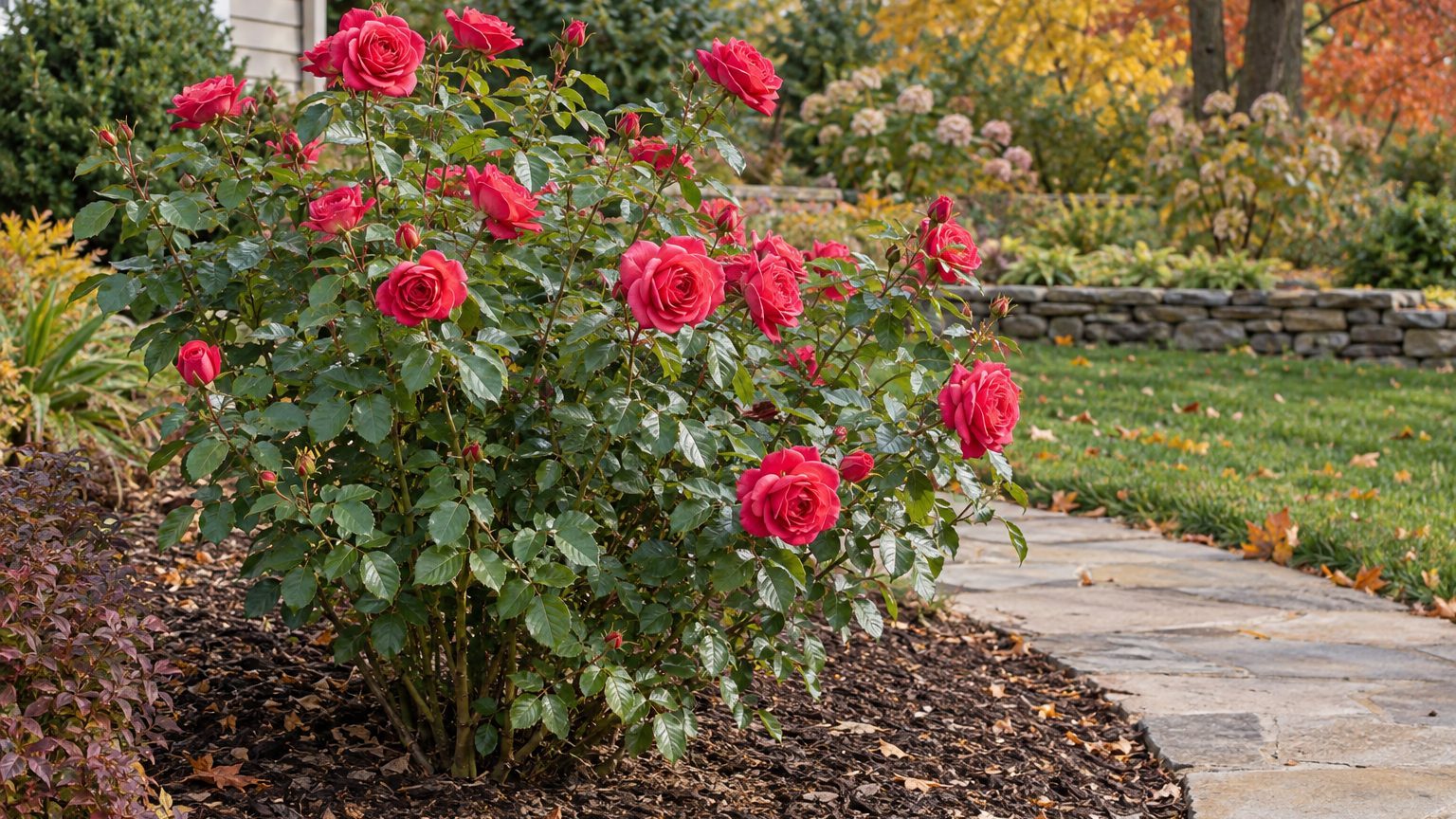
A rose bush in bloom in a home garden

Calgary’s average last spring frost falls on May 21, which means frost comes later than that date in one year out of two, so treat it as the middle of a risky window and never as a safe day. Bare-root roses sidestep that risk because they go in dormant, while a leafy young rose cannot take a hard frost.

  • In April, take the winter mound off in stages and plant bare-root roses while they are still dormant, ideally before the trees and shrubs leaf out.
  • By early May, finish the bare-root planting, since a rose that wakes up in the nursery bag struggles once it is in the ground.
  • In late May or early June, set out potted roses, once severe frost is truly behind you. Bare-root roses can also go in during June if you missed spring.
  • Feed your roses from late April through July, including as the plants approach peak bloom, and stop after July so the canes can harden off.
  • In November, after several hard freezes and once the rose is fully dormant, cover the canes with winter protection.

Calgary’s average first fall frost arrives on September 16, and the garden is in Canadian hardiness zone 4a there (a Canadian rating that does not convert to a USDA zone). The dates here follow the nearest comparable climate, so confirm local timing with a local garden centre, a rose society or a provincial gardening group.

Which Roses Grow Best in Alberta?

Winter decides everything. Hybrid teas, floribundas and grandifloras were bred for warmer climates, and they cannot survive northern winters without protection. Hardy shrub roses skip that chore.

Choose by how much work you want to do in November, because every rose type below needs suitable care to come through Alberta winters.

Rose type How it does in Alberta Why
Hybrid teas, floribundas and grandifloras Survive only with winter protection Bred for warmer climates and not fully hardy in northern areas
Hardy shrub roses, such as Knock Out or the Explorer series Perform well without extra protection They tolerate cold winters, so there is no mounding job
Canadian Artist Series Winter hardy and resistant to disease Bred for exactly that purpose

If a November mounding job sounds like too much work, the shrub roses and the Canadian Artist Series are the easy route. Hybrid teas are still worth growing if you enjoy the ritual of tucking them in for winter.

When to Prune, Feed and Protect Roses in Alberta

The year’s key gestures cluster in spring and again in November. Each one waits for a signal from the rose rather than from the calendar alone, such as a mound that has come off, a hard freeze that has passed or a plant gone fully dormant.

Task Best months in Alberta Why then
Taking winter protection off April, and May if spring runs late Taking the mound off in stages avoids exposing tender canes all at once
Pruning repeat-blooming roses April to May Done once the mound is off and the chance of a hard freeze has passed
Planting bare-root roses April to May, and June if needed Dormant roses settle in before leaf-out
Feeding April to July Late April, again at peak bloom, none after July
Putting on winter protection November Wait until the rose is fully dormant after several hard freezes

Once-blooming roses, such as old garden roses, ramblers and many climbers, flower on last year’s wood. Prune them right after they bloom, never in early spring, or you cut off the flowers.

How Rose Care Dates Change Across Alberta

Alberta is not one climate, and the dates above are anchored to Calgary. Rose seasons shift as you move north or up in elevation, and they start later in both directions.

  • Calgary: Spring tasks fit these dates most closely, though the frost date is only the middle of a risky window.
  • Edmonton and the Peace River country: Northern districts run behind Calgary, so hold off on planting potted roses and pruning until the weather has clearly settled.
  • Foothills and mountain towns such as Canmore: Upland gardens warm later than the city, so the mound comes off later and potted roses wait longer.

If your garden sits north or higher than Calgary, lean toward the later end of each month range.

Where to Get Rose Advice in Alberta

Alberta has no county extension offices. Gardeners turn to the provincial agriculture ministry, local gardening groups and nearby garden centres for help with diagnosis and local timing.

  • Browse Alberta Agriculture and Irrigation for provincial guidance on plants and soil, and check it before spring planting.
  • Ask a local garden centre or rose society which varieties winter well in your district, ideally before you buy in spring.
  • Look for a provincial gardening group in your area, and bring photos of any problem canes to make a spring visit more useful.

Common Questions

Is Alberta’s Hardiness Zone the Same as a USDA Zone?

No. Calgary sits in Canadian zone 4a, and that system uses seven climate variables where the USDA uses one. Canadian zone 4a overlaps nine different USDA zones, from 3a to 7a, so always shop by the Canadian rating.

How Can You Tell If a Rose Cane Is Dead in Spring?

Dead wood looks dark and discolored, and it usually sits beside weak, small stems that never grew well. Remove it after the winter mound comes off, and leave the healthy canes alone.

Should You Prune Hybrid Teas in Fall?

No. Repeat-blooming roses are pruned in April or May. November is for covering the canes once the rose is fully dormant, so fall is for protection, not pruning.
When to Plant Roses in Alaska: Dates and Varieties

When to Plant Roses in Alaska: Dates and Varieties

Snow cover lingers on Alaska rose beds well into spring, and that slow thaw sets the pace for everything you do with a rose here. Bare-root roses go in during June, feeding and pruning follow the same short season, and the choice of rose matters as much as the date.

When to Plant Roses in Alaska

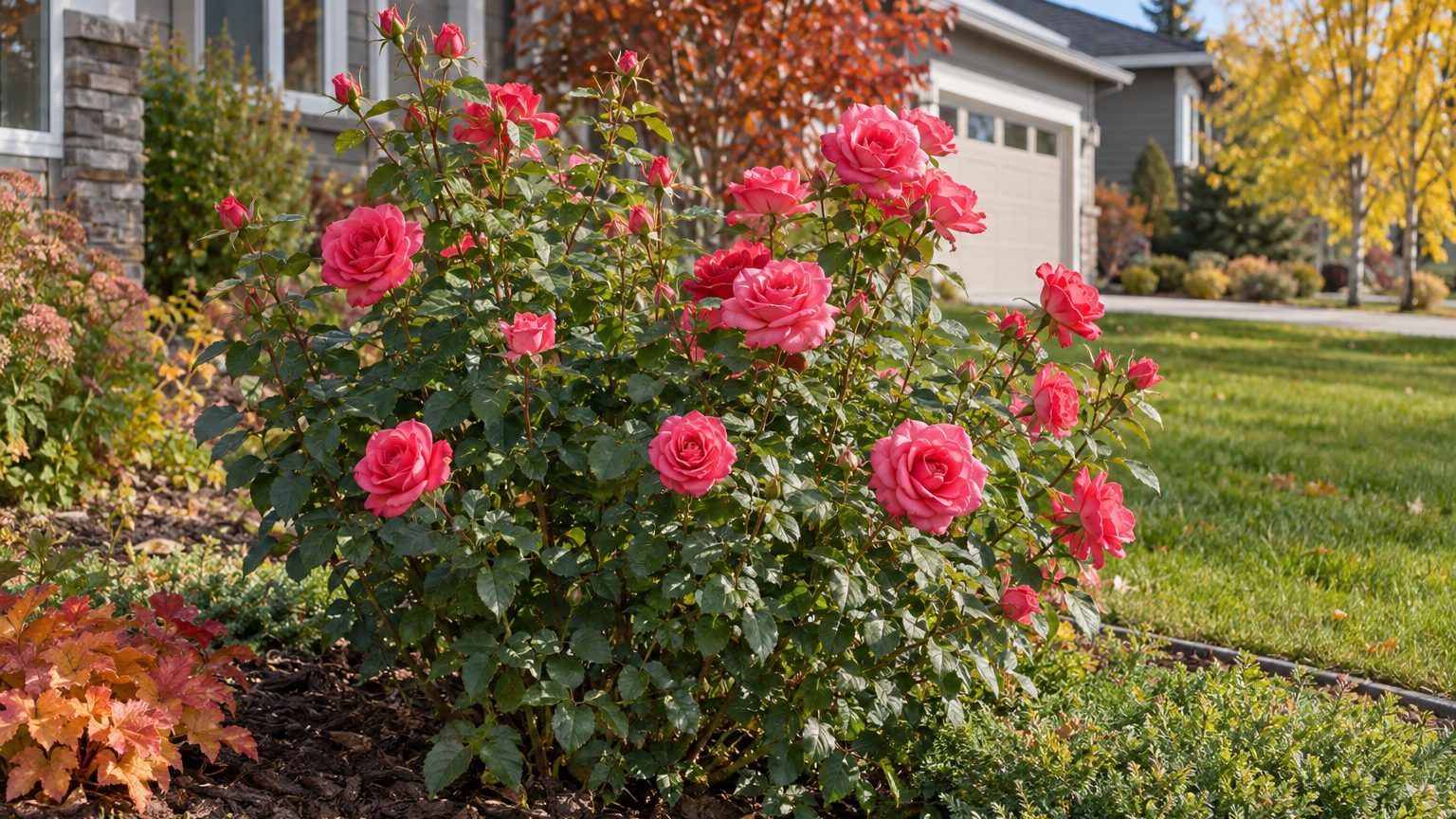
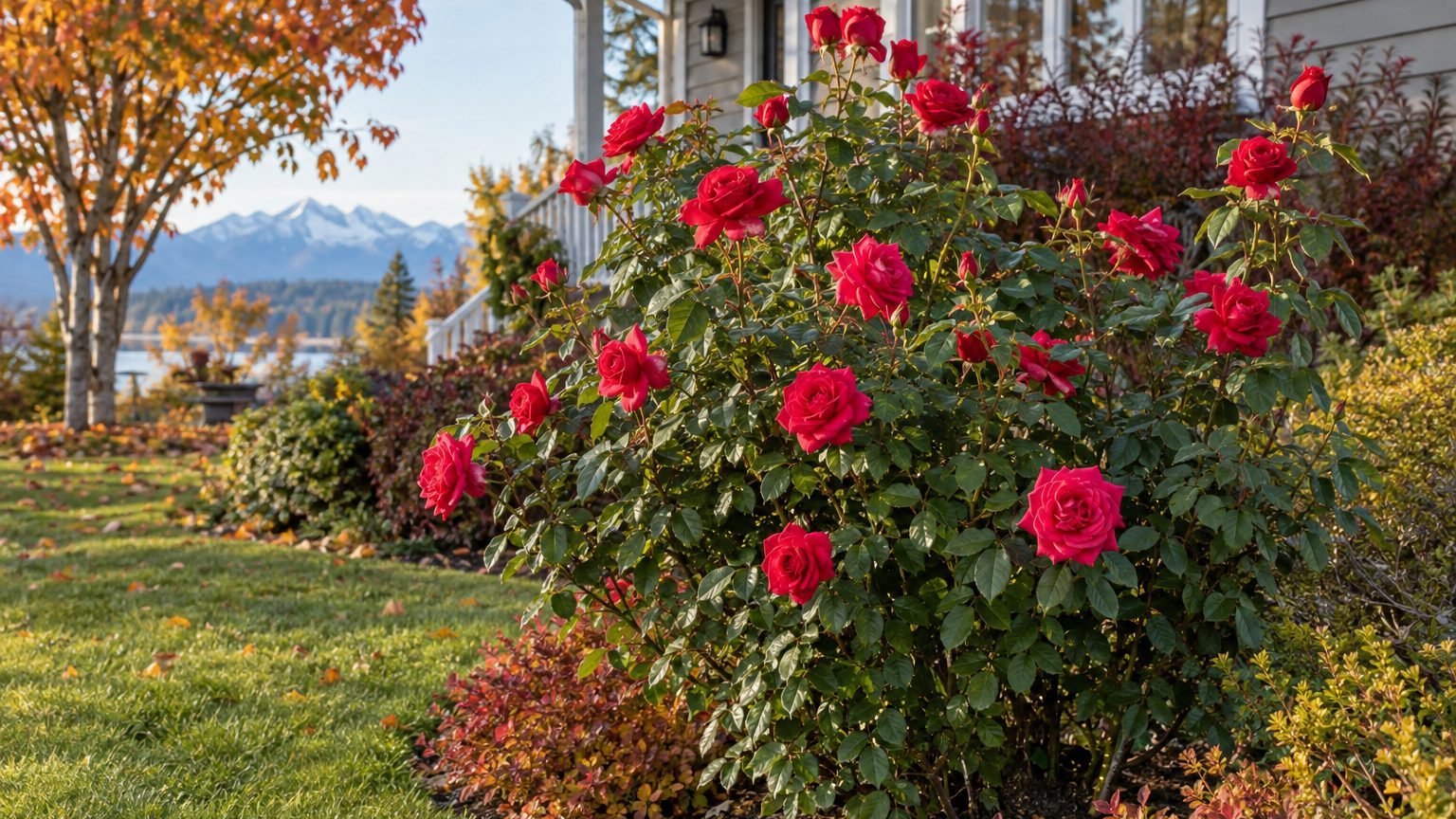
A rose bush in bloom in a home garden

Bare-root roses go in first, in June, and potted roses can follow later in the season. The planting window is tight, so the order of the year matters.

At Anchorage, the last spring frost falls between May 3 and May 12, which is why a young rose has to wait for June. The first fall frost arrives between September 22 and October 1, so a newly planted rose needs the whole summer to settle before it is tested. Across the state, the USDA hardiness zone system runs from 1a to 8a, so Anchorage dates do not carry over to every yard.

A bare-root rose is planted dormant, which is why it goes in as soon as the soil is workable and frost danger has eased. Here is how a rose’s year unfolds:

  • In May, repeat-blooming roses are pruned once active growth starts, and feeding begins.
  • In June, bare-root roses go into the ground, and potted roses can be planted a little later.
  • Through July, regular feeding keeps the long summer days working for the plant.
  • By August 1, feeding stops so new growth can harden before frost.
  • After the first hard freezes, tender roses are covered for winter.

Long summer daylight makes up for part of the short season, so a rose planted on time can still put on good growth before fall.

Which Roses Grow Best in Alaska?

Winter decides which roses last here. Tender roses do not reliably overwinter across Alaska, and that group includes hybrid teas, grandifloras, floribundas and miniatures. Hardy types do far better.

Alaska varies from place to place in which varieties thrive, but the rugosa rose (Rosa rugosa) is hardy in most locations. That makes it a safe starting point.

Rose type How it does in Alaska Why
Hybrid teas Not reliable over winter Tender, need winter protection
Floribundas and grandifloras Not reliable over winter Tender, need winter protection
Miniature roses Not reliable over winter Tender across the state
Rugosa roses Hardy in most locations Tough enough for Alaska winters
Hardy shrub roses (Explorer series) Perform well without extra protection Bred for cold winters

Once-blooming old garden roses, ramblers and climbers flower on last year’s wood. Prune them right after they flower, never in early spring.

When to Prune, Feed and Protect Roses in Alaska

The gardening year here is compressed into a few months, so each job has a narrow window. Pruning waits for growth, and feeding stops before fall.

Ask your local University of Alaska Fairbanks Cooperative Extension office for advice suited to your area.

Task When to do it in Alaska Why then
Prune repeat-blooming roses May Wait for active growth, since snow cover lasts into spring
Plant bare-root roses June Safe from late frost, with the whole summer ahead
Feed roses May, June, July Plants use nutrients while shoots are growing
Stop feeding By August 1 Fertilizer stops four to six weeks before a hard frost is expected

Alaska advice for feeding calls for a soluble fertilizer once a week during those months. Tender roses such as hybrid teas, floribundas and grandifloras need winter protection, which goes on after the first hard freezes. Hardy shrub roses such as the Explorer series skip it.

How Rose Care Dates Change Across Alaska

Rose timing changes sharply from the coast to the Interior.

  • Anchorage: One of the mildest inhabited parts of Alaska, so the season for planting and feeding runs longer here than in the north.
  • Fairbanks and the Interior: Snow cover lasts into spring, so pruning waits for growth and planting holds off until June. The growing season is far shorter than at Anchorage.
  • Northern Alaska: The season is shorter still, so cold-hardy roses make more sense there.

A yard on a sheltered, sunny slope may warm sooner than one in a low, shaded pocket, even within the same town.

Where to Get Rose Advice in Alaska

Local advice matters in a state where conditions change so much between towns. A rose that thrives in a sheltered yard can struggle elsewhere nearby.

Common Questions

Can You Plant Roses in Alaska in Fall?

The calendar points to June for planting bare-root roses, not fall. A young rose fears frost, and there is little time for new roots to settle before cold arrives.

What Does the Hardiness Zone Tell You About Roses in Alaska?

The USDA system rests on a single measure, the average coldest temperature of the year. It says nothing about snow cover, summer warmth or how short the season is, so it only gets you partway toward picking a rose.

Does Long Summer Daylight Help Roses in Alaska?

Yes. Long daylight partly makes up for the short frost-free season. Roses planted on time and fed regularly can put on strong growth before fall.

When to Plant Roses in Alabama: Dates and Varieties

When to Plant Roses in Alabama: Dates and Varieties

Bare-root roses go into Alabama ground while the plants are still asleep, in late winter, and potted roses follow once the soil warms. Pruning waits until the buds begin to swell, and feeding starts in spring.

When to Plant Roses in Alabama

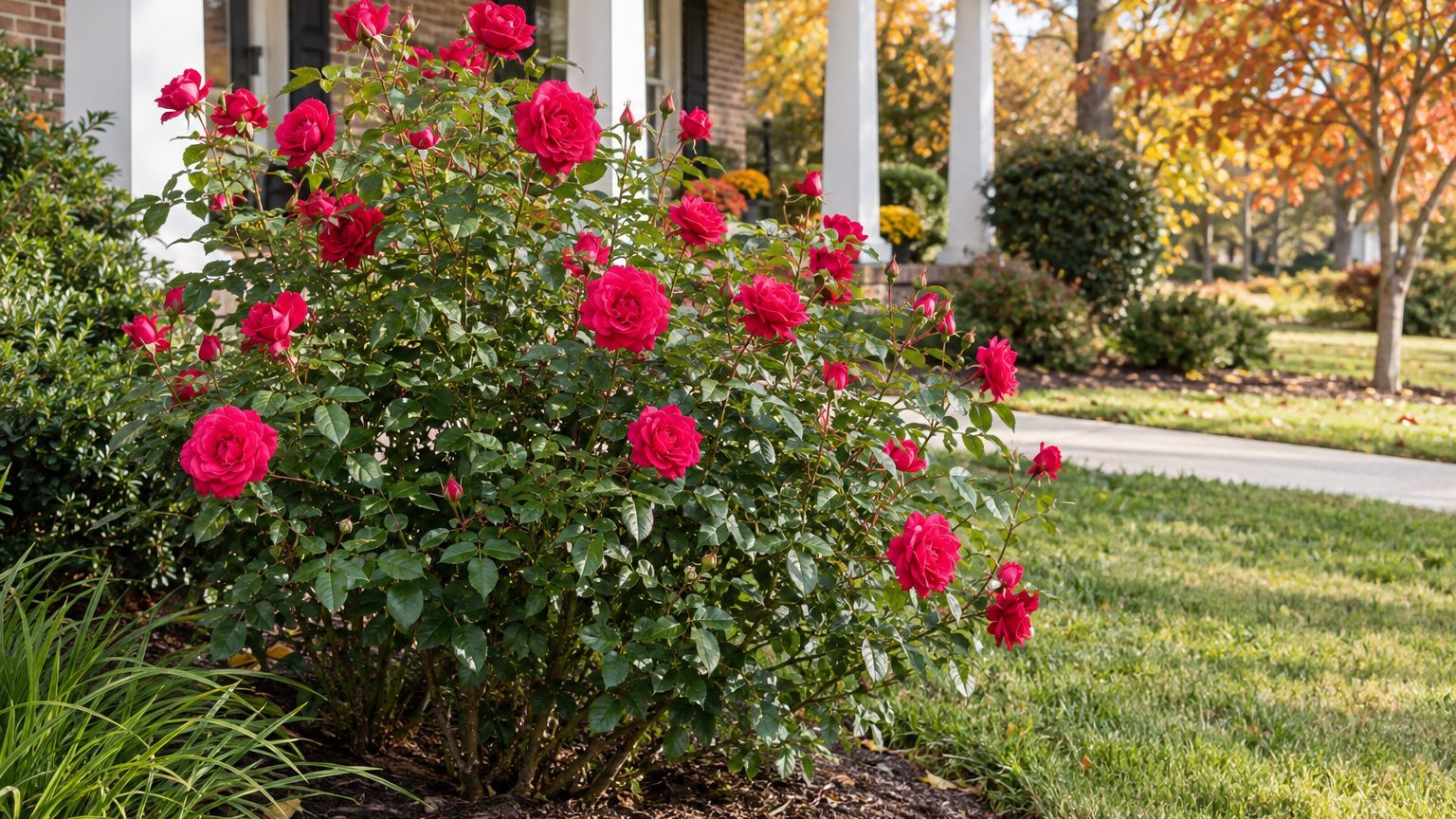
A rose bush in bloom in a home garden

Bare-root roses go in first, in February and March, while the canes are dormant. Potted roses can go in later, once spring has settled. Alabama sits in USDA zones 7a to 9a, so the right moment shifts a little with your county.

  • In winter, from December into January, bare-root roses can already go in the ground if the soil is workable, though February and March are the months to aim for.
  • In February and March, plant bare-root roses while they are dormant, so the roots settle in before leaves and tender new growth appear.
  • In April, a bare-root rose can still be planted, and potted roses can go in as the weather steadies.
  • From March through September, feed on a monthly rhythm so the plant keeps making new growth and bloom.
  • In November and December, late-fall planting of bare-root roses is a fallback, when the plants are dormant again and the heat has gone.

At the Huntsville reference location, the last spring frost falls between March 19 and April 3, which matters because a young rose with fresh, soft shoots is easily hurt by a late freeze. The first fall frost arrives between November 2 and November 16. Gardens outside the city often see the last spring frost later and the first fall frost sooner, so check your own county before you buy plants.

Which Roses Grow Best in Alabama?

Alabama’s warm, humid summers favor black spot and other leaf diseases, so the roses that thrive are the ones that shrug off disease or that get a regular spray program. USDA zones describe winter cold, but they do not by themselves determine how much protection a rose needs.

Rose type How it does in Alabama Why
Shrub roses Bloom beautifully with few chemical controls Better disease resistance, so less spraying in humid weather
Hybrid teas Need a rigorous spray program Susceptible to black spot, so protection must start before the growing season
Old garden roses Reliable with light pruning Hard pruning ruins their graceful shape and cuts flowering

For floribundas and climbers, ask local gardeners how they handle humid summers. If you want fewer sprays, start with shrub roses. Once-blooming old garden roses, ramblers and climbers flower on last year’s wood, so prune them right after they bloom, never in early spring.

When to Prune, Feed and Protect Roses in Alabama

Late winter brings pruning and planting, followed by steady feeding through the growing season. Cutting back follows the buds more than the calendar, so look at the canes before you pick up the shears.

Task When to do it in Alabama Why then
Pruning repeat-blooming roses February, March Cut as the buds swell, after the worst cold has passed
Planting bare-root roses February, March Plants are dormant, and roots settle in before growth starts
Feeding roses March through September Monthly feeding supports steady growth and repeat bloom

For bush roses such as hybrid teas and floribundas, swelling buds give the pruning signal in early spring; mid-February is a rule of thumb, but timing varies with location. The swelling buds, not a fixed date, give the signal. Winter-protection timing varies with the rose and the garden, so ask your county extension office for local guidance.

How Rose Care Dates Change Across Alabama

Alabama stretches from the cooler north to the warm Gulf, and rose timing moves with it. Buds wake earlier in the south and later in the north, so the same task lands on different days.

  • Gulf Coast: Mild winters bring the buds up earlier, so pruning and bare-root planting fall toward the start of the February to March window.
  • Birmingham and the central counties: Spring arrives a bit later than on the coast, so pruning and planting tend to fall near the middle of the window.
  • Huntsville and the Tennessee Valley: Colder nights keep the buds asleep longer, so pruning and planting move toward the later part of the window.

When in doubt, let the buds decide. Once the buds swell on a repeat-blooming rose, it is ready for spring pruning, wherever you garden in the state.

Where to Get Rose Advice in Alabama

Rose problems often come down to soil, disease or timing, and a local expert can sort them out faster than guesswork. The Alabama Cooperative Extension System runs offices that serve every county.

  • The extension website has rose-growing articles that you can read before you shop for plants in late winter.
  • Your county extension office can test your soil, so take a sample before planting bare-root roses in February or March.
  • Bring a leaf with spots or a cane with damage to the county office for a diagnosis during the growing season.

Common Questions

Can You Plant a Potted Rose in Summer in Alabama?

Potted roses can go in later than bare-root plants, but the calendar does not give them a summer planting window. Late winter and spring are the safer choices, when the roots have time to settle before the hottest weather.

Do Roses Need Winter Protection in Alabama?

Winter-protection needs vary by rose and location, so ask your county extension office for local guidance. The bigger risk is a late freeze after the buds have started to swell, so watch the forecast in March.

How Often Should You Feed Roses in Alabama?

Feed monthly from March through September. Ask your county extension office for a fertilizer recommendation based on a soil test.

Rose Care Guide: Types, Seasons and Hardiness by State

Rose Care Guide: Types, Seasons and Hardiness by State

Rose canes leaf out in spring, bloom in their season and go to bed in winter, and every task in between depends on the type of rose and where the yard sits. Roses that thrive in Florida’s heat struggle in North Dakota’s cold, and the reverse is also true. Planting, pruning and winter care all shift with climate and rose type.

Rose Care Calendar by Season

A rose asks for something different at each stage of its year, and the tasks below follow the plant’s own rhythm, not the date on the wall.

  • In early spring, as the buds begin to swell, the plant is waking up and the dead or damaged canes show themselves. This is the time to prune repeat-blooming roses, because they flower on new wood and the cuts shape it.
  • Once the soil warms and the first shoots stretch, the rose is putting out leaves and needs steady moisture and food. New roots take hold in this period, which makes it a good moment to plant.
  • At bloom time, the plant spends its energy on flowers, so regular deadheading and a watch for leaf disease keep it going. Once-blooming roses are pruned right after their flowers fade, since next year’s flowers form on this season’s growth.
  • In the heat of summer, many roses slow down and stress shows quickly. Deep watering at the base and a close eye on the undersides of leaves protect the plant when the weather turns hot and dry.
  • In autumn, new growth should slow so the canes can harden before frost. Fertilizing and heavy pruning at this point would only push tender shoots that winter cold would kill.
  • In winter dormancy, the plant rests and the job is protection, especially for the bud union and the canes of tender types.

The state guides give each state its own planting and pruning advice.

Types of Roses and How to Tell Them Apart

Rose families differ in how they grow, and the difference decides everything from pruning to winter care. Hybrid teas carry large single blooms on long stems, floribundas and polyanthas bear flowers in clusters, and shrub roses look like full, bushy plants.

Climbers send up long canes that need support, while old garden roses and rugosas have a looser, more natural habit. Miniatures and grandifloras round out the garden-center shelves. Pruning follows how a rose blooms, so the label matters before the first cut.

Rose type How it blooms What it needs
Hybrid tea, grandiflora, floribunda Modern roses that take firm annual pruning Winter protection in cold climates, plus a spray program for the most disease-prone
Shrub roses Bloom freely through the season In South Carolina, few chemical controls; in Oregon, less care than other roses
Old garden roses In Florida, China types bloom best in early spring and late fall, with scattered summer flowers Light pruning only, since hard cuts ruin the shape and cut flowering
Once-blooming ramblers and climbers Flower on one-year-old wood Pruning only after the flowers fade

Rugosa roses are often grouped with hardy shrub roses and can look like wild roses. Ground-cover roses are generally treated like shrub types. Miniatures and polyanthas vary, so check the plant tag for its winter needs.

Best Roses by Region and Hardiness Zone

Climate sorts roses faster than any catalog does, and a few regions show the contrast clearly.

  • Upper Midwest and northern plains: Most hybrid teas, floribundas and grandifloras were bred for warmer places and need protection to survive winters in Minnesota, North Dakota or Wisconsin. Hardy shrub roses skip that work, and the Canadian Artist Series was bred for winter hardiness and disease resistance.
  • Northern New England: In Vermont, polyanthas, floribundas, hybrid perpetuals, shrub roses and many old-fashioned roses prove hardier than hybrid teas and grandifloras. In Vermont, the Meidiland series has proved hardy to at least zone 5. The Canadian Explorer series mostly survives in zone 4 there.
  • Deep South: In South Carolina, shrub roses bloom well with few chemical controls, while hybrid teas call for a spray program set up before the growing season.
  • Florida: Roses come from Asia and are not used to Florida’s extreme heat and humidity, so summer protection matters. Old garden roses such as Louis Philippe, Mutabilis and Mrs. B.R. Cant do well there, as do Knock Out and Drift roses.

Elsewhere the pattern holds. Texas gardeners lean on Earth-Kind and antique roses, California landscapes suit floribundas and polyanthas better than hybrid teas, and Alaska’s reliable performer is the rugosa. Hawaii’s warm lowlands let roses grow and flower through the year.

Common Rose Problems and What Causes Them

Black Spot and Leaf Disease

Black Spot and Leaf Disease — Rose Care Guide: Types, Seasons and Hardiness by State

In South Carolina, susceptible roses such as hybrid teas need a spray program in place before the growing season starts. Protective sprays generally prevent rather than eradicate infection, so timing matters. A shrub rose in the same bed often needs far less.

Powdery Mildew

Powdery Mildew — Rose Care Guide: Types, Seasons and Hardiness by State

Resistance to this mildew varies greatly from variety to variety, and landscape shrub types are among the most resistant. A white coating on new growth, especially on a plant crowded without air movement, points to mildew. Thinning the center and choosing a resistant variety next time helps more than repeated treatment.

Spider Mites

Mites build up outdoors during hot, dry weather and also on roses kept indoors. Look for stippled, dull leaves together with fine webbing on the undersides. Watering well and rinsing the foliage regularly slows them down.

Aborted Flowers

In Maryland, buds that fail to form properly or fall early can be a symptom of rose rosette disease. That sign alone is not a diagnosis, so ask a local extension office to examine the plant before removing it.

Rose Care Guides by State

Planting and pruning dates depend on where the yard sits, so each state has its own pages for planting and for pruning, the jobs that matter most in a rose’s year.

  • The page “When to Plant Roses in” your state gives the months when a new rose settles in best, so open it before you buy.
  • The page “When to Prune Roses in” your state gives the pruning window for that climate, and it is the one to check as the buds begin to swell.

Common Questions

Should You Cut Roses Back in Fall?

In Oregon, leave roses alone until spring unless the canes are tall. In Pennsylvania, pruning too early can invite late-winter dieback.

When Should You Cover Roses for Winter?

Wait until the weather has truly turned. In Illinois, the advice is not to cover roses too early in fall, since covered canes can hold moisture and encourage disease.

Can a Rose Bred for a Colder Zone Grow in a Milder One?

Yes, and it gets easier. In Pennsylvania, a cultivar bred to be hardy in Zone 4 needs little to no added protection in a Zone 7b garden.

The almanac, state by state. Every date on this site comes from a state’s own frost facts and its extension service’s calendar — and says where it comes from.