Skip to content

When to Plant Roses in Texas: Dates and Varieties

When to Plant Roses in Texas: Dates and Varieties

A bare-root rose shows up in winter as a bundle of brown canes and dry roots, and in Texas it goes into the ground while still asleep. Potted roses are more forgiving about timing. The dates for roses in Texas run from a midwinter planting window to a February pruning, and they shift a good deal between the Gulf Coast and the Panhandle.

When to Plant Roses in Texas

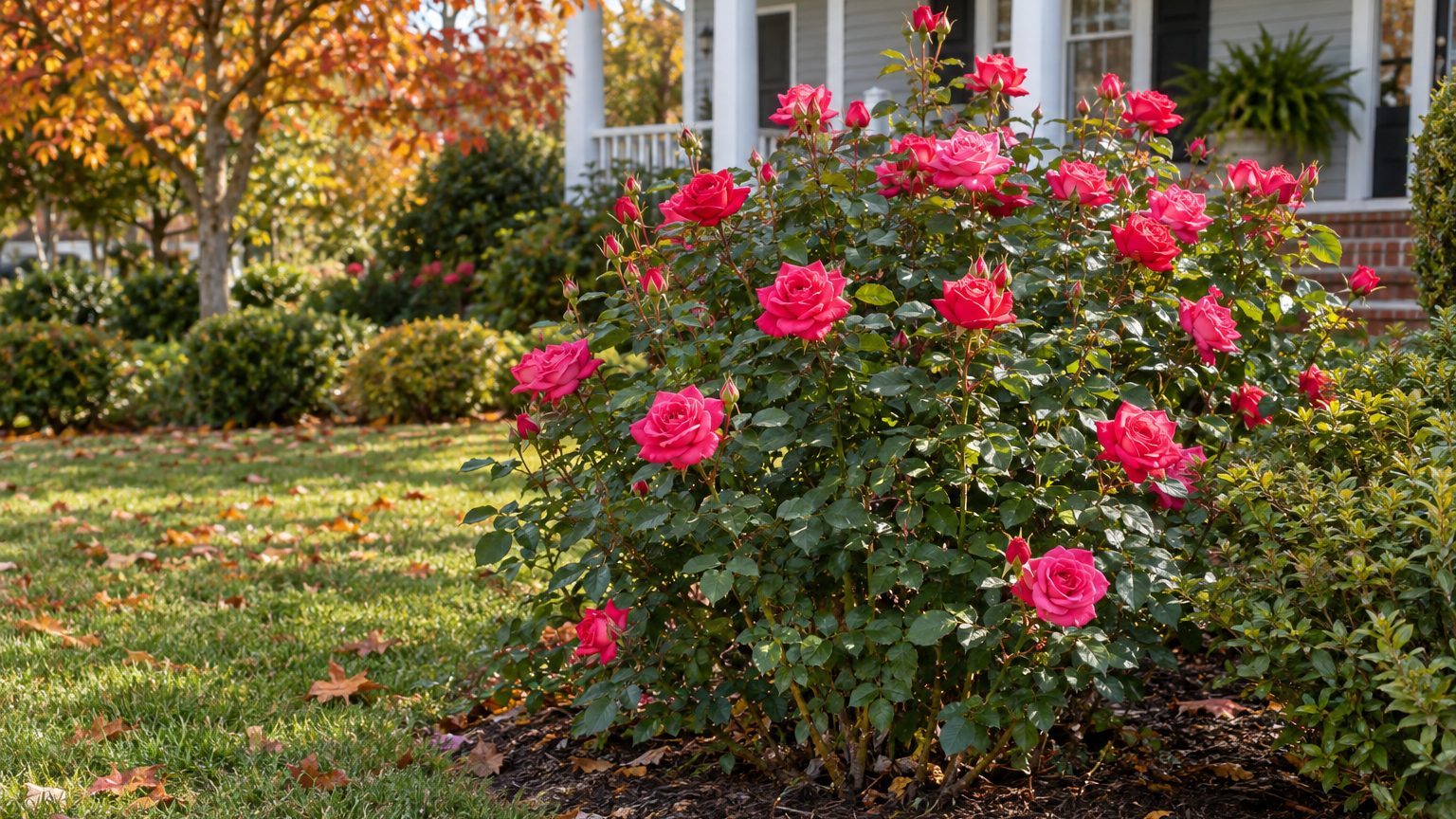
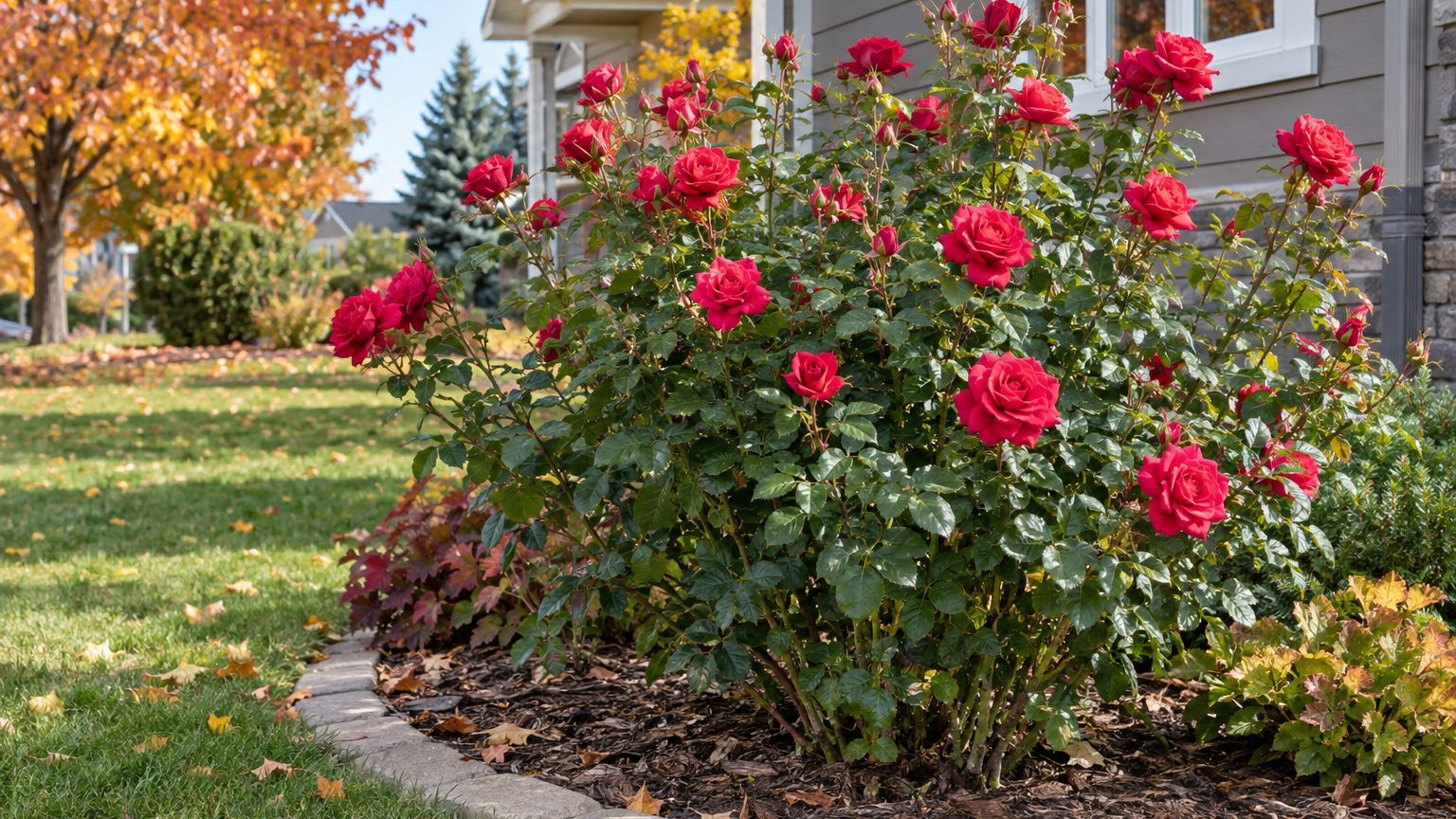
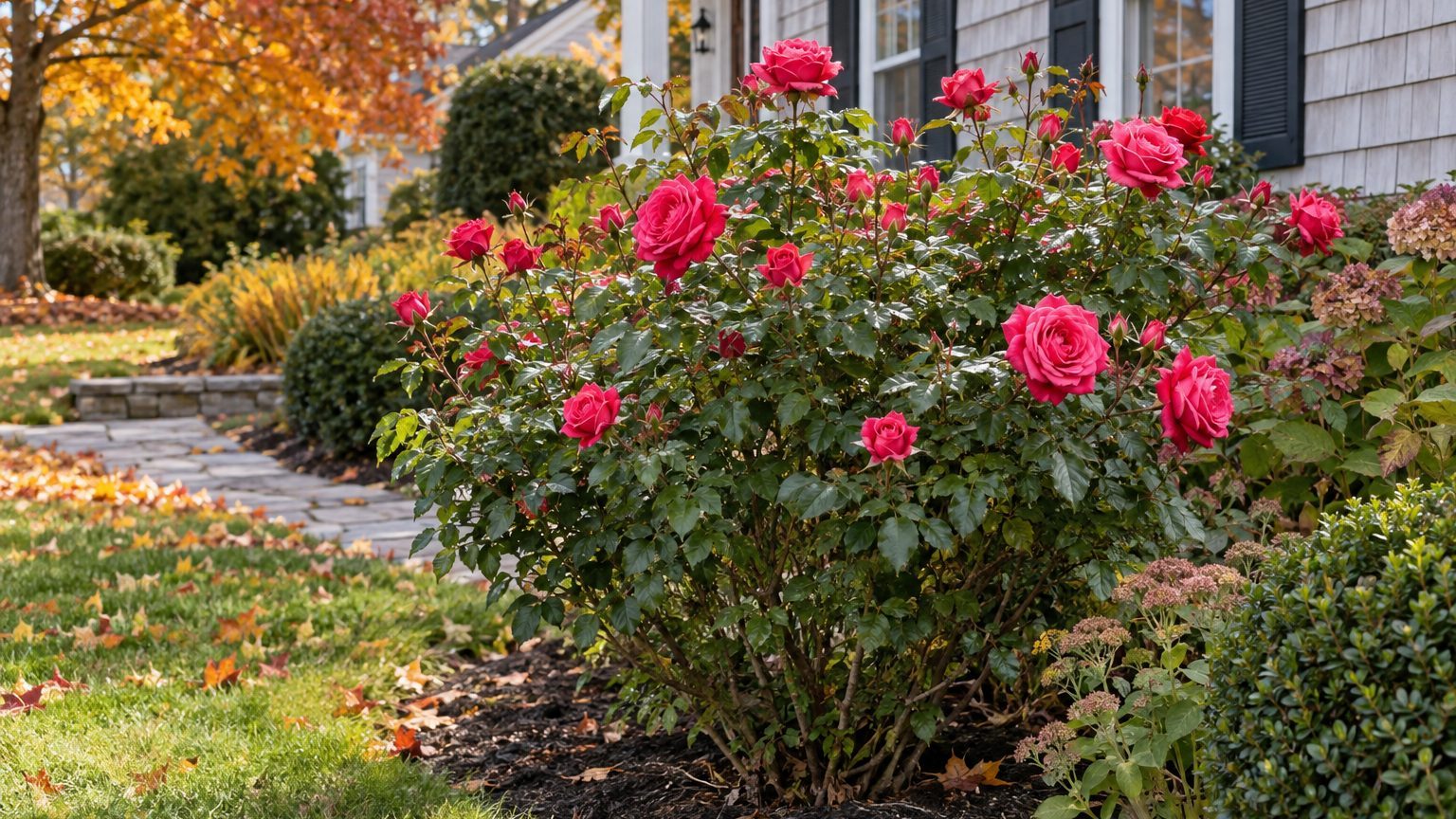
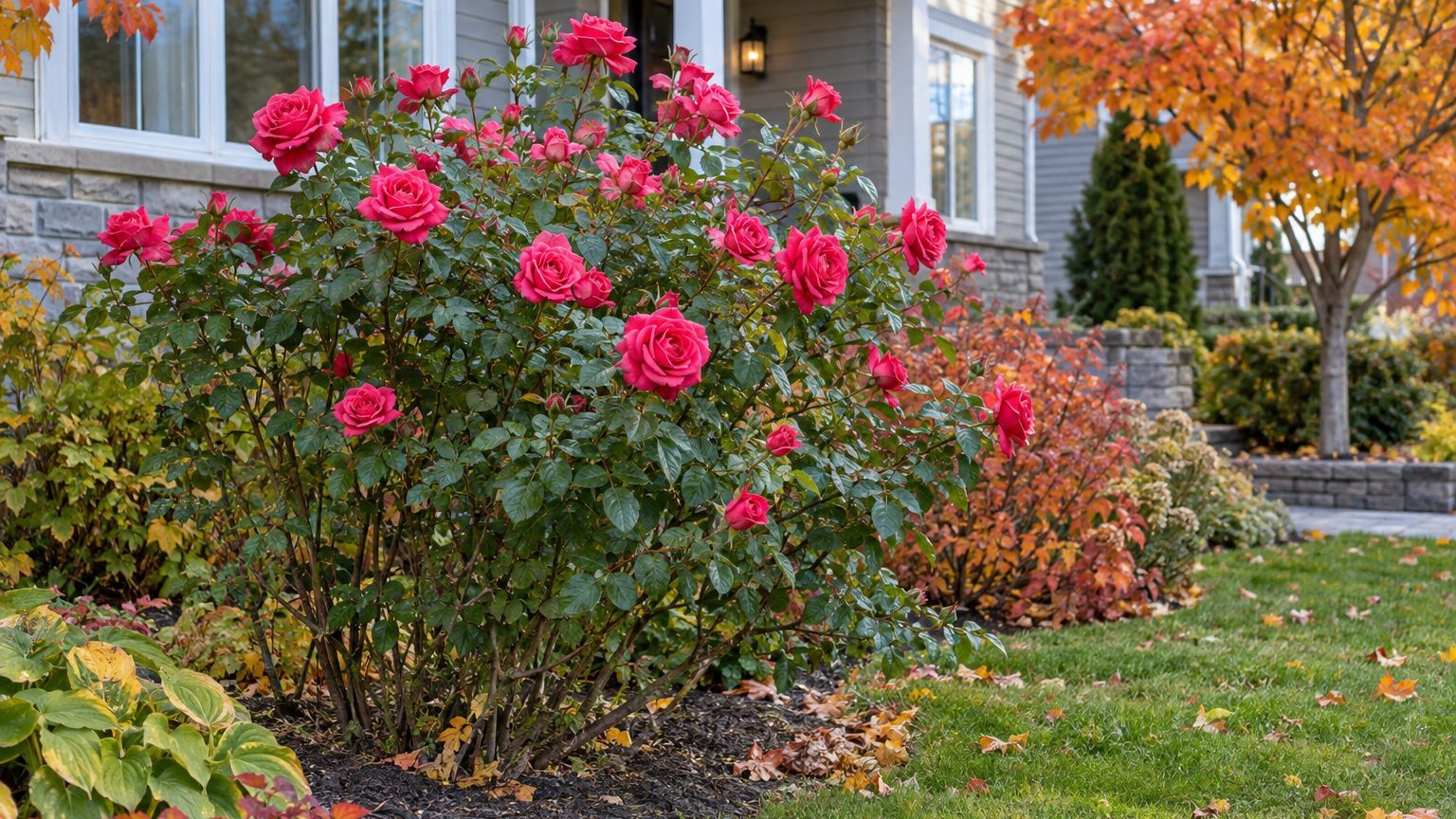
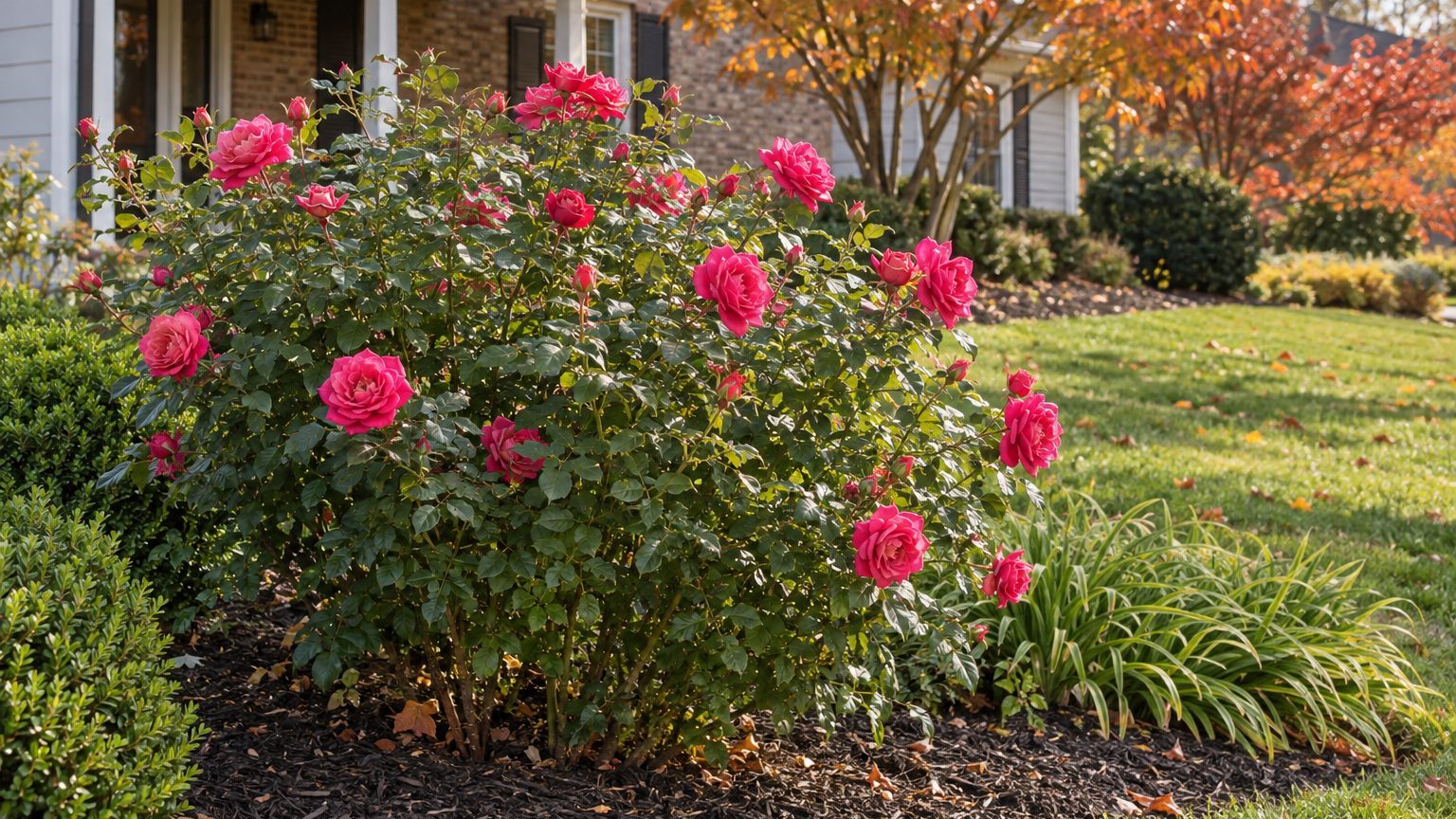
A rose bush in bloom in a home garden

Bare-root roses go in first, from January to February, and container roses can wait until later in the year.

  • In January, bare-root roses can go in, and in an especially mild winter the planting can start in early January.
  • By mid-February, the bare-root job should be done, because the plants need to be in the ground on or before February 14, before the buds break.
  • In March, a bare-root rose can still be planted if the winter got away from you, though the buds are close to breaking and the sooner it goes in the better. In Houston, the last spring freeze falls between February 4 and March 1, so a freeze can still burn the soft first shoots of a young rose.
  • After the bare-root window closes, container roses can go in later, and the early fall through early spring stretch is the one Austin-area gardeners favor for them.
  • From October through December, bare-root planting opens again. In Houston, the first fall freeze arrives between December 1 and December 19.

Houston sits at the mild Gulf end of a state whose USDA hardiness zones run from 6a to 10a, so the Panhandle, North Texas and the Hill Country all shift these dates.

Which Roses Grow Best in Texas?

Texas stretches from cold Panhandle winters to the mild Gulf, so choose roses proven in local soil and climate rather than relying on catalog looks alone. Extension guidance points to locally proven groups.

The Earth-Kind rose list is a reliable starting point if you want a rose that has already proved itself in the state.

Rose type How it does in Texas Why
Earth-Kind roses Proved to do well in Texas They have proved themselves in Texas gardens.
Antique roses Recommended for the Austin area Tried and tested for local soil and climate

Hybrid teas, floribundas and modern shrub roses are repeat bloomers and are widely planted here, but the extension advice does not single them out as local standouts in the same way. Treat them as a choice to make with a local nursery, and check that a variety suits your part of the state before you buy.

When to Prune, Feed and Protect Roses in Texas

Pruning repeat-blooming roses and planting bare-root ones have clear months in Texas, while feeding and winter protection depend on the rose and local conditions. These jobs belong to the quiet end of winter, when the canes are dormant and the weather is mild enough to work outside.

Pick a mild day for pruning, and dress for thorns: a long-sleeved shirt, a hat, glasses, heavy gloves and closed-toe shoes.

Task Best months in Texas Why then
Pruning repeat-blooming roses February, or January to March depending on location Roses rest in winter, and new growth has not yet started
Planting bare-root roses January and February, with March and October to December as fallbacks The plant goes in dormant, before the buds break

Hybrid teas, floribundas and modern shrub roses bloom on new wood, which is why they take a hard pruning in late winter. Once-blooming roses, including old garden roses, ramblers and many climbers, flower once a year on last year’s wood. Prune those right after they bloom, never in early spring, or you cut off the year’s flowers. The full routine for these roses is on the separate page about when to prune roses in Texas.

How Rose Care Dates Change Across Texas

Texas covers enough ground that a single calendar cannot fit it, and the usual swing runs from the Gulf toward the Panhandle.

  • Gulf Coast: Winters are mildest here, so bare-root planting can start early in a mild winter and frost risk to new shoots ends sooner than inland.
  • Austin and Central Texas: Pruning tends to land around mid-February, which sits in the middle of the state’s January to March range.
  • Panhandle: Freezes arrive earlier in fall and linger later in spring, so planting and pruning sit later in their windows, and it pays to watch the buds rather than the calendar.
  • North Texas and the Hill Country: These regions differ from the Gulf and from the Panhandle, so use the range of months as a guide and let the swelling buds make the final call.

When in doubt, use local conditions and swelling buds to choose within the recommended window.

Where to Get Rose Advice in Texas

Texas has a large network of local help, and it is built around your county. Texas A&M AgriLife Extension and your county extension office can answer questions that depend on your soil and your corner of the state.

  • The state extension website lists Earth-Kind roses and local planting advice, and it is worth a visit before you order bare-root plants in winter.
  • Your county extension office can diagnose a sick plant from a cane or leaf sample, so go as soon as a problem shows up.
  • The same office can run a soil test, and a sample taken before the bare-root roses arrive tells you what the bed needs before planting.

Common Questions

What Should You Wear to Prune Roses in Texas?

Wear a long-sleeved shirt, a hat, glasses, heavy gloves and closed-toe shoes. Pruning cuts leave thorny canes lying around, and a mild day in mid-February makes the work comfortable.

Can You Prune Roses in January in Texas?

In some places, yes. The pruning window runs from January to March depending on location, so warmer parts of the state can start sooner. Wait until winter dormancy is well along and before the roses begin growing, and let the local weather decide.

What Does the Hardiness Zone Tell You About Roses?

The USDA hardiness zone rests on one number, the average annual extreme minimum temperature. It tells you how cold a winter your rose may face, but it says nothing about frost dates or summer conditions, so use it alongside local frost timing and advice from your county office.
When to Plant Roses in Tennessee: Dates and Varieties

When to Plant Roses in Tennessee: Dates and Varieties

A bare-root rose arrives in late winter looking like a bundle of sticks, and that is exactly when Tennessee wants it in the ground. Roses in Tennessee do best when they go in while the plant is still dormant and the soil is cool, March and April being the usual months.

When to Plant Roses in Tennessee

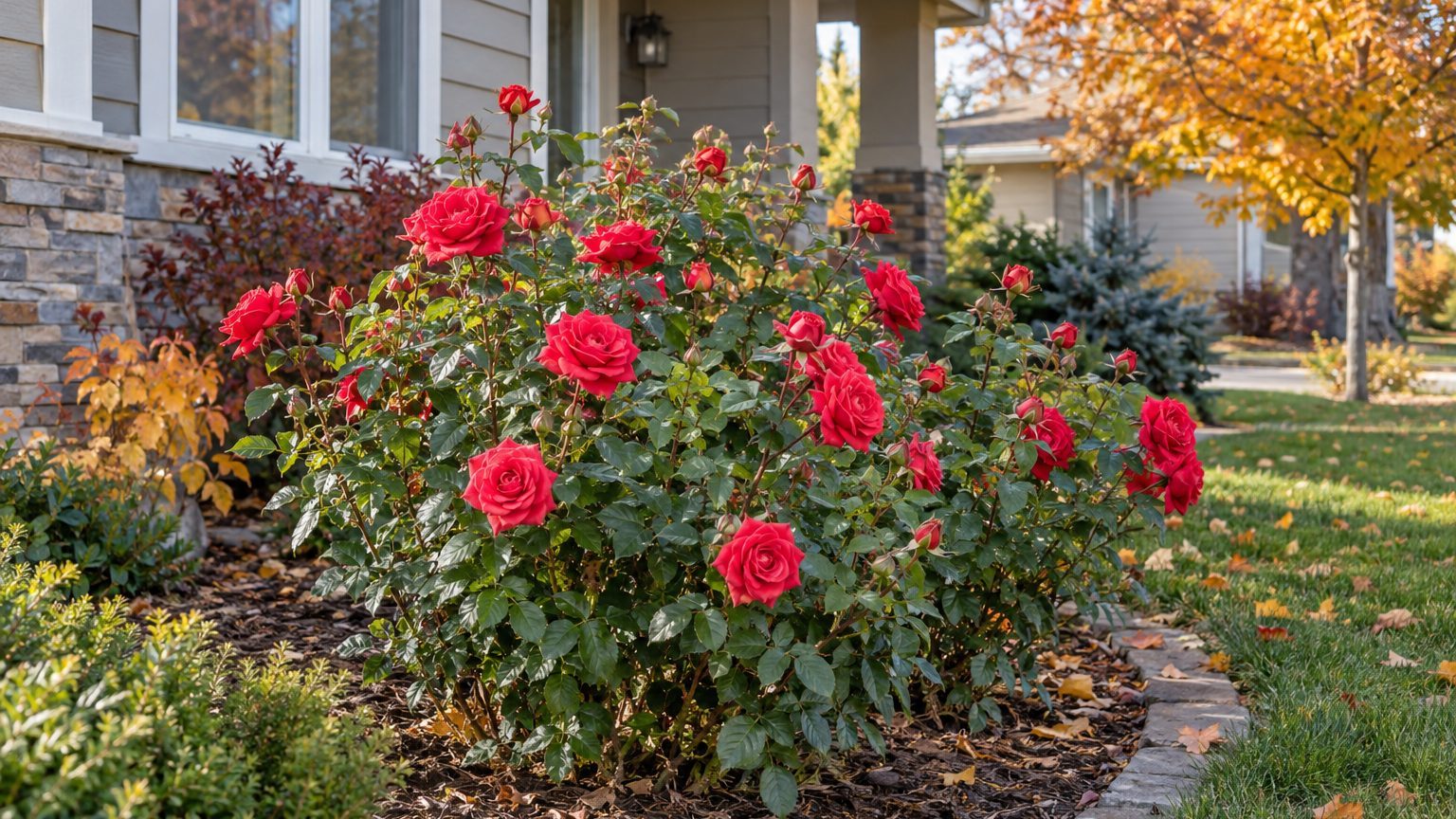
A rose bush in bloom in a home garden

Bare-root roses go in first, in March and April, and they can also go in during February when the ground is workable. Potted roses are more flexible and can follow later in the season. Frost sets the boundaries, and in Nashville the last spring frost falls between March 31 and April 12.

  • In late winter, bare-root roses can go in during February if the soil is not frozen or soggy, which gives the roots a head start before growth begins.
  • In March and April, bare-root roses can go into the ground while the canes are still dormant and the soil is cool and damp.
  • Once the soil warms in spring, potted roses can follow, since a rose already in leaf is the one that suffers if a late freeze arrives.
  • Through summer, new plantings need regular watering, and feeding continues from April through August.
  • In late fall, the first frost arrives between October 28 and November 8 in Nashville, which ends the growing season and sends established roses into dormancy.

Tennessee spans USDA hardiness zones 5b to 8a, so other parts of the state differ from Nashville. East Tennessee and the Cumberland Plateau are cooler and run later in spring, and gardeners there should lean toward the later end of each window.

Which Roses Grow Best in Tennessee?

Roses that shrug off cold winters and tolerate humid summer air tend to be the dependable ones here. Tennessee winters range from mild to properly cold depending on where you live, so hardiness matters more than it might in a uniformly warm state.

Extension guidance notes that a rose bred for a colder zone needs little to no added protection in a Tennessee garden. This principle is useful across Tennessee’s varied winter conditions.

Rose type How it does in Tennessee Why
Old garden roses Reliable through cold snaps Many are extremely tolerant of cold, and they do not need hard pruning
Hybrid teas Bloom repeatedly but need more care They can suffer considerable cold damage and want a heavy spring pruning
Floribundas Repeat bloomers that suit spring pruning They flower on new growth, so March pruning fits them
Modern shrub roses Repeat bloomers with simpler care They flower on new wood and respond well to a spring cut

Climbers and ramblers vary, since many bloom only once a year on last year’s wood. Those are pruned right after they flower, never in early spring.

When to Prune, Feed and Protect Roses in Tennessee

Pruning and feeding follow the rose’s own growth. Buds swelling and forsythia in bloom are good signals that pruning season has started, and feeding begins once the first leaves open.

Feeding then continues through the growing season, and it stops by late summer so that soft new growth is not hurried into winter.

Task When to do it in Tennessee Why then
Pruning repeat-blooming roses March, or February to April if the season runs early or late Buds are swelling and forsythia is in bloom
Planting bare-root roses March and April, or February Plants are dormant and the soil is cool
Feeding April through August, or March if leaves are out Feeding starts at first leaves and ends in time for growth to harden before winter

Pruning details are covered on the page about when to prune roses in Tennessee. Winter protection matters most for tender types like hybrid teas, while cold-hardy roses need little added cover.

How Rose Care Dates Change Across Tennessee

Tennessee stretches from the Mississippi River to the Appalachians, and the season shifts with elevation and latitude of the region you garden in.

  • Nashville and Middle Tennessee: Spring frost usually ends between March 31 and April 12, so March planting and pruning fit comfortably here.
  • East Tennessee: Cooler conditions push spring later, so planting and pruning belong toward the end of the usual windows.
  • The Cumberland Plateau: Higher ground runs cooler than the valleys, which delays growth and keeps late freezes in play longer.

Wherever you garden, watch the plant itself: swelling buds mean it is time to prune, and the forsythia in your neighborhood is a good timer.

Where to Get Rose Advice in Tennessee

University of Tennessee Extension runs a local office in the county, and it is the place to bring a puzzling rose or a soil question.

  • The county extension office can test your soil, which is worth doing before you plant a bare-root rose in late winter.
  • Staff and master gardeners can help diagnose leaf problems if you bring a sample during the growing season.

Common Questions

Can You Plant a Rose in Summer in Tennessee?

A potted rose can go in during the growing season, though bare-root planting belongs to the dormant months. A summer planting needs regular watering to get established.

Do Roses Need Winter Protection in Tennessee?

It depends on the type. Hardy old garden roses cope well, while hybrid teas are more likely to be damaged by cold and benefit from protection.

When Should You Stop Feeding Roses in Tennessee?

Feeding runs from spring through August. Stopping then keeps late, tender growth from forming before the first frost.

When to Plant Roses in South Dakota: Dates and Varieties

When to Plant Roses in South Dakota: Dates and Varieties

Bare-root roses go into South Dakota soil while they are still dormant, usually before the trees and shrubs leaf out, and potted roses follow once severe frost has passed. Plant in spring, give tender roses protection in November, and they have a full season to settle in before their first hard winter.

When to Plant Roses in South Dakota

A rose bush in bloom in a home garden

Bare-root roses go in first, then container roses. The frost dates below are for Sioux Falls, so check your own county: suburban and rural yards often see a later last frost and an earlier first frost.

  • In April and May, plant bare-root roses while they are still dormant, ideally before the trees and shrubs leaf out and by early May at the latest.
  • In late May or early June, set out potted roses once the danger of severe frost has passed, because soft growth started in a greenhouse is easily burned by a late freeze.
  • Through June, bare-root planting can still be done if spring got away from you, though the earlier plantings establish more easily.
  • From April through July, feed the rose, since the plant is actively growing and using the nutrients.
  • In November, after several hard freezes have left the rose fully dormant, mound and protect tender roses for winter.

The last spring frost at Sioux Falls usually falls between April 29 and May 9, which is why a leafed-out potted rose should wait. The first fall frost arrives between September 24 and October 4. USDA hardiness zones across the state run from 3b to 5b, so a rose that is fine in one corner may need more cover in another.

Which Roses Grow Best in South Dakota?

Hardy shrub roses are a good fit here because they come through cold winters without extra protection. Hybrid teas, floribundas and grandifloras were bred for warmer climates and cannot survive northern winters without it.

Canadian Artist Series roses were bred to be winter hardy and disease resistant, and Knock Out and the Explorer series also perform well without extra cover.

Rose type How it does in South Dakota Why
Hardy shrub roses Reliable without winter protection Bred to take cold winters
Canadian Artist Series Winter hardy and disease resistant Bred for northern gardens
Hybrid teas Need winter protection in cold winters Bred for warmer climates
Floribundas and grandifloras Not fully hardy, need protection Bred for warmer climates

Old garden roses, ramblers and many climbers bloom once a year on last year’s wood, so they are pruned right after flowering, never in early spring. Cutting them in spring removes that year’s flowers.

When to Prune, Feed and Protect Roses in South Dakota

For tender roses, the care year is built around uncovering the plant in April and covering it in November. Pruning waits until the chance of a hard freeze has passed, so buds are not caught by a late cold snap.

Feeding starts in late April and stops after July, which lets new growth harden before winter.

Task When to do it in South Dakota Why then
Pruning repeat-blooming roses April, May Winter mound is off and a hard freeze is unlikely
Planting bare-root roses April, May (June also works) Plants are dormant, and potted roses can go in later
Feeding April, May, June, July Feed in late April, again at peak bloom, none after July
Taking off winter protection April (May also works) Mound comes off in stages from mid-April
Putting on winter protection November Rose is fully dormant after several hard freezes

Removing the mound in stages lets the canes adjust to spring air. Dead, dark or discolored wood comes out once the mound is gone, along with weak, thin stems. Pruning has its own page for the full detail.

How Rose Care Dates Change Across South Dakota

Winters and springs differ across the state, so shift these dates by what your own yard does rather than by a single calendar.

  • Sioux Falls and the southeast: Spring arrives earlier here than in the northern counties, so planting and uncovering can start toward the front of each month range.
  • Aberdeen and the northeast: Colder winters push uncovering and planting toward the later part of April and May, and hardy shrub roses make more sense than tender ones.
  • The Black Hills and Rapid City: Elevation makes frost later in spring and earlier in fall, so potted roses wait longer and the November cover goes on sooner.

Wherever you garden, watch for swelling buds and the end of hard freezes rather than a fixed date.

Where to Get Rose Advice in South Dakota

For planting questions or a struggling rose, South Dakota State University Extension publishes rose guidance written for the state, and your county office can help with local conditions.

  • The extension rose resources cover variety choices and winter care, so read them before ordering bare-root plants in early spring.
  • Your county extension office can take a soil sample and look at a troubled plant, so call in April before feeding.

Common Questions

Can You Plant a Rose in July?

Bare-root roses go in during April and May, and June can work if needed. A rose set out then has little time to root before winter, so use the spring planting window instead.

Do Knock Out Roses Need Winter Protection in South Dakota?

Hardy shrub roses such as Knock Out perform well without extra protection, which is the main reason they suit gardeners who want less work. Tender types need mounding.

When Should You Take Winter Protection Off Roses?

April is the month for taking the mound off, and May also works if spring runs cold. Remove it in stages from mid-April instead of all at once, then prune once the chance of a hard freeze is past.

When to Plant Roses in South Carolina: Dates and Varieties

When to Plant Roses in South Carolina: Dates and Varieties

Bare-root roses go into South Carolina soil while they are still asleep, and a potted rose follows once the weather settles. Winters here are mild enough that planting season stretches from late fall into early spring. What matters is matching the type of rose to the humid summers and the gesture to the month.

When to Plant Roses in South Carolina

A rose bush in bloom in a home garden

Bare-root roses go in first, from February through March, and they can also be planted in January, April, November or December while the plant is dormant. Potted roses can go in later than that.

  • In late fall and early winter, bare-root roses can be planted in November or December, while the canes are dormant and the soil is still workable.
  • In February and March, bare-root planting is at its most reliable, because the roots settle in before top growth starts.
  • In April, a bare-root rose can still go in, though it has less time to root before the heat arrives.
  • From March through September, feeding keeps the plant growing and flowering through the long season.
  • Through the fall, a young rose keeps growing until the first hard freeze arrives.

At the Charleston reference point, the last spring frost falls between February 28 and March 17, which is why a tender new shoot on a young rose can still be nipped in early spring. The first fall frost arrives between November 20 and December 5, so late planting has to account for a young rose that may still be growing. South Carolina spans USDA zones 7a to 9a, and the Upstate has a shorter frost-free season than the coast.

Which Roses Grow Best in South Carolina?

Shrub roses suit South Carolina well, since they bloom beautifully with few chemical controls. Humidity encourages black spot and other leaf diseases, making disease resistance especially valuable.

Hybrid teas can still be grown, though they ask for more care in return for their flowers.

Rose type How it does in South Carolina Why
Shrub roses Bloom beautifully with few chemical controls Better disease resistance in humid summers
Hybrid teas Need an effective spray program in place before the growing season begins More susceptible to leaf diseases such as black spot
Old garden roses Do well with light pruning Hard pruning ruins their graceful shape and cuts flowering

Floribundas and climbers also grow here, though the extension notes for this state say little about them. A once-blooming rose, such as an old garden rose or many climbers, flowers on last year’s wood, so prune it right after it blooms and never in early spring.

When to Prune, Feed and Protect Roses in South Carolina

Pruning follows the buds more than the calendar. Wait until they swell, then prune repeat-blooming roses. Feeding runs from March through September.

Task Best months in South Carolina Why then
Prune repeat-blooming roses (hybrid teas, floribundas, modern shrub roses) February, March The buds swell, so cuts heal into fresh growth
Plant bare-root roses February, March (also January, April, November, December) The plant is dormant and roots settle before heat
Feed roses March through September Steady feeding supports repeat bloom all season

In South Carolina, repeat-blooming pruning starts earlier near the coast and later in the mountains. The tip is to look at the buds: when they begin to swell, go ahead and prune. Winter protection is not covered in the extension notes for this state, so it is left out here.

How Rose Care Dates Change Across South Carolina

Rose timing slides with the landscape, from salt air on the coast to cold nights in the mountains, so the same task can fall weeks apart across the state.

  • Charleston and the coast: Spring arrives earlier here, so pruning starts toward the early end of the window, when buds swell in mid to late February.
  • The Upstate: Winter lingers longer, so buds swell later and the frost-free season is shorter than on the coast.
  • The mountains: Pruning waits until the buds swell because the cold lifts later here than on the coast.

Watching your own buds beats any fixed date, wherever you garden.

Where to Get Rose Advice in South Carolina

Clemson Cooperative Extension is the state’s extension service, and its county offices can help with a rose that is struggling or a bed that needs testing.

  • The county extension office can look at a leaf or cane and help sort out a disease from a nutrient problem, so bring a sample with the whole affected stem.
  • A soil test through the county office tells you what the bed needs before you feed, which is worth doing before spring growth begins.

Common Questions

Can You Plant a Potted Rose in Summer in South Carolina?

Potted roses can go in later than bare-root ones, but extension notes give no summer window for this state. Heat stresses a young plant, so planting in the cooler months gives the roots a better start.

Do Roses Need Spraying in South Carolina?

It depends on the type. Hybrid teas need an effective spray program in place before the growing season begins, while shrub roses bloom with few chemical controls.

How Far Apart Should You Plant Roses?

Check the mature width of the rose you choose and leave room for air to move between plants. Good airflow helps keep leaves dry in humid weather.

When to Plant Roses in Saskatchewan: Dates and Varieties

When to Plant Roses in Saskatchewan: Dates and Varieties

Bare-root roses show up at garden centres as bundles of leafless canes, and that dormant look is exactly what a prairie spring calls for. Roses in Saskatchewan do best when planting waits for the soil to thaw but beats the leaf-out, and when the variety is chosen for winter first. That shapes the planting calendar and the varieties worth choosing.

When to Plant Roses in Saskatchewan

A rose bush in bloom in a home garden

Bare-root roses go in first, while the canes are still dormant, and potted roses follow once severe frost is behind you. At Saskatoon, the last spring frost falls on average on May 18, and in one year out of two it comes later, so treat that date as the middle of a window, not a safe day. The first fall frost arrives on average September 18. The Canadian hardiness zone there is 3a, a rating from a different system than the USDA zones.

  • In April, bare-root roses can go into the ground as soon as the soil is workable, because a dormant bush settles in before it has leaves to lose.
  • By early May, bare-root planting should be finished, since a bush that leafs out in the bag or on the garden centre bench is no longer dormant.
  • In late May or early June, potted roses that were started in a greenhouse can be planted, once severe frost is past, because their soft green growth has no frost tolerance.
  • Through summer, new plantings need regular watering, and feeding stops after July so the canes can slow down and mature before winter.
  • In November, after several hard freezes, the roses that need cover get it, once they are fully dormant.

Spring frost can harm a young rose, and a bare-root bush planted dormant and early avoids much of that damage. Keep a sheet or an upturned bucket handy for any cold night after leaves have opened.

Which Roses Grow Best in Saskatchewan?

Winter decides which roses succeed here. Hybrid teas, floribundas and grandifloras were bred for warmer climates and cannot survive northern winters without protection, so they take more work. Hardy shrub roses are the easier path because they do not need that cover.

Rose type How it does in Saskatchewan Why
Hybrid teas, floribundas and grandifloras Possible, but only with winter protection each year Bred for warmer climates and not fully hardy in northern areas
Hardy shrub roses Reliable without extra winter protection Built to tolerate cold winters without cover
Explorer series and Knock Out Perform well without extra protection Hardy shrub roses that perform well without extra protection
Canadian Artist Series A good fit for the prairie winter Bred to be winter hardy and disease-resistant

Winter hardiness varies among climbers and old garden roses. Ask a local garden centre or rose society which ones have come through your area’s winters.

When to Prune, Feed and Protect Roses in Saskatchewan

The rose year here is built around the mound of soil or leaves that covers tender roses in winter. Uncovering it, pruning, and feeding all follow in spring, and covering the plants again waits until November.

Task Best months in Saskatchewan Why then
Taking winter protection off April, and it can run into May The mound comes off in stages from mid-April to avoid exposing bare stems too soon
Pruning repeat-blooming roses (hybrid teas, floribundas, modern shrub roses) April to May Dead and weak wood is easy to spot once the mound is off and the chance of a hard freeze has passed
Feeding April to July Feed in late April, again at peak bloom, and stop after July
Putting on winter protection November Wait until the rose is fully dormant after several hard freezes

Once-blooming roses, such as old garden roses, ramblers and many climbers, flower on last year’s wood, so prune them right after they bloom and never in early spring. Leaving feeding out of late summer lets new growth harden before the cold arrives.

How Rose Care Dates Change Across Saskatchewan

The dates above come from the Saskatoon area, and Saskatchewan is not one climate. Northern and upland districts run behind it, so the same jobs wait a little longer there.

  • Saskatoon and the central parklands: The spring and fall frost dates here are the guide for the calendar above, so planting, uncovering and pruning can follow those months.
  • Prince Albert and the northern forest edge: Spring arrives later, so wait longer before taking the mound off and before planting potted roses.
  • Cypress Hills: This upland runs behind the lower prairie, so treat the late part of each month range as the safer part.

Saskatchewan has no local extension page on rose timing, so these dates follow the nearest comparable climate on the northern plains; confirm local timing with a garden centre, a rose society or provincial gardening groups.

Where to Get Rose Advice in Saskatchewan

Canada has no county extension offices, so advice here comes from the province and from local growers. A rose that sulks after winter is worth showing to someone who knows your soil and your street.

  • The Government of Saskatchewan agriculture pages point you to provincial agriculture resources and contacts.
  • A local garden centre can help identify winter damage and sells soil test supplies, and spring is a good time to ask.
  • A rose society or master gardener group can tell you which varieties came through recent winters in your area, so ask before you buy.

Common Questions

Can You Plant a Rose in June in Saskatchewan?

A potted rose can go in during early June once severe frost is past. A potted rose can still be planted in June, but it is a fallback, and the better window is once severe frost is past, in late May or early June.

Is Saskatchewan’s Zone 3a the Same as USDA Zone 3a?

No. The Canadian hardiness system uses seven climate variables, and the USDA system uses one. There is no simple conversion between the Canadian and USDA systems, so check that a rose is rated for the Canadian zone before you buy it.

Are Hybrid Teas Worth Growing in Saskatchewan?

They can work if you will cover them every November and uncover them in stages each April. If that sounds like too much work, plant hardy shrub roses and skip the winter protection.

When to Plant Roses in Rhode Island: Dates and Varieties

When to Plant Roses in Rhode Island: Dates and Varieties

Bare-root roses arrive in late winter and early spring as bundles of dormant canes, and the soil is still cold when they go into the ground. In Rhode Island that means March and April for bare-root plants, with potted roses going in later.

When to Plant Roses in Rhode Island

A rose bush in bloom in a home garden

Rhode Island sits in USDA hardiness zones 6a to 7b, and the frost dates below describe Providence, so check your own county for a later spring and an earlier fall.

  • In Providence, the last frost in early spring falls between April 7 and April 17. Dormant bare-root roses go in during March and April, before buds push out tender growth.
  • Once the soil can be worked, container roses can follow in April and continue through midsummer, and bare-root plants can still go in during May, June or July if you missed the early window.
  • Feeding begins in April after pruning and continues through July, helping new plantings build roots and canes before the heat peaks.
  • Through summer, roses planted from containers need regular watering, since young plants have little root to draw on when the weather turns dry.
  • In Providence, the first frost in late fall arrives between October 24 and November 3, and in November you cover tender roses once several hard freezes have passed.

A young rose fears frost on new leaves, while a bare-root rose is planted asleep, so the calendar months matter more than any single date.

Which Roses Grow Best in Rhode Island?

Rhode Island winters are cold enough to injure tender roses, and coastal humidity invites leaf disease. Hardy shrub roses handle these conditions with little fuss, while hybrid teas, grandifloras and floribundas want winter protection.

Old garden roses are generally tolerant of cold, so they suit a yard where you would rather not wrap canes every November.

Rose type How it does in Rhode Island Why
Hybrid teas, grandifloras, floribundas Rewarding, but they need winter protection They are not reliably winter hardy and can suffer considerable damage in cold
Shrub and landscape roses Reliable with little extra care Most are winter hardy and need no extensive preparation
Old garden roses Dependable in cold winters Many are extremely tolerant of cold temperatures
Climbing roses Variable, so choose carefully and protect the tender ones Some are not reliably winter hardy

Knock Out and the Explorer series are examples of hardy shrub roses that perform well without extra protection. Miniature and polyantha roses vary by type, so check the plant tag before buying.

When to Prune, Feed and Protect Roses in Rhode Island

Rose work here follows a short yearly rhythm. Pruning and uncovering come in early spring, feeding runs through the growing season, and protection goes on after the cold has set in.

Repeat-blooming roses, which flower on new wood, are pruned in spring. Once-blooming roses such as old garden roses, ramblers and many climbers flower on last year’s wood, so prune them right after they bloom, never in early spring.

Task Best months in Rhode Island Why then
Pruning repeat-blooming roses March and April, or February if needed Winter protection is off and forsythia is blooming
Feeding April through July After pruning, at first bloom, and again in mid-July, with none after mid-August
Putting on winter protection November, or December Wait until several killing freezes, from mid-November on
Taking protection off March and April Between mid-March and mid-April, once the ground thaws

Stopping feeding in late summer keeps soft new growth from forming just before winter. The full pruning method has its own page for Rhode Island.

How Rose Care Dates Change Across Rhode Island

Rhode Island is small, yet the water and the land still tilt the season a little, so adjust the calendar months by what your own yard does.

  • The coast, including Newport and the shoreline towns: Ocean air softens winter cold, but planting and uncovering should follow conditions in your own yard. Protection matters less here for tougher roses.
  • Providence and the inner Narragansett Bay area: The frost dates describe Providence, so check local conditions before using them to time planting or uncovering.
  • The northwest hills, including Burrillville and Foster: Elevation and distance from the water mean frost lingers later in spring and returns earlier in fall, so wait toward the later end of each window.

A rose in a sheltered, south-facing spot wakes earlier than the same variety in an open, windy yard, whatever the county.

Where to Get Rose Advice in Rhode Island

The state’s land-grant service, University of Rhode Island Cooperative Extension, offers local guidance on roses, soil and plant problems. Its staff and Master Gardener resources can help with diagnosis.

  • Extension resources can help you identify leaf spots, pests and winter damage, so bring a sample or clear photos when problems show.
  • A soil test through the extension office tells you what your bed needs before you plant bare-root roses in March or April.

Common Questions

Can You Plant a Rose in July in Rhode Island?

Yes, a container rose can go in through midsummer, and bare-root plants can also be set in July if needed. Water regularly while the roots settle.

When Should You Stop Feeding Roses in Rhode Island?

Feeding runs from April through July, with the last application in mid-July. Nothing should go on after mid-August.

Do Roses Need Winter Protection in Rhode Island?

Hybrid teas, floribundas and grandifloras do, and tender climbers may too. Hardy shrub roses generally manage without it.

When to Plant Roses in Quebec: Dates and Varieties

When to Plant Roses in Quebec: Dates and Varieties

Bare canes arrive in a bundle in early spring, and the first planting goes in while the buds are still shut tight. Quebec gardeners can grow beautiful roses, but winter sets the rules, so timing and variety matter. These are the dates that suit roses in Quebec and the types that come through the cold.

When to Plant Roses in Quebec

A rose bush in bloom in a home garden

Bare-root roses go in first, in April and May, while they are still dormant. Potted roses can wait until later in spring, once the cold snaps have passed. In Montreal, the last spring frost falls on average May 6, which means frost comes later than that in about half of years, so treat the date as the middle of a window rather than a safe day. In Montreal, the first fall frost arrives on average October 5, a midpoint rather than a safe date for the whole province. Montréal sits in Canadian hardiness zone 5b, a separate system from USDA zones that cannot be converted to them. Northern and upland districts run later than the Montréal area. The months here follow the nearest comparable climate, so confirm local timing with a garden centre, a rose society or a provincial gardening group.

  • In April, bare-root roses can go into the ground as soon as the soil is workable, and this is also when repeat-blooming roses are pruned once shoots begin to grow.
  • In May, planting of bare-root roses continues, and potted roses can follow once the frost risk has eased. Winter protection comes off in early May, before new growth begins.
  • From April through July, roses are fed monthly, which supports steady growth through the blooming season.
  • In August, feeding stops, so that new growth has time to harden before winter.
  • In late November, after hard frosts have killed the leaves, the winter protection goes on.

Keep bare-root roses dormant until planting, while potted roses can go in later once the cold has eased.

Which Roses Grow Best in Quebec?

Roses that tolerate hard winters do well here. Hardiness to cold is an important thing to check on the tag, so choose types that survive the cold winters in your zone.

Tender types can still be grown, but they need more winter-protection work.

Rose type How it does in Quebec Why
Hybrid teas and grandifloras Need winter protection in cold winters Less winter hardy than floribundas, polyanthas and many old garden roses
Floribundas, polyanthas and hybrid perpetuals Come through winter more reliably More winter hardy than hybrid teas
Shrub roses such as Knock Out Perform well without extra protection Bred for hardiness
Explorer series Perform well without extra protection Canadian shrub and climbing roses named for explorers such as Champlain, Cabot and Kelsey
Old garden roses Many are more winter hardy than hybrid teas Many of the old-fashioned roses prove tougher than hybrid teas

Old garden roses, ramblers and many climbers bloom once a year on last year’s wood, so prune them right after they flower and never in early spring. Cutting them in spring removes the buds that would have flowered.

When to Prune, Feed and Protect Roses in Quebec

Rose care follows the plant’s growth and the weather. Pruning follows the buds, feeding follows the growing season, and protection follows the frosts.

The page on when to prune roses in Quebec goes deeper on cutting. These are the key dates.

Task When to do it in Quebec Why then
Pruning repeat-blooming roses April, May (March is fine once growth has started) Wait until active growth begins, because these roses bloom on new wood
Feeding April to July, into August at the outer edge Fertilizer feeds steady growth, and it stops before late growth can be caught by frost
Putting on winter protection November, late in the month Wait until hard frosts have killed the leaves
Taking winter protection off May (April in a mild spring) Remove it in early May, before new growth begins

Apply protection only after hard frosts have killed the leaves, and remove it before new growth begins.

How Rose Care Dates Change Across Quebec

Quebec spans many climates, so the months above shift with where you garden.

  • Montréal and the St. Lawrence lowlands: spring comes sooner here than in the hills and the north, so planting and uncovering happen at the early end of each window.
  • The Laurentians: higher ground warms later in spring, so bare-root planting and pruning move toward the later months, while frost comes sooner in fall.
  • Saguenay and Lac-Saint-Jean: northern districts run behind the south, so wait longer in spring before planting or removing winter protection.

Watch the buds and the weather where you live, and let the calendar months serve as a guide.

Where to Get Rose Advice in Quebec

For local help, use the provincial resource below and ask gardeners near you. The province’s agriculture ministry, MAPAQ, is the official place to start, and local groups can help with problems in your own yard.

  • This provincial resource offers guidance on plants and growing, and it is worth a visit before you plan a large planting.
  • A local garden centre or rose society can tell you when bare-root stock arrives and what has survived nearby winters, so call before spring planting begins.
  • A master gardener group in your area can help diagnose a struggling rose, ideally with a photo and a sample of the affected leaves.

Common Questions

Can You Plant Potted Roses After Bare-Root Season?

Yes. Potted roses can go in later in spring than bare-root ones, once the cold has eased. Water them regularly while they establish.

Can You Compare a Canadian Hardiness Zone with a USDA Zone?

Not directly. The Canadian system rests on several climate variables, while the USDA system uses one, so there is no simple conversion. When you shop for roses, look for hardiness stated in Canadian zones.

Why Stop Feeding Roses in August?

Fertilizer pushes soft new growth, and shoots that appear late may not harden before winter. Stopping in August lets the canes toughen up before winter.

When to Plant Roses in Prince Edward Island: Dates and Varieties

When to Plant Roses in Prince Edward Island: Dates and Varieties

Rose canes in Prince Edward Island wake up in spring, as the buds swell and winter protection comes off before new growth begins. Planting, pruning and feeding all cluster in the spring months that follow.

When to Plant Roses in Prince Edward Island

A rose bush in bloom in a home garden

Bare-root roses go in first, while they are still dormant, and potted roses follow once the risk of frost has eased. The dates here follow the nearest comparable climate, since the province has no local guidance on rose timing, so confirm them with a local garden centre, a rose society or a provincial gardening group. At Charlottetown, the last spring frost falls on average around May 16, which means in one year out of two it comes later, so treat it as the middle of a window and not a safe date. A young rose that has leafed out will not tolerate a hard freeze.

  • In early spring, usually April, bare-root roses can be planted while the canes are still dormant, and repeat-blooming roses are pruned as the buds start to swell.
  • In May, planting of bare-root roses continues, and the winter mulch comes off before new growth begins (April also works if the season runs early).
  • From spring into midsummer, April through July, roses are fed monthly, with a final feeding in August at the latest.
  • In early autumn, the first frost at Charlottetown falls on average around October 17, a midpoint rather than a safe date for the province.
  • In November, once hard frosts have killed the leaves, the winter protection goes on.

Charlottetown sits in Canadian hardiness zone 5b. That is a separate system from the USDA map and does not convert to it, so match roses to the Canadian zone when you shop.

Which Roses Grow Best in Prince Edward Island?

Winter decides which roses last here. Hardy types such as polyanthas, floribundas, hybrid perpetuals, shrub roses and many old-fashioned roses come through cold seasons better than hybrid teas and grandifloras.

The tags on the plant matter as much as the type. Choose only roses hardy enough for the coldest winters in your growing zone, using the Canadian zone for your area.

Rose type How it does in Prince Edward Island Why
Hybrid teas and grandifloras Need winter protection in cold winters Less winter hardy than the other types
Floribundas and polyanthas Hold up better through the cold months Hardier than hybrid teas
Hardy shrub roses (Knock Out) Perform well without extra protection Bred and trialed for cold winters
Explorer series (shrub or climbing) Reliable without extra cover Bred in Canada, named for explorers such as Champlain, Cabot and Kelsey
Old-fashioned roses and hybrid perpetuals Good, durable choices Hardier than hybrid teas

A hybrid tea can succeed if you accept the winter protection it needs. A hardy shrub rose is the easier path for a front yard border.

When to Prune, Feed and Protect Roses in Prince Edward Island

Each task has its own stretch of months, and they follow the rose’s growth more than the weather page. Prune repeat-blooming roses after active growth begins, stop feeding before autumn, and put on winter cover only after hard frosts.

Hybrid teas, floribundas and grandifloras need winter protection in cold winters. Cover them once the leaves are killed and take it off in spring before growth starts.

Task Best months in Prince Edward Island Why then
Prune repeat-blooming roses April and May (March works if growth has started) Wait until active growth begins, because these roses bloom on new wood
Feed roses April through July, with August as a last feeding Stopping in August keeps late growth from failing to harden before winter
Put on winter protection November, late in the month Covering after hard frosts have killed the leaves avoids trapping live growth
Take off winter protection May (April works if the season is early) Uncovering in early May comes before new growth begins

Planting bare-root roses shares the April and May window with pruning, so you can handle a new bed’s planting and pruning over a spring weekend.

How Rose Care Dates Change Across Prince Edward Island

The dates start from Charlottetown, but local timing can differ elsewhere in the province.

  • Charlottetown and the south-central Island: Use Charlottetown as a starting point, then check local frost timing before following the April and May windows.
  • The North Shore and other northern districts: Spring can arrive later than at Charlottetown, so wait longer before planting bare-root roses and uncovering canes.
  • Western and eastern ends of the Island: Conditions can differ from the capital, so check frost timing locally before you plant tender roses.

When in doubt, watch the buds. If they have not swelled, hold off on pruning repeat-blooming roses, but remove winter protection before new growth begins.

Where to Get Rose Advice in Prince Edward Island

For local advice, turn to the provincial resource below and to gardeners near you. For a diagnosis or soil test, start with the Prince Edward Island agriculture pages, then ask neighbors who grow roses.

  • The provincial agriculture department can point you to soil testing and plant health help, and spring is a good time to ask before beds are dug.
  • A local garden centre can tell you which bare-root and potted roses are in stock and when they arrive, usually in spring.
  • A master gardener group or rose society can confirm local timing and share what has survived in your part of the Island.

Common Questions

What Does Canadian Zone 5b Mean for Choosing Roses?

Canadian zone 5b is the rating for Charlottetown under the Canadian system, which weighs several climate factors and not only winter lows. It does not translate into a USDA zone, so buy by the Canadian rating and use it as a guide to hardiness.

When Should You Prune a Rose That Blooms Only Once a Year?

Once-blooming roses, such as old garden roses, ramblers and many climbers, flower on last year’s wood. Prune them right after they bloom, never in early spring, or you will remove the flower buds.

Can Potted Roses Be Planted Later than Bare-Root Roses?

Yes. Bare-root roses must go in while dormant, but a potted rose already has leaves and roots, so it can be set out later in the season once frost danger has passed.

When to Plant Roses in Pennsylvania: Dates and Varieties

When to Plant Roses in Pennsylvania: Dates and Varieties

Bare-root roses go into Pennsylvania soil while they are still asleep, and the first buds swell soon after. Container roses follow once the ground is workable.

When to Plant Roses in Pennsylvania

A rose bush in bloom in a home garden

Philadelphia, in the southeast, sees its last spring freeze between March 29 and April 6, and its first fall freeze between November 5 and November 16, which is earlier in spring and later in fall than in the northern parts of the state. Pennsylvania spans USDA hardiness zones 5a to 7b. The northern tier and the Alleghenies start later in spring than Philadelphia. A young rose fears a freeze once it leafs out, while a dormant bare-root plant takes the cold in stride, which is why the year runs like this:

  • In March and April, bare-root roses go into the ground while they are dormant and before growth starts. Planting then lets the roots settle before the first soft leaves can be nipped.
  • From April through midsummer, container roses can be planted. They arrive with leaves and active roots, so they are best set out after the hardest freezes have passed.
  • In May, June and July, a potted rose can still be planted. It will be growing by then, so it needs regular watering.
  • From April into July, feeding keeps pace with growth, starting right after pruning and continuing through the main flush of bloom.
  • In November, after several killing freezes, the canes of tender roses get their winter cover. Mid-November on is the usual moment.

Planting a bare-root rose in late summer or fall is not on this calendar, because a plant without leaves has no time to settle before the ground freezes.

Which Roses Grow Best in Pennsylvania?

Hardy shrub roses, species roses and old garden roses come through Pennsylvania winters with little fuss. Hybrid teas, floribundas and grandifloras are less reliable and need winter protection in cold winters. Humid summers also favor roses that shrug off leaf disease.

Hardiness matters more than the label on the tag. In Pennsylvania, a rose bred to be hardy in Zone 4 needs little to no added protection when it grows in a Zone 7b garden.

Rose type How it does in Pennsylvania Why
Hardy shrub roses (Knock Out, Explorer series) Perform well without extra protection Bred to take cold winters
Old garden roses Often extremely tolerant of cold Naturally hardy, and most bloom once a year
Hybrid teas, grandifloras, floribundas Need winter protection in cold winters Not reliably winter hardy
Climbing roses Some are not reliably hardy and may need cover Canes can suffer winter damage

Miniature and polyantha roses vary, with some hardy and some needing cover, so check the plant tag. Once-blooming roses, including old garden roses, ramblers and many climbers, flower on last year’s wood, so they are pruned right after they bloom and never in early spring.

When to Prune, Feed and Protect Roses in Pennsylvania

The rose year hangs on a few key dates. Winter cover comes off as spring warms, pruning follows while buds are just beginning to swell, and feeding starts right after. Each task has its own months in Pennsylvania.

Pruning here means repeat-blooming roses such as hybrid teas, floribundas and modern shrub roses, which bloom on new wood.

Task Timing in Pennsylvania Why then
Pruning repeat-blooming roses March and April; February can work if the forsythia is already blooming Early spring, when the forsythia blooms and the winter protection is off
Feeding April through July After pruning, at first bloom, and again in mid-July
Putting on winter protection November, or December Wait for several killing freezes so the plant is truly dormant
Taking winter protection off March and April Once the ground thaws in spring

Stop feeding after July, since late feeding pushes soft growth that cannot harden before winter. For removing a mound or cover, Pennsylvania advice is to wait until the weather warms and lows are not forecast to dip below 20°F, then pull the mound away gently from the base. Pruning in detail has its own page.

How Rose Care Dates Change Across Pennsylvania

The months above fit the southeast. Elsewhere in the state, spring arrives later, so planting, pruning and removing cover shift later too.

  • Philadelphia and the southeast: Winters here are milder than in the north, so bare-root planting and uncovering canes can come at the early end of the March and April window.
  • The northern tier: Spring runs later here, so wait until the ground thaws and the buds begin to swell before pulling cover or pruning. Winter protection matters more for tender roses.
  • The Alleghenies: Higher ground also runs later in spring, so lean toward April for planting and uncovering. Choose hardy shrub roses to cut down on winter work.

Buds and the ground, not the calendar page, make the final call in every part of the state.

Where to Get Rose Advice in Pennsylvania

Penn State Extension publishes rose care guidance written for Pennsylvania conditions, and each county has an extension office that can answer local questions.

  • Its website offers articles on protecting roses through Pennsylvania winters, useful before November cover goes on.
  • Your county extension office can help diagnose leaf spots or dieback, so bring a sample of the affected cane or leaf.
  • A soil test through the county office is worth doing before planting, so the bed is ready when bare-root roses arrive in March.

Common Questions

Can You Plant a Rose in July?

Yes, a container rose can go in through midsummer in Pennsylvania. Water it regularly while the roots settle.

Do Hardy Shrub Roses Need Winter Cover in Pennsylvania?

Hardy shrub roses such as Knock Out or the Explorer series perform well without extra protection. Tender types like hybrid teas are the ones that need cover.

Should You Fertilize Roses in the Fall?

No. Stop feeding after July so new growth does not stay soft going into winter. Winter cover is the fall job, after several killing freezes.

When to Plant Roses in Oregon: Dates and Varieties

When to Plant Roses in Oregon: Dates and Varieties

A bare-root rose goes into Oregon soil while it is still asleep, with bare canes and a clump of roots that wake up in the cool, damp ground. Potted roses give you more room to work with.

When to Plant Roses in Oregon

A rose bush in bloom in a home garden

Bare-root roses go in first, in February and March, and potted roses follow until early summer. These dates fit Portland, west of the Cascades, where the last spring frost falls between March 6 and March 21. Central and eastern Oregon are high desert with a much shorter season, so they run later.

  • In winter, a bare-root rose arrives dormant and leafless, and it should wait in a cool spot with its roots kept damp until the ground can be worked.
  • In February and March, plant bare-root roses while they are still dormant, so the roots can settle in before spring growth begins. April, May and June still work, though the plant has less time to establish before warm weather.
  • Through spring and into early summer, plant potted roses, which tolerate a later start because their roots are already growing. Early summer is better than midsummer, since young roots struggle once the heat arrives.
  • In summer, a rose planted that season needs regular watering while it builds roots. Fresh growth is tender, so a young plant is the one that suffers if a late frost arrives.
  • In Portland, the first fall freeze falls between November 11 and November 27, but winter protection should wait until the rose is dormant.

The hardiness zone for Oregon runs from 4a to 9b in the USDA system, a wide spread that depends on the average annual extreme minimum temperature. Check your own zone before you choose a variety.

Which Roses Grow Best in Oregon?

Tough, disease-resistant roses suit Oregon conditions, and checking the local hardiness zone helps narrow the choice. Shrub and rugosa roses ask for less care than other types, and they look like wild roses.

Hardy shrub roses, species roses and many old garden roses live through cold winters unharmed, which matters in the colder parts of the state.

Rose type How it does in Oregon Why
Shrub roses Hardy, with roselike blooms and scent They need less care than other roses
Rugosa roses Hardy, and look like wild roses They are counted among the hardy shrub roses
Species roses Live through cold winters unharmed They are hardy
Old garden roses Many are hardy through cold winters They flower once a year, on last year’s wood

Hybrid teas and floribundas are repeat-blooming and do well with regular pruning and feeding, though they need more attention than shrub types. Whatever you choose, look for disease-resistant varieties.

When to Prune, Feed and Protect Roses in Oregon

Pruning comes first in the year, then feeding, and winter protection closes it out. These months apply to repeat-blooming roses such as hybrid teas, floribundas and modern shrub roses.

Once-blooming roses flower once a year on last year’s wood, so prune them right after they bloom, never in early spring.

Task Best months in Oregon Why then
Pruning repeat-blooming roses February, March (April can also work) Cutting before the last hard frost can cause die-back that means pruning again. Pruning later delays the first flush of bloom.
Feeding March through July (August can also work) The first feeding comes at bud break, then regularly through the growing season.
Winter protection November, December Mound loose mulch over the base once the plant is dormant, in cold areas only.

Stop feeding in late summer as roses begin to go dormant, since fresh growth late in the season has no time to harden. Shredded leaves, compost, pine needles or sawdust all work as mulch. West of the Cascades, pruning falls from mid-February to early March, and in central Oregon it waits until late April.

How Rose Care Dates Change Across Oregon

The Cascades divide Oregon into sharply different growing seasons, and the dates above shift with where you garden.

  • Willamette Valley: Pruning runs from mid-February to early March, when the weather is mild enough for plants to start growing, and bare-root planting fits March.
  • Central Oregon: This is high desert with a far shorter season, so pruning waits until late April and spring work comes later than in the valley.
  • Eastern Oregon: The high desert climate also shortens the season here, so frost-sensitive new growth needs more caution and winter protection matters more.

When the forsythia blooms in your neighborhood, that is a good sign it is time to prune.

Where to Get Rose Advice in Oregon

Local help can confirm dates for your own yard, since conditions vary so much between the valley and the high desert.

  • Oregon State University Extension publishes guides on planting bare-root roses and on roses in central Oregon, worth reading before you buy plants.
  • Your county extension office can help diagnose a problem or arrange a soil test, ideally before planting.

Common Questions

Can You Plant a Rose in Summer in Oregon?

Potted roses can go in until early summer, before the heat of midsummer arrives. Bare-root roses are best planted while dormant in February or March, though April, May and June can still work.

Should You Mound Mulch Over Roses Every Winter in Oregon?

Mounding is for cold areas only, and it goes on in November or December once the plant is dormant. Milder spots in the valley may not need it.

When Should You Stop Feeding Roses in Oregon?

Feeding runs through the growing season and ends in late summer, as roses begin to go dormant. Late feeding pushes soft growth that winter can damage.

The almanac, state by state. Every date on this site comes from a state’s own frost facts and its extension service’s calendar — and says where it comes from.