Skip to content

New Mexico

  1. Jan
  2. Feb
  3. Mar
  4. Apr
  5. May
  6. Jun
  7. Jul
  8. Aug
  9. Sep
  10. Oct
  11. Nov
  12. Dec
State
New Mexico
USDA zones
4b-9a
Last spring frost
March 31 to April 12
First fall frost
October 29 to November 9
Annual rain
9 in
Lawn zone
transition-season
Source
NOAA NCEI U.S. Climate Normals 1991-2020, 32F freeze probabilities · Albuquerque

The year in New Mexico, from the calendar

  1. JanSpring bulbs bloom · Prune fruit trees
  2. FebSpring bulbs bloom · Plant roses · Prune roses · Plant fruit trees · Prune fruit trees
  3. MarSpring bulbs bloom · Feed hydrangeas · Plant hydrangeas · Feed roses · Plant roses
  4. AprSpring bulbs bloom · Plant hydrangeas · Feed roses · Mow · Mow (warm-season lawns)
  5. MaySpring bulbs bloom · Feed hydrangeas · Feed roses · Dethatch (warm-season lawns) · Fertilize the lawn (warm-season lawns)
  6. JunPrune bigleaf hydrangeas · Feed roses · Dethatch (warm-season lawns) · Fertilize the lawn (warm-season lawns) · Mow
  7. JulFeed hydrangeas · Prune bigleaf hydrangeas · Feed roses · Fertilize the lawn (warm-season lawns) · Mow
  8. AugPlant hydrangeas · Seed the lawn · Feed roses · Aerate · Dethatch
  9. SepPlant spring bulbs · Plant hydrangeas · Feed roses · Dethatch · Fertilize the lawn
  10. OctPlant spring bulbs · Plant trees · Fertilize the lawn · Mow · Mow (warm-season lawns)
  11. NovPlant trees · Mow
  12. DecPlant trees

From the state frost facts and extension calendars: University of Arizona Cooperative Extension · University of Arizona Cooperative Extension ; eXtension Ask an Expert · Clemson HGIC factsheet — Hydrangea · University of Tennessee Extension — PB1903 Lawn Maintenance Calendar (2025).

Best Time to Plant Trees in New Mexico

Best Time to Plant Trees in New Mexico

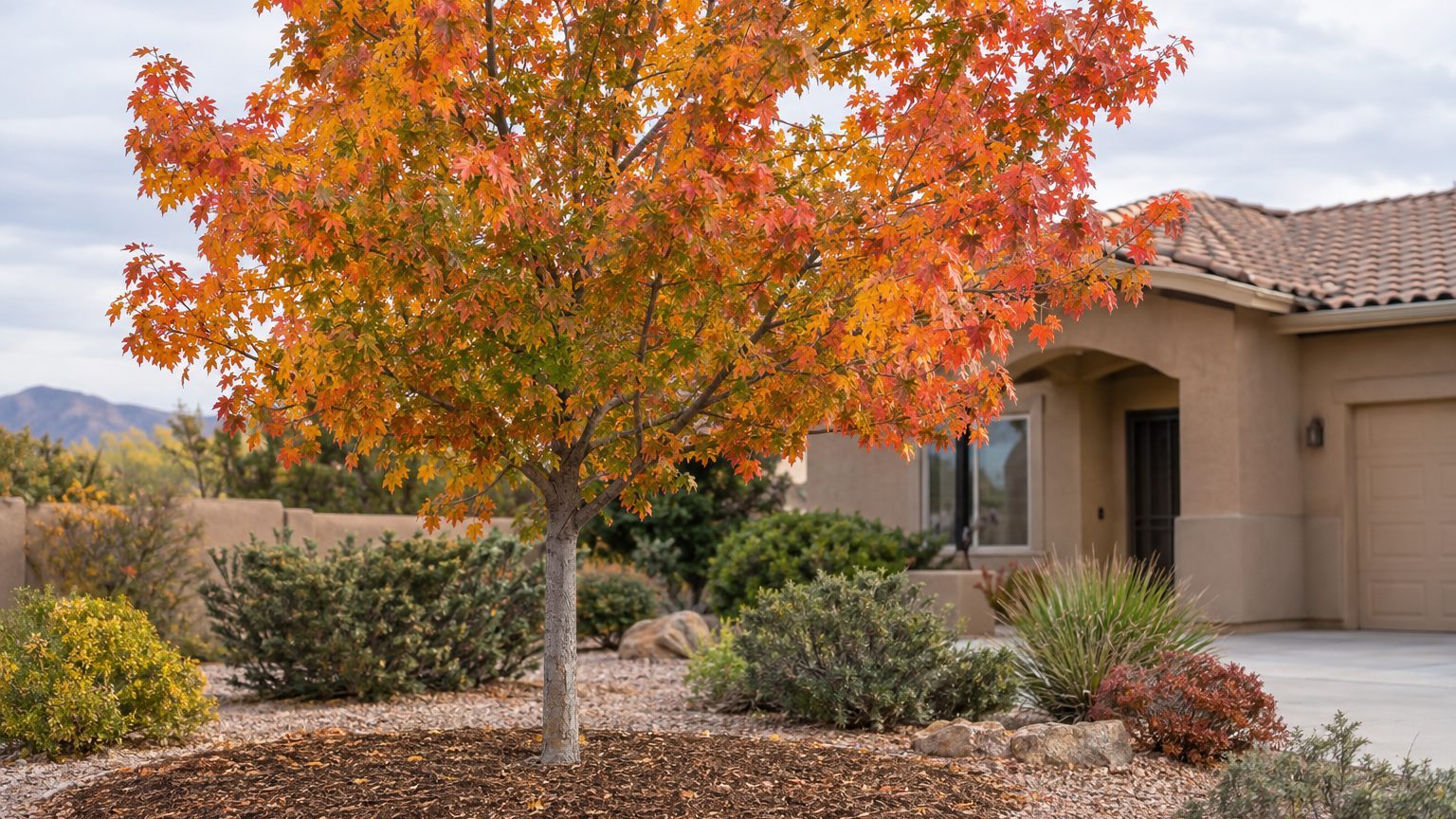
Trees planted in New Mexico settle best when the ground is cool and the tree is asleep, which points to the cooler half of the year rather than the heat of summer. Shade, ornamental and fruit trees across the state: when to plant them, which ones do well, and when to water and prune.

When Is the Best Time to Plant Trees in New Mexico?

A young shade tree newly planted in a home yard

Shade and ornamental trees go in the ground from October through December, in fall and early winter, whether they come in a container or balled and burlapped.

  • In October, the soil still holds summer warmth, so roots keep growing while the leaves above begin to drop and demand little water.
  • In November, a balled-and-burlapped tree can go in once it is fully dormant, and the roots still get time to settle before the hardest cold.
  • In December, planting is still fine on any day the soil is workable and not frozen, and a container tree set out then has months of cool weather to establish.
  • From late winter through spring, container trees can still be planted if you water them regularly, though they settle best when planted in the dormant season.
  • In summer, skip planting if you can, because heat and dry soil stress new roots more than at any other time of year.

Frost dates vary a lot across the state. In Albuquerque, the last spring freeze usually falls between March 31 and April 12, and the first fall freeze between October 29 and November 9. Suburban and rural yards often see frost later in spring and earlier in fall, and higher elevations see more, so check your own county. The state spans USDA hardiness zones 4b to 9a, so a mountain town and a southern desert valley plant for very different winters.

When to Plant Fruit Trees in New Mexico

Fruit trees go in during February and March, in late winter and early spring, which is when bare-root trees are sold. Bare-root trees must be planted while dormant, before the buds open, and they do best when planted soon after you buy them.

Container-grown fruit trees follow the same window and are the more forgiving choice. They can be planted most of the year if watered, but they settle best in the dormant season.

Kind of fruit tree When to plant in New Mexico Why then
Bare-root February to March The tree is dormant and the buds have not opened
Container February to March Roots establish in cool soil before the heat arrives

Stone fruits such as peaches, apricots and plums bloom early and are more prone to frost damage, so planting them dormant and choosing the spot with care matters. Apples and pears need more winter chill than apricots and peaches, which is worth knowing before you pick a variety for a warm low-desert yard.

Best Trees to Plant in New Mexico

Trees that handle heat, dry spells and alkaline desert soil do best here. Desert-adapted shade trees with moderate to low water needs are favorites in dry Southwest yards, and several evergreens work for windbreaks or year-round shade.

Match the tree to the space, the sun and your hardiness zone. A mountain yard and a Rio Grande valley yard are different places, so a tree that thrives in one may struggle in the other.

Tree How it does in New Mexico Why
Mesquite A deciduous shade tree for dry Southwest yards Desert adapted, with moderate to low water needs
Palo verde A deciduous shade tree for dry Southwest yards Desert adapted, with moderate to low water needs
Sweet acacia A deciduous shade tree for dry Southwest yards Desert adapted, with moderate to low water needs
Afghan pine An evergreen for windbreaks and year-round shade Comes in various sizes and shapes
Cypress An evergreen for windbreaks and year-round shade Comes in various sizes and shapes

Mesquite, palo verde and sweet acacia suit the warmer southern valleys best, so check your winter lows against your zone before planting them at higher elevations. Live oak is another evergreen that comes in various sizes and shapes.

When to Plant, Water and Prune Trees in New Mexico

The year runs in a simple order. Plant shade trees in fall and early winter, plant fruit trees in late winter, and prune fruit trees just before growth starts. Watering follows the tree, not the calendar, so a young tree needs attention whenever the soil dries out.

Task Best timing in New Mexico Why then
Plant shade and ornamental trees October to December Roots grow in warm soil while the top rests
Plant fruit trees February to March Bare-root trees are sold then and must go in dormant
Water a young tree Regularly, and any time the soil is not frozen New roots stay shallow and dry out fast, especially in summer heat
Prune fruit trees January to February, before growth starts The tree is dormant and the buds have not swelled

Skip pruning fruit trees in fall or early winter, because new growth may not harden before the cold. Peaches are pruned last, closest to bloom, since their flower buds are easily hurt by cold, and apples are pruned first. The page When to Prune Fruit Trees in New Mexico goes deeper on cuts and timing.

Where to Get Tree Advice in New Mexico

Local soil, elevation and water vary a great deal, so a quick conversation with a local expert can save you a tree.

  • New Mexico State University Extension offers guidance on tree choice and planting, and it is a good first stop before you buy.
  • Your county extension office can advise on which species suit your elevation and can arrange a soil test, ideally before fall planting begins.

Common Questions

Can You Plant a Tree in Summer in New Mexico?

A container tree can survive summer planting if you keep it well watered, but it is a hard season to start. Heat and dry soil stress the roots, so a tree planted in October gets a far easier start.

Should You Plant Bare-Root Trees Right Away?

Yes. Bare-root trees are sold only in late winter and early spring, and they do best when planted soon after purchase, while still dormant and before the buds open.

Do Frost Dates Tell You When to Plant a Tree?

Frost dates mark when cold may damage tender growth, but tree planting follows dormancy and workable soil. Fall and early winter suit shade trees, and late winter suits fruit trees, while your county’s frost dates help you judge when new spring growth is at risk.
Best Peonies for New Mexico

Best Peonies for New Mexico

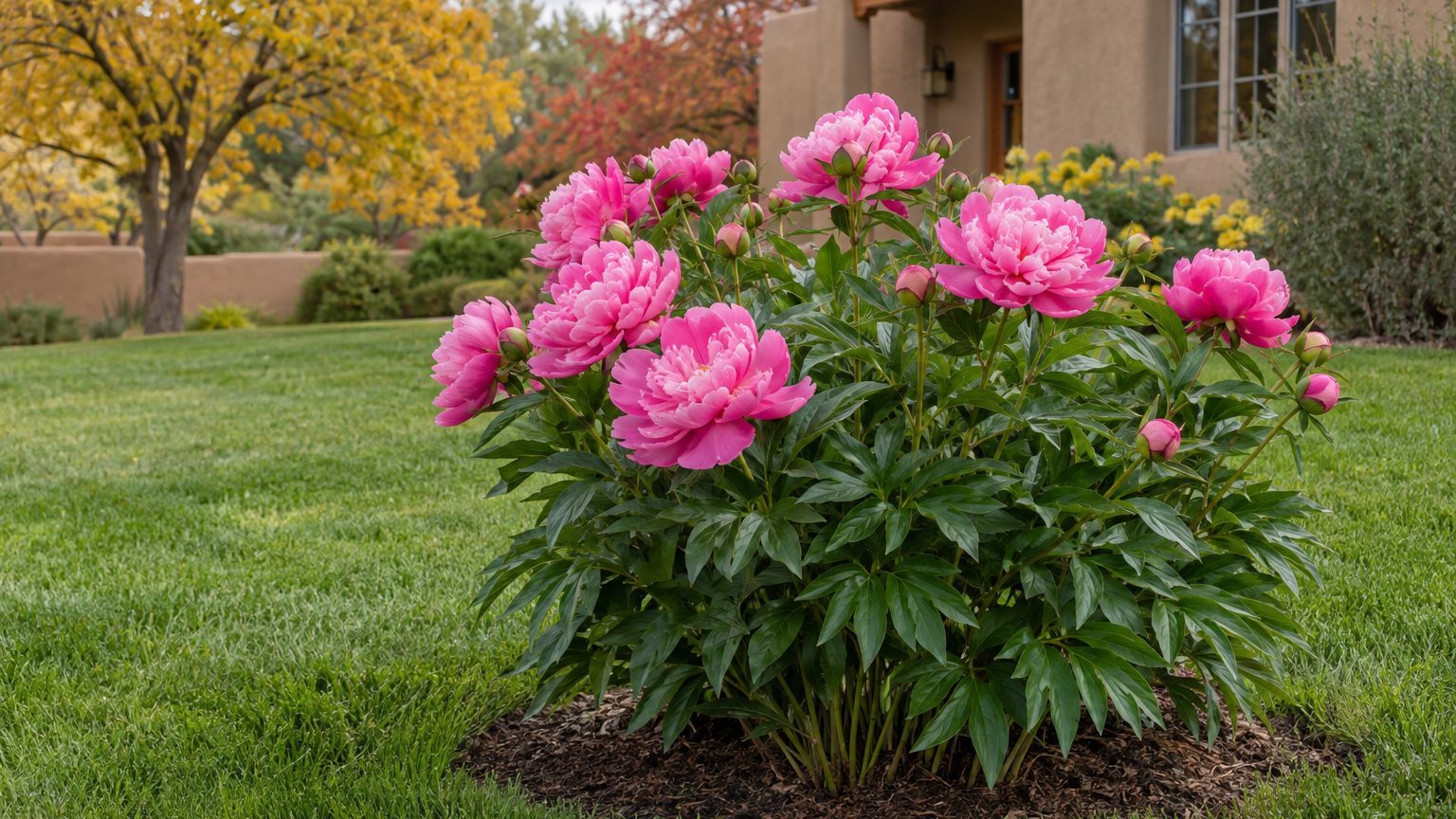
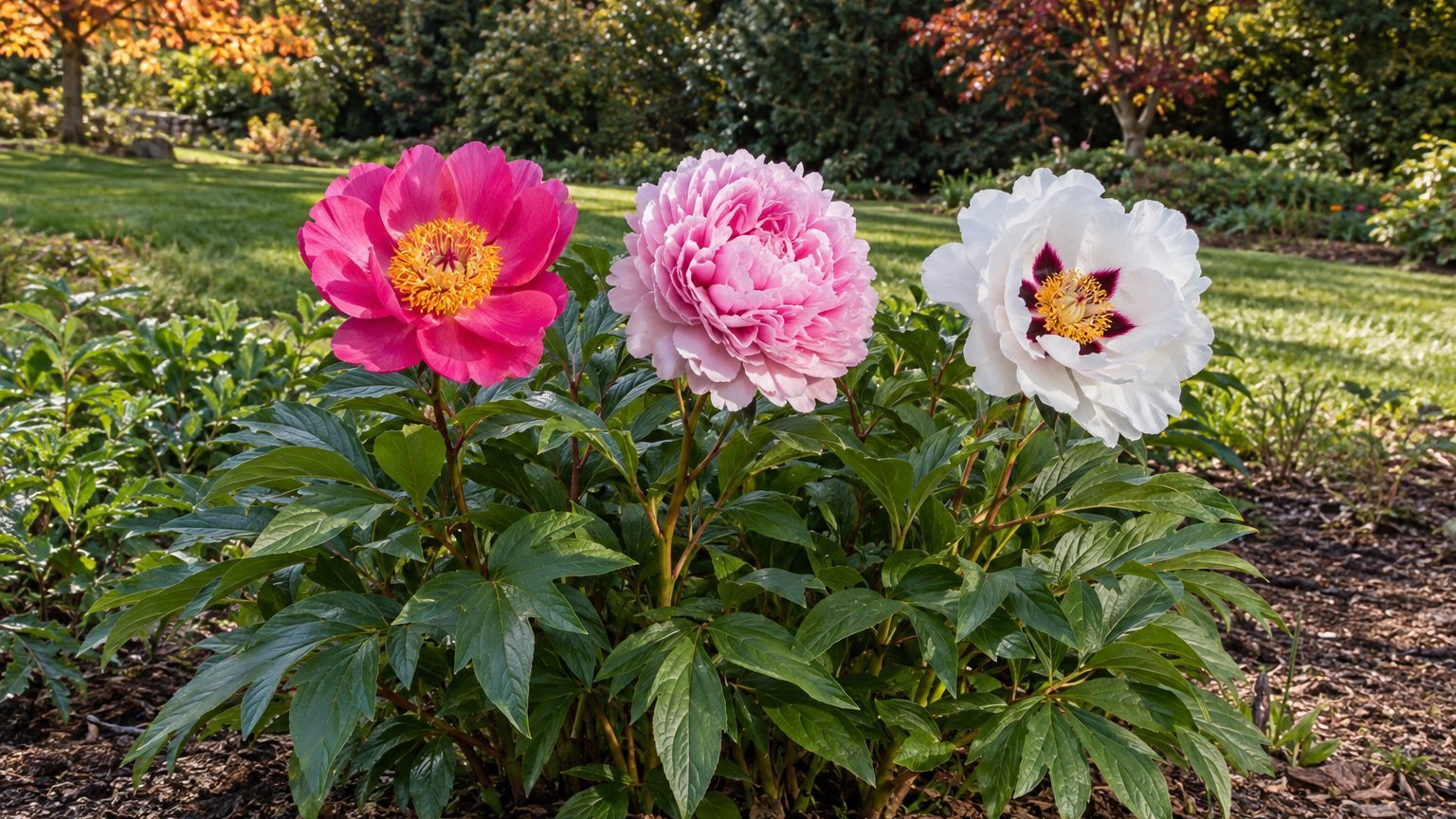
A peony that opens heavy with blooms in spring has usually spent the winter in real cold. New Mexico gardeners can grow them, but where you live matters more than which variety you buy. Herbaceous peonies do well in the cold high country and in Albuquerque, while early-blooming types are more practical in warmer spots.

Best Peonies to Grow in New Mexico

Best Peonies for New Mexico

Herbaceous peonies can succeed in parts of New Mexico where winters are properly cold. They do best in the high-elevation, cold parts of the state, though they also do very well in Albuquerque. Because peonies tolerate cold more readily than heat, favor early-blooming types in a cooler part of the yard. The USDA hardiness range from 4b to 9a shows how sharply winter minimums vary, but it does not measure total winter chilling.

Early-Blooming Types

Early-Blooming Types — Best Peonies for New Mexico

Early bloomers open before summer heat arrives, which suits a plant that handles heat poorly. They are also less prone to botrytis blight, a gray mold that damages buds and stems. In hotter parts of New Mexico, start your shopping with this group.

Sarah Bernhardt

Sarah Bernhardt — Best Peonies for New Mexico

This is the most widely grown cut-flower peony in the United States. Plant it where winters are cold and give it a spot with good drainage.

Karl Rosenfeld

Karl Rosenfeld is a popular cut-flower peony in the United States. Like every herbaceous peony, it needs a cold winter rest to flower.

Festiva Maxima

Festiva Maxima is a popular cut-flower cultivar in the United States. Colder ground gives it the winter chill it needs.

Red Charm

Red Charm is among the popular cut-flower peonies grown across the country. It is worth a look if you cut blooms for the house and have a cold-winter yard. A newly planted one may not bloom its first spring, so give it time to settle.

How to Choose a Peony for a New Mexico Garden

Start with your winter, since cold is what drives flowering. Then think about how much heat your yard collects and how much care you want to give. Think through the common garden situations below.

Peonies are generally thought of as having very few disease problems, so you are choosing mostly for climate rather than for toughness.

Your situation What suits it in New Mexico Why
Very cold winters at high elevation A herbaceous peony suited to the site Peonies do best in the cold, high parts of the state and tolerate cold readily
Hot summers Early-blooming types They flower before the heat sets in and are less prone to botrytis blight
Albuquerque yard Herbaceous peonies Peonies do very well in Albuquerque
Mild winters in the lower country Early-blooming types, with modest hopes for bloom Peonies need a cold winter rest and may flower poorly where winters are mild
Little time for upkeep Herbaceous peony It dies back each year and is simply cut back after frost

Tree peonies are a different plant. They keep their woody stems and are never cut back, so they ask for a different kind of care than the herbaceous types above.

Which Peonies Suit Different Parts of New Mexico

Elevation and winter cold sort the state more than any other factor, and each part of it asks for a slightly different approach.

  • Taos and Santa Fe: High and cold, which is exactly what peonies prefer. Cold winters there provide the rest herbaceous peonies need.
  • Albuquerque: Herbaceous peonies can do very well here. Early bloomers help you get flowers in before summer heat arrives.
  • Las Cruces: Winters are milder in the southern lowlands, so flowering may be thinner. Choose early-blooming types and plant in a cooler part of the yard.

Check conditions in your own neighborhood, since even a modest change in elevation can affect winter cold.

Peony Buying Mistakes to Avoid in New Mexico

Planting in a Mild Spot

A peony that never gets a proper winter chill grows leaves but flowers poorly. In the warmer lowlands, that means a lot of care for few blooms. If your winters are mild, plant in a cooler corner, choose early-blooming types, or consider a different flower for that bed.

Choosing Late Bloomers for Hot Sites

Peonies tolerate cold much more readily than heat, so a variety that opens late can have its blooms hit by hot weather. Early-blooming cultivars flower before the heat arrives. For a warm, sunny yard, favor them over later types, even if a late cultivar looks tempting on the tag.

Planting Too Deep

Planting a peony with its eyes buried too deeply often leads to poor blooming or no growth at all. Set the eyes, the pink or red buds on the crown, near the soil surface. When you plant, check the depth with a hand against the soil line before you fill in the hole.

Where to Get Peony Advice in New Mexico

Local advice helps most with the details your yard adds, such as elevation, soil and exposure. Local advice is worth seeking before you buy.

  • New Mexico State University Extension at New Mexico State University Extension publishes garden guidance written for this state, including notes on peonies.
  • Your county extension office can help you assess local winter conditions and choose a suitable peony.
  • Ask before you shop, so you can choose cultivars with your local cold in mind.

Common Questions

Will a New Peony Bloom the First Spring?

Often not. A newly planted or transplanted peony may skip blooming its first spring while the roots settle. Leave it in place and keep the soil from drying out completely. Future bloom still depends on enough winter cold.

Do Peonies Get Many Diseases in New Mexico?

They are generally thought of as having very few disease problems. Botrytis blight, a gray mold, can still be a concern, and early-blooming types are less prone to it. Cutting back the old foliage after frost removes the leaves where the mold can linger.

Can Peonies Grow in New Mexico Soil?

Yes. Peonies prefer well-drained, loamy garden soils but will flower well in typical New Mexico soils. Good drainage still matters, so avoid low spots where water stands after a storm.

When Do Peonies Bloom in New Mexico?

When Do Peonies Bloom in New Mexico?

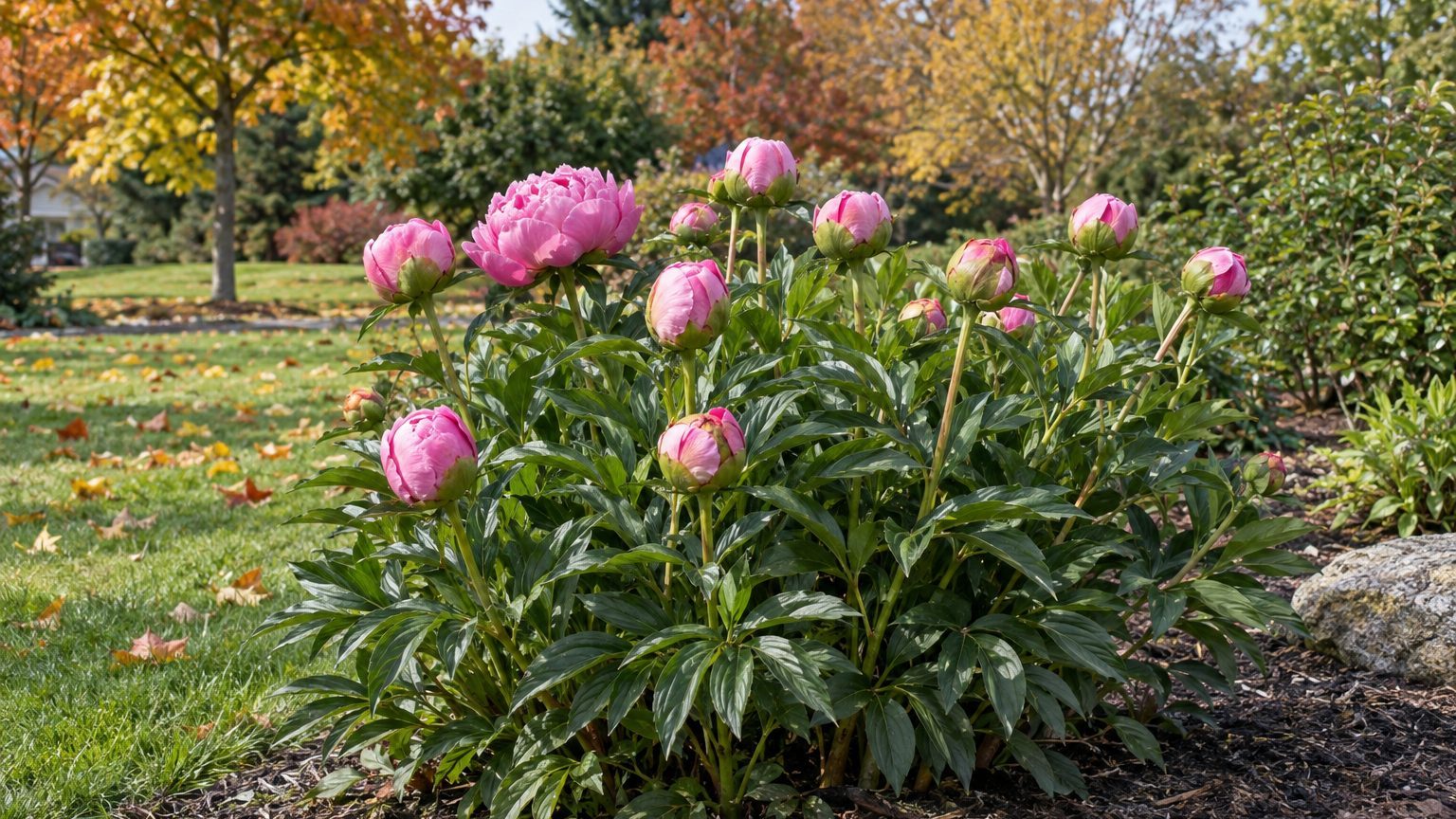
Red shoots push up through the soil in spring, then fat buds form and finally open into ruffled blooms. In New Mexico the timing of that show depends far more on how cold your winter runs than on any fixed date.

When Do Peonies Bloom in New Mexico?

When Do Peonies Bloom in New Mexico?

Peonies here flower in spring, and early-blooming types make the most of it because they open before the hot weather sets in. Peonies need a cold winter rest to flower, so they do best where winters are cold and may flower poorly in mild-winter parts of the state.

Chilling is the real gatekeeper. A peony needs sustained winter cold in your own yard before it can set buds.

Type of peony When it blooms in New Mexico What to know
Early-blooming herbaceous Early in the peony season, ahead of the heat In New Mexico, these cultivars are recommended because they finish before hot weather and are less prone to botrytis blight.
Other herbaceous types Later in spring, once chilling has been met Warm days can cut the show short, and a mild winter may mean few or no flowers.

Tree peonies keep their woody stems through winter and also depend on cold to bloom, so they follow the same logic as the herbaceous types. Their bloom time still depends on the winter cold and the cultivar. Whichever you grow, an early cultivar is a practical choice in a warm yard, while a cold mountain garden offers the winter rest peonies need.

How to Tell When Your Peonies Are About to Bloom

Peonies announce themselves well ahead of the flowers, and you can read the stages right in the bed.

  • Red, pointed shoots poking out of the soil tell you the plant has woken up and the season is underway.
  • Shoots turning green and unfolding into leaflets mean the stems are building the framework that will carry the buds.
  • Small, hard buds at the tips of the stems show that the plant did get enough winter chilling to flower.
  • Buds that swell and turn round and plump tell you the bloom is getting close, and it is time to check supports.
  • Buds that feel soft when you gently squeeze them and show a thin line of petal color are only a short wait from opening.

If the stems grow well but no buds ever form, the winter was probably too mild for that plant, and an earlier cultivar may suit the spot better.

When to Cut Back Peonies in New Mexico

Cut herbaceous peonies back in fall after a hard frost has blackened the foliage. That frost is the sign the plant has stopped feeding its roots, and the stems can come off without costing it anything. Cut them down close to the ground, leaving the buds at the crown, which sit near the soil surface, undisturbed.

Remove diseased stems and leaves from the bed. Do not leave diseased foliage on the soil, because it can carry botrytis into spring growth.

Tree peonies are different. Their woody stems stay through winter, so they are never cut back to the ground. If you have a mix of herbaceous and tree peonies, check the label or the stem before you pick up the pruners.

How Peony Bloom Time Shifts Across New Mexico

New Mexico stretches across a wide range of USDA hardiness zones, from 4b to 9a, so the same peony behaves very differently depending on where it grows. Frost dates in a reference city like Albuquerque do not apply across the state, so check with your own county.

  • Taos and Santa Fe: Higher ground brings long, cold winters, which gives peonies the chilling they need. Bloom comes later here than in the warm valleys, and spring frost can linger.
  • Albuquerque and the Rio Grande Valley: In the Rio Grande Valley, flowering depends on how much winter cold the individual site gets. Early-blooming cultivars can finish before hot weather arrives.
  • Las Cruces: Mild winters make flowering unreliable for herbaceous peonies, and results may be poor.

Suburban and rural gardens may see a later spring frost than the nearby city, so your own bed may wake up later.

Where to Get Peony Advice in New Mexico

Local conditions vary enough that a quick conversation with a nearby expert can save you a season of disappointment. New Mexico State University’s extension service and your county extension office can help match peonies to your elevation and soil.

  • The state extension site offers gardening publications and plant guides, and a good time to browse them is before you shop for roots or plants.
  • Your county extension office can tell you how cold your neighborhood gets and which peonies suit it, so call or visit before you plant.

Common Questions

Why Did a Newly Planted Peony Not Bloom?

A newly planted or transplanted peony may not bloom the first spring while it settles in. If it never flowers, check the depth, because a peony planted too deep may bloom poorly or not come up at all. Keep the eyes near the soil surface.

How Cold Does Your Yard Need to Be for Peonies?

Your USDA hardiness zone is a rough guide, since it reflects the average annual extreme minimum temperature, and New Mexico spans zones 4b to 9a. The colder end suits peonies well, while the warmer parts of the state are where flowering often falls short.

Can Peonies Still Do Well in a Warm New Mexico Yard?

Early-blooming cultivars suit a warm yard because they open before heat arrives. A spot with enough winter cold gives the plant the rest it needs to flower.

When to Plant Peonies in New Mexico: Dates and Care

When to Plant Peonies in New Mexico: Dates and Care

A peony that sulks in a New Mexico bed may not have had enough winter cold. These plants want a long cold rest before they flower, and the state’s range of climates decides whether that rest happens.

When to Plant Peonies in New Mexico

When to Plant Peonies in New Mexico: Dates and Care

Plant peonies in fall while the soil is still workable, so the roots can settle in before winter. Let conditions in the yard guide you rather than the calendar. Most of the year follows this rhythm:

  • In early spring, red shoots push up and a late frost can nip them, so keep a sheet or light cloth handy for cold nights.
  • Through late spring, plants leaf out and buds form, and a newly planted peony may not bloom its first spring.
  • In summer, the foliage works to feed the roots for next year, so keep watering the bed regularly during dry spells.
  • In early fall, the soil is still workable and warm enough for roots to grow, which makes it the moment to plant or divide.
  • After the first hard frost, the leaves of herbaceous types turn limp and the winter rest begins.

For frost timing, the Albuquerque reference runs from March 31 to April 12 for the last spring frost, and gardens in the suburbs and at higher elevation usually see it later. The first fall frost arrives October 29 to November 9 there, with suburban, rural and higher-elevation gardens often seeing it earlier. Hardiness zones in the state run from 4b to 9a on the USDA system, so check your own county before settling on dates.

Which Peonies Grow Best in New Mexico?

Peonies can work in New Mexico, but mainly where winters are properly cold. They need winter chilling to bloom, so choose a spot where New Mexico winters turn properly cold. Cold northern and high-elevation yards are more likely to provide enough winter chilling, while milder low-desert spots may see poor flowering.

Early-blooming cultivars cope better with heat because they open before hot weather arrives. That reasoning carries over to warmer New Mexico yards.

Peony type How it does in New Mexico Why
Herbaceous Good in cold-winter areas, weaker in mild ones Needs a cold winter rest to flower
Early-blooming cultivars Better choice for warmer yards Bloom before hot weather sets in
Cold-zone plantings Most dependable Winters supply the chilling needed for buds

For tree peonies and Itoh types, ask your county office before buying them. In mild-winter spots, expect fewer flowers or none at all.

When to Plant, Cut Back and Feed Peonies in New Mexico

Planting, cutting back and feeding shape the year. Follow signs you can see in the garden rather than a fixed date on the calendar.

Depth matters as much as timing. A peony planted too deep may bloom poorly or not come up, so keep the eyes near the soil surface.

Task Best timing in New Mexico Why then
Plant or divide Fall, while the soil is still workable Roots settle in before the cold arrives
Cut back herbaceous peonies After the first hard frost has killed the foliage The plant has died back and the stems are finished
Leave tree peonies alone Never cut back They keep their woody stems
Water Regularly through dry summer spells Leaves feed the roots for next year’s buds

If you feed, do it lightly as spring shoots begin active growth.

How Peony Planting Dates Change Across New Mexico

Elevation does most of the sorting in New Mexico, because winter cold and frost timing shift quickly as the land climbs. Local examples show the contrast.

  • Albuquerque: The Rio Grande valley floor is the reference point for the frost dates above. Planting comes in fall here, but warmer spots may see less reliable flowering.
  • Santa Fe and Taos: Higher, colder ground brings a longer winter rest and a later spring, so peonies get the chilling they want and shoots wake up later.
  • Las Cruces and the southern desert: Milder winters leave less chilling, so early-blooming cultivars make the most sense and flowering may be thin.

Fall frost also comes sooner as you go up, so plant early enough that roots establish first.

Where to Get Peony Advice in New Mexico

Local conditions vary so much here that a nearby expert is worth a call. New Mexico State University Extension and your county office can sort out problems that general advice cannot.

  • The county extension office can help diagnose a peony that will not bloom, and a visit in fall suits a planting question.
  • Ask the county extension office about your soil before planting.
  • Staff can help you judge whether your neighborhood gets enough winter chilling for peonies.

Common Questions

Why Won’t My Peony Bloom in New Mexico?

Check the chilling and the heat together. If the plant is healthy but sits in a mild-winter yard, it may not get enough cold. If the roots were set deep, with the eyes well below the surface, flowering suffers too. A newly planted peony may also skip its first spring.

Can You Plant Peonies in Spring in New Mexico?

Fall is the better moment, since roots can settle before winter. A spring planting can survive, but the plant has less time to establish before heat arrives, so expect slower progress.

Should You Cut Back Peonies in New Mexico?

Herbaceous peonies are cut back once frost has killed the foliage. Tree peonies keep their woody stems and are never cut back, so identify yours before picking up the shears.

Best Lilacs for New Mexico

Best Lilacs for New Mexico

Lilac bloom follows the local spring in New Mexico, but where winters stay mild, the shrubs may flower poorly or not at all because their buds need a cold rest. Cold, high-elevation gardens suit classic lilacs, while hot lowland yards do better with heat-adapted types. Picking the right type before you plant makes the rest of the job easier.

Best Lilacs to Grow in New Mexico

Best Lilacs for New Mexico

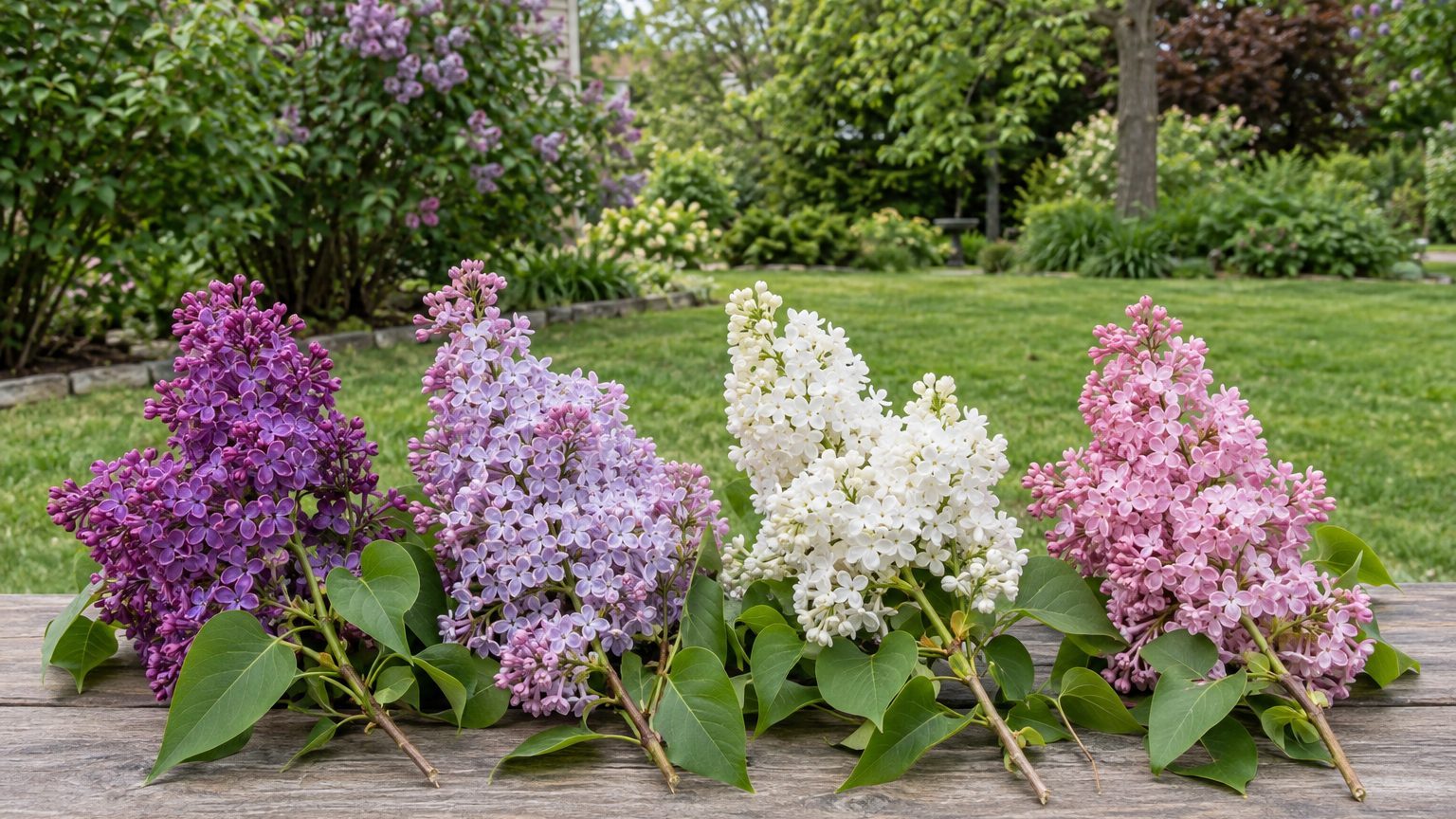
Lilacs that handle real winter cold and tolerate summer heat do well here, and the hot, low parts of the state are too warm for the old-fashioned common lilac. For those yards, the better choices are Southern lilacs, Descanso hybrids and heat-tolerant selections like Superba. Higher, cooler gardens can grow a wider range.

Common Lilac

Common Lilac — Best Lilacs for New Mexico

This is the classic fragrant lilac, and it asks for a cold winter rest to mature its flower buds. It suits colder climates and languishes in areas with intense summer heat. Plant it in the cold parts of New Mexico, not the hot lowlands.

Southern Lilacs

Southern Lilacs — Best Lilacs for New Mexico

Plants sold as Southern lilacs, or lilacs for the South, bloom early and usually grow and flower in warm climates. They are not as fragrant as the lilacs you may remember. Choose them for mild or hot yards where common lilac sulks.

Descanso Hybrids

Some of the Descanso hybrids are worth trying in a warm climate. They include the white Angel White, the blue Blue Boy and the pink California Rose. Even low-chill lilacs flower best after a cold winter, so expect better bloom in cooler spots.

Meyer Lilac

The Meyer lilac is a slow-growing, broadly rounded shrub with dense foliage. It stays compact, which makes it a good fit for small yards and foundation beds. Give it room to spread rather than squeezing it against a walkway.

Superba Lilac

The cultivar Superba is heat tolerant and mildew resistant, with dark pink, single flowers. That combination matters in warm, humid stretches of summer, when powdery mildew can ruin common lilacs. It is a sensible pick when summer heat, not winter cold, is your main worry.

Hyacinthiflora Hybrids

These vigorous hybrids look like French lilacs but bloom earlier. That head start is a risk where late frosts hit, and Albuquerque’s last spring frost falls between March 31 and April 12. Suburban and higher gardens see it later, so check your county before choosing. Assessippi, Maiden’s Blush and Pocahantas are cultivars to look for.

How to Choose a Lilac for a New Mexico Garden

New Mexico spans hardiness zones 4b to 9a in the USDA system, so a lilac that thrives in one yard can fail in another. Match the plant to your winter and summer first, then to your space.

Your situation What suits it in New Mexico Why
Very cold winter Common lilac, own-root plants Lilacs on their own roots are far more hardy than grafted lilacs
Hot, humid summer Superba or Descanso hybrids Heat tolerance and mildew resistance, or breeding for warm climates
Small space Meyer lilac Stays compact
Mild winter Southern lilacs They usually grow and bloom with little chilling, though with less fragrance
Frosts after bud swell Common or Meyer lilac instead of early bloomers Hyacinthiflora hybrids bloom earlier and suit places with fewer late frosts
Need for cold Common lilac in cold gardens Even low-chill lilacs perform best after an extended, cold winter rest

If you want a long show of flowers, mix species. Mixing lilac species can extend the bloom season.

Which Lilacs Suit Different Parts of New Mexico

Elevation does most of the sorting here, because cold winters and cooler summers favor classic lilacs, while heat favors the tolerant types.

  • Northern mountains around Santa Fe and Taos: Colder winters give common lilacs the rest they need, so this is a good setting for the fragrant classics. Early bloomers need more caution where late frosts linger.
  • Albuquerque and the Rio Grande Valley: Summers are hotter, so heat-tolerant selections like Superba and compact Meyer lilacs make the safer bets, with common lilac possible in cooler pockets.
  • Las Cruces and the southern desert: Heat is a real challenge for lilacs here, so Southern lilacs and Descanso hybrids are the plants to try, and bloom will be lighter than in colder places.

Check your own elevation and your county’s frost timing before you commit to any type.

Lilac Buying Mistakes to Avoid in New Mexico

Grafted Plants in Cold Spots

A grafted lilac is less hardy than one on its own roots, and in a cold garden that difference can mean dieback after a hard winter. Ask whether the plant is grown on its own roots before you buy.

Chill-Hungry Varieties in Mild Spots

Buying a common lilac for a hot, low-elevation yard usually ends in a leafy shrub with few flowers, plus powdery mildew in humid heat. Choose Southern lilacs, Descanso hybrids or Superba instead, and accept that blooms may be lighter than in a colder garden.

Unknown Adult Size

A small pot hides a big plant. The Early lilac grows tall and flowers in shades of purple, while the Meyer lilac stays compact. Read the tag for mature height before picking a spot, and plant by the size the shrub will become.

Where to Get Lilac Advice in New Mexico

Local growing conditions vary so much across the state that nearby advice beats general rules. The state’s land-grant extension service and your county office can tell you which lilacs do well in your elevation.

  • The New Mexico State University extension network offers plant guides and gardening resources, so look there before you shop for a variety.
  • Your county extension office can tell you about local frost timing and soil, so call before you plant.

Common Questions

Are Southern Lilacs as Fragrant as Common Lilacs?

Not quite. Southern lilacs usually grow and bloom in warm climates, but they are not as fragrant as the common lilacs most people remember.

Can You Stretch the Lilac Bloom Season?

Yes. Lilac species flower at different times, so mixing them can extend the bloom season.

When Should You Prune Lilacs in New Mexico?

Prune right after the last flowers fade. A lilac blooms on last year’s wood and sets next year’s flower buds in summer, so pruning in late summer, fall or winter cuts off the next spring’s flowers.

When to Prune Lilacs in New Mexico

When to Prune Lilacs in New Mexico

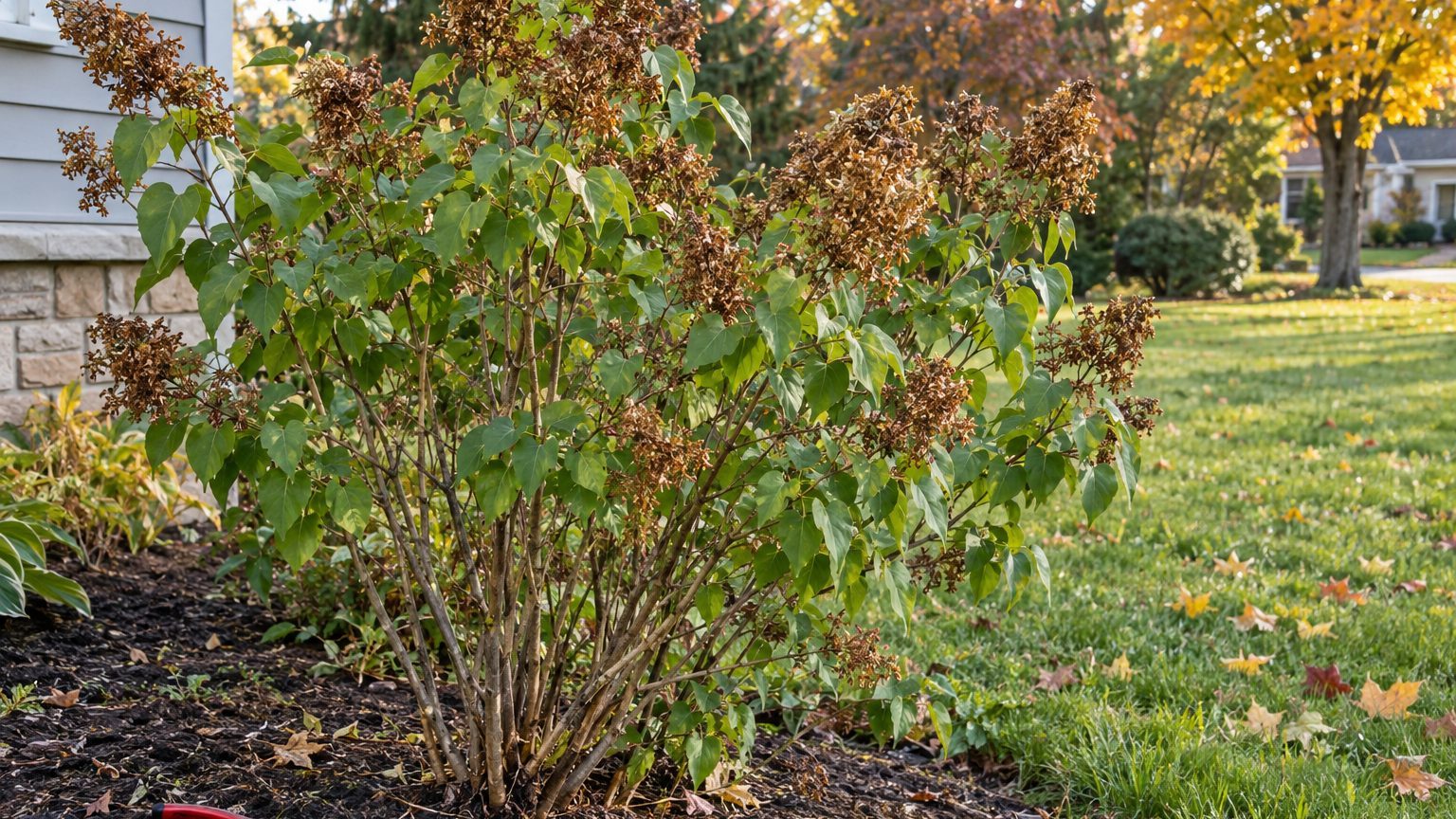
Lilac blooms fade to brown in the New Mexico spring, and that is the moment the pruning shears come out. The cut belongs right after the last flowers drop, because next year’s buds start forming soon afterward.

When to Prune Lilacs in New Mexico

Lilac stems after flowering

Prune lilacs in New Mexico right after the last flowers fade. The bloom follows the local spring, so the sign in the shrub matters more than a date on the calendar.

Type of pruning When in New Mexico Why
Routine shaping and removal of spent flower clusters Right after the last flowers fade The shrub sets next spring’s flower buds in summer, soon after it blooms
Cuts in late summer, fall or winter Avoid They remove the buds that would open the following spring

Bigger jobs follow the same rule. Thinning out crowded stems on an old shrub still belongs right after bloom, since a heavy cut at any other time takes flowers with it. Lilacs also need a cold winter rest to mature their buds, so they do best where winters bite and struggle in hot, humid summers. In the warmer parts of New Mexico a lilac may flower poorly no matter how well it is pruned.

How to Tell When Your Lilacs Are Ready to Prune

The shrub gives clear signals, and they matter more than any date.

  • The flower clusters turn brown and the petals drop, which means the show is over and the shears can come out.
  • Small green seed capsules begin to form where the flowers were, another sign that the bloom has ended.
  • Scattered brown flower clusters among the green leaves show that the bloom is fading; wait until the last flowers are spent before pruning.
  • Lilacs around your neighborhood have finished blooming, a useful cue in a state where spring arrives at different times in different yards.
  • Fresh shoots appear below the spent clusters, a reminder that the plant is already preparing next year’s flower buds, so cut soon and keep the cuts modest.

Once these signs show up, the window is open, and it closes as summer moves on.

Should You Prune Lilacs in Fall or Winter in New Mexico?

No. Cutting in fall or winter takes off the buds that would have opened the next spring, and the shrub will leaf out but bloom little or not at all.

A late-winter reshaping cut works the same way. It tidies the shape, yet it costs that spring’s flowers, because the buds are already on the stems you are removing. Dead or broken wood can come out at any time, since it carries no flowers to lose.

If a lilac has grown too tall or leggy, wait for bloom to finish and make the cuts then, accepting fewer flowers while the shrub recovers.

How Lilac Pruning Time Shifts Across New Mexico

New Mexico covers cold mountain country and warm desert valleys, with USDA hardiness zones running from 4b to 9a, so the moment your lilacs finish blooming depends on where you garden.

  • Taos and Santa Fe: Winters are cold, so lilacs get the chill they need and bloom reliably. Spring comes later at higher elevation, and so does the pruning.
  • Albuquerque and the Rio Grande Valley: Bloom arrives earlier than in the mountains, and pruning follows soon after the flowers fade.
  • Las Cruces and the warm south: Winters are milder, so common lilacs may flower poorly. Varieties sold as Southern lilacs, or Descanso hybrids such as Angel White and Blue Boy, are worth trying, and they are pruned right after their own bloom.

Whatever your location, the rule stays the same: wait for the flowers to finish, then cut.

Where to Get Lilac Advice in New Mexico

Local conditions vary a lot from one New Mexico town to the next, and the right help is close at hand. New Mexico State University Cooperative Extension offers garden guidance for the state, and your county office knows your area.

  • The state extension site has plant care information, so check it before choosing a lilac variety for a warm yard.
  • Your county extension office can tell you which lilacs do well locally, so call before planting or buying.
  • Master gardener volunteers through the county office can look at a shrub that will not bloom, so bring photos in spring when the buds should show.

Common Questions

Which Lilacs Suit Warmer Parts of New Mexico?

Look for early-blooming varieties labeled Southern lilacs or lilacs for the South. They usually grow and bloom, though they are less fragrant than the classic common lilac. Descanso hybrids such as Angel White and Blue Boy are also worth trying. Even low-chill types do best with a cold winter rest.

Why Is a Lilac Leafy but Not Flowering?

Check where the shrub grows and when it was last cut. A lilac in a warm yard with mild winters may not get enough chill to mature its buds. A shrub that was pruned in late summer, fall or winter loses its buds the same way. Warm winters and poorly timed pruning can also work together.

Does a Late Spring Frost Change When to Prune?

No. Frost marks the risk of cold nights, not the day to cut. In Albuquerque the last spring frost falls between March 31 and April 12; suburban and rural yards often see it later, especially at elevation, so check the timing for your county. Prune when the flowers fade, whenever that happens in your yard.

When Do Lilacs Bloom in New Mexico? Dates and Care

When Do Lilacs Bloom in New Mexico? Dates and Care

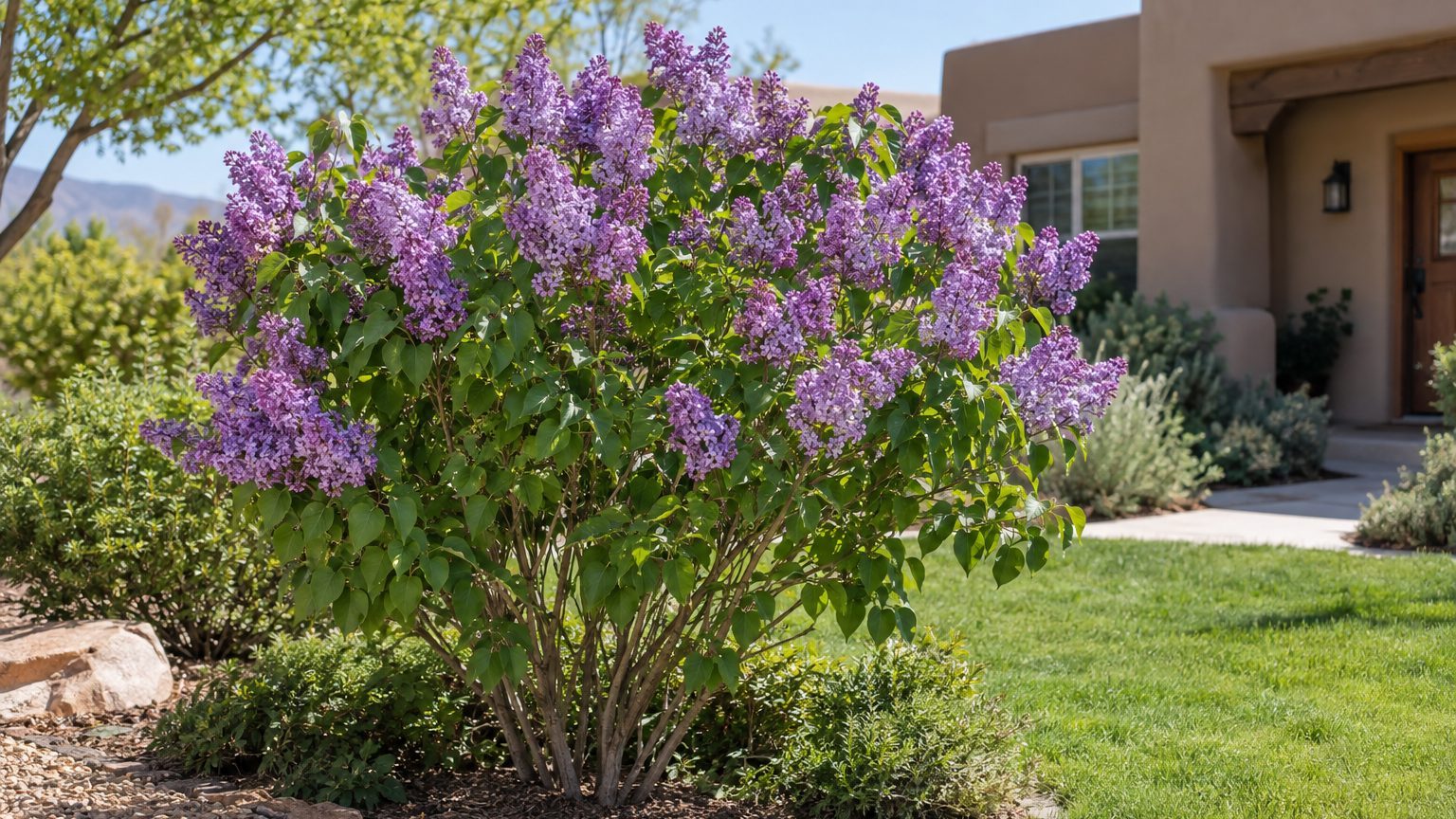
A lilac in full bloom, with its heavy, scented clusters, is a sight in a New Mexico yard in any year the winter was cold enough. The bloom follows the local spring, and how well it performs depends on how much winter chill your spot gets. Elevation matters here, so the answer changes from town to town.

When Do Lilacs Bloom in New Mexico?

A lilac bush in bloom in a home garden

Lilacs in New Mexico flower in spring, as the weather turns mild and the buds that waited out the winter finally open. The rest of the lilac’s year hangs on that moment.

  • In spring, the flower clusters open on last year’s wood, and the bloom runs with the local weather rather than a fixed date.
  • Soon after the last flowers fade, the shrub is ready for light pruning, before it starts setting buds for the following year.
  • Through summer, the shrub sets its flower buds for next spring, so this is a time to leave the branches alone.
  • In fall, the first freeze in Albuquerque arrives between October 29 and November 9, and growth slows as the leaves drop.
  • In winter, the shrub needs a real cold rest to mature those buds, and a mild winter can mean fewer flowers in spring.

At the same reference location, the last spring freeze falls between March 31 and April 12. Gardens outside town usually see the last frost later and the first frost earlier than those dates, and more so at elevation, so check your own county. The USDA hardiness zones here run from 4b to 9a, which is why a lilac in the mountains and one in the southern desert live very different lives.

Which Lilacs Grow Best in New Mexico?

Lilacs can grow in New Mexico, but they favor the colder parts of the state. A lilac needs a cold winter rest to mature its flower buds, and it struggles in hot summers.

In the warmer parts of the state, low-chill and southern-adapted types give you a better chance of flowers.

Lilac type How it does in New Mexico Why
Common lilac (Syringa vulgaris) Suited to colder-winter areas, harder in hot ones Needs a pronounced winter chill. Heat and humidity invite powdery mildew.
Low-chill cultivars Worth trying where winters are milder They bloom with less chilling, though they still do best with a long, cold rest.
Descanso hybrids Worth a try in warmer yards Bred for mild-winter gardens, including the white ‘Angel White’ and blue ‘Blue Boy’.
Southern lilacs Usually grow and bloom in warmer areas Early-blooming types sold under labels like “lilacs for the South,” though less fragrant.

Heat-tolerance claims on plant tags do not always hold up, so a lilac sold as heat tolerant may still thrive only where winters are properly cold. Match the label to your elevation and your winter before you buy.

When to Plant, Prune and Feed Lilacs in New Mexico

Lilacs do not follow a rigid calendar. Their key job, pruning, follows a sign on the shrub rather than a month on the wall.

Task Best timing in New Mexico Why then
Prune Right after the flowers fade The shrub blooms on last year’s wood and sets next year’s flower buds in summer, soon after it flowers.
Skip pruning Late summer, fall and winter Cuts made then remove the buds that would open the next spring.

For planting advice, ask your county extension office about your site. A fuller walk through pruning cuts is on the page called When to Prune Lilacs in New Mexico.

How Lilac Bloom Time Changes Across New Mexico

Winter cold is what a lilac wants, so the colder the place, the better the shrub tends to do.

  • Santa Fe and the northern mountains: Higher ground means colder winters, which suits lilacs well, and spring arrives later than in the lower valleys.
  • Albuquerque and the Rio Grande Valley: Winters are milder than in the mountains, so bloom comes earlier and a lilac can be less reliable, especially in a hot, exposed spot.
  • Las Cruces and the southern desert: Winters are mild and summers are hot, so lilacs may flower poorly, and low-chill or southern types are the better bet.

Within a single town, a shaded north-facing yard can bloom later than a sunny, sheltered one.

Where to Get Lilac Advice in New Mexico

For help with a lilac that will not bloom or a soil question, New Mexico State University Extension is the place to start, and your county office handles local questions.

  • The extension website offers plant guidance written for New Mexico conditions, useful when choosing a lilac type.
  • Your county extension office can run a soil test and help diagnose problems from photos or a sample, so bring them when the shrub shows trouble.

Common Questions

Why Is My Lilac Not Blooming in New Mexico?

Look at the winters and the light together. A lilac that leafs out well but never flowers, and sits in a mild-winter spot, probably lacked its cold rest. A shrub that stays dense and green in heavy shade, with few buds along the stems, is more likely short on sun.

Are Southern Lilacs as Fragrant as Common Lilacs?

Not quite. Southern types usually grow and bloom in warmer areas, but they are not as fragrant as the common lilacs many people remember. Expect earlier, softer scent rather than the heavy perfume of a cold-climate shrub.

How Do You Choose a Lilac for Your Yard?

Start with your winter. If your yard is high and cold, a common lilac makes sense. If winters are mild, look for low-chill or southern-labeled types, and ask your county extension office what has worked locally before you plant.

Best Roses for New Mexico

Best Roses for New Mexico

Hybrid teas and floribundas fill most New Mexico rose beds, and they earn the space with steady color from late spring into fall. In most areas of the state, winter cold does not severely injure roses, while summer heat and the choice of type decide how well a bush performs.

Best Roses to Grow in New Mexico

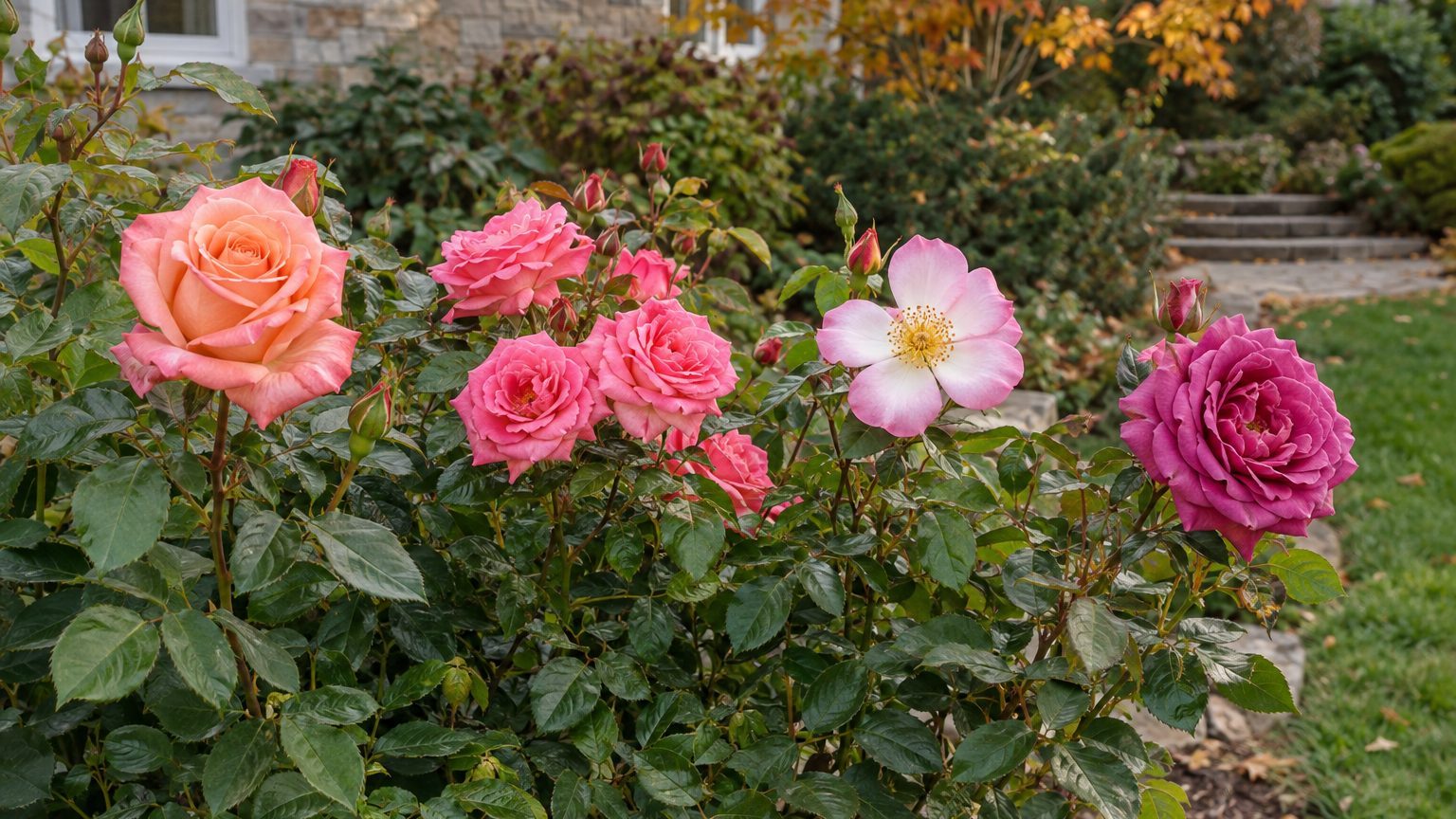
Healthy roses in bloom

Hybrid teas, floribundas, polyanthas, miniatures and climbers all do well here, because in most areas of New Mexico roses are not severely injured by cold winter temperatures. Only the high mountains call for some protection. The real limit is summer heat, since many varieties stop blooming once temperatures climb above 90°F.

Hybrid Teas

Hybrid teas are grown more often than almost any other type in New Mexico gardens, and they bloom continuously. Many are resistant to powdery mildew, which helps when leaves stay dry for much of the year. Prune them in late winter, in February or March, once the worst cold has passed.

Floribundas

Floribundas sit right beside hybrid teas in popularity across the state. They carry flowers in clusters, so a bed looks full even when individual blooms pause in the heat. Prune and feed them on the same schedule as hybrid teas.

Polyanthas

Polyanthas make good borders and small hedges, and they do well in containers. That suits a patio, a gravel bed or a narrow strip along a walk. Many are hardy and resistant to powdery mildew, which can make them easier to care for.

Miniatures

Miniature roses are on the list of popular types for New Mexico, and their small size makes them easy to tuck into pots or a sunny corner. A pot can be moved if a spot gets too hot or too cold. Feed them regularly through the growing season like any repeat bloomer.

Climbers

Climbers are among the popular choices in the state, and they cover a fence, a wall or an arbor. Many climbers bloom once a year on last year’s wood, so prune them right after they flower, never in early spring. Cutting them in late winter removes the buds that would have opened.

Old Garden Roses

Old garden roses of European origin are cold hardy and bloom once a year. Gardeners who grow old garden and modern roses often find that old garden roses need less maintenance, especially in hot summer months. Prune them after they bloom.

How to Choose a Rose for a New Mexico Garden

Start with how much work you want to do, then look at the weather your garden actually gets. The state spans high mountains and warm lowlands, so a rose that thrives in one yard may sulk in another.

Whichever type you pick, bare-root bushes go in during February or March, and potted roses can go in later.

Your situation What suits it in New Mexico Why
Very cold winter, high mountains Old garden roses of European origin, with some winter protection for any bush European types are cold hardy, and the high mountains are where roses need some protection
Hot, dry summer Old garden roses Old garden roses need less upkeep in summer heat, and many hybrid teas resist powdery mildew
Little time to spare Old garden roses Many polyanthas are hardy and mildew resistant, and old garden roses ask for less maintenance
Small space or patio Polyanthas, miniatures Polyanthas do well in containers and make small hedges, and miniatures stay compact

Blooms stall when summer temperatures are above 90°F, so expect a pause in the hottest weeks rather than a failed plant. Thrips are said to prefer light-colored blossoms such as yellow and white, so those colors may need a closer look in a bad year.

Which Roses Suit Different Parts of New Mexico

Elevation does most of the sorting, with cold nights and winter protection on one side and summer heat on the other.

  • The high mountains: Roses need some protection through winter here, so favor cold hardy types such as old garden roses of European origin.
  • The lower, warmer valleys and plains: Winter cold rarely injures roses, so hybrid teas and floribundas are the usual choice, and the question becomes how they handle summer heat.

Check your own county’s conditions before buying, since local frost timing differs from town to town.

Rose Buying Mistakes to Avoid in New Mexico

Planting in Fall or Early Winter

Bushes planted in the fall and early winter usually die back more than those planted in late winter. Buy bare-root roses to plant in February or March instead, and look for healthy, dormant bushes if you plant a little later.

Choosing Mildew-Prone Varieties

Powdery mildew is controlled best by planting resistant varieties or by a preventive fungicide spray. Ask for roses described as mildew resistant, and note that many hybrid teas and polyanthas are.

Ignoring Summer Heat

Many varieties pause flowering in high heat, which can leave a bed bare in the hottest weeks. Check a variety’s heat tolerance before buying. A national rating of named varieties can help match a rose to your location and preferences.

Where to Get Rose Advice in New Mexico

Local advice settles questions about your own soil, elevation and frost timing, which vary a great deal across the state.

  • New Mexico State University extension publishes rose guidance written for the state, and it is worth reading before the late winter planting and pruning season.
  • Your county extension office can tell you how cold your area gets and which varieties local gardeners grow, so call in winter, before ordering bare-root bushes.

Common Questions

Do Roses Need Winter Protection in New Mexico?

In most areas of New Mexico, roses are not severely injured by cold winter temperatures. In the high mountains they need some protection.

Why Did My Roses Stop Blooming in Summer?

High summer temperatures can pause flowering. Keep feeding them on schedule, from March through September, and blooms usually return as the weather cools.

When Should You Feed Roses in New Mexico?

Feed every four to six weeks, starting just before bud break in early spring. Continue until three weeks before the first fall frost.

When to Prune Roses in New Mexico

When to Prune Roses in New Mexico

Pruning shears come out when the canes are still bare and the days are only starting to lengthen. In New Mexico, that moment falls in late winter, just ahead of the first leaves. Timing the cut for late winter helps avoid the extra damage that can follow fall or early-winter pruning.

When to Prune Roses in New Mexico

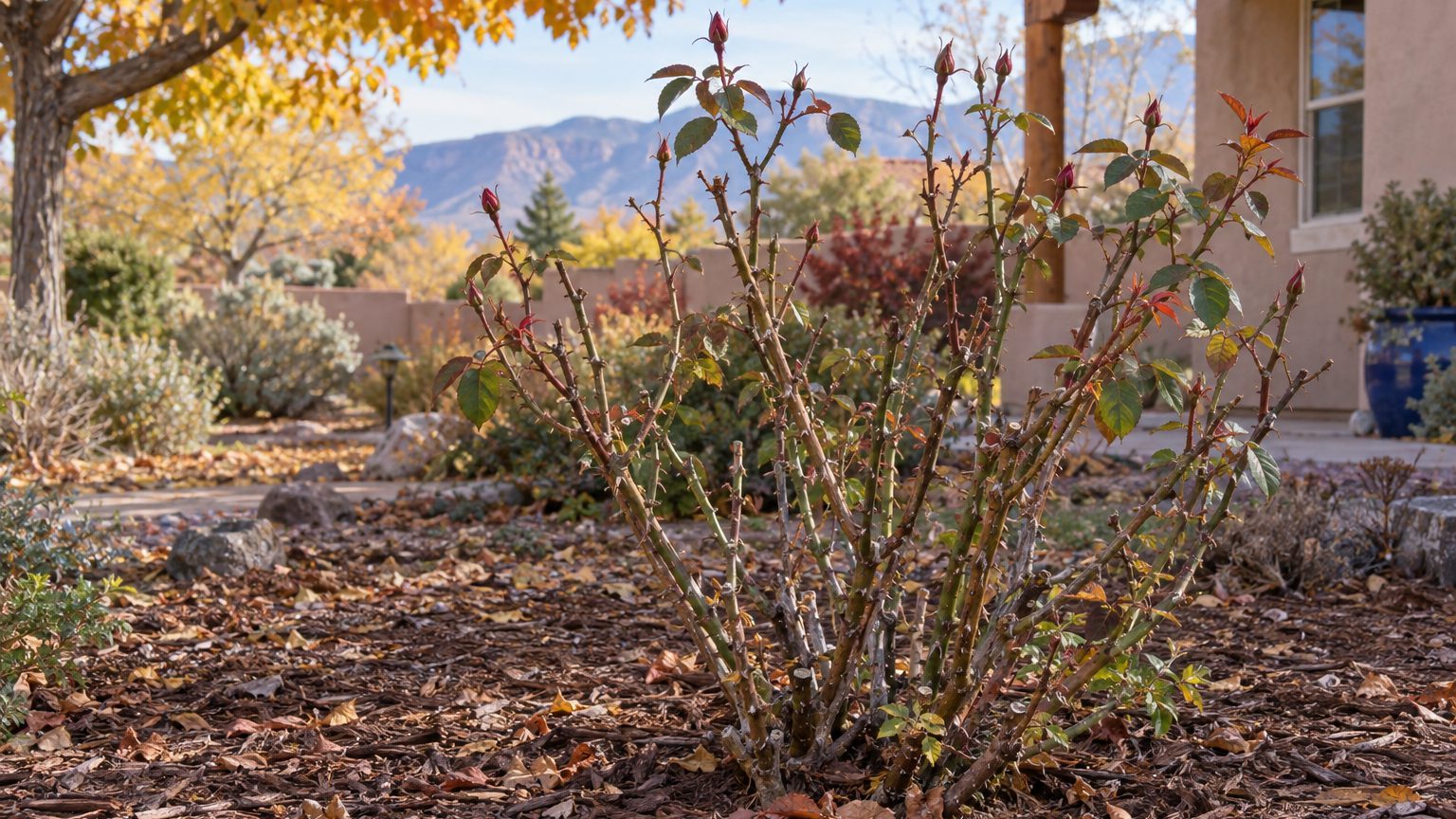
Rose canes at pruning time

Repeat-blooming roses are pruned in February or March, in late winter before growth starts. Hybrid teas and floribundas are the roses most often grown in New Mexico, and they follow this timing.

Cutting in late fall or early winter can leave canes injured by cold and force a harder cut in late winter.

Type of rose When to prune in New Mexico Why
Hybrid teas, floribundas and modern shrub roses (repeat-blooming) February to March, in late winter Cold can injure bushes cut in late fall or early winter, which means harsher pruning later
Old garden roses, ramblers and many climbers that bloom once Right after they finish flowering, never in early spring They flower once a year on last year’s wood, so a spring cut removes the buds

Climbers that rebloom can be treated like other repeat bloomers, with a light late-winter tidy of weak or damaged wood. Once-blooming climbers wait until flowering is over.

How to Tell When Your Roses Are Ready to Prune

The calendar gives the window, and the bush tells you the day. Watch the canes for these signs before the shears come out.

  • Buds along the canes begin to swell, which tells you growth is about to start and you can see which buds are alive.
  • Any mound of soil or mulch piled around the base for winter has been pulled back, so you can see where the healthy green wood begins.
  • The hardest freezes of winter have passed, since a cut made too soon invites new growth that a late cold snap can burn.
  • Canes that are black, brown or shriveled stand out clearly against green or plump canes, and those are the ones to remove first.
  • Garden neighbors with the same roses are showing the first red leaf buds, a good cue that your own bushes are ready too.

In a cold pocket or on higher ground, give the bushes a little extra time and let the buds make the call. Frost dates are only a guide to risk. A reference city such as Albuquerque sees its last spring frost between March 31 and April 12, and gardens outside town often see it later, so check with your county before trusting any date.

Should You Prune Roses in Fall or Winter in New Mexico?

Skip fall and early-winter pruning, then prune repeat-blooming roses in late winter. In fall and early winter, leave repeat-blooming roses alone and wait for the late-winter pruning window. Leave everything else alone until growth resumes.

Severe pruning in late fall or early winter is what causes trouble. Canes cut hard in late fall or early winter can be damaged by cold and may need a deeper cut in late winter. Waiting makes live wood easier to see and avoids unnecessary cuts.

Once-blooming roses are the exception to the late-winter rule. Prune them right after they bloom, because they flower on last year’s wood and a winter cut takes the coming flowers with it.

How Rose Pruning Dates Shift Across New Mexico

New Mexico spans hardiness zones 4b to 9a in the USDA system, so the same late-winter window lands differently from place to place. Elevation does most of the work.

  • Rio Grande Valley: Albuquerque and the lower valley warm earlier, so buds swell sooner and pruning tends toward the early part of the February to March window.
  • Santa Fe and the northern mountains: Higher ground holds cold longer, so wait for swelling buds and lean toward March, and expect frost to linger into spring.
  • Southern desert, around Las Cruces: Warmth arrives early, so February is a natural time to prune, with growth starting ahead of the rest of the state.

Whatever the location, the buds decide the exact day within the months given for the state.

Where to Get Rose Advice in New Mexico

Local conditions vary enough from county to county that a nearby expert saves guesswork. New Mexico State University’s Cooperative Extension Service publishes rose guidance written for the state, and your county office can speak to your elevation.

  • The extension website carries growing guides for roses, worth reading before pruning season.
  • Your county extension office can tell you how local frost timing affects your pruning day, so call or visit in late winter.

Common Questions

Can You Plant Bare-Root Roses at the Same Time You Prune?

Yes, the timing overlaps. Bare-root roses go in during February or March, and potted roses can be planted later. Bushes planted in fall or early winter usually die back more than those set out in late winter.

When Should You Start Feeding Roses After Pruning?

Feeding begins just before bud break in early spring and continues every four to six weeks. In New Mexico, extension advice is to apply nitrogen at four-week intervals until three weeks before the first fall frost.

Which Roses Are Grown Most Often in New Mexico?

Hybrid teas and floribundas are grown most often. Hybrid perpetuals, polyanthas, miniatures and climbers are also popular, and the repeat bloomers among them follow the late-winter pruning window.

When to Plant Roses in New Mexico: Dates and Varieties

When to Plant Roses in New Mexico: Dates and Varieties

Bare-root roses go into New Mexico soil while they are still dormant, and by the time the first leaves unfurl the roots are already settling in. In New Mexico, bare-root planting and pruning meet in late winter, and feeding begins as spring growth starts.

When to Plant Roses in New Mexico

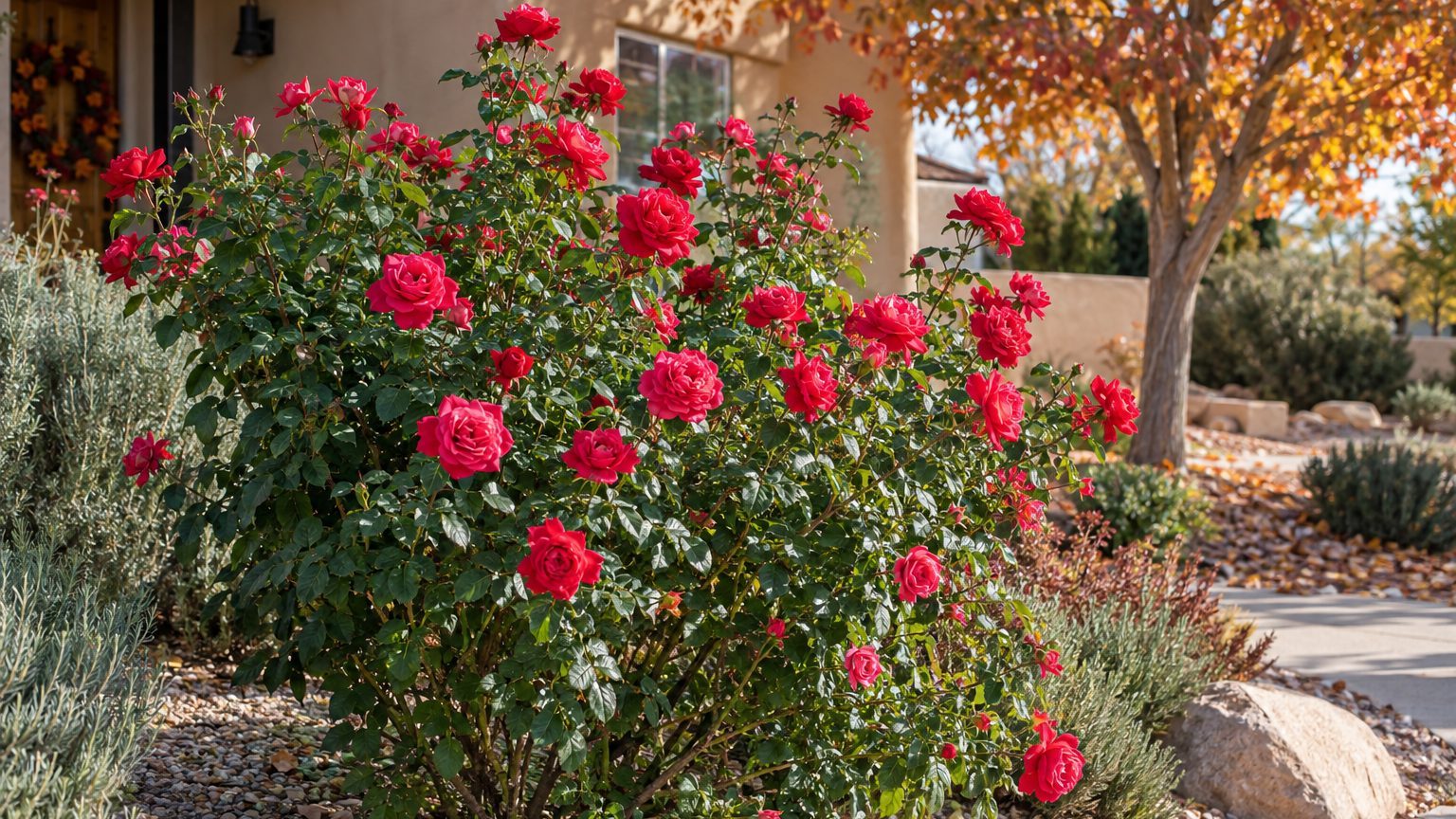
A rose bush in bloom in a home garden

Bare-root roses go in first, in February or March, and potted roses can follow later once the weather settles. Local frost timing matters, so the dates below describe Albuquerque, the reference city. Gardens outside town usually see frost later in spring and sooner in fall.

  • In February and March, plant bare-root roses while the bushes are dormant, because a rose set out then has the whole spring to root before top growth asks for water.
  • In spring, the last frost in Albuquerque falls between March 31 and April 12, so a young potted rose with soft new shoots should wait until that risk has passed, or be covered on cold nights.
  • Once the soil warms, potted roses can go in later than bare-root ones, as long as the plants are healthy and the roots are not crowded in the container.
  • Through summer, roses already in the ground grow and bloom on a steady feeding schedule, and they need regular watering.
  • In fall, the first frost in Albuquerque arrives between October 29 and November 9, after the feeding season has already closed.

Planting bare-root bushes in fall or early winter is a poor bet, since they usually die back more than those planted in late winter. Hardiness zones in New Mexico run from 4b to 9a on the USDA system, so check your own county before trusting any single date.

Which Roses Grow Best in New Mexico?

Hybrid teas and floribundas are the roses grown most often in New Mexico, and the state’s gardeners also grow tea roses, hybrid perpetuals, polyanthas, miniatures and climbers. These include repeat-blooming roses as well as climbers that may flower only once on last year’s wood.

Repeat-blooming types flower on new growth, so they respond well to a hard late-winter pruning and steady feeding through the season.

Rose type How it does in New Mexico Why
Hybrid tea Grown most often in the state Repeat blooms on new wood after a late-winter prune
Floribunda Grown most often, alongside hybrid teas Repeat blooms in clusters through the season
Climber Popular in the state Many bloom once a year, so prune right after flowering
Miniature Popular in the state Compact bushes suited to small beds and containers

Tea roses, hybrid perpetuals and polyanthas also appear on the list of popular types for New Mexico. Old garden roses, ramblers and many climbers bloom once a year on last year’s wood, so they are pruned right after they flower, never in early spring.

When to Prune, Feed and Protect Roses in New Mexico

Pruning and planting share the same late-winter window, and feeding then carries through the whole growing season. Pruning has its own page for the details, so only the key dates appear here.

Task Best months in New Mexico Why then
Pruning repeat-blooming roses February, March Cutting in late winter avoids cold injury that forces a harsher second pruning
Planting bare-root roses February, March Dormant bushes settle in before spring growth begins
Feeding roses March through September Repeat bloomers keep growing and need regular feeding

Feeding starts just before the buds break in early spring and repeats every four to six weeks. Nitrogen continues at four-week intervals until three weeks before the average first fall frost, so late feeding does not push tender growth right before cold.

How Rose Care Dates Change Across New Mexico

Elevation does most of the sorting in New Mexico, and the dates for Albuquerque slide earlier or later depending on where you garden.

  • Rio Grande Valley: Around Albuquerque, the dates in this article apply most directly, and the valley floor warms earlier in spring than the mountains above it.
  • Northern mountains and Santa Fe: Higher ground sees frost later in spring and sooner in fall, so potted roses wait longer and feeding ends earlier.
  • Southern desert around Las Cruces: Warmer ground means spring comes sooner, and the season for planting and feeding opens earlier than in the north.

Because the state spans zones 4b to 9a, a local frost check matters more than any statewide date.

Where to Get Rose Advice in New Mexico

New Mexico State University’s Cooperative Extension Service publishes rose guidance written for the state, and every county has an office that answers local questions.

  • Call your county extension office to bring in a sick leaf or cane for diagnosis, and ask about a soil test before planting.
  • Use the state extension’s rose publication to check pruning and feeding questions against New Mexico conditions.
  • In February or March, call ahead to confirm local frost timing before you set out dormant bushes.

Common Questions

Can You Plant a Potted Rose in Summer in New Mexico?

Potted roses can go in later than bare-root ones, as long as the plant is healthy. A summer planting needs regular watering while the roots establish, because the plant is already in full growth.

Should You Cover Roses for Winter in New Mexico?

Winter protection needs vary across New Mexico, so ask your county extension office what your roses need. For pruning, wait until late winter, since cutting in fall or early winter can invite cold injury.

When Should You Stop Feeding Roses in New Mexico?

Stop three weeks before the average first fall frost. Feeding later pushes soft new growth that cold can damage, so the last nitrogen goes on while the plant still has time to harden.

The almanac, state by state. Every date on this site comes from a state’s own frost facts and its extension service’s calendar — and says where it comes from.