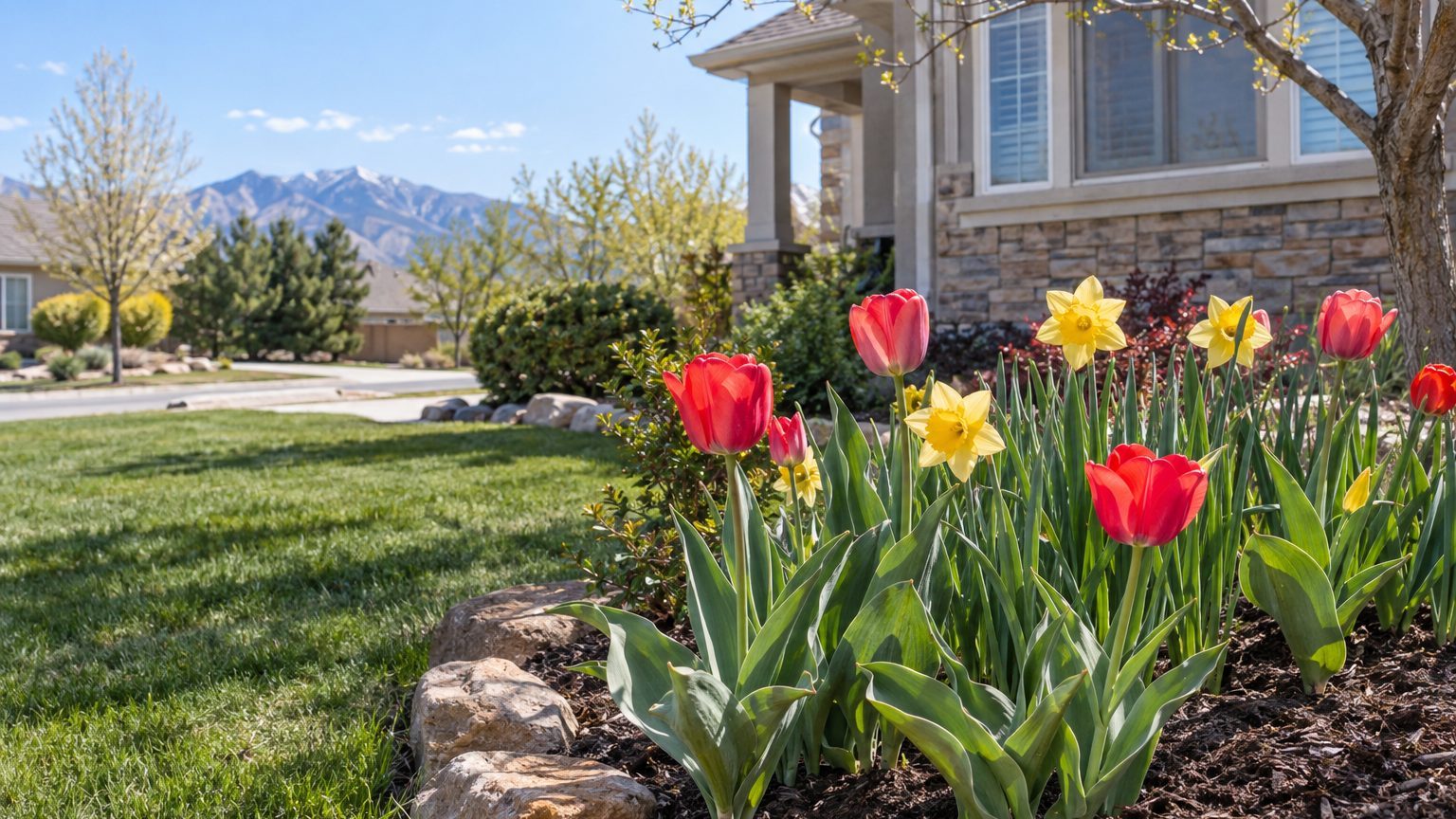
Tulips and daffodils pushing up through cold, bare soil are a sight Nevada gardeners can count on in the right spot, as long as the bulbs go in during fall. Daffodils, tulips, crocus, hyacinths and alliums all have a place in a Nevada yard, and what you pick depends on your drainage, sun and winter cold.
Best Spring Bulbs to Grow in Nevada

Tulips and daffodils are fairly adaptable across the region, and according to Iowa State University Extension, alliums need the cold of winter to bloom. Nevada spans USDA hardiness zones 4a to 10a, so the right bulb shifts with your elevation. Planting happens in September and October, and hardy spring bulbs bloom between January and May.
Daffodils
Daffodils last longer than tulips and are the more reliable perennial bulb. Voles, squirrels, rabbits and deer leave them alone, which matters in yards with wildlife traffic.
Give them full sun and loosen the soil with compost so water drains away, especially in spring.
Tulips
Tulips are adaptable here but often short-lived in the garden, so treat them as a bright seasonal show rather than a permanent planting. Voles, squirrels, rabbits and deer eat them.
Where winters are too mild to give the cold they need, chill the bulbs in the refrigerator before planting.
Alliums
Alliums need the cold of winter to bloom. They flower at the end of the bulb season, as ornamental onions.
Plant them in full sun with well-drained, compost-enriched soil.
Crocus
Crocus is a small bulb that suits the edge of a bed or a lawn corner. Voles, squirrels, rabbits and deer eat the bulbs, so plant where wildlife pressure is low or protect the spot.
Most spring bulbs, crocus included, want about 12 to 16 weeks of cold to flower.
Hyacinths
Hyacinths follow the same rule as tulips: where winters run too mild to supply the cold, chill the bulbs in the refrigerator before planting.
Plant once the soil has cooled below about 60°F, so roots form before the ground freezes without the bulbs sprouting in fall.
Nevada — the year and the numbers
- State
- Nevada
- USDA zones
- 4a-10a
- Last spring frost
- January 7 to February 1
- First fall frost
- December 8 to December 23
- Annual rain
- 4 in
- Lawn zone
- warm-season
- Source
- NOAA NCEI U.S. Climate Normals 1991-2020, 32F freeze probabilities · Las Vegas
How to Choose Spring Bulbs for Your Nevada Garden
Start with how cold your winter gets and how much drainage your bed has. Tulips and daffodils reward a planting hole amended with compost, and every spring bulb sulks in a low spot that stays wet.
Then think about how much upkeep you want. Bulbs that wildlife ignores save you protection work later.
| Your situation | What suits it in Nevada | Why |
|---|---|---|
| Very cold winter at elevation | Daffodils and tulips | Most spring bulbs need about 12 to 16 weeks of cold to flower, and a cold winter supplies it |
| Mild winter, little natural chill | Alliums, or refrigerator-chilled tulips and hyacinths | Alliums need the cold of winter to bloom, while tulips and hyacinths get their cold from the refrigerator. |
| Little time for upkeep | Daffodils | They last longer than tulips and are the more reliable perennial bulb |
| Deer, rabbits or voles around | Daffodils | Wildlife leaves them alone, while tulips and crocus get eaten |
| Wet or heavy soil | Any bulb in a raised or amended spot | Compost loosens the soil and aids drainage, and low wet ground is best avoided |
Crocus and hyacinths fit small beds and borders, though the facts for this region say little beyond their cold and wildlife needs. Match them to your sunniest, best-drained corner.
Which Spring Bulbs Suit Different Parts of Nevada
Nevada runs from high mountain country to low desert, so the bulb that thrives in one town may need help in another.
- Las Vegas: Winters are mild, so alliums are the easy choice, and tulips and hyacinths need a refrigerator chill before planting.
- Reno and Carson City: Winters are colder, so daffodils and tulips get the cold they want without any chilling step.
- Higher elevations: Frost arrives earlier in fall and lingers later in spring, so hardy daffodils are the dependable pick and planting should not wait.
Your county extension office can tell you which of these descriptions fits your own yard.
Spring Bulb Buying Mistakes to Avoid in Nevada
Choosing Bulbs That Need More Cold
Tulips and hyacinths planted straight into mild-winter ground may bloom poorly because they miss the 12 to 16 weeks of cold they want. Chill them in the refrigerator before planting, and alliums need the cold of winter to bloom.
Planting into Wet Soil
A low spot that stays wet in spring invites rot. Pick a sunny place and work compost into the hole to loosen the soil and help water drain away.
Cutting Leaves Too Soon
Tidying the foliage after bloom robs the bulb of next year’s flowers. Remove only the faded blooms and leave the leaves until they turn brown, since they feed the bulb.
Holding Bulbs Over in the Bag
A bulb that is still in the bag does better planted late than stored over the winter. Plant as long as the ground can be dug.
Where to Get Spring Bulb Advice in Nevada
Local conditions vary a great deal across the state, so local advice pays off before you buy.
- University of Nevada, Reno Extension publishes gardening guidance for the state, worth reading before you order bulbs in late summer.
- Your county extension office can speak to your elevation and soil, so call before the September and October planting window.
Common Questions
When Do Spring Bulbs Bloom in Nevada?
Hardy spring bulbs bloom between January and May, depending on the type and where you garden.
Do You Have to Chill Bulbs Before Planting?
Alliums never need it. Tulips and hyacinths only need a refrigerator chill where winters are too mild to give them cold.
Which Bulbs Will Wildlife Leave Alone?
Daffodils. Voles, squirrels, rabbits and deer eat tulips and crocus, so plant daffodils where animals visit often.