Skip to content

Palibin Lilac: Size, Zones, Bloom Time and Care

Palibin Lilac: Size, Zones, Bloom Time and Care

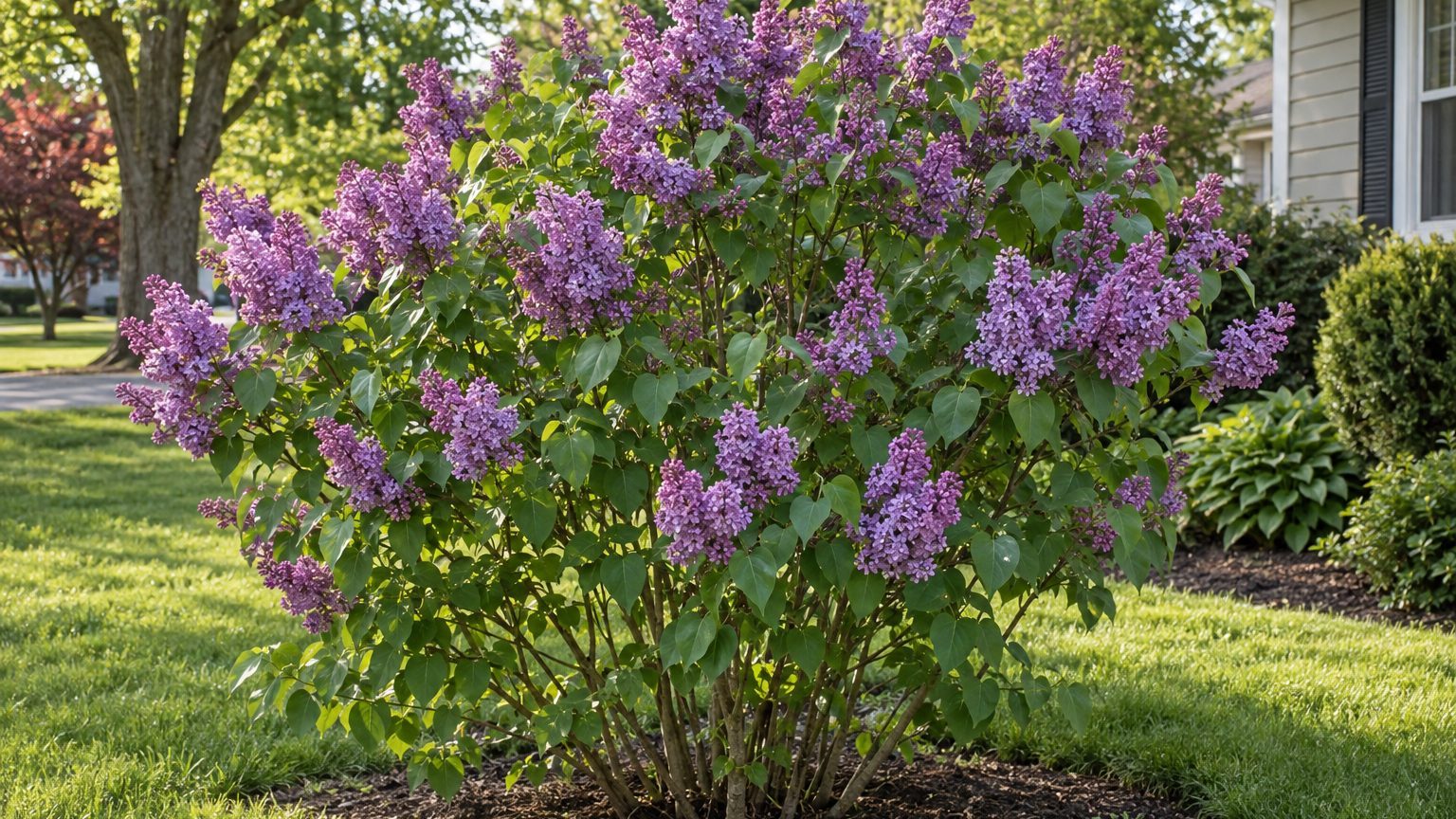
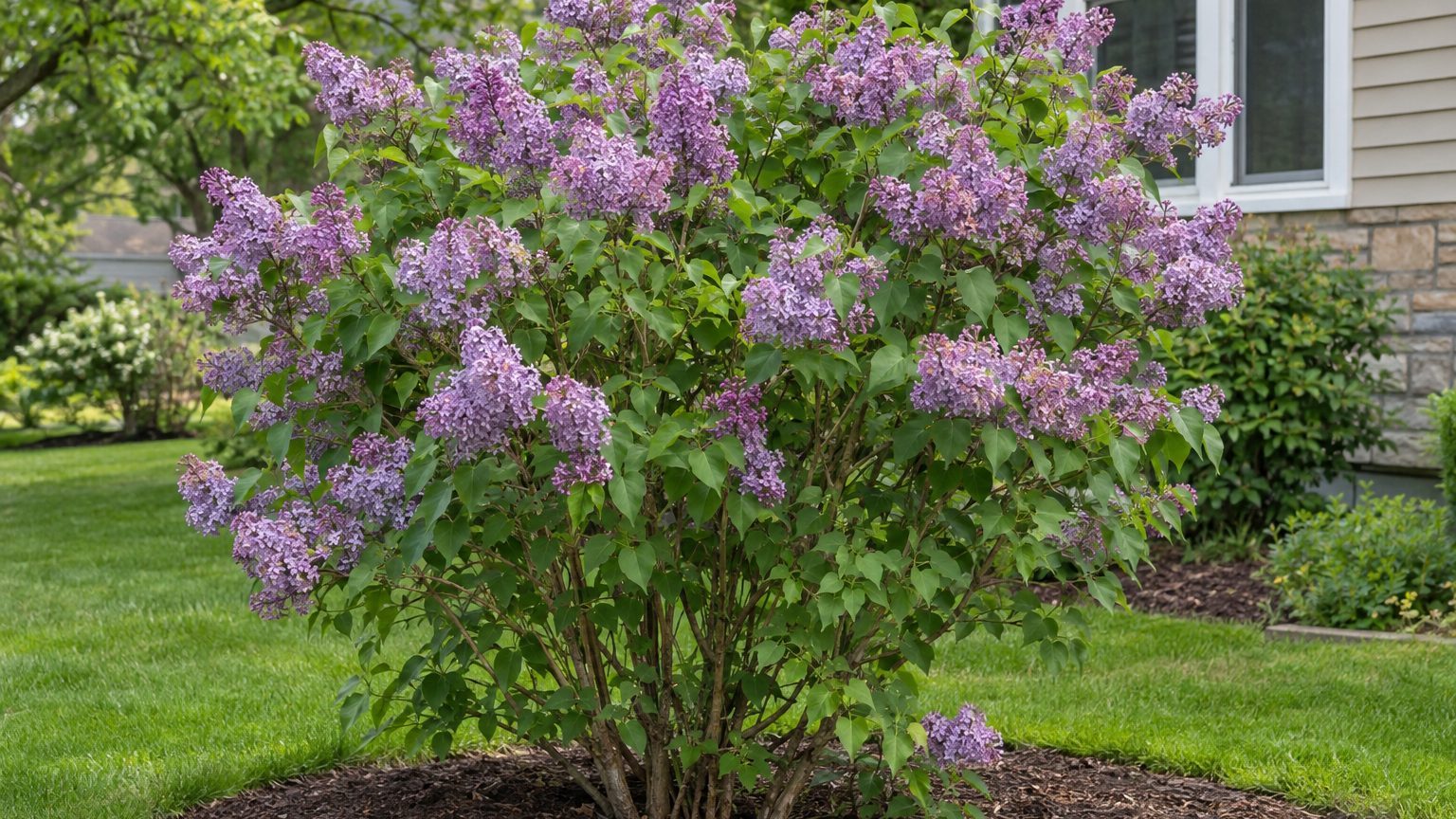
A low, rounded shrub covered in fragrant pink clusters in late spring is often a Palibin lilac. It stays compact and keeps its glossy foliage after the flowers fade.

What Is the Palibin Lilac?

Palibin is a cultivar of Syringa meyeri, sold as dwarf Korean lilac, dwarf littleleaf lilac or simply Palibin lilac. It is a deciduous shrub with a dense, broadly mounded shape that grows slowly to 4–6 feet tall and spreads about the same.

The leaves are small, rounded and glossy, giving the shrub a fine texture. Purple-red buds open to whitish-pink, fragrant flower clusters in late May.

It does not sucker, so it stays where you plant it instead of sending up shoots across the bed. Few seed capsules form after bloom, which leaves the shrub tidy.

Where Does the Palibin Lilac Grow Best?

Palibin is hardy in USDA Zone 3 and is very heat tolerant.

  • Cold-winter yards: Palibin is hardy in USDA Zone 3.
  • Vermont, Maine and New Hampshire gardeners can plant it in open ground, even in exposed spots.
  • Hot-summer yards: Palibin is very heat tolerant.
  • Louisiana, Mississippi and coastal Alabama gardeners can expect sparse bloom, if any.

The state selector just below this section leads to the page for your own state, where timing is spelled out for your area.

How to Care for the Palibin Lilac Through the Year

Bloom

Bloom — Palibin Lilac: Size, Zones, Bloom Time and Care

Flowers open in late May and are fragrant. Plant it near a path, window or entry where you will notice it.

Pruning

Little pruning is needed, but some shaping is generally desirable right after flowering. Do not shear.

Summer

The shrub is very heat tolerant and does well in alkaline soil with a pH of 6.5 to 8.0. Use your state page to guide summer care.

Fall

The small leaves can turn maroon to purplish before they drop.

Winter

Use your state page for winter-care guidance.

Palibin Lilac Diseases and Weak Points

Palibin resists powdery mildew. It also resists bacterial blight.

Threat How Palibin handles it
Powdery mildew Resistant
Bacterial blight Resistant
Summer heat Very heat tolerant
Pests and disease in general Listed as resistant

Avoid shearing.

Is the Palibin Lilac Right for Your Yard?

It fits a spot with room for a compact, broadly mounded shrub. It asks for little pruning.

  • Give it room to spread where you can enjoy its fragrant flowers in late May.
  • Check your state page for local planting guidance.
  • Open your state’s page from the selector above to see which months suit planting in your area.

Common Questions

Will a Palibin Lilac Bloom the First Year?

Plant age alone does not answer that question. It is known for flowering by the time it reaches one foot tall.

Where Should You Plant a Palibin Lilac?

Choose a spot with room for its broadly mounded shape. Leave enough room for the mounded shape to spread without crowding walkways or neighbors, since it stays wide and rounded.

Can You Grow Palibin Lilac as a Hedge?

Check local guidance before using several plants as a hedge. Shape each shrub after flowering, and do not shear.
Miss Kim Lilac: Size, Zones, Bloom Time and Care

Miss Kim Lilac: Size, Zones, Bloom Time and Care

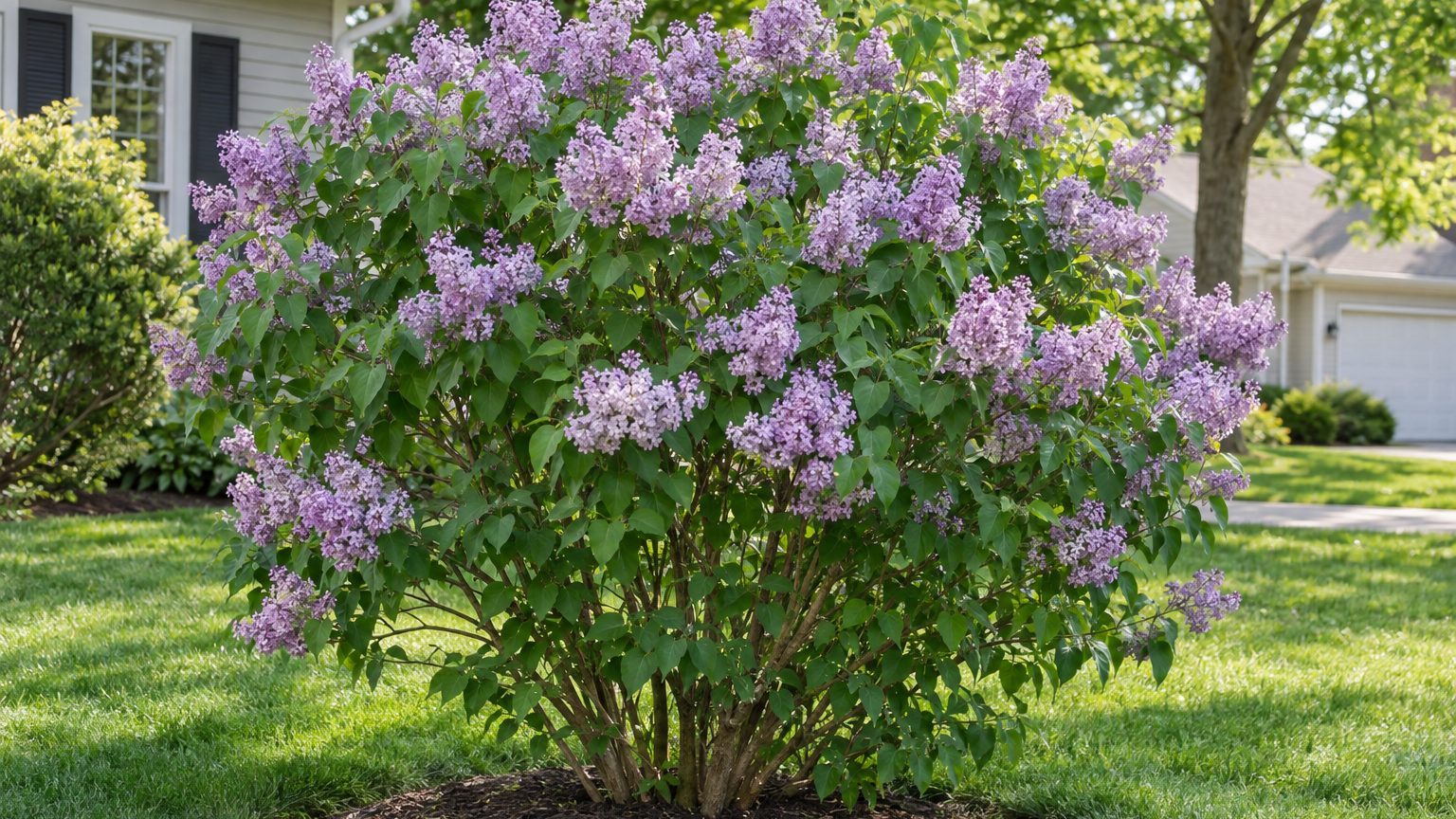
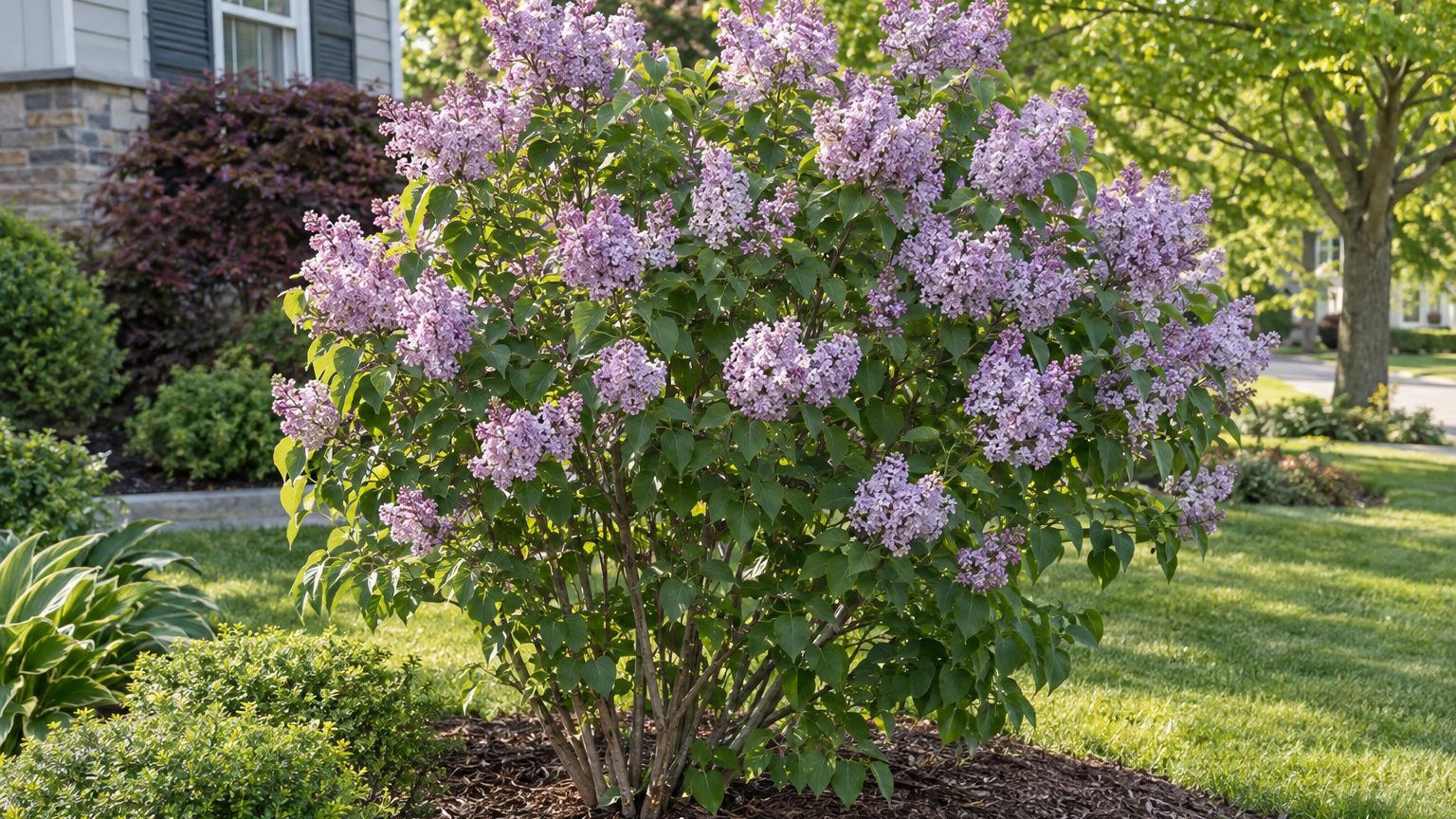
In May, lavender clusters open at the tips of a Miss Kim’s branches and the scent carries across the yard. The shrub stays tidy enough for a foundation bed or a corner by the patio. Its compact habit and fragrant flowers make it appealing, but the site still matters.

What Is the Miss Kim Lilac?

Miss Kim is a cultivar of the Manchurian lilac, a lilac with dense foliage and a compact habit. Purple buds open into paired terminal clusters of lavender tubular blossoms, and the flowers are very fragrant.

The bloom color is lilac-blue. Each cluster can reach up to three inches long.

It blooms slightly later than a common lilac and has a compact habit. It also keeps interest after the flowers fade, with deep burgundy fall color.

Reported mature sizes vary. Heights reported run from 4 to 9 feet, and the spread is often given as 5 to 7 feet. Check the plant tag for the size of the plant you buy.

Where Does the Miss Kim Lilac Grow Best?

Miss Kim grows best in full sun with good air circulation.

  • Sunny sites: Full sun and good air circulation suit this shrub. Average, well-drained soil suits it.
  • Humid sites: Its excellent resistance to powdery mildew is useful where that disease is a concern. Give the branches good air circulation.
  • Gulf Coast and Deep South: Louisiana, Mississippi and southern Georgia are a struggle, because short winters and long, wet heat work against lilacs in general.

The state selector just below this section takes you to the page for your own state.

How to Care for the Miss Kim Lilac Through the Year

Bloom

Bloom — Miss Kim Lilac: Size, Zones, Bloom Time and Care

Flowers open in May, slightly later than on a common lilac.

Hummingbirds and butterflies will visit the rest.

Pruning

Check your state page before pruning.

Summer

Full sun and average, well-drained soil keep the plant easy. Because it asks for little maintenance, summer mostly means watching it.

Use your state page to guide summer care.

Autumn

The foliage turns deep burgundy, a third season of interest after the flowers and the summer leaves.

Check your state page for the local planting window.

Winter

Use your state page for winter-care guidance.

Miss Kim Lilac Diseases and Weak Points

It has been recognized for hardiness and pest resistance, including excellent resistance to powdery mildew.

Threat How Miss Kim handles it
Powdery mildew Excellent resistance
Insects and disease in general No serious problems

Give it full sun, well-drained soil and good air circulation. A spot with good air circulation and well-drained soil suits the shrub.

Is the Miss Kim Lilac Right for Your Yard?

It suits a sunny spot where a small shrub is wanted, such as a foundation corner or a mixed border. It is a poor match for shade or wet soil.

  • Small yards: the compact habit fits tight beds.
  • Scent lovers: plant it near a patio, a window or a walkway, where May fragrance is noticed.
  • Check the Miss Kim lilac page for local planting guidance.

Common Questions

Does the Miss Kim Lilac Attract Hummingbirds and Butterflies?

Yes. The fragrant flowers draw both, so a planting near a seating area gives you a front-row view.

Does Miss Kim Lilac Have Fall Color?

It does. The leaves turn deep burgundy, which gives the shrub three seasons of interest.

Is Miss Kim a Syringa Patula or a Syringa Pubescens?

Both names are in use. Many references list it as Syringa patula, and others place it as Syringa pubescens subsp. patula. Either way, it is the same compact Manchurian lilac.

Minuet Lilac: Size, Zones, Bloom Time and Care

Minuet Lilac: Size, Zones, Bloom Time and Care

A lilac that opens its flowers a little after the neighbors’ have finished is easy to spot. Minuet is a Preston hybrid with pink to lavender blooms that opens later than common lilacs. Its later bloom and strong growth are the first things to consider before planting.

What Is the Minuet Lilac?

Minuet belongs to the Preston hybrids. The group blooms about a week after common lilacs, which helps where spring frosts often freeze earlier lilac flowers.

The flowers run pink to lavender, and the scent is distinctive rather than the classic old-fashioned lilac perfume. The shrub does not sucker, so it stays where you plant it instead of sending up shoots across the lawn.

Height is the part to plan for. The group grows strongly to 10 to 12 feet, and left to themselves, Preston hybrids can become rampant growers. Give it room from the start.

Where Does the Minuet Lilac Grow Best?

Minuet suits areas where spring frosts often freeze earlier-blooming lilacs. The state selector right below this section leads to the page for your own state.

  • Upper Midwest: Later bloom can help in areas with spring frosts. This later bloom can reduce exposure to those freezes.
  • Mountain West: Later flowering is a real advantage on those swings.
  • Northeast:
  • Gulf Coast and Deep South:

Check local conditions before choosing a planting spot.

How to Care for the Minuet Lilac Through the Year

Bloom

Bloom — Minuet Lilac: Size, Zones, Bloom Time and Care

Flowers come about a week after common lilacs, so Minuet fills the gap when the others are fading. The flowers have a unique scent.

Pruning

Check local guidance before pruning. Because this group can become rampant, give the shrub room to grow.

Summer

Follow local guidance for summer care. Follow local guidance for watering and mulching.

Fall

Check local guidance before choosing a planting time.

Winter

Use local guidance to decide whether winter protection is needed.

Minuet Lilac Diseases and Weak Points

Minuet’s later bloom is valuable where spring frosts damage earlier lilacs. Its main strength is timing, because later flowers escape freezes that ruin earlier lilacs.

Its main liability is vigor. Left to itself, it can become a rampant grower.

Threat How Minuet handles it What to do
Spring frost Blooms about a week after common lilacs, so flowers often miss the freeze Give it room to grow
Overgrowth Grows strongly to 10 to 12 feet and can become rampant Give it room to grow
Suckering Does not sucker No digging out shoots

Is the Minuet Lilac Right for Your Yard?

Minuet fits a yard with enough room for a shrub that grows strongly to 10 to 12 feet. It is a poor match for a space that cannot accommodate its strong growth.

  • If spring frosts often ruin your lilac flowers, this later bloomer is worth considering.
  • If you want a tidy, small shrub, look at a dwarf lilac instead.
  • Before buying, open the page for your state to check local conditions, then take the plant tag to the planting spot and measure the room.

Common Questions

How Much Sun Does a Minuet Lilac Need?

Check the plant tag for its light needs.

Can You Grow a Minuet Lilac in a Container?

A shrub that grows strongly to 10 to 12 feet needs plenty of room.

Why Is a Minuet Lilac Not Blooming?

Ask a local garden center to help identify the cause.

Ludwig Spaeth Lilac: Size, Zones, Bloom Time and Care

Ludwig Spaeth Lilac: Size, Zones, Bloom Time and Care

A lilac covered in pink to purple clusters, with fragrance reaching the sidewalk, is one of the plain pleasures of spring. Ludwig Spaeth is a common lilac that gives you that show on a shrub of manageable size.

What Is the Ludwig Spaeth Lilac?

Ludwig Spaeth is a cultivar of Syringa vulgaris, the common lilac. It grows as an upright, multi-stemmed shrub that reaches about 10 ft. tall, so it works as a screen or a back-of-the-border plant.

The flowers are pink to purple and open in panicles of cymes. Those clusters are fragrant, which is why the shrub earns a spot near a patio, a front walk or an open window.

Mature width is about 8 ft., and growth is moderate. You will not need to wait forever for it to fill its spot, but it will not outrun the space you give it either.

Where Does the Ludwig Spaeth Lilac Grow Best?

This lilac is rated for zones 3-7, which covers the cold half of the country well and gets uncertain where winters stay mild and summers stay muggy. Lilacs set flower buds after a real winter chill, so the regions below differ mainly in cold and humidity.

  • Upper Midwest: In Minnesota’s Red River Valley and across North Dakota, the cold sits at the hardy end of the range, and the shrub gets the winter it needs.
  • Wasatch Front and Colorado’s Front Range: Dry air and cold winters suit lilacs, and the main job is steady watering through the dry season.
  • New England: Maine, Vermont and New Hampshire sit comfortably inside the zones, though humid summers invite the leaf problems described further down.
  • Gulf Coast: Mild winters and heavy summer humidity fall outside the range, so buds form poorly and the shrub struggles.

The state selector just below this section takes you to the page for your own state, where the local picture is laid out.

How to Care for the Ludwig Spaeth Lilac Through the Year

Bloom

Bloom — Ludwig Spaeth Lilac: Size, Zones, Bloom Time and Care

Spring is the payoff. Plant it where you pass often, because the scent is the main reward, and cut a few stems for a vase once the panicles open.

Full sun matters here, since this cultivar does not tolerate full shade. A shaded plant grows leaves and few flowers.

Pruning

Prune right after the flowers fade. Prune lilacs right after they bloom, since cutting later removes the coming bloom.

Remove spent clusters and take out crowded or crossing stems so air can move through the shrub. Good airflow helps with the disease pressure this cultivar tends to face.

Summer

Summer is for keeping the leaves clean and the roots cool. Spread mulch under the canopy, keeping it off the stems, and water at the base rather than over the foliage.

Wet leaves in warm weather encourage the problems this lilac is known for, so give the plant room and avoid crowding it with neighbors.

Fall

Rake up fallen leaves from beneath the shrub and put them in the trash rather than the compost pile. Disease can overwinter in that litter and return in spring.

Fall is also a sound time to plant a new shrub, since the roots settle in before the ground freezes.

Winter

Winter is the season this lilac needs. Leave it uncovered and unfussed over.

In the colder end of its range, a layer of mulch over the root zone helps protect young plants. Established shrubs need no special winter care.

Ludwig Spaeth Lilac Diseases and Weak Points

Disease is the weak point to plan around. This cultivar frequently has disease problems, so site and care matter more than they do with a tougher shrub.

The strengths are more practical. Deer tend to leave it alone, and the plant puts up with some conditions that would trouble other shrubs.

Threat How Ludwig Spaeth handles it
Disease Frequently has problems, so give airflow and clean up leaves
Full shade Intolerant, so plant in sun
Deer Resistant

Pruning for open structure and clearing fallen leaves are the two habits that do the most to reduce disease. A sunny, breezy spot does much of the work before you lift a tool.

Is the Ludwig Spaeth Lilac Right for Your Yard?

It suits a sunny yard with room for a shrub about 10 ft. tall and 8 ft. wide, in a place with a cold winter. It is a poor match for deep shade or for a hot, humid climate.

  • If you want fragrance and spring color with modest work, a sunny corner and a yearly prune after bloom are enough.
  • If your yard is shaded or sits on the Gulf Coast, look at other shrubs instead.
  • Check the page for your state to see how this lilac fits your local climate before you buy.

Common Questions

Are Ludwig Spaeth Lilac Flowers Edible?

Yes, the flowers are edible. Use only blooms from plants that have not been sprayed.

Does Ludwig Spaeth Lilac Attract Pollinators?

It does. The fragrant clusters draw pollinators in spring, which makes it a good companion for a mixed border.

Can Ludwig Spaeth Lilac Grow in Clay Soil?

It tolerates clay soils. Plant it so the crown sits level with the ground and avoid spots where water stands after rain.

Little Boy Blue Lilac: Size, Zones, Bloom Time and Care

Little Boy Blue Lilac: Size, Zones, Bloom Time and Care

Lilacs are supposed to bloom in spring, so a big shrub covered in cream flowers when summer begins catches people off guard. Little Boy Blue is a Japanese tree lilac, and that early-summer timing is the first thing to know before you buy one.

What Is the Little Boy Blue Lilac?

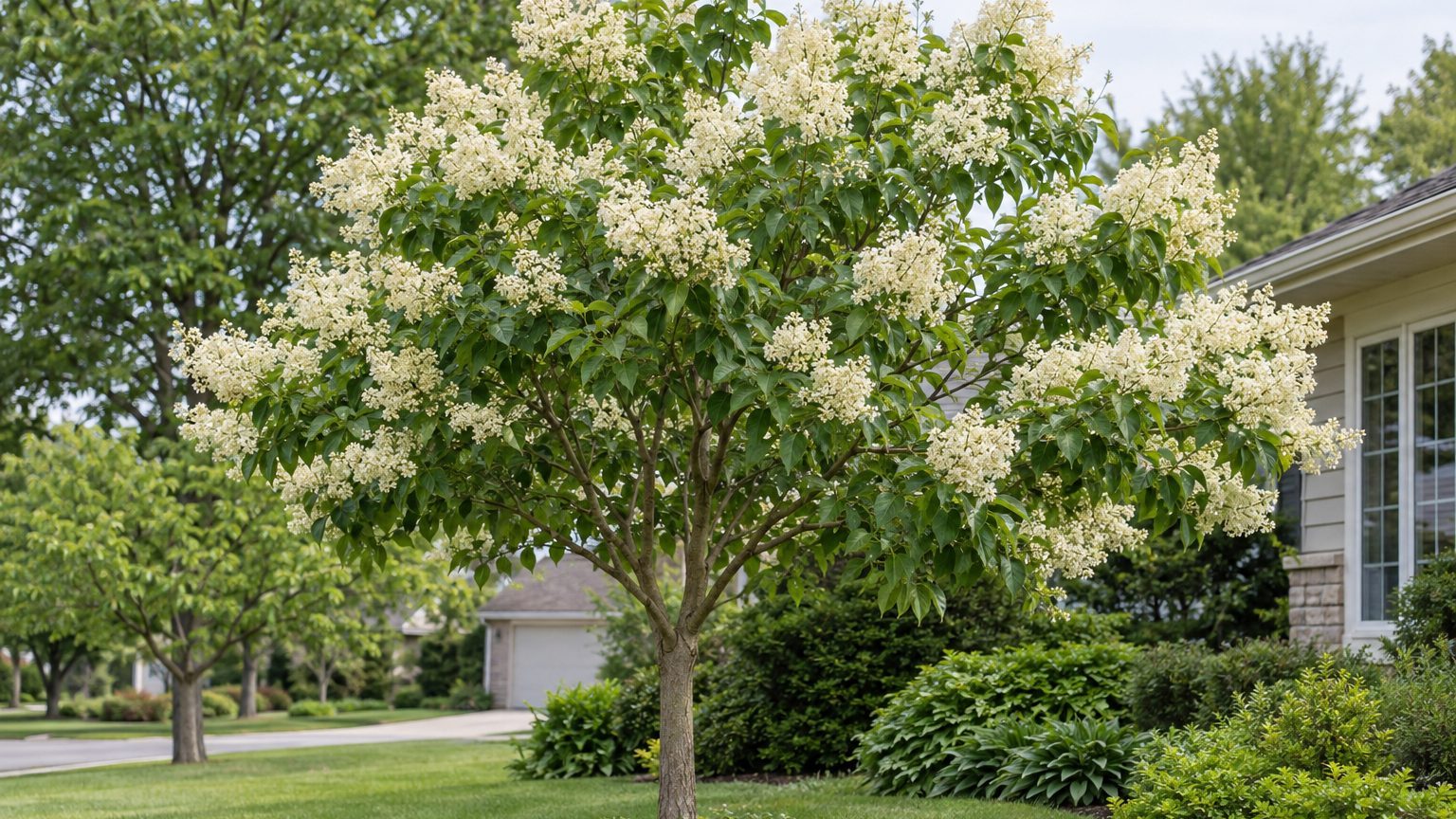
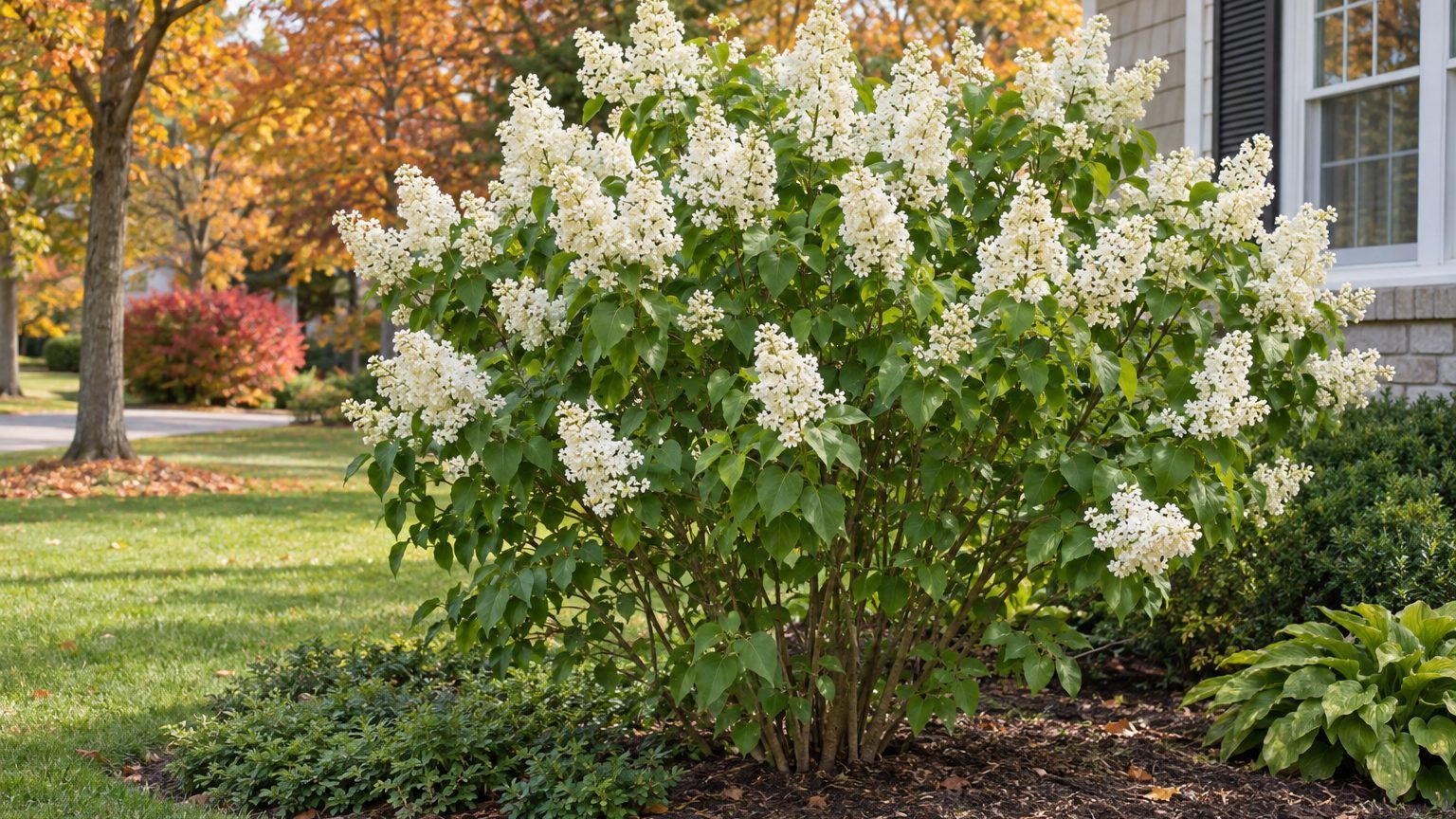
Little Boy Blue is a Japanese tree lilac, grown as a very large shrub or small tree that reaches about 20 to 30 feet tall. Plan for a canopy that spreads 20 to 25 feet, which is wider than many front yards can spare.

The huge clusters of creamy white flowers open in early summer, and they are the main ornamental feature. The color reads white to cream, with a grayish cast in some light.

Do not expect the classic lilac perfume. The scent is closer to privet than to the spring-blooming lilacs, so this plant earns its place for the show, not the fragrance.

Where Does the Little Boy Blue Lilac Grow Best?

Check the zone range on the plant tag, then look at your soil and exposure. It tolerates poor, clay or alkaline soil and the stresses of urban sites. It flowers best in full sun with good drainage. Regions where those conditions are common suit it well:

  • Gulf Coast: This lilac has high aerosol salt tolerance.
  • Cape Cod: This tree has high aerosol salt tolerance.
  • Georgia Piedmont: Heavy red clay is the usual complaint here, and this lilac accepts clay as long as water does not sit around the roots.
  • Nebraska and Kansas plains: This lilac tolerates alkaline soil.

The state selector shown just below this section takes you to the page for your own state, with timing that fits where you live.

How to Care for the Little Boy Blue Lilac Through the Year

Early Summer Bloom

Early Summer Bloom — Little Boy Blue Lilac: Size, Zones, Bloom Time and Care

The flowers arrive in early summer and put on their show briefly, so watch for them and enjoy them while they last. A tree planted in full sun with good drainage flowers most heavily, so if a young plant is thin on blooms, look first at shade from nearby trees or a wet planting spot.

After Bloom Pruning

After Bloom Pruning — Little Boy Blue Lilac: Size, Zones, Bloom Time and Care

Pruning needs are low. Prune only when the tree needs it. A heavy cut is rarely called for, and there is no need to shear it into a ball.

Summer

Drought tolerance is moderate.

Fall

Check local guidance before choosing a planting time. Pruning needs are low.

Winter

Check the tree occasionally during winter. Its aerosol salt tolerance is high.

Little Boy Blue Lilac Diseases and Weak Points

This lilac has few of the troubles that plague common lilacs, which is a big reason people choose it. It resists pests and diseases well, though that does not mean it is pest-free.

It is susceptible to verticillium wilt.

Threat How Little Boy Blue handles it
Verticillium wilt Susceptible
General pests and diseases Resistant, though not pest-free
Dry spells Moderate drought tolerance
Salt spray High tolerance

Good drainage helps the flowers look their best.

Is the Little Boy Blue Lilac Right for Your Yard?

It suits a yard with room to spare, a sunny spot and soil that drains, and it asks little in pruning. It is a poor match for a small lot, a shady corner, or anyone who wants the old-fashioned spring scent.

  • The best planting and care months depend on your climate, so check what fits your area before you buy.
  • Check the zone range on the plant tag at the nursery, then compare it with your state page before you dig.

Common Questions

How Far from the House Should You Plant a Little Boy Blue Lilac?

Measure from the trunk to the nearest wall, wire or walkway, then leave room for the full mature spread rather than the size of the nursery pot. A tree this wide crowds foundations and power lines if it goes in too close.

Can You Train a Little Boy Blue Lilac into a Single-Trunk Tree?

Yes. Ask the nursery whether the plant was trained to a single trunk.

What Does Verticillium Wilt Look Like on a Lilac?

This lilac is susceptible to verticillium wilt.

Korean Lilac: Size, Zones, Bloom Time and Care

Korean Lilac: Size, Zones, Bloom Time and Care

When a Korean lilac finishes blooming, the pruning window opens, and that timing affects next year’s flowers. This dwarf lilac responds well to lighter pruning.

What Is the Korean Lilac?

Korean lilac is a dwarf lilac, already the smallest of the lilacs, so it fits places where a common lilac would swallow the walkway.

That compact habit shapes how you treat it. Because this lilac is already the dwarfest of lilacs, lighter pruning may do the job. Check the plant tag for the mature height and spread of the plant you buy.

It begins setting buds after bloom, so pruning later may cost next year’s flowers. Its care revolves around that fact.

Where Does the Korean Lilac Grow Best?

Check the plant tag for growing requirements and the mature size of the plant you buy. Check the hardiness zone on the plant tag against your own.

The state selector just beneath this section leads to the page for your own state, where the local picture is spelled out.

How to Care for the Korean Lilac Through the Year

Bloom

Bloom — Korean Lilac: Size, Zones, Bloom Time and Care

Once the blooms fade, the plant moves straight into setting next year’s buds, so the clock for pruning starts the moment the flowers are done.

Pruning After Bloom

Prune right after the shrub flowers. Take out dead branches first, then prune up to 1/3 of the remaining branches.

Cutting later in the year removes the buds already set, and you may have no flowers the following spring. A yearly trim after bloom keeps the plant small. Because this lilac is already the dwarfest of lilacs, lighter pruning does the job better than a hard cutback.

Summer

Summer — Korean Lilac: Size, Zones, Bloom Time and Care

Leave the pruners in the shed.

Fall

Follow the plant tag for fall care.

Winter

Skip pruning after the post-bloom window, because doing it later may remove next year’s flowers.

Korean Lilac Diseases and Weak Points

If the plant develops symptoms, ask a local garden center for advice.

Is the Korean Lilac Right for Your Yard?

It suits a gardener with a small space who wants a lilac without a giant. It suits a gardener who wants a dwarf lilac and is willing to prune right after bloom.

  • You will find a shrub that fits a foundation bed or a mixed border, so check the plant tag for the mature size.
  • Check the page for your state before buying.

Open the state page for your area and match its pruning and planting months to your calendar.

Common Questions

Does a Korean Lilac Need Full Sun?

Check the plant tag for the light requirements of the plant you buy.

Can You Grow a Korean Lilac in a Pot?

Check the plant tag and ask a local garden center whether your plant is suitable for a container.

Should You Fertilize a Korean Lilac?

Follow the plant tag’s feeding guidance.

Japanese Tree Lilac: Size, Zones, Bloom Time and Care

Japanese Tree Lilac: Size, Zones, Bloom Time and Care

Long after the common lilacs have dropped their blooms, a small tree covered in creamy plumes opens in early summer. That is the Japanese tree lilac, Syringa reticulata, a very large shrub or small tree. It asks for sun, drainage and very little pruning.

What Is the Japanese Tree Lilac?

Japanese tree lilac is a deciduous tree in the olive family, native to Japan. It drops its leaves each fall and regrows them in spring. In a yard it reaches up to 30 feet tall, and it can spread to 20 feet wide, so it needs more room than the name “lilac” suggests.

The flowers come in large clusters of creamy white, sometimes shading toward gray, from May to June. The scent is the surprise. Its fragrance is more suggestive of privet than of a spring-blooming lilac.

Up close, the trunk carries small, visible slits called lenticels. They work as pores that let the tree exchange oxygen and carbon dioxide.

Where Does the Japanese Tree Lilac Grow Best?

Japanese tree lilac does best where it gets full sun, good drainage and steady moisture, and it handles city conditions, including poor, clay or alkaline soil.

  • Upper Midwest (Minnesota, Wisconsin, Michigan): Full sun with good drainage brings the most showy and prolific flowers.
  • Northeast (New York, Pennsylvania, Massachusetts): Partial shade can invite powdery mildew.
  • Gulf Coast (Louisiana, Mississippi, Texas): Regular irrigation during dry spells helps the tree resist pests.

The state selector just below this section takes you to the page for your own state, where the local timing and conditions are laid out.

How to Care for the Japanese Tree Lilac Through the Year

Bloom

Bloom — Japanese Tree Lilac: Size, Zones, Bloom Time and Care

Flowering runs from May to June, and it is at its showiest on trees in full sun with good drainage. Hummingbirds and butterflies visit the flowers.

Pruning After Bloom

Little pruning is required, which is a relief compared with shrub lilacs.

If you grow the plant as a multi-stem shrub, plan on rejuvenation pruning every few years once it becomes overgrown.

Summer

Established trees have moderate drought tolerance, and regular irrigation during dry spells helps the tree resist pests.

Fall

The tree drops its leaves each fall. The tree is mildly invasive and has the potential to spread.

Winter

Bare branches make the trunk’s visible lenticels easy to see.

Japanese Tree Lilac Diseases and Weak Points

This lilac is resistant to pests and diseases, and it is perhaps the most pest-resistant lilac, though that does not make it pest-free.

Threat How Japanese Tree handles it
Pests and diseases in general Resistant, though not pest-free
Powdery mildew Can infect trees in partial shade and cause some leaf loss
Dry spells Moderate drought tolerance, and regular irrigation helps keep it resistant
Poor, clay or alkaline soil Tolerates it, as well as urban conditions

Trees in partial shade can develop powdery mildew and lose some leaves.

Is the Japanese Tree Lilac Right for Your Yard?

It suits a sunny yard with room for a tree that can reach 30 feet. It is a poor match for a small, shady corner or a spot where a scented, spring-blooming lilac is what you want.

  • Choose it if you want a low-pruning flowering tree for clay or alkaline soil, planted in a sunny spot with space on all sides.
  • Skip it if your lot is tight, shady or under power lines, where a 20-foot spread will become a problem.
  • Plan the planting with your own state’s page, which gives the local timing for getting a young tree in the ground.

Common Questions

Do You Need Two Japanese Tree Lilacs to Get Flowers?

No. Each flower has both male and female parts, so a single tree can pollinate itself with the help of pollinators. A second tree is not required for blooms.

Will It Attract Hummingbirds and Butterflies?

Yes. The strong perfume of the flowers draws both, and as they feed on nectar they carry pollen from flower to flower.

How Long Does a Japanese Tree Lilac Live?

It lives about 50 years.

James Macfarlane Lilac: Size, Zones, Bloom Time and Care

James Macfarlane Lilac: Size, Zones, Bloom Time and Care

A lilac covered in pink panicles in the middle of June makes a memorable sight. James Macfarlane is a Preston lilac that gives that late show and handles cold well. It suits a homeowner who has room for a tall, upright shrub.

What Is the James Macfarlane Lilac?

James Macfarlane belongs to the Canadian or Preston lilacs, Syringa x prestoniae. These are very hardy hybrids between Late Lilac (Syringa villosa) and Nodding Lilac (Syringa reflexa), and the cold tolerance of those parents shows in how the group behaves through hard winters.

The shrub is deciduous and upright, reaching 8-10 ft tall and 6-8 ft wide. That is a full-sized lilac, so it needs real room rather than a spot beside a doorway.

Rosy-purple buds open to single pink flowers, carried in large pyramidal clusters called panicles. The fragrance is mild.

Where Does the James Macfarlane Lilac Grow Best?

As a very hardy Preston lilac, this one is suited to cold winters.

  • Cold-winter yards: The very hardy Preston lilac is built for cold conditions.
  • Cold climates: Hardiness is one of this lilac’s defining traits. Flowers open in the second or third week in June.
  • Give this upright, full-sized shrub room to reach its mature size.

The state selector just under this section leads to the page for your state, with local timing for planting and care.

How to Care for the James Macfarlane Lilac Through the Year

Bloom

Bloom — James Macfarlane Lilac: Size, Zones, Bloom Time and Care

Flowers usually open the second or third week in June.

Pruning

Check your state page before pruning.

Summer

Use your state page to guide summer care.

Fall

Check your state page for the local planting window.

Winter

James Macfarlane is a very hardy Preston lilac.

James Macfarlane Lilac Diseases and Weak Points

This variety has excellent resistance to powdery mildew.

James Macfarlane is also very hardy.

Threat How James Macfarlane handles it
Powdery mildew Excellent resistance
Hard winter cold Very hardy, as a Preston lilac

Is the James Macfarlane Lilac Right for Your Yard?

It fits a yard with room for an upright shrub that reaches its full mature size. It does not fit a small bed or a tight side yard.

  • Choose a spot where its mature width will not crowd nearby plants.
  • Pick another shrub if you want fragrance that carries across the yard, since the scent here is mild.
  • Open the state page for local planting and pruning guidance.

Common Questions

How Does James Macfarlane Differ from Miss Canada Lilac?

Both are Preston lilacs and usually bloom in the same stretch of June. The pink flowers of Miss Canada are more vibrant, while James Macfarlane has a softer pink.

Where Should You Plant a James Macfarlane Lilac?

Choose a spot with room for its mature width. Keep it far enough from walls, walks and other plants that the branches do not crowd.

Can You Grow James Macfarlane Lilac as a Hedge?

Check local guidance before using it as a hedge.

Ivory Silk Lilac: Size, Zones, Bloom Time and Care

Ivory Silk Lilac: Size, Zones, Bloom Time and Care

A tree lilac in bloom is dressed in creamy white flowers, and Ivory Silk has a compact, upright form. It is a Japanese tree lilac that grows in USDA hardiness zones 3 to 6.

What Is the Ivory Silk Lilac?

Ivory Silk is a cultivar of Syringa reticulata, the Japanese tree lilac. It grows as a tree with an upright, oval habit and a compact, dense form.

The flowers are creamy white and appear in large numbers. Some people find their scent heavy and unpleasant, closer to privet than to old-fashioned lilac, so it is worth sniffing a blooming tree before you plant one by a window or patio.

For the mature height and spread, check the plant tag at the nursery, since sizes vary a little with growing conditions.

Where Does the Ivory Silk Lilac Grow Best?

Ivory Silk is hardy in USDA zones 3 to 6. The state selector just below this section takes you to the page for your own state.

  • Upper Midwest: a hard winter does not trouble a tree rated down to zone 3.
  • New England and the Northeast: cooler hills suit it.
  • Ohio Valley and Mid-Atlantic: a spot with morning sun and decent air movement helps.
  • Deep South and Gulf Coast: long heat and humidity with too little winter chill make the tree a poor bet.

The tree adapts to a wide range of soils and environments.

How to Care for the Ivory Silk Lilac Through the Year

Bloom

Bloom — Ivory Silk Lilac: Size, Zones, Bloom Time and Care

Flowers come in alternate years on this cultivar, so a quiet season is normal and not a sign that something is wrong.

Pruning

A tree that has grown tired or ragged can be cut to the ground to rejuvenate it completely.

Summer

Fall

Winter

The tree is hardy in zones 3 to 6.

Ivory Silk Lilac Diseases and Weak Points

Ivory Silk is a tough tree with a few habits worth knowing. Most of them are about timing and age rather than pests, and each has a simple answer in the yard.

Threat How Ivory Silk handles it
Winter cold Hardy in zones 3 to 6,
Off years for flowers Blooms in alternate years, so a quiet season is part of its pattern
Old, overgrown wood Can be cut to the ground to rejuvenate it completely

Is the Ivory Silk Lilac Right for Your Yard?

It suits a yard with room for an upright, oval tree in USDA hardiness zones 3 to 6. It is a poor match for anyone who dislikes the scent of privet.

  • Check the state page for your area to see the planting window and the pruning months that fit your climate.
  • Walk by a tree lilac in bloom at a local park or garden center before you buy, and decide whether you can live with the fragrance.
  • Pick a spot with open sun and room for the canopy, then mark it and plan to plant in fall.

Common Questions

Will Ivory Silk Lilac Bloom When It Is Young?

Yes. It has a compact, dense form that produces a large amount of flowers even at a young age, which is one reason it is widely planted.

Can You Plant Ivory Silk Lilac in a Difficult Spot?

It adapts to a wide range of soils and environments, so it can work in awkward places where fussier trees fail. Keep the tree inside its hardiness range.

What Does the Bark of Ivory Silk Lilac Look Like?

The bark is cherry-like and mahogany colored, which sets it apart from other lilacs. The color is easy to enjoy in winter, when the branches are bare.

Hyacinthiflora Lilac: Size, Zones, Bloom Time and Care

Hyacinthiflora Lilac: Size, Zones, Bloom Time and Care

When the first lilac fragrance drifts across a spring yard, before the neighbors’ shrubs have opened a single bud, the plant is often a Hyacinthiflora. This early-blooming hybrid group suits cold-winter yards, and it asks for a few specific things: full sun, a spot that May frosts tend to skip, and a light hand with the pruners.

What Is the Hyacinthiflora Lilac?

Hyacinthiflora lilacs, listed as Syringa x hyacinthiflora, are hybrids between early lilac (S. oblata) and common lilac (S. vulgaris). They belong to the olive family, and the flower clusters resemble hyacinth blooms, which is where the name comes from. The look is close to a French hybrid, but the plant is more vigorous.

Many grow 10 to 12 feet tall, though dwarf forms are available. Flowers can be single or double, in a wide range of colors. Their early opening sets them apart from the lilacs most neighbors grow.

Named cultivars give a sense of the color range:

  • ‘Assessippi’ bears lavender flowers.
  • ‘Maiden’s Blush’ bears pink flowers.
  • ‘Pocahantas’ bears violet flowers.

Where Does the Hyacinthiflora Lilac Grow Best?

Hyacinthiflora lilacs thrive in Zones 3 through 7, where cool winters let the buds mature into spring flowers. Spring frost can catch the early blooms.

  • Upper Midwest: Cold-winter yards can suit these lilacs, but their early flowers remain vulnerable to late frost. Late frost after an early opening is the risk to watch.
  • Northern Rockies: Montana yards suit the shrub’s hardiness down to Zone 3b. Skip any spot where frost often arrives in May, because the early flowers would be caught.
  • Mid-Atlantic and the Upland South: Zone 7 is the warm edge of the stated range. A few cultivars with a low chill requirement handle warmer zones better.
  • Gulf Coast: Most Hyacinthiflora lilacs need cooler temperatures for their buds to mature into spring blooms.

The state selector just below this section leads to the page for your own state.

How to Care for the Hyacinthiflora Lilac Through the Year

Bloom

Bloom — Hyacinthiflora Lilac: Size, Zones, Bloom Time and Care

Flowers open up to ten days before common lilac, so this shrub often announces spring in your yard first. Full sun increases flowering. Open flowers are vulnerable to May frost.

Pruning

Cutting hard is a mistake, because drastic pruning can delay flowering for a few years.

Summer

Summer is mostly a quiet season. Go easy on fertilizer, because over-fertilization leads to fewer blooms.

Fall

This lilac does poorly in acidic ground.

Winter

Winter cold is part of the plant’s yearly rhythm. The shrub is very hardy, and the chill is what allows the buds to mature for spring. Gardeners at the warm end of the range should look for a low-chill cultivar.

Hyacinthiflora Lilac Diseases and Weak Points

Hyacinthiflora lilacs are highly resistant to powdery mildew.

Threat How Hyacinthiflora handles it
Powdery mildew Highly resistant, unlike many other lilac varieties
May frost Early flowers are vulnerable, so plant where May frosts are less frequent
Acidic soil Does not do well, so test the soil and adjust if needed

Over-fertilizing and heavy pruning are weak points of a different kind, since both cut into flowering, so a gentle hand serves this shrub best.

Is the Hyacinthiflora Lilac Right for Your Yard?

This lilac suits a sunny spot with room for a big shrub and a yard where May frosts are less frequent. It is a poor match for hot, mild-winter regions or for gardeners who like to prune hard every year.

  • If you have a roomy, sunny corner in a cold-winter state, a Hyacinthiflora will give you flowers ahead of the neighbors’ lilacs.
  • If space is tight, look for a dwarf cultivar and check the plant tag for the mature size.
  • Before buying, open the page for your own state on this site, then choose a planting spot where May frosts are less frequent.

Common Questions

Are Hyacinthiflora Lilac Flowers Single or Double?

Both forms exist, and the color range is wide. Check the plant tag or nursery description for the cultivar you want, because the flower type varies from one to the next.

Why Is It Called Hyacinthiflora?

The name points to the resemblance between the flower and a hyacinth bloom. The group was first grown by Lemoine in France in 1876, from a cross of early lilac and common lilac.

How Tall Does a Hyacinthiflora Lilac Get?

Many reach 10 to 12 feet tall, so give them room away from walls and walkways. Dwarf cultivars are available for smaller spaces.

The almanac, state by state. Every date on this site comes from a state’s own frost facts and its extension service’s calendar — and says where it comes from.