Skip to content

When Do Lilacs Bloom in Georgia? Dates and Care

When Do Lilacs Bloom in Georgia? Dates and Care

A lilac in bloom is easy to spot in spring, with fragrant flower clusters brightening the yard. In Georgia the shrub is a harder bet than in colder states. The bloom follows the local spring, while mild winters and hot, humid summers can leave a lilac flowering poorly.

When Do Lilacs Bloom in Georgia?

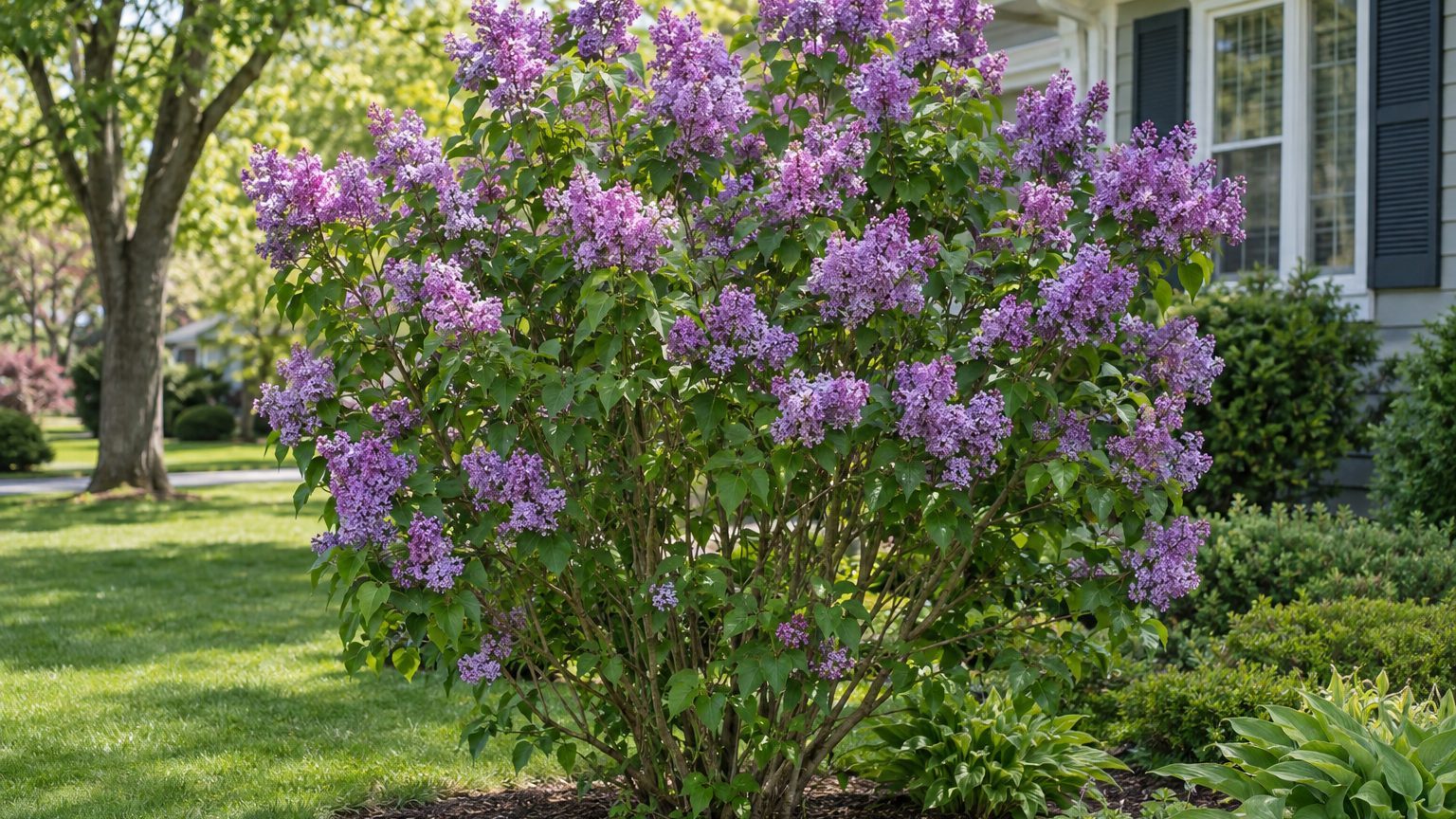
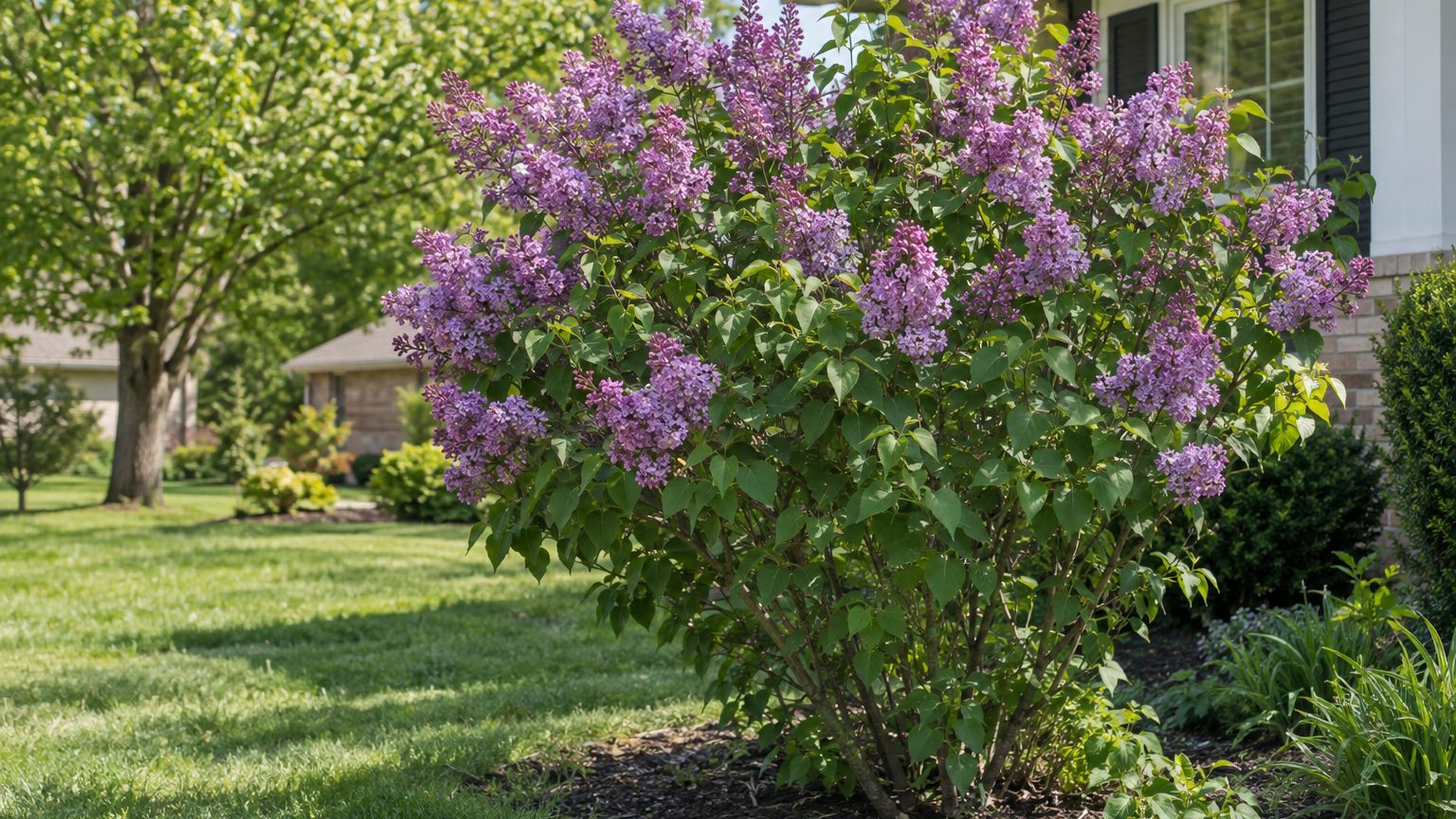
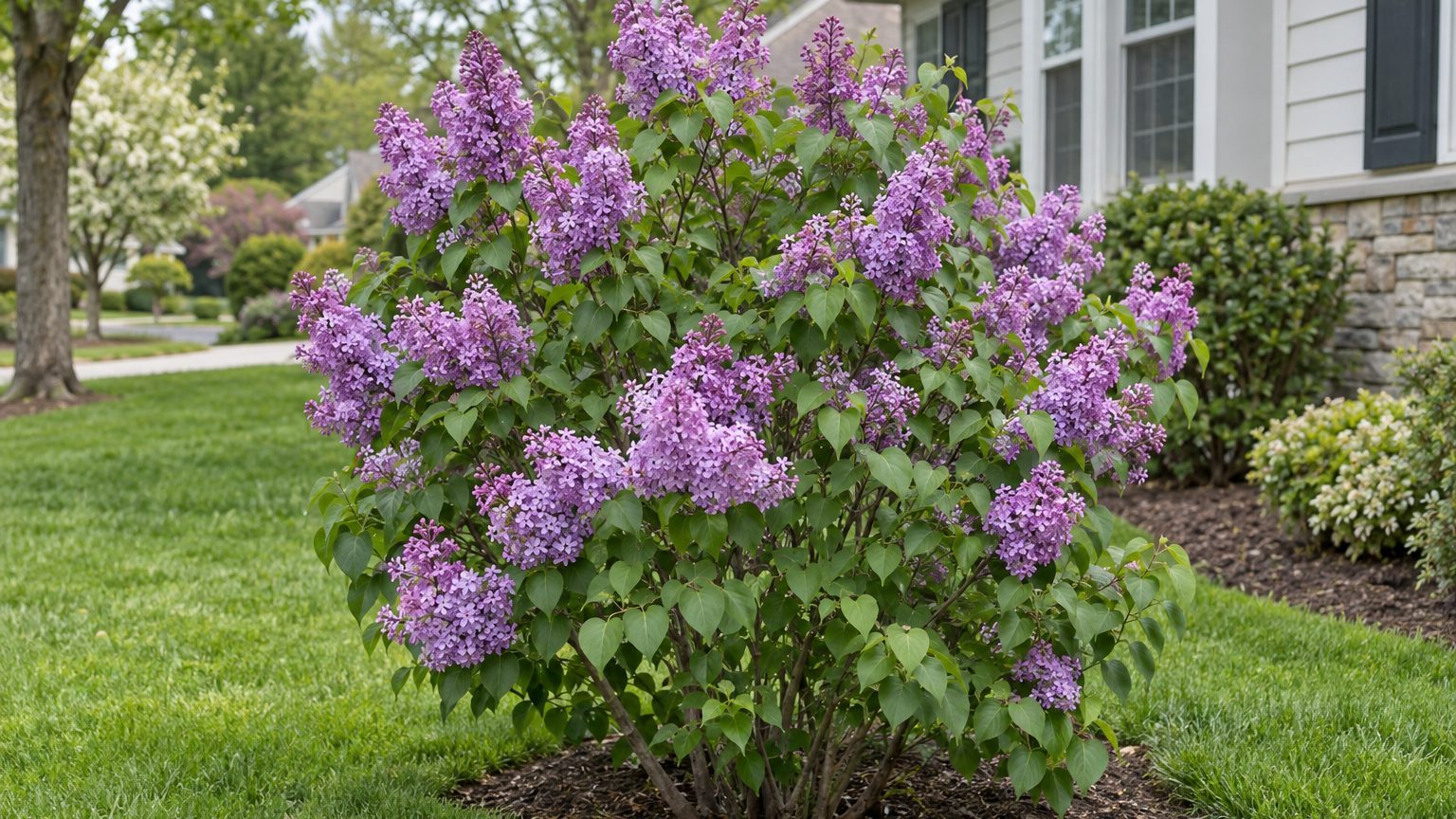
A lilac bush in bloom in a home garden

Lilacs in Georgia flower with the local spring, and because they want a cold winter rest, they may bloom poorly here. The year of a lilac looks like this.

  • In spring, once the weather turns reliably warm, the flower clusters open on last year’s wood. Southern-bred types open early and are less fragrant than common lilacs from colder climates.
  • Right after the last flowers fade, prune if the shrub needs shaping. Prune right after the flowers fade, because cutting later removes next year’s blooms.
  • Through summer, the shrub sets next spring’s flower buds on fresh growth. Heat and humidity often bring powdery mildew on the leaves during these months.
  • In fall, the shrub slows down and drops its leaves. Leave it uncut, since the buds are already formed.
  • In winter, the lilac rests, and that cold rest is what matures the buds for the next bloom.

In Atlanta, the last spring freeze falls between March 11 and March 29, so a late cold snap can still nip open buds. The first fall freeze there falls between November 13 and December 1. USDA hardiness zones across Georgia span 6a-9b, a range based on the average annual extreme minimum temperature.

Which Lilacs Grow Best in Georgia?

Common lilacs struggle here. They need a pronounced winter chill and do best in cold-winter climates, while Georgia summers bring the heat and humidity that invite powdery mildew. Lilacs can still grow in Georgia if you pick the right kind.

Your best bet is a lilac bred for warm regions, usually sold as a Southern lilac or a lilac for the South.

Lilac type How it does in Georgia Why
Common lilac (Syringa vulgaris) Struggles, with mildew and weak bloom Needs a cold rest and dislikes high heat and humidity
Southern lilacs Usually grow and bloom Early-blooming types suited to the South, though less fragrant
Low-chill cultivars Better than common lilac, still best with winter cold Bred to bloom with less chilling, yet they prefer a long cold rest

Descanso hybrids are also worth a trial in a warm climate. Among them are the white ‘Angel White’ and the blue ‘Blue Boy’.

When to Plant, Prune and Feed Lilacs in Georgia

Pruning has a clear timing sign here, and it follows the flowers rather than the calendar. Cut at the wrong moment and you remove next spring’s bloom before it opens.

Task Best timing in Georgia Why then
Prune Right after the last flowers fade Next year’s buds form in summer, soon after flowering
Hold the pruners Late summer, fall and winter Cutting then removes the flower buds already set on the wood
Check leaves for mildew During spells of high heat and humidity Warm, damp weather is when the white coating takes hold

For planting and feeding, use local advice suited to your soil and Georgia’s varied climate. Cuts in detail, including how much to remove, are covered on the page When to Prune Lilacs in Georgia.

How Lilac Bloom Time Changes Across Georgia

Georgia stretches from mountains to coast, and the amount of winter cold changes how a lilac behaves along the way.

  • North Georgia mountains: Winters are colder and freezes arrive earlier in fall. Lilacs here need a cold winter rest and may flower poorly.
  • Atlanta: The city is a heat island, so winters run milder than in the surrounding countryside. The bud chill is thinner than in the hills.
  • Coastal plain: Winters are milder still, so lilacs get little cold rest and often flower poorly. Southern lilacs are the sensible choice there.

The farther south you garden, the more a lilac depends on a low-chill type.

Where to Get Lilac Advice in Georgia

A lilac that sulks is easier to sort out with local eyes on it. University of Georgia Extension is a starting point for local lilac advice.

  • Ask for local help if mildew or another leaf problem appears.
  • Ask whether a soil test would help before you plant or feed.
  • Go once the flowers have faded, and ask which Southern lilacs do well in your county before you buy one.

Common Questions

Why Do Lilac Leaves Turn White in Georgia?

Powdery mildew can become a problem during high heat and humidity.

Will Lilacs in Georgia Smell as Sweet as Northern Ones?

Usually not. Southern lilacs grow and bloom well enough, but they are not as fragrant as the common lilacs people remember from colder places. Planting one near a patio or window brings what scent there is closer to you.

Can You Rely on a Lilac Sold as Heat Tolerant?

Treat the claim with caution. Many cultivars are sold as heat tolerant, yet they often do not thrive in warm, humid climates the way they do farther north. A lilac bred as a Southern or low-chill type is a safer buy.
When Do Lilacs Bloom in Florida? Dates and Care

When Do Lilacs Bloom in Florida? Dates and Care

A Florida lilac often leafs out beautifully in spring without setting a flower cluster. The shrub is not sick. It is missing the cold that lilacs count on.

When Do Lilacs Bloom in Florida?

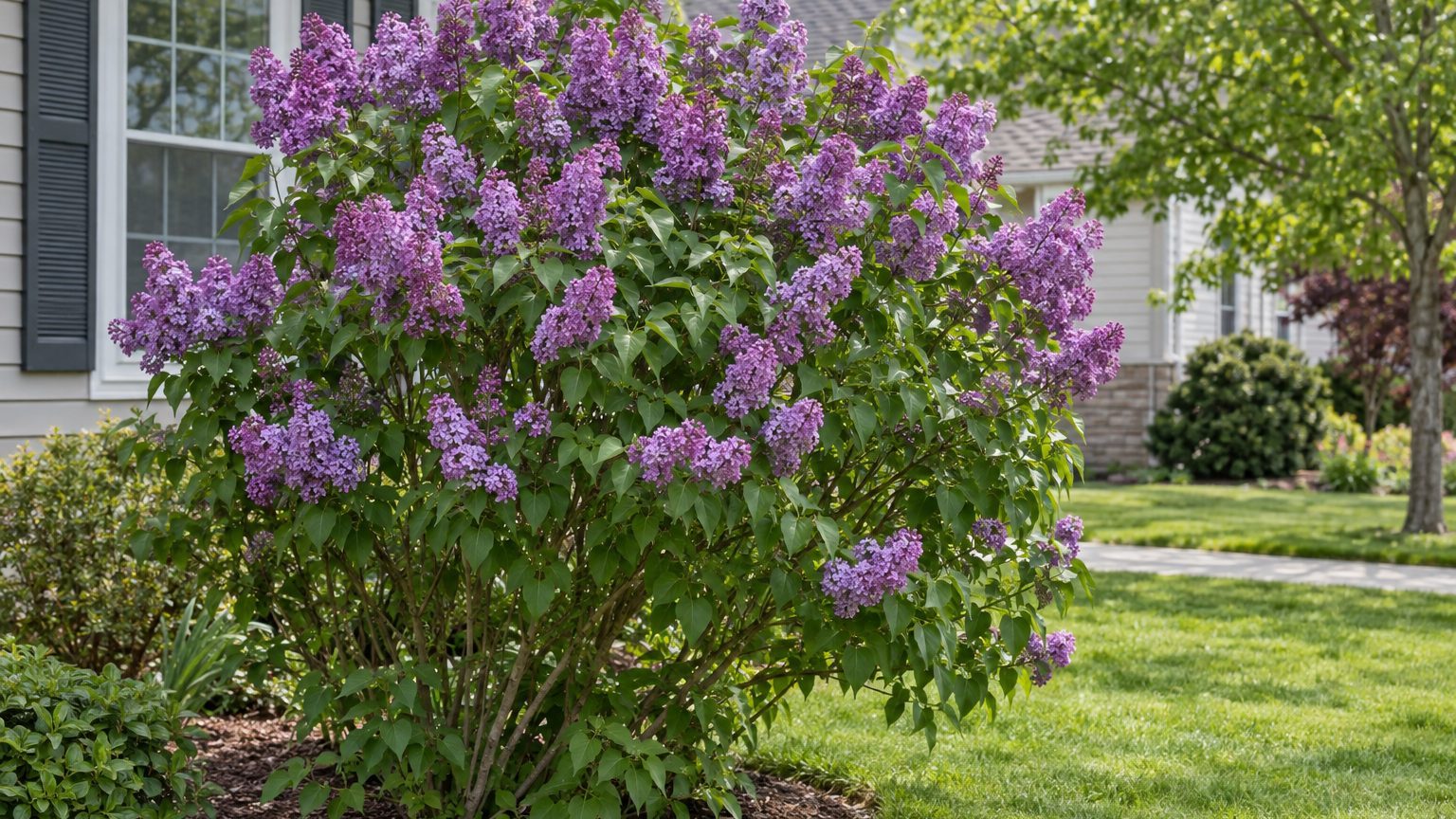
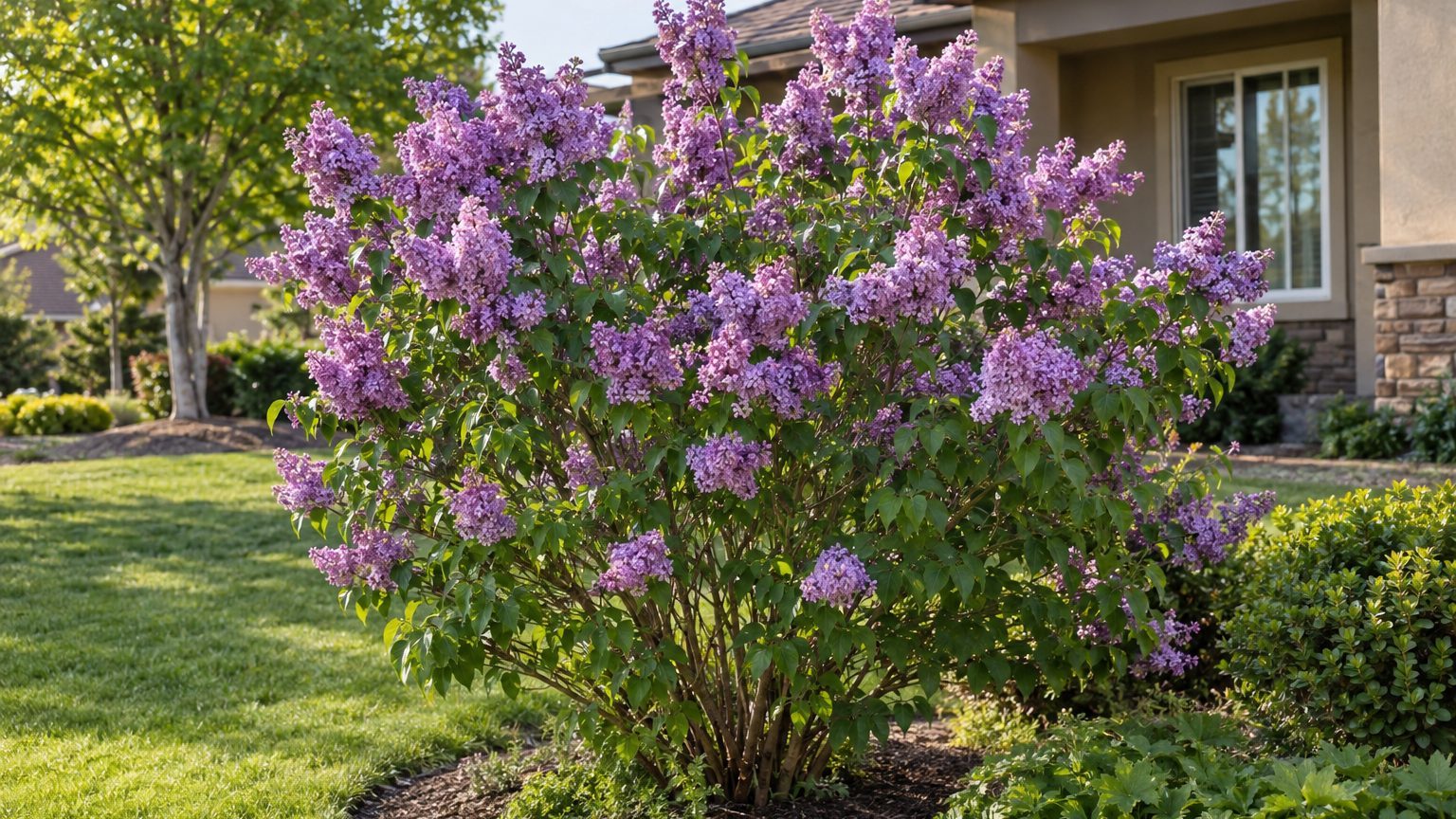
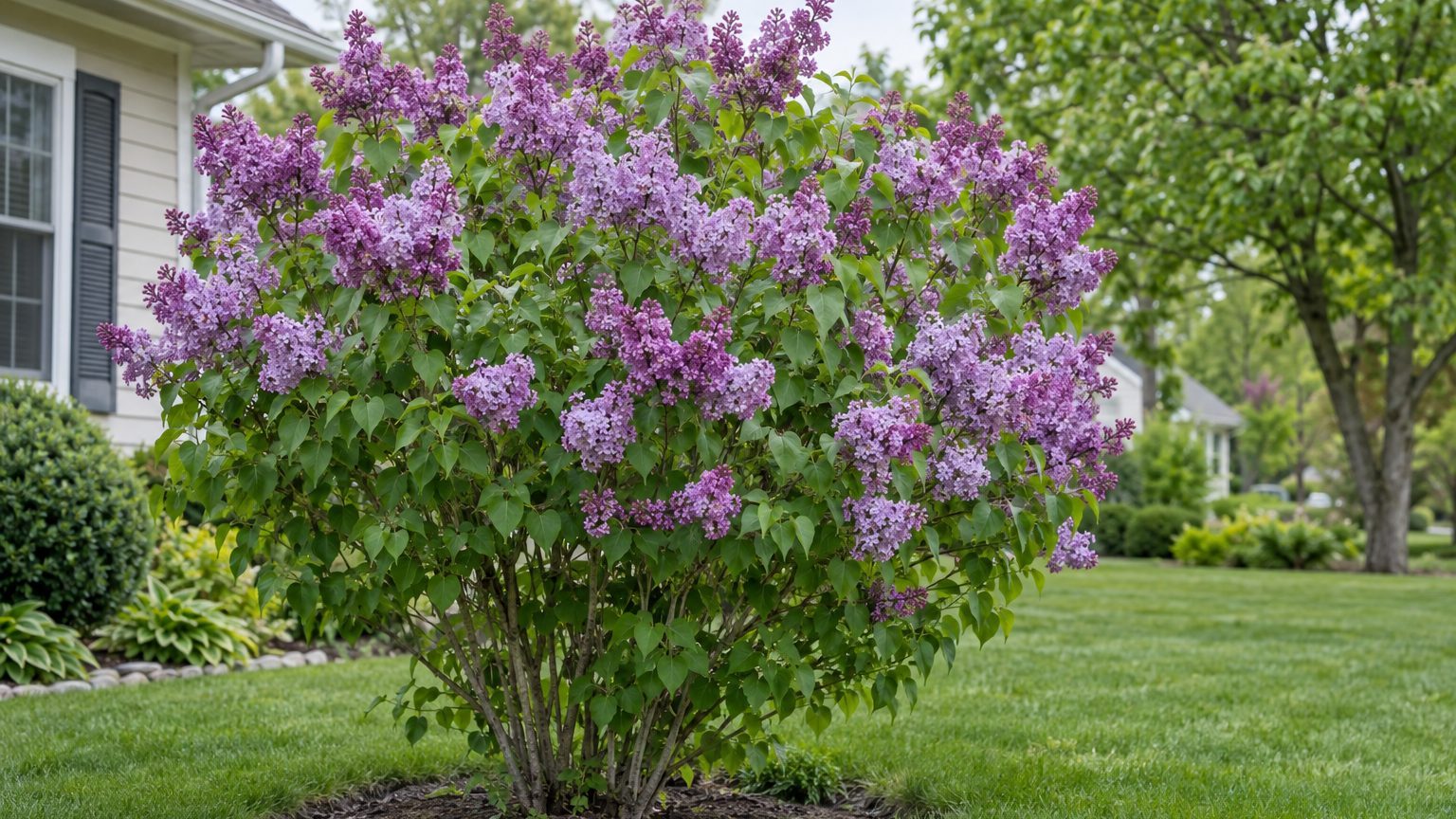
A lilac bush in bloom in a home garden

Lilacs in Florida bloom poorly or not at all where winters stay mild, because the flower buds need a cold rest to mature, so any bloom you do get follows the local spring. Here is how the year runs for a lilac that does flower.

  • In spring, the bloom arrives with the local warm-up, and it is lighter and shorter than a lilac would give in a cold-winter climate. In Jacksonville, the last spring freeze falls between February 16 and March 7, so an early cluster can still meet a cold snap.
  • Right after the last flowers fade, pruning is due, while the shrub is still setting its next round of buds. Waiting past that point trims off next year’s flowers.
  • Through summer, the buds for next spring form on the new growth. Heat and humidity make this the hard stretch, and powdery mildew tends to show up on the leaves.
  • In fall, the shrub slows down and the leaves tire. In Jacksonville, the first freeze arrives between November 26 and December 13, and in central and south Florida it may never come.
  • In winter, the buds need a stretch of real cold to finish maturing. Mild Florida winters often cut that rest short, and that is why flowering falls off.

Those frost dates describe north Florida, using Jacksonville as the reference city, while central and south Florida are effectively frost-free and the growing calendar there runs differently, with winter as the easy season and summer as the hard one. Florida spans USDA hardiness zones 8b-11b, and only the coolest end of that range gives a lilac a fair chance.

Which Lilacs Grow Best in Florida?

Lilacs struggle in Florida. Common lilacs want a pronounced winter chill and suffer through periods of high heat and humidity, which invites powdery mildew. Even cultivars sold as heat tolerant often fail to thrive in warm, humid regions.

If you want to try one, look for low-chill selections, early-blooming types sold as Southern lilacs, and the Descanso hybrids. They give you a chance, not a promise.

Lilac type How it does in Florida Why
Common lilac (Syringa vulgaris) Struggles, flowers poorly or not at all Needs a cold winter rest and dislikes hot, humid summers
Low-chill cultivars Better odds than common lilac, still not dependable Bred to bloom with less cold, though they do best with an extended winter rest
Southern lilacs (also labeled lilacs for the South) Usually grow and bloom Early-blooming types suited to warmer winters
Descanso hybrids such as ‘Angel White’ and ‘Blue Boy’ Worth trying in a warm climate Some varieties bloom with only a little winter chilling

Southern lilacs are not as fragrant as the lilacs you may remember from colder places, so expect a softer scent along with the easier bloom. Plant in a spot with good air movement to cut down on mildew.

When to Plant, Prune and Feed Lilacs in Florida

Pruning timing matters because a late cut removes the buds for the following spring. A lilac blooms on last year’s wood and sets next year’s flower buds in summer, soon after it flowers, so the signs in the shrub set the schedule more than the calendar does.

For a full walk-through of the cut itself, see the page on when to prune lilacs in Florida.

Task Best timing in Florida Why then
Pruning Right after the last flowers fade Next year’s buds form soon after bloom, so early cuts leave them intact
Cutting back Hold off in late summer, fall and winter Those cuts remove the buds that would open the following spring
Mildew watch During hot, humid spells Heat and humidity bring on powdery mildew, so check the leaves then

Planting and feeding follow the plant more than a fixed date. Choose a low-chill or Southern type, since common lilacs often struggle in Florida; ask your county extension office about feeding.

How Lilac Bloom Time Changes Across Florida

Bloom depends far more on how much winter cold a spot gets than on the date, and Florida runs from occasional freezes in the north to frost-free yards in the south.

  • North Florida and the Panhandle: Colder winters may give lilacs more of the rest their buds need. Bloom follows the local spring, though a late cold snap can still catch open clusters.
  • Central Florida: Frost is rare, so buds seldom get the rest they need. Lilacs here often leaf out and skip the flowers, and the hot, humid summer is the hard part of the year.
  • South Florida: Winters are warm enough that a lilac gets almost no chilling, and flowering is not something to count on.

Because local conditions differ, check the winter chill in your own yard.

Where to Get Lilac Advice in Florida

A lilac that will not bloom is a local puzzle, and the answer depends on your soil and your microclimate. UF/IFAS Extension runs an office in every county.

  • Your county extension office may be able to help identify a problem from a leaf sample or photo.
  • A soil test through the county office shows what your yard actually holds before you add anything, and it is worth doing before you plant.
  • Staff and master gardeners can suggest which low-chill or Southern lilac suits your part of the state, so ask before you buy.

Common Questions

Do Southern Lilacs Smell Like Regular Lilacs?

They carry a lighter scent. Southern lilacs usually grow and bloom in warm climates, but they are not as fragrant as the common lilacs that do well in cold winters.

Is a Lilac Sold as Heat Tolerant Safe to Buy in Florida?

A heat-tolerance label is no guarantee. Many cultivars sold that way still fail to thrive where summers are hot and humid, so treat the label as a hint and ask your county extension office which selections have worked locally.

What Does Powdery Mildew Look Like on a Lilac?

Powdery mildew can affect lilac leaves during hot, humid weather. Ask your county extension office to identify leaf symptoms rather than assuming they are powdery mildew.

When Do Lilacs Bloom in Delaware? Dates and Care

When Do Lilacs Bloom in Delaware? Dates and Care

A lilac in a Delaware yard announces itself by scent before you see the flowers, usually as the weather settles into spring. Lilacs in a Delaware yard open on a fairly predictable schedule, and the kinds that suit the state’s winters and summers, along with the yearly jobs that protect next year’s blooms, make the difference between a few flowers and a full show.

When Do Lilacs Bloom in Delaware?

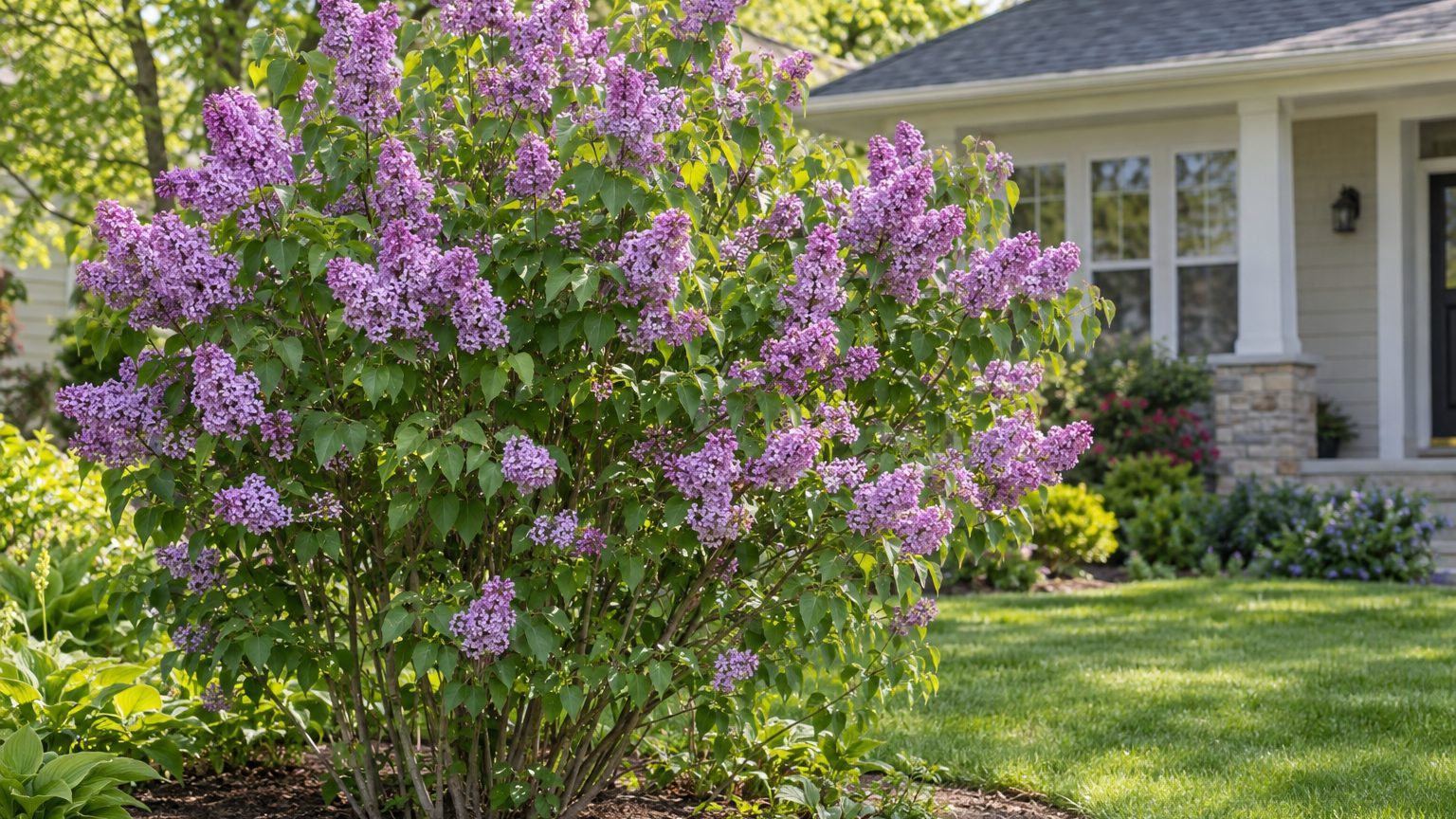
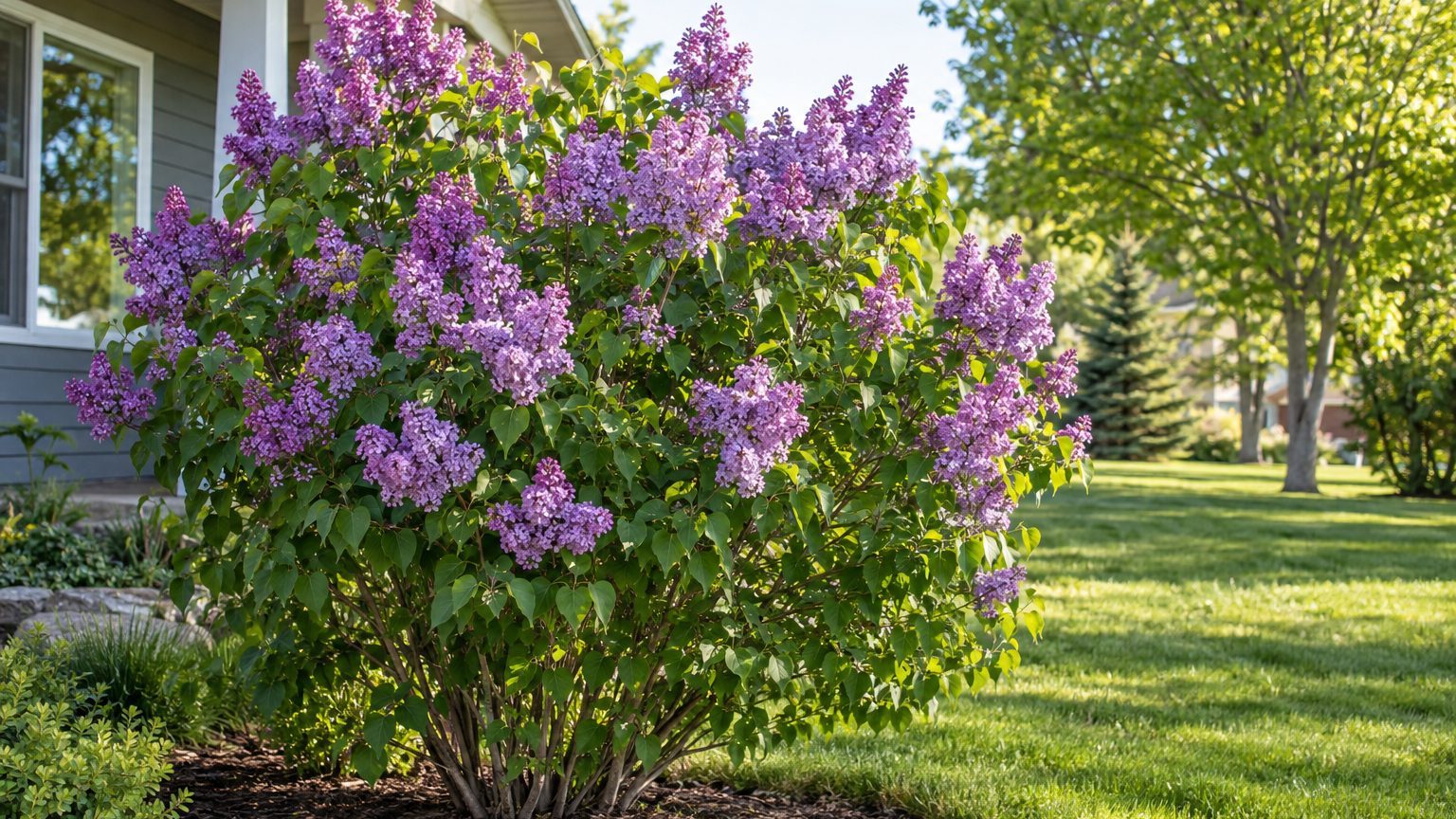
A lilac bush in bloom in a home garden

Lilacs in Delaware bloom in April and May, and some species carry on into June. The rest of the year follows from that bloom, since the shrub builds next spring’s flowers soon after this spring’s fade.

  • In April and May, the clusters open and the fragrance peaks, with later species stretching the show into June.
  • In May and June, right after the flowers fade, is the time to prune, before the shrub sets its next buds.
  • Through summer, the plant forms the buds that will open the following spring, so cutting it back then removes those flowers.
  • In winter, the shrub rests in the cold, and that chill is what lets the buds mature and open fully.
  • In March and April, an overgrown lilac can take a hard cut-back while dormant, at the price of the next flowers.

For frost, the reference city sees its last spring freeze between April 3 and April 14, and its first fall freeze between October 26 and November 7. Suburban and rural yards usually freeze later in spring and earlier in fall, so check your own county. Delaware sits in USDA zones 7a to 8a.

Which Lilacs Grow Best in Delaware?

Lilacs can grow in Delaware, but the state is at the warm edge of their range. Flower buds need a period of winter chill to develop, and hot, humid summers make the shrubs struggle. Expect more reliable flowering from common lilac after a cold winter, and less reliable flowering after warm winters.

Choosing species with different flowering times spreads the display from April into June.

Lilac type How it does in Delaware Why
Common lilac (Syringa vulgaris) Grows, but flowers best after a properly cold winter Its flower buds need winter chill to develop and bloom fully
Mixed species with different bloom times A longer show, from April into June Each species has its own flowering time

Too little winter chill leads to fewer flowers. Give the shrub full sun and a spot where the summer foliage can fade into the background once the bloom ends.

When to Plant, Prune and Feed Lilacs in Delaware

Pruning timing matters because a late cut removes the buds for the following spring. A lilac blooms on last year’s wood and sets next year’s buds in summer, soon after it flowers, so pruning in late summer, fall or winter cuts off the next spring’s flowers.

For planting and feeding, ask your county extension office about timing for your yard.

Task Best timing in Delaware Why then
Enjoy the bloom April and May, into June for some species Each species opens on its own schedule
Routine pruning May and June, right after the flowers fade Next year’s buds have not yet formed
Hard renovation cut March and April, while the plant is dormant Old, crowded stems come out, but flowering pauses
Feeding Ask your county extension office about timing Local guidance can account for your shrub and site

An overgrown lilac can be cut back hard in late winter, but it will not flower for a few years afterward. Thinning the oldest, thickest stems gradually costs far fewer blooms. Deeper pruning detail lives on the Delaware page on when to prune lilacs.

How Lilac Bloom Time Changes Across Delaware

Delaware is a small state, but the weather still shifts from top to bottom and from the water inland.

  • New Castle County and Wilmington: Lilac flowering depends on whether the buds receive enough winter chill.
  • Dover and central Delaware: Let the shrub’s own bloom show when spring growth is under way.
  • Sussex County and the Delaware beaches: The south is warmer, so buds get less winter chill and spring opens earlier.

Within any yard, local conditions can affect bloom timing, so check the shrub itself rather than relying on a statewide date.

Where to Get Lilac Advice in Delaware

When a lilac refuses to bloom or the leaves look wrong, local help can sort out the cause. University of Delaware Cooperative Extension serves homeowners in every county.

  • Your county extension office may be able to help identify a problem from a leaf or stem sample.
  • Ask the extension office whether a soil test would help before planting or feeding.
  • Ask your county extension office about bloom failure.

Common Questions

Why Is My Lilac Not Blooming in Delaware?

Look at when the shrub was last pruned and how much sun it gets. Pruning after summer removes the buds, and heavy shade also reduces flowering. A mild winter can leave buds without enough chill.

Do Lilacs Smell Strongest at a Certain Time?

Fragrance accompanies freshly opened clusters. That happens in April and May for most lilacs, with later species carrying scent into June.

Should You Cut Lilacs for a Vase?

Yes, cutting a few stems while in bloom is a fine way to enjoy them indoors. Cut as the flowers open, and treat it like light pruning so next year’s buds are not lost.

When Do Lilacs Bloom in Connecticut? Dates and Care

When Do Lilacs Bloom in Connecticut? Dates and Care

A lilac in full bloom announces itself from the sidewalk, long before you see the flowers, with a scent that drifts across a Connecticut front yard in spring. Lilacs in Connecticut follow the local spring, flowering once the weather has settled, and the care that keeps them blooming is mostly a matter of timing the pruning well and having a little patience.

When Do Lilacs Bloom in Connecticut?

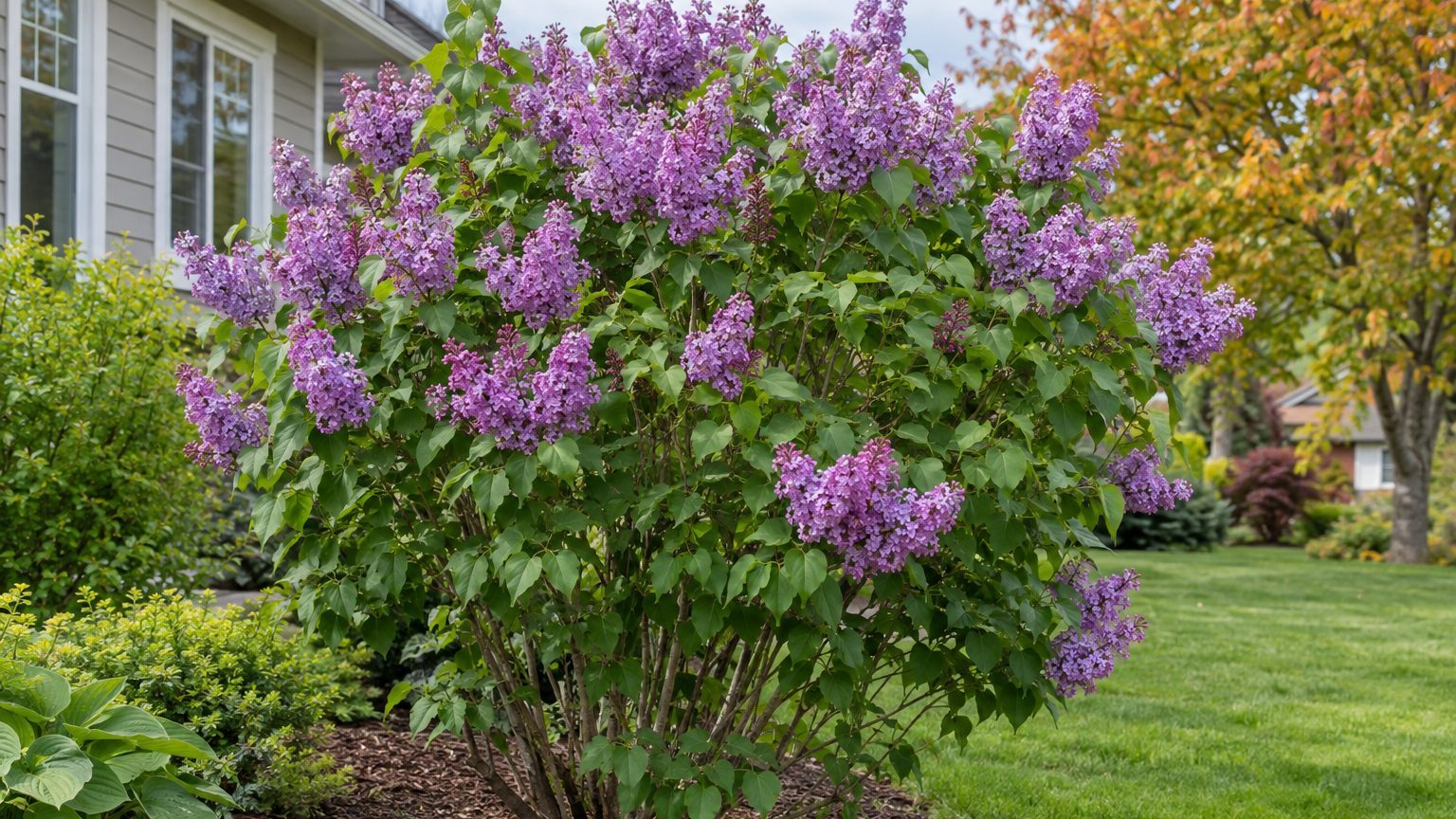
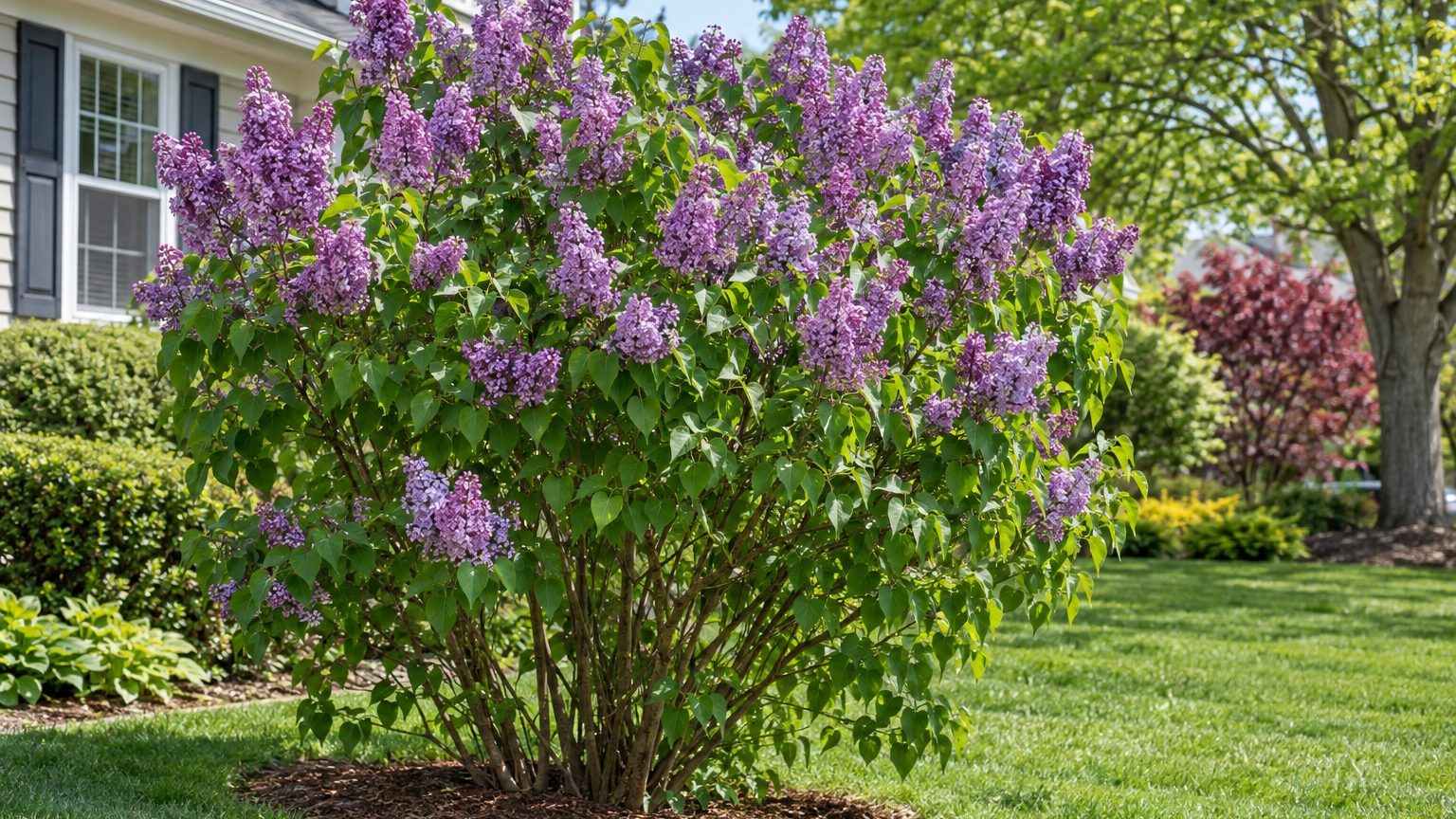
A lilac bush in bloom in a home garden

Lilacs bloom in Connecticut from April into May, and later species can carry flowers into June. The rest of the year follows from that bloom, and each stage sets up the next one.

  • In April and May, the flower clusters open, usually from late April into early May on common lilacs.
  • Right after the flowers fade, often in May and running into June, is the time to prune, because the shrub starts forming next year’s buds soon after it blooms.
  • Through summer, those new flower buds form quietly on the fresh growth, so the shrub should be left alone rather than cut.
  • In winter, the shrub rests in the cold, and that chill is what matures the buds for spring.
  • In March and April, an overgrown lilac can take a hard cut-back while it is still dormant, though it will skip flowers for a few years afterward.

Spring frost usually ends between April 2 and April 12, and fall frost tends to arrive between October 28 and November 10, figures that describe Bridgeport on the Sound. Inland and northwest Connecticut freeze earlier in fall and later in spring. The state spans USDA hardiness zones 6a to 7b, comfortably cold enough for lilacs.

Which Lilacs Grow Best in Connecticut?

Lilacs belong here. They are members of the olive family and suit cold climates, and the winter chill is what develops and ripens their flower buds. Connecticut gives them that rest, so a common lilac in a sunny spot is a sound choice.

Sun and good air circulation matter as much as the variety. Lilacs struggle where summers turn hot and humid, so a spot with open air around the shrub helps.

Lilac type How it does in Connecticut Why
Common lilac Blooms from late April into early May Cold winters mature its flower buds
Later-flowering species Carry bloom into June They open after the common types finish
Any lilac in a shady corner Weak flowering Lilacs thrive in sunny sites
Any lilac in a crowded bed Struggles in humid summers Poor air circulation favors trouble

Choosing between types matters less than choosing the site. Plant for sun and moving air, and the shrub does most of the work on its own.

When to Plant, Prune and Feed Lilacs in Connecticut

The year’s work centers on timing: prune only once the flowers have faded. Lilacs bloom on last year’s wood and set next year’s buds soon after flowering, so a cut in late summer, fall or winter removes the coming spring’s flowers.

The page on when to prune lilacs in Connecticut covers the cuts in more detail.

Task Best timing in Connecticut Why then
Routine pruning Right after the flowers fade, May into June Next year’s buds form soon after bloom
Hard renovation of an overgrown shrub March to April, while dormant The shrub is dormant, but this cut costs the next flowers
Enjoying the bloom April to May, with later species into June Flowers open as spring settles in

A hard cut-back brings a clear price: an overgrown lilac cut low in late winter will not flower for a few years afterward. Many gardeners accept that for a shrub that has grown leggy and bare at the base. For planting and feeding timing, ask your county extension office; choose a sunny site with good air circulation.

How Lilac Bloom Time Changes Across Connecticut

Bloom shifts a little from one corner of the state to another, following how quickly each place warms in spring.

  • Fairfield County and the Sound shore: Milder air off Long Island Sound warms these yards sooner, so flowers tend to open ahead of inland towns.
  • Litchfield Hills and the Northwest Corner: Higher ground stays cooler into spring, so buds open later here than along the coast.
  • Connecticut River Valley: Inland yards between the coast and the hills usually fall between the two, flowering after the shore and before the hills.

A cold snap in spring can set any of these back, so treat the dates as a guide and let the buds in your own yard set the pace.

Where to Get Lilac Advice in Connecticut

When a lilac refuses to flower or the leaves look off, local help narrows the cause quickly. UConn Extension and the county office can look at a sample or test your soil.

  • The extension service offers lilac guidance written for Connecticut yards, handy when you wonder why a shrub skipped its flowers.
  • Your county office can help with a soil test, best sent in before you change what you feed the shrub.
  • Bring a cutting or clear photos when the shrub looks unhealthy, ideally while the leaves are still on the plant.

Common Questions

Why Is My Lilac Not Blooming?

Look at the signs together before you name a cause. If the shrub sits in shade and the stems look long and thin, it likely wants more sun. If it grows well in sun but was cut in summer, fall or winter, the pruning probably removed the flower buds.

Can You Cut Lilacs for a Vase?

Yes, and cutting flowers just as the clusters open is a gentle way to enjoy them. Take them during the bloom, from April into May, and keep the cuts modest so the shrub holds its shape for the following year.

Do Lilacs Need Winter Cold to Flower?

They do. The winter chill matures the flower buds, which is why lilacs suit Connecticut well. Hot, humid summers are harder on them than cold winters, so lilacs here stay healthiest with open air around the stems.

When Do Lilacs Bloom in Colorado? Dates and Care

When Do Lilacs Bloom in Colorado? Dates and Care

A lilac in full bloom fills a Colorado yard with scent just as the last cold nights loosen their hold. Lilacs in Colorado flower in late spring, and the cold winters here give the buds exactly the rest they need. Elevation changes bloom time and the timing of care across the state.

When Do Lilacs Bloom in Colorado?

A lilac bush in bloom in a home garden

Lilacs in Colorado bloom from May into June, and the rest of their year is built around that show. The dates below refer to Denver, on the plains at 5,280 feet; other parts of Colorado differ.

  • In May and into June, the flowers open, with the late bloomers carrying the season to its close.
  • Right after the flowers fade, in June, is the time for any light pruning, and it can also be done in July if the bloom ran late.
  • Through June and July, next year’s flower buds form on the new growth, so cutting later removes them.
  • In late winter, March or April, an overgrown lilac can be cut hard, at the price of flowers for a few years.
  • Through the cold months, the shrub rests, and that chill is what matures the buds for spring.

The last spring frost in Denver falls between May 1 and May 11, which matters for early bloomers whose open flowers can be nipped. The first fall frost arrives between September 30 and October 12, long after the buds are set.

Which Lilacs Grow Best in Colorado?

Lilacs suit Colorado well. They need a cold winter rest to mature their flower buds, and Colorado winters deliver it. Hot, humid summers are what trouble them, and the dry air here spares them most of that.

Sun and moving air keep them healthy, so pick an open site rather than a damp corner.

Lilac type How it does in Colorado Why
Common lilac Thrives across the colder zones Cold winters ripen its buds
Hyacinthiflora hybrids Hardy, but best where May frosts are rare They bloom earlier than French hybrids
French hybrids Reliable bloom in late spring Later opening misses more frost
Japanese tree lilac Closes the season in June It flowers after the others finish

Mountain towns can frost in July, so early bloomers there are a gamble, while later-flowering types are safer. Hardiness varies widely between the plains and the high country, so match the lilac to your local USDA hardiness zone.

When to Plant, Prune and Feed Lilacs in Colorado

Lilacs bloom on last year’s wood, so pruning time matters. Prune right after the flowers fade, because the buds for next spring are produced in June and July.

Task Best timing in Colorado Why then
Enjoy the bloom May into June Late spring into June is the flowering window
Light pruning June, or July if needed Right after the flowers fade, before buds set
Hard renovation cut March or April The shrub is dormant, though the next flowers are lost
Removing spent flowers Just after the blooms fade It keeps energy for next year’s buds

Pruning in late summer, fall or winter cuts off the next spring’s flowers. A hard cut-back of an overgrown lilac works in late winter, but it will not flower for a few years afterward. Ask your county extension office about planting and feeding for your elevation. Pruning gets its own detail on the dedicated Colorado page.

How Lilac Bloom Time Changes Across Colorado

Elevation changes bloom time in Colorado.

  • Front Range plains and Denver: Flowering lands in May and runs into June, with the bloom sometimes caught by a late frost.
  • Mountain towns: Seasons are far shorter, so flowers open later and frost can arrive even in July.
  • Western Slope: The climate differs again, so check with your county extension office.

Use your own yard’s elevation as the guide, and expect nearby gardens at different elevations to flower on different schedules.

Where to Get Lilac Advice in Colorado

For a diagnosis or a soil test, local help is close at hand. Colorado State University Extension answers plant questions, and your county office knows the conditions in your valley or foothill.

  • The county extension office can look at a struggling shrub, so bring a sample of the affected branch.
  • The university’s plant guides cover common lilac problems.

Common Questions

Why Is My Lilac Not Blooming?

Heavy shade and a hard cut-back are the usual suspects. A lilac in too little sun produces leaves instead of buds, and a shrub pruned late in the year loses the flower buds it already set.

Can You Plant a Lilac in Colorado Mountain Towns?

Yes, in a sunny spot with good air circulation. Pick a later-flowering type, because short seasons and summer frost can catch the early bloomers.

Do Lilacs Need Winter Cold to Flower?

They do. The cold rest matures the flower buds, which is why lilacs struggle in hot, humid climates and do well where winters bite.

When Do Lilacs Bloom in California? Dates and Care

When Do Lilacs Bloom in California? Dates and Care

A lilac in bloom is a clear sign of spring, with cone-shaped clusters opening on bare-looking branches. In California, though, the timing depends on where you garden, because the state runs from frost-free coastal yards to freezing Sierra slopes. Lilacs in California flower with the local spring, and how well they flower depends on winter cold.

When Do Lilacs Bloom in California?

A lilac bush in bloom in a home garden

Lilacs flower in the local spring, so the show comes earlier in mild, low places and later where winter lingers. A lilac’s year in California runs in a steady order, and each step sets up the next.

  • In spring, the clusters open on last year’s wood, and the bloom follows the local spring rather than a fixed date.
  • Right after the last flowers fade, prune, because the shrub starts forming next year’s buds soon afterward.
  • Through summer, those new flower buds develop quietly on the branches, so heat and dry spells matter more than you might expect.
  • In fall, the shrub slows down and the leaves drop in colder areas, with no pruning needed.
  • In winter, the plant needs a cold rest to mature its buds, and mild winters are the main reason lilacs flower poorly here.

Frost varies enormously. Coastal and southern California is frost-free, so there is no spring or fall frost date to plan around. Northern California, the Central Valley and the Sierra do freeze. The USDA hardiness zone system, which rates only the coldest winter temperatures, spans 5a to 11a across the state.

Which Lilacs Grow Best in California?

Lilacs can grow in California, but they are not equally easy everywhere. They do best where winters bring a pronounced chill and struggle in hot, humid summers. In mild-winter yards, the choice of type decides whether you get flowers.

Lilac type How it does in California Why
Common lilac (Syringa vulgaris) Best where winters are cold, weak in hot summers Needs a cold rest, and heat and humidity invite powdery mildew
Descanso hybrids Worth trying in mild areas Developed in Southern California
Low-chill cultivars Will bloom with little winter chilling Bred for mild winters, though they still prefer a cold rest

Among the Descanso hybrids, ‘Angel White’ is white, ‘Blue Boy’ is blue and ‘California Rose’ is pink. In the colder parts of the state, a common lilac is a reasonable bet. In frost-free yards, start with the Descanso hybrids or a low-chill type, and expect a lighter show than a cold-climate lilac gives.

When to Plant, Prune and Feed Lilacs in California

California has no single lilac calendar, so ask your county extension office when to plant or feed in your local climate. The pruning sign is the one to remember, because cutting at the wrong time removes the flowers you are waiting for.

Task Best timing in California Why then
Prune Right after the flowers fade Next year’s buds form soon after bloom, so later cuts remove them
Let the shrub rest Through the cold part of winter, with no cutting The buds need cold to mature
Choose the plant Before you buy, matched to your winter A low-chill type or Descanso hybrid suits mild areas better than a common lilac

Pruning in late summer, fall or winter cuts off the following spring’s bloom. For cutting depth, old-wood removal and renewal, see the page on when to prune lilacs in California.

How Lilac Bloom Time Changes Across California

Elevation, distance from the ocean and winter cold all change bloom time across California. A few well-known parts of California show the pattern.

  • Southern California coast and Los Angeles basin: Frost never arrives in a typical year, so the winter chill that lilacs want is minimal. Flowering is light or skipped unless you plant a low-chill type or a Descanso hybrid.
  • Central Valley: Winters freeze, which helps the buds, but long hot summers stress the shrubs. Expect the bloom earlier than in the mountains and watch for mildew in humid spells.
  • Sierra foothills and high country: Colder winters give lilacs the rest they need, and the bloom comes later in spring as you climb in elevation.
  • Northern California: Winter freezes occur, and cooler summers suit the common lilac better than the hot interior or the south does.

Within a single county, a hillside yard can bloom noticeably later than a valley floor.

Where to Get Lilac Advice in California

Because California’s climates differ so much, local advice is worth a call before you buy a shrub. University of California Agriculture and Natural Resources runs the state’s extension network through its county offices.

  • Your county extension office can help diagnose a lilac that leafs out but never flowers, so bring a clipping or photo of the buds in winter or spring.
  • County master gardener volunteers can tell you which lilac types do well in your local microclimate before you plant.
  • A soil test through the county office is worth doing before planting, since it shows what the yard actually needs.

Common Questions

What Is the White Dusty Coating on Lilac Leaves?

White powder that rubs off on your fingers, especially on leaves in a humid or crowded spot, points to powdery mildew. Lilacs are prone to it in hot, humid stretches. Give the shrub airflow by thinning crowded stems right after bloom.

Why Does a Lilac Grow Leaves but Never Flower in California?

A healthy, leafy plant with few or no flower clusters at bloom time usually had too little winter chill or was cut after its buds formed. Check whether your yard stays frost-free, and think back to when the shrub was last trimmed.

Can You Grow Lilacs Where Water Is Restricted?

In the frost-free south, the real limits are heat, drought and water restrictions. Pick a type developed for Southern California, such as a Descanso hybrid, and ask your county extension office what local rules allow before you plant.

When Do Lilacs Bloom in British Columbia? Dates and Care

When Do Lilacs Bloom in British Columbia? Dates and Care

A lilac in full flower fills a British Columbia yard with scent, and the work that decides next year’s blooms comes soon after the last cluster browns. Lilacs in British Columbia follow a simple rhythm of spring flowers, a quick trim, summer bud-setting and a winter rest. Knowing where each step falls keeps the shrub flowering.

When Do Lilacs Bloom in British Columbia?

A lilac bush in bloom in a home garden

Lilacs in British Columbia bloom mostly in May, with April possible in a warm spring and June in a cool one. The year runs like this.

  • In April, a warm spell on the coast can bring the first clusters open.
  • In May, the main bloom arrives, and this is the month to cut stems for a vase and enjoy the fragrance.
  • In June, once the flowers fade, the shrub is ready for its yearly trim.
  • Through summer, the buds for next spring form quietly on the new growth, which is why the shears stay put after the June trim.
  • From late fall through winter, the shrub rests, and the cold of those months helps the buds mature for the following May.

At Vancouver, the last spring frost falls on average March 18, a midpoint, so frost can still return later in one year out of two. The first fall frost arrives on average November 10, also a midpoint. The city sits in Canadian hardiness zone 9a, a separate system from USDA zones.

Which Lilacs Grow Best in British Columbia?

Lilacs grow well in British Columbia wherever winters give them a real cold rest. That rest matures the flower buds. Common lilac is Syringa vulgaris.

Trouble starts with heat and humidity. Hot, muggy summers wear lilacs down, and a spot that never gets a proper winter chill tends to give thinner flowering.

Lilac type How it does in British Columbia Why
Common lilac (Syringa vulgaris) Does well where winters are properly cold The cold rest matures its flower buds
Lilacs in a mild coastal garden Bloom can run lighter in a very mild winter Less winter chill reaches the buds
Lilacs in a hot, humid spot Tend to struggle Lilacs favor cold winters over muggy summers

A sunny, open site with air moving through the branches suits lilacs better than a damp, closed-in corner. Garden centres in your area can tell you which named selections have performed locally, which matters more than any single variety name.

When to Plant, Prune and Feed Lilacs in British Columbia

British Columbia has no local extension page on lilac timing, so these dates follow the nearest comparable climate. Ask a local garden centre, garden society or provincial gardening group when to plant, and confirm the pruning schedule before you set a firm date.

The main rule is that a lilac blooms on last year’s wood and sets next year’s buds soon after it flowers.

Task Best timing in British Columbia Why then
Watch the bloom May, with April or June in an early or late spring Spring warmth sets the pace each year
Prune June, or May if the flowers fade early Cuts made right after bloom keep next year’s buds
Feed Soon after the flowers fade Fresh growth is starting, and next year’s buds form on it
Hold the shears July through winter Pruning then removes the buds for the following spring

A July trim costs you next year’s flowers, so a missed June window is better skipped than rushed. The page on when to prune lilacs in British Columbia goes deeper on cuts, from light shaping to renewal.

How Lilac Bloom Time Changes Across British Columbia

British Columbia holds many climates, and lilacs open on different schedules from the coast to the interior.

  • Vancouver and the Lower Mainland: Mild, damp springs bring lilacs into flower on the early side of the May window. April bloom can happen here after a warm stretch.
  • Victoria and southern Vancouver Island: The mild maritime climate pushes bloom early. Winter chill is lighter, so flower counts can be thinner.
  • The Okanagan: Sunny, dry summers and colder winters suit lilacs well, and bloom usually lands squarely in May. Gardens on higher benches above the valley floor open later than those beside the lake.
  • Prince George and the northern interior: Spring arrives later and frost lingers, so bloom slides toward June. Frost dates here run well behind the Vancouver figures.

Treat your own yard’s slope, shelter and elevation as the final adjustment. A south-facing wall opens flowers sooner than a shaded north side.

Where to Get Lilac Advice in British Columbia

Local help comes from garden centres, garden societies and provincial services. For a diagnosis, a soil question or a timing check, start with these.

  • The provincial agriculture ministry offers growing guidance, and it is the right stop for questions about soil or pests.
  • A local garden centre can look at a leaf or stem you bring in and suggest named selections that perform locally.
  • A garden society in your town can share local experience with lilacs in your district.

Common Questions

Is It Normal for a Lilac to Bloom in April or June?

Yes. May is the usual month, but a warm spring can bring flowers in April and a cool one can push them into June. Check your shrub against the weather of that spring before you worry.

Why Is Your Lilac Leafy but Not Flowering?

Look for heavy green growth with few buds, and note how much direct sun the spot gets. Too much shade often points to the problem. A trim made in summer, fall or winter also removes buds, so think back to when the shears last came out.

What Should You Do If You Pruned Your Lilac in July?

Expect fewer flowers the next spring, because a July cut removes the buds already set. Leave the shrub alone through winter, and make your next trim right after the flowers fade in May or June.

When Do Lilacs Bloom in Arkansas? Dates and Care

When Do Lilacs Bloom in Arkansas? Dates and Care

When the first lilac clusters open in spring, the scent carries across a yard. In Arkansas those blooms arrive in April and May, and how well a lilac does depends heavily on where in the state it grows. Knowing the local bloom pattern makes it easier to enjoy the flowers and time pruning well.

When Do Lilacs Bloom in Arkansas?

A lilac bush in bloom in a home garden

Lilacs in Arkansas flower in April and May, and the rest of the year follows from that.

  • In April and May, the flower clusters open. This is the stretch to enjoy them and to cut a few stems for a vase.
  • In May and June, right after the flowers fade, a lilac gets any pruning it needs. If the moment slips past, it can also be done in July, but not after July 10.
  • Through summer, the shrub sets the flower buds for next spring, so the new growth you see now carries next year’s blooms.
  • From late summer into early fall, the buds finish forming. Pruning shears stay in the shed, because every cut removes a future flower.
  • In winter, the shrub rests. The cold of these months is what matures the buds, so a mild stretch is no gift to a lilac.

Reference dates here come from Little Rock, and the state spans USDA hardiness zones 6b to 8a, so other parts of Arkansas differ. The last spring frost at Little Rock falls between March 12 and March 28. The first fall frost arrives between November 7 and November 20, well after the buds have set.

Which Lilacs Grow Best in Arkansas?

Lilacs grow in Arkansas, but they are happier in the cooler northern parts than in the heat of the south. In central and southern Arkansas, common lilacs often struggle through long spells of high heat and humidity.

Lilacs need a long, cold winter rest to mature their flower buds. Arkansas winters give less of that than a lilac would like, so choosing the type matters more than it does in colder states.

Lilac type How it does in Arkansas Why
Common lilac (Syringa vulgaris) Struggles in central and southern Arkansas, better further north High heat and humidity stress it and invite powdery mildew
Cultivars sold as heat tolerant Often do not thrive in central and southern Arkansas The label promises more than a humid summer allows
Low chill cultivars A reasonable try where winters are milder They need less cold, but still bloom best after an extended winter rest
Reblooming Bloomerang group Blooms well only with a real cold period Like nearly all lilacs, it needs winter cold to flower

A claim of heat tolerance on a plant tag does not cancel a lilac’s need for winter chill. In the warmer south of the state, plan for a lilac that may bloom lightly or catch mildew, and treat it as an experiment, not a sure thing.

When to Plant, Prune and Feed Lilacs in Arkansas

Lilac care in Arkansas is mostly a matter of leaving the plant alone at the right times. The task with a firm window is pruning, and it ties directly to when the shrub sets its buds.

Task Best timing in Arkansas Why then
Enjoying and cutting blooms April and May This is when the flower clusters are open
Pruning, only as needed May and June, or July before July 10 if needed Right after the flowers fade, before next year’s buds form
Hands off the shears Late summer, fall and winter Pruning then cuts off the next spring’s flowers

A lilac blooms on last year’s wood, so a cut in late summer, fall or winter removes buds already waiting. Planting and feeding have no firm month here. Plant when the weather is mild, not in a summer heat wave, and let a soil test from the county office guide any feeding. The full pruning routine lives on the page about when to prune lilacs in Arkansas.

How Lilac Bloom Time Changes Across Arkansas

Lilacs typically bloom in April and May across Arkansas, with elevation and warmth shifting their timing within the spring.

  • The Ozarks: higher ground and cooler air tend to open the flowers a little later. Colder winters also give the buds the rest they need, so lilacs do best here.
  • The Arkansas River Valley and Little Rock area: warmer than the hills, so bloom comes earlier. Summer heat and humidity start to take a toll on the shrub.
  • The Delta: Warm, humid conditions can make lilacs struggle and invite powdery mildew.
  • South Arkansas: Long, hot summers can invite powdery mildew, while milder winters can make flowering less certain than in cooler parts of the state.

A cold snap in a given spring can still delay flowers anywhere, so treat these as general tendencies, not guarantees.

Where to Get Lilac Advice in Arkansas

For a sick shrub, a lilac that never blooms, or a question about soil, the state’s land-grant extension service is the place to start. Its county offices know local conditions better than any general guide.

  • The University of Arkansas Extension website has plant pages on lilacs and other shrubs, handy before buying or when leaves look wrong.
  • Your county extension office can test soil and look at a damaged branch, so take a sample or a cutting in during spring or summer.
  • Master Gardener volunteers answer local planting questions, which helps when picking a spot.

Common Questions

Can a Late Frost Hurt Lilac Flowers in Arkansas?

Yes, early buds can be nipped if a cold night comes after they swell. Light frost, at the 36F threshold, can still occur as late as April 3 at Little Rock, right as bloom begins. The shrub usually recovers, but that year’s flowers may be thin.

Why Do Lilac Leaves Turn White and Powdery in Summer?

A dusty white coating on the leaves that shows up during a hot, humid stretch is most likely powdery mildew. Lilacs in central and southern Arkansas are prone to it. Good air movement around the shrub helps, and the county office can confirm the diagnosis from a sample.

Is the Hardiness Zone Enough to Pick a Lilac?

The USDA hardiness zone reflects the average annual extreme minimum temperature, and it does not measure winter chill or summer heat. What decides success in Arkansas is whether the winter chill is long enough to mature the buds and whether summer heat stays bearable, so the part of the state matters as much as the zone.

When Do Lilacs Bloom in Arizona? Dates and Care

When Do Lilacs Bloom in Arizona? Dates and Care

A lilac in full bloom is a spring sight, and in Arizona it depends heavily on where the yard sits. Gardens in the high country can bring one into flower. Low-desert yards, with mild winters and long hot summers, ask more of the plant than it can give.

When Do Lilacs Bloom in Arizona?

A lilac bush in bloom in a home garden

Lilacs flower with the local spring, so the bloom comes when your own yard turns the corner from winter, and in the low desert it may be sparse or skipped. The year of a lilac here runs in a clear order.

  • In spring, the clusters open as the local season warms, and cooler high-country yards see them later than warm valley yards.
  • Right after the last flowers fade, prune, because that is the moment before next year’s buds begin to form.
  • Through summer, the shrub sets the buds for the following spring on the new growth, so leave the branches alone.
  • In fall, the plant slows down and holds those buds, still untouched by pruners.
  • In winter, the shrub needs a cold rest to mature its flower buds, and a mild winter is the usual reason for a poor show.

In the Phoenix area, a rare cold snap can bring 32F between late December and mid January, and a freeze does not happen in most years. A reliable fall freeze does not arrive at all. The USDA Plant Hardiness Zone system spans 4b to 10b across Arizona, so a Flagstaff yard and a Phoenix yard sit in entirely different worlds.

Which Lilacs Grow Best in Arizona?

In the high country, where winters are cold, lilacs can do well. In the low desert, common lilacs struggle because the winters are too mild to rest the buds and the summers are too hot.

Gardeners in warm regions have a few kinds to try. None gives the full cold-climate display, but some bloom with little winter chill.

Lilac type How it does in Arizona Why
Common lilac Does best in the cold high country, struggles in the low desert Needs a cold winter rest, dislikes hot summers
Southern lilacs (sold as lilacs for the South) Usually grow and bloom in warm yards Early blooming, but less fragrant than the classic kind
Descanso hybrids Worth trying in warm yards Bred in a warm region, in white, blue and pink forms
Low chill cultivars Bloom with less winter cold Still do better with a long cold rest

Among the Descanso hybrids, the white Angel White and the blue Blue Boy are the names to look for, along with a pink variety. Plants sold as heat tolerant often do not thrive in hot, humid weather, and hot humid stretches also invite powdery mildew.

When to Plant, Prune and Feed Lilacs in Arizona

The calendar of a lilac is set by its flower buds more than by the weather. Pruning is the task with a firm timing rule. The full detail lives on the page about when to prune lilacs in Arizona.

Task Best timing in Arizona Why then
Prune Right after the flowers fade Lilacs bloom on last year’s wood and set next year’s buds soon after flowering
Hold off pruning Late summer, fall and winter Cutting then removes the next spring’s flowers

Planting and feeding follow your yard’s local spring rather than a fixed date, and the low desert needs extra care because summer heat is the limiting factor. A planting made at the start of a cool spell gives roots a chance to settle before the heat. Pick a variety suited to a mild winter if the yard is in a warm valley.

How Lilac Bloom Time Changes Across Arizona

Elevation does most of the sorting in Arizona, because a lilac wants cold and the state offers cold in some places and almost none in others.

  • Flagstaff and the high country: Winters freeze hard, which is what lilacs want. Bloom arrives later in spring than in the valleys, and common lilacs have the best odds here.
  • Phoenix and the low desert: Winters are mild and the summers are hot. Flowering comes with the early local spring, if it comes at all, and Southern lilacs or low chill kinds are the better bet.

A yard between those settings, on a slope or a higher valley floor, will fall somewhere in the middle.

Where to Get Lilac Advice in Arizona

For a diagnosis or a soil test, local help beats guessing. Arizona has a state extension service and county offices that know the local conditions.

  • University of Arizona Cooperative Extension, reached through University of Arizona Extension, offers plant guidance and lists local contacts.
  • Your county extension office can take a soil sample or look at a struggling shrub, and the visit is worth making before you replace a lilac.

Common Questions

Are Southern Lilacs as Fragrant as Common Lilacs?

Usually not. They tend to grow and bloom in warm yards, but the scent is milder than the classic kind.

Should You Buy a Lilac Sold as Heat Tolerant?

Treat the label with caution. Plants sold with that claim often do not thrive as well as they do in cooler climates, so a Southern lilac, a Descanso hybrid or a low chill cultivar is a safer choice.

Can a Lilac Survive Winter in Flagstaff?

Yes. The high country freezes hard, giving common lilacs the cold winter rest they need.

When Do Lilacs Bloom in Alberta? Dates and Care

When Do Lilacs Bloom in Alberta? Dates and Care

Lilac buds sit tight through the cool days of April, then open in May and keep going into June. Alberta’s cold winters suit the shrub well.

When Do Lilacs Bloom in Alberta?

A lilac bush in bloom in a home garden

Lilacs bloom in Alberta from May into June, with the common lilac opening first and the late and tree lilacs following in June. Here is how the year runs for the shrub.

  • In May, the common lilac opens its fragrant clusters, and the show moves toward June as the later types come into flower.
  • In June, the Japanese tree lilac and other late lilacs finish the season, and this is also the moment to prune, as soon as the flowers fade.
  • Through summer, the plant sets next year’s flower buds on the new growth made after flowering, so anything cut later takes those buds with it.
  • In autumn and winter, the shrub rests in the cold, and that rest is what ripens the buds for spring.
  • In March and April, while the plant is still dormant, a hard renovation cut of an overgrown lilac can be done, at the price of the next flowers.

The dates here belong to Calgary, in Canadian hardiness zone 4a (a Canadian rating that does not convert to a USDA zone). The last spring frost comes on average around May 21, which means half of all years bring frost later than that, so treat it as the middle of a window. The first fall frost arrives on average around September 16, and districts farther north or higher up run weeks behind.

Which Lilacs Grow Best in Alberta?

Lilacs thrive here. A shrub that needs a cold winter rest to mature its flower buds suits Alberta’s cold winters, while hot, humid summers make lilacs struggle.

The choice comes down to timing. Some types open early and risk a late frost, while others open in June and sidestep it.

Lilac type How it does in Alberta Why
Common lilac Reliable, first to flower in May Suited to cold winters and sunny, airy sites
Late lilacs Flower in June, after the common lilac Open later, so spring frost is less of a threat to the buds
Japanese tree lilac Blooms in June and closes the season A late bloomer that extends the show
Hyacinthiflora hybrids Hardy and vigorous, but early to flower They bloom earlier than French hybrids, so plant them where May frosts are less frequent

Hybrids between Syringa oblata and Syringa vulgaris are also well suited to cold climates and bloom early in the lilac season. Put them in a sheltered spot, because early flowers and a late frost are a poor pairing.

When to Plant, Prune and Feed Lilacs in Alberta

Pruning is where timing matters most. A lilac blooms on last year’s wood and sets next year’s flower buds in summer, soon after it flowers, so pruning in late summer, fall or winter cuts off the next spring’s flowers.

For planting and feeding timing, check with a local garden centre or garden society; whenever you plant, choose a sunny site with good air circulation.

Task Best timing in Alberta Why then
Routine pruning June, right after the flowers fade The new buds have not formed yet, so nothing is lost
Late-winter pruning March or April, while dormant The plant is asleep, but that spring’s flowers are cut away
Hard renovation of an overgrown lilac March or April A dormant plant takes a heavy cut, though it will not flower for a few years afterward

Most lilacs only need the June pruning. Keep the hard cut for a shrub that has grown tall and bare, and expect a few quiet years while it rebuilds.

How Lilac Bloom Time Changes Across Alberta

Bloom time shifts with elevation and with how far north the yard sits. The shrub follows the local spring, not the calendar.

  • Lethbridge and Medicine Hat: Warmer southern spring days bring buds out earlier than farther north, which also exposes early types to late frost.
  • Calgary and the foothills: Flowering lands in the middle of the usual window, with the common lilac in May and later types in June. Chinook swings can tempt buds out early.
  • Edmonton and the Peace River country: Spring arrives later, so flowering slides toward June and the late lilacs fit especially well.
  • Banff and the Rocky Mountain valleys: Higher ground holds the cold longer, so blooms come later and the June types are the safer pick.

Check what your neighbors’ lilacs are doing in late spring, because a nearby established shrub is a useful guide to your own yard.

Where to Get Lilac Advice in Alberta

Alberta has no local extension page on lilac timing, so these dates follow the nearest comparable climate; confirm local timing with a local garden centre, a garden society or a provincial gardening group. Alberta Agriculture and Irrigation is the provincial starting point for gardening questions.

  • Provincial agriculture staff can point you to guidance on hardy shrubs before the buds swell.
  • A local garden society or master gardener group can confirm bloom timing in your district, and its members often know which lilacs flower reliably nearby.
  • A neighborhood garden centre can help with a sick or reluctant shrub, so bring a branch photo in early summer, just after bloom.

Common Questions

Does a Lilac Need Full Sun in Alberta?

A lilac does best in a sunny spot where air moves freely. A shaded corner usually means fewer flowers and weaker growth.

Why Would a Healthy Lilac Skip Flowering in Alberta?

Look at when it was last cut and how much light it gets. A shrub pruned in late summer, fall or winter has often lost its buds, and a plant tucked into shade rarely makes many.

Which Lilacs Suit a Yard with Late Spring Frosts?

Choose the late lilacs and the Japanese tree lilac, which flower in June. Their buds open after the worst of the cold, unlike early hybrids that bloom earlier than French hybrids.

The almanac, state by state. Every date on this site comes from a state’s own frost facts and its extension service’s calendar — and says where it comes from.