Skip to content

When to Prune Lilacs in Indiana

When to Prune Lilacs in Indiana

A lilac that blooms heavily in May is already forming the buds for next year’s show by the time the last flowers turn brown. That timing drives every pruning decision for lilacs in Indiana, from a light tidy-up to a rescue of a leggy old shrub.

When to Prune Lilacs in Indiana

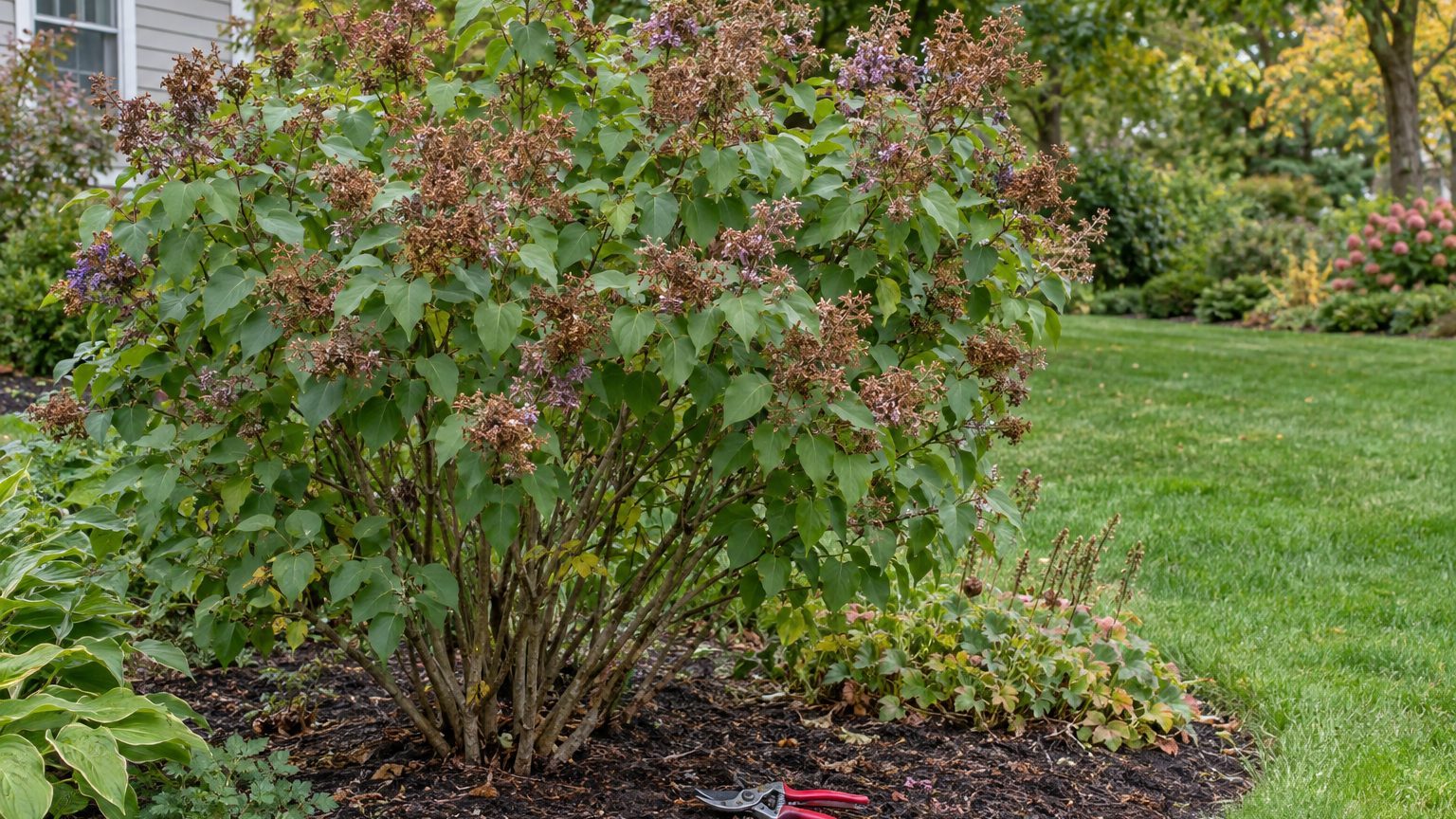
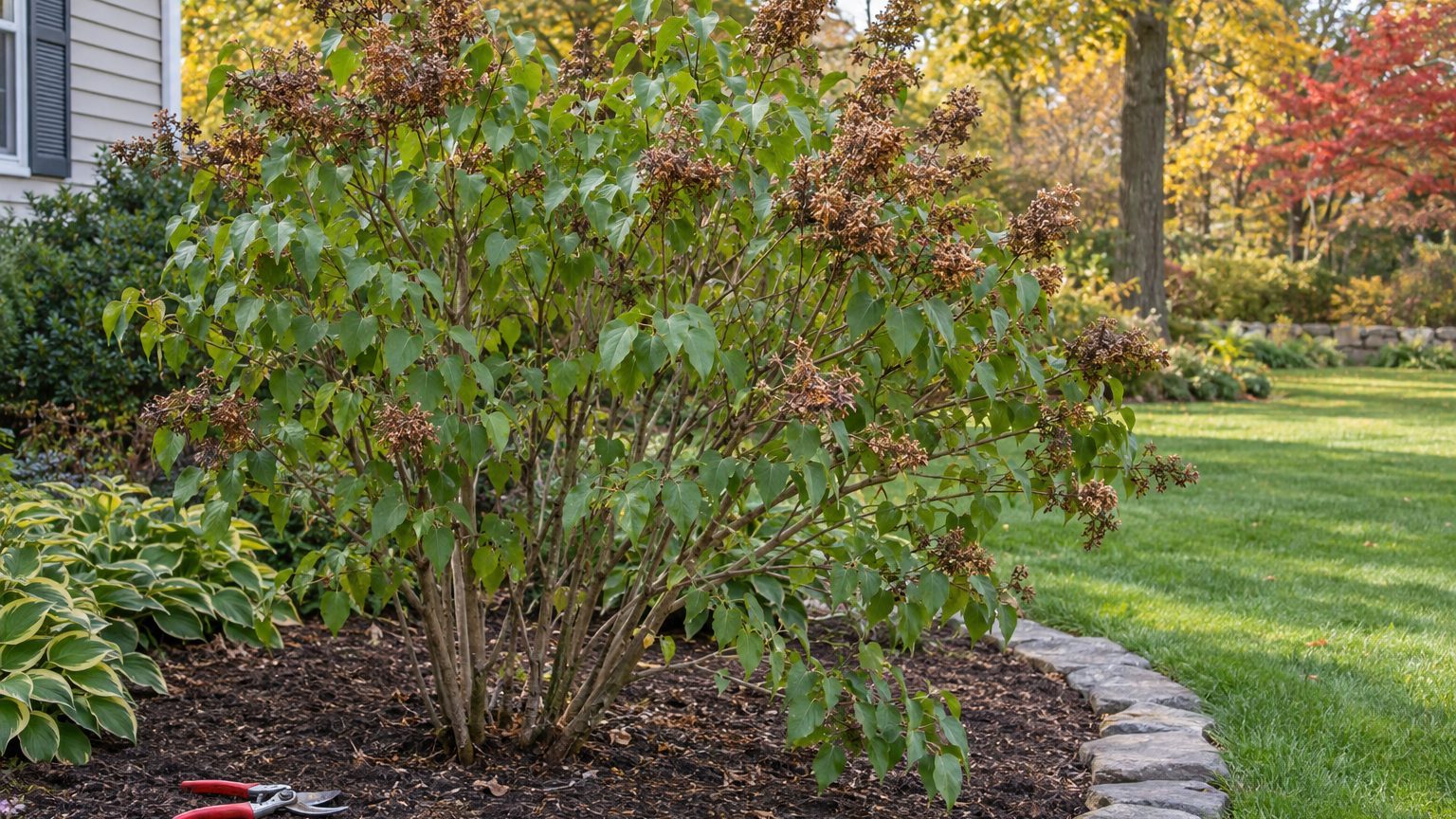
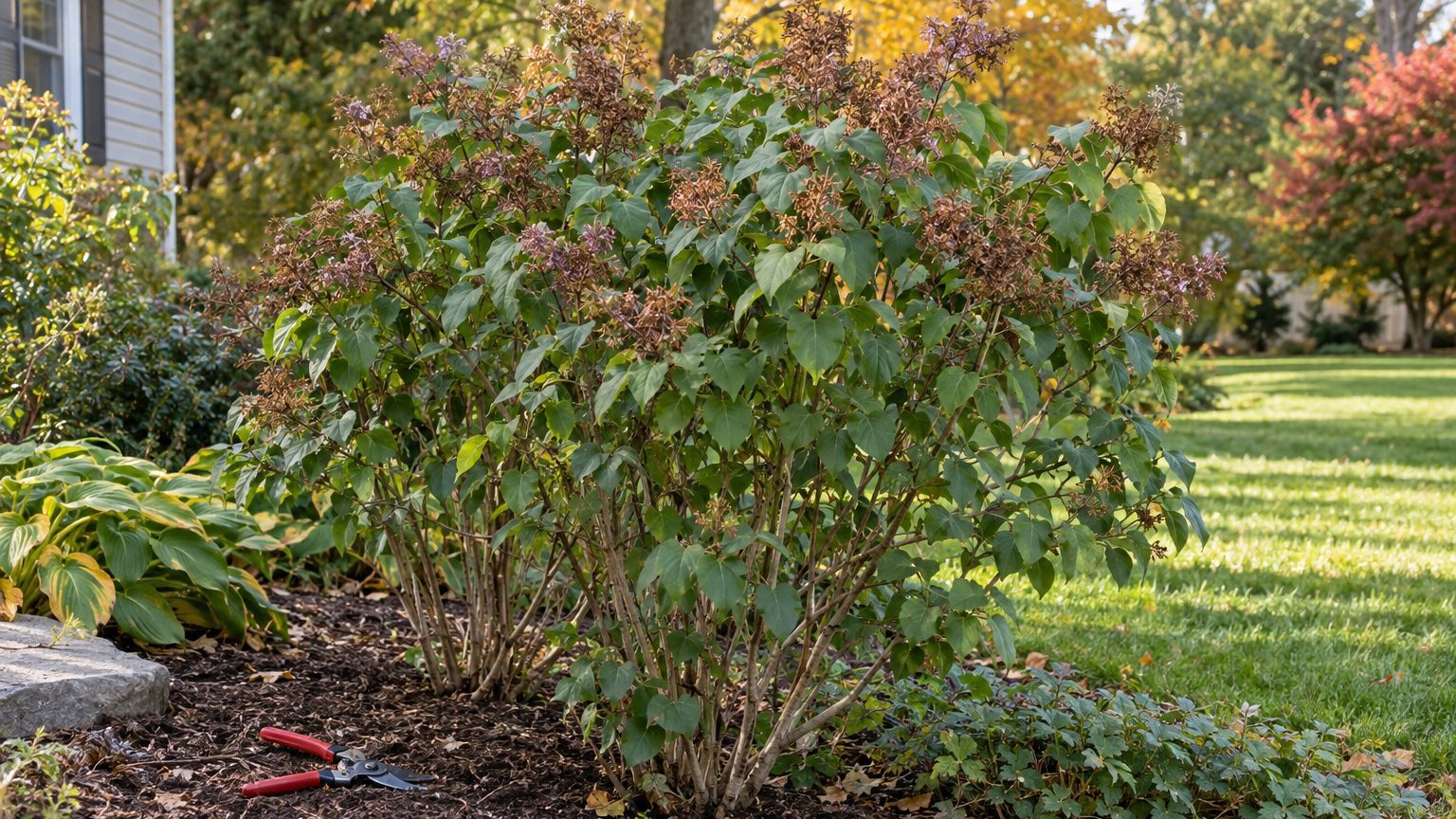
Lilac stems after flowering

Prune lilacs in Indiana right after the flowers fade, which means May and June. A lilac blooms on last year’s wood and sets next year’s flower buds in summer, soon after it flowers, so a cut made later removes the coming spring’s blooms.

Type of pruning When in Indiana Why
Routine upkeep after bloom May to June, right after the flowers fade Buds for next spring form soon after bloom, so prompt pruning protects them
Hard cut of an overgrown lilac March to April, while the shrub is dormant Old stems are renewed, but the next flowers are given up

Most lilacs in Indiana open from April into May, and later species and cultivars carry into June, so your pruning window follows whichever shrub you own. The hard cut is a trade: expect no flowers for a few years afterward.

How to Tell When Your Lilacs Are Ready to Prune

The shrub gives clear signals, and they matter more than the calendar page you happen to be on.

  • Flower clusters that fade and turn brown mean the bloom is over and the pruning window has opened.
  • Petals dropping from the panicles tell you the bloom is ending and the pruning window is opening.
  • Fresh green growth pushing out behind the spent blooms shows the plant is already building next year’s flowering wood, so finish promptly.
  • Small buds forming on new shoots through summer mean the window is closing, and any cut from then on risks removing next spring’s flowers.
  • Bare, thick, woody stems with few flowers at the top suggest an older shrub that may need renewal rather than a light trim.

Cut spent clusters back to healthy leaves so the shrub can continue growing.

Should You Prune Lilacs in Fall or Winter in Indiana?

No. Cutting in late summer, fall or winter takes off the buds that will open the next spring, so the shrub looks tidy and then flowers poorly or not at all. The buds are already on the stems by fall and simply wait through the cold.

An exception is a deliberate rescue of an overgrown lilac. That hard cut is done in late winter, in March or early April, while the plant is still dormant. It brings the shrub back to a manageable size and renews it from the base.

The price is the flowers. A lilac cut back hard will not bloom for a few years afterward, so it makes sense only when the shrub is too tall, too tangled or too bare at the base to be worth keeping as it is. For anything less, wait for the end of bloom and prune lightly.

How Lilac Pruning Time Shifts Across Indiana

Spring arrives earlier in the south of the state than in the north, and lilac bloom follows, so the pruning window moves with it.

  • Southern Indiana: Spring warms sooner here, so lilacs flower earlier and the after-bloom pruning window opens ahead of the rest of the state. Lilacs also need a cold winter rest, and they can struggle in the south during hot, humid summers.
  • Indianapolis and central Indiana: This is the middle ground, and the May to June window fits well. Watch the flowers rather than the date.
  • Where bloom comes later, prune right after the flowers fade.

In every part of the state, the rule is the same: the fading flower is the starting signal.

Where to Get Lilac Advice in Indiana

Local help can sort out a shrub that is not behaving, especially when the cause of poor flowering is unclear.

  • Purdue Extension offers plant guidance for Indiana yards, and it is a good first stop before pruning an old or unusual shrub.
  • Your county extension office can answer questions about your own soil and lilac, and a visit in spring while the shrub is in bloom helps with identification.

Common Questions

Why Is My Lilac Not Blooming in Indiana?

Pruning in late summer, fall or winter removes the buds that would bloom the next spring. Shade is another, because lilacs thrive in sunny sites with good air circulation. Check both the cut history and the light the shrub receives.

Do Lilacs Grow Well in Indiana?

Yes. Indiana falls in USDA hardiness zones 5b to 7a, and lilacs do best in cold-winter climates because they need a cold rest to mature their flower buds. They struggle in hot, humid summers, including at the southern edge of the state.

Can You Cut Lilac Flowers for a Vase?

Yes, cutting blooms while the shrub is flowering is fine, and it works like early pruning. Take the stems with a clean cut and avoid removing much of the new growth behind them.
When to Prune Lilacs in Illinois

When to Prune Lilacs in Illinois

Lilac blooms fade to brown across Illinois yards in late spring, and that browning is the cue for the pruners. The shrub sets next year’s flower buds soon after it blooms, so the cut belongs in that short stretch after the last flowers drop and before summer is far along.

When to Prune Lilacs in Illinois

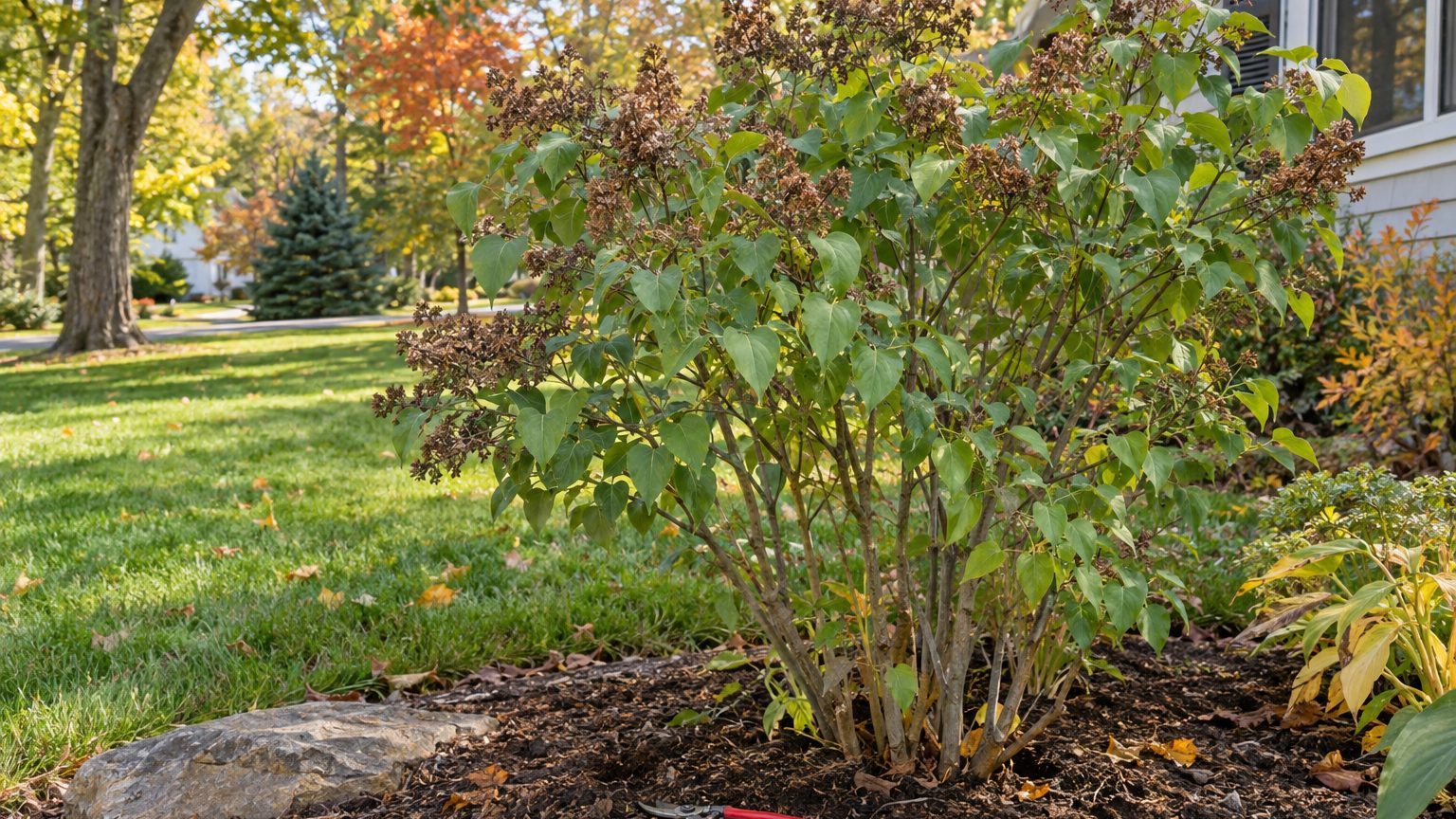
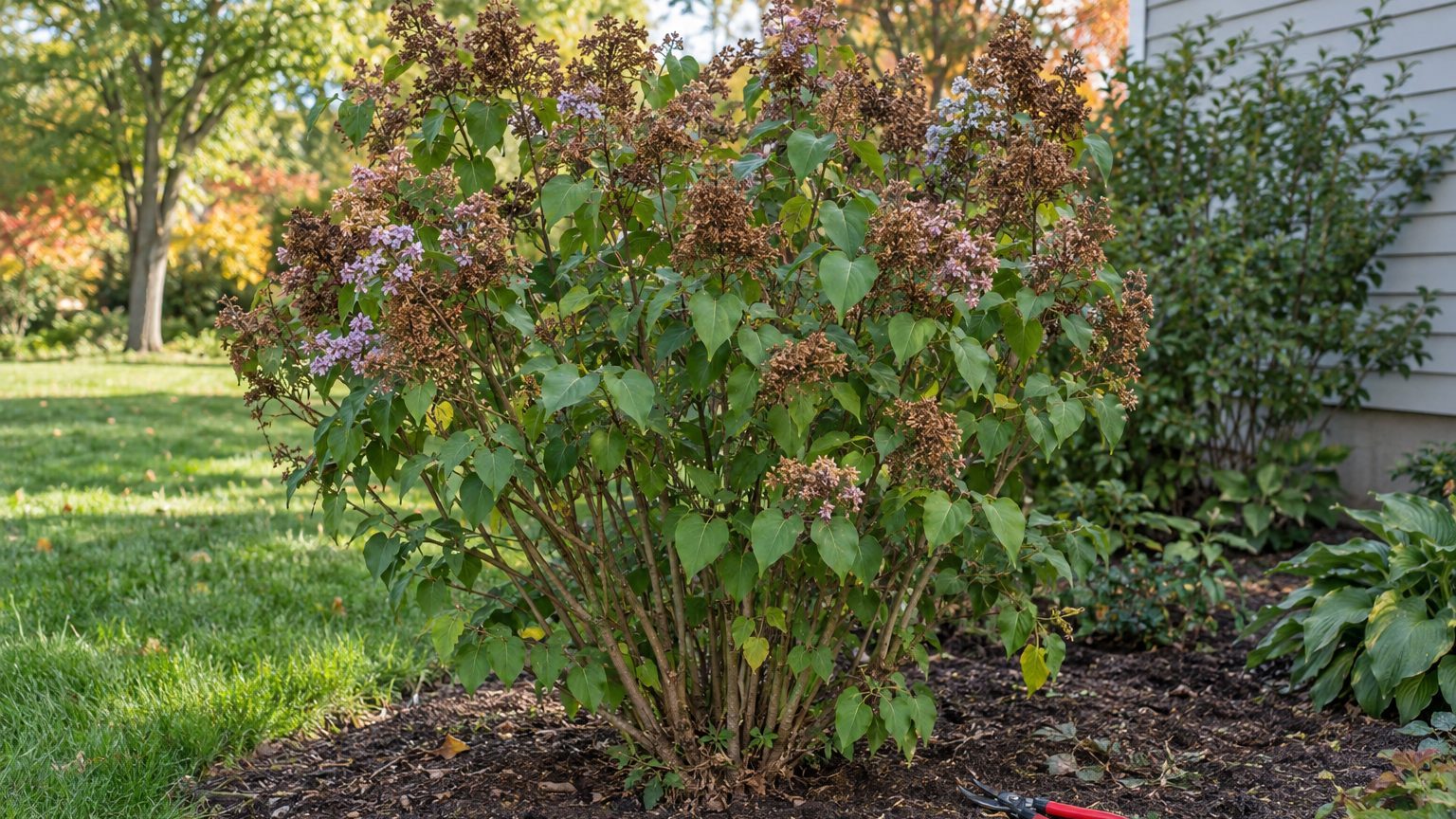
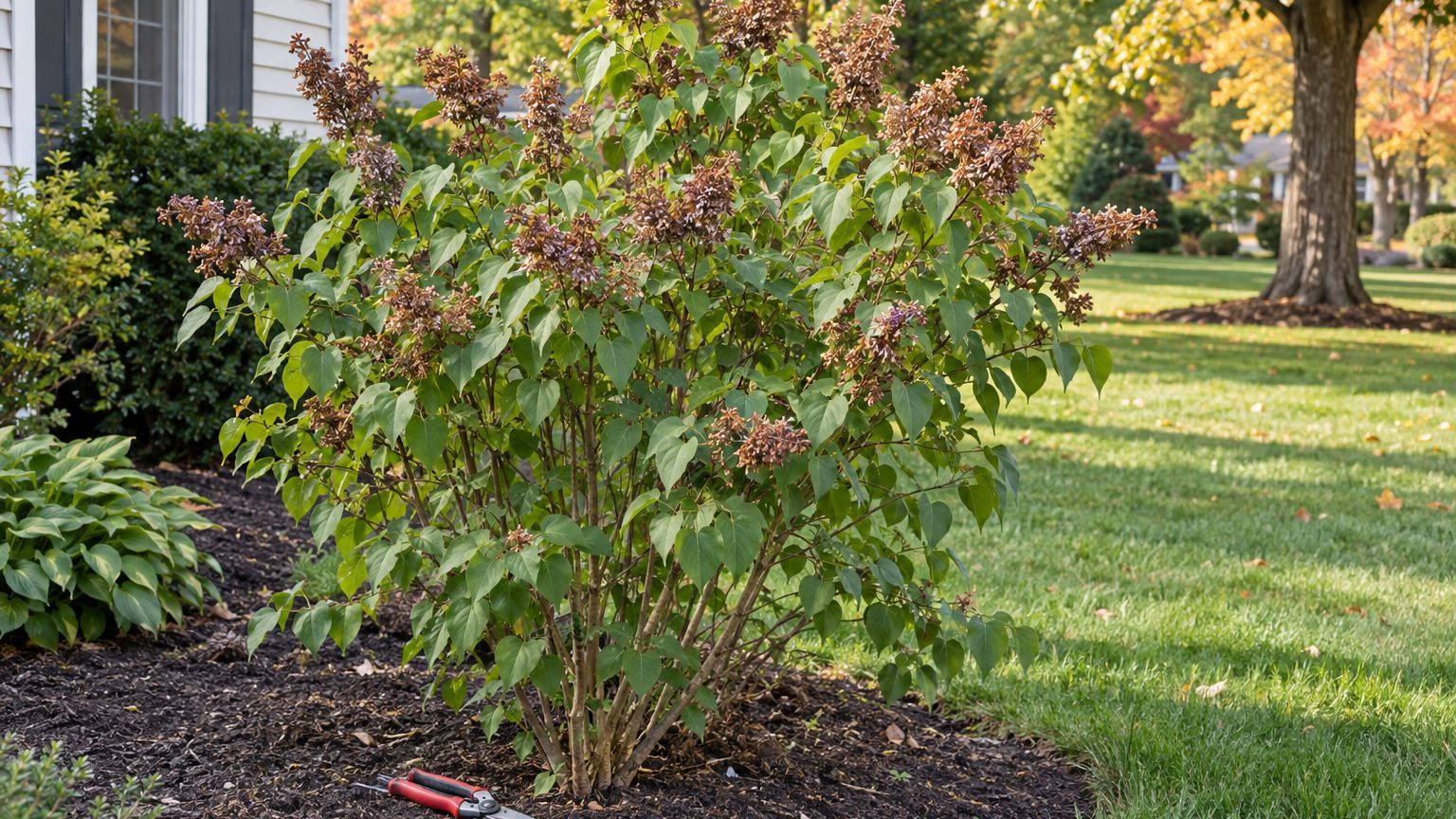
Lilac stems after flowering

Prune lilacs in Illinois right after the flowers fade, which means May and June. Lilacs bloom on last year’s wood and set next year’s buds in summer, so pruning in late summer, fall or winter cuts off the next spring’s flowers.

Blooms open in April and May, and later species and cultivars carry on into June. The timing of your cut follows your own shrub’s flowers, not a fixed date.

Type of pruning When in Illinois Why
Routine upkeep, removing spent blooms and thinning May to June, right after the flowers fade Next year’s buds form soon after bloom, so early cuts keep them
Hard renovation cut of an overgrown lilac March to April, while the plant is still dormant A drastic cut-back renews the shrub but costs the next flowers

Plan on the renovation cut only for a shrub that has grown too tall, too leggy or too crowded to fix gradually. It will not flower for a few years afterward.

How to Tell When Your Lilacs Are Ready to Prune

Your shrub gives better timing than any calendar, and a walk around it tells you what you need to know.

  • Flower clusters turning brown and drooping mean the show is over and the pruners can come out.
  • Petals dropping onto the soil below tell you the bloom has finished, so cut soon before the buds for next year harden.
  • Snip just below each spent flower cluster.
  • Keep cuts light and close to the old blooms.
  • Flowers that still look fresh on a late cultivar mean you should wait, since June blooms push the timing later.

When several of these signs show up together, you are in the window.

Should You Prune Lilacs in Fall or Winter in Illinois?

No. Cutting in fall or winter takes off the buds that would have opened next spring, and the shrub simply goes without flowers. Lilacs form next year’s flower buds in summer, soon after they bloom, and those buds overwinter before opening the following spring.

A cold-season cut that makes sense is the hard renovation of an overgrown shrub in March or April. Cutting the whole plant back close to the ground renews it, and the price is the next flowers, with blooms returning only after a few years. For a healthy lilac that just needs tidying, wait for the flowers to fade instead.

How Lilac Pruning Time Shifts Across Illinois

Illinois stretches across hardiness zones 5a to 7b in the USDA system, so the same lilac blooms and finishes at different times from one end of the state to the other. Follow your own shrub’s flowers first, and check your county for local frost patterns, since suburban and rural yards often stay frosty later than city sites.

  • Chicago and the northern counties: Colder winters suit lilacs well, and bloom tends to come a little later than in the south, so pruning moves toward the later part of the May to June window.
  • Central Illinois around Springfield and Peoria: Bloom and pruning fall in the middle of the window, a bit after the flowers fade in May.
  • Southern Illinois toward Carbondale: Spring comes earlier, so flowers fade sooner and pruning can begin earlier in May. Lilacs also struggle more here in hot, humid summers.

In every region the signal stays the same, which is faded flowers on the shrub.

Where to Get Lilac Advice in Illinois

For questions about your own shrub, local expertise helps, especially when a lilac refuses to bloom or looks overgrown. Local extension offices offer gardening resources.

  • Check University of Illinois Extension for lilac care guidance and to find your county office.
  • Contact your county extension office with photos of the shrub in late spring, when the flowers are fading and the cuts are about to happen.

Common Questions

Can You Prune Lilacs in Summer?

Light trimming in June, right after the last flowers fade, is fine. Cutting well after that risks removing buds the shrub is already forming for next spring.

Why Is My Lilac Not Blooming After Pruning?

A cut made after buds have set removes next year’s flowers. A hard renovation cut also leaves the shrub without blooms for a few years while it regrows.

Do Lilacs Like Illinois Winters?

Yes. Lilacs need a cold winter rest to mature their flower buds, so they do best where winters are cold. Hot, humid summers are harder on them, which matters more in southern Illinois.

When to Prune Lilacs in Idaho

When to Prune Lilacs in Idaho

Lilac blooms fade to brown on the stem, and that is the moment the pruners come out. In Idaho, prune as soon as flowering ends, because the shrub starts building next spring’s flowers almost immediately. Timing here follows the fading flowers, and it decides whether next spring brings flowers or foliage alone.

When to Prune Lilacs in Idaho

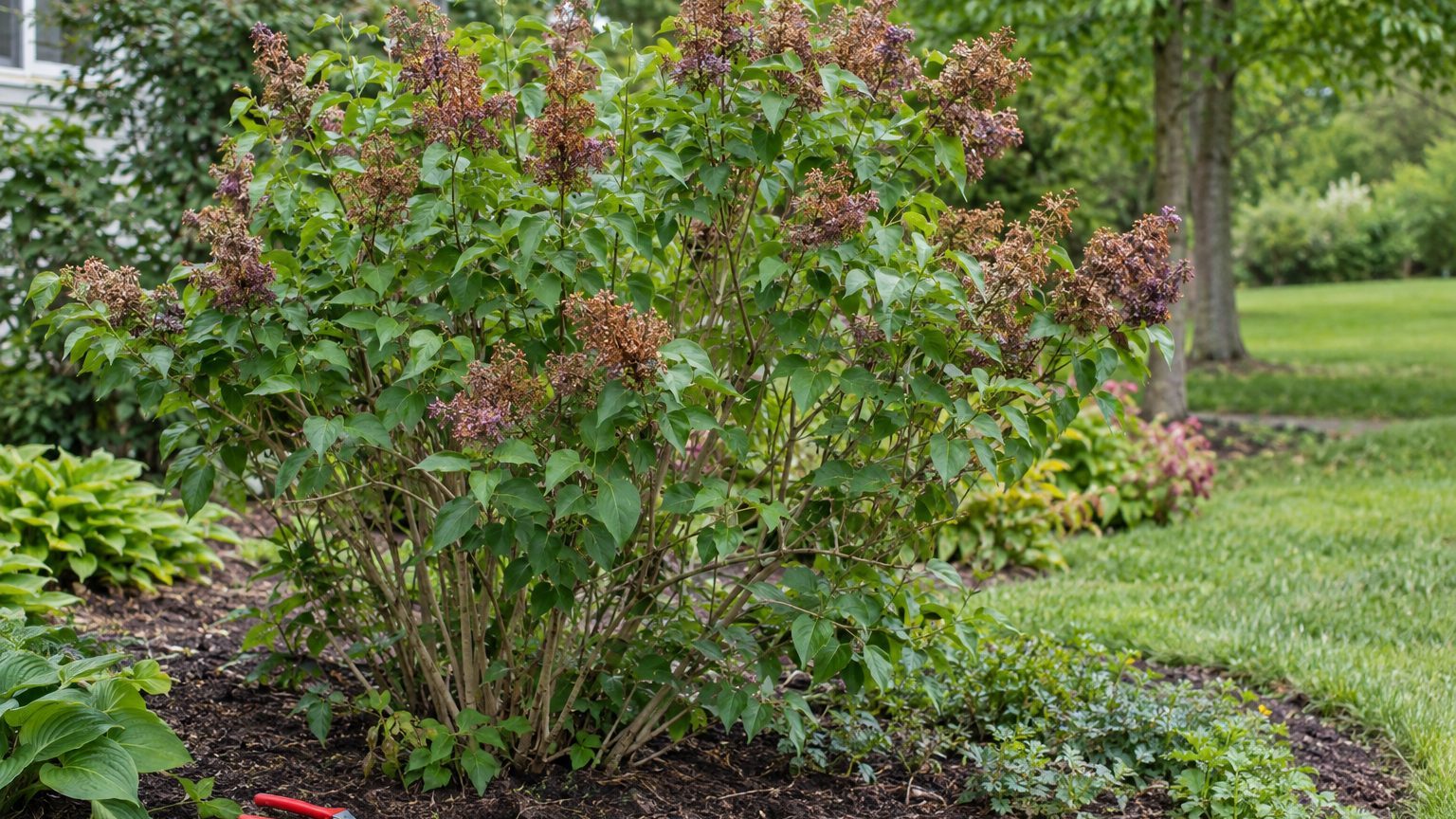
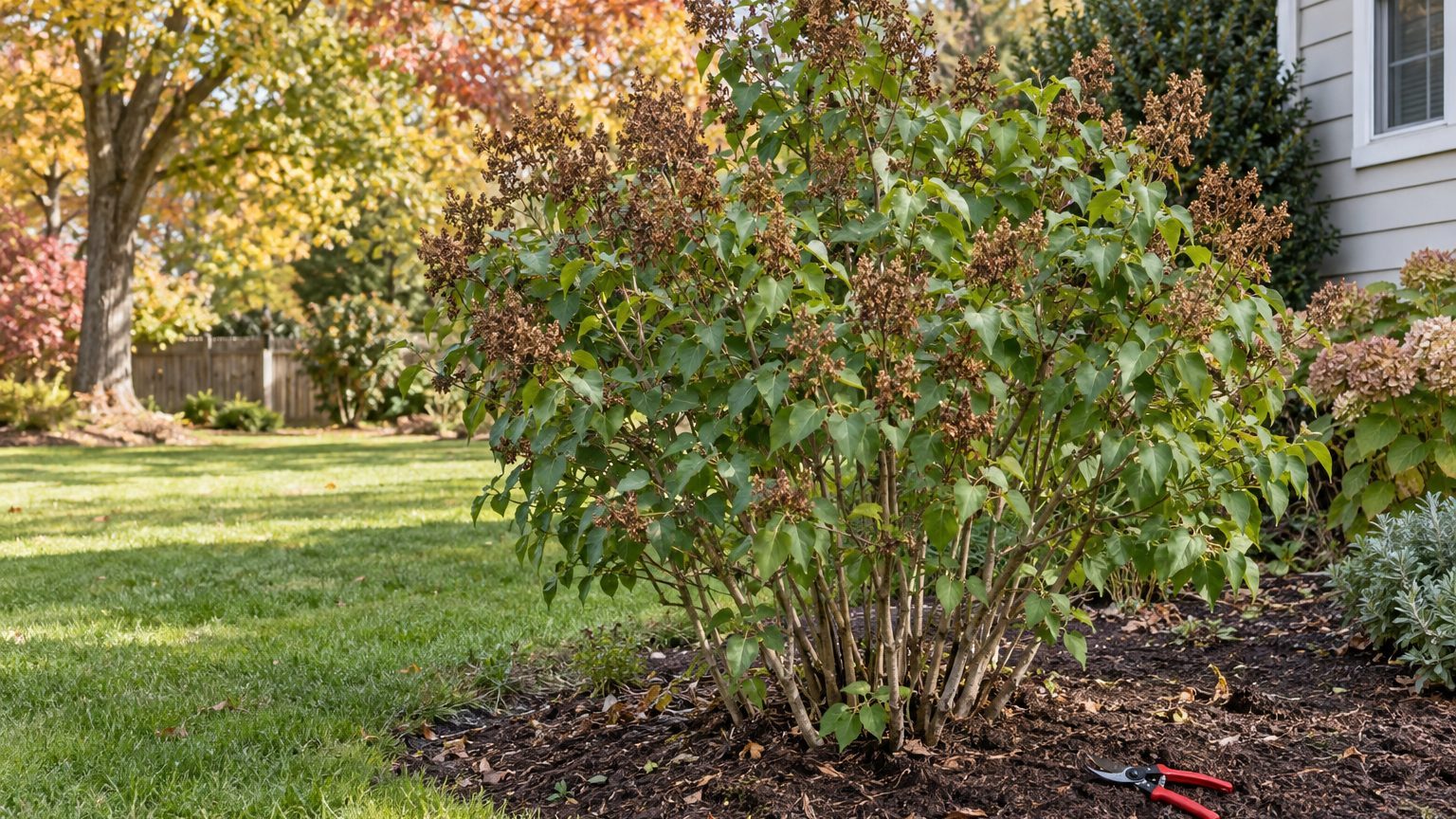
Lilac stems after flowering

Prune lilacs in June, right after the flowers fade, and July still works if June slips by. Bloom runs through May and into June, so the pruning window opens just as the last clusters finish. Buds for next year form in June and July.

Type of pruning When in Idaho Why
Routine maintenance cut June, right after the flowers fade (July also works) Next year’s flower buds form in June and July, so cutting soon after bloom leaves them intact
Hard renovation of an overgrown lilac March to April, in late winter The plant is still dormant, but the cut costs you the next flowers

Lilacs bloom on last year’s wood, which is why a late-winter renovation sacrifices flowers. An overgrown shrub cut back hard will not flower for a few years afterward.

How to Tell When Your Lilacs Are Ready to Prune

Plants give better cues than a calendar, and a lilac is easy to read once the show is over.

  • Flower clusters turning brown and drooping tell you the bloom is finished and the pruning window has opened.
  • Petals dropping and leaving bare, seed-bearing stalks mean the shrub is already shifting energy toward next year.
  • Faded flower clusters are the reliable cue to prune; do not wait for new buds to appear.
  • Leaf color does not determine the pruning window; the fading flowers do.
  • Crowded stems rubbing together in the middle of the plant point to the branches worth removing first.

If the flowers are still partly open, wait a little. Cutting while blooms remain wastes the part of the show you came for.

Should You Prune Lilacs in Fall or Winter in Idaho?

No, not for routine shaping. Cutting in late summer, fall or winter removes the buds that would open the following spring, and you end up with a tidy shrub and no flowers. The wood you trim in those months is the wood carrying next year’s bloom.

Late winter is reserved for the hard renovation of an overgrown lilac in March or April. Cutting the whole plant back close to the ground while it is dormant gives it a fresh start. The price is flowers, because rejuvenated plants will not bloom the first year and often wait longer than that.

Treat that cut as a deliberate reset, not as a shortcut for ordinary upkeep. For a healthy shrub that simply needs shaping, June is the answer.

How Lilac Pruning Time Shifts Across Idaho

The rule stays the same across the state, but the day the flowers fade moves with the local climate. Watch the blooms on your own shrub, not the calendar on the wall.

  • Boise and the Treasure Valley: Lower and warmer, so bloom ends sooner and the pruning window opens earlier in June.
  • Mountain towns such as McCall and Ketchum: Higher and colder, so flowers open later and fade later, and pruning follows a little behind the valley.
  • Northern Idaho around Coeur d’Alene: Cooler than the southwest valleys, so expect the fade to come later than in Boise.

Lilacs need a cold winter rest to ripen their buds, which is why they do well across most of Idaho’s colder ground and struggle where summers turn hot and humid.

Where to Get Lilac Advice in Idaho

Local answers are easy to find. University of Idaho Extension covers the state, and your county office can speak to the conditions in your own neighborhood.

  • The extension website carries plant care guidance, useful in late spring before the bloom ends.
  • Your county extension office can look at a struggling shrub, so call in early summer while the leaves are still on.

Common Questions

Can You Cut Lilacs Back Hard Without Killing Them?

Yes. A lilac can be cut back hard in late winter, in March or April, and it will regrow from the base. Expect no flowers for a few years afterward.

Do Lilacs Need Full Sun in Idaho?

Lilacs thrive in sunny sites with good air circulation. A shaded spot tends to give thin, sparse bloom, and crowded air invites trouble on the leaves.

What Hardiness Zones Cover Idaho?

In the USDA system, Idaho runs from zone 3b to 7b, so conditions differ a good deal from one part of the state to another. Lilacs suit that cold-winter range well.

When to Prune Lilacs in Hawaii

When to Prune Lilacs in Hawaii

A lilac in full bloom smells like spring, and the work that keeps it blooming starts the moment those clusters turn brown. In Hawaii the common lilac is a stretch, since it wants a cold winter that the islands rarely give, but a plant that does flower follows the same pruning rule.

When to Prune Lilacs in Hawaii

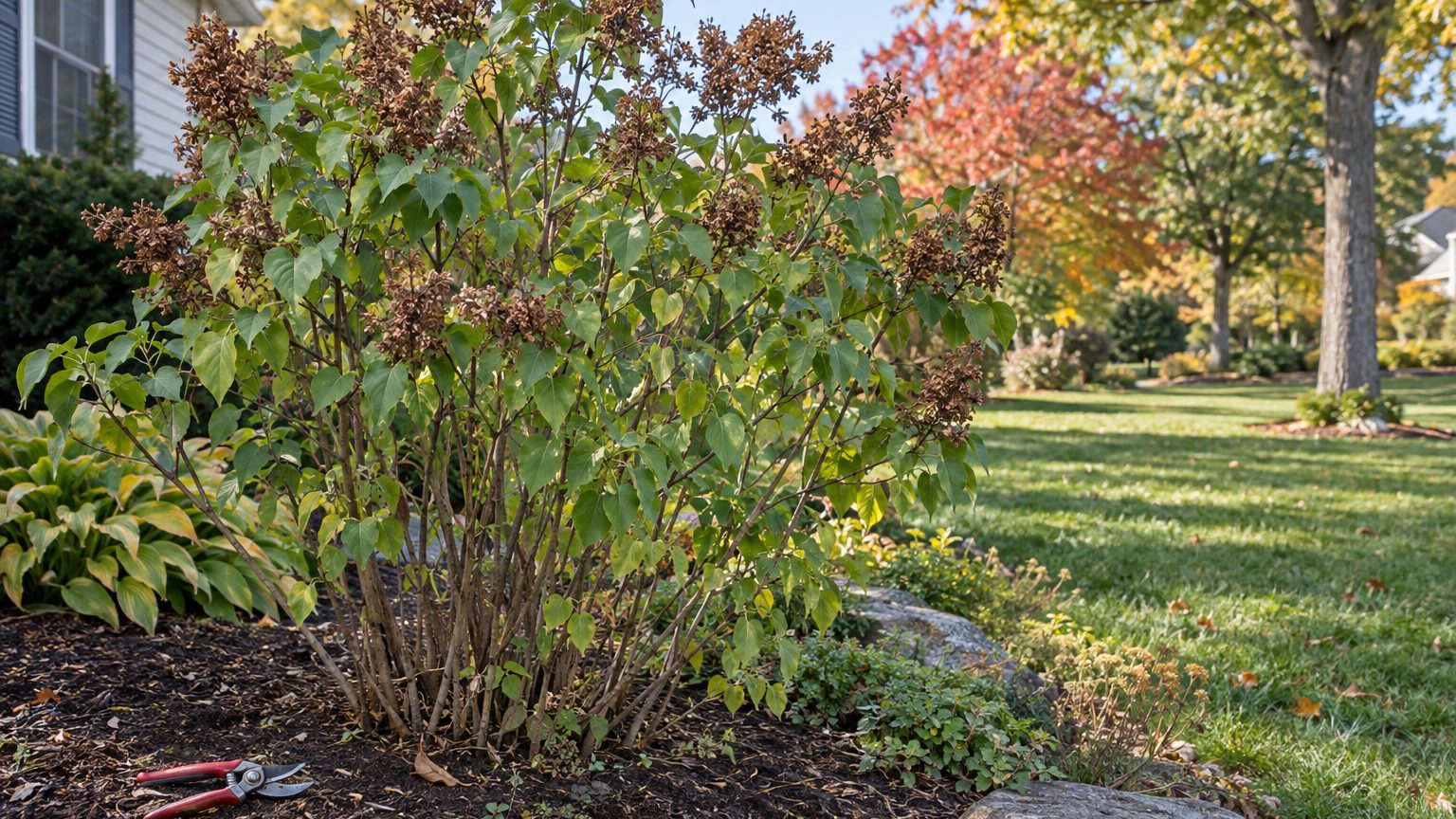
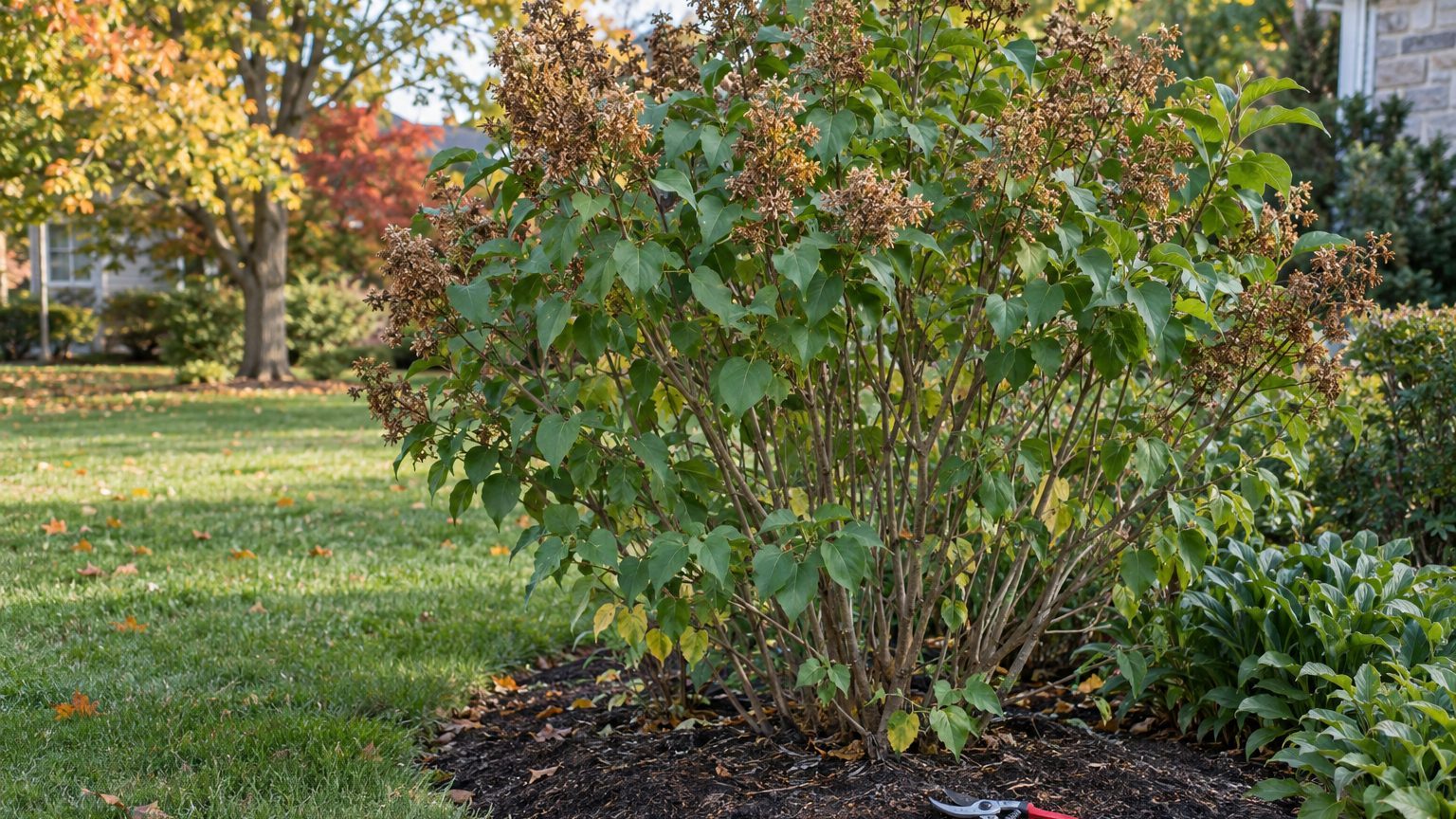
Lilac stems after flowering

Prune right after the last flowers fade, with no month to set on the calendar because the bloom follows the local spring. Lilacs need a cold winter rest to mature their flower buds, so they may flower poorly here, and no freeze ever reaches the places where people garden.

Type of pruning When in Hawaii Why
Routine upkeep, trimming spent clusters and shaping Right after the flowers fade Next year’s flower buds form in summer, soon after the bloom
Cutting back late summer, fall or winter Avoid The buds are already set on last year’s wood, so the cut removes next spring’s flowers

A lilac blooms on last year’s wood, which is why timing matters more than the amount you remove. For an old, crowded shrub that needs thinning, wait for the flowers to finish, then cut; prune a reblooming type right after its flowers fade.

How to Tell When Your Lilacs Are Ready to Prune

Watch the shrub rather than the calendar, because the plant tells you when the bloom is done.

  • Flower clusters that fade and turn brown mean the show is over, and the cut can happen now.
  • Petals dropping from most of the panicles tell you the shrub has finished flowering, so you can trim the spent heads.
  • Small new shoots pushing out below the old clusters show that the plant is putting its energy into next year’s growth.
  • Flower buds starting to form for next season mean you are late, since they set soon after the bloom and any cut now can remove them.
  • A shrub that never opened a flower this year has nothing to wait for, which is common where winters are mild, so prune only to shape it.

Prune as the old flowers fade, before the new buds set.

Should You Prune Lilacs in Fall or Winter in Hawaii?

No. Cutting in fall or winter takes off the buds that were set the summer before, and those buds are the next spring’s flowers. A lilac pruned then will usually grow leaves but little bloom.

There is no safe pruning window outside the period right after bloom. If a shrub has gotten too large, the plain approach is still to wait for the flowers to fade and then reduce it.

Because the plant already struggles without a cold rest, losing the next spring’s flowers to a badly timed cut is a poor trade. Keep the pruning shears for the end of the bloom.

How Lilac Pruning Time Shifts Across Hawaii

The timing signal stays the same everywhere, but where a lilac has any chance varies with elevation and exposure.

  • Higher volcanic slopes on Hawaii Island and Maui: Cooler air at elevation gives a lilac better odds of a winter rest, so flowering is more likely in these areas. Prune right after the flowers fade as usual.
  • Windward coasts: Steady rain and warmth leave little chilling, and a lilac here may leaf out and never flower. Prune only for shape, right after any bloom.
  • Leeward lowlands: Hot and dry conditions give no cold rest at all, so expect poor flowering and the same rule if a bloom does appear.

If you want a lilac that blooms, look for the early-blooming types sold as Southern lilacs or the Descanso hybrids such as Angel White and Blue Boy, which are worth trying in a mild climate.

Where to Get Lilac Advice in Hawaii

Local help matters more here than in cold-winter states, because island conditions often do not suit the common lilac. The state extension service can tell you what grows at your elevation.

  • The University of Hawaii Cooperative Extension offers guidance on shrubs that fit your island and rainfall, so ask before planting.
  • Your county extension office can speak to your slope and exposure, so call before buying a shrub.

Common Questions

Can Lilacs Grow in Hawaii?

Common lilacs do best where winters are cold, so they struggle in the islands. Low-chill types such as the Descanso hybrids are the better try, though even these prefer a cold rest.

Why Is My Lilac Not Blooming in Hawaii?

Look at whether the shrub gets any cool winter nights at your elevation, and whether it was pruned after summer. Lack of chilling or a badly timed cut can leave a healthy green shrub with no flowers.

Do Southern Lilacs Smell as Strong as Common Lilacs?

They usually grow and bloom in warmer places, but they are not as fragrant as the lilacs many gardeners remember from colder regions.

When to Prune Lilacs in Georgia

When to Prune Lilacs in Georgia

Lilac blooms in a Georgia spring can be thin or missing, and the shrubs that do flower have usually had a real winter rest. In a Georgia yard, the gesture of pruning lilacs is simple, but the timing follows the bloom, and the climate shapes what you can expect from the plant.

When to Prune Lilacs in Georgia

Lilac stems after flowering

Prune right after the last flowers fade, because the bloom follows the local spring and the buds for next year form soon afterward. Lilacs flower on last year’s wood, so a cut made later removes next spring’s flowers.

Type of pruning When in Georgia Why
Routine upkeep: trimming spent flowers, shaping, removing dead or crossing stems Right after the flowers fade Next year’s flower buds are set in summer, soon after bloom, so early cuts leave them in place
Thinning an old, overgrown lilac Right after flowering Cutting later can remove buds and reduce the next bloom
Reblooming lilacs In spring Spring pruning suits lilacs that bloom again later

Georgia spans USDA hardiness zones 6a to 9b, so the mountains and the coast live in very different climates. Lilacs need a cold winter rest to mature their flower buds, and they struggle in hot, humid summers, which can invite powdery mildew. Across much of Georgia a common lilac may flower poorly, no matter how well you prune. Early-blooming varieties sold as Southern lilacs, along with the Descanso hybrids such as the white ‘Angel White’ and blue ‘Blue Boy’, are worth looking for. These come from advice written for other places, so treat them as ones to try rather than guaranteed winners. Even the low-chill kinds do best with a long cold rest.

How to Tell When Your Lilacs Are Ready to Prune

The plant gives clearer cues than any date, and Georgia’s range of climates makes the signs more reliable than a calendar.

  • Most of the flower clusters have faded and turned brown, which tells you the show is over and cutting will not cost you any blooms.
  • Petals are dropping and the panicles look tired, so snipping off the spent heads tidies the shrub.
  • Small buds are forming just below the old flower heads, which tells you to cut above them and leave that wood alone.
  • New green shoots are pushing from the base or along the stems, so you can see which stems are young and which are old and gray.
  • Dead, broken or crossing branches stand out against fresh leaves, making them easy to spot and remove.

If the shrub bloomed little or not at all, the same rule applies: prune once whatever flowers it had have faded.

Should You Prune Lilacs in Fall or Winter in Georgia?

No. Cutting in fall or winter takes off the buds that were set the previous summer, so the shrub leaves you with leaves and no flowers the next spring. That is true in every part of Georgia, mild winters included.

A hard renewal cut on a badly overgrown lilac is the exception that costs you flowers on purpose. Cutting back in winter removes buds on the stems you cut, so expect little or no bloom afterward. If a lilac is already blooming poorly because of the warm winters, that trade can be easier to accept.

If you want to keep flowers coming, rejuvenate an old shrub by removing selected old, thick stems right after bloom and leaving the rest in place. The shrub renews itself gradually, and you keep most of the flowers.

How Lilac Pruning Time Shifts Across Georgia

The gesture stays the same everywhere, right after flowering, but the bloom itself arrives at different times and with different success across the state.

  • North Georgia mountains: Winters are colder here and freezes come earlier in fall, so lilacs get the chilling they want and bloom more reliably. Flowering comes later than farther south, and so does pruning.
  • Atlanta and the Piedmont: Conditions around Atlanta’s urban heat island can be milder than in the surrounding countryside. Lilacs here flower earlier, and the bloom can be modest.
  • Coastal plain and the coast: Winters are mild and summers hot and humid, making this a difficult setting for a lilac. Flowers are unlikely, so prune when whatever blooms fade, and look to Southern lilacs.

Watch your own shrub instead of a neighbor’s, since microclimates shift the bloom within a single county.

Where to Get Lilac Advice in Georgia

Georgia’s climate varies enough that local advice pays off, especially when you are choosing a variety that can flower where you live.

  • University of Georgia Extension, at University of Georgia Extension, offers plant guidance for Georgia gardens, and it is useful before you buy or plant a new lilac.
  • Your county extension office can speak to local conditions and can help diagnose mildew or poor flowering, so call when the leaves look off or the bloom has failed.

Common Questions

Why Is My Georgia Lilac Not Blooming?

A lack of winter cold is a common cause in Georgia, since lilacs need a cold rest to mature their buds. Check whether the shrub was pruned after summer, because that also removes flower buds. Persistent poor flowering may mean the shrub is a poor match for your climate.

Can You Grow Lilacs in South Georgia?

Common lilacs often struggle in hot, humid summers, and powdery mildew can be a problem. Early-blooming Southern lilacs and the Descanso hybrids are the ones to try. Even low-chill kinds do best with a long cold winter.

How Much Can You Cut Off a Lilac at Once?

Take only the oldest, thickest stems when you thin an overgrown shrub, and do it right after flowering. Leaving the younger stems in place means the plant keeps blooming while it renews itself.

When to Prune Lilacs in Florida

When to Prune Lilacs in Florida

A lilac that flowers in a Florida yard carries clusters that turn brown on the stems in spring, and that is the moment for the pruners. Lilacs here are a gamble, since the common kind wants more winter cold than most of the state delivers. For a lilac that does not rebloom, pruning after the flowers fade protects the next season’s bloom.

When to Prune Lilacs in Florida

Lilac stems after flowering

Prune right after the last flowers fade, whenever the local spring brings them. A lilac sets next year’s flower buds in summer, soon after it blooms, so pruning then avoids cutting off formed buds. A cut made later takes off buds already formed.

Lilacs also need a cold winter rest to mature those buds, which is why they struggle in hot, humid summers and may flower poorly in much of Florida.

Type of pruning When in Florida Why
Routine shaping and removal of spent blooms Right after the flowers fade Next year’s buds have not formed yet
Low-chill and Southern lilacs Right after the flowers fade They bloom on wood formed the previous year
Any cut in late summer, fall or winter Avoid It removes the buds that would open the next spring

That last row covers thinning an old, crowded shrub as well. A heavy cut belongs in the same post-bloom window, and a cut made at any other time of year gives up flowers for the following spring.

How to Tell When Your Lilacs Are Ready to Prune

The shrub gives clearer signals than any date, and in a state where the bloom follows a mild, uneven spring, the signals matter more than a calendar would.

  • Petals that turn brown and papery on the cluster tell you the show is over and the pruners can come out.
  • Clusters that stay on the stem as dried seed heads are your cue to snip them off just below the flower head.
  • Fresh green growth pushing out after the bloom means the plant is already working on next year’s buds, so any shaping should happen soon.
  • Stems that carried no flowers are not, by themselves, proof that the shrub needs thinning.
  • A shrub that did not bloom gives you no spent blooms to follow, so judge it by its shape and leave heavy cutting alone.

Once the shrub has leafed out fully after bloom, treat the pruning window as closing.

Should You Prune Lilacs in Fall or Winter in Florida?

No. Cutting in fall or winter removes the buds the shrub set the previous summer, and you lose that spring’s flowers. Winters are mild here, and a tidy-up on a pleasant winter day is tempting, but the buds sit on the wood you would be cutting.

A late-winter reshaping is no different, and it comes at the same cost in flowers. If a lilac has grown leggy or lopsided, save the correction until right after it blooms and avoid removing too much flowering wood during that pruning.

How Lilac Pruning Time Shifts Across Florida

Florida spans USDA hardiness zones 8b to 11b, and winter chill drops sharply from the top of the state to the bottom, so your odds of a bloom depend on where you live.

  • Jacksonville and north Florida: Freezes still arrive in winter here, so lilacs get at least some of the cold rest they need. North Florida offers more winter chill than the rest of the state, and pruning follows the fading blooms.
  • Orlando and Central Florida: Winters are close to frost-free, so buds often fail to mature. A lilac may leaf out well and give few flowers, and there may be no fading clusters to prune after.
  • Miami and South Florida: Frost is essentially absent, and summer is the hard season for the plant. Common lilacs are a poor match, so consider a Southern lilac or a type suited to mild winters.

In the warmer parts of the state, the shrub’s health in summer matters more than any pruning date.

Where to Get Lilac Advice in Florida

The state’s land-grant extension service, UF/IFAS Extension, has a local office in each county, staffed to answer plant questions from homeowners.

  • The county office can tell you which lilacs, if any, have done well in your part of Florida, so call before you buy one.
  • Local garden advisers can help assess a struggling shrub.

Common Questions

Which Lilacs Can You Grow in Florida?

Look for early-blooming types sold as Southern lilacs or lilacs for the South. Southern lilacs may grow and bloom in Florida, though they may be less fragrant than lilacs from colder places. Descanso hybrids such as Angel White and Blue Boy were developed in Southern California.

Do Lilacs Get Powdery Mildew in Florida’s Humidity?

Common lilacs struggle in high heat and humidity, conditions that can lead to powdery mildew. Hot, humid summers can raise the risk for a common lilac, so leave good air movement around it.

Do Low-Chill Lilacs Need a Cold Winter?

Some low-chill cultivars have been developed. Even low-chill cultivars perform best after an extended, cold winter rest, so they may still bloom lightly in Florida, particularly toward the south.

When to Prune Lilacs in Connecticut

When to Prune Lilacs in Connecticut

Brown, spent flower clusters hanging on a lilac in late spring are the cue to pick up the pruners. In Connecticut, that moment arrives as the flowers fade, and waiting much longer costs you next year’s flowers. The timing depends on what the shrub is doing, not on the calendar alone.

When to Prune Lilacs in Connecticut

Lilac stems after flowering

Prune lilacs in Connecticut right after the flowers fade, usually in May and into June. Flowers open from late April into early May, and the shrub starts forming next spring’s buds soon after, so the window is short and tied to bloom.

Type of pruning When in Connecticut Why
Routine upkeep: spent blooms, crossing or weak stems, shaping May, June, right after the flowers fade Next year’s buds form soon after bloom, so cutting now removes nothing you will miss
Hard renovation of an overgrown lilac March, April, while the shrub is still dormant The plant is cut back hard in late winter, at the price of the next flowers

Routine pruning is useful when the shrub needs shaping or has weak or crossing stems. A hard cut can reset a shrub that has grown tall, leggy and bare at the base, and an overgrown lilac cut this way will not flower for a few years afterward. For lilacs, make the main pruning cut right after the flowers fade.

How to Tell When Your Lilacs Are Ready to Prune

Watch the shrub itself, because the signs line up with the timing more reliably than a date on the calendar.

  • The flower clusters have turned brown and dull, which tells you bloom is over and pruning can begin.
  • Petals are dropping and the panicles look tired, so deadheading now keeps the plant from spending energy on seed.
  • Small new shoots are pushing out below the old flower heads, a sign the shrub is already starting next year’s growth.
  • Because next spring’s flower buds begin forming soon after bloom, waiting until late summer means cutting them off.
  • The leaves are fully open and the shrub looks settled, which makes it easy to see which stems are dead, crossing or crowded.

Once those signs show, work soon, because delaying moves you closer to cutting buds that are already set.

Should You Prune Lilacs in Fall or Winter in Connecticut?

No. A lilac blooms on last year’s wood and sets its flower buds in summer, so cutting in late summer, fall or winter removes the flowers you are waiting for. A shrub pruned then can look tidy and bloom thinly or not at all the following spring.

Hard renovation is the exception. Late winter, in March or early April, is the time to cut an overgrown lilac back hard while it is dormant. Expect no flowers the first spring, and for a few years after, as the plant rebuilds its framework.

If a branch is broken by snow or ice in winter, removing the damaged branch is fine. Save the shaping for after bloom.

How Lilac Pruning Time Shifts Across Connecticut

Connecticut spans a range of hardiness zones, and lilacs follow the local season, so the signs on your own shrub matter more than any fixed date.

  • Along the Long Island Sound shoreline: Spring warms sooner, so lilacs here tend to flower and finish earlier than inland, and pruning can start sooner too.
  • Northwest Hills: Winters are colder and spring comes later, so bloom and the pruning window run behind the coast. Cold winters suit lilacs well, since the chill helps their buds mature.
  • Connecticut River Valley: Conditions fall between the coast and the hills, so follow the fading blooms on your own shrub.

Wherever you live, start pruning when your own flowers finish, not when a neighbor’s do.

Where to Get Lilac Advice in Connecticut

For questions about a shrub that will not bloom or has outgrown its spot, local help is close at hand. UConn Extension publishes seasonal garden guidance, and its Home and Garden Education Center answers plant questions from residents.

  • The site has lilac and seasonal pruning articles, and it is worth reading before bloom begins.
  • Your county extension office can help with a specific shrub or a pest problem, so call or bring a sample when something looks wrong.

Common Questions

Why Didn’t My Lilac Bloom This Year?

Pruning at the wrong time is a frequent cause, since late summer, fall or winter cuts remove the buds. Shade matters too, because lilacs want a sunny site with good air circulation. A shrub that was cut back hard in a previous late winter will also skip flowers for a few years.

Can You Cut a Lilac Back to the Ground?

Yes, an overgrown lilac can be cut back hard in March or April while dormant. The shrub regrows from the base, but flowers will be missing for a few years.

Do Lilacs Like Connecticut Summers?

Lilacs do best in cold-winter climates and struggle in hot, humid summers, but Connecticut’s winters give them the chill their buds need. Good air circulation helps the leaves stay healthy through humid weather.

When to Prune Lilacs in Colorado

When to Prune Lilacs in Colorado

Lilac blooms fade to brown, and the shrub looks tired for a while. That is the moment the pruning shears come out in Colorado, because the next year’s flowers are already being set. The fading flowers provide a reliable cue across Colorado’s varied climates.

When to Prune Lilacs in Colorado

Lilac stems after flowering

Prune lilacs in June, right after the flowers fade. July works as a fallback. Lilacs bloom on last year’s wood and set next year’s flower buds in summer, soon after flowering, so cutting later in the season removes the spring display.

Type of pruning When in Colorado Why
Routine shaping and removal of spent blooms June, right after the flowers fade (July also works) Buds for next year form in June and July, so early cuts protect them
Hard renovation of an overgrown lilac March to April, while the plant is dormant Cutting back hard in late winter costs the next flowers, and the shrub will not flower for a few years afterward

For reblooming lilacs, prune right after the flowers fade. The renovation cut is a drastic option for a shrub that has grown tall and bare at the base, because the trade is a few years without flowers in exchange for a fresh start.

How to Tell When Your Lilacs Are Ready to Prune

The shrub gives clearer instructions than the calendar, and in Colorado the signs show up as the bloom season closes in late spring into June.

  • The flower clusters turn brown and dry, which tells you the show is over and cutting will not sacrifice any bloom.
  • Petals drop and the panicles look limp, so snip them off just below the cluster to keep the plant from putting energy into seed.
  • New green growth is pushing out below the spent flowers, a sign the plant is already building the wood that will carry next year’s blooms.
  • Small buds are starting to form for the following spring, and since they develop in June and July, that is your cue to finish pruning soon.
  • Leaves are fully open and the shrub holds its shape, so you can see which stems are crossing, dead or crowding the center.

If these signs have passed and July is over, hold the shears until the next bloom has come and gone.

Should You Prune Lilacs in Fall or Winter in Colorado?

No. Cutting in fall or winter removes the flower buds that are already formed for next spring, so you trade a season of fragrance for a tidier outline. The shrub will grow back, but the blooms will not.

Late winter is the exception for a drastic reset. An overgrown lilac can be cut back hard in March or April while still dormant. For this renewal cut, cut the overgrown plant back hard while it is dormant, knowing that it will not flower for a few years afterward.

For a lilac that still flowers decently, skip the winter cut and wait for June. A shrub that is merely leggy can be thinned gradually right after bloom instead, which spares the flowers.

How Lilac Pruning Time Shifts Across Colorado

Colorado spans plains, foothills, high mountain towns and the western slope, so the same shrub reaches bloom on very different dates. Follow the flowers rather than the date on the calendar.

  • Denver and the Front Range plains: Lilacs here bloom in May, and Denver’s last spring frost falls between May 1 and May 11. June pruning follows soon after the flowers fade.
  • Mountain towns: Seasons run far shorter and frost can return even in July, so bloom comes later and pruning moves later with it. Watch the flowers, not the month.
  • Western slope: The climate differs again from the plains, so let the fading blooms set your timing instead of borrowing a Front Range date.

Lilacs do well across much of the state because they need a cold winter rest to mature their flower buds, and they struggle in hot, humid summers.

Where to Get Lilac Advice in Colorado

For questions about an old lilac, a shrub that will not bloom or a local timing call, local help is available. Colorado State University Extension publishes research-based plant guidance, and your county office can speak to conditions at your elevation.

  • Its site has plant guides and gardening answers, so check there before you plan a big cut.
  • Your county extension office can advise on your elevation and microclimate, which is useful in late spring before the flowers fade.

Common Questions

Can You Cut Lilac Flowers for a Vase?

Yes. Cutting some stems at bloom is a light form of pruning, since the buds for next year have not yet formed. Take stems from beside the spent clusters rather than the main framework.

Why Is a Colorado Lilac Not Blooming?

Look at when it was last cut and how much sun it gets, together. A shrub pruned in late summer, fall or winter loses its buds. A lilac also thrives in sunny sites with good air circulation, so heavy shade also reduces flowers.

Which Lilacs Suit Colorado Yards?

Common lilacs are hardy across much of the state’s range, which runs from zone 3b to 7b on the USDA system. Hyacinthiflora hybrids bloom earlier, which leaves their flowers more exposed to late frosts.

When to Prune Lilacs in California

When to Prune Lilacs in California

A lilac that has just dropped its last brown flower heads is ready for the pruning shears. In California the timing follows the bloom rather than a date on the calendar, because the shrub sets next year’s buds soon after it flowers. Climate matters here too, since a lilac asks for more winter cold than much of the state gives.

When to Prune Lilacs in California

Lilac stems after flowering

Prune right after the last flowers fade. How soon that happens depends on your local spring, and in much of California it differs a lot from one valley or coastal town to the next. The bloom is your signal.

Lilacs flower on last year’s wood and form the following spring’s buds in summer. Any cut made after that point takes flowers with it.

Type of pruning When in California Why
Maintenance pruning: spent flower heads, crossing or weak stems, light shaping Right after the flowers fade Next spring’s buds have not formed yet, so nothing is lost
Any cut made later in the year Late summer, fall or winter: avoid The buds are already set, and cutting removes the next spring’s flowers

Thinning an old, crowded lilac follows the same rule, so make those cuts straight after bloom as well. A shrub that gets its heavy cuts at any other time will flower less the following spring. Lilacs also need a cold winter rest to mature their buds, which is why they do best in cold-winter climates and may flower poorly in the milder parts of California.

How to Tell When Your Lilacs Are Ready to Prune

Your shrub gives better timing than any calendar, and the signs are easy to read from the sidewalk.

  • The flower clusters turn from fresh color to dull brown, which means the show is over and pruning can start.
  • Most of the florets on a panicle have dropped or shriveled, so you can cut the whole spent cluster without losing anything still opening.
  • Small seed capsules begin to form where the flowers were, and removing them sends the plant’s energy into new growth instead of seed.
  • New leafy shoots start pushing out below the old flower heads, which shows the shrub is already building next year’s wood and buds.
  • A lilac that bloomed sparsely or not at all still follows this rhythm, so prune after the last flowers you do see rather than waiting for a bigger display.

Once the shoots have grown and the leaves have filled in, the window for easy pruning is closing, so work soon after the bloom ends.

Should You Prune Lilacs in Fall or Winter in California?

No. Cutting in fall or winter removes the flower buds that formed after last spring’s bloom, and the shrub then has little to show you. A tidy-looking lilac in winter can mean a bare one the following spring.

Gardeners are often tempted to do a reshaping cut in late winter, when other shrubs are being trimmed and the lilac stands bare. The same rule applies. A cut made then takes off buds, so expect fewer flowers that spring even though the shrub will recover and grow.

Otherwise, wait for the next bloom to finish and cut then.

How Lilac Pruning Time Shifts Across California

California spans USDA hardiness zones 5a to 11a, so the same shrub lives in very different conditions. The sign stays the same, but the places where lilacs do well, and where they struggle, change a good deal.

  • Sierra Nevada and the high country: Winters here freeze and give lilacs the cold rest they want. The bloom comes later where winter lingers, and pruning follows it.
  • Central Valley: Freezes happen here, so lilacs get some winter rest, though hot summers can stress them. Prune once the flowers fade, and ask your county extension office how to protect the shrub through the summer heat while following local water rules.
  • Northern California: Freezes occur in an average year, which suits lilacs better than the coast to the south. Treat the bloom as your guide and prune soon after it ends.
  • Southern California and the coast: These areas are frost-free, so lilacs get little winter chill and may flower poorly. Some varieties will bloom with only little chilling, and the Descanso hybrids, developed in Southern California, include white Angel White, blue Blue Boy and pink California Rose.

Wherever you garden, a lilac still sets its buds soon after flowering, so the post-bloom window holds across the state.

Where to Get Lilac Advice in California

Local conditions in California vary enough that a nearby expert is worth a visit.

  • The statewide pages of University of California Agriculture and Natural Resources cover lilac care and which varieties handle low winter chill, so read them before you buy.
  • Your county extension office and its Master Gardener volunteers can tell you which lilacs flower in your neighborhood, so call or visit before you shop.

Common Questions

Which Lilacs Grow in Southern California?

Varieties that bloom with little winter chill are the ones to look for. The Descanso hybrids were developed in Southern California, and Angel White, Blue Boy and California Rose are among them. Even these like some cold, so choose a spot with good light and do not expect the heavy bloom of a cold-winter garden.

Why Does a Lilac in California Grow Leaves but Few Flowers?

Look at your winter first. A mild, frost-free climate gives buds too little chill to mature, and a lilac in that setting may flower poorly no matter how well you tend it. Then look at when the shrub was last cut, because pruning after summer removes the buds that were meant to open.

Can You Grow Lilacs in the Central Valley?

Yes, since the valley freezes in winter and the shrub gets some rest. Hot, dry summers are the challenge, so ask your county extension office how to protect the shrub while following local water rules.

When to Prune Lilacs in British Columbia

When to Prune Lilacs in British Columbia

Lilac flowers fade to brown by the end of spring, and that brown is the cue to pick up the pruners. In British Columbia, the cut comes soon after the last blooms drop, before the shrub starts setting next year’s flowers. Timing matters more than technique here, and a few simple signs keep you on track.

When to Prune Lilacs in British Columbia

Lilac stems after flowering

Prune in June, right after the flowers fade. If your lilac finished early, it can also be done in May. British Columbia has no local extension page on lilac timing, so these dates follow the nearest comparable climate; confirm them with a local garden centre, garden society or provincial gardening group.

The reason is the shrub’s calendar. A lilac blooms on last year’s wood and sets next year’s flower buds in summer, soon after it flowers, so late cuts remove the show before it exists.

Type of pruning When in British Columbia Why
Yearly shaping and removal of spent flowers June, or May if the blooms finished early Pruning right after bloom avoids removing next year’s buds
Cuts in July, late summer, fall or winter Avoid The buds are already set, and cutting them off cancels the next spring’s flowers

An old, crowded lilac follows the same after-bloom timing when you thin it. Expect fewer flowers the following spring, because some of the flowering wood goes with the cut.

How to Tell When Your Lilacs Are Ready to Prune

Your lilac announces its own schedule, and it matters more than the date on the calendar, since a cool spring can push flowering later.

  • The flower clusters turn from fresh color to dull brown, which tells you the bloom is over and pruning can begin.
  • Petals litter the ground under the shrub, a sign the flowers are spent and the stems can be cut back safely.
  • New green leaves are fully open and the shrub looks like foliage rather than flowers, so you can see which stems are dead, crossing or crowded.
  • Small green shoots start pushing near the base of the older stems, a reminder that growth for next year’s buds is already underway and the window is closing.
  • By July the opportunity has passed, because cutting then takes off flower buds for the next growing season.

Trim the faded clusters just below the flower head, and leave the new growth below it alone.

Should You Prune Lilacs in Fall or Winter in British Columbia?

No. Cutting in fall or winter removes the buds that would open the following spring, so the shrub looks tidy and then fails to flower. The buds are sitting on the stems all winter, invisible and easy to mistake for bare twigs.

A late-winter shaping cut costs flowers in the same way. Whatever wood you remove takes its buds with it, and the bloom shrinks to what is left. If a lilac is overgrown, it is better to wait for the next June and then thin it after the flowers fade. Missing the next bloom is the price of cutting at the wrong time, and you can avoid it by holding off.

How Lilac Pruning Time Shifts Across British Columbia

The province covers coast, interior valleys and cold northern country, so the same June task can slide a little depending on where you garden.

  • Vancouver and the Lower Mainland: Spring comes early on the coast, with the last frost arriving on average March 18, though in one year out of two it falls later. Lilacs here flower and finish earlier than inland, so prune as soon as the blooms brown.
  • The Okanagan: Inland valleys have colder winters than the coast, which suits lilacs, and spring arrives later. Flowering and pruning slide later with it, so watch the blooms rather than the date.
  • Prince George and the northern interior: Northern and upland districts run well behind the coast. Pruning follows whenever the flowers fade, which may be well into June.

The rule stays the same everywhere: cut after the bloom, not before it.

Where to Get Lilac Advice in British Columbia

Local help comes from the province and from neighbors who grow lilacs. The province’s Agriculture and Seafood pages are the place to start for general plant care.

  • Local garden centres can tell you when lilacs bloom in your town, so visit in May and ask what the shrubs nearby are doing.
  • Garden societies and master gardener groups hold plant sales and workshops in spring, and members can tell you how local lilacs behaved last year.
  • The provincial agriculture pages are worth a look before you plan a bigger renovation of an old shrub.

Common Questions

Can You Cut Lilac Flowers for a Vase?

Yes. Cutting blooms in May takes only the current flower heads, and the shrub sets next year’s buds afterward. Cut just below the cluster so you leave the new growth intact.

Do Lilacs Grow Well Along the British Columbia Coast?

They can, but they do best where winters are cold. Lilacs need a cold winter rest to mature their flower buds, and they struggle in hot, humid summers. On the mild coast a lilac may leaf out well yet bloom lightly, while an inland garden usually gives a better show.

Why Did a Lilac Not Bloom After Pruning?

Check when the cut was made and how the shrub is growing. If the pruning happened in July, fall or winter, the flower buds went with the branches. Heavy shade or repeated hard pruning may also explain the missing flowers; correct the pruning after bloom next June.

The almanac, state by state. Every date on this site comes from a state’s own frost facts and its extension service’s calendar — and says where it comes from.