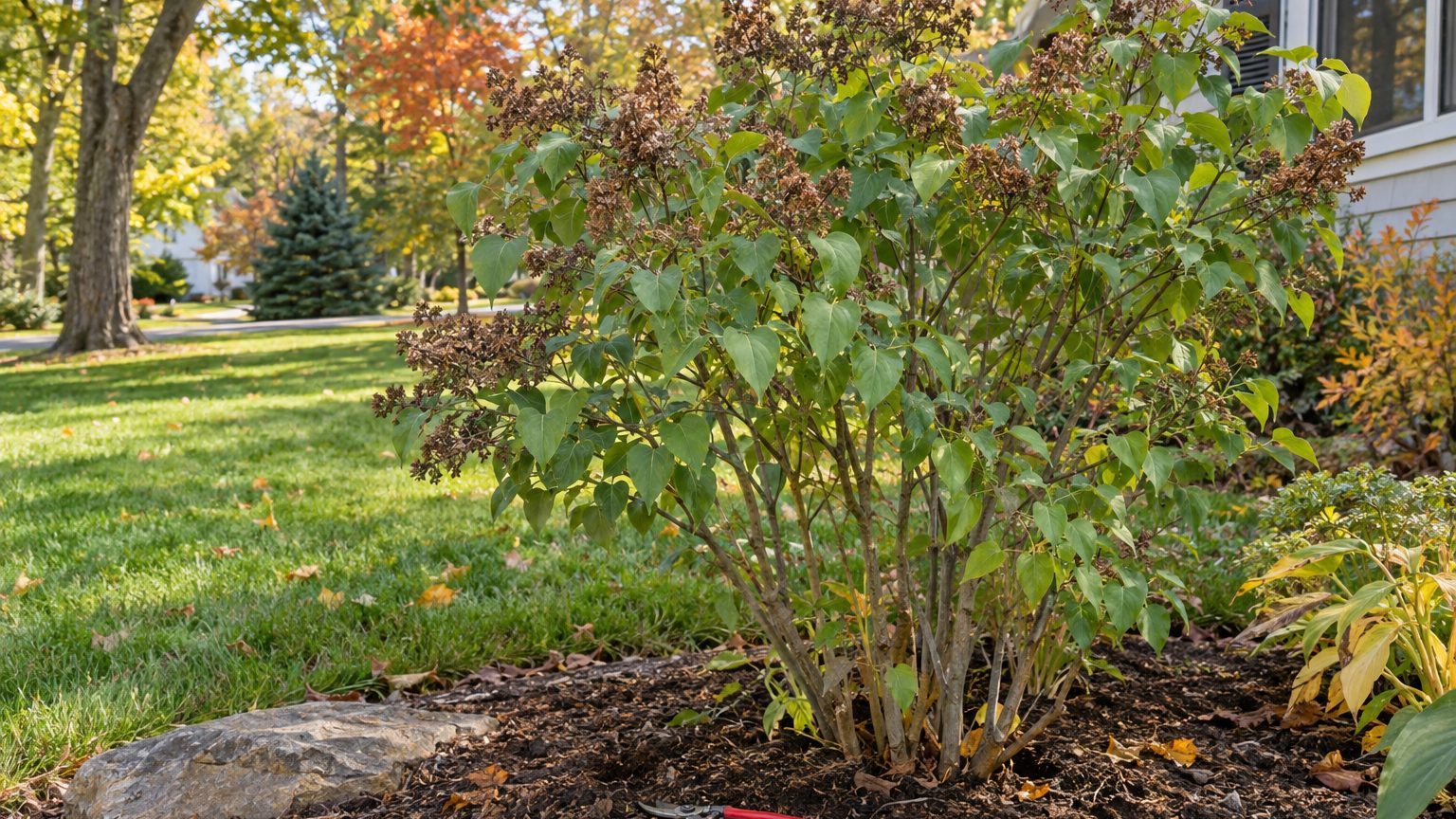
Lilac blooms in a Georgia spring can be thin or missing, and the shrubs that do flower have usually had a real winter rest. In a Georgia yard, the gesture of pruning lilacs is simple, but the timing follows the bloom, and the climate shapes what you can expect from the plant.
When to Prune Lilacs in Georgia

Prune right after the last flowers fade, because the bloom follows the local spring and the buds for next year form soon afterward. Lilacs flower on last year’s wood, so a cut made later removes next spring’s flowers.
| Type of pruning | When in Georgia | Why |
|---|---|---|
| Routine upkeep: trimming spent flowers, shaping, removing dead or crossing stems | Right after the flowers fade | Next year’s flower buds are set in summer, soon after bloom, so early cuts leave them in place |
| Thinning an old, overgrown lilac | Right after flowering | Cutting later can remove buds and reduce the next bloom |
| Reblooming lilacs | In spring | Spring pruning suits lilacs that bloom again later |
Georgia spans USDA hardiness zones 6a to 9b, so the mountains and the coast live in very different climates. Lilacs need a cold winter rest to mature their flower buds, and they struggle in hot, humid summers, which can invite powdery mildew. Across much of Georgia a common lilac may flower poorly, no matter how well you prune. Early-blooming varieties sold as Southern lilacs, along with the Descanso hybrids such as the white ‘Angel White’ and blue ‘Blue Boy’, are worth looking for. These come from advice written for other places, so treat them as ones to try rather than guaranteed winners. Even the low-chill kinds do best with a long cold rest.
Georgia — the year and the numbers
- State
- Georgia
- USDA zones
- 6a-9b
- Last spring frost
- March 11 to March 29
- First fall frost
- November 13 to December 1
- Annual rain
- 50 in
- Lawn zone
- transition-season
- Source
- NOAA NCEI 1991-2020 Climate Normals, 32F freeze probabilities · Atlanta
How to Tell When Your Lilacs Are Ready to Prune
The plant gives clearer cues than any date, and Georgia’s range of climates makes the signs more reliable than a calendar.
- Most of the flower clusters have faded and turned brown, which tells you the show is over and cutting will not cost you any blooms.
- Petals are dropping and the panicles look tired, so snipping off the spent heads tidies the shrub.
- Small buds are forming just below the old flower heads, which tells you to cut above them and leave that wood alone.
- New green shoots are pushing from the base or along the stems, so you can see which stems are young and which are old and gray.
- Dead, broken or crossing branches stand out against fresh leaves, making them easy to spot and remove.
If the shrub bloomed little or not at all, the same rule applies: prune once whatever flowers it had have faded.
Should You Prune Lilacs in Fall or Winter in Georgia?
No. Cutting in fall or winter takes off the buds that were set the previous summer, so the shrub leaves you with leaves and no flowers the next spring. That is true in every part of Georgia, mild winters included.
A hard renewal cut on a badly overgrown lilac is the exception that costs you flowers on purpose. Cutting back in winter removes buds on the stems you cut, so expect little or no bloom afterward. If a lilac is already blooming poorly because of the warm winters, that trade can be easier to accept.
If you want to keep flowers coming, rejuvenate an old shrub by removing selected old, thick stems right after bloom and leaving the rest in place. The shrub renews itself gradually, and you keep most of the flowers.
How Lilac Pruning Time Shifts Across Georgia
The gesture stays the same everywhere, right after flowering, but the bloom itself arrives at different times and with different success across the state.
- North Georgia mountains: Winters are colder here and freezes come earlier in fall, so lilacs get the chilling they want and bloom more reliably. Flowering comes later than farther south, and so does pruning.
- Atlanta and the Piedmont: Conditions around Atlanta’s urban heat island can be milder than in the surrounding countryside. Lilacs here flower earlier, and the bloom can be modest.
- Coastal plain and the coast: Winters are mild and summers hot and humid, making this a difficult setting for a lilac. Flowers are unlikely, so prune when whatever blooms fade, and look to Southern lilacs.
Watch your own shrub instead of a neighbor’s, since microclimates shift the bloom within a single county.
Where to Get Lilac Advice in Georgia
Georgia’s climate varies enough that local advice pays off, especially when you are choosing a variety that can flower where you live.
- University of Georgia Extension, at University of Georgia Extension, offers plant guidance for Georgia gardens, and it is useful before you buy or plant a new lilac.
- Your county extension office can speak to local conditions and can help diagnose mildew or poor flowering, so call when the leaves look off or the bloom has failed.
Common Questions
Why Is My Georgia Lilac Not Blooming?
A lack of winter cold is a common cause in Georgia, since lilacs need a cold rest to mature their buds. Check whether the shrub was pruned after summer, because that also removes flower buds. Persistent poor flowering may mean the shrub is a poor match for your climate.
Can You Grow Lilacs in South Georgia?
Common lilacs often struggle in hot, humid summers, and powdery mildew can be a problem. Early-blooming Southern lilacs and the Descanso hybrids are the ones to try. Even low-chill kinds do best with a long cold winter.
How Much Can You Cut Off a Lilac at Once?
Take only the oldest, thickest stems when you thin an overgrown shrub, and do it right after flowering. Leaving the younger stems in place means the plant keeps blooming while it renews itself.