Skip to content

When to Prune Lilacs, and How Much to Cut

When to Prune Lilacs, and How Much to Cut

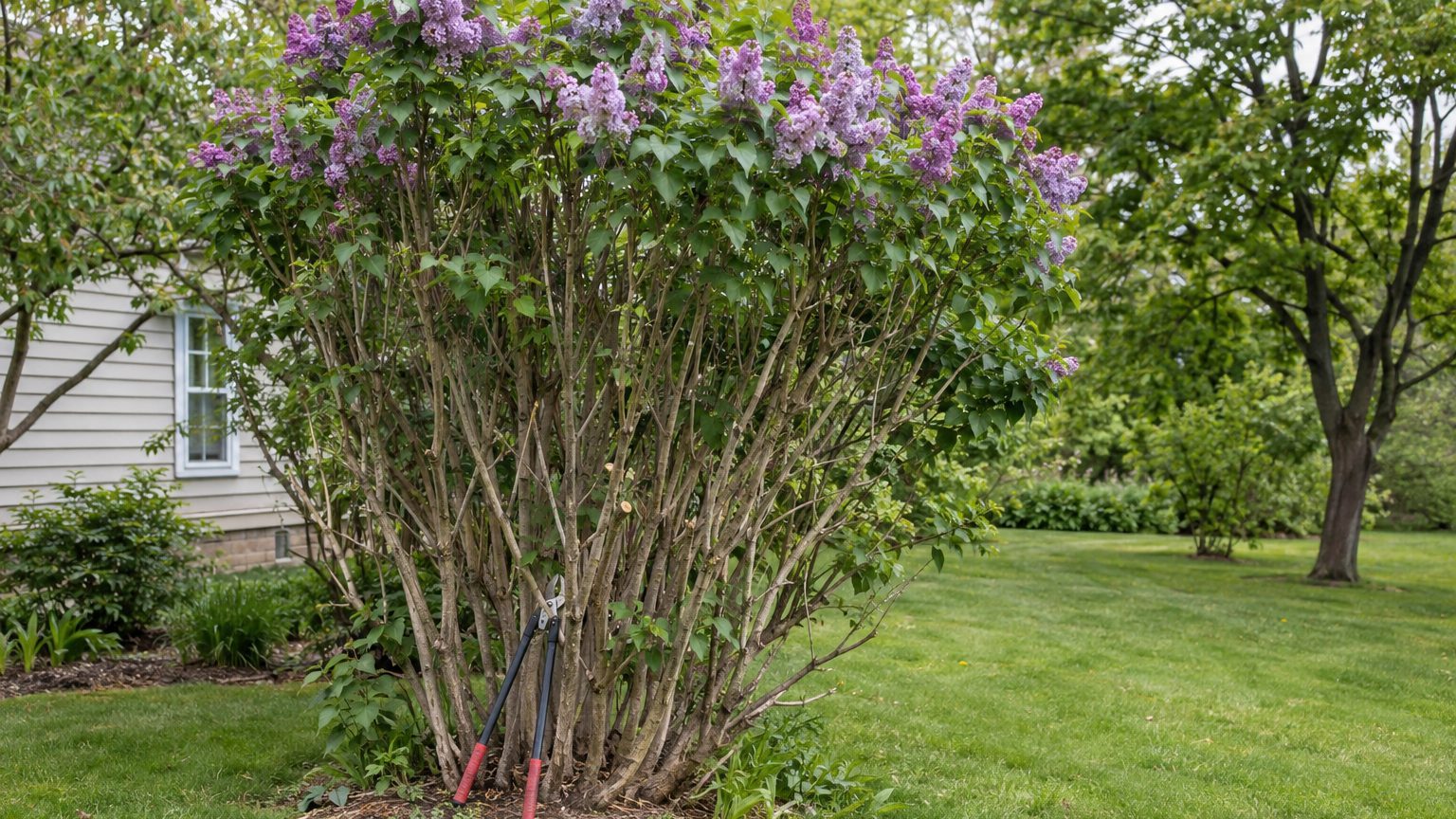
The purple and white flower clusters turn brown and papery as late spring ends, and that is the moment lilac shears come out. Pruning a lilac is mostly a matter of timing, because a cut made in the wrong season quietly removes next year’s blooms. The right timing and method depend on the kind of lilac and the condition of the shrub.

When Should You Prune Lilacs?

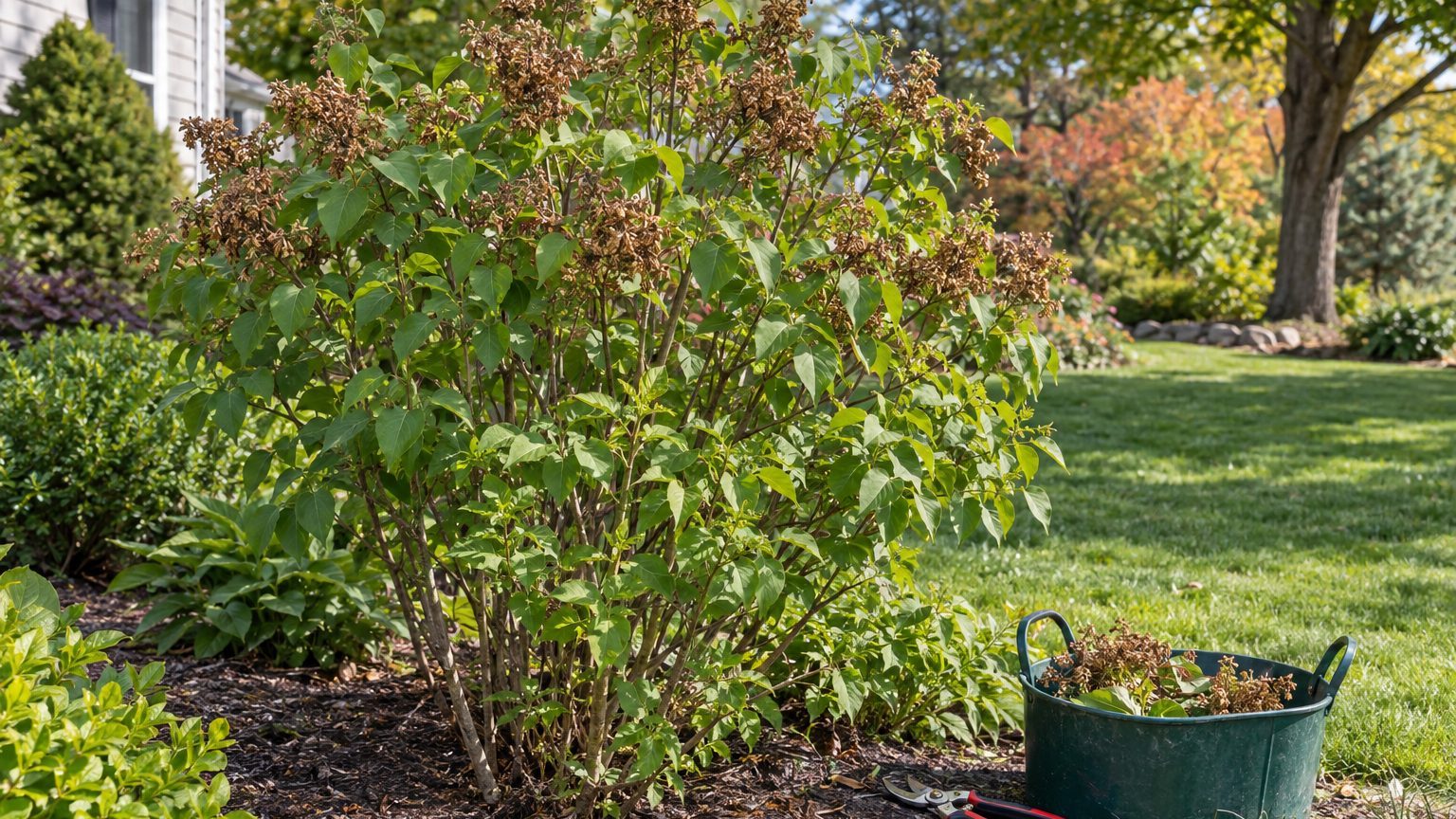
For routine shaping, prune common lilacs right after the flowers fade. Next year’s flower buds form soon after bloom, so a cut made later in the season takes them off with the branch.

Climate moves the calendar, because lilacs finish flowering earlier in the South than in northern states. Gardeners in Ohio and Illinois are advised to finish within 2 weeks of the last flowers. Hard renewal cuts follow a different schedule, covered further down.

Type matters too. Texas lilac vitex shares the name but is cut back in winter in Texas. The state selector just below this section leads to the page for your state.

How to Prune a Lilac Bush

Lilac: When to Prune Lilacs, and How Much to Cut

Start the moment the blooms are spent, work from the inside of the shrub outward, and stop while the shrub still looks full.

  1. Wait until the last flower clusters have faded, then prune before next spring’s flower buds develop.
  2. Snip off the spent flower clusters just below the cluster, because the shrub then spends its energy on new growth instead of seed.
  3. Cut out dead, broken and crossing stems at the base, so air and light reach the center and rubbing wounds do not invite problems.
  4. Thin an overgrown shrub gradually by removing some of the largest, oldest stems, so younger wood can replace them.
  5. Leave the young suckers that rise from the base, so they grow up to replace the stems you took out.
  6. Trim the tallest shoots back to the height you want, so the flowers stay where you can see and reach them.

In Illinois, older branches are removed every few years after flowering. In Ohio, a newly planted lilac usually needs no pruning for 2 to 3 years, so leave young shrubs alone while they settle.

Pruning Time by Lilac Type

The lilac most yards grow is the common lilac, and its clock starts when the flowers end. Spent flower clusters should be removed within 2 weeks of the finished bloom, according to Ohio guidance.

Texas lilac vitex runs on a different schedule. It is a separate plant that happens to carry the name, and Texas advice treats it as a winter cutback.

Lilac Type What changes Why it matters
Common lilac Prune right after bloom, thinning the oldest stems gradually Cutting later removes next spring’s buds, and older stems bloom less than younger ones
Texas lilac vitex Cut to within a few inches of the ground every winter in Texas Helps maintain the plant at six feet

Check which plant you have before you reach for the pruners. A common lilac gets a light touch right after flowering, while a Texas lilac vitex takes a hard cut in winter. Mixing up the two means either losing a season of flowers or leaving a rangy, oversized plant.

Lilac Pruning Mistakes to Avoid

Pruning in Summer or Fall

Shearing a lilac after the window has closed removes the buds waiting for next spring. Wisconsin advice is plain on this point: do not shear lilacs in summer or fall. If the shrub looks untidy later, wait for the next bloom season and cut then.

Cutting Everything Down at Once

A hard renewal cut can revive an overgrown lilac. In Virginia, cutting an entire common lilac to about 1.5 feet above ground can leave it with no flowers or only a few the following spring, depending on when it is pruned.

The depth varies by place. In Nebraska, the cut goes to within 6 to 8 inches of the ground in late winter. Gardeners who want flowers every year can spread the job over several seasons and remove old stems gradually instead.

Pruning Young Shrubs Too Soon

A newly planted lilac has little to prune, and cutting it back only delays flowering. Leave it alone and let the roots settle. Once it has bloomed and begun to crowd its space, start the yearly routine of removing a share of the oldest stems.

When to Prune Lilacs in Your State

The sign to watch for is the same everywhere: the flower clusters turning brown on the shrub. That is your cue to cut, and only a short window follows it.

  • The page for your state gives the months that fit your climate for pruning after bloom.
  • Open it as the first clusters begin to brown, then plan your cuts while the last flowers are still fading.

Common Questions

How Tall Should You Keep a Lilac?

In Utah, lilacs are described as looking their best when kept between 6 and 8 feet tall. Trimming the tallest shoots after bloom holds a shrub at that height and keeps the flowers within reach.

Can You Prune a Lilac in Late Winter?

In Nebraska, an overgrown lilac can be renewed in late winter, in March or early April. Those cuts happen before bloom, so they take flower buds with them. Late winter suits renewal work on overgrown shrubs, while light shaping belongs right after flowering.

Why Does a Pruned Lilac Skip a Year of Flowers?

Lilac wood needs to be 3 or more years old before it blooms, according to Nebraska guidance. Removing a share of old stems each year leaves enough mature wood to keep flowers coming every spring, while a hard cutback leaves only new growth that cannot bloom yet.

When to Plant Lilacs: Dates, Depth and Spacing

When to Plant Lilacs: Dates, Depth and Spacing

A potted lilac on a garden center bench may be ready for the ground when the local planting window opens. Timing, depth and spacing help the shrub settle in after planting. Planting time changes with lilac type and local climate.

When Is the Best Time to Plant Lilacs?

Use local guidance to choose between fall and spring planting.

In Iowa, early fall before the ground freezes is the recommended time, which gives the roots cool soil to settle into before winter. In Utah, spring is a good time to plant. Late lilac is a spring planting as well.

The state selector right under this section takes you to the page for your state.

How to Plant a Lilac Bush

Lilac: When to Plant Lilacs: Dates, Depth and Spacing

A careful planting order protects the roots at each stage.

  1. Pick a sunny, well-drained spot, so the roots never sit in standing water after a heavy rain.
  2. Mark each planting spot by the job the shrub will do, so full-grown plants have room and do not crowd one another.
  3. Dig a hole wider than the root ball and no deeper, then set the shrub at the same level it grew in its pot.
  4. Loosen any roots circling the root ball with your fingers, so they grow outward into the new soil instead of around themselves.
  5. Backfill with the soil you dug out and firm it gently, so air pockets collapse and the roots touch soil on every side.
  6. Water right away, so the soil settles around the roots. In Wisconsin, the advice is to keep watering two to three times per week for the first month while the roots take hold.

Spacing depends on what the lilac is meant to do. In Iowa, space specimen shrubs 10 to 15 feet apart. A hedge there goes in 5 to 8 feet apart. In Minnesota, a shrub border is spaced about 8 feet apart. In Montana, a six- to eight-foot hedge asks for two to three feet on center, and a very tall, informal hedge can stretch to six feet.

Planting Time by Lilac Type

Different lilac types can require different planting windows and spacing. A shrub grown for a hedge is spaced differently from one standing alone.

Lilac Type What changes Why it matters
Common lilac Grows into a large shrub, so it gets wide spacing A full-grown shrub needs space around it to spread without crowding its neighbors
Late lilac Planted in spring, with the room its mature size needs It is a tall shrub too, so it still needs space around it
Lilac grown from seed Seeds are sown in March or as soon as they ripen, in a cold frame Warm, then cold stratification before sowing improves germination

Some unrelated plants also share the name. In Texas, Vitex grows best in full sun with good drainage. In western Oregon, California lilac belongs only in un-irrigated spots in the garden. Check the plant tag first, because a spring or fall rule for common lilac does not carry over to these. For a shrub that matches common lilac, plan the window and the space it needs before you buy.

Lilac Planting Mistakes to Avoid

Planting Too Close to the House

In Montana, lilac roots can damage foundations over time, and a shrub tucked against a wall is hard to move once grown. In Montana, the advice is to keep lilacs at least five feet from buildings. Measure from the wall to the center of the planting hole before you dig.

Planting in Wet Soil

A spot where water lingers after rain leaves the roots sitting in soggy ground, and the shrub suffers there. If your yard is low or holds water, choose a slightly higher, better-drained place or build up the planting area before you set the shrub in.

Skipping Fall Water

In Wisconsin, a lilac planted in fall can dry out over winter when rain stays away. In Wisconsin, the advice is to keep watering weekly until the ground freezes in late fall if no rain has fallen. Check the soil near the roots before each watering.

When to Plant Lilacs in Your State

Planting windows vary, so use your state page to match the season to your area. The months differ from one state to the next, and each state has its own page.

  • Use the state selector to reach your state’s page, then read its lilac months before you buy a shrub.
  • Check that page while the soil is workable and before you buy the shrub.

Common Questions

Can You Plant a Lilac in Summer?

Use the planting window recommended on your state page rather than assuming summer is suitable. In Iowa, early fall is recommended; in Utah, spring is a good time.

What Soil pH Do Lilacs Prefer?

In Washington, lilacs prefer a soil pH of 7.0 to 7.5. In Washington, that is much more alkaline than the soil occurs naturally in the northwest. A simple soil test tells you where your yard stands before you plant.

When Should You Fertilize a New Lilac?

In Washington, the advice is to apply a fertilizer high in phosphorus in early spring.

Lilac Pests: Borers, Scale and Leafminers

Lilac Pests: Borers, Scale and Leafminers

A lilac branch that wilts while the rest of the shrub stays green, or bark crusted with tiny gray bumps, means an insect is at work. Borers, scale and leafminers are the lilac pests that leave these marks, and each shows up in its own season. Spotting the sign early helps you decide where to inspect and what to remove.

Which Insects Damage Lilacs?

In Maryland, lilac borers can cause serious damage. It is a wasp-like moth whose larvae tunnel inside the wood; in Maryland, heavy infestations may kill plants. Scale insects feed on the bark, and leafmining moths work inside the leaves.

What varies is mostly timing. Moths emerge in mid-May in Maryland and late May in Connecticut, while in northern Utah adults are active late April through late July. Late lilac may be attacked by the borer, and Manchurian lilac can be troubled by leafminers, thrips and willow scale in North Carolina.

The state selector just below this section leads to the page for your state, where the months for your area are laid out.

How to Find and Control Lilac Pests

Lilac: Lilac Pests: Borers, Scale and Leafminers

Lilac pests arrive in a rough order through the year, so the gestures below follow the same order.

  1. Look over the bark in spring, so that scale is caught while the nymphs are emerging to feed, as they do in Wisconsin. In Kentucky, oystershell scale looks like crusty bumps of oyster shell, each about 1/10 inch long.
  2. Check the leaves for blotchy, tunneled patches so leafminer damage is spotted early.
  3. In Montana, watch for wasp-like moths in late spring, when egg laying on trunks and branches begins.
  4. Inspect the trunk base, from the soil line up to 3 feet, since in Iowa most borer infestations sit low on the plant.
  5. Cut out wilting or heavily infested stems and destroy them, so that larvae do not finish developing in wood left lying around the yard.
  6. Thin out 1/3 of the oldest branches to the ground each year, as Montana guidance suggests, so that the clump renews itself instead of aging into rough, wounded wood.

In Montana, preventing borers is the recommended way to control them, which is why the early checks matter. In North Carolina, late summer is another time to look. In North Carolina, adults emerge in August and September and lay eggs on rough bark or wounds.

Lilac Pests by Lilac Type

Pest checks vary somewhat by lilac type. A few types, though, come with their own notes, and those notes change where you look first.

Borer moths lay eggs on lilac trunks and branches, while leaf and bark pests vary by type. Leaf and bark pests are where types begin to differ.

Lilac Type What changes Why it matters
Late lilac May be attacked by the lilac borer Trunk base checks come first
Manchurian lilac Leafmining moth, thrips and willow scale may be problematic (North Carolina) Leaves and bark need as much attention as the trunk

For the lilac you actually have, the practical change is where to start. With a late lilac, begin at the base of the trunk. With a Manchurian lilac, look at the foliage and twigs as well. For other lilacs, use your state page to plan inspections around local pest activity.

Lilac Pest Control Mistakes to Avoid

Pruning While Moths Fly

Adult moths are drawn to fresh cuts as places to lay eggs. A pruning session during flight time can hand them exactly what they are looking for.

Wait until the moths have finished flying in your area, then make the cuts. The months differ by state, so the moth dates matter more than the calendar on the wall.

Trimming Only the Wilted Tip

Larvae tunnel in the solid wood and sometimes the pith for 8 to 10 inches, so a cut at the wilted tip can leave them behind. The damage then continues below the cut.

Cut well below the wilting, into clean wood, and destroy what you remove. In Florida, severely infested branches may break off if they are left in place.

Waiting for Damage to Show

By the time a branch wilts, the larvae have been feeding inside for a while. In Utah, a single female can lay about 400 eggs, so adult sightings deserve attention.

Watch for adults instead. In Montana, insecticides are applied two to three weeks after the first adult moths are captured to disrupt egg laying. Ask your local extension office what is approved in your state.

Lilac Pests in Your State

The sign that calls for action is a branch wilting low on the shrub while its neighbors stay green, often with rough, wounded bark nearby. Moth flight and scale emergence fall in different months from state to state, and the months for each state are on the page for that state.

  • Go to your state page before pruning, to find when moths are likely to be flying.
  • Use your state page to time the bark check for scale.
  • In North Carolina, visit again in August and September, when egg laying on rough bark begins.

Common Questions

What Does a Lilac Borer Larva Look Like?

In Utah, full-grown larvae are described as about 1-inch-long with a white body and a brown head. Look for them when you cut into a wilted stem.

Do Lilac Borers Also Attack Privet?

In North Carolina, females lay eggs on the rough bark or wounds of lilac and privet. A privet hedge near your lilacs deserves the same checks.

How Soon Do Borer Moths Mate After Emerging?

In Utah, females emit a pheromone that attracts males within 7 to 14 days after emergence. Egg laying follows soon after, which is why the first moth sightings are the signal to act.

How to Renovate an Overgrown Lilac Bush

How to Renovate an Overgrown Lilac Bush

The fix is to renew the stems from the base. Whether you renew the shrub gradually or cut the whole plant down, it can respond with new growth.

Can You Save an Overgrown Lilac?

Yes, an overgrown lilac can be renewed. A lilac sends up new shoots from the base, so even a tall, tangled shrub with thick old trunks can be rebuilt. The usual choice is between removing the oldest stems in stages and cutting everything down at once.

What varies is how fast you want results and how much bloom you will give up along the way. Common lilac can be renewed gradually or cut back hard. The timing shifts with climate, so use your state page to choose when to make the cut.

The state selector just below this section leads to the page for your state, where the months for your area are laid out.

How to Renovate an Old Lilac

Lilac: How to Renovate an Overgrown Lilac Bush

The gentler route spreads the cutting out so the shrub keeps some flowering wood, and these steps follow that order.

  1. Start by comparing the old, thick stems with the young ones.
  2. Cut the oldest, thickest stems off at ground level so light and air can reach the middle of the clump.
  3. Leave the young suckers standing, so that they grow up to replace the stems you removed.
  4. Clear out anything dead, broken or crossing, so the new framework is not crowded from the start.
  5. Continue the staged renewal later, removing another share of the oldest stems without clearing the whole clump at once.

In Minnesota, the plan runs over a 3-year period, and by the end most of the old wood has been replaced by younger stems. In Ohio, the guidance is to take the largest stems, those thicker than 2 inches across, in each round. Nebraska describes the result as a vigorous, attractive shrub within a few years.

Cutting to the ground is the faster way, and it costs you flowers. In Illinois, the advice for overgrown, unpruned shrubs is to cut every branch within 6 inches of the soil in one season. Virginia suggests leaving about 1.5 feet instead. In Nebraska, late winter in March or early April is the time for this cut. Expect few or no flowers the next spring in Virginia. Nebraska says flower development is delayed for about 3 years, and Iowa puts the wait at 3 to 5 years.

Renovation Method by Lilac Type

The guidance here depends less on the exact kind of lilac than on how far the shrub has gone. A common lilac with some young growth left suits the gradual approach. When selective pruning is too difficult, a Nebraska option is to cut the entire plant back.

Lilac Type What changes Why it matters
Common lilac Remove about one-third of the largest stems each year, or cut the whole plant to about 1.5 feet (Virginia) The slow route keeps some bloom going, while the hard cut brings back a full set of young stems but skips flowers the next spring
Overgrown, unpruned lilac Cut every branch within 6 inches of the ground in one season (Illinois) A thicket with no younger wood to build on is easier to reset completely than to thin stem by stem

For you, the choice comes down to how much you can reach and how long you are willing to wait for flowers. If you can walk into the clump and get a saw or loppers to the base of the old trunks, the stage-by-stage plan is the kinder one. If the stems are packed so tightly that you cannot, cutting low saves a lot of frustration.

Lilac Renovation Mistakes to Avoid

Cutting Everything Without a Plan

Taking a lilac to the ground on a whim can leave you with an empty bed and no flowers for a good while. In Ohio, a lilac may bloom sparsely or not at all for 1 or 2 years after hard pruning.

If flowers matter to you this spring, remove just a share of the old stems and save the full cut for a shrub that is beyond thinning.

Pulling Out the Young Suckers

Suckers look like weeds at the foot of the shrub, and it is tempting to clear them with the old wood. They are the stems that will replace what you remove. Minnesota advice is to leave young suckers in place as the old stems come out.

Keep the strongest, best-placed ones, and take out the rest only if the clump gets crowded again.

Stopping After the Renovation

A renewed lilac goes back to growing tall and dense if you leave it alone. The same 3-year pruning program that rebuilds an old shrub also keeps it in shape afterward, according to guidance from Nebraska.

Once the new stems are established, use the Nebraska 3-year pruning program to keep the shrub from rebuilding a heavy, woody center.

When to Renovate a Lilac in Your State

In Nebraska, make a hard renovation cut in March or early April. Once leaves unfold, the cut takes away stems that are already working.

  • Your state’s lilac page gives the months that suit your area, so open it before you pick up the saw.
  • Use your state page to choose the day, then cut the oldest stems at the base and leave the young shoots to grow.

Common Questions

How Tall Does an Unpruned Lilac Get?

Left to themselves, many lilacs reach a height of 18 feet with a similar spread, according to Montana guidance. That is why a shrub planted by a window can eventually cover it.

How Long Until a Renovated Lilac Looks Like a Shrub Again?

Nebraska says an old, overgrown lilac can become a vigorous, attractive shrub within a few years when it is renewed in stages. New shoots appear after the cut, and the shape fills out as they thicken.

Can a Very Old Lilac Be Cut to the Ground?

Yes. Washington guidance says overgrown lilacs can be cut completely to the ground. In Maryland, a large white lilac more than 20 years old was cut back to the ground when construction work required it. Plan on a gap in flowers while the new stems grow.

Why Your Lilac Is Not Blooming, and How to Fix It

Why Your Lilac Is Not Blooming, and How to Fix It

A lilac that leafs out thick and green every spring but never shows a single flower cluster is rarely sick. It is almost always missing something it needs the summer before: sun, an untouched set of buds, or enough winter cold. Most of the fixes are small changes in how you prune, feed and site the shrub.

Why Is Your Lilac Not Blooming?

Across the country, a lilac fails to flower for one of a few reasons: too little sun, pruning at the wrong time, too much nitrogen, a plant that is still young, or a winter that was too mild or too harsh. Which one applies depends on the lilac type and your climate.

The timing is the part that surprises people. In Illinois, extension advice points out that a lilac starts building its flower buds the year before, on old wood. Anything that damages or removes that wood in between costs you the show.

The state selector just below this section leads to the page for your state, where the local timing is laid out.

How to Get a Lilac to Bloom

Lilac: Why Your Lilac Is Not Blooming, and How to Fix It

Work through the likely causes in the order you can actually act on them, starting with the one that costs nothing to check.

  1. Measure the sun your lilac gets through the day, because in Wisconsin the advice is at least 6 hours of direct light to set buds for the following spring, and a shrub that falls short will grow leaves instead.
  2. Trim back or remove whatever is shading the shrub, such as a neighboring tree limb or a fence extension, so the light reaches the buds forming in summer.
  3. Prune right after the flowers fade and not later, because the buds for next year form shortly afterward and a late cut takes them off.
  4. Pull back on high-nitrogen feeding and stay away from fertilizer spread for the lawn nearby, since it pushes soft leafy growth at the expense of flowers.
  5. Be patient with a young plant, since in Ohio lilacs are said to take 4 to 5 years to flower, and a newly planted shrub is simply building its framework first.

Two causes sit outside your control. In Maryland, warmer winters are a concern because common lilac buds need a stretch of winter chill to open fully. And in Maryland, a lilac cut back hard may need a few years before the regrowth is mature enough to flower again.

Blooming Habits by Lilac Type

Common lilac (Syringa vulgaris) is the one most people picture, with the classic fragrant clusters. It leans on cold winters, which is why it struggles in mild climates and why warm spells matter to it.

The name also gets attached to other plants. Texas lilac, which is really vitex, runs on a very different schedule, and the advice for it does not carry over to the true lilacs.

Lilac Type What changes Why it matters
Common lilac (Syringa vulgaris) Needs a long stretch of winter chill for buds to mature Mild winters can leave a healthy shrub with few or no flowers
Spring-blooming lilacs in general Flower on wood formed the previous year Pruning just after flowering protects next spring’s buds
Texas lilac (vitex) Blooms again after seed pods or stalks are removed In Texas, plants flower again within six weeks of that removal

For you, this means matching the care to the plant in the ground. A true lilac wants its pruning done early and its winters cold, while a vitex sold as Texas lilac rewards trimming spent stalks during the season. In Washington, the plain advice for a lilac whose buds were lost to winter is to hope for milder winters or buy hardier lilacs.

Lilac Blooming Mistakes to Avoid

Winter Pruning

Cutting a lilac back in fall or winter tidies the shape and removes the flower buds already formed. In Washington, pruning in winter eliminates the following spring’s blooms.

If the shrub looks ragged in the cold months, leave it alone. Shape it once the blooms are finished.

Heavy Nitrogen Feeding

A generous dose of nitrogen gives you dark, lush leaves and very little else. In Montana, soft new shoots often cannot harden off enough before cold arrives, and winter damage follows.

Skip routine feeding unless a soil test calls for it. A lilac planted in decent soil usually does fine without extra help.

Severe Cutting Back

Cutting a big lilac to a few stumps feels like a fresh start, but the shrub answers with vigorous leafy shoots, not flowers. In Maryland, plants may need a few years before the regrowth is mature enough to flower again.

When an old lilac needs renewing, spread the work over several seasons and remove only some of the oldest stems at a time, so the plant keeps flowering wood.

When Lilacs Bloom in Your State

Lilacs open on the calendar of your climate, and the sign that matters is the clusters fading on the branches. That is your cue to prune, before the next year’s buds form.

  • Each state’s page lays out the months for flowering and pruning where you live, so open it before you pick up the shears.
  • Check it once in late winter to confirm you are leaving the shrub untouched until the petals drop.

Common Questions

When Do Lilacs Form Next Year’s Flower Buds?

In Montana, extension advice says the flowering buds for the next year are produced in June and July on almost all species. That is why a cut made after the blooms fade has to come soon, before those buds develop.

Can a Cold Winter Kill Lilac Flower Buds?

Yes. In Washington, the guidance is that if winter killed the buds, the fix is to hope for milder winters or plant hardier lilacs. A shrub with healthy leaves but no flowers after a harsh season, and no pruning that year, fits this pattern.

Should You Remove Seed Pods from a Texas Lilac?

In Texas, yes. Left in place, the seeds hold back a profusion of new bloom spikes and may produce seedlings that differ from the parent plant and turn into a nuisance. Removing the pods or stalks brings plants back into bloom within six weeks, depending on weather and care.

Tree Lilacs: Which Ones, Size and Care

Tree Lilacs: Which Ones, Size and Care

A lilac in full bloom, with its scent drifting across the front yard in late spring, makes many homeowners want one shaped like a small tree. A few true tree lilacs exist, and common lilacs can be trained toward that look. Size, sun, soil and pruning decide how well a lilac tree does in your yard.

Which Lilacs Grow as Trees?

Only a few lilacs form a tree on their own, and the Japanese tree lilac (Syringa reticulata) is the usual choice. Its height depends on where it grows. In Nebraska it reaches 25 feet, while in California it can become a small tree of 30 feet.

The Pekin lilac is the other true tree form. In Montana it grows to a 15- to 25-foot tree, grows more vigorously than the Japanese tree lilac and has peeling bark that holds interest after the flowers are gone.

Common lilacs are large shrubs, but you can train one to a single trunk. In Florida, a lilac trunk is often trained fairly straight to 10 feet before it branches into a stiff, upright, rounded head.

How Do You Care for a Lilac Tree?

Lilac tree care comes down to light, soil, a clean trunk and steady pruning, done in the order below.

  1. Choose a spot with plenty of direct sun, so that flower buds set for the following spring. In Wisconsin, lilacs need at least 6 hours of direct sunlight a day to set flower buds for the following spring.
  2. Plant in loam, silt loam or silty clay loam, so that roots find the soil texture these lilacs favor. Late lilac does best on those soils where annual precipitation falls in a moderate range, neither very dry nor very wet.
  3. Stake and train one straight trunk while the plant is young, so that the rounded head forms high enough to walk under. Florida growers aim for a clear trunk up to 10 feet.
  4. Pull or cut suckers at the base as they appear, so that the plant’s energy goes into the trunk and the head instead of a thicket of shoots.
  5. Prune right after the flowers fade, so that you do not remove next year’s buds. For a trained shrub lilac in Iowa, remove the oldest, largest branches to within 6 to 8 inches of the base.
  6. Keep the head open and balanced by removing crossing and crowded branches, so that light and air reach the center and the shape stays tidy.

Renewal is a slow habit, not a yearly chore. In Iowa, the oldest wood comes out every 3 to 5 years, which keeps new stems coming and the plant from getting overgrown. A common lilac you want to keep compact does well pruned between 6 and 8 feet tall in Utah.

How Do Tree Lilacs Differ from Shrub Types?

The types are not interchangeable. Some need room overhead and some stay low, and one blooms well after the rest. Matching the type to the space saves years of hard pruning.

What changes Why it matters
Japanese tree lilac reaches 15-20 feet tall and 15 feet wide in Nebraska Plan for a small tree with a wide crown, not a hedge plant
Pekin lilac grows as a 15- to 25-foot tree in Montana, with peeling bark Faster growth than Japanese tree lilac and bark that gives interest outside bloom season
Common lilac is an upright shrub, 8-15 feet tall and 6-15 feet wide in Nebraska Takes training to a single trunk and responds well to pruning
Miss Kim grows 8 or 9 feet tall in Alaska and is slow growing Grouped with the dwarf lilacs, so it suits tighter spaces
Preston lilac, mostly late blooming, flowers 2 weeks or more after common lilacs in Oregon Stretches the lilac season after the common types have finished

For a true tree shape with little pruning, start with a Japanese tree lilac or a Pekin lilac. For a smaller yard, a slow-growing type like Miss Kim keeps the lilac look without the height.

Mistakes to Avoid with Tree Lilacs

Planting in Too Much Shade

Planting in Too Much Shade — Tree Lilacs: Which Ones, Size and Care

Lilacs can tolerate moderate shade. But a lilac planted in deep shade grows leaves and skips flowers, because the buds need strong light to form. Move the plant, or cut back nearby growth, until it gets stronger light.

Letting It Outgrow Its Spot

Letting It Outgrow Its Spot — Tree Lilacs: Which Ones, Size and Care

A common lilac left alone can top 15-20 feet in Nebraska, and at that size it may have overgrown its location. Pruning is far easier on a young plant than on a giant. Pick a type that suits the space, then prune after bloom when it needs shaping.

Cutting Back Too Hard

Lilac wood needs 3 or more years of age before it blooms, so cutting everything at once can mean a bloomless spring. The gentler route is to take the oldest stems out gradually. In Nebraska, young plants may lose only 2 or 3 stems at a time, which keeps flowers coming on the older wood that remains.

When Should You Prune a Lilac Tree?

The sign is the flowers. Once the last clusters brown on the branches, the plant has finished its show and you can prune. Waiting longer risks cutting off buds for next spring.

  • State lilac pages give the pruning months for that state, so open yours when the blooms start to fade.
  • Each state page also notes how local climate shifts bloom, so you can match your pruning to your own yard.

Common Questions

How Tall Does a Common Lilac Get?

It depends on the place and the pruning. In Minnesota, common lilacs will eventually grow about 10-12 feet tall, and in Montana they typically stay under 10 feet. Without pruning, a common lilac can be taller than expected.

Is There a Lilac for a Small Yard?

Yes, shorter cultivars exist. In Nebraska, Miss Kim may grow to 5 to 8 feet, while the tree lilac can reach 25 feet. Because it grows slowly, it stays in scale with a small front yard.

Why Is a Lilac Tree Not Blooming?

Look at the light and at the stems. A plant surrounded by taller trees, with plenty of leaves but few buds, usually needs more sun. A young plant whose stems are all new may simply need more time, since flowers come on older wood.

Growing Lilacs in Pots: Which Ones, Soil and Winter Care

Growing Lilacs in Pots: Which Ones, Soil and Winter Care

A lilac in a big pot on the patio is a sight that surprises people who think the shrub needs a garden bed. It can live in a container, as long as you choose a compact type, give it sharp drainage and pay attention to the roots in winter.

Can You Grow Lilacs in Pots?

Yes, with the right type. Dwarf lilacs are the ones to look for, because they stay small enough for a large container. Full-size common lilacs are shrubs built to spread and are far harder to keep happy in a pot for years.

Climate changes the answer less than the type does, but it still matters. In North Carolina, summer lilac (Buddleja, a different plant from true lilac) is winter hardy in USDA Hardiness Zones 5 through 9. In North Carolina, the same shrub dies back to the ground in Zones 5 and 6, then returns with vigorous spring growth.

A pot also exposes roots to cold much more than open ground does, which is why winter handling gets its own attention further down.

How to Pot a Lilac and Keep It Growing

The routine is short, and the order matters because each step protects the next one.

  1. Choose a large container with drainage holes, so that water leaves the pot instead of sitting around the roots.
  2. Fill it with potting soil, since a bagged mix drains far better than garden dirt, which turns dense once it is confined in a pot.
  3. Set the pot where it gets full sun, because this shrub prefers a sunny location.
  4. In Ohio, water a newly potted lilac often through the first year while its roots settle into the container.
  5. Pour the water at the base of the plant and keep it off the leaves, because wet foliage invites fungal trouble once the plant has leafed out.
  6. Add a layer of mulch on top of the soil, so that moisture holds a little longer between waterings.

In Arkansas, water when the soil feels dry. Summer lilac, for one, is drought tolerant once established, but it still dislikes soggy, poorly drained soil. A pot that stays wet can cause these plants to decline.

Soil and Drainage

Soil and Drainage — Growing Lilacs in Pots: Which Ones, Soil and Winter Care

Drainage deserves extra care in winter, because it is usually worse than during the growing season. In Arkansas, gardeners are told to check this before planting. A pot lifted on feet or bricks lets water escape freely and keeps the base from freezing into a block of ice.

In North Carolina, clay soil benefits from compost when planting summer lilac.

Which Lilacs Suit a Container?

Several plants go by the name lilac, and they behave differently in a pot. The table lays out what each one needs in a container and why it makes a difference.

Lilac type What changes Why it matters
Dwarf Syringa, such as the Bloomerang group Suited to large containers Its smaller size leaves the roots enough room without constant repotting
Summer lilac (Buddleja) Hardy in Zones 5 through 9 in North Carolina, and dies back to the ground in Zones 5 and 6 Cold zones need root protection, and the pot must never stay soggy
Common lilac forced in a pot Needs full light, and the temperature is lowered to 60 to 66º once the first flowers expand (Oregon) Cooler air helps the flower clusters hold up after forcing

For a permanent patio plant, a dwarf Syringa is the sensible starting point. Summer lilac works too, but it is not a true lilac and it blooms on its own schedule, so it fits a garden with pollinators more than one hoping for the classic spring scent. A forced common lilac is usually a short-term display plant. In Oregon, a forced common lilac must be protected from frost and kept out of the landscape until spring because it has not developed cold hardiness.

Three Mistakes with Potted Lilacs

Soggy Soil

Soggy Soil — Growing Lilacs in Pots: Which Ones, Soil and Winter Care

A saucer that holds water, or a pot with blocked holes, keeps the roots wet. Summer lilac does not tolerate soggy soil or poor drainage. Empty the saucer after rain, clear the holes, and let the top of the mix dry out before you water again.

Wet Leaves in Spring

Lilacs that sit in cool, wet conditions before they leaf out can pick up bacterial disease. Once the leaves open, water on the foliage invites fungal problems. Move a pot under an eave during long cold rains, and water at the soil line with a can or a slow hose, never overhead.

Forced Plants Left Outside Too Soon

A lilac forced for early flowers is in an early growth stage, so it has not developed cold hardiness. Leaving it out on a frosty night exposes it to frost, so protect it. In Oregon, forced lilacs are kept from frost until spring or exposed to sequentially cooler conditions before outdoor storage.

When Should You Move Lilac Pots for Winter?

Act when the leaves drop and the plant goes dormant, before the soil in the pot freezes hard. Then shift the container to a sheltered spot such as against a house wall, in an unheated garage or on a covered porch, and water sparingly so the mix stays barely damp.

  • The state page for where you live gives the months for fall dormancy and spring waking, so use it to time the move.
  • That same page covers local frost timing, which tells you when to bring a forced plant back under cover.

Common Questions

Can You Start a Potted Lilac from Small Plants Around a Mature Shrub?

Yes. In Arkansas, small plants that sprout around a large shrub can be dug up and kept in pots until they grow and develop a good root system. Let them settle in the container before moving them anywhere permanent.

Will a Potted Lilac Grow Well in the South?

Conditions vary across the South. In Arkansas, water when dry and mulch; the plant should grow, though not as well as in St. Louis. A sunny spot with good drainage can help.

Can You Force a Lilac Indoors?

Yes, with plenty of light so the foliage develops well. In Oregon, growers syringe the plants often when the temperature climbs past 76°F, then cool the greenhouse as the flowers open. Home forcing also requires careful temperature control, so light alone is not enough.

How and When to Fertilize Lilacs

How and When to Fertilize Lilacs

Lilacs that leaf out thick and dark green but hold few clusters of flowers in spring are often getting more feeding than they want. These shrubs do well on little, and where spring feeding is recommended, a light hand usually does the job. Fertilizing lilacs comes down to when you feed, how much you give, and what the mix contains.

Do Lilacs Need Fertilizer?

Usually not much, and sometimes not at all. Lilacs are tough shrubs that bloom well on modest soil, and in Montana the general advice is that they do not need fertilizer, though low rates of phosphorus and potassium sometimes help.

A light spring feeding earns its place where the soil is poor, which is how Iowa guidance puts it. The type of lilac matters too, since reblooming lilacs and California lilacs follow their own rules. Climate shifts the timing, because the ground thaws earlier in some places than in others.

Overdoing it has a price. In Pennsylvania, feeding too much can leave a shrub with all foliage and no flowers. The state selector just below this section leads to the page for your state.

How to Fertilize Lilacs

Lilac: How and When to Fertilize Lilacs

The routine is short, and each step protects the flowers.

  1. Check the soil and the shrub first, so that you add only what is missing. Montana advice is to feed when growth stays weak and soil tests show a nutrient shortfall.
  2. In Wisconsin, a granular 5-10-5 is a suitable choice.
  3. In Iowa and Vermont, apply an optional light feeding in early spring, following package directions.
  4. Measure about one pound for a large, mature bush, the amount used in Montana and Minnesota, so that the dose stays modest and the soil is not overloaded.
  5. Scatter the granules evenly under the branches, follow the package directions, and water them in when the weather is dry, so that the nutrients reach the roots instead of sitting on the surface.
  6. In Montana, avoid pushing succulent new shoots that may not harden off before winter. In Montana, succulent new shoots often cannot harden off enough, and winter damage follows.

Timing differs a little from place to place. Arkansas guidance puts the feeding in spring after the shrub should have finished blooming, a bit later than the early spring window used elsewhere. Washington suggests a mix high in phosphorus, such as 15-30-15, in early spring. In Arkansas, the schedule calls for feeding once a year.

Fertilizing Needs by Lilac Type

Lilac is a loose name. Common lilacs and the reblooming types are true lilacs, while California lilac (Ceanothus) is a different shrub that shares the name and has very different appetites.

In North Carolina, reblooming lilacs may be fed again after the initial spring bloom. In Oregon, California lilac does not need nitrogen fertilizer.

Lilac Type What changes Why it matters
Reblooming lilacs (Bloomerang group) In North Carolina, feed in early spring once the ground has thawed, then again after the first spring bloom The later feeding supports another round of flowers
California lilac (Ceanothus) No nitrogen fertilizer, and a lean, well-drained, summer-dry site It fixes its own nitrogen, so added nitrogen is not needed

Common lilacs fall between these two. In Iowa, a light feeding in early spring can help where the soil is poor. In North Carolina, give a rebloomer another feeding after its initial spring bloom. If you grow Ceanothus in Oregon, skip nitrogen fertilizer and put your effort into drainage.

Lilac Fertilizing Mistakes to Avoid

Heavy Feeding for More Blooms

Treating a lilac like a lawn, where more food means more growth, backfires. Heavy fertilization in Iowa is known to push leafy growth at the expense of flowers. Stick to a light dose at the package rate, and if the shrub is already lush and flowerless, hold off feeding until it settles down.

Feeding and Pruning Hard Together

A big dose of fertilizer after a hard cutback sends up a crowd of tender young shoots. Maryland advice is to avoid both overfertilizing and excessive pruning, because the soft shoots that result are the ones most open to trouble in spring. Do one task lightly, or space them out. In Florida, the same advice comes with a reminder to cut out and destroy diseased shoots and to skip extra nitrogen.

Feeding a Shaded Shrub

A lilac that sulks under tree branches will not be rescued by fertilizer. Sunlight is a key factor in healthy lilac blooms, according to Oregon advice, which pairs a spring feeding with thinning the overhead branches. Open up the canopy first, then feed lightly, and the shrub has what it needs to set buds.

When to Fertilize Lilacs in Your State

In North Carolina, thawed ground in early spring is the sign to feed reblooming lilacs. For other lilacs, follow the timing on your state page.

  • The page for your state gives the months that fit its climate, so go there before you buy fertilizer.
  • Use those months as your guide, and spread the granules on a calm, dry day while the soil is workable.

Common Questions

Do Newly Planted Lilacs Need Fertilizer?

Not at first. In Wisconsin, fertilizer may be needed once the lilac is established, which means 2–3 years in the ground. In Minnesota, a lilac benefits from fertilizer or a 2-4 inch mulch of well rotted manure a year after planting. Either way, wait for the roots to settle before you feed.

Should You Feed Lilacs in Poor Soil?

Yes, lightly. A spring feeding helps most where the soil is poor, as Iowa guidance says. If you are unsure, a soil test shows what is missing, so that you give the shrub only that.

How Often Should You Fertilize Lilacs?

Rarely. Pennsylvania advice is that you do not need to fertilize them often, while Ohio guidance tentatively suggests a 5-10-5 every 2-3 years. Arkansas, by contrast, suggests feeding once a year in spring. A shrub blooming well needs no more than that.

Lilac Diseases: Powdery Mildew, Blight and Leaf Spots

Lilac Diseases: Powdery Mildew, Blight and Leaf Spots

Brown spots with yellow halos on spring leaves, a shoot that wilts just as the buds open, a gray-white film on the foliage in late summer: each of these points to a different lilac problem. Powdery mildew, blight and leaf spots all show on the leaves and young shoots, and each calls for a different response from you.

How Do You Recognize a Lilac Disease?

Look at when the damage appears and what it does to the leaf or shoot. Spring problems tend to be spots and wilting, late-season problems tend to be a powdery coat, and weather and lilac type change how fast either one spreads.

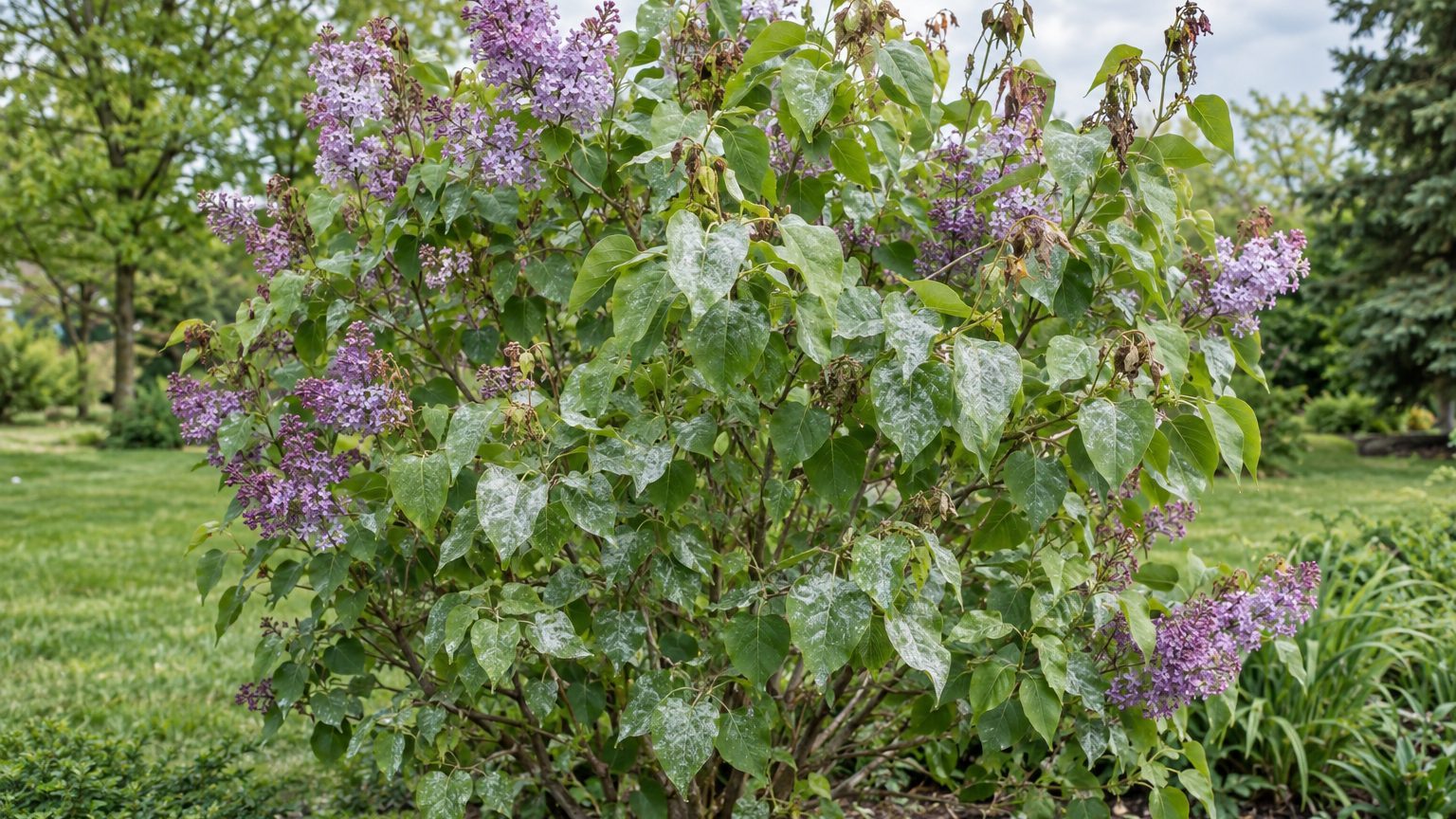
In Wisconsin, cool, wet spring weather brings brown spots with yellow halos on leaves and leaf stalks. In Pennsylvania, the current year’s shoots and flower stalks turn girdled, wilted and brown in spring, which is the classic look of blight.

Wet weather can make disease more severe. In Maryland, rainy, mild springs promote disease, and in Washington symptoms can be more extensive in wetter areas. In Illinois, symptoms may not show until later in the season, when summer heat adds stress to the plant.

The state selector just below this section leads to the page for your state.

How to Treat Lilac Diseases

Lilac: Lilac Diseases: Powdery Mildew, Blight and Leaf Spots

Start with the shoots and the tools, then adjust watering and feeding, and bring in a spray only at the right moment.

  1. Cut out diseased shoots and branches, so that the infection leaves the plant instead of spreading from dead tissue. In Wisconsin, the advice is to cut 10–12 inches below the visibly infected area.
  2. Disinfect your pruning tools between each cut so that you do not carry the infection from one branch to the next.
  3. Bag and destroy the removed shoots rather than leaving them under the shrub, since leftover diseased tissue keeps the problem alive.
  4. Water at the base and keep sprinklers off the leaves, because wet foliage invites infection. Gardeners in Washington and Montana are given this same advice.
  5. Hold back on nitrogen fertilizer, especially late in the season and on young plants, since excess nitrogen favors disease development, as Oregon specialists point out.
  6. Apply a protective spray at the right time. In Oregon and Pennsylvania, a preventive treatment in early spring each year, before the buds open, can help prevent blight. In Minnesota, lilacs showing signs of this disease may be treated with an appropriate spray.

Timing matters. In Iowa, fungicide treatments should not be considered late into the summer and fall. Skip wound paints and sealants after pruning, as Oregon advises, because they do not help the cut heal.

Lilac Diseases by Lilac Type

Lilac diseases are shaped more by weather, site and care than by lilac type. Weather, site and care still matter for every lilac type.

Choosing a resistant cultivar does help, as Wisconsin advice says, and the table sums up what shifts the odds on any lilac.

Lilac Type What changes Why it matters
Any lilac in a wet climate Symptoms can be more extensive in wetter areas, as seen in Washington Spray timing and airflow count for more where rain is frequent
Resistant cultivars Wisconsin advice lists them first among prevention steps Fewer problems begin, so fewer treatments are needed
Young plants Oregon advice warns against overfertilizing them Soft, nitrogen-fed growth favors blight

For you, that means the choice at the nursery counts, but so do the site and the habits that come after planting. Full sun and room between plants help air move through the shrub. A cultivar labeled resistant still benefits from the same care, and a lilac of any type does better when its foliage dries quickly and the plant is protected from injury.

Lilac Disease Mistakes to Avoid

Spraying Late in the Season

Powdery coatings and leaf spots in late summer look alarming, so many gardeners reach for a spray. In Iowa, fungicide is not recommended late into summer and fall. The leaves are near the end of their season anyway, so cleaning up fallen debris and planning an early spring approach is the better move.

Wetting the Leaves

Overhead sprinklers keep foliage wet, and wet foliage favors disease. Water at the base of the shrub, and adjust any irrigation heads that spray the leaves, as Montana advice says. Dry leaves give the problem much less to work with.

Feeding Too Much Nitrogen

A heavy dose of fertilizer feels like care, but extra nitrogen favors disease development, especially on young plants and late in the season. Feed lightly and early.

Lilac Diseases in Your State

Signs that call for action include spotted leaves in a wet spring, wilting shoots at bud break, or a pale coating later in the season. Timing for spraying and pruning varies with local weather.

  • Open your state page to see the months that apply where you live.
  • Check it again when wet weather settles in, so you can act on spotted or wilting growth right away.

Common Questions

Can a Lilac Recover from Blight?

It can recover when infected shoots are cut out promptly and the plant is kept dry and lightly fed. In Oregon, blight is worst in cool, wet springs, especially when rain follows a late frost or winter injury.

Does Frost Make Lilac Diseases Worse?

Yes. In Illinois, late spring frosts can damage tender leaf tissue and let leaf pathogens in. Avoiding other injuries to the plant also lowers the chance of infection, as Washington advice notes.

Where Should You Plant a Lilac to Avoid Disease?

Choose a site with full sun and give plants enough space for good air circulation. Wisconsin advice treats these choices, along with resistant cultivars, as prevention that works better than treating problems later.

How to Cut Lilacs and Keep Them Fresh in a Vase

How to Cut Lilacs and Keep Them Fresh in a Vase

A lilac branch cut in full bloom can fill a room with scent and then droop before the weekend is out. How long it lasts depends mostly on what happens to the stem right after the cut. The way you strip, split and soak the branches decides whether the flowers hold or sag.

How Long Do Cut Lilacs Last in a Vase?

Cut lilacs last only a few days, and handling decides whether you get the short end or the long end. In Ohio, the flowers hold anywhere from 1 to 5 days depending on how they were treated.

In Washington, branches kept out of direct sunlight can last 3-4 days. Lilac type and the weather at cutting time add some variation. Climate mostly changes when your shrubs bloom, not how the cut stems behave once they are indoors.

How to Cut and Condition Lilacs for a Vase

The steps below follow the order you take them, from the shrub to the vase, and each one protects the stem’s ability to take up water.

  1. Cut the branches early in the morning and wait until later in the day to arrange them, as advised in Washington, so the stems are well filled with water when they go into the vase.
  2. Strip the leaves from every stem, because foliage pulls moisture away from the flowers that need it.
  3. Split the base of each woody stem so water can travel up through the opened capillaries, a split 1 inch long in Illinois, or the bottom 2″ split or smashed in Washington.
  4. Submerge the stems up to the flowers in cool water, which acts as a curing step, for about 30 minutes in Washington or 1 hour in Illinois.
  5. Recut the stem ends after the soak, taking 1 inch off at a 45-degree diagonal as Ohio growers do, so fresh tissue is exposed and the stem does not sit flat against the glass.
  6. Set the branches in a clean, heavy-based vase, as suggested in Ohio, so the top-heavy clusters do not tip it over.

In Illinois, both the recut and the split come after the soak, before the branches go into the vase. Skipping ahead to the vase leaves the flowers thirsty from the start.

How Lilac Type Changes What You Bring Indoors

Not every lilac gives you the same stem. Some carry a heavy scent, others a pretty cluster with little fragrance, and that affects which branches earn a spot in the house.

The handling steps stay the same. What differs is the flower you are cutting.

Lilac type What changes Why it matters
Spring-blooming lilacs The classic strong fragrance Scent is the main reason to bring them indoors.
Downy lilac Fragrant violet-purple flowers packed tightly on a panicle of modest length Each stem carries a dense, scented cluster that fills a vase.
Creamy white early-summer lilac Huge white clusters, with a scent closer to privet Cut it for looks, not for perfume.

If scent is what you want, stick with the spring bloomers and cut them while the show is on. The creamy summer lilac suits arrangements where size and color matter more than fragrance.

Mistakes That Shorten Vase Life

Leaving the Leaves On

Leaving the Leaves On — How to Cut Lilacs and Keep Them Fresh in a Vase

Leaves look natural, but they lose moisture steadily, and a woody stem is already slow to deliver water. Strip every leaf below the flowers before the stems go into water, so the blooms get what the stem can supply.

Skipping the Split

Skipping the Split — How to Cut Lilacs and Keep Them Fresh in a Vase

A clean cut across a woody stem looks neat but leaves the capillaries closed, so water struggles to reach the flowers. The cost is blooms that wilt soon after cutting. Split or smash the base, and recut after the soak.

Parking the Vase in Sun

A bright windowsill is tempting for a vase of lilacs, yet direct sun shortens their life. In Washington, branches kept out of direct sunlight can last 3-4 days. Put the vase in a bright room away from the glare, and keep it off the top of warm appliances too.

When Should You Cut Lilacs?

Cut when the clusters on the shrub have opened enough to show color and give off scent, on a cool morning with a bucket of water in hand. Bloom months shift with where you live.

  • The lilac page for your state gives the months when shrubs bloom there, so you know when to start watching them.
  • The same page covers pruning after bloom, which helps the shrub keep flowering in later years.
  • Once the clusters color up, take the bucket to the shrub and cut the branches straight into water.

Common Questions

Do Cut Lilacs Need Sugar in the Water?

In Oregon research on forced lilac, antimicrobial chemicals did not open the flowers unless they were combined with a 24% sucrose solution. In that Oregon research, tight buds opened only when the antimicrobial treatments were paired with the sucrose solution.

Should You Remove Spent Flowers from the Shrub?

In Wisconsin, faded blooms can be removed within a week. That keeps the lilac from putting energy into seeds and sends it toward flower buds for next year’s bloom.

Does Room Temperature Matter for Cut Lilacs?

In Oregon research, bud development was a little better but slower at 64°F than at 72-78°F. A cooler room gives a slower, more gradual opening, and a warmer one speeds things up.

The almanac, state by state. Every date on this site comes from a state’s own frost facts and its extension service’s calendar — and says where it comes from.