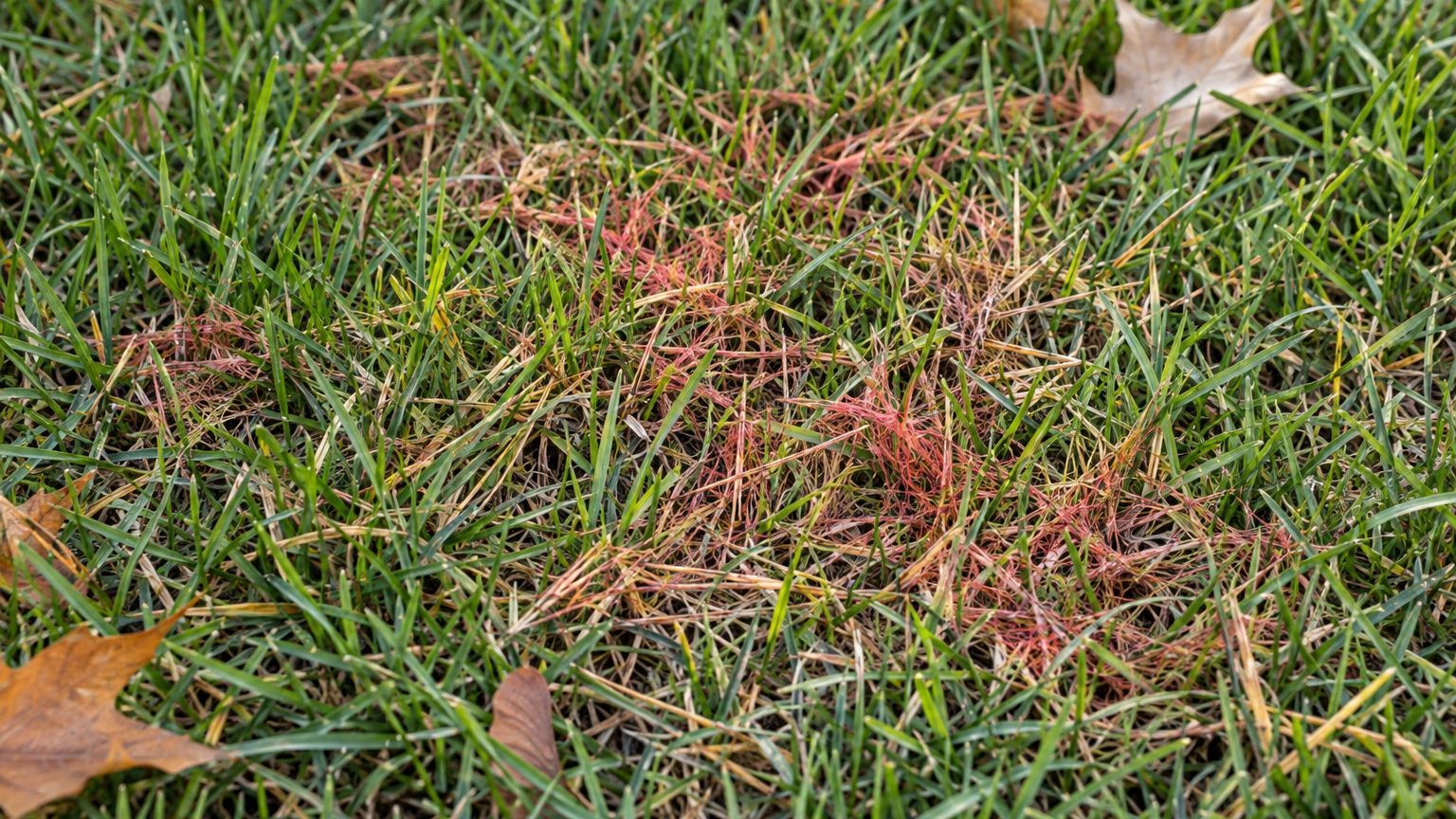
Pinkish-red threads poking out of the grass tips point to red thread in a lawn; timing varies by region. The fungus rarely kills grass, and it fades as the weather dries and the soil gets proper feeding. Spotting it correctly helps you adjust lawn care.
Red Thread Symptoms

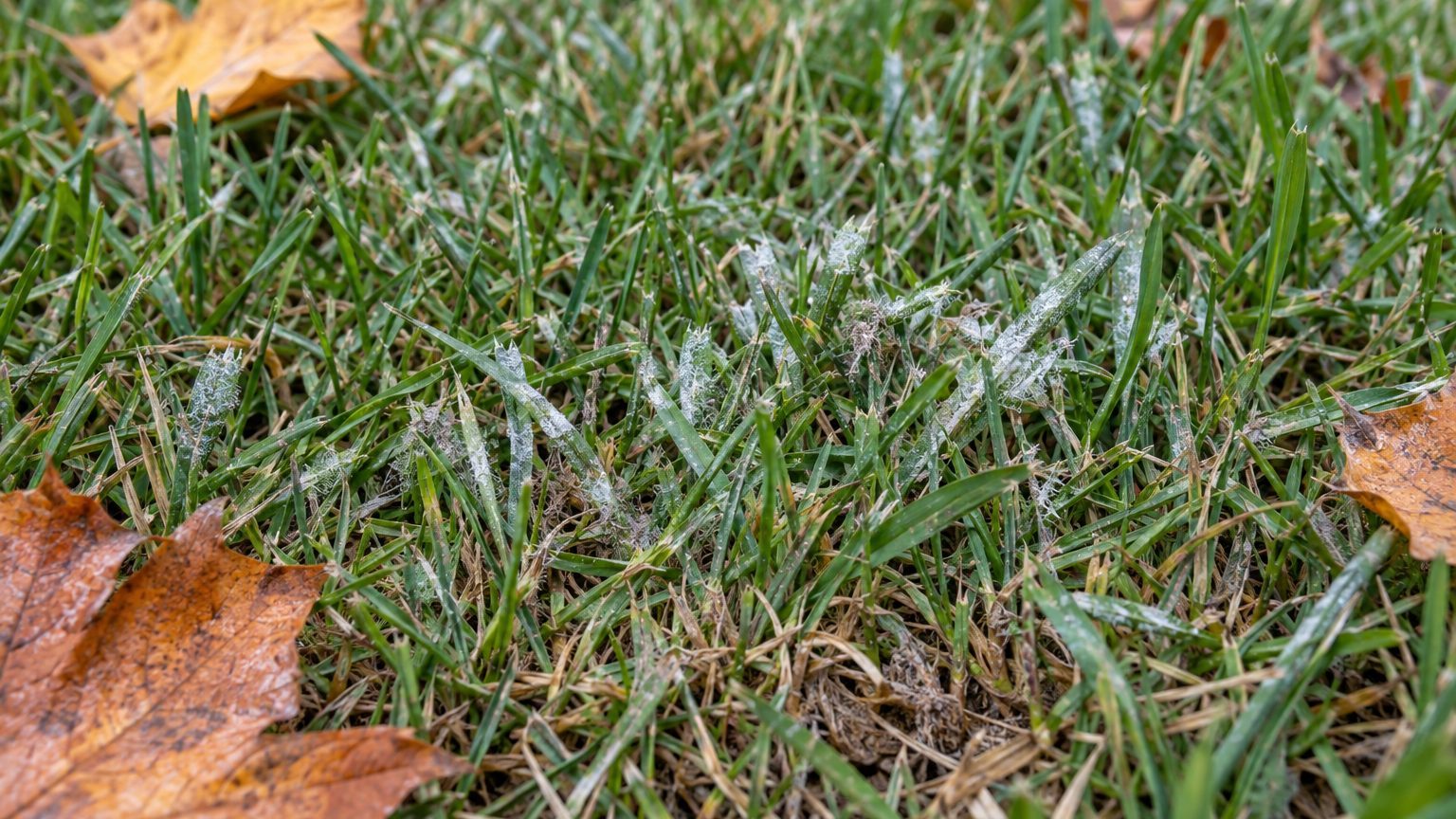
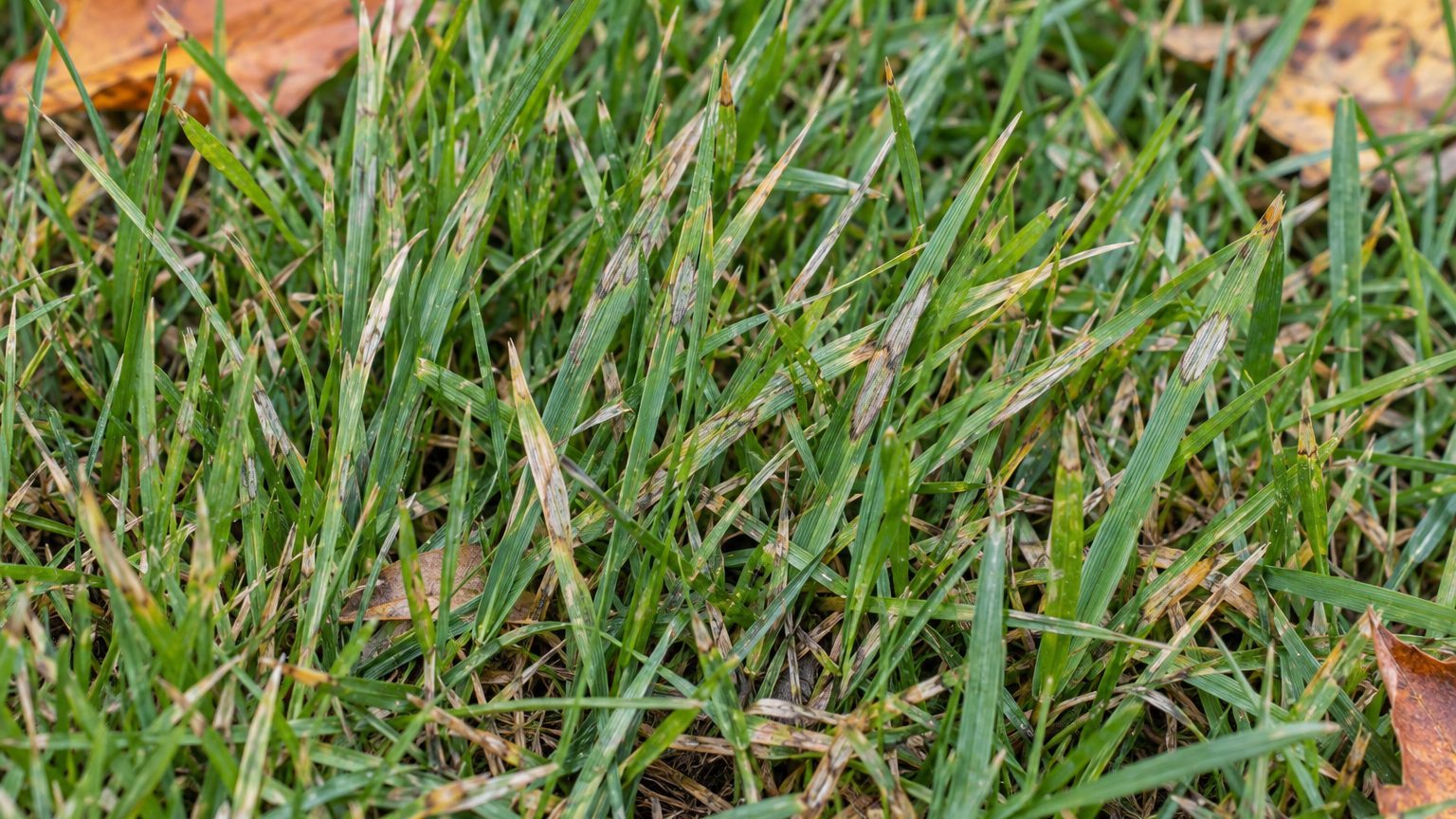
Look closely at the leaf tips, because that is where the disease gives itself away.
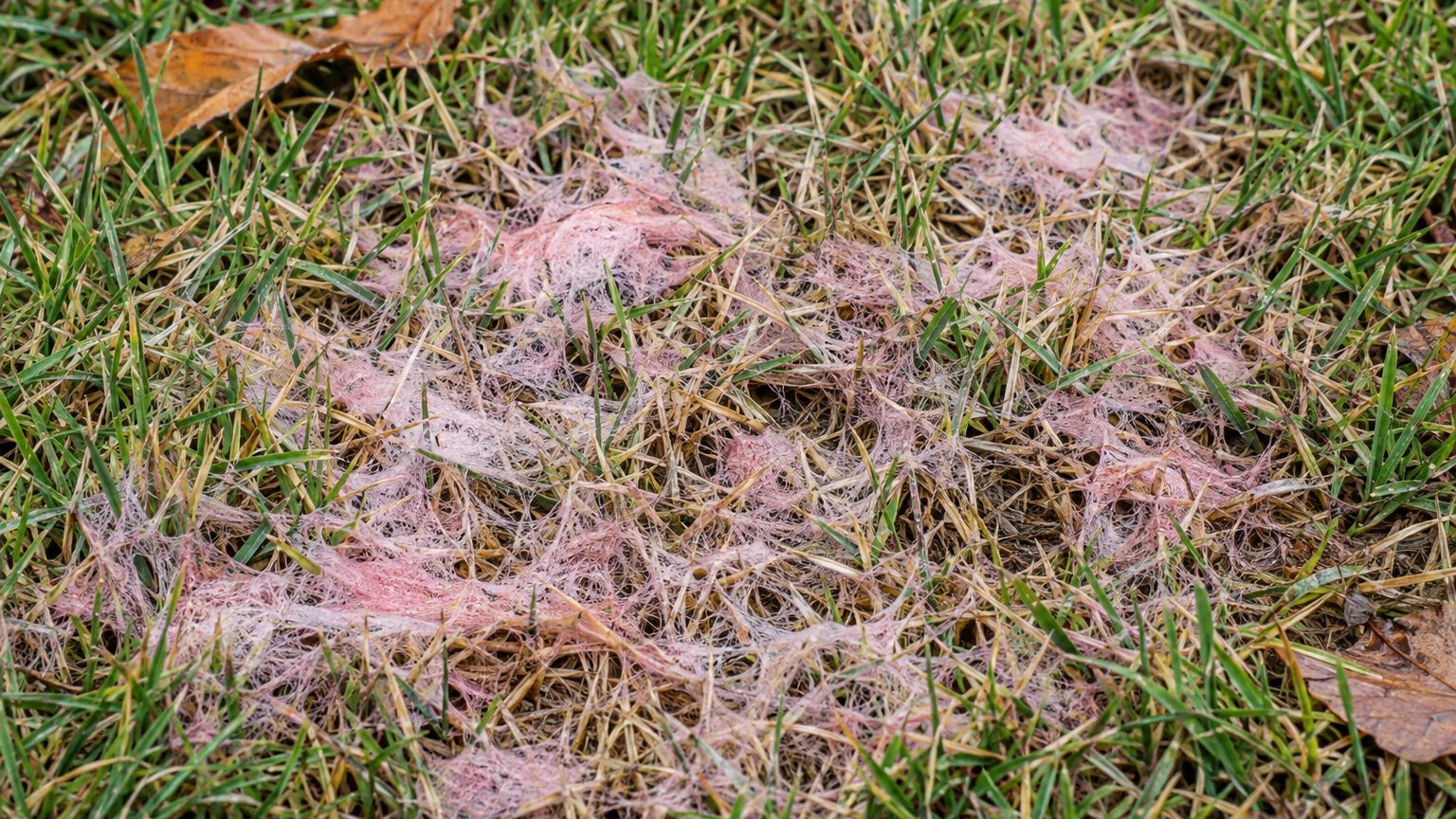
- Bright red, thread-like strands stick out from the tips of affected leaves, each 1/16 to 1/4 inch long.
- The strands are fungal growth, so they look like fine needles or antlers rather than a stain on the blade.
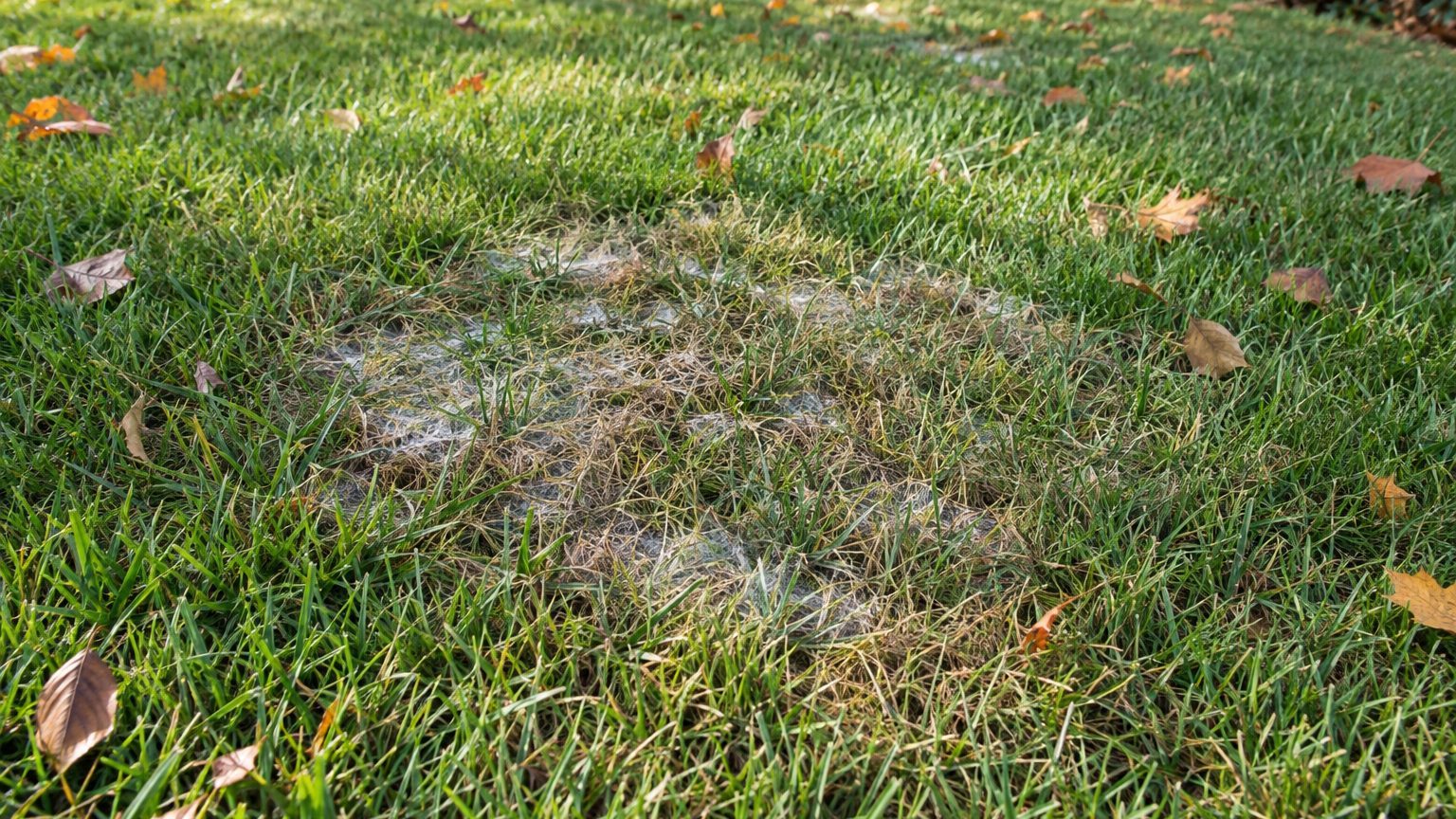
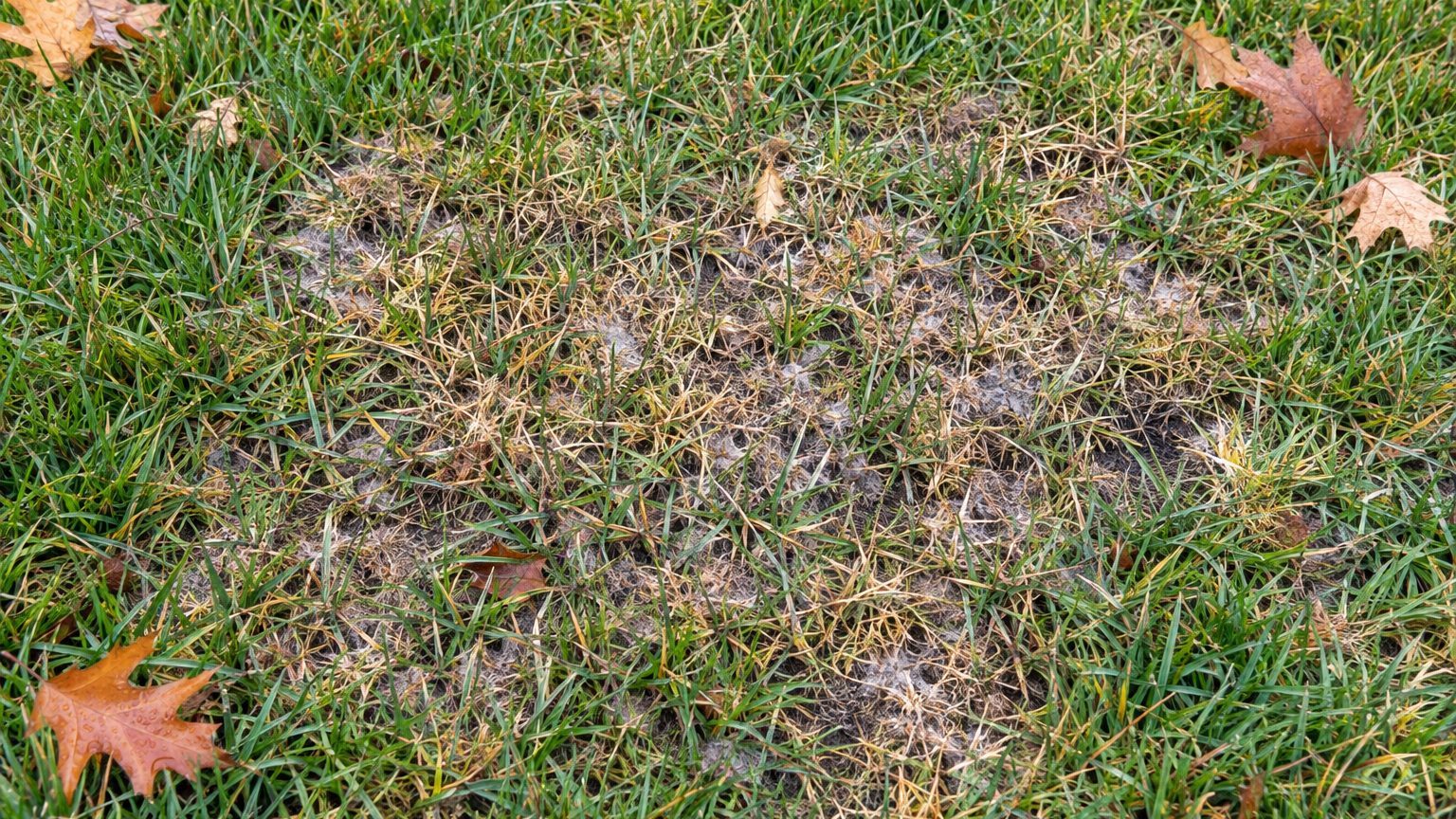
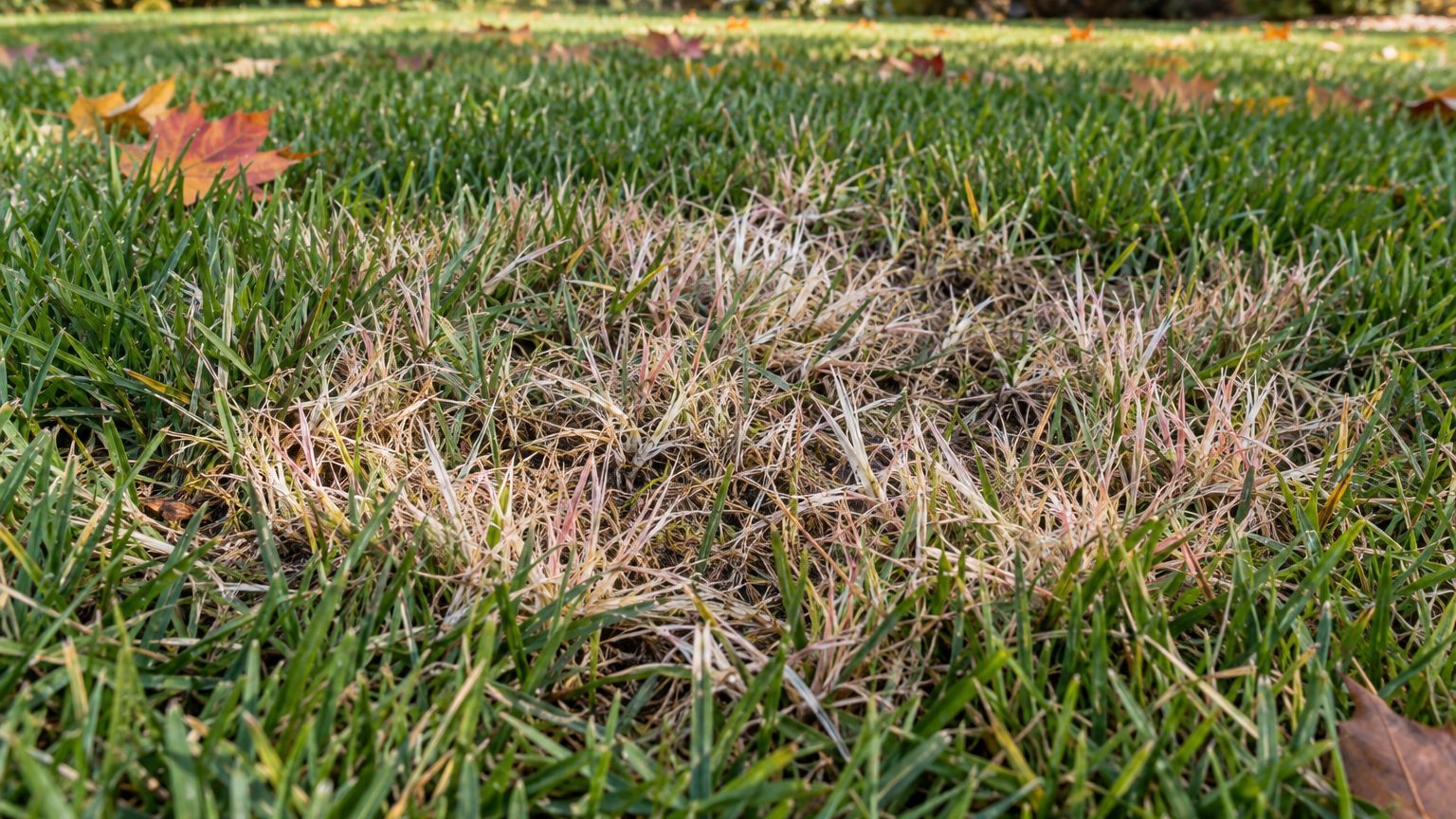
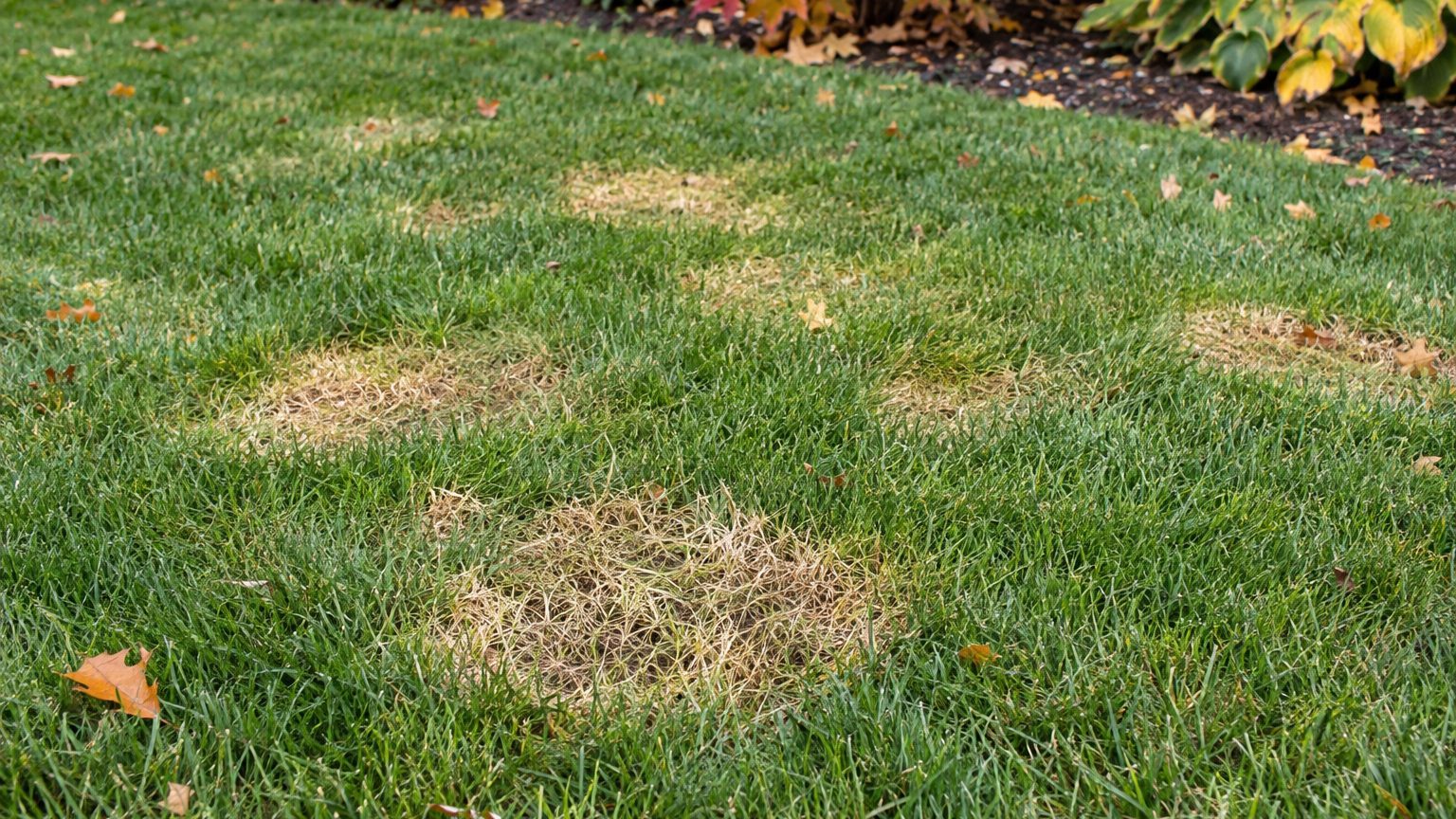
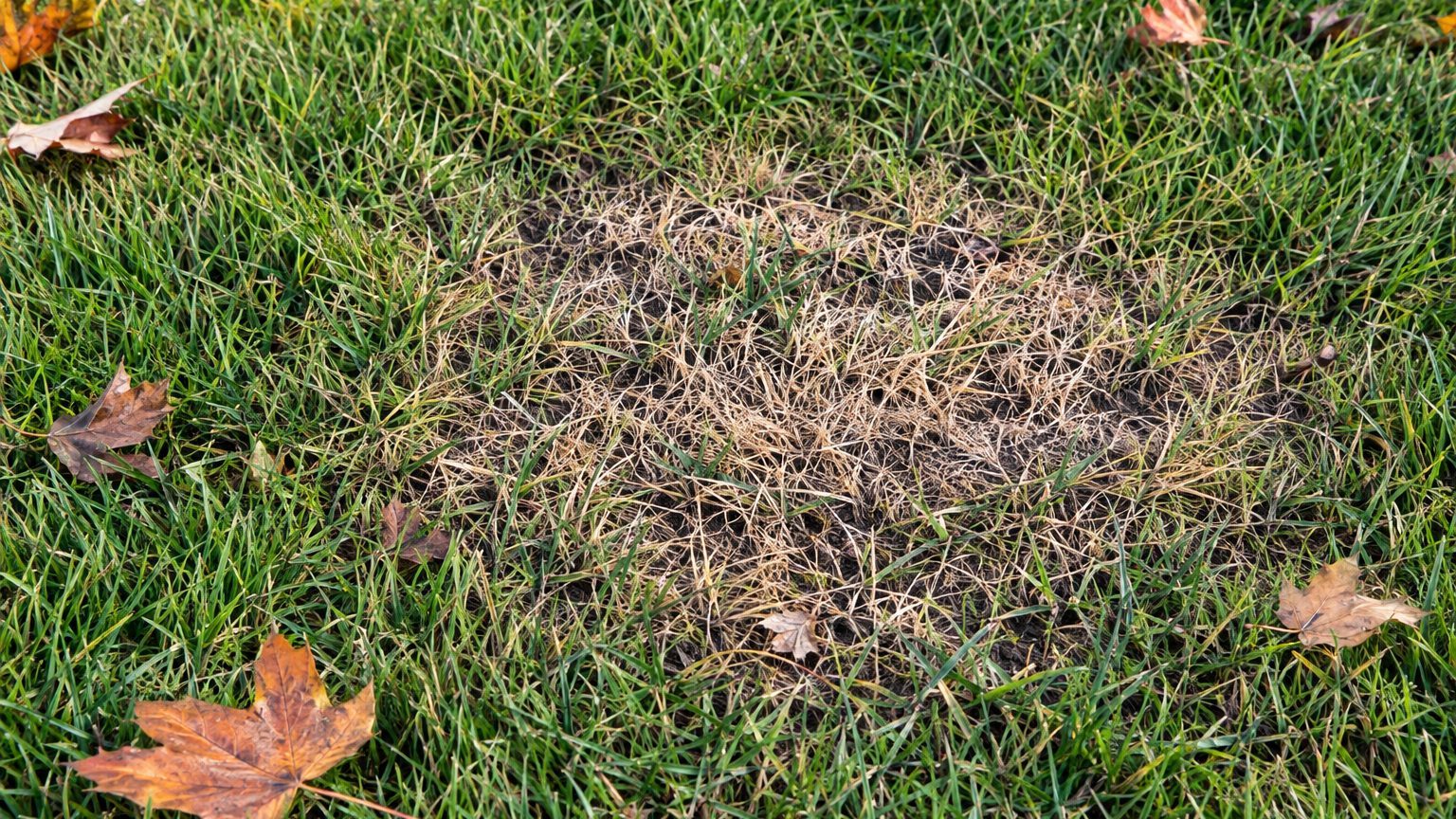
- The lawn shows spots, circles or patches, often 4 to 12 inches across at first.
- Patches can be circular or irregular, and some grow to 2 feet in diameter.
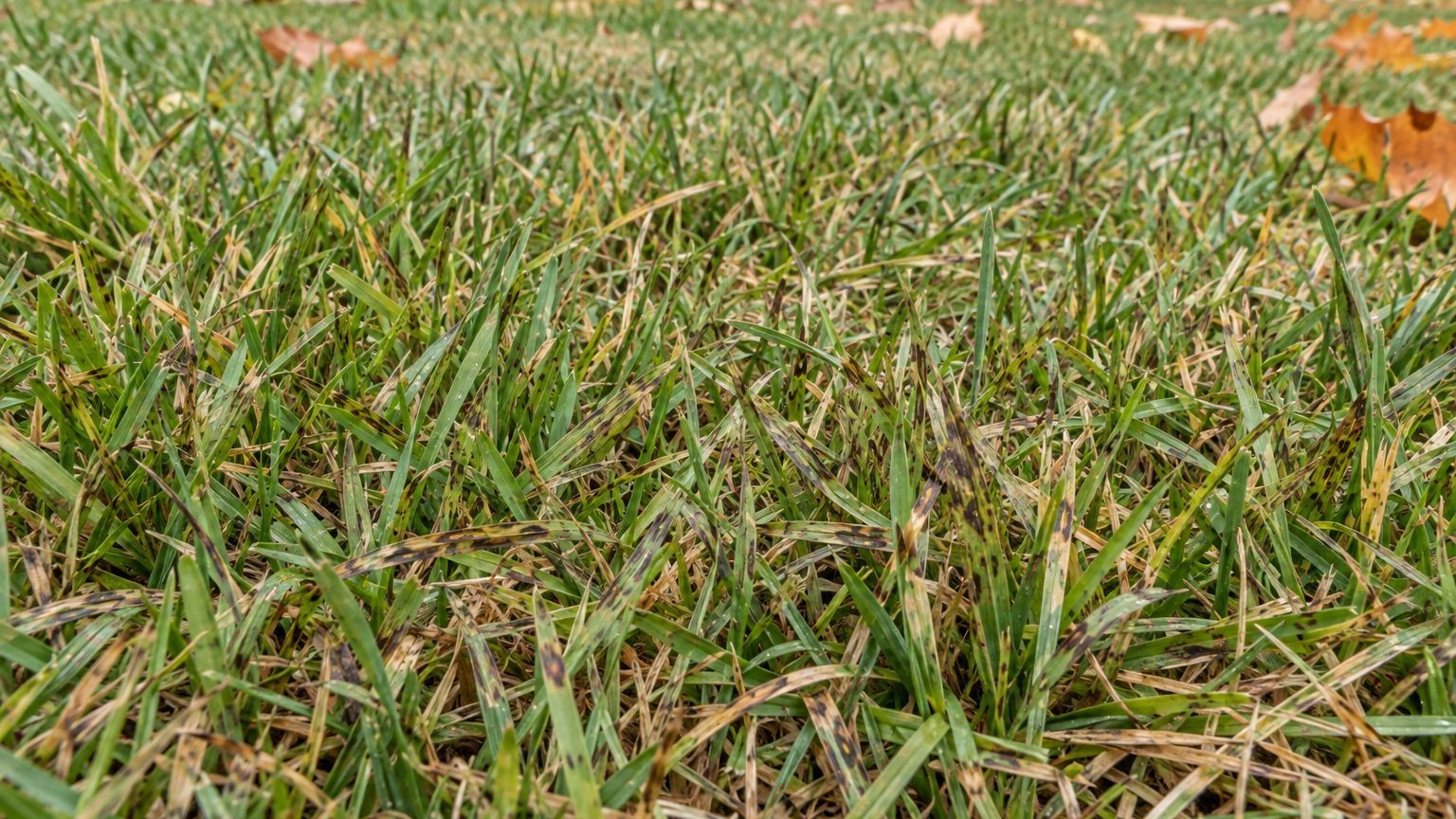
- From a distance, the turf looks bleached or tan with a pink-red cast, as if scorched.
Look closely at the leaf tips for bright red, thread-like strands.
Lawn Problems Mistaken for Red Thread
Two other lawn diseases pass for red thread from standing height. Both leave straw-colored patches, so the leaf tips and the lawn’s recent weather history matter more than patch color.
Pink patch is a close relative in symptoms, and it often shows up in the same patches as red thread, so you may be looking at both at once.
| Looks like | How to tell them apart |
|---|---|
| Pink patch | Pink patch has similar symptoms and often occurs alongside red thread. It often grows alongside red thread. |
| Dollar spot | Small tan spots that run together in the lawn, but the leaf tips carry no bright red strands. Red thread shows those strands on damp blades. |
When the strands are present, red thread is in the mix, whatever else is going on. When they are missing, think pink patch or dollar spot before reaching for any treatment.
What Causes Red Thread
A fungus causes it, and it takes hold when cool, wet weather meets hungry turf. According to NC State Extension, the fungus can cause disease anywhere from 40 to 80°F and develops most rapidly at approximately 70°F. In Pennsylvania, it tends to appear at 65° to 75°F during long rainy or humid spells in late spring and early summer.
Season matters by region. In North Carolina, symptoms show up from March to June and again from September to December, so both spring and fall are fair game. Illinois sees patches during prolonged warm, very humid weather at 65-75 F.
Grass type and feeding decide how badly a lawn is hit. Perennial ryegrass, fine fescue and Kentucky bluegrass are the usual hosts, especially when they do not get enough nitrogen fertilizer. Tall fescue is a host too, though it is less susceptible, as are hard fescue, sheep fescue, bermudagrass and zoysiagrass. Fine-leaved fescue and perennial ryegrass are very susceptible.
How to Treat Red Thread
Most lawns recover with a change in care, so start with the gentlest steps and add anything stronger only if the patches keep spreading.
- Confirm the diagnosis by checking leaf tips for red strands on damp grass, so you do not treat dollar spot or pink patch by mistake.
- If the lawn is underfed, correct the nitrogen deficiency according to local guidance.
- In North Carolina, irrigate between midnight and 6 AM to prevent prolonged leaf wetness.
- In North Carolina, never irrigate in the late afternoon or early evening.
- Mow regularly with a sharp blade.
- Call your state extension office if the disease keeps returning, to learn whether a fungicide is approved in your state and when to use it.
In Illinois, where necessary, fungicide applications made at 7- to 21-day intervals during moist spring and fall weather are effective, but the label and local rules come first.
How to Prevent Red Thread
Prevention should follow the seasons when red thread is active in your region.
- Where the lawn is underfed, correct the nitrogen deficiency according to local guidance.
- In North Carolina, irrigate between midnight and 6 AM to prevent prolonged leaf wetness.
- Keep the grass upright and airy, and do not leave wet clippings in clumps.
- Perennial ryegrass and fine fescue are especially susceptible, so watch them closely when favorable weather returns.
- In North Carolina, never irrigate in the late afternoon or early evening.
When reseeding or renovating, choosing tall fescue, hard fescue or zoysiagrass over perennial ryegrass and fine fescue cuts the odds of a repeat outbreak.
Common Questions
Does Red Thread Kill Grass?
Rarely. It thins and bleaches leaves, but the crowns and roots usually survive, and the lawn fills back in once growth picks up with feeding and drier weather.
Can Red Thread Come Back Every Year?
Yes, especially on ryegrass, fine fescue or bluegrass lawns that go hungry. Red thread can return when susceptible grass is underfed and favorable weather returns.
Which Grasses Resist Red Thread Best?
Bermudagrass, sheep fescue, tall fescue, hard fescue and zoysiagrass are less susceptible than perennial ryegrass or fine-leaved fescue. Pick from that group when you overseed a patchy lawn, and match the grass to your climate.